When the Pilgrims landed in Plymouth, they had already broken from a church and government that denied them freedom to worship as they chose. Though technically loyal to the crown, that rebellious streak became endemic to a people building a New World from the forests and fields of the American Continent.
Boston was the first hotbed of resistance as the British sought to extract riches from merchants, farmers, and landowners while oppressing their rights. Everything exploded when an angry citizenry attacked Lieutenant Governor Thomas Hutchinson’s home following the Stamp Act’s passage in 1765. British retaliation came through quartering two regiments of soldiers in town, which soon escalated into the Boston Massacre and Boston Tea Party. At the head of this festering rage was Sam Adams, with John Hancock, James Otis, and Joseph Warren pressing the issue through more politic means. It’s no surprise that the final flashpoint came in two small villages west of Boston—Lexington and Concord, 11 and 20 miles away—when the British came to arrest Adams and Hancock, who were in hiding. Paul Revere and William Dawes rode to warn the towns and militia of the approaching Redcoats, preventing the capture of two key revolutionaries. To the shock of British troops and leadership, it was the British who took flight. Boston was also the scene of the first and bloodiest early battle of the war, fought on Bunker Hill.
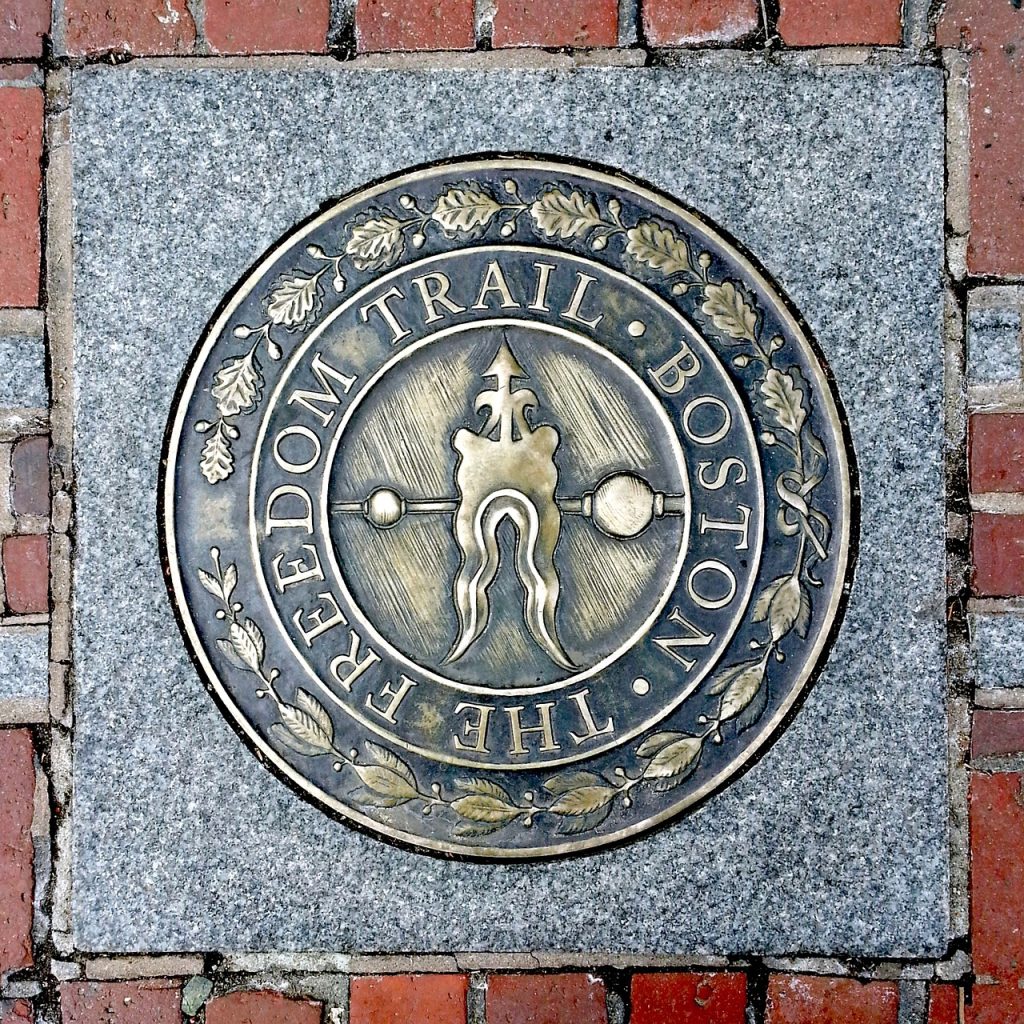
Boston, always proud of its heritage, has retained many of the edifices from its storied history. The best way to explore historic Boston is to walk The Freedom Trail. Marked by red bricks, you will see:
- Boston Common, established in 1634, as America’s oldest park.
- Massachusetts State House, seat of the government since 1798. It sits on the site of John Hancock’s original mansion.
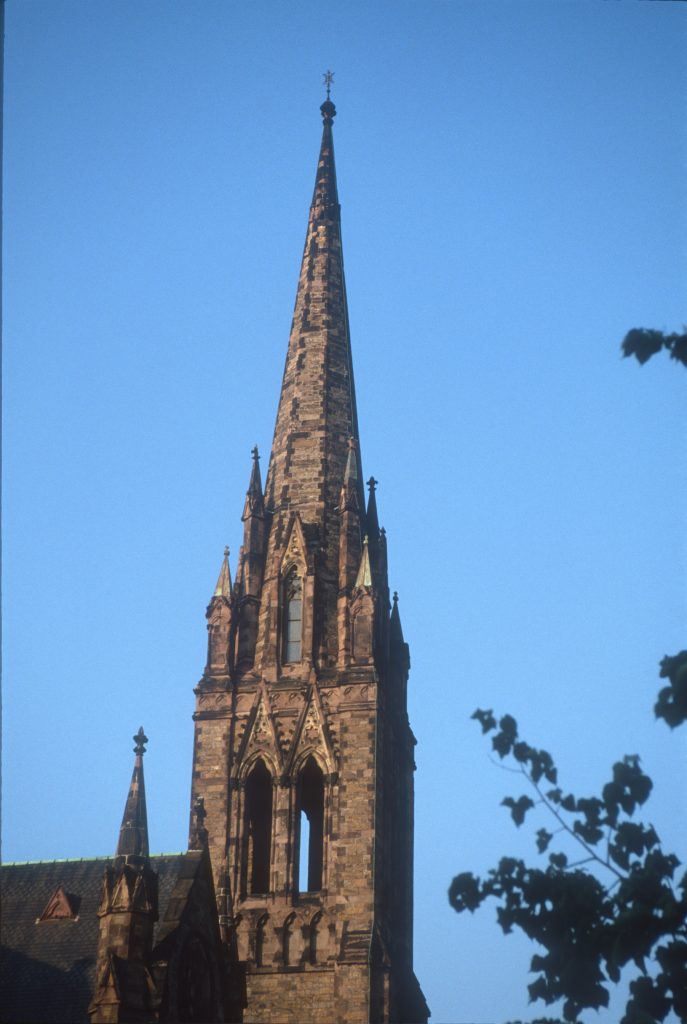
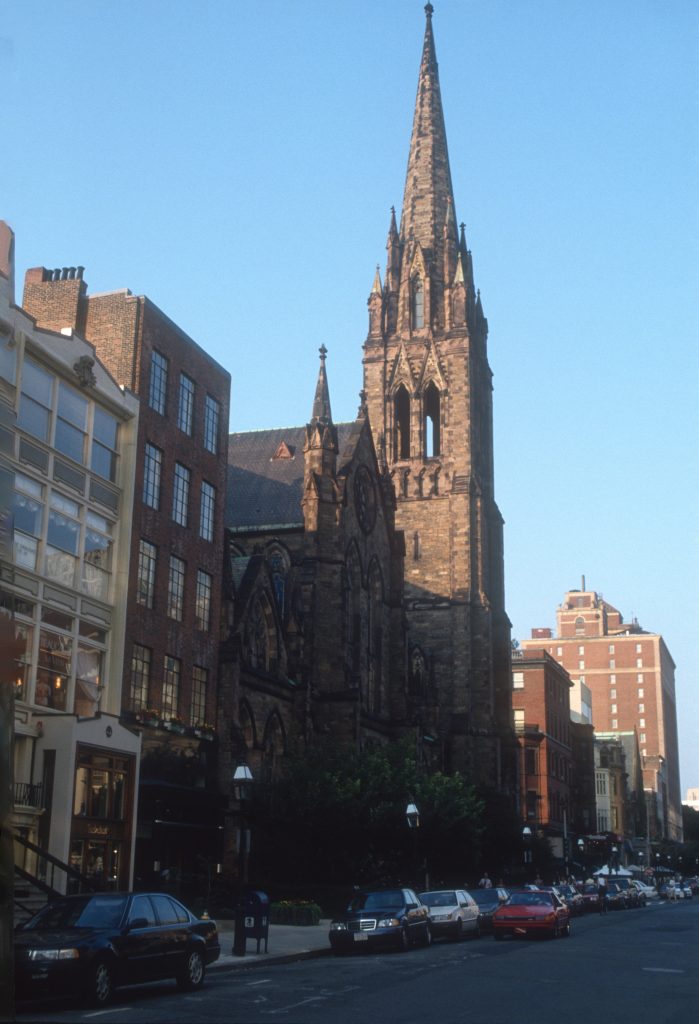
- The Park Street Church opened in 1809 , the first steeple travelers saw when approaching Boston.
- The Granary Burying Ground where Bostonians have been peacefully resting for 350+ years—there’s 2,300 grave markers to prove it!
- King’s Chapel founded in 1686 as Boston’s’ first Anglican Church housed in a granite building dating from 1754
- The Old Corner Bookstore, Boston’s oldest commercial building erected in 1718, and once home to publishing giant Ticknor and Fields, producer of many venerable American titles including Thoreau’s Walden, Hawthorne’s
- The Scarlet Letter, Longfellow’s Midnight Ride of Paul Revere, and the Atlantic Monthly including Ward Howe’s Battle Hymn of the Republic.
- Old South Meeting Hall where the Team Party began!
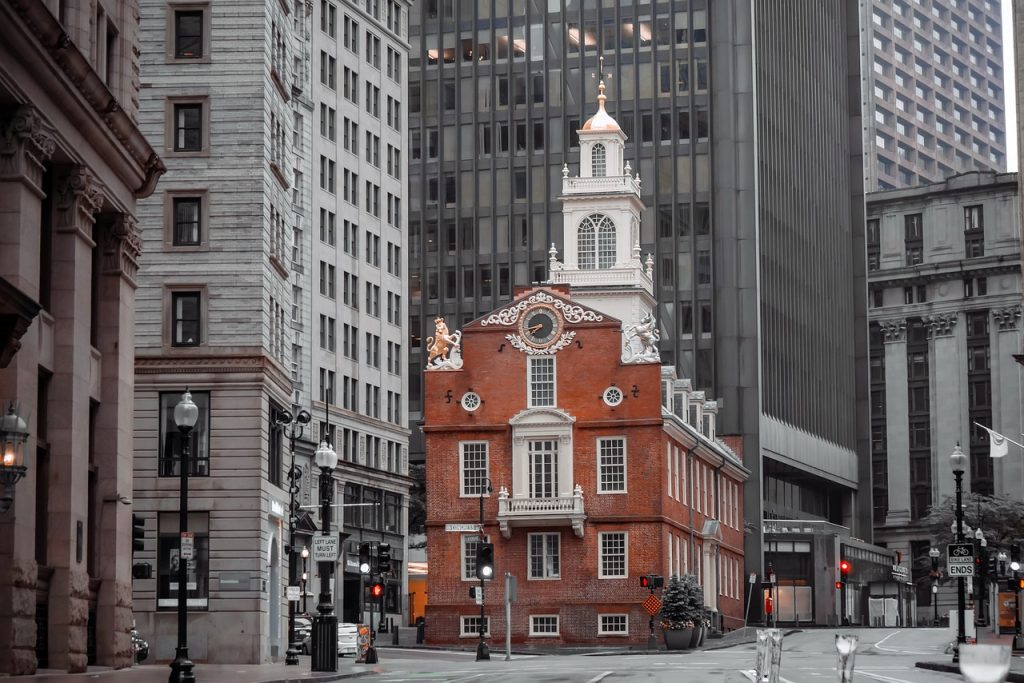
- The Old State House—oldest surviving public house in Boston (1713).
- The Boston Massacre Site.
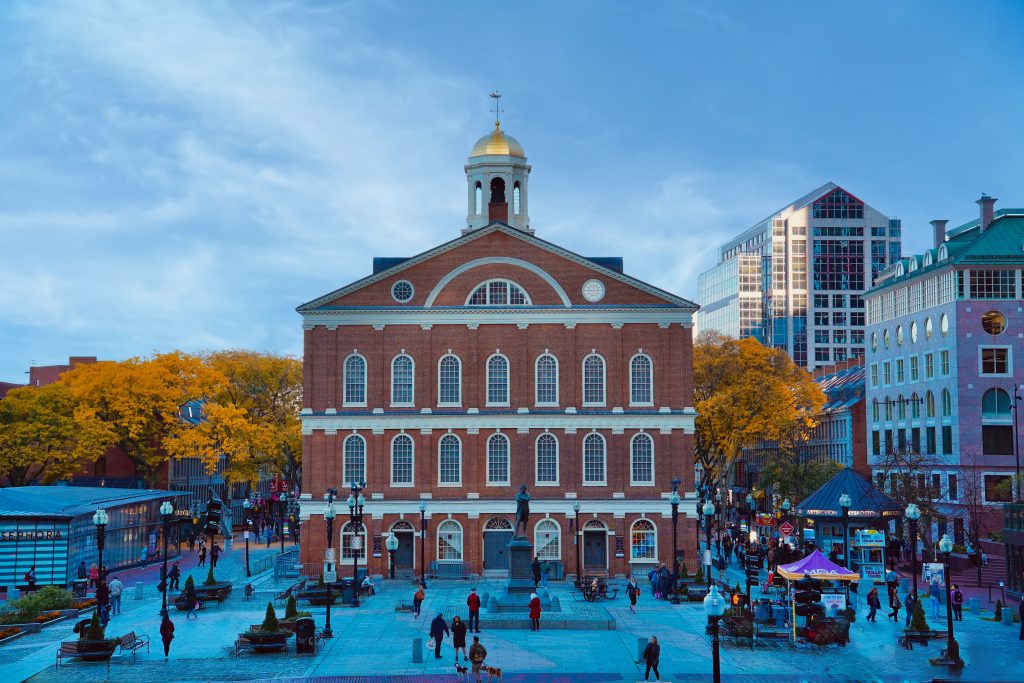
- Fanuel Hall, the site of America’s first Town Meeting and the birthplace of free speech.
- Paul Revere’s House from 1770-1800, oldest remaining structure in downtown Boston.
- Old North Church from which Revere signaled “One if By Land, Two if By Sea.”
- And the Bunker Hill Monument.
Where to Stay in Boston, United States
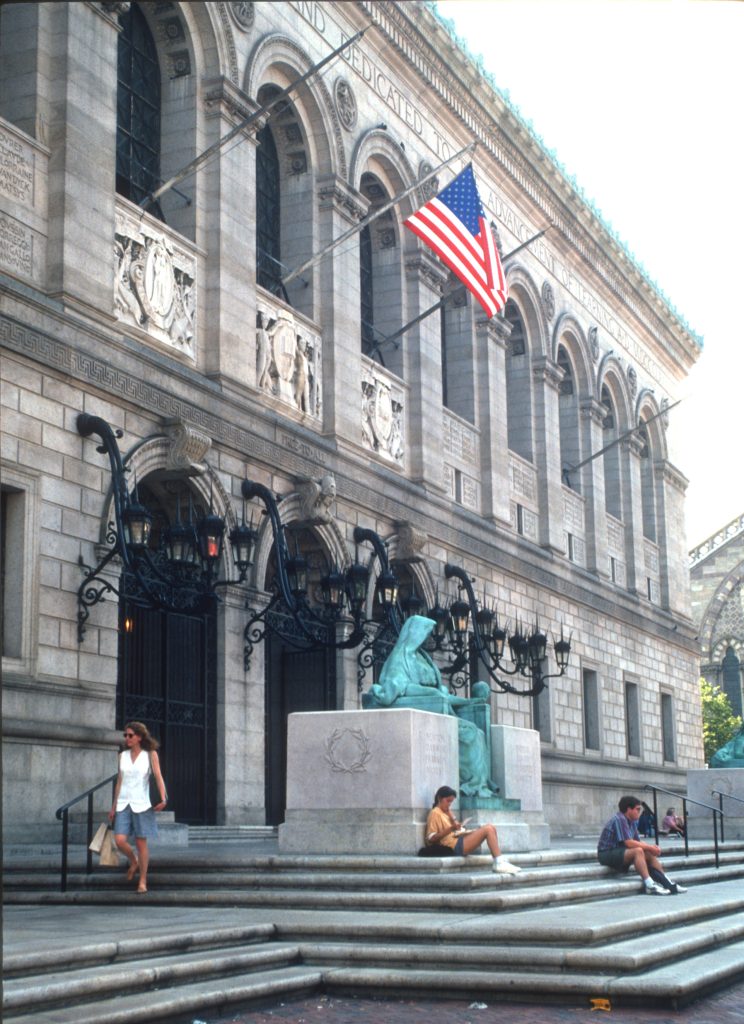
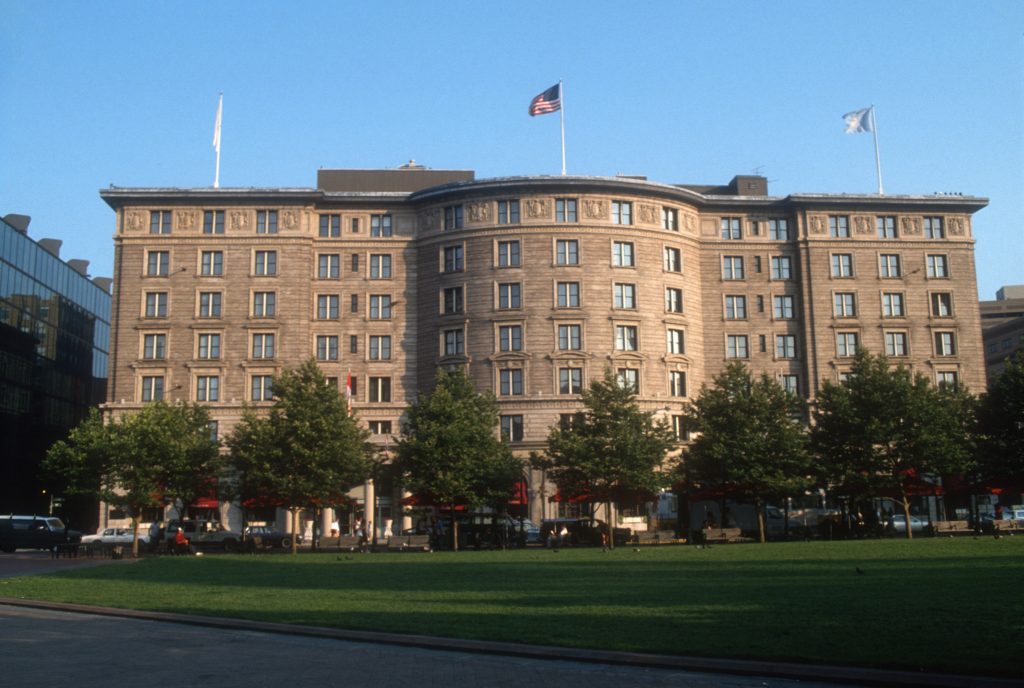
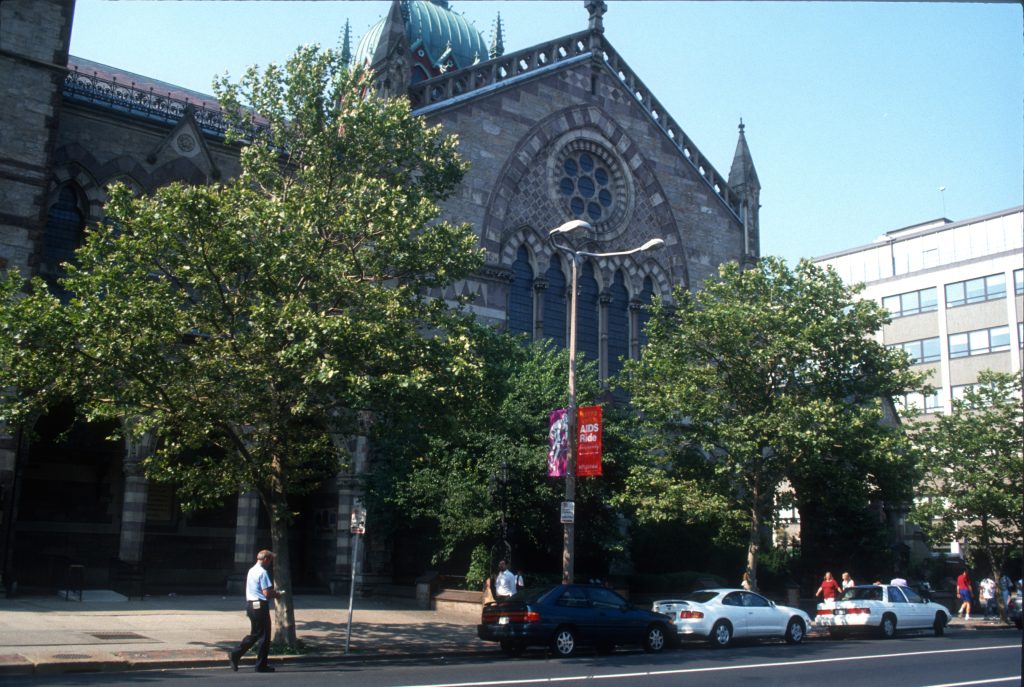
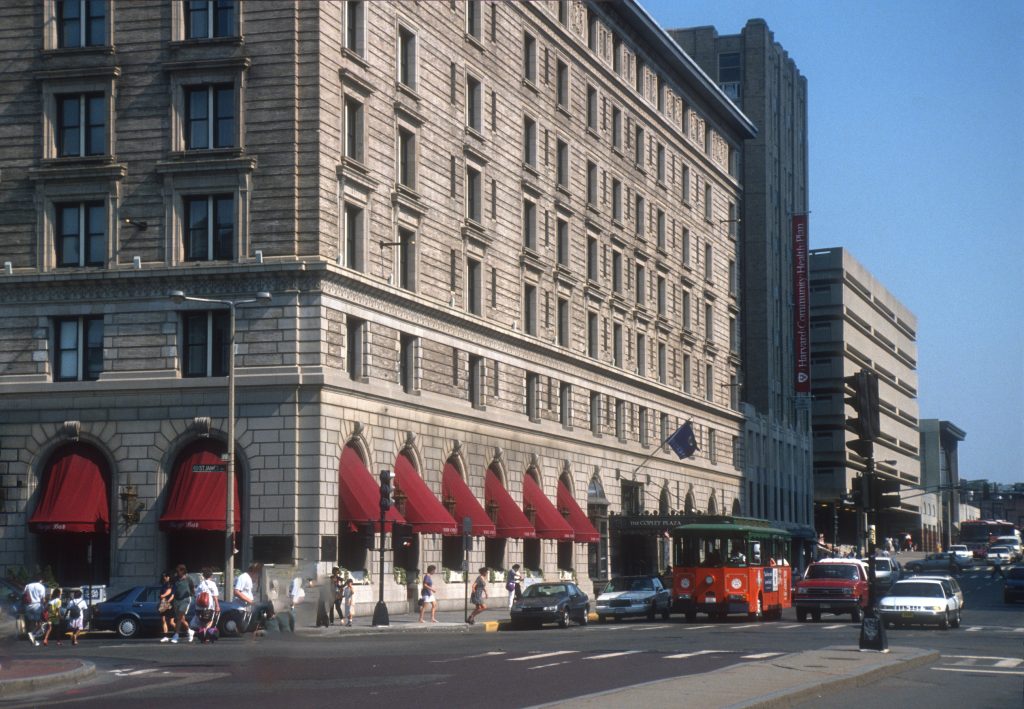
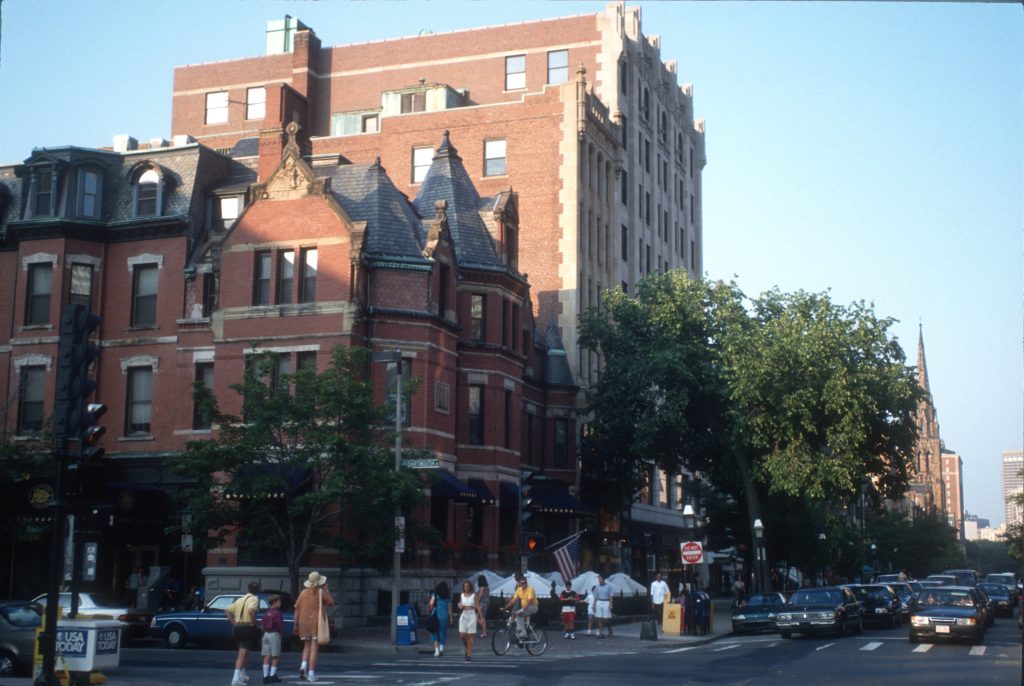
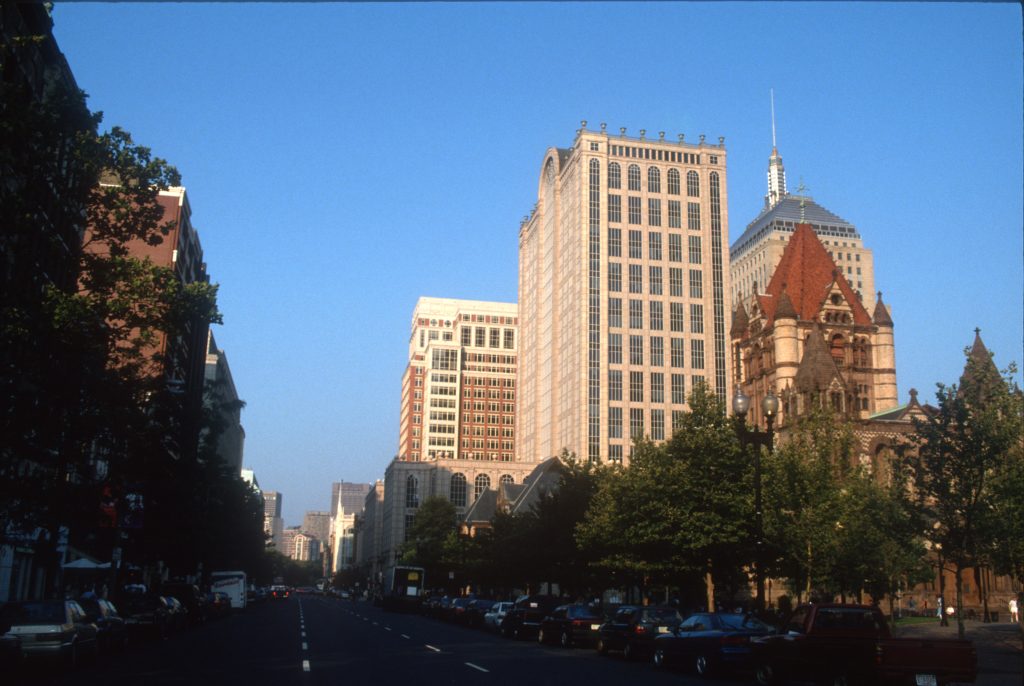
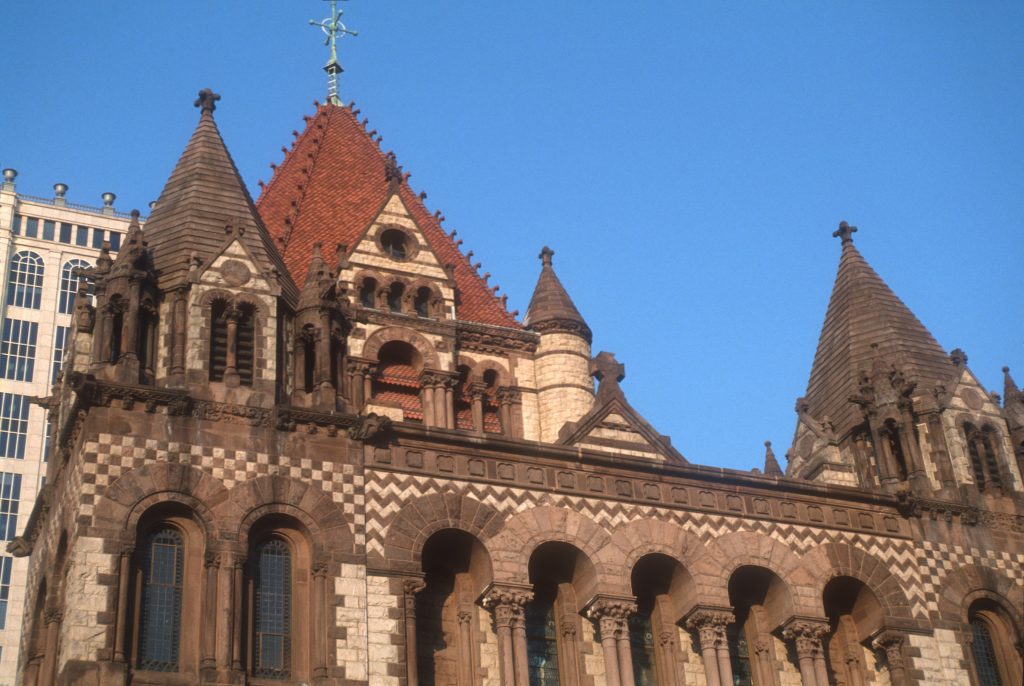
The Back Bay neighborhood offers comfortable mid-range and boutique hotels within walking distance of shops, restaurants, and cultural landmarks including the Boston Public Library and Copley Square. This area offers easy access to dining and museums via public transit, making it ideal for travelers seeking convenience. The South End nearby offers smaller inns and bed-and-breakfasts in converted brownstones, appealing to visitors seeking a more residential feel at lower prices.
Downtown Boston and the Financial District feature major hotel chains and business-class properties with competitive weekend rates. Staying here puts you steps from the Haymarket, the Waterfront, and the Freedom Trail’s start, making it ideal for history-focused travelers. The Public Garden and Boston Common are just a short walk away, with reliable public transportation connections throughout the city from this central location.
Cambridge, just across the Charles River, offers a quieter alternative with Harvard University, bookstores, and local restaurants nearby. Hotels here tend to be cheaper than downtown Boston and appeal to travelers who prefer a college-town atmosphere. The Red Line subway connects Cambridge directly to downtown Boston in about ten minutes, so staying slightly outside the city center doesn’t sacrifice convenience.
For budget-conscious visitors, hostels and smaller guesthouses cluster in Allston and Jamaica Plain, where you can experience residential Boston away from tourist crowds. These areas have their own local restaurants, shops, and transit access, making them ideal if you plan to spend most days exploring the historical sites downtown. Keep in mind that public transit becomes essential from these neighborhoods, and the T is both reliable and affordable.
Recommended Reading
Here’s some Boston reading for you.
- The Bastard by John Jakes – A gripping historical novel set on the eve of the American Revolution. The first in The Kent Family Chronicles, it follows a young man swept up in the birth of a nation, offering a fast-paced blend of history and drama.
- Bunker Hill by Howard Fast – A compelling fictional account of the famous battle that launched the American Revolution, capturing the tension, courage, and uncertainty faced by Boston’s early patriots.
- 1776 by David McCullough – A masterfully told non-fiction narrative that brings to life the pivotal year in America’s struggle for independence, centered around Boston and George Washington’s leadership.
- Paul Revere’s Ride by David Hackett Fischer – A rich and detailed account of the midnight ride and the larger events surrounding the battles of Lexington and Concord. Fischer combines biography with narrative history to offer fresh insight into Boston’s revolutionary moment.
- The Revolutionary: Samuel Adams by Stacy Schiff – A Pulitzer Prize-winning historian’s portrait of one of the most influential—and often overlooked—figures of the American Revolution. Schiff reveals how Adams helped turn Boston into the heart of rebellion.
- Insight Guides: New England – A visually rich and informative travel guide that covers Boston within the broader New England region. With historical context, local insights, and practical tips, it’s an excellent companion for exploring Boston and beyond.
Tours to Consider
- The Full Revolutionary Story Epic Small Group Boston Walking Tour
- Boston’s Best Freedom Trail Walking Tour
- Boston Hop-On Hop-Off Trolley Tour with 13 Stops