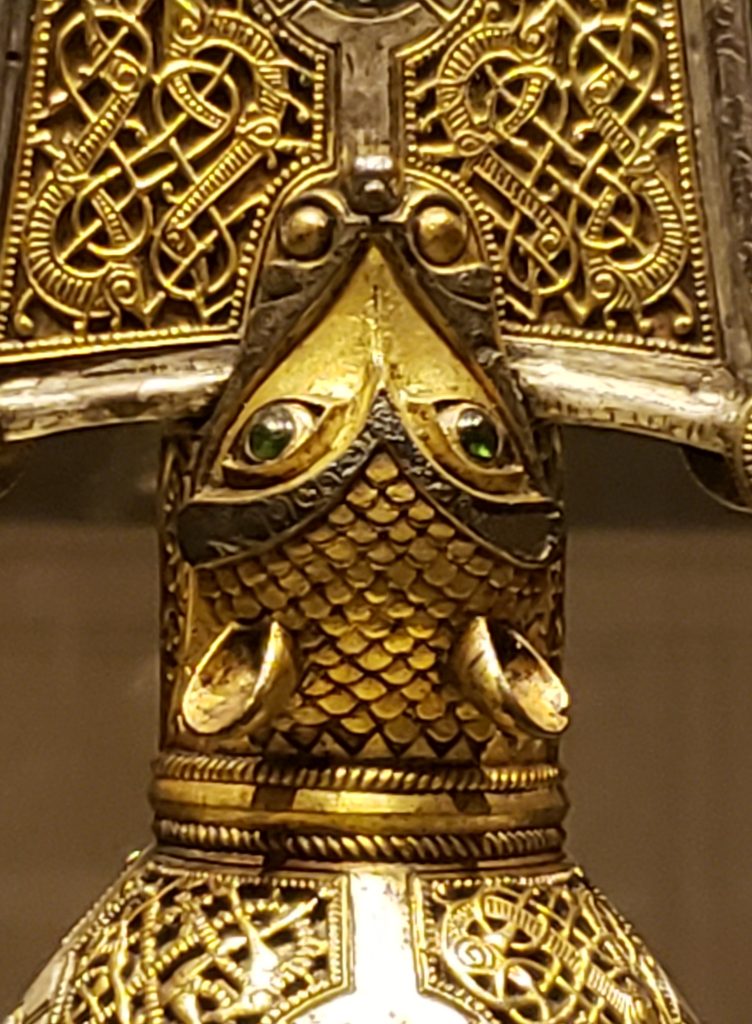
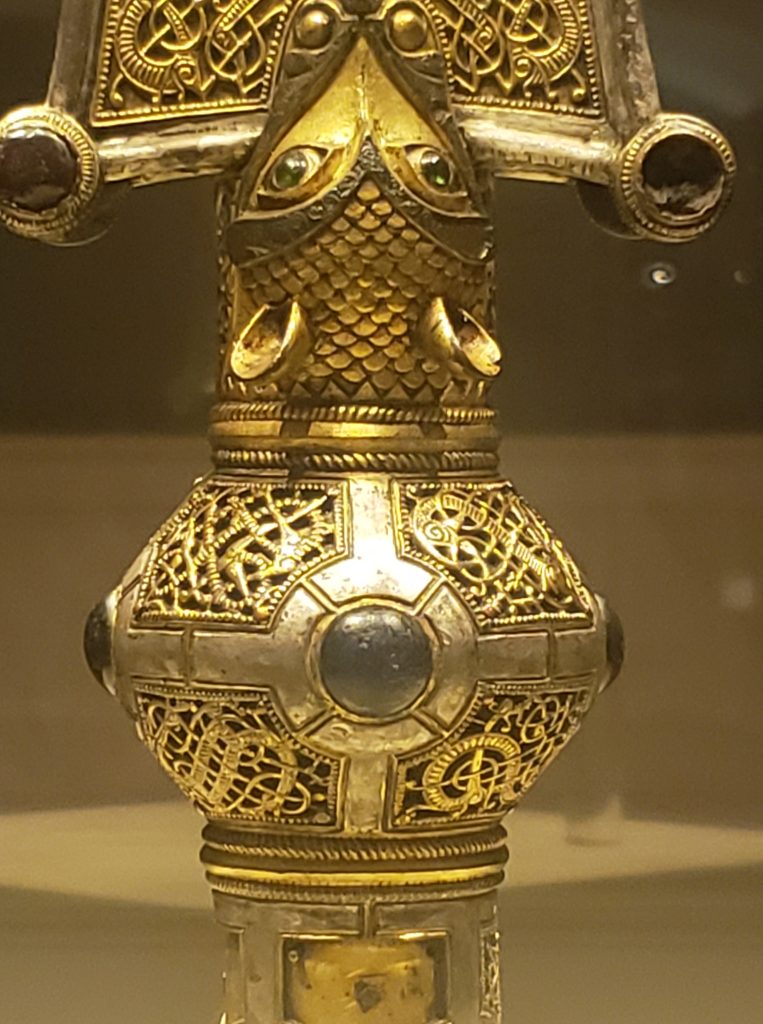
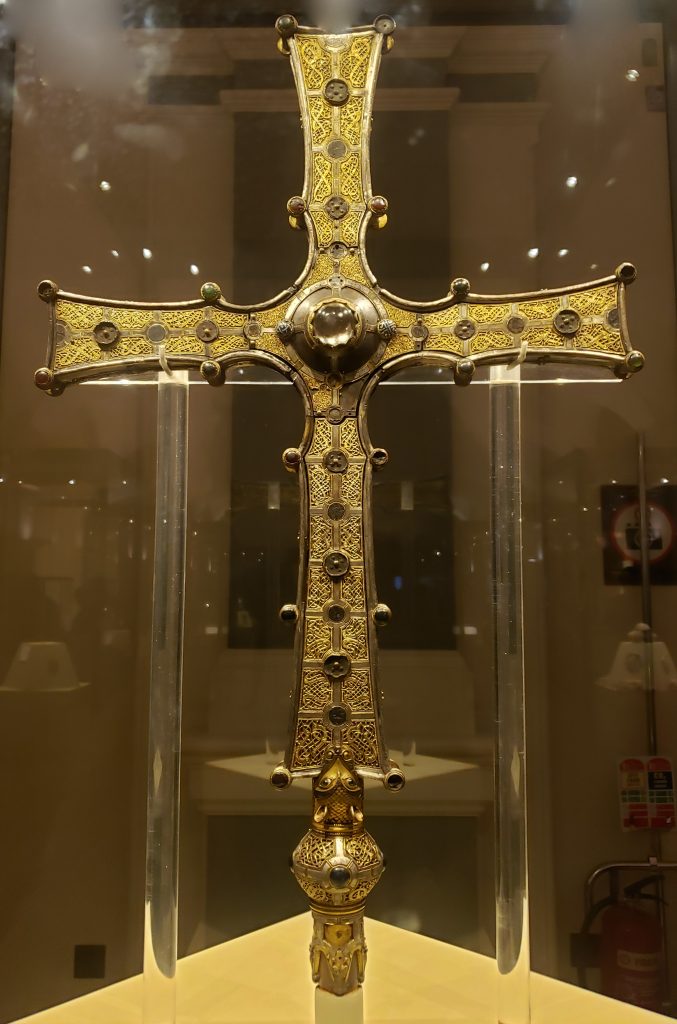
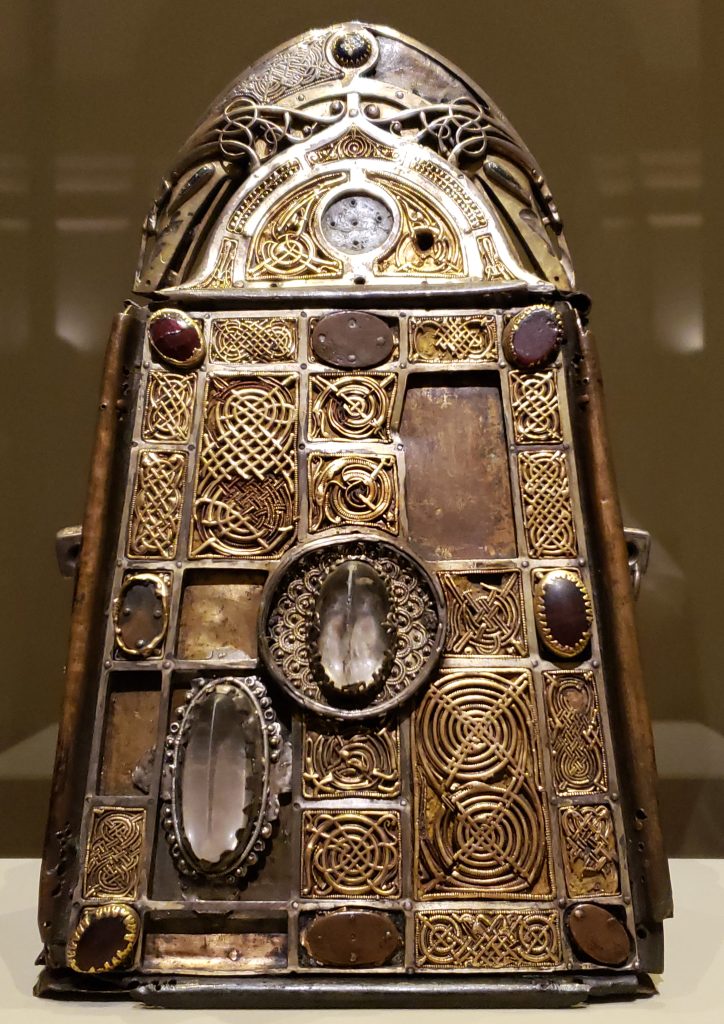
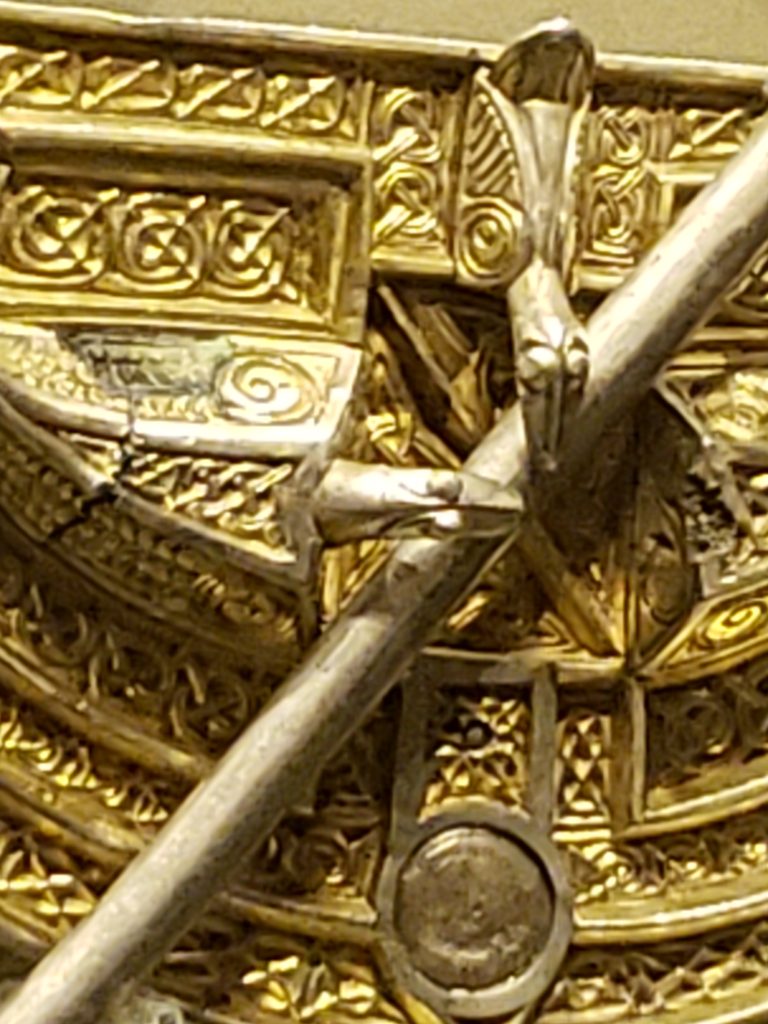
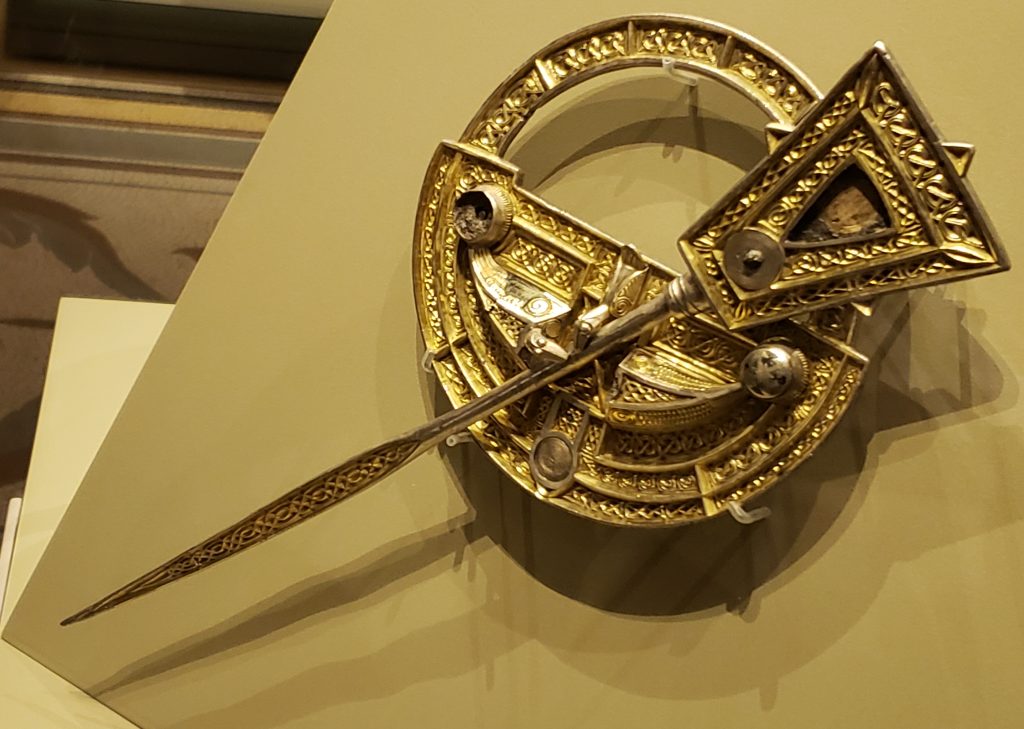
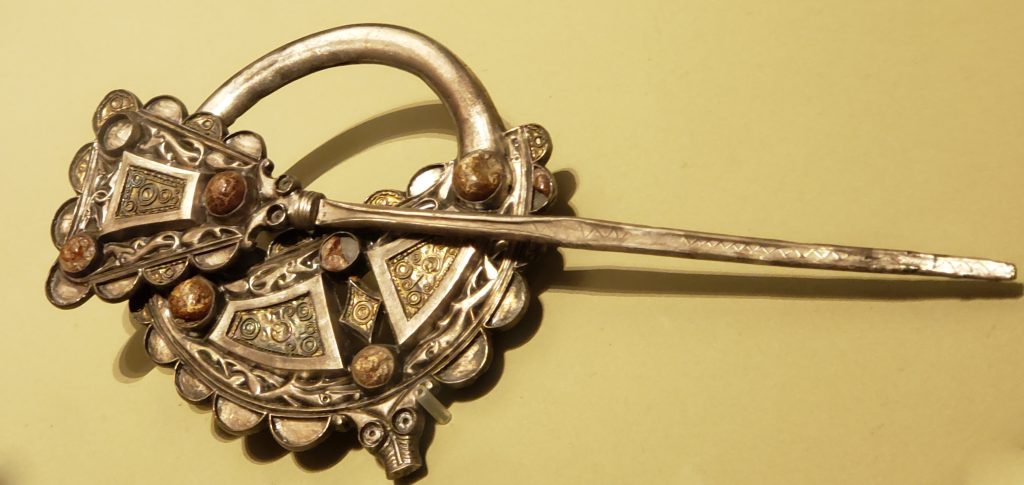
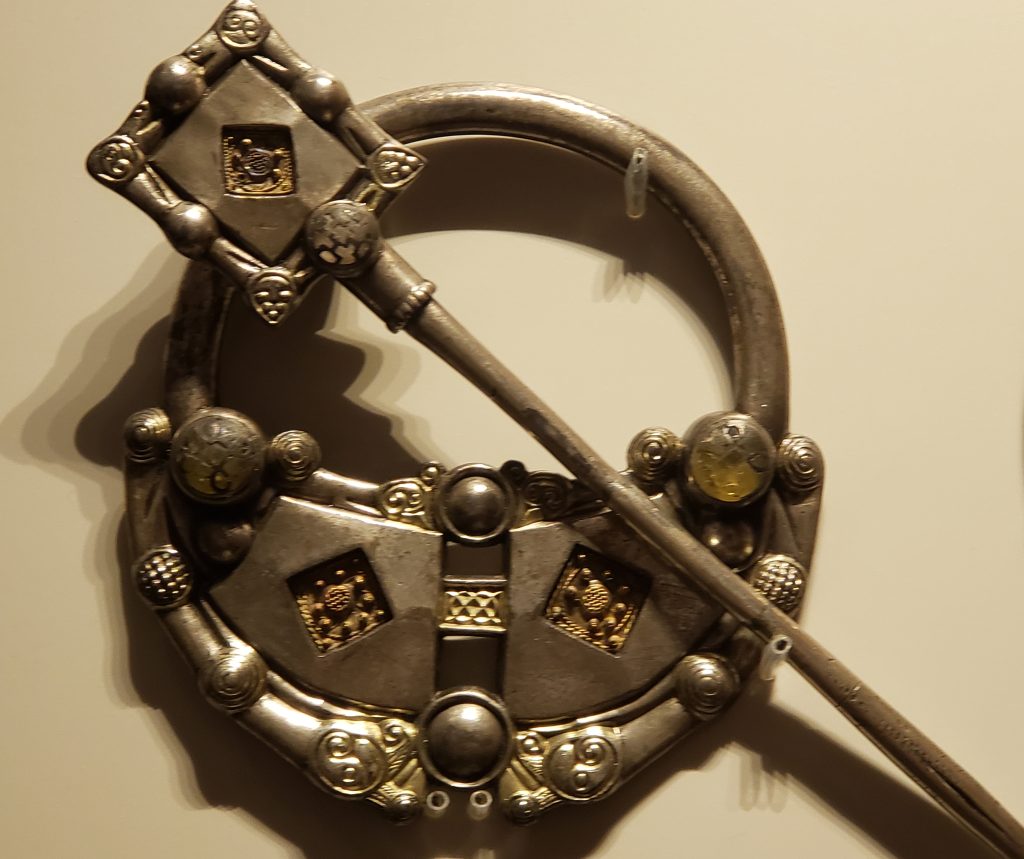
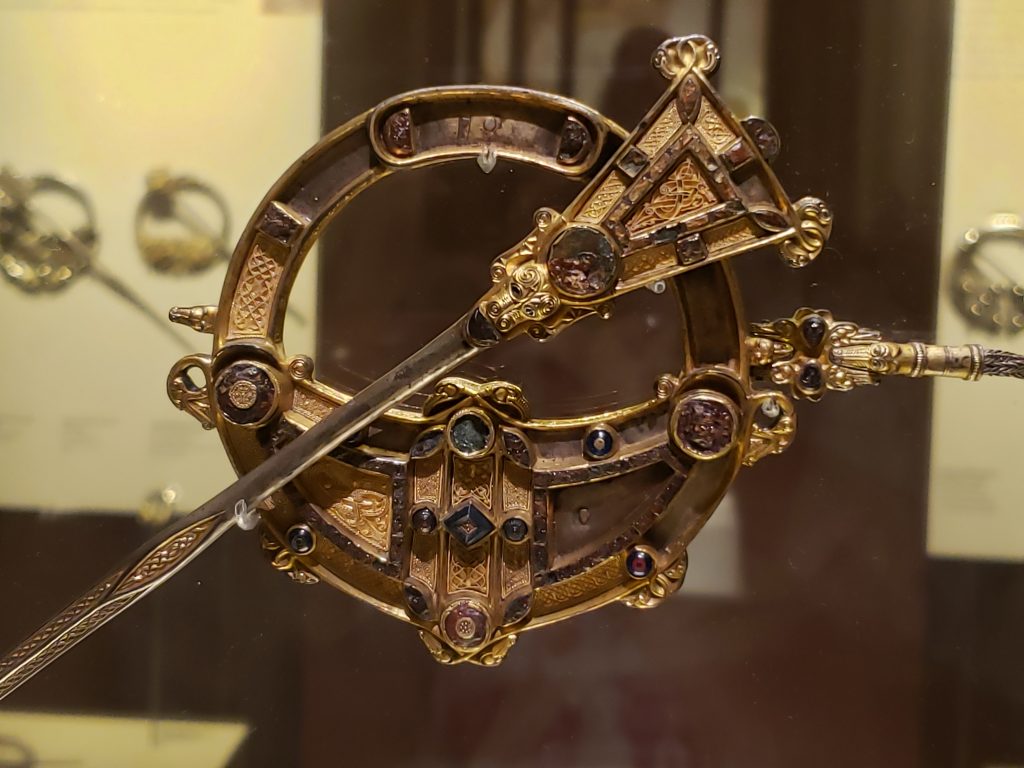
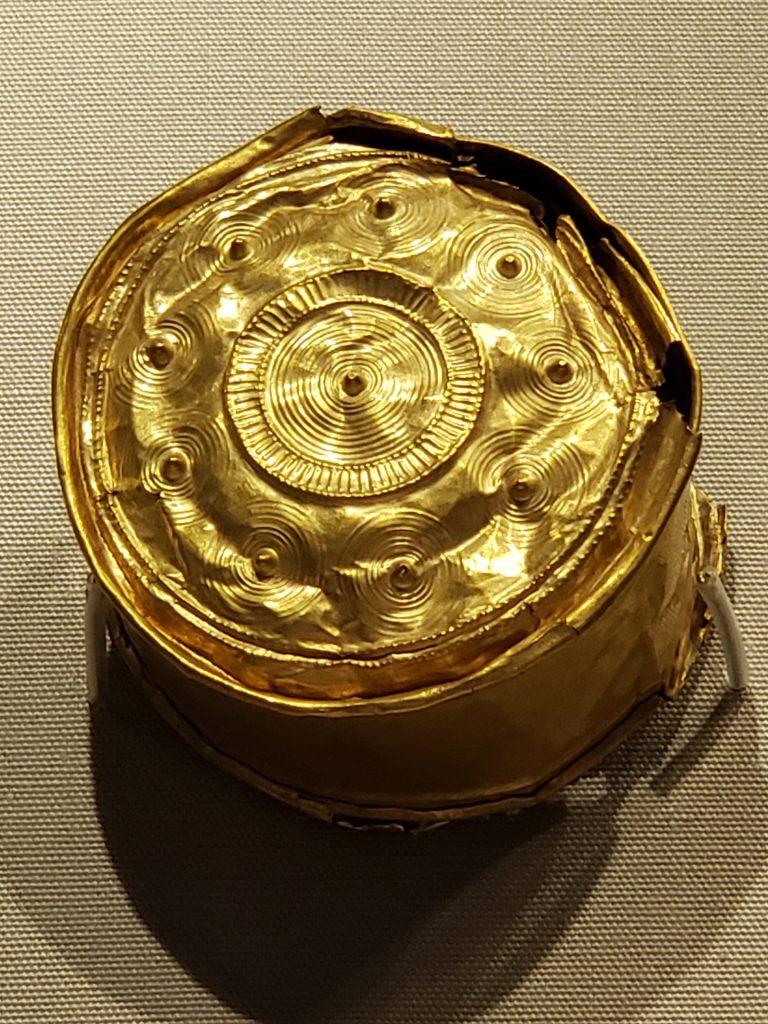
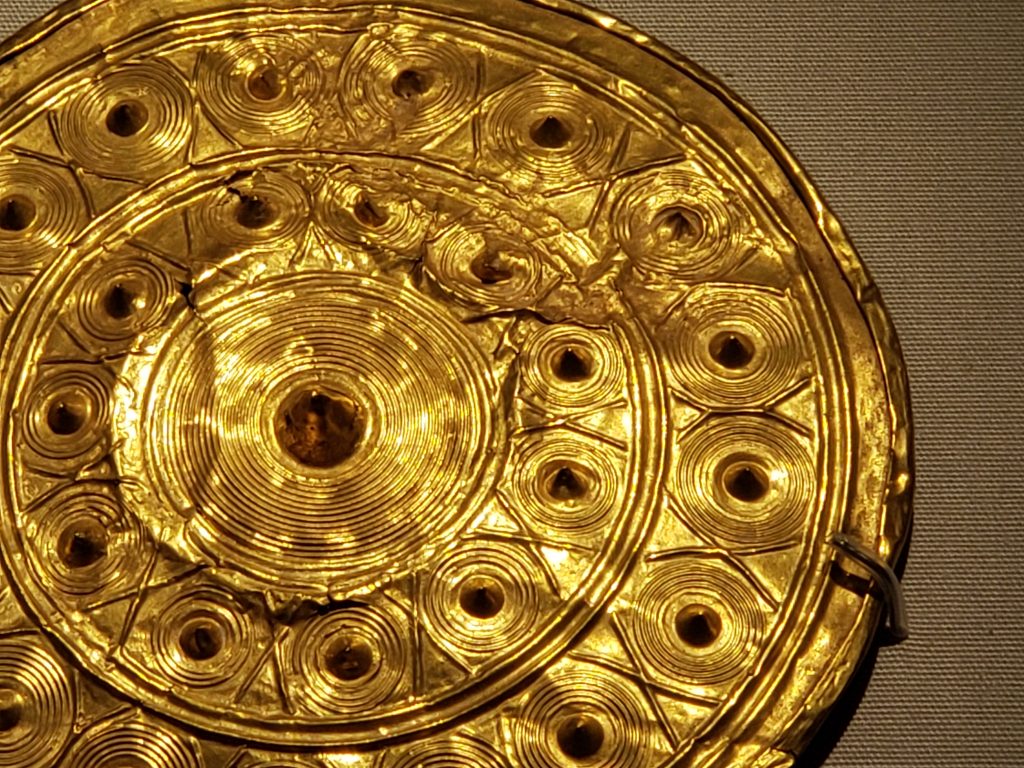
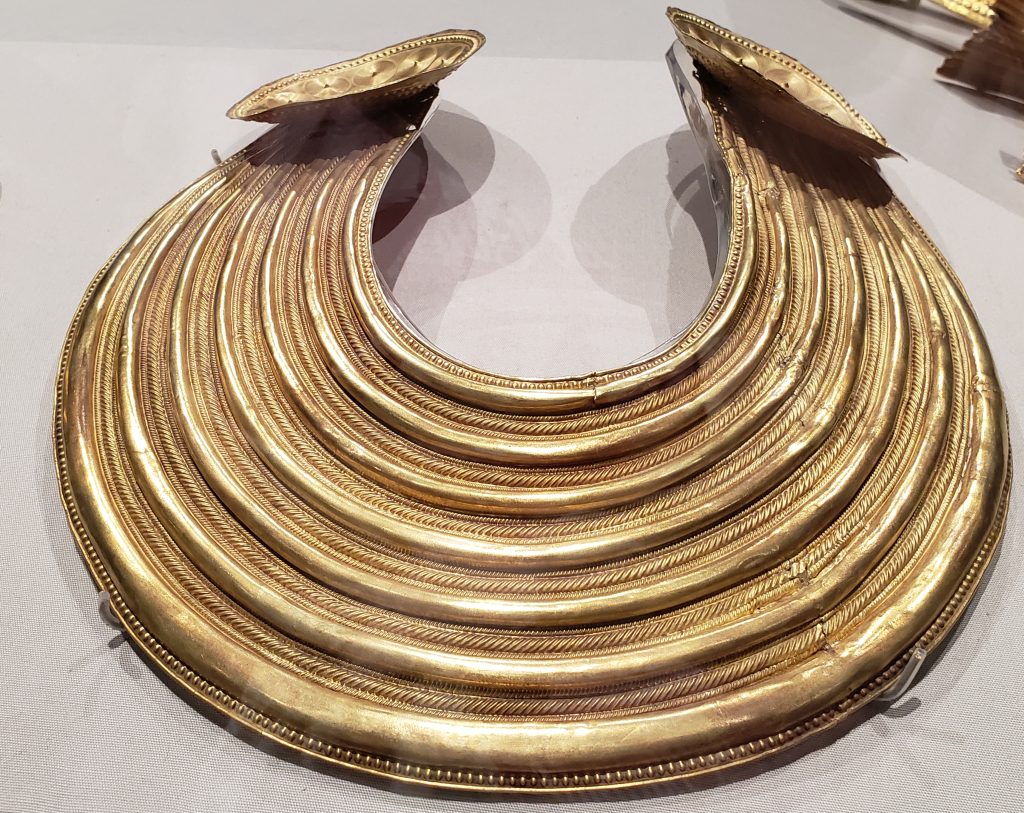
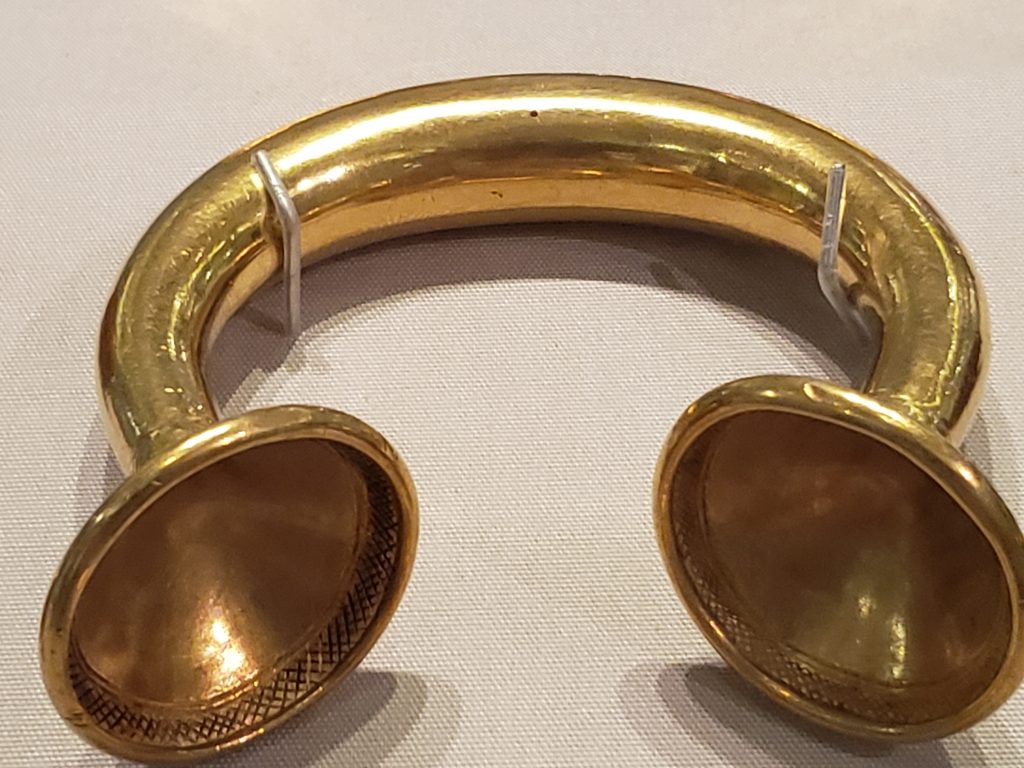
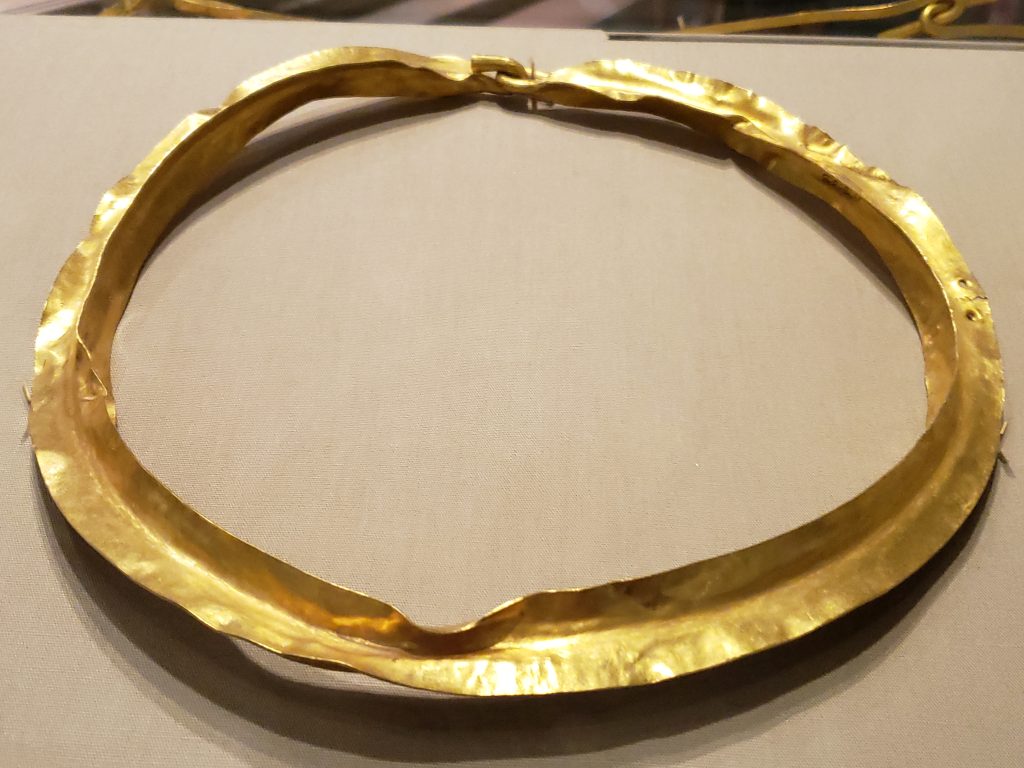
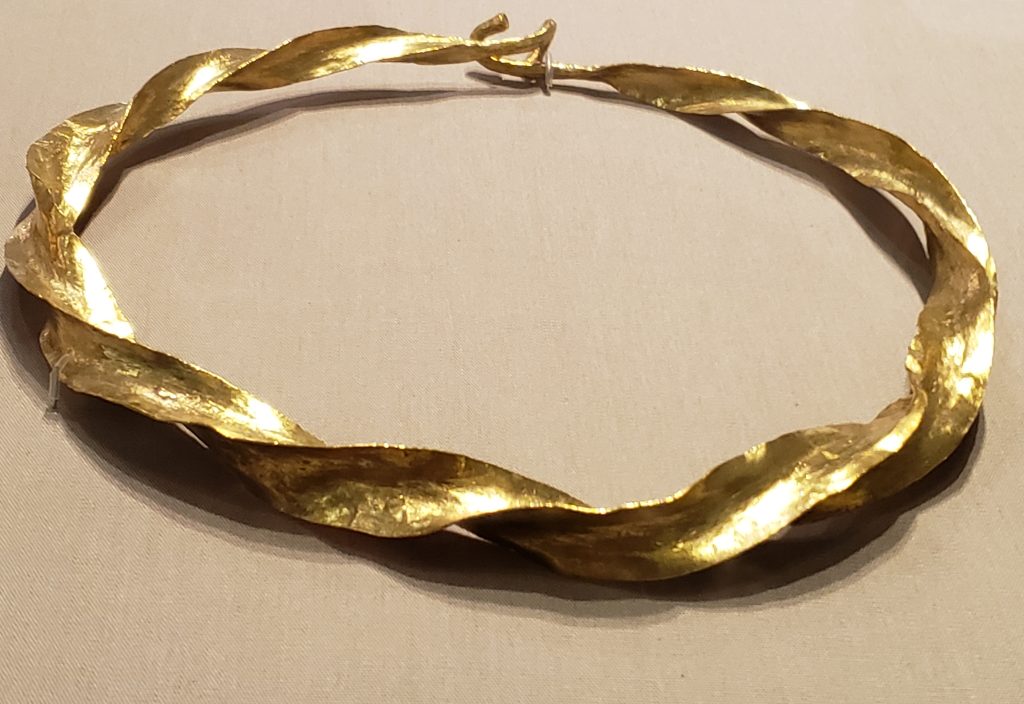
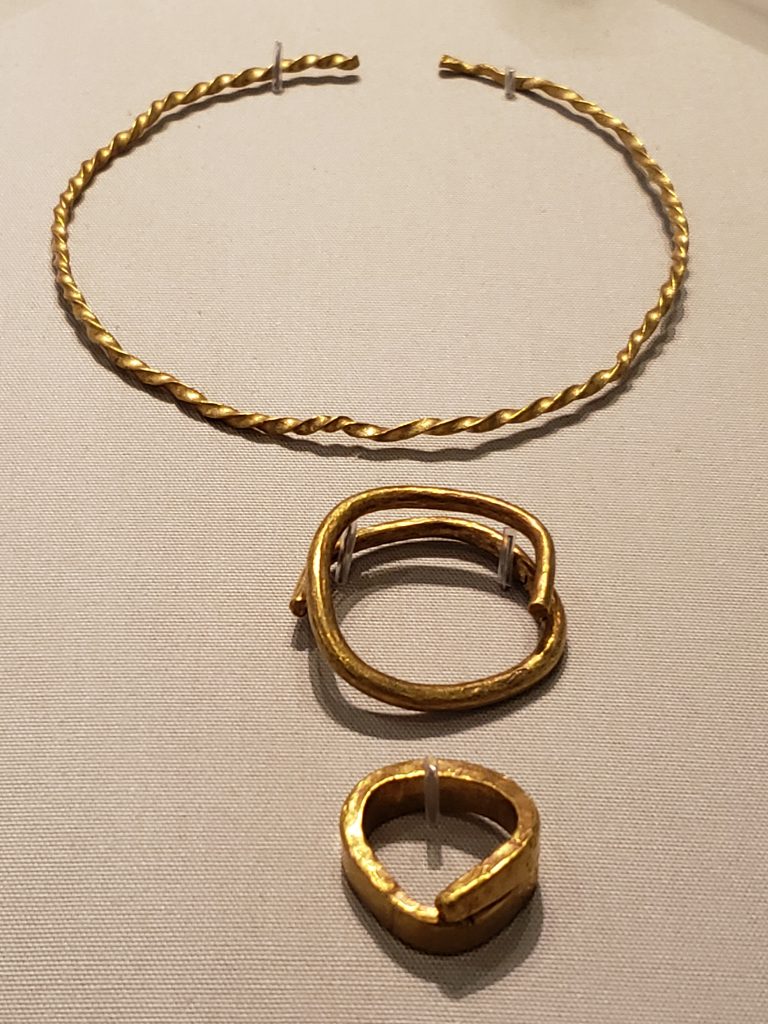
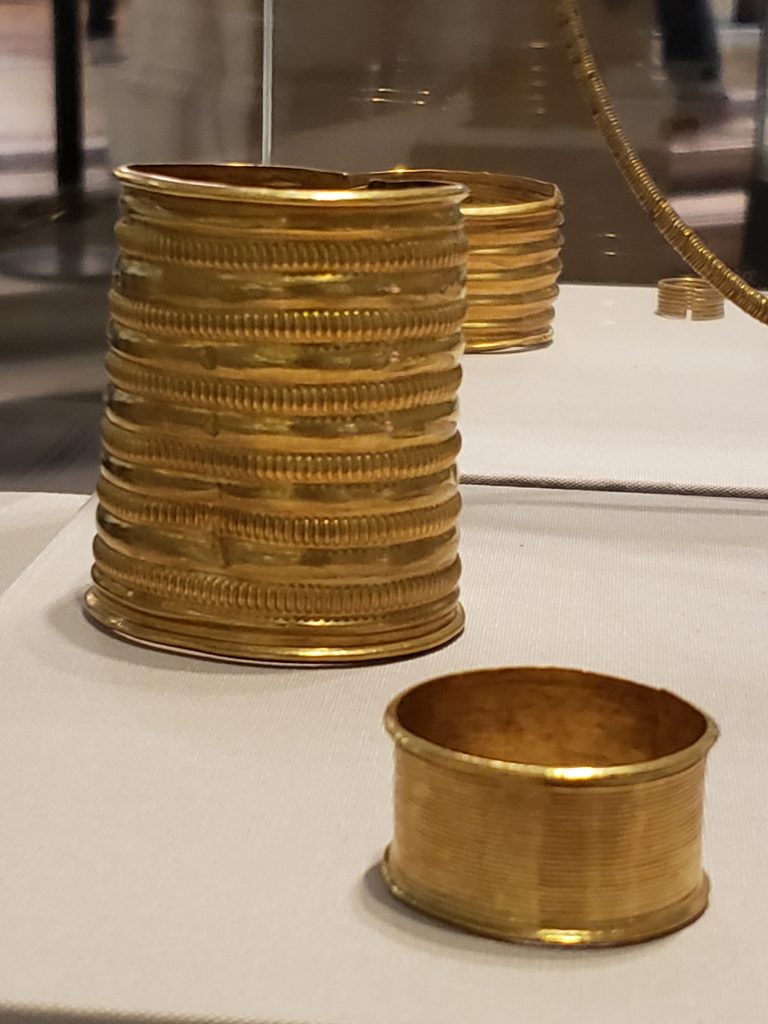
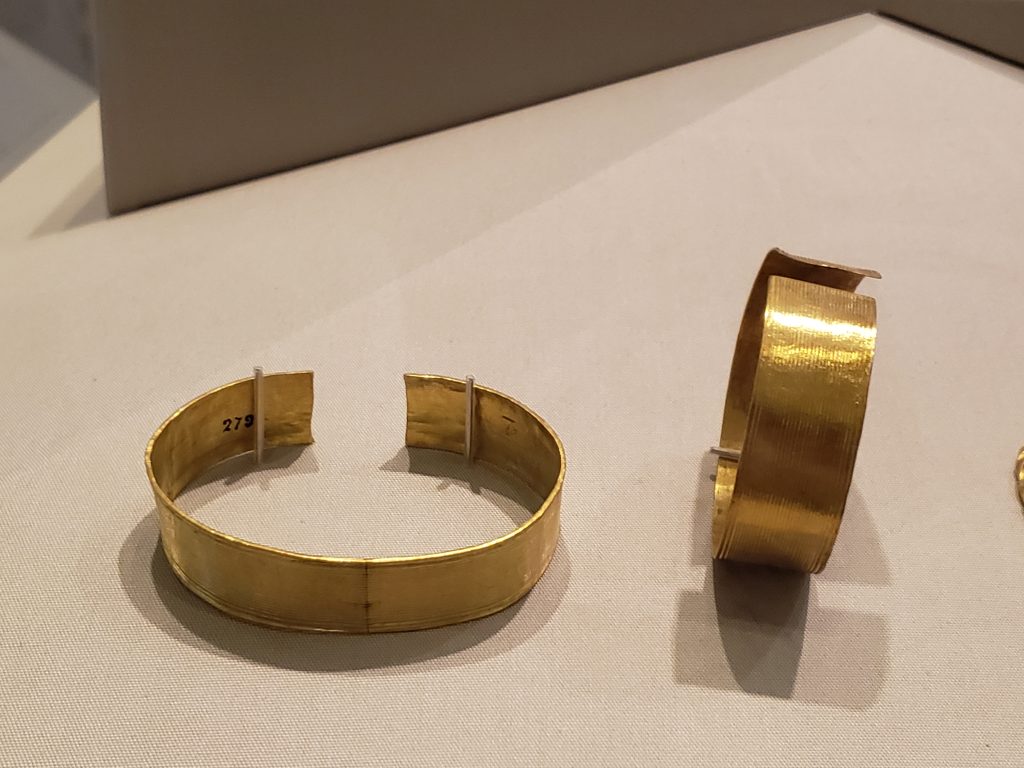
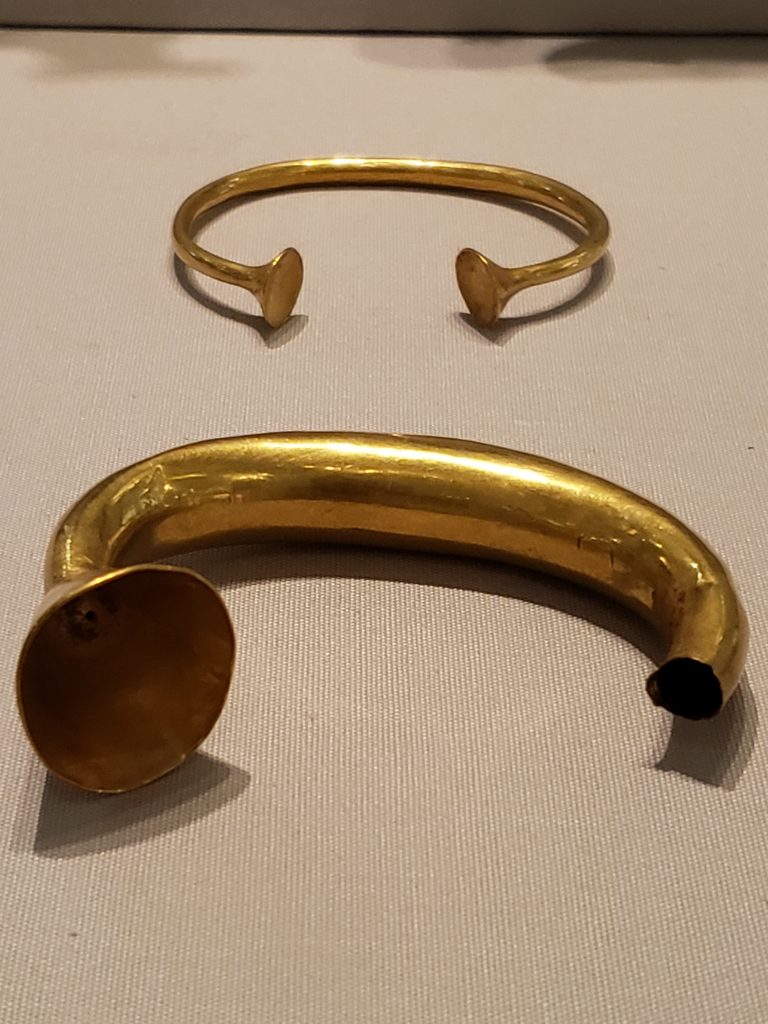
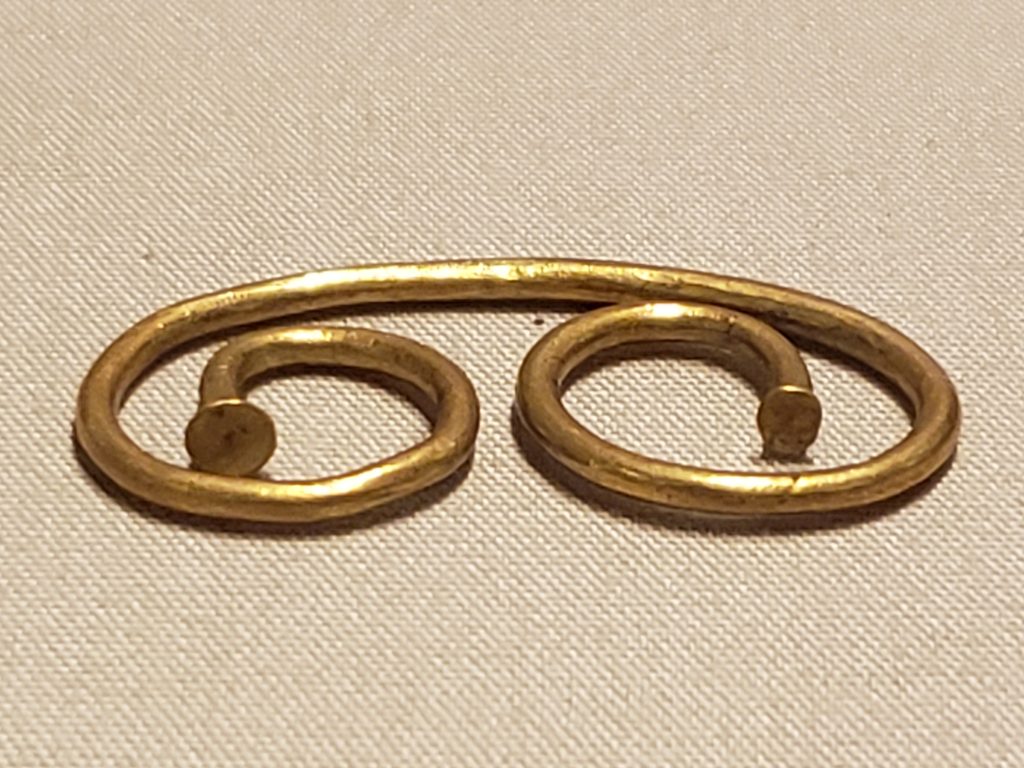
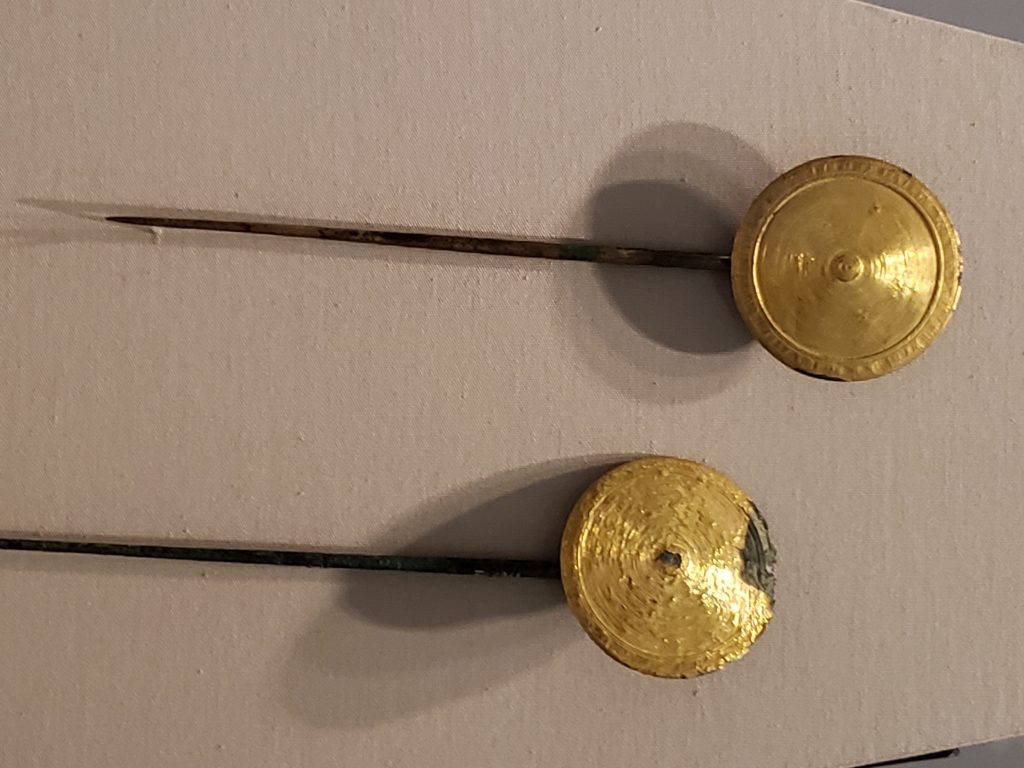
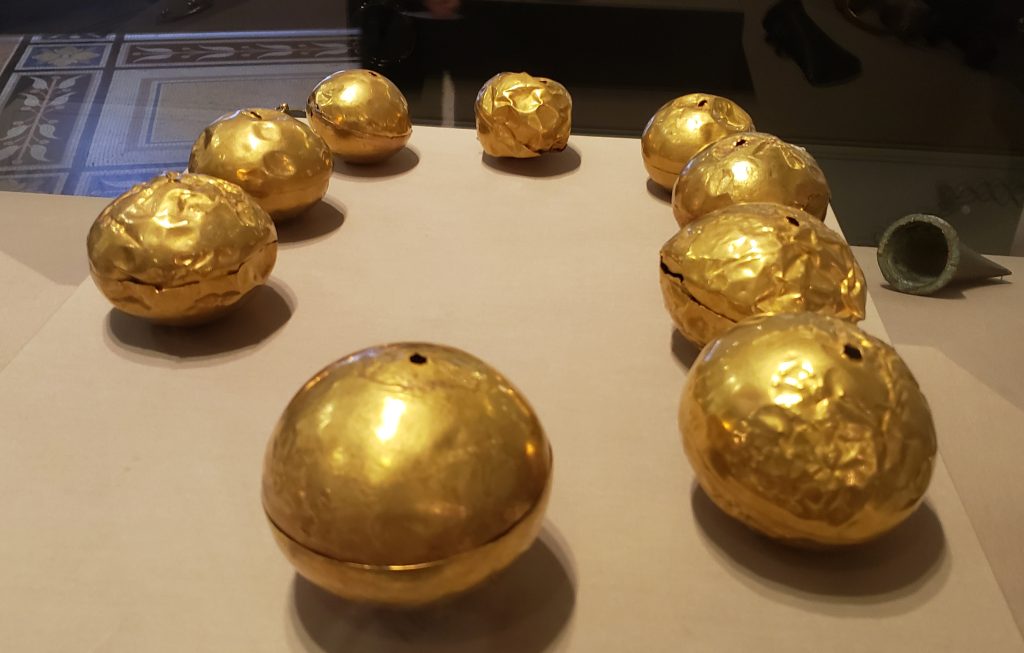
Consider the wonder and elation of someone digging in an Irish peat bog discovering a hoard of extraordinarily beautiful, handcrafted Viking gold jewelry! And that’s exactly what has transpired over the years in Ireland. Two specific localities, Coggalbeg Hoard in County Roscommon produced a large yield of Bronze Age jewelry including lunulae (crescent-shaped necklaces), bracelets, small discs and tunic or dress fasteners. But other sites are scattered throughout the island and have been discovered as recently as 2006.
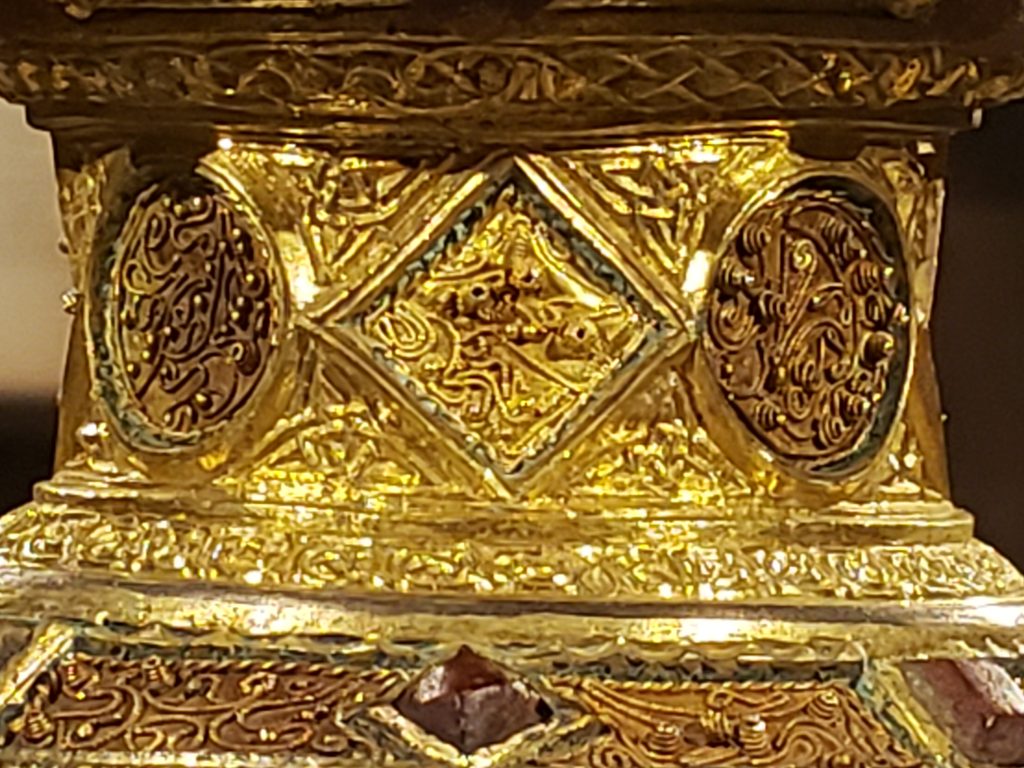
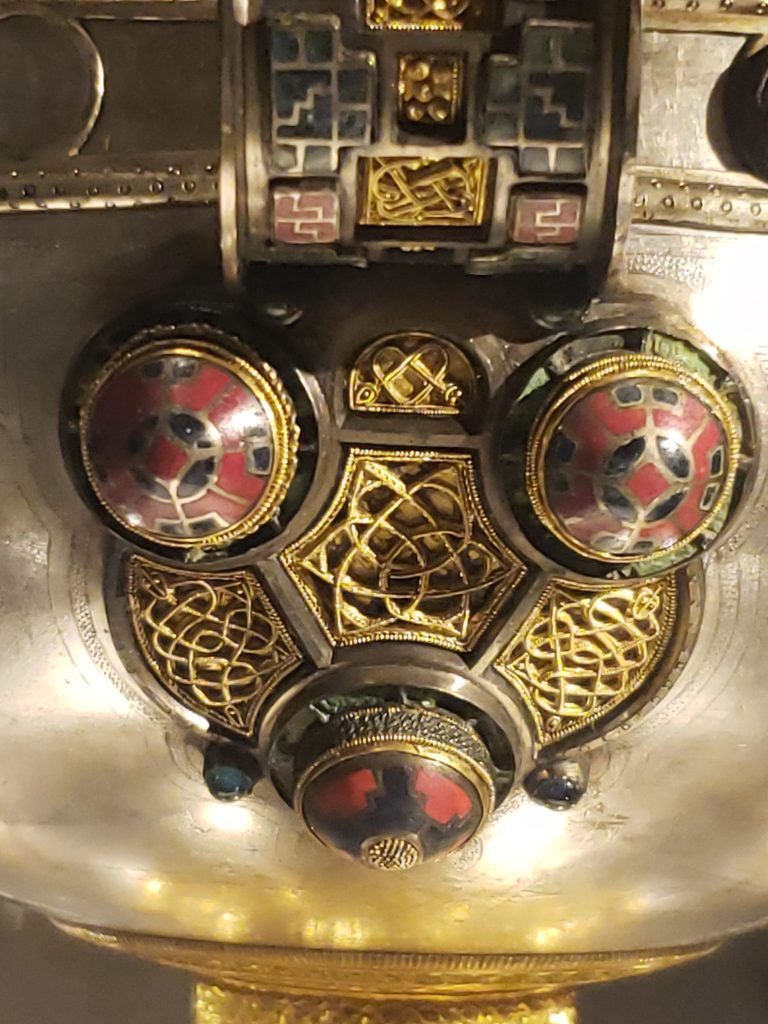
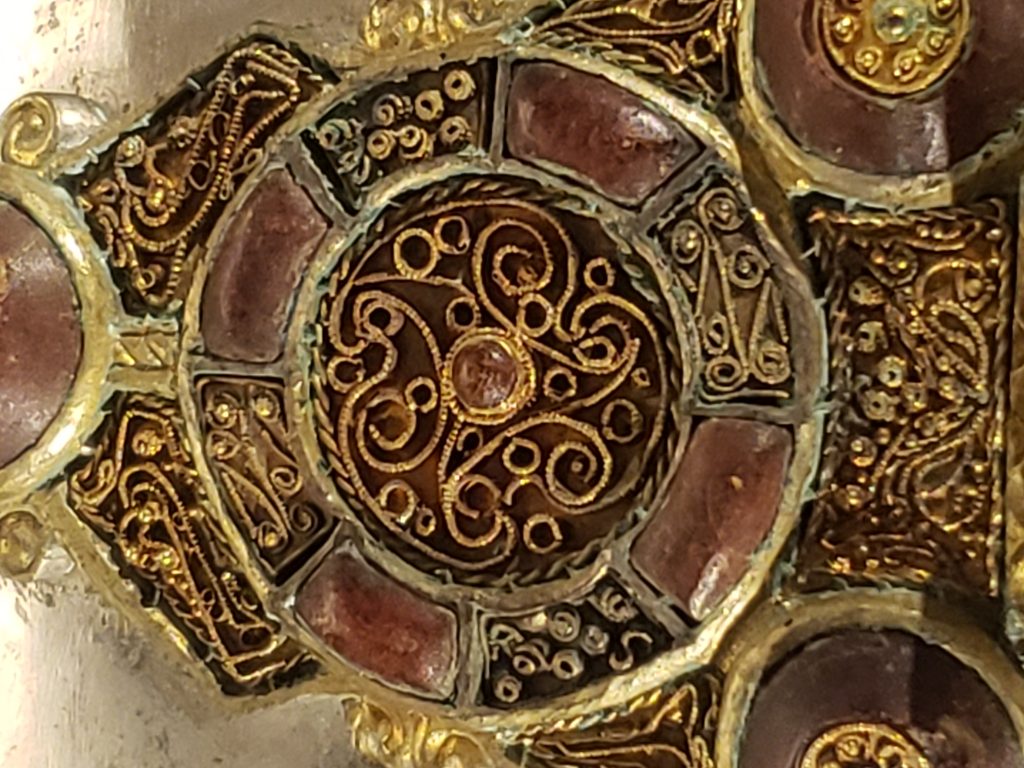
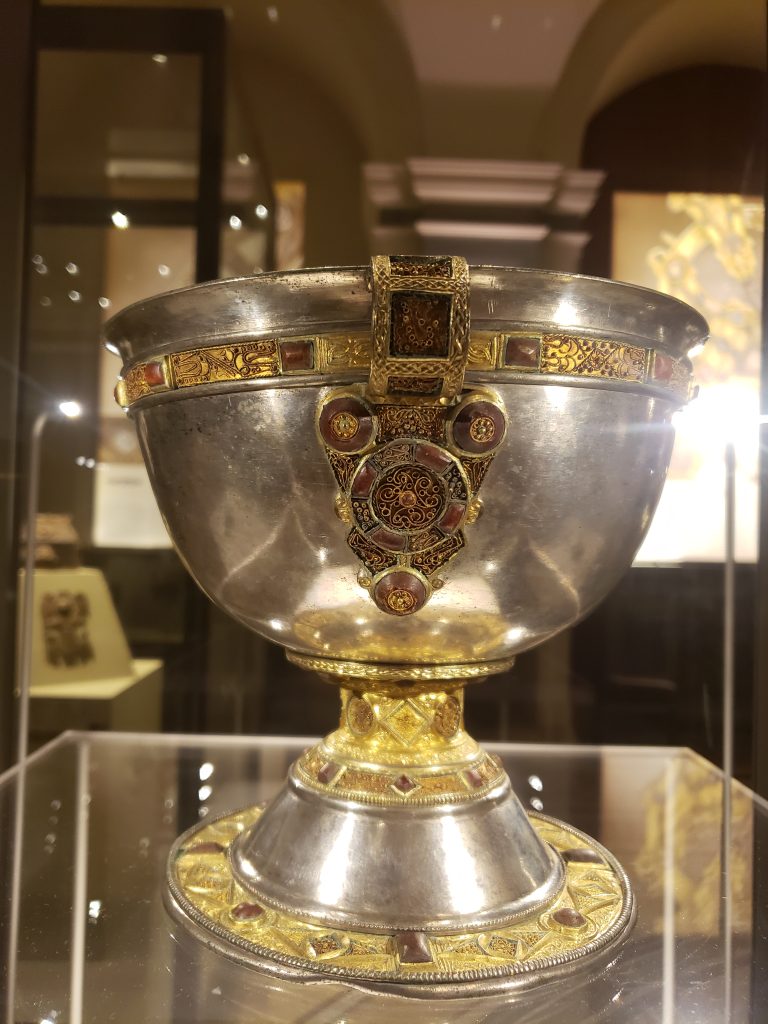
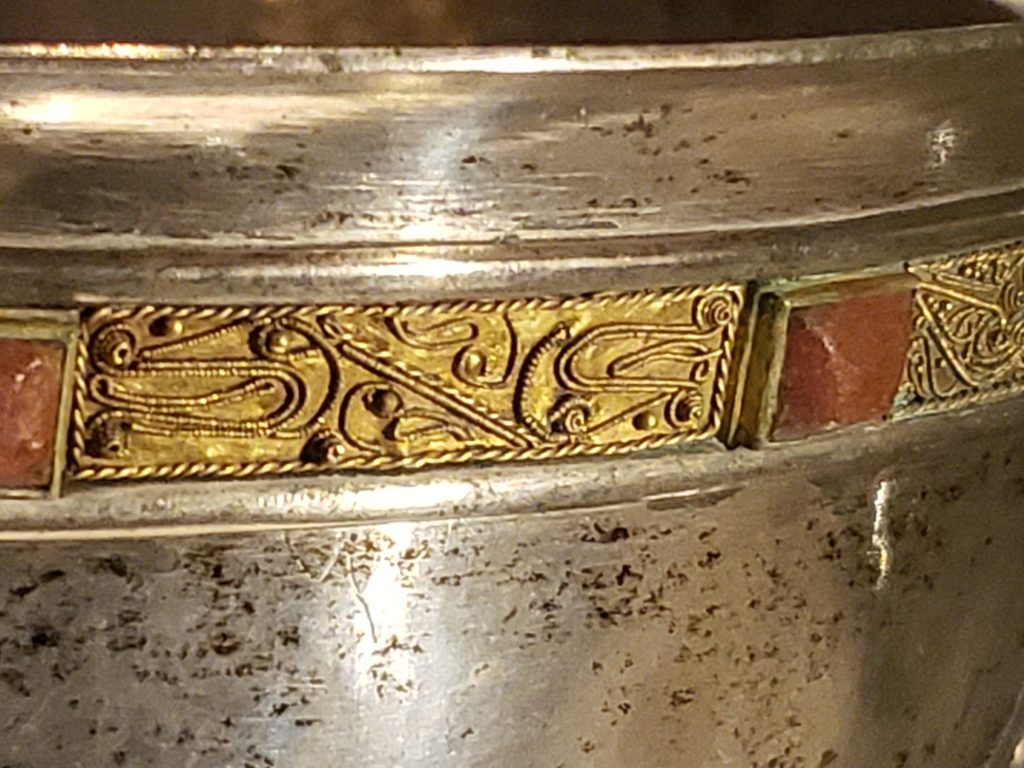
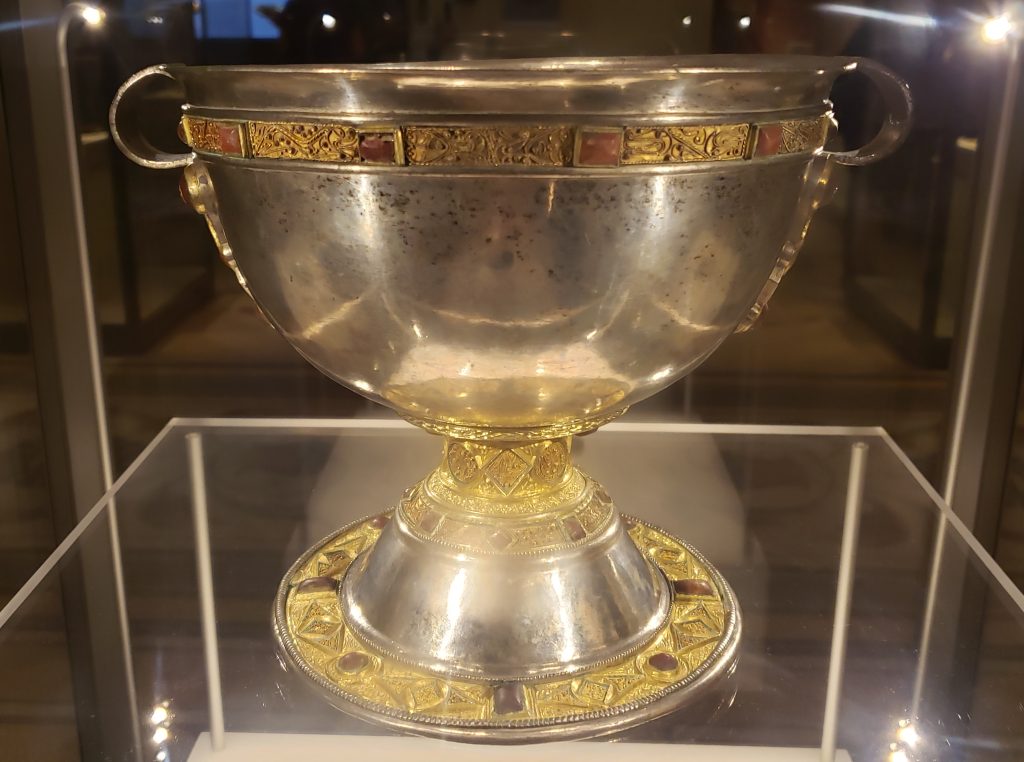
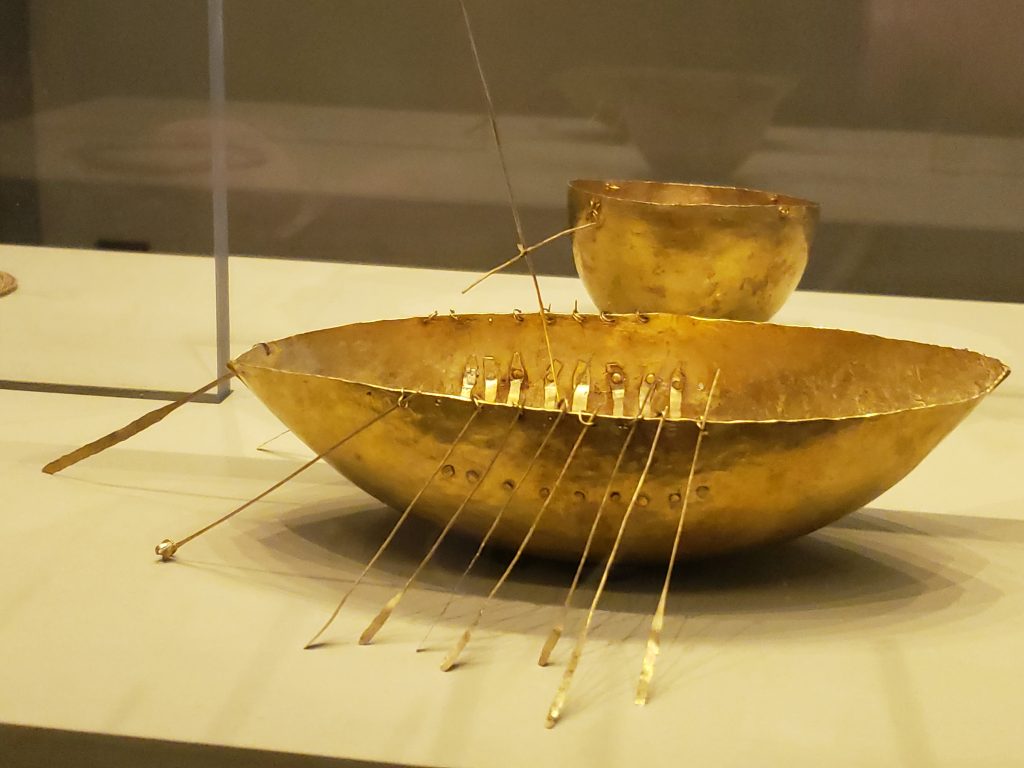
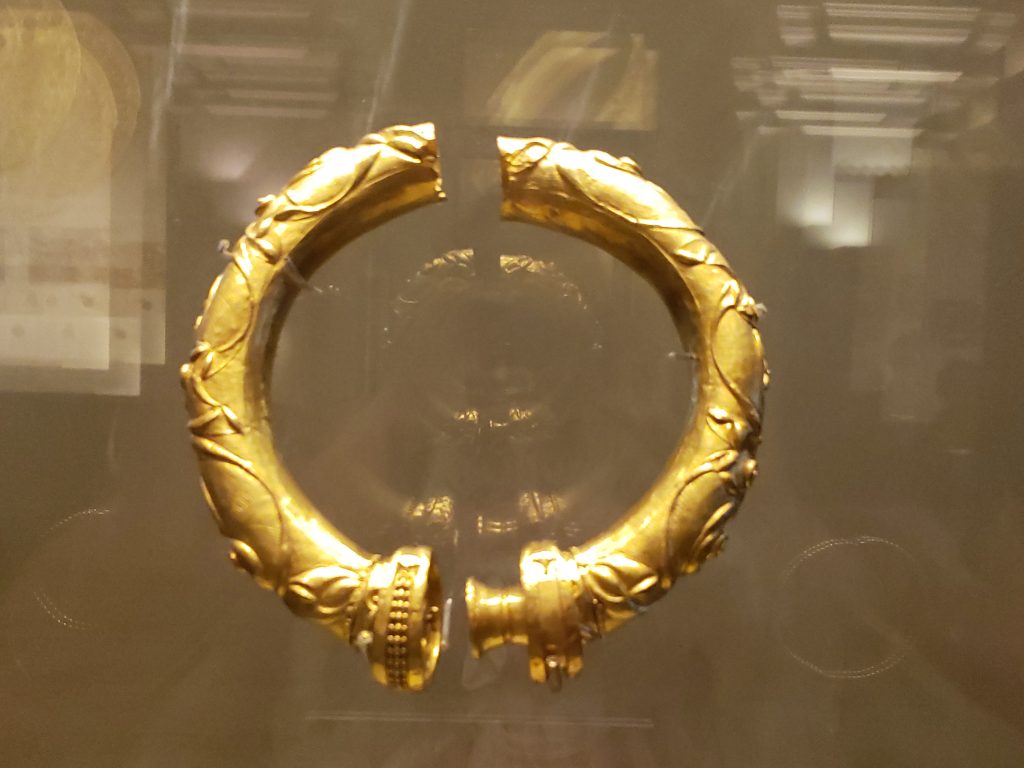
Much of it you can see on display today in Dublin’s National Museum of Ireland – Archaeology. Viking metalworkers used a wide variety of skilled techniques, including inlaying, cloisonné, openwork and casting. The array of works in this amazing collection includes simple gold jewelry to elaborate chalices and sword hilts. Notable pieces of early medieval Celtic metalwork include the Ardagh Chalice, the Tara Brooch, and the Derrynaflan Hoard. Prehistoric pieces include the Iron Age Broighter Gold and over 50 gold lunulas (not all on display), and other Bronze Age jewelry. https://www.museum.ie/en-IE/Museums/Archaeology
The pictures here are a sampling of what’s in store.
Where to Stay in Dublin, Ireland
For your visit to the National Museum of Ireland, stay in Dublin’s city center where you’ll be within walking distance of the museum and most major attractions. The Southside neighborhoods around St. Stephen’s Green and Temple Bar offer hotels ranging from luxury properties like The Shelbourne to mid-range options like the Westin Dublin. These areas put you near restaurants, pubs, and other museums, though expect higher prices and more tourists, especially on weekends.
If you prefer quieter surroundings with good value, consider the Ballsbridge area just south of the city center. This neighborhood has hotels, guesthouses, and short-term rentals at more reasonable rates than central Dublin, and it’s only a 10 to 15 minute bus or taxi ride from the museum. You’ll find local restaurants and pubs here that serve residents rather than tour groups, giving you a more authentic feel for Dublin life.
For budget travelers, the northside areas around Parnell Square or O’Connell Street have hostels and budget hotels with decent access to public transport. A bus or the Luas tram can get you to the museum in under 20 minutes from these neighborhoods. Northside lodging is generally cheaper than the southside, though the areas feel less polished and have fewer upscale dining options.
Book accommodation well in advance if you’re visiting during summer months or around Irish holidays. Dublin’s hotel availability fills quickly, and early booking often yields better rates. Ask your accommodation about their proximity to bus stops and tram stations so you can plan your daily route to the museum and other attractions without relying on taxis.
Recommended Reading
For a great fiction read, try Fin Gall: A Novel of Viking Age Ireland (The Norseman Saga Book 1) by James L. Nelson. And for filling your head with the real story, try these two histories: Dublin and the Viking World by Howard Clarke , The Vikings In Ireland by Morgan Llywelyn.