
At first Córdoba feels sleepy. Unlike many of the other bustling Spanish cities, Córdoba is quiet. But that quiet beauty underscores something complex—a city that accepts and adapts to its inter-cultural legacy.
You step through a modest doorway and suddenly find yourself in a forest of red-and-white arches. You turn a corner in the old Jewish Quarter and hear the trickle of water in a tiled courtyard. You cross the Roman Bridge at sunset and the Guadalquivir glows like a bronze ribbon, while the great Mosque-Cathedral rises beyond it as if the centuries had agreed, just this once, to stand still.
Córdoba is not merely a city of monuments. It is a city of layers—Roman, Visigothic, Islamic, Jewish, Christian, Renaissance, and Andalusian—each one leaving behind a trace, a wall, a prayer, a fragrance of orange blossom in the heat.
And oh, what a past she has had!
A Melting Pot from the Beginning
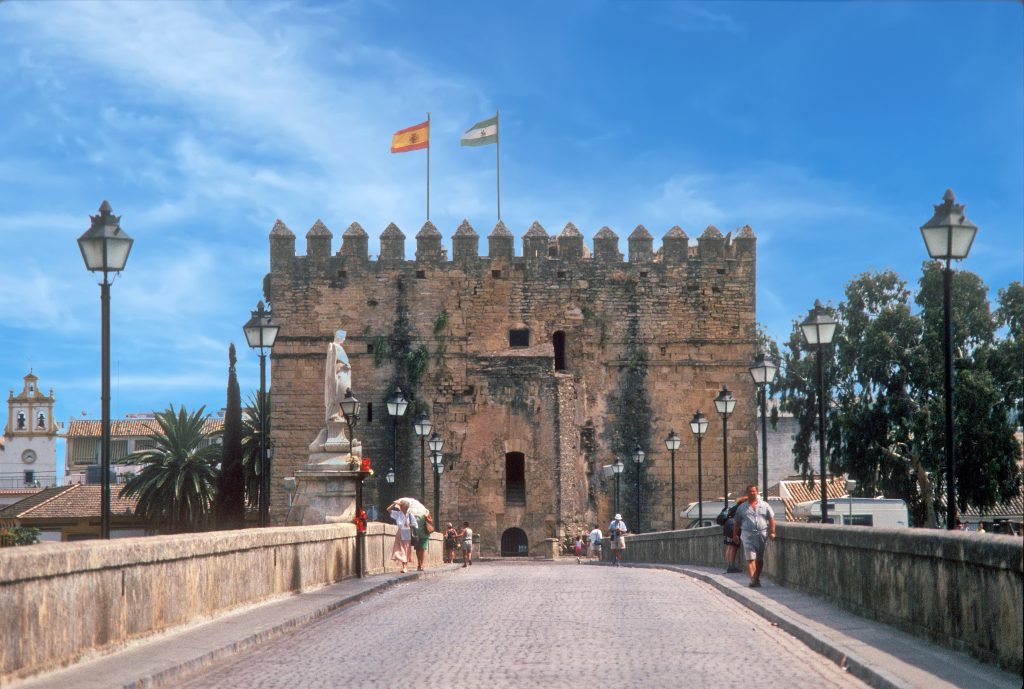
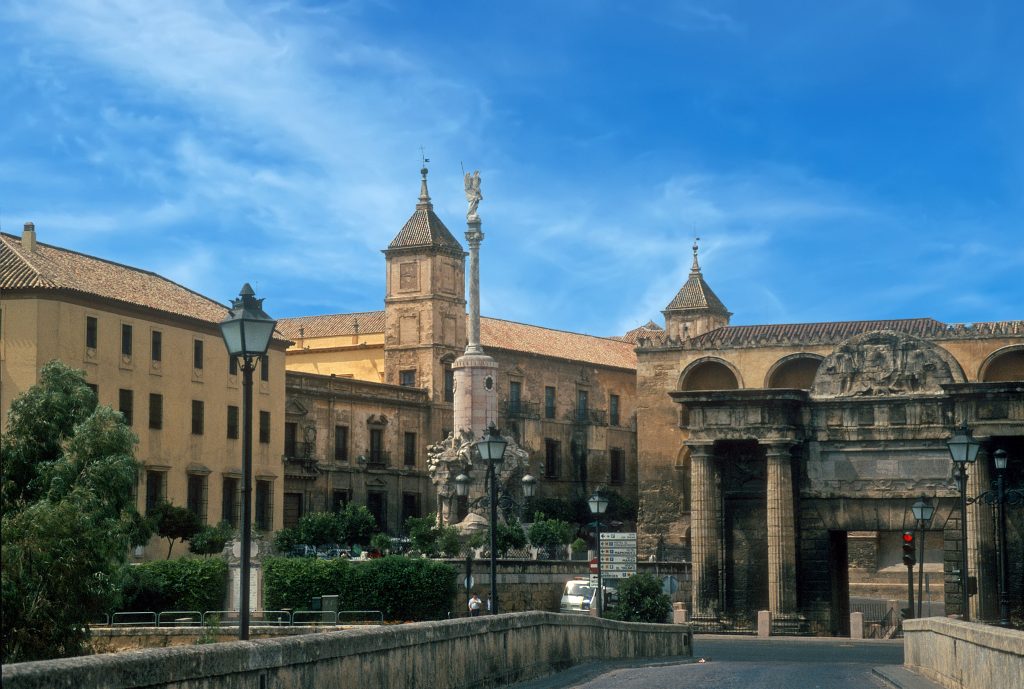
Córdoba began as an important Roman city, flourishing on the banks of the Guadalquivir River. Its Roman bridge, though restored many times over the centuries, still carries the memory of that early imperial world. The city later passed through Visigothic hands before its most magnificent transformation began in the 8th century, after the Muslim conquest of Iberia. UNESCO notes that Córdoba’s greatest glory began after this period, when the city was filled with mosques, palaces, and public buildings rivaling the splendor of Constantinople, Damascus, and Baghdad.
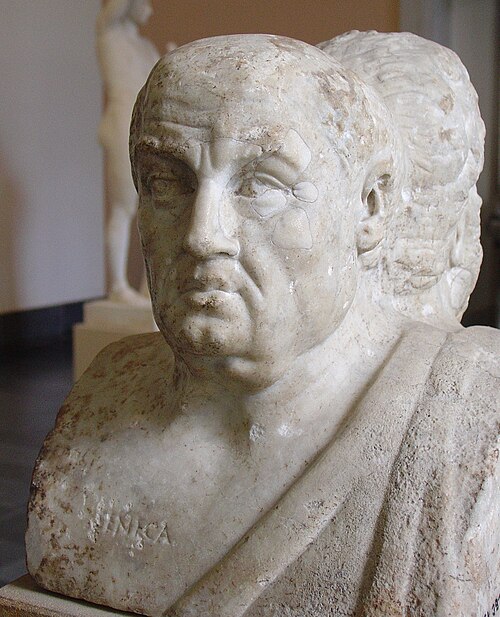
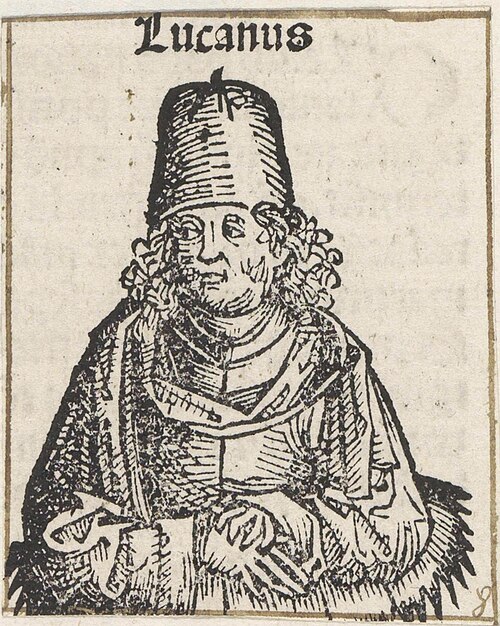
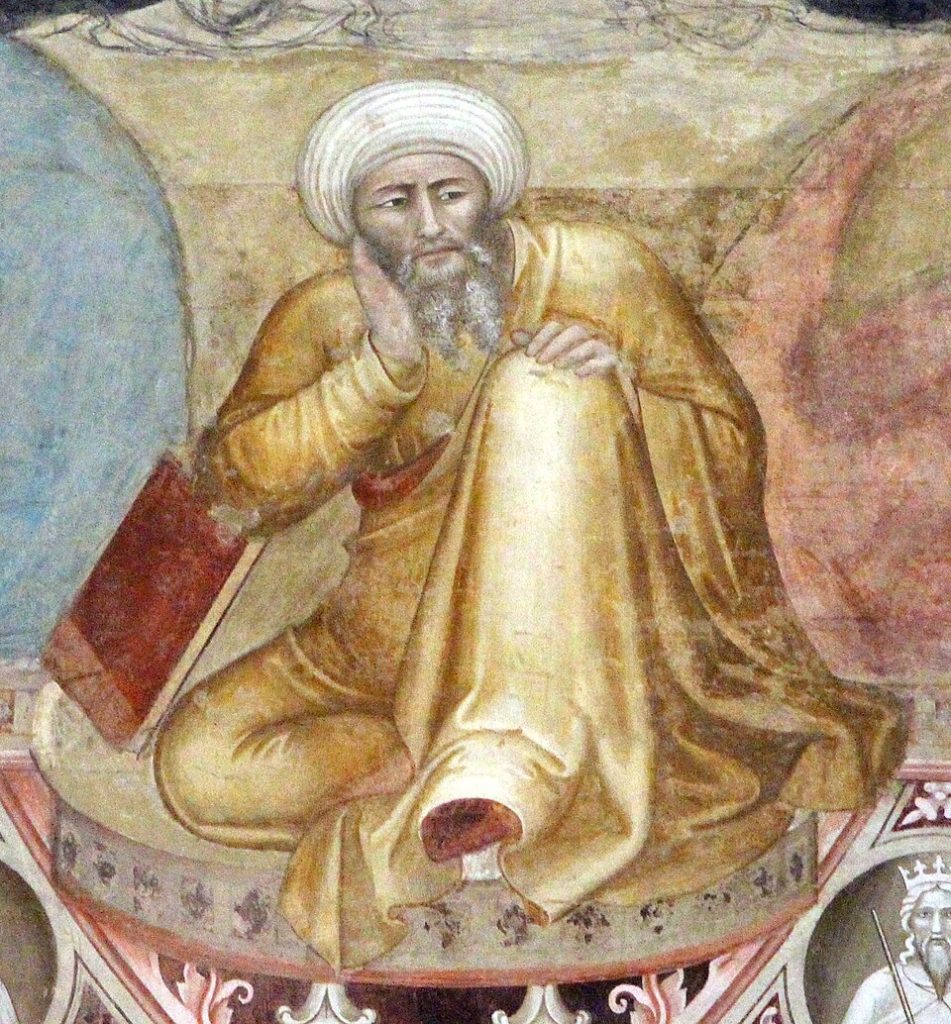
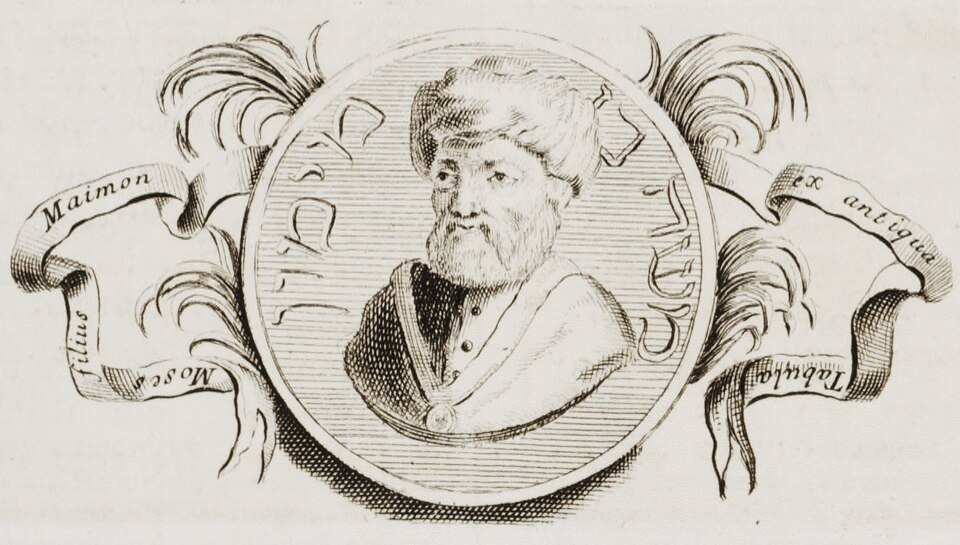
By the 10th century, Córdoba had become the capital of the Umayyad Caliphate in al-Andalus, one of the most brilliant cultural centers in Europe. Scholars, physicians, philosophers, poets, artisans, merchants, theologians, translators, and mathematicians all moved through its streets. The city was associated with figures whose names still gleam in the history of thought: Seneca, the Roman Stoic philosopher; Lucan, the Roman poet; Averroës, the great Muslim philosopher and commentator on Aristotle; and Maimonides, the Jewish philosopher and physician.
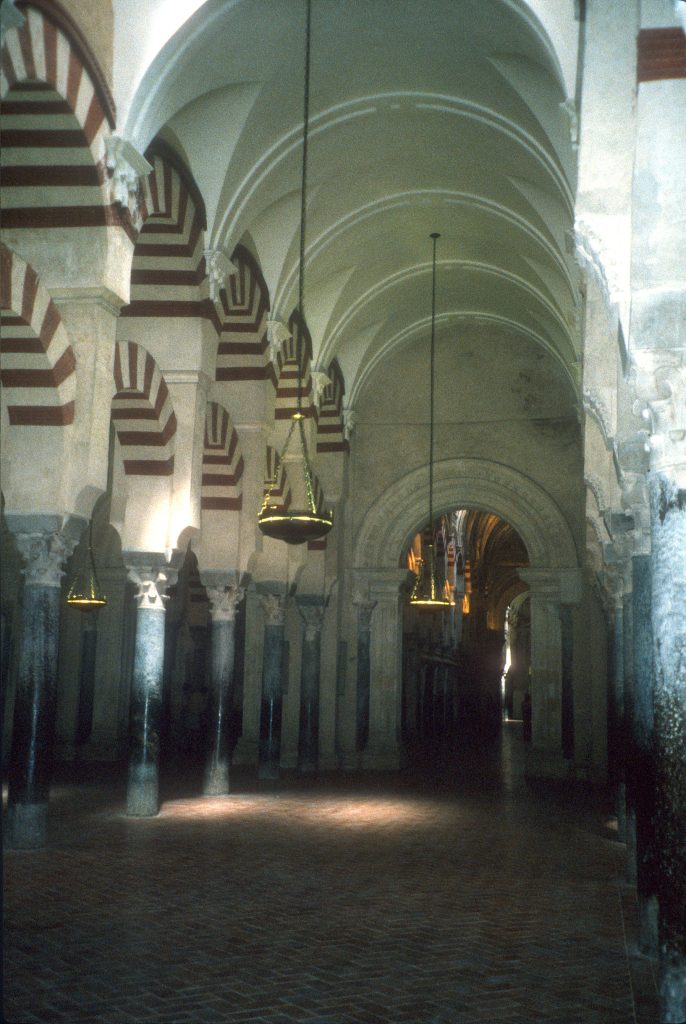
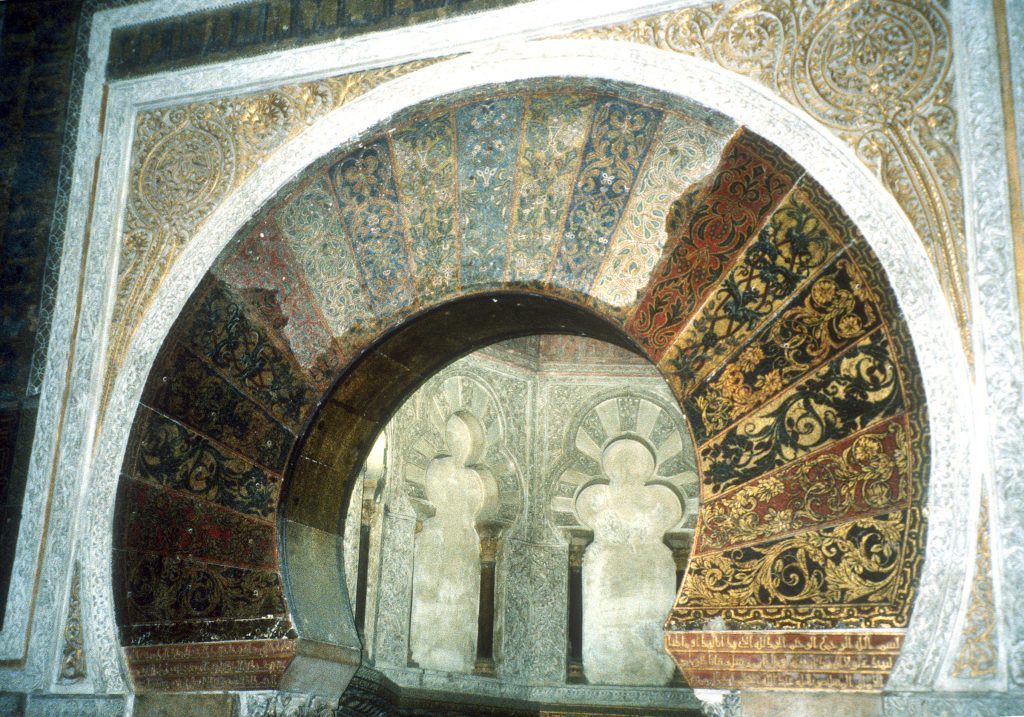
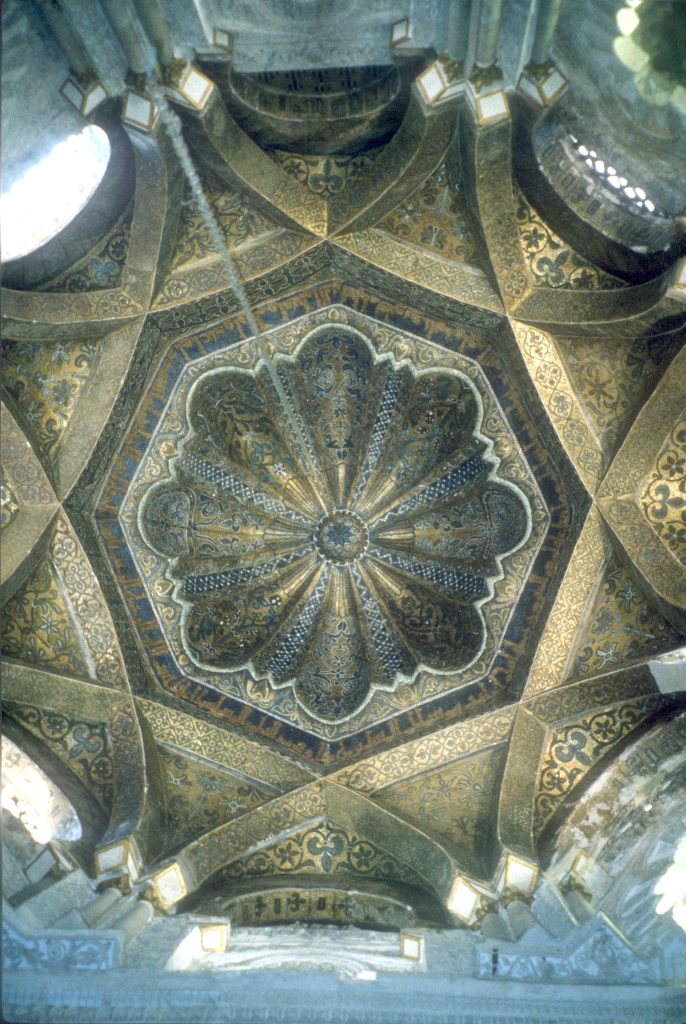
The crown jewel of this era was the Great Mosque of Córdoba, begun under Abd al-Rahman I in the late 8th century and expanded by later rulers. Its official history describes the building not only as a religious space, but also as a political statement of the power of the emirate. With its vast hypostyle hall, double-tiered arches, and glowing mihrab, the mosque became one of the great architectural masterpieces of the Islamic world.
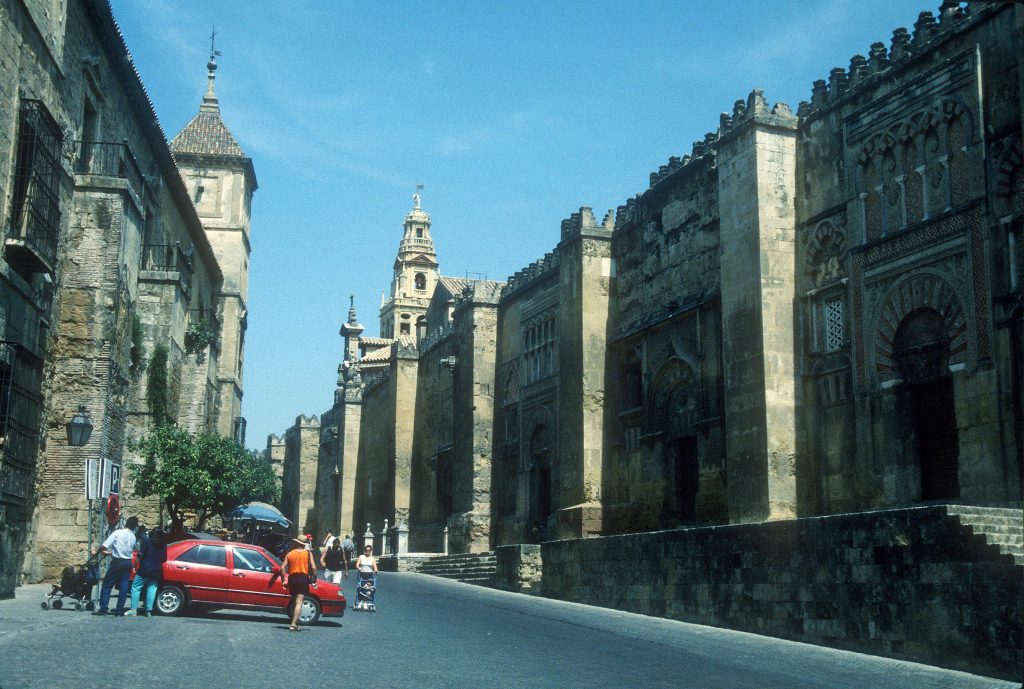
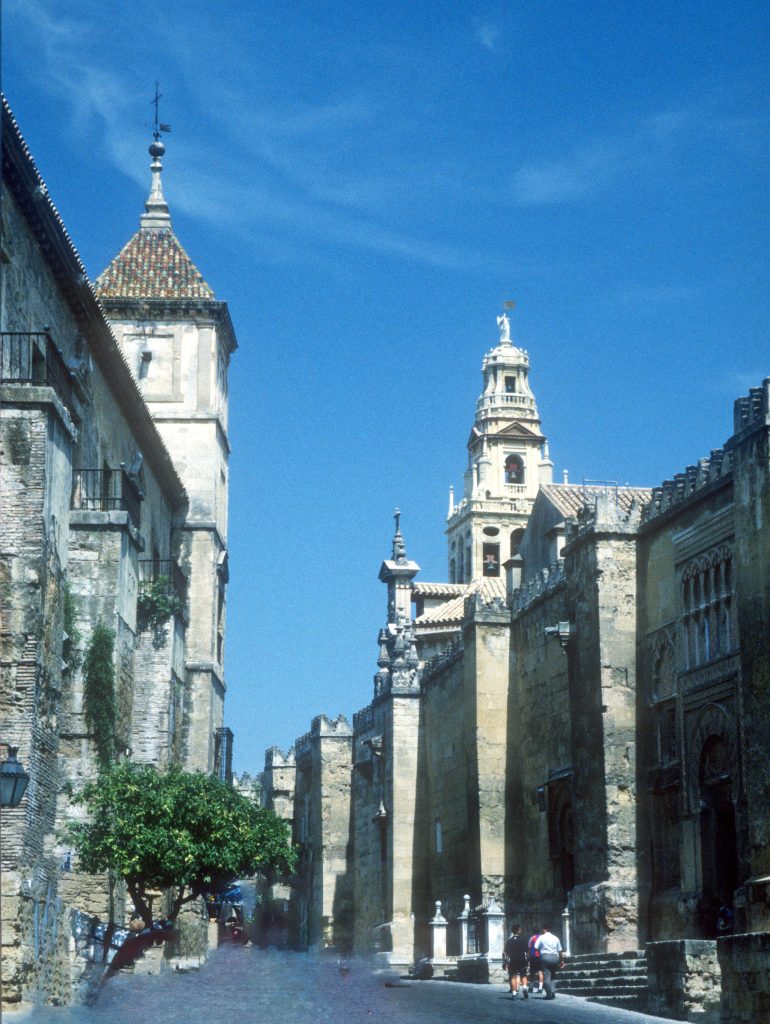
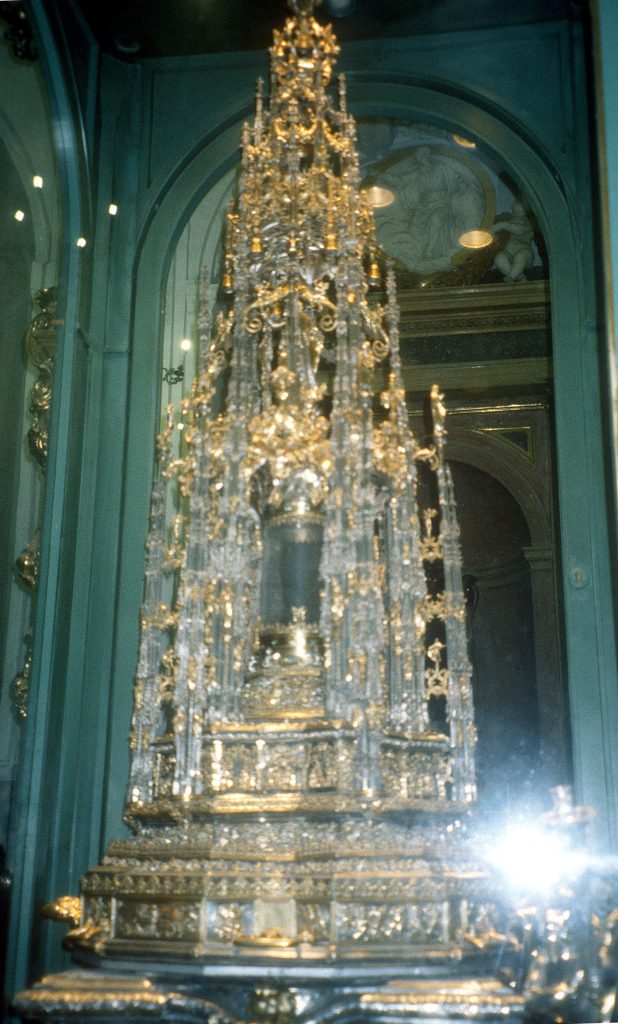
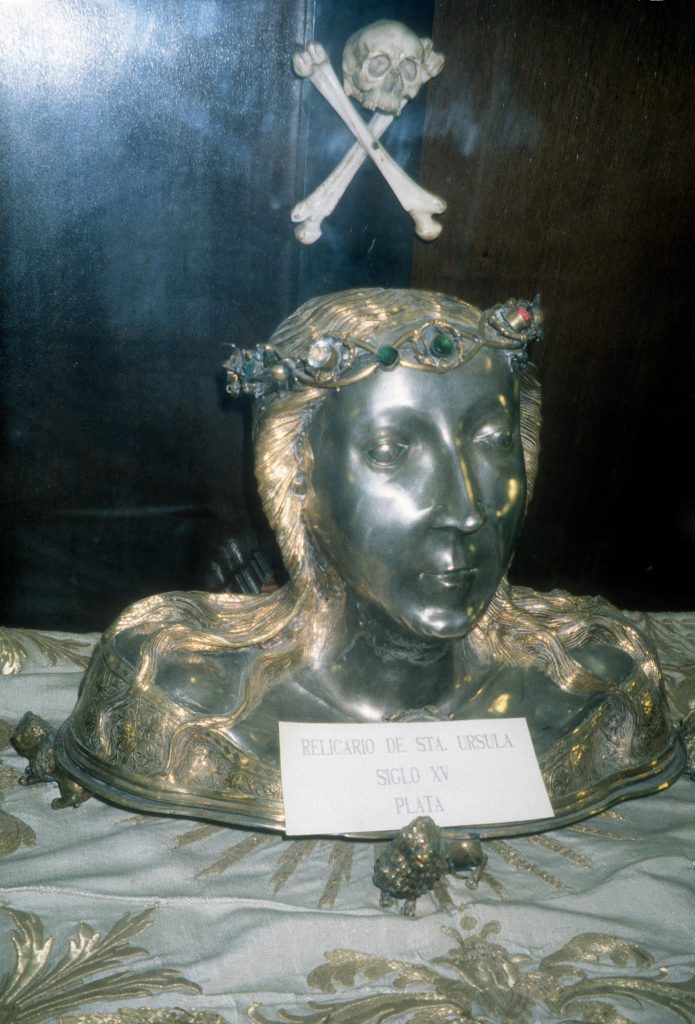
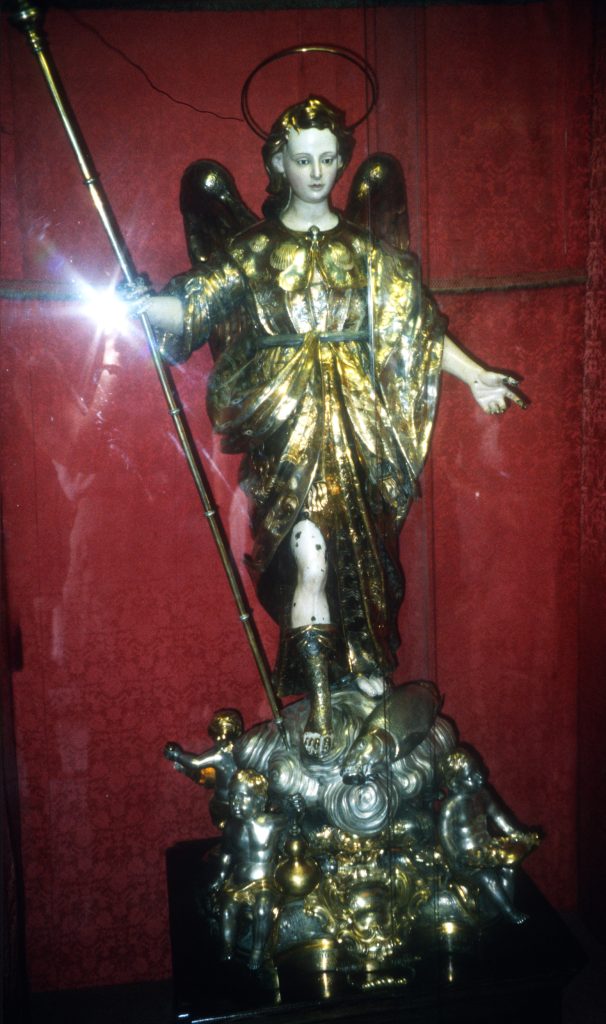
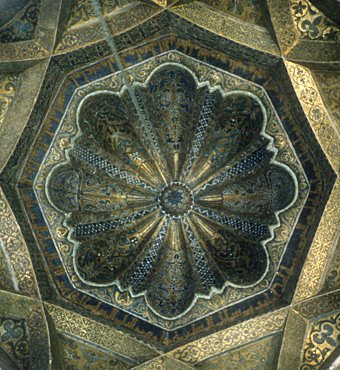
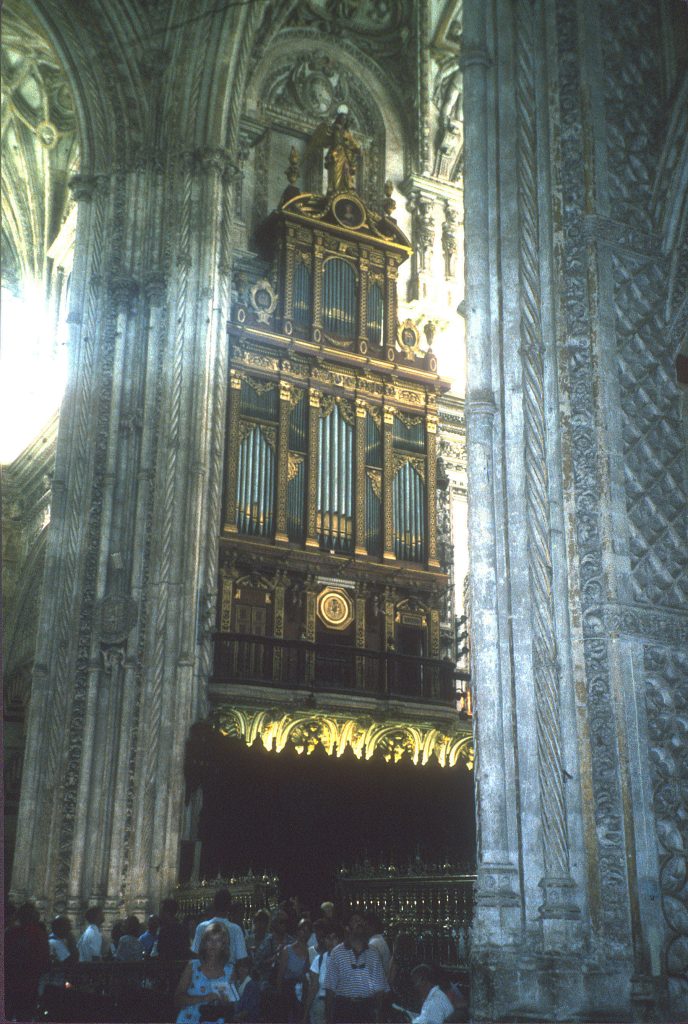
Then came another turning of the wheel. In 1236, King Ferdinand III captured Córdoba, and the mosque was consecrated as a cathedral. Later Christian additions transformed portions of the structure, most dramatically with a Renaissance nave placed inside the older Islamic space. It could have been a disaster. Instead, it became one of the strangest, most moving, most complicated buildings in Europe—a place where beauty and conquest, devotion and power, memory and reinvention are all visible at once.
Córdoba’s story does not stop there. Just outside the city lies Medina Azahara, the palatial city built by Abd al-Rahman III at the foot of the Sierra Morena mountains. It was intended as a glittering administrative and royal center, but after the collapse of the Caliphate, it was abandoned and remained largely buried until its rediscovery centuries later. Today it is also recognized by UNESCO.
Begin at the Mosque-Cathedral
The Mosque-Cathedral is where nearly every visitor begins, and rightly so. Inside, the eye is almost unable to settle. Arches repeat into the distance like a visual chant. Columns rise in rows, some Roman, some Visigothic, many reused from earlier buildings—history itself holding up the roof. Then you come upon the mihrab, lavish with Byzantine mosaics, and later the Christian choir and nave, inserting a very different spiritual vocabulary into the heart of the building.
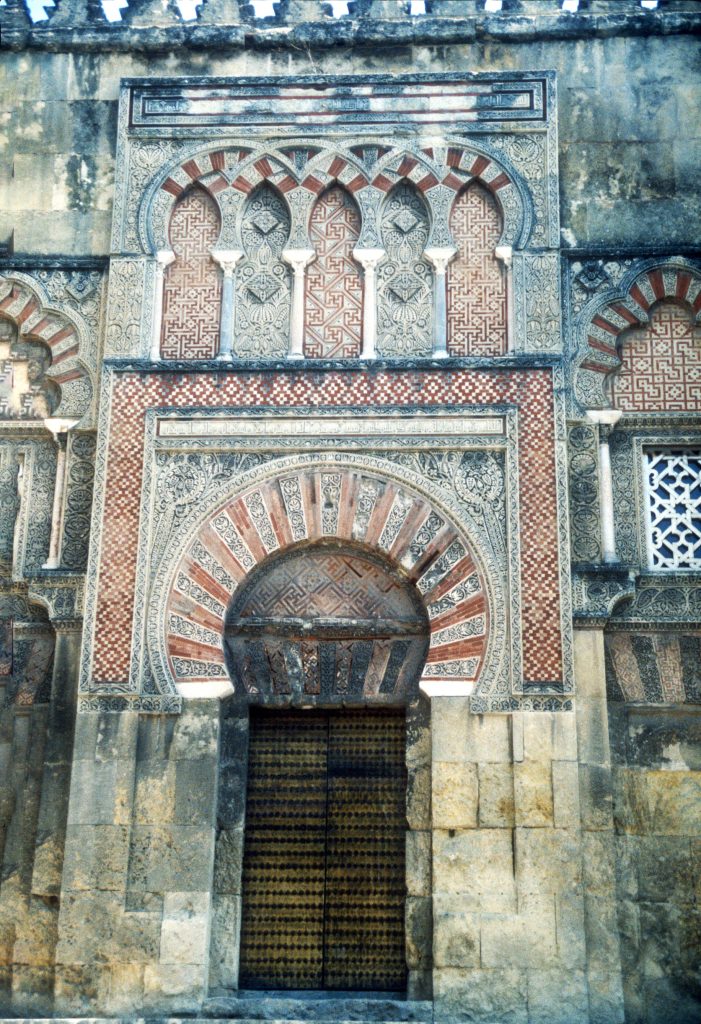
This is not a place to rush. Stand quietly. Let the light shift. Let the building explain, without quite forgiving, the ambitions of every age that claimed it.
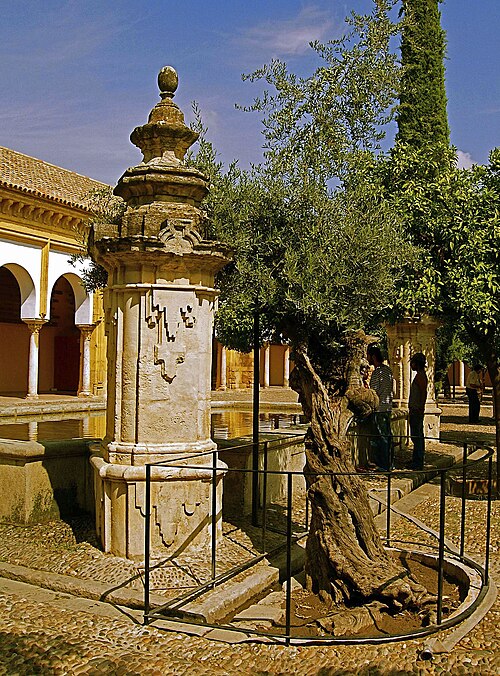
Outside, the Patio de los Naranjos—the Court of Oranges—offers the soft murmur of water and the shade of citrus trees. The old minaret, transformed into a bell tower, rises above it, another visible reminder of Córdoba’s layered identity.
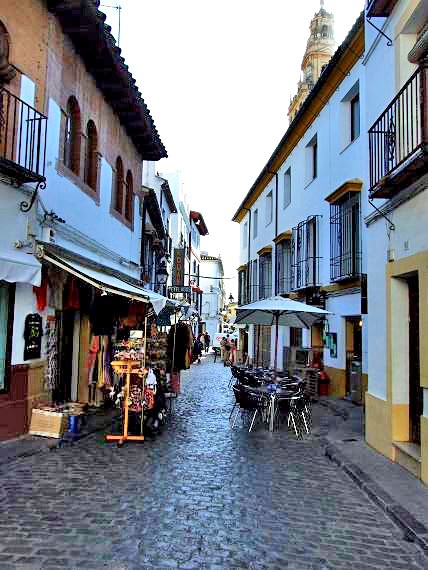
From there, wander into the Judería, the old Jewish Quarter, a maze of whitewashed lanes, flowerpots, wrought-iron balconies, and small courtyards that seem to exhale coolness even in the Andalusian heat. Visit the Córdoba Synagogue, one of the rare surviving medieval synagogues in Spain, and pause near the statue of Maimonides, whose polished feet betray the hopes of visitors seeking borrowed wisdom.
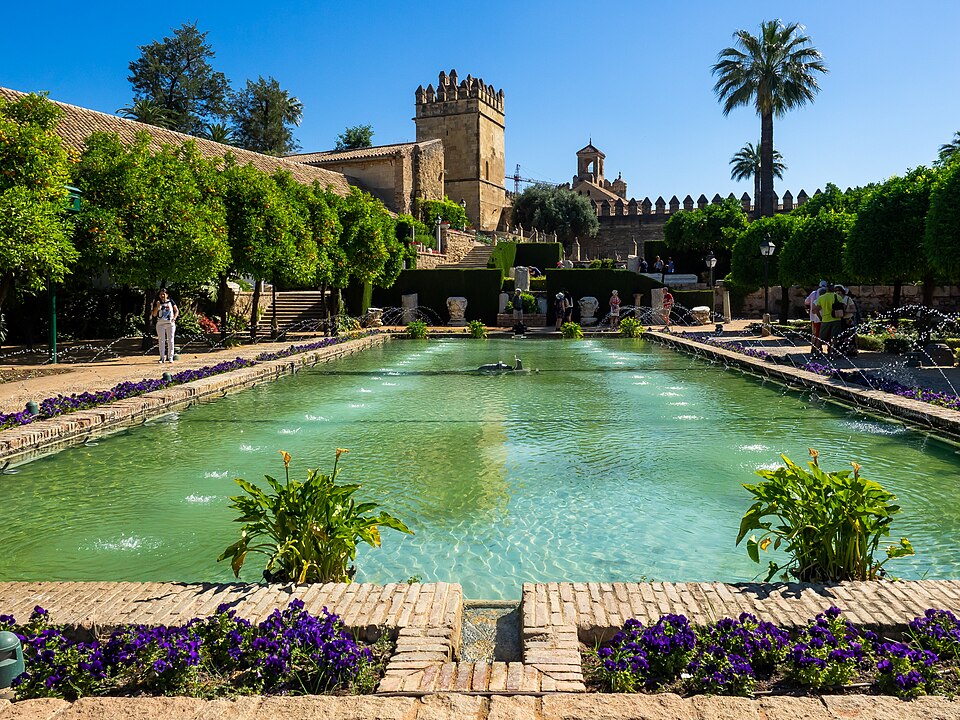
Then make your way toward the Alcázar de los Reyes Cristianos, the fortress-palace associated with the Christian monarchs. Its gardens are a delight—long pools, clipped hedges, fountains, cypress, and flowers arranged with that Andalusian instinct for making water feel like music. It was here in Córdoba that power continued to perform itself, even after the city’s Islamic golden age had passed into memory.
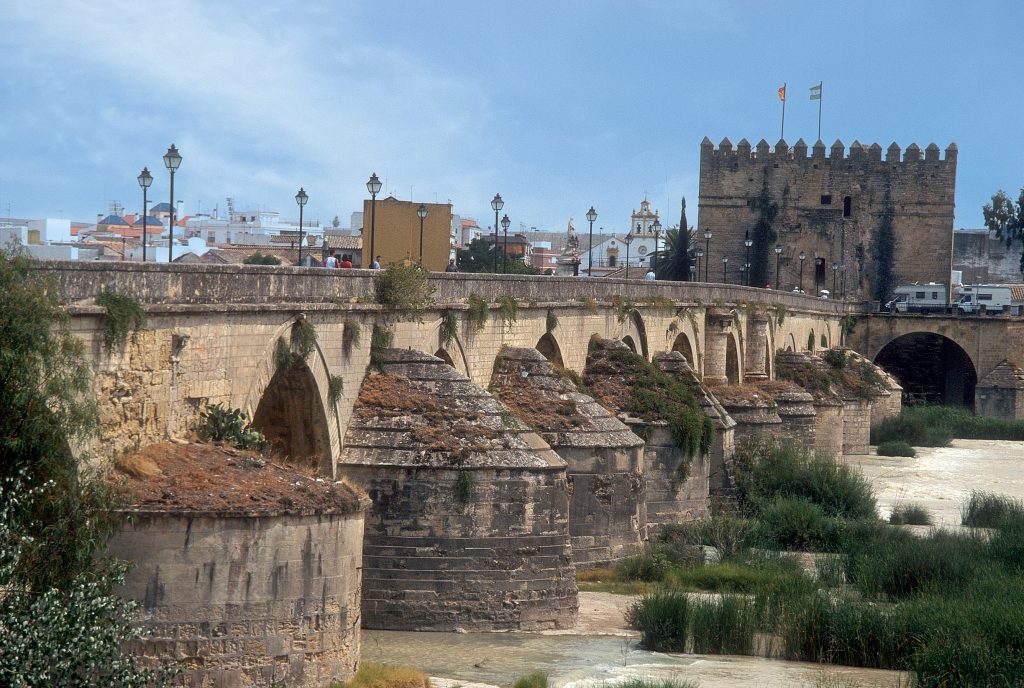
And do cross the Roman Bridge, preferably in the late afternoon. Behind you, the Mosque-Cathedral glows amber. Ahead, the Calahorra Tower stands guard. Beneath you, the Guadalquivir slides past as it has done for Romans, caliphs, merchants, monks, poets, soldiers, and all the rest of us temporary visitors.
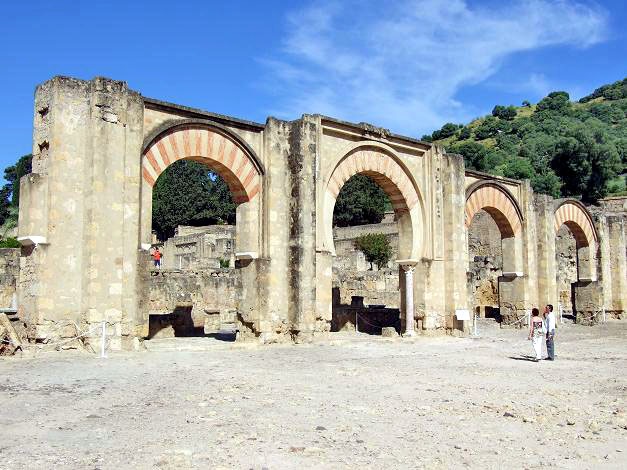
If you have time, take the short trip out to Medina Azahara. Its ruins are open to the sky now, but in the 10th century this was the stage set of caliphal authority—a palace-city of reception halls, gardens, workshops, residences, administrative offices, and ceremonial spaces. Even in fragments, you can feel the audacity of it.
Hub of UNESCO Gems
Today, Córdoba is one of Spain’s great historic treasures, with an unusually rich cluster of UNESCO recognitions: the Mosque-Cathedral, the surrounding historic center, the Festival of the Patios, and Medina Azahara.
The famous patios are not merely pretty courtyards—though pretty hardly does them justice. In May, especially, they become living canvases of geraniums, jasmine, carnations, ceramics, ironwork, and household pride. The tradition reflects Córdoba’s old domestic architecture, where homes turned inward around shaded courtyards to soften the ferocious summer heat. How practical. How beautiful. How very Andalusian.
Modern Córdoba is also a city for lingering. Order salmorejo, the local chilled tomato soup, richer and silkier than gazpacho. Try flamenquín, fried rolls of pork and ham, or rabo de toro, oxtail stew with roots in bullfighting culture. Sip something cold in a small plaza and watch swallows cut across the evening sky. The city that once held libraries and scholars still invites contemplation—but now, happily, with tapas.
Córdoba is not as grand and sprawling as Seville, nor as dramatic as Granada. Its charm is more intimate. It asks you to walk slowly, to read walls, to understand that civilizations do not simply disappear. They leave patterns. Arches. Recipes. Gardens. Words. Questions.
Recommended Reading
Fiction
- Shadows of the Pomegranate Tree by Tariq Ali — Set in the aftermath of the fall of Granada, this novel evokes the twilight of Muslim Spain and the sorrow of a refined world under siege.
- A Dying Light in Corduba by Lindsey Davis — A lively Roman-era mystery in the Marcus Didius Falco series, bringing Córdoba’s earlier imperial chapter to life with intrigue, wit and olive-oil politics.
- The Shining City by Joan Fallon — Set in 10th-century al-Andalus, this novel centers on Madinat al-Zahra, the glittering palace-city built just outside Córdoba by Caliph Abd al-Rahman III, when Córdoba was one of the most brilliant capitals in Europe.
- La biblioteca de Córdoba by Andrea D. Morales — The novel combines palace intrigue, mystery, scholarship, and romance while portraying Córdoba as a major center of medicine, mathematics, literature, and learning.
Non-Fiction
- The Ornament of the World: How Muslims, Jews, and Christians Created a Culture of Tolerance in Medieval Spain by María Rosa Menocal — A beautifully written introduction to the intellectual and cultural brilliance of al-Andalus, where Córdoba shone as one of Europe’s great centers of learning.
- Kingdoms of Faith: A New History of Islamic Spain by Brian A. Catlos — A rich, modern history of Islamic Spain that explores its rulers, rivalries, faiths and remarkable cultural achievements.
- Muslim Spain and Portugal: A Political History of al-Andalus by Hugh Kennedy — A more scholarly but deeply useful guide to the rise, fragmentation and legacy of Muslim Iberia.
- Moorish Spain by Richard Fletcher — A concise and accessible overview of the centuries when Islamic culture helped shape Spain’s architecture, scholarship, poetry and politics.
- The Map of Knowledge by Violet Moller — A fascinating account of how classical ideas traveled through the medieval world, including through Córdoba and other great centers of learning.
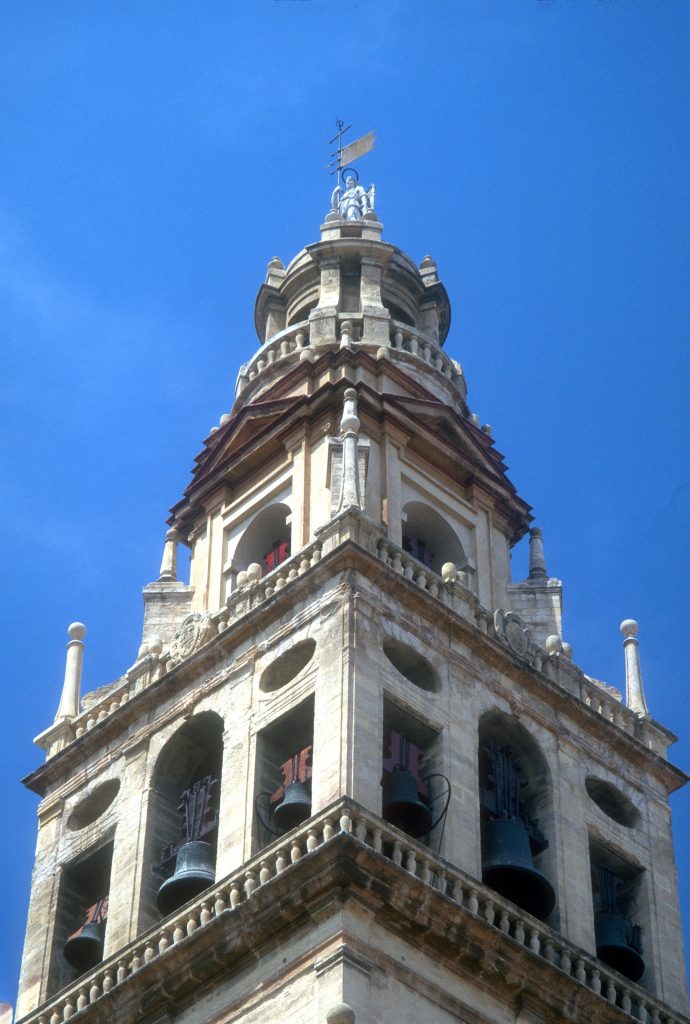
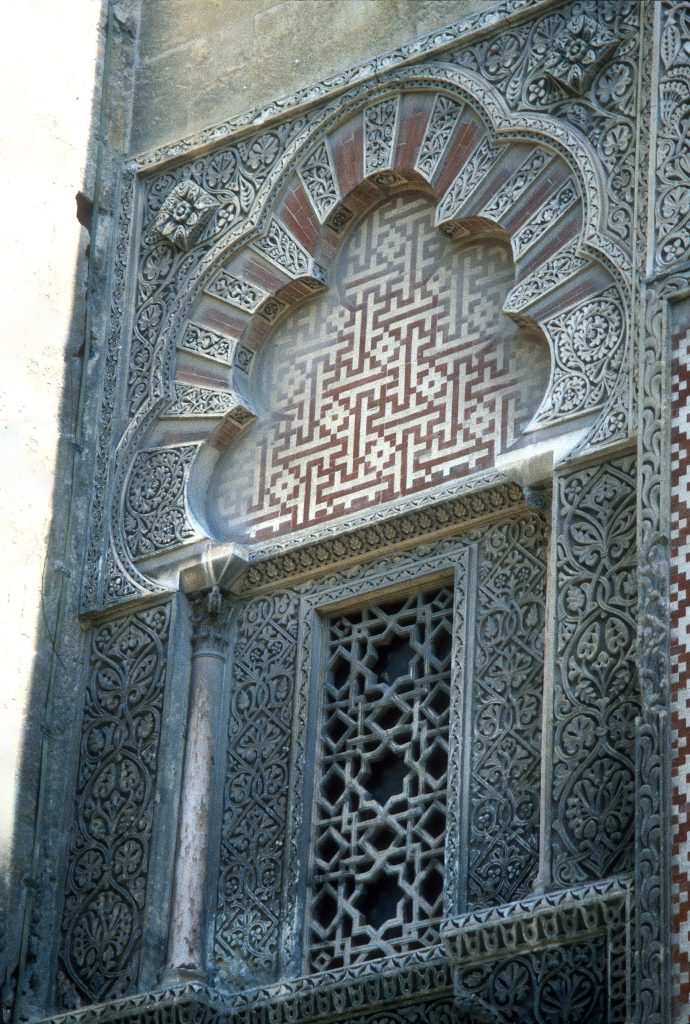
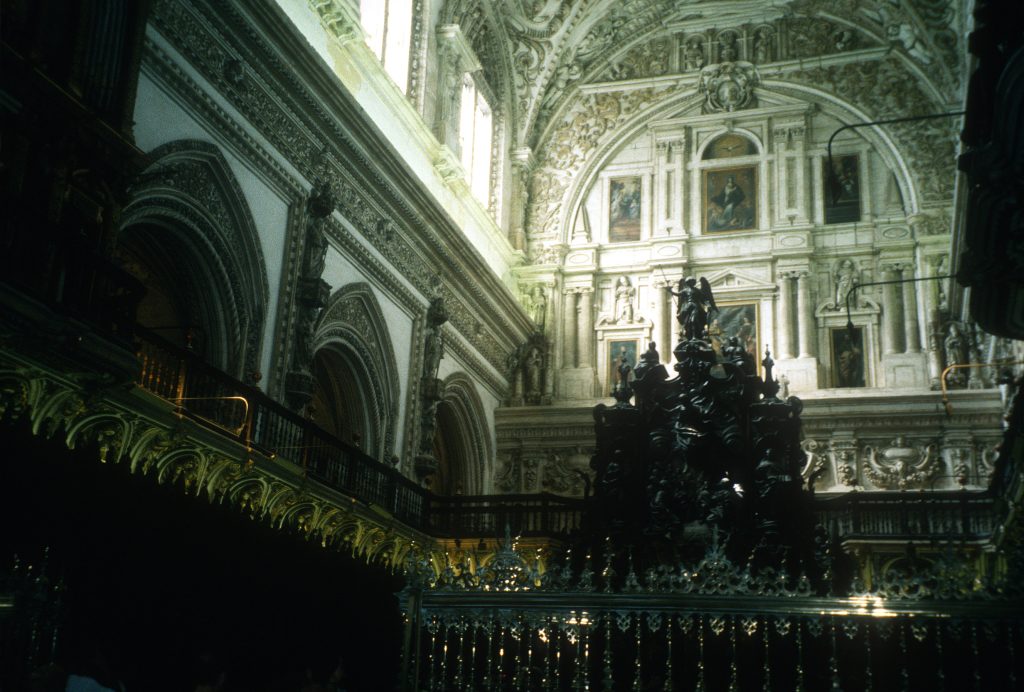
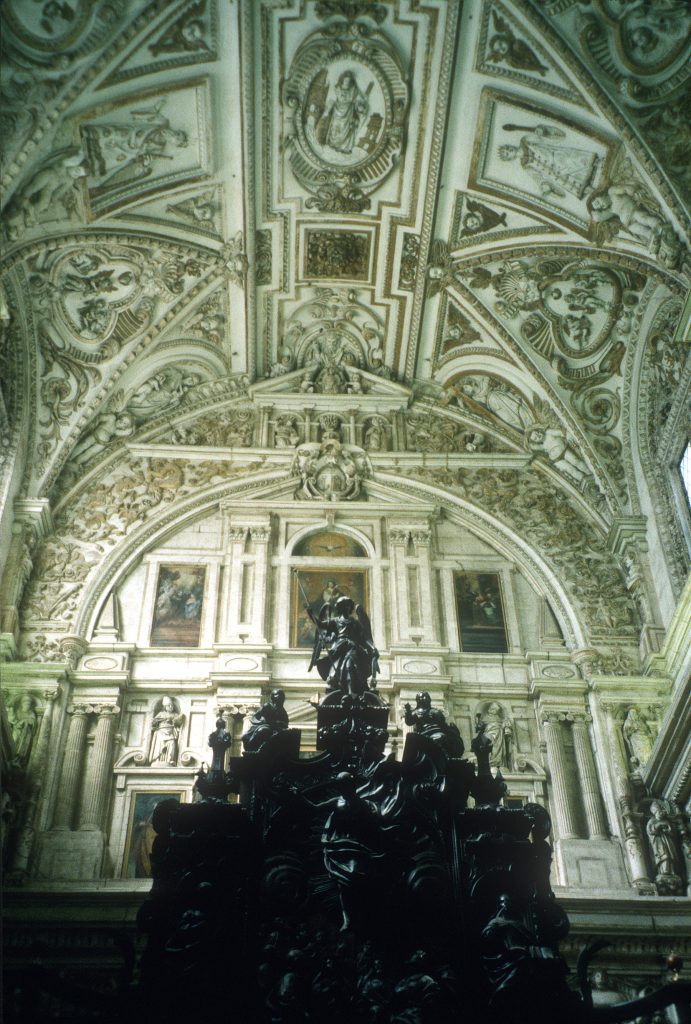
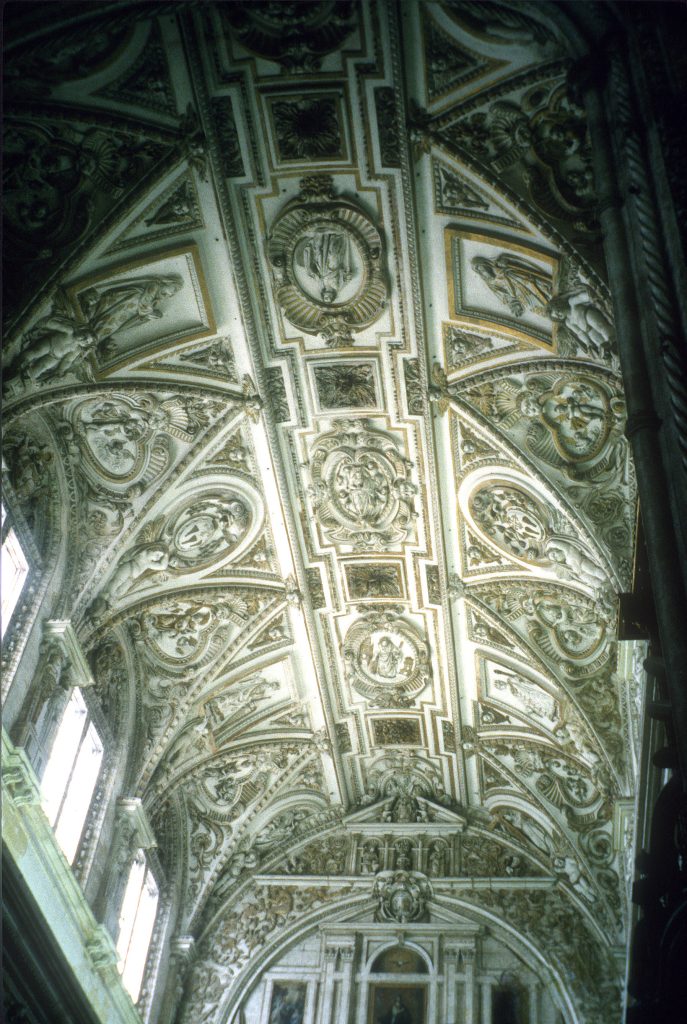
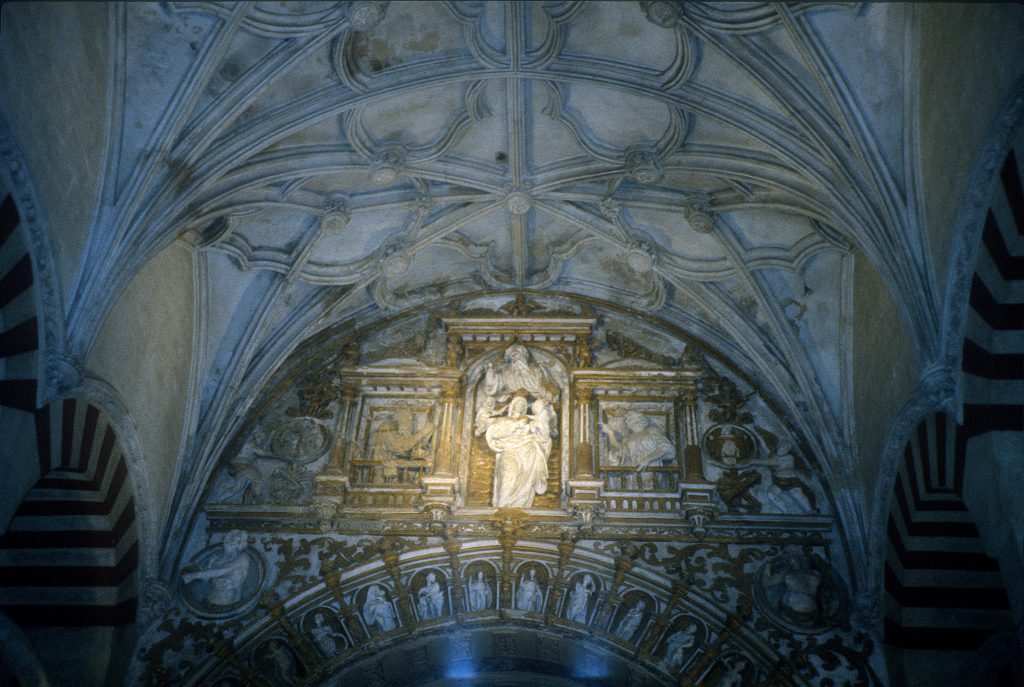
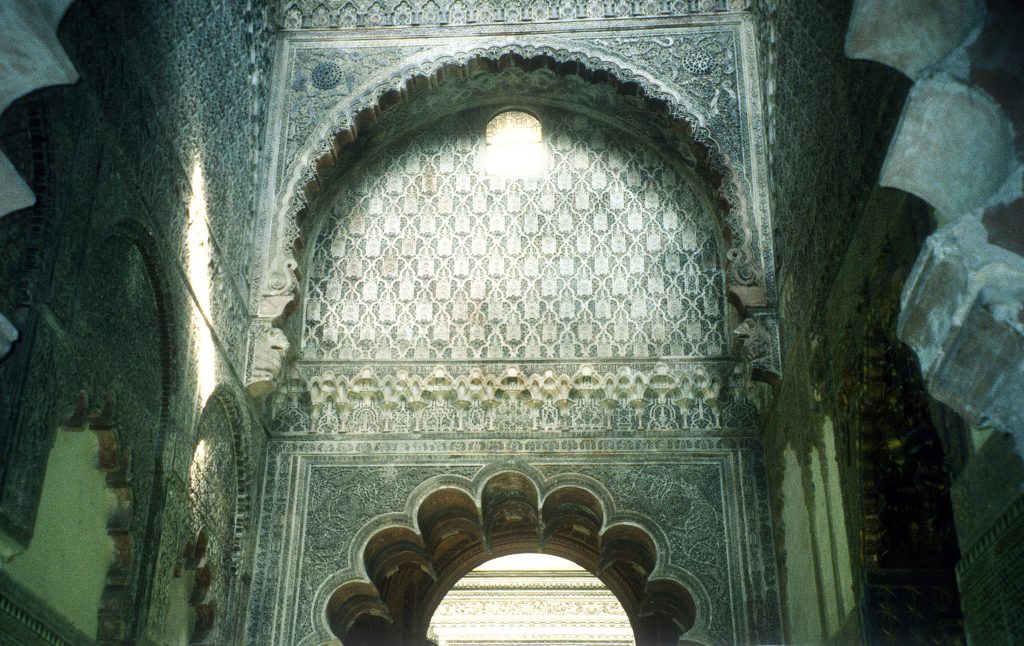
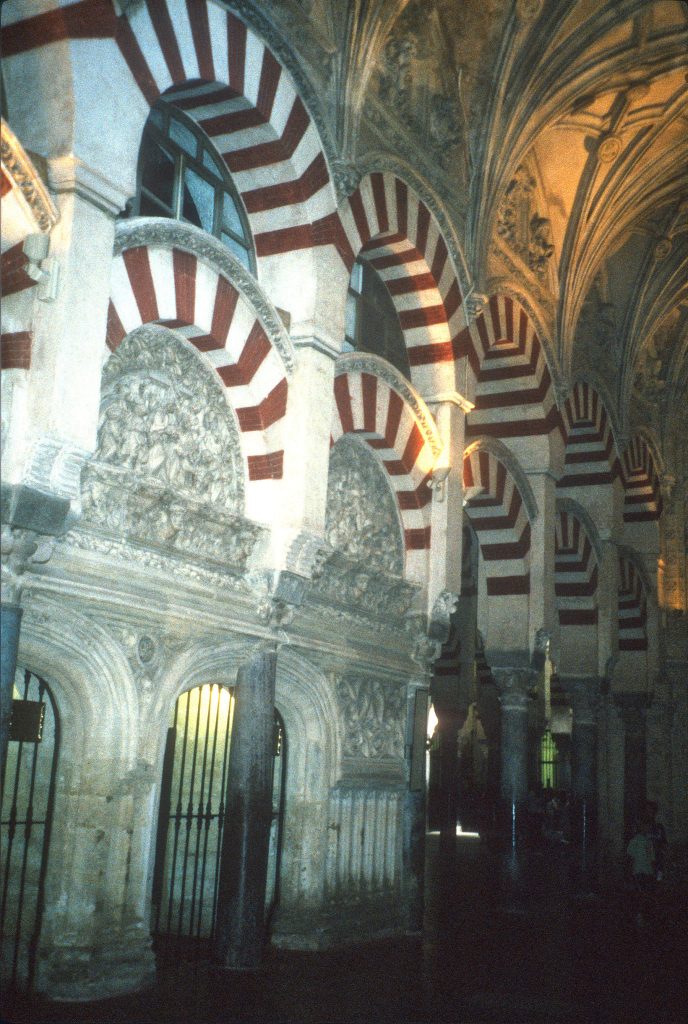
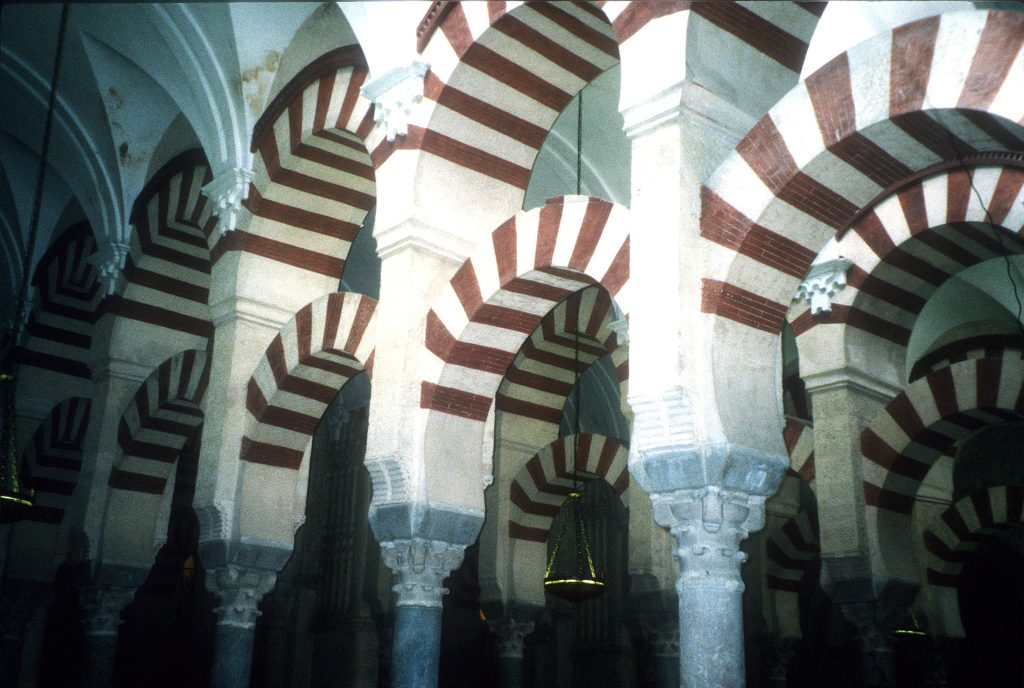
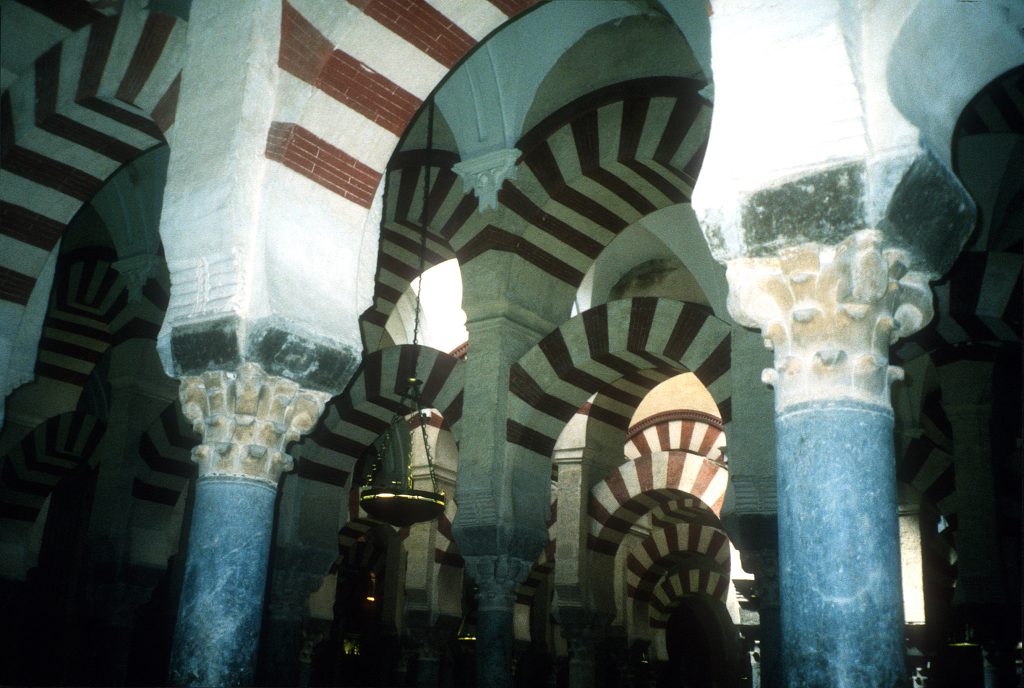
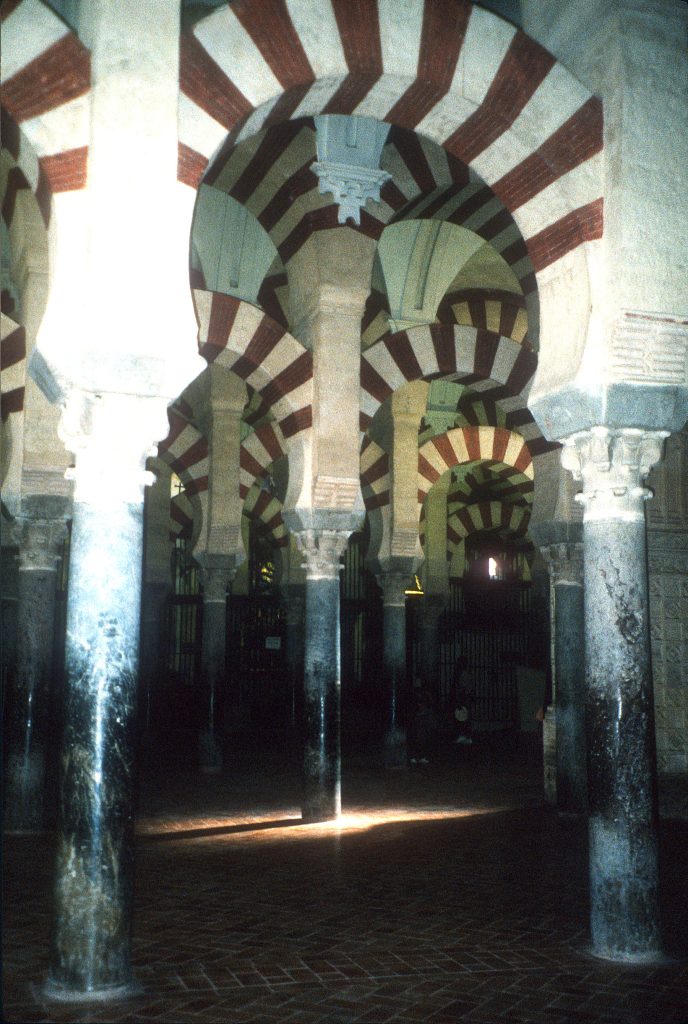
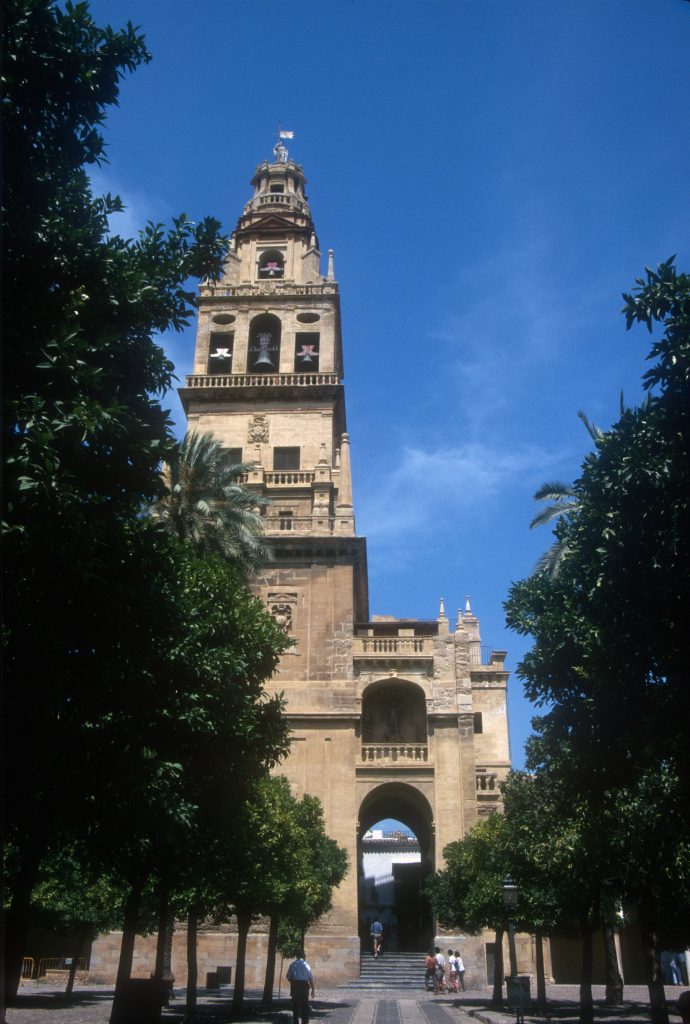
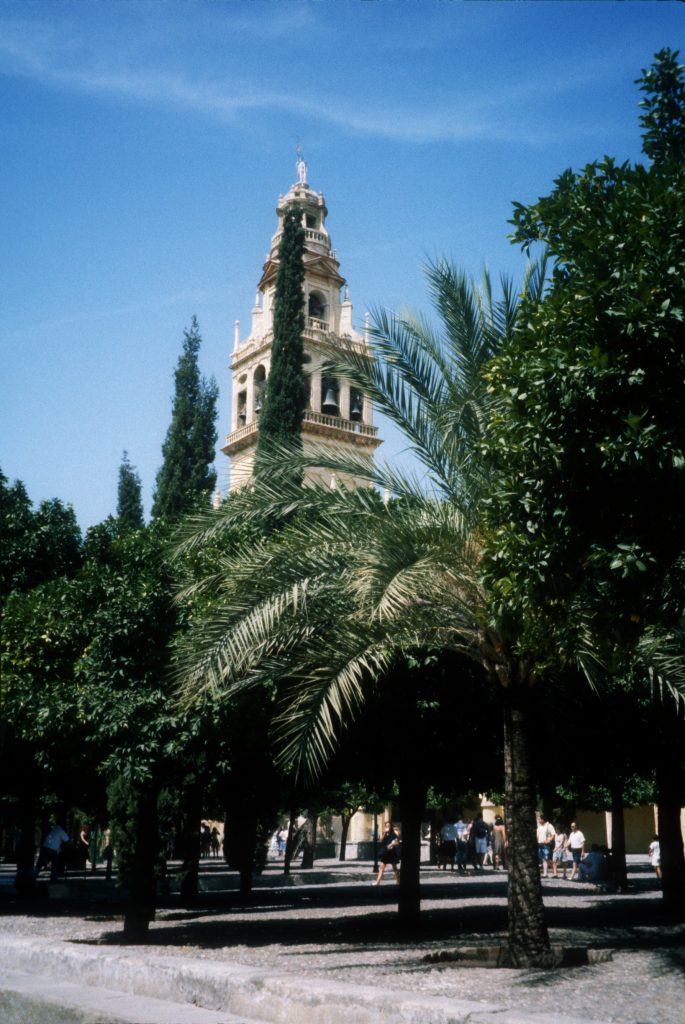
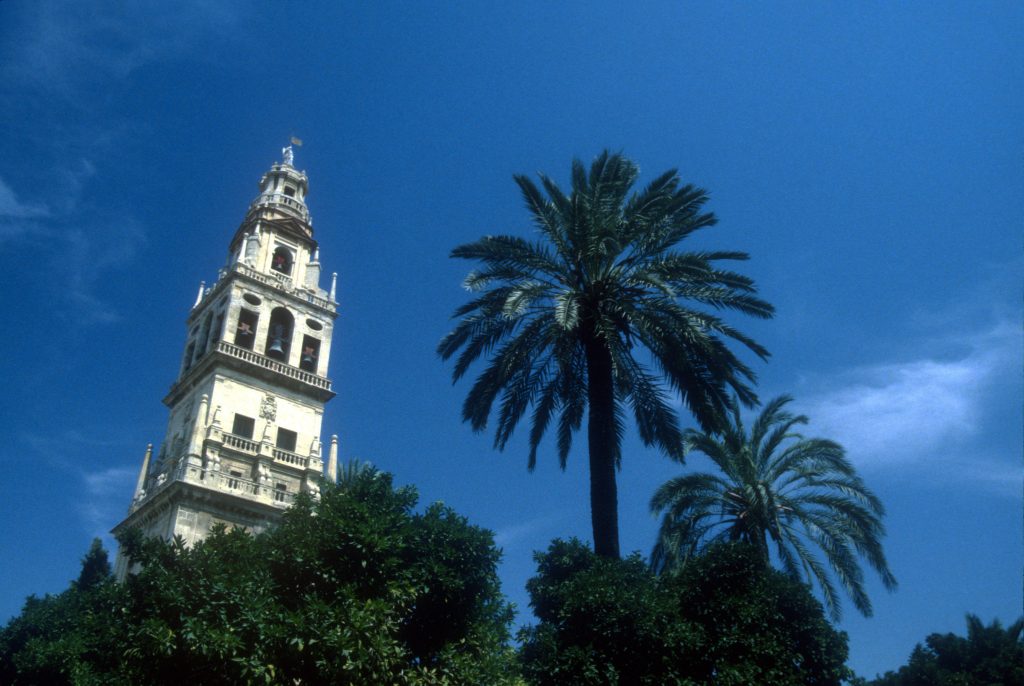
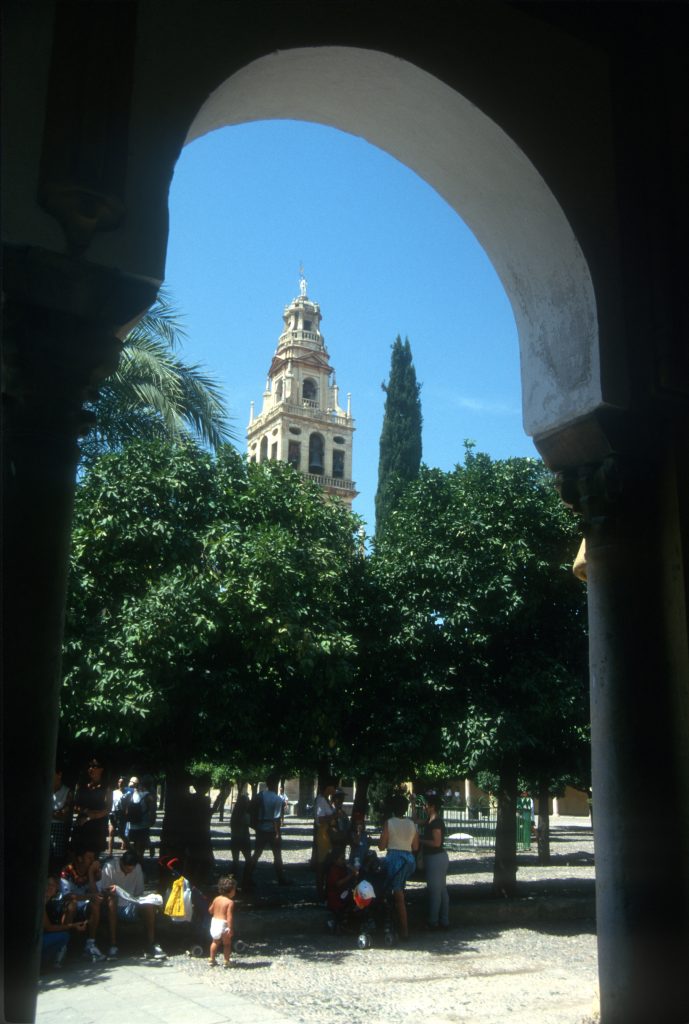
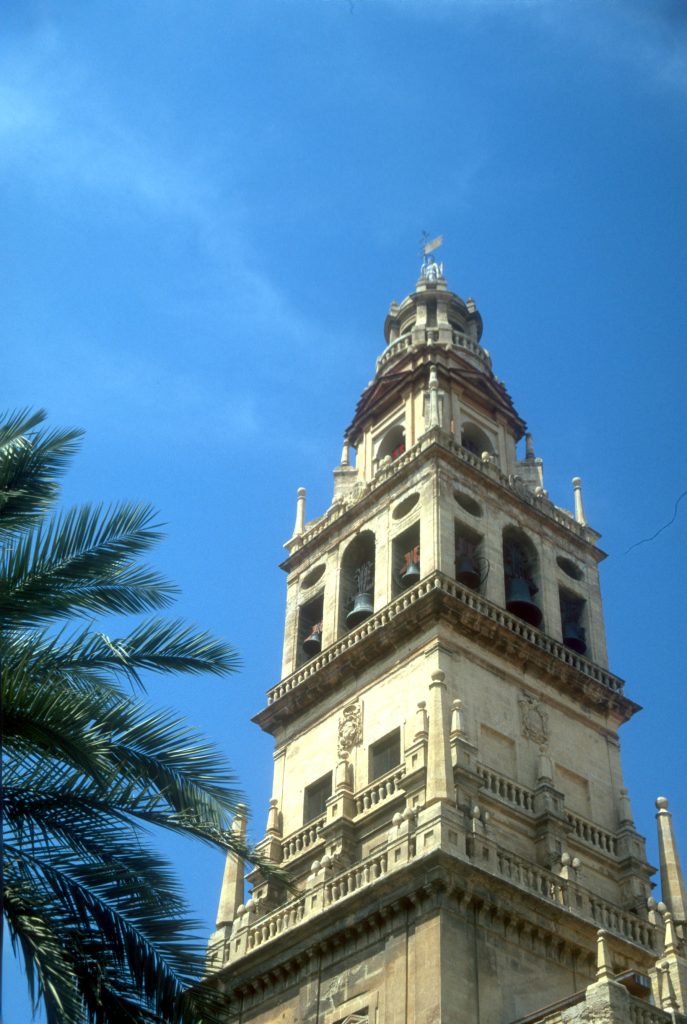
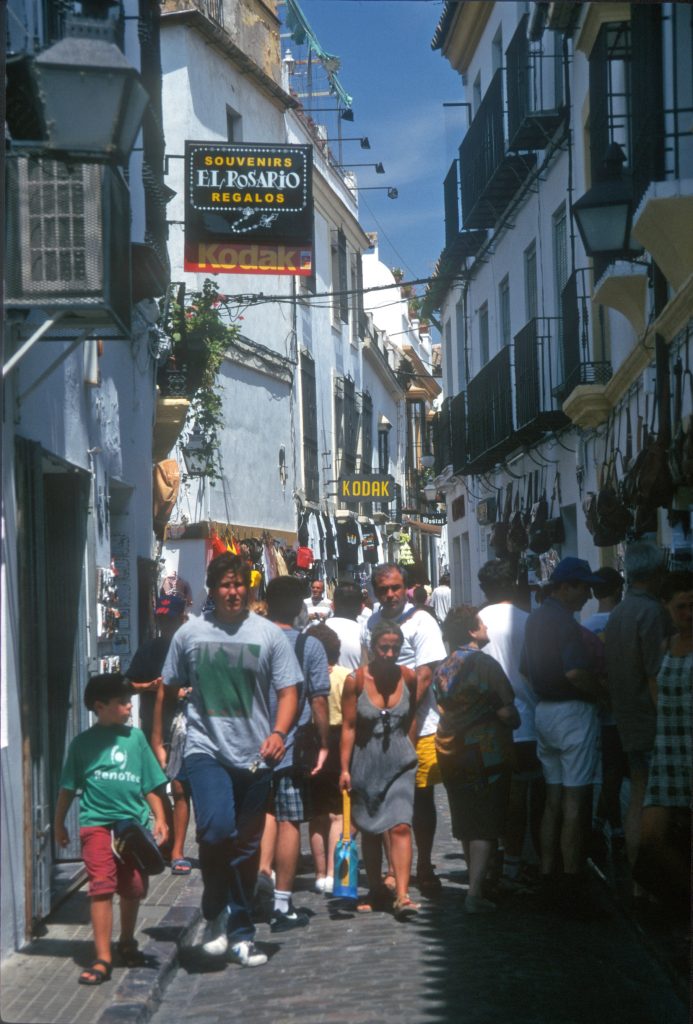
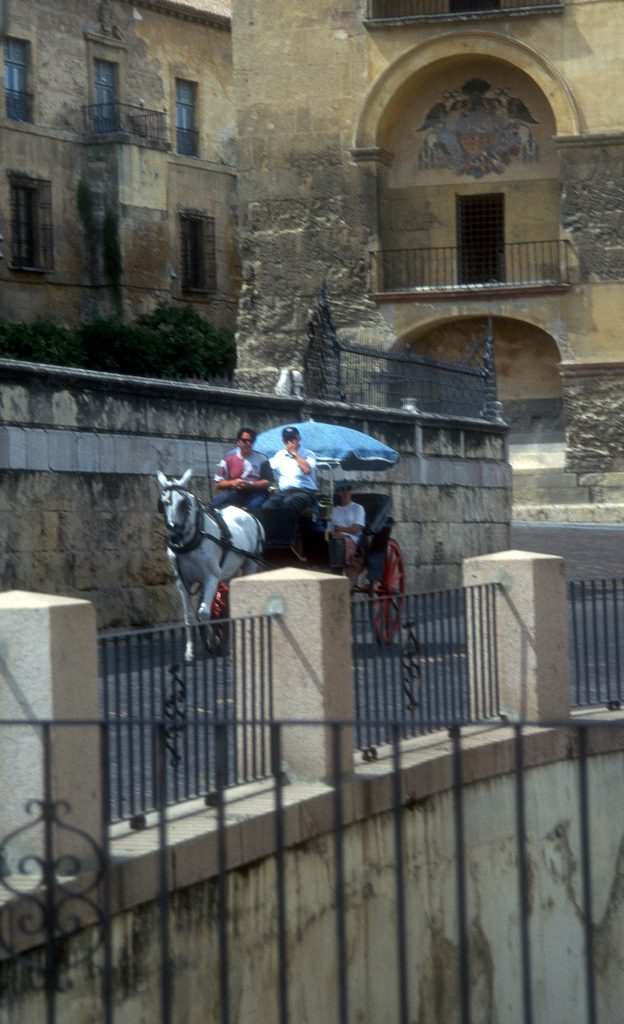
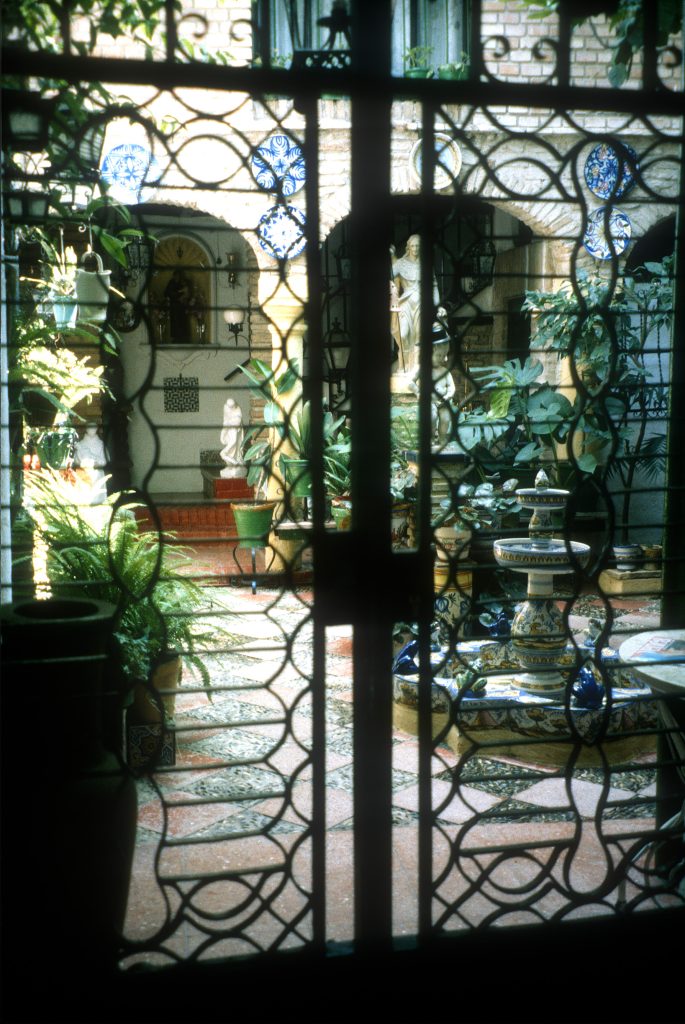
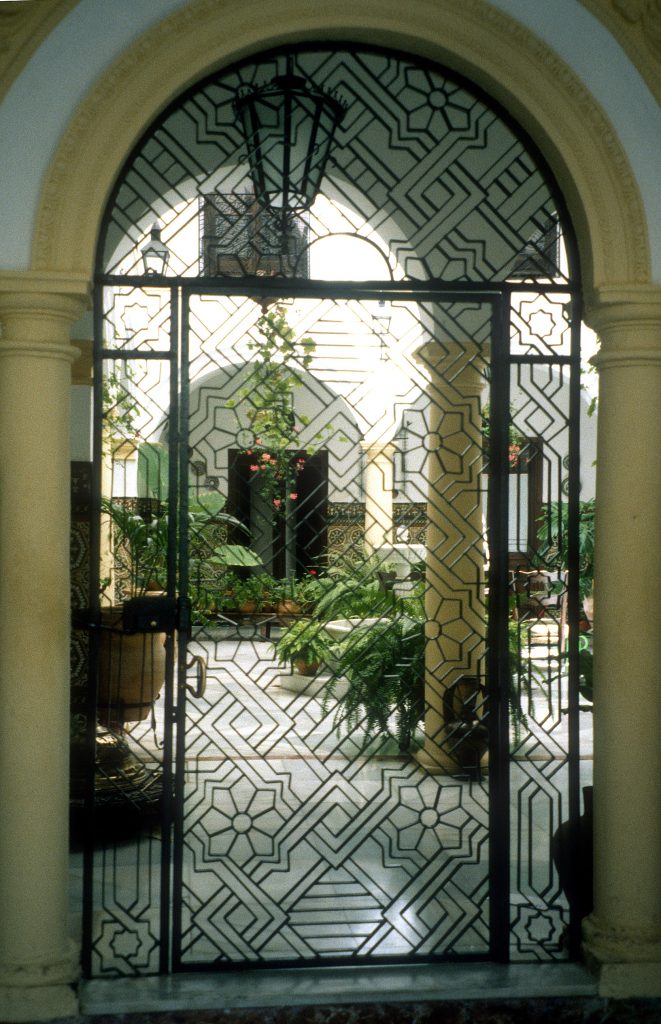
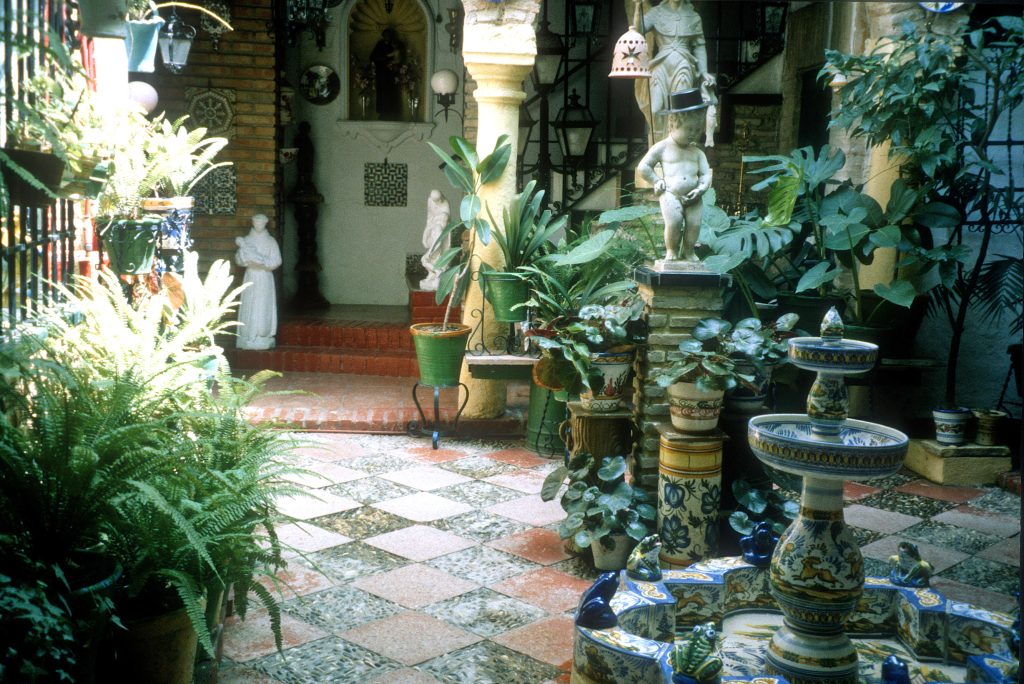
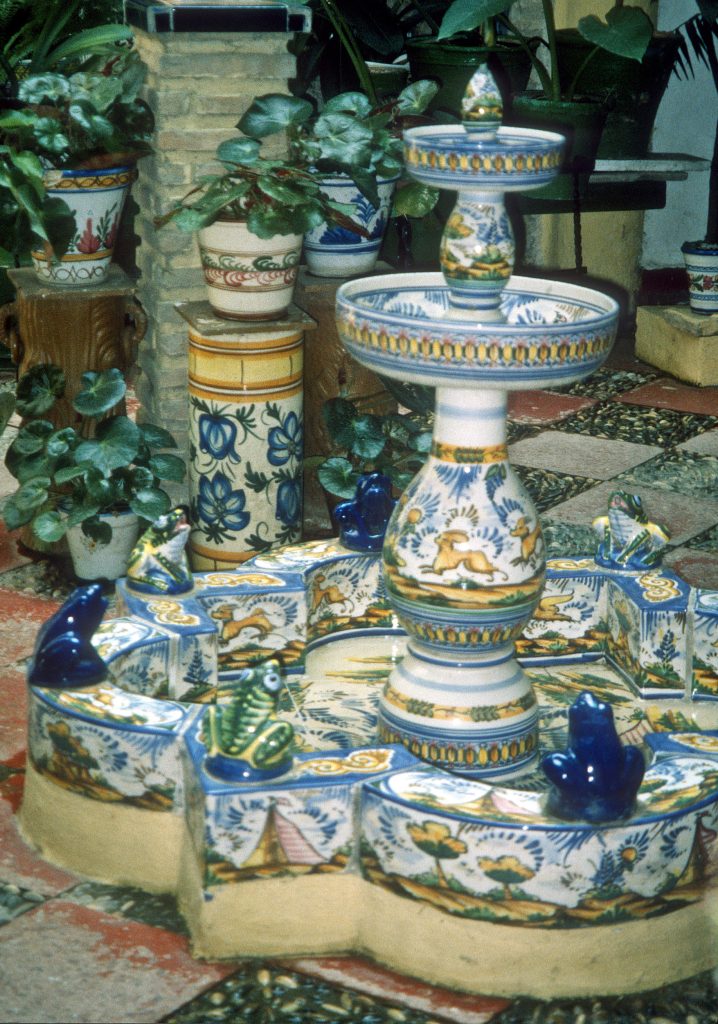
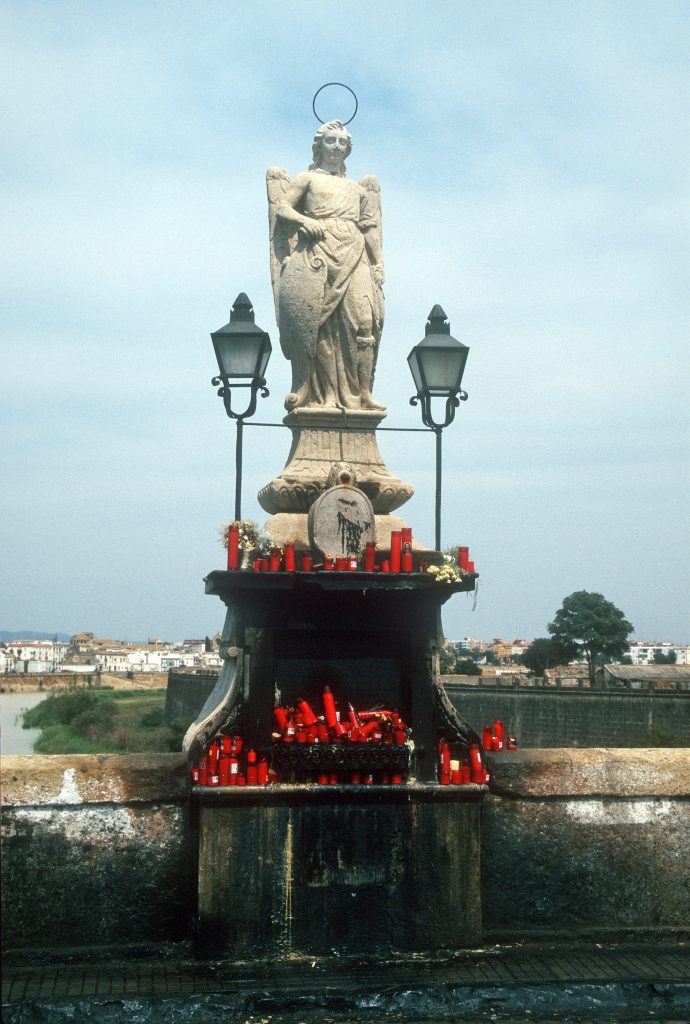
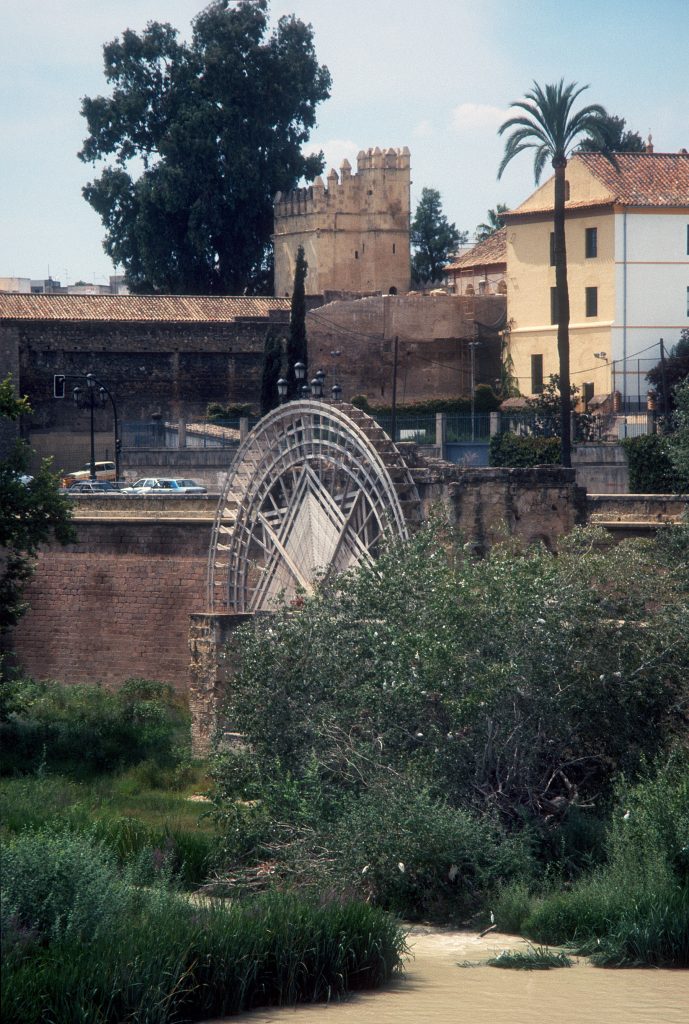
Image Credits: Calidius, Giulio Negroni, Sailko, and Howardcorn33 via Wikimedia Commons
