Where Pilgrims Once Paused, and Silence Still Speaks
A mile from the gentle bustle of Winchcombe, tucked among the rolling green folds of the Cotswold Hills, lies the ruin of Hailes Abbey. It is quiet now, with birds in the hedgerows, wind through the wildflowers, and sun tracing shadows over stone. But for nearly three centuries, Hailes remained a site of pilgrimage, power, and prayer.
People from all over England came to kneel here, not for the architecture, fine though it was, nor the music, sweet though it was, but for a phial of blood, said to be that of Christ himself. That relic once made Hailes one of England’s most visited abbeys. Now only fragments remain. And yet, what remains feels timeless.
This is no place of grandeur. It is a place of grace. And like so many ruined abbeys scattered across England, it tells the story not only of the monks who lived here, but of the world that changed around them.
A Cistercian Foundation Built in Gratitude
Hailes Abbey was founded in 1246 by Richard, Earl of Cornwall, second son of King John and brother to Henry III. According to legend, Richard survived a shipwreck and vowed to build an abbey in thanksgiving if he reached shore. He kept his word and invited Cistercian monks, known for their simplicity and discipline, to settle at Hailes.
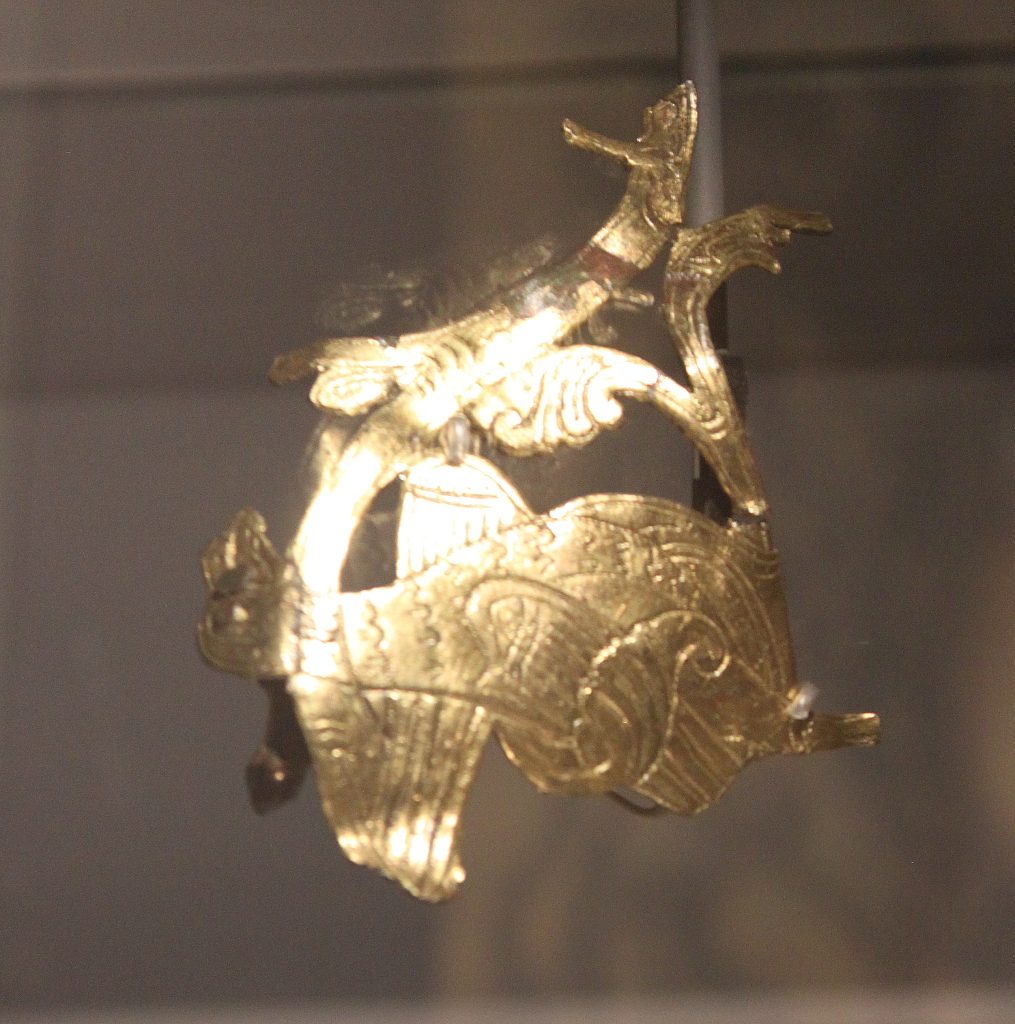
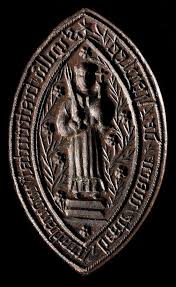
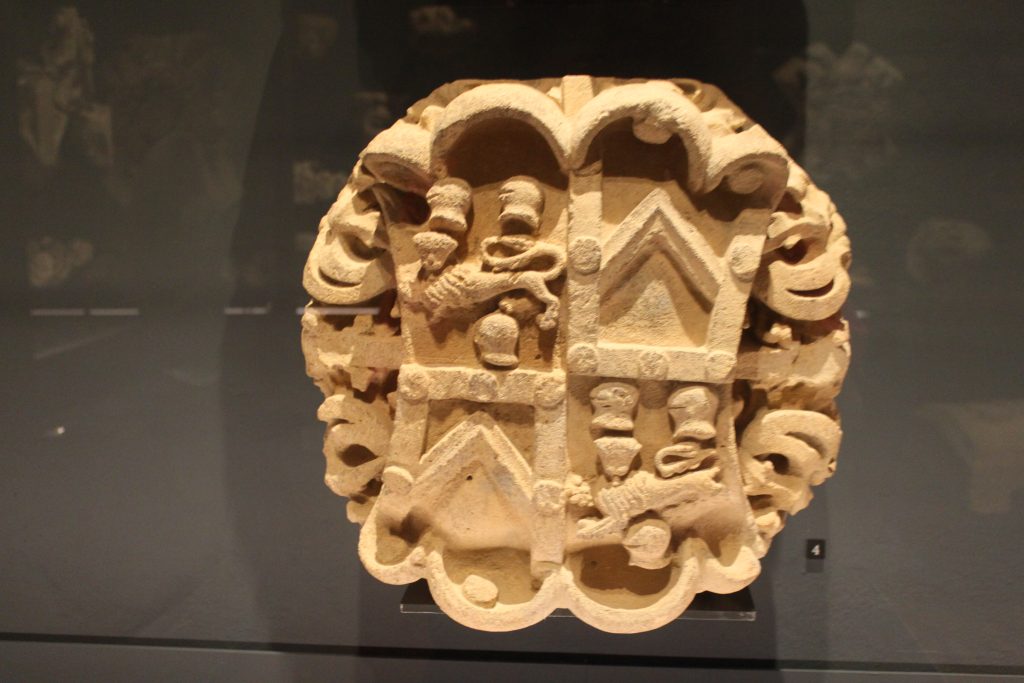
The abbey was built in traditional Cistercian style: low, restrained, and focused on utility over ornament. But its fortunes changed dramatically in 1270, when the monks acquired what they believed to be a vial of Christ’s blood, a relic brought from Germany, and quickly enshrined in a magnificent chapel (pictured on the left: a 16th-century seal depicting the Holy Blood of Hailes).
From that moment, Hailes became a major pilgrimage destination. Thousands came each year to see the relic, seek healing, and leave offerings. The abbey grew rich, and its wealth brought additions: carved cloisters, guest houses, fishponds, a vast kitchen, and a considerable library.
A Sudden Fall and a Quiet Rebirth
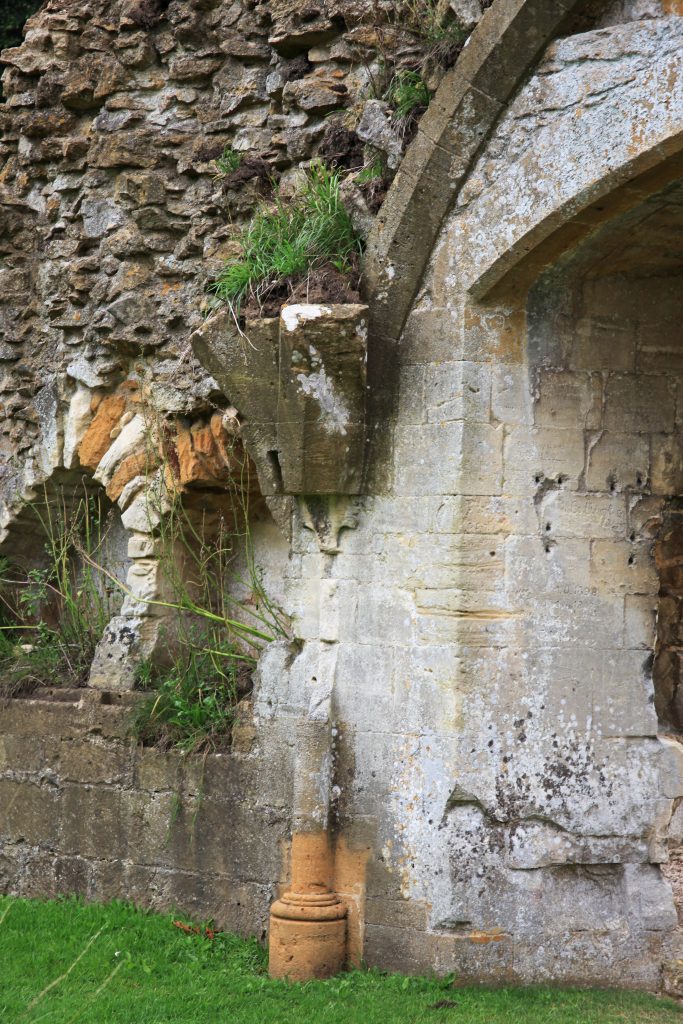
Hailes Abbey’s prosperity ended during the Dissolution of the Monasteries under Henry VIII, as so many did. In 1539, the abbey was officially dissolved. The relic of Christ’s blood was declared a fake, the monks were dispersed with pensions, and the buildings were gradually dismantled for their stone.
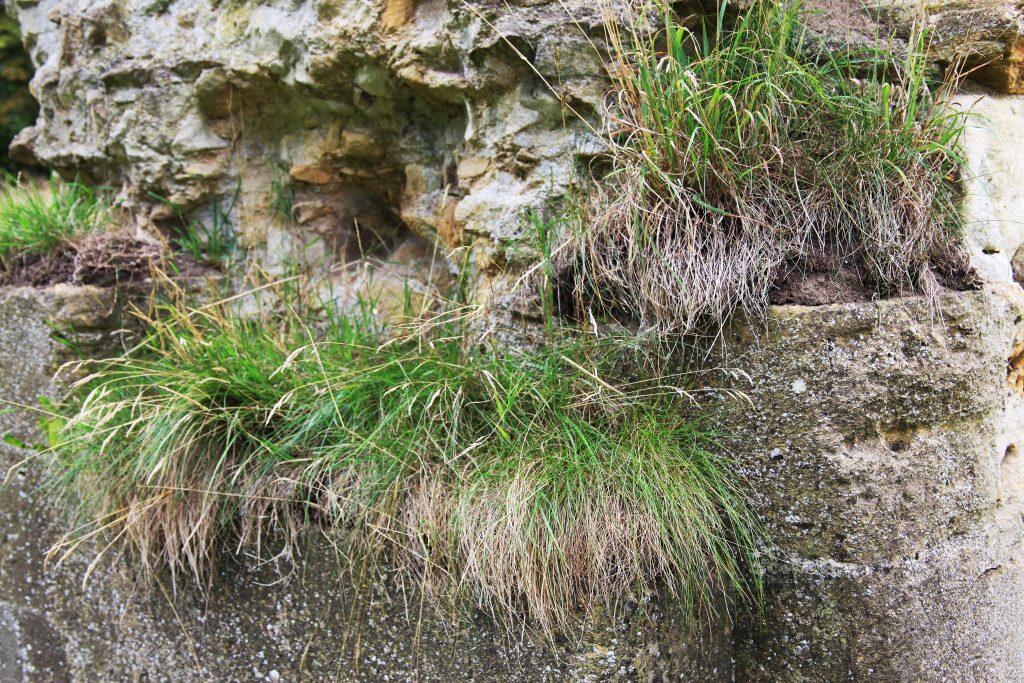
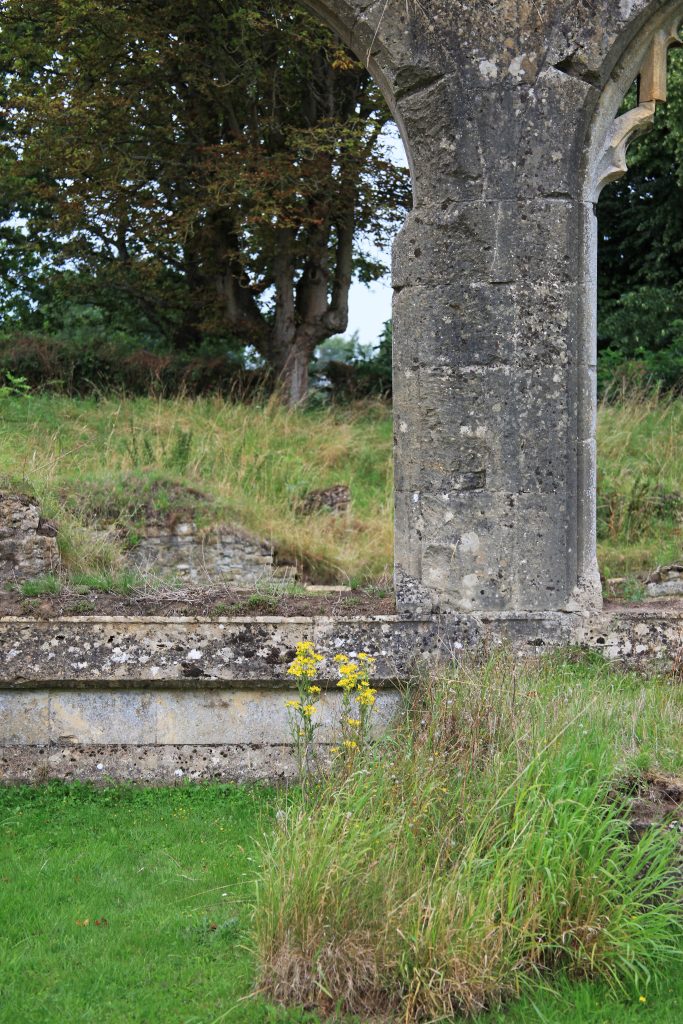
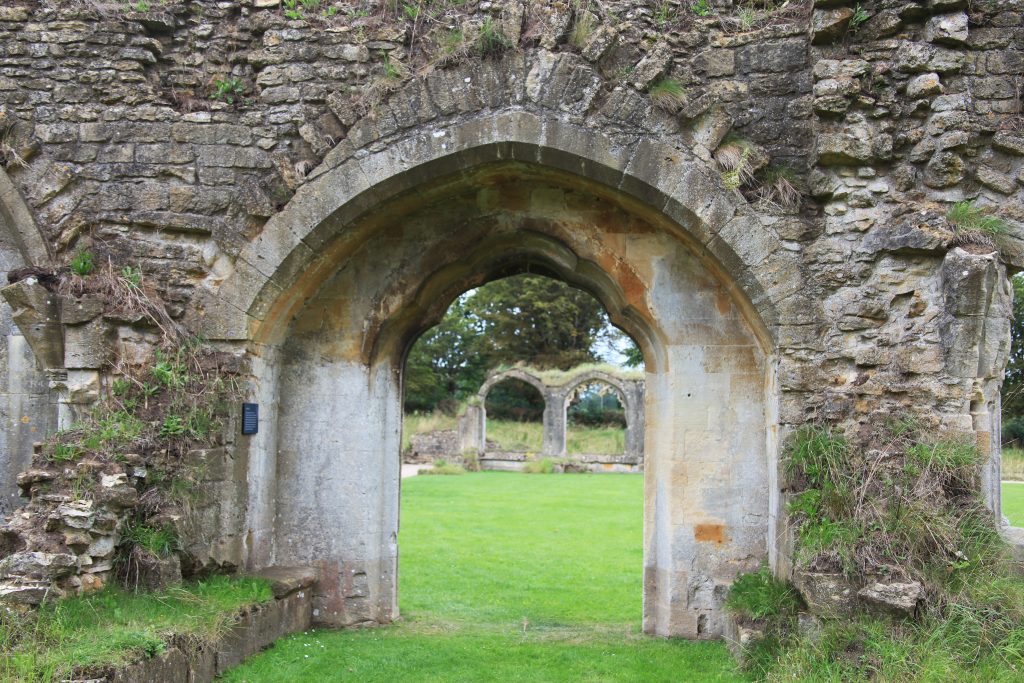
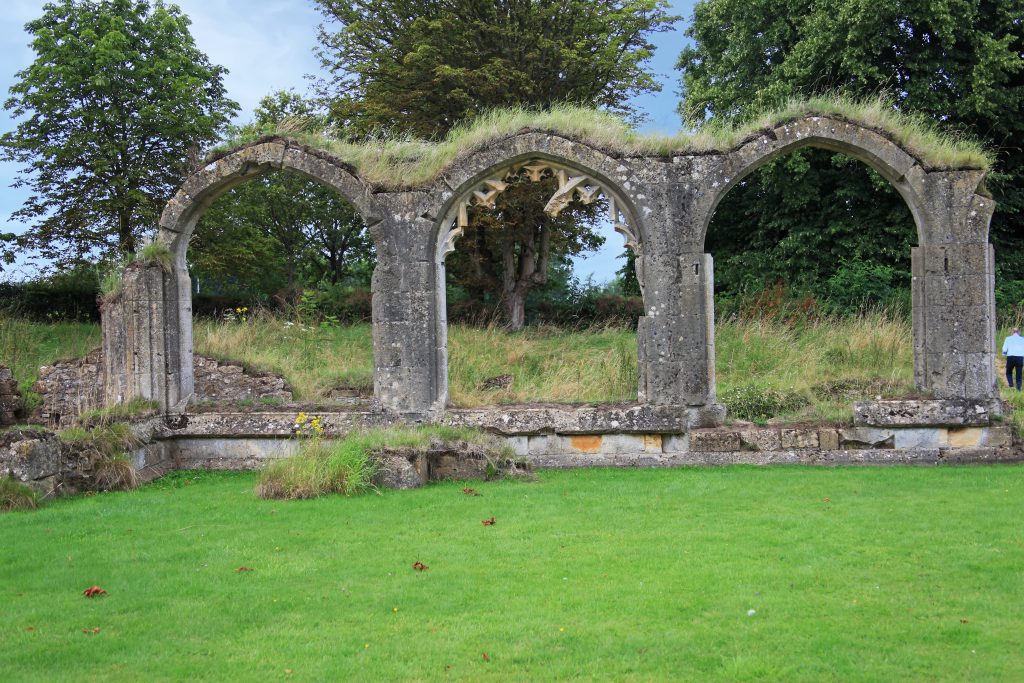
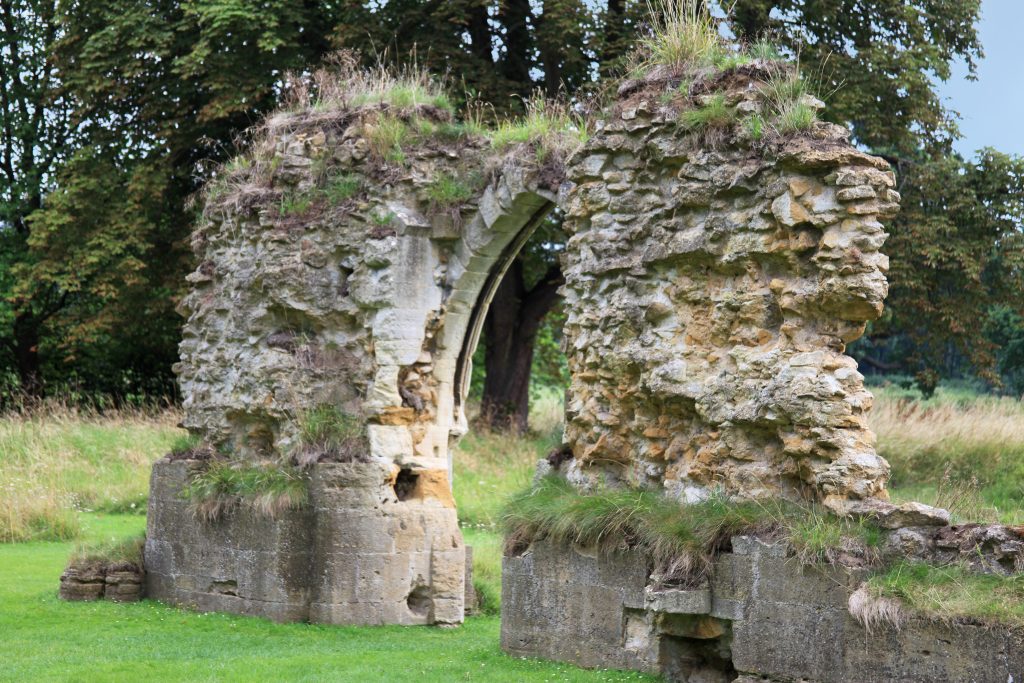
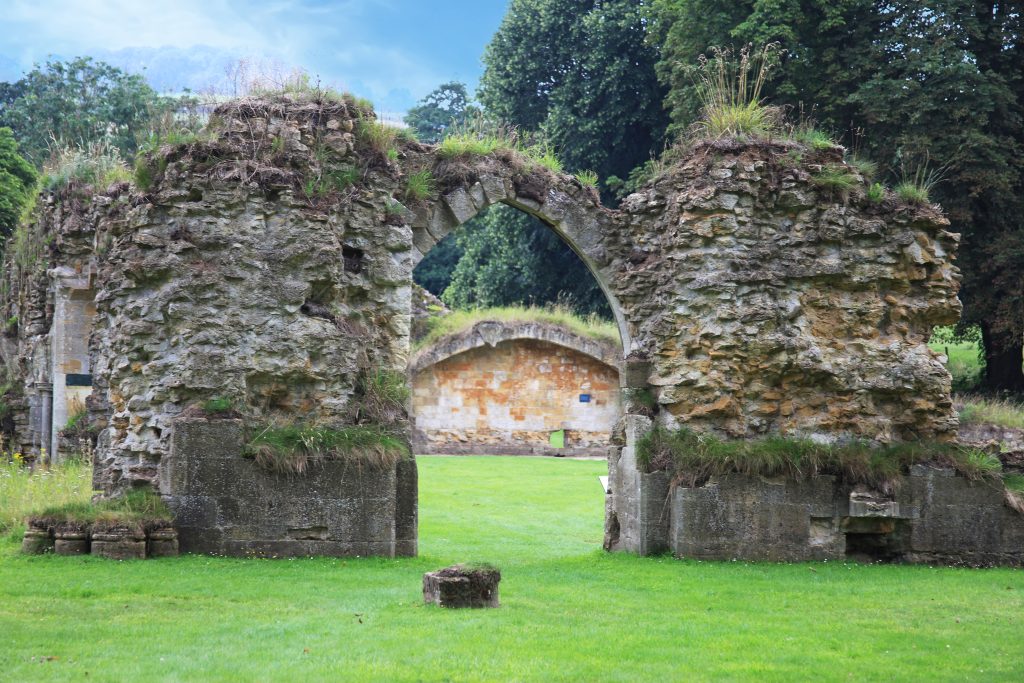
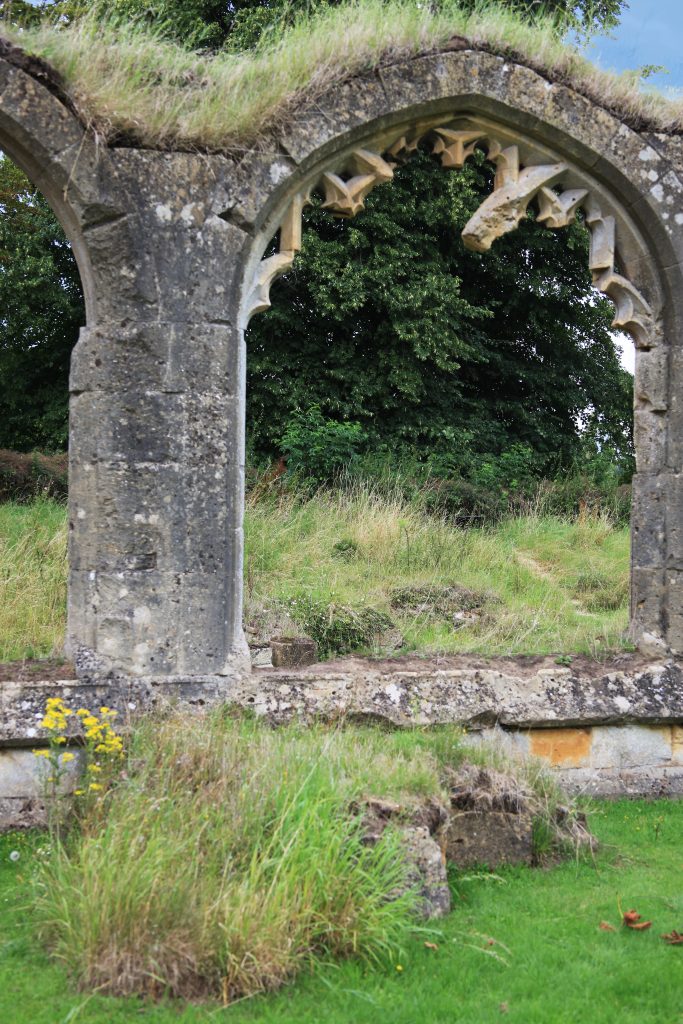
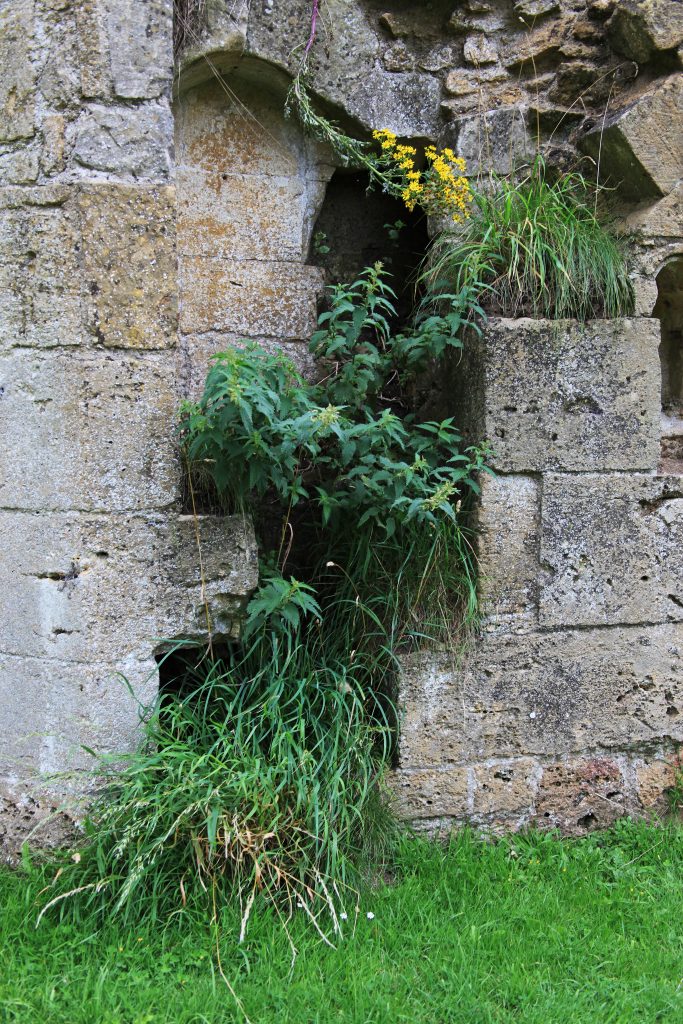
But not all was lost. The land softened over time. Flowers grew across the broken pillars. Trees framed what were once transepts. And the quiet dignity of ruins took hold.
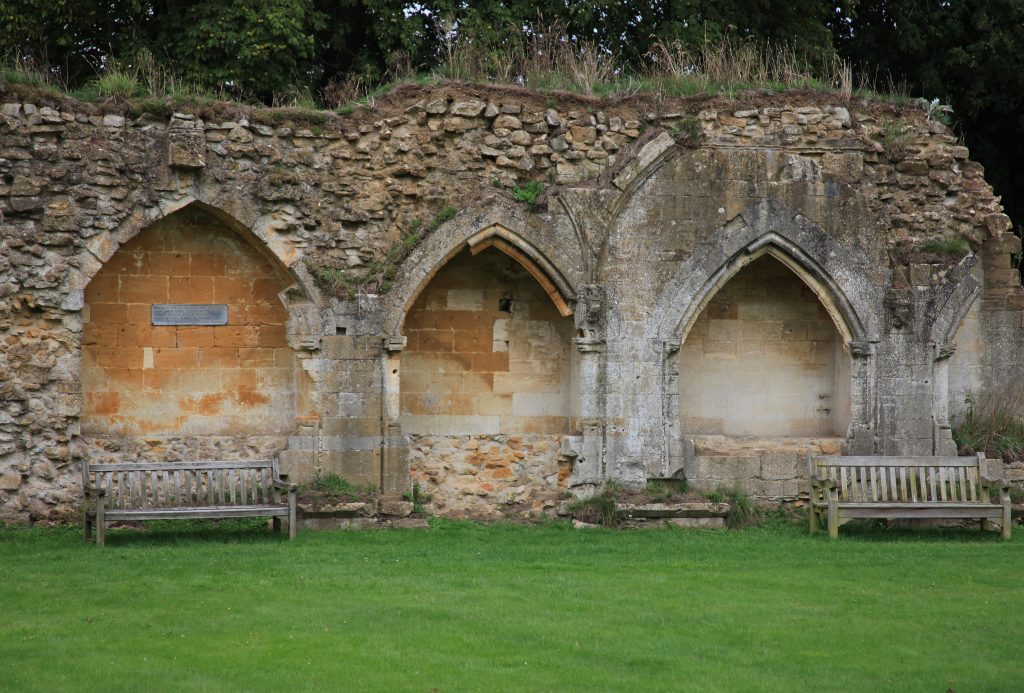
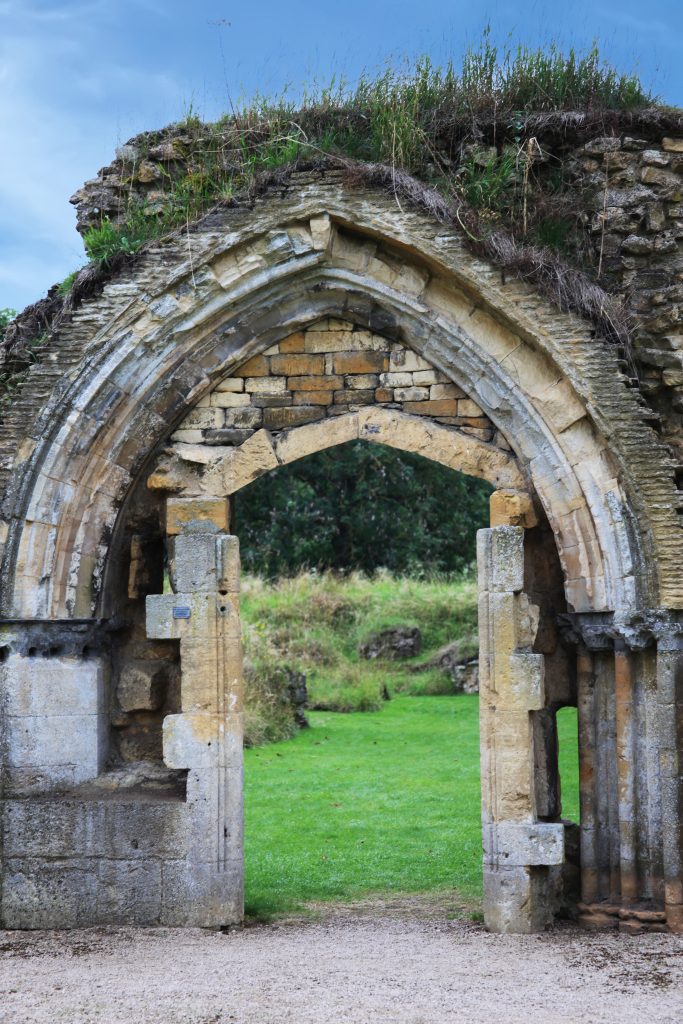
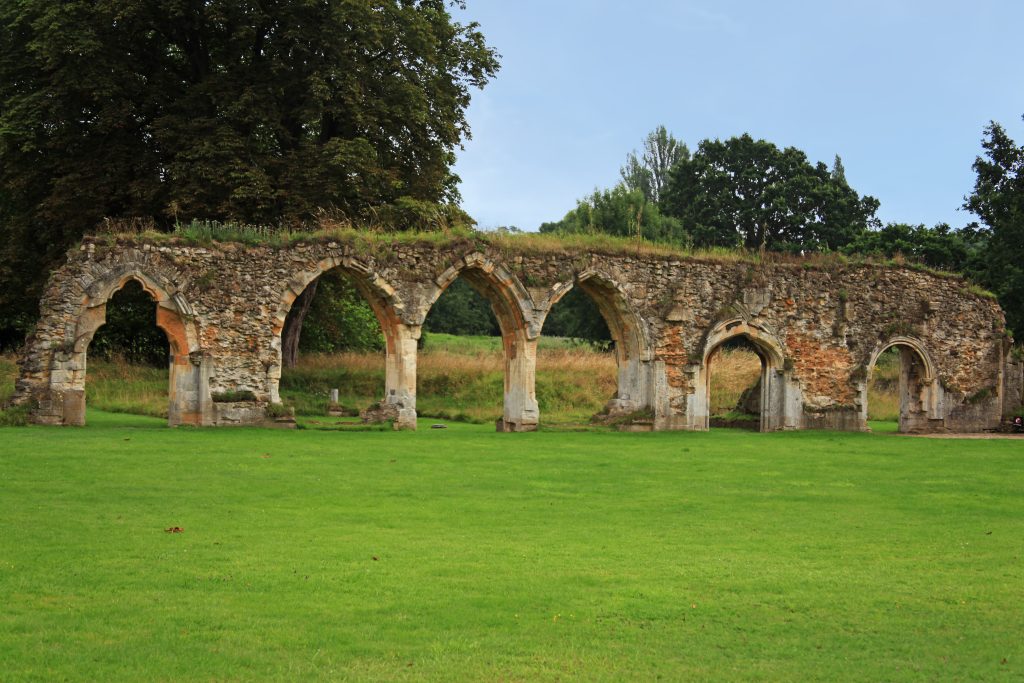
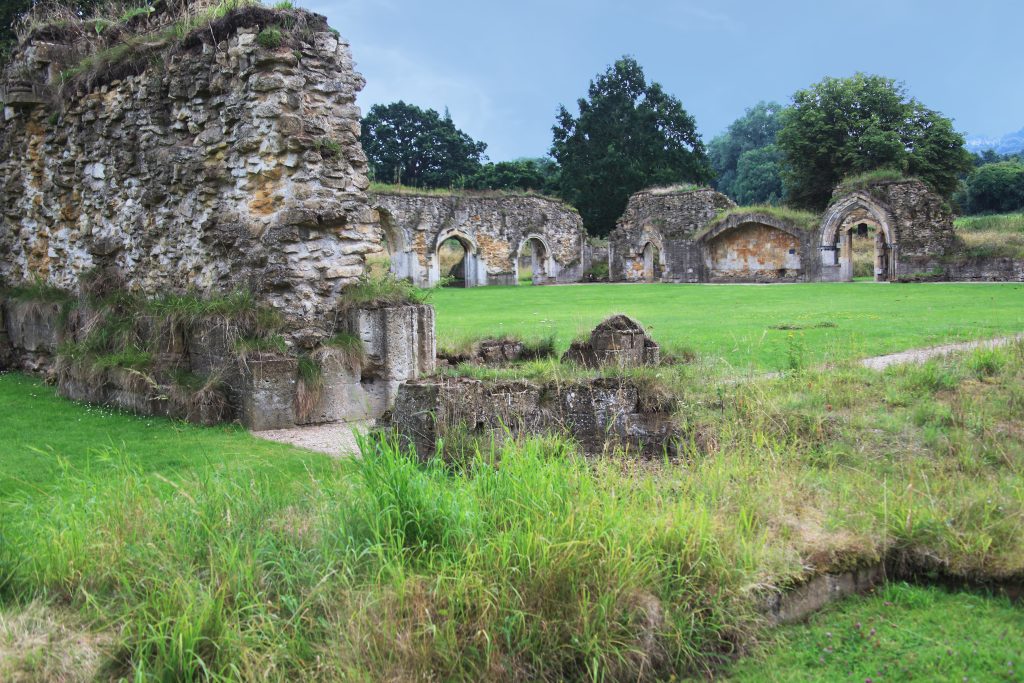
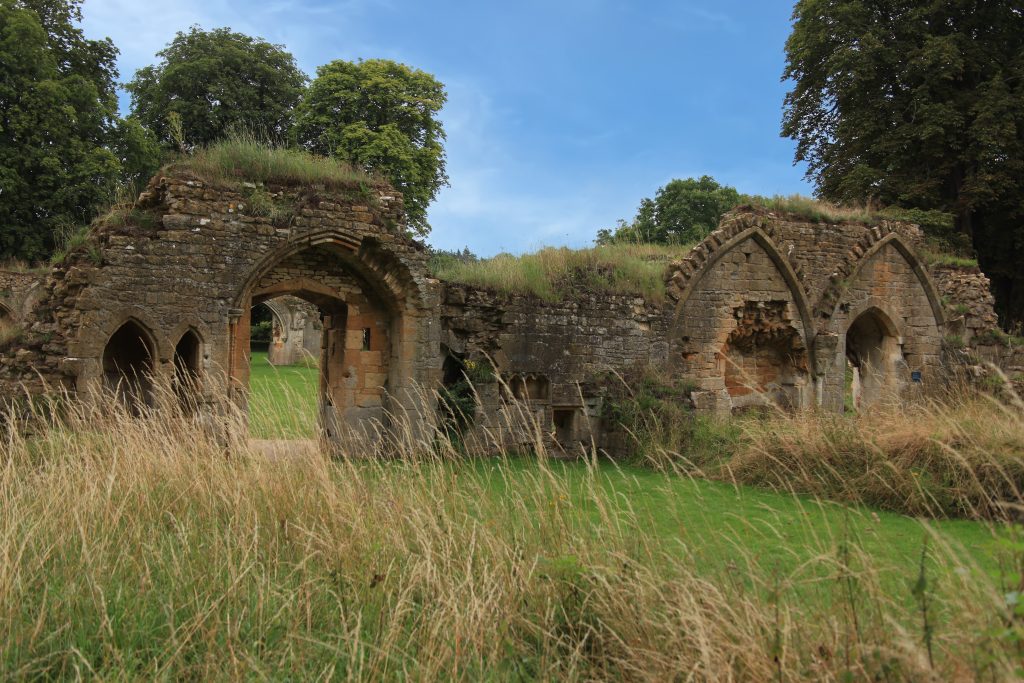
Today, what survives are the foundations and partial walls of the church and cloister, along with the refectory and chapter house, set within gentle meadows. The site is managed by English Heritage, which maintains a small museum in the adjacent 19th-century manor farmhouse.
What You’ll See
To visit Hailes Abbey is to step into a world reduced to essentials, light, air, grass, stone.
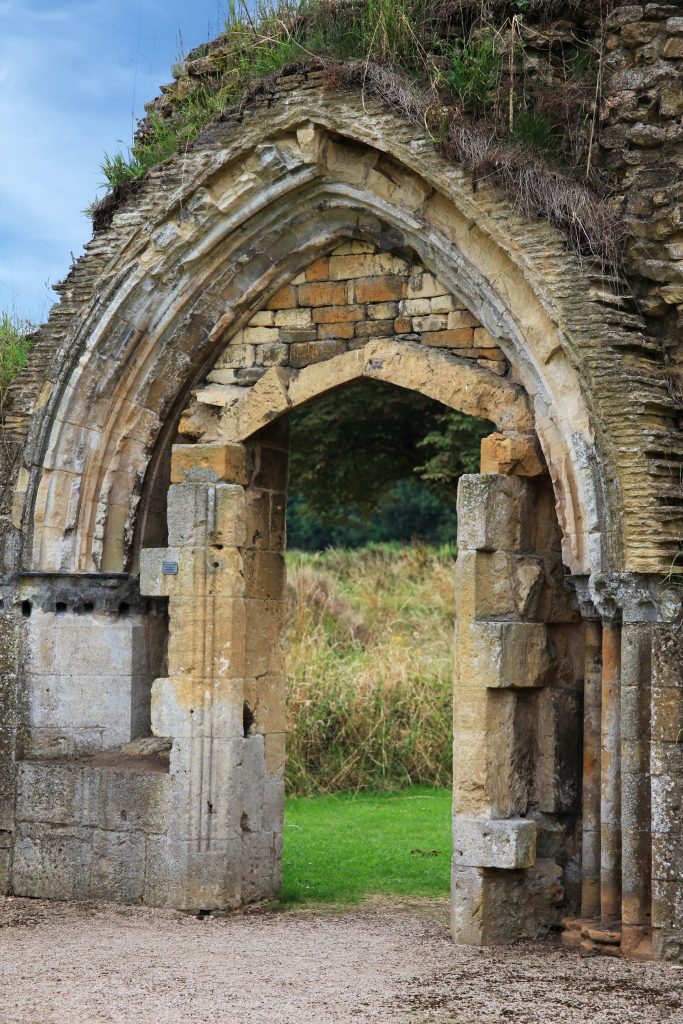
The layout remains legible: you can trace the nave’s shape, walk the cloister, and peer into the chapter house where monks gathered daily for readings and discussion. The tiles underfoot, some original, are decorated with medieval designs: fleur-de-lis, griffins, and delicate scrollwork.
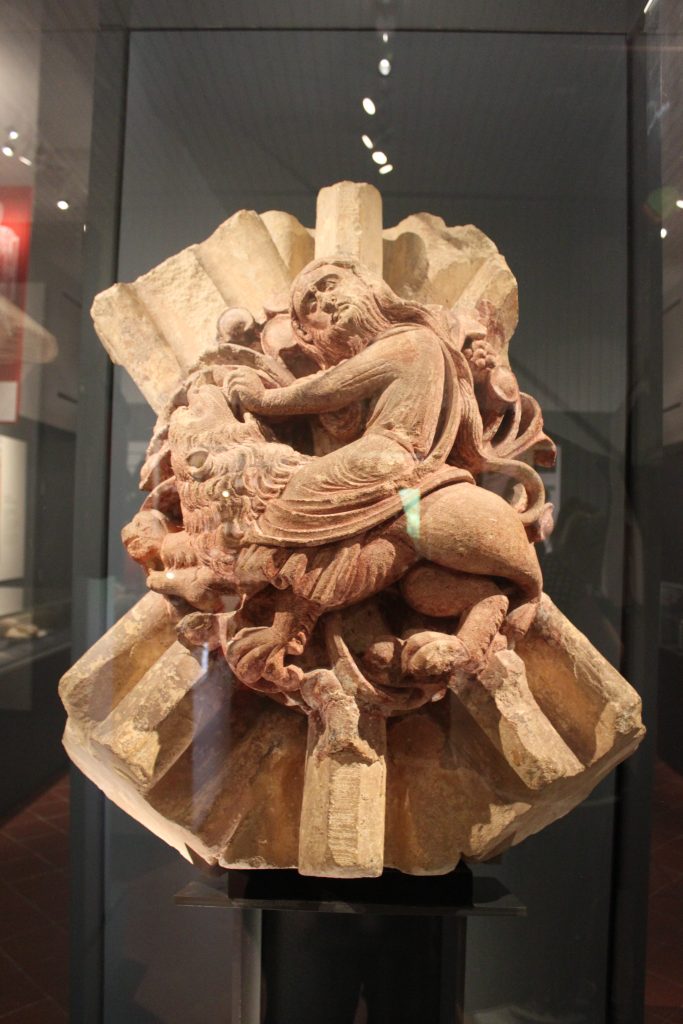
The museum displays fragments of stained glass, carved capitals, and beautifully preserved tiles. It also tells the story of the Holy Blood relic, its impact, its mystery, and its rejection during the Reformation.
On a clear day, the Malvern Hills rise in the distance, their landscape unchanged since pilgrims arrived on foot or horseback, bearing candles, coins, or burdens of the soul.
What You’ll See in the Museum
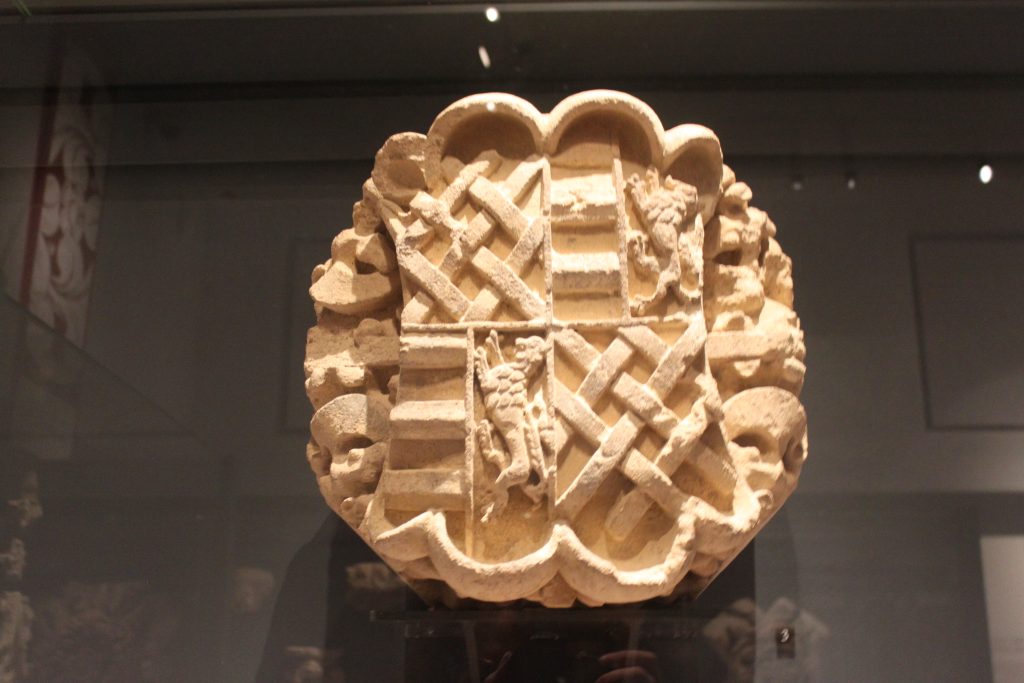
- Sculptural Stonework — Carved stone bosses and decorative fragments that once adorned the abbey’s ceilings and buildings, revealing the artistic skill and symbolic imagery of the medieval craftsmen.
- Heraldic Floor Tiles — Medieval floor tiles featuring coats of arms, including those linked with Richard of Cornwall, the abbey’s founder, offering insight into patronage and identity in the 13th century.
- Rare Personal Objects — One of the oldest surviving medieval spectacle frames ever found in England, a rare and evocative fragment that reveals aspects of everyday monastic life.
- Abbey Seals & Metalwork — Pieces such as the abbey’s confraternity seal, once used to symbolise ties between lay benefactors and the monastic community, showcasing how religious and social networks operated.
- Architectural Fragments — Bits of columns, carved stone and other structural elements from the abbey buildings, helping you imagine the scale and splendour of the original complex.
Church of St. Barnabas
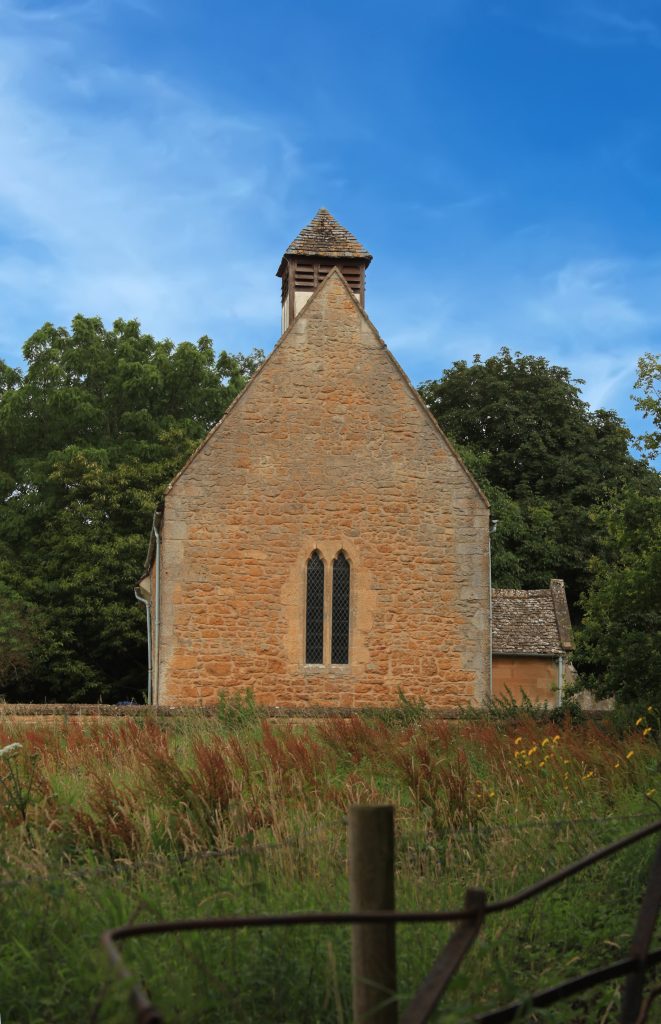
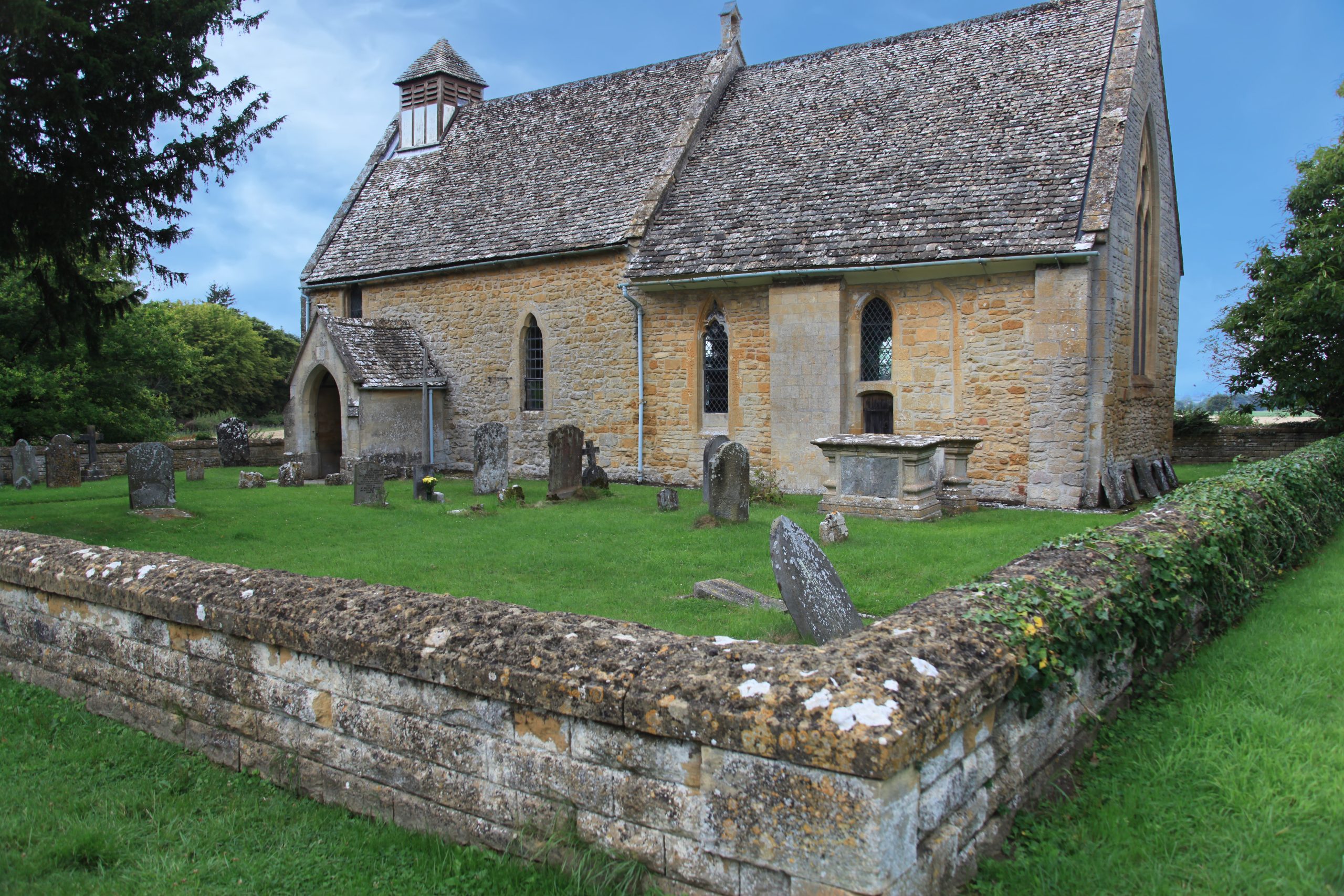
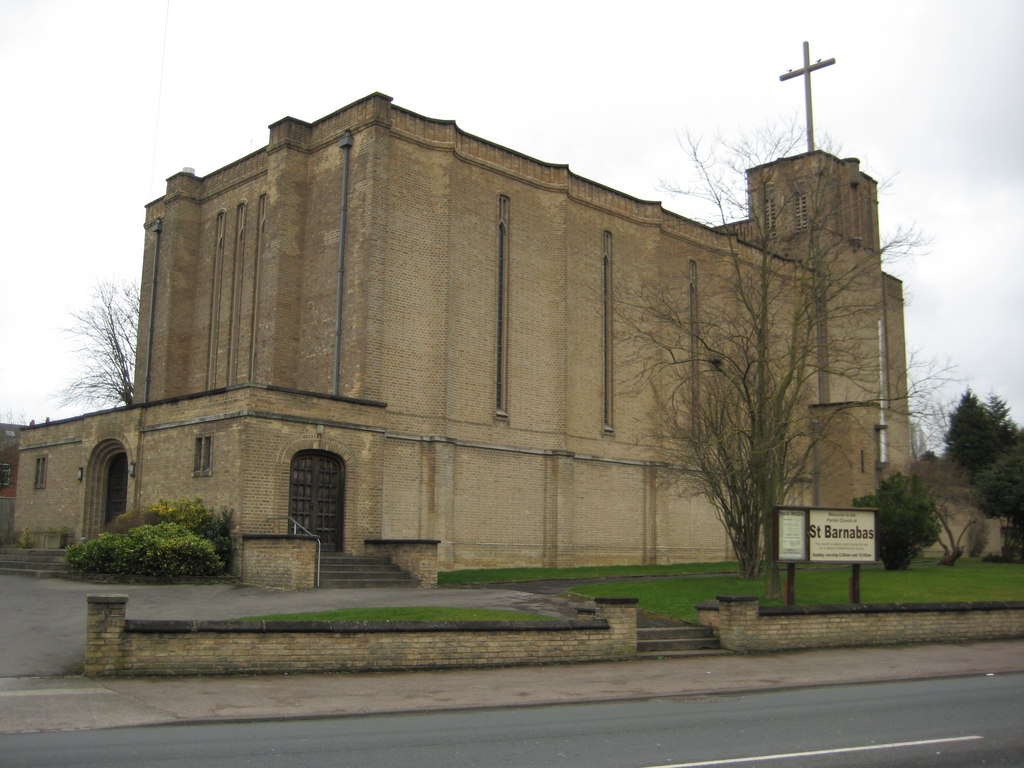
Just across the narrow country lane from Hailes Abbey’s ruins stands the Church of St. Barnabas, a quietly enchanting medieval survivor of England’s past. Built around 1175, decades before the abbey itself, it once served the hamlet of Hailes before being enveloped by the great religious house founded by Richard, Earl of Cornwall. This humble parish church survived the Dissolution intact, offering visitors a rare glimpse of early English ecclesiastical architecture. Step inside and you’ll discover faded but evocative medieval wall paintings, including depictions of saints, angels, and a haunting image of the Day of Judgment, fragments of spiritual storytelling that once inspired and instructed congregants who could not read. The church’s simple nave, timbered roof, and quiet atmosphere strike a contrast to the abbey’s former grandeur, making it essential to the Hailes experience and an echo of enduring faith across the centuries.
A Cotswold Abbey in Context
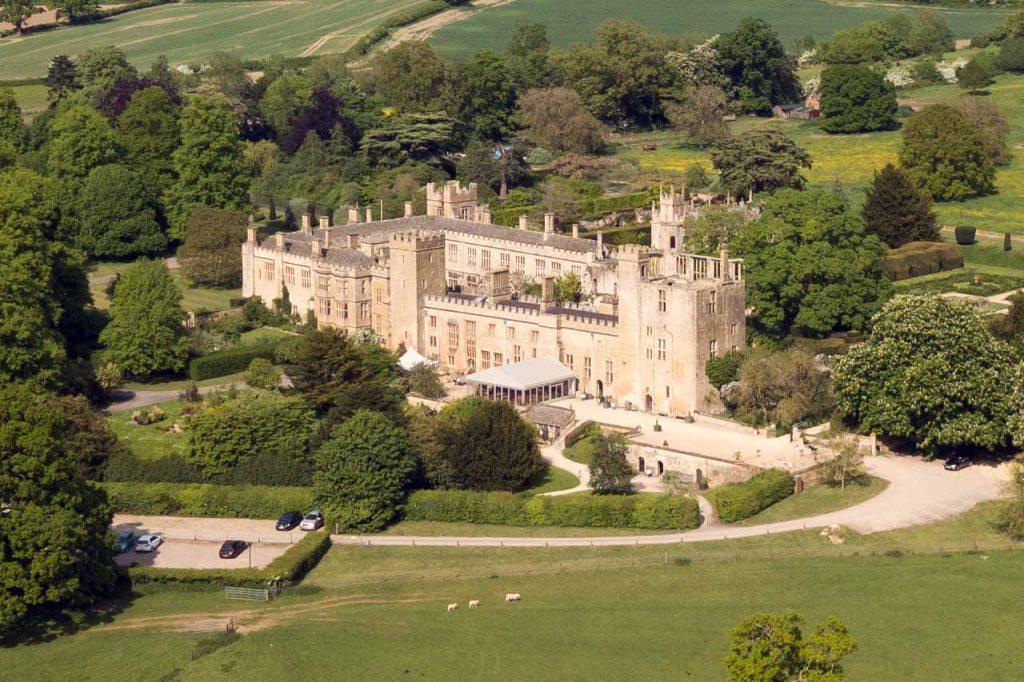
Hailes Abbey lies in the heart of the Cotswolds, a short walk from the historic town of Winchcombe with its half-timbered houses and ancient church, near Sudeley Castle, where Queen Katherine Parr, last wife of Henry VIII, is buried.
It also sits along the Cotswold Way, a long-distance footpath linking abbeys, manor houses, and honey-colored villages across the region. In spring and summer, wildflowers line the path. In autumn, the woods turn gold. Hailes is one of those places where walking becomes reflection, each step echoing with something older.
Hailes Abbey forgoes grandeur. It’s about being present. It draws no awe, only attention, to stone, to sky, to silence. It is a place where history has not vanished but weathered, and where the sacred remains not in relics but in the rhythm of the land.
Where to Stay in Cotswolds, United Kingdom
Winchcombe makes the ideal base for exploring Hailes Abbey. This small market town sits just two miles from the abbey ruins and offers traditional stone cottages converted into guesthouses alongside family-run hotels that reflect the Cotswolds’ quieter character. Staying here puts you within easy walking distance of the abbey, and the town offers a good selection of tea rooms and pubs for evening meals after a day of exploring.
If you prefer more amenities and a larger hub, Cheltenham lies about seven miles away with everything from independent hotels to chain options. The town has excellent restaurants, shops, and museums, making it ideal if you want cultural activities beyond the abbey. Many visitors stay in Cheltenham and drive or bus to Hailes for a day trip within a broader Cotswolds itinerary.
For a country house experience, consider Bourton-on-the-Water or Stow-on-the-Wold, each roughly eight to twelve miles away. These picturesque locations offer boutique hotels and farmhouse accommodations that capture the region’s stone architecture and pastoral charm. You will find these towns offer greater dining variety and serve as natural gathering points for exploring multiple Cotswolds attractions in one visit.
Budget-conscious travelers should seek bed and breakfast establishments in the surrounding villages. These owner-run properties are common throughout the Cotswolds and often provide the most authentic local experiences, with hosts who know the less-known paths around the abbey grounds and nearby walking trails. Booking ahead is essential during summer months when the region draws steady tourism.
Recommended Reading
Fiction
- The Name of the Rose by Umberto Eco
A medieval mystery steeped in monastic life, theological debate, and hidden texts, ideal for readers curious about the intellectual and political tensions inside abbeys. - Dissolution by C.J. Sansom
A gripping historical thriller set during Henry VIII’s suppression of the monasteries, following a lawyer sent to investigate a murder in a monastic community. - Sacred Hearts by Sarah Dunant
Though set in a Renaissance convent rather than a monastery, this novel beautifully captures the rhythm of enclosed life and the spiritual tensions of the Reformation.
Non-Fiction
- The Stripping of the Altars by Eamon Duffy
A groundbreaking and deeply humane account of late medieval English religion, and what was lost during the Reformation. - England’s Thousand Best Churches by Simon Jenkins
An elegant and insightful guide that includes monastic ruins like Hailes among its entries. - The English Abbey by Fred H. Crossley
A classic, richly illustrated volume detailing the architecture and evolution of English monastic buildings. - The Monastery of the Heart: An Invitation to a Meaningful Life by Joan Chittister
A contemporary reflection on the monastic impulse, solitude, service, community, for modern readers and seekers.