Where Stag Antlers, Stonework, and Literary Longing Meet
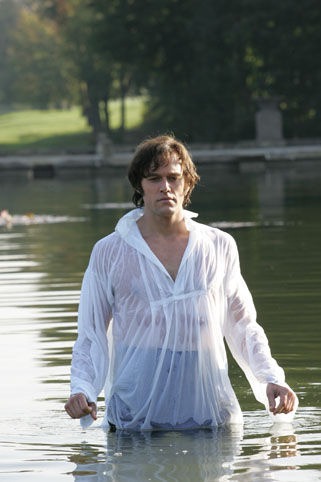
For many, Lyme Hall is best known for its starring role as Pemberley, the fictional estate of Mr. Darcy in the 1995 BBC adaptation of Pride and Prejudice. It was here that Elizabeth Bennet first gazed upon Darcy’s domain—and yes, here that Colin Firth emerged, soaked and smoldering, from the water, forever altering the relationship between literature and longing. But long before cameras arrived, Lyme Hall had already lived many lives.
A Long Lineage In Stone
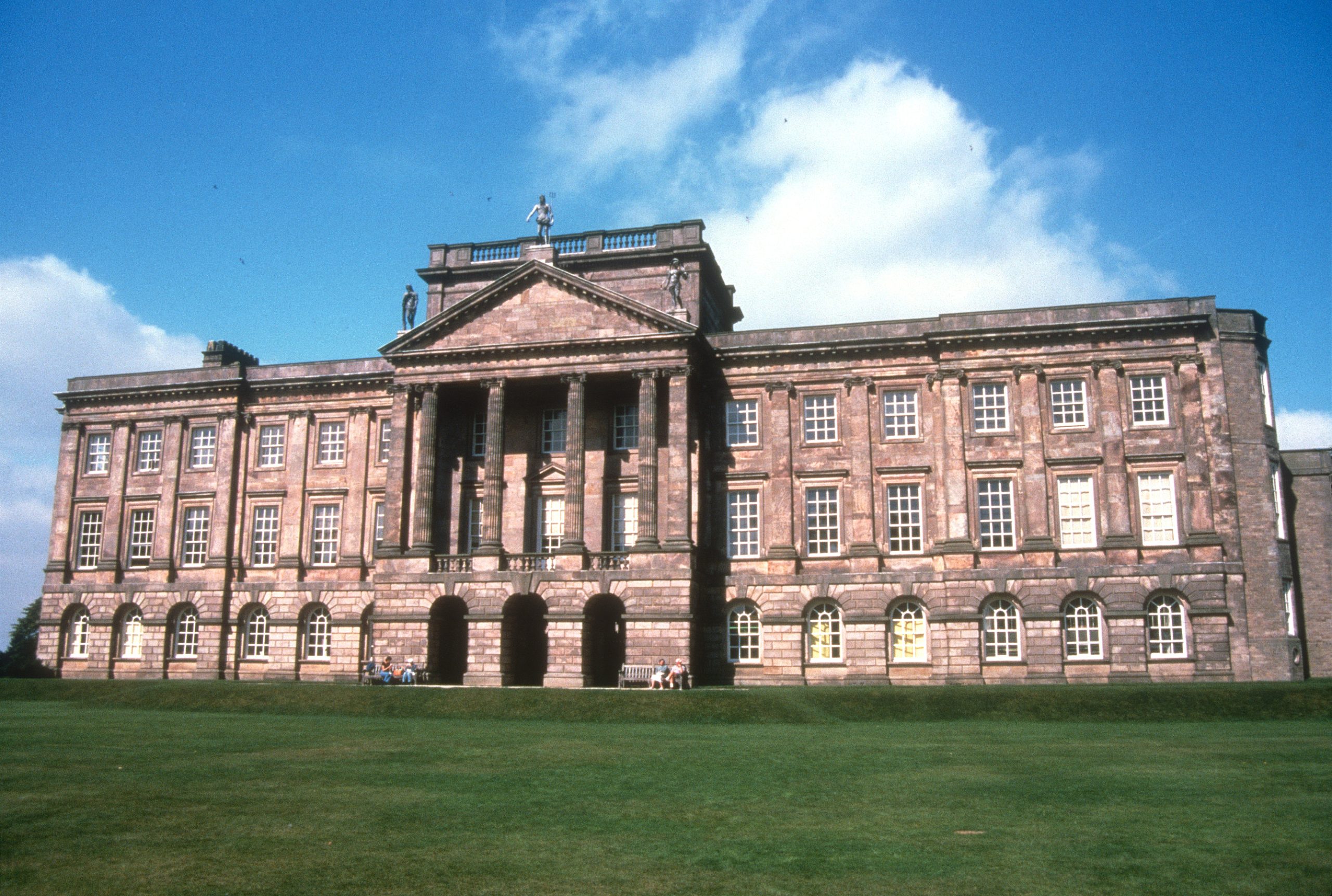
Lyme Hall’s origins stretch back to the 14th century, when the estate was granted to Sir Thomas Danyers by Edward III as a reward for bravery at the Battle of Crécy. Through marriage, the property passed to the Legh family, who would hold it for more than six centuries, shaping the house and landscape into the form we recognize today.
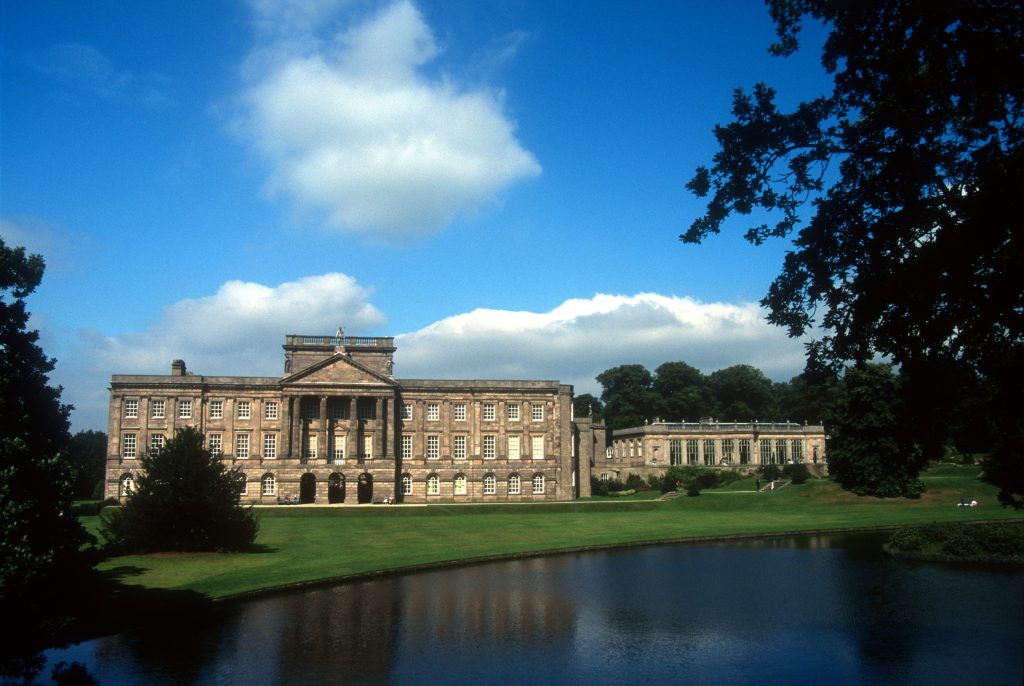
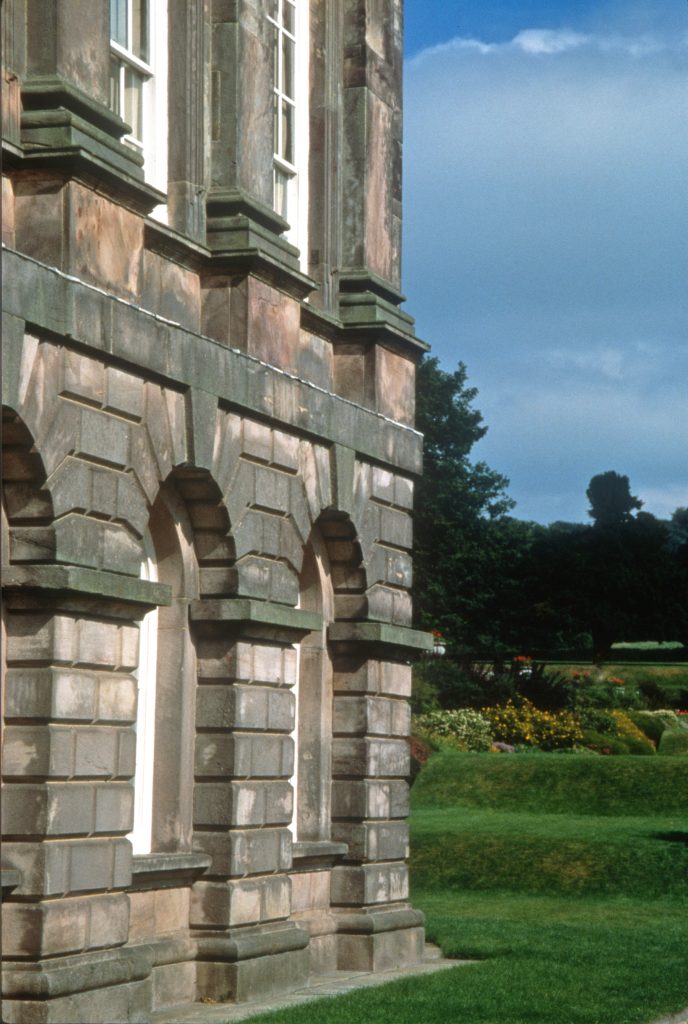
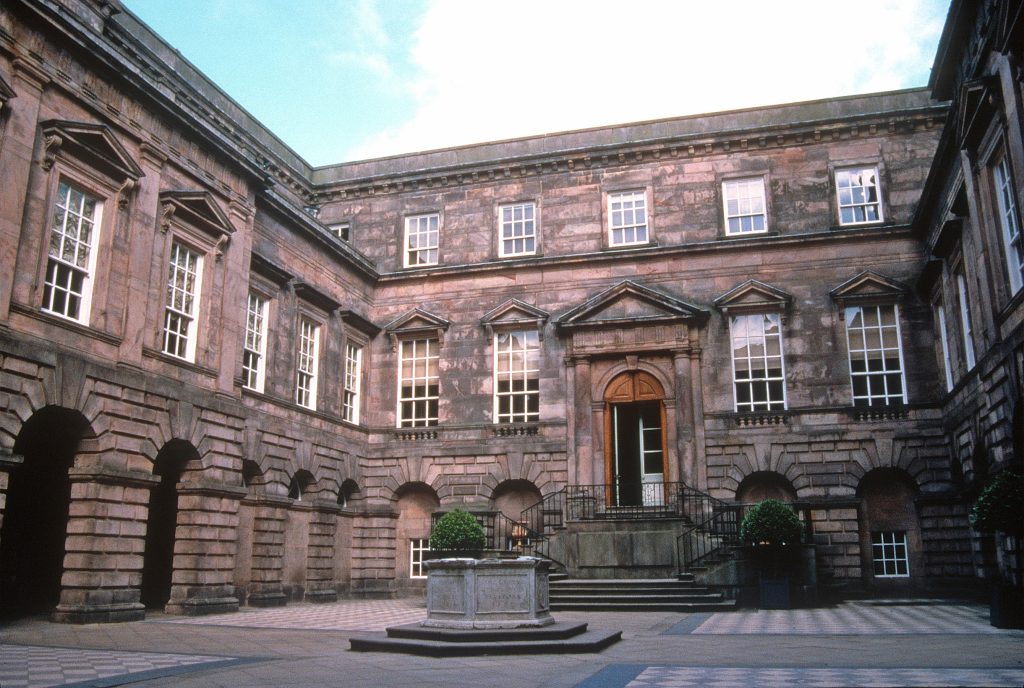
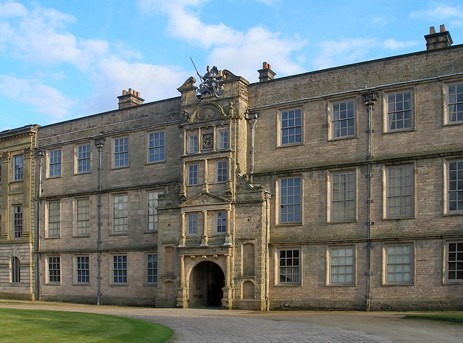
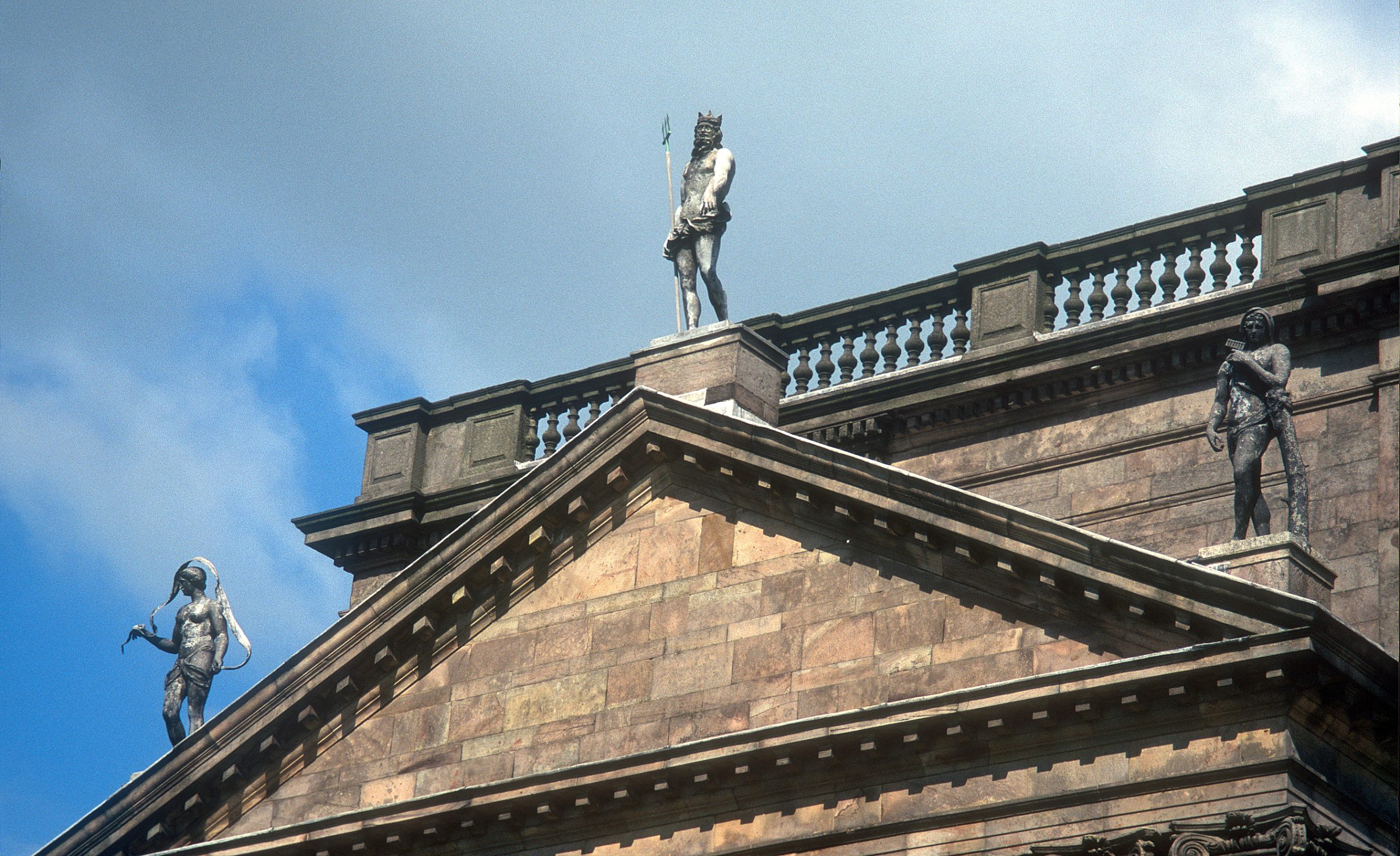
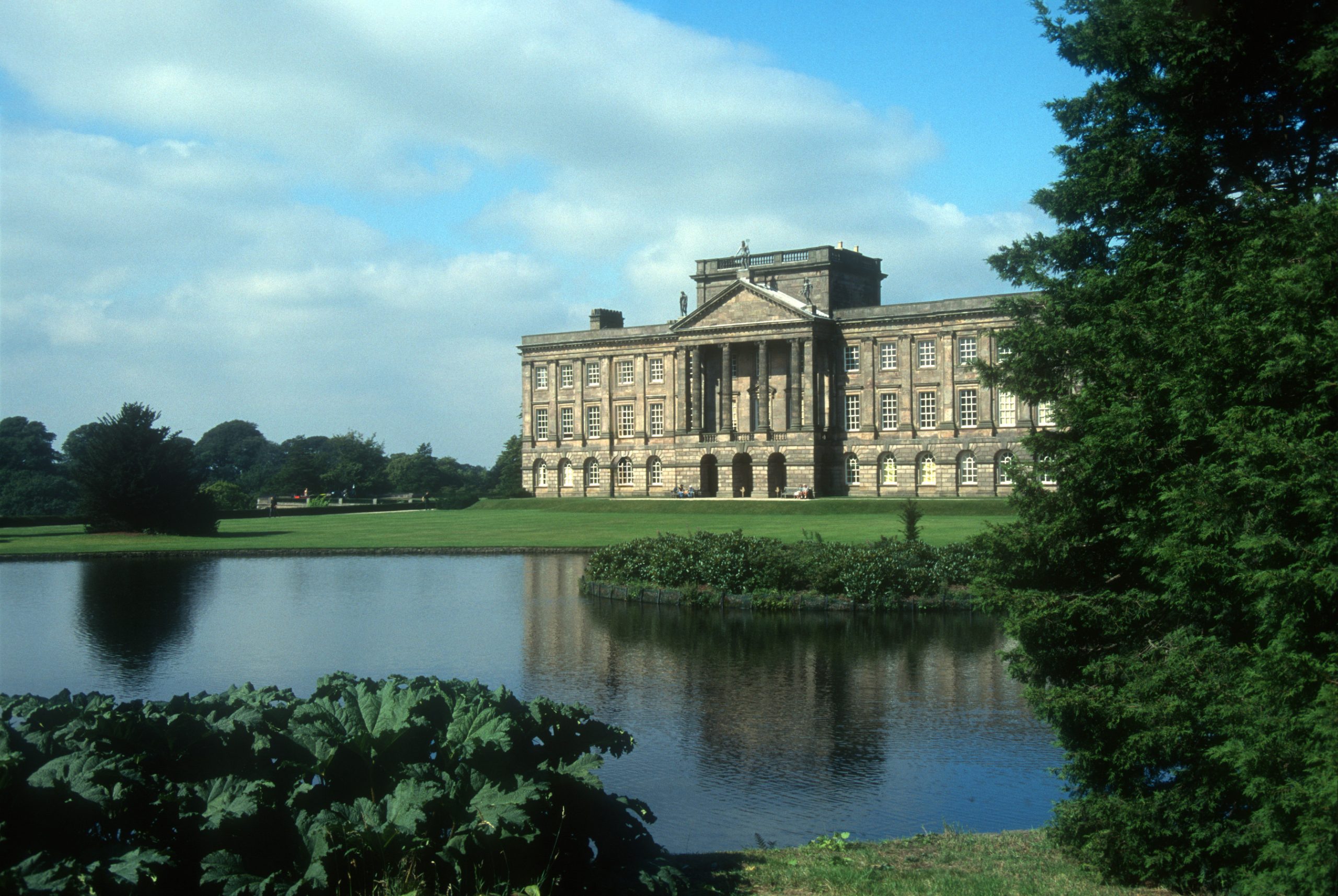
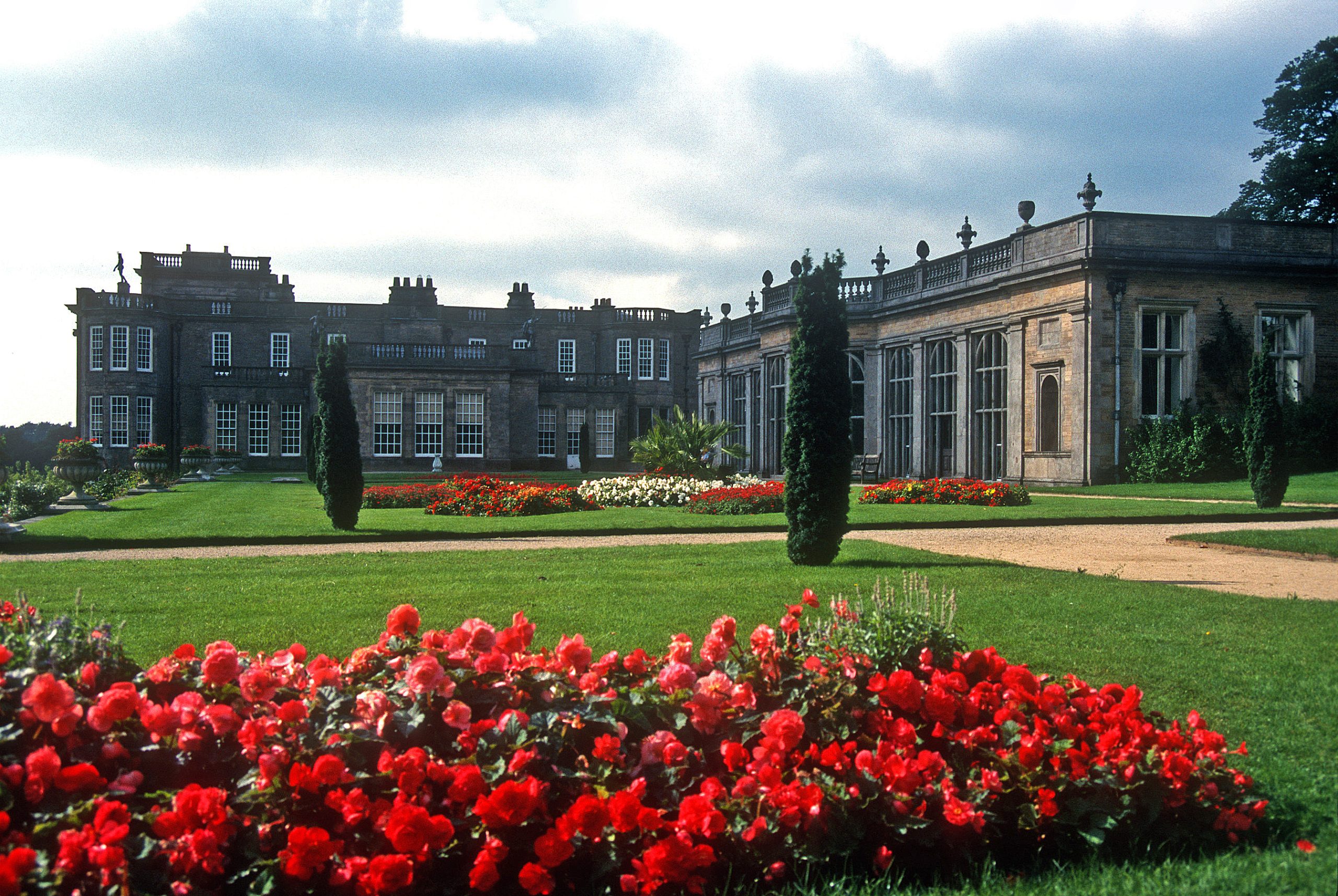
Originally a Tudor manor, Lyme expanded over time. In the Elizabethan era, it became a gabled showpiece of power and lineage. In the early 18th century, Italian architect Giovanni Battista Caproni redesigned the south front in a Classical style, creating the elegant façade that now gazes out over the parkland.
By the Victorian period, Lyme was firmly established as a great country estate—hosting hunting parties, managing vast lands, and curating interiors that balanced comfort with grandeur.

Interiors That Remember Everything
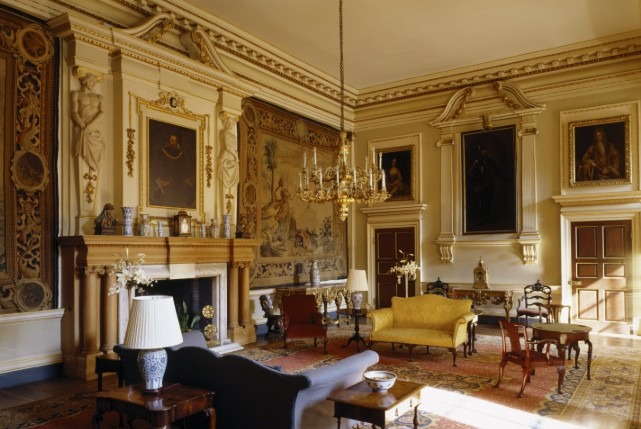
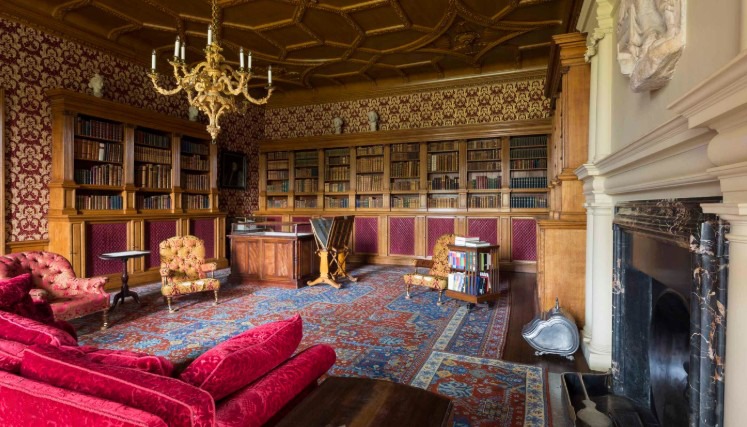
Inside Lyme Hall, the rooms unfold like chapters in a long family novel. The house is presented largely as it would have appeared during its Edwardian heyday, when the estate was at its most settled and self-assured.
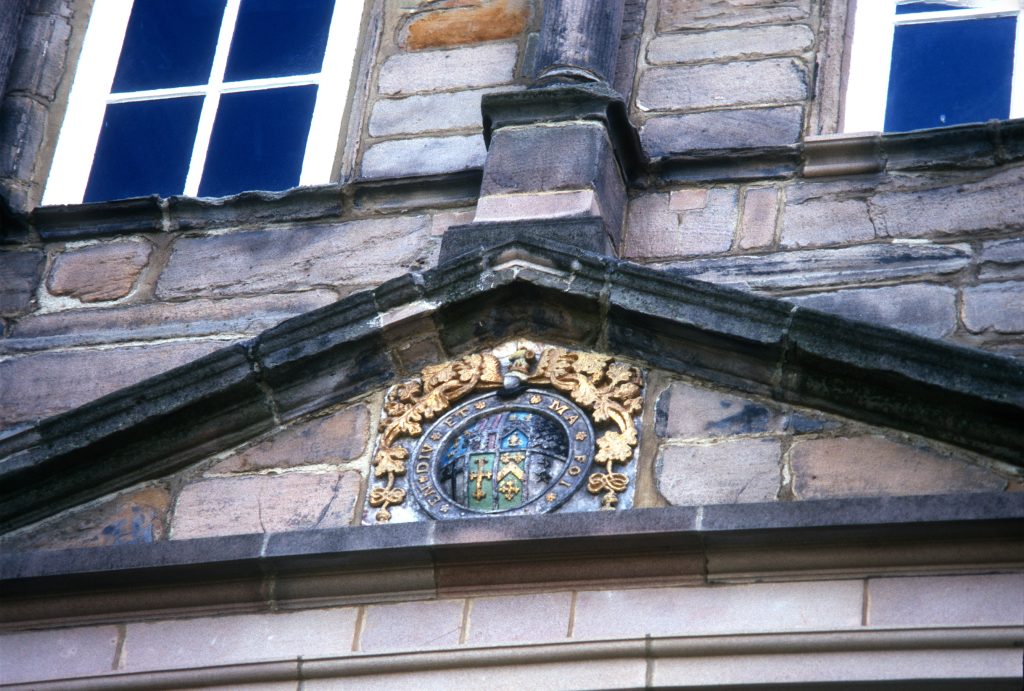
The Entrance Hall sets the tone, with its carved wood, heraldic details, and antler displays—symbols of both tradition and privilege. The Library feels hushed and intimate, lined with leather-bound volumes and softened by filtered light. The Drawing Room and Dining Room retain their formal elegance, filled with period furnishings, silver, and portraits that watch quietly from the walls.
Perhaps most evocative is the Long Gallery, where tall windows frame views of the park and time seems suspended. Below stairs, the servants’ quarters reveal the other half of estate life—orderly, disciplined, and essential to the grandeur above.
Among Lyme’s most important treasures are its 17th-century Mortlake tapestries, still hanging in place, their faded threads telling stories older than the rooms themselves.

The Grounds: A Landscape Written In Time
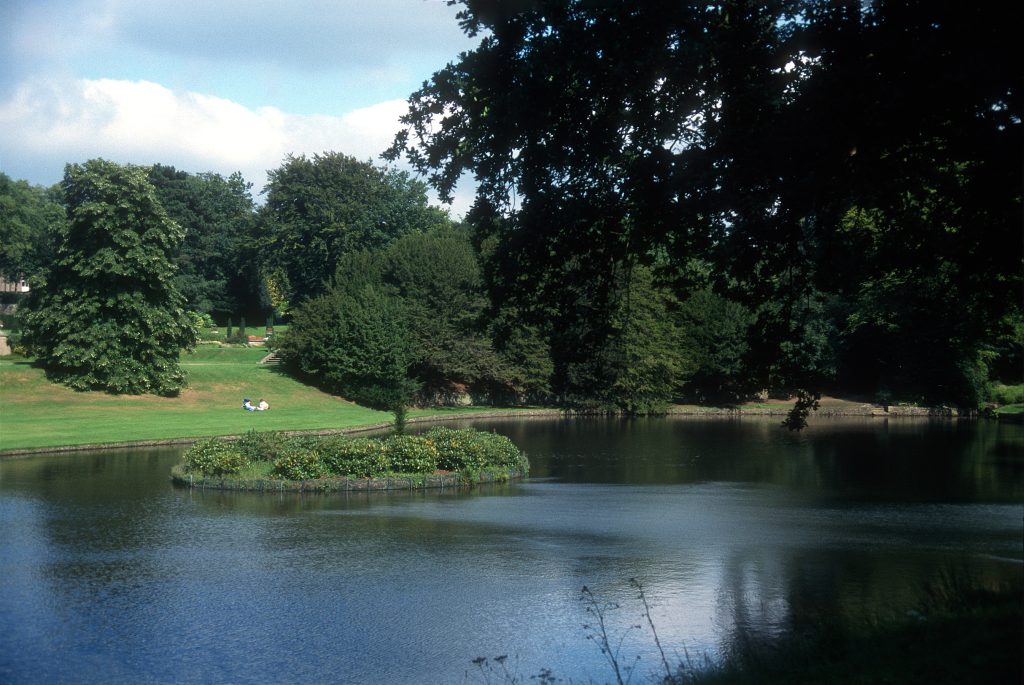
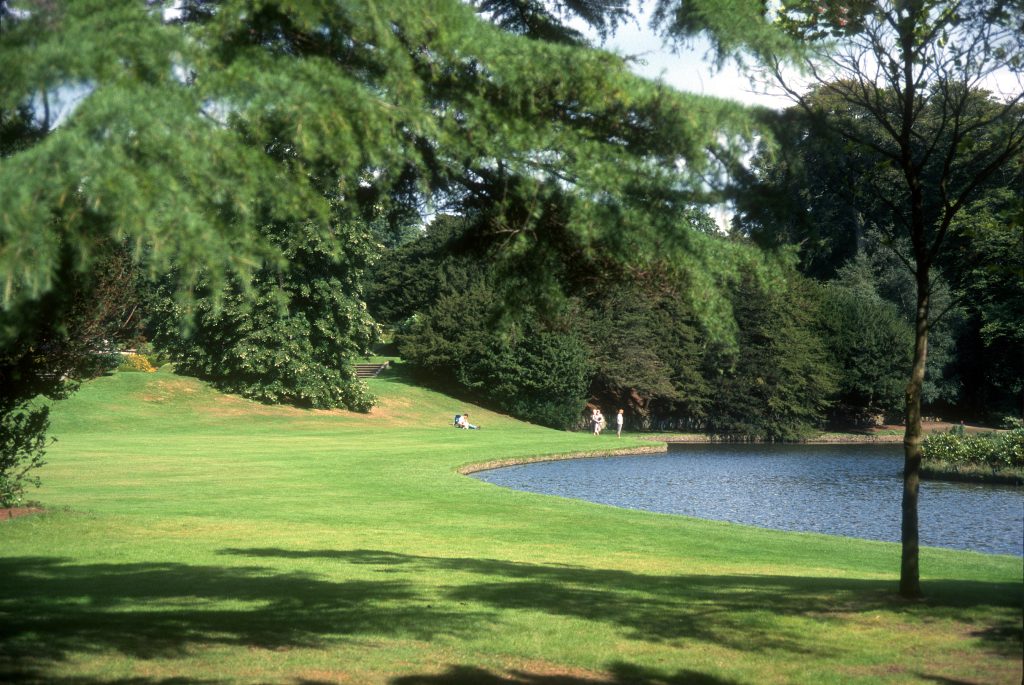
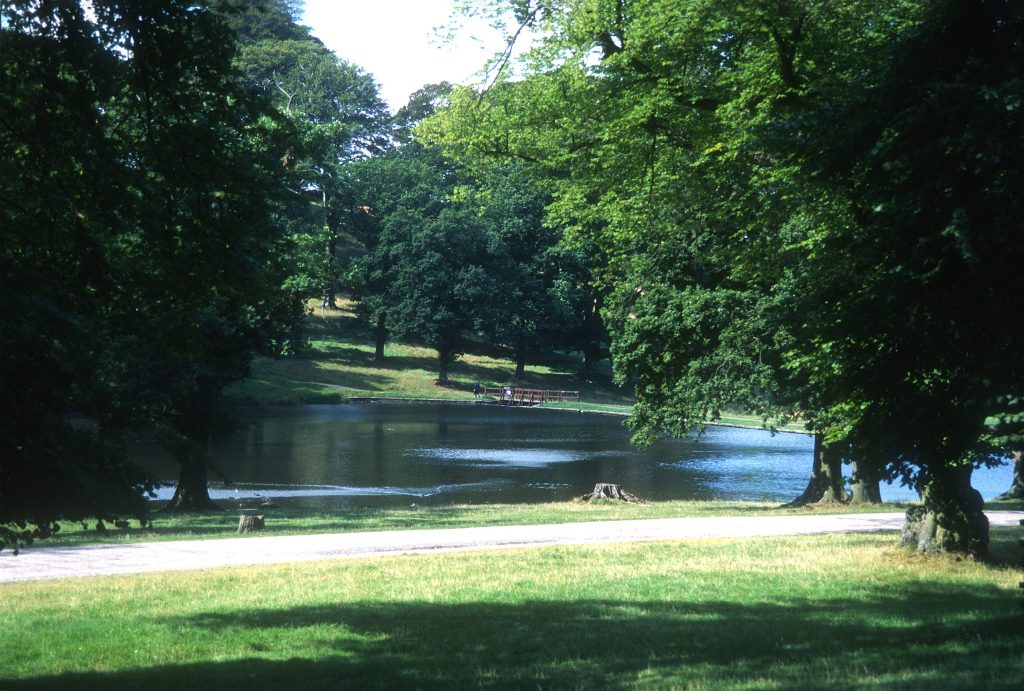
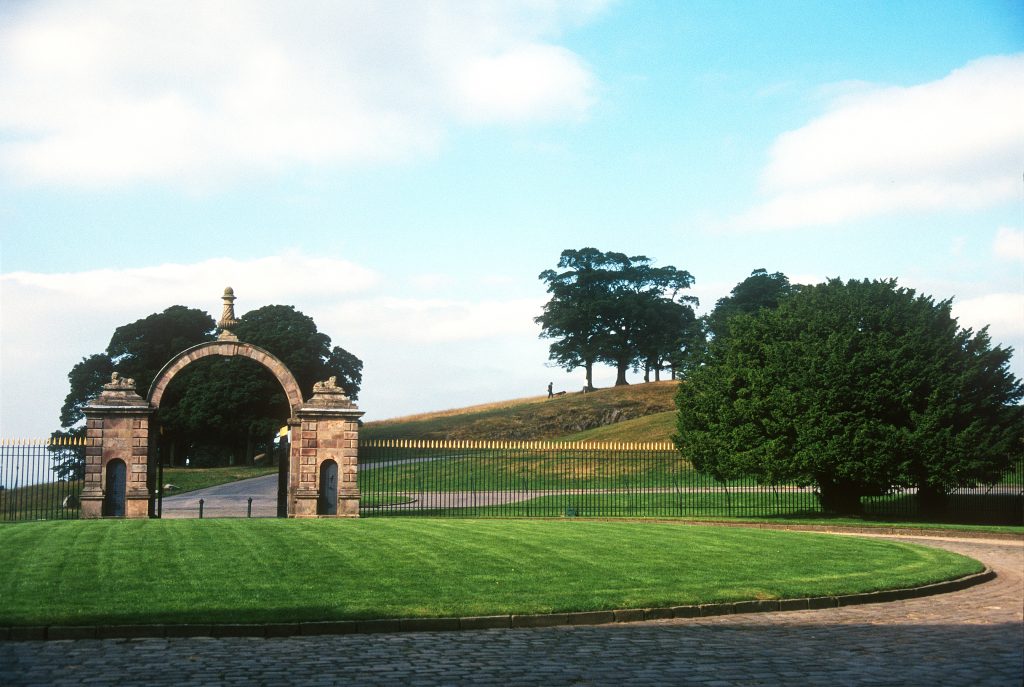
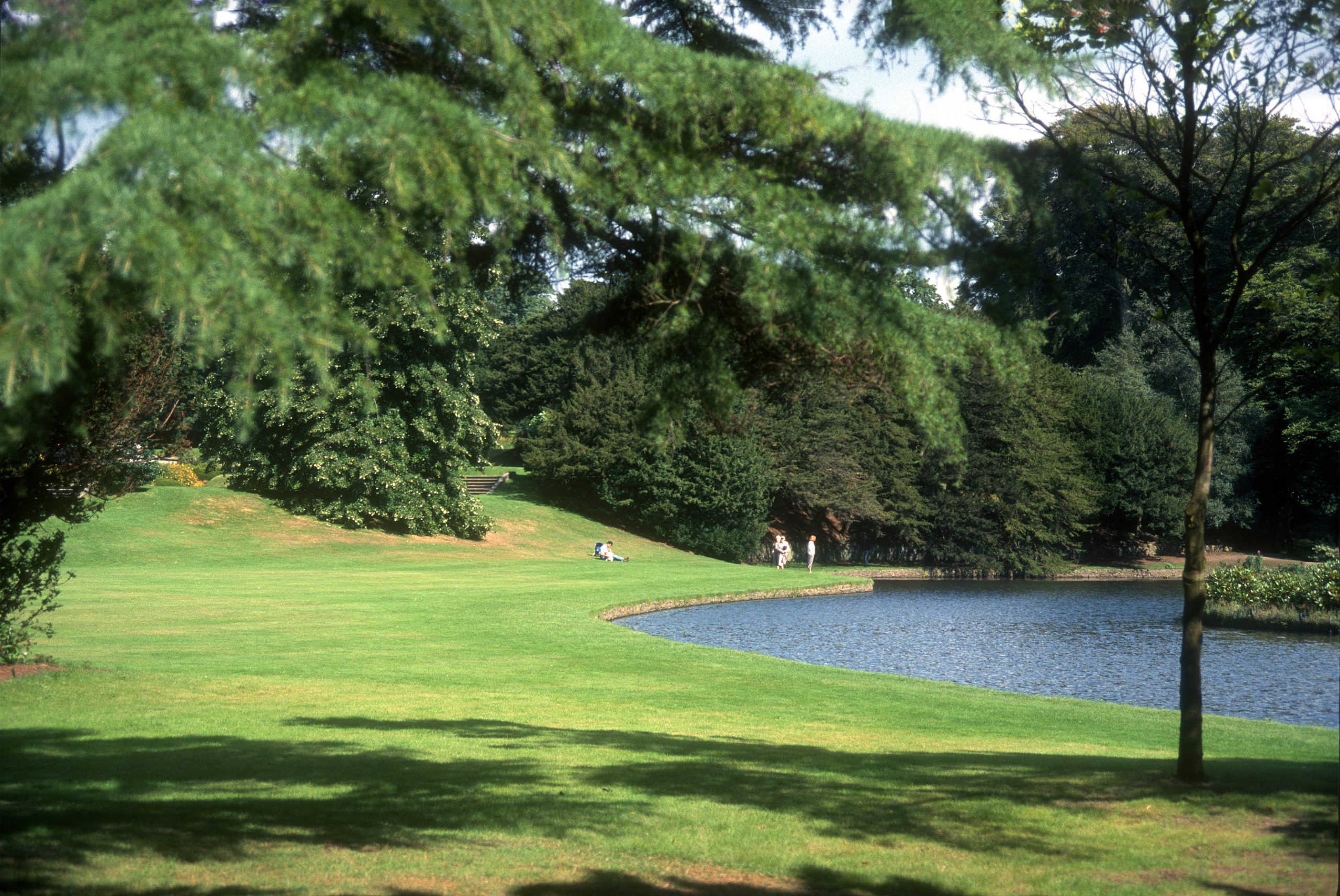
Step outside and Lyme opens into one of England’s most evocative historic landscapes. The estate covers more than 1,300 acres, where formal gardens dissolve into wild parkland and open moor.
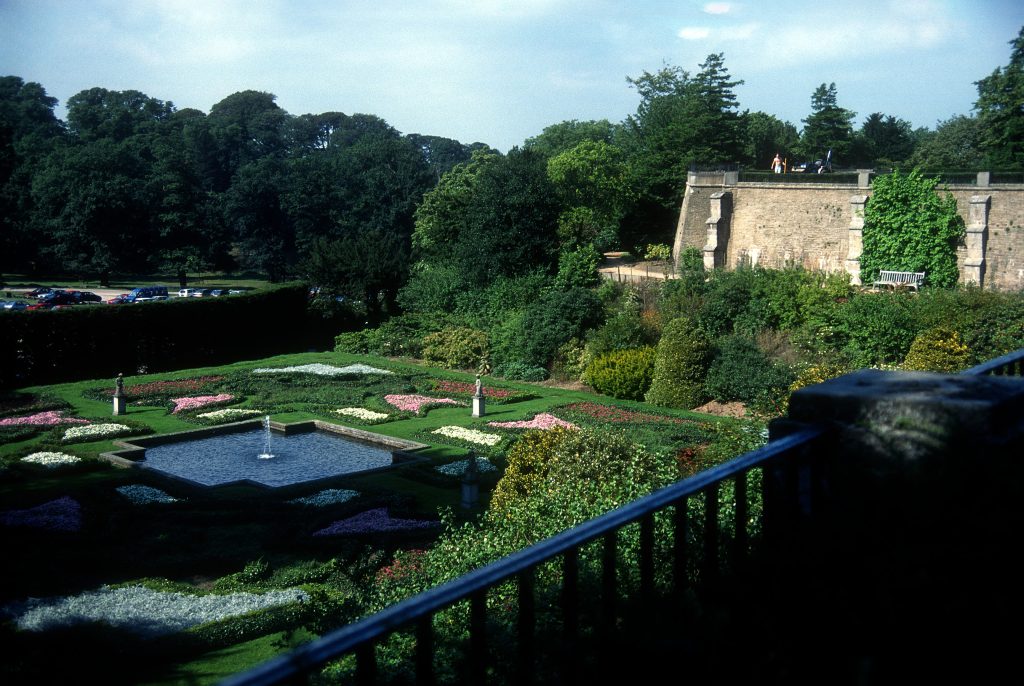
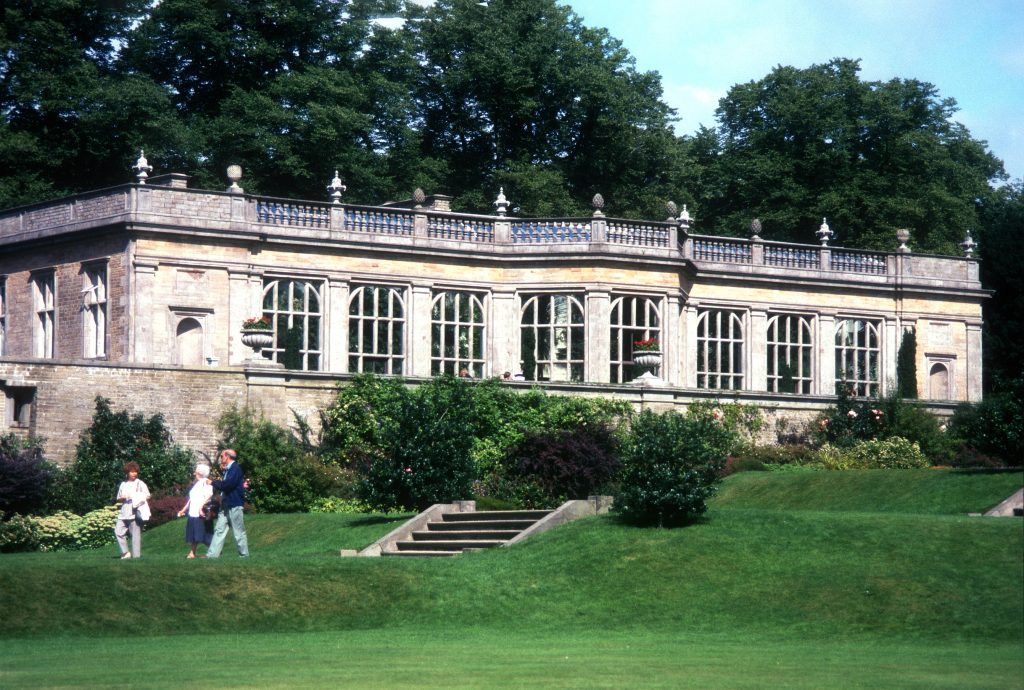
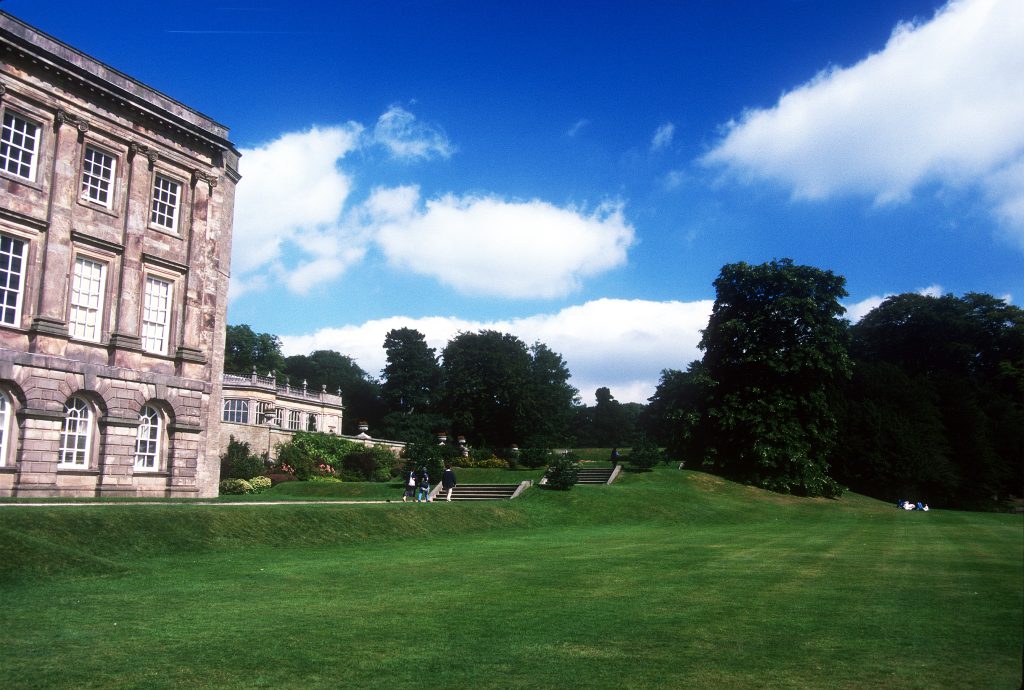
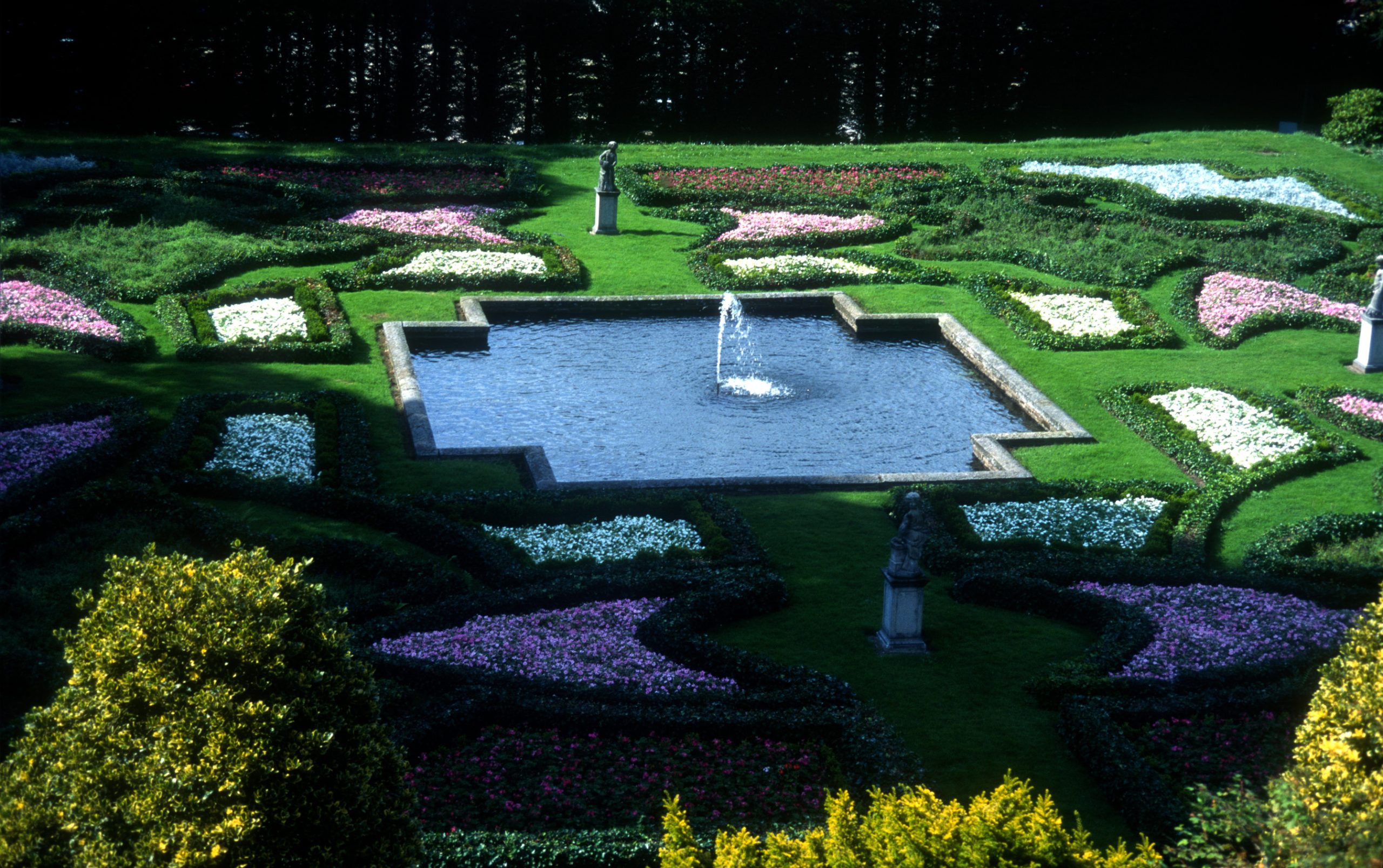
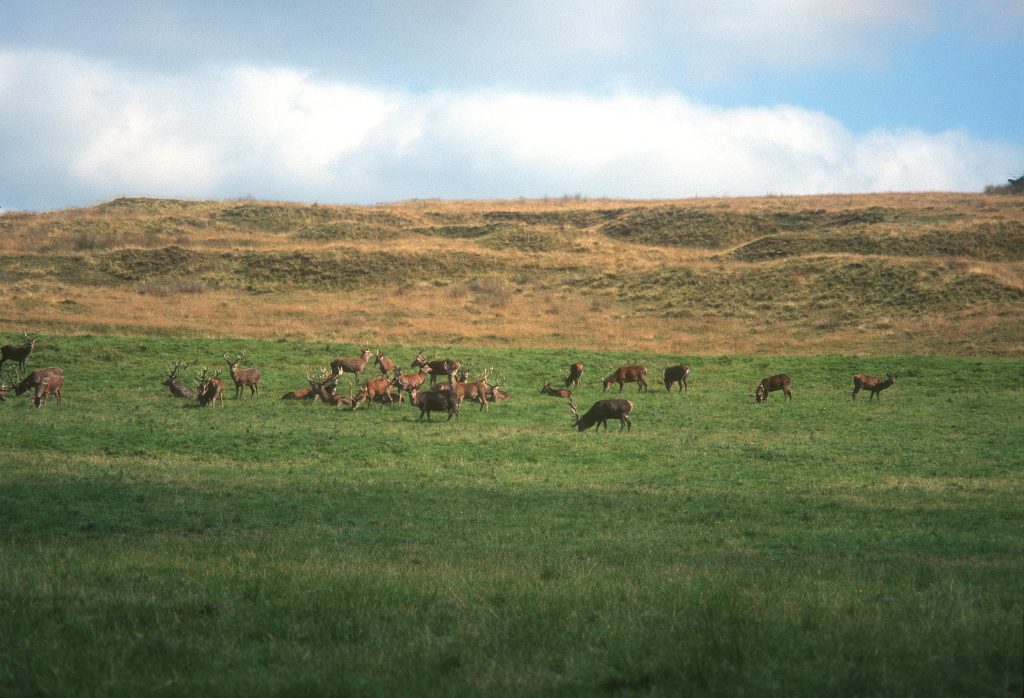
The Italian Garden, directly below the south front, offers symmetry and structure—stone balustrades, seasonal plantings, and sweeping views across the land. Beyond it lies the deer park, where red deer still roam freely, just as they have for centuries.
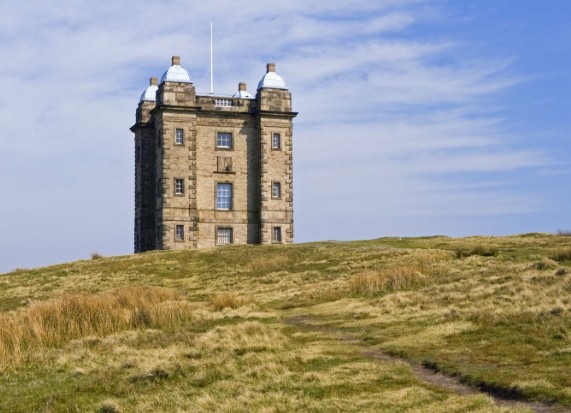
Walking trails lead through woodland, across streams, and up to the Cage, a curious stone tower perched on a hilltop, once used as a hunting lodge and later as a holding place for poachers. From here, the Peak District stretches outward, rugged and beautiful, reminding visitors that Lyme exists at the meeting point of refinement and raw nature.
Pemberley Realized: Pride And Prejudice At Lyme
When the BBC sought a location worthy of Pemberley, Lyme Hall proved irresistible. Its south front appears in Elizabeth Bennet’s first glimpse of Darcy’s estate, reflected in water and framed by balance and restraint. And nearby, the now-legendary lake scene—Darcy’s unexpected swim—was filmed, sealing Lyme’s place in popular culture.
Today, visitors can stand where those scenes were shot, tracing the overlap between Austen’s fictional world and a very real estate shaped by centuries of English life. Lyme Hall is one of those rare places where literature does not feel imposed—it feels inevitable.
Lyme Hall is more than a historic house. It is a meeting place—between centuries, between fiction and fact, between the wildness of the Peak District and the composed elegance of England’s great estates. Whether you arrive drawn by deer paths, drawing rooms, or a certain damp Mr. Darcy, Lyme rewards lingering.
Where to Stay in Lyme, United Kingdom
Lyme sits in the heart of Cheshire, about thirty minutes from Manchester, making it accessible by train or car. For visitors wanting to stay near the estate itself, the village of Disley offers small hotels and bed-and-breakfasts within walking distance of Lyme Hall’s grounds. The Disley area has a quieter, rural character that suits travelers interested in exploring both the estate and the surrounding Peak District landscape.
If you prefer more amenities and dining options, Stockport, about twenty minutes away, has a wider range of accommodation from budget chains to independent hotels. Stockport’s town center is walkable and gives you access to restaurants, shops, and local pubs while keeping Lyme Hall just a short drive away. Many visitors find this distance strikes a practical balance between staying close enough for an easy morning visit and having more services available in the evening.
For a longer stay focused on country house exploration, consider basing yourself in the Peak District towns like Buxton or Chapel-en-le-Frith, both within an hour of Lyme Hall. These areas have their own historic architecture and walking trails, so you can easily combine a visit to the estate with other activities in the region. Hotels in these towns range from small country inns to larger Victorian properties that reflect the area’s own heritage.
Book accommodation well in advance if visiting during school holidays or summer weekends, as rooms near popular attractions fill quickly. The local tourism office and the estate itself can recommend specific guesthouses and smaller hotels that cater to history-focused travelers. Staying within the village gives you the quietest experience, while staying in nearby towns gives you more choice and flexibility for dining and exploring the wider region.
Recommended Reading
Fiction
- Pride and Prejudice by Jane Austen
The novel that made Pemberley immortal. Reading it at Lyme gives Darcy’s world physical weight and architectural grace.
Non-Fiction
- Lyme Park: National Trust Guidebook by the National Trust
A richly illustrated and authoritative introduction to the house, collections, and landscape. - The Making of Pride and Prejudice by Sue Birtwistle and Susie Conklin
A behind-the-scenes look at the beloved 1995 BBC adaptation, including Lyme’s transformation into Pemberley. - Jane Austen’s England by Roy and Lesley Adkins
An essential cultural history that brings Austen’s world—and estates like Lyme—into vivid focus. - What Jane Austen Ate and Charles Dickens Knew by Daniel Pool
A wonderfully accessible guide to everyday life in 19th-century England, from food and fashion to social