Stand on the quays at Gloucester Docks and close your eyes for just a moment. You can almost hear it—the groan of winches, the slap of wet rope against timber hulls, the barked commands of men hauling cargo from distant shores. Grain from America. Timber from Scandinavia. Rum from the Caribbean.
And yet, when you open your eyes, what you see today is something rather enchanting: paddleboards gliding across the basin, café tables spilling onto cobbles, and handsome red-brick warehouses reborn with new purpose.
Here, history did not vanish. It adapted.
Where to Stay in Gloucester Docks, United Kingdom
The Docks themselves have limited hotel options, but the waterfront area has several guesthouses and boutique properties within walking distance of the main attractions. The newly renovated Gloucester Docks Hotel sits right on the water and offers views of the historic basin, making it ideal if you want to be steps away from the museums and restaurants. For budget travelers, there are bed and breakfast options in the immediate vicinity that provide a more personal touch and often local knowledge about the area’s history.
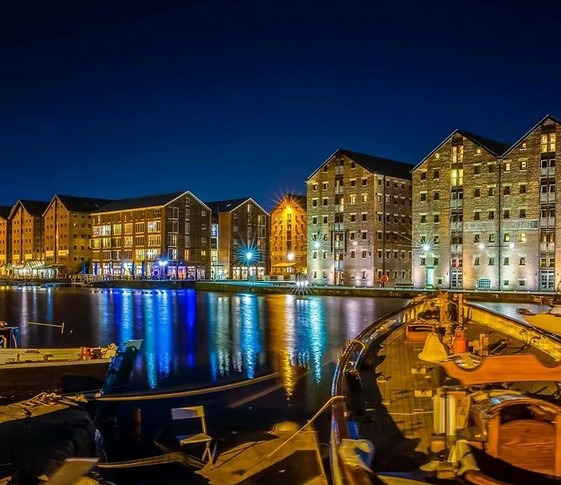
If you prefer more amenities and a wider range of dining options, head slightly inland to the city center, about a ten-minute walk from the Docks. This neighborhood has larger chain hotels as well as independent properties, and you’ll find better shopping and transport links to other parts of Gloucester. The walk back to the Docks in the evening is pleasant and safe, especially if you time it to catch the waterfront at dusk when the Victorian warehouses are lit.
For a quieter stay with character, consider the residential neighborhoods just north of the Docks, particularly around Westgate Street. These areas have converted Victorian townhouses operating as small hotels or apartments, often at lower rates than city center properties. You get the feel of a local neighborhood while remaining close enough to spend your days exploring the basin and its museums.
Book accommodations well in advance during peak summer months, as Gloucester Docks has become increasingly popular with weekend visitors and school holiday groups. Winter and early spring offer fewer crowds, milder weather, and a more authentic glimpse of how locals move through the space year-round.
Maritime Crossroads
Gloucester’s maritime story begins long before the brick warehouses rose along the canal basin. The Romans established a fortress here in the 1st century AD—Glevum—recognizing the strategic importance of the River Severn, Britain’s longest river, as a gateway inland. The river connected Wales to the Midlands and beyond, making Gloucester a vital trading outpost even in antiquity.
By the medieval period, Gloucester had become a thriving port, exporting wool—the lifeblood of England’s economy—to the Continent. Yet the Severn, though mighty, was fickle. Treacherous tides and sandbanks made navigation difficult. So in the early 19th century, with Britain deep in the throes of the Industrial Revolution, engineers undertook a bold solution: the Gloucester and Sharpness Canal.
Completed in 1827, the canal bypassed the most dangerous stretches of the Severn, allowing oceangoing ships to sail directly into Gloucester. At the time, it was the broadest and deepest canal in the world. What followed was a frenzy of construction—massive brick warehouses, towering granaries, and elegant dock offices rose along the basin. Grain from America, timber from the Baltic, and goods from across the Empire passed through these docks. Gloucester had secured its place in Britain’s global trading web.
Brick Resilience
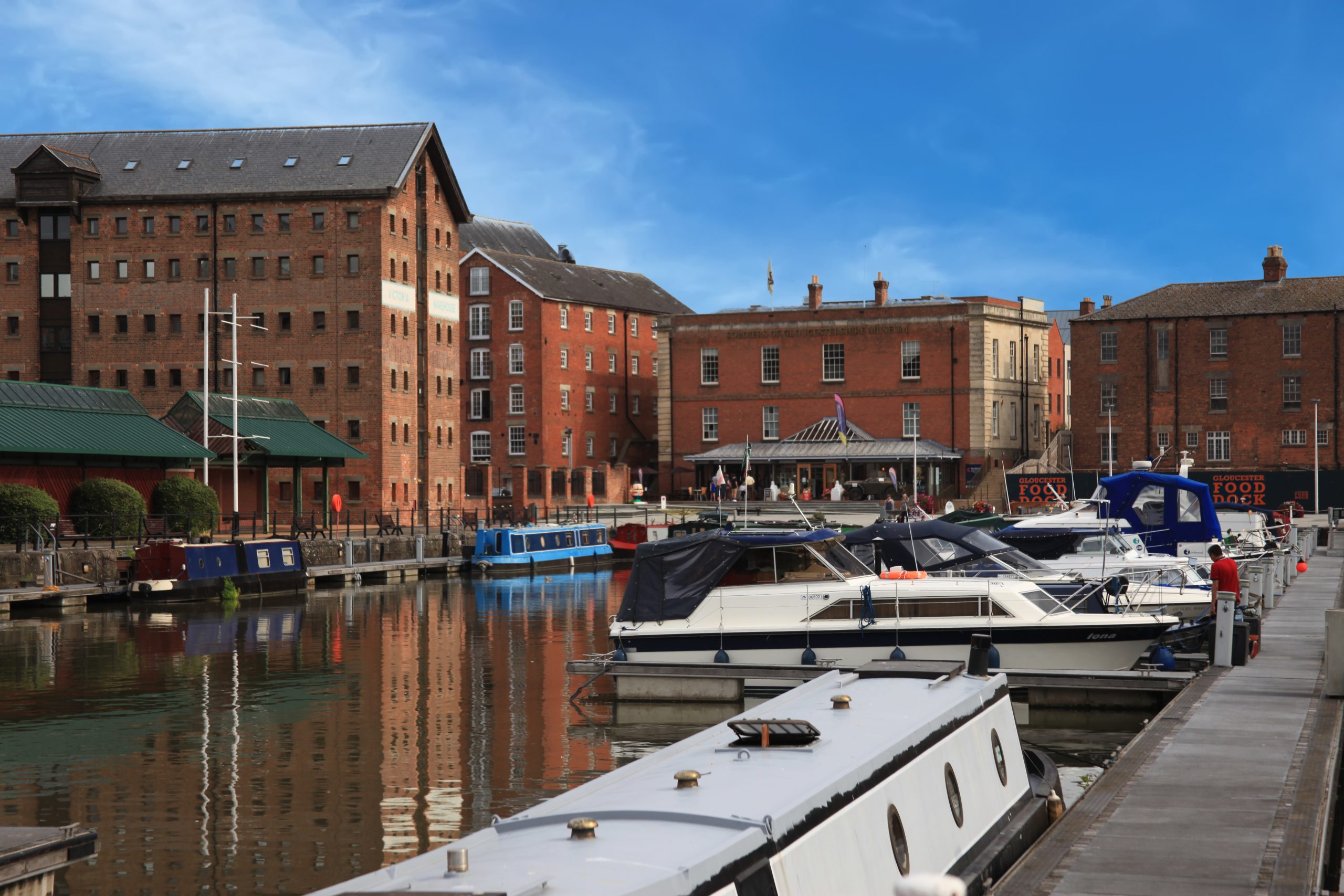
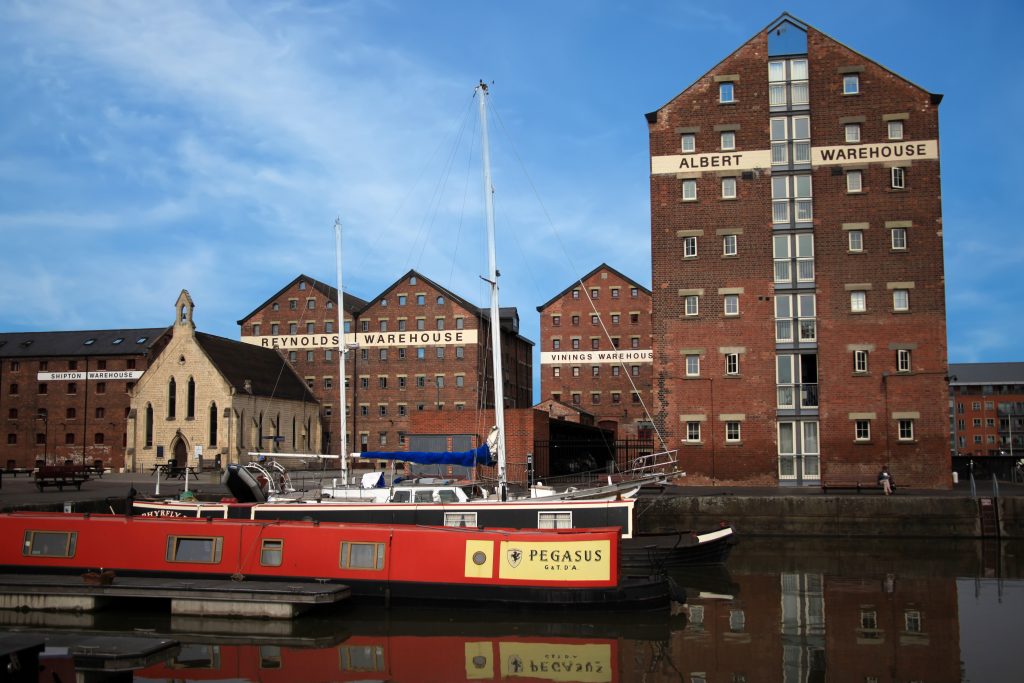
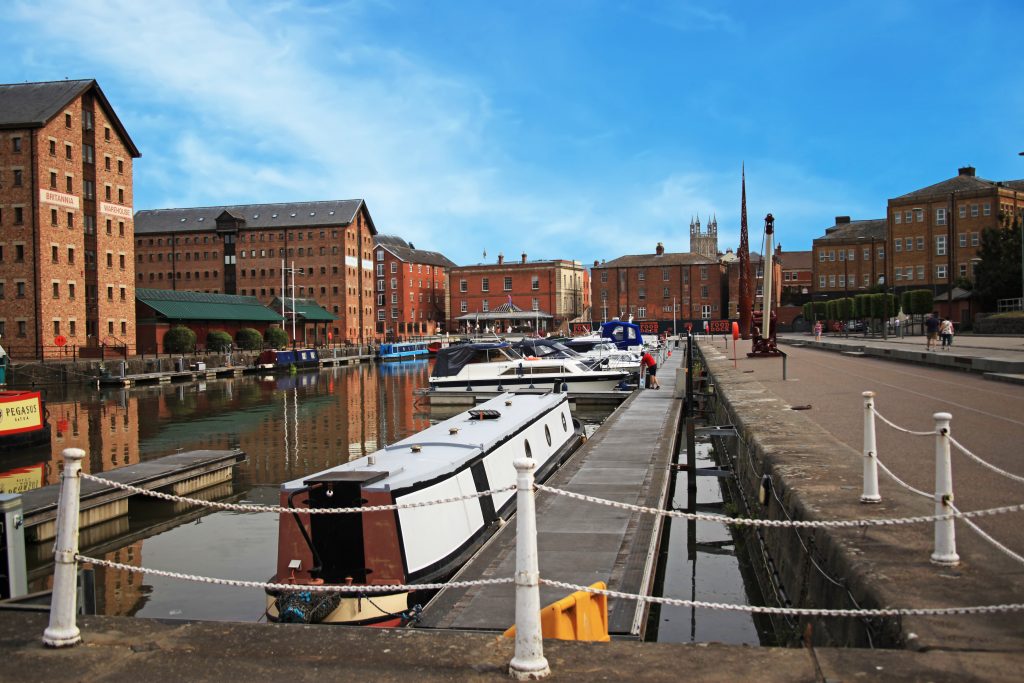
Today, the warehouses still stand—great red-brick sentinels reflected in the dark, glassy water of the basin. Their tall arched windows and hoisting gantries whisper of a muscular age when commerce was measured in tonnage and tide.
Walk the basin today and you’ll notice how magnificently intact it feels. Heavy oak beams remain overhead. Iron columns rise stout and purposeful. The original hoisting mechanisms still jut from upper stories—iron reminders of cargo once lifted skyward.
Along the quays, you’ll notice how the light changes by the hour. In the morning, the sun strikes the brickwork in warm honeyed tones. By late afternoon, shadows pool beneath iron balconies and timber beams. Narrowboats glide lazily through the water, bright with painted roses and castles—a cheerful echo of Britain’s canal heritage. These were once cathedrals of commerce.
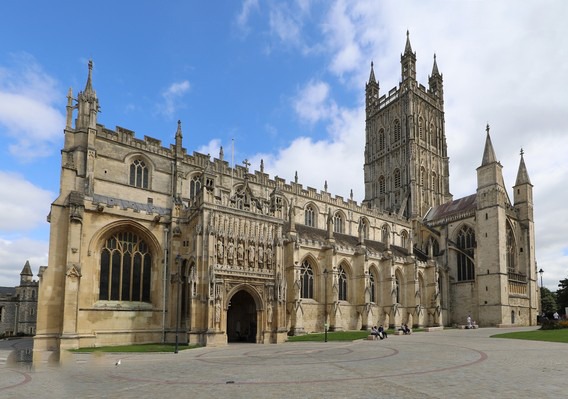
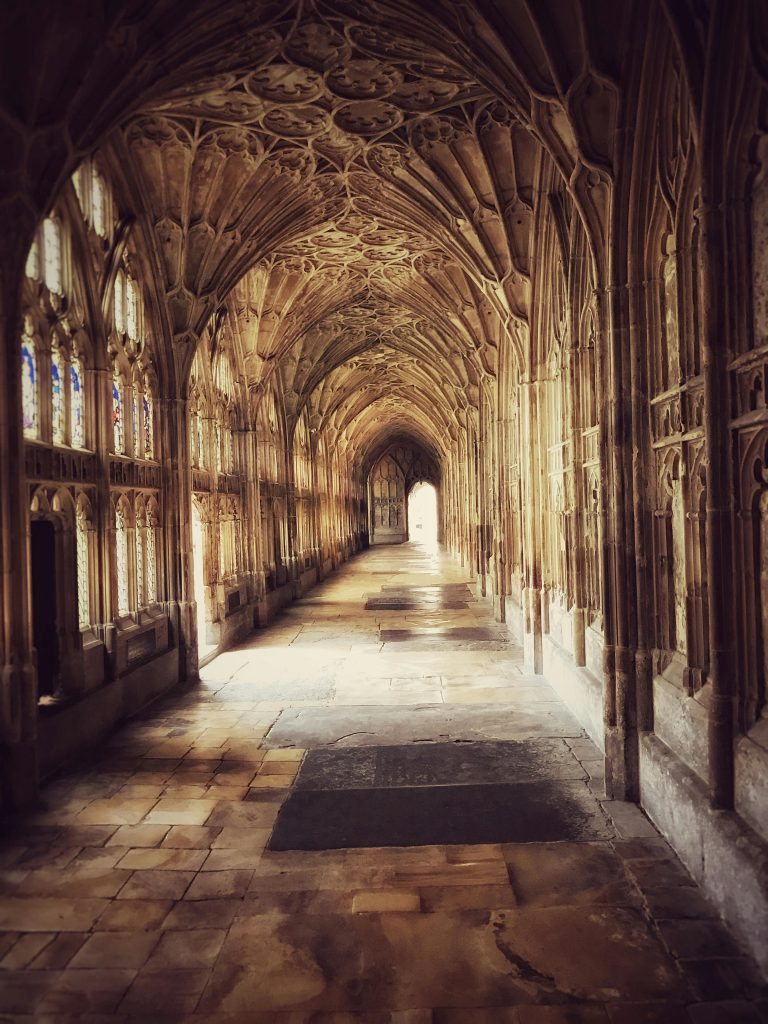
Just a short stroll away, a real cathedral, Gloucester Cathedral rises in honey-colored stone, its fan-vaulted cloisters among the most exquisite in England. The docks and the cathedral create a striking juxtaposition—commerce and contemplation, side by side. One fed the body of the nation; the other nourished its spirit.
And always, the Severn flows nearby—broad, tidal, and quietly powerful, as it has been since Roman legionaries first marched along its banks.
Transition Comes to Gloucester
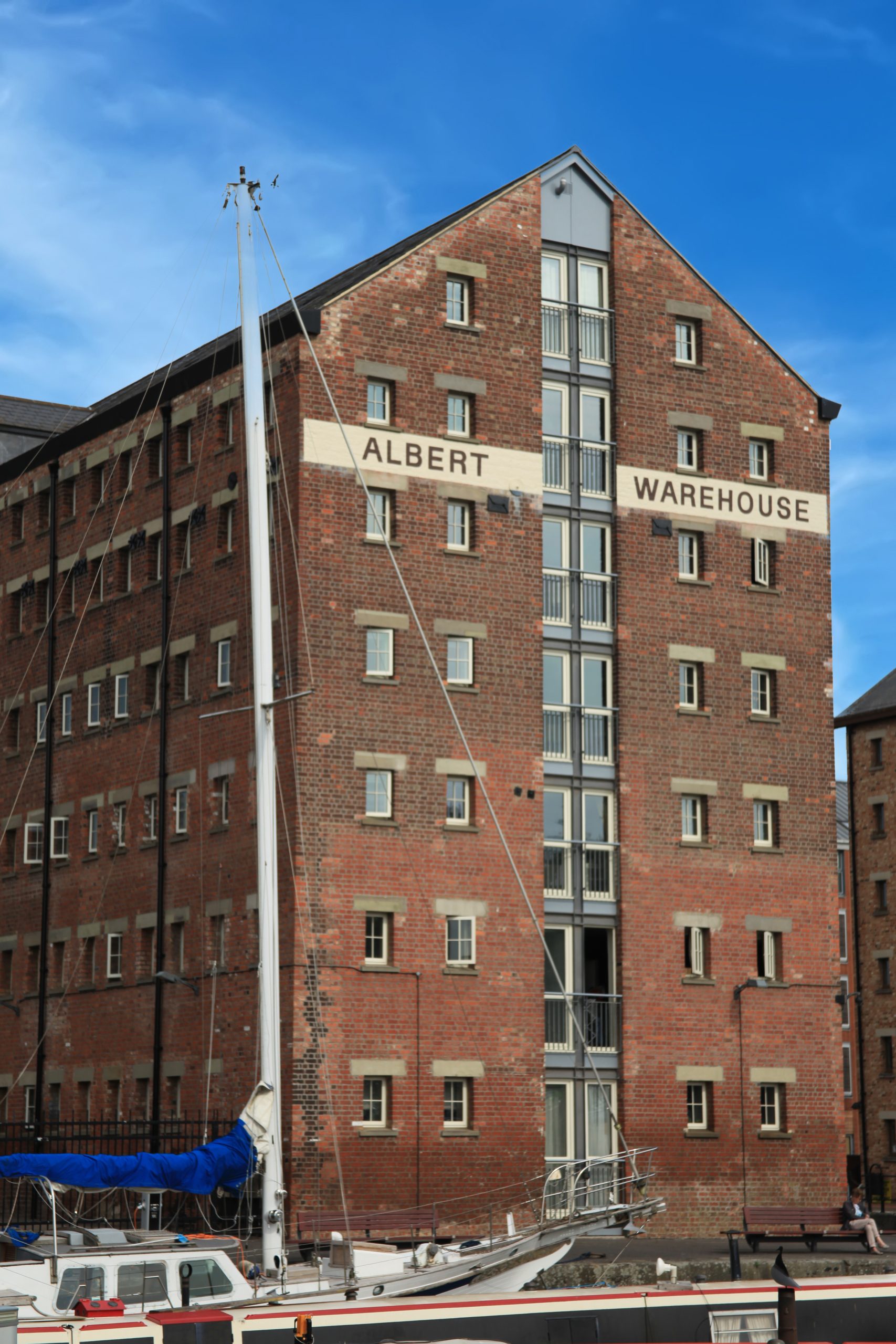
By the mid-20th century, the age of canal-borne empire had faded. Larger ships, new ports, and changing trade patterns left Gloucester Docks quiet and neglected. Yet unlike so many industrial sites that vanished beneath redevelopment, these docks were preserved.
Narrowboats now drift where tall-masted vessels once docked. The scent of roasted coffee mingles with river air. You may hear laughter from an outdoor terrace, the clink of cutlery against porcelain, or the distant hum of festival music during one of Gloucester’s waterside events.
Today, Gloucester Docks are one of the most complete examples of Victorian dock architecture in Britain—and they are very much alive.
Several of the original warehouses have been thoughtfully restored and repurposed:
- The National Waterways Museum Gloucester occupies Llanthony Warehouse, telling the story of Britain’s canal age through historic narrowboats, interactive exhibits, and the lives of the people who worked these waterways.
- The Gloucester Docks Mariners Church, once serving seafarers and dockworkers, now hosts cultural events and exhibitions.
- Former granaries now house independent boutiques, antique centers, and galleries.
- The waterside is lined with restaurants and cafés, many with outdoor seating overlooking the basin—everything from traditional British fare to modern European cuisine.
- A brewery and taprooms nod to the region’s long-standing brewing heritage.
- The complex also includes a cinema, fitness center, and residential apartments, allowing people to actually live within the historic dock estate.
Vibrant Still
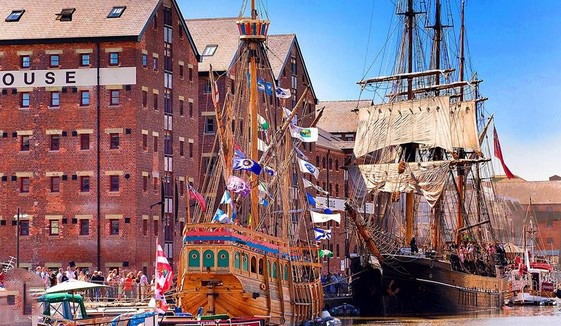
Throughout the year, the basin hosts tall ship festivals, vintage markets, maritime gatherings, and seasonal celebrations, bringing a celebratory hum back to the water.
What makes Gloucester Docks so compelling is this: the architecture has not been diluted into something unrecognizable. The warehouses still feel like warehouses. Their bones remain honest. The past is not erased—it is inhabited.
What lingers is the sense of continuity. The bones of industry remain intact, allowing us to stand precisely where dockworkers once stood and imagine the world flowing in through these waters.
It is a place that invites reflection—not only on Britain’s maritime past, but on the ways in which communities reinvent themselves without erasing their stories.
Recommended Reading
Fiction
- English Passengers by Matthew Kneale – A sweeping, darkly witty maritime epic capturing Britain’s seafaring ambitions and moral entanglements.
- The Sea, The Sea by Iris Murdoch – While not dock-centered, it beautifully evokes Britain’s complicated relationship with its surrounding waters.
- The Shipping News by Annie Proulx – A masterful portrait of maritime communities and the quiet poetry of working harbors.
- Jamrach’s Menagerie by Carol Birch – Set amid the 19th-century world of sailors, trade, and the strange cargoes of empire.
- The North Water by Ian McGuire – A visceral exploration of 19th-century seafaring life that captures the brutality and grit of Britain’s maritime age.
Non-Fiction
- The Canal Builders by Anthony Burton – A vivid history of Britain’s canal age and the engineering vision that shaped ports like Gloucester.
- The Making of the English Working Class by E.P. Thompson – Essential context for understanding the labor force that powered Britain’s industrial might.
- The Story of the Gloucester & Sharpness Canal by David Bick – A focused regional history of the canal that transformed Gloucester.