
There is a Washington D.C. that most visitors know — the ceremonial capital of marble columns, sweeping avenues, and monuments that proclaim the American story in bold, unmistakable terms.
And then there is another Washington, D.C. … one that reveals itself slowly, almost conspiratorially, to those who wander off the prescribed path. It lives in quiet houses that once sheltered presidents in crisis, in overlooked corners of grand institutions, in taverns where history was toasted rather than legislated, and in Georgetown’s hushed streets, where centuries fold into one another.
On this 250th milestone in the nation’s history, it is this Washington, D.C. — the hidden, intimate, and richly layered one — that beckons most compellingly.
WASHINGTON, D.C. — The Capital’s Hidden Narratives
Washington has always been a city of intention—designed, debated, and shaped by the ambitions of a young republic. Yet from its earliest days, upheaval has shaped it as well. The War of 1812 scarred the land in fire and ash. The Civil War tested America’s moral and political boundaries. And through it all, the city evolved through its grand institutions and the quieter spaces where leaders retreated, decisions were refined, and history’s human dimension unfolded.
These lesser-known places deserve more than footnotes. They are the intimate rooms where America’s story unfolds.
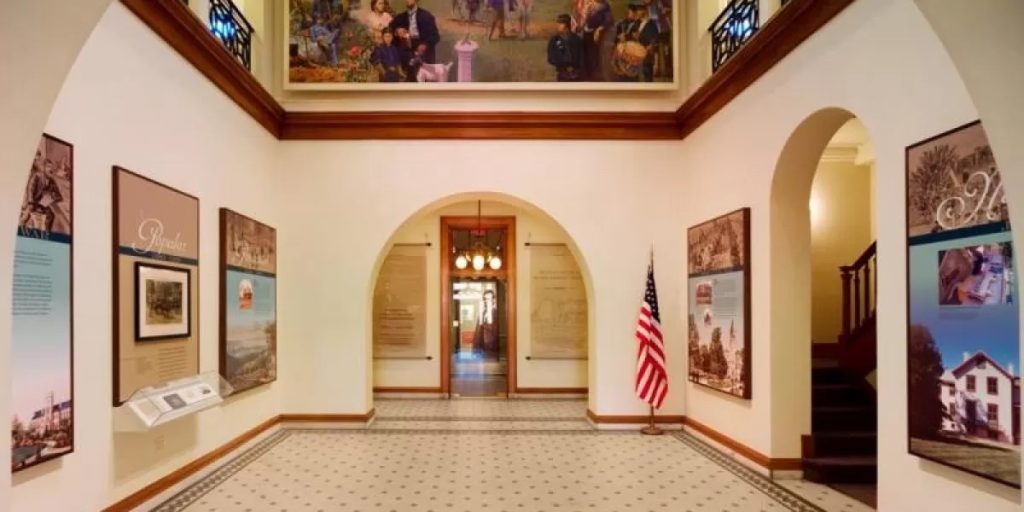
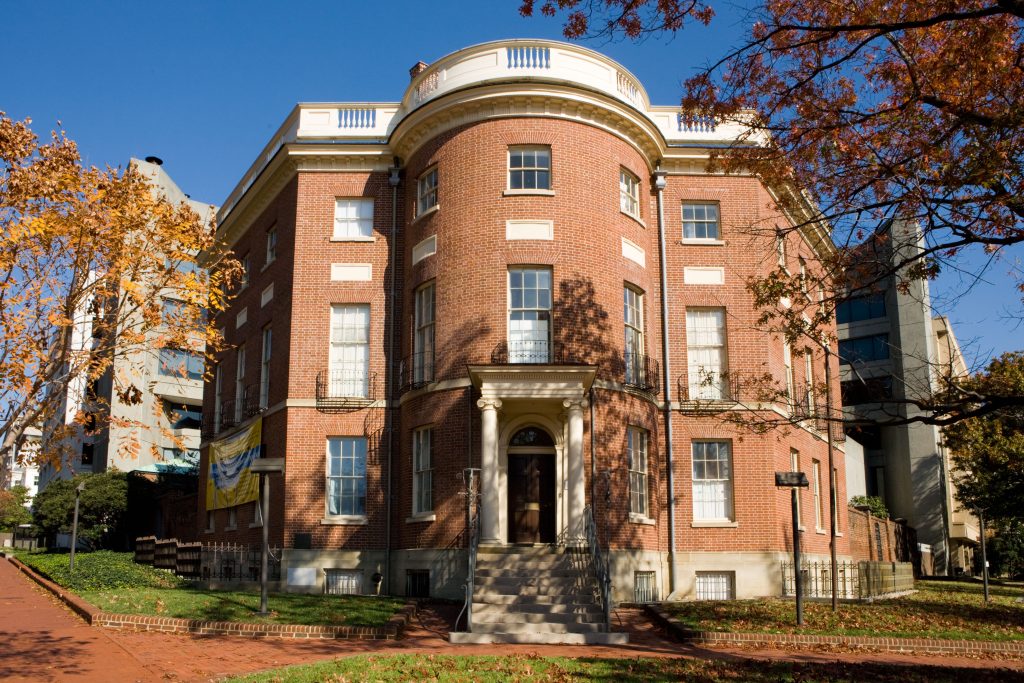
At The Octagon, history unfolds with cinematic immediacy. On August 24, 1814, as British troops advanced, Dolley Madison—one of America’s most formidable first ladies—scrambled to save what she could from the White House. Portraits, documents, artifacts—she rescued them in a race against time before the city burned. When President Madison returned, the White House was uninhabitable, yet though some urged abandoning Washington altogether, the Madisons refused. Instead, they moved into this elegant corner house at 18th Street and New York Avenue. From here, governance resumed. One can almost imagine the tension in its rooms—papers spread across polished tables, decisions made under pressure—while Dolley, ever the consummate hostess, shaped Washington society even in exile. Owned and managed by The American Institute of Architects (AIA), which purchased it in 1898, The Octagon is now a museum open to the public.
There is a similar sense of retreat and resolve at Lincoln’s Cottage, though the mood is quieter and more contemplative. Perched on a breezy rise above the suffocating heat and political strain of downtown, this Gothic Revival house became Lincoln’s seasonal refuge during the Civil War. From 1862 to 1864, he came here not to escape responsibility, but to think more clearly about his. It was in these modest rooms that he developed and drafted the Emancipation Proclamation. The air feels different here, lighter somehow, as though the weight of that decision still hums beneath the surface.
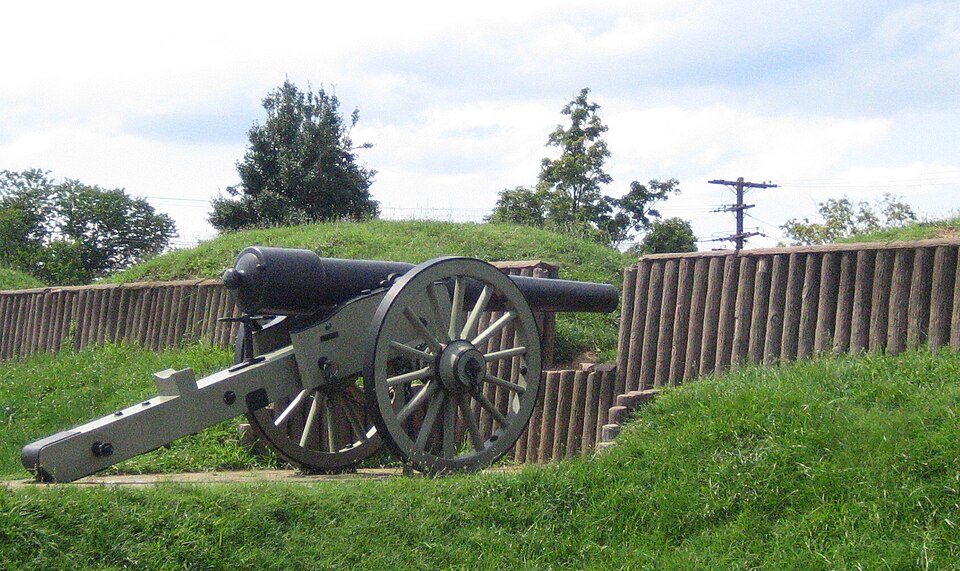
And then, unexpectedly, history emerges in a quiet neighborhood at Fort Stevens. It is difficult, standing there today, to imagine that this unassuming place witnessed the only Civil War battle fought within Washington itself—or that Abraham Lincoln came under direct enemy fire here. The contrast is striking: peaceful streets masking a moment of profound national peril. History hiding in plain sight.
Grand Homes, Hidden Mansions, and Streets That Whisper of Power
What Washington lacks in obvious intimacy, it compensates for in quietly magnificent residences—homes that rarely appear on tourist maps, yet have sheltered the architects of the nation’s political, social, and cultural life.
Begin along Lafayette Square, just steps from the White House, where historic homes form one of the city’s most elegant ensembles. Here stands Decatur House, built in 1818 for Naval hero Stephen Decatur. While its façade reflects the refinement of early Federal architecture, the deeper story lies in the slave quarters—among the few remaining urban examples in the country—offering a powerful counterpoint to the grandeur outside.
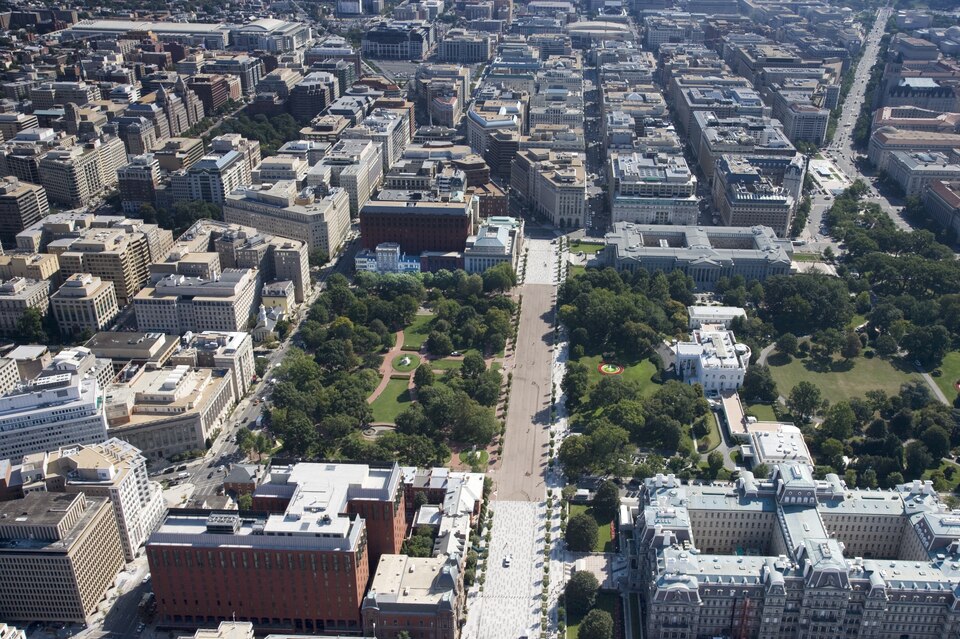
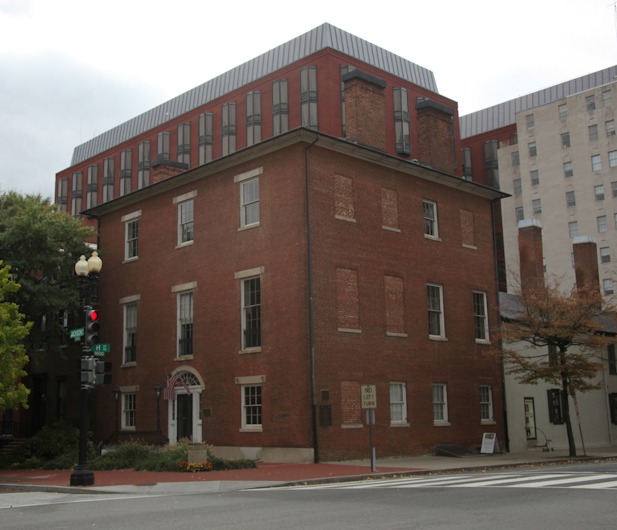
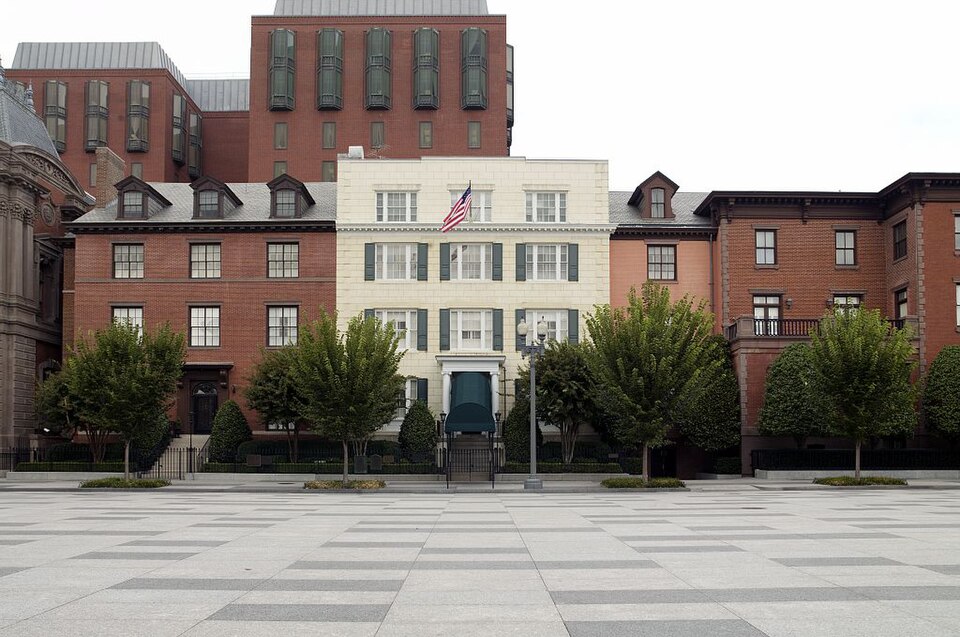
Nearby, Blair House—often called the “President’s Guest House”—has hosted foreign dignitaries and sitting presidents alike. Building in 1824 for the first surgeon general of the United States, this house belonged to Dr. Joseph Lovell, it passed to Francisc Preson Blair, a journalist and advisor to President Andrew Jackson. It was then that Blair House became a salon of political influence, where Harry Truman resided during the White House renovation and where an assassination attempt unfolded on its steps in 1950. The building exudes quiet importance, less photographed but deeply embedded in the rhythms of power.
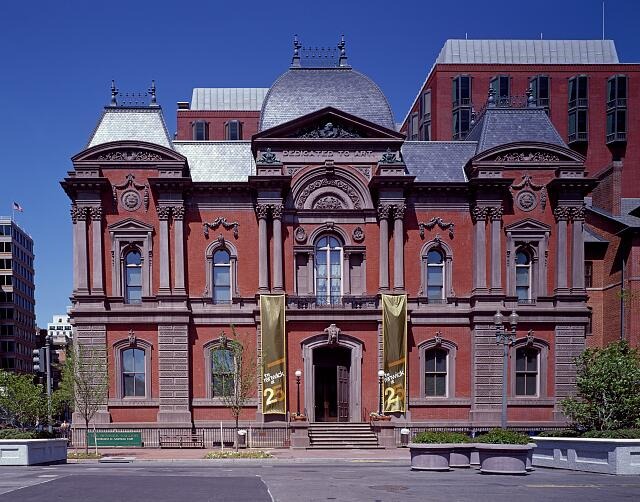
Venture a bit further and you’ll encounter the Renwick Gallery, originally built as the Corcoran Gallery of Art in 1859. Designed by James Renwick Jr., the building is a Second Empire masterpiece whose stately presence hints at Washington’s early aspirations toward cultural sophistication. The gallery celebrates American craft and decorative arts.
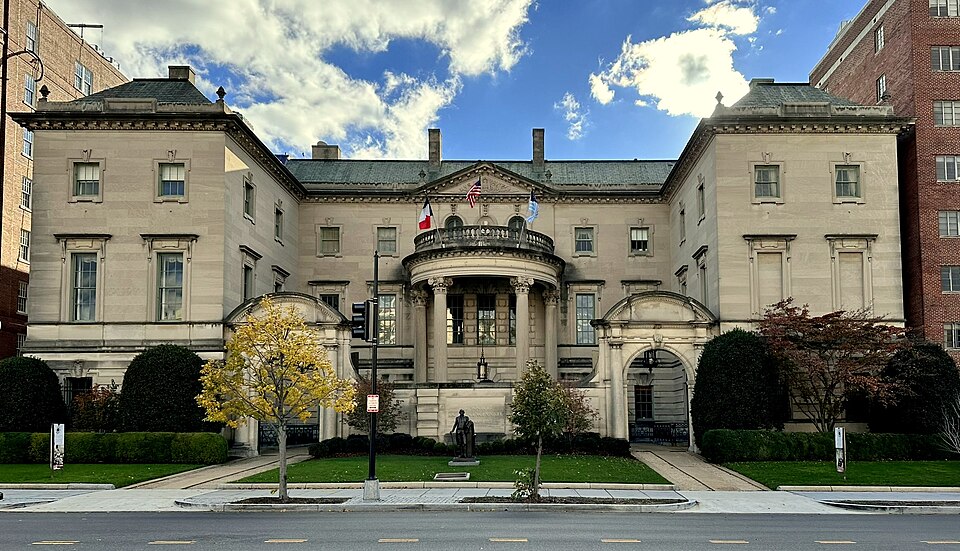
For a different kind of grandeur, step into the Anderson House on Massachusetts Avenue, a Gilded Age mansion that feels transported from another world. Built in 1905 as the winter residence of Larz Anderson and his wife Isabel, the mansion is lavish without being ostentatious—its marble staircases, gilded details, and grand entertaining rooms reflect a Washington equally divided between society and statecraft.
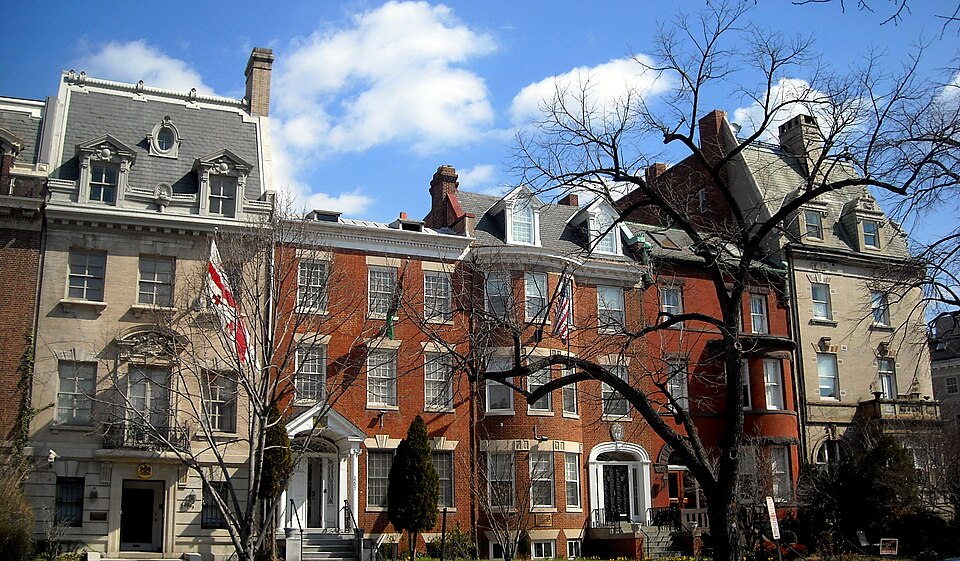
This avenue—Massachusetts Avenue’s Embassy Row—is itself a journey through architectural styles. Gilded Age mansions, many now housing embassies, line the street in a parade of architectural styles—Beaux-Arts, Tudor Revival, Venetian Gothic—each a statement of prestige and identity. Walking here feels like moving through a catalog of early 20th-century elegance, where the homes of America’s elite became seats of diplomacy.
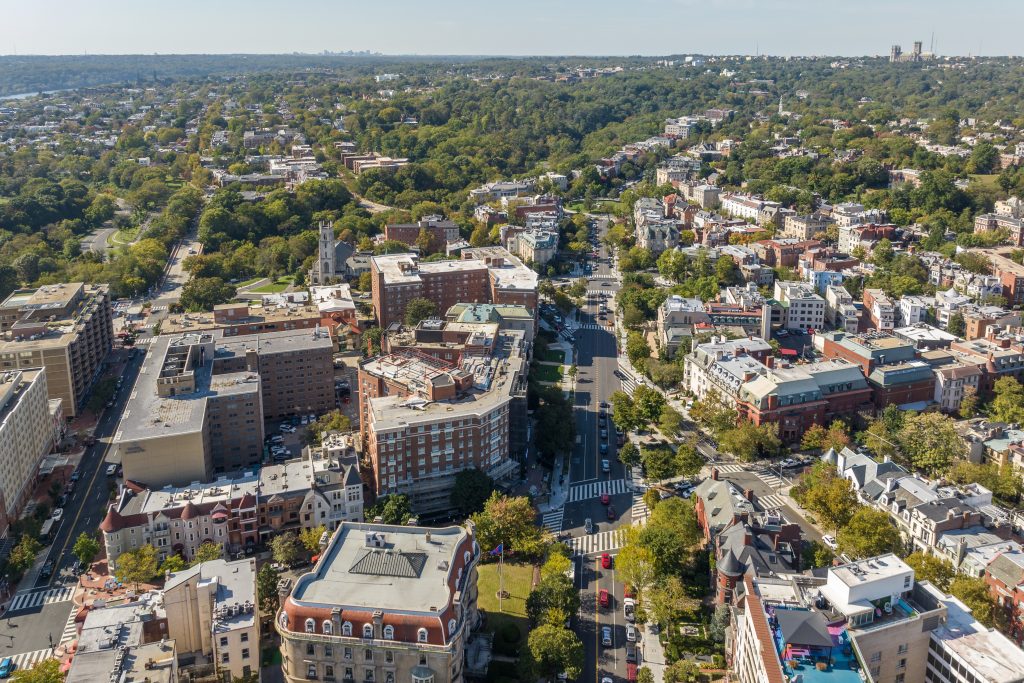
Then there is Kalorama, one of Washington’s most quietly prestigious neighborhoods. Its tree-lined streets shelter historic residences of presidents, ambassadors, and cultural figures. The scale is intimate, the atmosphere residential, yet history weighs unmistakably. Kalorama sits in Northwest Washington, D.C., just above Dupont Circle and west of Adams Morgan.
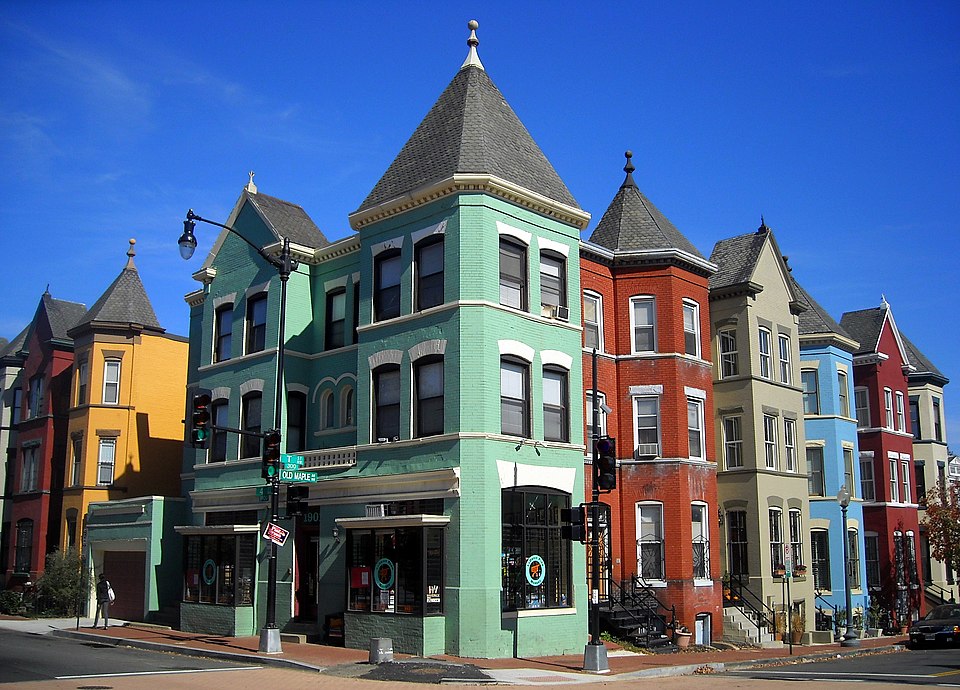
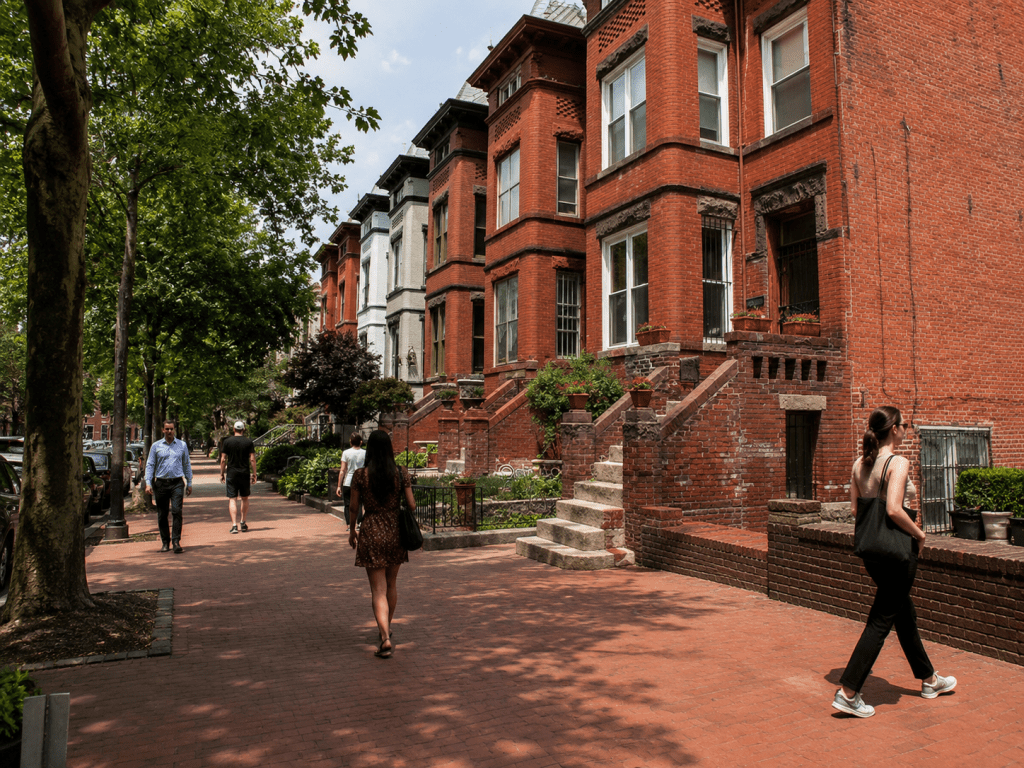
For something more unexpected, wander through LeDroit Park, a Victorian enclave just east of Howard University developed in the late 19th century. Its ornate rowhouses—turrets, decorative brickwork, and tree-lined streets—offer a striking contrast to downtown Washington’s neoclassical rigidity. Once an exclusive gated community, it later became a center of African American intellectual life, adding another chapter to its story.
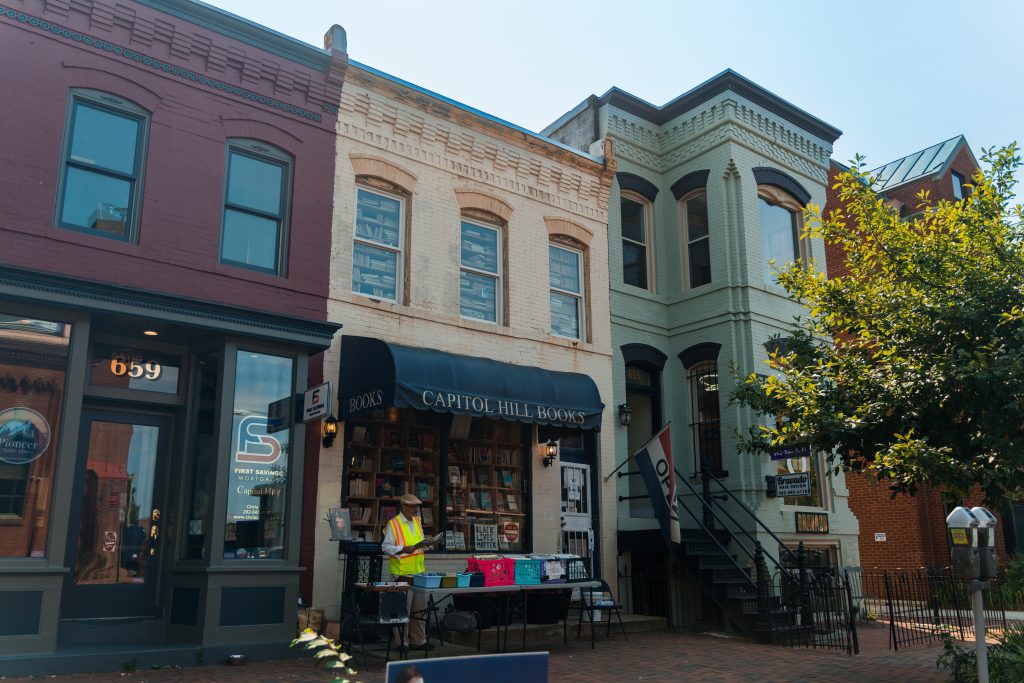
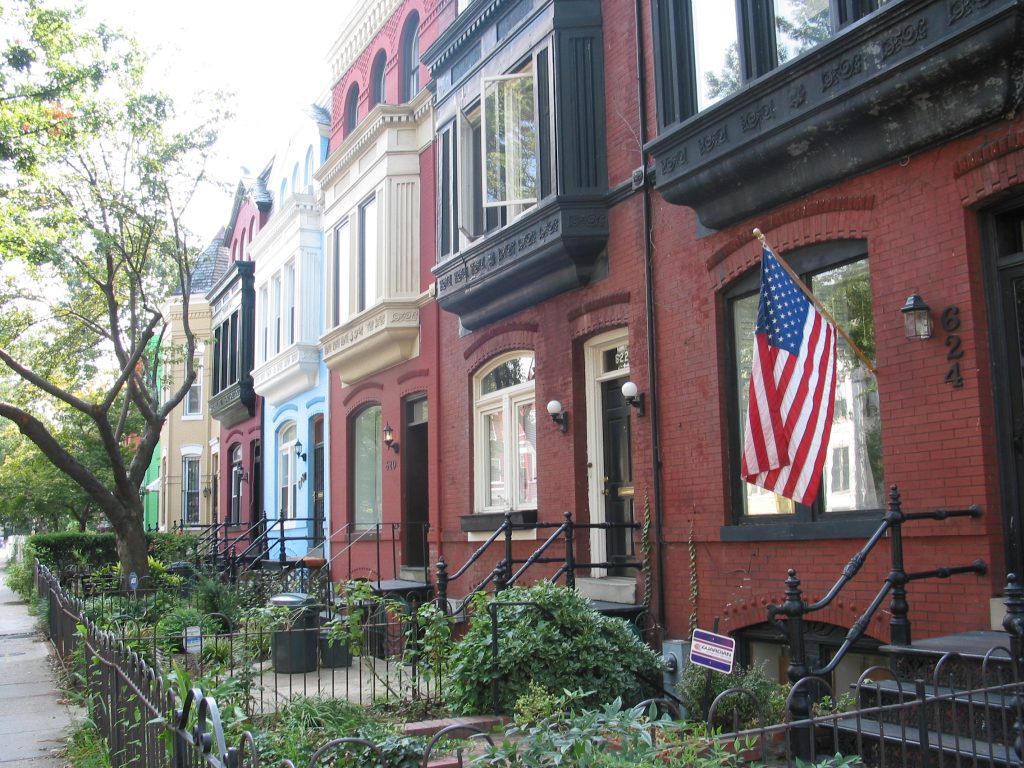
And finally, there is Capitol Hill, the neighborhood beyond the dome itself. Step away from the corridors of power into residential streets—particularly around East Capitol Street and the Hill’s historic rowhouse districts—and you find a neighborhood with an almost European rhythm. Brick sidewalks, gas lamps, and lovingly preserved homes create a timeless sense of continuity.
The City’s Social Pulse — Taverns, Bars, and Power Behind the Scenes
Washington’s story unfolds not just in chambers and offices, but over meals, drinks, and whispered conversations.
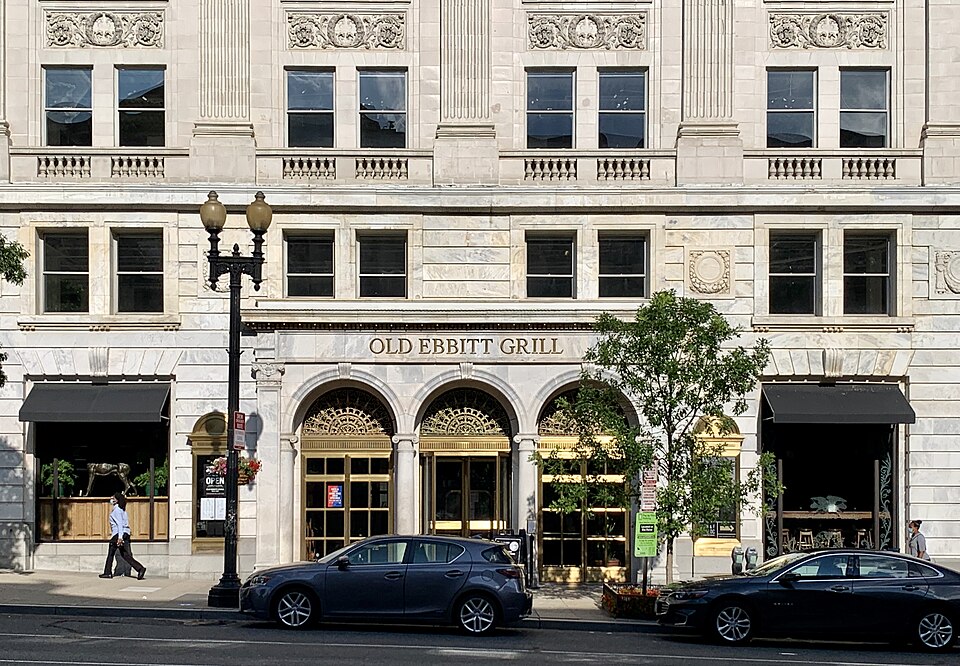
At Old Ebbitt Grill, beneath the familiar bustle, runs a deeper lineage than most realize. Its roots stretch back to the 19th century, with an oyster bar tradition tied to the early dining culture of the capital. Here, politics has long mingled with conviviality—alliances forged, ideas tested, deals quietly shaped.
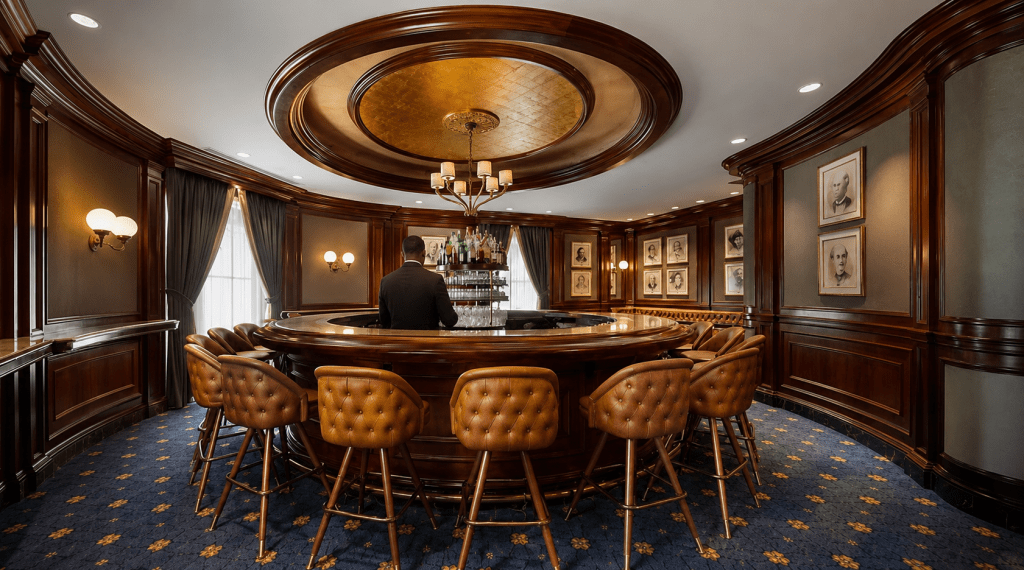
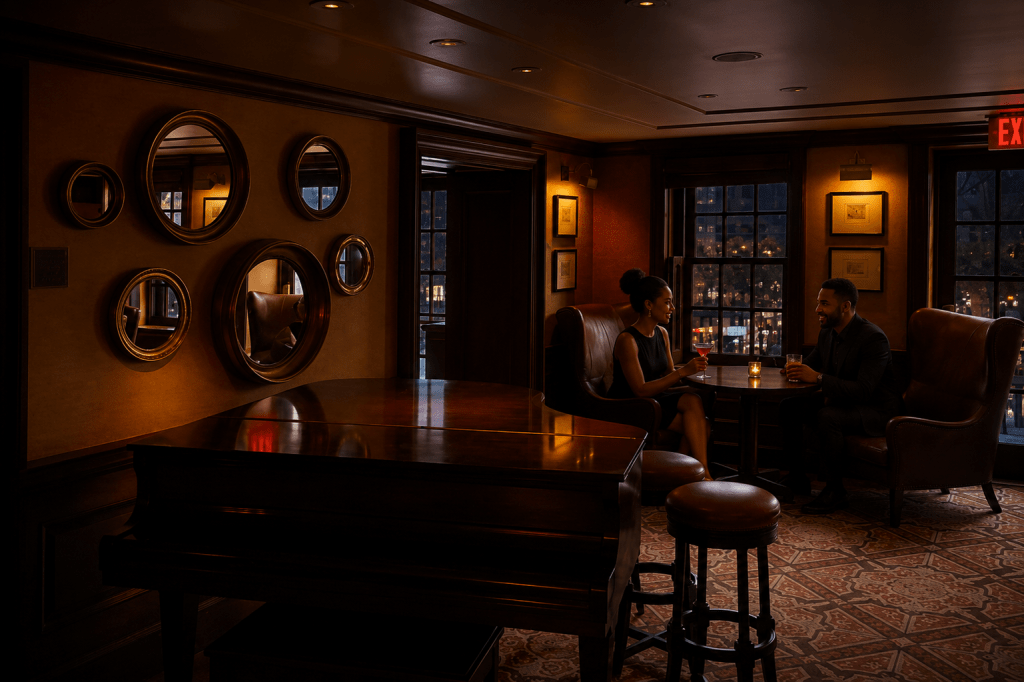
Step into the Round Robin Bar at the Willard Intercontinental Hotel and enter a space that feels almost conspiratorial. Its circular design encourages conversation, a feature perfected by the political and social elites who once shaped the nation’s direction within its walls.
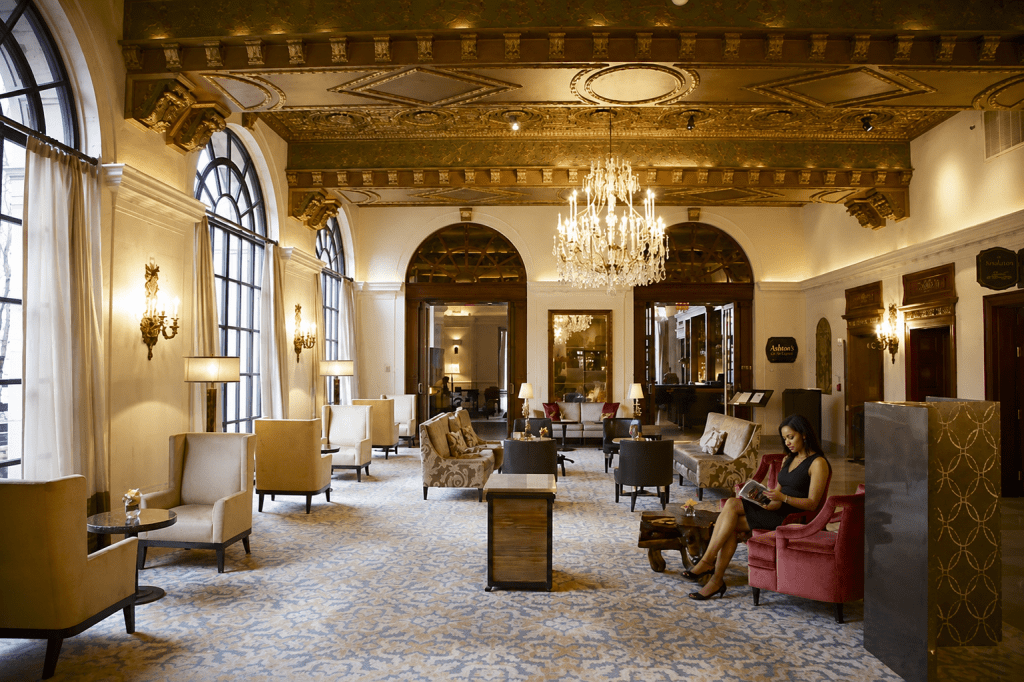
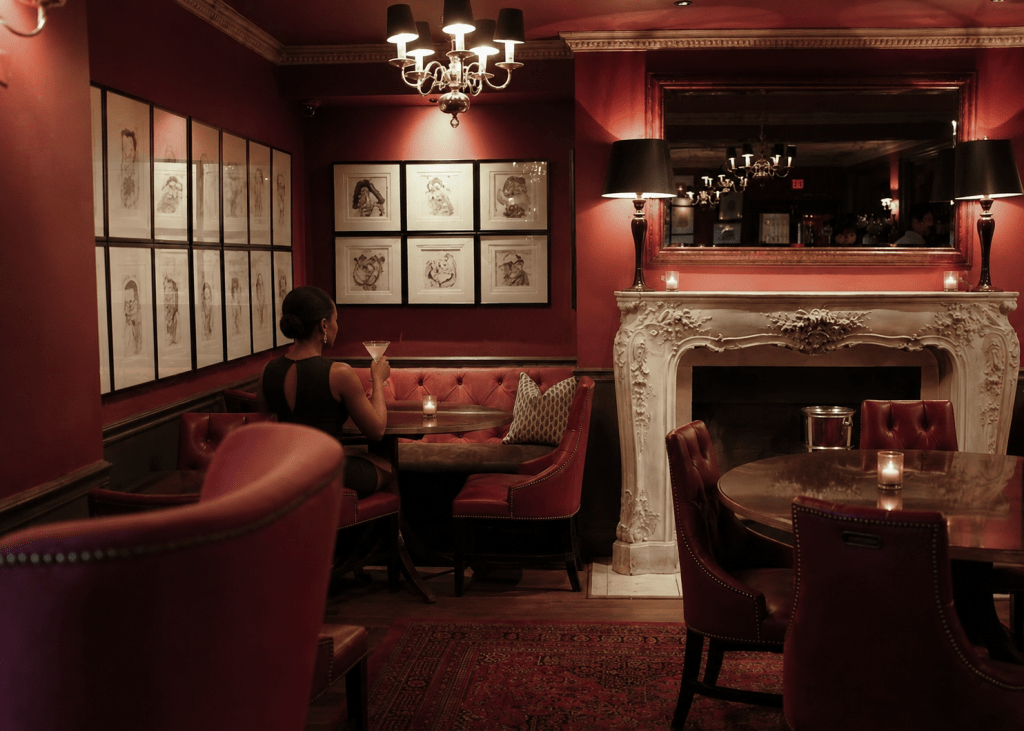
And then there are the quieter, more intimate spaces—the St. Regis Bar, the Hay-Adams’ cleverly named Off the Record, and the refined Quill Bar at the Jefferson Hotel each carry forward this tradition of conversation and influence, wrapped in elegance.
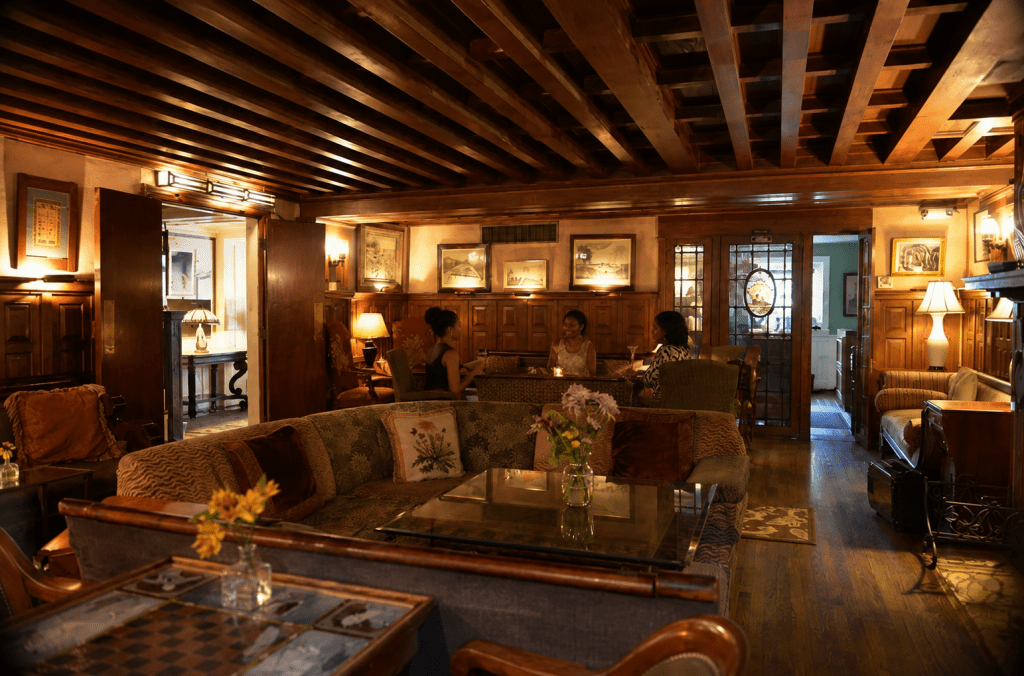
Even lesser-known gems like the Tabard Inn, Washington’s oldest continuously operating hotel, offer genuine time travel—creaking floors and cozy corners that invite you to linger just a bit longer.
Hidden in Plain Sight — Secrets Within Iconic Institutions
Some of Washington’s most fascinating stories lie not in obscure places, but within landmarks millions visit.
Beneath the Capitol’s grandeur lies the Capitol Crypt, a space intended as George Washington’s final resting place. He never came, of course—but the symbolism endures. Forty Doric columns stand in quiet formation, each marking an original state. Visitors pass through, often unaware they stand in what was meant to be a national tomb.
Twenty-two Corinthian columns rise unexpectedly from the meadow at the National Arboretum—an American ruin with impeccable official pedigree. Quarried from Aquia Creek sandstone, these stones once graced the U.S. Capitol’s East Portico from 1828, removed in 1958, given a quietly majestic second life among the trees. The Capitol Columns were created to give the young nation’s Capitol a properly majestic face—practical supports, certainly, but also symbols in stone. Their Corinthian form quietly linked America’s new experiment in self-government to classical ideals of Greek and Roman democracy, republic, order, and endurance.
At the Library of Congress, beyond the main reading room’s grandeur lie quieter treasures: the Whittall Pavilion with its rare instruments in near silence, the reconstructed library of Thomas Jefferson embodying the intellectual curiosity that shaped a nation, and ceilings rich with symbolism most visitors never pause to interpret.
Even the White House, so thoroughly documented, holds its lesser-known stories: a hidden wine cellar beneath its formal dignity, the once-controversial Truman Balcony that altered its iconic façade, the press briefing room installed over FDR’s indoor swimming pool, The China Room where presidential porcelain collections are housed, and a room dedicated entirely to calligraphy for handwritten invitations, menus, and official documents.
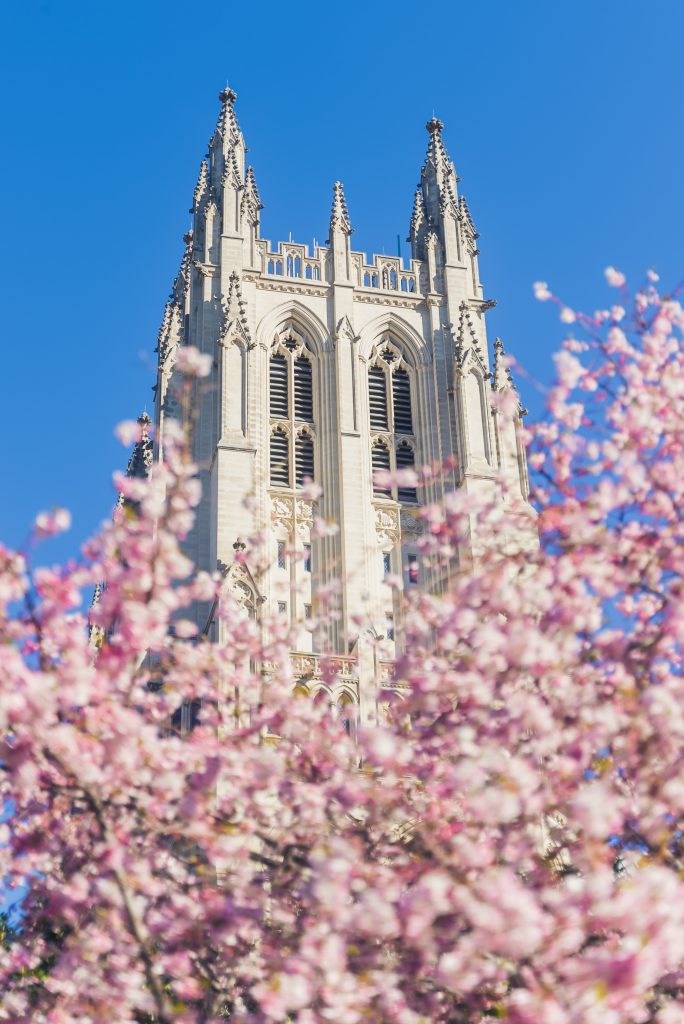
And then, delightfully, comes the unexpected at Washington National Cathedral. Among its Gothic towers with traditional gargoyles and grotesques, one finds an unlikely figure—Darth Vader. Added during a 1980s children’s design competition, it remains both whimsical and profound—a reminder that even the most historic spaces continue to evolve.
Nearby, the DAR Museum (Daughters of the American Revolution) offers something quieter but equally compelling—period rooms from across early America, filled with artifacts that feel less curated and more lived-in. Often nearly empty of visitors, they offer a kind of private immersion rarely found in more crowded institutions.
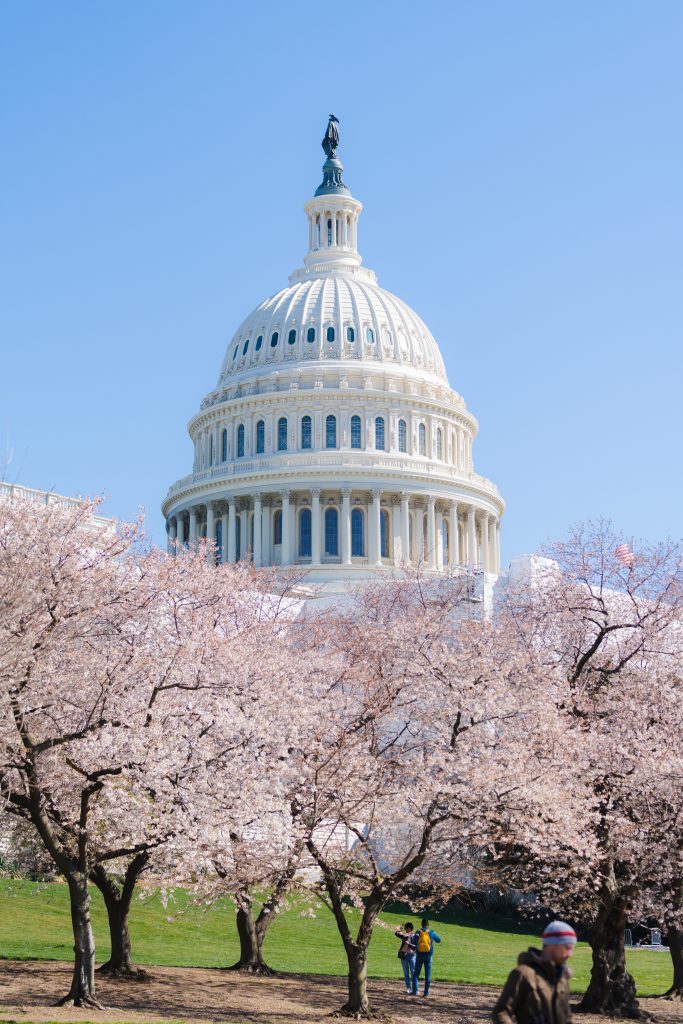
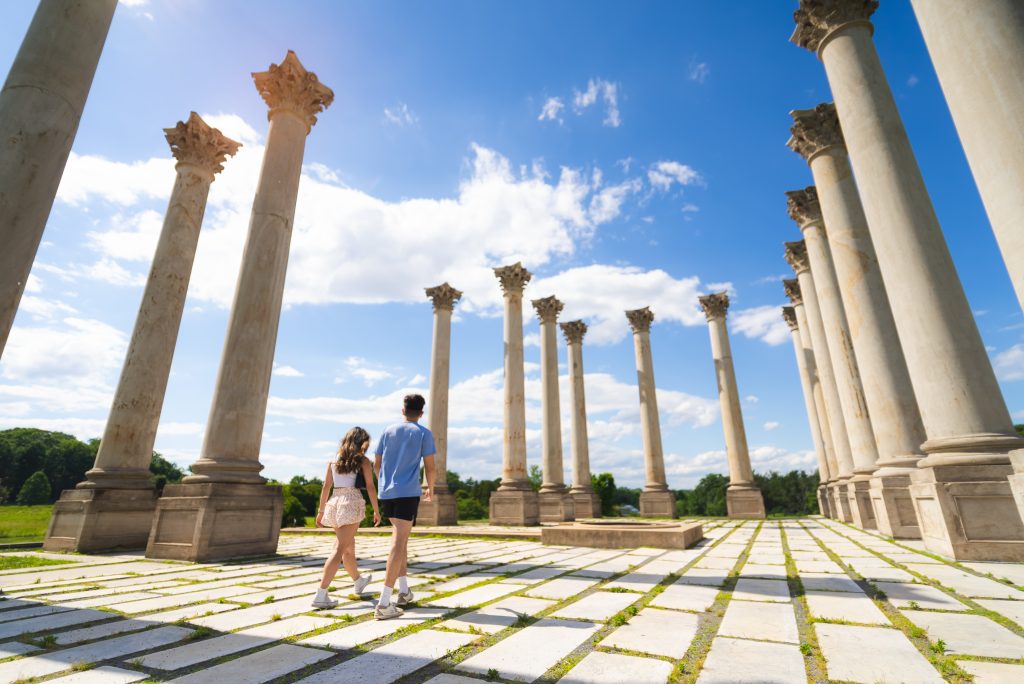
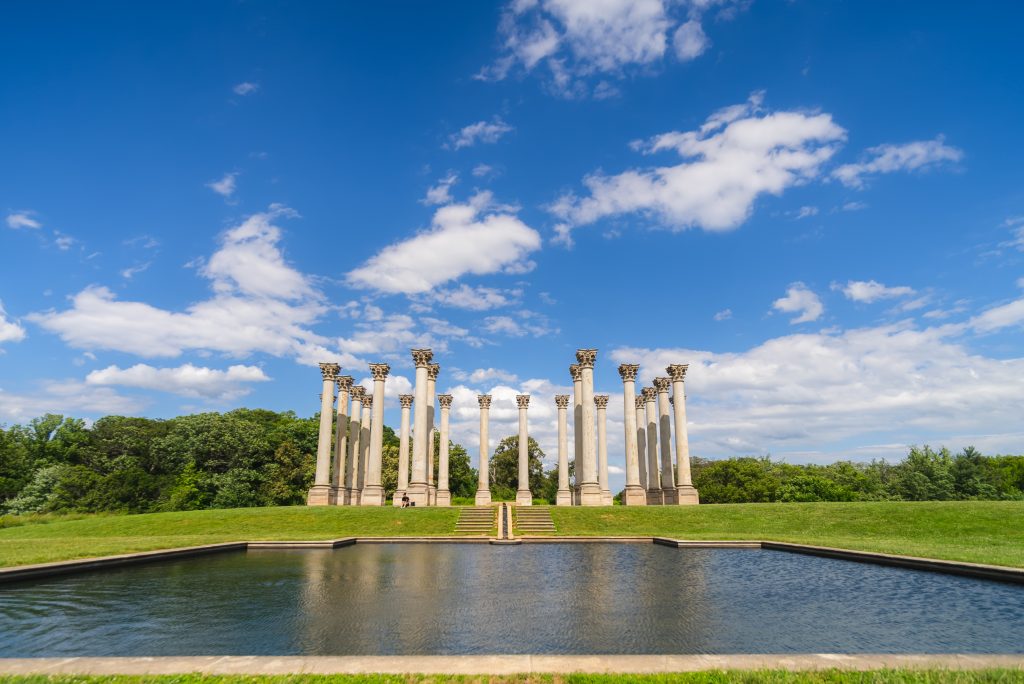
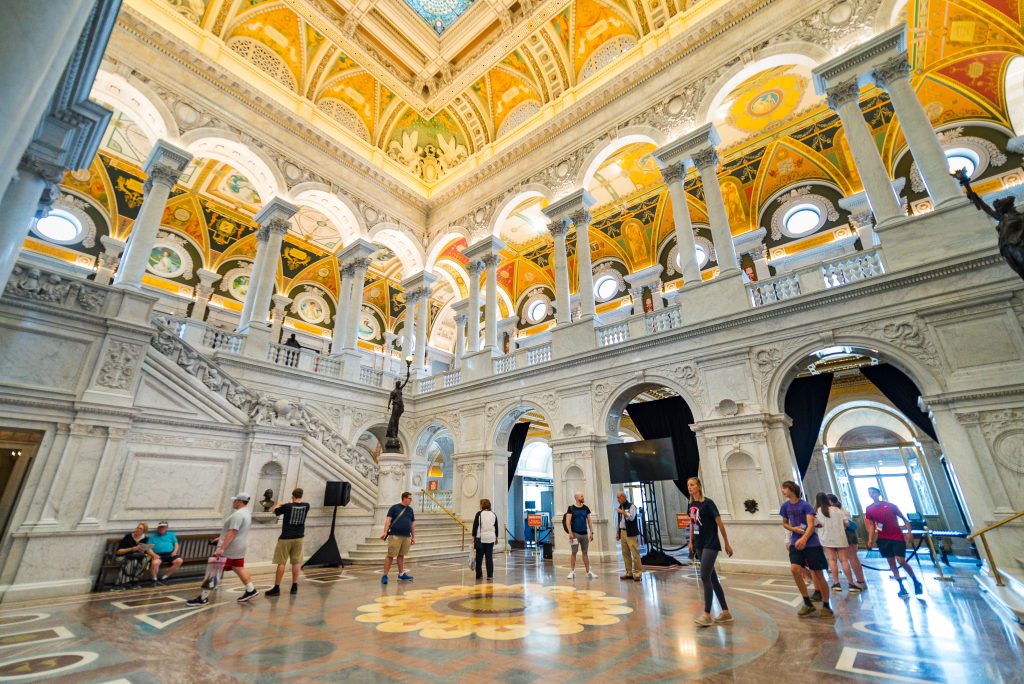
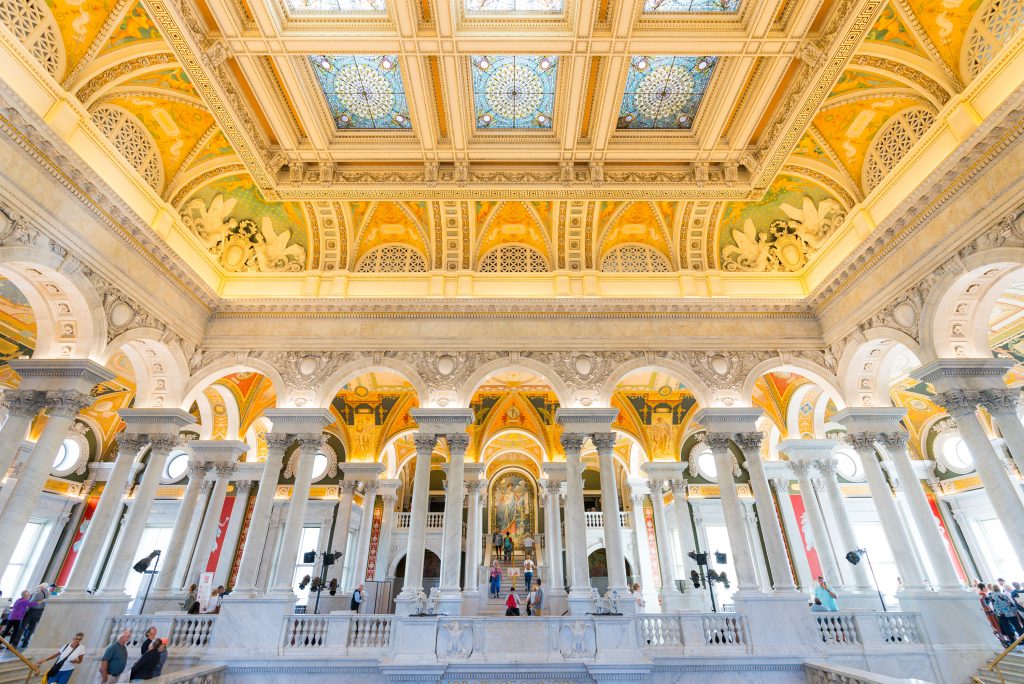
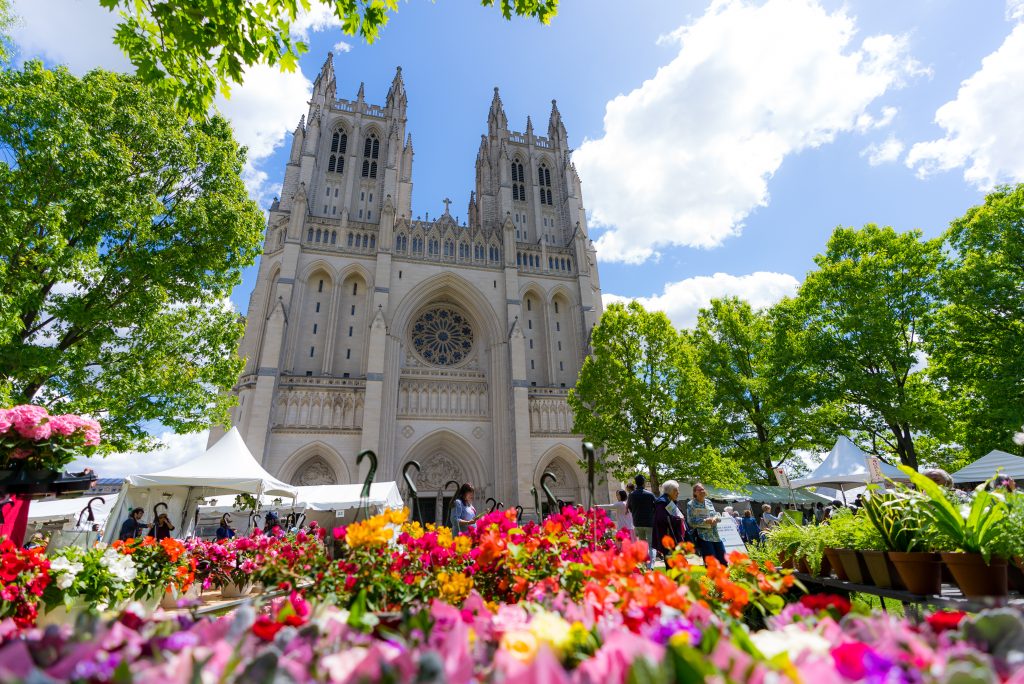
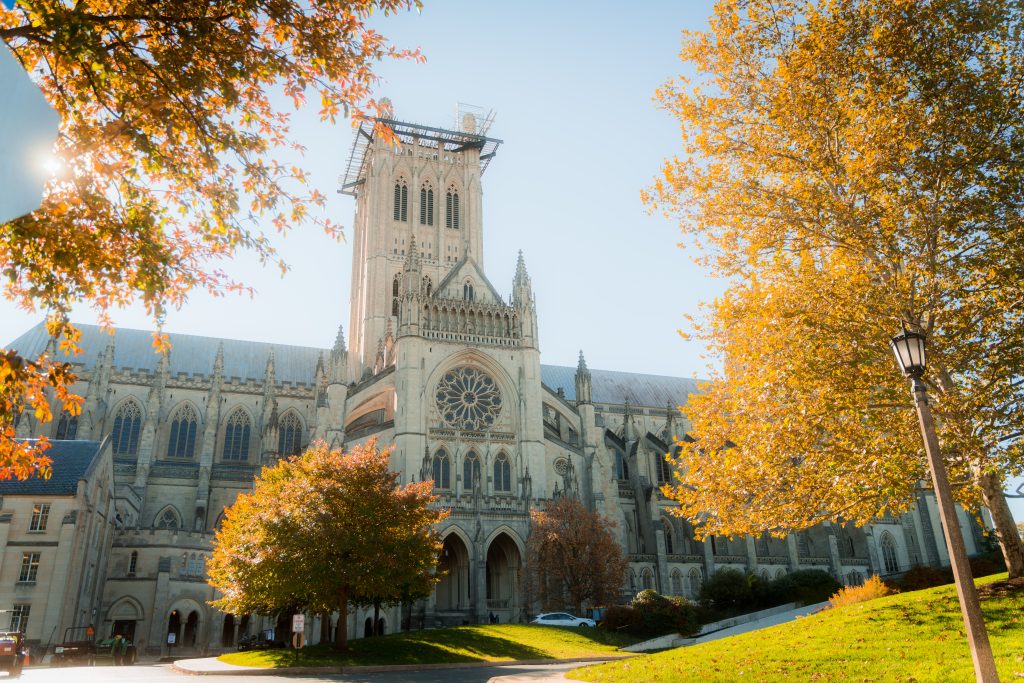
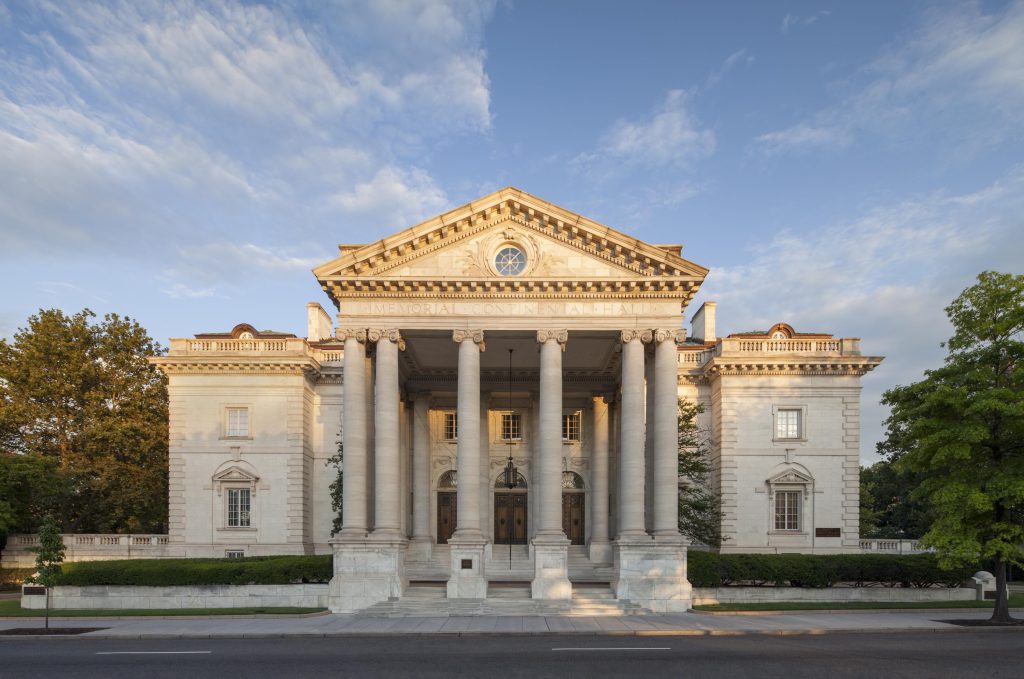
Image Courtesy of Washington.org
Georgetown — Where the Past Feels Intimate
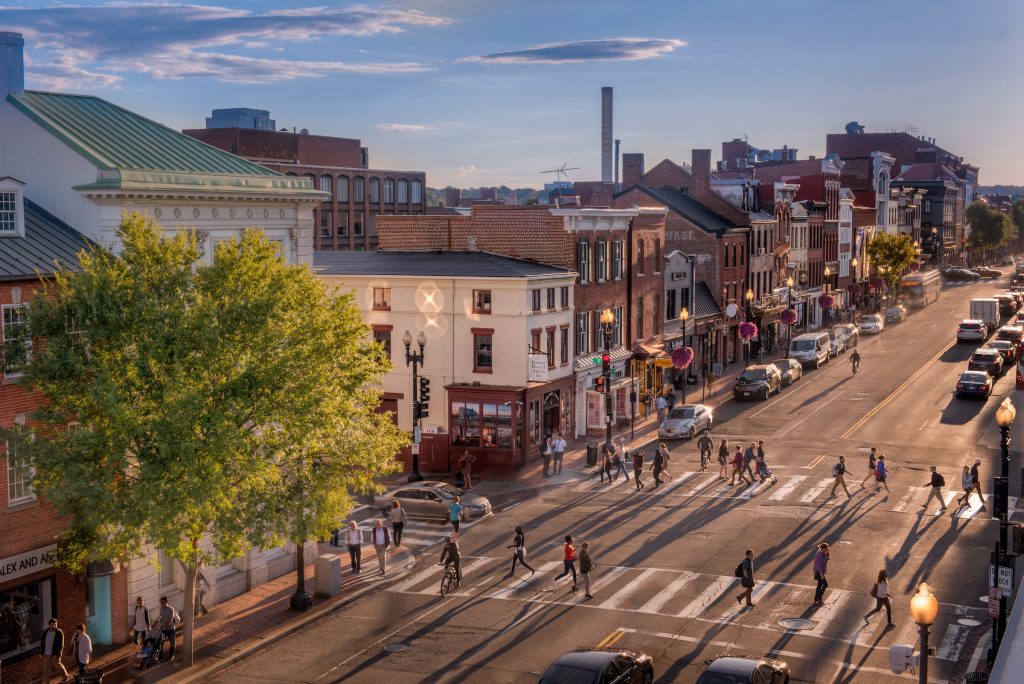
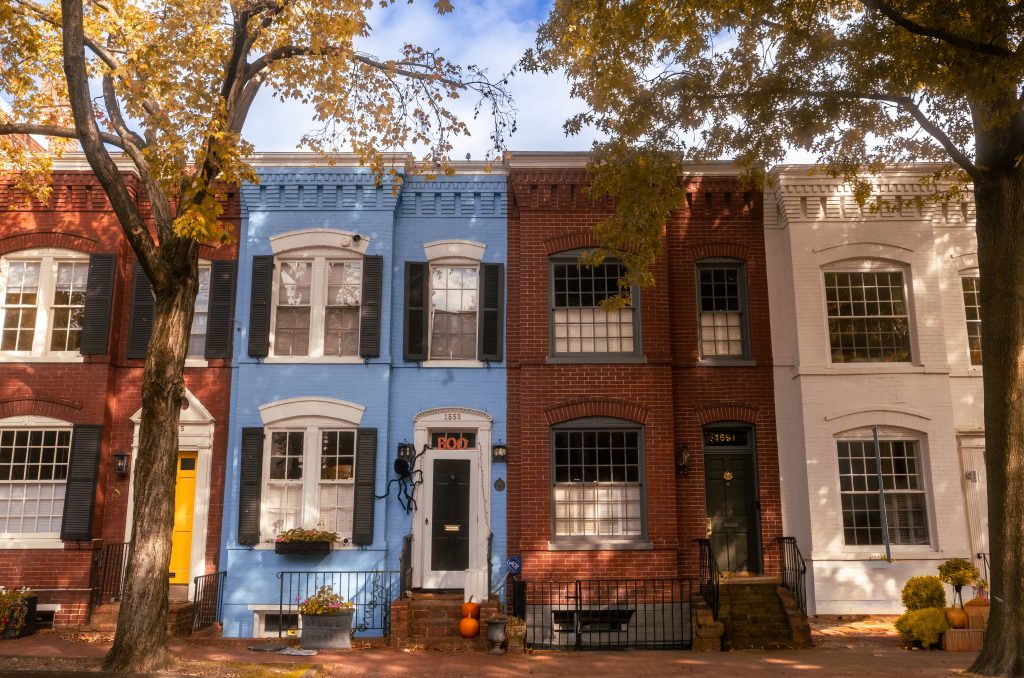
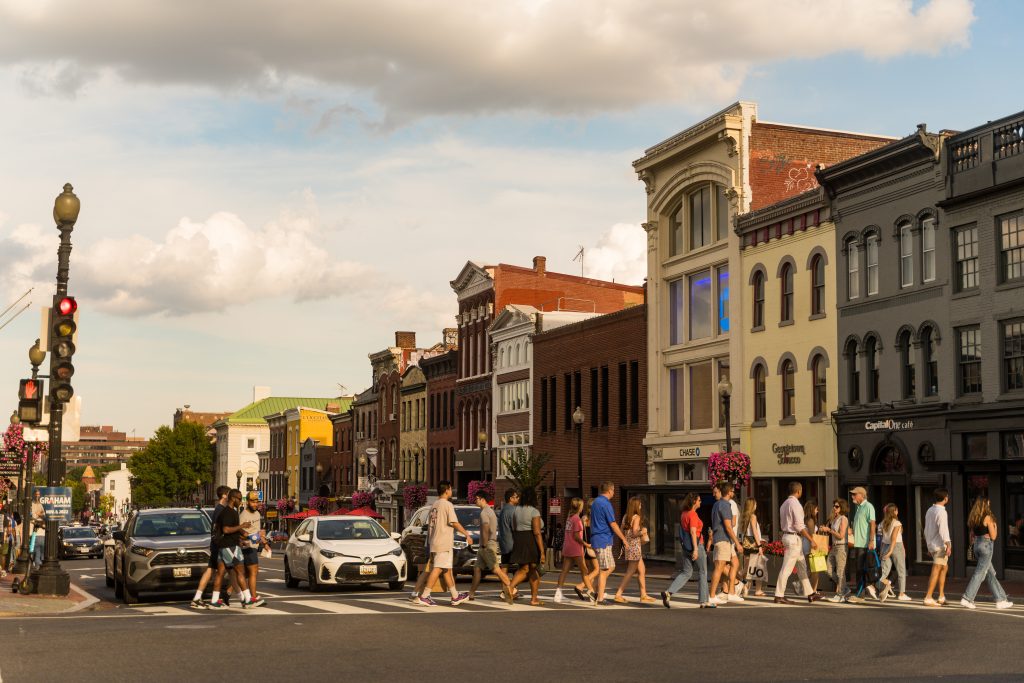
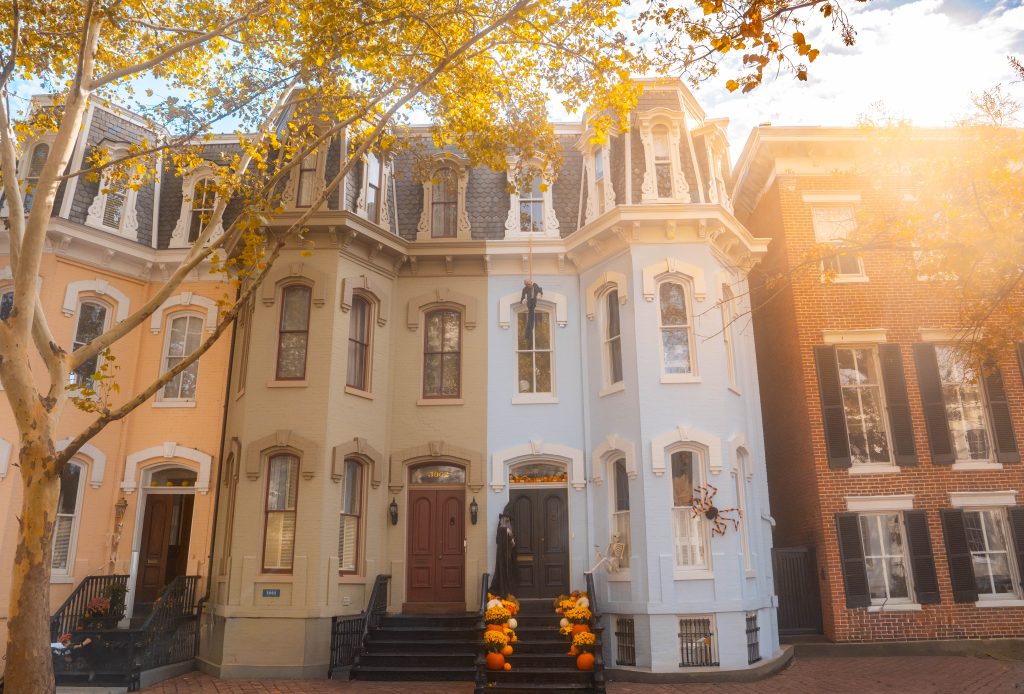
Georgetown is a Living Historic District, and if Washington tells its story in institutions, Georgetown tells it in texture. This is a neighborhood where history isn’t monumental—it’s woven into daily life. With more than 3,000 historic structures, it stands as a National Historic Landmark, yet it feels less like a museum and more like a living, breathing narrative.
Homes, Estates, and the People Who Lived Within Them
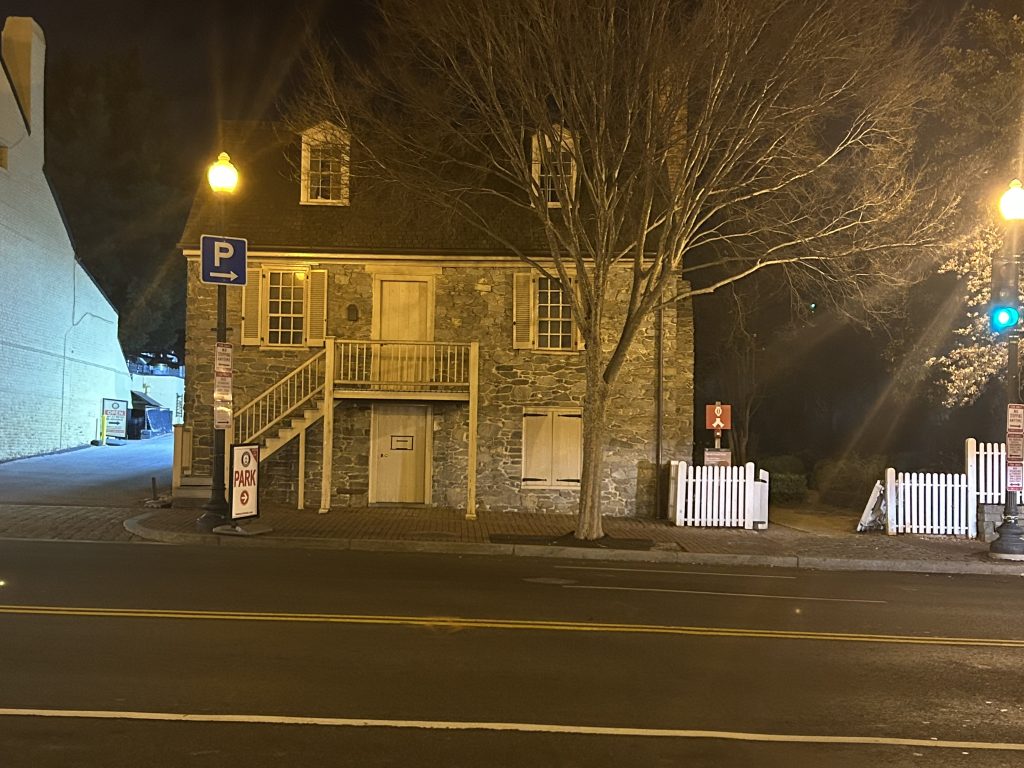
First, the Old Stone House stands as a survivor from 1765, when Maryland was still a British colony, having endured nearly six decades before British troops marched into Washington in 1814. Today, it stands quietly along M Street, easily overlooked yet profoundly grounding. Its preservation owes as much to mistaken identity as to deliberate intent—once believed connected to George Washington, it was spared. But perhaps that accident was meant to be. Inside, you encounter a world removed from presidential grandeur—low ceilings, simple rooms, the texture of daily existence in a young and uncertain time.
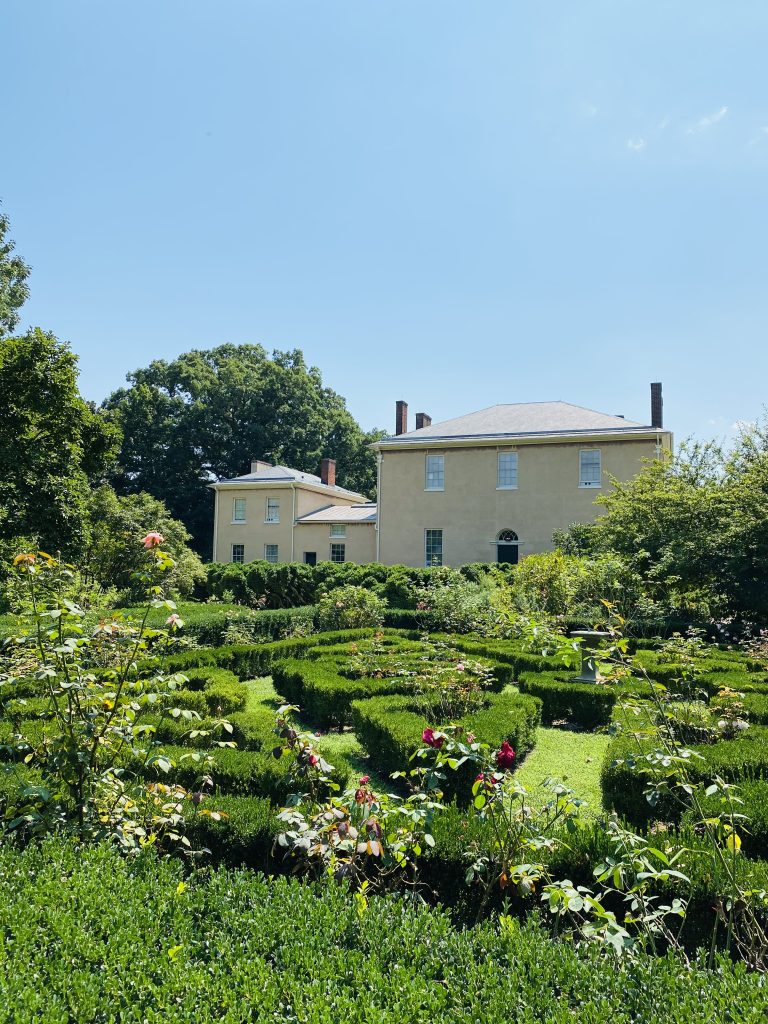
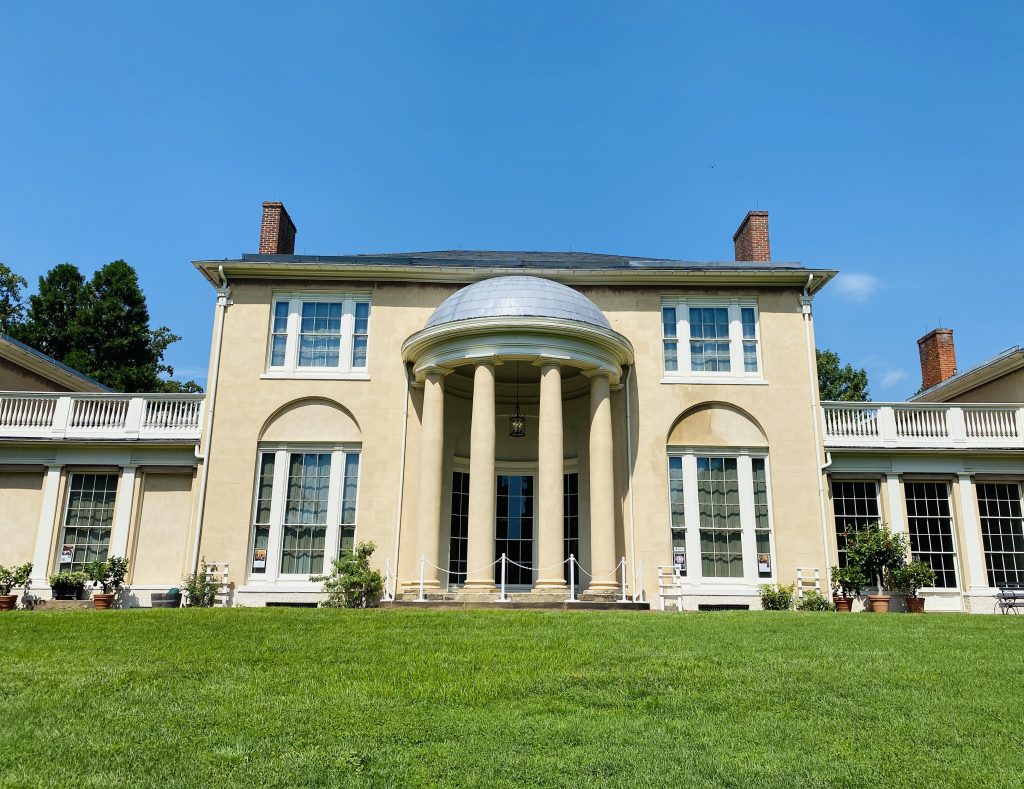
At Tudor Place, history unfolds both grand and deeply personal. Built in 1816 and connected to Martha Washington’s descendants, it preserves the lives of a prominent family alongside those of the enslaved and free individuals who lived and labored here. Its 18,000 decorative objects connect visitors to generations past.
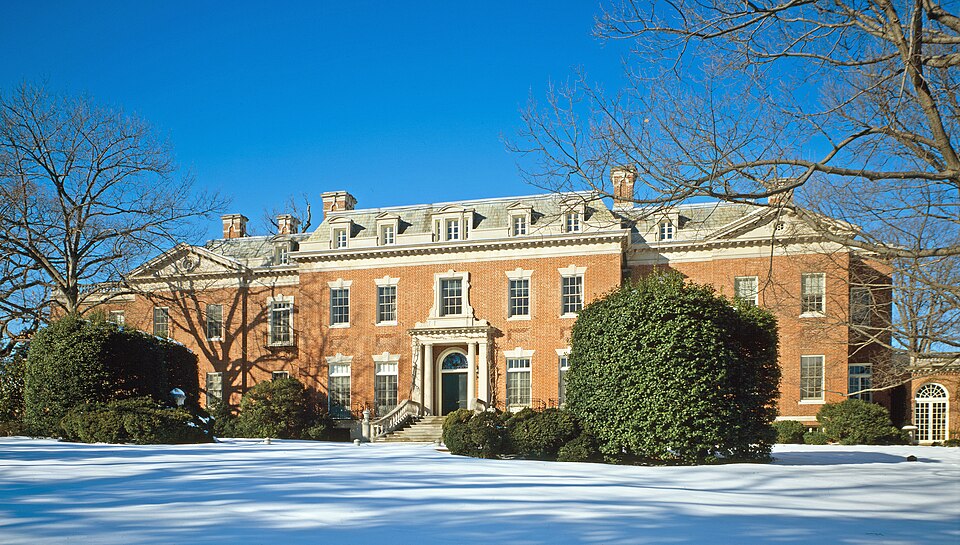
Nearby, Dumbarton Oaks offers a different elegance—gardens among the country’s most beautiful, with Byzantine and Pre-Columbian art collections. Yet it was also where quiet diplomacy during World War II helped shape the modern world.
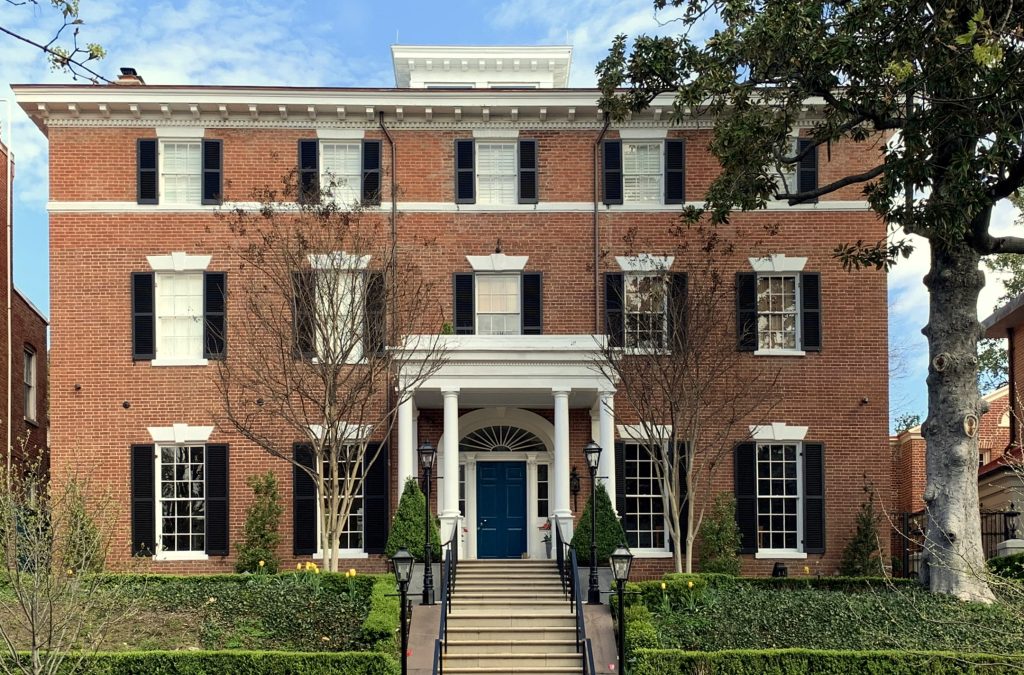
The Dumbarton House, pristine and precise, offers a window into Federal-era domestic life, while the striking Newton D. Baker House, nearby and known as the “Pink Palace,” adds architectural personality with a flourish.
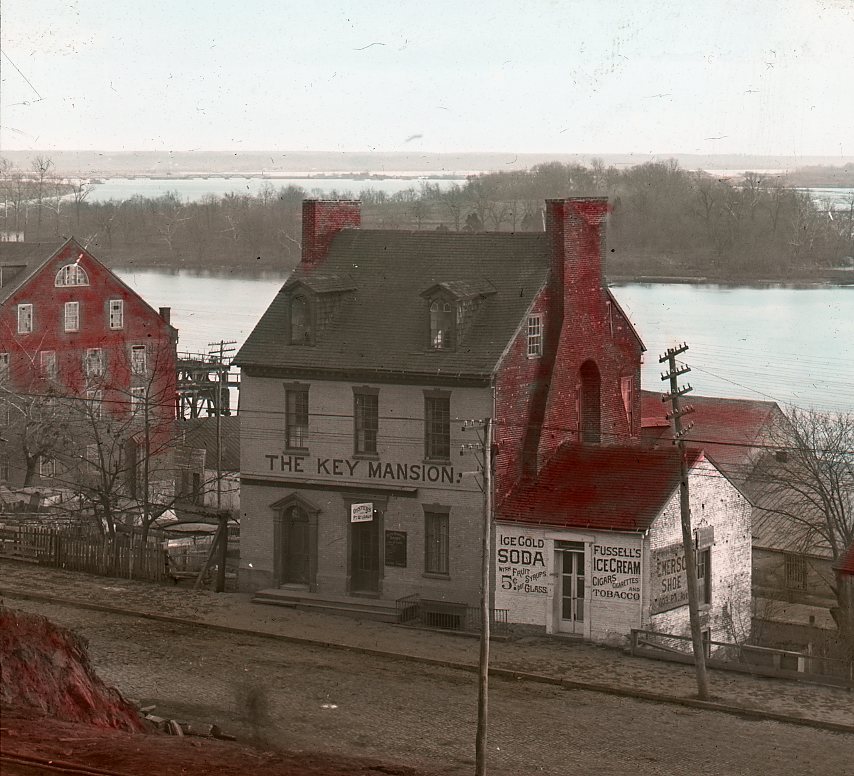
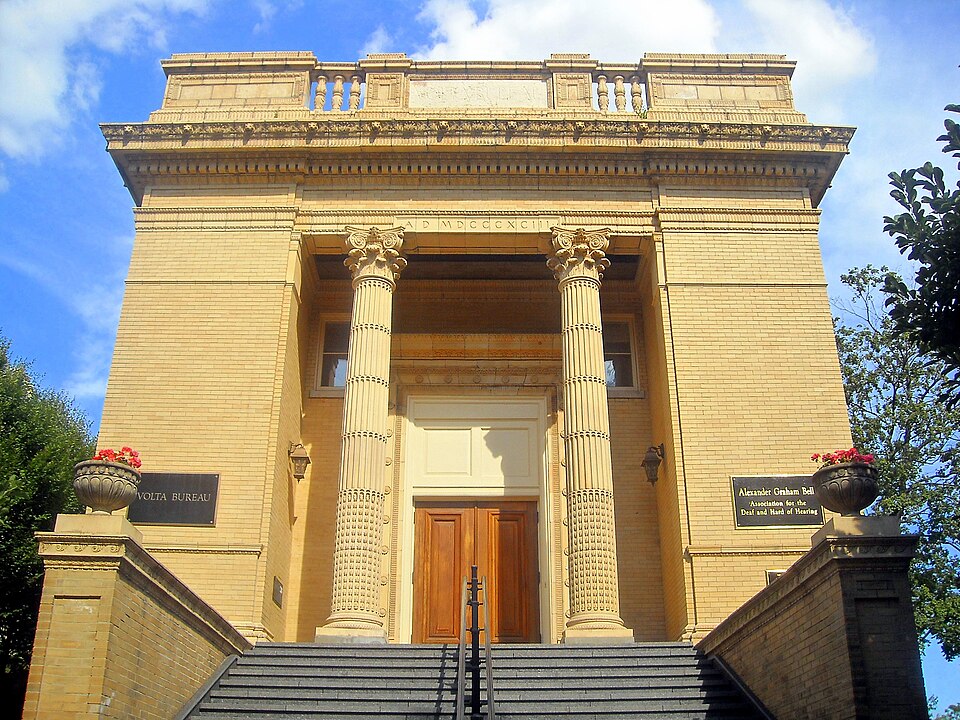
At the Francis Scott Key House, you encounter the legacy of the man who penned the nation’s anthem, while at the Volta Laboratory, Alexander Graham Bell’s experiments reveal how innovation shaped Georgetown’s story.
Streets That Tell Stories
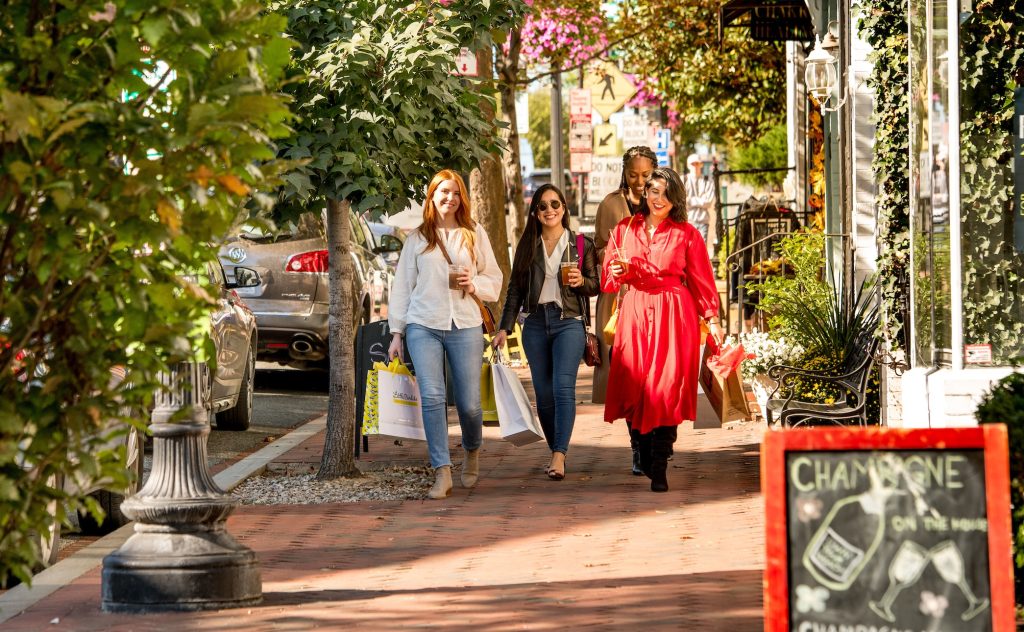
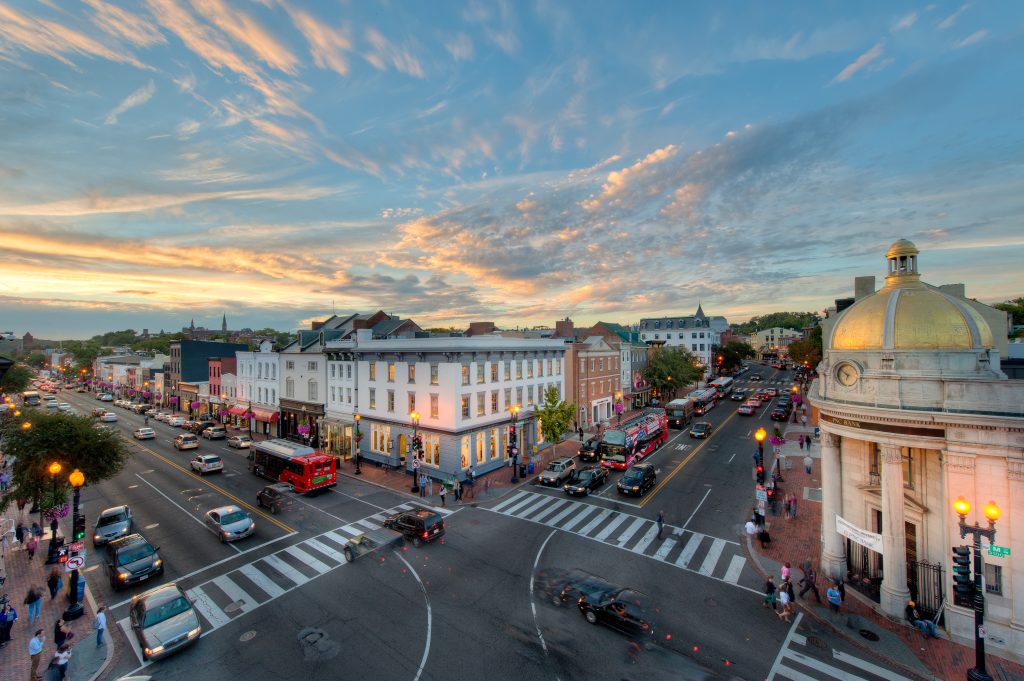
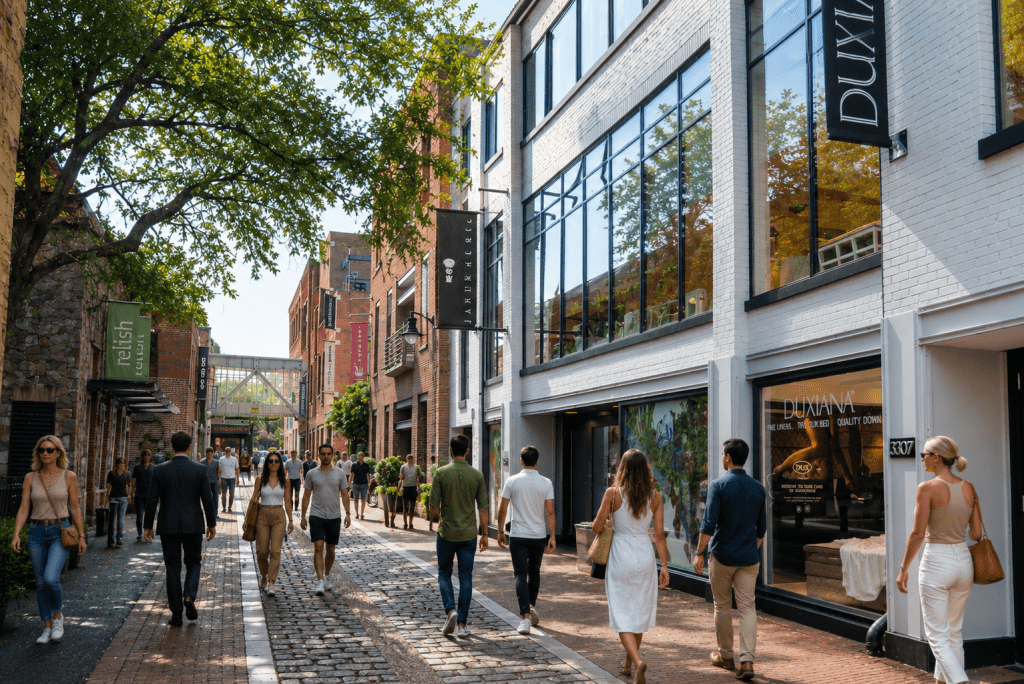
Walk along M Street and Wisconsin Avenue, and you trace Georgetown’s commercial heart since the 18th century—once lined with ports, taverns, and trade shops, now layered with boutiques and cafés that echo their storied past.
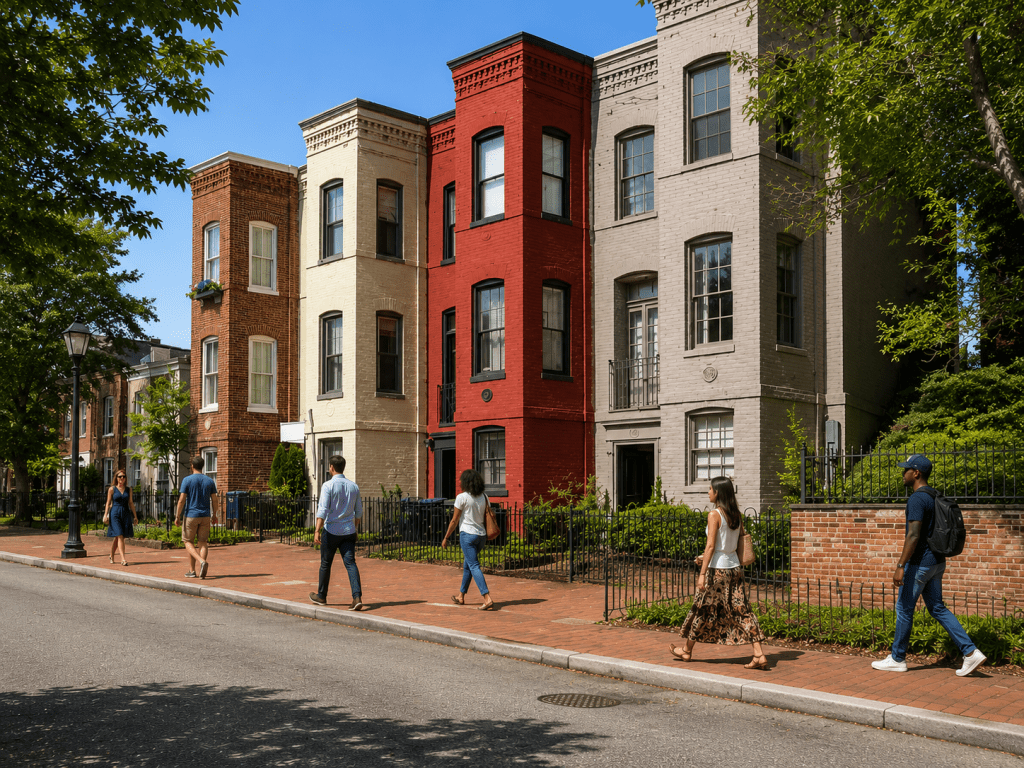
Turn onto N Street, particularly the 3200–3300 blocks, to discover one of the city’s most intact stretches of Federal-style rowhouses—uniform, elegant, quietly enduring.
Climb to Prospect Street, and the atmosphere shifts—quieter, elevated, almost contemplative, with grand homes and institutions set apart from the bustle below.
Wander through Cady’s Alley, once industrial and now refined, or explore Book Hill, where preserved 19th-century buildings house galleries and shops that feel thoughtfully curated rather than commercial.
Faith, Scholarship, and Reflection
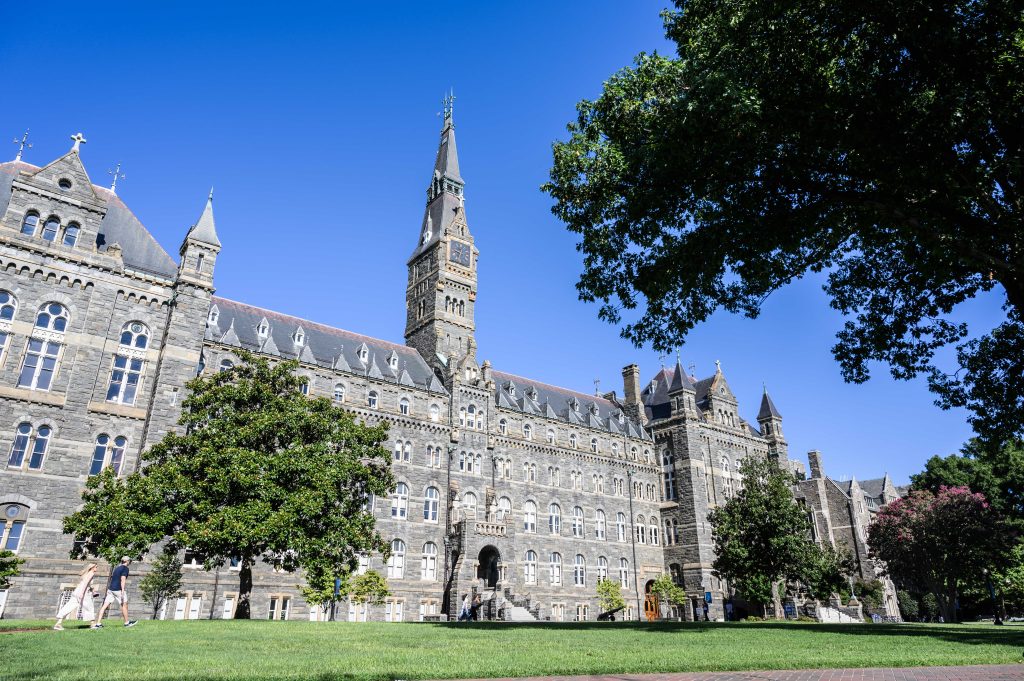
Georgetown University, founded in 1789, rises above the city with Gothic Revival architecture—especially Healy Hall—offering both grandeur and introspection.
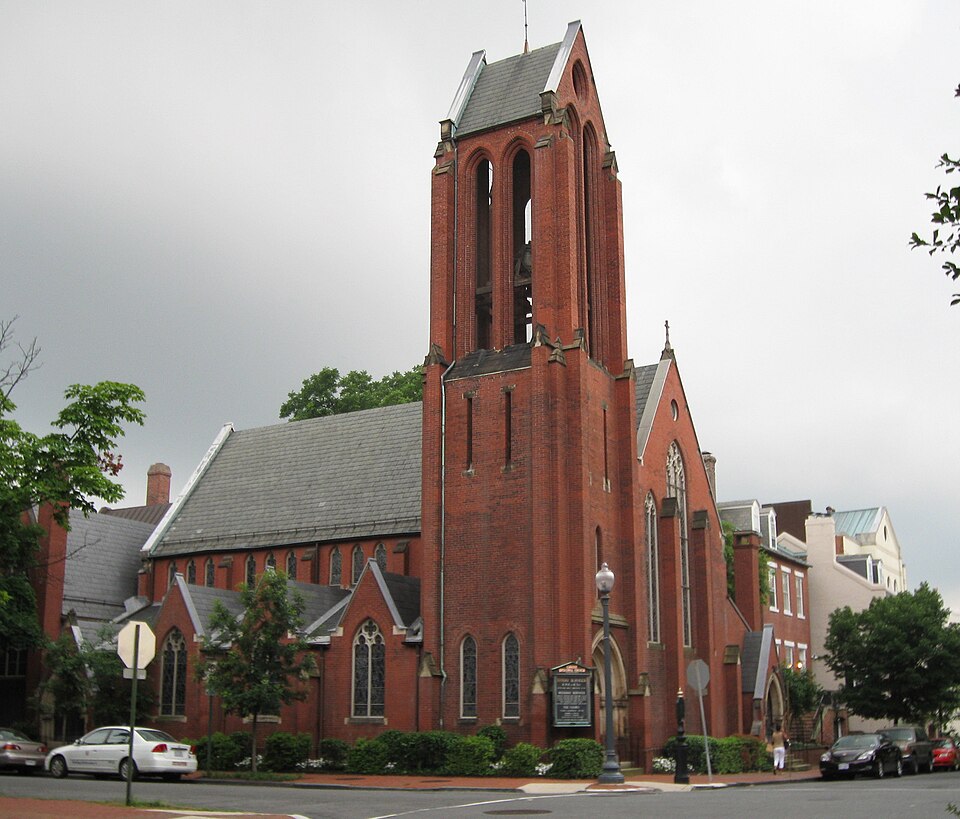
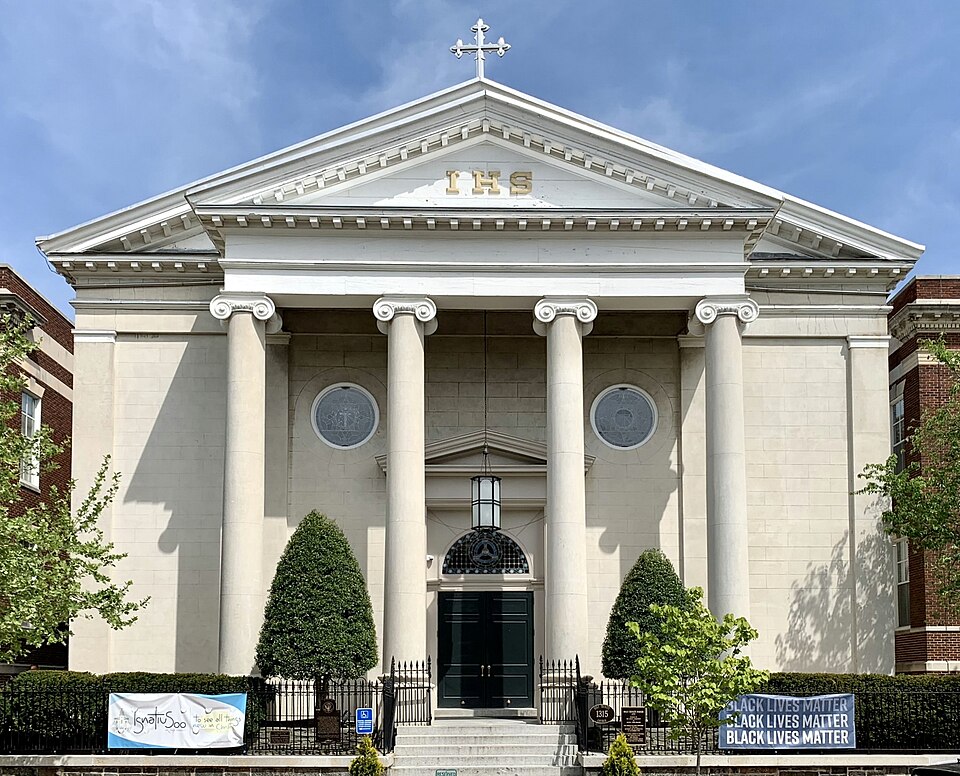
Christ Church, dating to 1817 and attended by figures like Thomas Jefferson and Francis Scott Key, and Holy Trinity Catholic Church, established in 1787, anchor the community in enduring faith traditions.
Waterways and Working Life
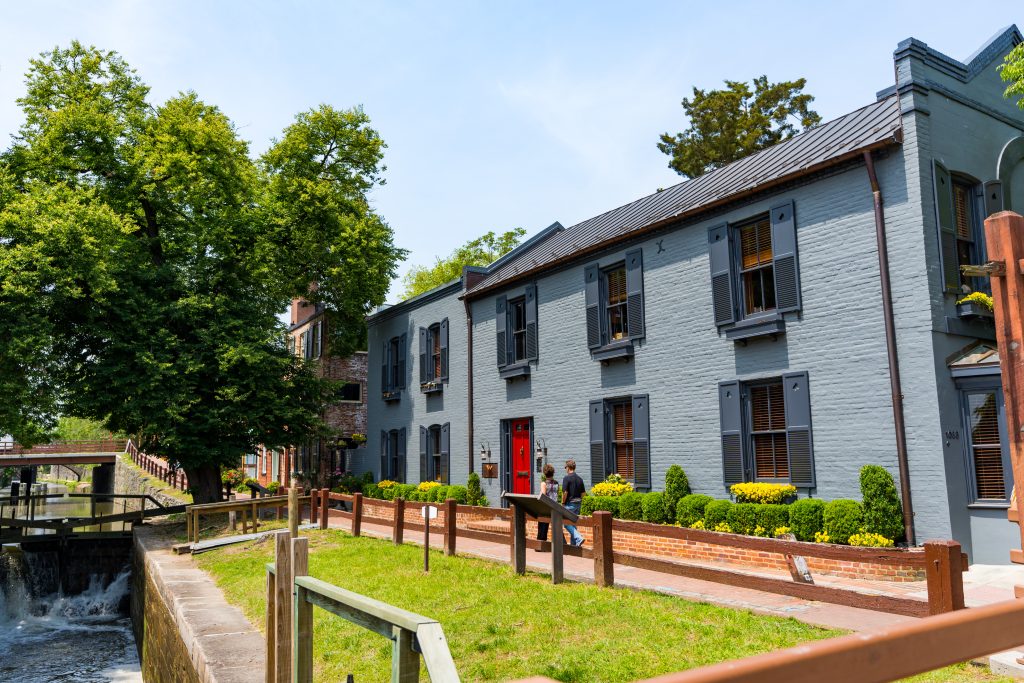
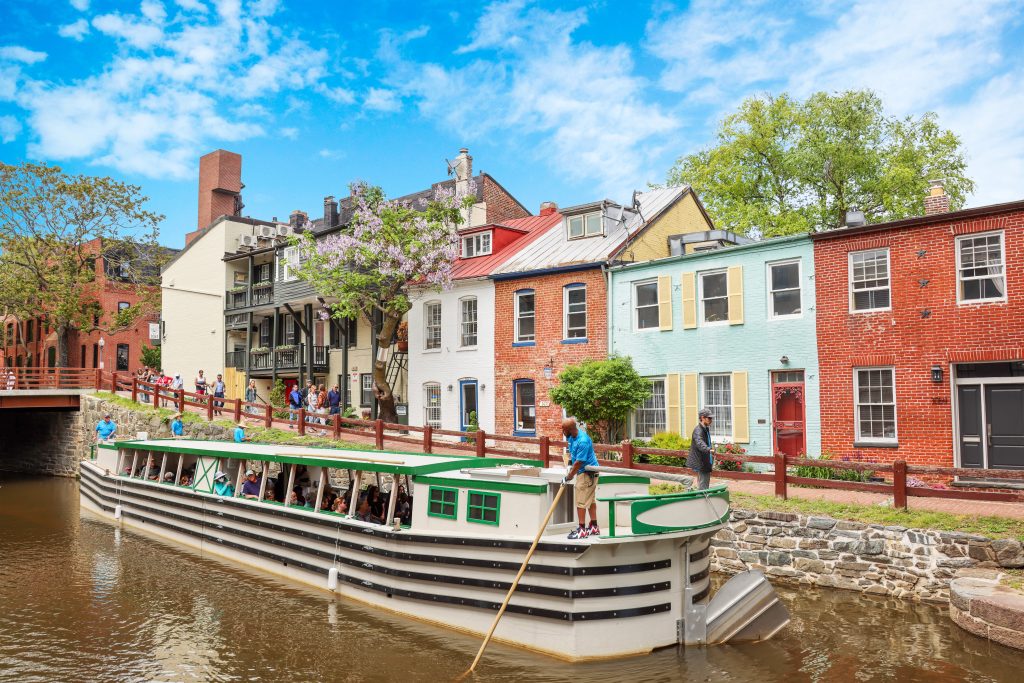
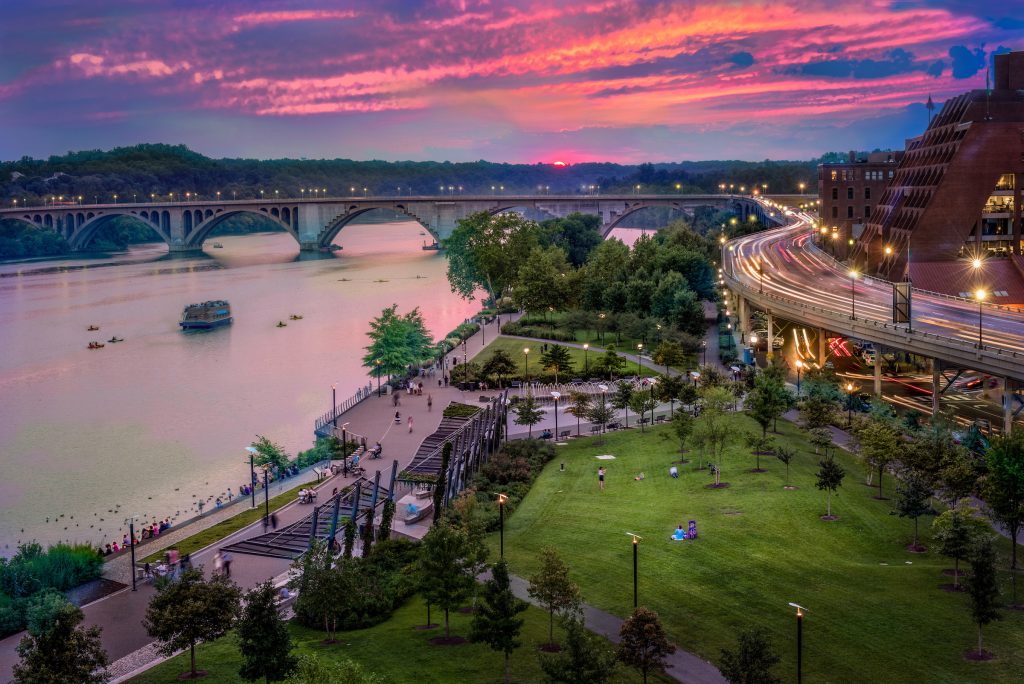
The C&O Canal tells the story of Georgetown’s industrial past—a vital trade artery where mule-drawn barges once carried goods that fueled the region’s economy. Today, its towpath invites quiet reflection, though history still whispers through the water. Here you’ll find a charming procession of canalside restaurants, intimate cafés, and tucked-away inns, many housed in restored 19th-century warehouses and brick storefronts. Wrought iron railings, weathered stone, and flower-draped patios create a distinctly European setting, especially in the golden light of late afternoon when the water gently reflects the facades. The Rosewood Washington, D.C., just steps away, offers a refined historic stay with canal views, while nearby eateries spill onto terraces hovering just above the waterline, inviting you to linger where laborers once toiled. It is a place where the industrial past has been gracefully repurposed into leisure—yet if you listen closely, you can almost hear the creak of towlines and the quiet commerce of another era. At the Georgetown Waterfront Park, the transformation from bustling port to serene public space is striking—yet the connection to the river endures.
Dining, Memory, and Moments That Shaped History
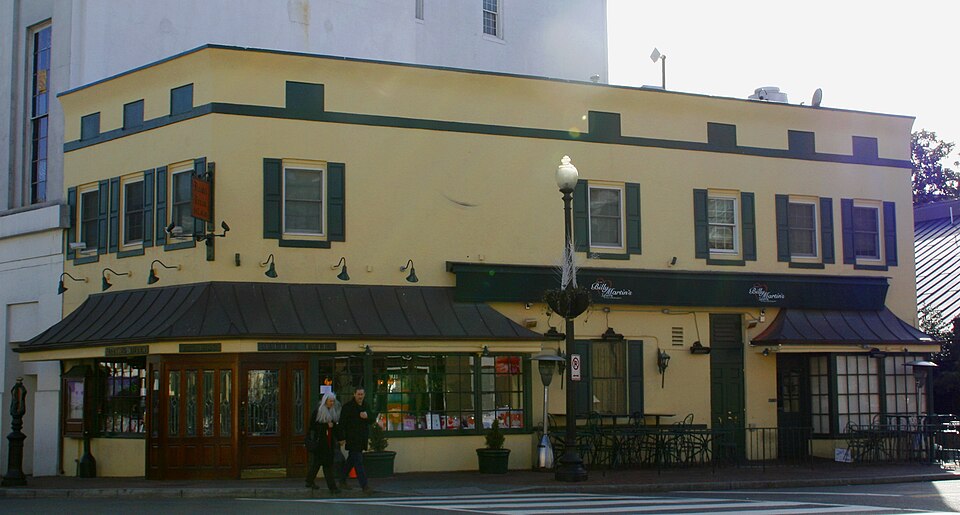
Georgetown’s dining scene preserves its own distinctive legacy. At Martin’s Tavern, history turns personal—this is where John F. Kennedy proposed to Jacqueline Bouvier in booth three. Other booths have hosted Harry Truman, Richard Nixon, Lyndon Johnson, and George W. Bush.
At 1789 Restaurant, housed in a Federal-era townhouse, the experience is less about dining and more about atmosphere, with fireside rooms, intimate spaces, and the feeling of stepping into a private gathering from another century.
History Beyond the Bustling Streets
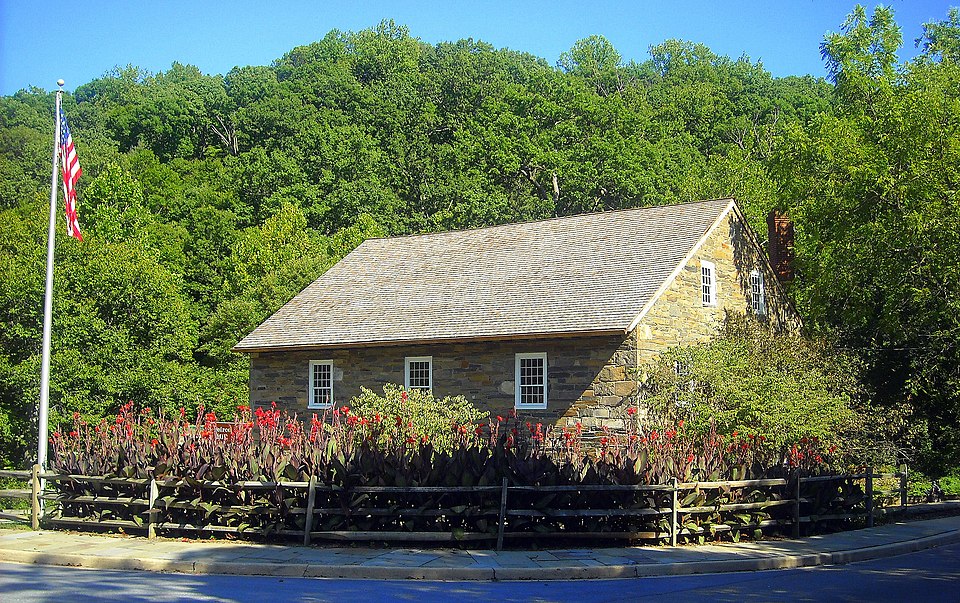
Just beyond Washington’s central narrative, other stories unfold. At Peirce Mill in Rock Creek Park, you discover the rhythms of early American industry. Peirce Mill was built on Rock Creek in 1829 by Isaac Peirce. Using flowing water as a power source, the mill ground corn, wheat, and rye. Succeeding generations further developed the mill, sawmill, orchard, and tree nursery. In 1890, Congress incorporated the mill and 350 acres of the property into Rock Creek Park. The mill operated until the turbine’s shaft broke in 1897. At the turn of the century, park managers improved the site by enhancing roads and bridges and adding a new dam that provided a pleasant aesthetic for picnickers. In the 1920s, the mill was converted into a tearoom complete with electric lights. In 1933, New Deal legislation transferred Rock Creek Park to the National Park Service. The National Park Service had restored the mill and grounds to their historic layout by 1936.
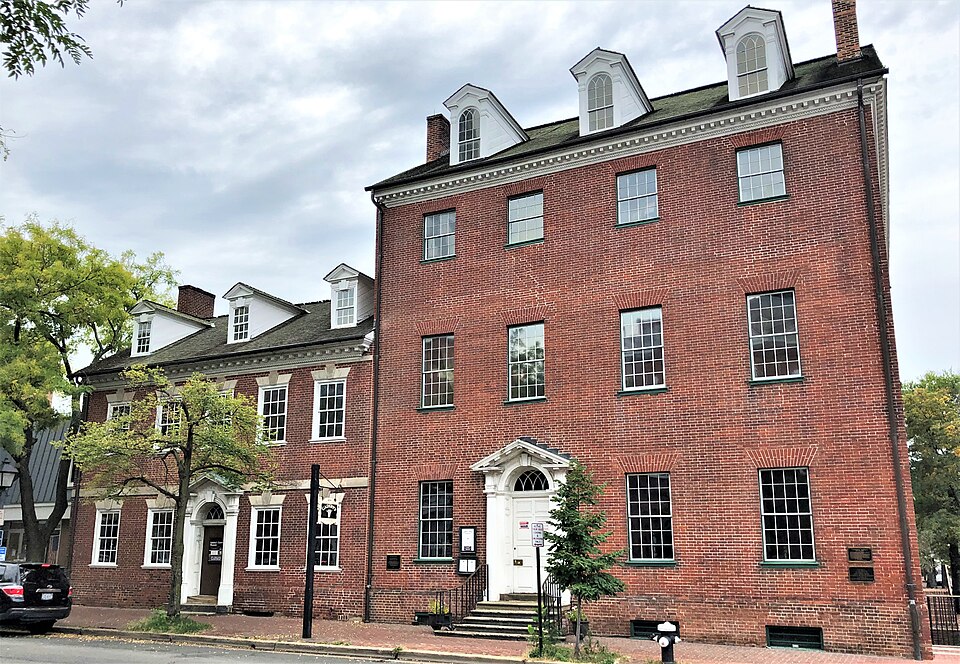
And just beyond the city in Alexandria stands Gadsby’s Tavern, where Washington, Jefferson, and Adams once dined. To sit here today is to collapse time—to occupy the same space, breathe the same air, and imagine the conversations that once shaped a nation.
Washington, D.C. never fails to impress. Georgetown will always remain charming. But the true magic lies in what’s not immediately visible—in the homes where presidents sought refuge, in the taverns where ideas took shape, in the quiet streets where history lingers without fanfare. You can hear the echoes of the republic as it unfolded, evolved, expanded, and endured through many hands. Because in Washington—especially in Georgetown—the past is not merely preserved. It remains very much present.
Where to Stay in Washington, United States
For proximity to the main historic sites, consider staying downtown or near Capitol Hill. Hotels in this core area put you within walking distance of the National Mall, the Smithsonian museums, and other major sites. Capitol. The trade-off is higher prices and more tourist crowds, but you’ll save time on transportation and can explore easily on foot during early mornings when foot traffic is lighter.
Georgetown offers a different experience if you prefer a neighborhood with distinct character and history. The area offers plenty of hotels and guesthouses at upscale to moderate prices, putting you steps from M Street’s shops, restaurants, and the historic Potomac waterfront. Georgetown is also well-connected by public transit, making it easy to reach other parts of the city without a car.
If you prefer quieter surroundings and lower rates, consider neighborhoods just north or east of Downtown, such as Dupont Circle or U Street Corridor. These areas offer boutique hotels and smaller lodgings with good Metro access, letting you reach major sites in ten to fifteen minutes while staying where locals actually live and eat. You’ll find independent bookstores, neighborhood restaurants, and galleries that capture DC’s history beyond the official monuments.
For budget-conscious travelers, Union Station and the Metro’s Red Line offer chain hotels and hostels with reliable access throughout the city. These locations tend to have fewer tourists and lower nightly rates while keeping you near every historic neighborhood you want to explore.
Recommended Reading
Fiction
- Dolley: A Novel of Dolley Madison in Love and War by Rita Mae Brown — A vivid fictional portrait of Dolley Madison, whose courage during the British burning of Washington and later residence at The Octagon make her one of the essential presences in this hidden-capital story.
- Lincoln by Gore Vidal — A sweeping novel of Civil War Washington, capturing the political intrigue, moral anguish, and human burden surrounding Abraham Lincoln during the nation’s darkest hours.
- Mrs. Lincoln’s Dressmaker by Jennifer Chiaverini — Told through the life of Elizabeth Keckley, formerly enslaved dressmaker and confidante to Mary Todd Lincoln, this novel brings the Lincoln White House into intimate and poignant focus.
- Henry and Clara by Thomas Mallon — Centered on Henry Rathbone and Clara Harris, the couple who shared the Lincolns’ box at Ford’s Theatre, this elegant historical novel follows the long shadow cast by that terrible night.
Non-Fiction
- Washington: A History of Our National City by Tom Lewis — A rich and highly readable history of Washington, D.C., tracing the capital from its ambitious founding through war, reconstruction, reinvention, and the ever-evolving drama of national power.
- The Burning of Washington: The British Invasion of 1814 by Anthony S. Pitch — A compelling account of the War of 1812 crisis that brought flames to the capital, sent Dolley Madison into history, and made The Octagon a temporary seat of government.
- Lincoln’s Sanctuary: Abraham Lincoln and the Soldiers’ Home by Matthew Pinsker — Essential reading for understanding Lincoln’s Cottage, where the president retreated from the heat and strain of wartime Washington and developed the Emancipation Proclamation.
- Team of Rivals: The Political Genius of Abraham Lincoln by Doris Kearns Goodwin — A masterful portrait of Lincoln’s wartime leadership and the fiercely brilliant cabinet he gathered around him, this deeply human history pairs beautifully with Lincoln’s Cottage and the hidden Washington rooms where the fate of the Union was argued, refined and resolved.
- The Hidden White House: Harry Truman and the Reconstruction of America’s Most Famous Residence by Robert Klara — A fascinating look behind the familiar façade, revealing the dramatic mid-20th-century reconstruction that saved—and transformed—the Executive Mansion.
- Remembering Georgetown: A History of the Lost Port City by David Mould and Missy Loewe — A lively local history that restores Georgetown’s earlier life as a bustling Potomac port, giving deeper texture to the brick sidewalks, Federal houses, old lanes and quietly elegant streets that still make the neighborhood feel like Washington’s most intimate time capsule.
- Black Georgetown Remembered by Kathleen Menzie Lesko, Valerie M. Babb and Carroll R. Gibbs — An indispensable history of Georgetown’s Black community, restoring the stories too often hidden behind the neighborhood’s elegant brick homes, gardens, and refined façades.
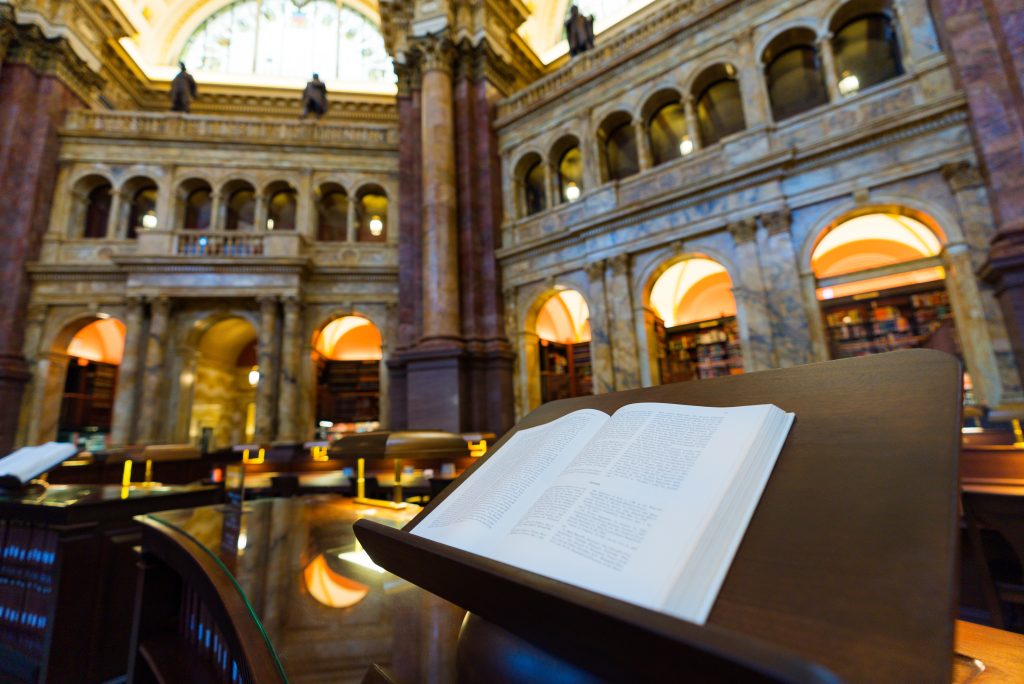
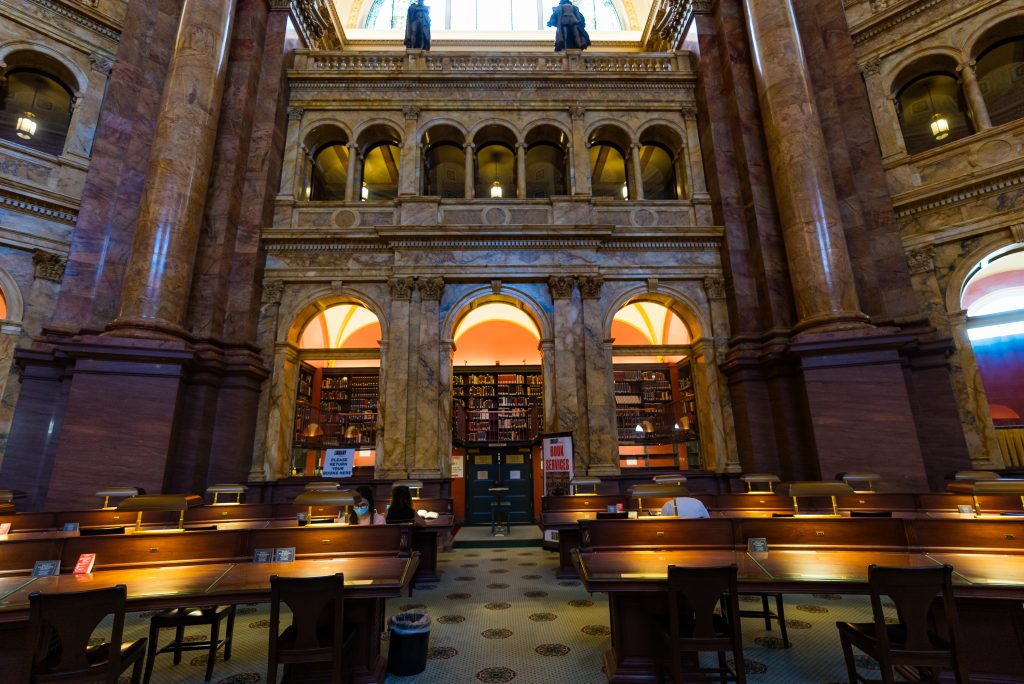
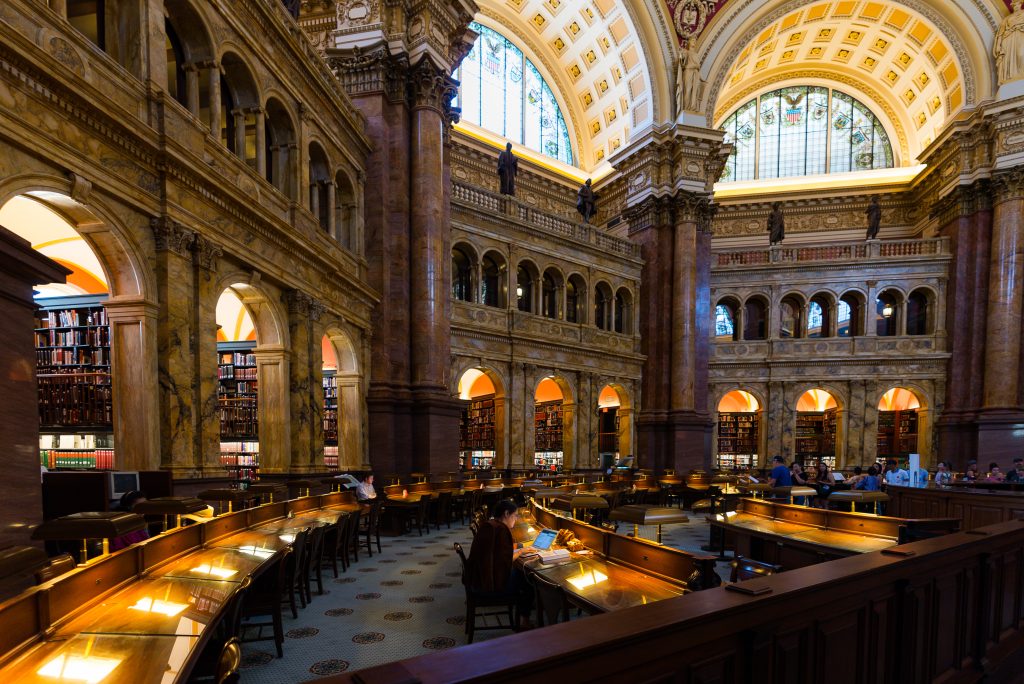
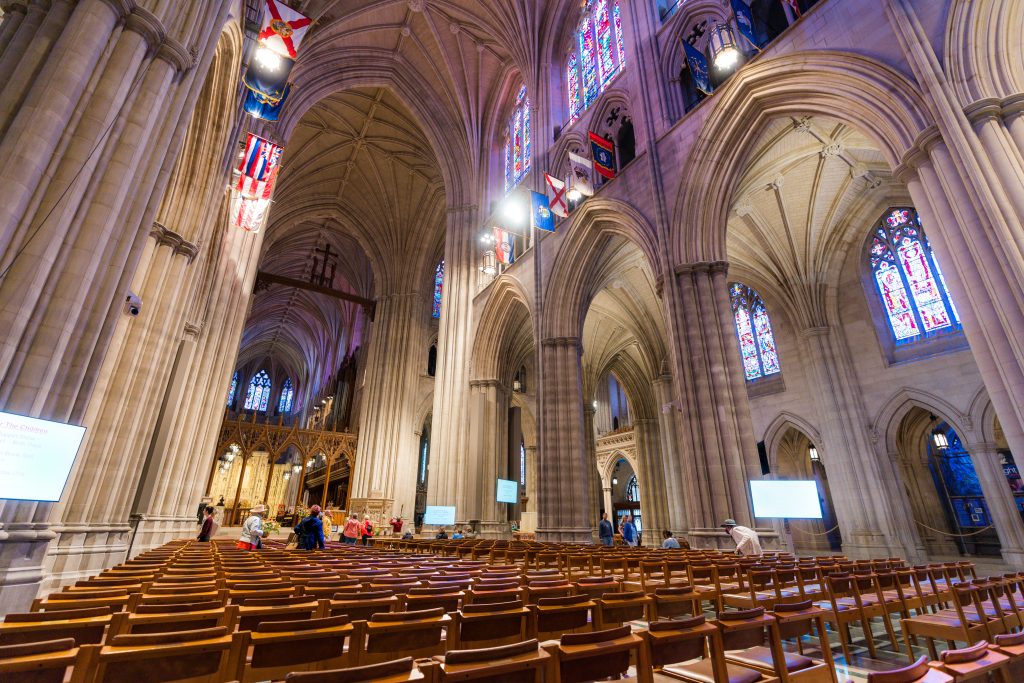
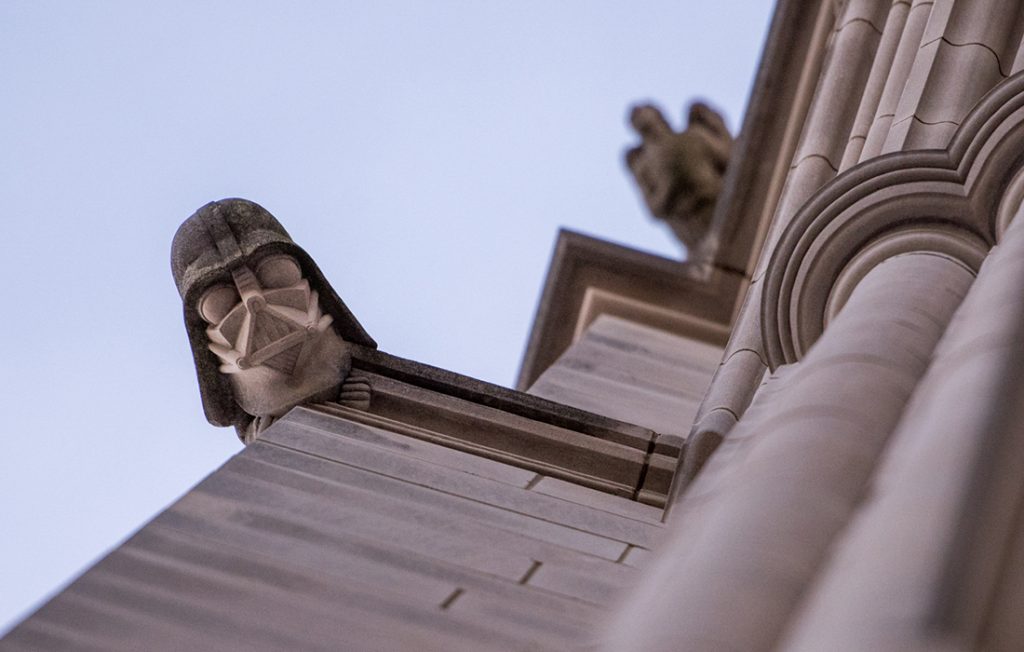
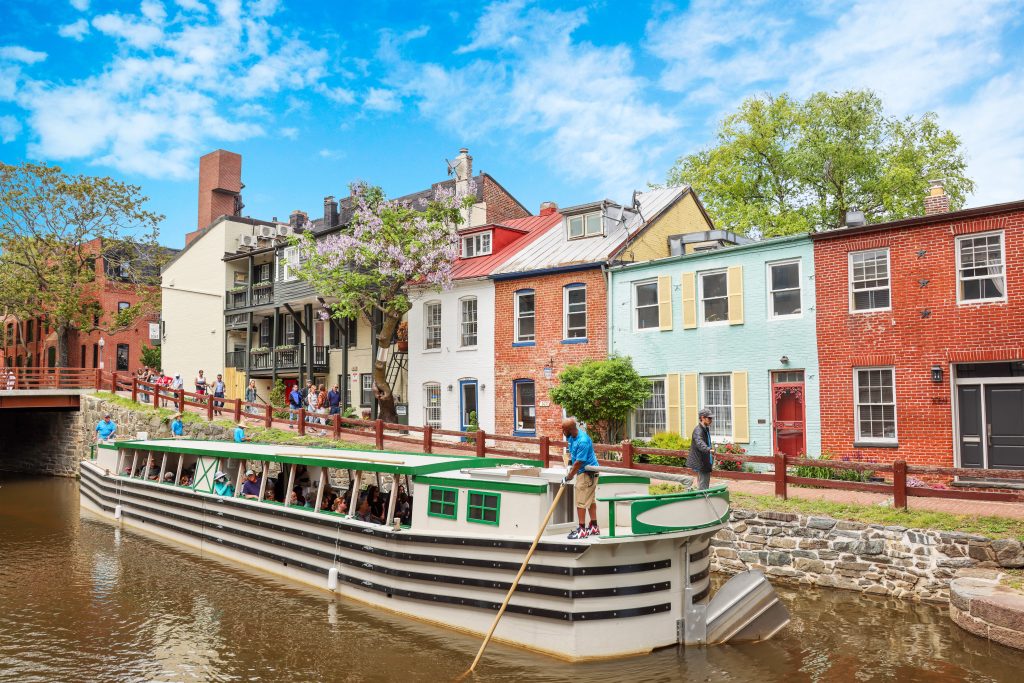
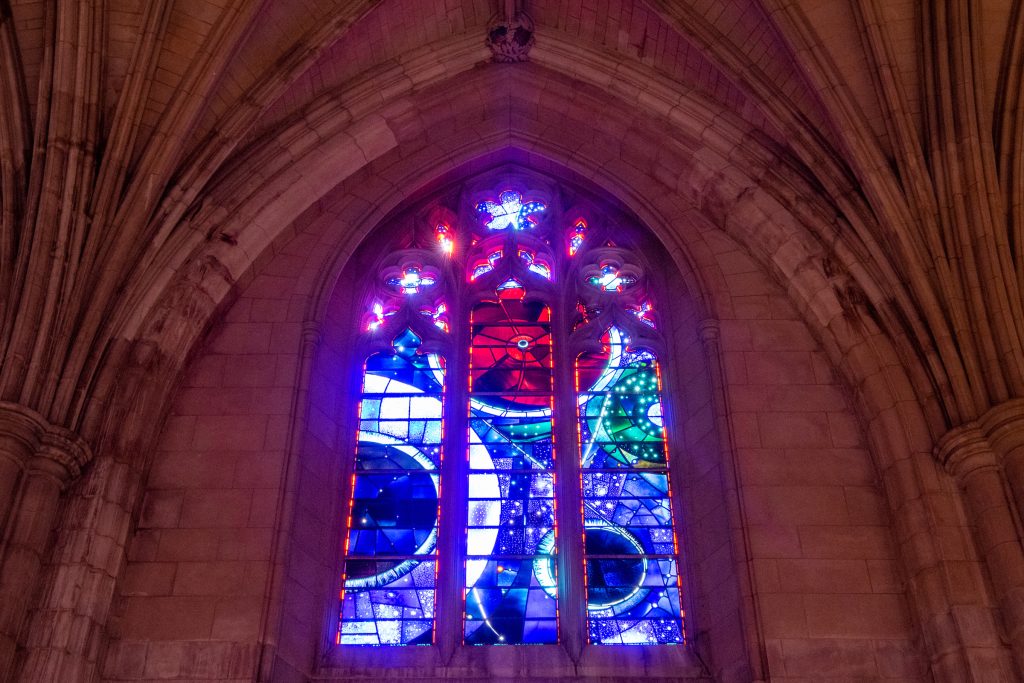
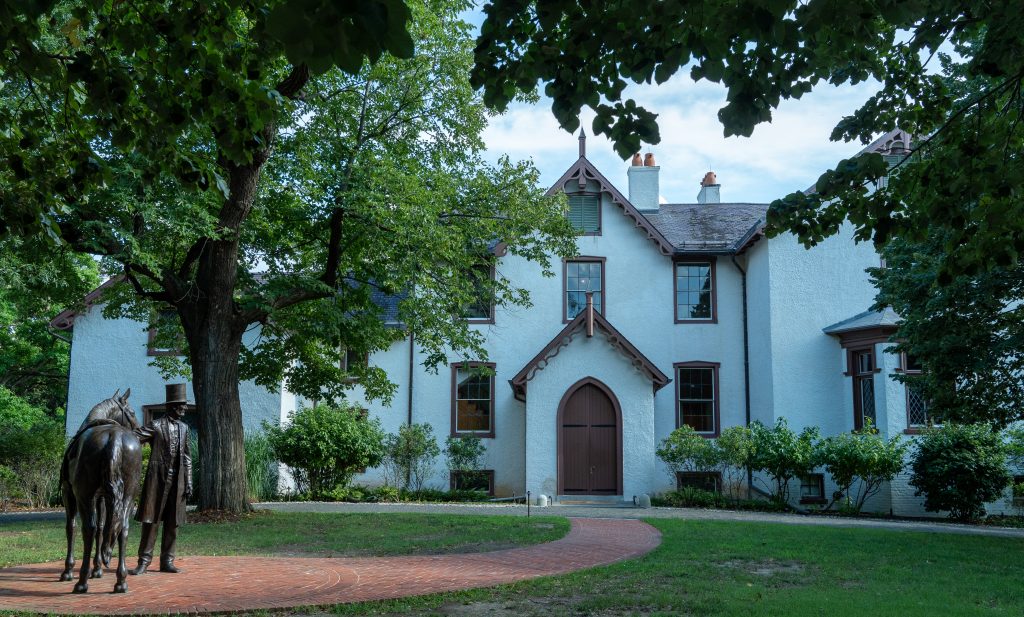
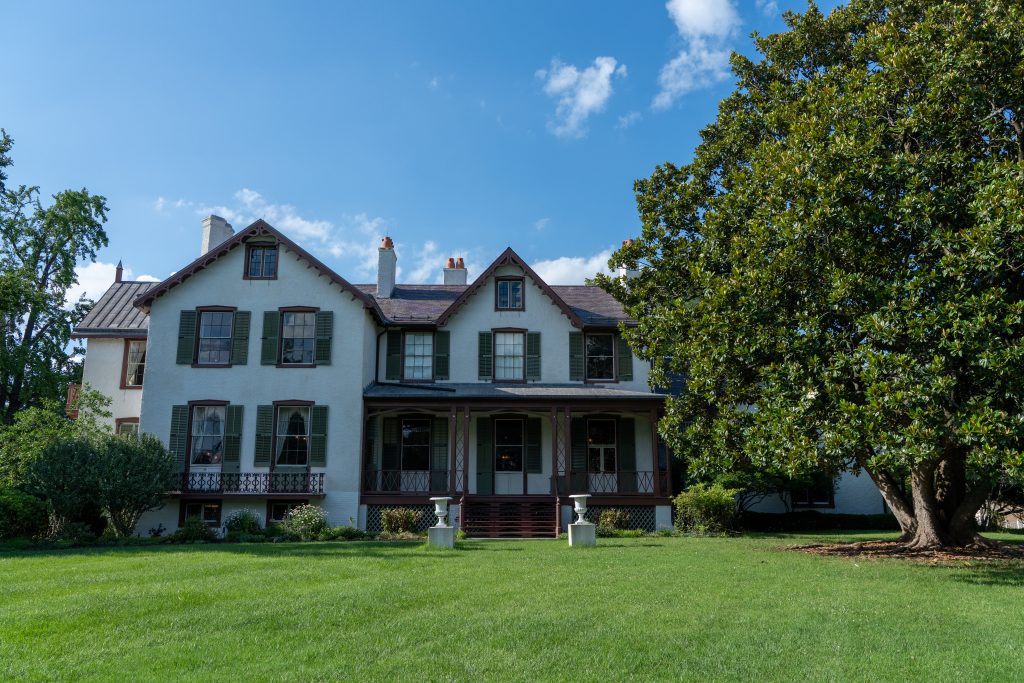
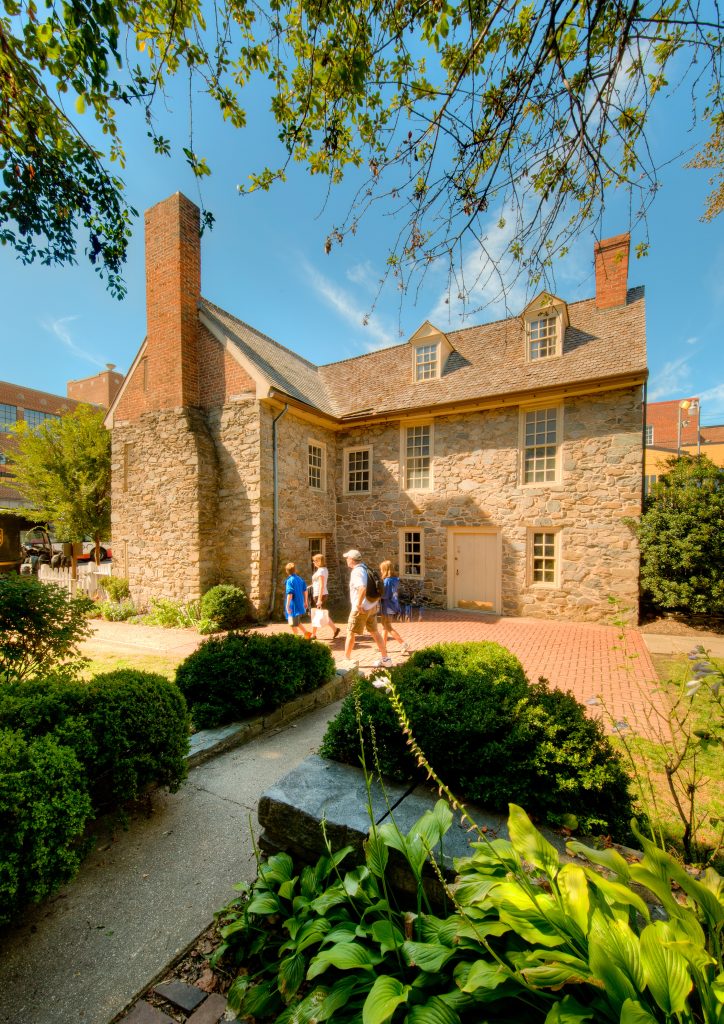
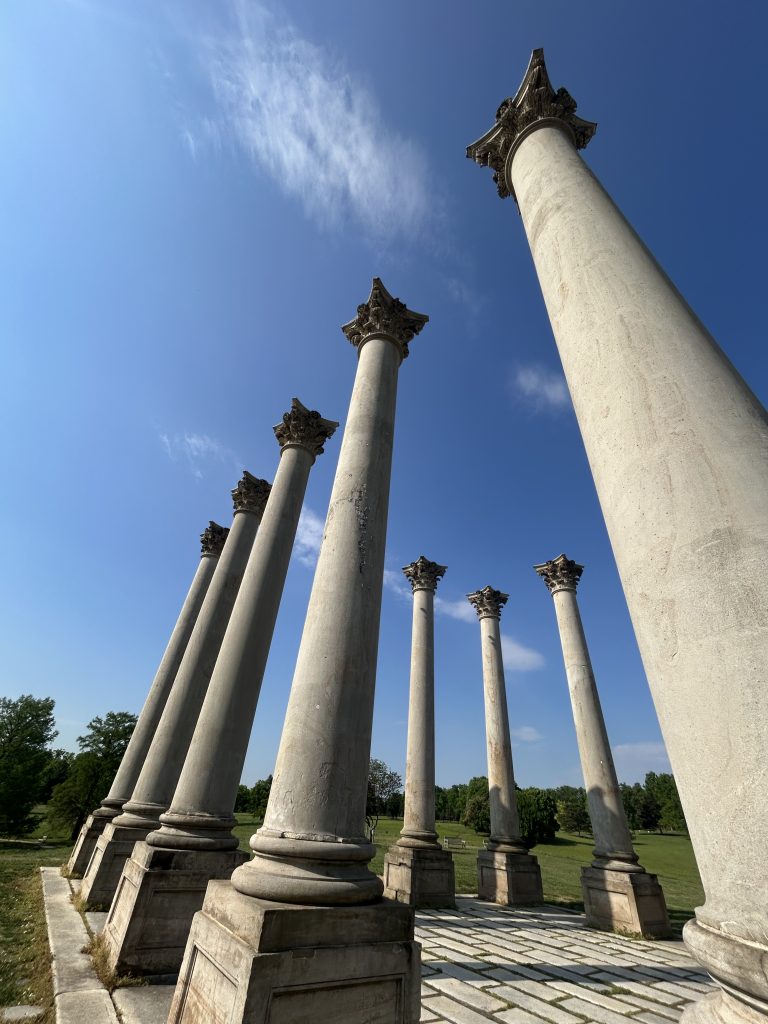
Image Credits: Wikimedia Commons (APK, AgnosticPreachersKid, Ser Amantio di Nicolao, Beyond My Ken) and Washington.org
