
It begins with a whisper. The scent of salt and woodsmoke carried on an Atlantic breeze. Cobblestones beneath your feet, weathered timber homes leaning in, as if still eavesdropping on secrets never meant to reach our century. Salem is a city that listens. And if you listen back, you might just hear them, the voices of judges and midwives, merchants and mourners, rebels and refugees, whose footsteps still echo down Derby Street. In Salem, history isn’t a backdrop. It is the story.
Puritan Arrival
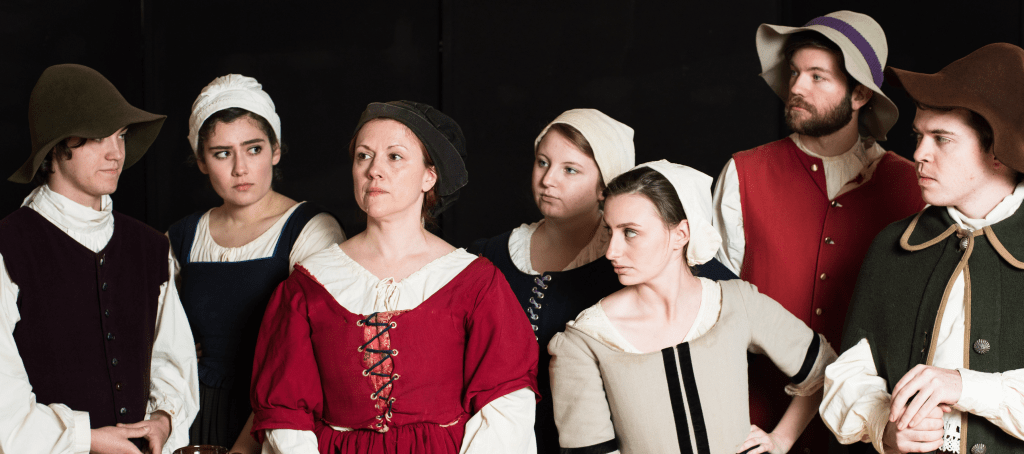
Originally home to the Naumkeag tribe, the North Shore attracted the English Puritans who established Salem in 1626, among the earliest settlements in Massachusetts Bay Colony. Named after the Hebrew word for peace, shalom, the town would see anything but during its most infamous chapter. While Salem became a prosperous seaport in the 17th and 18th centuries, thriving on codfish, fur, and exotic trade routes stretching to China and the East Indies, it is forever tethered to the year 1692, when fear and fervor collided in a wave of accusations now known as the Salem Witch Trials.
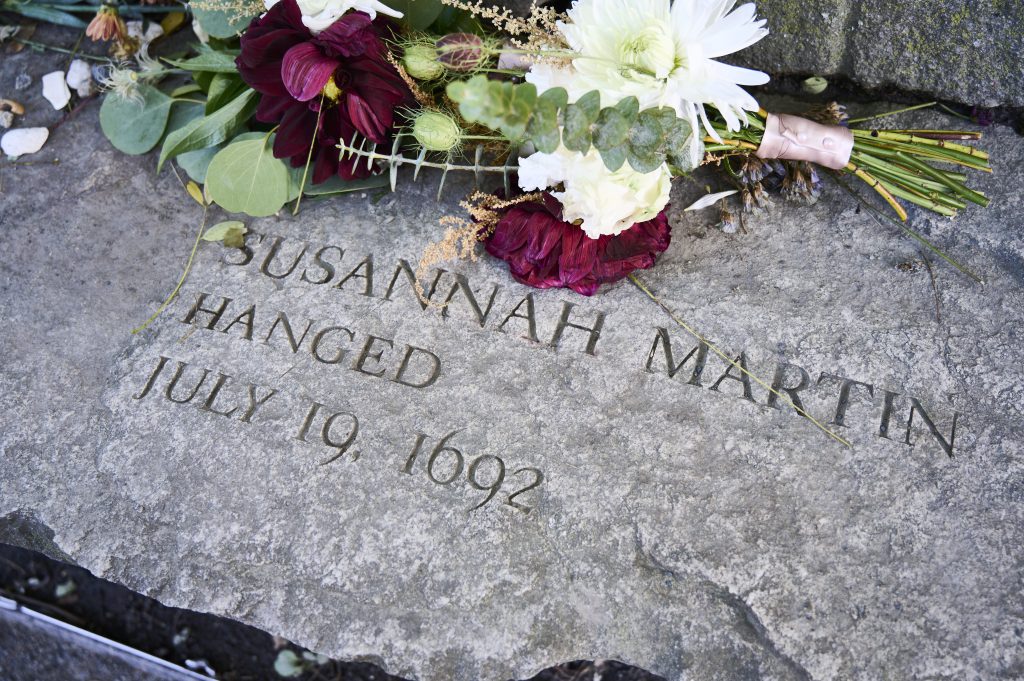
Over that fevered year, more than 200 people were accused of witchcraft. Nineteen were hanged, one pressed to death with stones, and five perished in jail. The causes were complex, religious extremism, local politics, personal vendettas, and a rigid worldview that conflated the unknown with the unholy. The spectral evidence used in court was intangible; girls claimed they saw the accused’s spirits tormenting them. Hysteria fed on itself, leaving a long shadow over New England jurisprudence.
Yet Salem’s story did not end there. In the centuries since, the city has reckoned, reimagined, and rebuilt. Maritime riches gave rise to elegant Federalist mansions and cultural institutions, many now preserved for public admiration. Salem played a pivotal role in shaping early American commerce, literature (Nathaniel Hawthorne was born here), and even museum culture, home to the venerable Peabody Essex Museum, one of the oldest in the country.
A Thriving Seaport
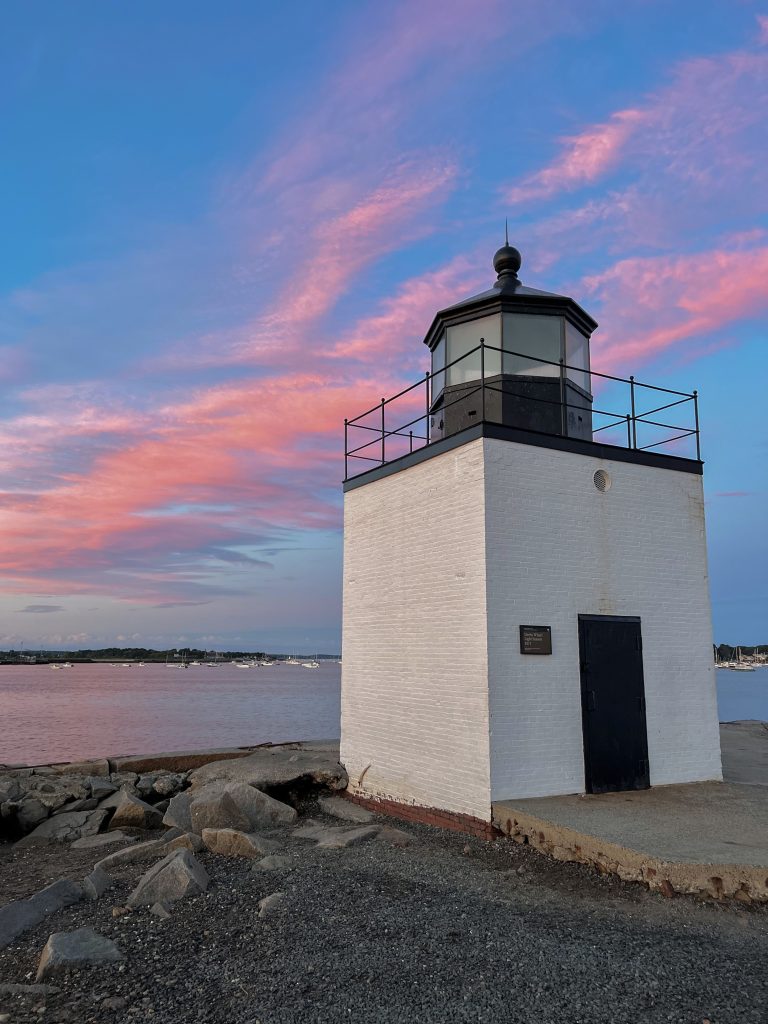
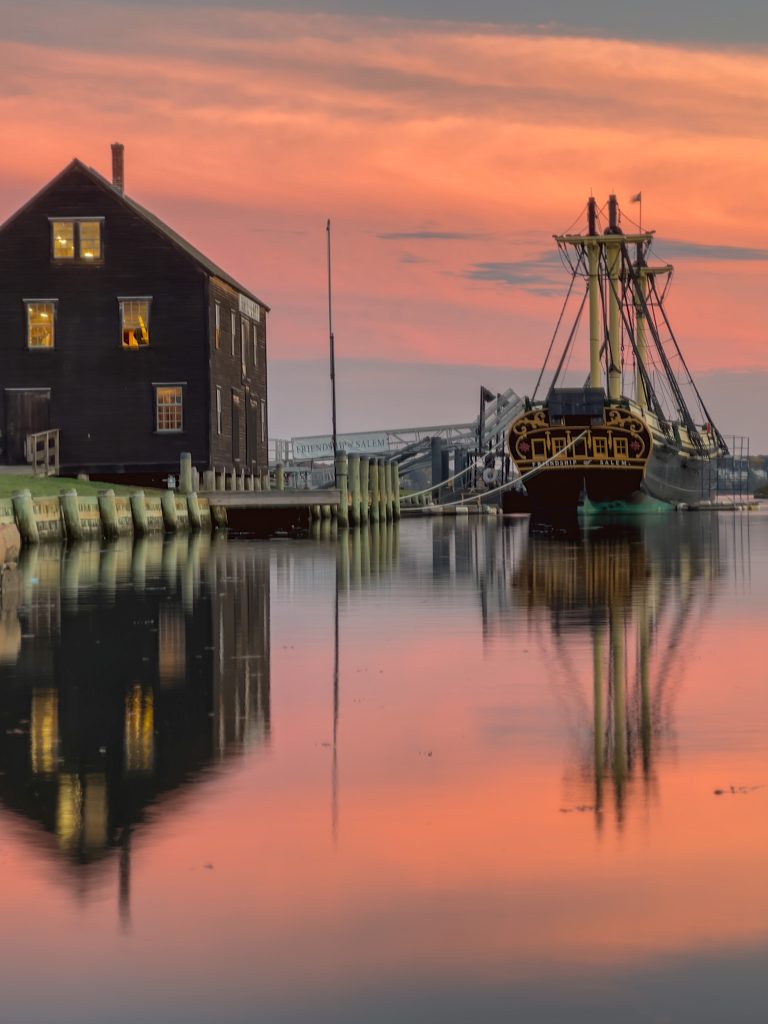
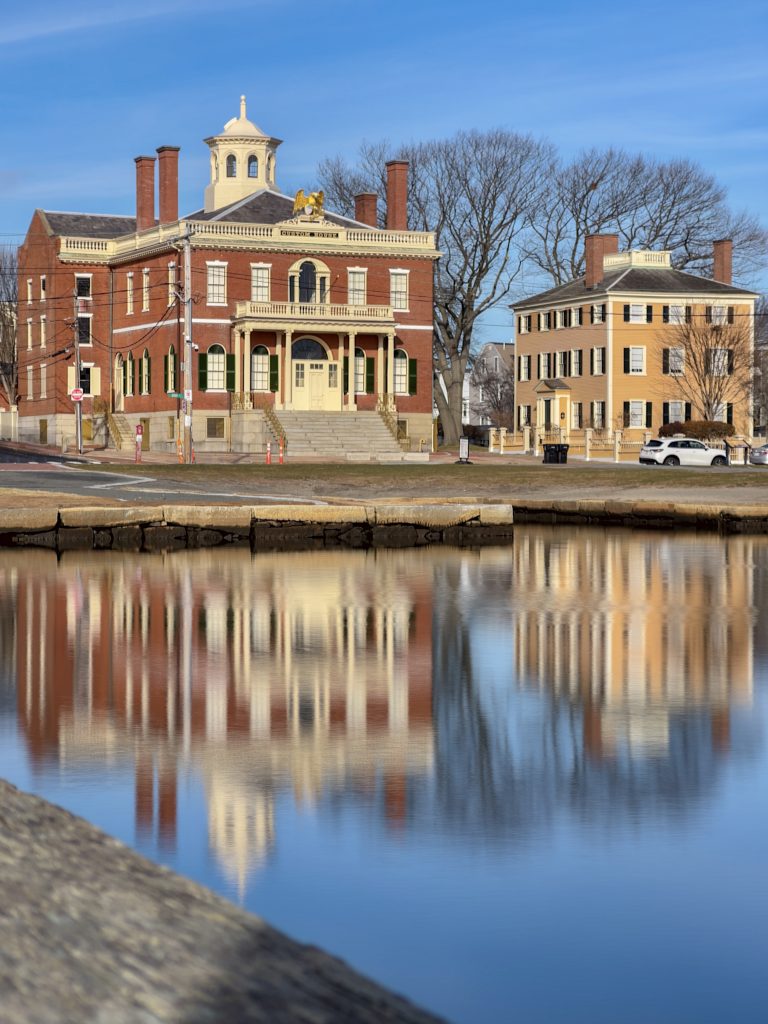
Wander Salem’s historic districts and you step into a canvas painted in ironwork, brick, and widow’s walks. Chestnut Street, once called “the street of millionaires,” still exudes maritime elegance. Derby Wharf, with its crimson Customs House where Hawthorne once worked, leads down to Salem Harbor, where masts and maritime flags still flutter in salute to the city’s seafaring past.
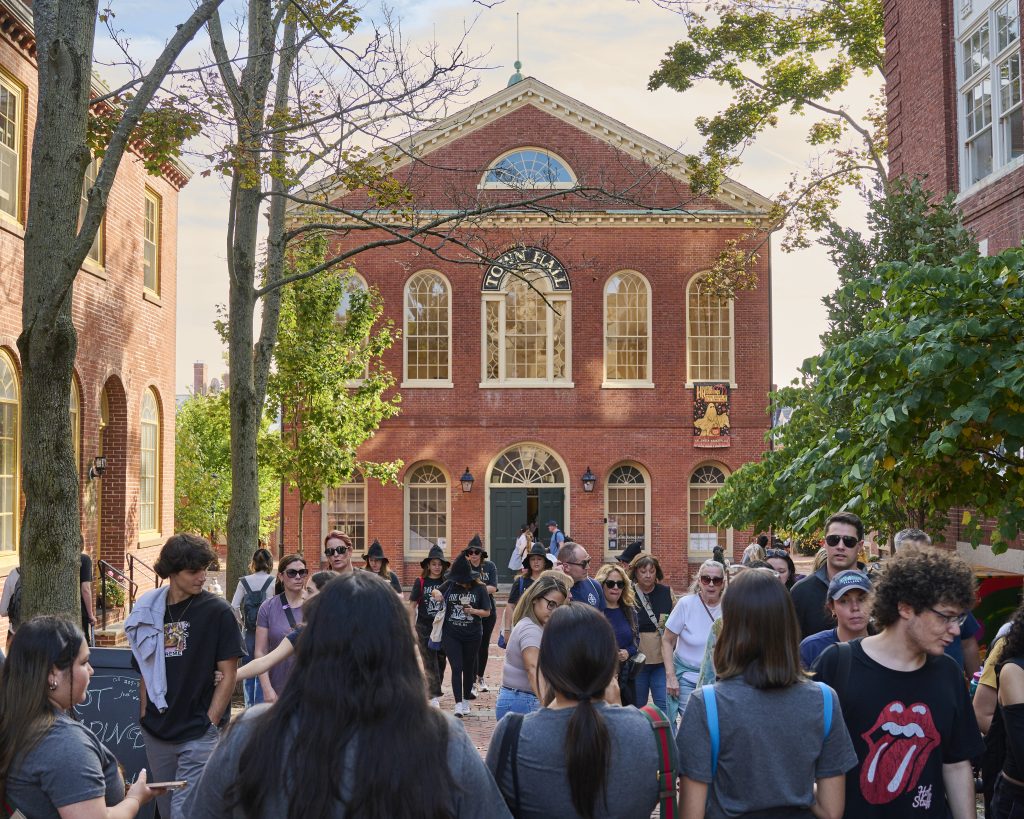
There are four historic districts in Salem, Derby, McIntire, Lafayette and Washington Square. Many of the buildings bear placards on their exteriors, celebrating the original builders and inhabitants, dating back to the mid 1700s. Derby especially evokes the era of sea captains, shipwrights and sailmakers. That’s evident in port-side Derby, where narrow lanes, colonial architecture and carriage bars still hold sway.
Most Notable Historic Sites in Salem
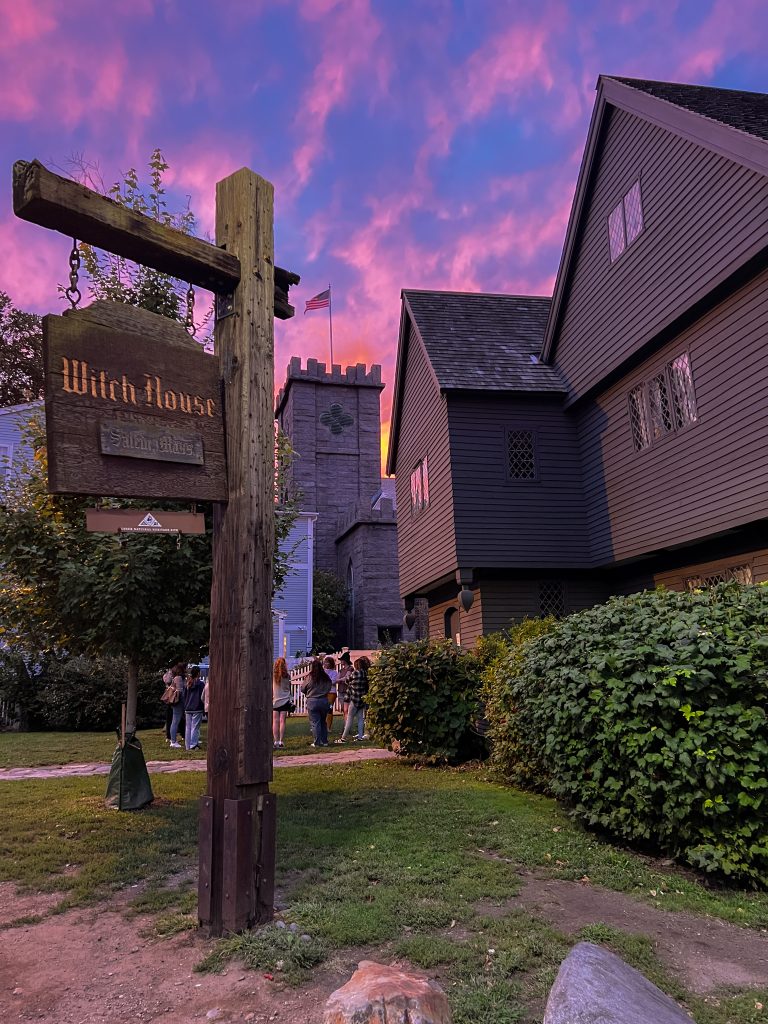
- The Witch House (Judge Jonathan Corwin House)
The only structure still standing in Salem with direct ties to the witch trials. Judge Corwin presided over many of the hearings, and his 17th-century home, with its steep gables and dark timber, remains a haunting window into Puritan domestic life and judicial legacy. - The Old Burying Point Cemetery (Charter Street Cemetery)
Established in 1637, this is one of the oldest cemeteries in the United States. Among its moss-covered headstones lie magistrates from the witch trials, including Judge Hathorne (ancestor of Nathaniel Hawthorne). It abuts the Witch Trials Memorial, a contemplative stone installation honoring the 20 victims. - Proctor’s Ledge Memorial (2016 Located Execution Site)
After centuries of speculation, historians and scholars confirmed in 2016 that the executions of the accused witches occurred at Proctor’s Ledge, not Gallows Hill. Today, a respectful, minimalist memorial of granite slabs marks the site where nineteen were hanged, shaded by trees above a quiet neighborhood on Pope Street. - Salem Common
An 8-acre park centrally located in the Washington Square District; the Salem Common was the location of the founding of the American military. In April 1637, the National Guard mustered its first soldiers here. Flanked by historic homes and iron-fenced elegance, it remains a public gathering place and the heart of many seasonal celebrations - The House of the Seven Gables (Turner-Ingersoll Mansion)
Built in 1668, this colonial mansion inspired Nathaniel Hawthorne’s famous novel. Visitors can tour the gables, hidden staircases, and period gardens while exploring Salem’s maritime elite and literary legacy. - Salem Maritime National Historic Site
The first National Historic Site in the U.S., this area preserves the city’s maritime glory. Stroll Derby Wharf to see the Custom House (where Hawthorne worked), the replica tall ship Friendship, and the 1819 Hawkes House. The scent of salt and sailcloth lingers. - Peabody Essex Museum (PEM)
One of the country’s oldest continuously operating museums, PEM traces Salem’s global trade connections and houses treasures from Asia, Africa, and the Americas. Its collections include 18th-century maritime art, Chinese export porcelain, and Native American artifacts. Don’t miss the historic Yin Yu Tang Chinese house in the museum’s courtyard. This museum showcases 850,000 works of international art! - Hamilton Hall
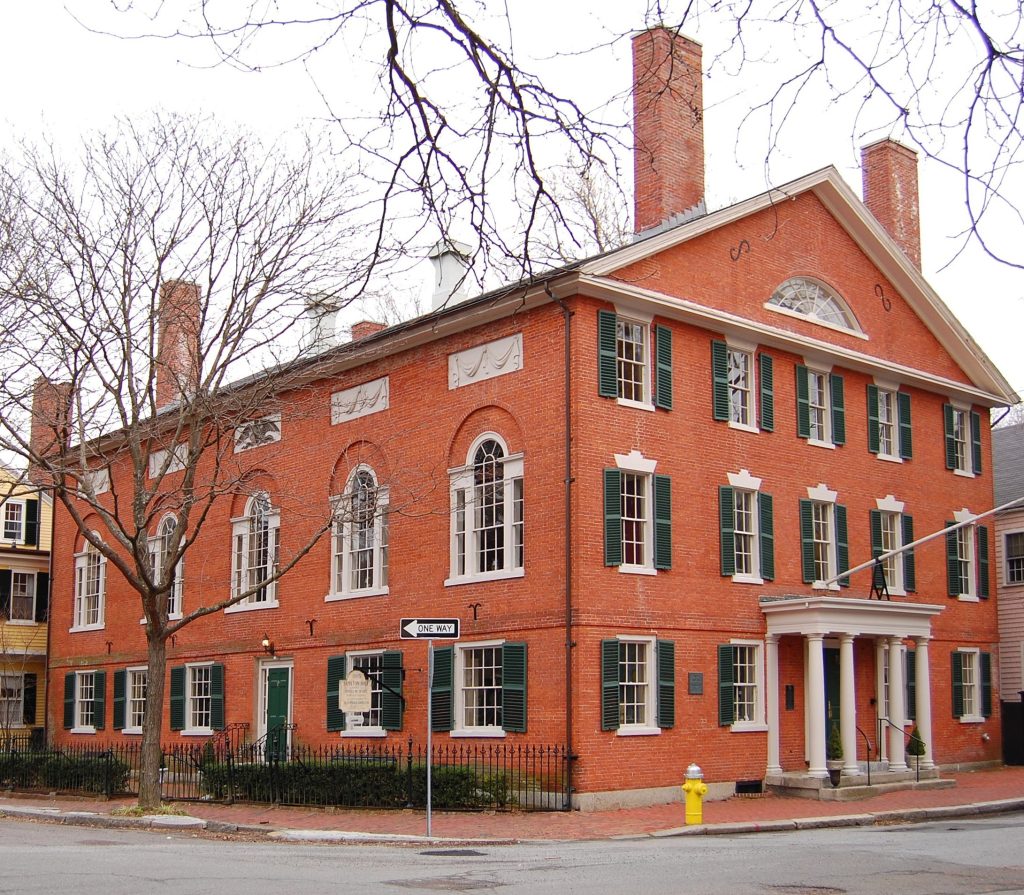
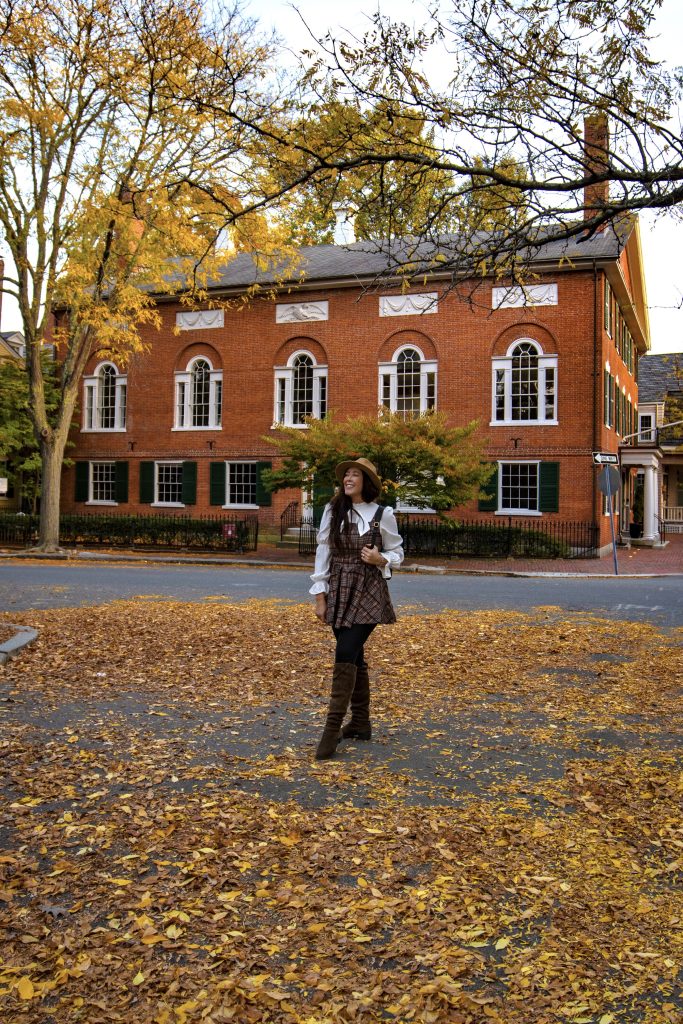
An elegant Federal-style assembly hall built in 1805 by master builder Samuel McIntire. Once a center for Salem’s elite social life, it still hosts events and lectures today under its grand chandeliers and ornate ceilings. - Ropes Mansion
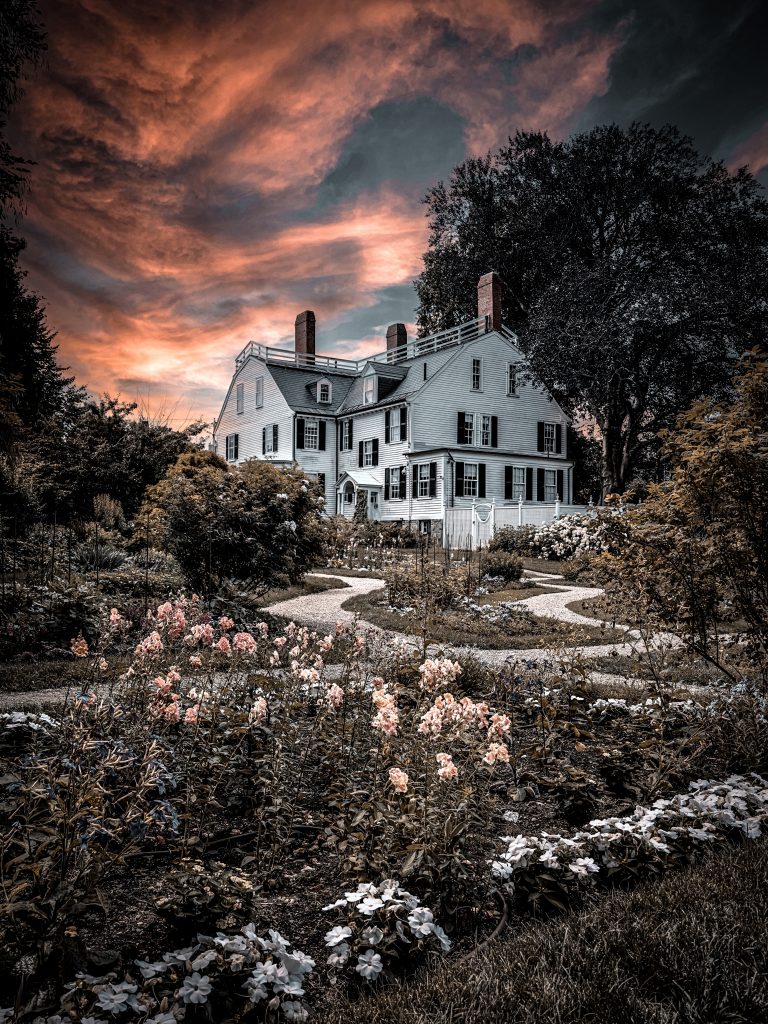
Built around 1727 and lovingly preserved by the Peabody Essex Museum, this Georgian beauty was home to three generations of the prominent Ropes family. With its heirloom gardens and costumed interpreters, it offers an intimate glimpse into upper-class colonial life. This is where the Disney film Hocus Pocus with Bette Midler, Sarah Jessica Parker, and Kathy Najimy was filmed. - Fort Pickering
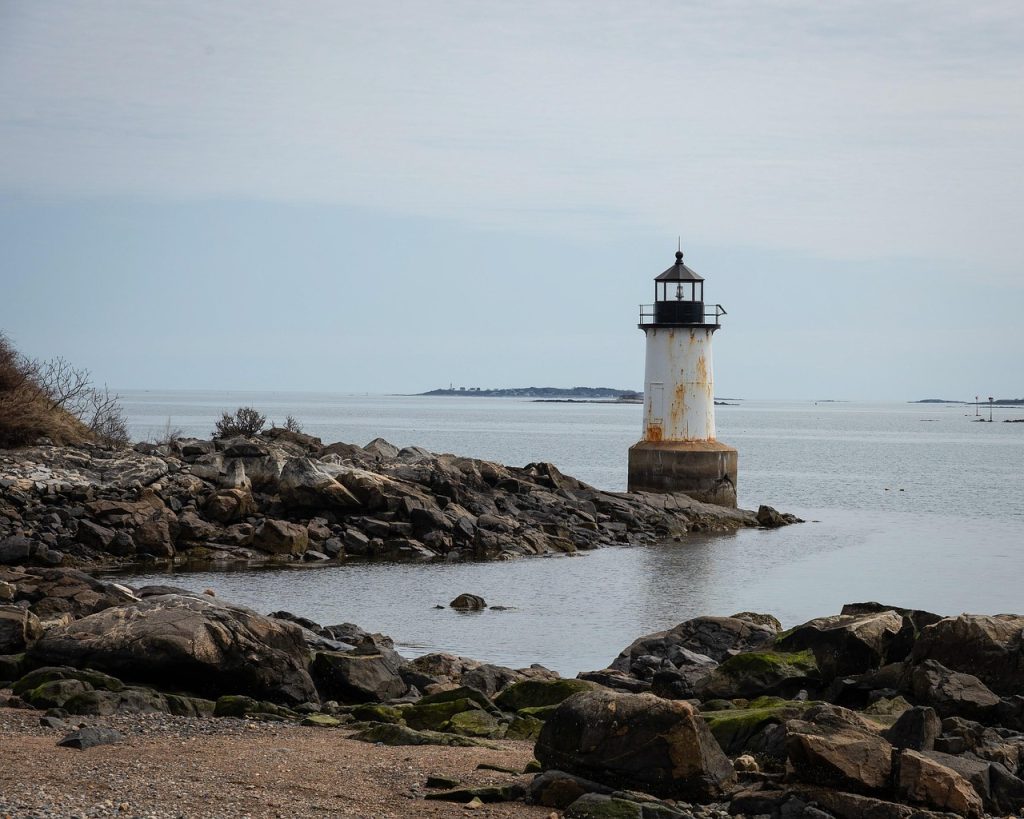
Tucked on Winter Island, this coastal defense structure dates to 1643, though its visible stonework is mostly from 1814 and the Civil War era. Wander the grassy ramparts where Salem once readied itself against pirates and Redcoats. Winter Island was the site of a miliary base from 1643 to 1972! - Fort Lee
Fort Lee was built in 1776 to deter British aggression. - Salem Custom House
Overlooking Derby Wharf, this redbrick landmark served as the hub of maritime regulation and taxation in the early 19th century. Nathaniel Hawthorne’s old desk still sits beneath the eagle-topped pediment. - Nathaniel Hawthorne Birthplace
Located on the same grounds as the House of the Seven Gables, this modest 1804 home was the birthplace of Salem’s literary son. It offers a simple tour but is deeply moving for lovers of American Gothic fiction.
Historic Hostelries
You can even experience Salem history in your choices of places to stay:
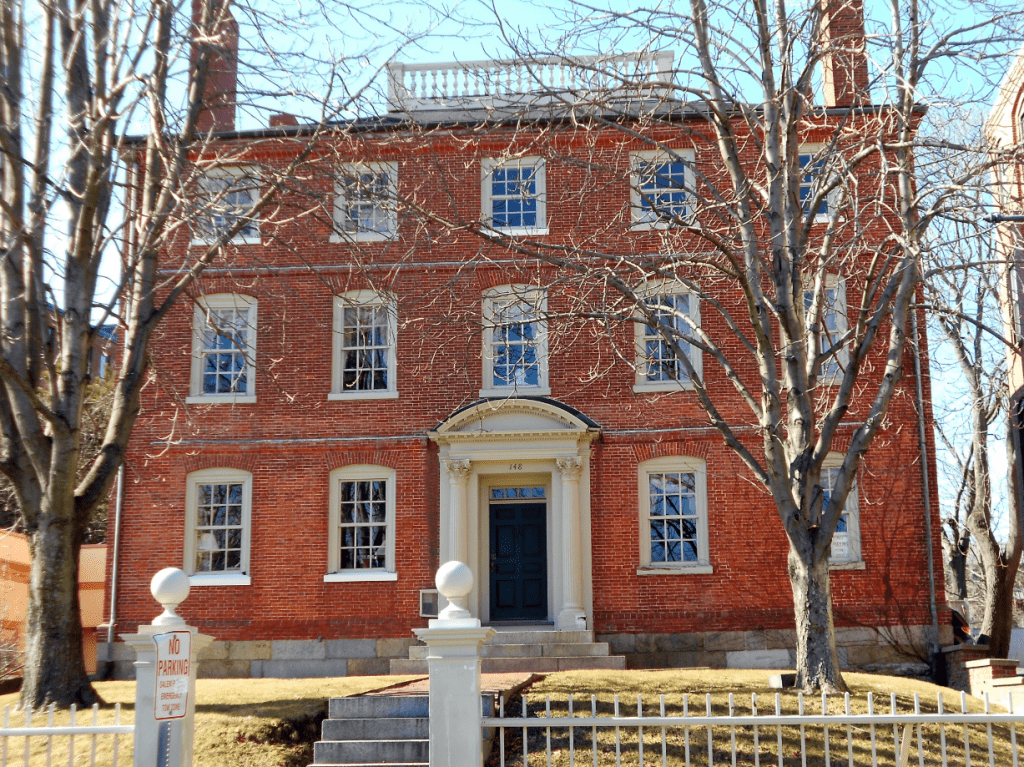
- The Merchant Salem, Sleep in the same room as George Washinton did in 1789.
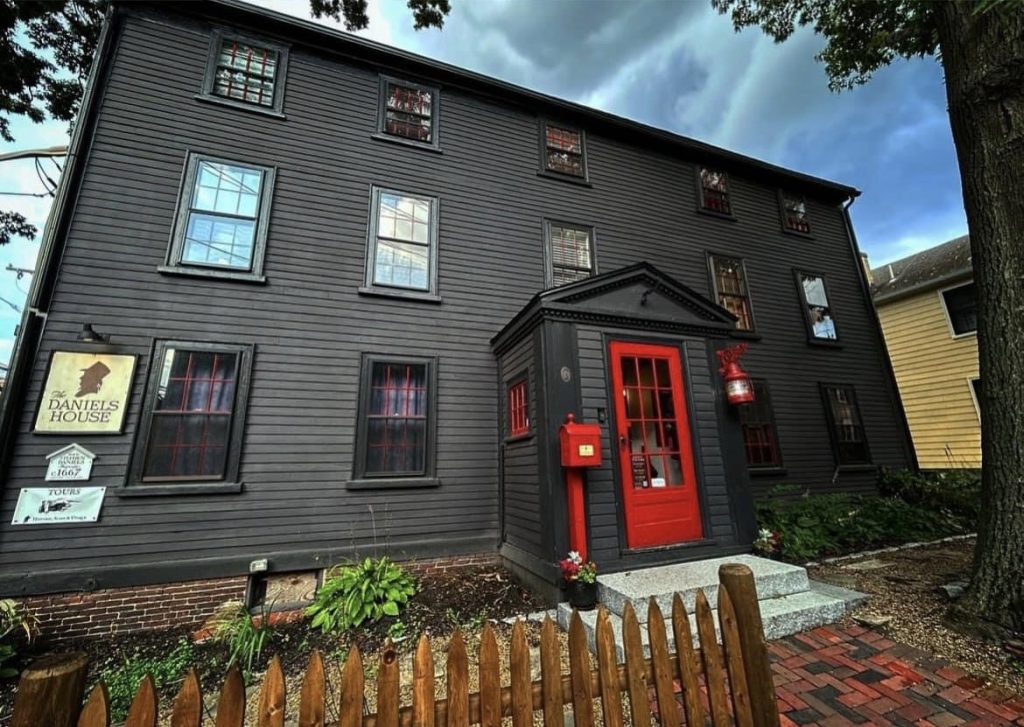
- The Daniels House Inn— Build in 1667 by a sea captain, its red door beckons guests.
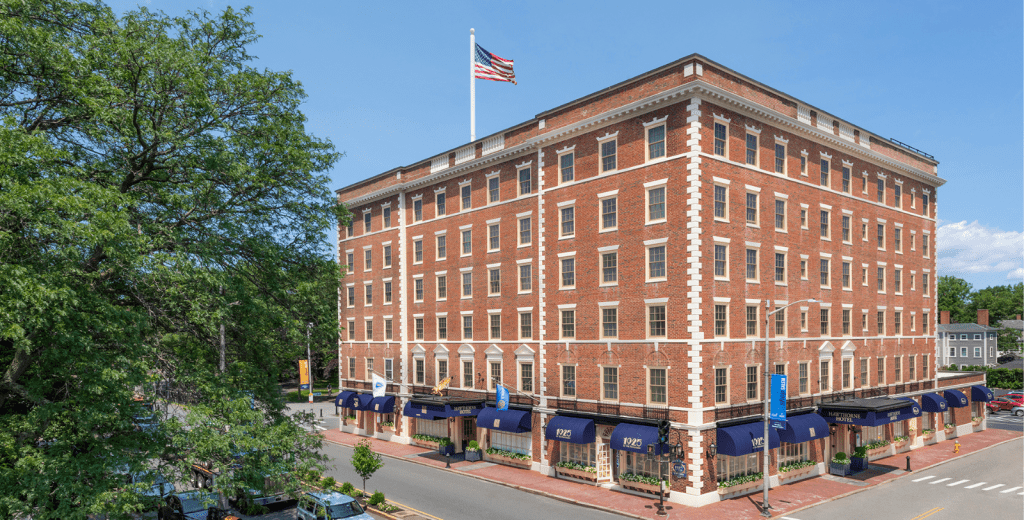
- The Hawthorne Hotel: This 93-room hotel opened in 1925 is the largest in the city and evokes its Art Deco era beginnings.
Pulsing Past to Peaceful Present
Today, Salem embraces its past while shaping its identity anew. It is a city of scholars and skeptics, artists and occultists, descendants and newcomers. The witch trials have become a lens through which the town examines justice, identity, and moral courage. Memorials to the victims offer solemn spaces for reflection, while museums and walking tours balance education with entertainment.
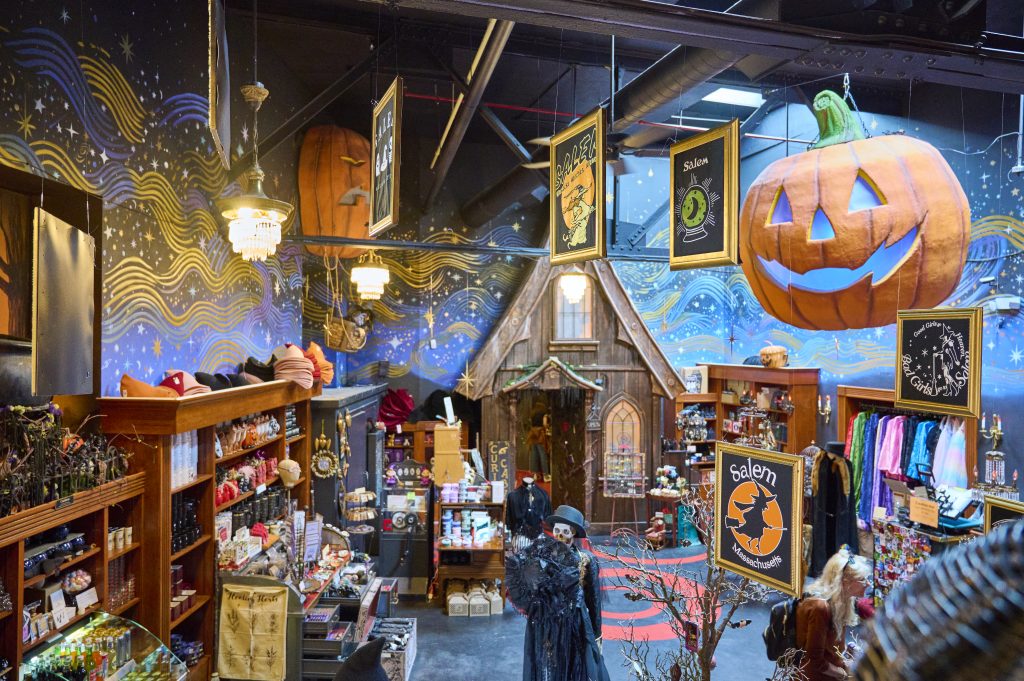
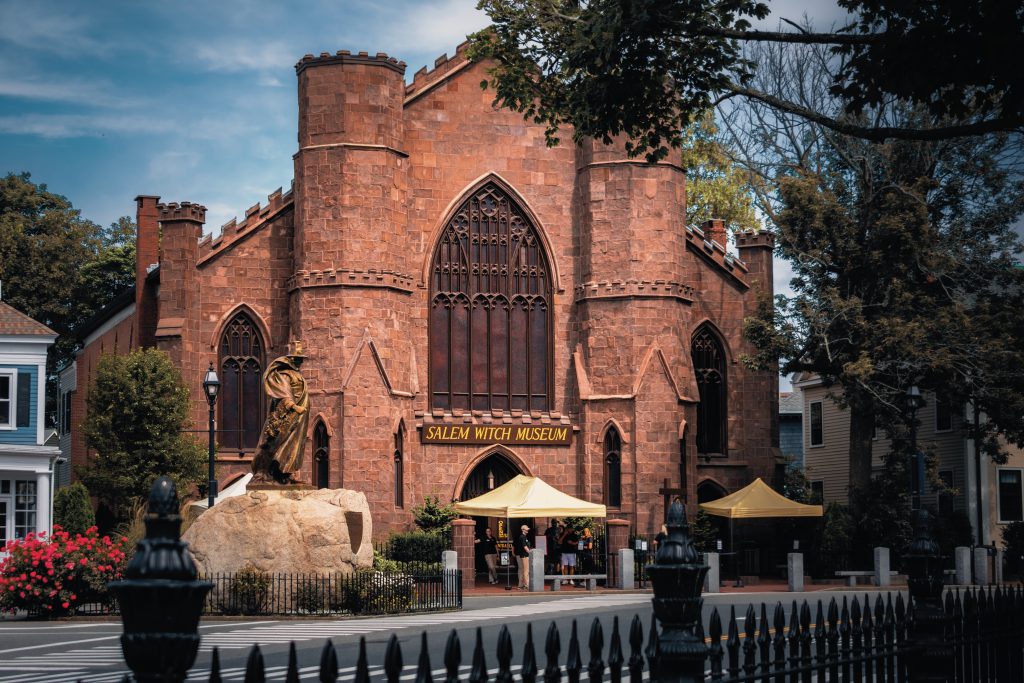
Sites like the Salem Witch Museum, the Witch House (home of Judge Jonathan Corwin), and the Old Burying Point Cemetery root visitors in the 17th century. Meanwhile, Salem’s modern witch community brings living traditions of Wicca and paganism to the fore, especially around Samhain and Halloween, when the city draws nearly a million visitors. But Salem isn’t all black hats and broomsticks. It is also a vibrant hub of contemporary art, indie bookstores, and LGBTQ+ inclusivity, a haven for the curious and kindred.
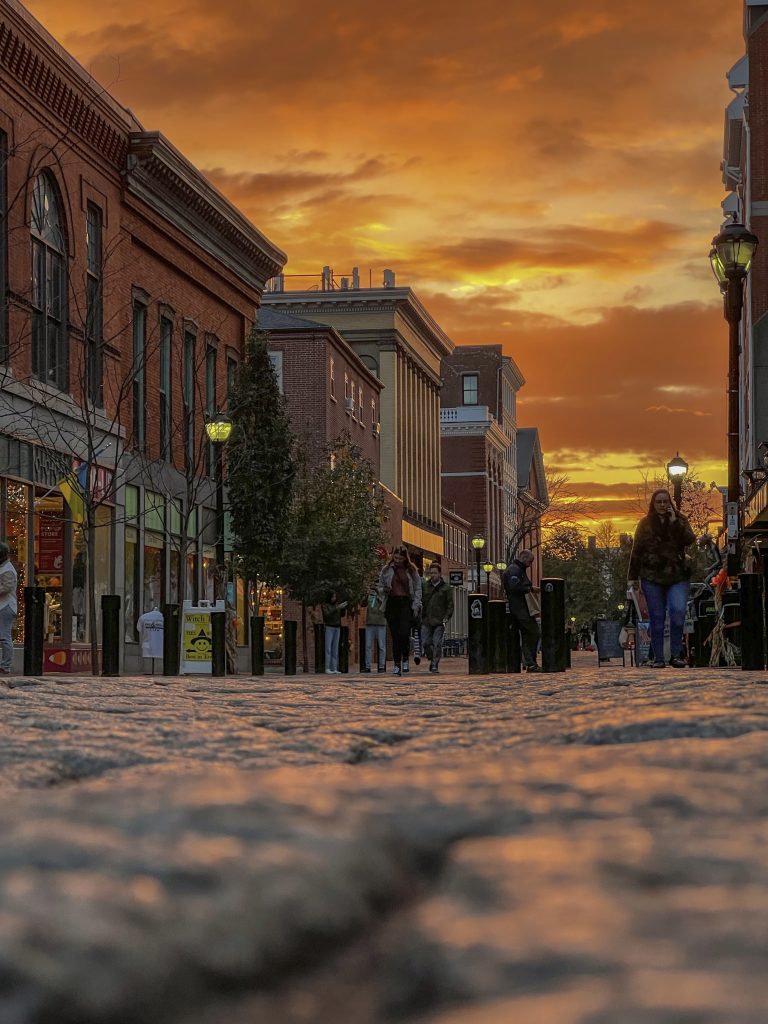
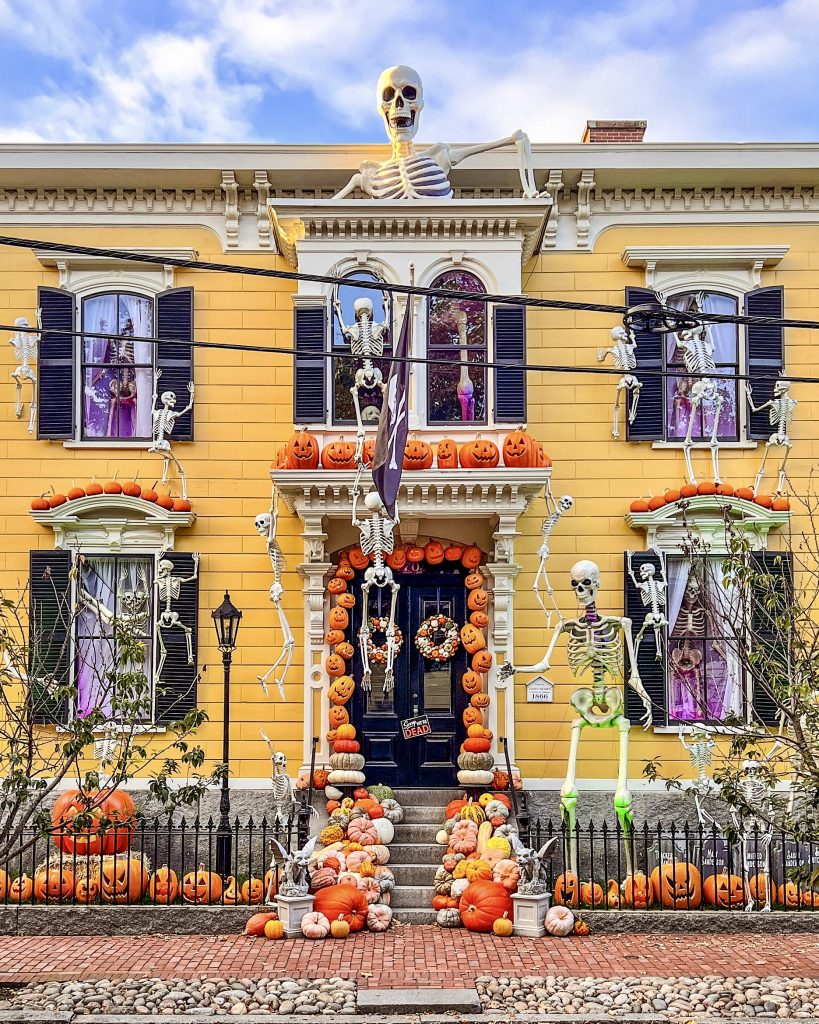
The scents are briny and botanical, lavender and pipe smoke from a nearby apothecary, chowder and oysters from a dockside tavern. In October, jack-o’-lanterns and crisp leaves punctuate the air with sweetness and rot. The city transforms into a theatrical fantasia of costumes and candlelit tours, but even in the quieter months, there is drama in every detail. Moss between cobbles. Sea mist on clapboard. Time, folded like parchment.
So come. Walk where they walked. Listen where they listened. Wonder where they wondered. Salem does not forget, and it does not let you forget, either. It is a city where history lingers in alleyways and whispers through museum walls. Where legends flicker in candlelight and truths emerge like low tide treasures. If you believe that the past is not past, Salem welcomes you. Be ready to remember.
Where to Stay in Salem, United States
Salem offers several lodging options to suit different budgets and preferences. The downtown area near Essex Street puts you within walking distance of the Witch House, the Peabody Essex Museum, and most of the city’s historic sites. Hotels and guesthouses in this neighborhood range from mid-range chains to independent inns, many housed in period buildings that add character to your stay. Book early during October, when the city fills with visitors during the Halloween season.
For a quieter experience, consider staying in the adjacent neighborhoods of Chestnut Street or the residential areas north of downtown. These tree-lined streets feel less crowded than the main tourist corridor but still offer convenient access to attractions via a short walk or local bus service. Several bed-and-breakfasts operate in historic homes throughout these areas, offering personalized service and local knowledge from proprietors who know the city well.
If you prefer waterfront proximity, Salem’s harbor district has seen recent development with hotels offering views of the water and the nearby maritime museums. This location works well if you plan to visit the Peabody Essex Museum or explore the waterfront trails, though it sits slightly farther from the downtown witch trial historic sites. The harbor area tends to be less crowded than downtown, particularly outside the peak October tourism season.
Budget-conscious travelers can find motel-style accommodations on the outskirts of Salem, particularly along Route 1 heading toward Peabody. These options sacrifice walkability and historic atmosphere but provide reliable, affordable beds and easy parking. From there, you can drive or take public transit into downtown in under ten minutes, making this a practical choice if you prioritize cost savings over convenience.
Recommended Reading:
Fiction:
- The Physick Book of Deliverance Dane by Katherine Howe
- The House of the Seven Gables by Nathaniel Hawthorne
- The Salem Belle; a tale of 1692 by Ebenezer Wheelwright
- Hour of the Witch by Chris Bohjalian
- The Armed Ship America; Or, When We Sailed from Salem by James Otis
Non-Fiction:
- In the Devil’s Snare: The Salem Witchcraft Crisis of 1692 by Mary Beth Norton
- Storm of Witchcraft: The Salem Trials and the American Experience by Emerson W. Baker
- Six Women of Salem: The Untold Story of the Accused and Their Accusers in the Salem Witch Trials by Marilynne K. Roach
- Salem Possessed: The Social Origins of Witchcraft by Paul Boyer and Stephen Nissenbaum
- A Salem Shipmaster and Merchant: The Autobiography of George Nichols by George Nichols
- Death of an Empire: The Rise and Murderous Fall of Salem, America’s Richest City by Robert Booth
Tours to consider:
All images are for illustrative purposes only and remain the copyright of their respective owners.
