There are places that feel touched by the divine, where mountains cradle mystery and every breath of cedar-scented air feels like a prayer. Nikkō, in the forested hills north of Tokyo, is such a place. Here, the boundary between the mortal and the sacred blurs, painted in gold leaf, crimson gates, and the hush of ancient trees.
Shogun Enshrined
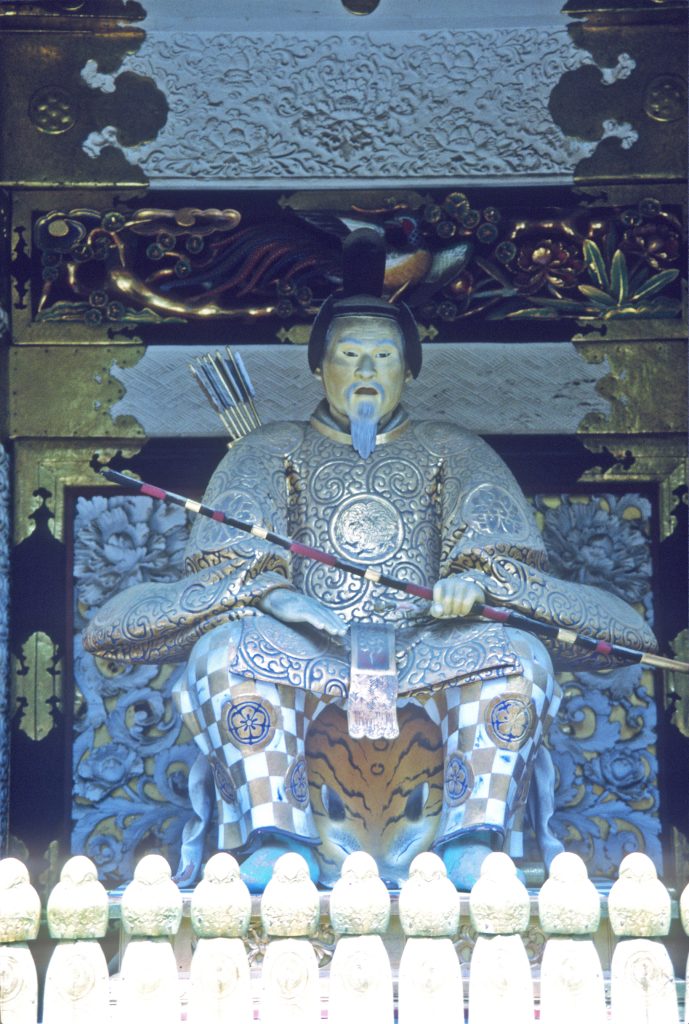
Nikkō’s story begins with Shōdō Shōnin, a Buddhist monk who, in the 8th century, established a small temple deep in these mountains to honor the gods and spirits of nature. Over time, this remote sanctuary grew into a site of national reverence. In 1617, Tokugawa Ieyasu, the founding shogun of the Tokugawa shogunate, was enshrined here at the magnificently adorned Tōshōgū Shrine, elevating Nikkō to a political and spiritual epicenter. Through the Edo period, successive shoguns lavished resources on the site, layering it with artistic and architectural splendor.
Nikkō stands as a UNESCO World Heritage Site, its temples and shrines vibrant testaments to Japan’s spirituality, craftsmanship, and natural world.
Town of Temples
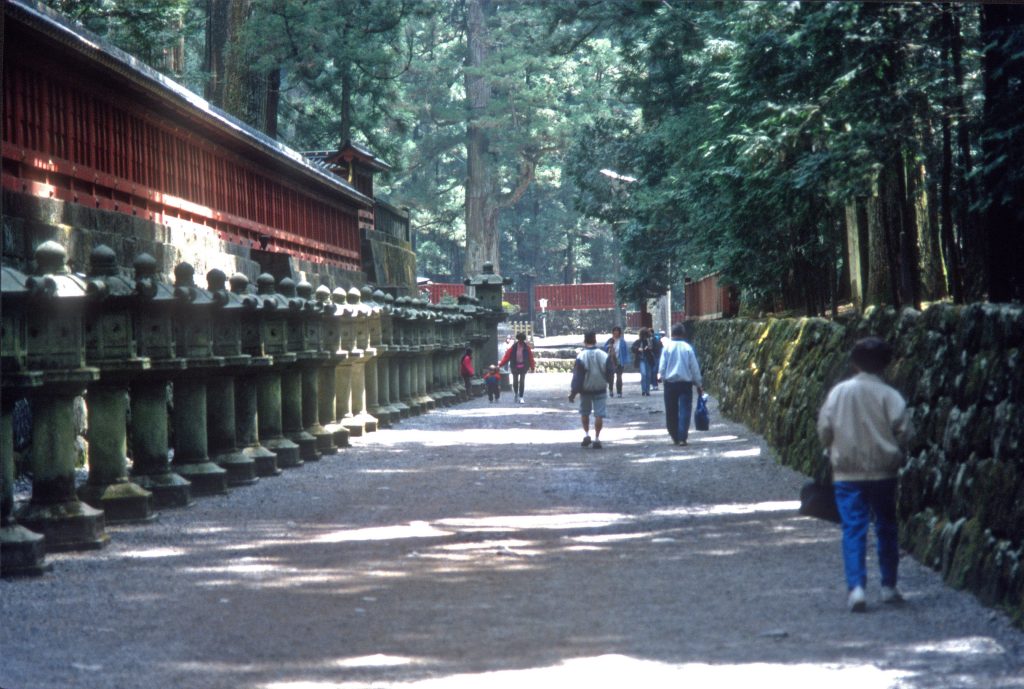
Approaching Nikkō, travelers ascend winding roads draped in mist and lined with ancient cedars, the towering trees forming a living colonnade toward the sacred heart of the city.
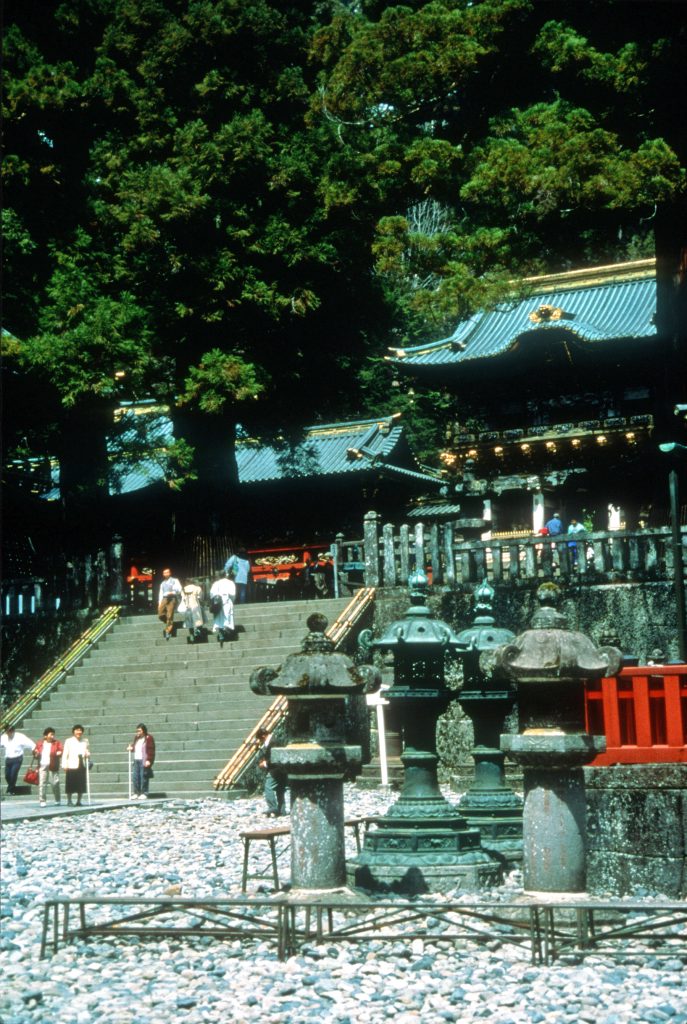
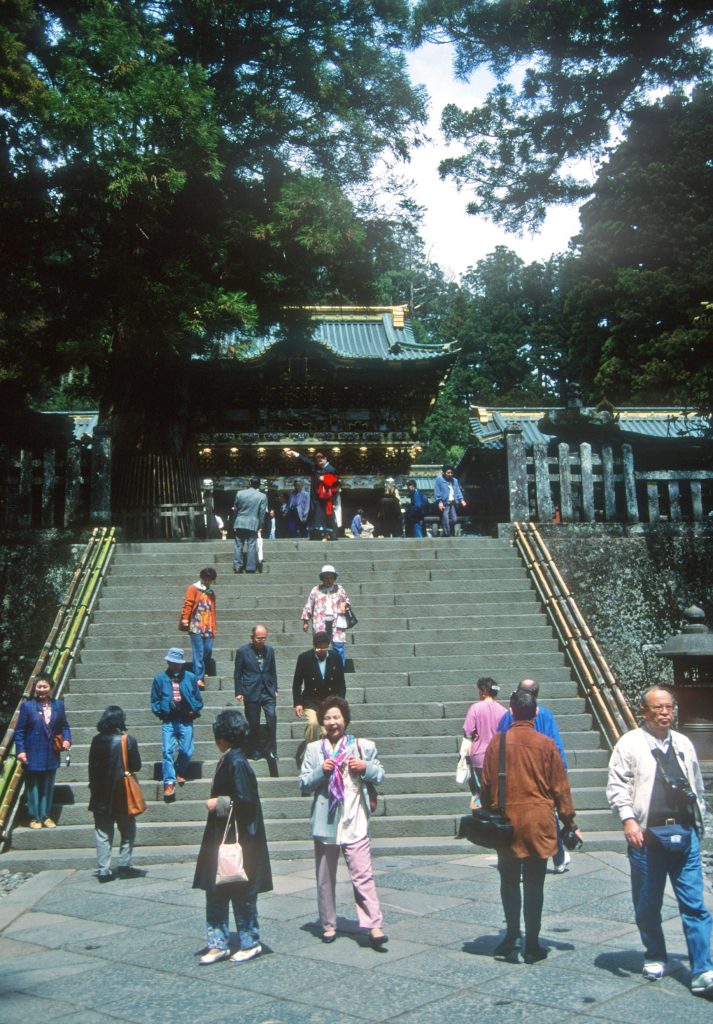
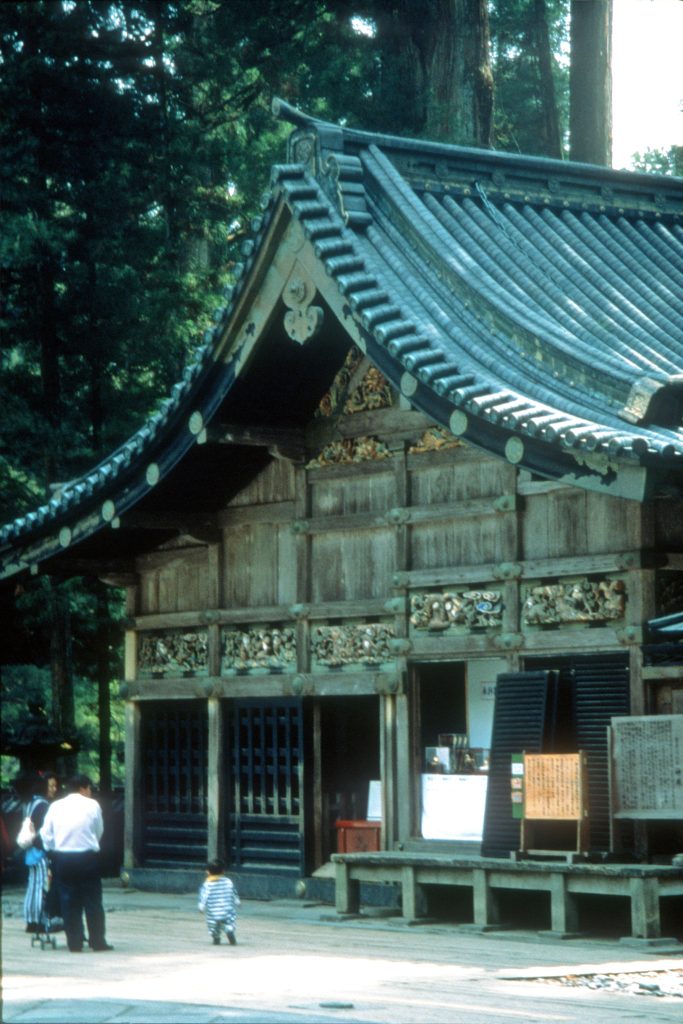
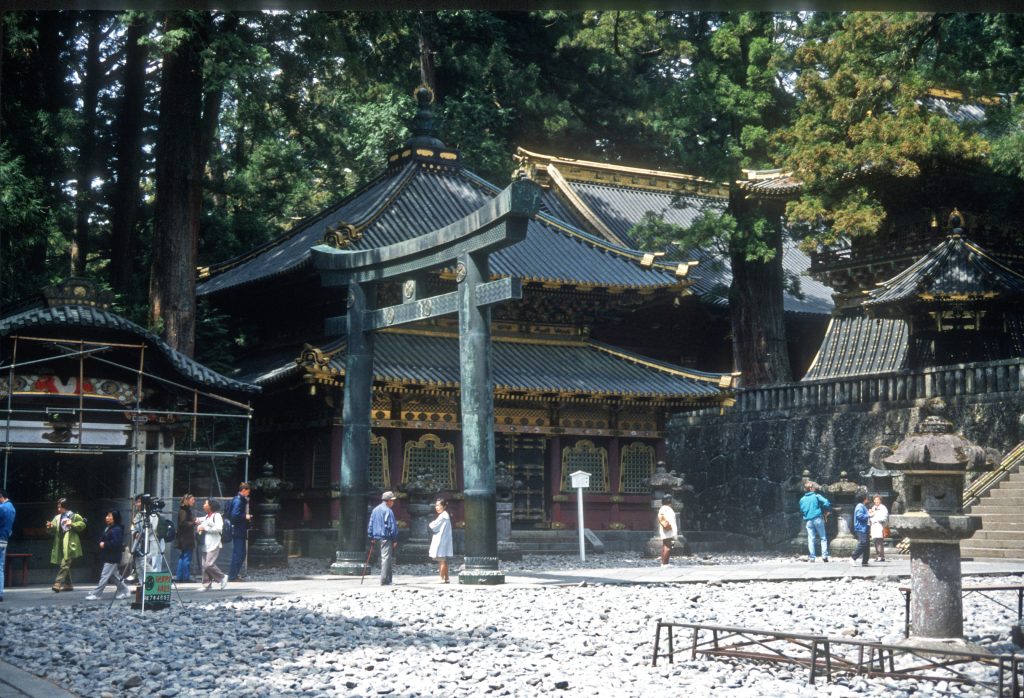
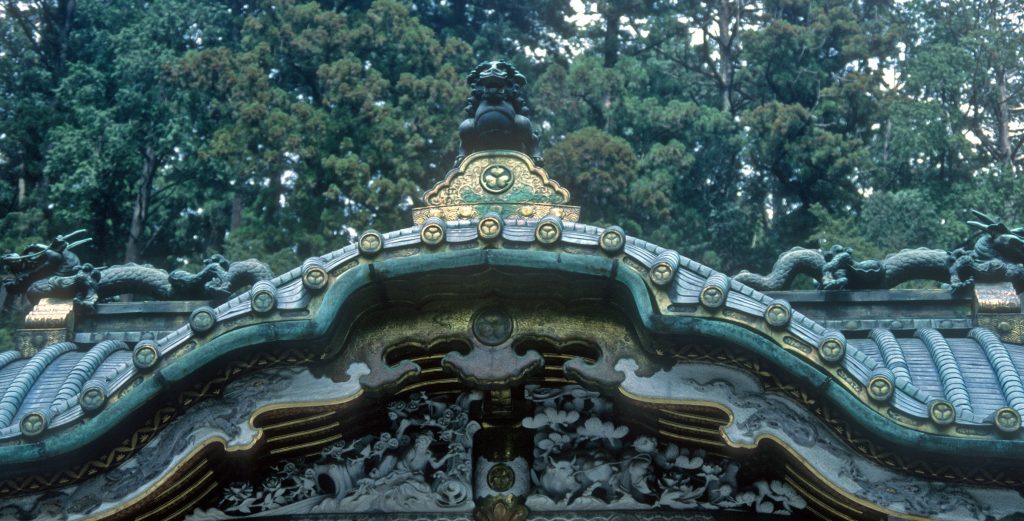
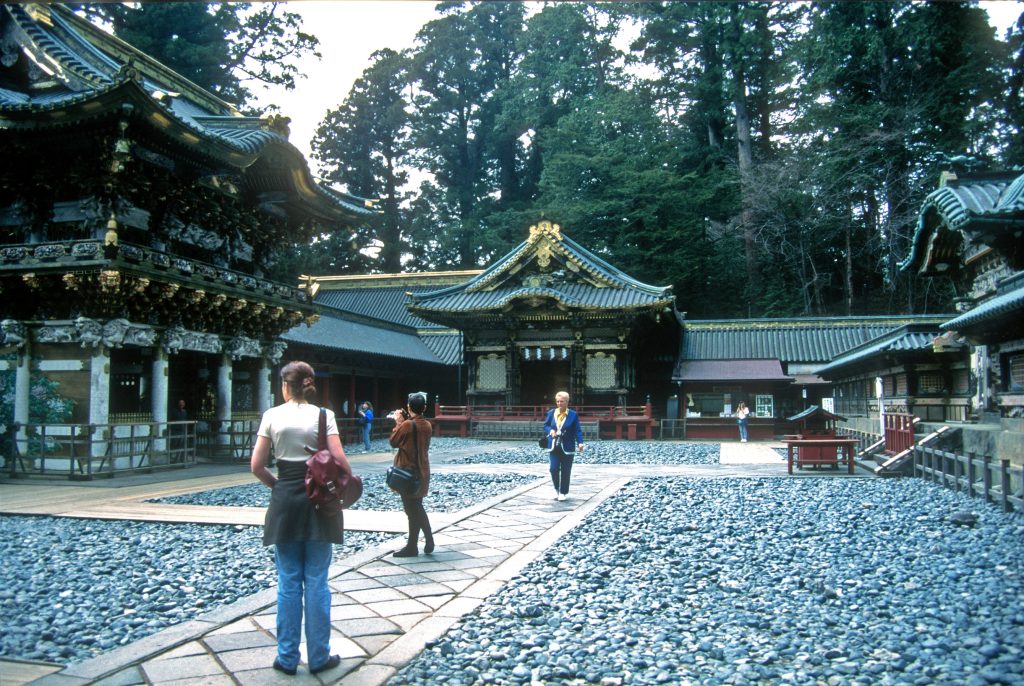
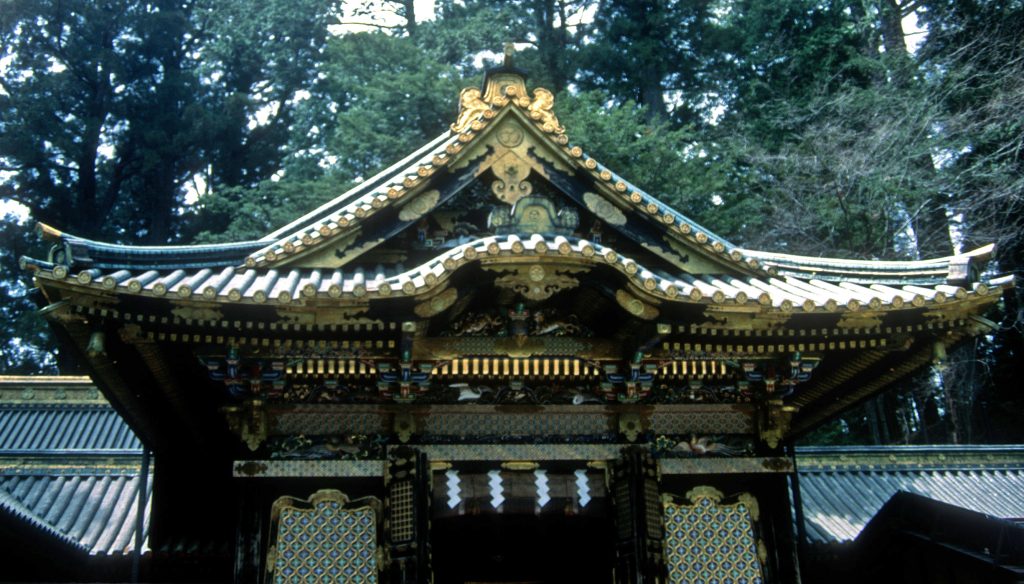
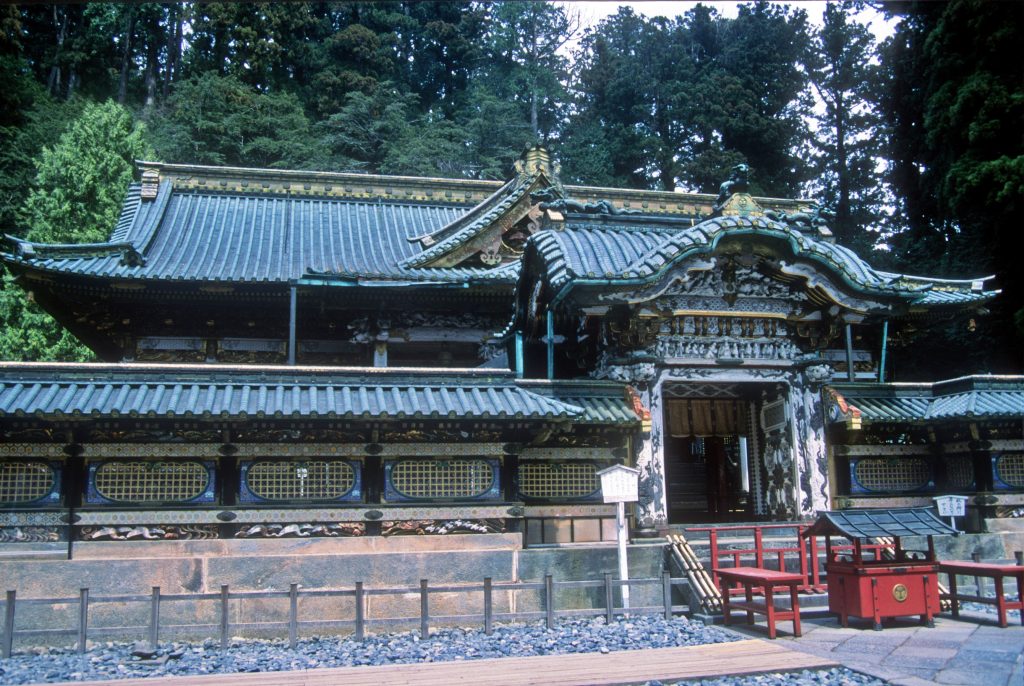
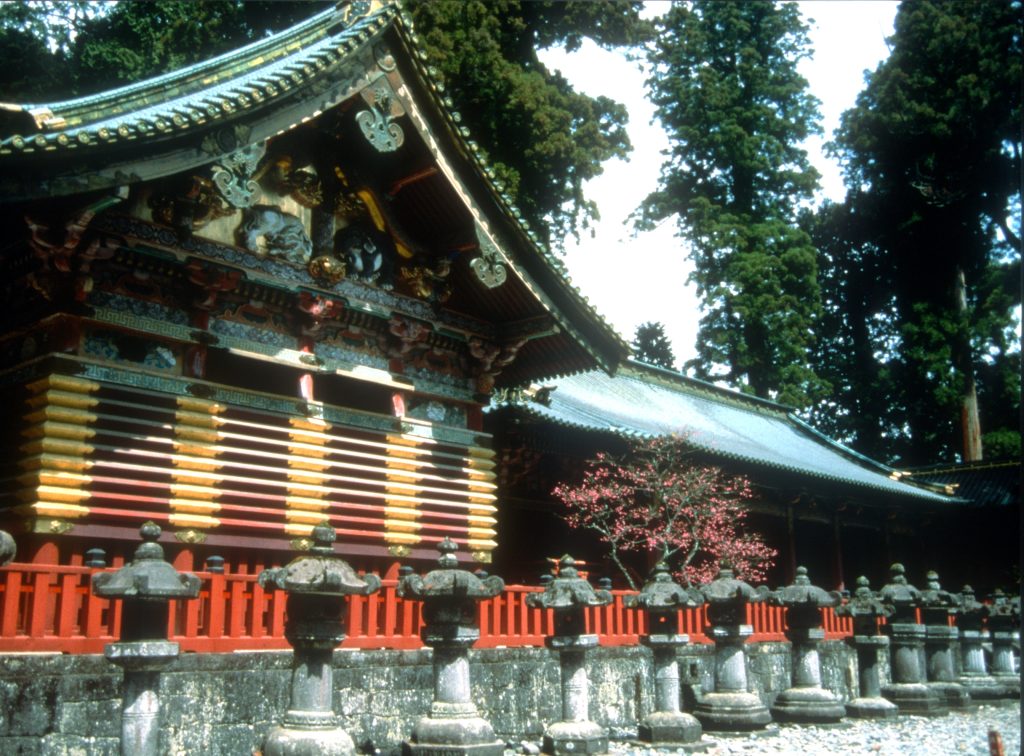
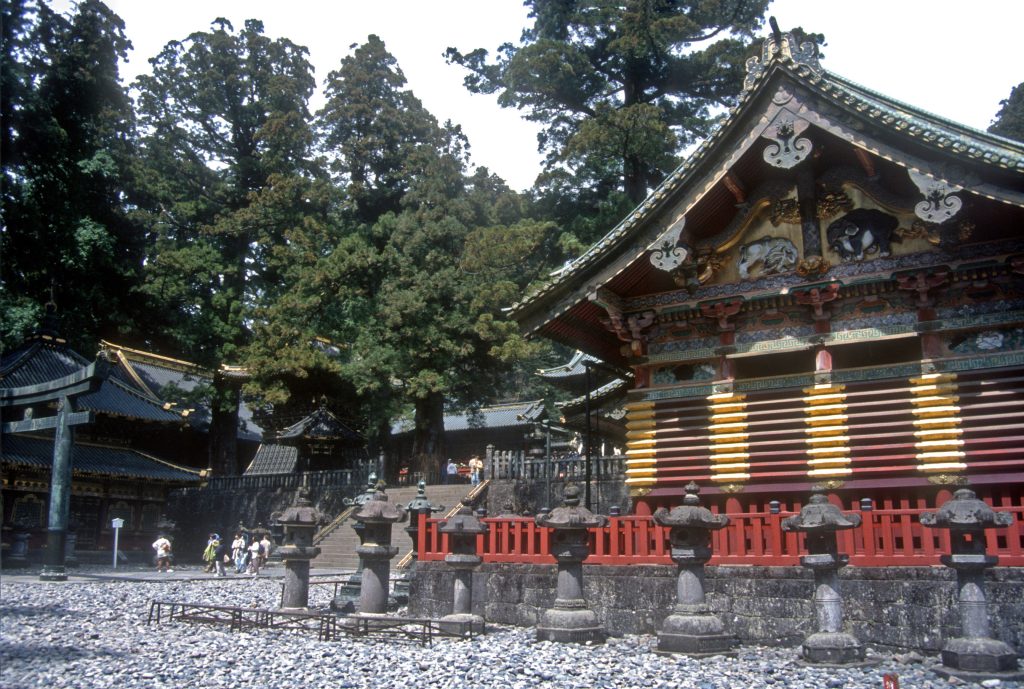
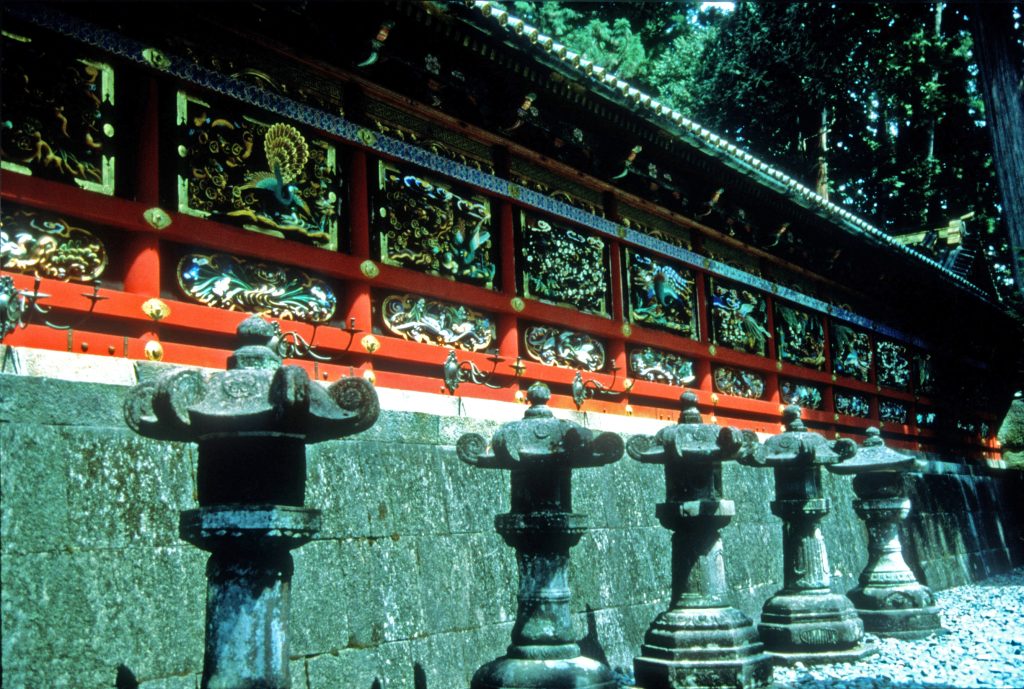
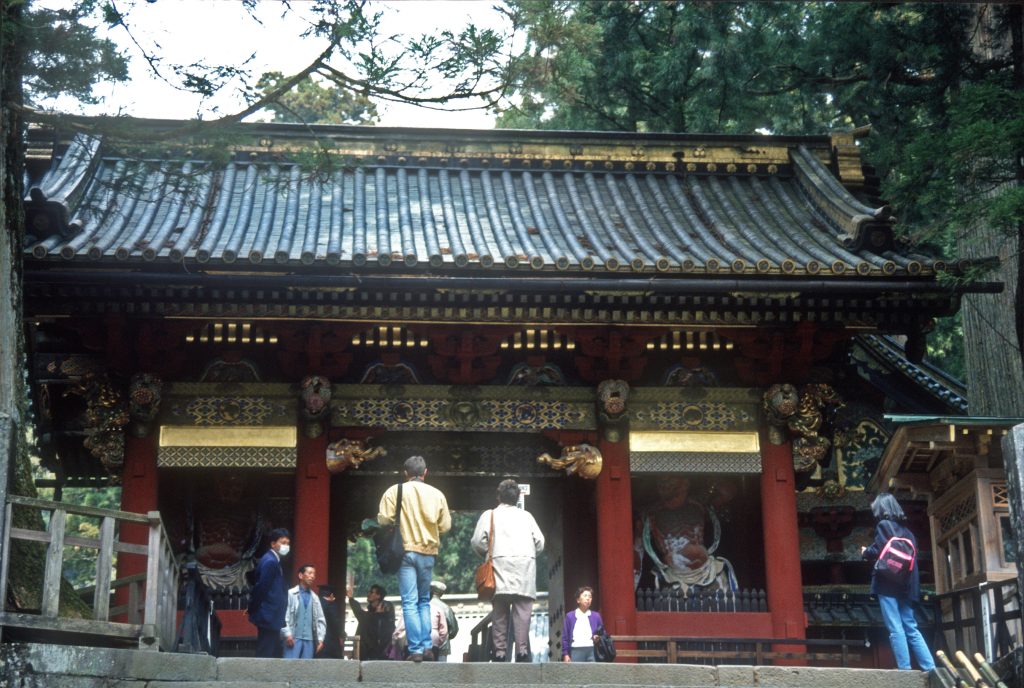
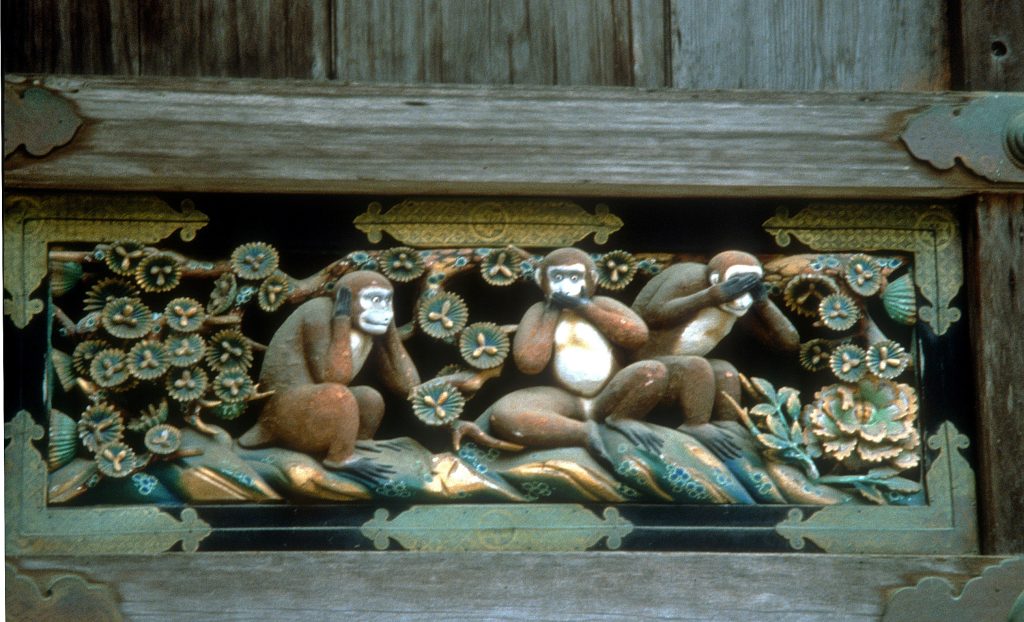
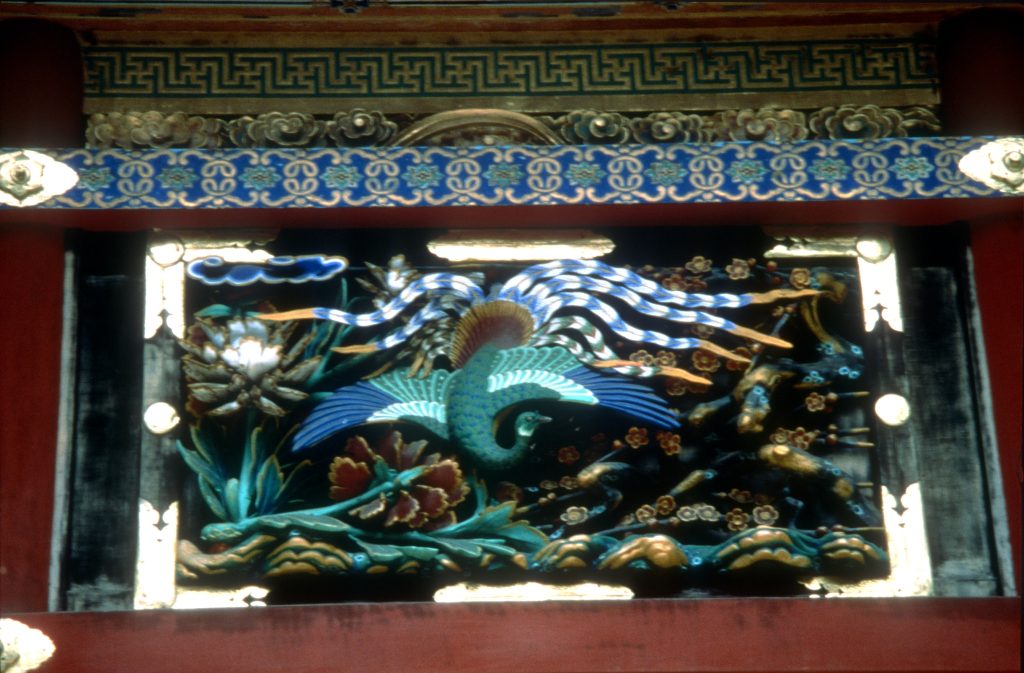
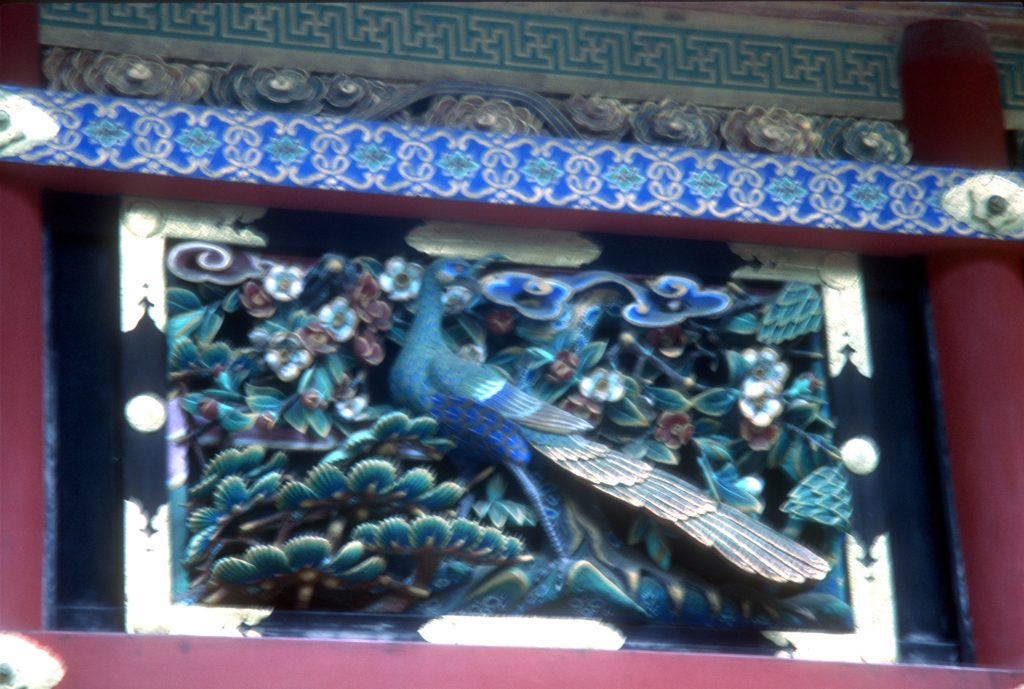
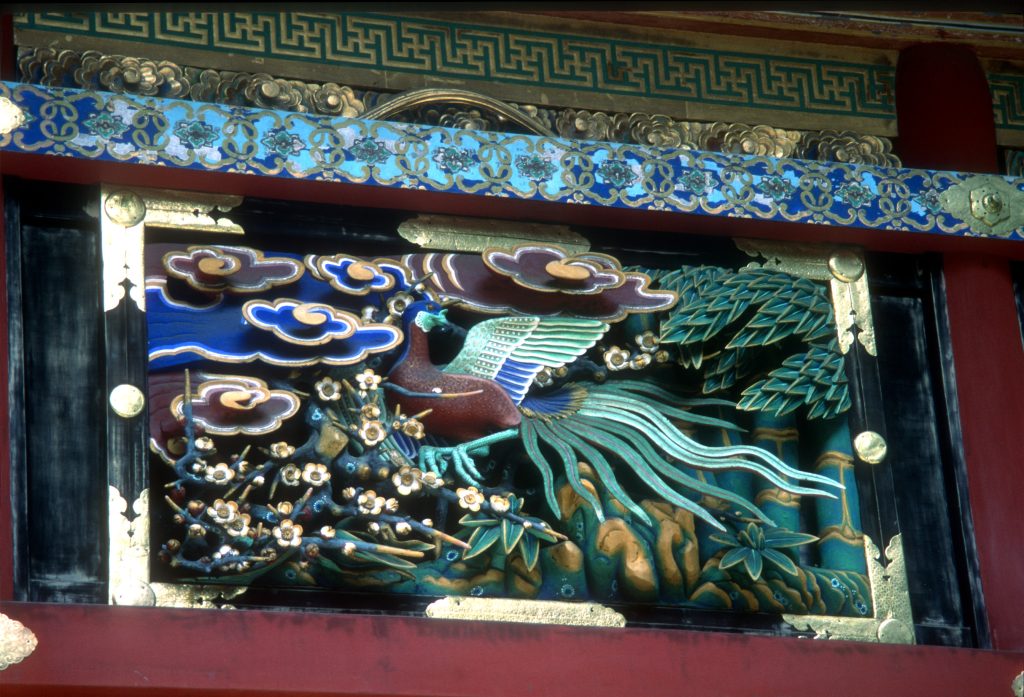
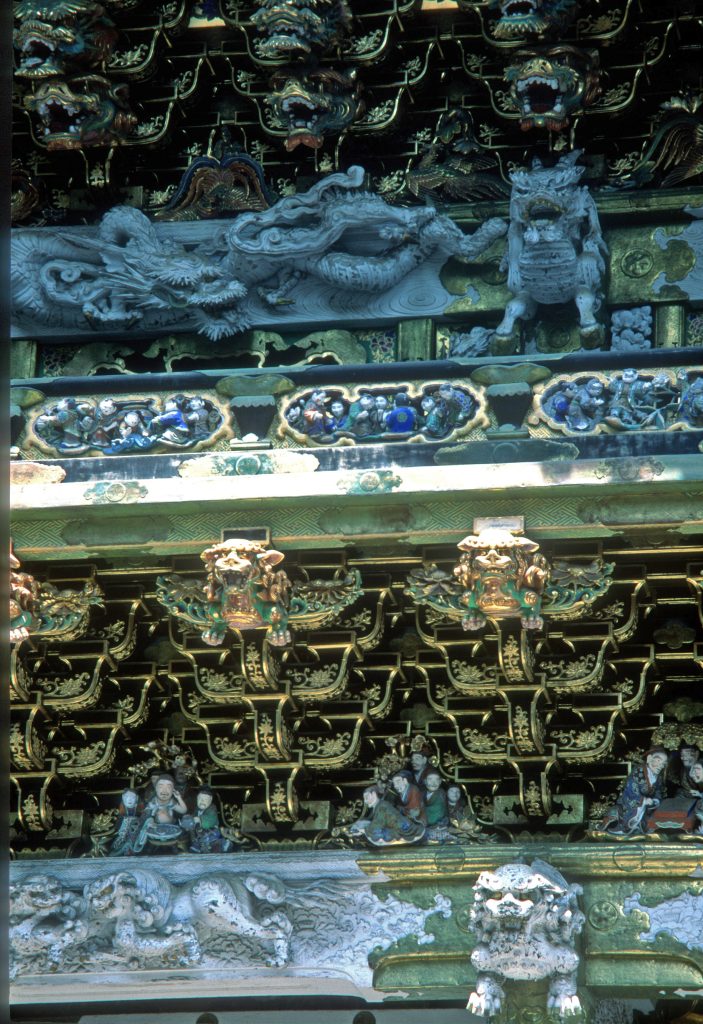
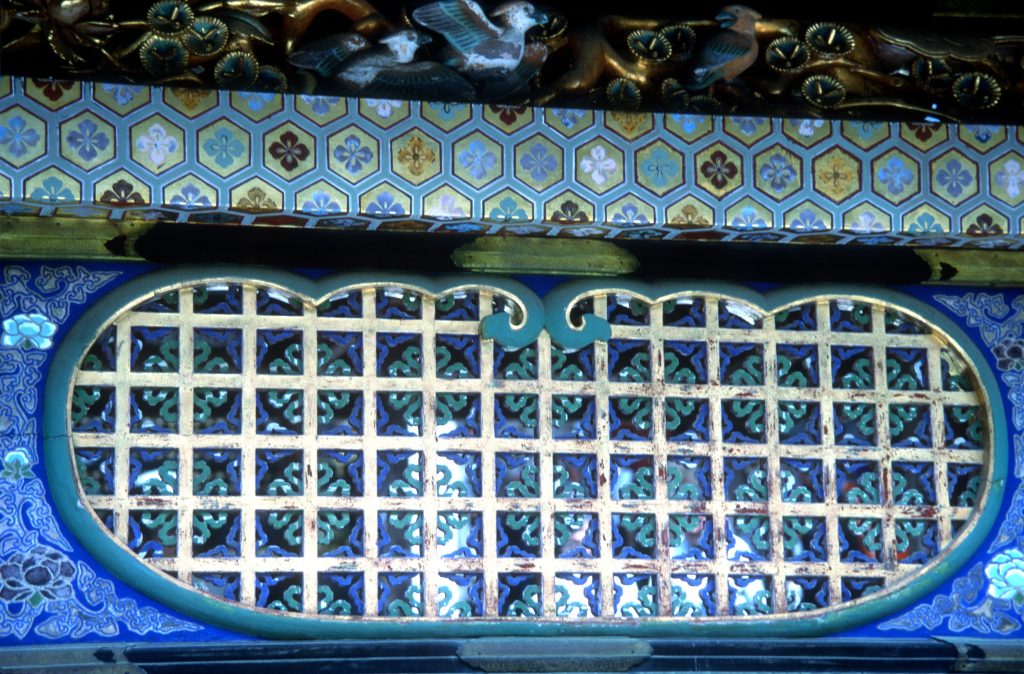
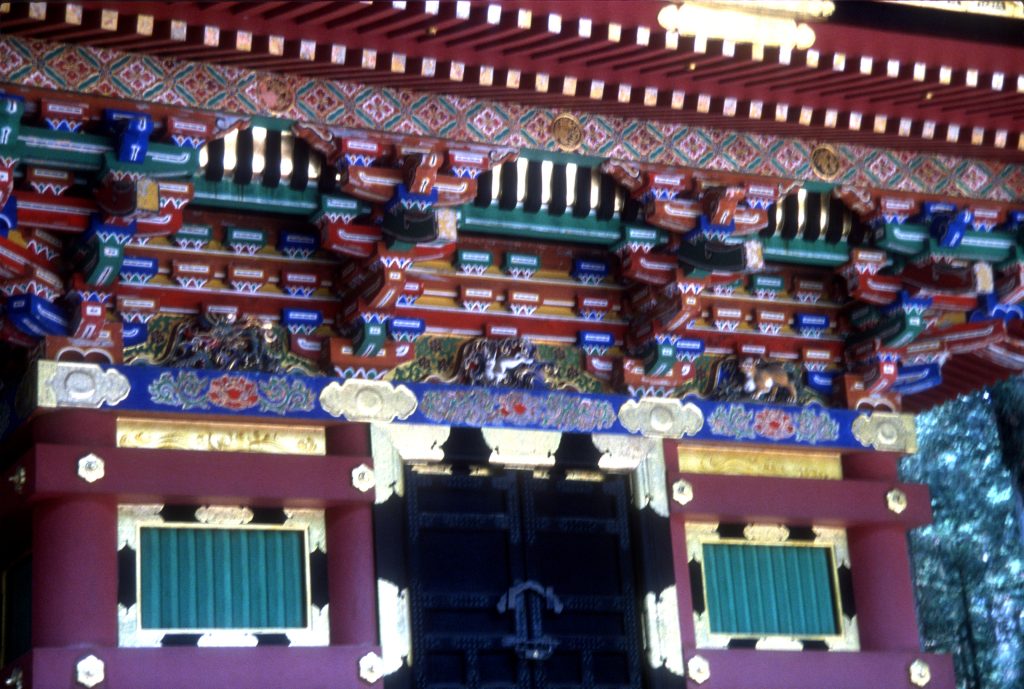
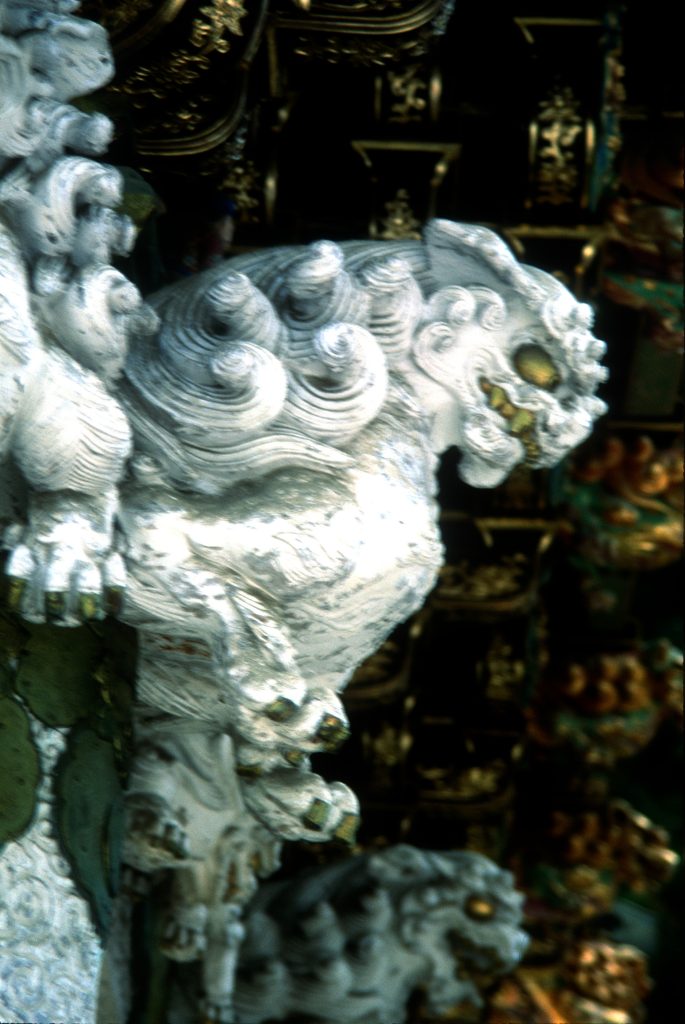
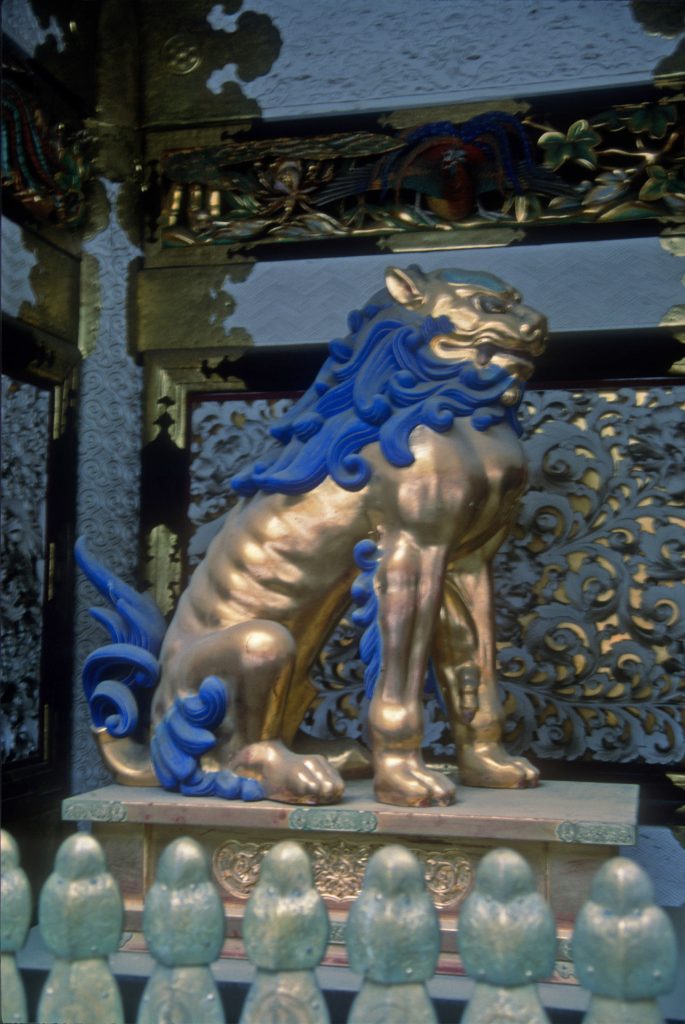
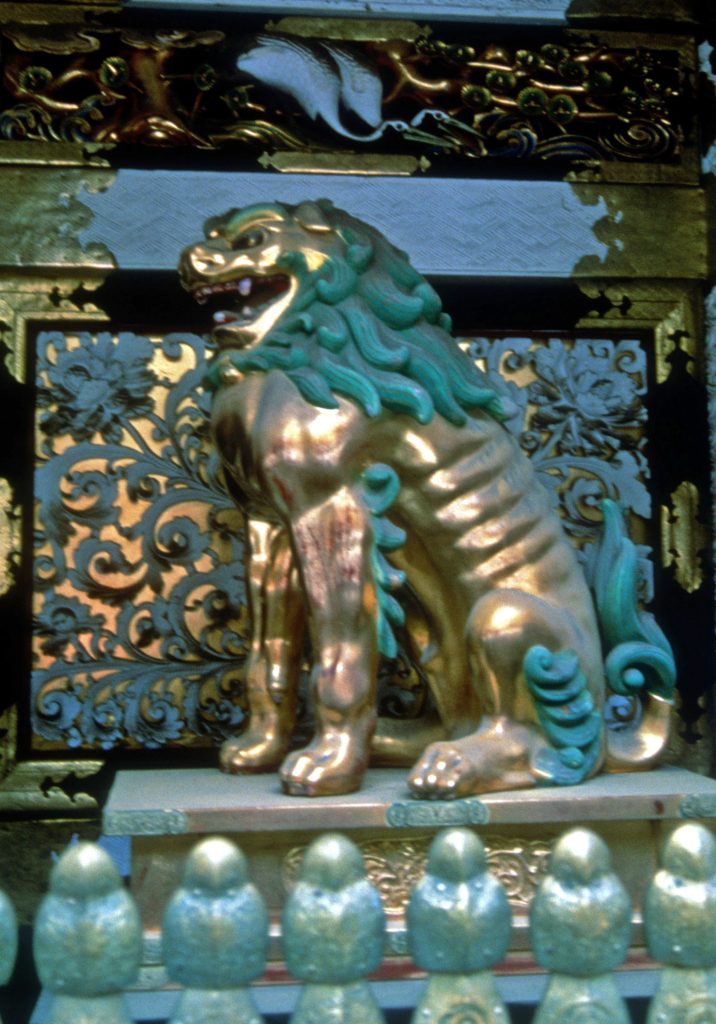
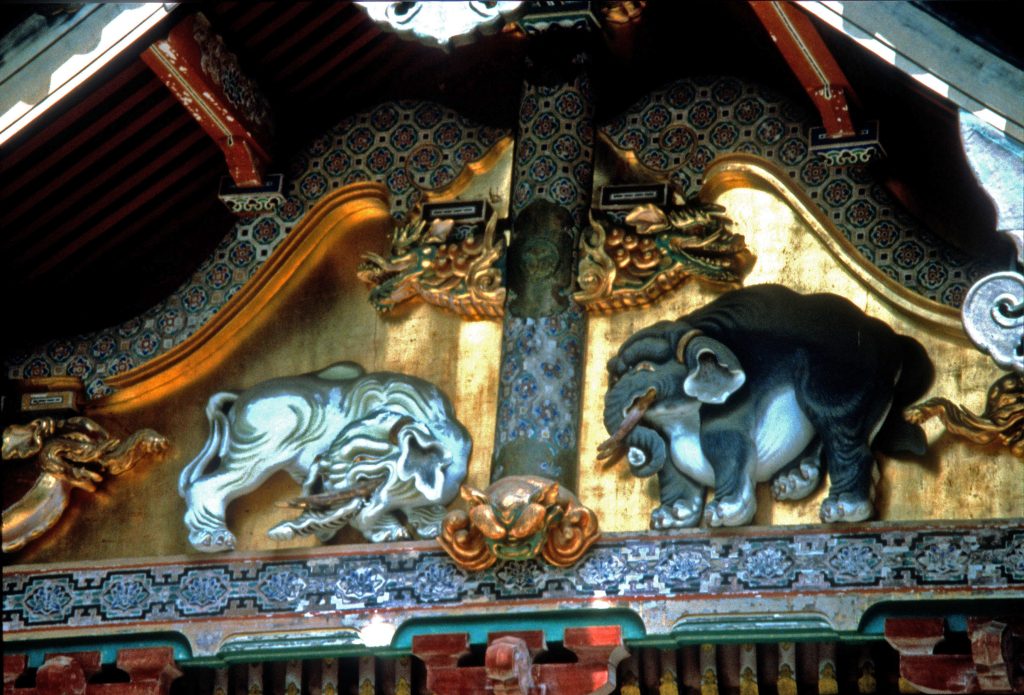
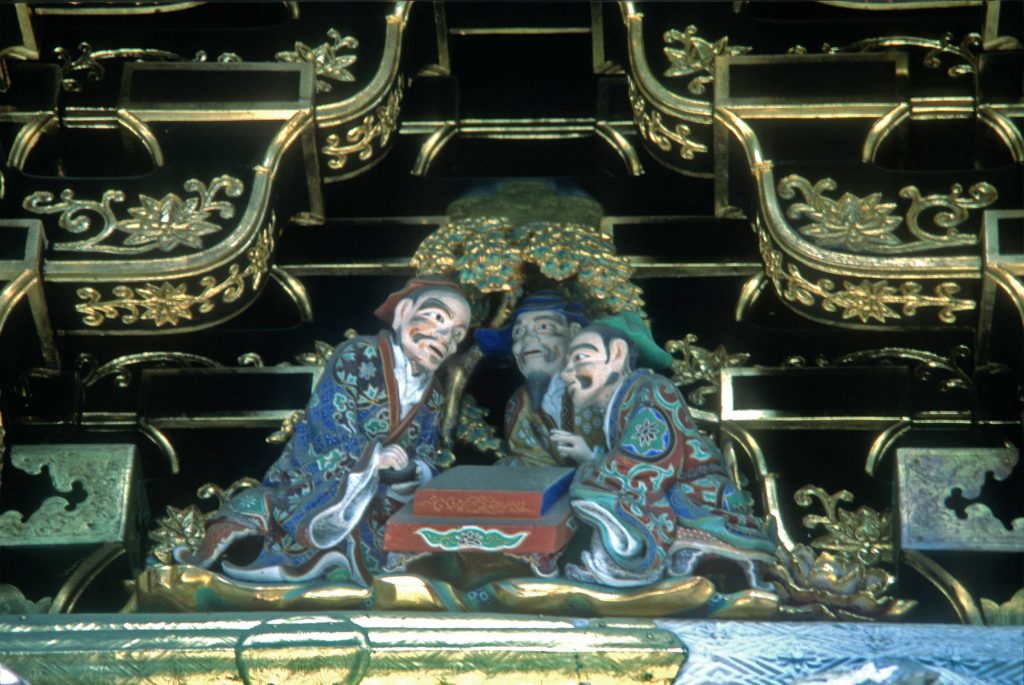
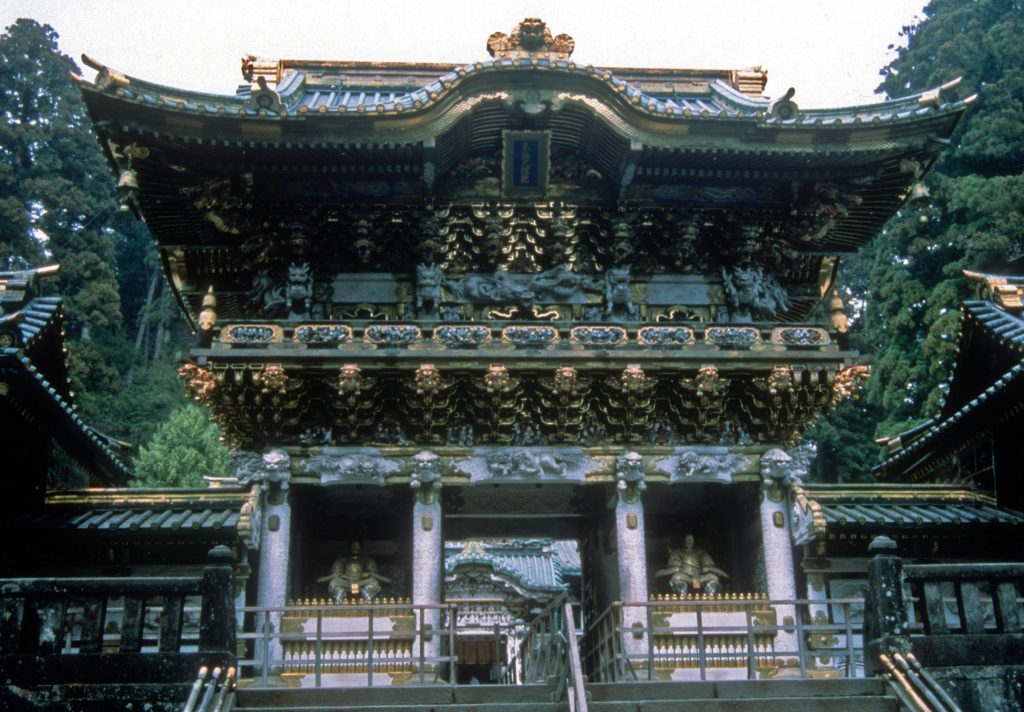
Within Tōshōgū Shrine, every surface displays intricate carvings, vivid vermilion and emerald hues, and gold leaf that catches the dappled light. Here you find the famous Yōmei-mon “Sunlight Gate,” a riotous masterpiece of over 500 painted and gilded carvings, each a tiny universe of detail. Nearby, the “Three Wise Monkeys“, see no evil, hear no evil, speak no evil, have charmed visitors for centuries with their playful wisdom.
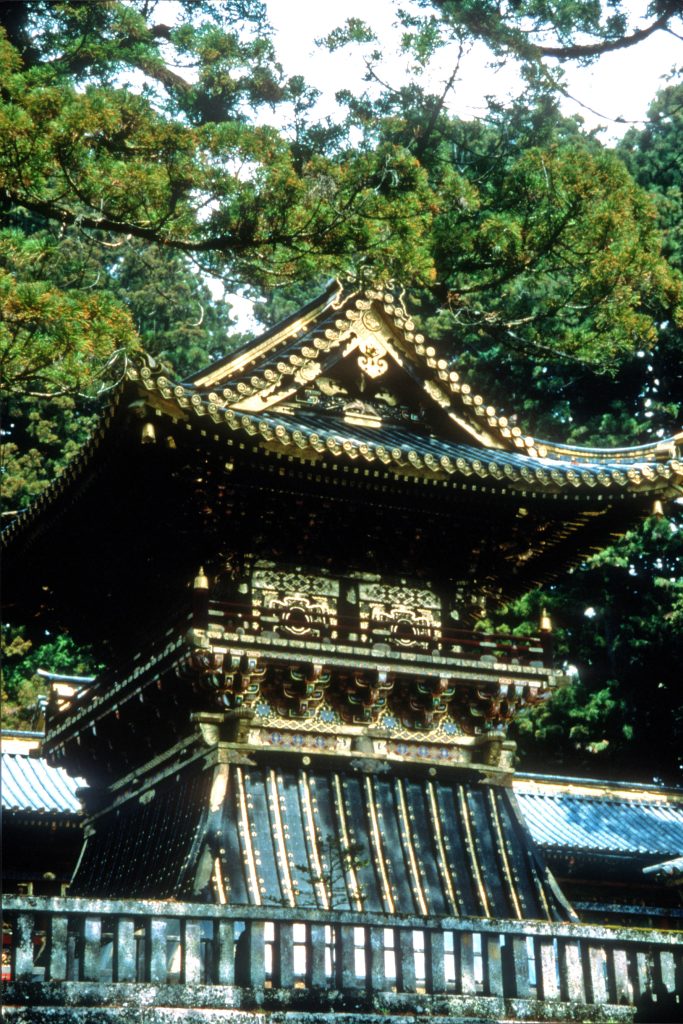
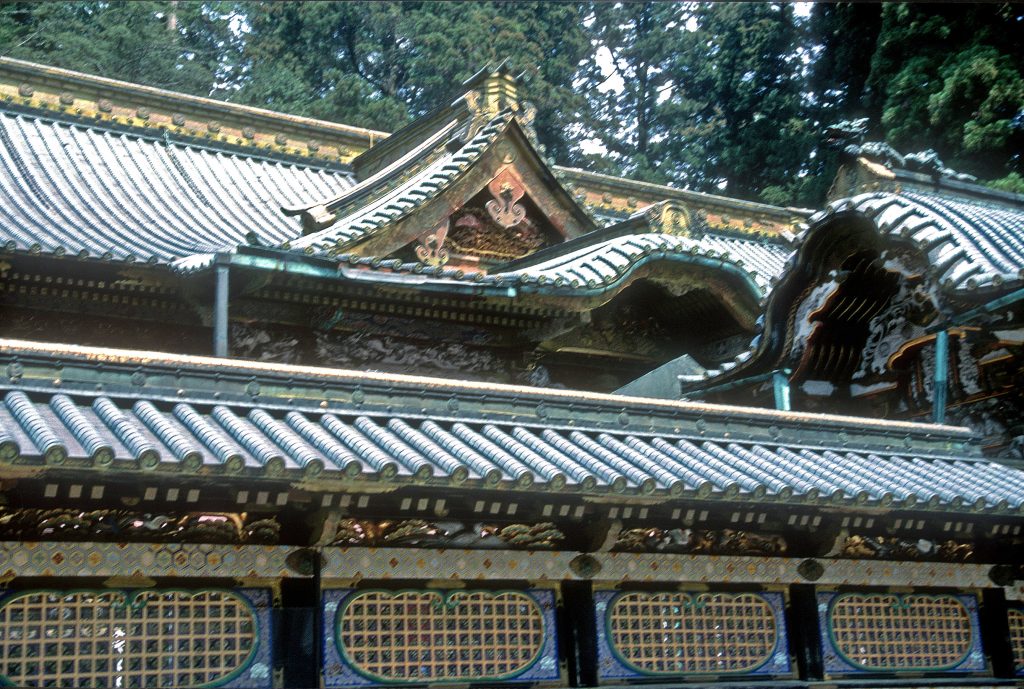
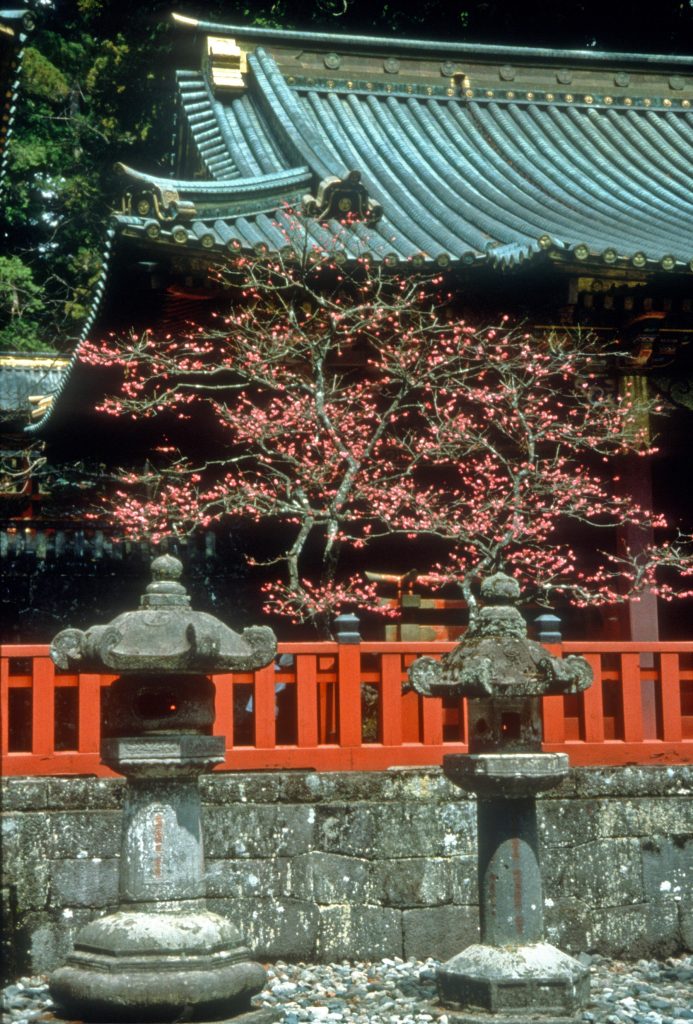
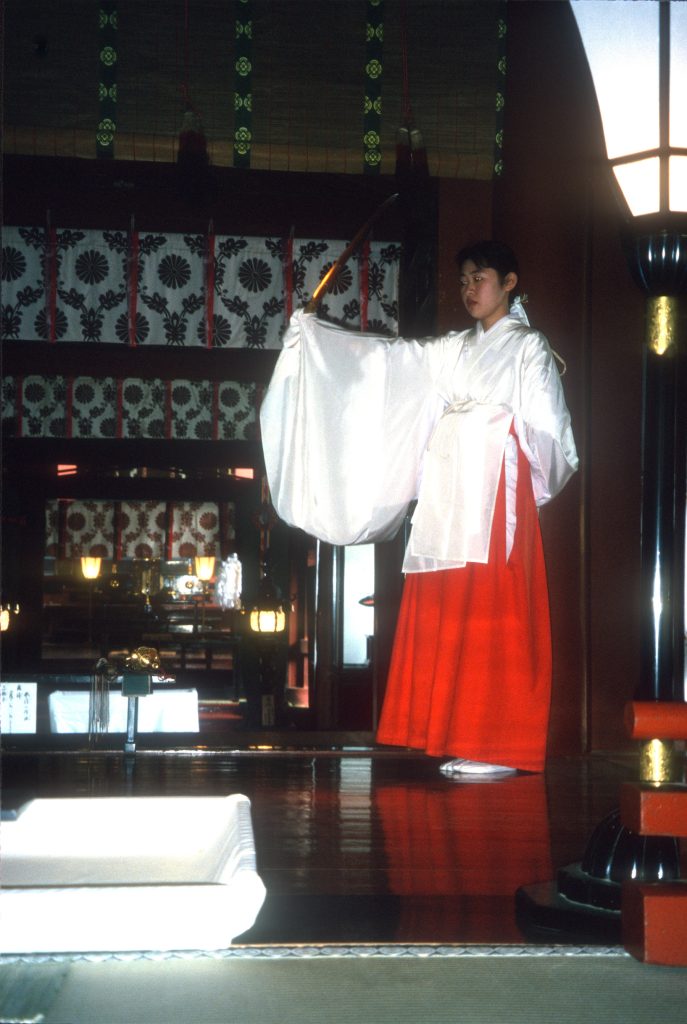
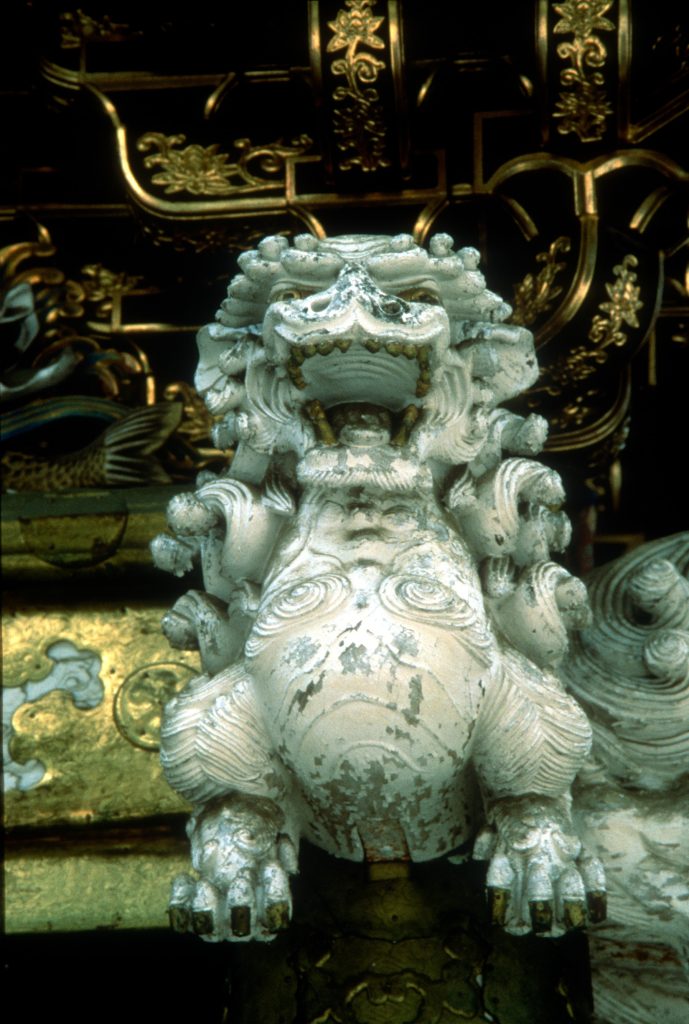
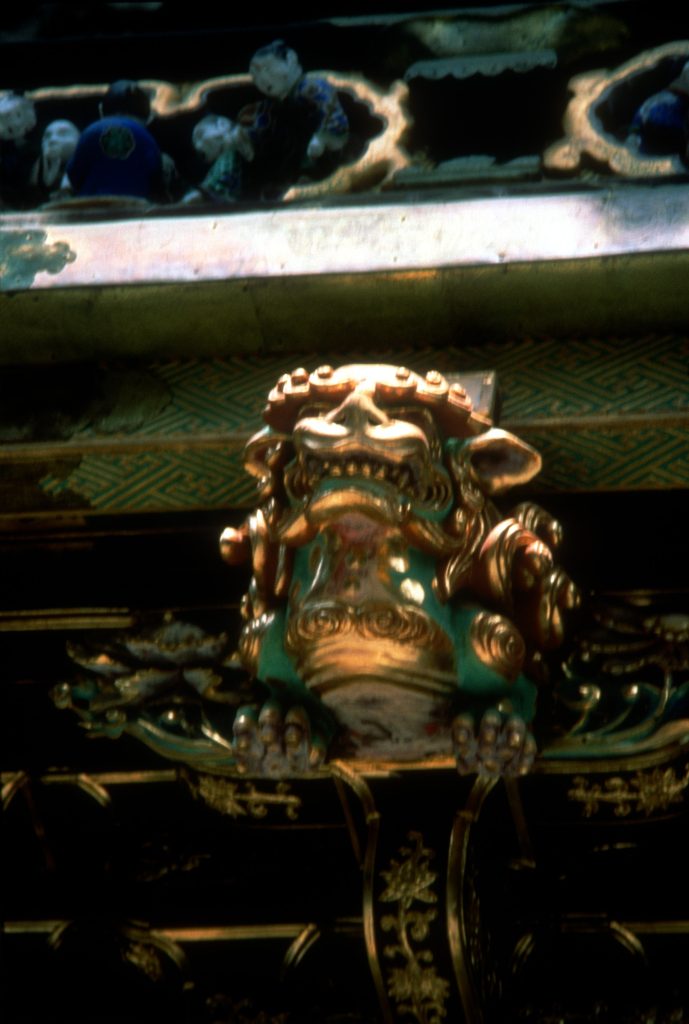
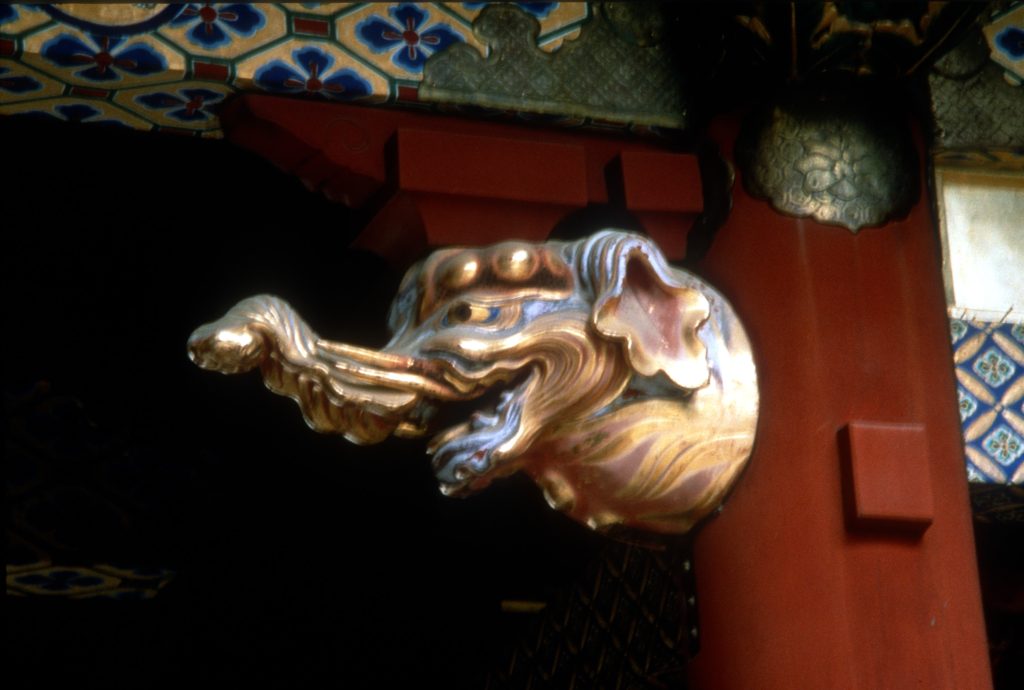
Architecturally, the temples and shrines of Nikkō exhibit a flamboyant style rarely seen elsewhere in Japan, blending traditional Shinto and Buddhist elements with Baroque exuberance. Multi-tiered pagodas rise amid the trees, their eaves curved like dragon wings, while intricately lacquered gates mark thresholds between sacred realms. The buildings are adorned with colorful carvings of mythical beasts, lotus flowers, and scenes from folklore, symbolizing protection and prosperity. Functionally, the complexes serve as places of worship, meditation, and ritual, but they also embodied political power and affirmed the Tokugawa shogunate’s divine legitimacy.
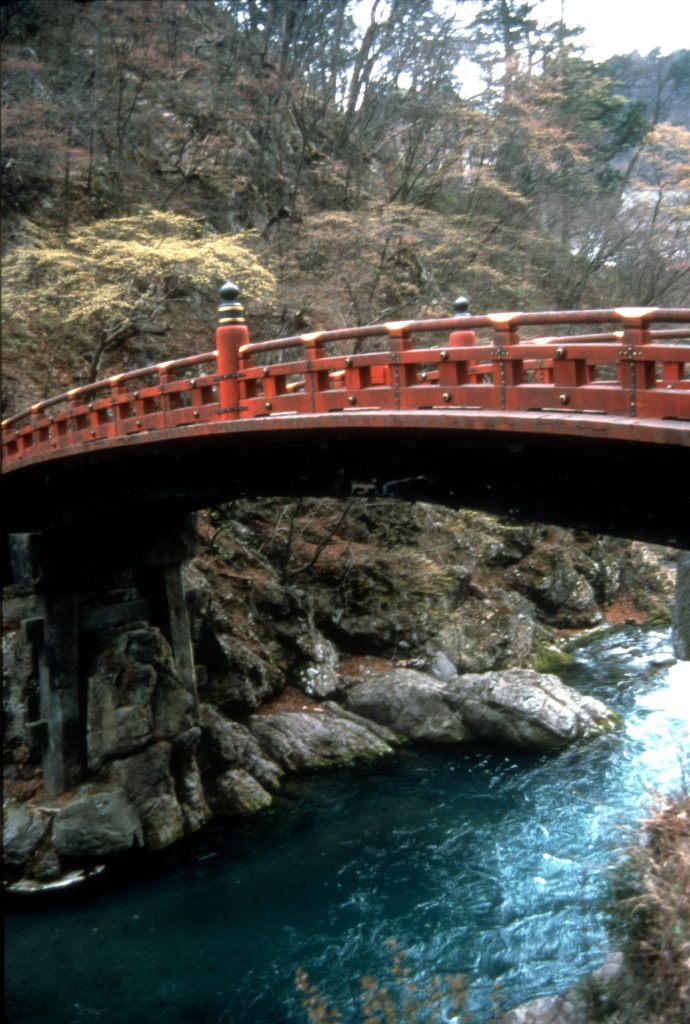
Rinnō-ji Temple offers a quieter reverence, its Sanbutsudō Hall sheltering three colossal gilded statues of Buddhist deities. Across the crimson arch of the Shinkyo Bridge, the entrance to the sacred precincts shimmers above the river, inviting pilgrims to pause in awe.
Beyond the sanctuaries, Lake Chūzenji mirrors the skies, and the waterfalls of Kegon plunge dramatically through volcanic cliffs, natural wonders that have drawn poets and pilgrims alike.
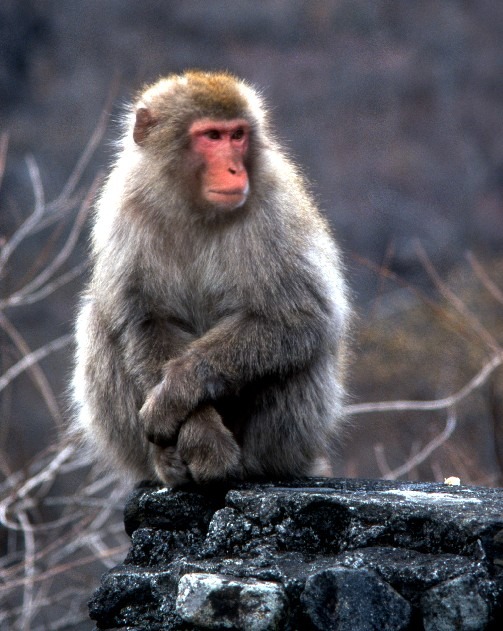
But don’t stray too far into the forest or the real monkeys may bother you!
Timeless Transversing
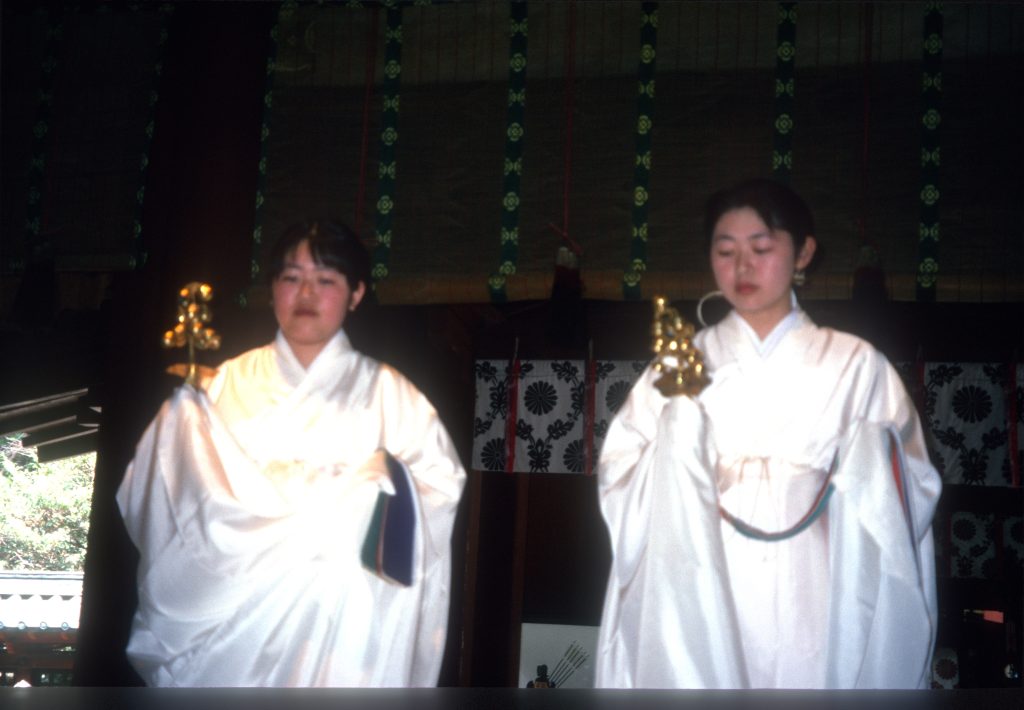
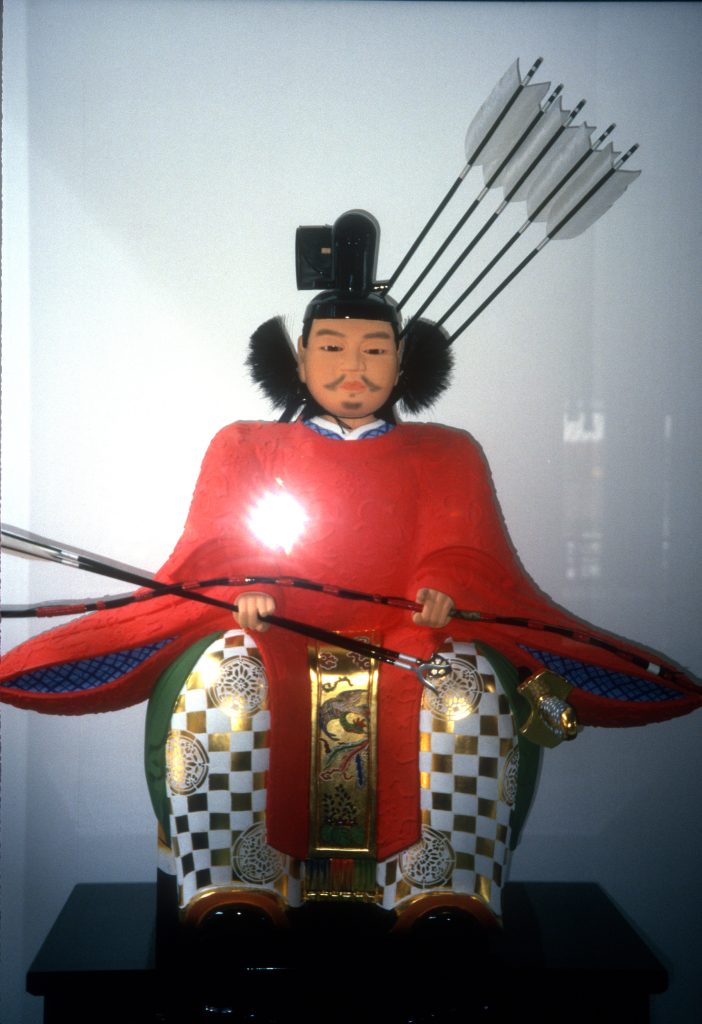
Today, Nikkō remains a cherished retreat, beloved for its fusion of art, faith, and wilderness. Seasonal festivals bring ceremonial processions, sacred dances, and elaborate samurai reenactments to the shrine grounds. Modern travelers can hike forest trails once trod by monks or soak in nearby onsens fed by volcanic springs. Though time flows onward, Nikkō preserves its timeless rhythms, each drumbeat, each ripple of silk robes, each whisper through the cedar boughs a bridge between past and present.
Stay a little longer beneath the thousand-year-old trees. Let the golden gates, laughing monkeys, roaring waterfalls, and smoky temple incense surround you. In Nikkō, the sacred and the earthly do not oppose each other, they dance together in perpetual, breathtaking harmony.
Where to Stay in Nikko, Japan
Most visitors stay in central Nikkō town itself, where traditional ryokan (Japanese inns) cluster near the main temple areas and along the Daiya River. These ryokan often include kaiseki dinners and onsen (hot spring) access, which fits well after days of shrine walking. For budget travelers, basic business hotels and guesthouses line the main streets near Nikkō Station, offering clean rooms at lower cost without the meals.
The Yumoto Onsen area, a 45-minute bus ride up into the mountains, offers a quieter base with natural hot springs and fewer crowds. This region suits visitors who want to combine shrine visits with hiking and mountain scenery, though you’ll need reliable transportation to reach the temples in town. Several small ryokan and inns here serve the hikers and thermal spring seekers year-round.
If you prefer staying outside town, the Kinugawa Onsen resort area lies about 30 minutes south and offers larger hotels with pools and modern amenities. This works well for families or travelers wanting resort-style comfort, though you’ll have a longer commute to see the main shrines and temples. The trade-off is proximity to hot springs balanced against time spent in transit.
For the most economical option, consider one of Nikkō’s small business hotels or hostels near the station. These are no-frills but well-maintained, putting you within walking distance of the town center and shrine pathways. Book ahead during autumn foliage season (October through November) and peak summer travel, as rooms fill quickly.
Recommended Reading
- Shōgun by James Clavell: A sweeping epic of political intrigue, cultural collision, and ambition in feudal Japan, the rise of the Shogun–as seen through the eyes of an English navigator shipwrecked on its shores.
- The Samurai’s Garden by Gail Tsukiyama: A gentle, evocative novel set against the backdrop of Japan’s natural beauty and healing traditions.
- The Tale of Genji by Murasaki Shikibu: Though set centuries earlier, this classic illuminates the courtly culture that indirectly shaped the spiritual ethos found in places like Nikkō.
- The Temple and Shrines of Nikko, Japan by Robert Charles Hope: An early, detailed Western account of Nikkō’s sacred temples and shrines; Hope examines their architecture, artwork, religious significance, and historical context with cultural insight.
- Japan: A Short Cultural History by G.B. Sansom: A timeless exploration of how places like Nikkō fit into the broader sweep of Japan’s artistic and spiritual development.
- Insight Guide: Japan – One of the world’s most captivating countries, Japan is a land of many fascinating contrasts, taking in some of the world’s most futuristic cities alongside stunning natural landscapes and a wonderfully preserved ancient culture. Be inspired to visit by the fully-updated new edition of Insight Guide Japan, a comprehensive full-colour guide to this unique country.
Tours to Consider
- Nikko Full-Day Private Tour with Government-Licensed Guide
- From Tokyo: Nikko Toshogu Shrine and Kegon Waterfall Tour
- Nikko Private Tour by public transportation
- Nikko Full Day Private Tour with English Speaking Driver