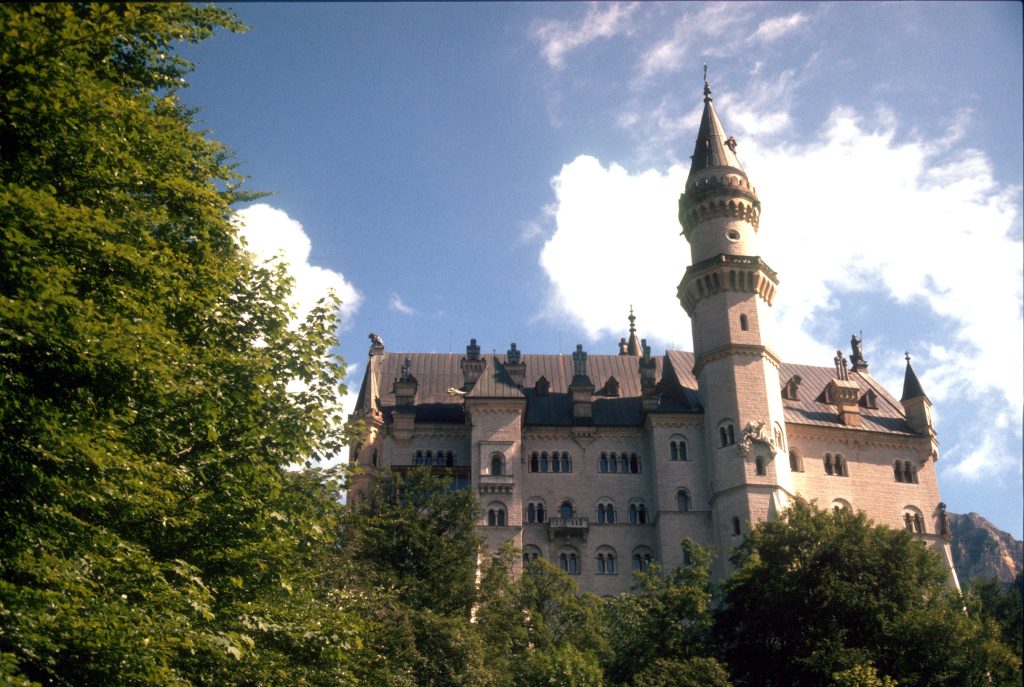
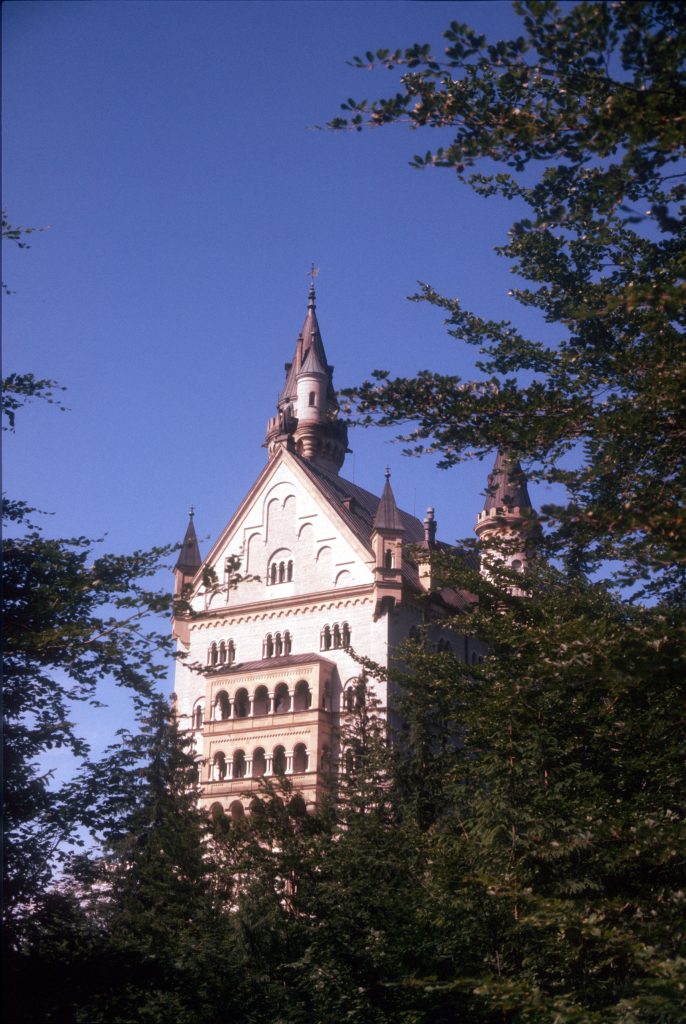
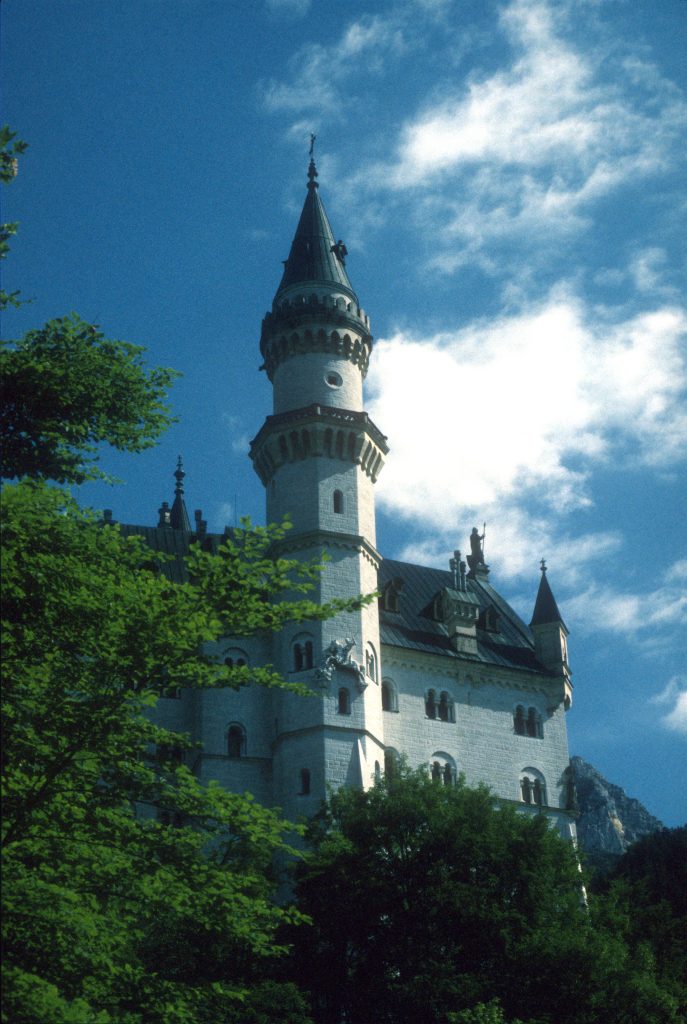
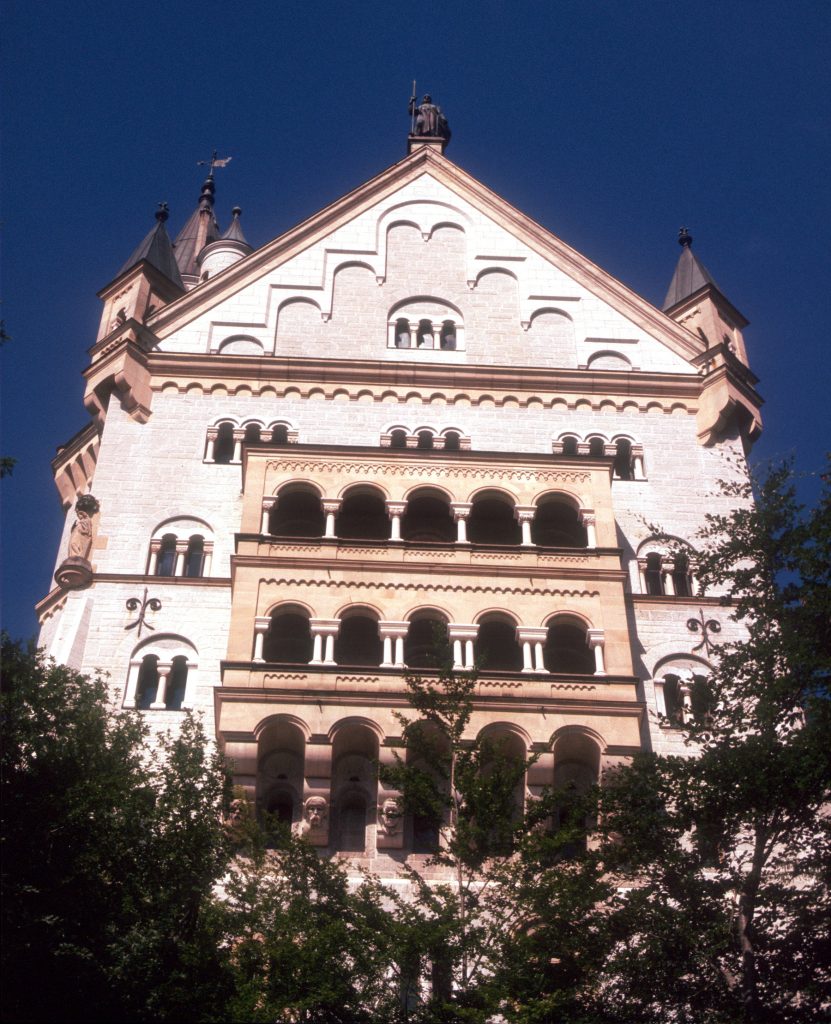
Castles speak of conquest. Others of defense. But Neuschwanstein speaks of longing—a dreamer’s heart stitched into alpine stone, a monarch who traded statecraft for opera, a place where fantasy became architecture. As the mist lifts from the Bavarian mountains and the turrets of Neuschwanstein pierce through the clouds like a half-remembered vision, it becomes clear: this is no ordinary fortress. It is a fairytale made real.
King Ludwig’s Obsession
When King Ludwig II of Bavaria first imagined Neuschwanstein in 1869, he dreamed not as a ruler but as a poet. By then, Bavaria had become a tributary of the expanding German Empire, and Ludwig, ever eccentric and elusive, sought solace in art, legend, and solitude. He envisioned a castle not for royal receptions or political scheming, but for reverie. Inspired by the operatic worlds of his idol Richard Wagner, Ludwig envisioned Neuschwanstein as a temple to myth—Lohengrin, Parsifal, and the holy grail reimagined in limestone, brick, and marble. Lohengrin was titled the Swan Knight, and in his obsession with the medieval hero, Ludwig assumed the sobriquet of Swan King and installed it on his crest.
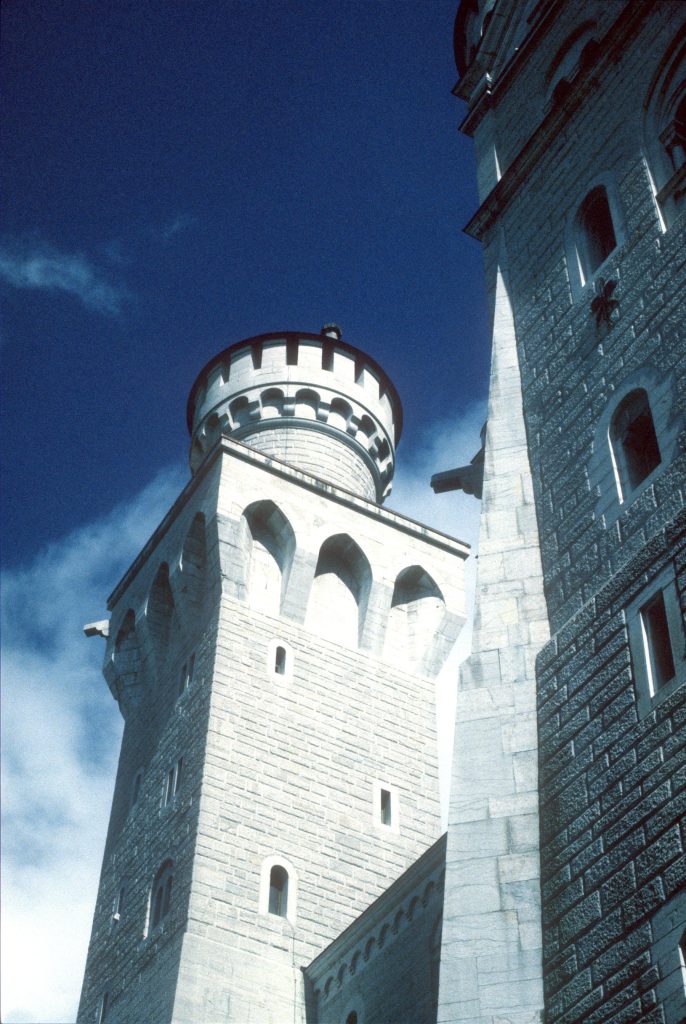
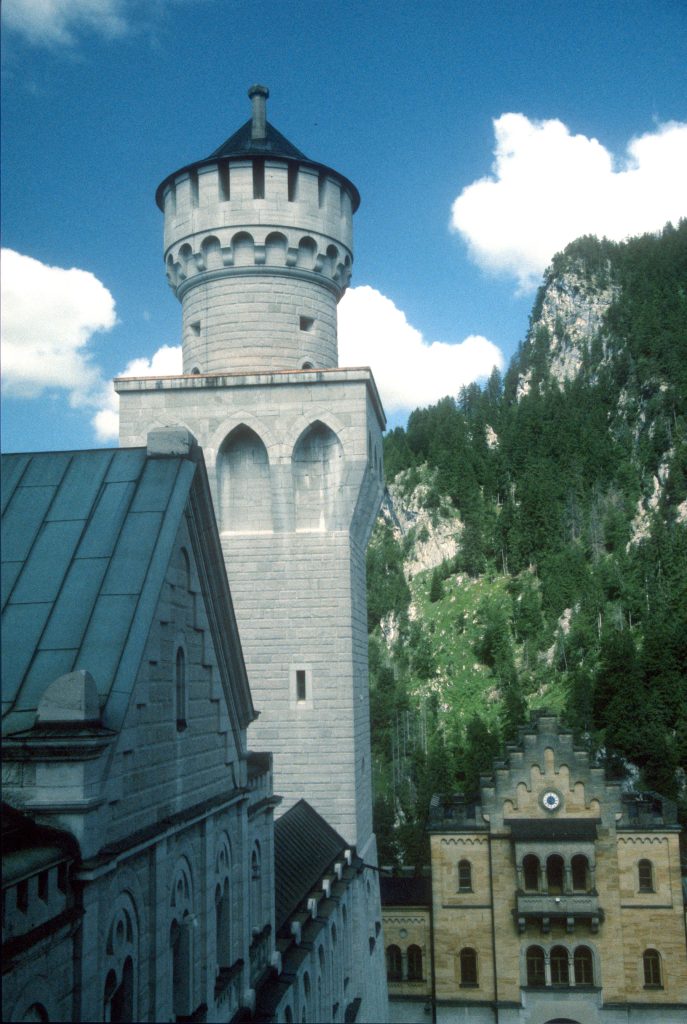
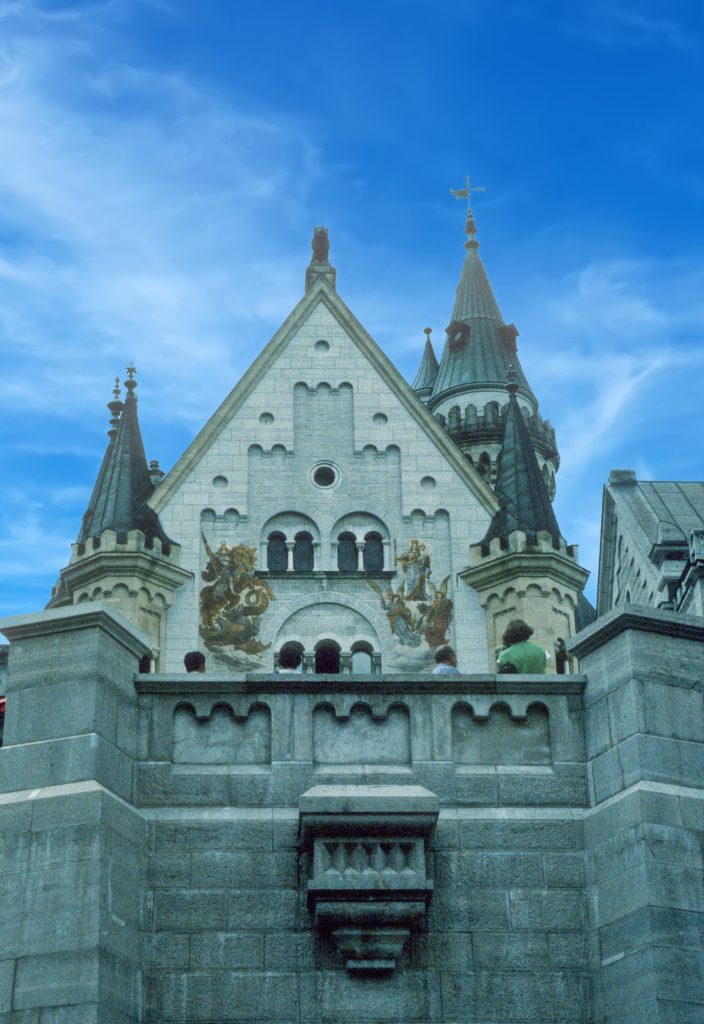
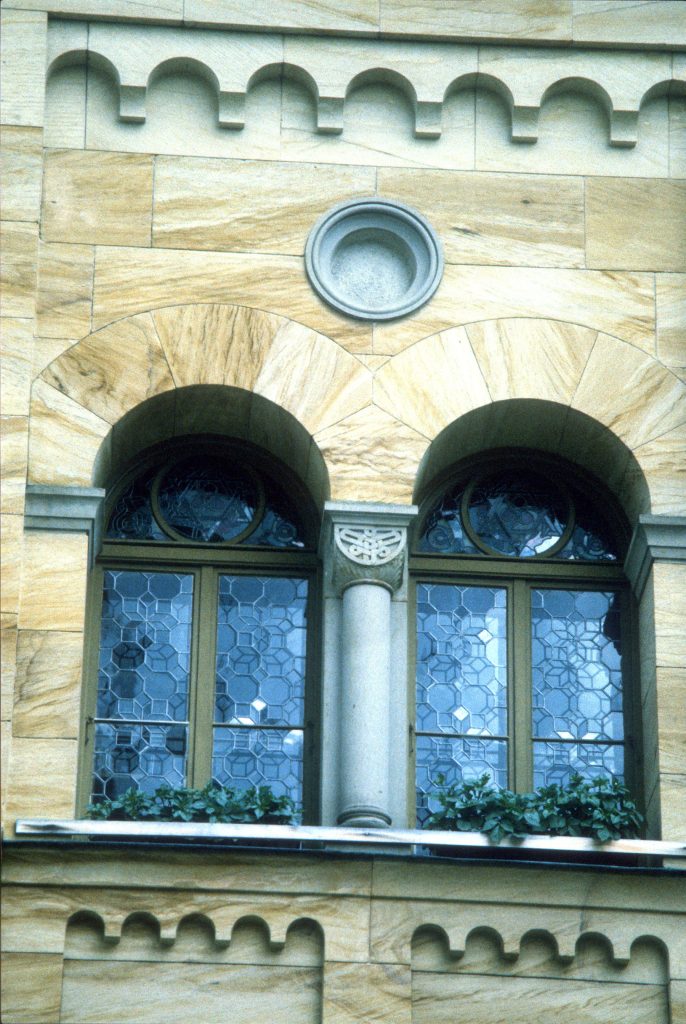
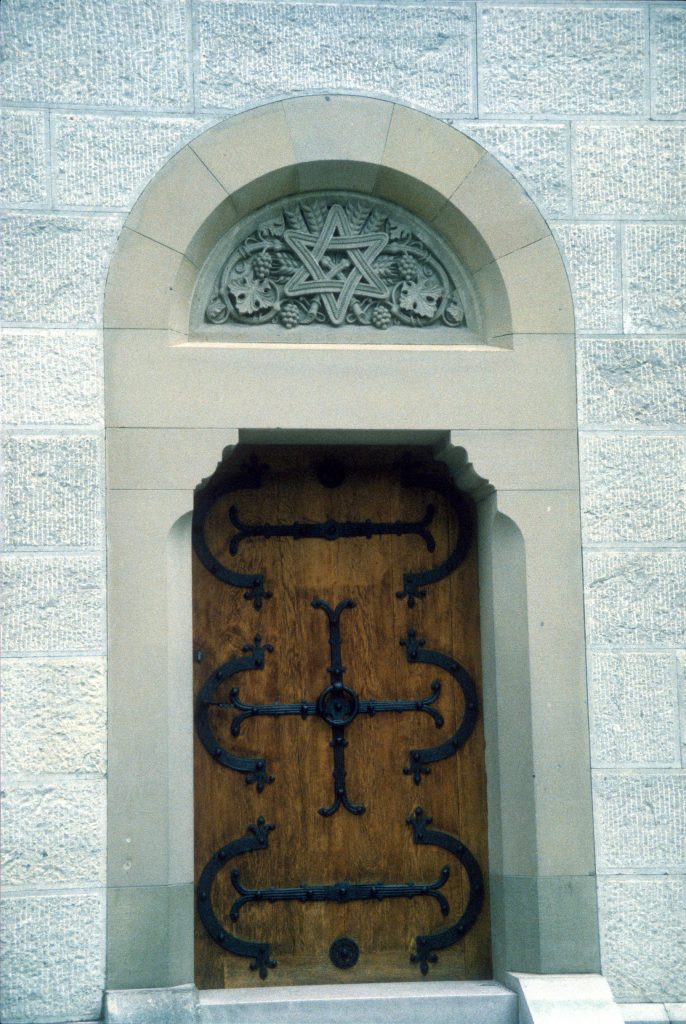
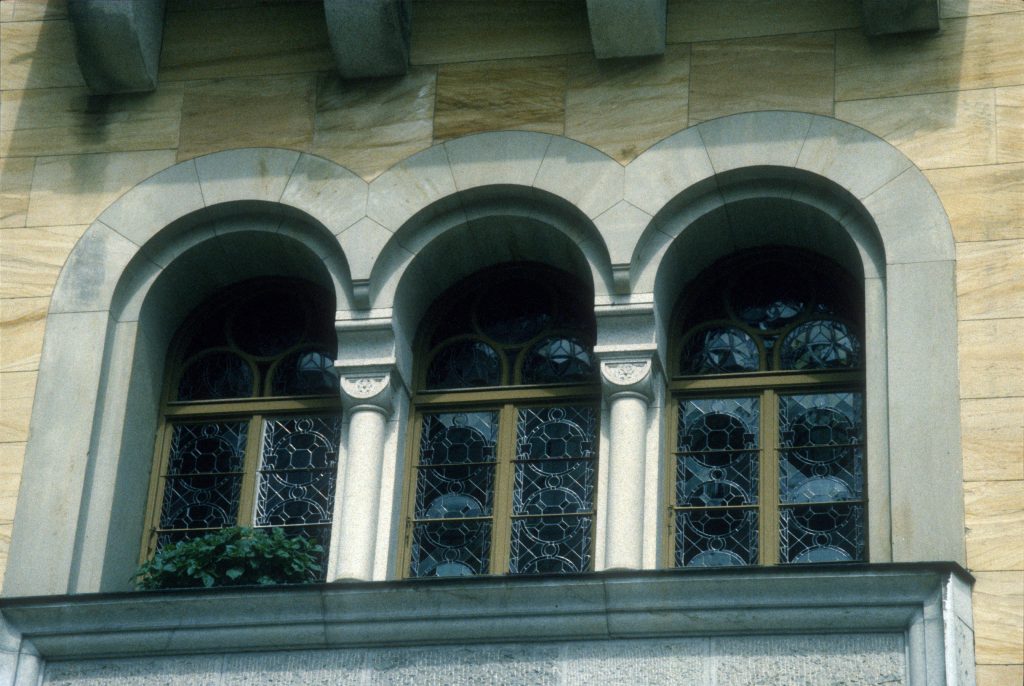
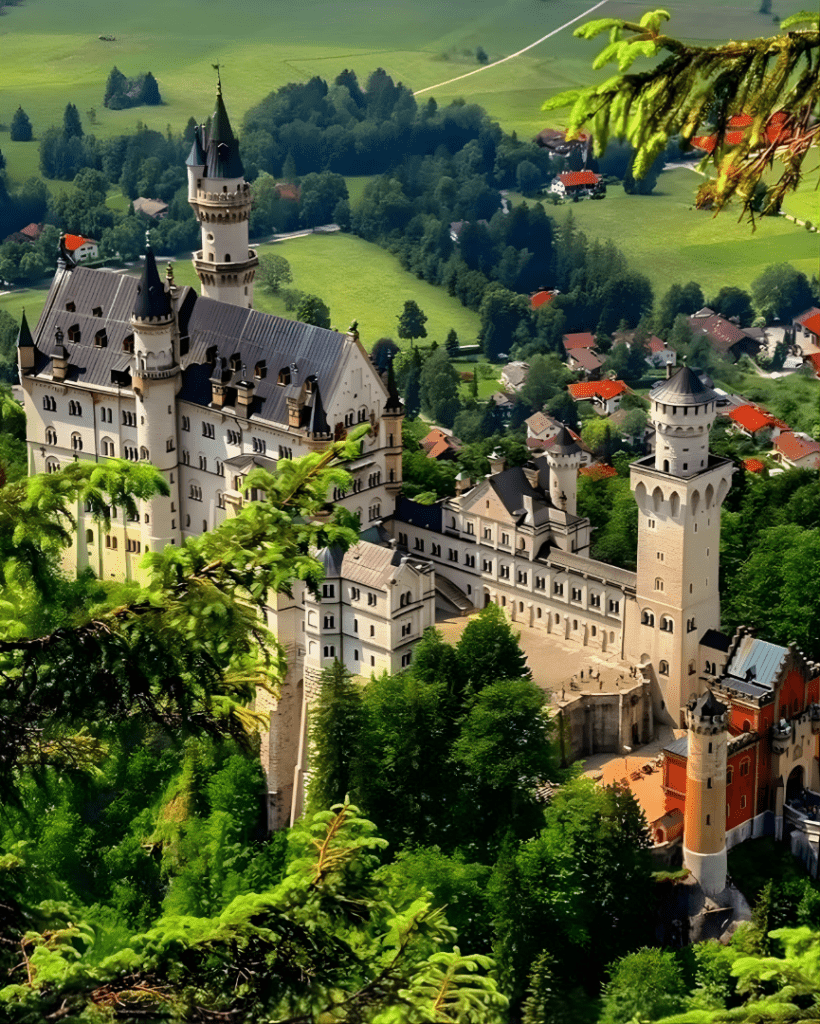
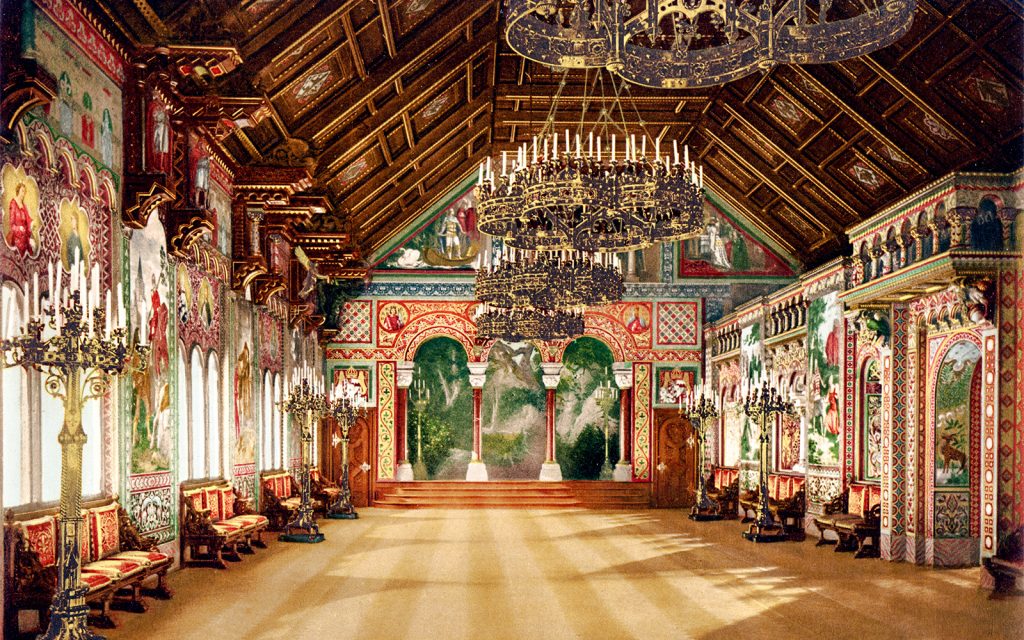
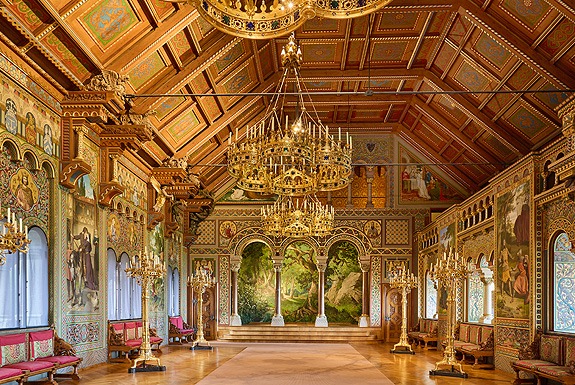
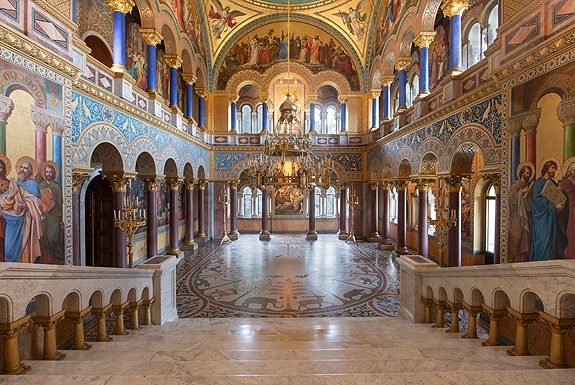
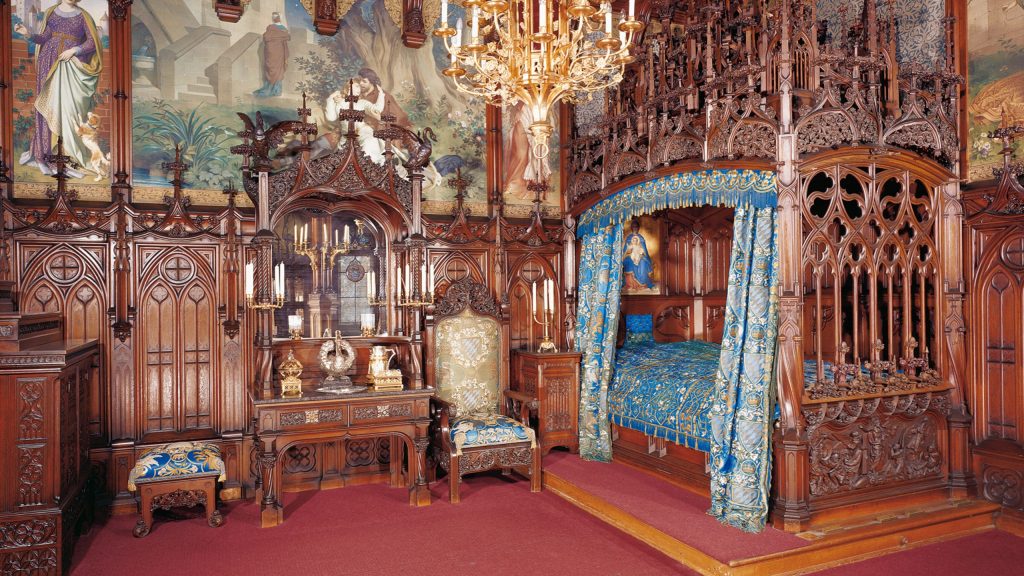
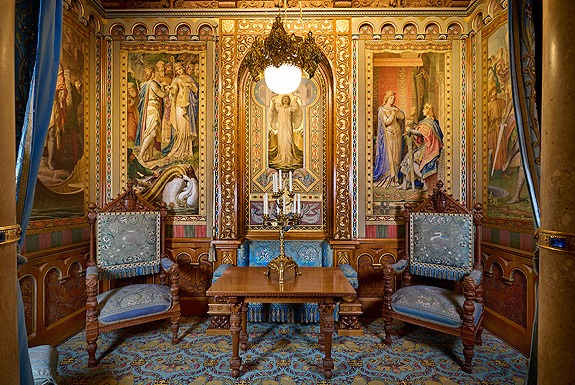
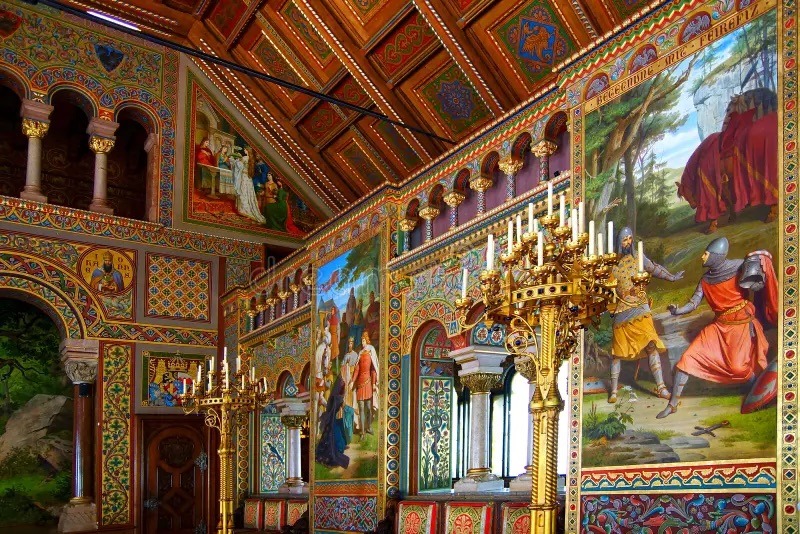
The site Ludwig chose, perched high above the village of Hohenschwangau near Füssen, held centuries of story. His father’s childhood castle stood nearby, its forested ravines and crystalline lakes evoking the sagas of medieval chivalry. Construction began with theatrical flair: medieval ruins were cleared and a fantastical Romanesque revival palace rose, blending Byzantine, Gothic, and Moorish influences into a silhouette that would later inspire Disney’s Sleeping Beauty castle. Neuschwanstein was meant for only one inhabitant, Ludwig himself, yet unlike its fairy-tale counterpart, today’s visitors find rooms layered in metaphor and music. The Singer’s Hall, modeled after Wartburg Castle’s great hall, features frescoes depicting Parsifal’s journey. The Throne Room, stunning in its Byzantine opulence, stands empty of a throne—perhaps reflecting Ludwig’s own disillusionment with kingship. His bedroom, richly carved and dramatically draped, took over four years to complete. Nearly every inch of the castle celebrates Wagnerian operas and Arthurian legends through celestial ceilings, swan motifs, and hidden symbolism.
A Longing Unfulfilled
And yet the tragedy lingers. Ludwig lived in the castle for only 172 days total. Declared insane under murky political circumstances, he was deposed in 1886 and died mysteriously three days later in Lake Starnberg. Neuschwanstein opened to the public almost immediately after his death, its corridors soon echoing not with the footsteps of kings, but with those of curious citizens, and later, pilgrims of beauty from every corner of the world.
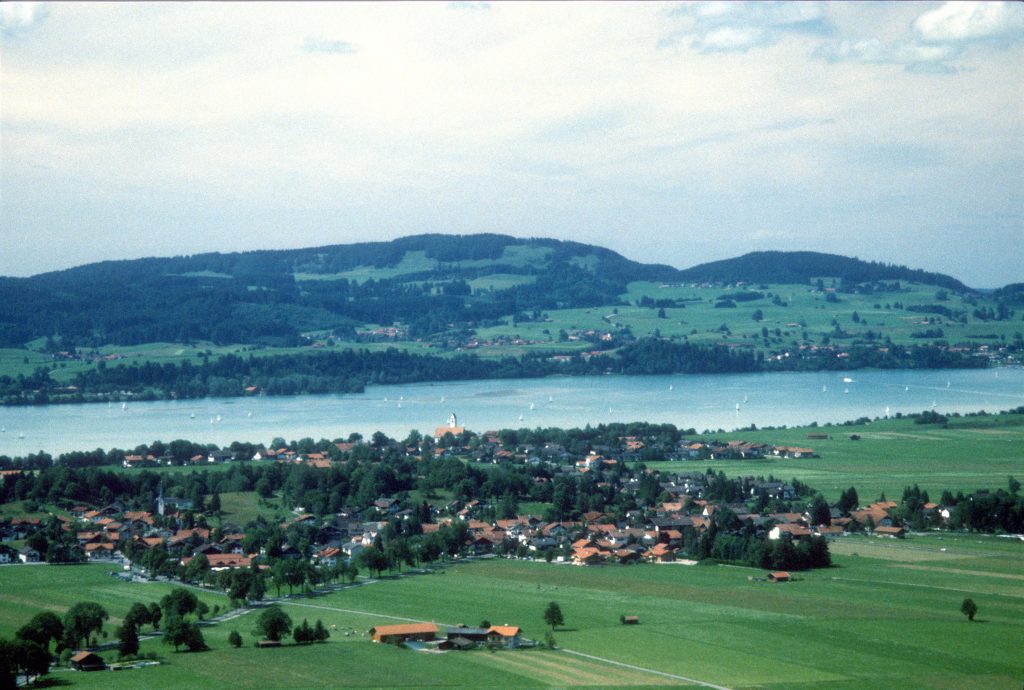
Today, Neuschwanstein draws over 1.5 million visitors each year. And while the castle was never completed in Ludwig’s lifetime—or even in ours, with much remaining unfinished—it continues to entrance. The journey to the castle is itself a pilgrimage: past emerald pastures, up winding forest paths, and across the Marienbrücke, a bridge that dangles above the Pöllat Gorge, offering postcard views of the castle framed by snowy peaks. Inside, time folds: visitors stand beneath candle-shaped electric chandeliers from Ludwig’s pioneering electrical system, gaze at theatrical tableaux, and contemplate the life of a man who fled the world to build one of his own.
Neuschwanstein is no castle of might. It exists in the mind as a castle. And in its towers, painted halls, and lonely grandeur, it asks: What would you build if reality didn’t restrain you?
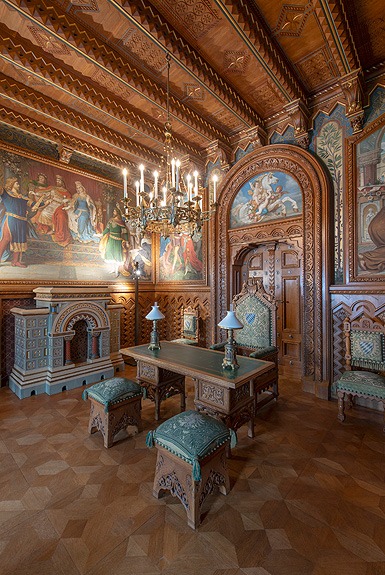
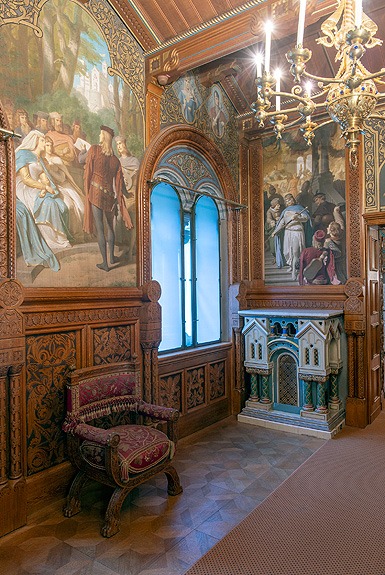
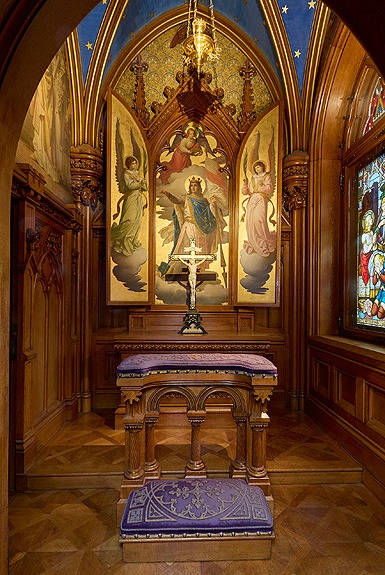
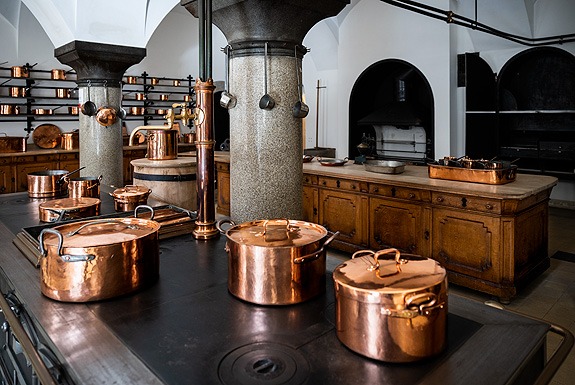
Dreams Inspired
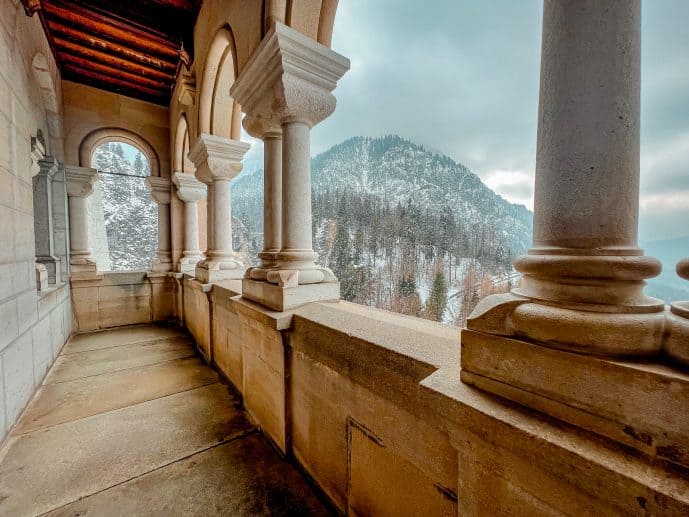
If you find yourself in Bavaria, don’t just photograph the castle from afar. Walk through the site. Listen for Lohengrin’s echoes in the rafters. Look out from Ludwig’s balcony onto the world he couldn’t face, and so built his own above. The real magic of Neuschwanstein lies not in its illusion, but in its truth: one man’s longing for beauty in a world that offered him none.
All images are for illustrative purposes only and remain the copyright of their respective owners.
Where to Stay in Neuschwanstein, Germany
For a comfortable base to explore Neuschwanstein, Hohenschwangau village sits just below the castle with family-run guesthouses and small hotels within walking distance of the main sites. These accommodations tend toward the modest and personal, with many run by local families who know the best hiking trails and quieter spots beyond the main tourist flow. Expect simple but clean rooms, often with traditional Bavarian decor, and hearty host-cooked breakfasts to fuel your morning hike to the castle viewpoint.
The town of Füssen, about five kilometers away, offers more lodging variety and broader dining and shopping options. Hotels here range from budget-friendly to mid-range, with the town’s location on the Lech River offering additional walking and cycling routes beyond the castle. Füssen is also the gateway to the Romantic Road, making it an ideal base for day trips to nearby towns like Mittenwald and Wieskirche.
For visitors wanting more amenities and nightlife, Bad Tölz and Oberammergau offer established resort towns with spas, restaurants, and cultural attractions. Both are within thirty to forty-five minutes of Neuschwanstein, making them practical choices for those seeking a livelier evening environment. Bad Tölz’s longer tradition as a wellness destination, with its mineral springs, means room rates and services reflect that positioning.
Book lodging in Hohenschwangau or Füssen well in advance during peak season (May through September), as rooms fill quickly. If you arrive without a reservation, the local tourist office in Füssen can usually find you a room in surrounding villages, though you may end up further away than you’d prefer. Winter and early spring draw fewer visitors and lower rates, with the castle’s dramatic appeal against snow-covered mountains.
Recommended Reading
Historic Novels
- The Mad King by Edgar Rice Burroughs: Though not directly about Ludwig, this adventure novel drew clear inspiration from his legend.
- Ludwig: The Dream King by Wilfrid Blunt: A blend of fiction and biography that reads like a novel.
- The Castle of Dreams by Michel Jouvet: An atmospheric, European tale that mirrors Ludwig’s architectural fantasia.
Nonfiction
- Ludwig II: The Mad King of Bavaria by Desmond Chapman-Huston: A balanced, insightful biography that explores Ludwig’s creative genius and troubled reign.
- Neuschwanstein Castle: The Fairytale King and His Fantasy World by Michael Kühler: A beautifully illustrated guide to the architecture, artistry, and mythology within the castle.
- The Swan King: Ludwig II of Bavaria by Christopher McIntosh: A thoughtful historical portrait of Ludwig’s life, obsessions, and legacy.