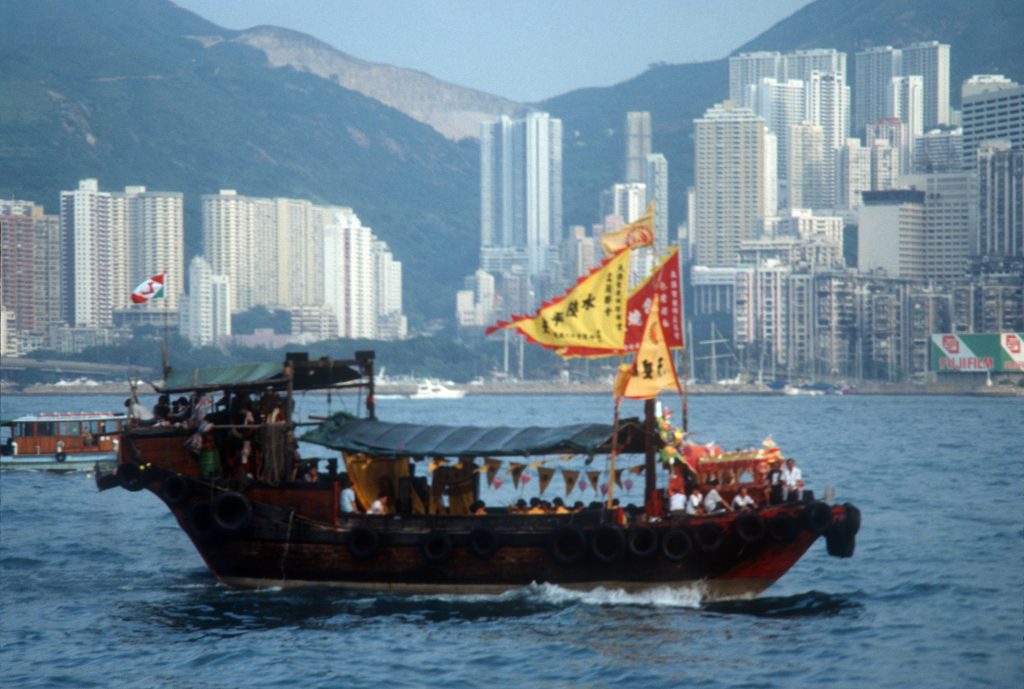
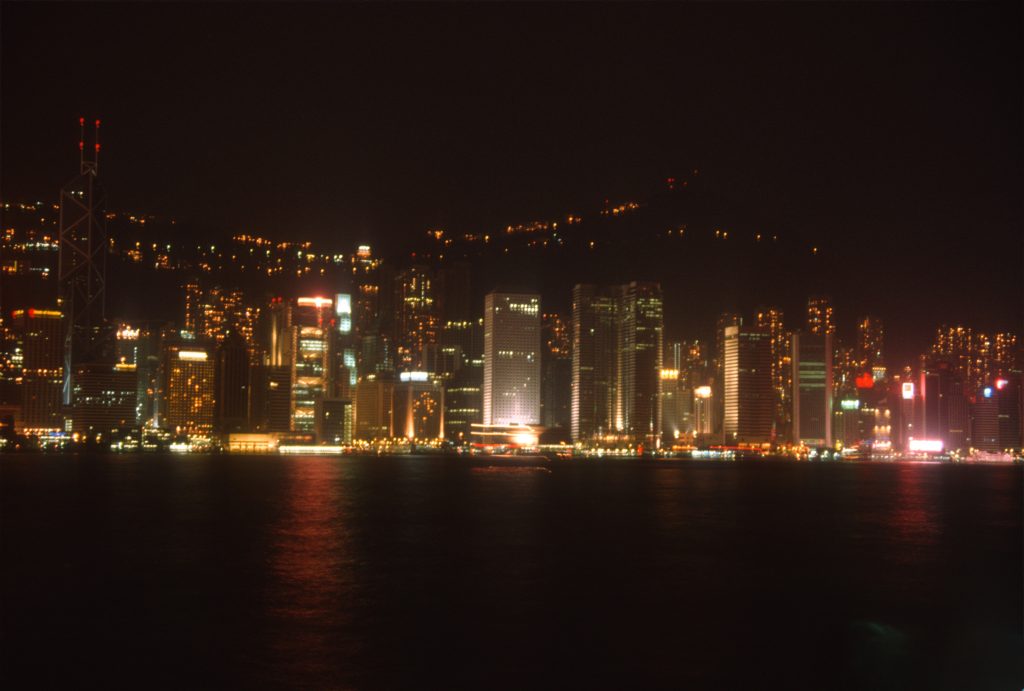
You have to search hard for it, but you can still see evidence of Hong Kong’s history around the island and the harbor. The island became a part of the Chinese empire in the Quin Dynasty of 221-206 BC. Initially a sleepy farming and fishing village, it developed a healthy salt production economy.
But having an inviting harbor, it ultimately developed as a center of trading tea, sink and porcelain, and ultimately opium, which the British desired to exploit. In 1842, the Qing Dynasty then in power, ceded Hong Kong to the crown at the close of the First Opium War. England retained possession after the Second Opium War and gained Kowloon across the bay in 1860, securing a 99-year lease.
The Japanese occupied Hong Kong during World War II, before it once again came under British rule. Over the ensuing years, Hong Kong grew to the world’s third-ranked global financial center (behind New York City and London), ninth-largest exporter, and eighth-largest importer. With 7.4 million residents of various nationalities packed into 1,104-square-kilometre territory, Hong Kong is the fourth most densely populated region in the world. In 1997, the territory returned to China and became a special administrative region of the People’s Republic of China.
Colonial Remainders
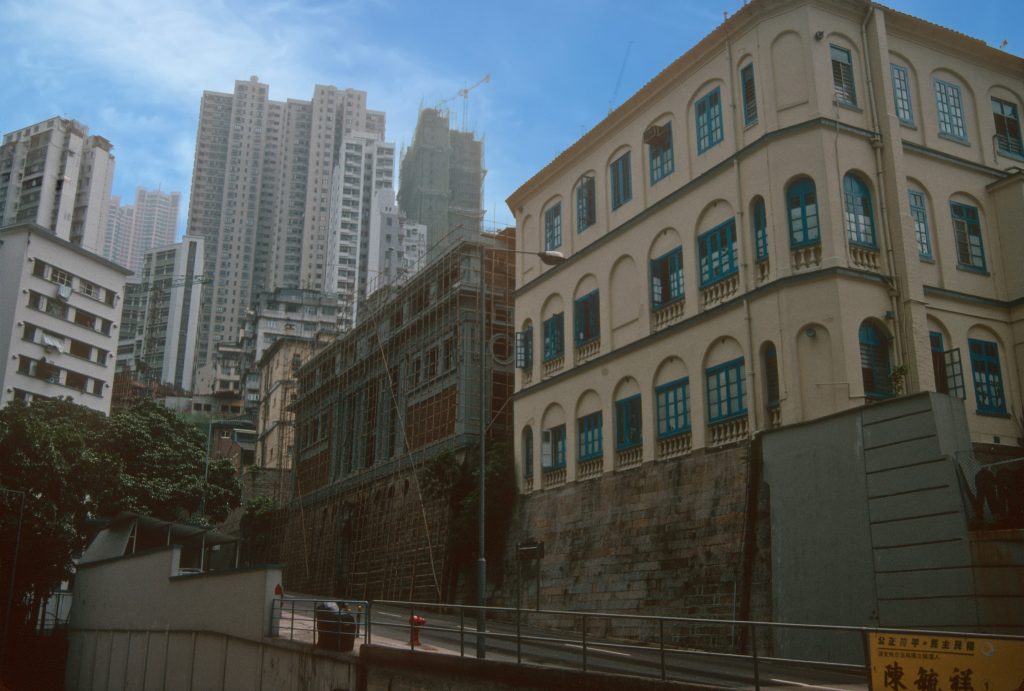
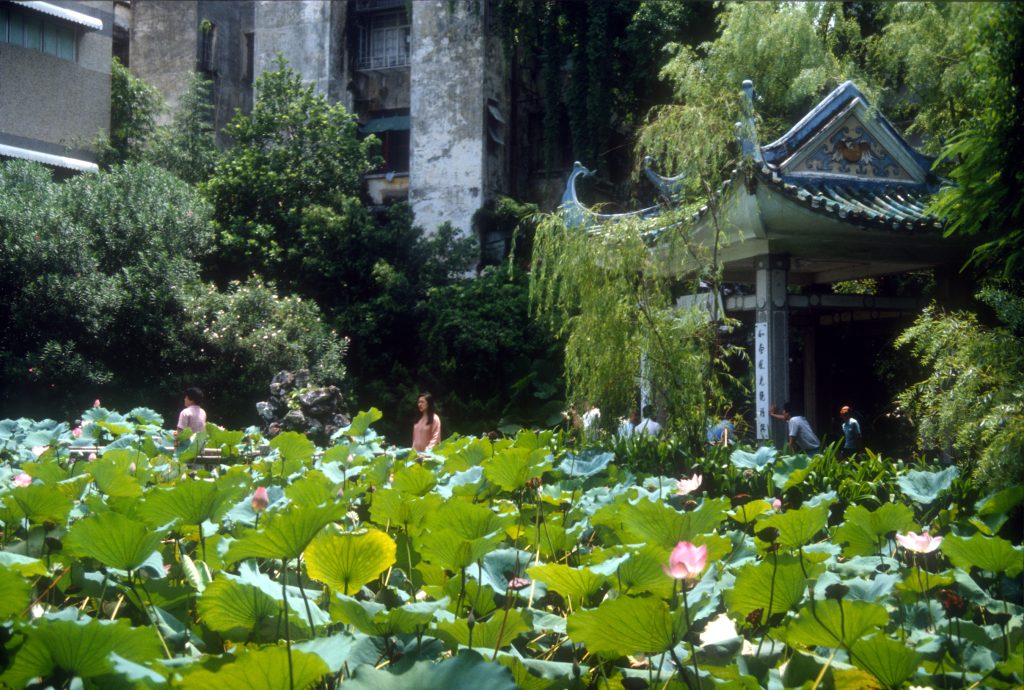
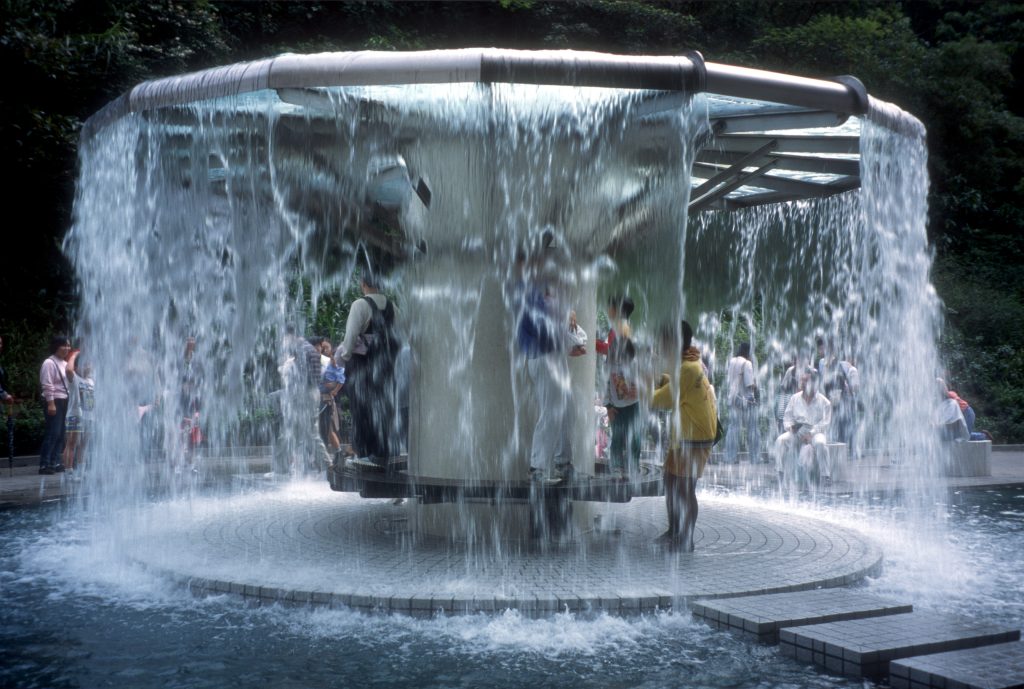
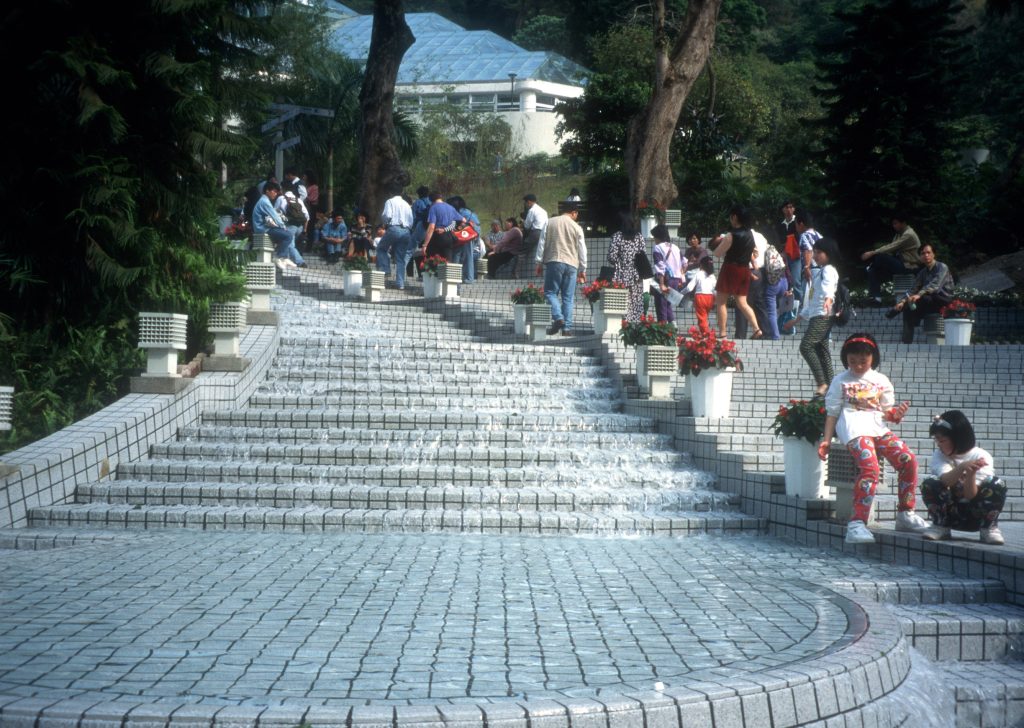
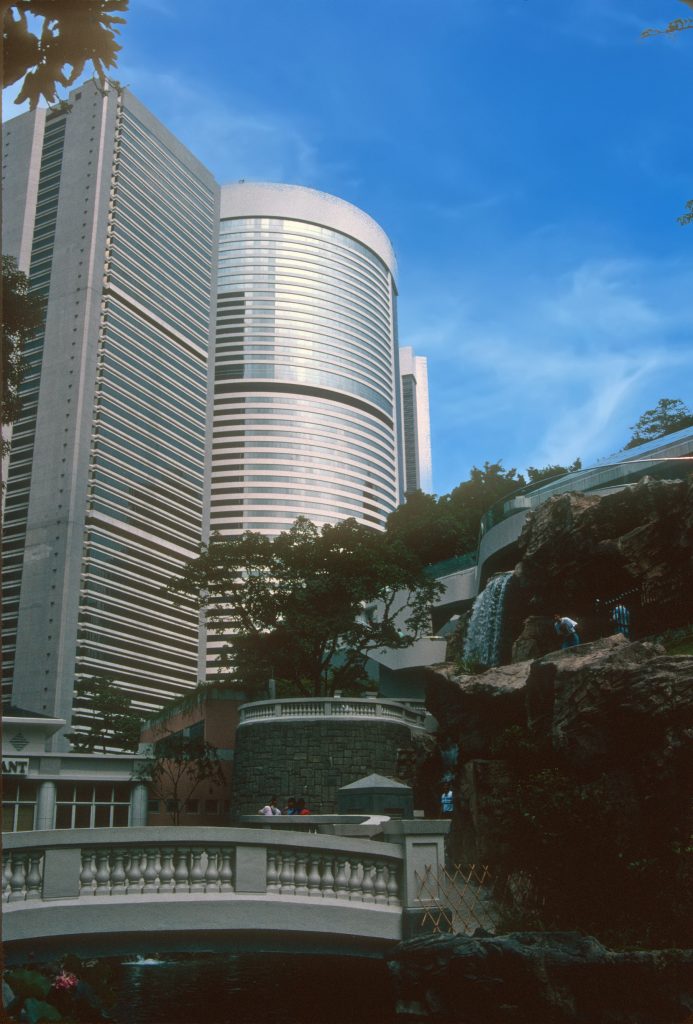
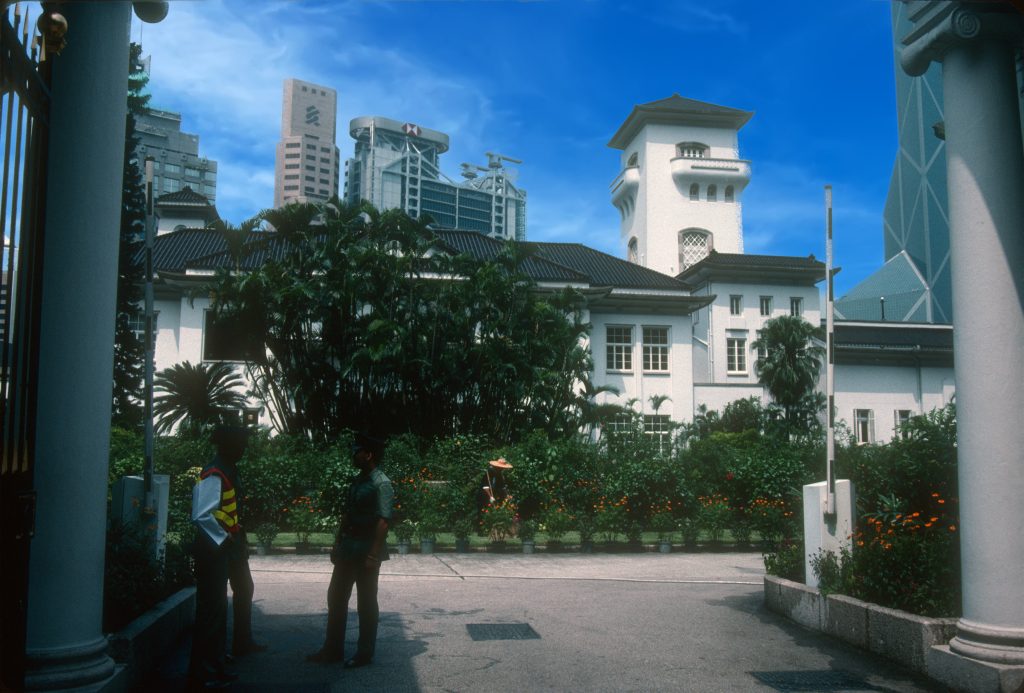
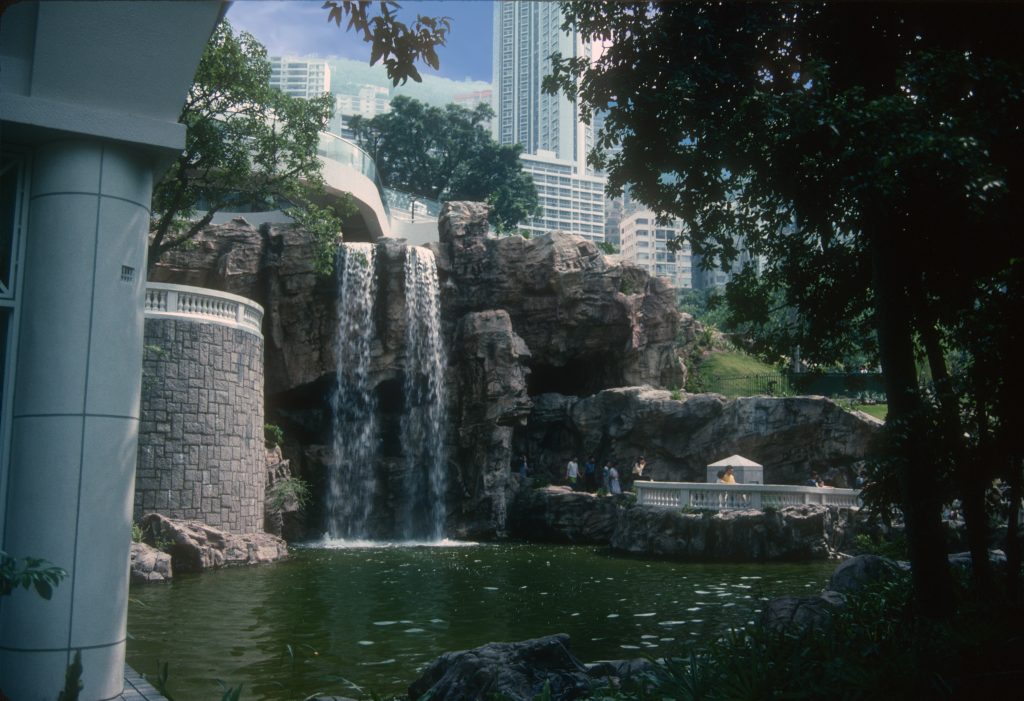
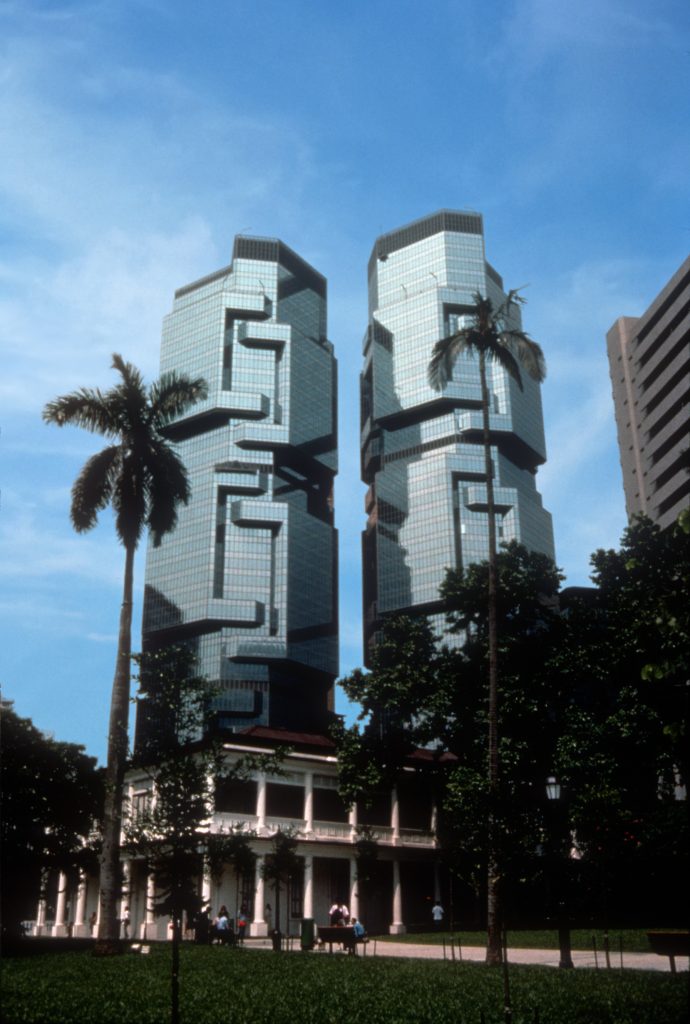
The most visible vestige of Hong Kong’s colonial past is the building that retained the British administrative headquarters. It is today dwarfed by the modern towers around it and has been repurposed as a Museum of Tea. You can also find a lovely garden for a peaceful stroll that evokes the Chinese culture not eviscerated by the bustling, crowded city…a beautiful oasis of peace.
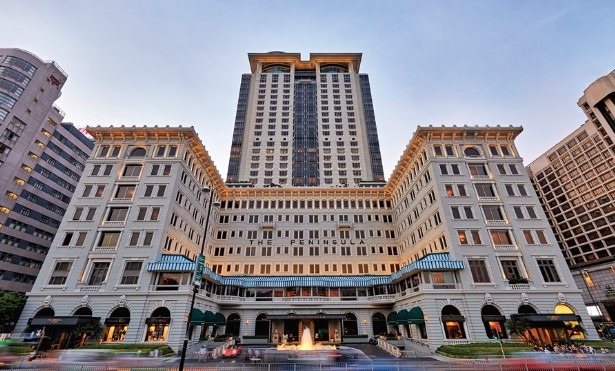
In Kowloon, one of the more venerable edifices of the late Colonial era is the Peninsula Hotel opened in 1928, the flagship hotel of the Peninsula brand. It was located directly opposite the quays where ocean liner passengers disembarked and near the terminus of the Kowloon-Canton railway. It became a place to spot celebrities, including Charlie Chaplin and Paulette Goddard, among other Hollywood stars of the 1930s. It’s upper floors overlook the harbor, and the hotel famously ferries well-healed people around town in a fleet of Rolls Royce Phantoms.
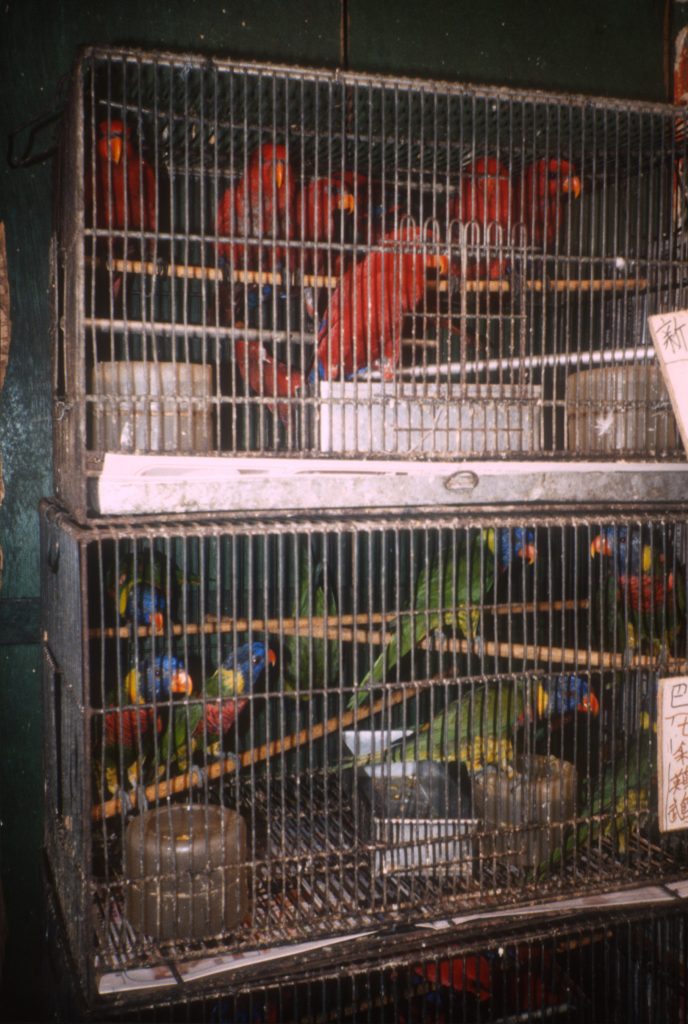
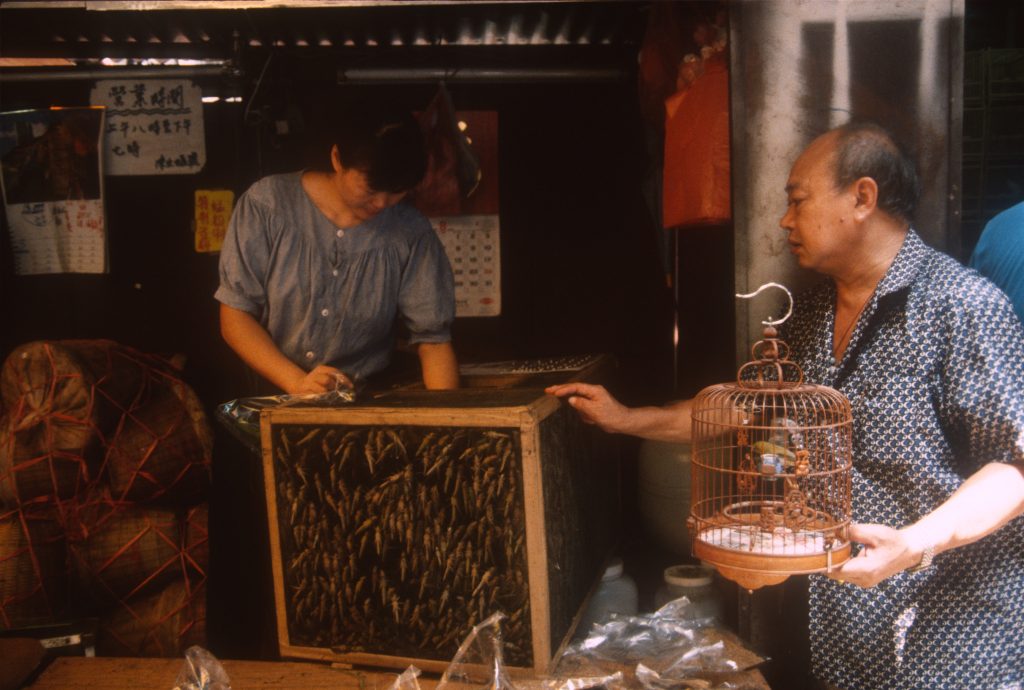
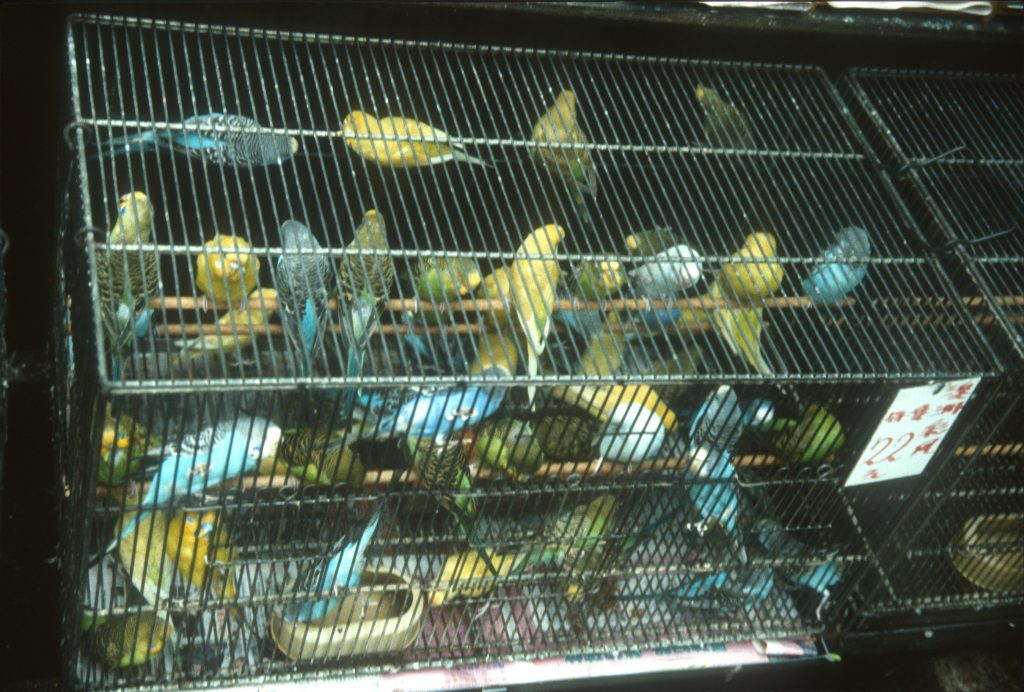
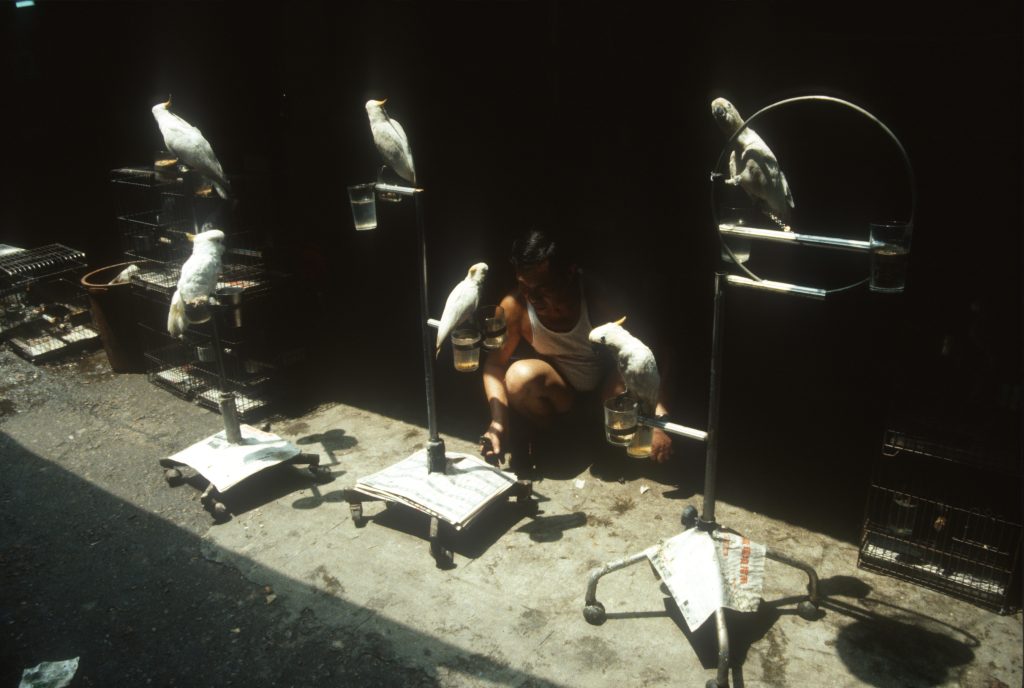
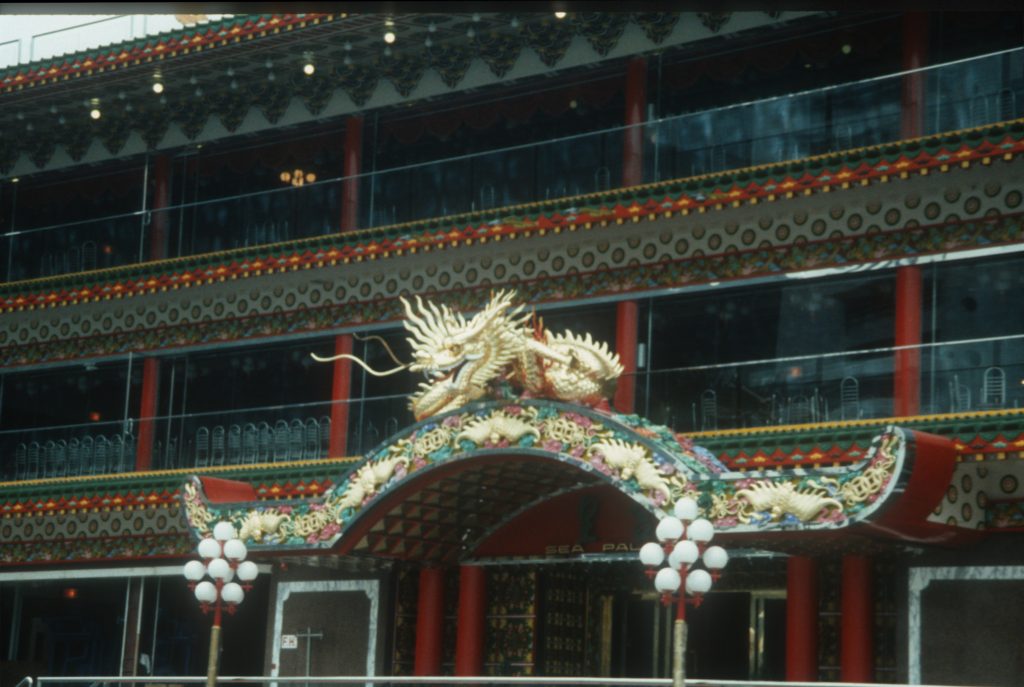
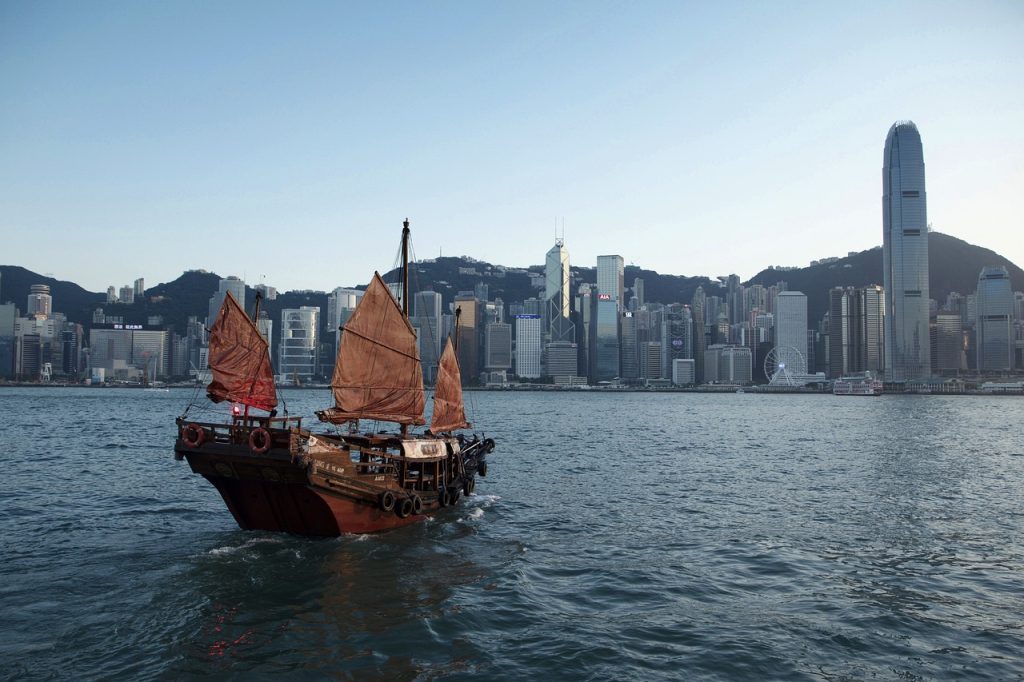
In total contrast, there is another unique trace of Chinese culture to be found on Kowloon, a long-running Bird Market with 70 stalls selling everything from canaries to exotic birds and cages to crickets! Birds have long been a fixture in Chinese homes, art and culture. Lastly, you can still see Chinese fisherman plying their trade and a Chinese junk or too sailing in and out of the harbor just to remind you of times past!
Where to Stay in Hong Kong, China
For visitors seeking proximity to Hong Kong’s colonial landmarks, the Central and Admiralty districts offer heritage hotels within walking distance of the Star Ferry terminal, Legislative Council building, and Victorian-era architecture along the waterfront. The Mandarin Oriental has operated in Central since 1963 and provides direct access to these historic sites. Budget-conscious travelers might consider guesthouses in nearby Soho, where narrow street-level shops and galleries occupy converted colonial buildings.
The Causeway Bay and Wan Chai areas provide mid-range options closer to the Hong Kong Convention and Exhibition Centre and the neon-lit streets that recall the city’s post-war commercial boom. Hotels here tend to be more affordable than Central while remaining on the MTR mass transit system, making it easy to reach museums, temples, and the Star Ferry piers. Wan Chai’s narrow side streets still show traces of the red-light district described in Richard Mason’s novels set in 1950s Hong Kong.
For travelers interested in older neighborhoods, Mong Kok and Yau Tsim offer budget hotels and hostels surrounded by vintage shop signs, dai pai dong open-air food stalls, and the densest street life in Hong Kong. These areas feel less polished than harbor-front districts but provide genuine glimpses of how working-class Hongkongers actually live. The trade-off is noise and crowds, though the MTR access means you can easily reach quieter historic sites.
The New Territories and Outlying Islands, particularly Cheung Chau and Lamma Island, have smaller guesthouses and family-run hotels that appeal to travelers seeking slower pace and older fishing village character. These areas preserve pre-urban Hong Kong settlement patterns and traditional Chinese architecture less altered by modern development. A ferry ride from Central takes 30 minutes to an hour, making them feasible as home bases for day trips back to the urban historic sites.
Recommended Reading
Here’s some Hong Kong historical fiction for you…
- Tai-Pan by James Clavell – Set in 1841 during the founding of Hong Kong, this epic novel follows the power struggles, trade ambitions, and cultural clashes at the dawn of British colonial rule. A gripping tale of ambition, strategy, and survival on the edge of empire.
- Noble House by James Clavell – A sweeping sequel to Tai-Pan, this novel leaps into 1960s Hong Kong, tracing the legacy of the original characters. Intrigue, corporate warfare, and East-West tension collide in this sprawling financial and political thriller.
- Mandarin by Robert S. Elegant – A richly detailed historical novel set during the turbulent transition from Qing Dynasty rule to British colonialism. Elegant masterfully blends fact and fiction to tell the story of a Chinese mandarin navigating shifting loyalties and foreign ambitions.
- The Opium Lord’s Daughter by Robert Wang – A compelling narrative set during the First Opium War, this novel offers a unique perspective from a Chinese heroine caught between tradition, rebellion, and the forces of colonialism. Enlightening and emotionally resonant.
- City of the Queen: A Novel of Colonial Hong Kong by Shu-Ching Shih – This literary novel explores the psychological and cultural tensions of colonial-era Hong Kong through the eyes of locals and expatriates alike. A thoughtful, atmospheric read steeped in the complexities of identity and power.
- The Silk Road – This delves into the historical trade routes and cultural exchanges that shaped the region and influenced the rise of key port cities like Hong Kong. A useful companion for understanding the bigger picture.
Tours to Consider
- Big Bus Hong Kong Open Top Hop-On Hop-Off Sightseeing Tour
- Private Hong Kong Tour with a Local, Highlights & Hidden Gems
- Full-Day Private Customized Walking Tour of Hong Kong