
A Brief History of Hanukkah
Hanukkah, also known as the Festival of Lights, commemorates the rededication of the Second Temple in Jerusalem during the second century BCE after the Maccabean Revolt against the Seleucid Empire. Central to the Hanukkah story is the miracle of the oil: a day’s supply for the temple’s menorah lasted eight full days, symbolizing divine providence and perseverance.
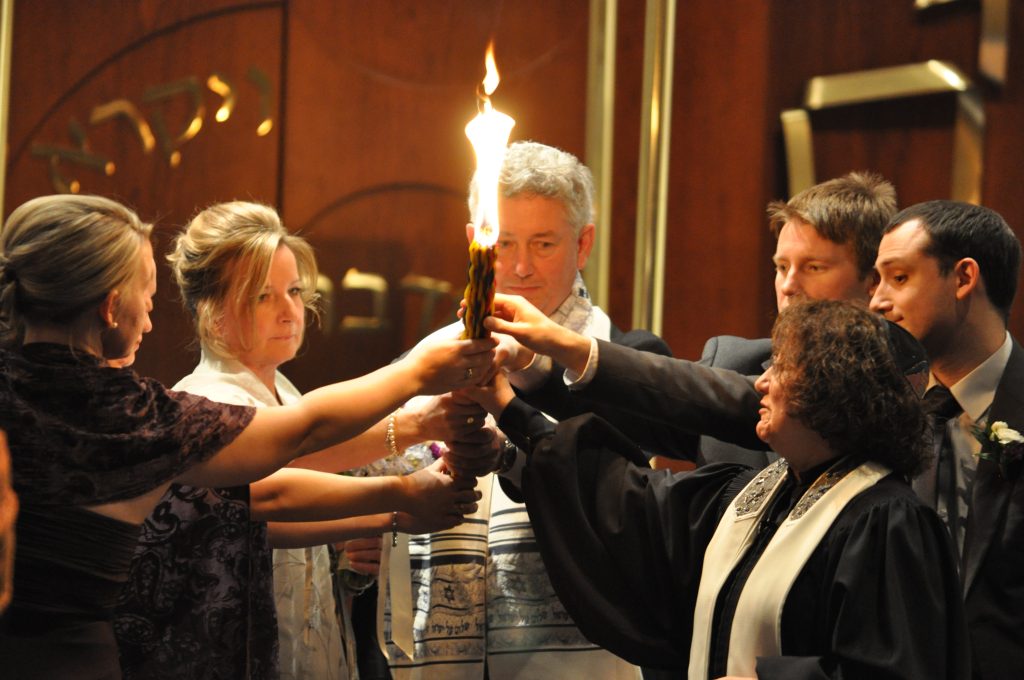
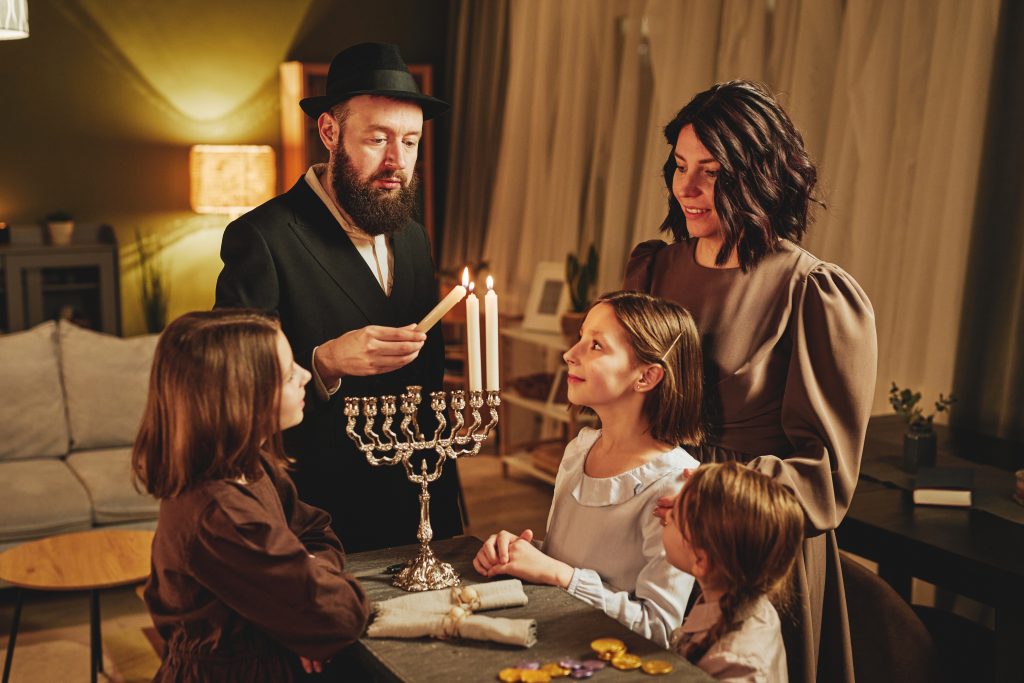
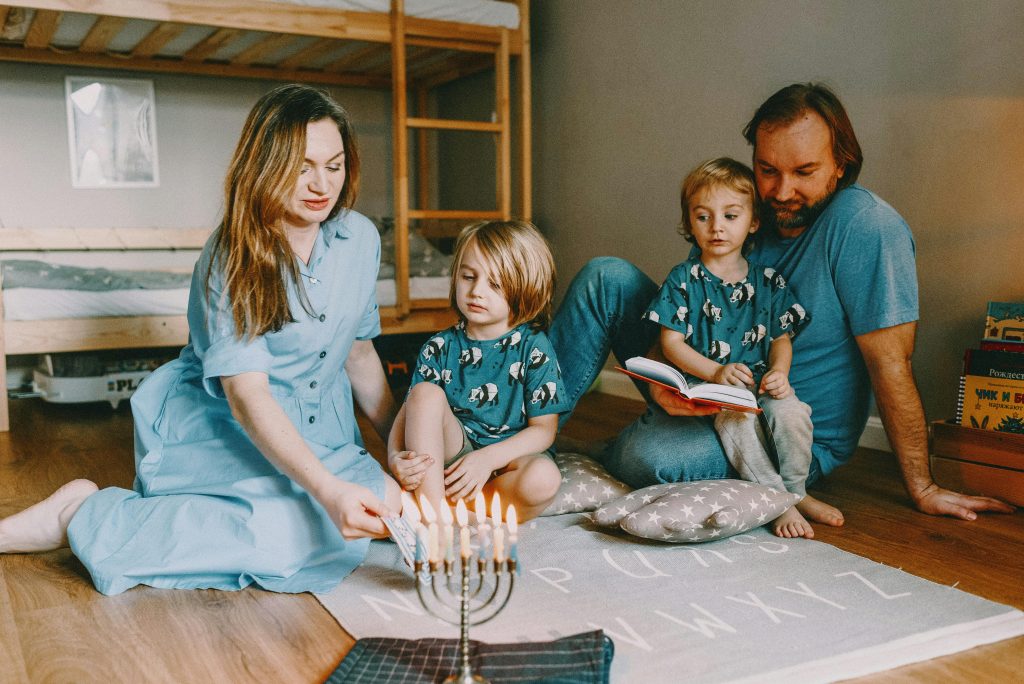
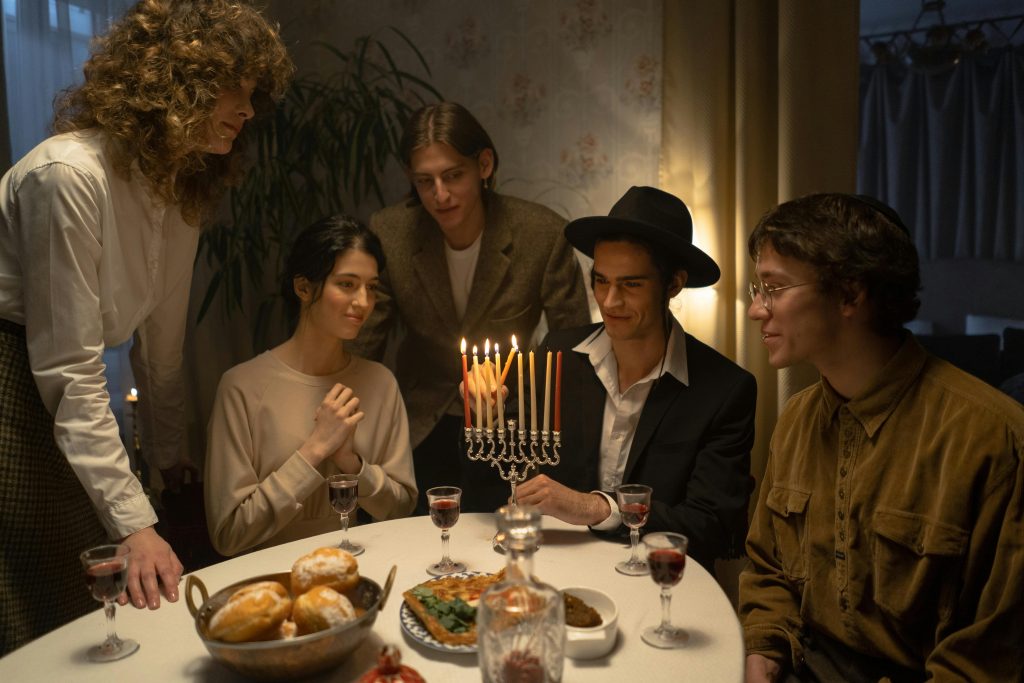
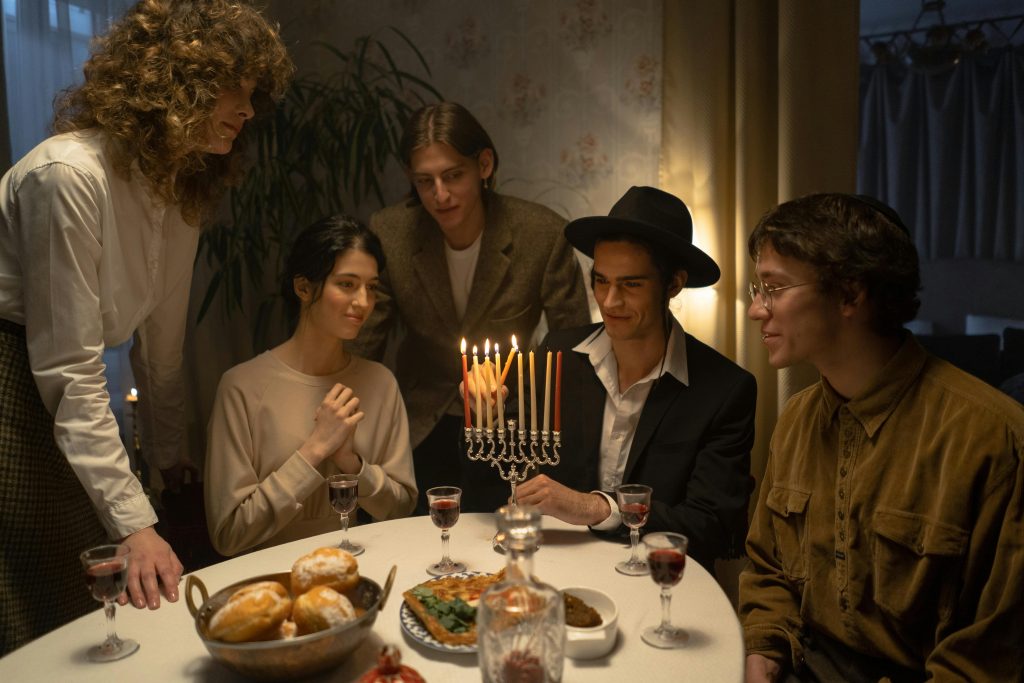
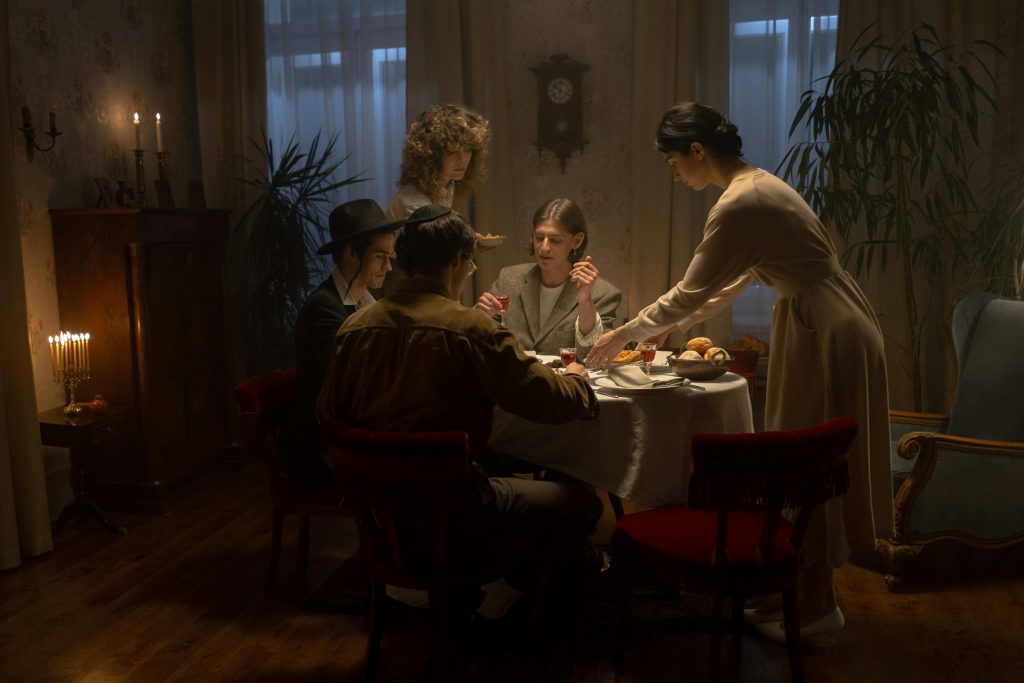
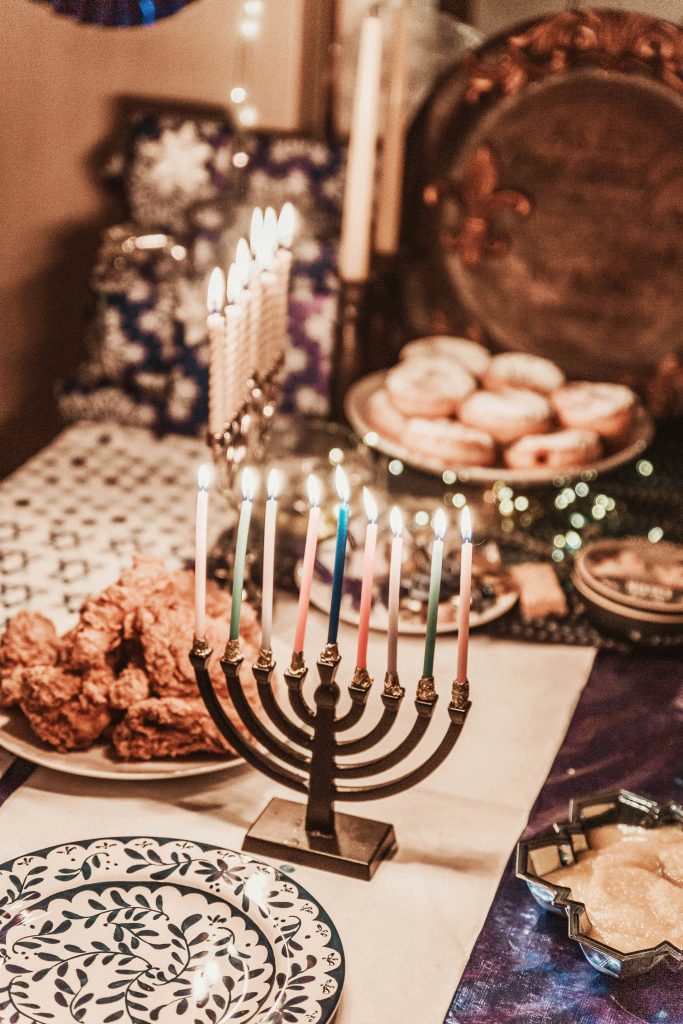
The holiday is celebrated over eight nights, beginning on the 25th of Kislev on the Hebrew calendar, usually falling in December. The central ritual includes lighting the menorah (or hanukkiah), with one additional candle lit each night.
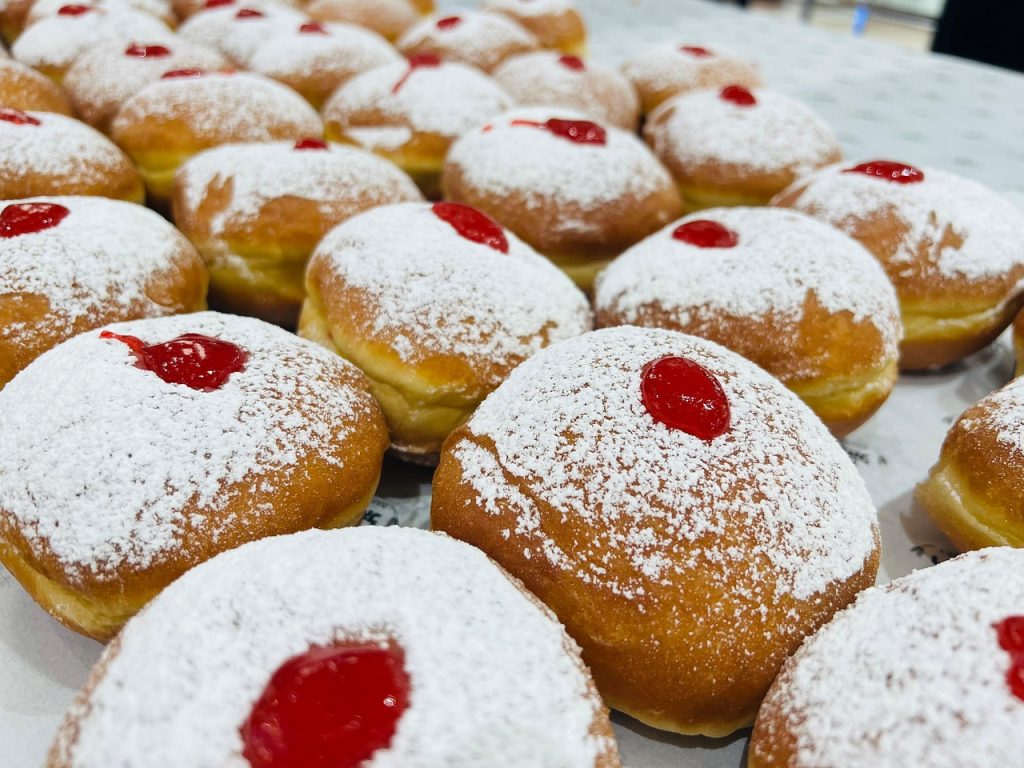
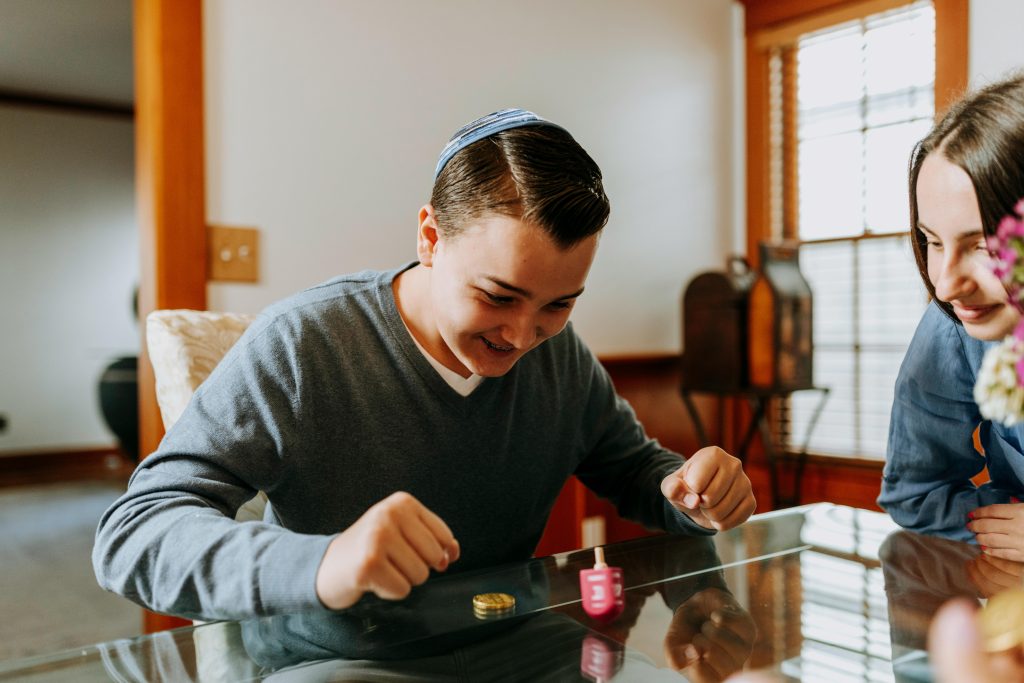
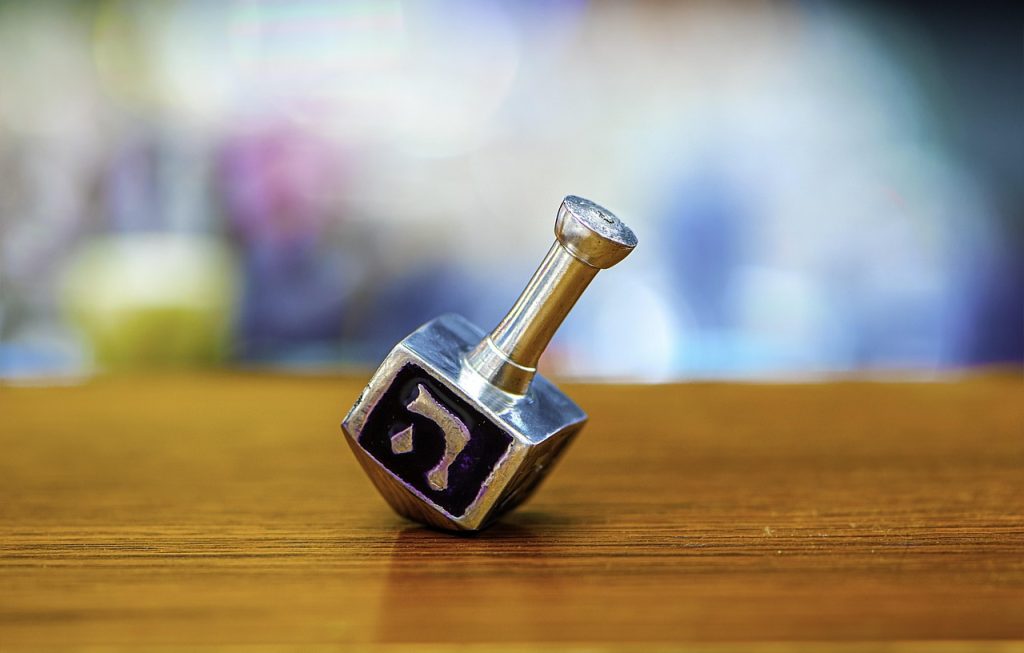
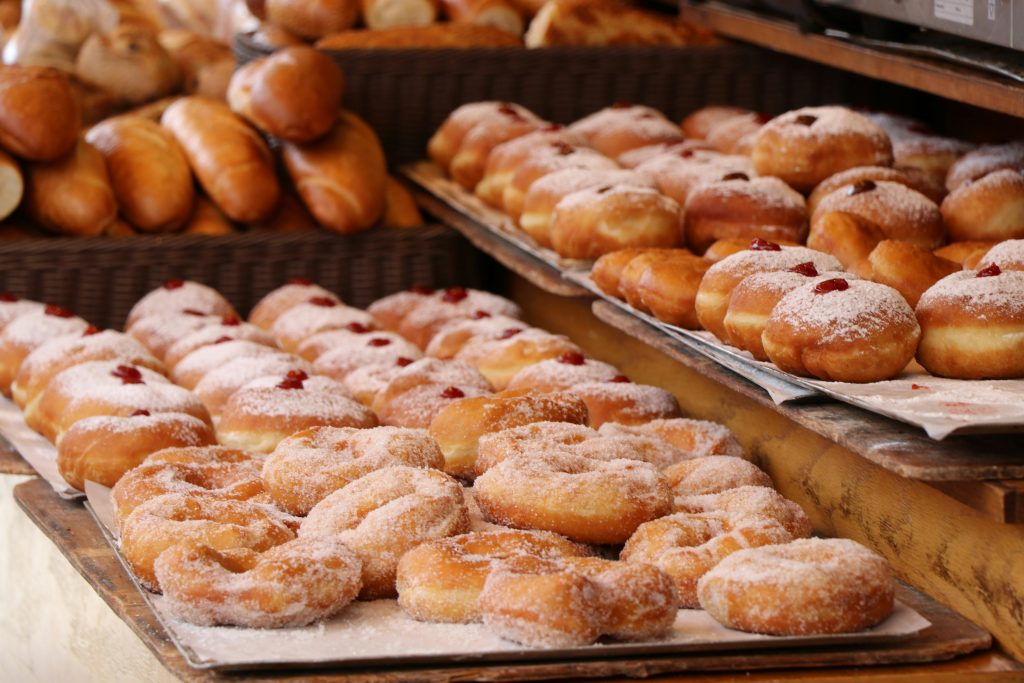
While many are familiar with dreidels, sufganiyot (jelly doughnuts), and latkes (potato pancakes), Hanukkah traditions vary widely across the Jewish diaspora. Let’s explore some of the most interesting and enduring ones still practiced today.
Today, Hanukkah is celebrated not only with spiritual devotion and culinary delights but also through distinctive customs, songs, and gift-giving traditions—each shaped by the culture of the Jewish communities practicing them.
Global Hanukkah Traditions Still Practiced Today
1. Yemenite and North African Jews: Clay Lamps & Storytelling
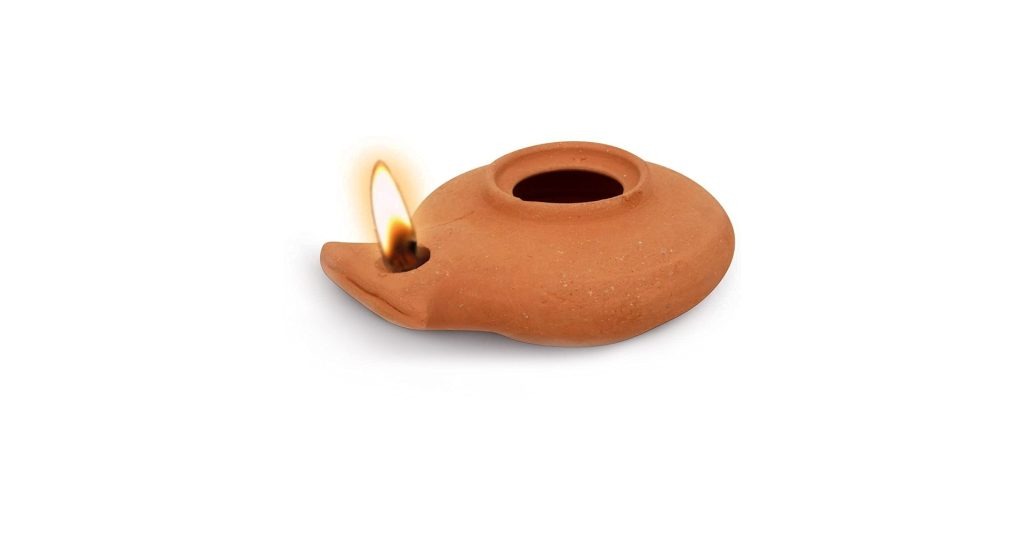
In Yemen and across North Africa, Jews traditionally light clay oil lamps rather than candles. Families may chant “Maoz Tzur” in traditional Judeo-Arabic melodies and gather for long evenings of storytelling, often recounting miracles and family lore.
Gift-Giving Tradition:
Rather than store-bought presents, gifts are often handmade, symbolic, or culinary—such as a mother gifting her children home-spun clothes or special sweets. In Moroccan Jewish homes, parents may gift children small tokens or jewelry, particularly on the last night.
2. Indian Jews (Bene Israel): Festival of Lamps
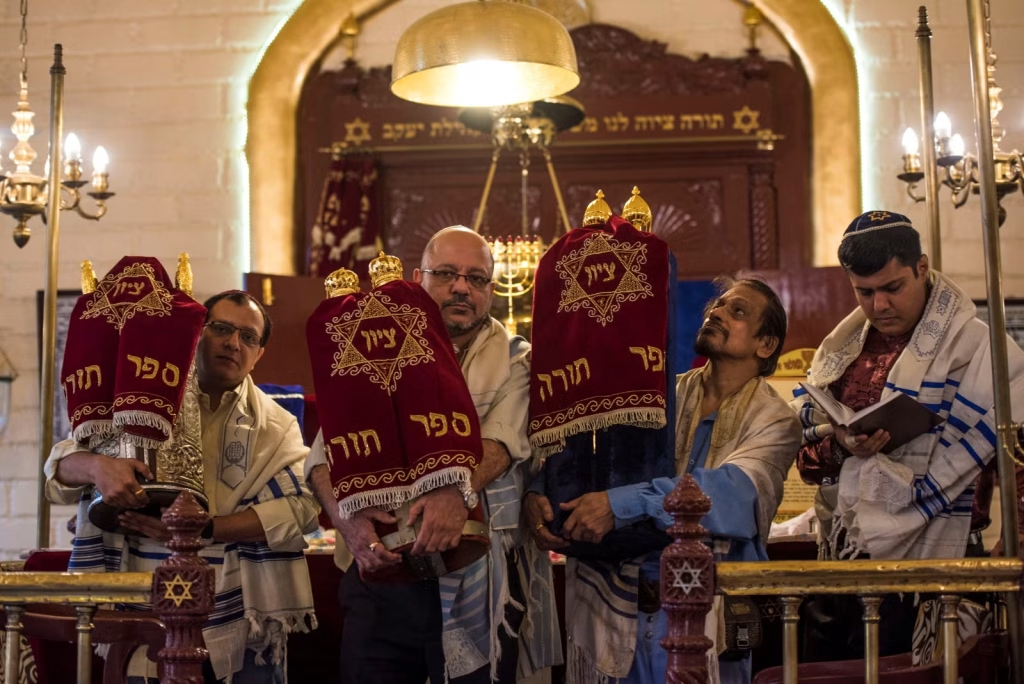
The Bene Israel Jews of India, especially in Mumbai, incorporate local aesthetics by lighting oil lamps on windowsills and balconies, much like during Diwali. Singing and dancing accompany nightly lightings.
Gift-Giving Tradition:
Gifts are not traditionally extravagant but often include sweets, toys, or religious items like small prayer books. It’s also customary to bring food or small household gifts when visiting relatives or neighbors during Hanukkah.
3. Italian Jews: Ricotta Pancakes & Artistic Expression

In Italy, Hanukkah (Festa dei Lumi) features cassola (fried ricotta pancakes) and candlelight processions in public spaces. In Rome and Livorno, Jewish choirs perform ancient Italian piyyutim (religious songs).
Gift-Giving Tradition:
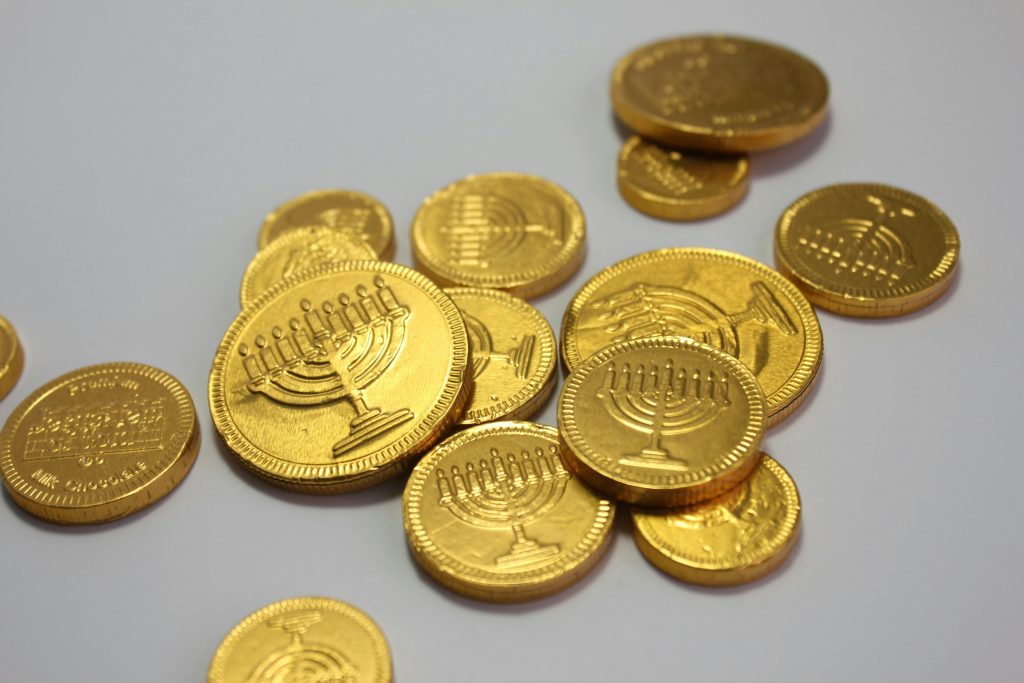
Children may receive modest gifts of coins or sweets, known as “strenne” (a traditional Roman gift exchange). Modern Italian Jewish families sometimes wrap gifts in ornate paper and incorporate calligraphy or poetry.
4. Bukharan Jews: Wax Art & Feasting
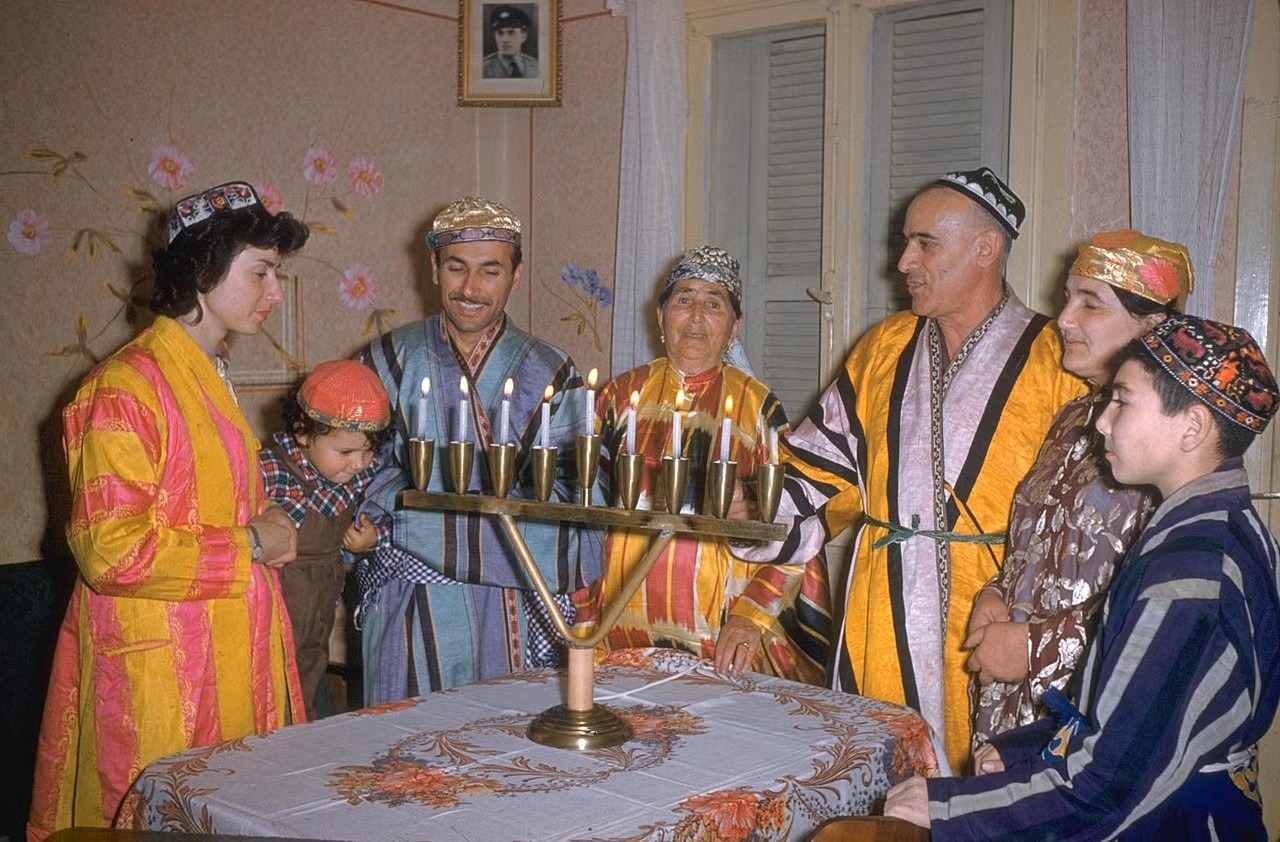
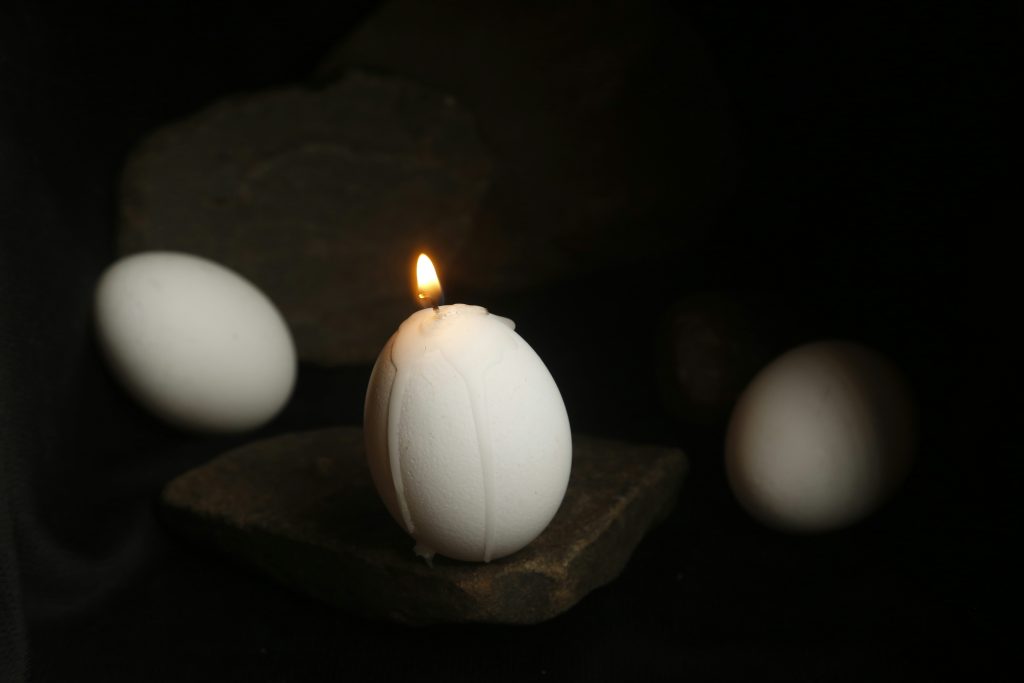
In Central Asia, Bukharan Jews light menorahs and prepare lavish meals, such as rice pilaf with lamb, dried fruits, and spices. One unique tradition is collecting and shaping melted candle wax into colorful patterns or figurines—an artful and meditative activity passed down generations.
Gift-Giving Tradition:
Gifts tend to be communal or family-focused, such as embroidered textiles or decorated boxes of dried fruit and nuts. Children might also receive traditional musical instruments or books relevant to Bukharan heritage.
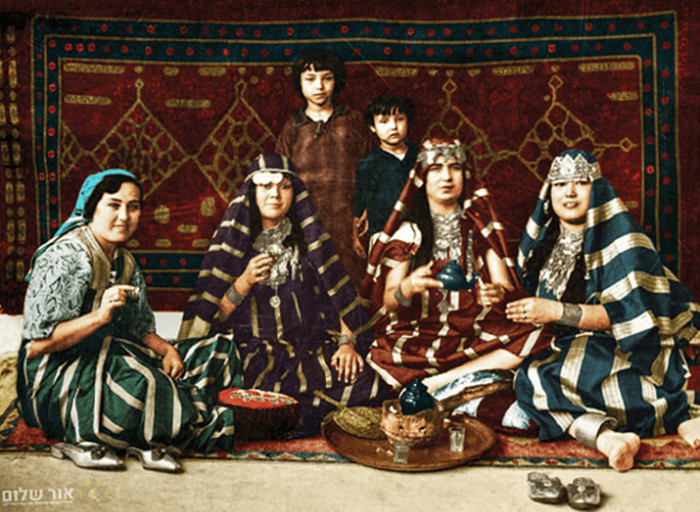
5. Moroccan and Algerian Jews: Singing, Sfenj, and Generosity
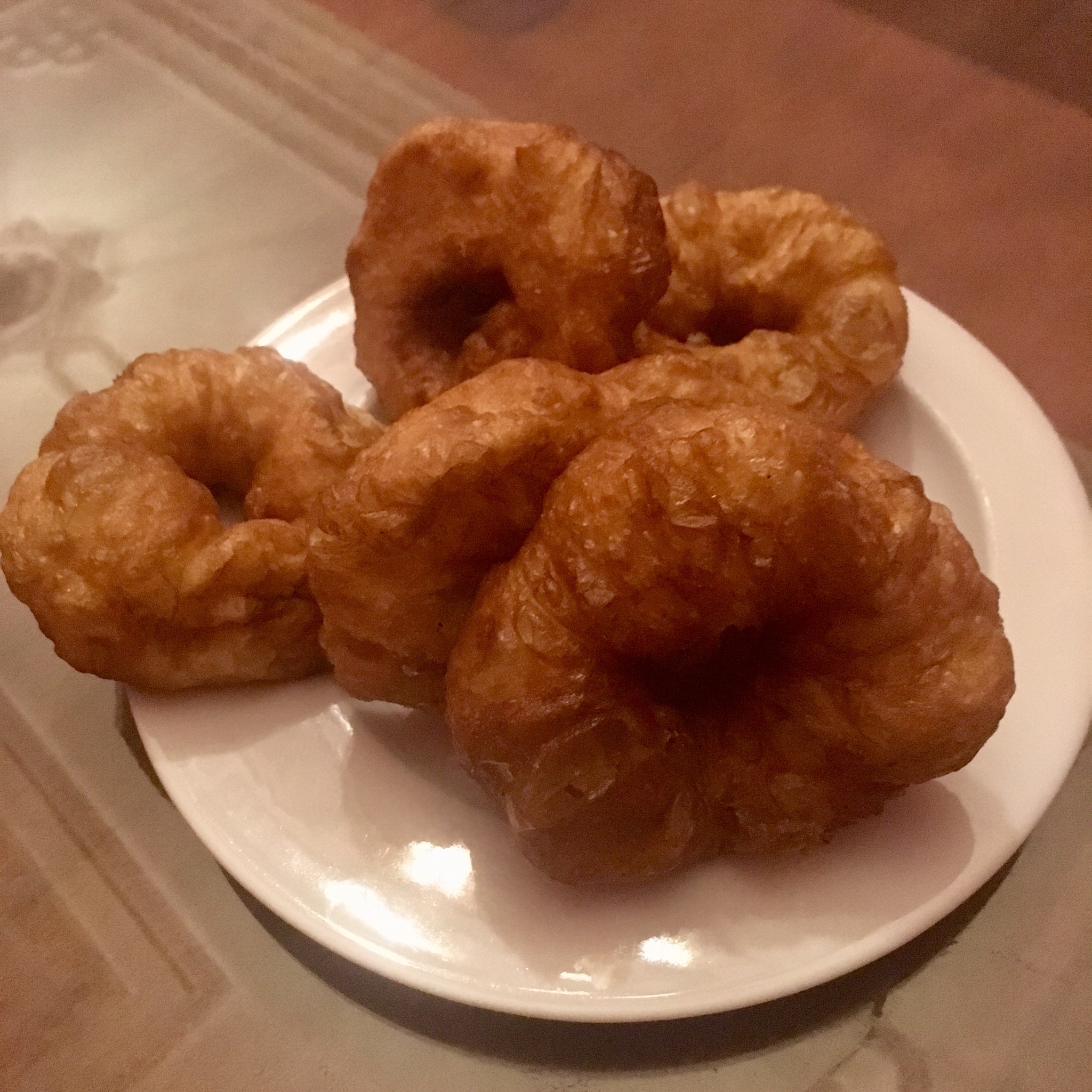
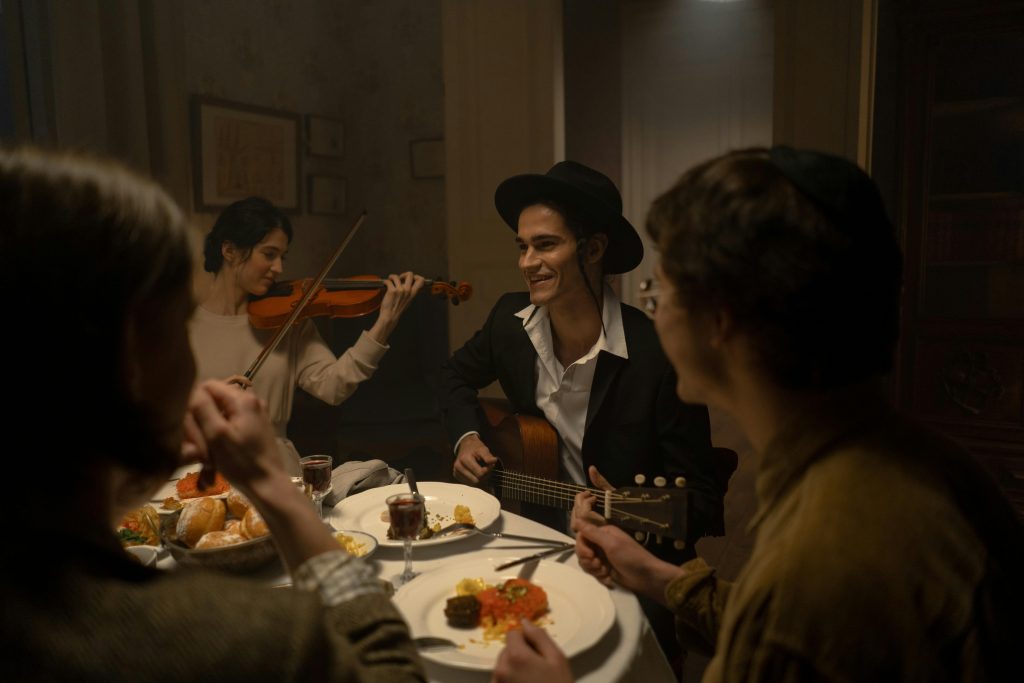
Moroccan Jews prepare sfenj (airier, chewier doughnuts than sufganiyot) and gather for vibrant musical evenings. Blessings are often sung in Moroccan cantillation styles, and festivities often include community-wide events.
Gift-Giving Tradition:
In many families, Hanukkah is a time to gift gold jewelry, heirlooms, or ornate hand-stitched garments—especially for engagements or coming-of-age milestones. Children may receive silver coins or meaningful charms.
6. Greek and Turkish Jews: Ladino Songs & Culinary Symbolism
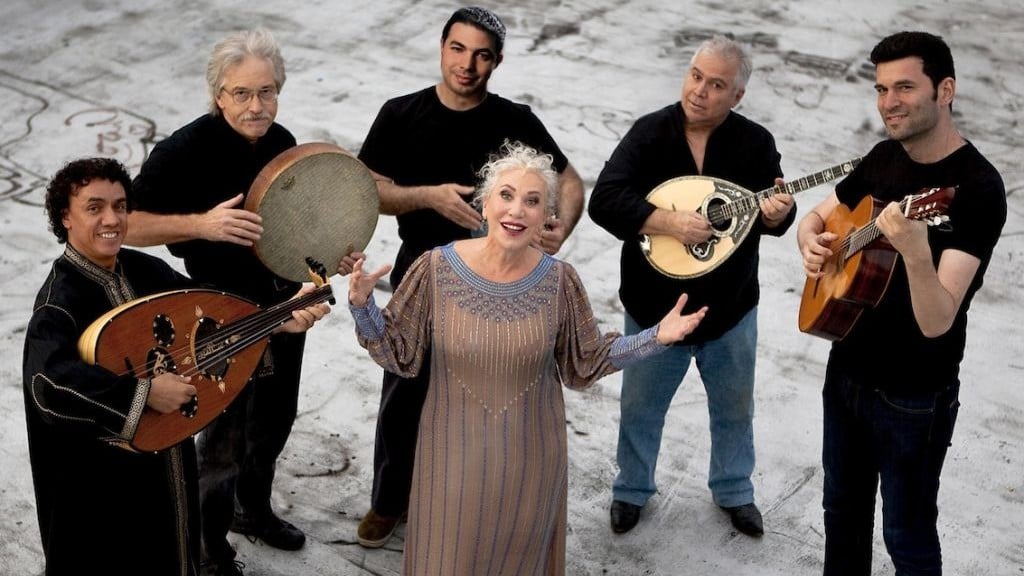
In Greece and Turkey, Hanukkah is steeped in Ladino culture, with families singing Ocho Kandelikas and enjoying fried pastries like bimuelos and keftes de prasa (leek patties).
Gift-Giving Tradition:
Rather than wrapped presents, the focus is on experiential and oral gifts: storytelling, blessings from elders, and the giving of wisdom through song. Some families may gift embroidered items or handmade dolls.
7. Ethiopian Jews (Beta Israel): Sigd & Emerging Traditions
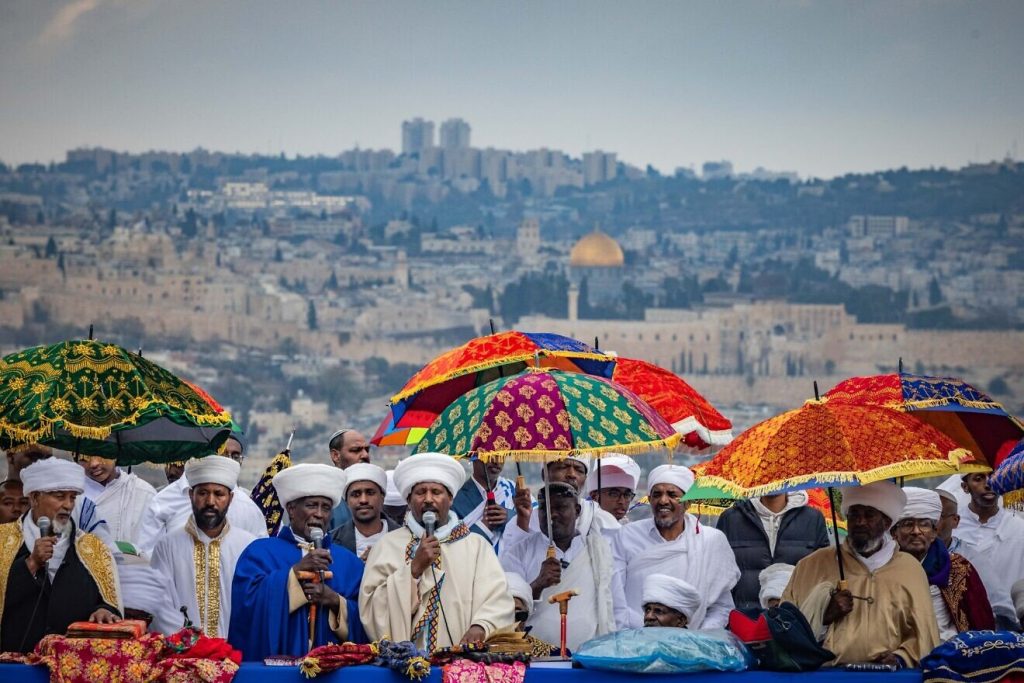
Beta Israel communities didn’t traditionally celebrate Hanukkah but have integrated it since arriving in Israel. Many celebrate Hanukkah right after Sigd, focusing on spiritual renewal and prayer.
Gift-Giving Tradition:
Gifts tend to be practical or symbolic—like a new prayer book, clothing, or food baskets for the extended family. The focus remains on community sharing rather than individual presents.
8. American Jews: Fusion & Commercial Influence
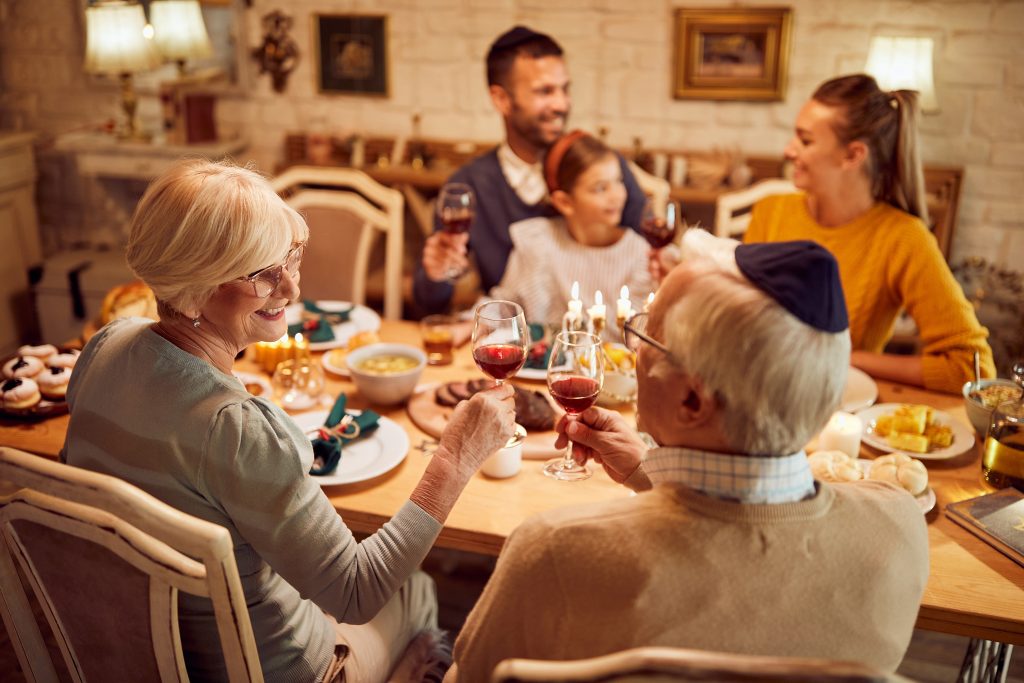
In North America, Hanukkah has evolved into a festive blend of religious meaning and cultural expression. Latkes and sufganiyot sit beside hybrid treats like brisket tacos or Nutella-filled donuts.
Gift-Giving Tradition:
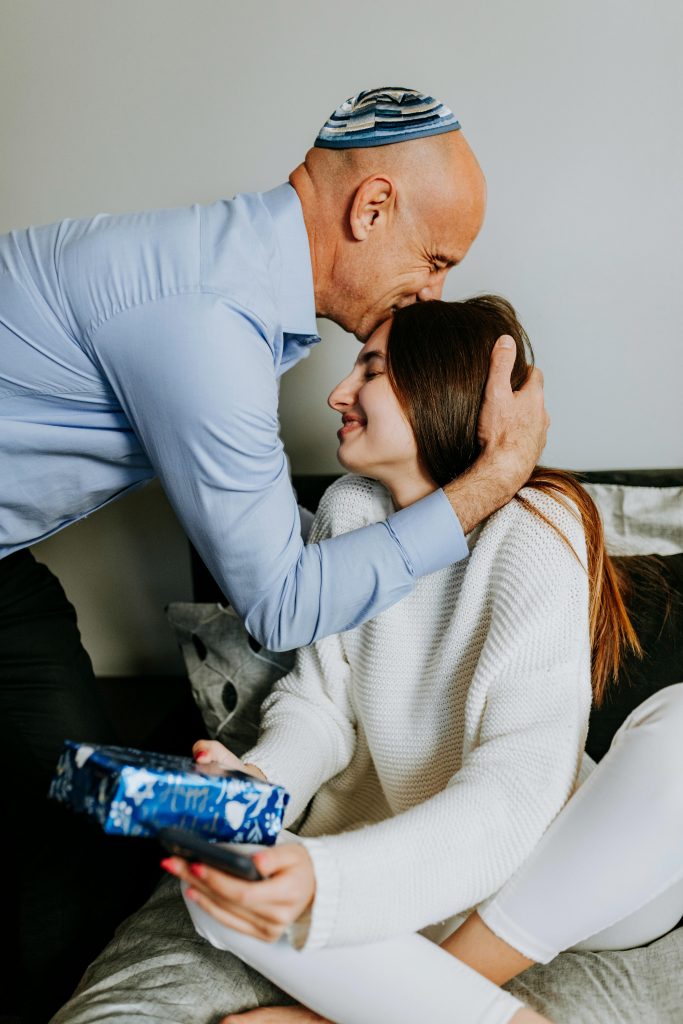
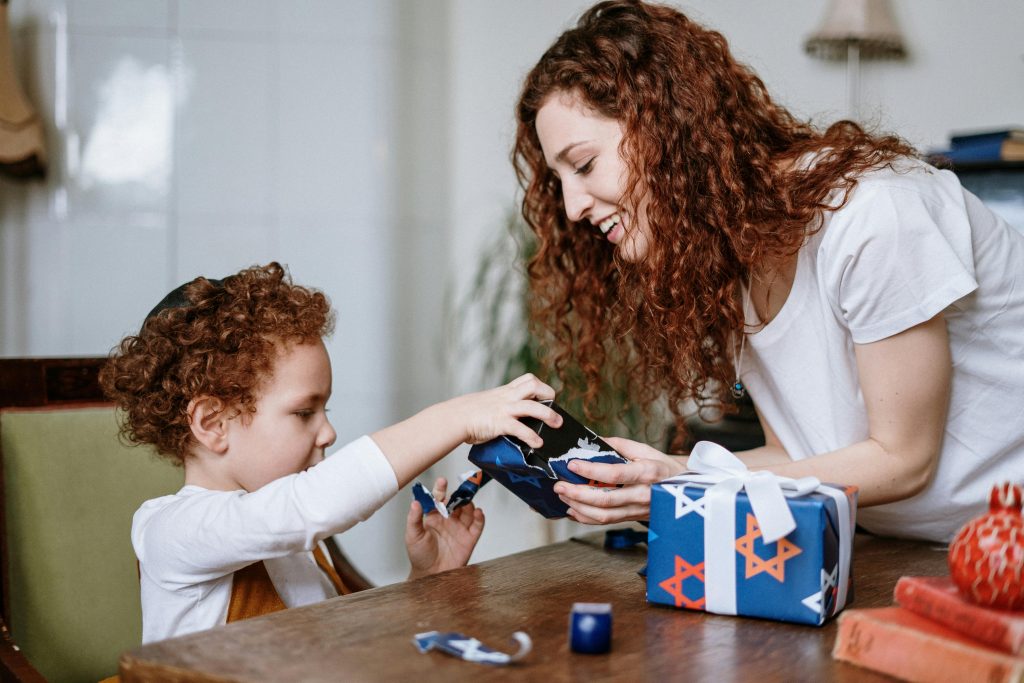
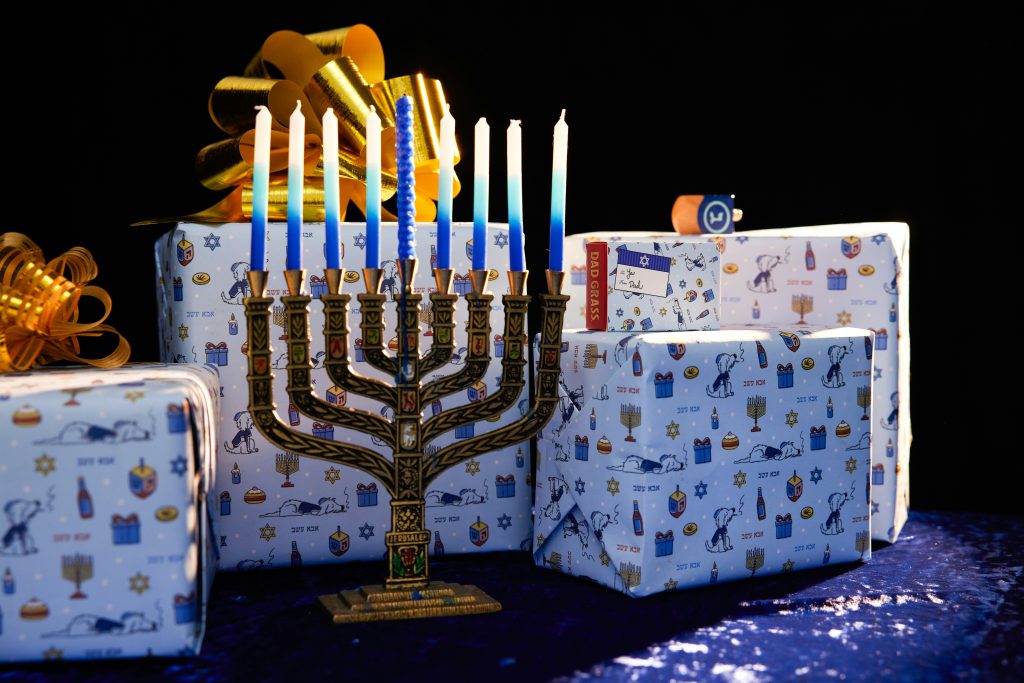
Hanukkah gift-giving in the U.S. has taken on an expanded form, sometimes mirroring Christmas gift culture. Many families give one present each night (books, toys, games), while others focus on “experience gifts” like museum passes or charitable donations in a child’s name.
Why These Gift Traditions Matter
Gift-giving, though not originally central to Hanukkah, has become a way for Jewish communities to express:
- Intergenerational care – with handmade, symbolic gifts
- Cultural continuity – through objects that reflect heritage
- Spiritual reflection – by prioritizing meaning over materialism
Across the globe, Jews continue to “rededicate” not just a temple, but their homes, values, and community ties—offering light to each other in uniquely meaningful ways.
Recommended Reading
- Hanukkah Around the World by Tami Lehman-Wilzig
A travel-style children’s book that beautifully highlights global Hanukkah traditions and gift customs. - Sephardic Holiday Cooking by Gilda Angel
Explores the foods, stories, and rituals—including Hanukkah—across Sephardic cultures. - The Jewish Book of Why by Alfred J. Kolatch
Includes explanations of why and how various Jewish communities approach holiday customs differently. - Eight Nights of Joy: A Hanukkah Treasury by Ellen Emerman
A collection of stories, recipes, songs, and traditions from around the Jewish world. - Eight Nights of Lights: A Celebration of Hanukkah by Leslie Kimmelman
A gentle introduction to Hanukkah’s values for young readers, focusing on the spirit of giving.
All images are for illustrative purposes only and remain the copyright of their respective owners.
All images are for illustrative purposes only and remain the copyright of their respective owners.
