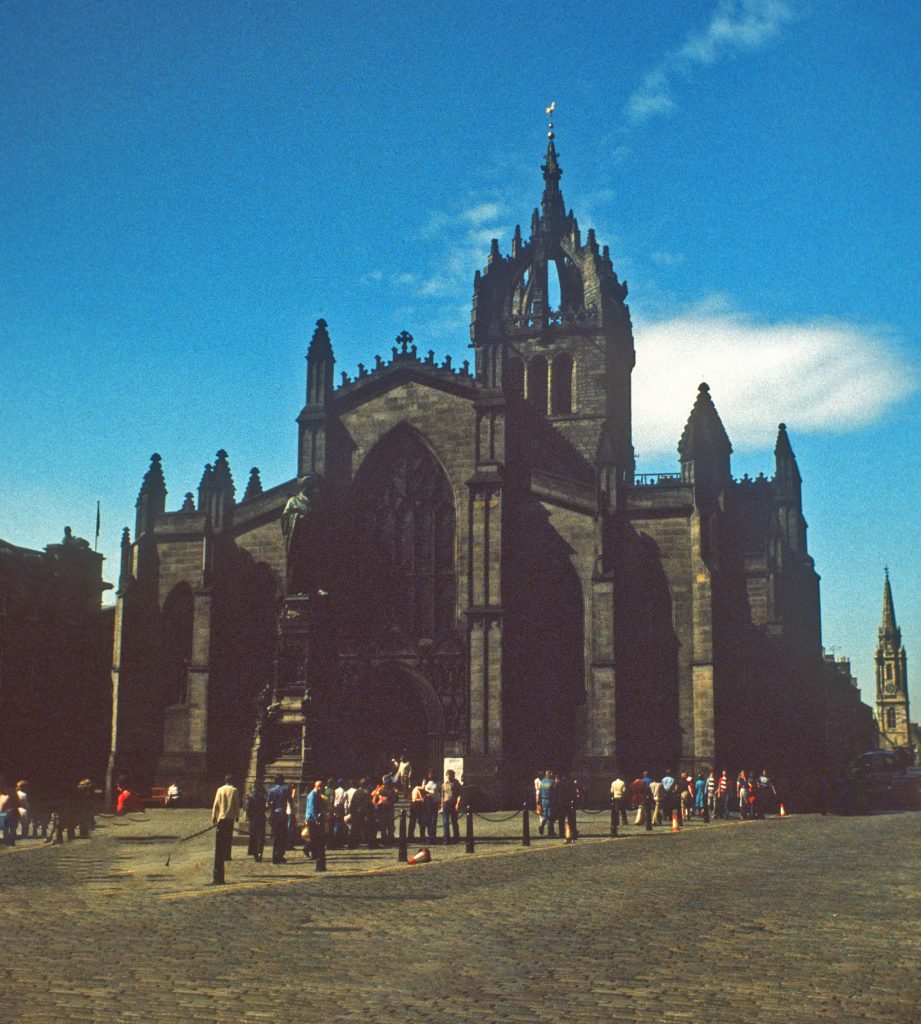
It begins with the clang of your footsteps on stone. A cool wind winds around the corners of century-old tenement buildings. Above you, the steeple of St. Giles’ Cathedral pierces the grey Scottish sky. Below, the ancient cobbles of The Royal Mile stretch before you like a spine of history, linking castle to palace, myth to monarchy, past to present. Welcome to Edinburgh—a city that reads like an open-air history lesson.
Scottish Seat
Edinburgh’s story is one of drama, defiance, intrigue, and resilience. The land was first settled by the Votadini, a Brittonic Celtic tribe, before falling under Angle rule in the 7th century. The shire of Edinburgh took form under King David I in the 12th century, and the city became the heart of Scottish identity and rebellion from there on.
Edinburgh resonated with resistance from the Wars of Independence against Edward I of England through the spiritual fervor of John Knox and the Scottish Reformation. At the center of its Renaissance drama stood Mary, Queen of Scots—revered by some, reviled by others. In her early life she married a French prince, only to return to Scotland a widowed queen while still in her teens. Her return to Holyrood Palace sparked a cascade of ill-fated alliances, betrayals, and political assassinations. Her private secretary, David Rizzio, was brutally murdered in her bedchamber while her husband, Lord Darnley, was later found dead under suspicious circumstances. Her cousin Elizabeth I of England ultimately imprisoned and beheaded her, yet it was Mary’s son, James VI of Scotland, who succeeded Elizabeth and united the crowns of England and Scotland, ushering in a tentative peace. Scotland’s fire never truly dimmed. Even after Jacobite hopes were crushed at Culloden in 1746, the capital city maintained its pride and memory.
A Mile of Mystery and Intrigue
The Royal Mile comprises a sequence of thoroughfares: Castlehill, Lawnmarket, High Street, Canongate, and Abbey Strand. It crests and dips along the volcanic ridge that threads from Edinburgh Castle to Holyrood Palace, spanning roughly a mile. Narrow alleyways, called “closes” or “wynds,” branch off like tributaries, each a secretive passage into the city’s layered history.
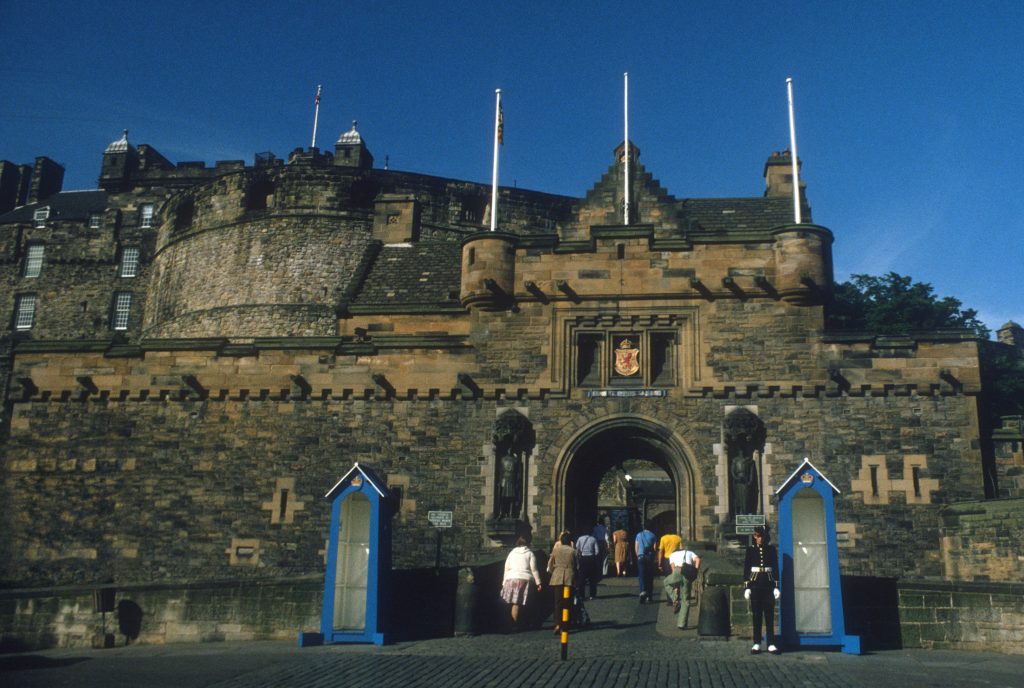
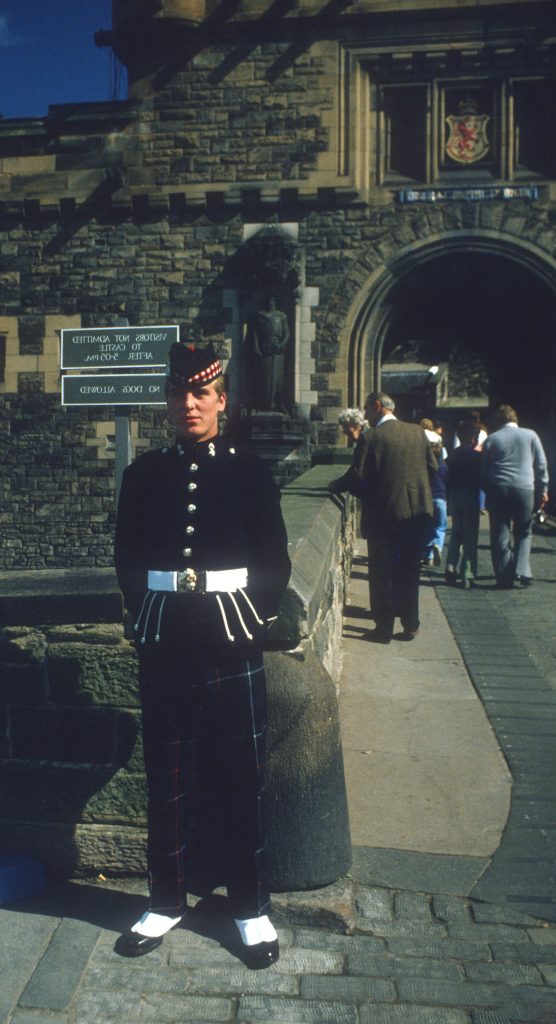
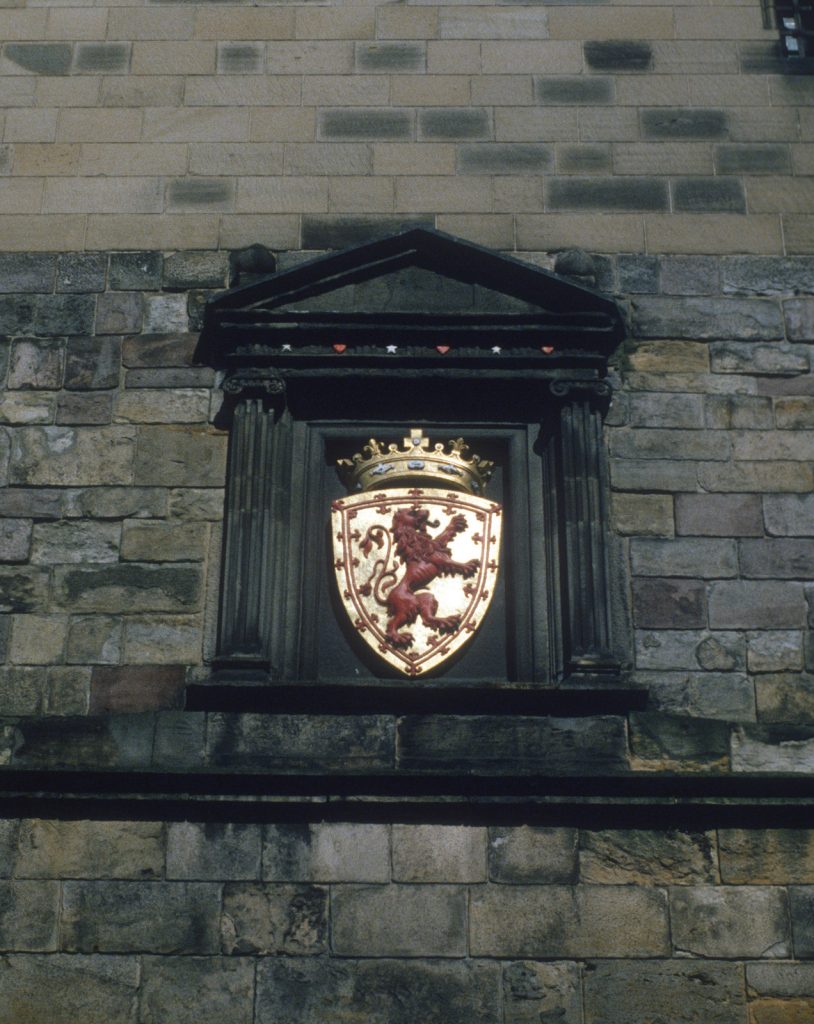
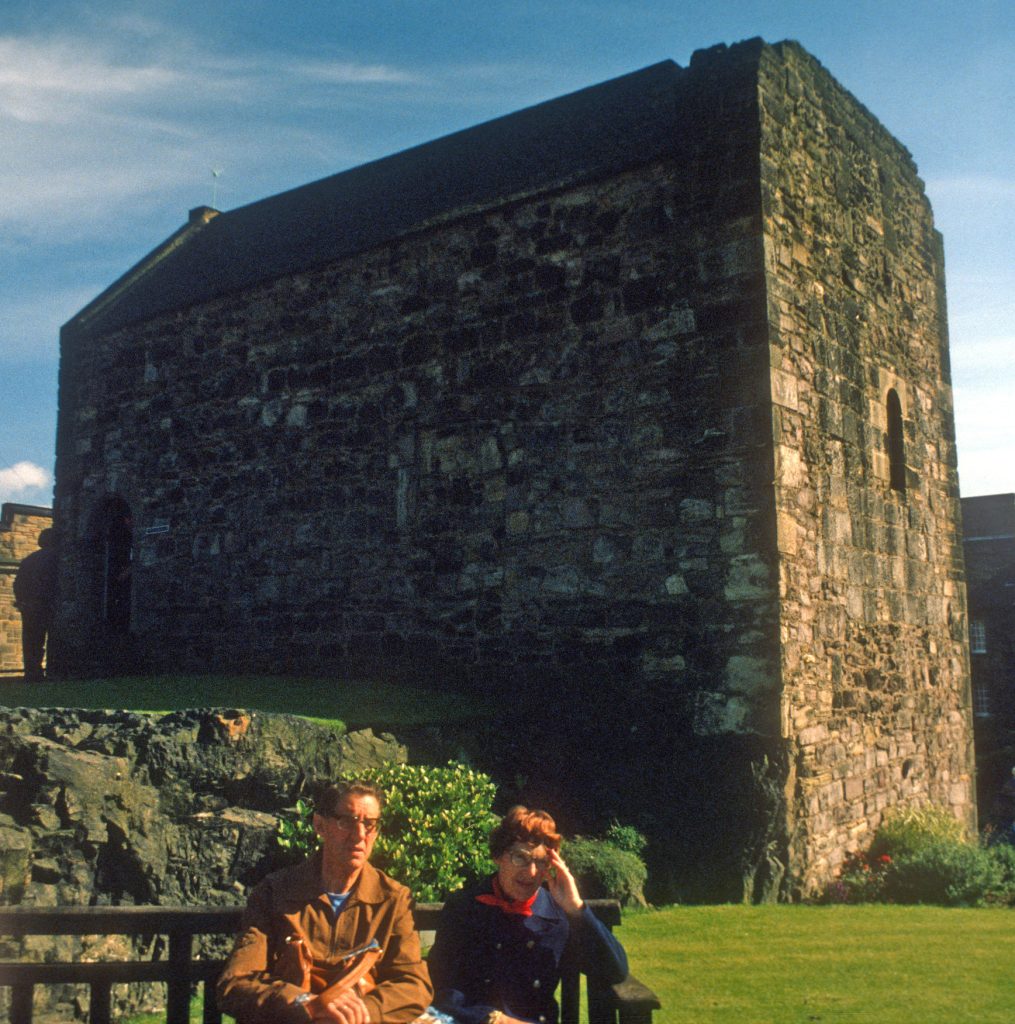
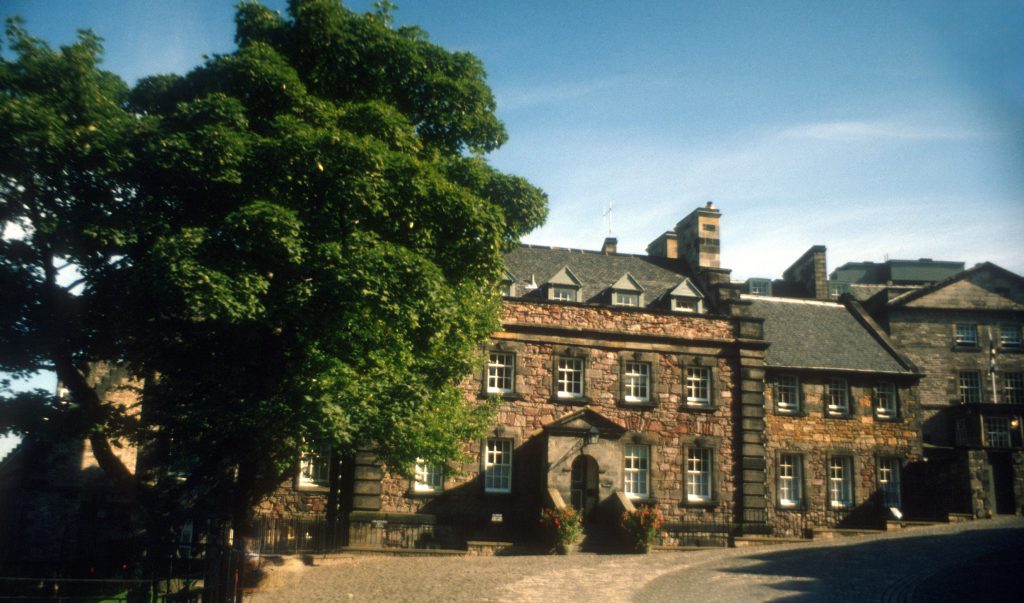
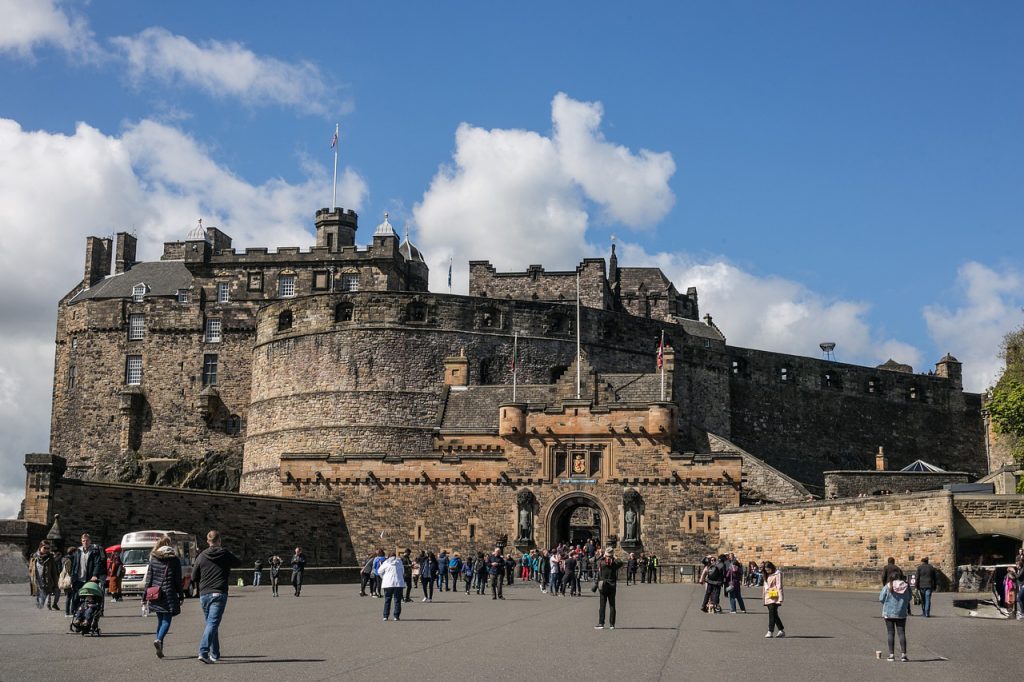
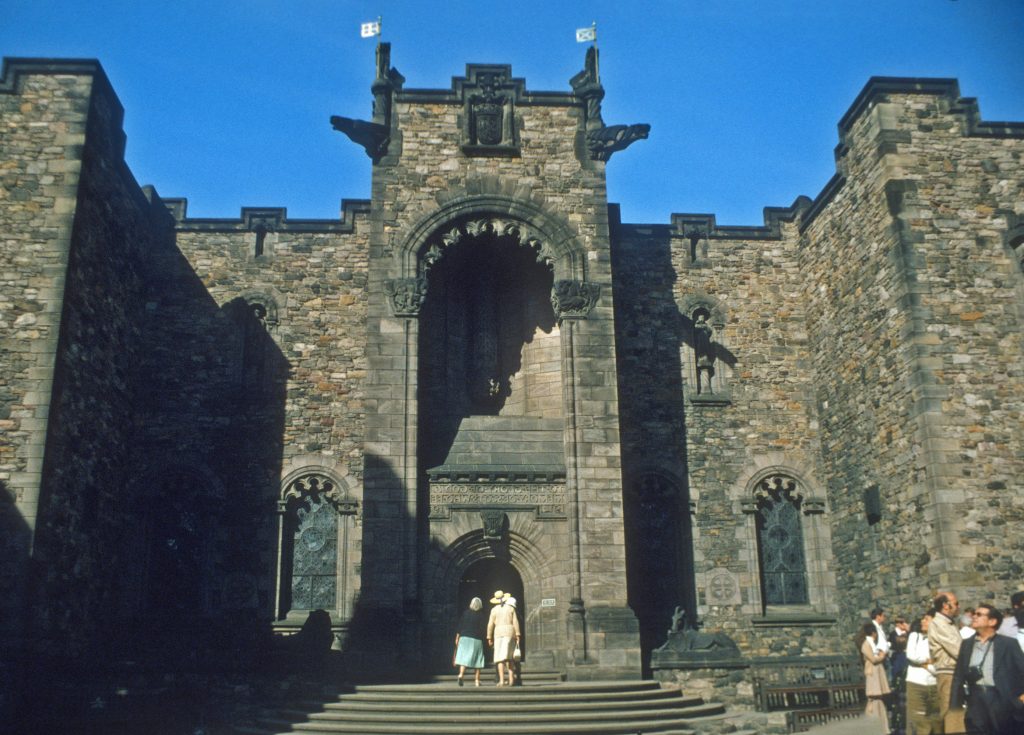
Begin at Edinburgh Castle, perched on black basalt rock that has served as a fortress since ancient times. Once home to royalty, the castle remains an active military installation and the nation’s ceremonial heart. Step through the Portcullis Gate and into the inner sanctum, where St. Margaret’s Chapel, the oldest building in Edinburgh, stands amid the ramparts in quiet reverence. View the Honors of Scotland—the Crown, Sceptre, and Sword of State—hidden during Cromwell’s invasion and rediscovered in 1818. Hear the echoing boom of the One O’Clock Gun, a maritime timekeeping tradition begun in 1861 and still fired daily.
Within the Great Hall, banners of Scotland’s regiments hang proudly beneath a hammerbeam ceiling that recalls the timbered majesty of medieval banquets. The Stone of Destiny, used in Scottish royal coronations, rests beside the crown jewels. In centuries past, the castle’s bowels held prisoners—Jacobites, French sailors, and American revolutionaries alike. Graffiti scratched by bygone inmates still marks the doors.
The Royal Edinburgh Military Tattoo
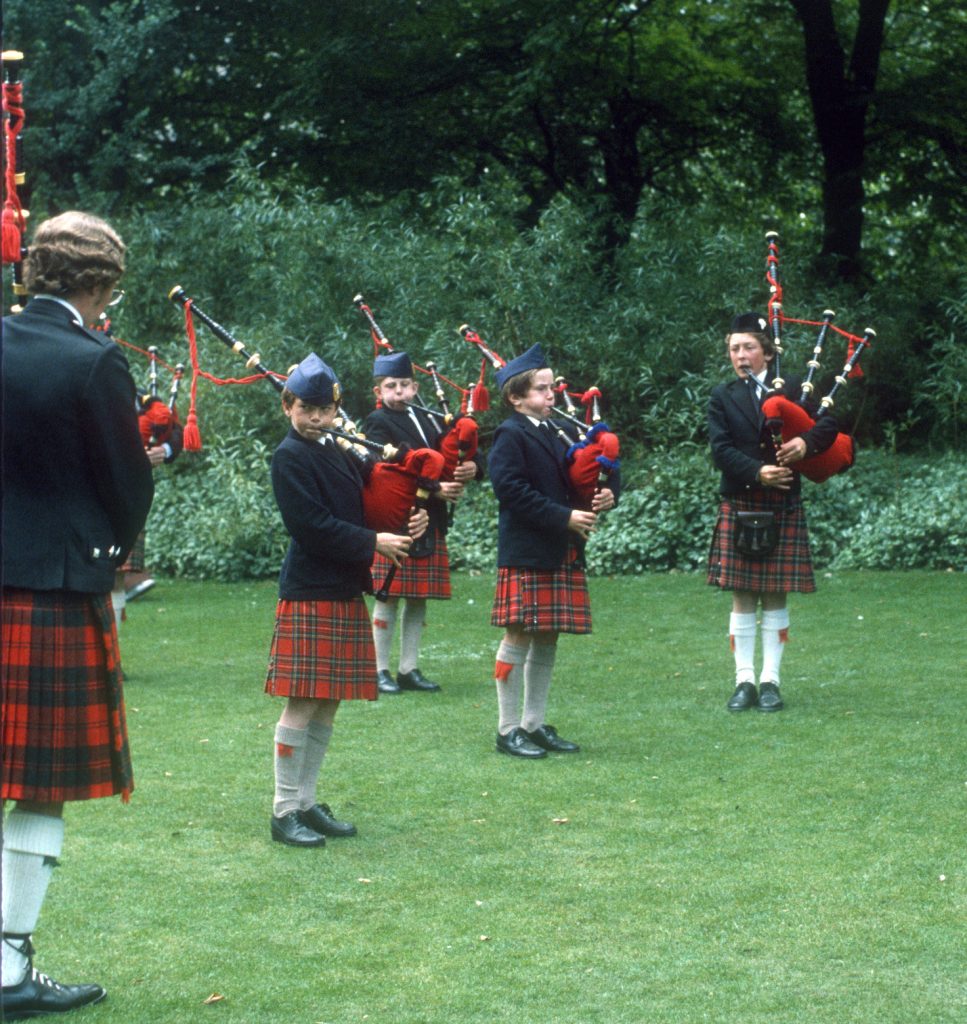
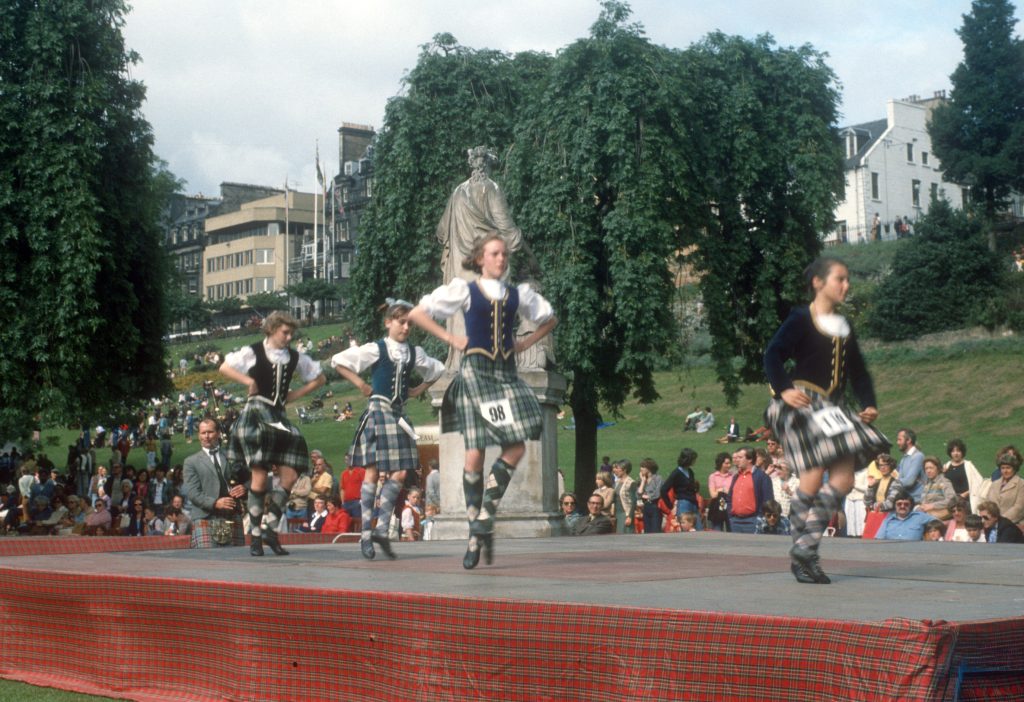
Each August, Edinburgh Castle’s esplanade transforms into a stage for one of Scotland’s most stirring spectacles—the Royal Edinburgh Military Tattoo. Beneath the twilight sky, the ancient fortress glows with floodlit grandeur as massed pipes and drums echo across its stone walls. Military bands from around the world march in intricate formations, blending precision with tradition and theatrical pageantry. Dancers whirl in tartan kilts, fireworks blaze across the ramparts, and a lone piper stands silhouetted above the battlements, his mournful tune drifting into the night. It’s a profoundly moving celebration of heritage and honor that embodies Scotland’s indomitable spirit.
The Closes Draw You In
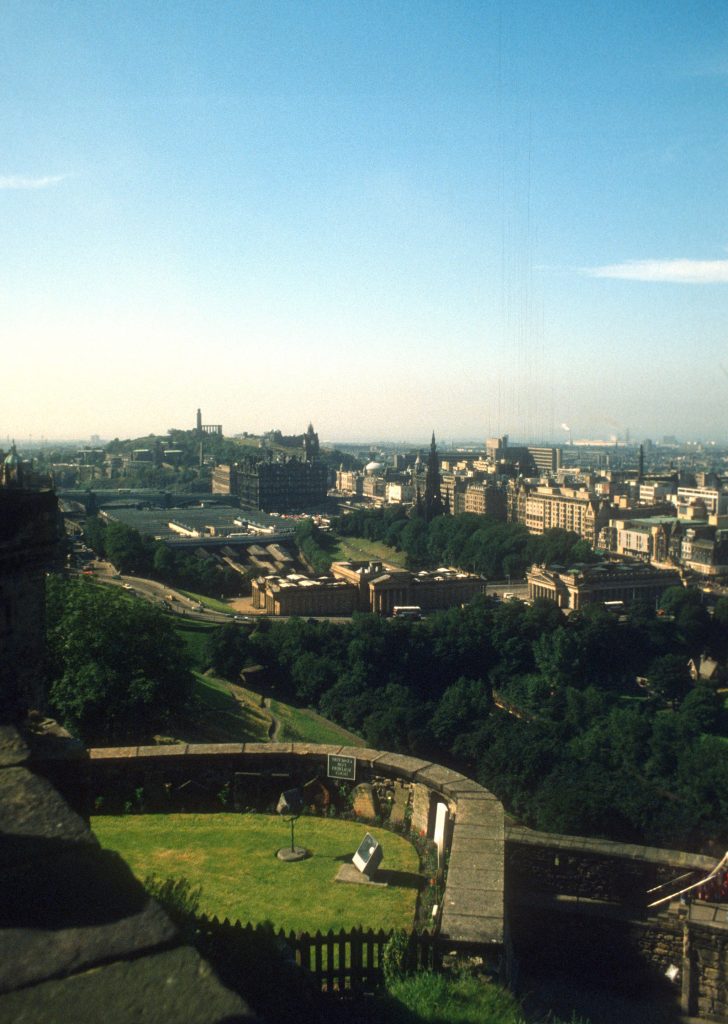
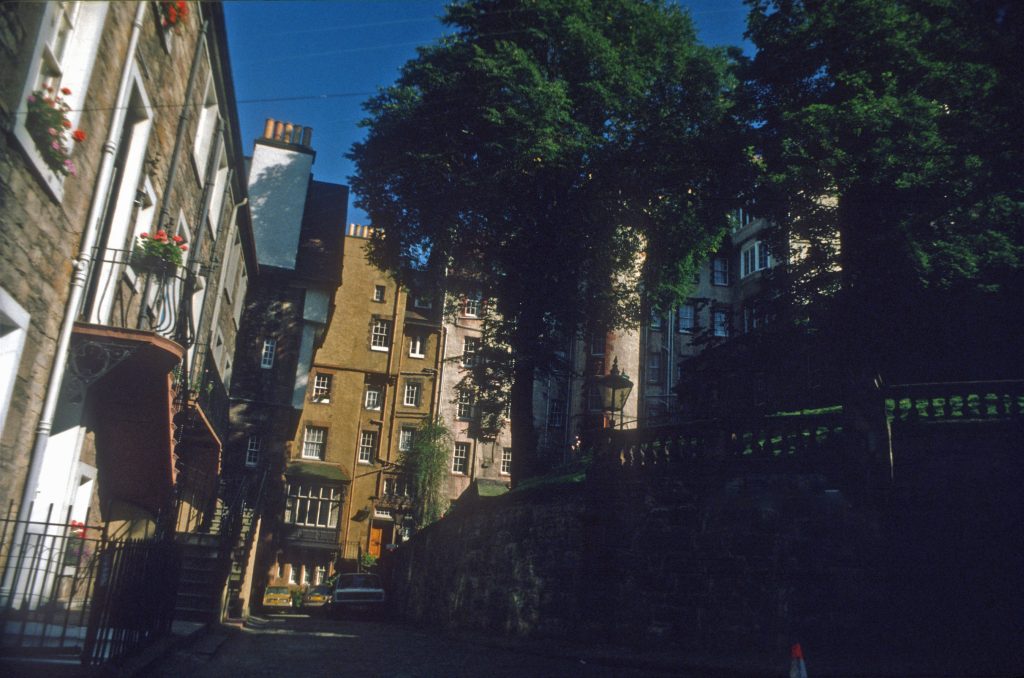
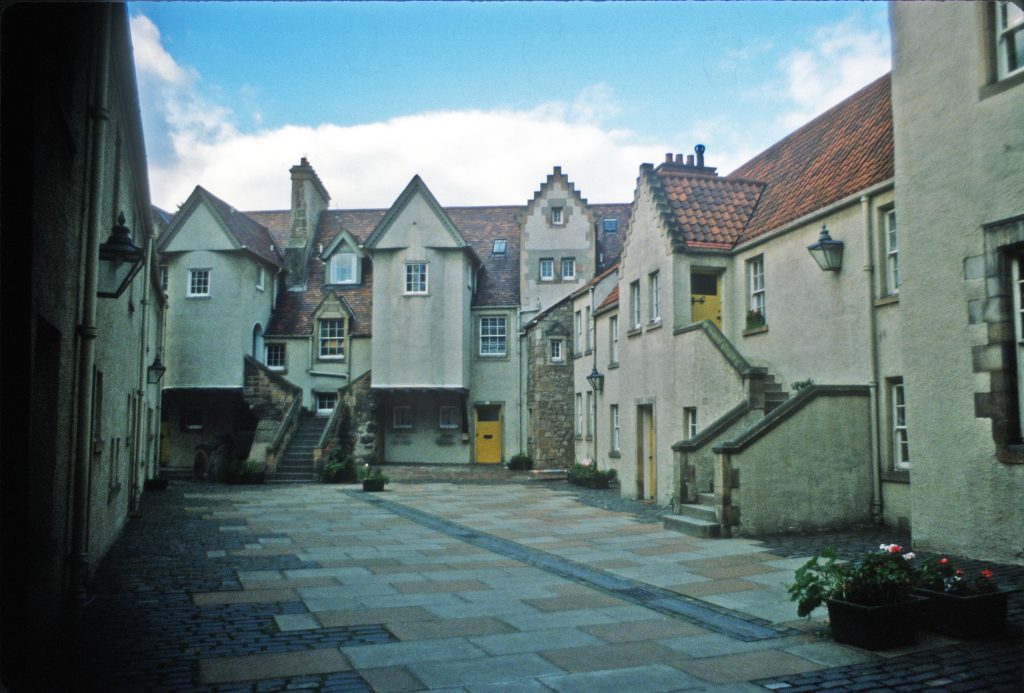
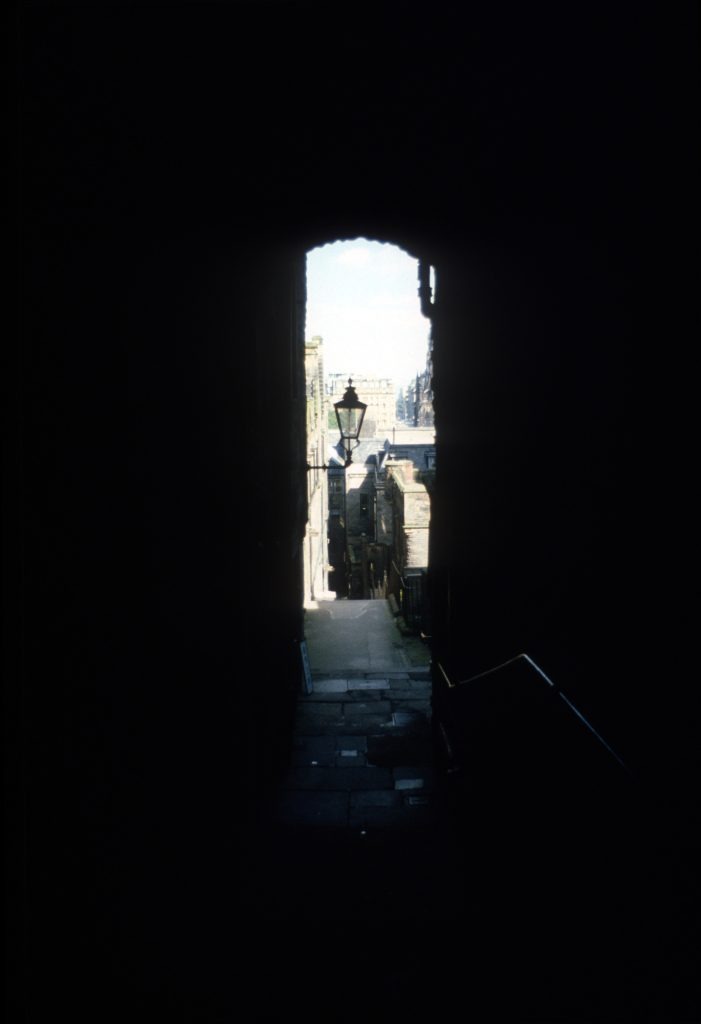
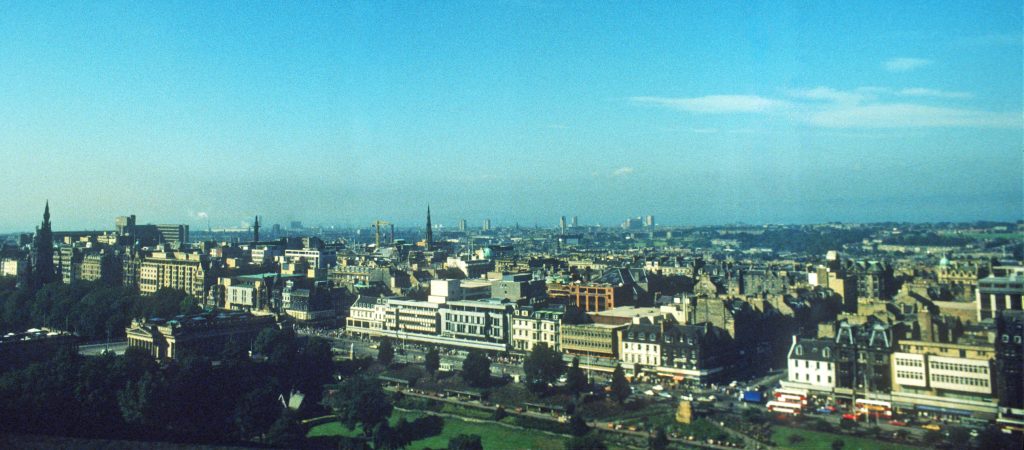
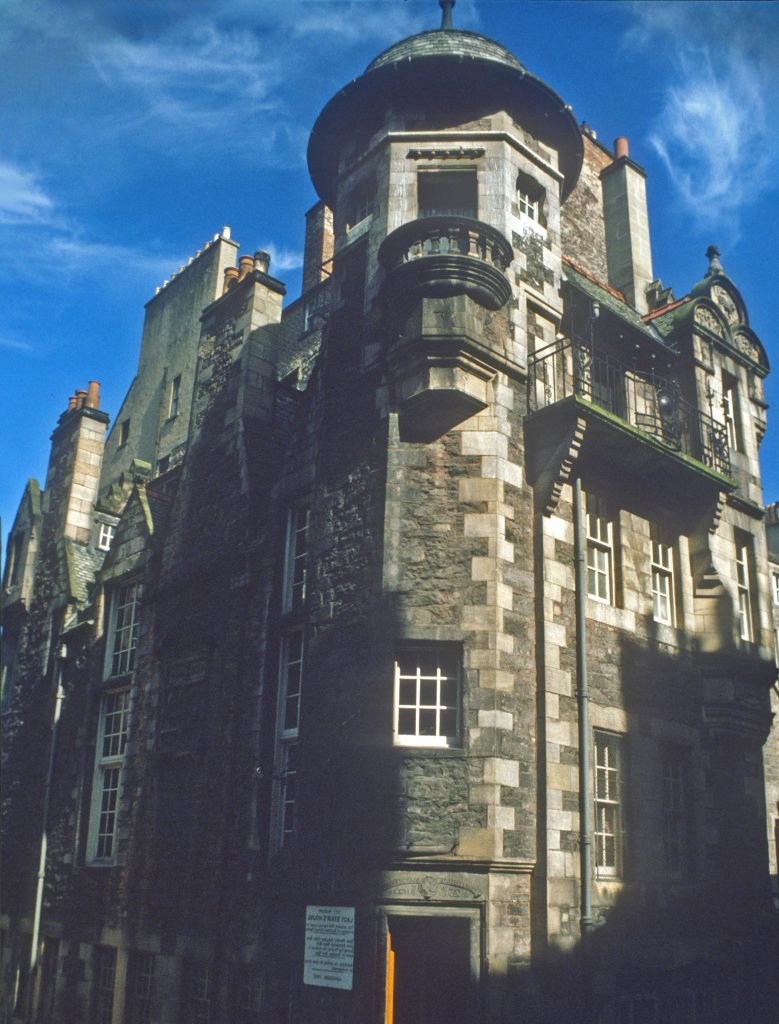
Wander down the sloping Mile, where tenement buildings tower above, some dating from the 16th and 17th centuries, their facades weathered by centuries of soot and time. Lady Stair’s Close houses the Writers’ Museum, honoring literary giants such as Robert Burns, Sir Walter Scott, and Robert Louis Stevenson. Advocate’s Close, a narrow, plunging alley, reveals an unforgettable framed view of the Scott Monument against the backdrop of New Town.
Standout Cathedral
St. Giles Cathedral, with its iconic crown spire, invites visitors to admire its stained glass and Thistle Chapel, the ceremonial seat of Scotland’s highest chivalric order. A heart-shaped mosaic outside—the Heart of Midlothian—marks a former prison’s entrance and is famously spat upon by locals in a gesture of defiance against centuries of injustice.
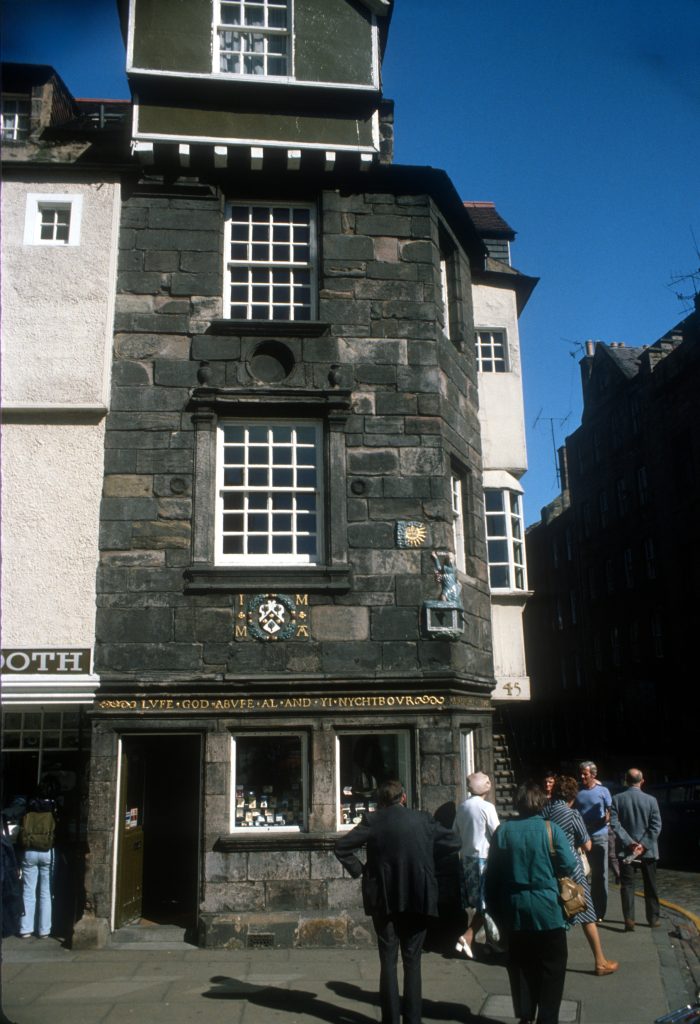
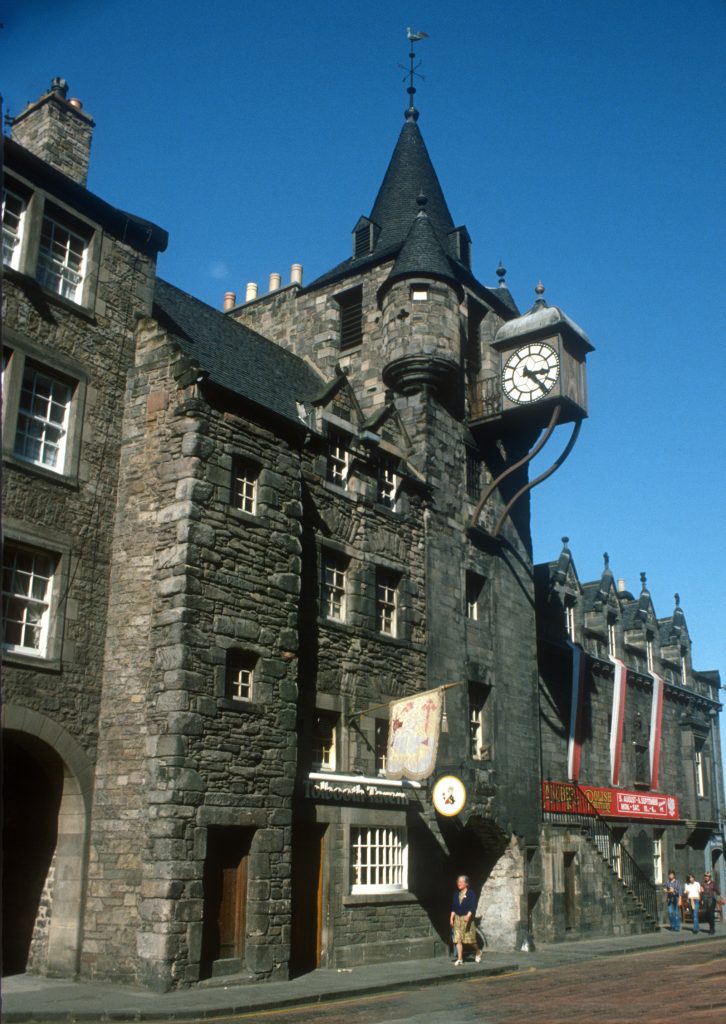
Don’t miss Gladstone’s Land, a surviving merchant’s house offering a glimpse into 17th-century life, or John Knox House, linked to the firebrand preacher of the Reformation. Just across the way, Real Mary King’s Close descends into plague-era Edinburgh’s buried streets, where entire thoroughfares once lay entombed beneath the city. Rumors persist of ghostly children and lingering spirits among the damp stones. As the Royal Mile narrows toward the east, Canongate reveals a quieter dignity. The Canongate Kirk, with its simple design and royal connections, holds the tombs of economist Adam Smith and poets Robert Fergusson and Robert Burns. The People’s Story Museum and Museum of Edinburgh, nearby, house fascinating domestic relics—from guild treasures to war banners and silversmith tools.
Holyrood House
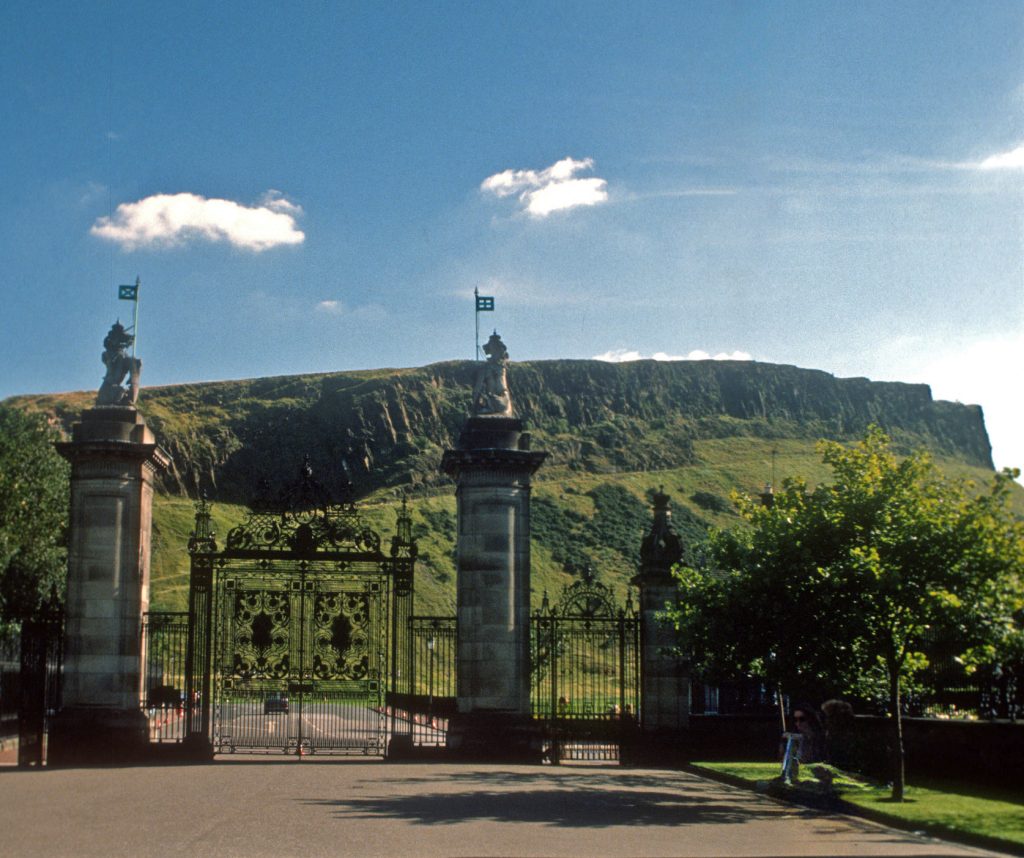
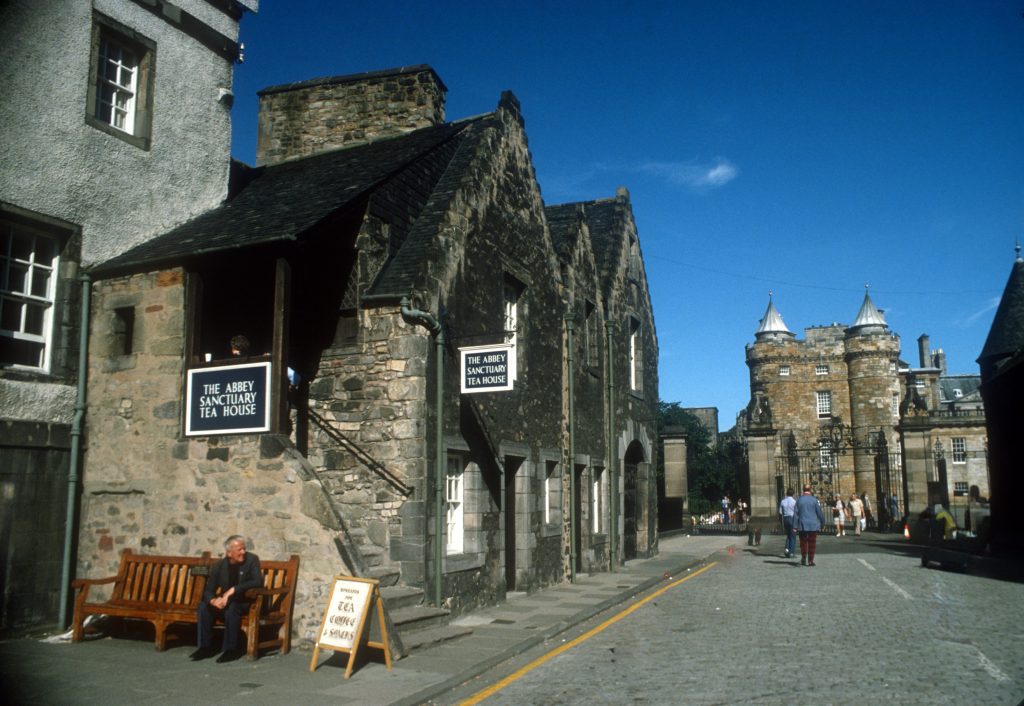
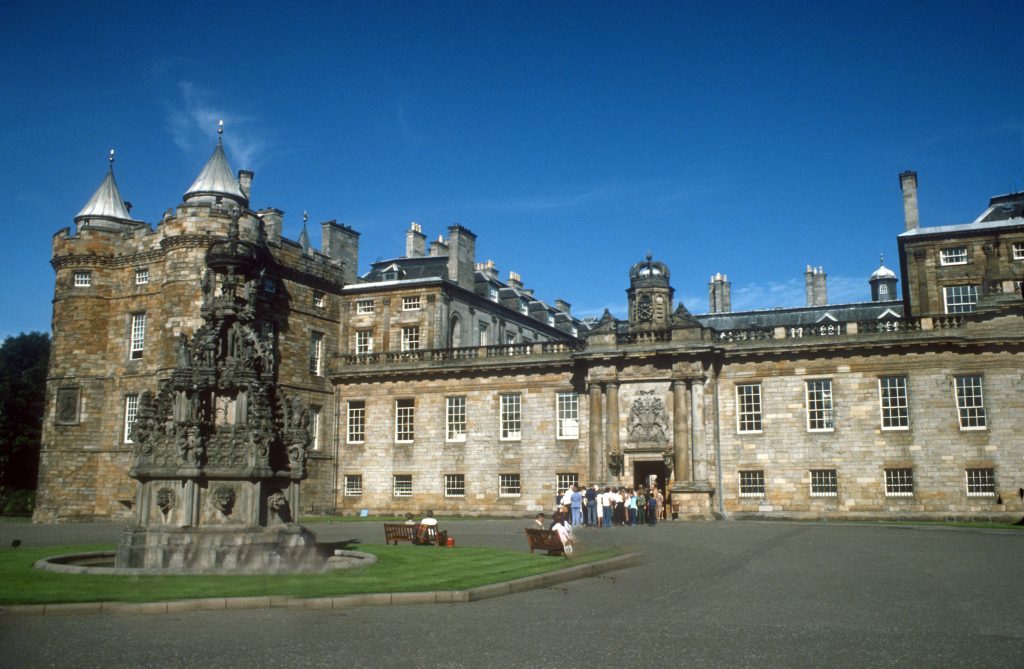
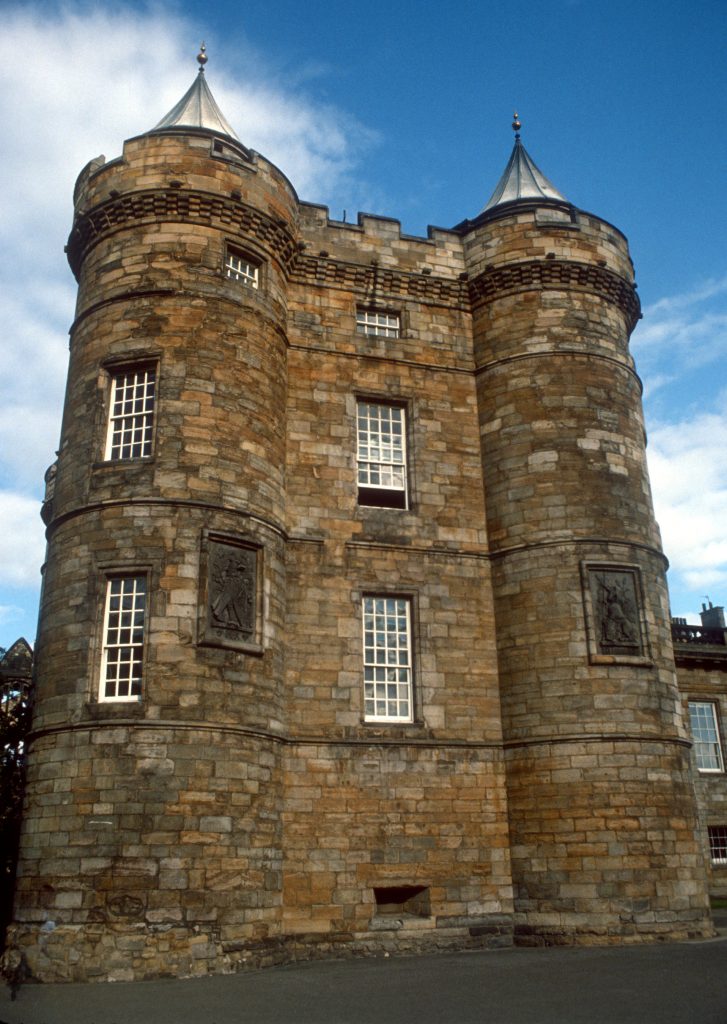
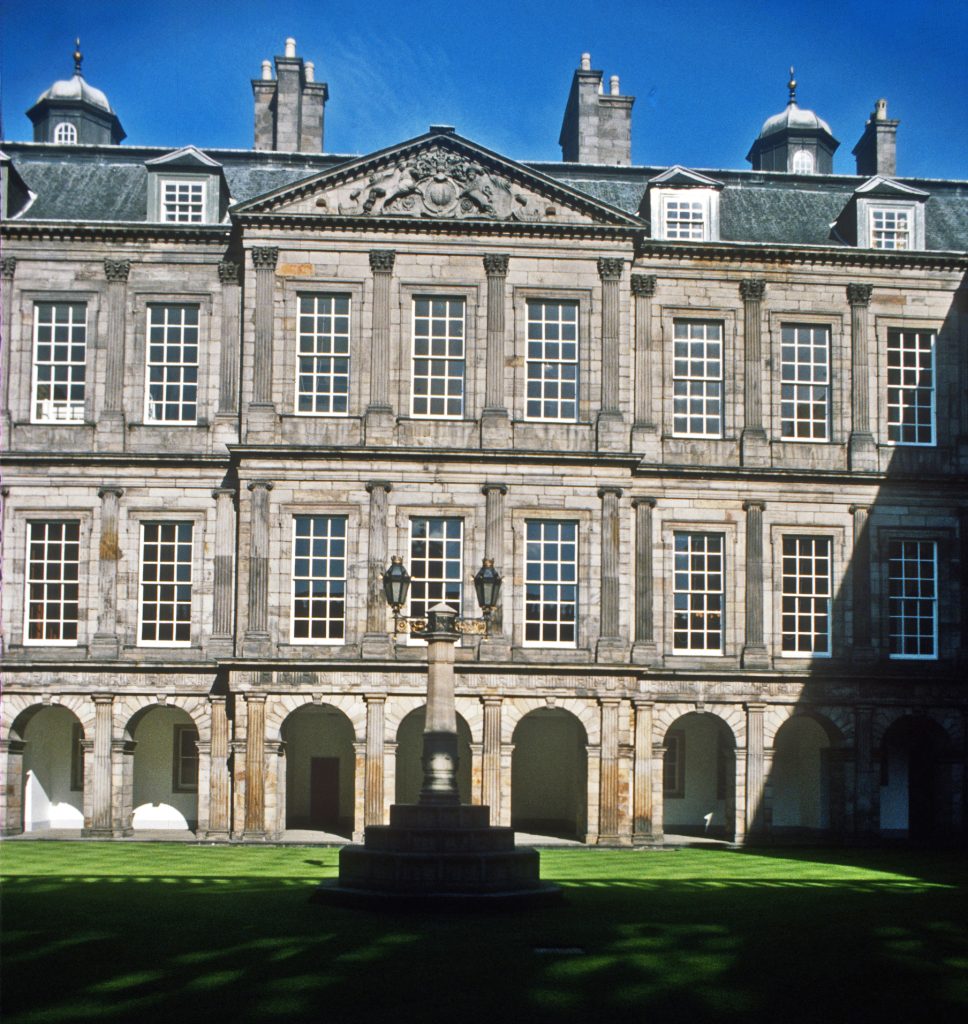
And then came the grand culmination: the Palace of Holyroodhouse. With the extinct volcano of Arthur’s Seat rising behind it, the palace stands as both a living royal residence and a gateway to Scotland’s tumultuous past. The chambers of Mary, Queen of Scots are among the most evocative in the nation—including the room where David Rizzio was murdered by jealous lords while Mary stood helplessly restrained. Rizzio’s bloodstain is still said to linger on the floorboards. The Great Gallery, with portraits of 110 Scottish monarchs—some real, others mythical—lines the walls where Bonnie Prince Charlie once held court in 1745. The Queen’s Apartments remain in use today, their elegance cloaked in centuries of statecraft, scandal, and ceremony. Step outside to the ruins of Holyrood Abbey, open to the sky, ivy-draped and haunting in its Romanesque silence
Modern-Day Connection
Today, the Royal Mile thrives more than ever. During August, it bursts into dramatic bloom for the Edinburgh Fringe Festival, when actors, musicians, fire-eaters, and poets take to the streets. Shops overflow with tartan, whisky, and Harris tweed; pubs serve traditional haggis and folk music; and local artisans still practice centuries-old trades in stone, wool, and wood.
Yet it remains more than a mere tourist draw. Locals worship at St. Giles march in parades, gather for protest, and sip morning tea in its shadow. The Castle hosts its Royal Edinburgh Military Tattoo each summer, with the floodlit parade ground echoing bagpipes and the thunder of drums. At Holyrood, state ceremonies and royal visits still lend the city’s edge a touch of regality.
Walk the Royal Mile and traverse a thousand years. You breathe in history, not in hushed reverence, but in daily life: the clang of shop bells, the scent of scones and peat smoke, the flow of storytelling that lingers in every stone.
So if you’re yearning for a place where every stone tells a story, let the Royal Mile lead you. Trace the footprints of monarchs and martyrs, of scholars and schemers. Stand long enough in Edinburgh, and you may just hear the whispers of the past rising with the wind. For this city does not forget. And when you walk its Mile, you won’t either.
Where to Stay in Edinburgh, United Kingdom
For a stay on the Royal Mile itself, older hotels and converted townhouses offer proximity to Edinburgh’s main historical attractions. Properties like the Radisson Collection Hotel Royal Mile offer modern comfort at the heart of the action, though street-facing rooms may pick up noise from foot traffic and evening crowds. Guesthouses tucked into the closes (narrow alleyways off the Mile) provide quieter, more affordable alternatives with the same convenient location.
The New Town area, just north of the Old Town, offers tree-lined Georgian streets, independent shops, and restaurants without the tourist congestion of the Mile. Hotels here range from budget chains to period townhouse conversions, where you’ll encounter locals far more often than visitors. The walk back to the Royal Mile takes ten to fifteen minutes, making it a practical base for calmer evenings.
For budget-conscious travelers, the Grassmarket district (a short walk downhill from the Mile) offers hostels and smaller hotels clustered around a historic square where public executions once occurred. The area has developed into one of Edinburgh’s social hubs with pubs and restaurants, drawing a younger crowd at more affordable rates than the Mile itself. You’re still within walking distance of the main sights, just with more breathing room.
If you want to step outside the old center entirely, the Leith waterfront area about two miles from the Royal Mile offers independent hotels and converted warehouse accommodations with a maritime history of their own. The neighborhood has become a destination for restaurants and galleries, with the bus journey to the Mile taking roughly fifteen minutes. This option suits travelers who want to experience Edinburgh as residents do, not purely as historical tourists.
Recommended Reading:
- Mary Queen of Scots by Antonia Fraser – A definitive biography that reads with the pace of a political thriller.
- Mary, Queen of Scotland and the Isles by Margaret George – A richly imagined novel of Mary’s life from childhood to execution.
- The Heart of Midlothian by Sir Walter Scott – A sweeping historical novel centered around Edinburgh in the 1730s.
- Edinburgh Twilight by Carole Lawrence – The first in a gripping Victorian-era detective series set on the shadowy streets of the Royal Mile.
- Reformation: Europe’s House Divided by Diarmaid MacCulloch – For deeper context on John Knox and the religious battles that shaped Edinburgh.
- The Private Lives of the Tudors by Tracy Borman – Offers insight into the world surrounding Mary, Queen of Scots and her cousin Elizabeth I.
- John Knox: A Life by Jane Dawson – A modern, compelling biography of the Reformation firebrand.
- Scotland: A History by Jenny Wormald – A comprehensive narrative for those wanting to understand the nation behind the Mile.
- Insight Guide: Scotland – A lavishly illustrated inspirational travel guide to Scotland and a beautiful souvenir of your trip. Perfect for travellers looking for a deeper dive into the destination’s history and culture, it’s ideal to inspire and help you plan your travels.
Tours to Consider:
- Royal Mile and Edinburgh Castle – Small Group Walking Tour
- Edinburgh in a Day: Edinburgh Castle, Royal Mile, Holyrood Palace