It’s not every town that bears the name of a duke, births one of Europe’s most delightfully deranged painters, and hosts one of the continent’s most extravagant Carnival celebrations. But then, Den Bosch arrived,
‘s-Hertogenbosch, if you’re feeling formal (“dark forest”), has never settled for ordinary. Tucked into the heart of the Netherlands, this ancient city is a living fresco, fortified and festive, forever faithful to its surreal soul.
Crossroads of Resistance
Founded in 1185 by Duke Henry I of Brabant, Den Bosch quickly rose to prominence as a fortified market town at the marshy confluence of rivers and trade routes. Its bastions withstood centuries of siege, including a notably tenacious resistance in 1629 against Protestant forces during the Eighty Years’ War, still commemorated by locals as a Catholic miracle.
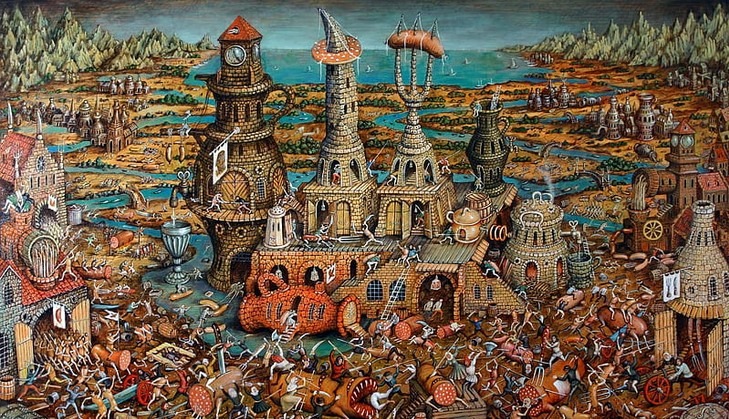
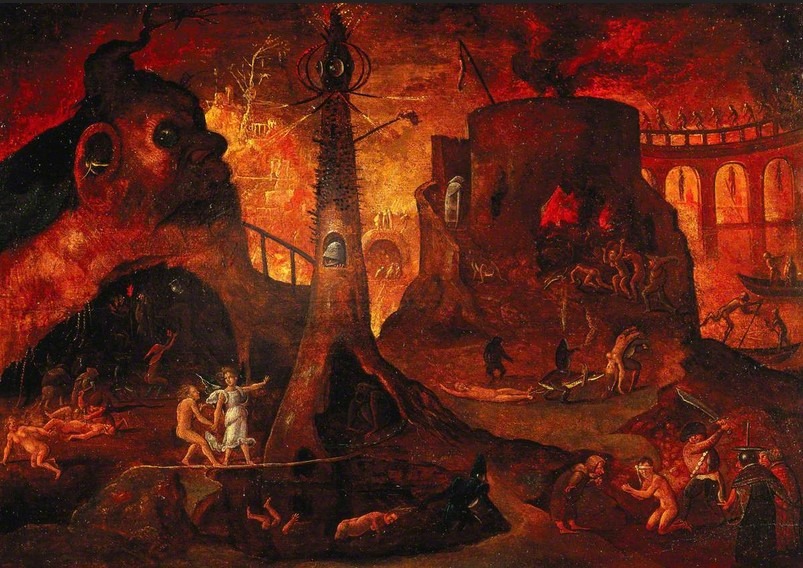
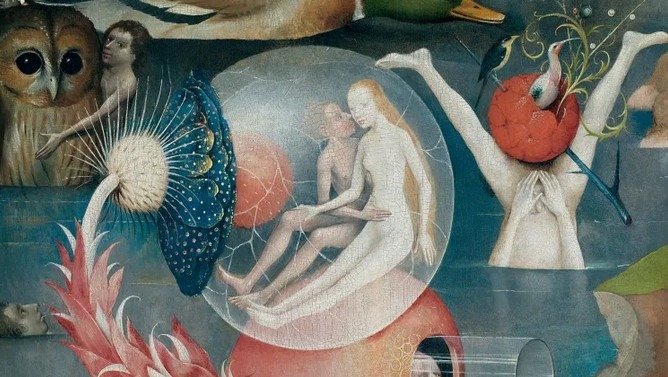
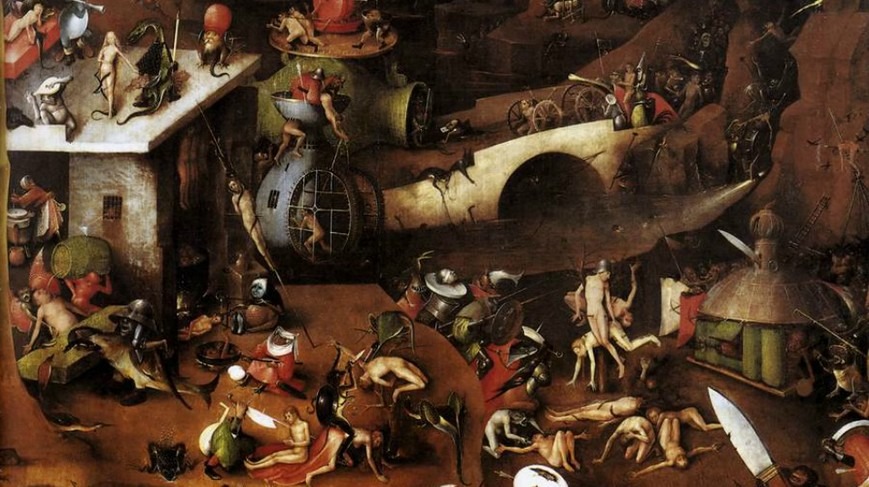
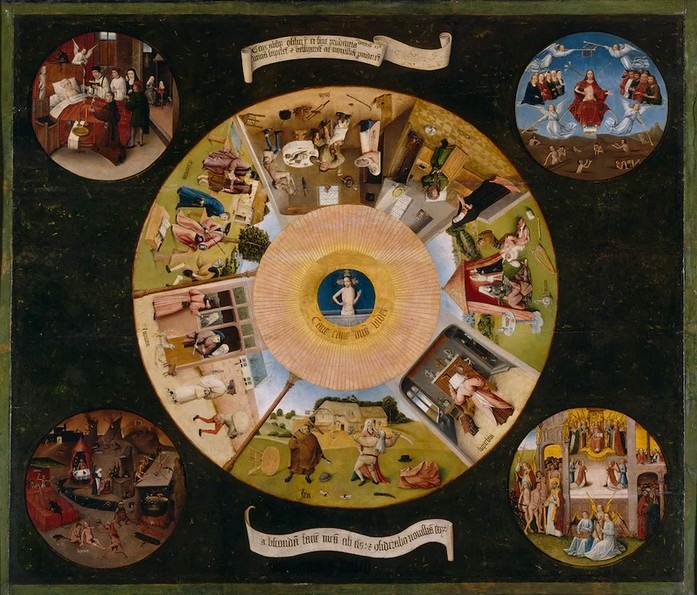
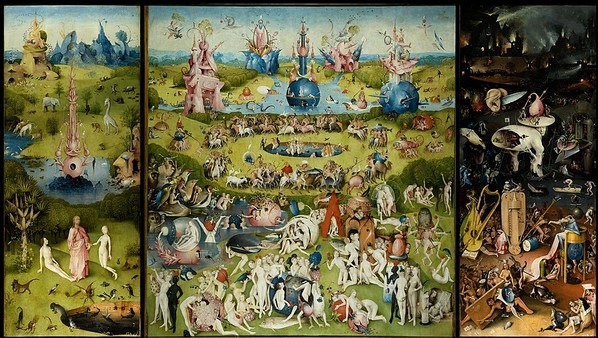
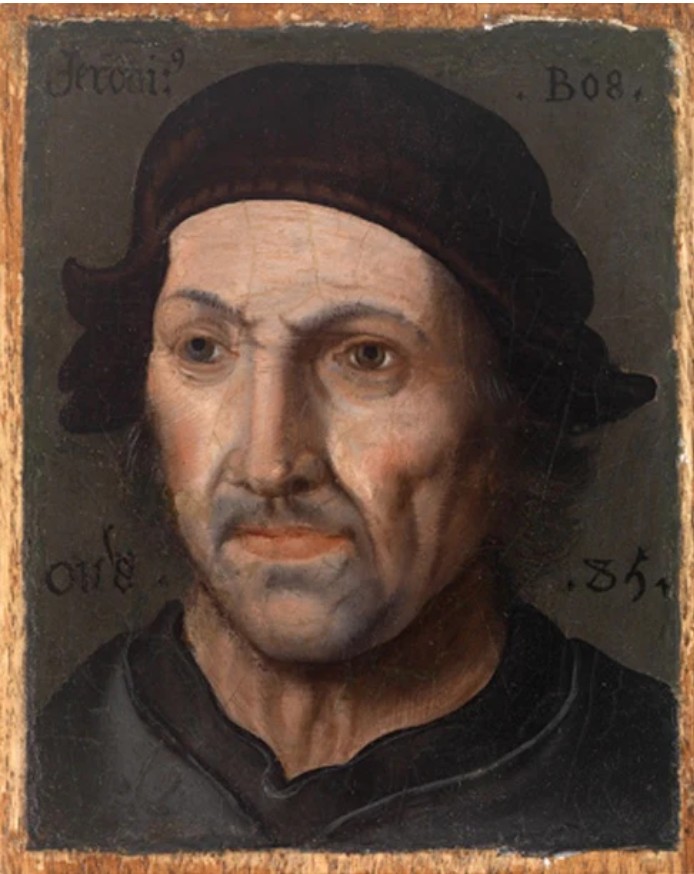
Yet its most enduring legend is not a battle, but a single brushstroke. Around 1450, Jheronimus van Aken, known to the world as Hieronymus Bosch, was born here. His feverish, allegorical canvases blended religious symbolism with grotesque imagination, defining the city as simultaneously holy and hallucinatory. Bosch produced at least sixteen triptychs; eight survive fully intact, five more in fragments, and none remain in Den Bosch. You might actually have to go to Spain to see Bosch’s works—in the late 16th century, Philip II of Spain acquired many of his paintings. As a result, the Prado Museum in Madrid now owns Adoration of the Magi, The Garden of Earthly Delights, the tabletop painting The Seven Deadly Sins and the Four Last Things, and The Haywain Triptych. Jheronimus (the Dutch equivalent to Jerome) witnessed the catastrophic fire of 1463 that destroyed more than 4,000 homes in Den Bosch, an event that may have influenced the horrific visions of pain and suffering in his religiously themed works.
The Sacred and the Sensational
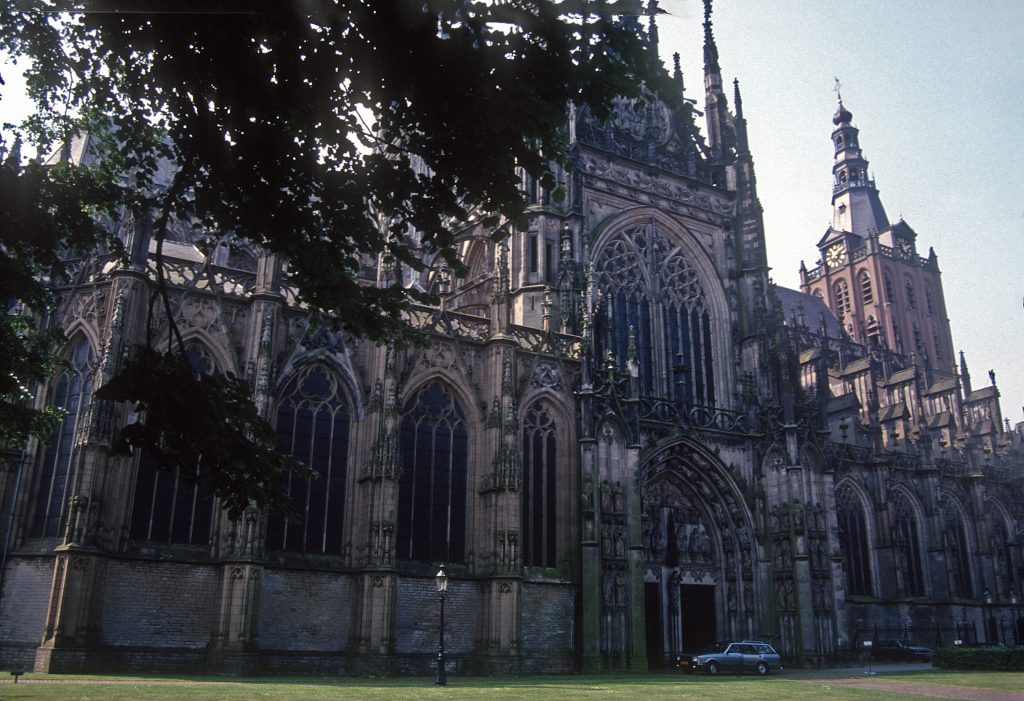
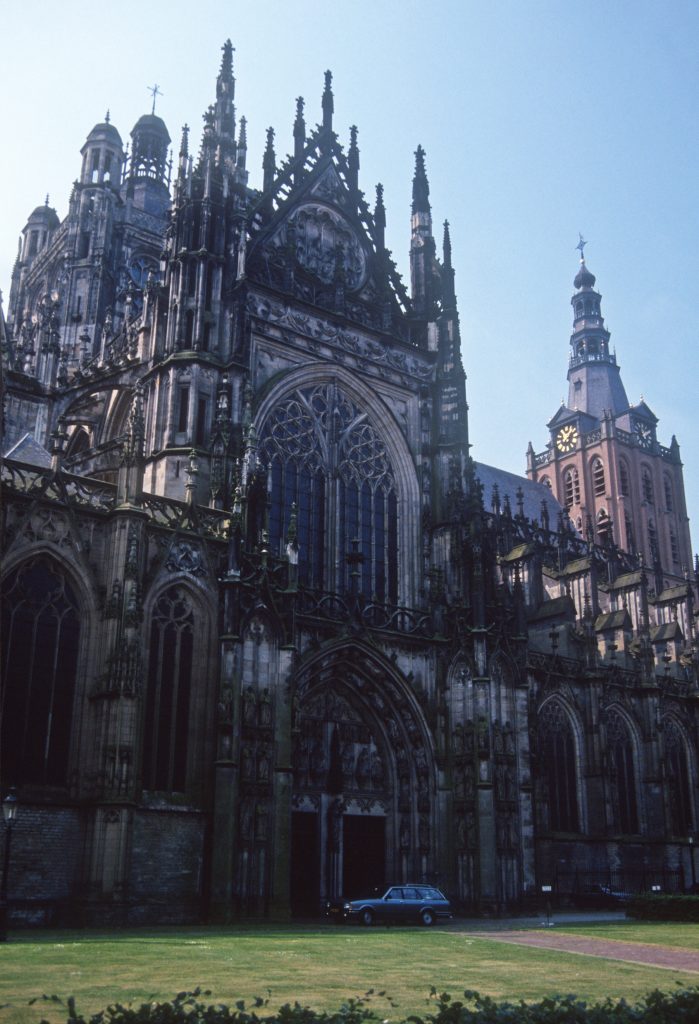
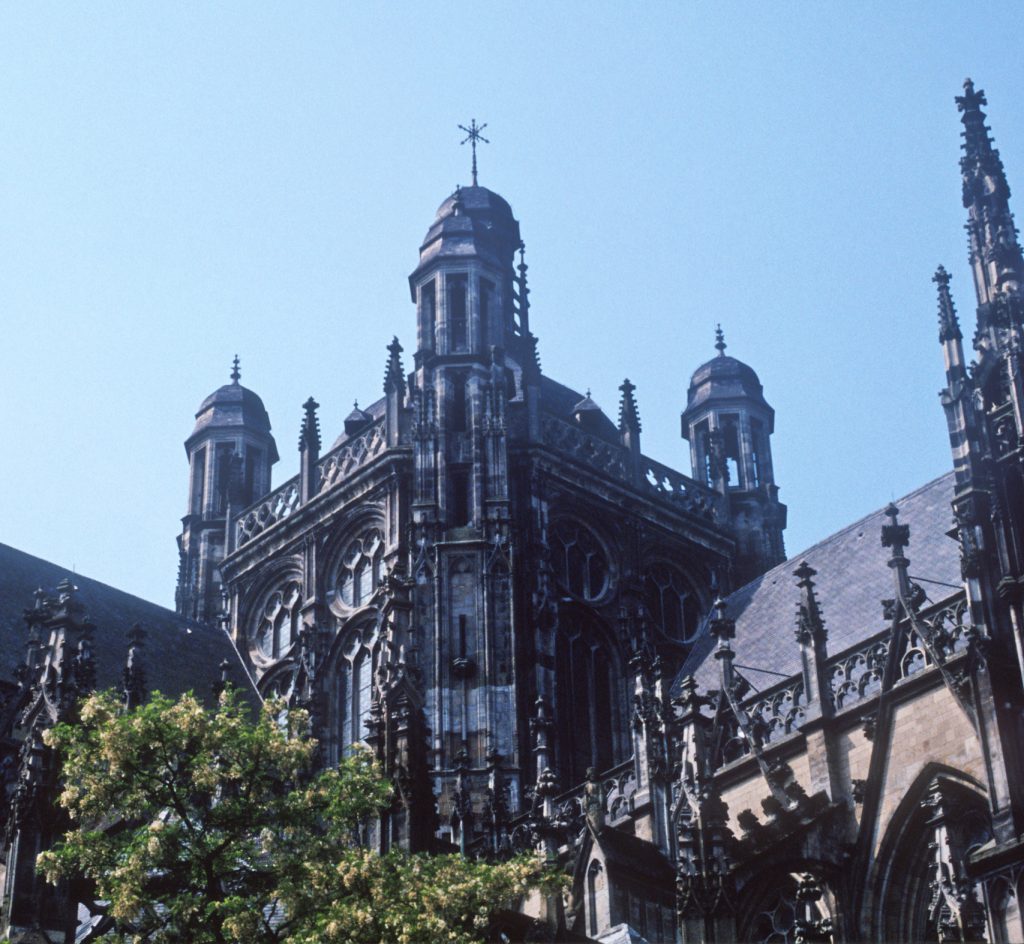
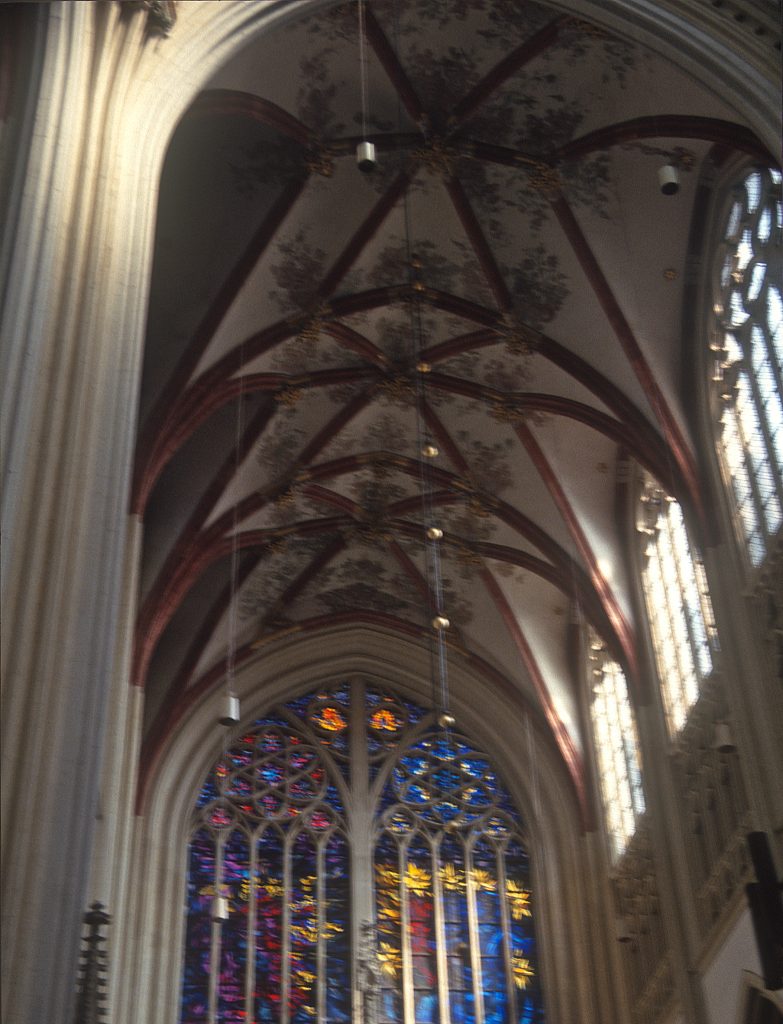
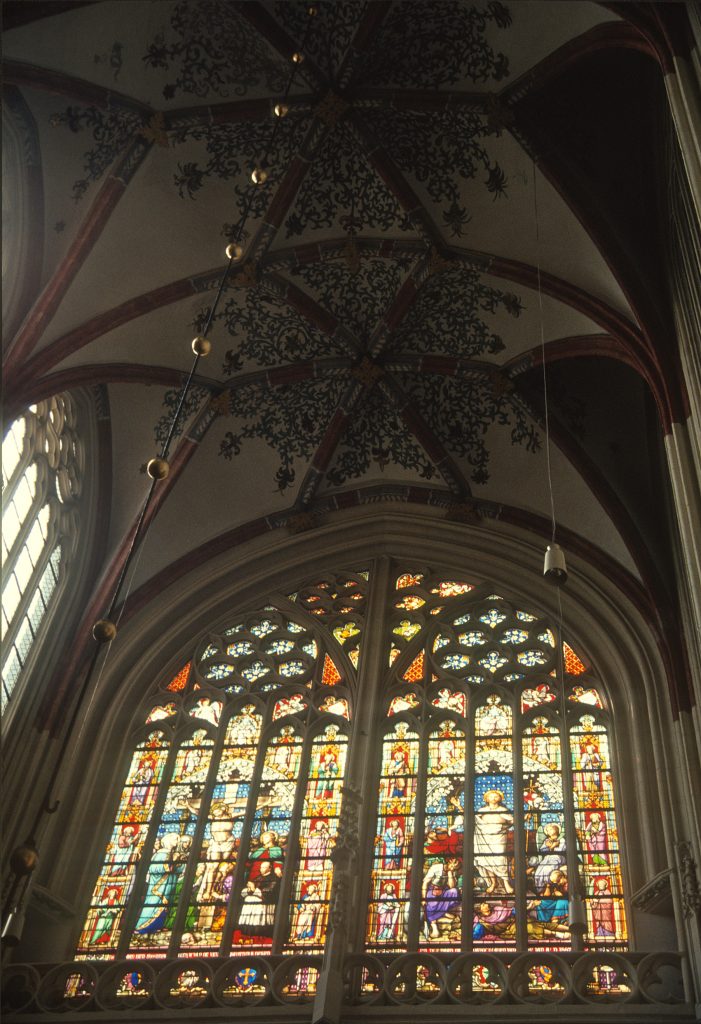
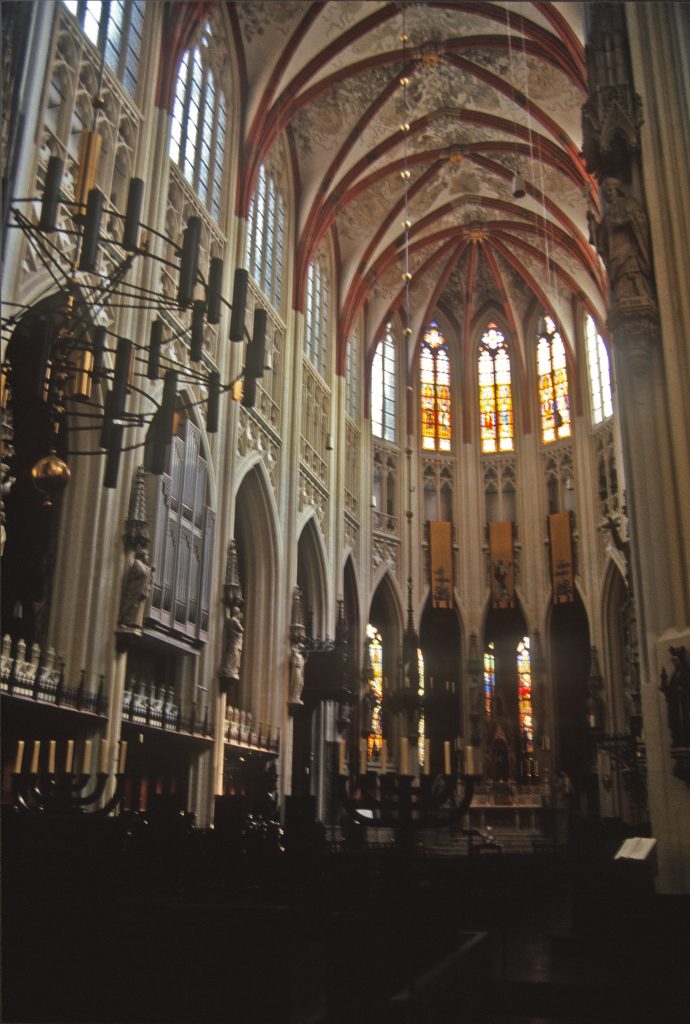
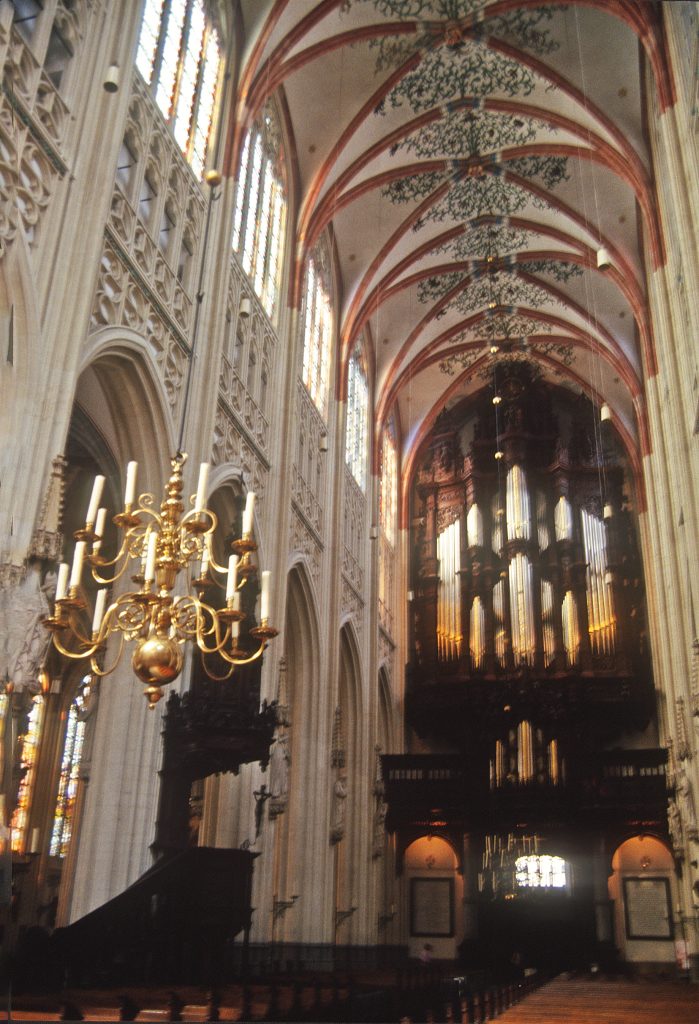
Today, Den Bosch balances its pious heritage with a festive spirit. The monumental St. John’s Cathedral (Sint-Janskathedraal), a masterpiece of Brabantine Gothic, rises skyward in sculptural splendor, its flying buttresses and saintly statues triumphant displays of artistry. Pay special attention to the collection of expressive stone angels, one of which humorously holds a mobile phone. If you time your visit right, the interior fills with candlelight and Gregorian chant during religious festivals, a transportive moment. Step inside during vespers, and the candlelit hush of plainsong will transport you five centuries back.
Below street level lies the Binnendieze, a network of medieval canals now traversed by whisper-quiet electric boats. Here, tour guides glide under bridges and past secret cellars where brewers once toiled and smugglers slipped through the shadows.
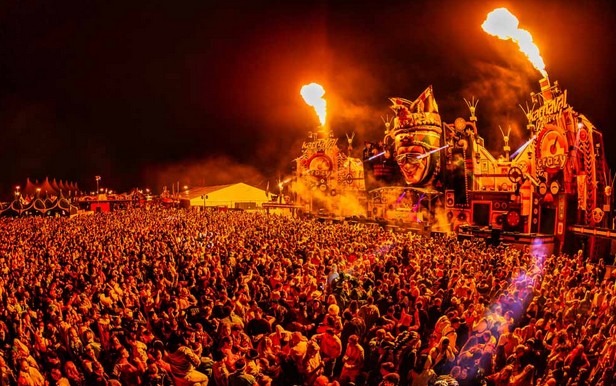
Come February, the city transforms. Den Bosch becomes Oeteldonk, a froggish fantasyland where Carnival’s Prince Amadeiro assumes tongue-in-cheek reign while locals don patchwork uniforms in red, white, and yellow. It is a pageant of parody and passion, a rebellion against winter’s gray.
A Bosch Blast
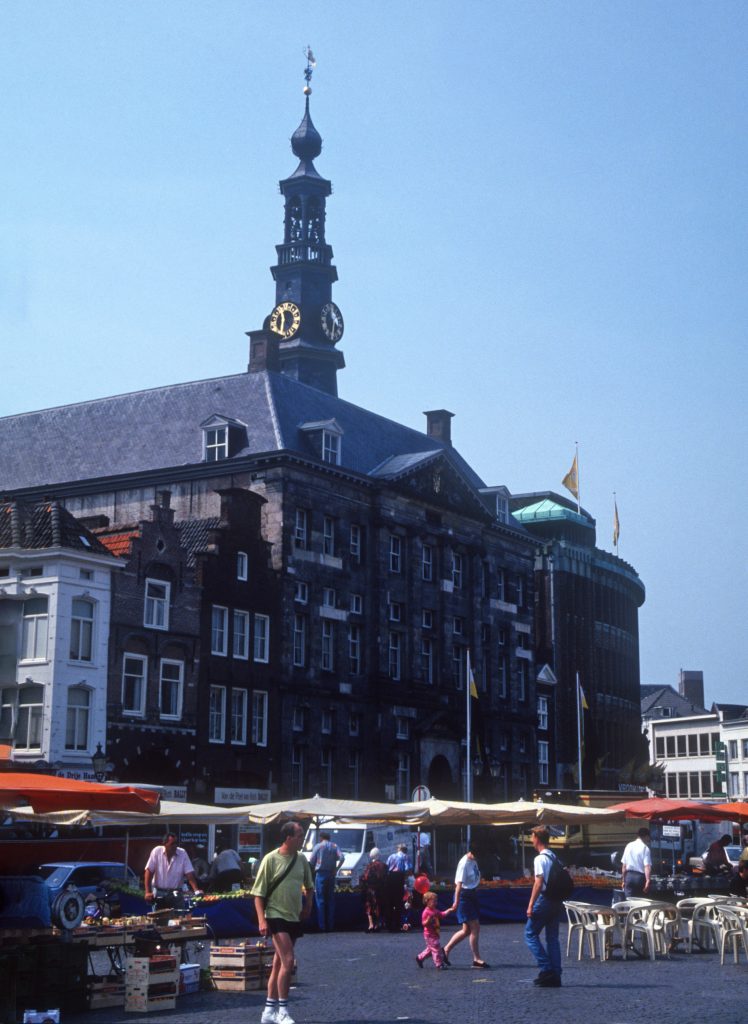
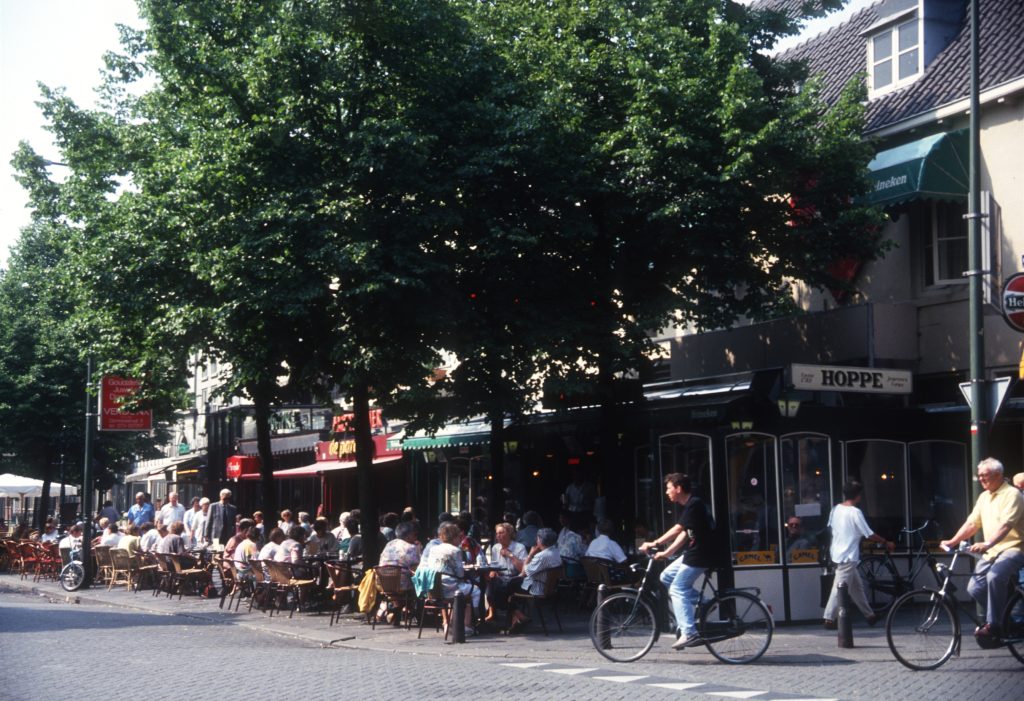
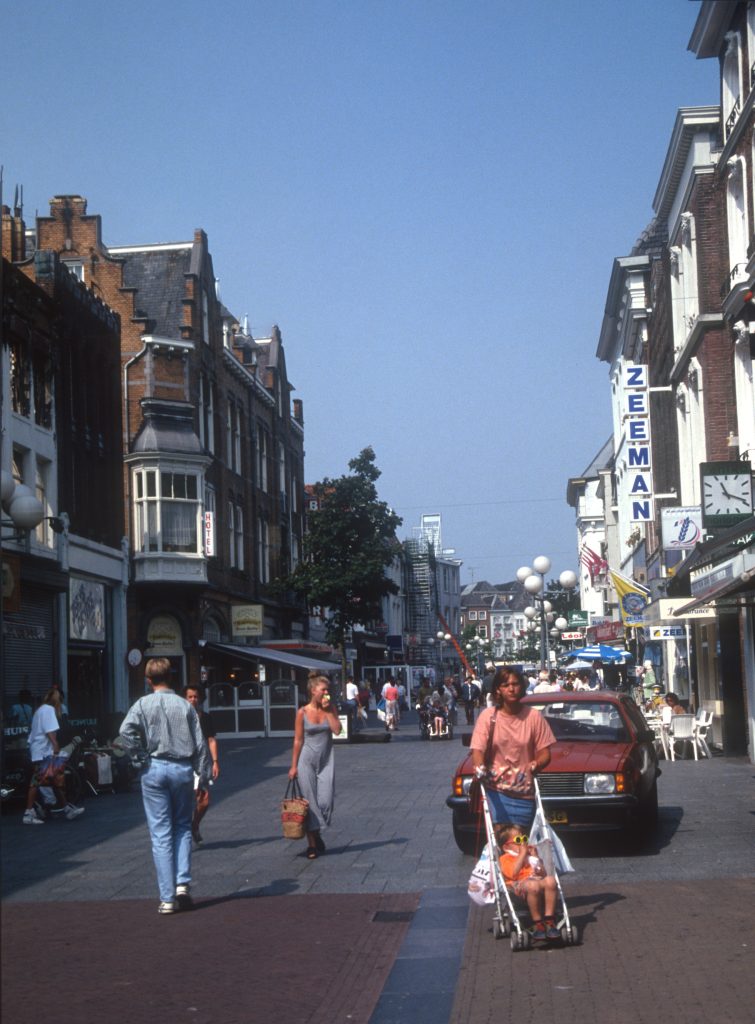
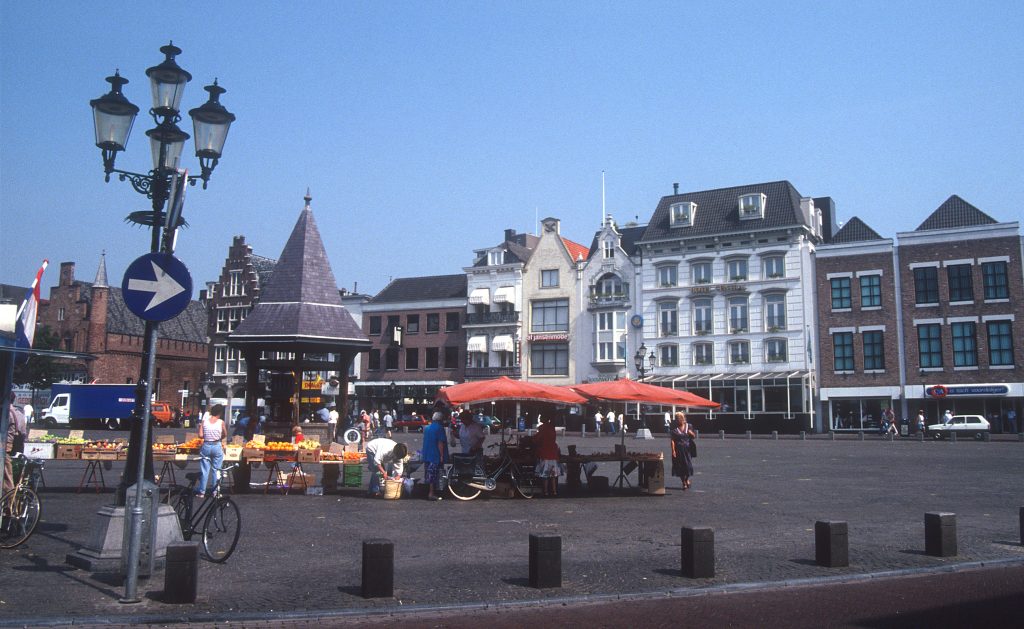
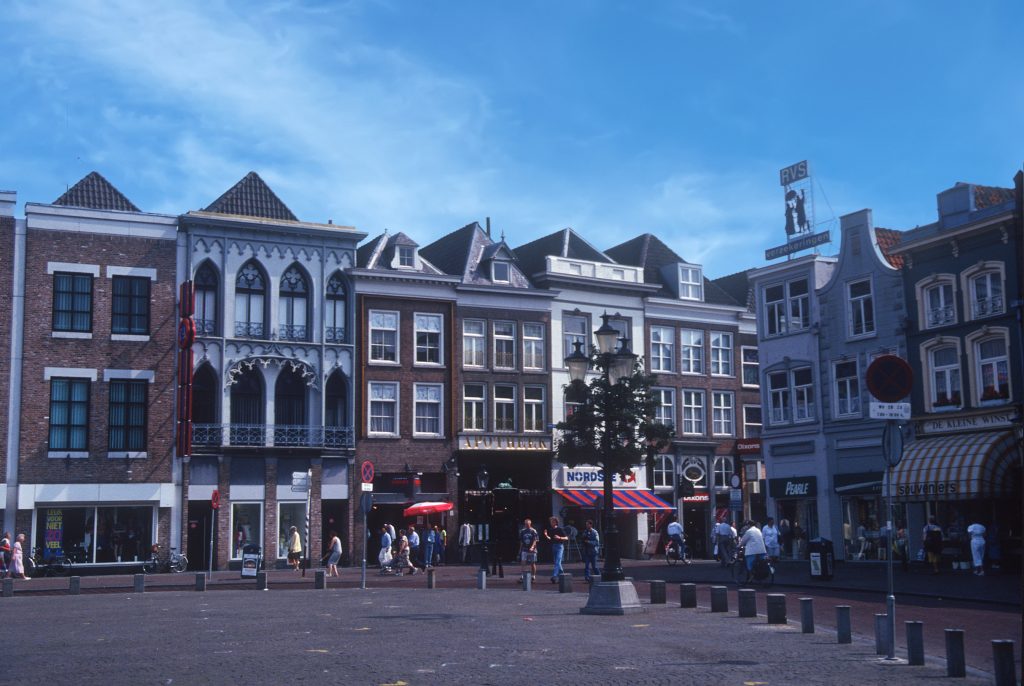
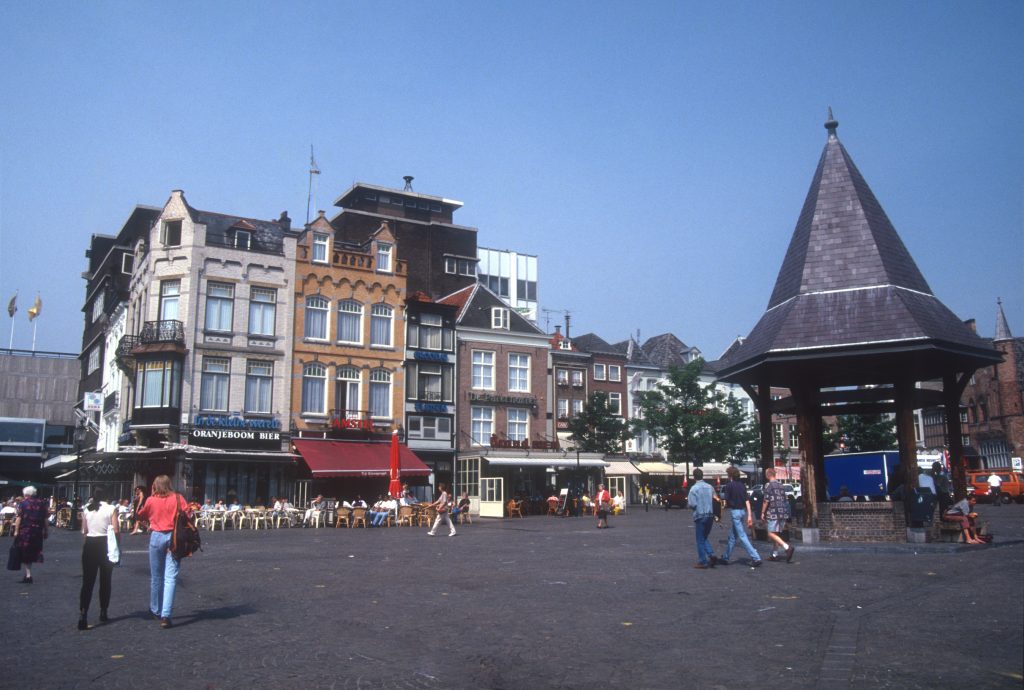
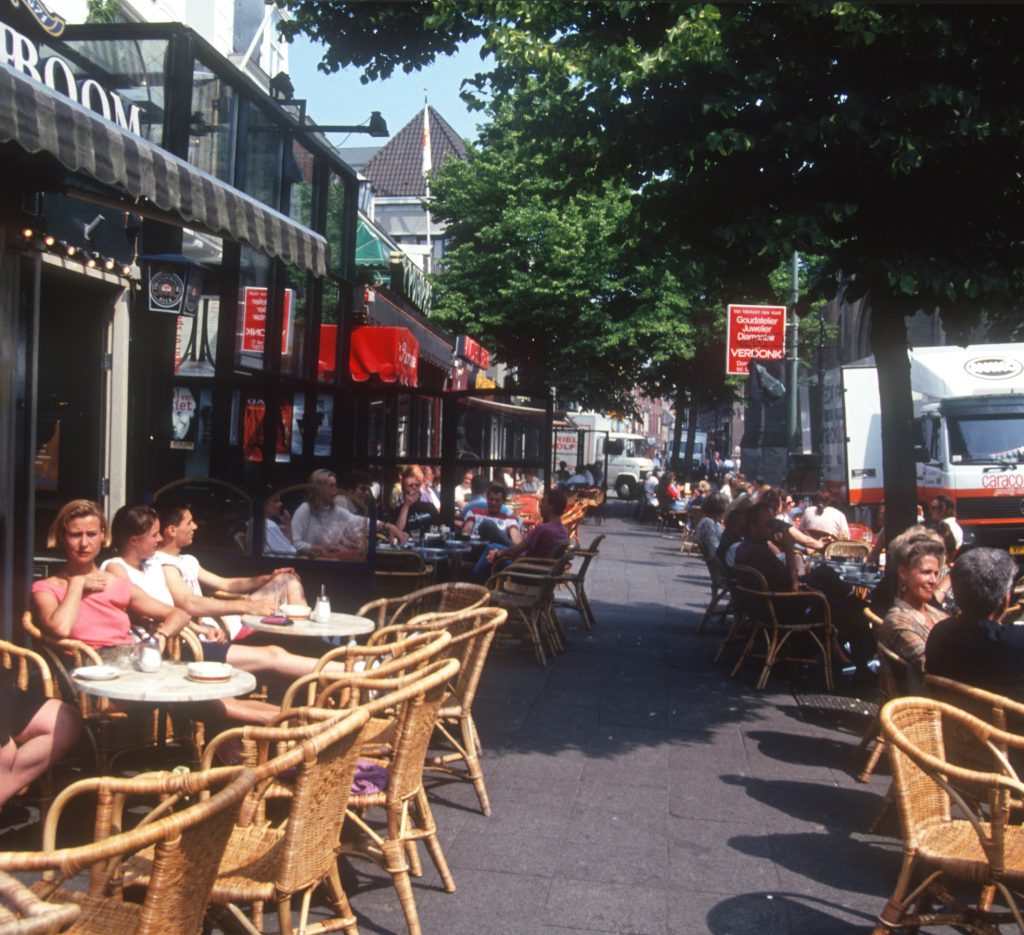
On market days, the main square pulses with chatter and the sound of clogs. Pop into a patisserie and order the Bossche Bol, a chocolate-covered choux pastry the size of a snowball that is utterly decadent and dangerously addictive.
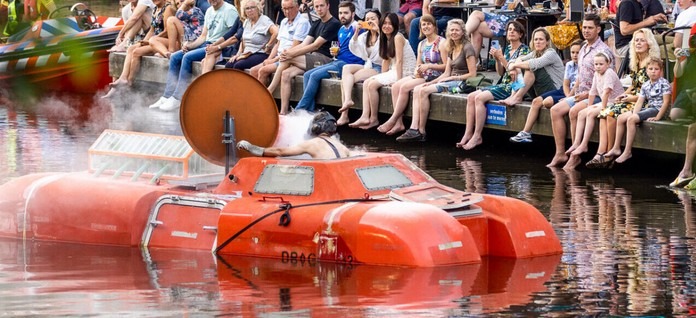
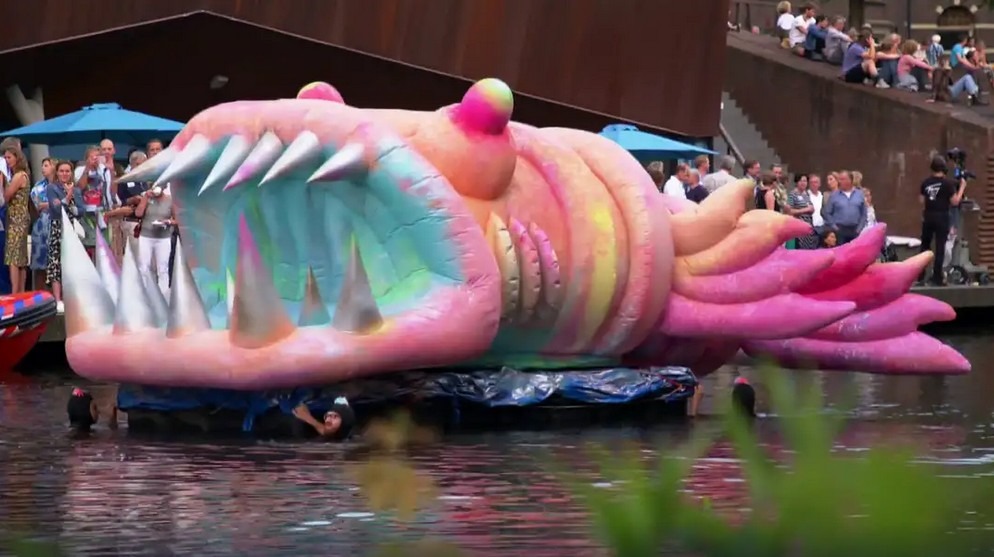
But don’t miss the two major celebrations that give the city its modern hallucinatory reputation: its Bosch Parade on the water (yes, all kinds of weird Bosch-like creations that float) in June on even-numbered years and Karneval in February!
In Den Bosch, the past is not merely preserved but animated, exaggerated, and joyfully performed. Whether you come for the Gothic architecture, the chaos of Carnival, or the haunting brilliance of Hieronymus Bosch, you will leave with your senses alive and your soul stirred. History here refuses to rest quietly behind velvet ropes. It sings, it dances, it devours chocolate, and it laughs at angels on cell phones.
Where to Stay in Den Bosch, Netherlands
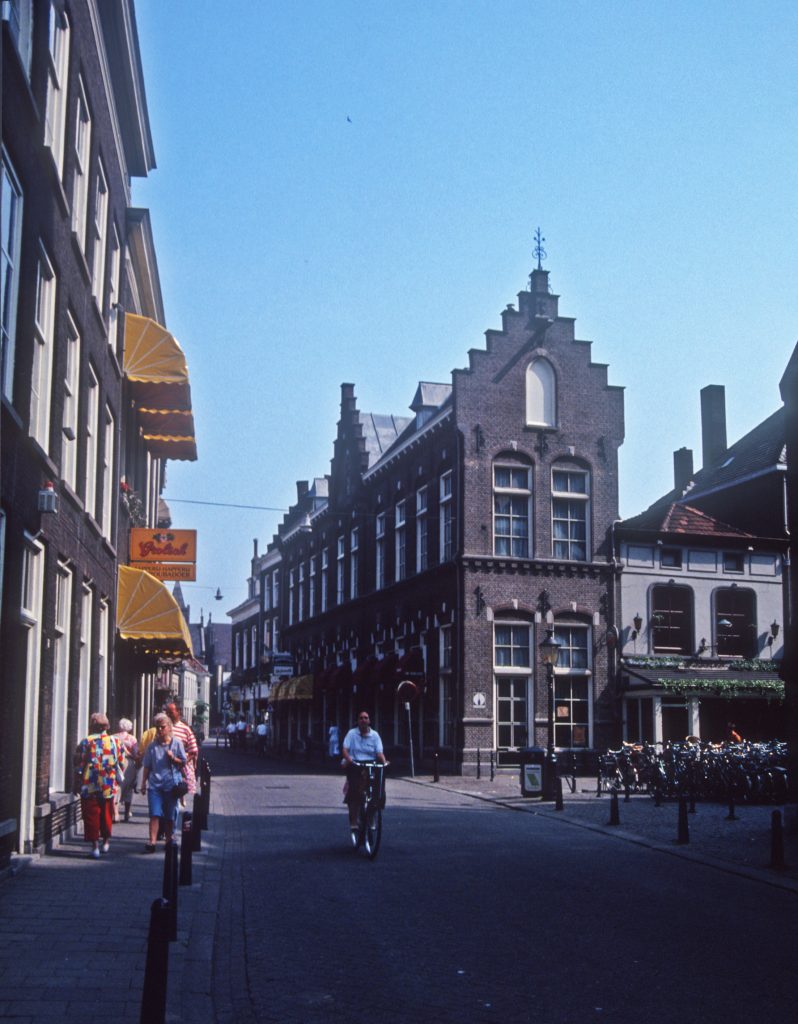
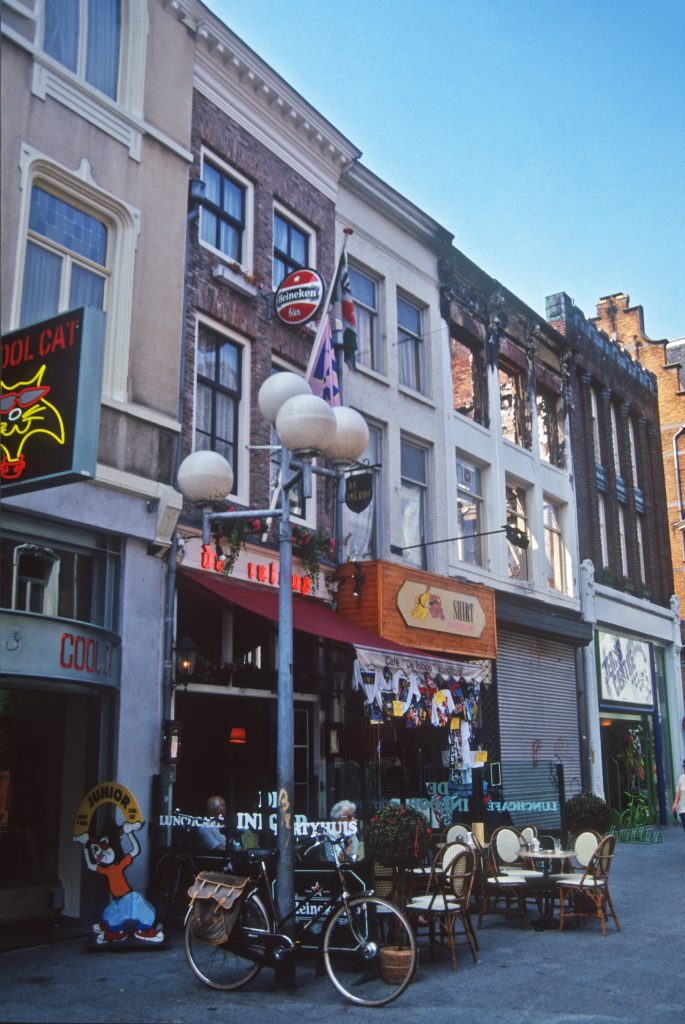
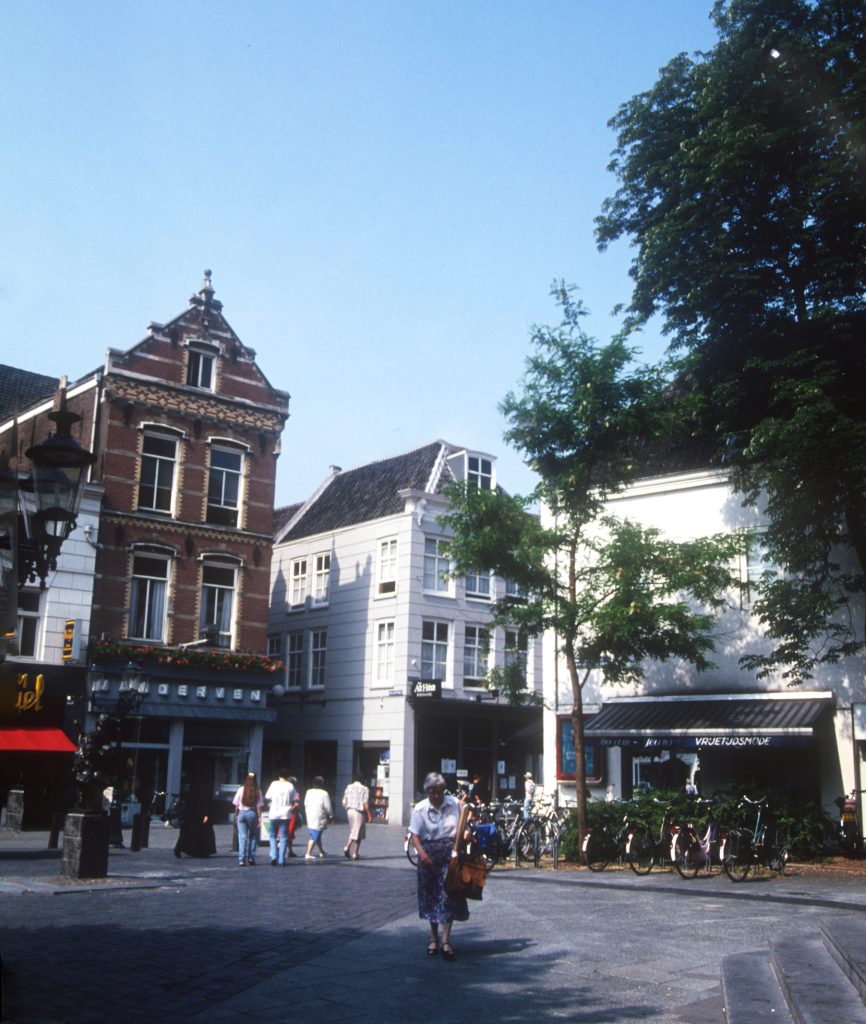
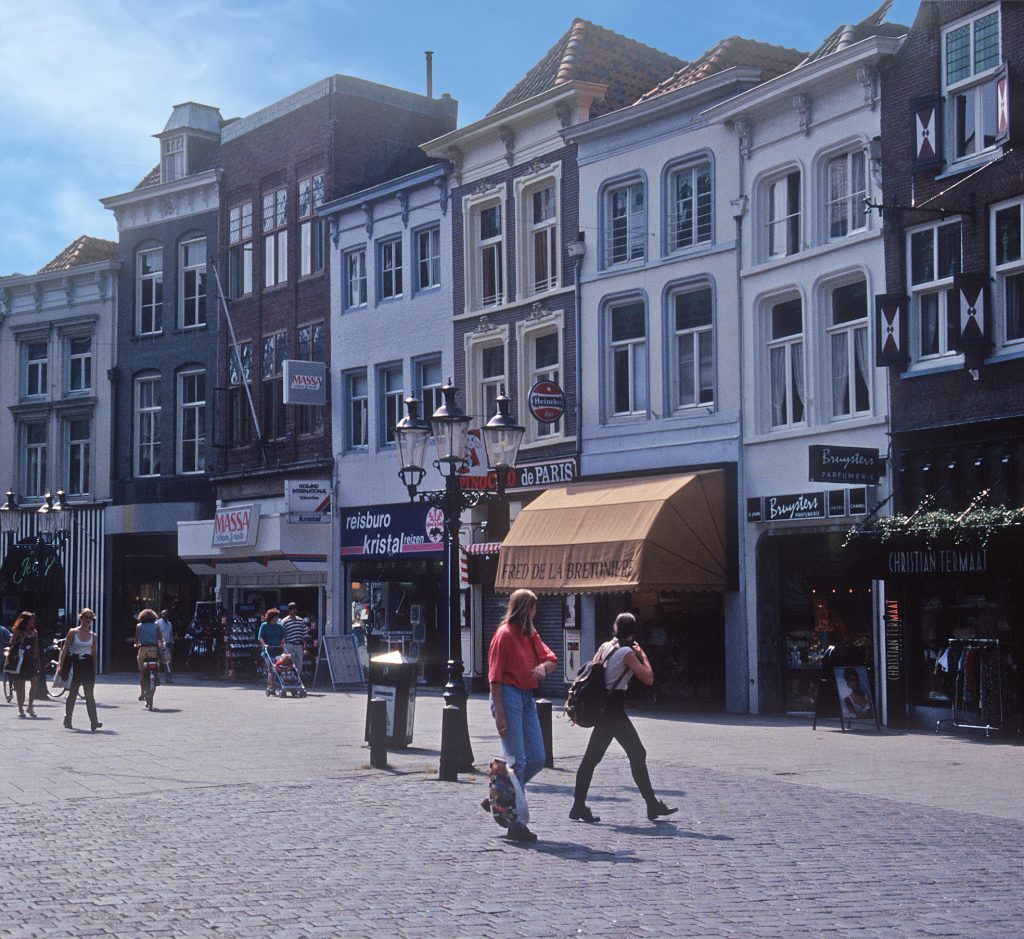
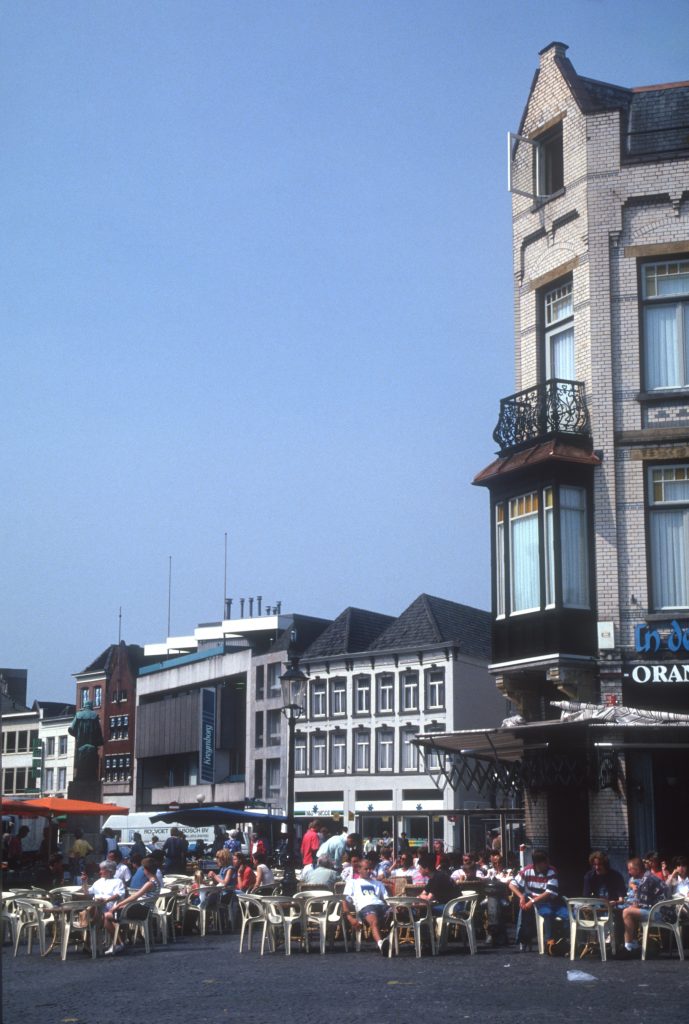
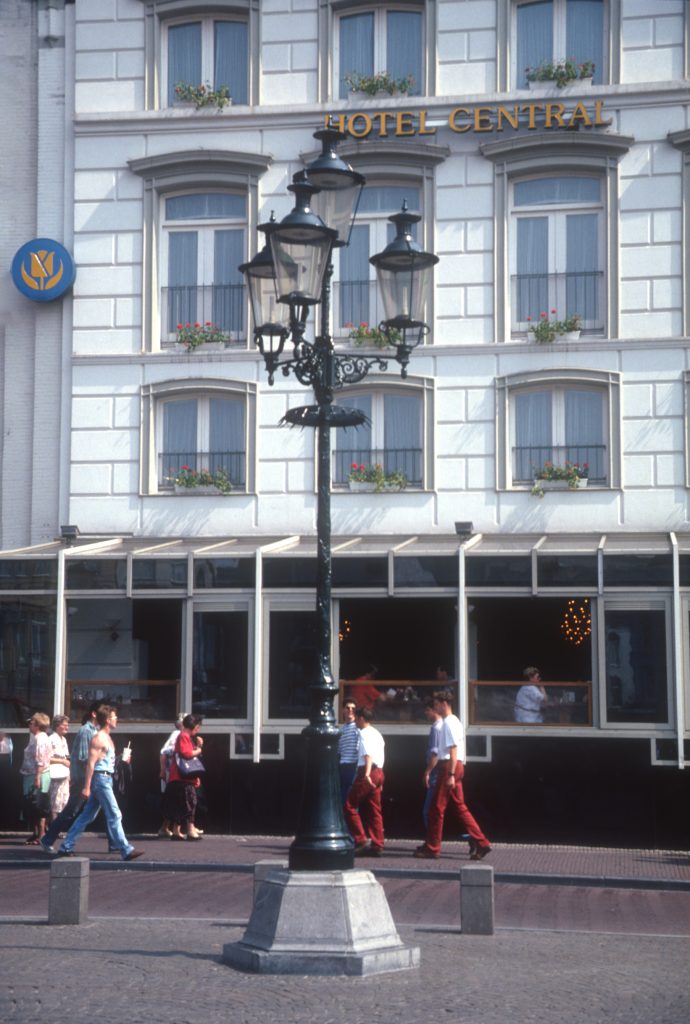
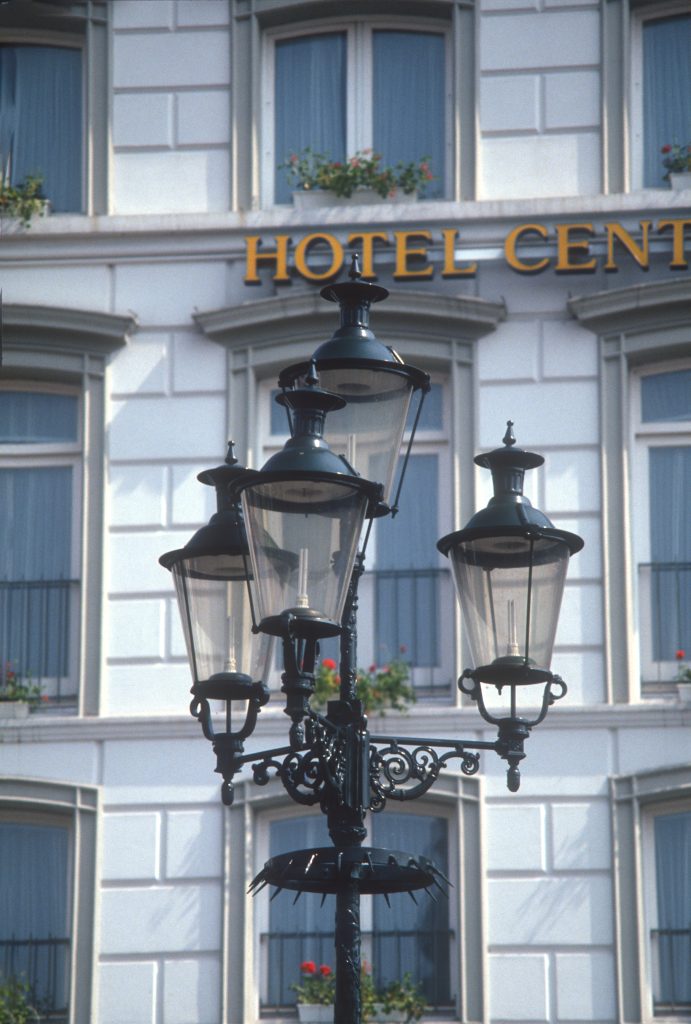
The city center around Sint-Janskathedraal provides the most convenient base for exploring Den Bosch’s historic core on foot. Hotels and guesthouses here put you within a short walk of the cathedral, the Binnendieze waterways, and main shopping streets. The neighborhood fills with locals and visitors by day and maintains a relaxed evening atmosphere, especially during Carnaval season when the entire quarter comes alive with decorated storefronts and street activity.
For a quieter, more characterful base, consider staying in one of the smaller hotels or bed-and-breakfasts along the Binnendieze canals. These waterside locations let you access the boating culture that defines Den Bosch and experience the city as residents do, with morning coffee overlooking the water and evening walks along the towpaths. The canal houses are often centuries old, with many converted into intimate lodging that preserves their period details.
The Stationsplein district near the main train station works well if you want straightforward access without navigating narrow medieval streets. Hotels here offer modern amenities and direct rail connections to other Dutch cities, which is useful if Den Bosch is part of a larger itinerary. The trade-off is that you lose some medieval atmosphere, though even this newer area sits just ten minutes on foot from the city center.
Budget travelers should look for rooms in the residential neighborhoods just north of the center, where smaller hotels and hostels offer reasonable rates while remaining within easy walking distance of the major sights. These areas reveal Den Bosch as a living city rather than a tourist destination, with local cafes, bicycle traffic, and family-run shops. Book accommodation well in advance if you plan to visit during Carnaval, as the city fills to capacity during the four days before Ash Wednesday.
Recommended Reading
Historical Fiction
- “The Miniaturist” by Jessie Burton — Set in 17th-century Amsterdam, this novel follows Nella Oortman, a young bride who receives a miniature replica of her new home as a wedding gift. As she populates the dollhouse, mysterious events begin to mirror the items she receives, unveiling secrets about her household. While slightly outside the 16th century, the book offers a captivating glimpse into Dutch society’s intricacies during the period.
- “Jacqueline of Holland” by Thomas Colley Grattan — Set in the turbulent 15th century, this novel delves into the life of Jacqueline, Countess of Hainault, as she navigates the complexities of power, inheritance, and love amidst a divided Europe. Grattan’s narrative captures the intricacies of court politics and the personal struggles of a woman striving to assert her rightful place in a patriarchal society. infosearchlight.com
- “The Eye of the Beholder” by Marc Behm : A psychological novel set partly in the Netherlands, with Bosch-like overtones.
- The Garden of Earthly Delights by Robert Dodds — Inspired by Hieronymus Bosch’s famous painting, this novel delves into the lives of individuals in 15th-century Netherlands, exploring themes of temptation, morality, and the human condition. It offers a glimpse into the daily lives and spiritual concerns of the era’s common folk.
Nonfiction
- “Hieronymus Bosch: Garden of Earthly Delight” by Hans Belting: A scholarly tour through Bosch’s most famous painting and its medieval meanings.
- “The Dutch Republic: Its Rise, Greatness, and Fall” by Jonathan Israel: For an in-depth view of the political and cultural environment surrounding Den Bosch.
- “The Burgundians: A Vanished Empire” by Bart Van Loo (translator Nancy Forest‑Flier): Engaging cultural and political history of the Burgundian state, emphasizing artistic patronage and regional identity across the medieval Low Countries.
- Insight Guide: Amsterdam – From deciding when to go, to choosing what to see when you arrive, this guide to the Netherlands is all you need to plan your perfect trip, with insider information on must-see, top attractions like the Van Gogh Museum, The Hague and the Wadden Islands, and cultural gems like visiting the fascinating 16th-century Kasteel Amerongen, browsing the rambling flea market Waterlooplein or cycling through the hills of Salland.
Tours to Consider