It begins with a distant whistle, echoing like something from another century.
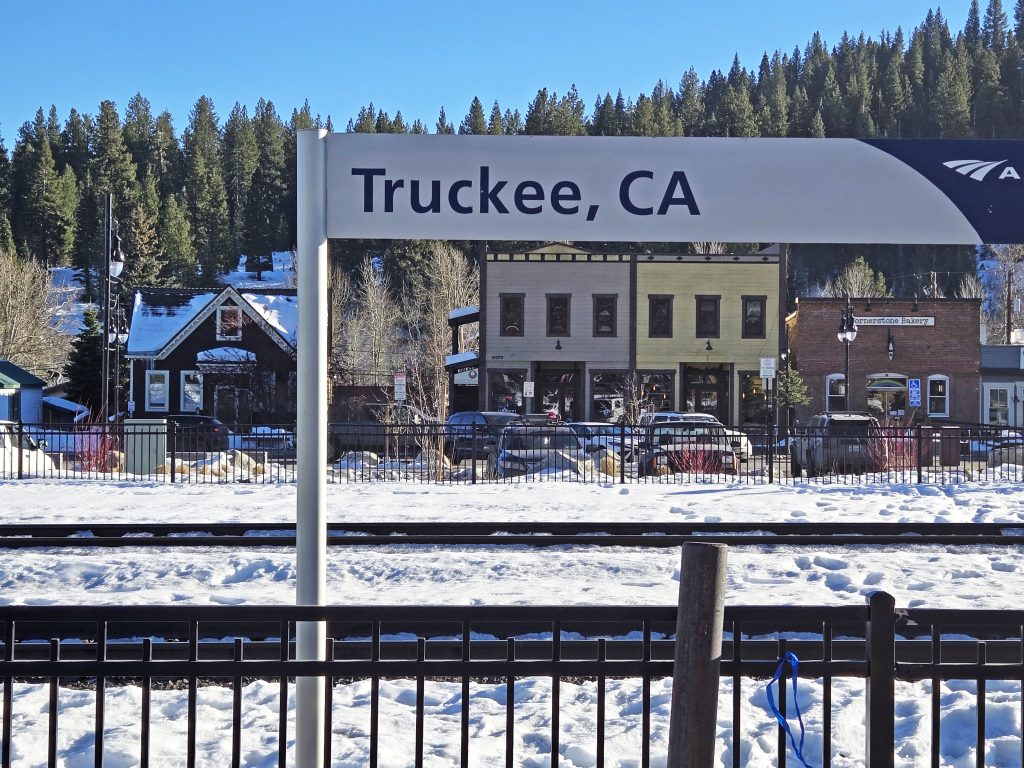
In Truckee, California, the train still clatters through the center of town past 19th-century saloons and weathered brick façades like a steel ghost tracing the path of empire. But it wasn’t haunting. It grounds you. In Truckee, the past isn’t past—it’s stitched into every historic building, timber beam, and tarnished sign. The town was born of iron, snow, and ambition, and it never quite stopped moving.
High in the Sierra Nevada just west of Lake Tahoe, Truckee was once a brutal, beautiful bottleneck in the most ambitious engineering project of the 19th century: building the Transcontinental Railroad. Without Truckee’s critical link, the nation would not have coalesced as it did. Today, it’s a mountain town with sparkle and a preservationist’s heart.
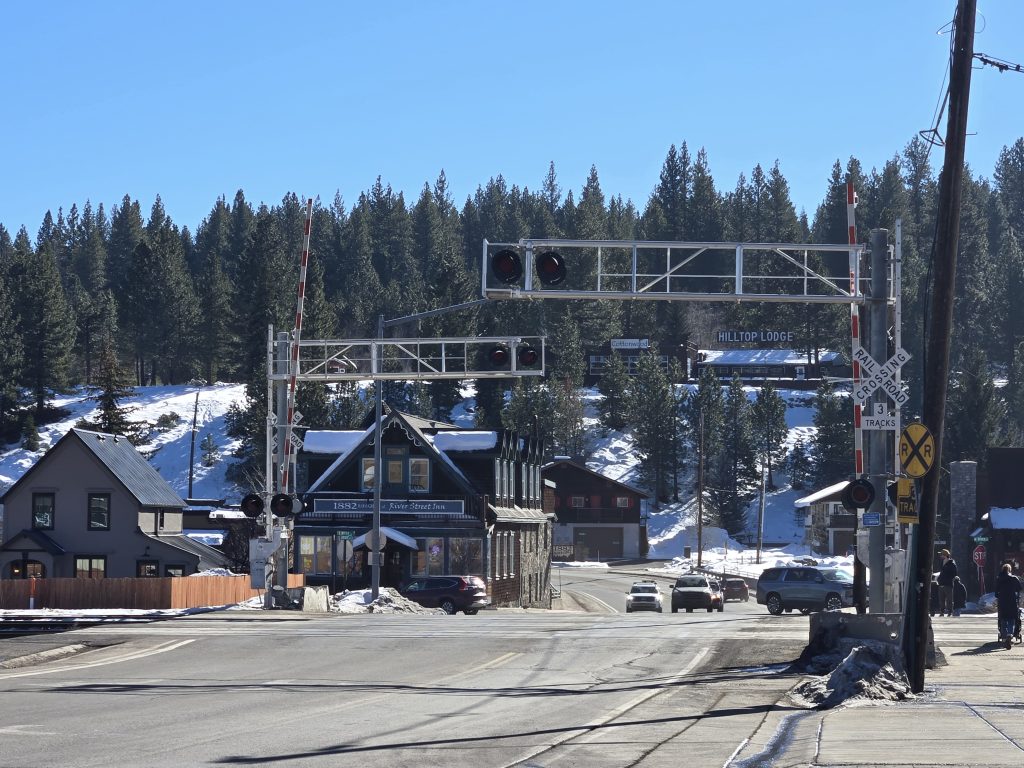
Forged in Fire and Steel: Truckee’s Railroad Origins
Truckee began as a frontier outpost called Coburn’s Station, named after Samuel Coburn’s waystation in the early 1860s. But the town’s real moment came when the Central Pacific Railroad began blasting through the Sierra granite to fulfill the dream of uniting the country by rail.
In 1868, a year before the golden spike was driven at Promontory Summit, Truckee became a vital logistics hub, maintenance yard, and crew camp. It sat at the foot of Donner Pass, one of the steepest and most perilous sections of the route, and soon evolved from a transient stop into a thriving town of rail workers, lumberjacks, gamblers, and traders.
The work proved brutal. Chinese laborers, who comprised 90% of the Central Pacific workforce, tunneled through solid granite and snowdrifts reaching thirty feet deep. They lived in harsh conditions, often invisible in historical records, yet essential to the project’s completion. And created a small but thriving Chinatown on the south side of the Truckee River. Once the railroad connection was completed, nearly a third of Truckee‘s population was Chinese, the second largest Chinese community on the west coast, and you can still see evidence of this in the remains of the Chinese laundry building and the Chinese herb shop.
By the 1870s, Truckee had become not just a rail stop but a center of timber and ice, supplying construction lumber and shipping massive blocks of frozen lake ice to California’s lowlands and beyond. It became a crossroads in every sense: commerce, weather, and westward expansion.
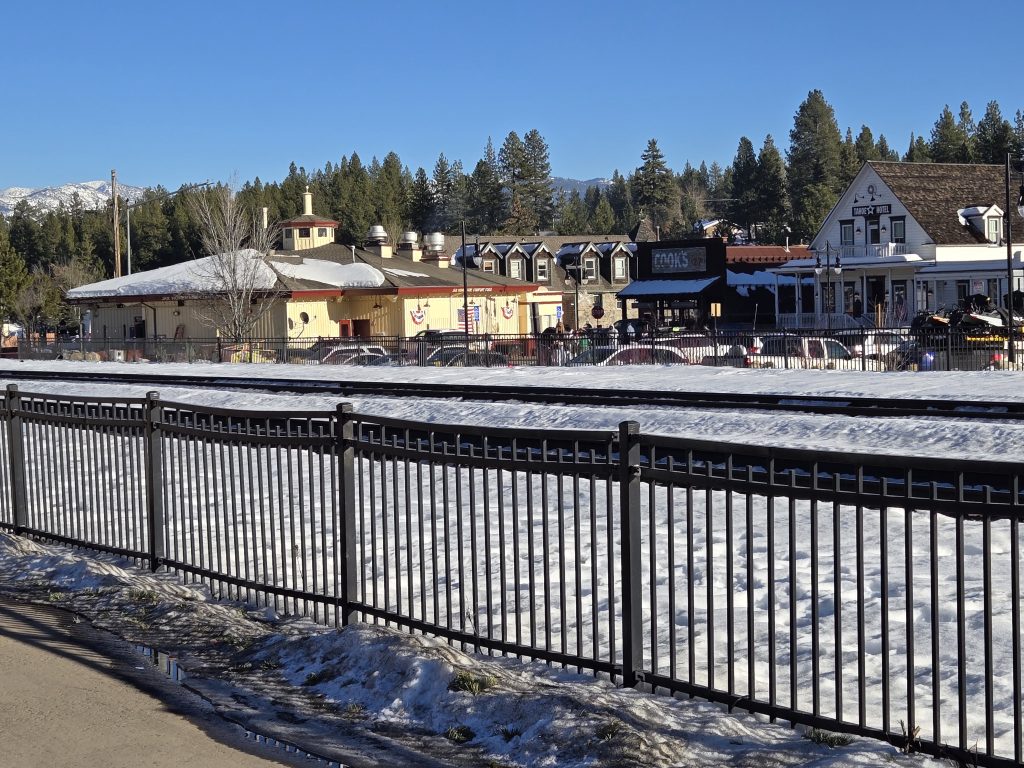
Truckee’s Historic Core
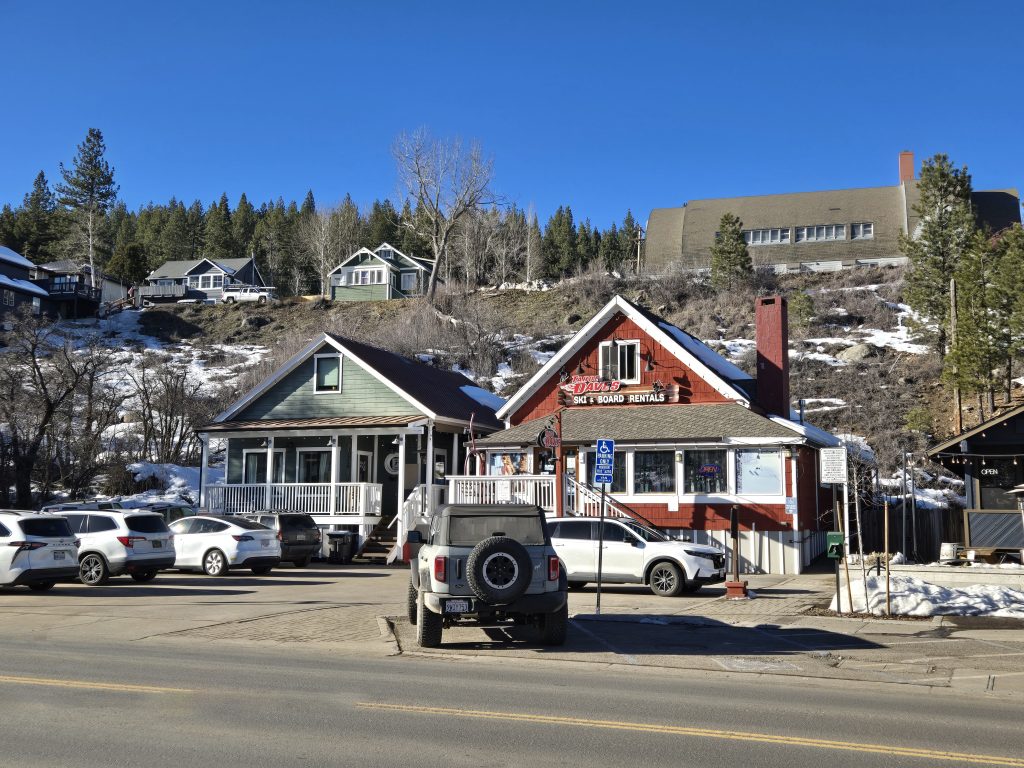
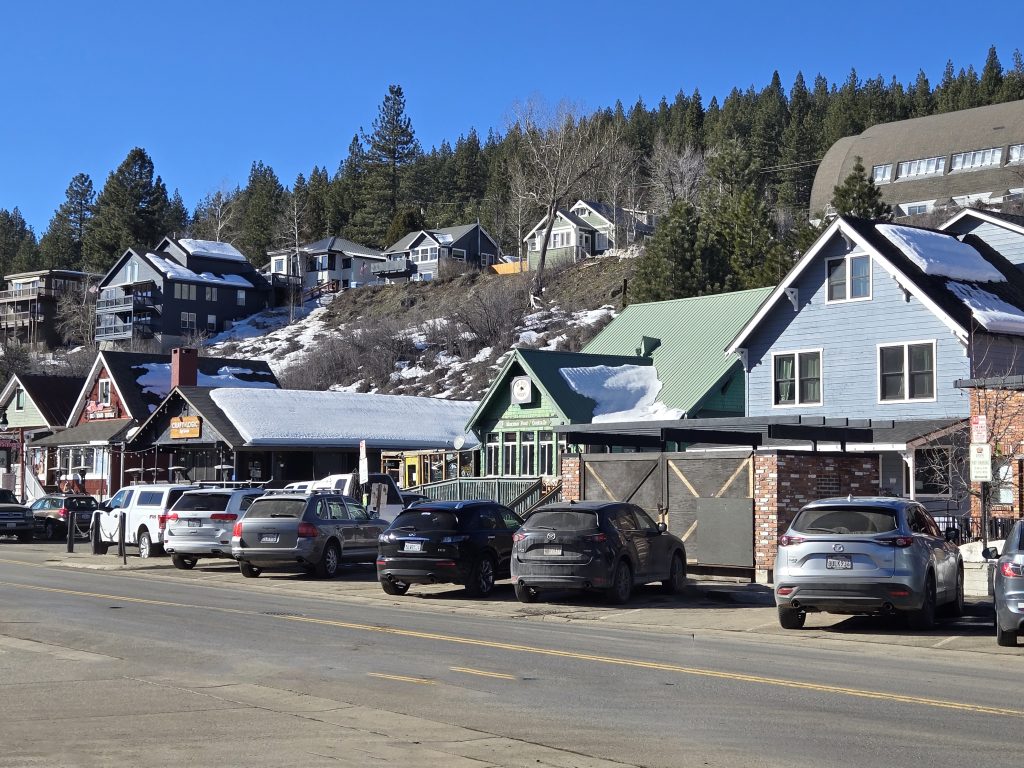
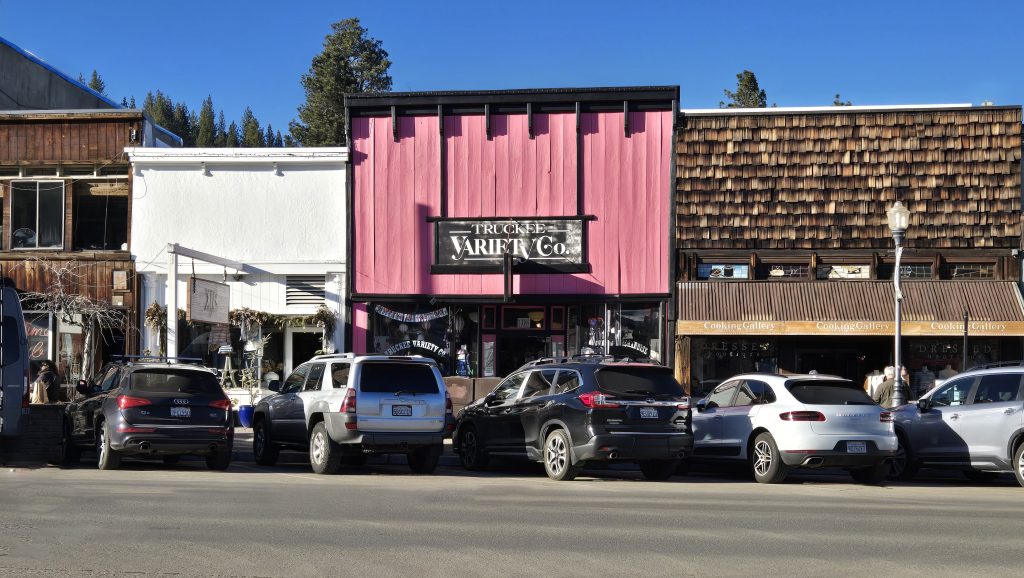
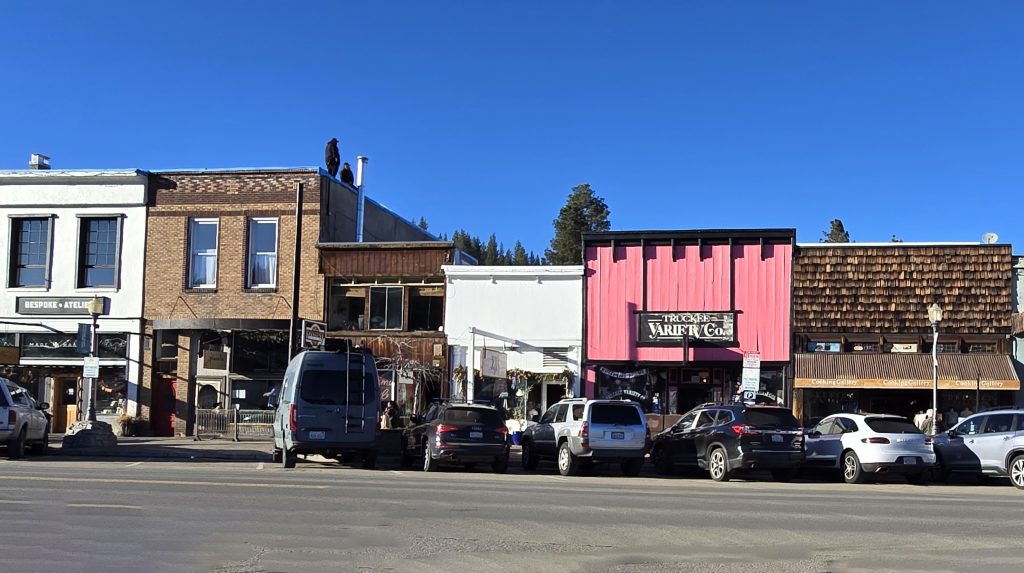
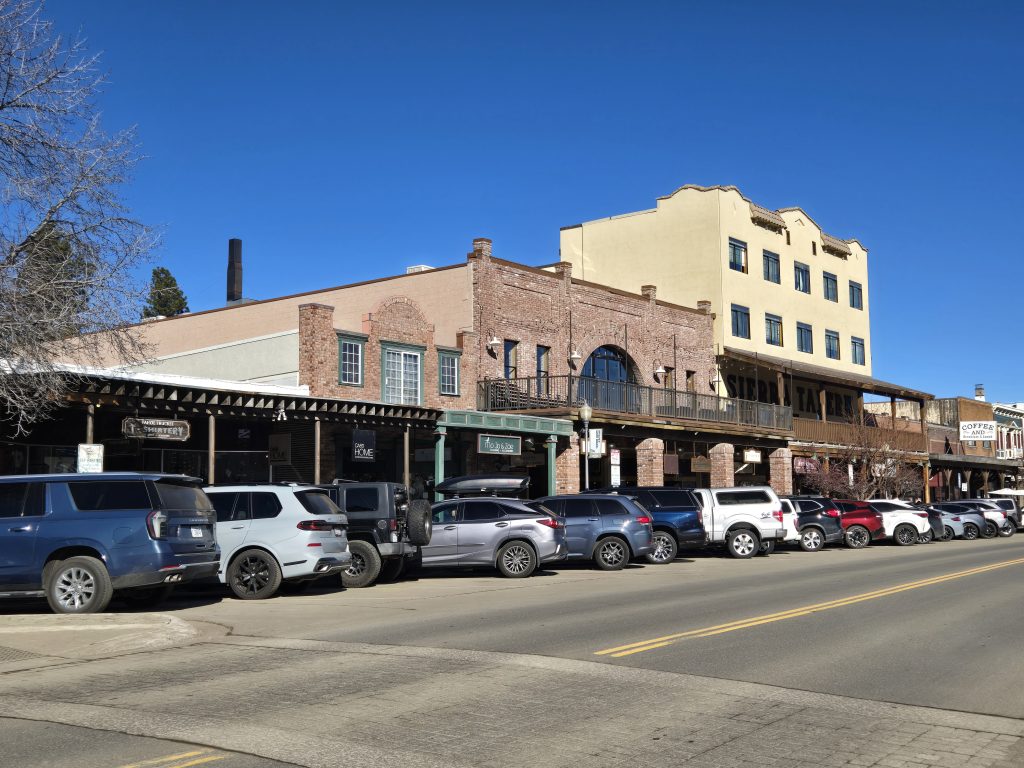
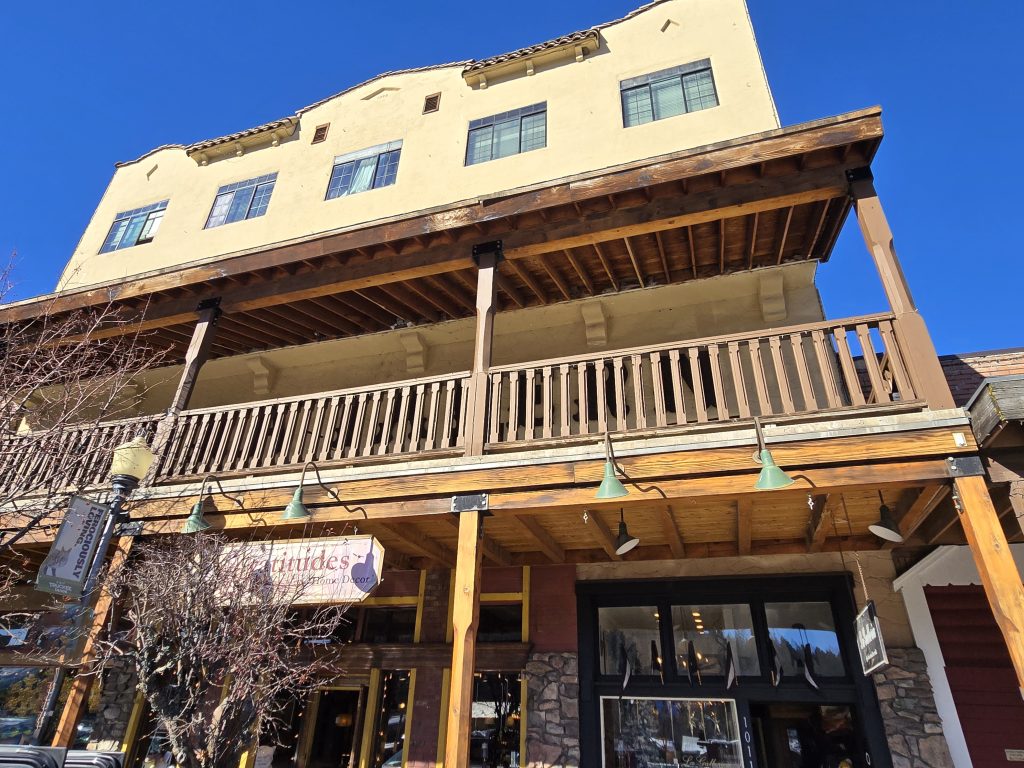
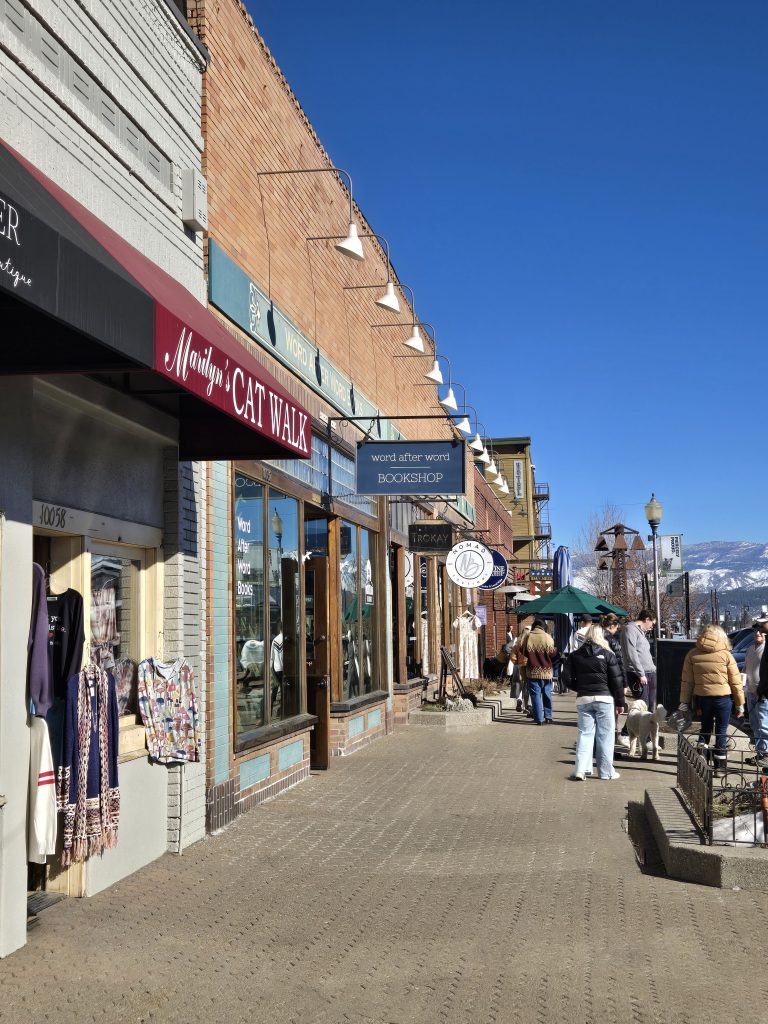
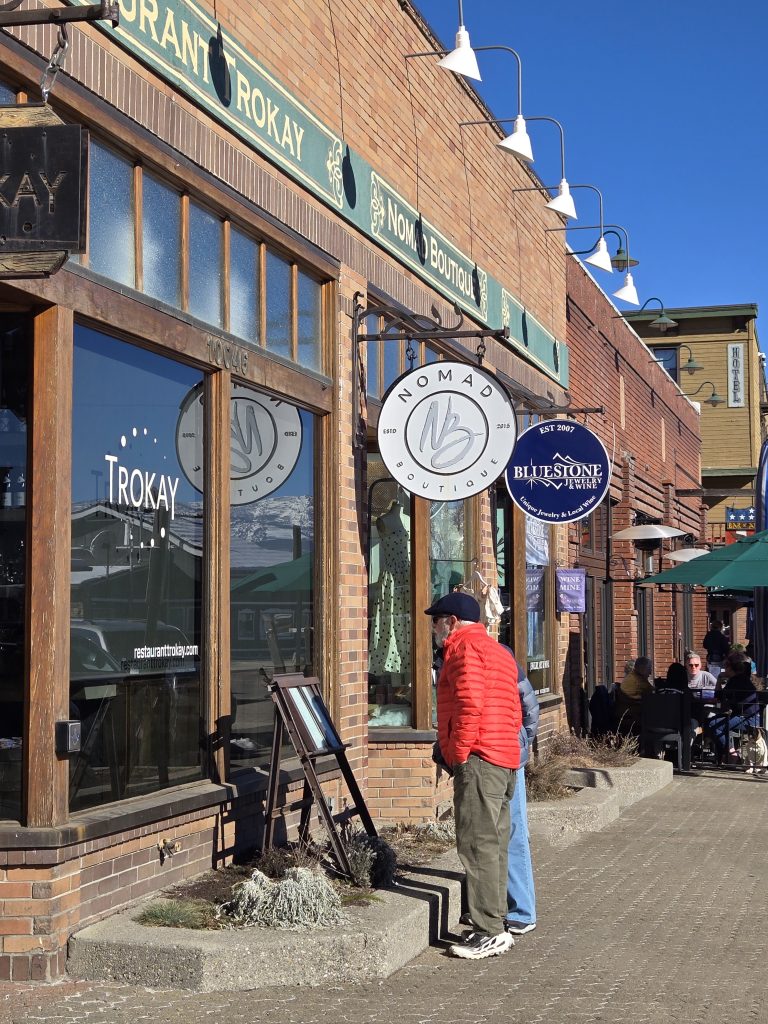
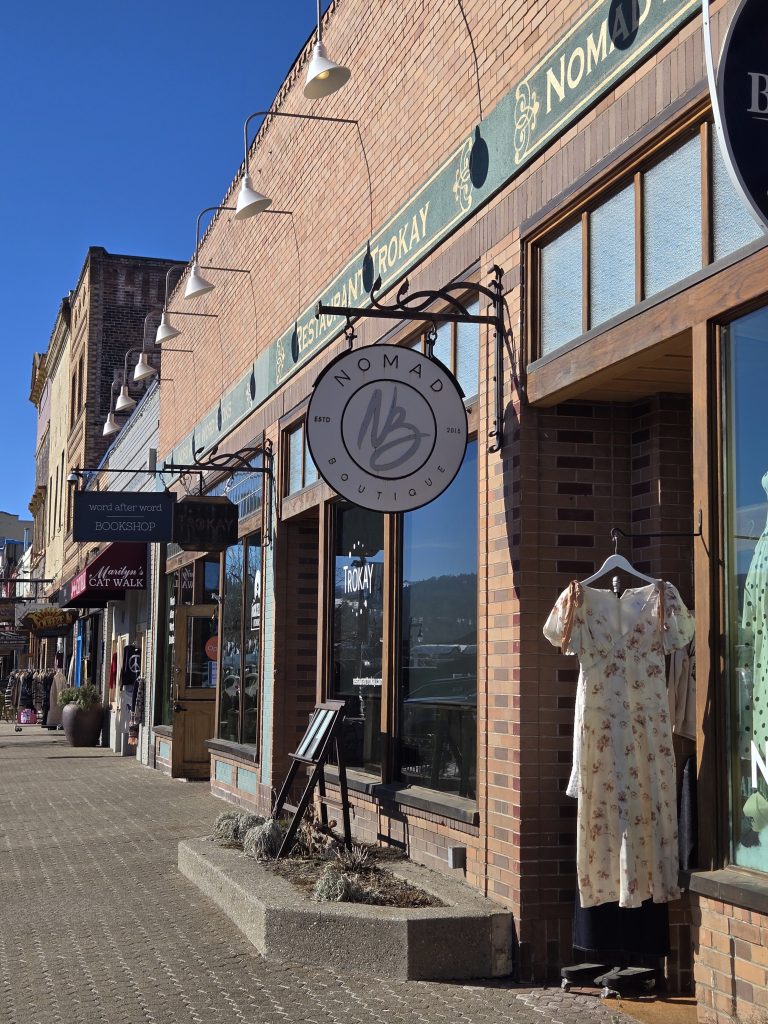
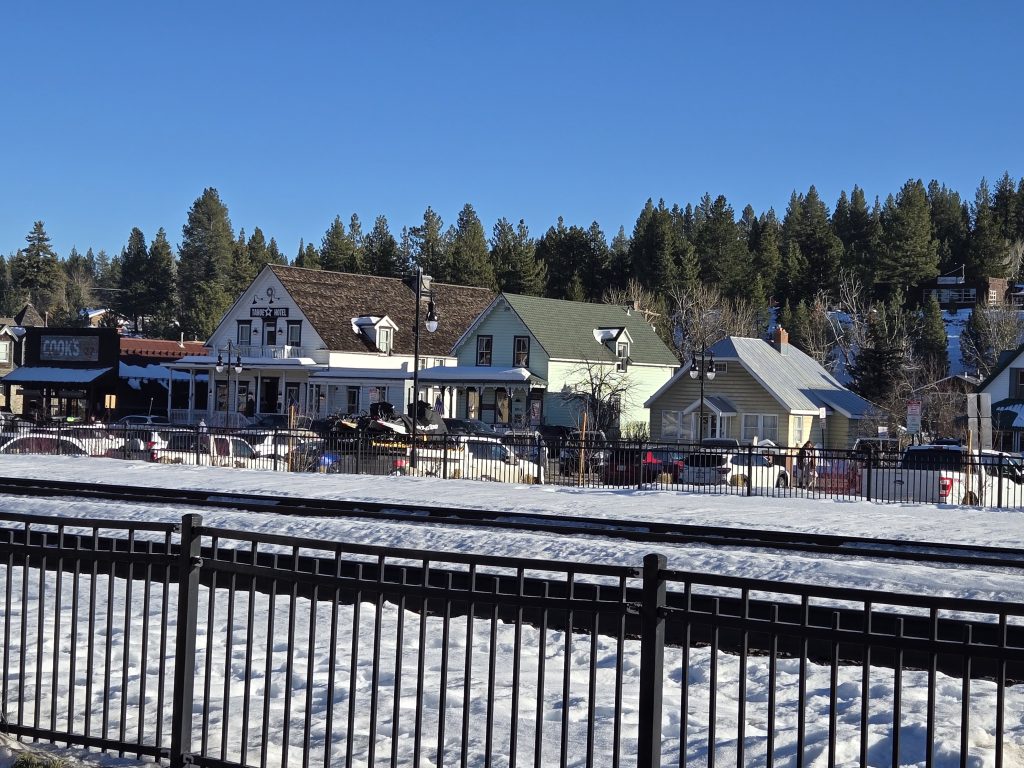
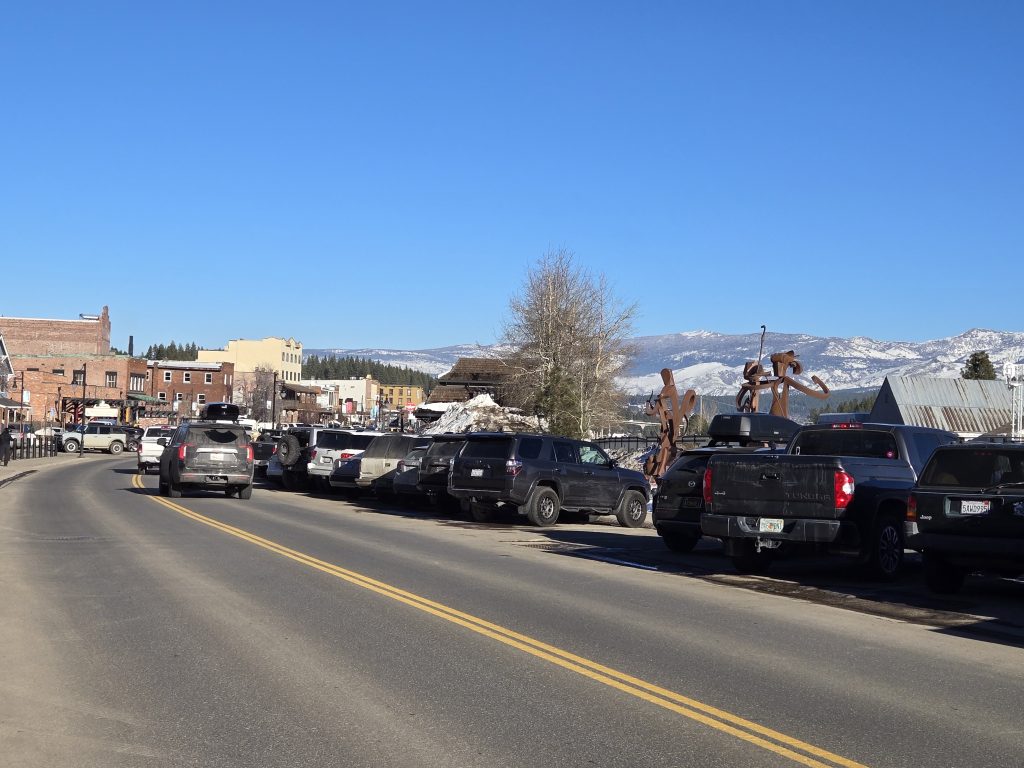
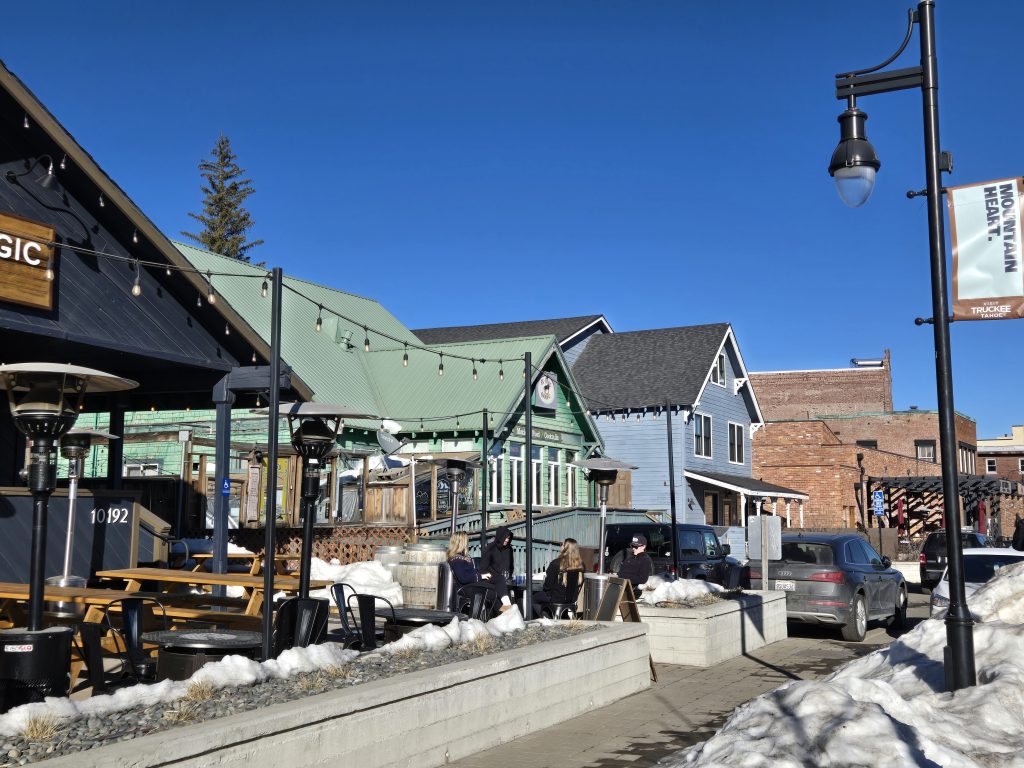
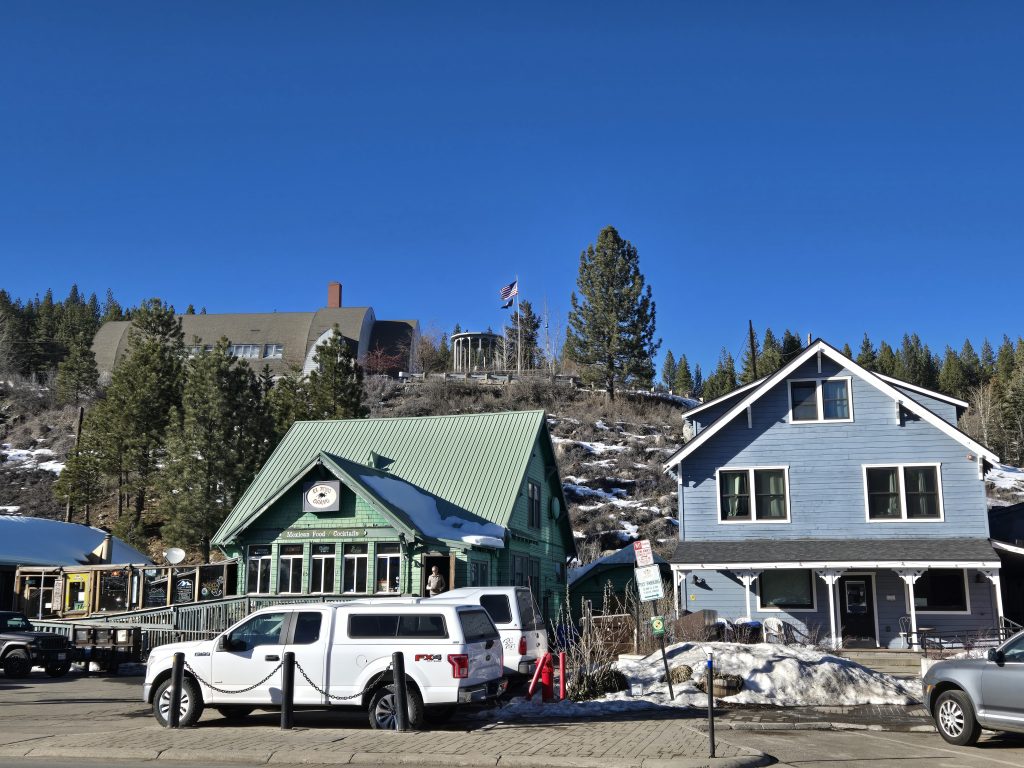
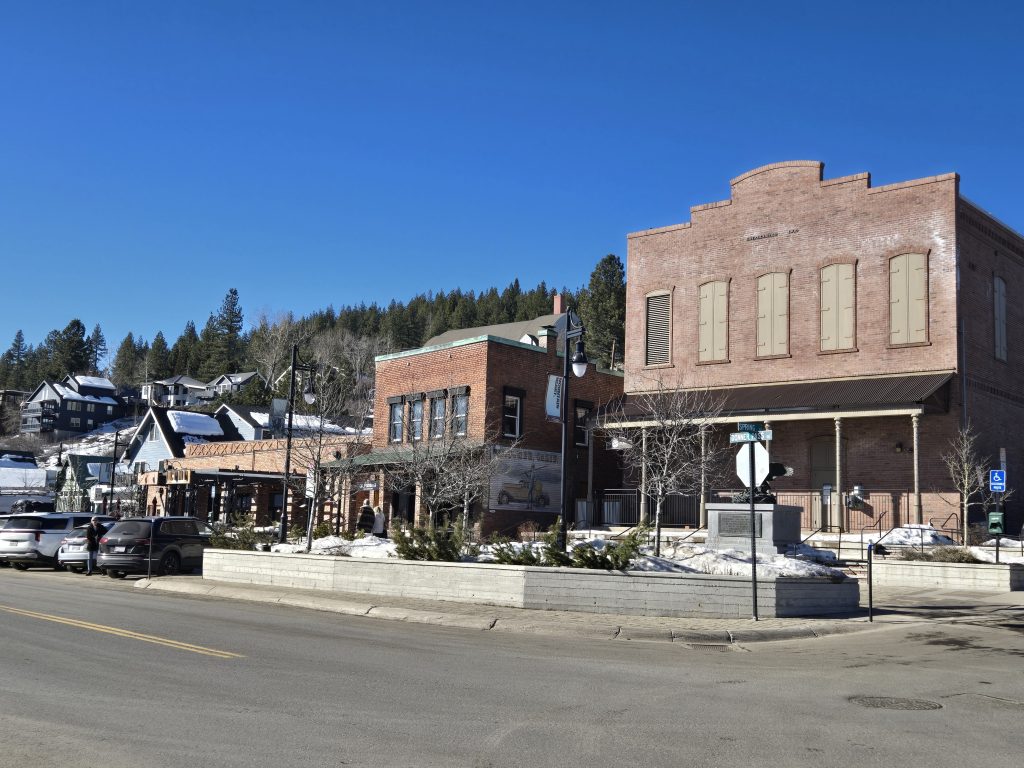
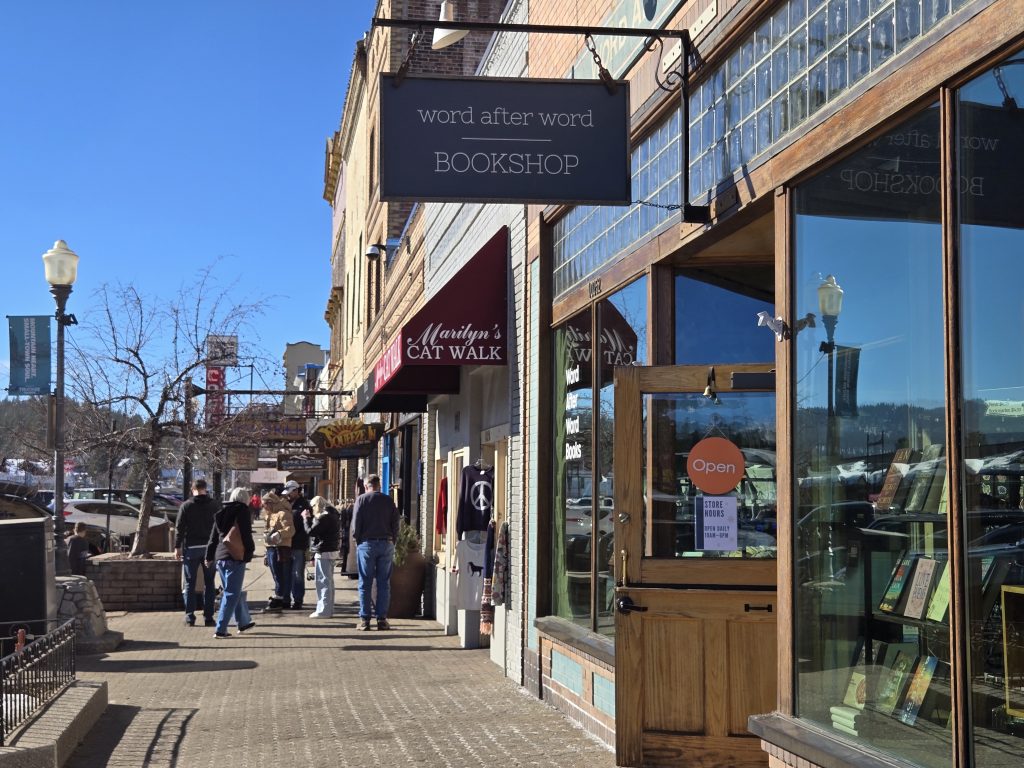
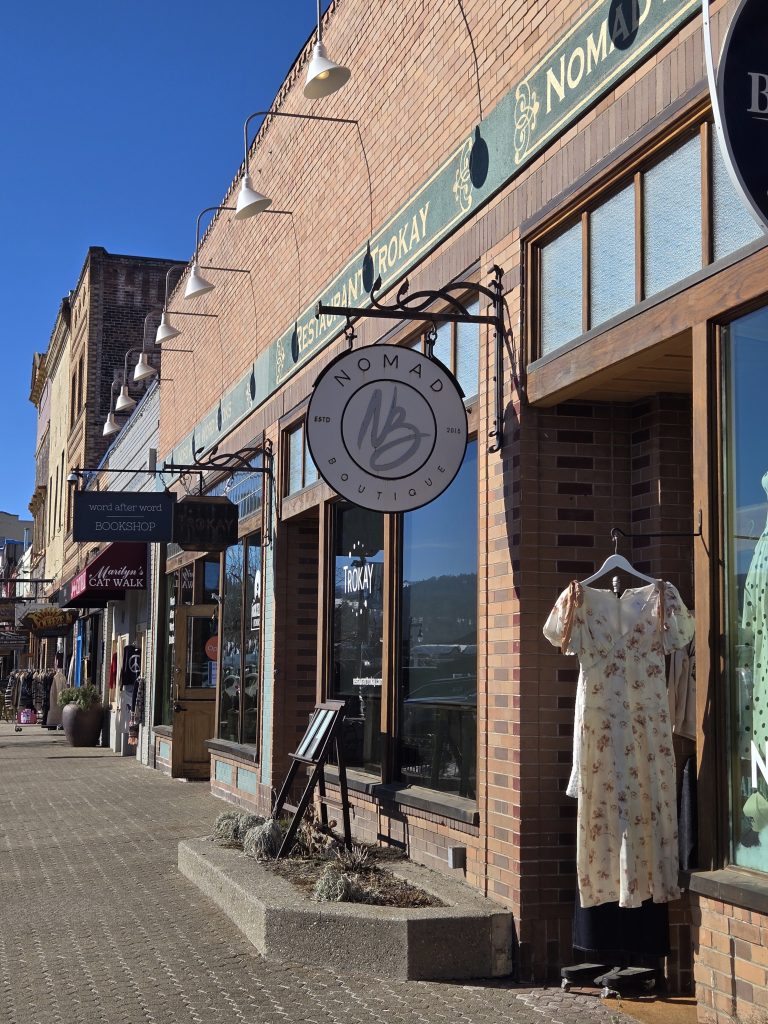
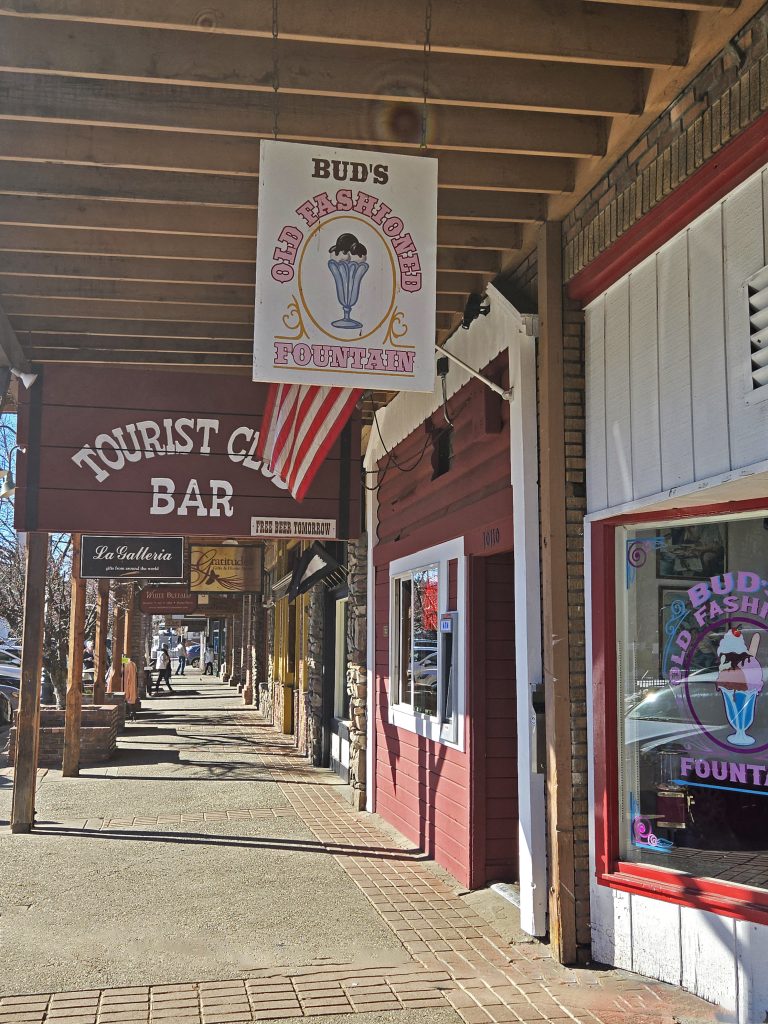
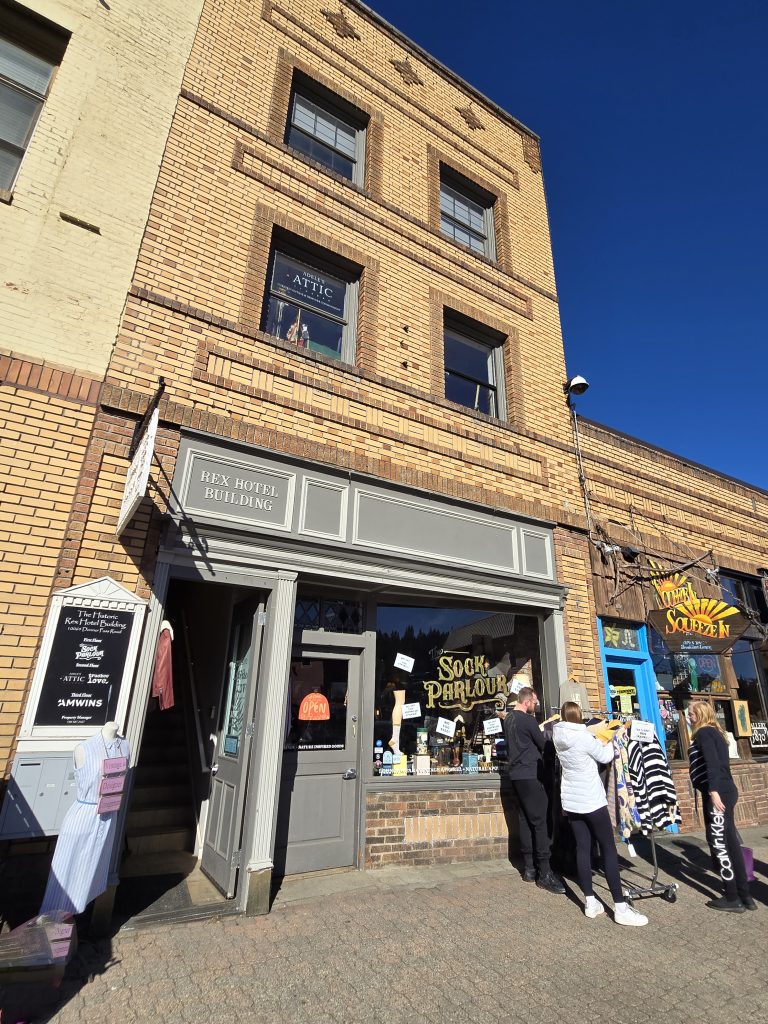
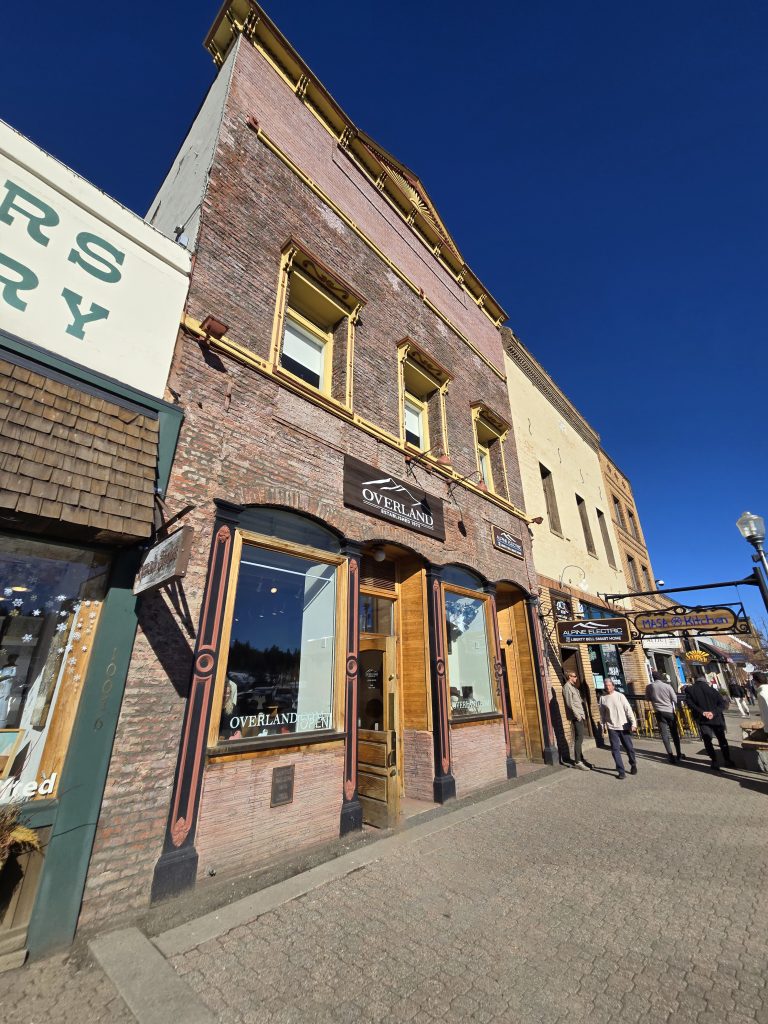
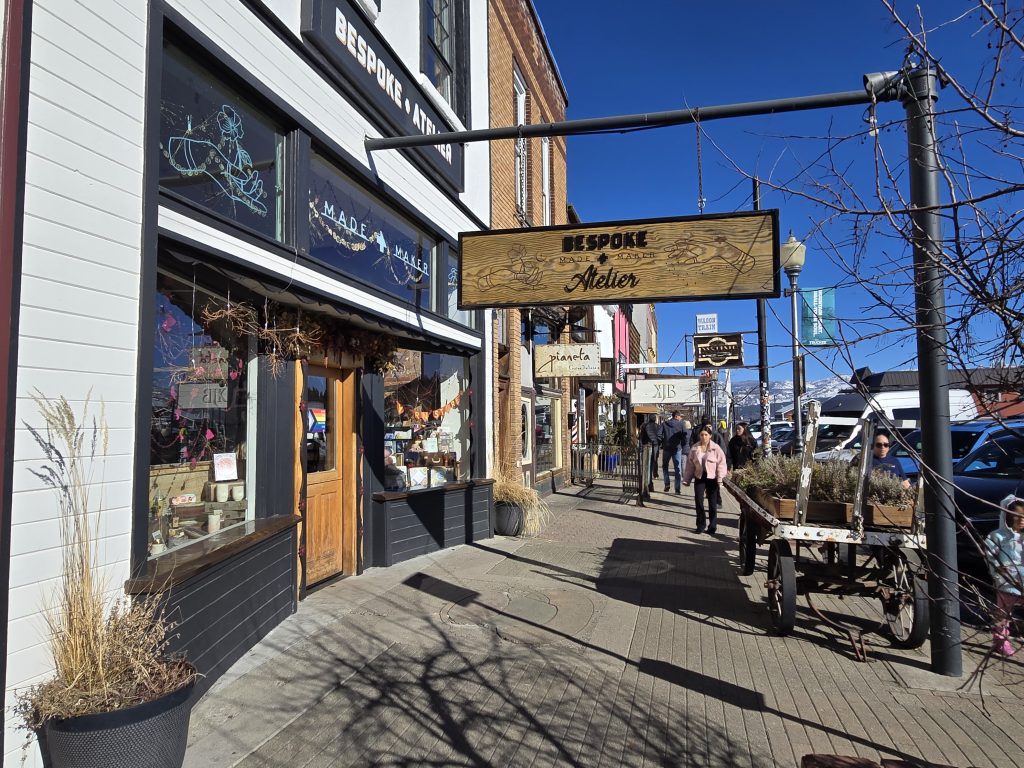
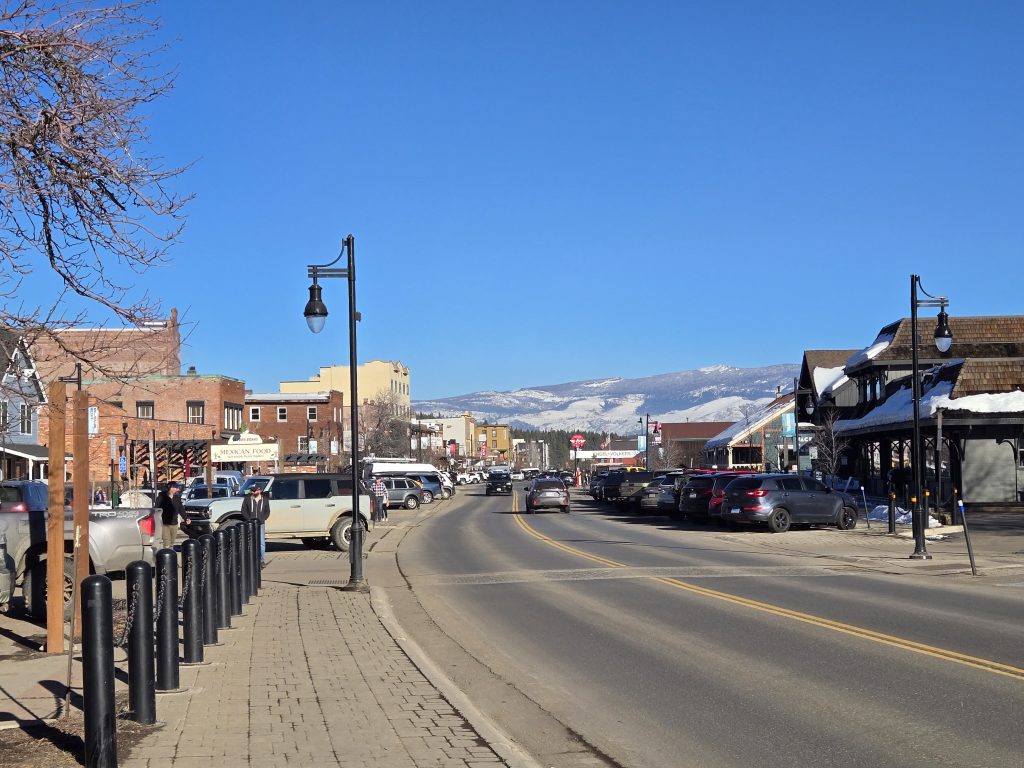
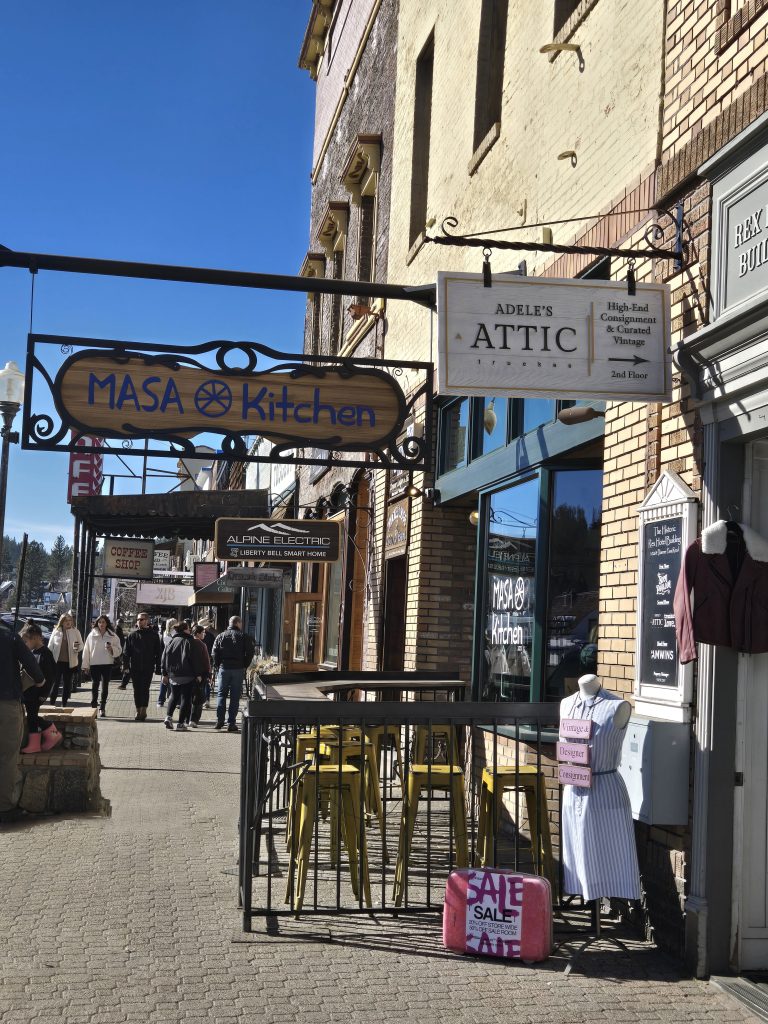
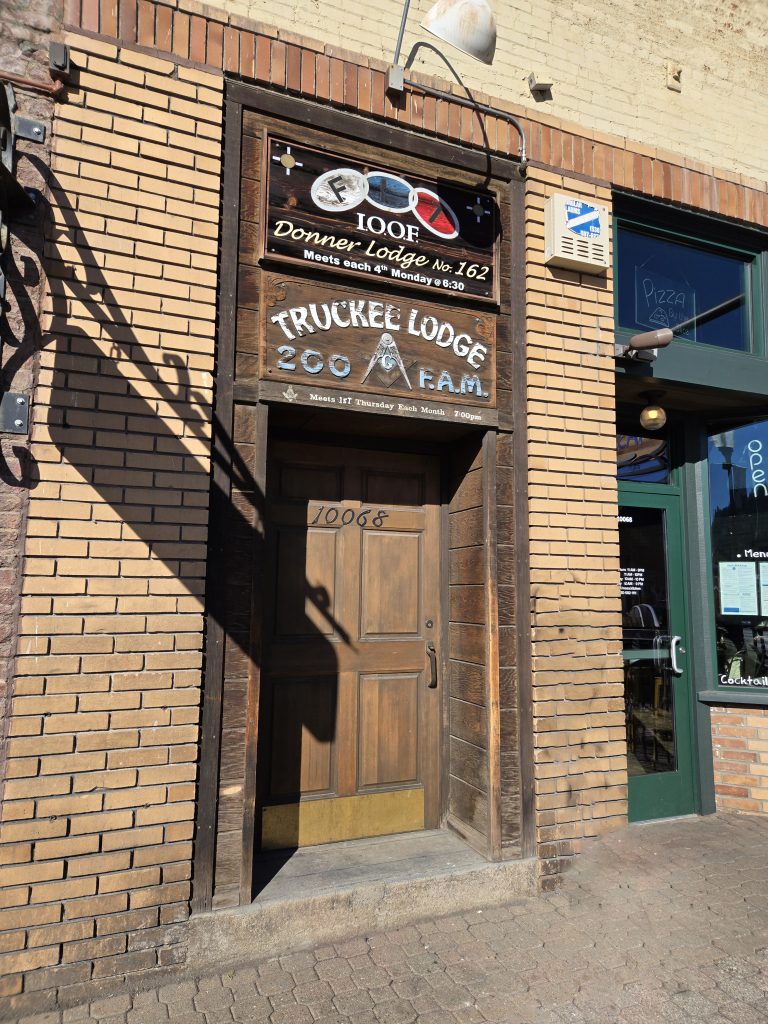
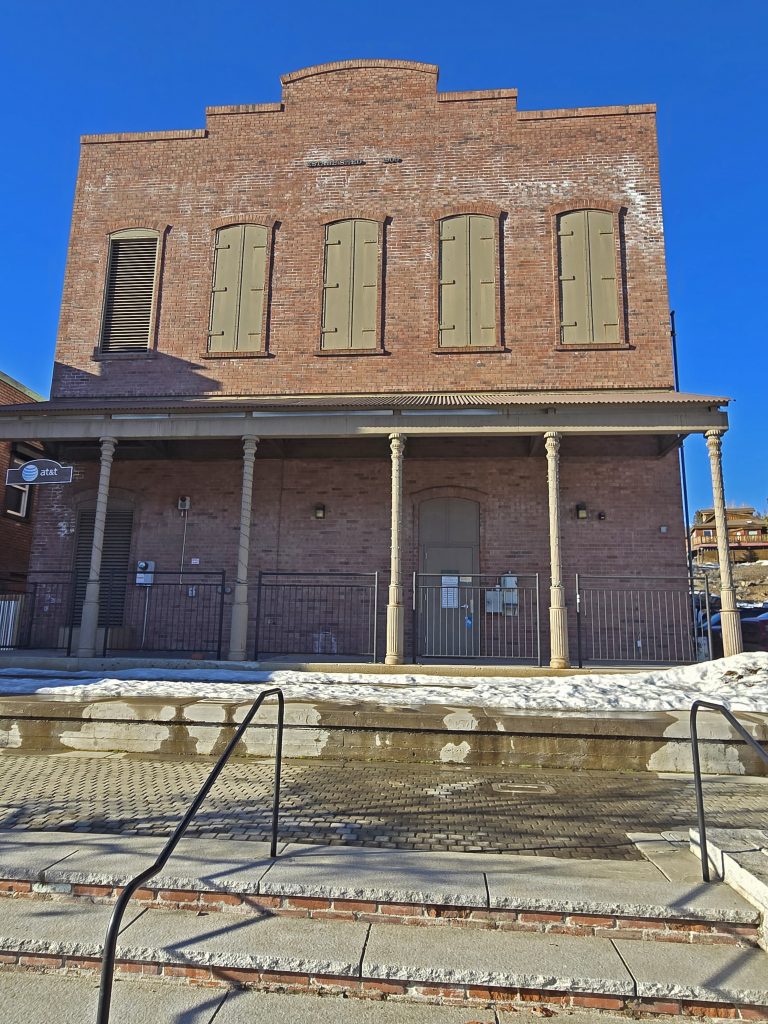
Wander through downtown Truckee and history reveals itself at every corner. The main drag, Donner Pass Road, is lined with 19th-century stone and brick buildings whose cornices remain intact, signs hand-painted, and interiors echo with creak and charm.
Many of the buildings date back to after the Great Fire of 1871, which destroyed much of the town’s wooden structures. What rose in its place was built to last, and still does.
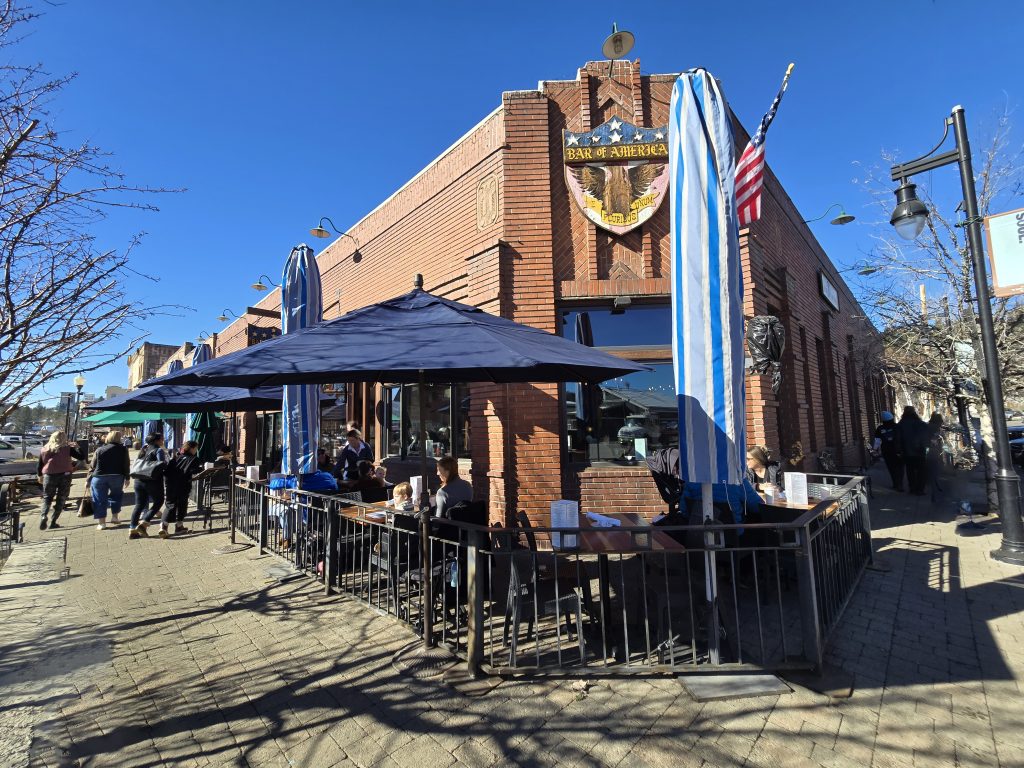
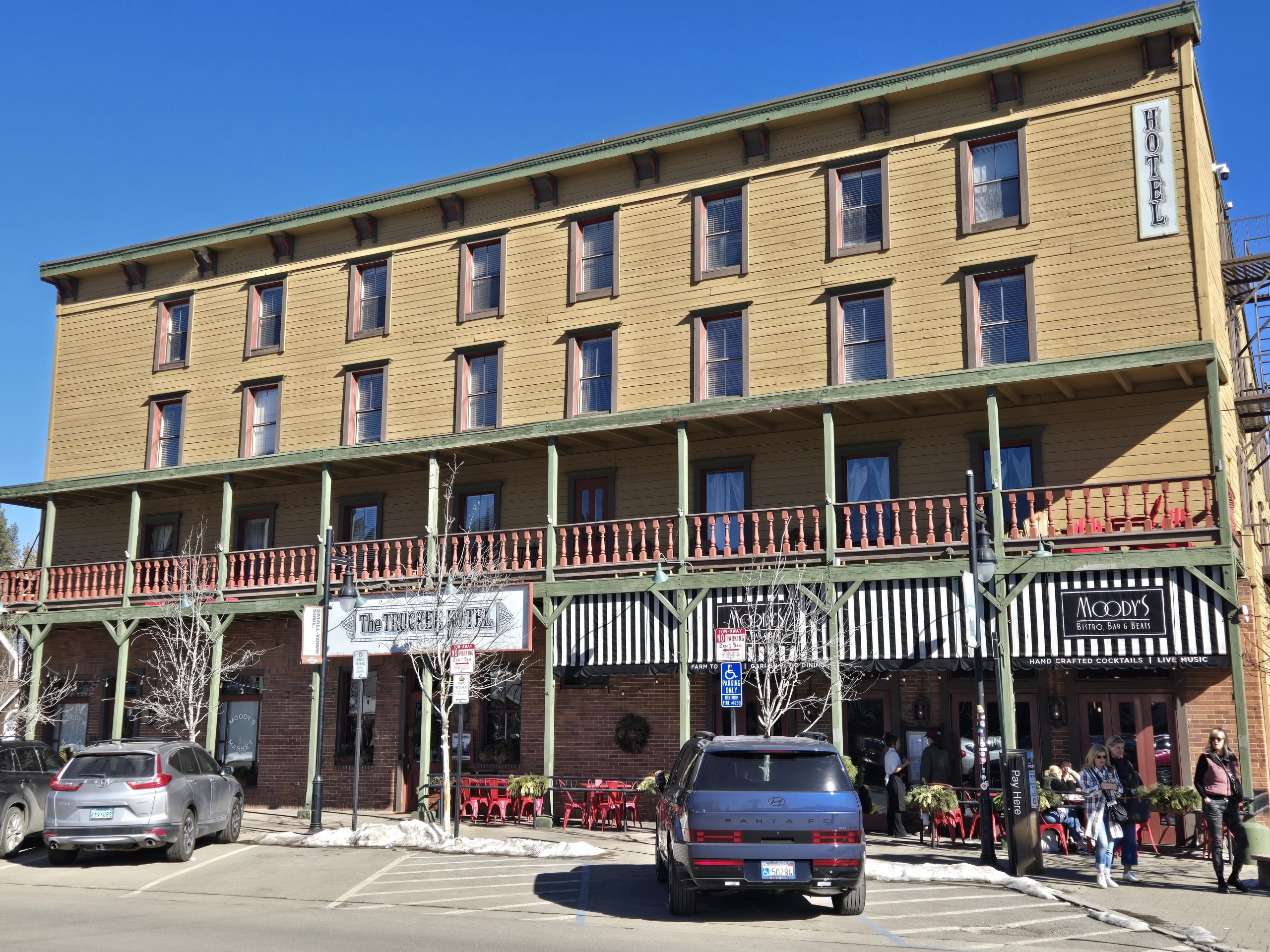
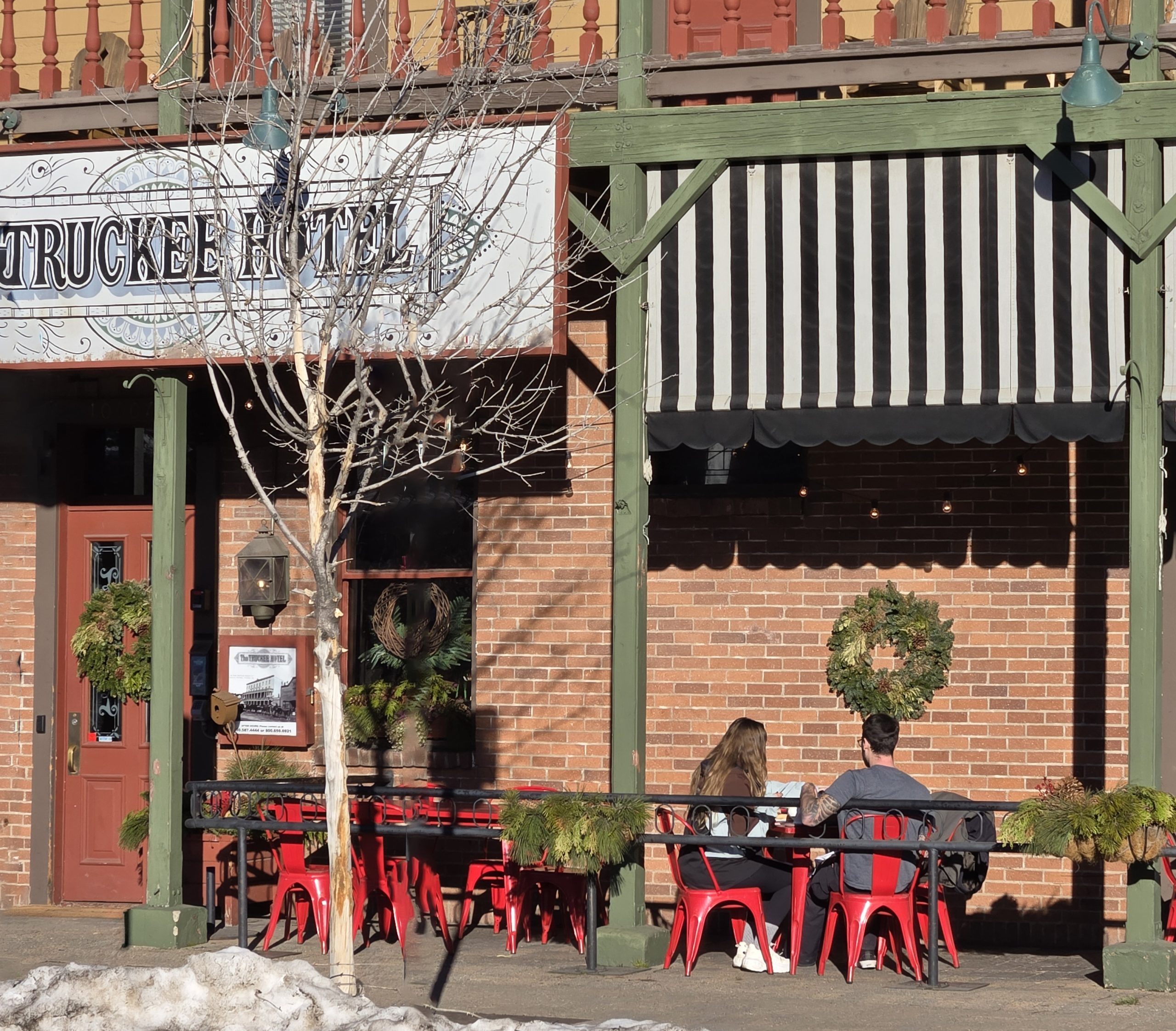
- The Truckee Hotel: Originally built in 1873 as the American House, this historic lodging has hosted everyone from lumber barons to railroad workers, and perhaps a ghost or two. Its interior preserves the elegance of an early Western inn, with lace curtains and clawfoot tubs still in place.
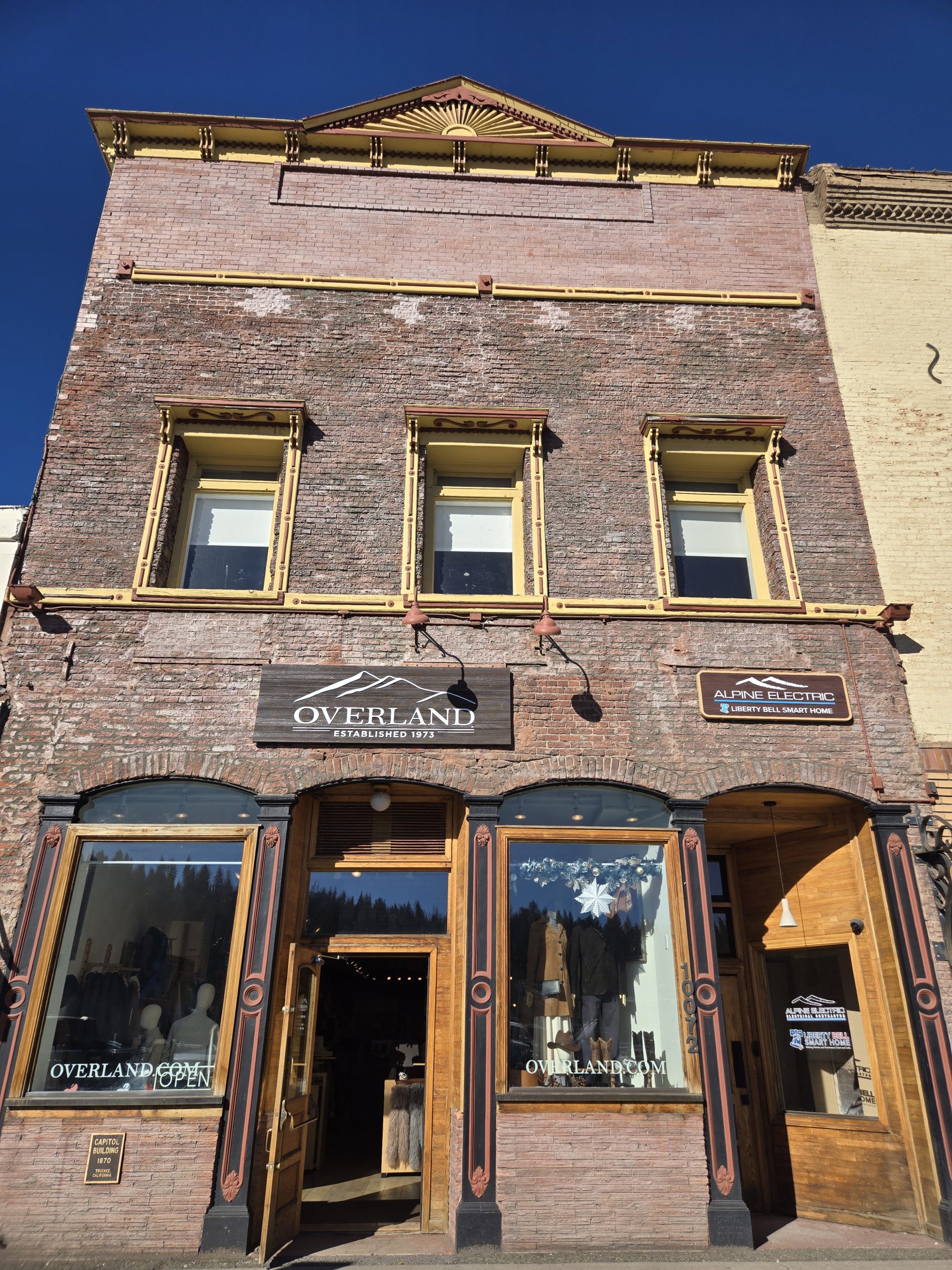
- The Capitol Building: A multi-story stone structure that once housed the law office of Charles McGlashan, newspaper editor and one of Truckee’s most colorful civic figures. It still stands on Commercial Row with all the gravitas of a courthouse in miniature. It was McGlashan that wrote The History of the Donner Party: A Tragedy of the Sierra (1879), the account that embedded the story in America’s consciousness. This building now houses the Overland Sheepskin shop.
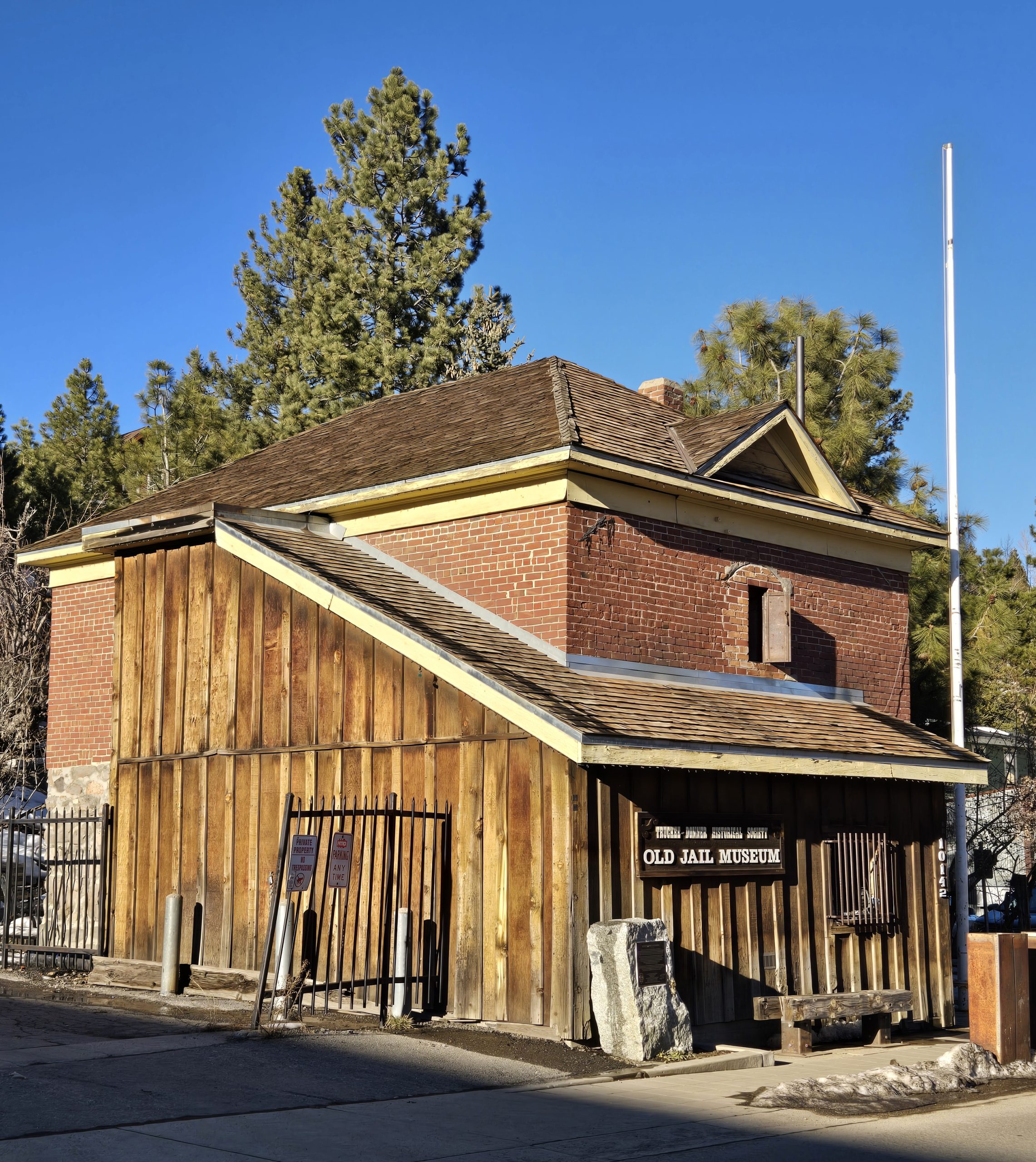
- The Old Jail Museum: Built in 1875, this compact stone lockup once held gamblers, outlaws, and the occasional would-be train robber. Now, it’s open to visitors, and still as cold and stern as the day it opened.
- Moody’s Bistro, Bar & Beats is a a modern-day jazz and dining haunt tucked into a building that once served as a stagecoach stop. The upstairs rooms retain their vintage floorboards and views of the rails.
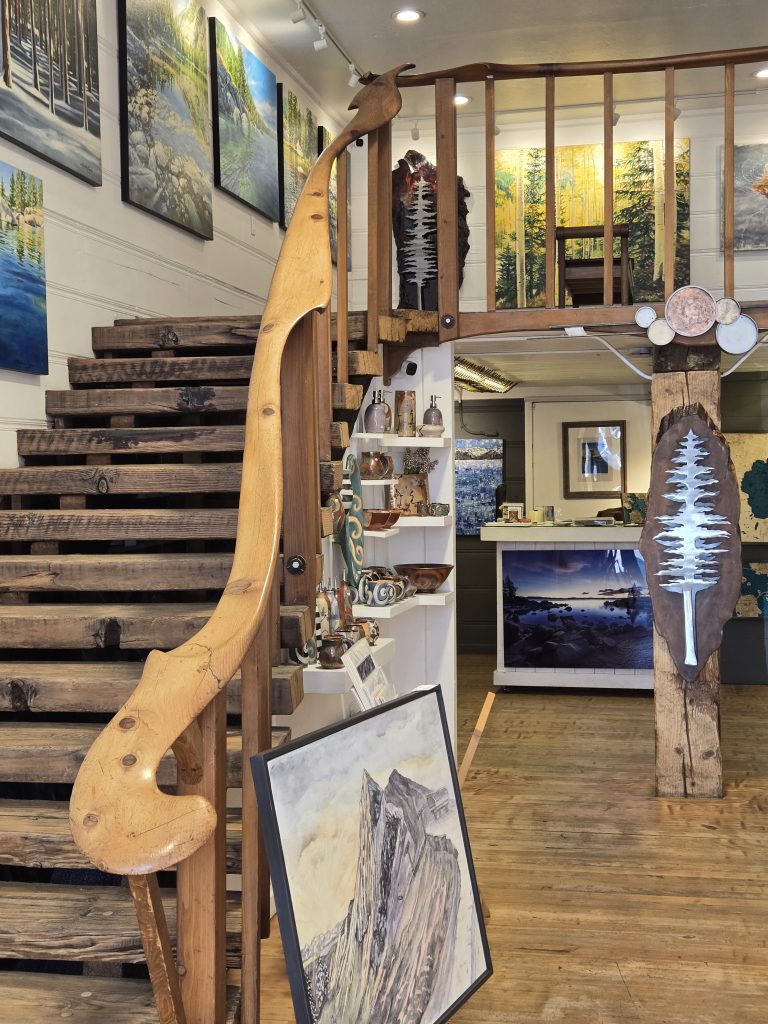
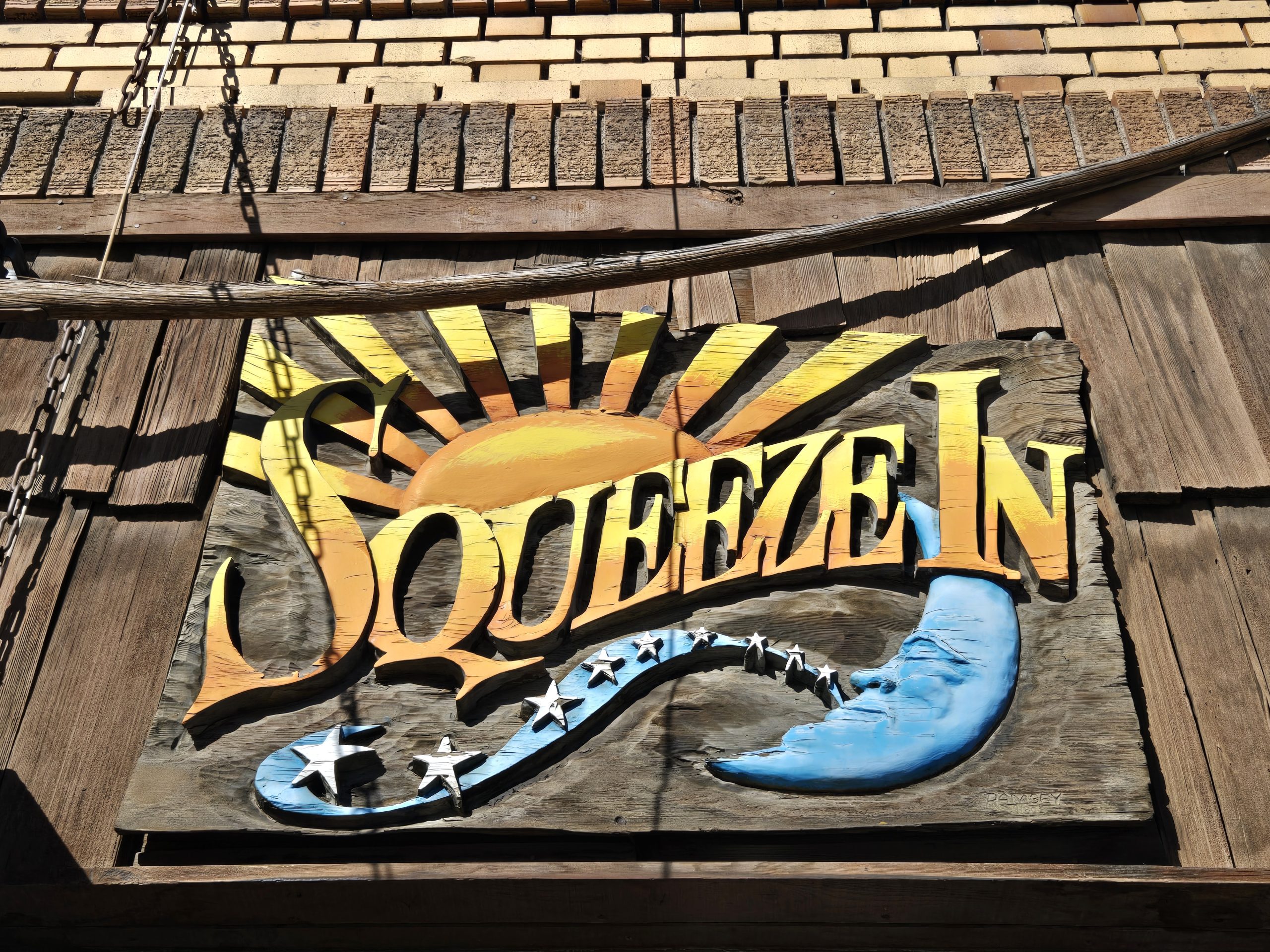
- The Squeeze In café is the site of the town’s first bank, where in 1869, a daring bank robbery was thwarted by intrepid bank employees. In addition to the café, this building houses Gallery 5830 which showcases the stunning work of local artists.
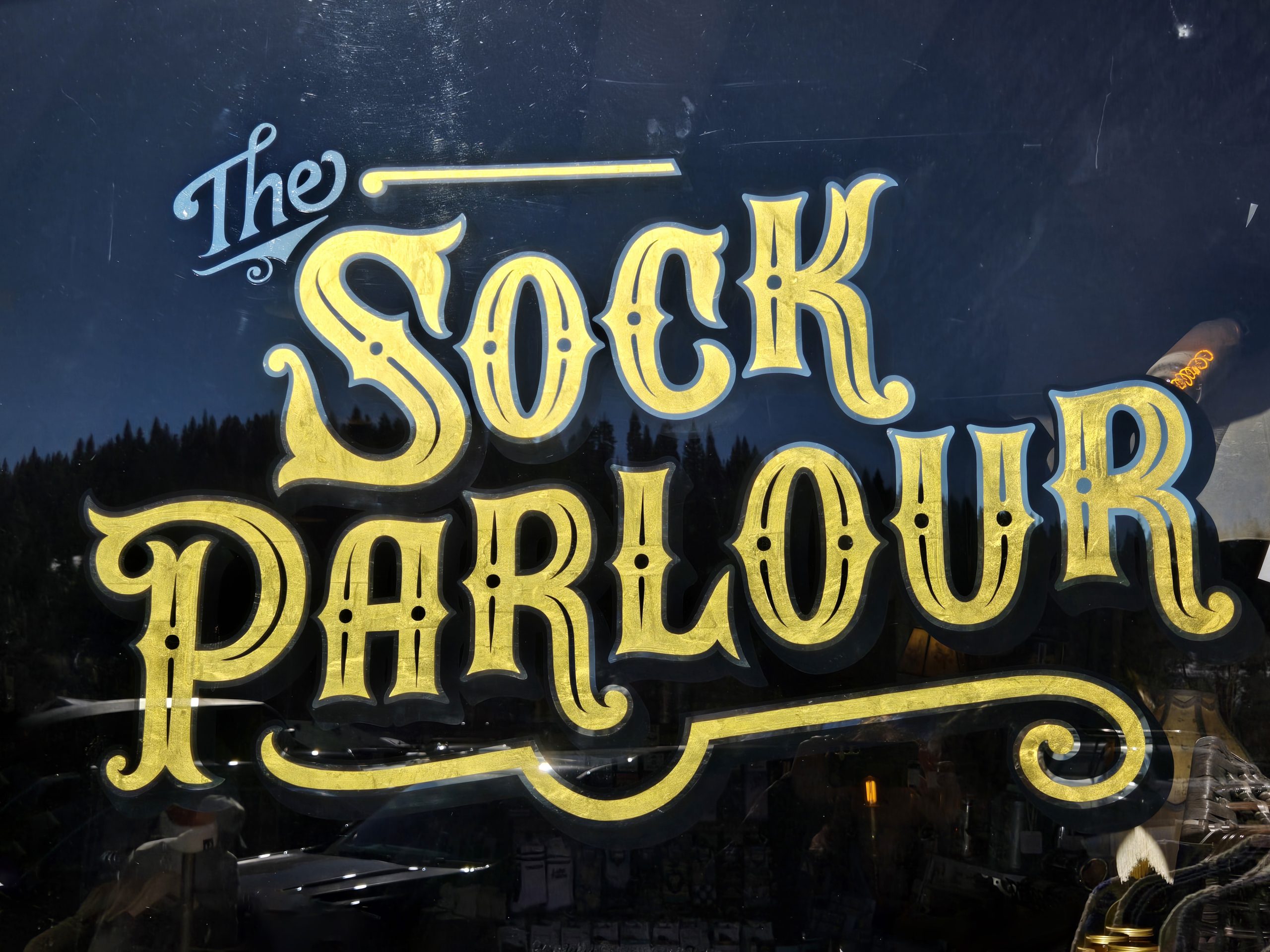
- The Sock Parlour inhabits the 100+ year old brick Rex Hotel Building, which was converted to a hotel with steam-heated rooms in 1913. During Prohibition, the bottom floor was a speakeasy called the ”Silver Mirror.”
- The Carbona Building, dates from 1918 and is the oldest retail enterprise in the city. The eastern part of the store was a coffee shop and you can still see the image of a coffee cup embedded in the stone sidewalk
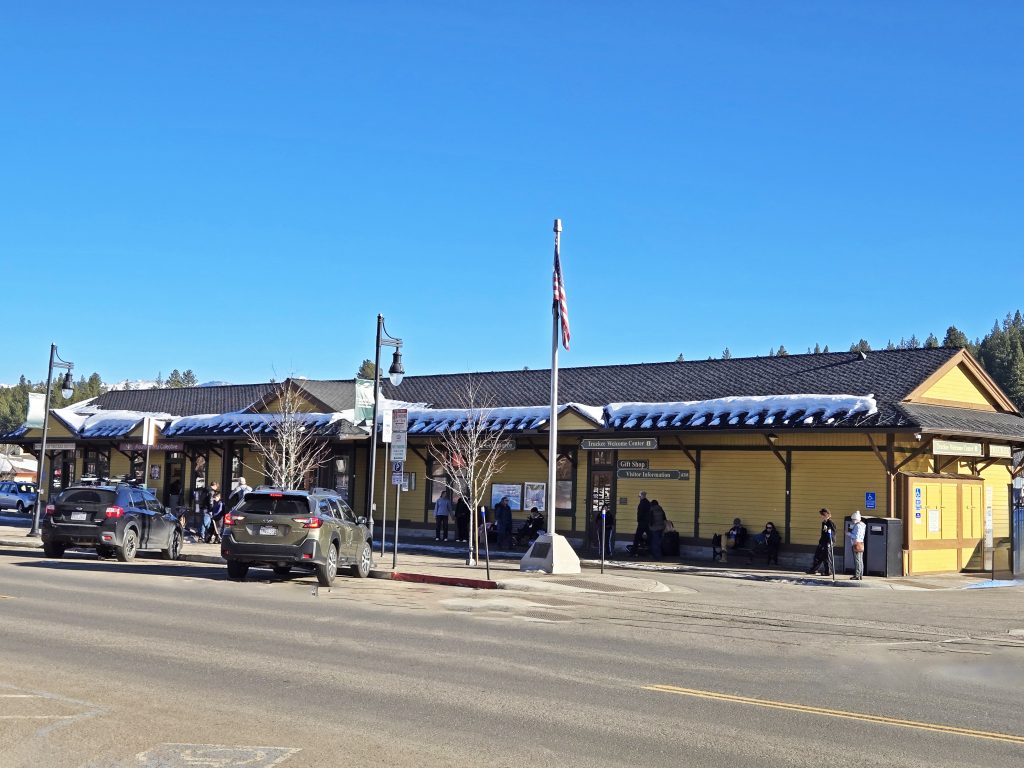
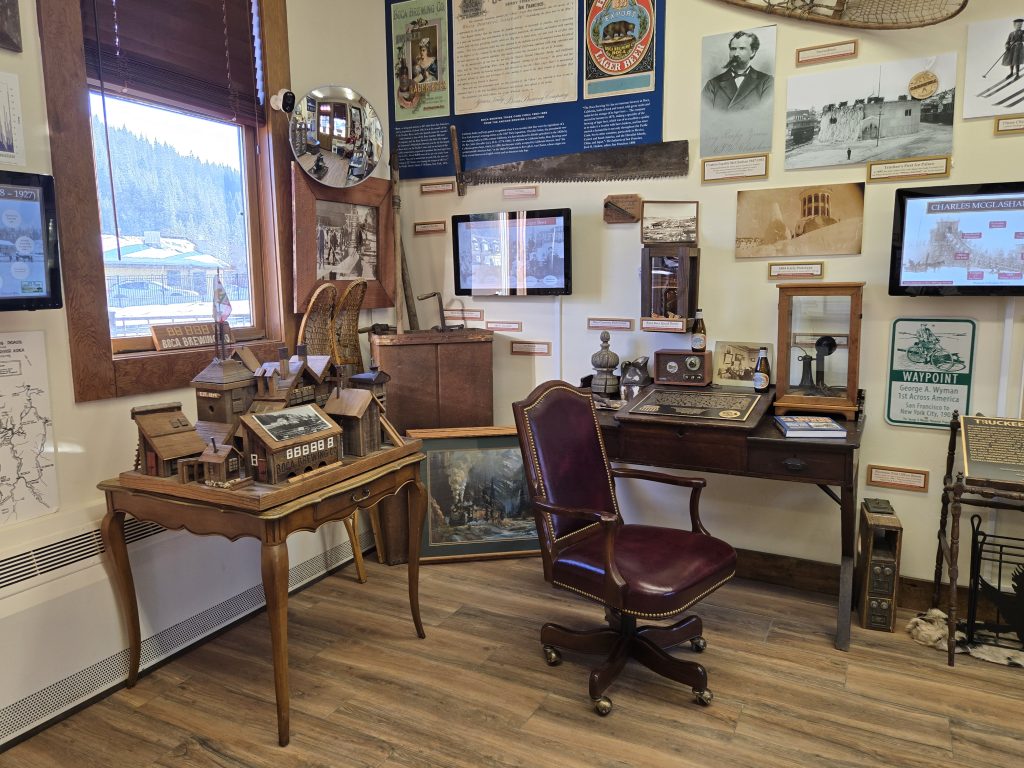
- Even the Railroad Depot, rebuilt in 1901, feels like it belongs to another era. When the California Zephyr glides in, it does so with a certain hush, as though tipping its hat to the town that helped make its journey possible. Here you’ll find the Truckee Railroad Museum (in the adjacent caboose!), the Truckee Historic Museum and the Visitor’s Bureau.and, oh yes, you can still buy a train ticket!
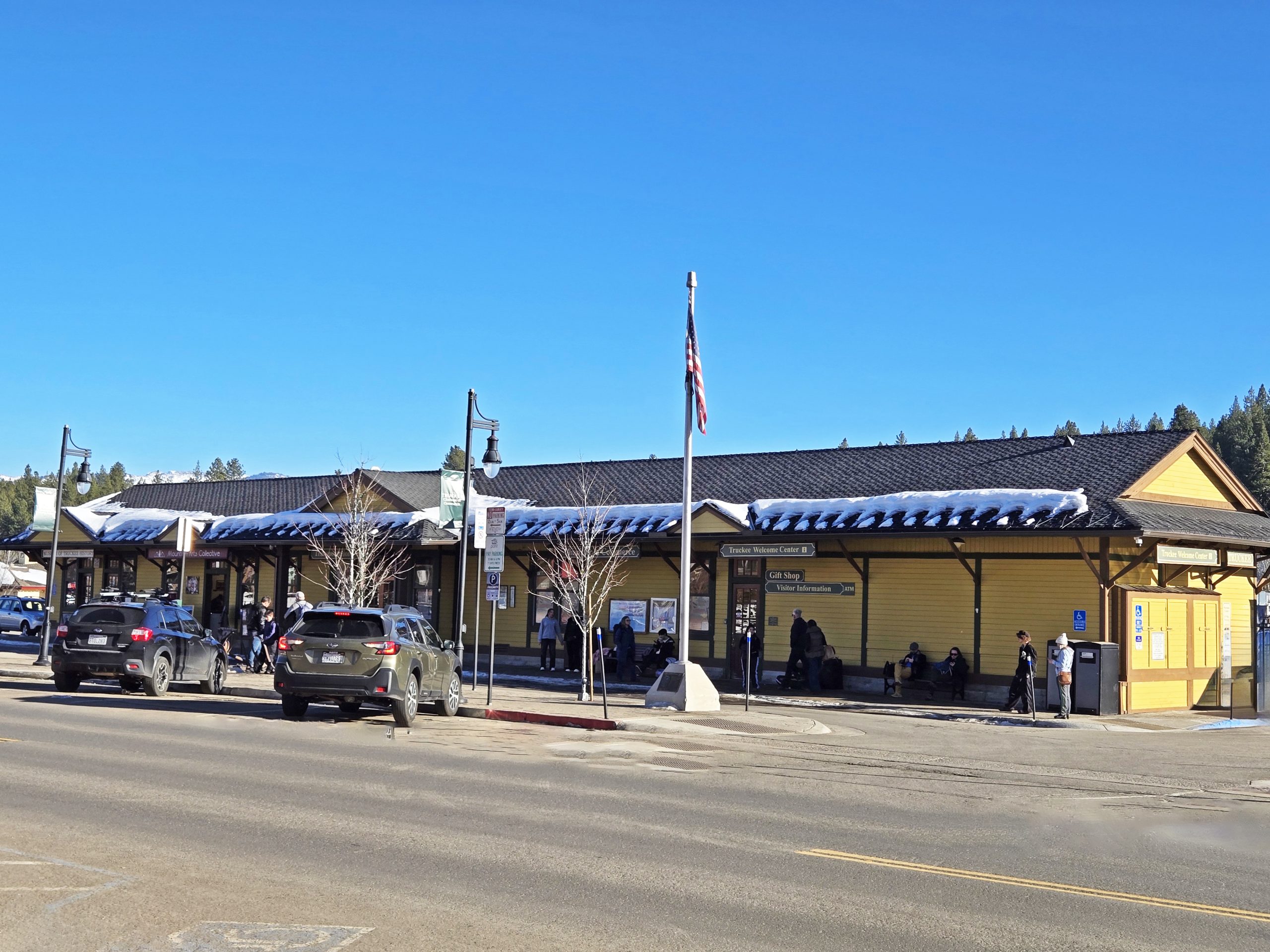
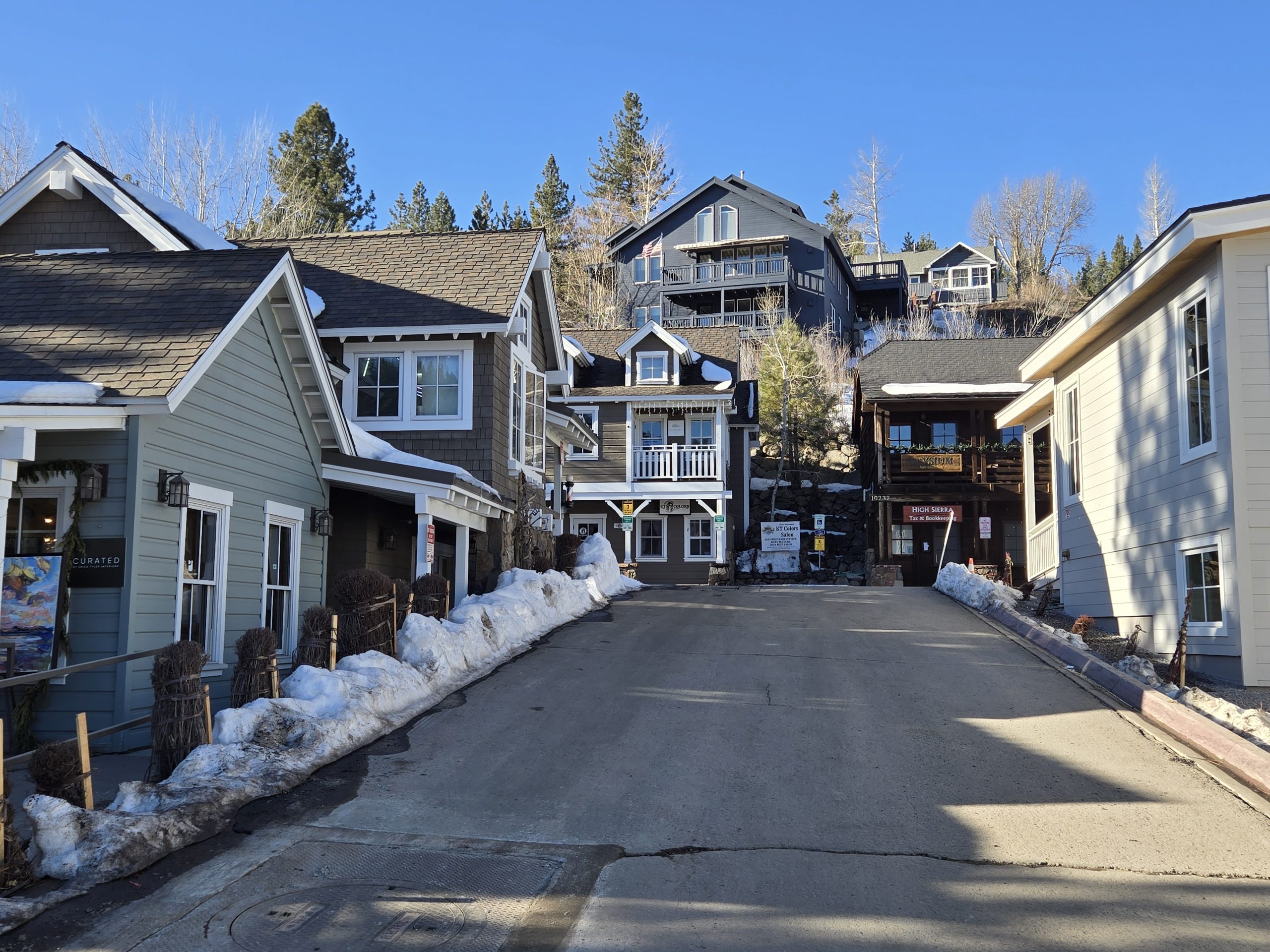
Historic Residential Truckee
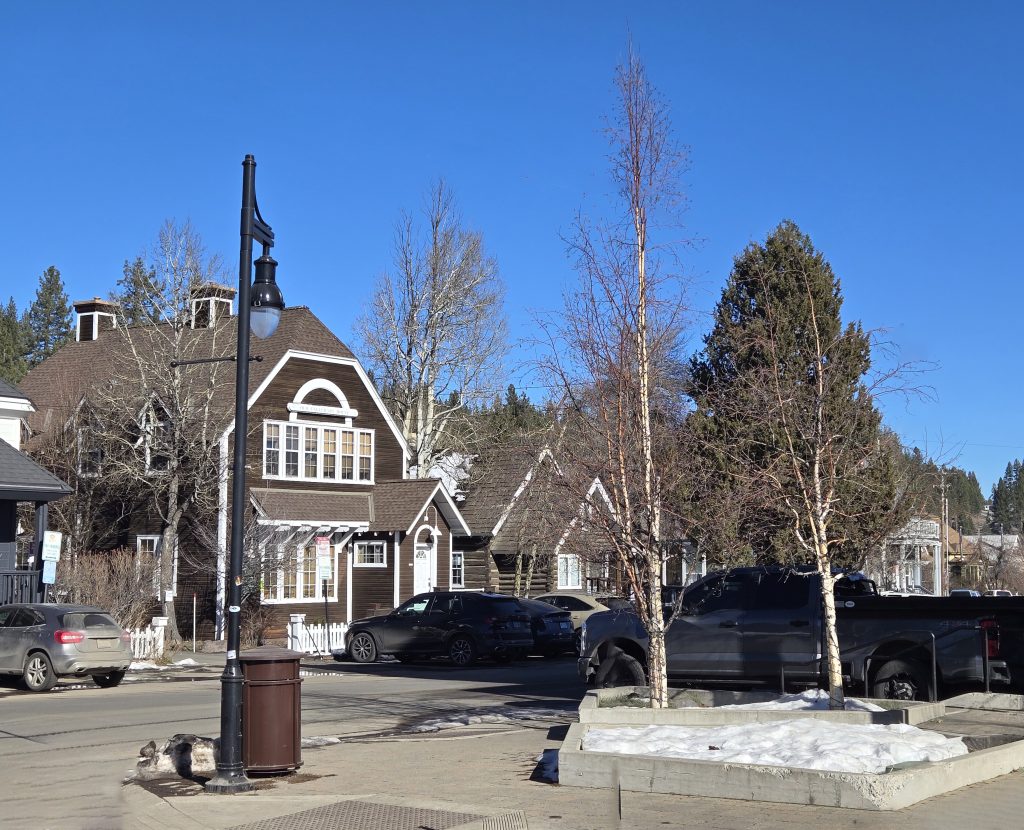
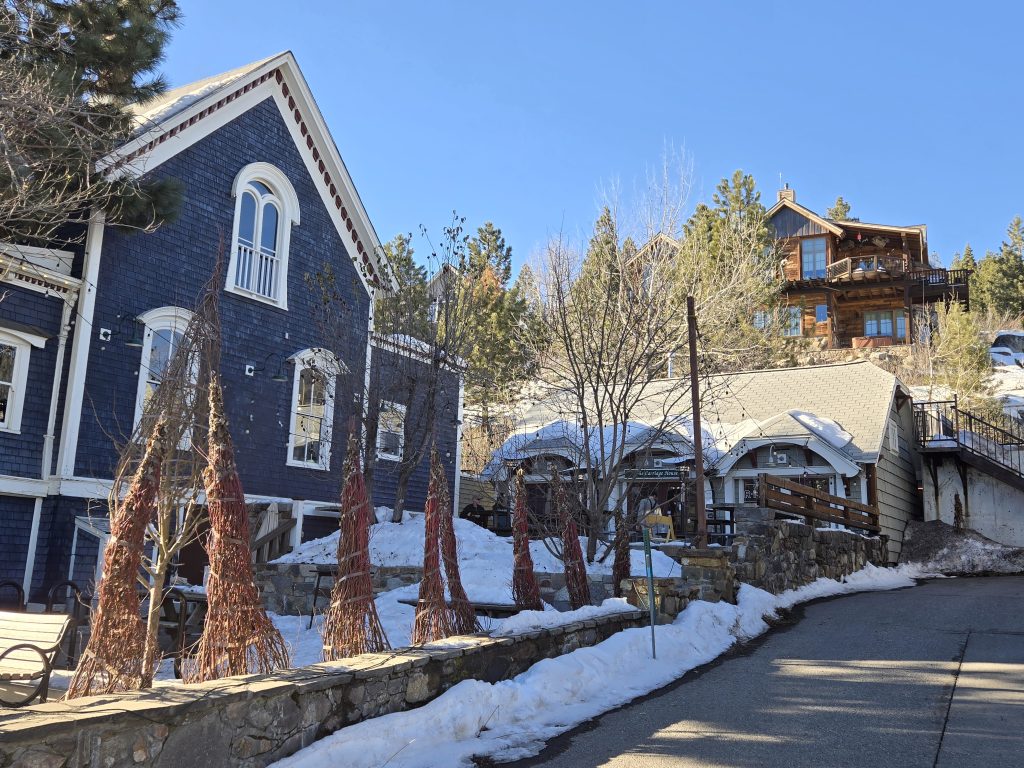
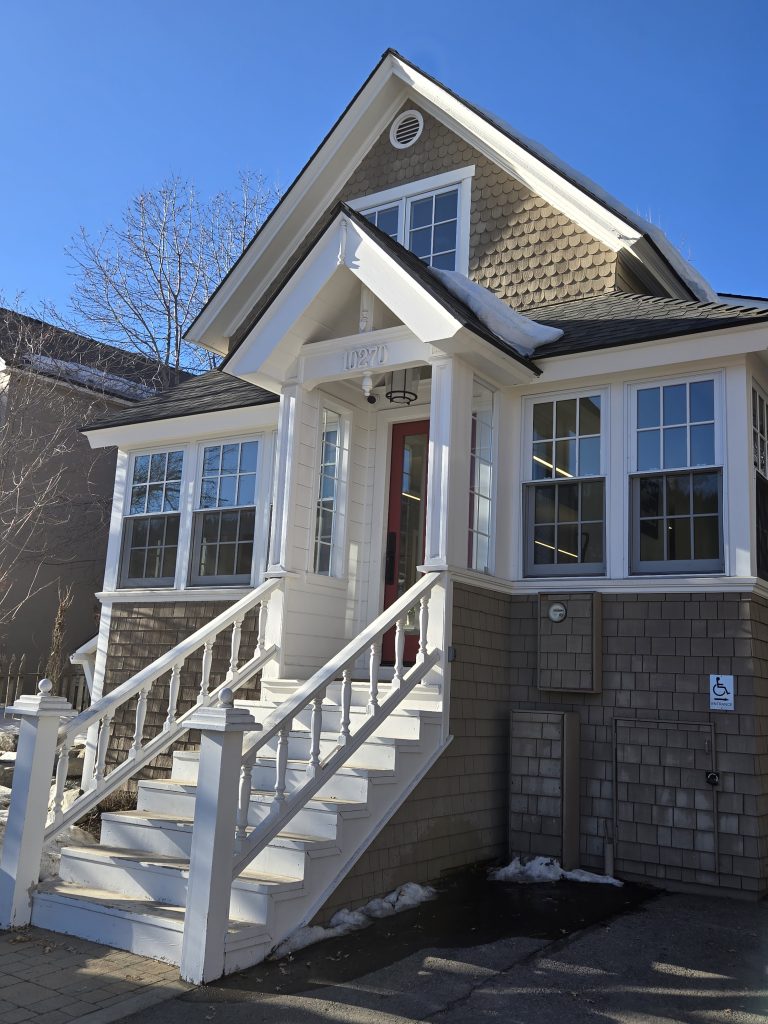
As Truckee grew prosperous from lumber, ice and the railroad, many of its notable citizens left their mark with homes that still speak of their success, some now repurposed as eateries, offices or retail. These landmarks include:
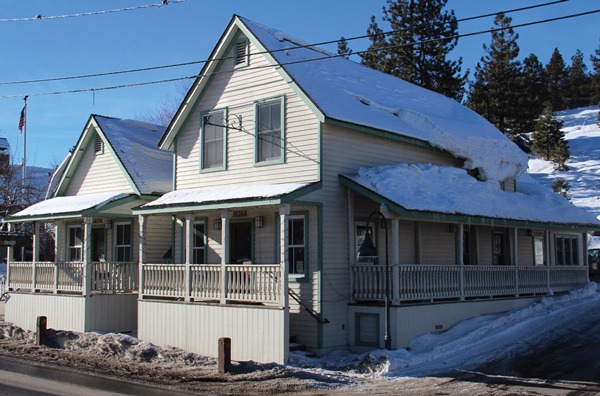
- Titus Home, Originally constructed in 1912 on top of a Chinese boarding house, it was the only architecturally designed home in the western part of town-created to serve the needs of Frank Titus Sr, an engineer on the narrow gauge railway.

- Eaton Home, Originally build by Edward Brickell around 1880, it was the Truckee Lumber Company shop. Harry, his grandson, who grew up in the house, recalls skiing to Tahoe City in the 1930s to deliver the mail when the trains were snowbound.
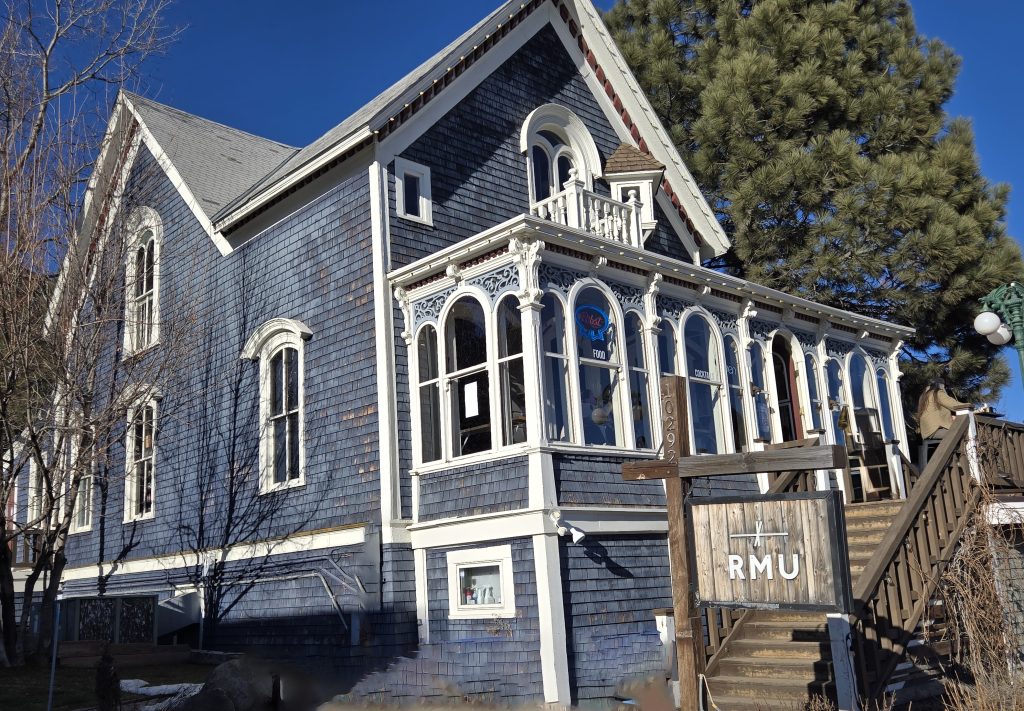
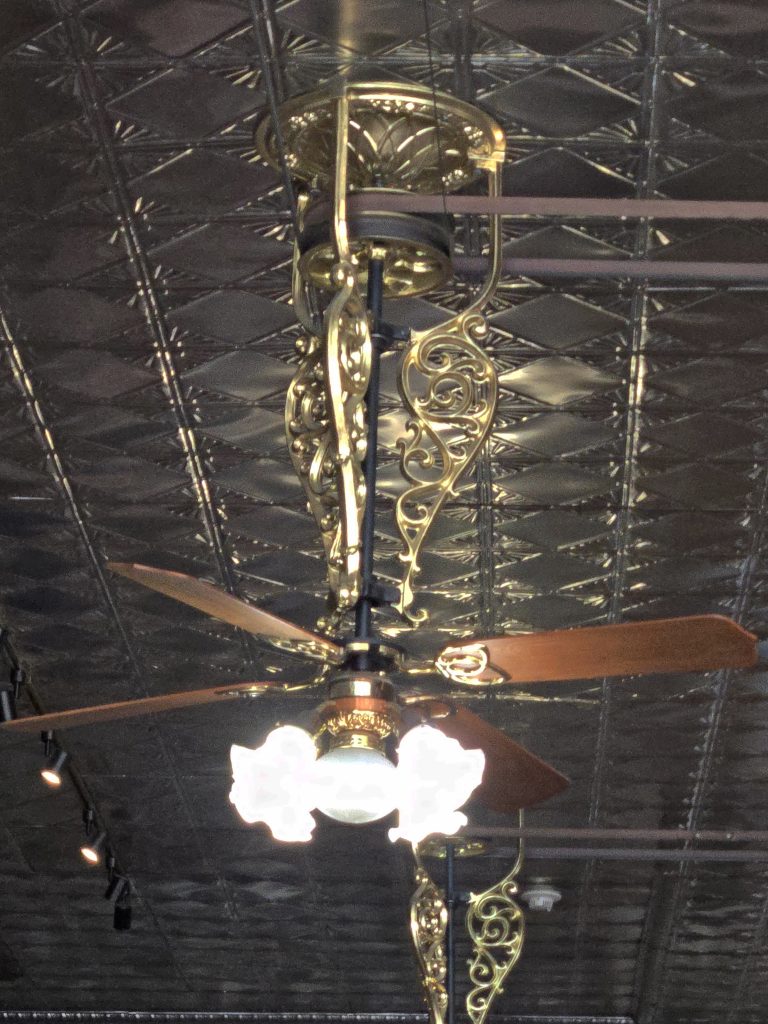
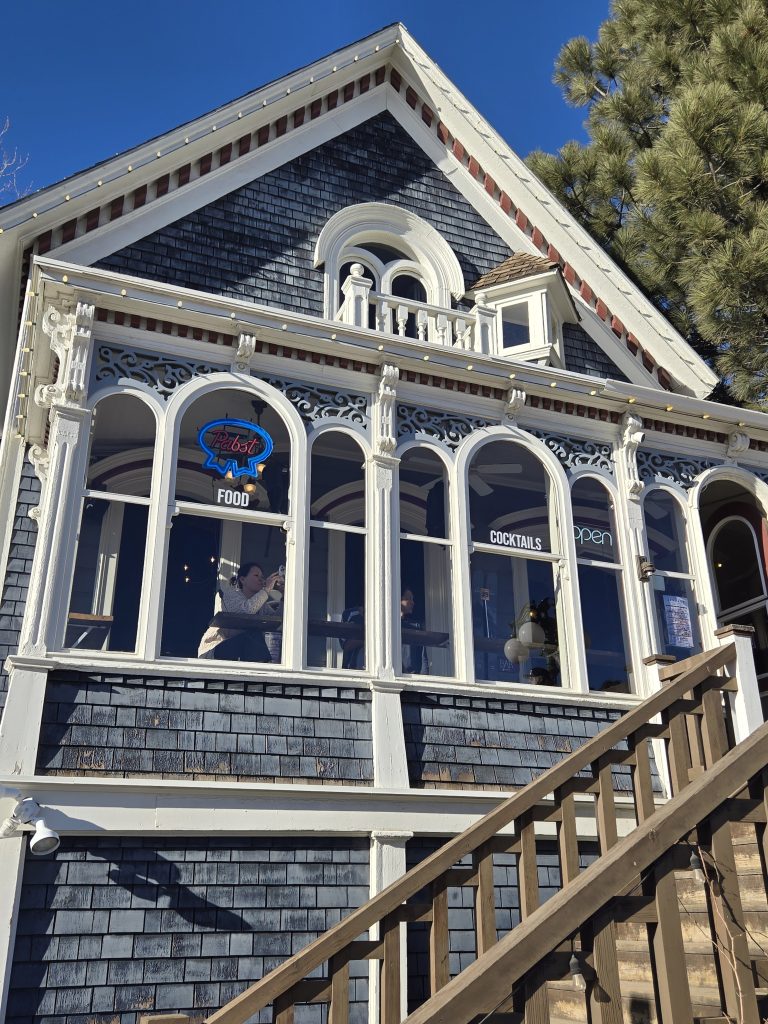
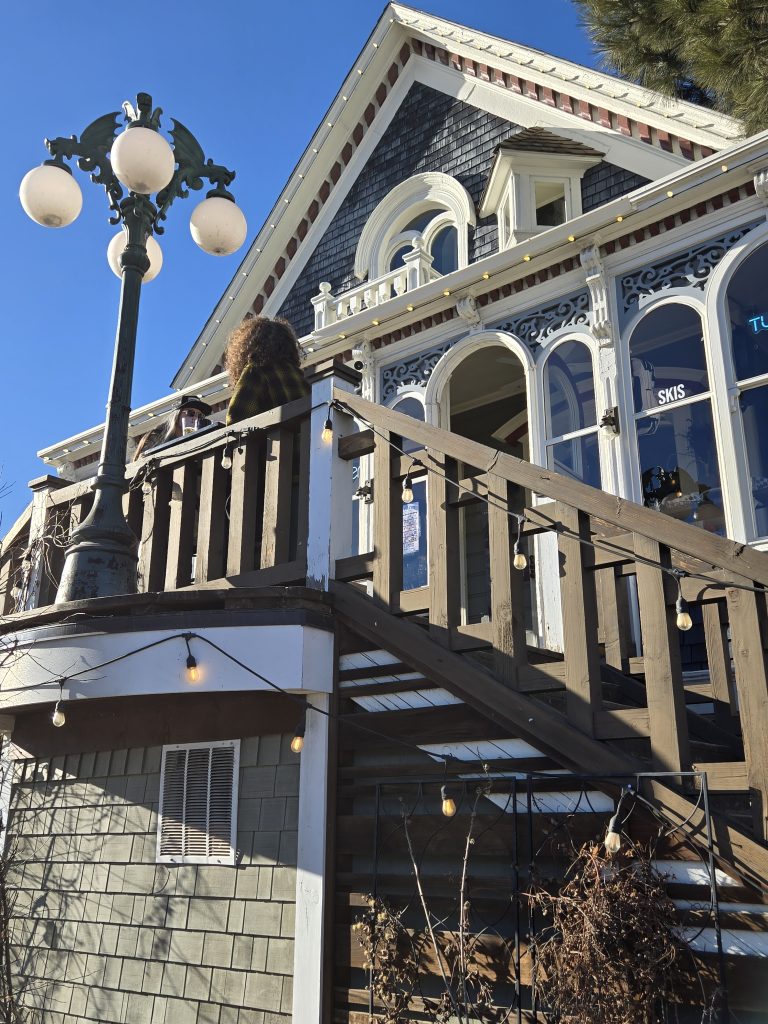
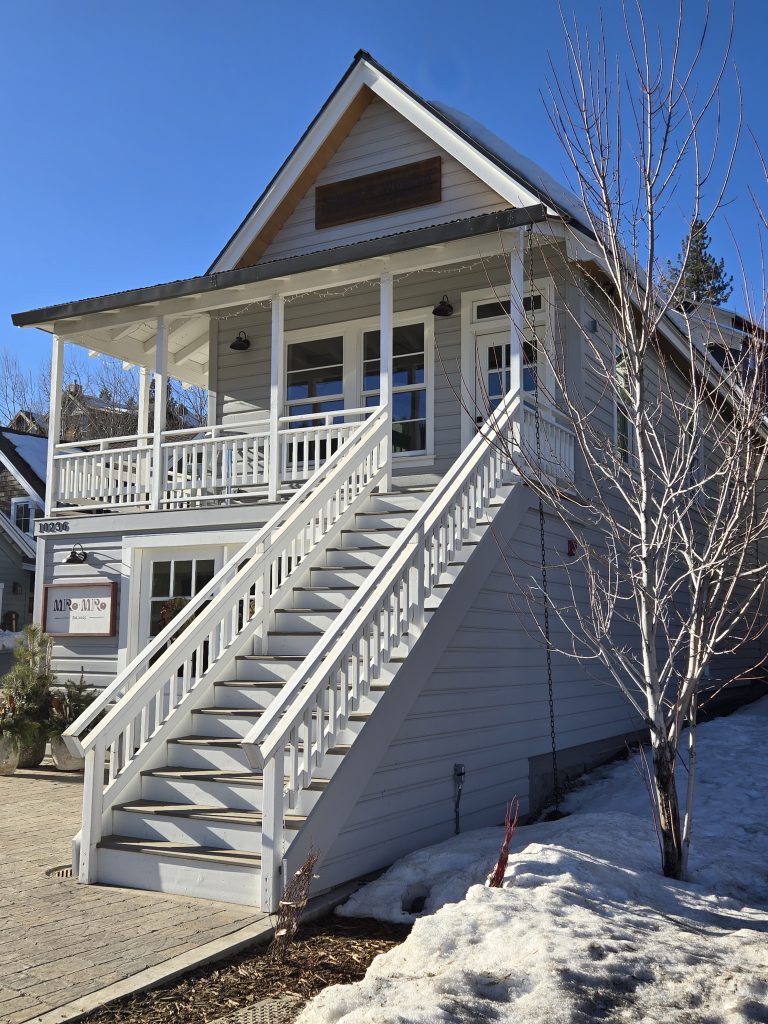
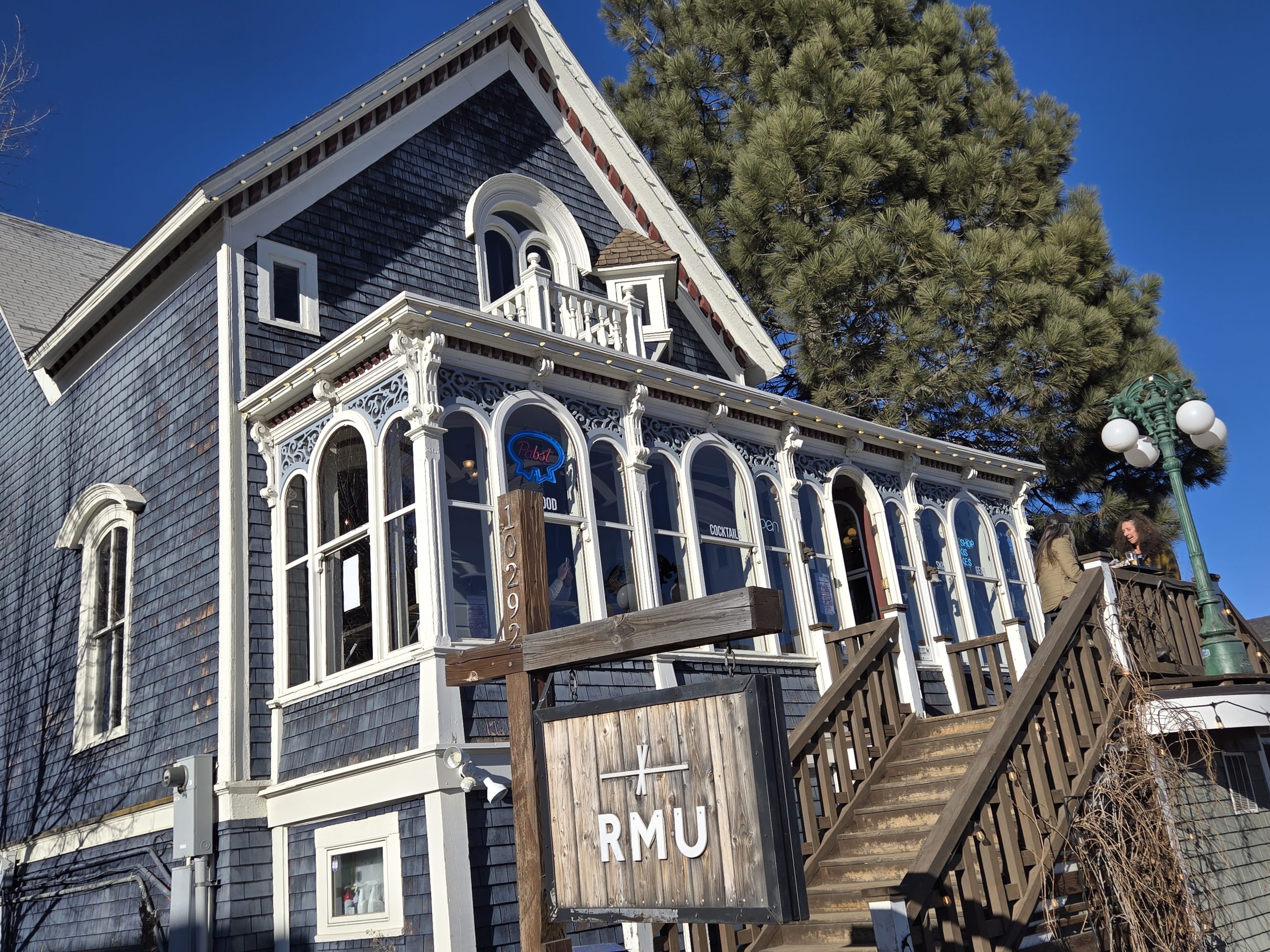
- Kruger C.B. White House, This charming building, constructed in 1873, was first owned by W.H. Kruger owner of the Truckee Lumber Company. It then passed to C.B. White in 1904, a banker and civic leader. Now, the RMU Restaurant and Bar inhabits this unique Queen Anne Eastlake Victorian with its double staircase and elevated vintage light fixture. The building is on the National Register of Historic Places.
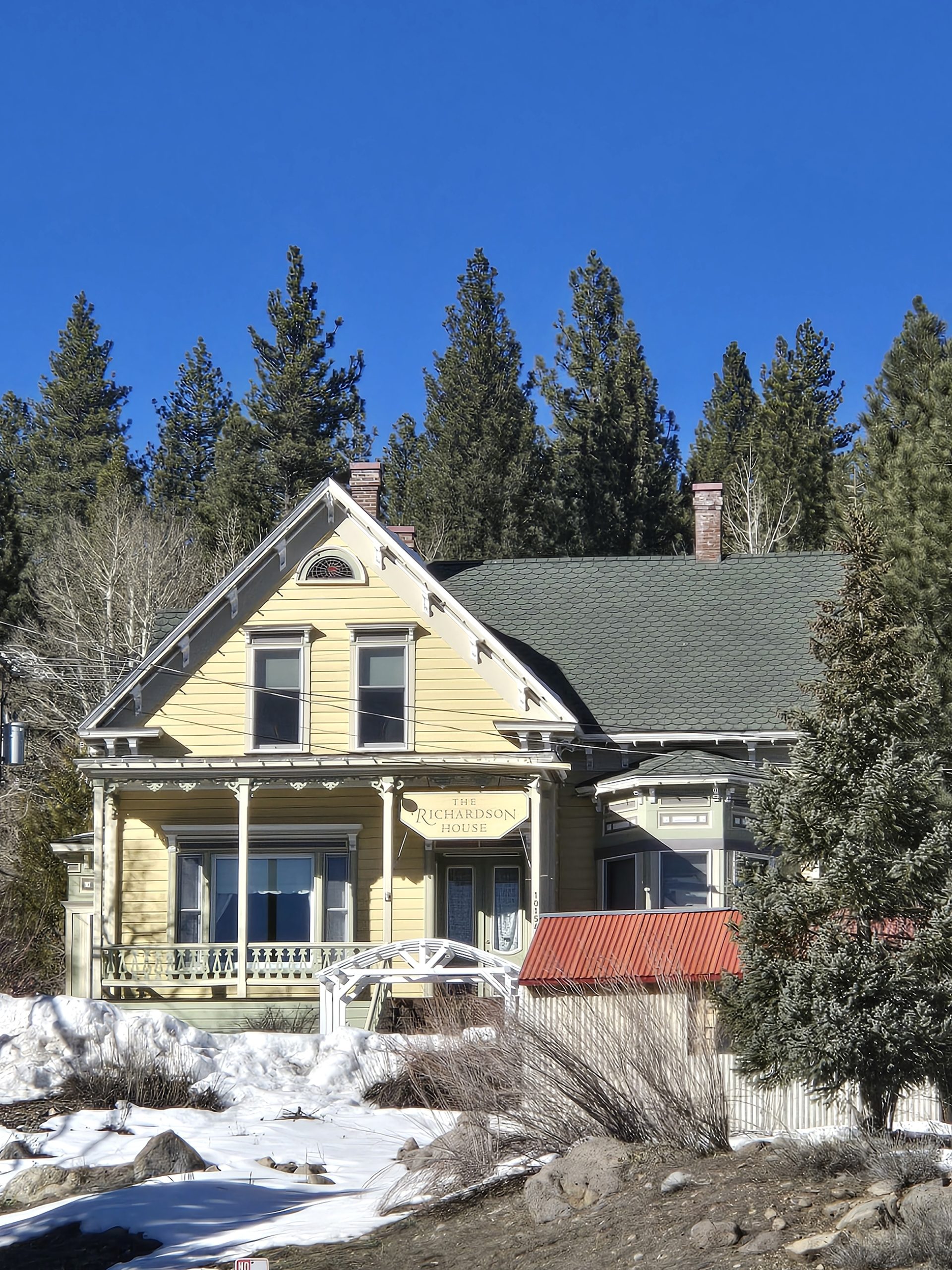
- Richardson House, Built in 1887 by Warren Richardson, this home stayed in the family till 1940. Now this precious yellow Victorian is a vacation rental with period furnishings.
Echoes of the Donner Party: A Tragedy Remembered
No history of Truckee is complete without mentioning the Donner Party, whose ill-fated wagon train became snowbound near Truckee Lake (now Donner Lake) in the winter of 1846-47. What followed, starvation, desperation, and cannibalism, is one of the most infamous episodes in Western migration.
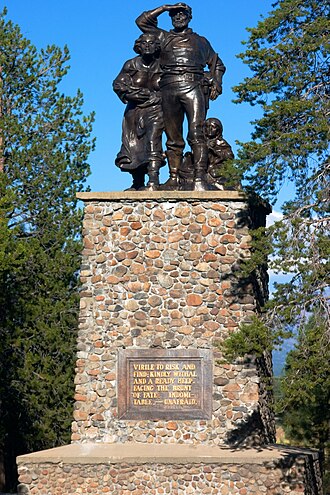
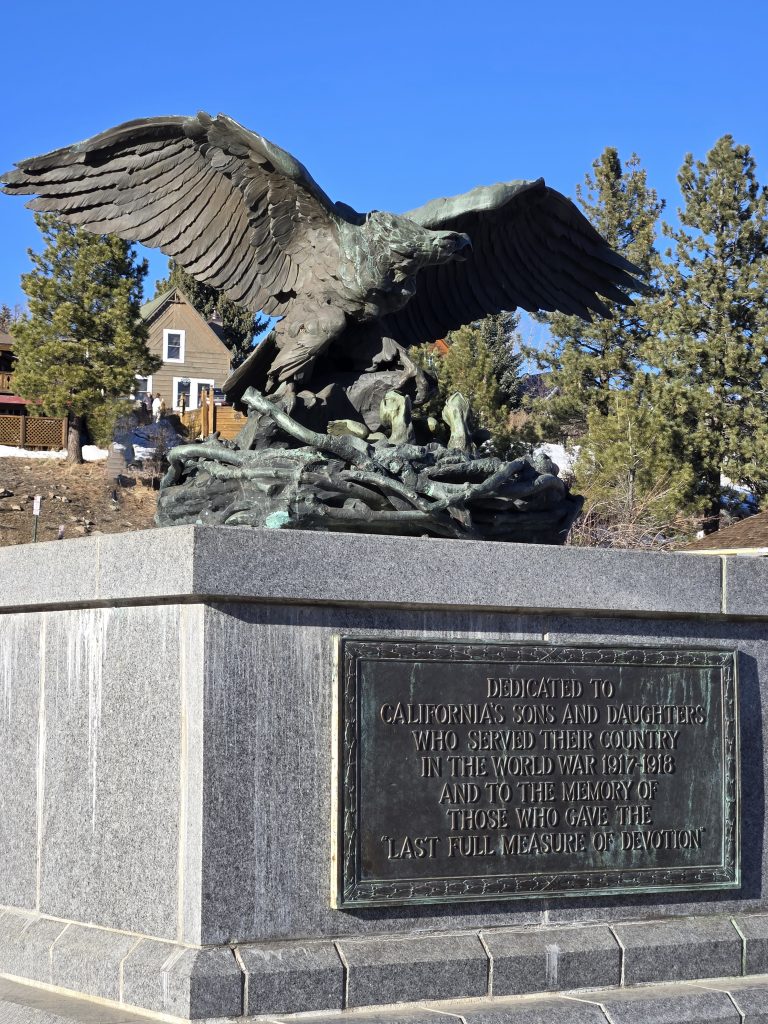
Today, the Donner Memorial State Park honors their story with quiet dignity. The Pioneer Monument, standing 22 feet tall to mark that winter’s record snowfall, evokes both awe and sorrow. The park’s Emigrant Trail Museum contextualizes the tragedy, reminding visitors of the unimaginable costs of westward expansion and the endurance of those who survived.
Truckee Today: Mountain Culture with Memory
Truckee keeps evolving. It’s now a place where mountain athletes share café tables with art collectors, where outdoor adventure meets architectural heritage, and where trains still pass—no longer defining the town, but refusing to leave it behind.
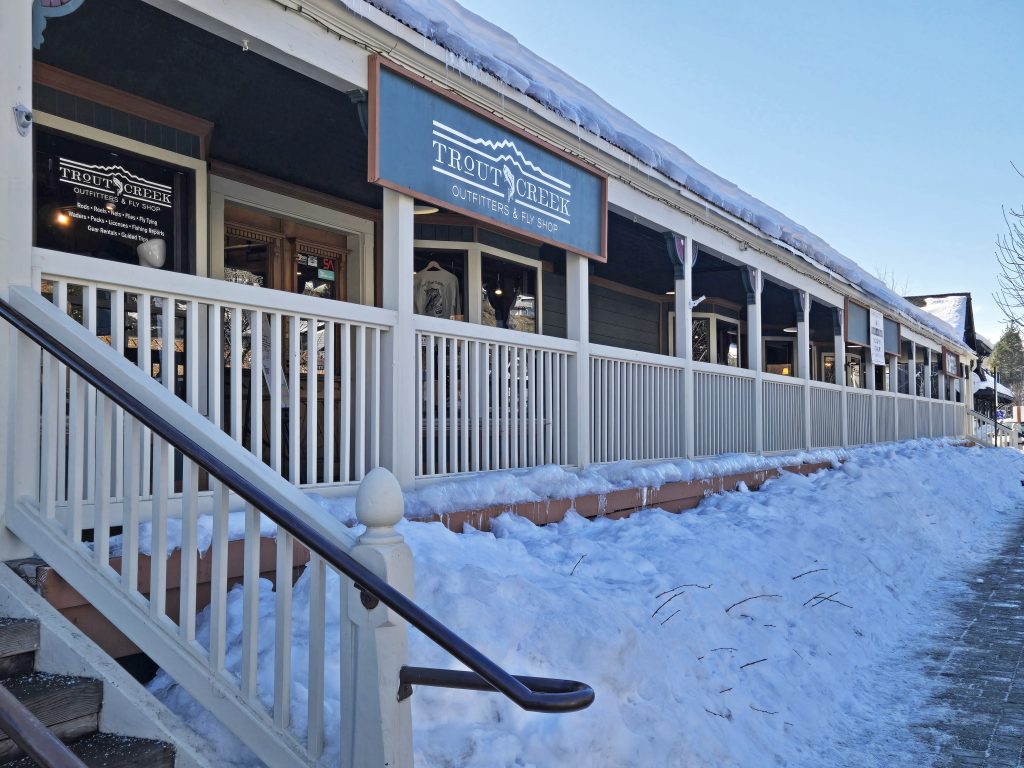
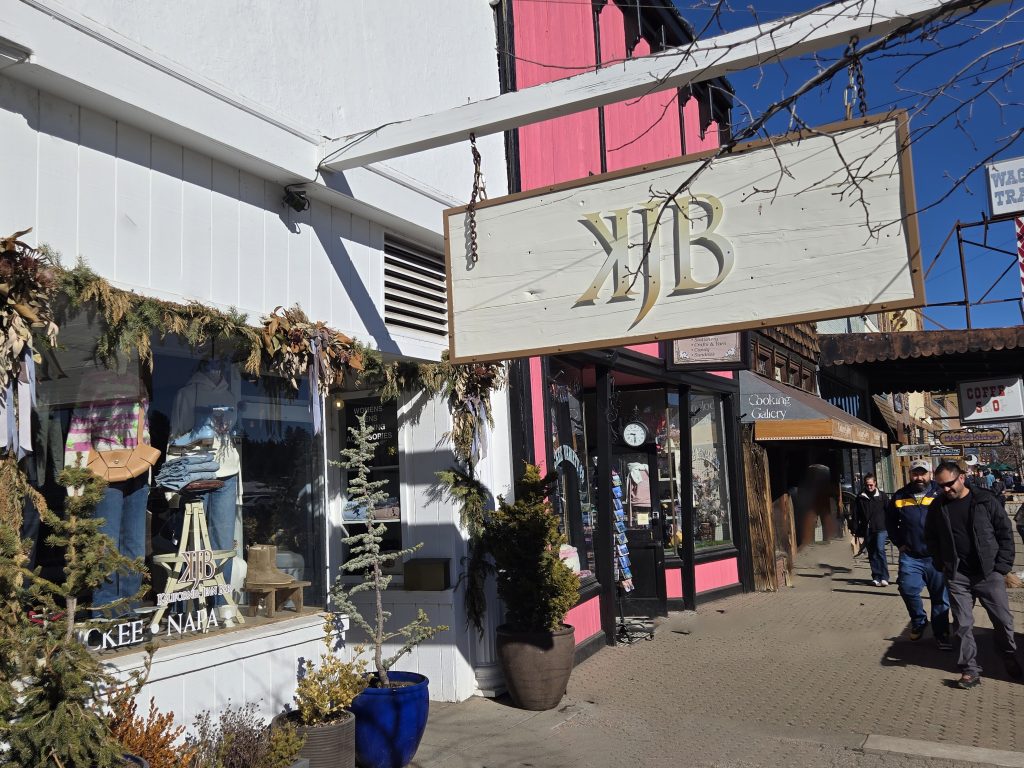
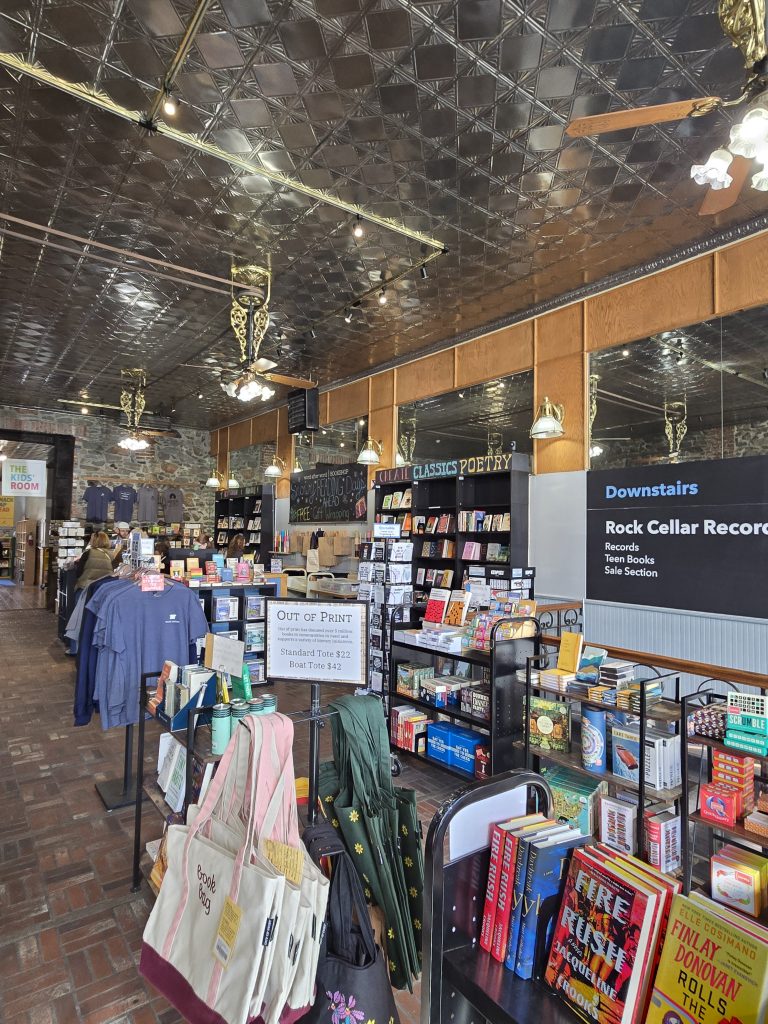
Boutiques now fill the old storefronts, and galleries occupy century-old saloons. Yet even as prosperity and tourism rise, the town has kept its rough-hewn identity, rooted in snow, stone, and the rhythm of the rails.
Locals speak of a “Truckee way of life”—independent, friendly, a little stubborn—much like the granite ridge it was built upon.
Where to Stay in Truckee, United States
Truckee’s neighborhoods each offer distinct lodging character. Downtown hotels and motels line the main drag near restaurants and shops, while quieter residential areas north and south of town offer easier access to hiking trailheads and ski resorts. The town’s 6,000-foot elevation means winter lodging fills quickly, so book early for ski season. Summer visitors enjoy more flexibility and better rates from June through August.
The Donner Summit area just west of town has several larger resort properties with pools and on-site dining, letting you enjoy amenities without leaving the area. These command higher prices but deliver reliability and full services. Mid-range motels cluster near the highway, offering clean rooms and good value, especially during shoulder seasons when rates drop. Budget-conscious travelers should ask about packages bundling lodging with ski or activity passes, which are common in winter months.
Vacation rentals have become prevalent throughout Truckee’s neighborhoods, from modest cabins to upscale mountain homes. Renting a house or condo works well for families or groups who plan to cook some meals and settle in for a week. Many rental agencies operate through Airbnb and VRBO, though booking directly with local property managers often improves communication and flexibility. Winter rentals often require longer minimum stays and carry significant cleaning fees, so factor these costs into your budget.
For a slow travel experience, stay at bed and breakfasts or small inns in the historic core, where you can walk to galleries and cafes without a car. These properties typically feature fewer than fifteen rooms and reflect local ownership. They cost more than chains but deliver personable service and local knowledge. Reserve well ahead during summer weekends and winter holidays, when Truckee draws consistent crowds year-round.
Recommended Reading
Fiction
- Snow Mountain Passage by James D. Houston
A powerful, humanizing retelling of the Donner Party’s ordeal, blending fact with lyrical fiction to explore survival, sacrifice, and the meaning of family. - West of Here by Jonathan Evison
While set slightly north, this sweeping novel about a town’s founding, and the legacy it leaves behind, captures the frontier spirit that shaped places like Truckee. - Desperate Passage: The Donner Party’s Perilous Journey West by Ethan Rarick
A dramatic, deeply researched narrative that reads with the urgency of a novel, bringing to life the personalities and moral dilemmas of the Donner tragedy.
Nonfiction
- Nothing Like It in the World by Stephen E. Ambrose
A riveting account of the building of the Transcontinental Railroad, including detailed scenes of the Sierra crossings and the backbreaking labor that defined Truckee’s role. - Truckee: An Illustrated History of the Town and Its Surroundings by Joanne Meschery
A visual and narrative guide to Truckee’s evolution, filled with photographs, maps, and architectural history. - Emigrant’s Guide to Oregon and California by Lansford Hastings (1845)
The infamous guidebook that lured the Donner Party to their fate, included here for its historical relevance and chilling irony.