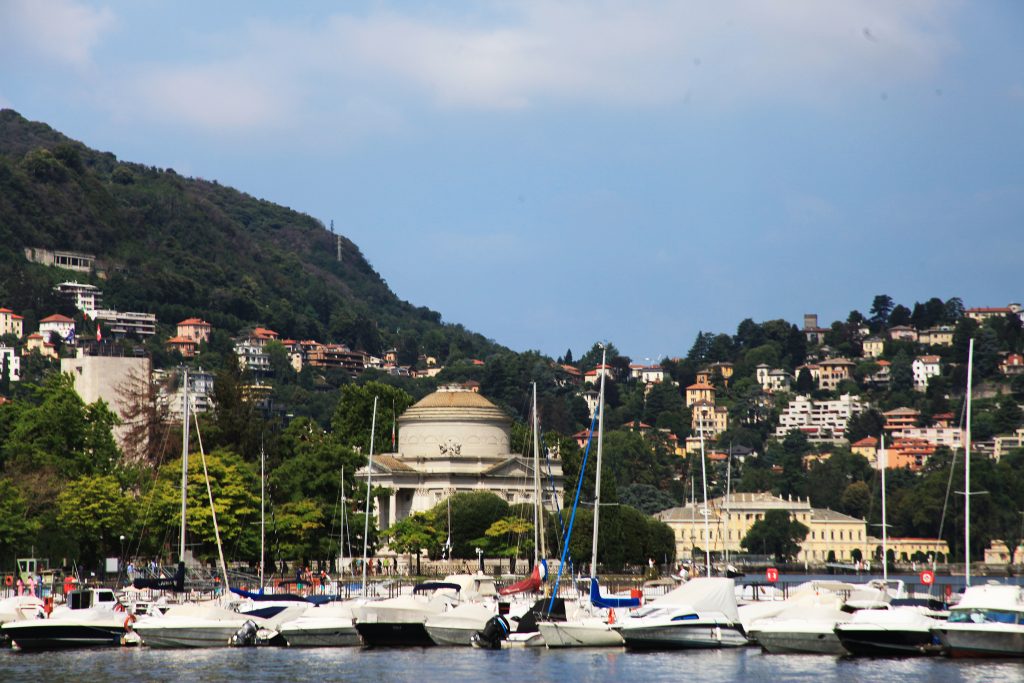
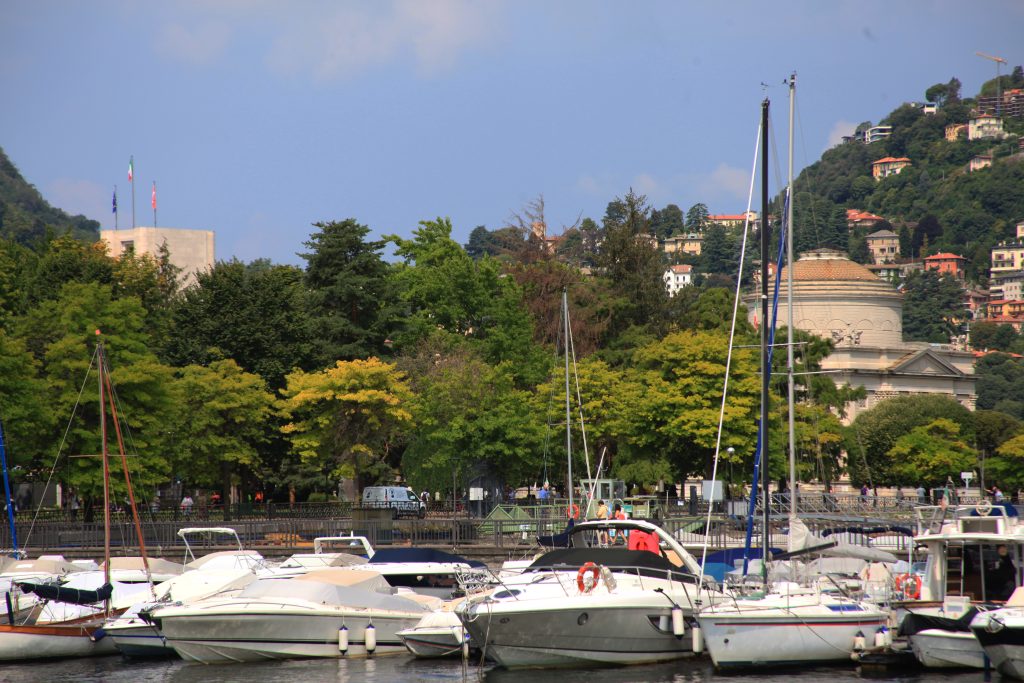
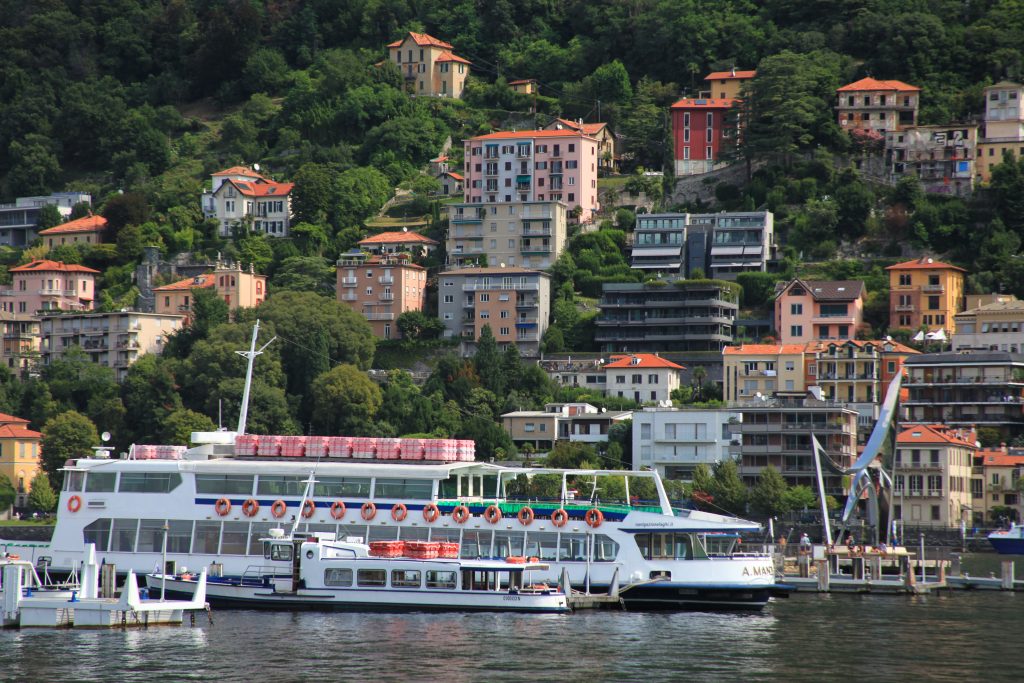
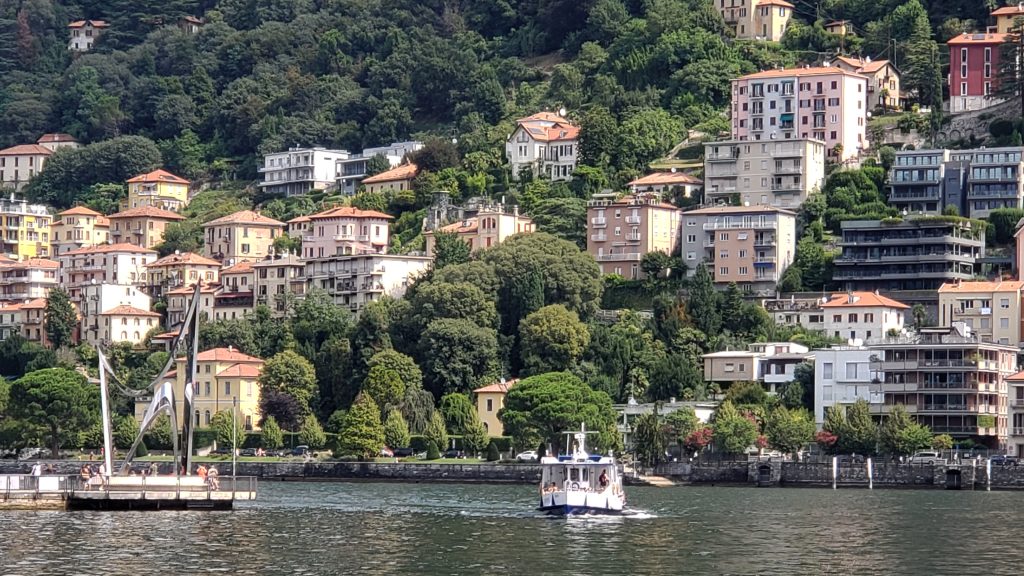
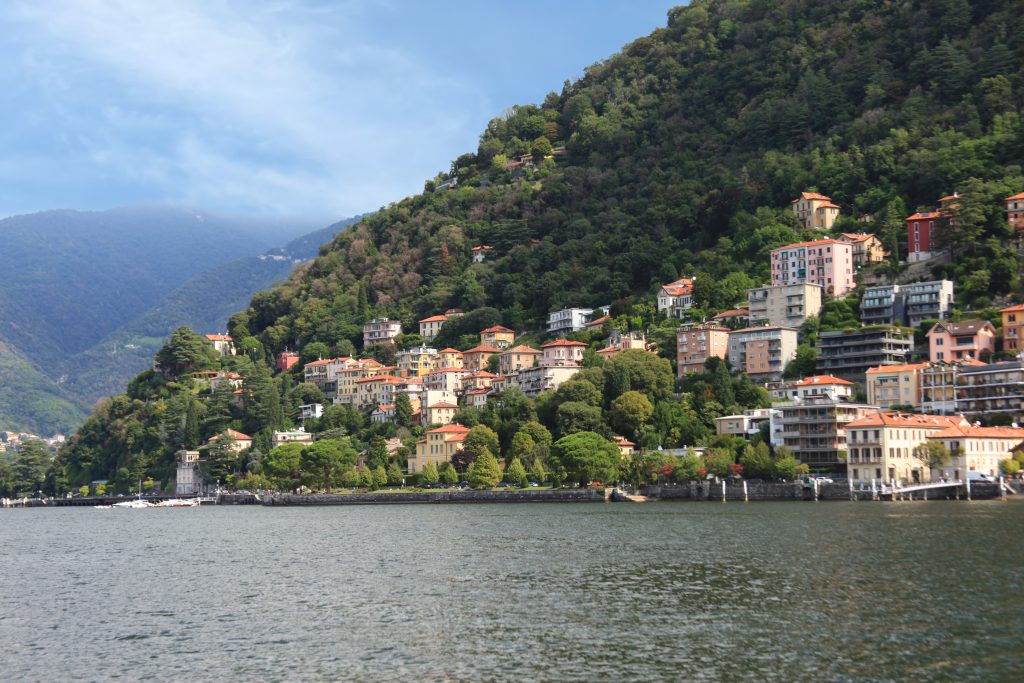
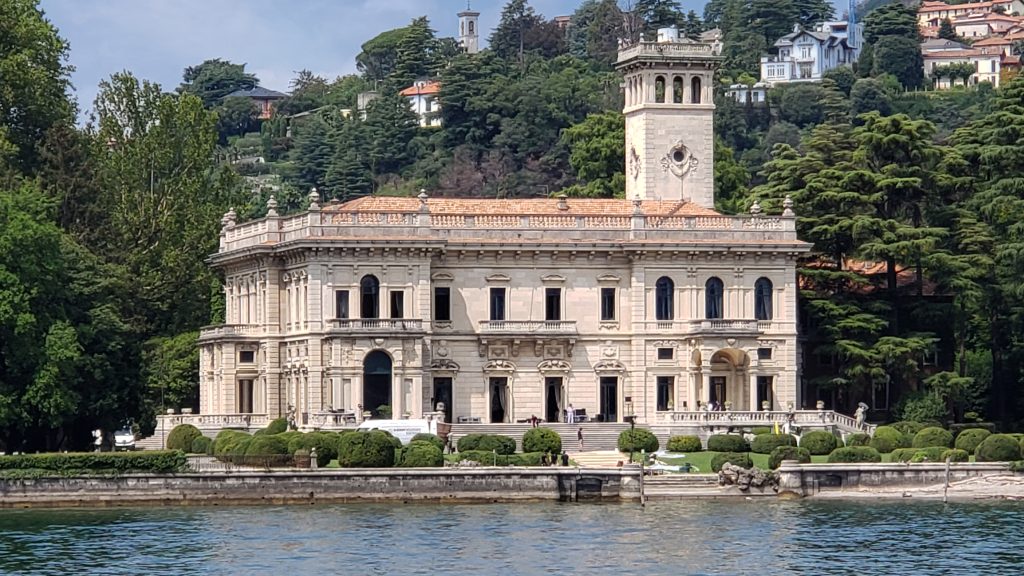
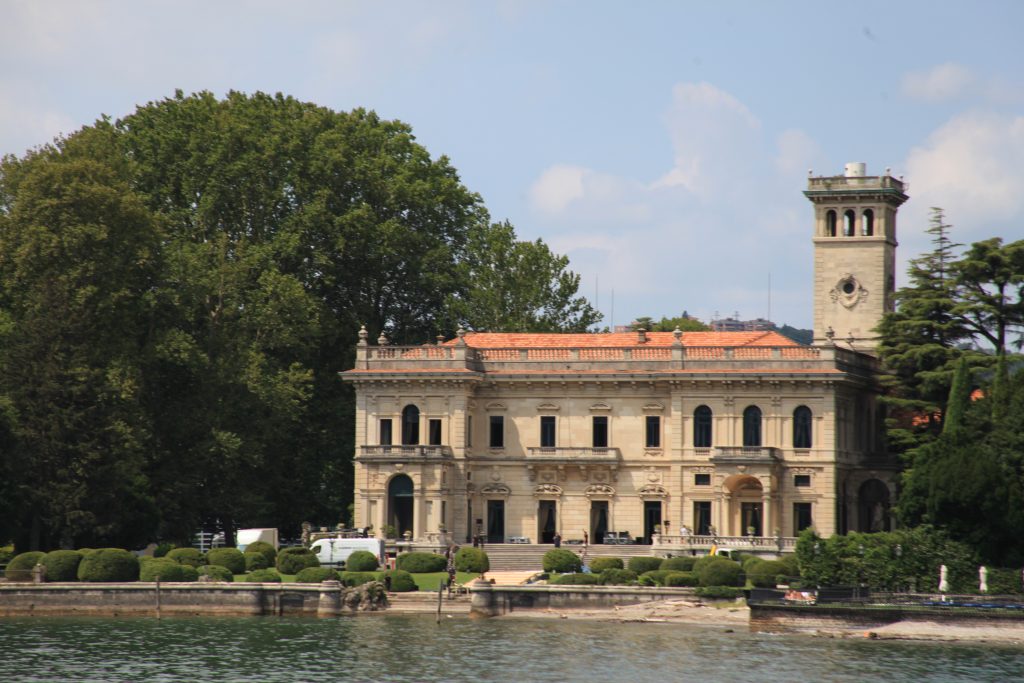
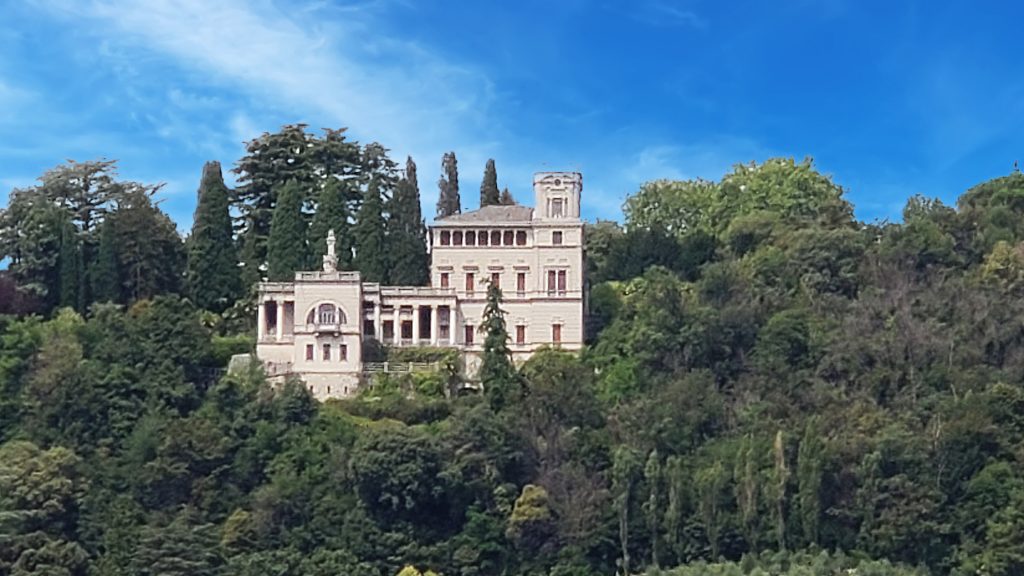
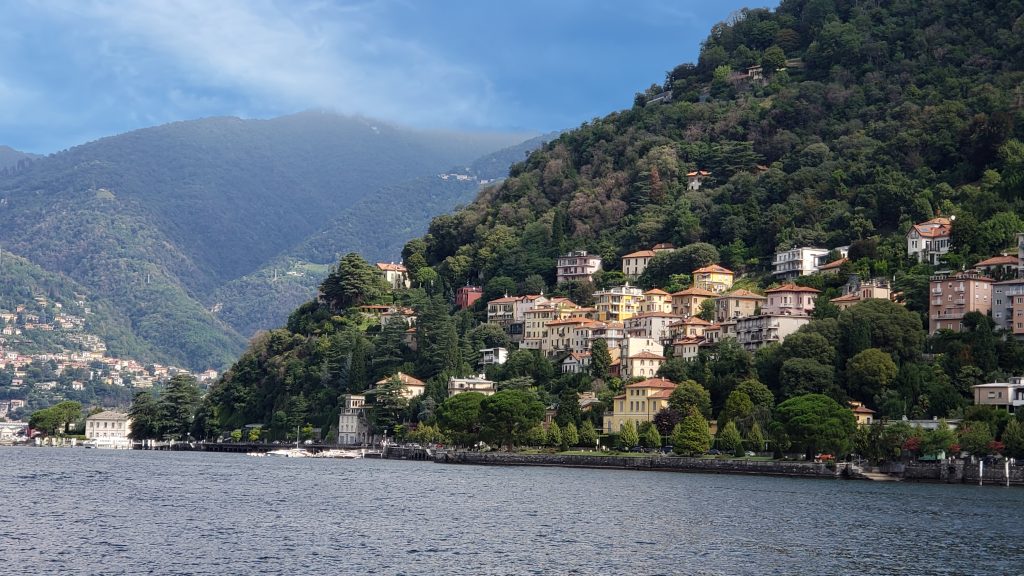
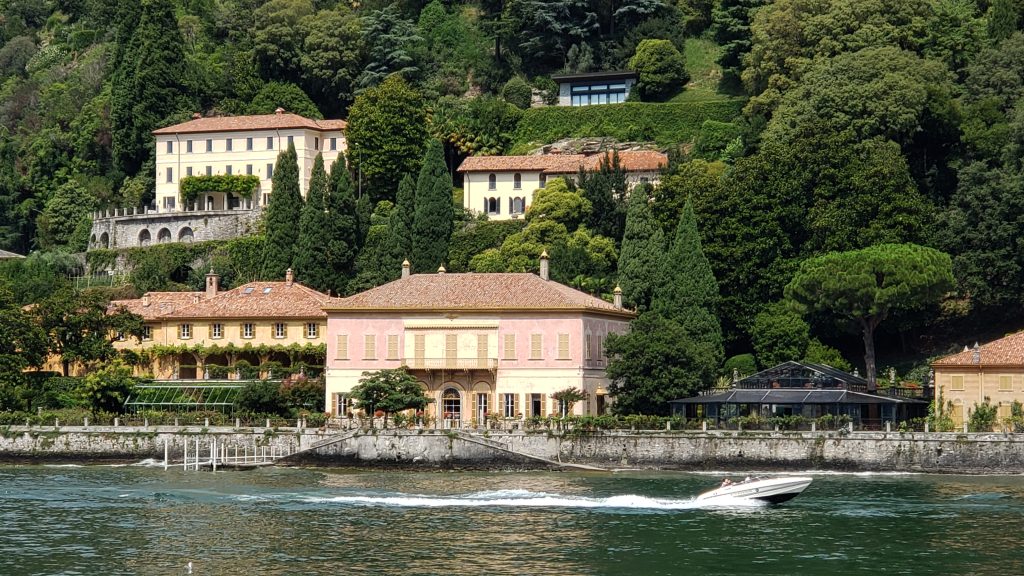
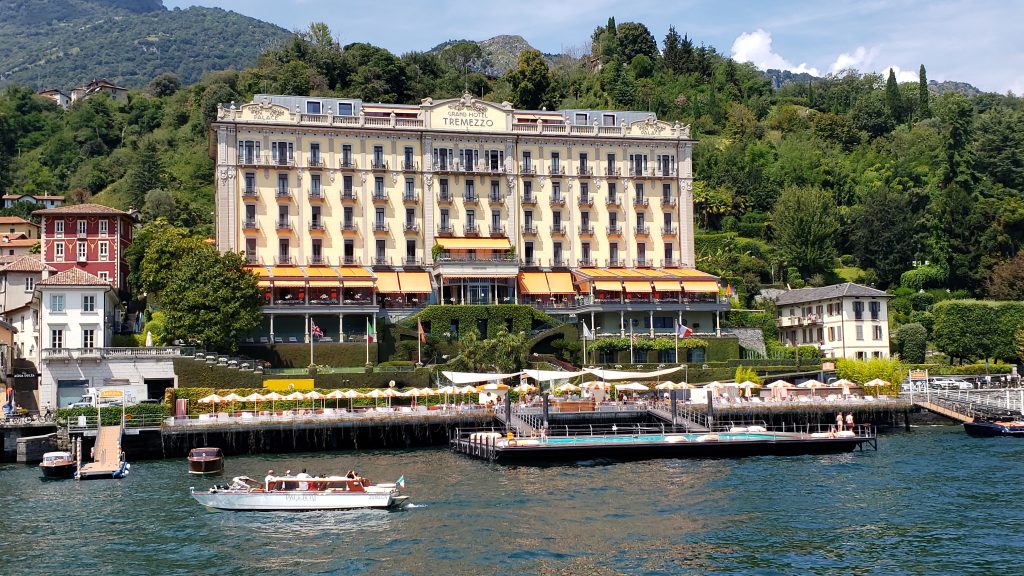
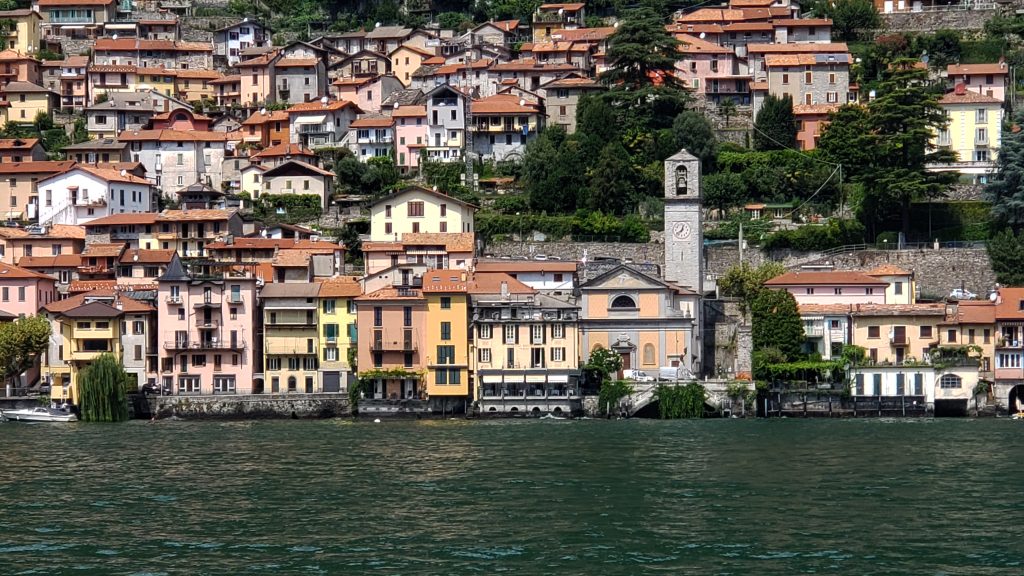
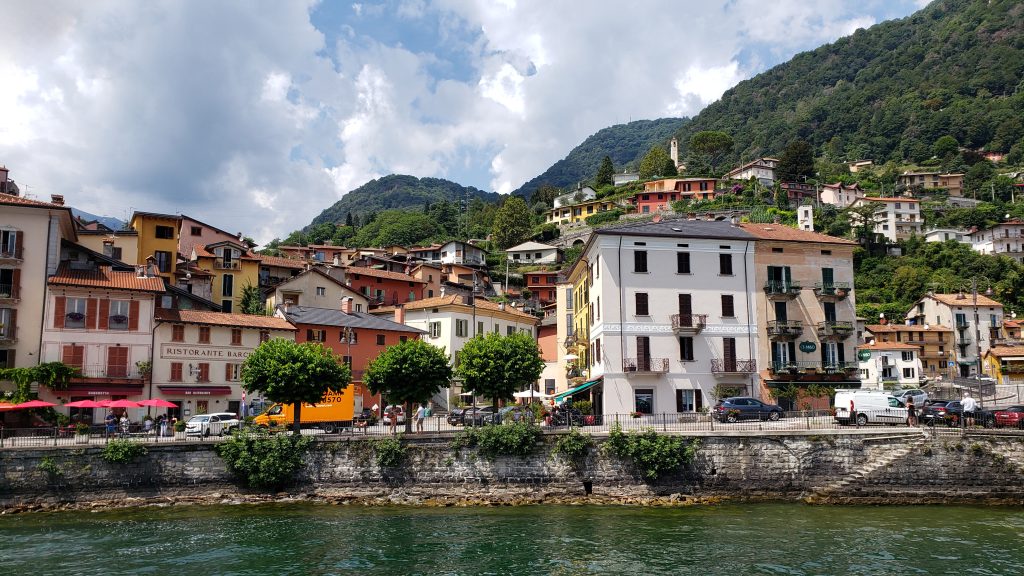
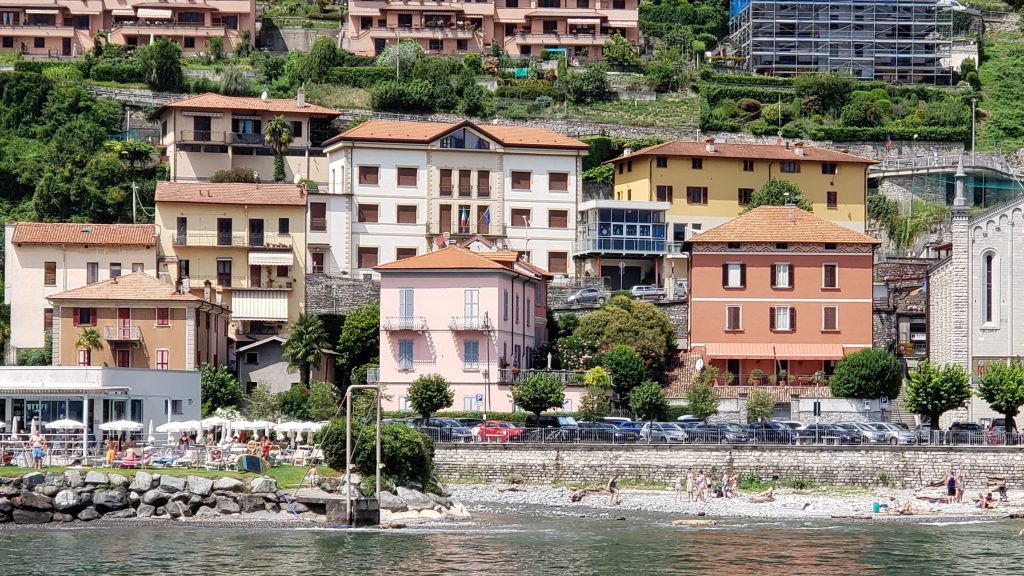
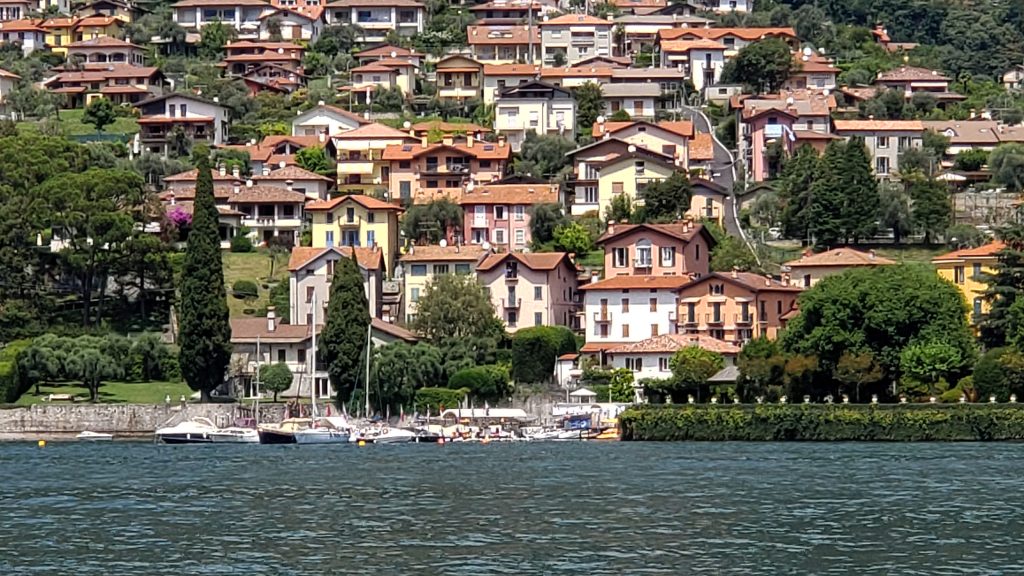
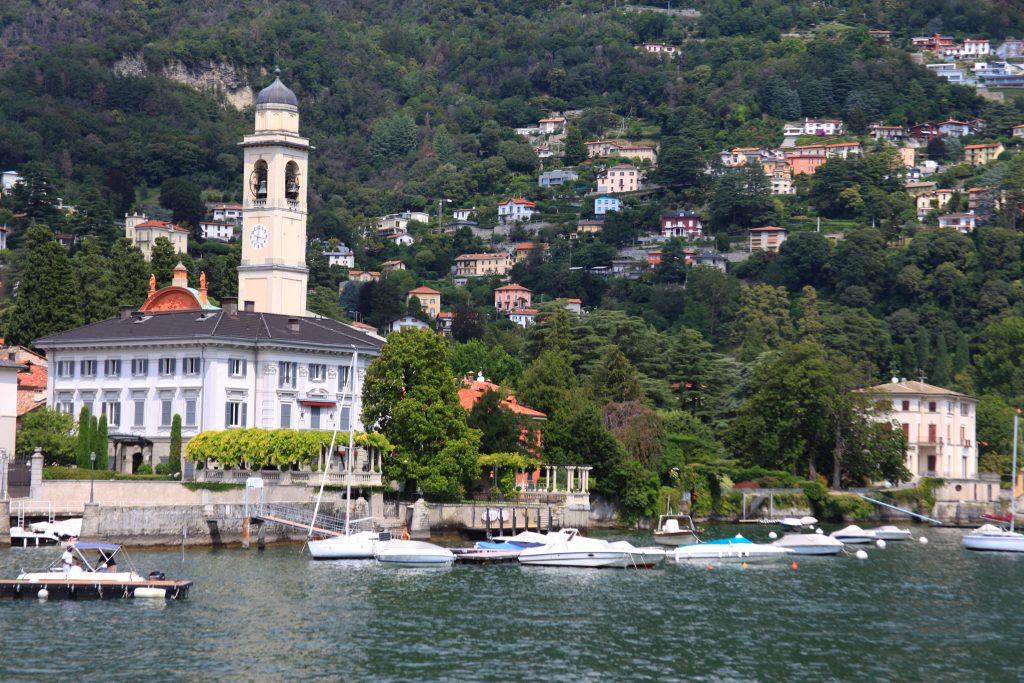
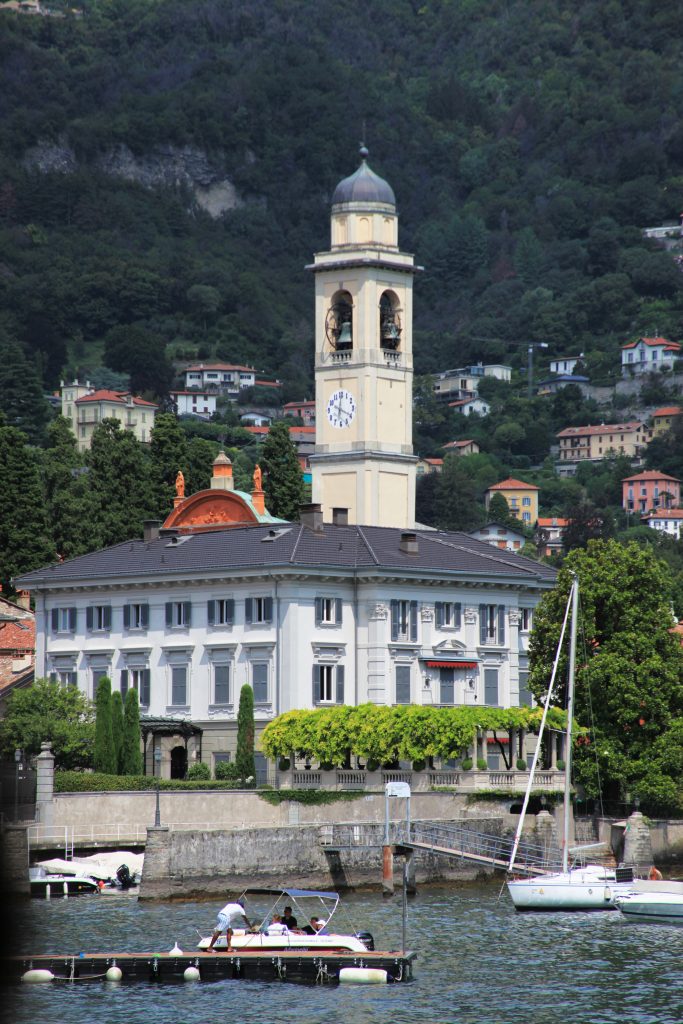
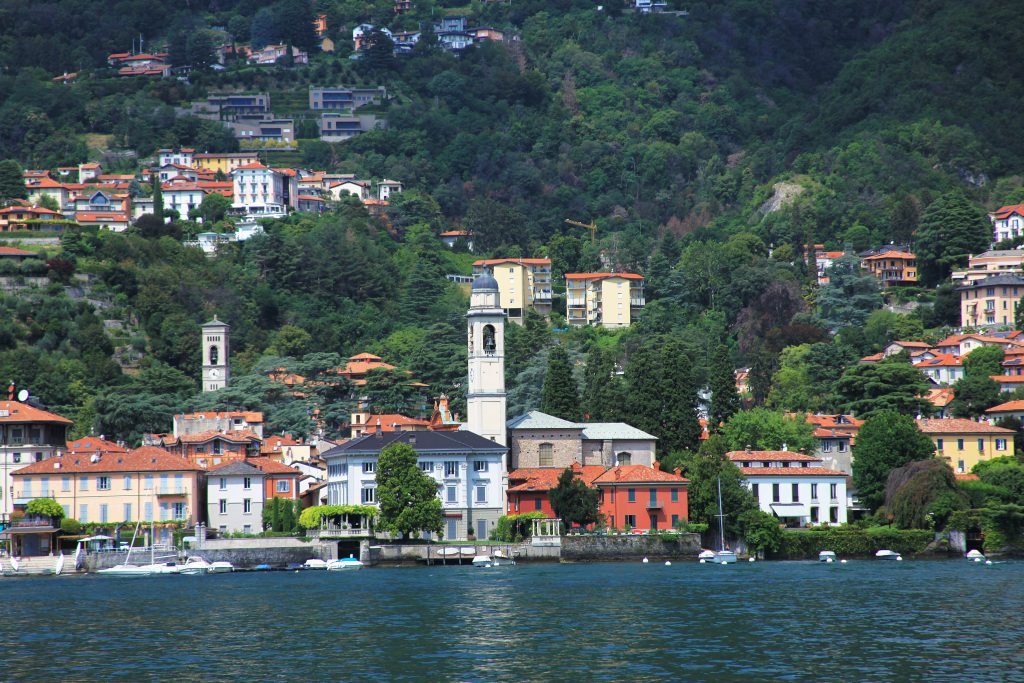
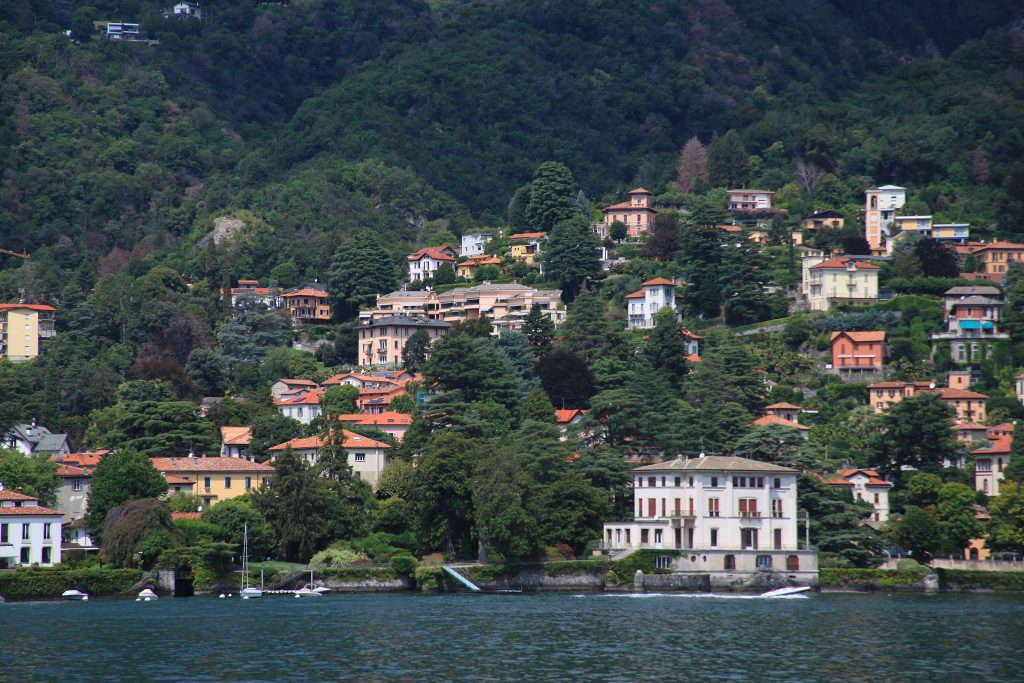
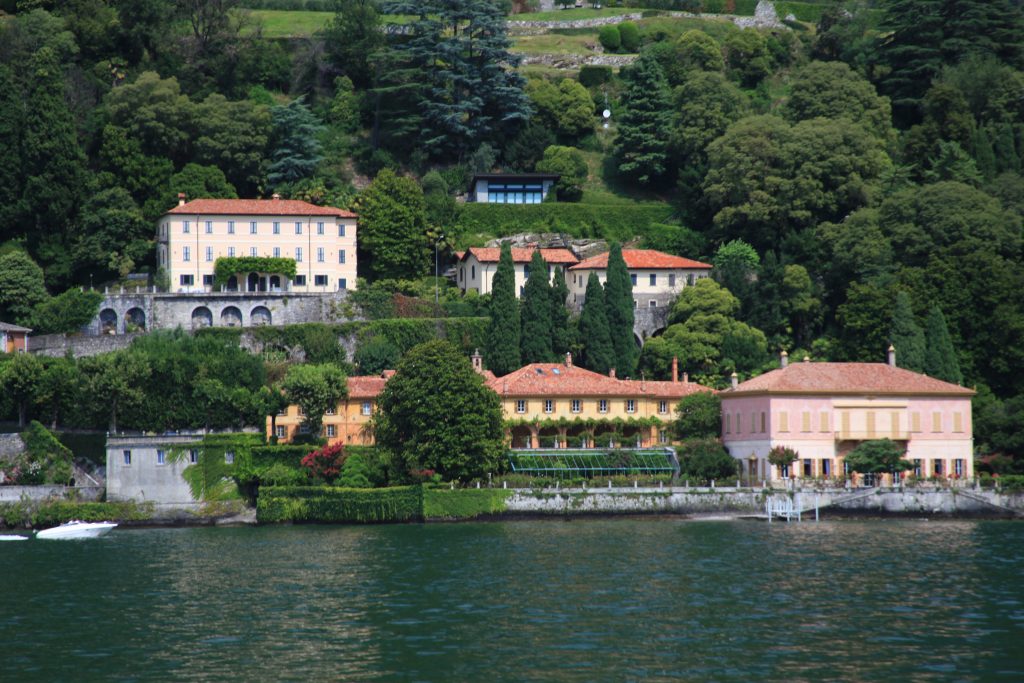
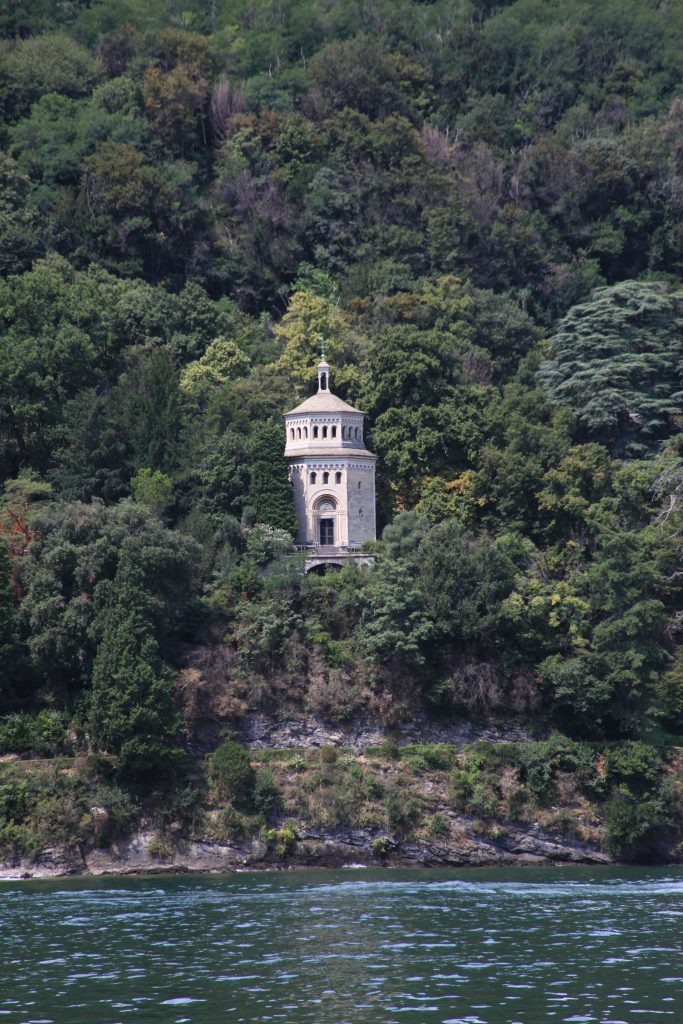
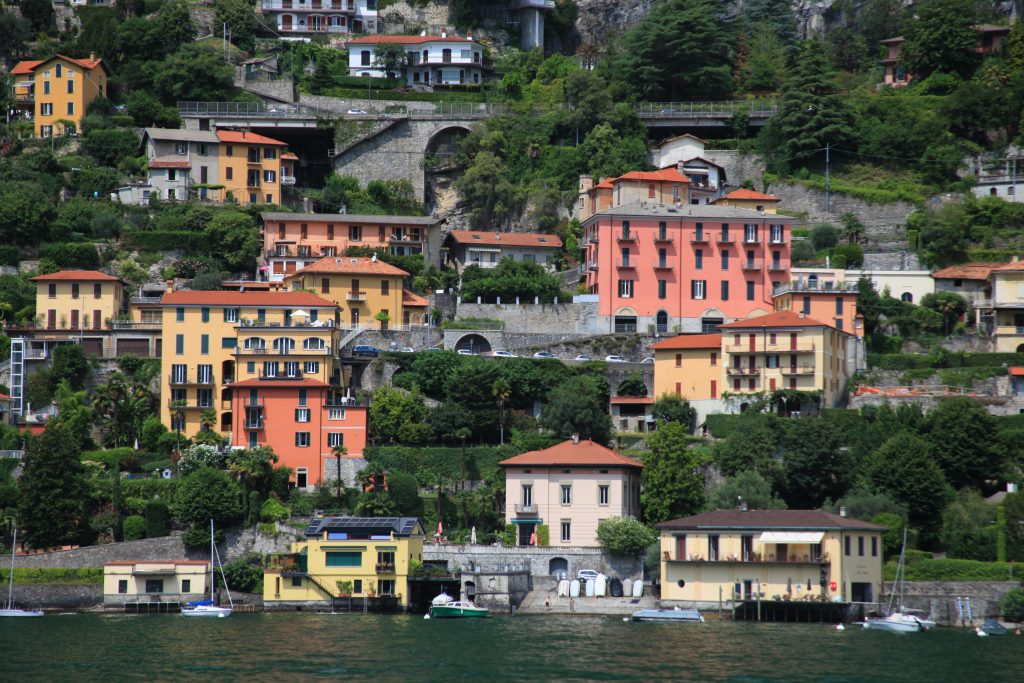
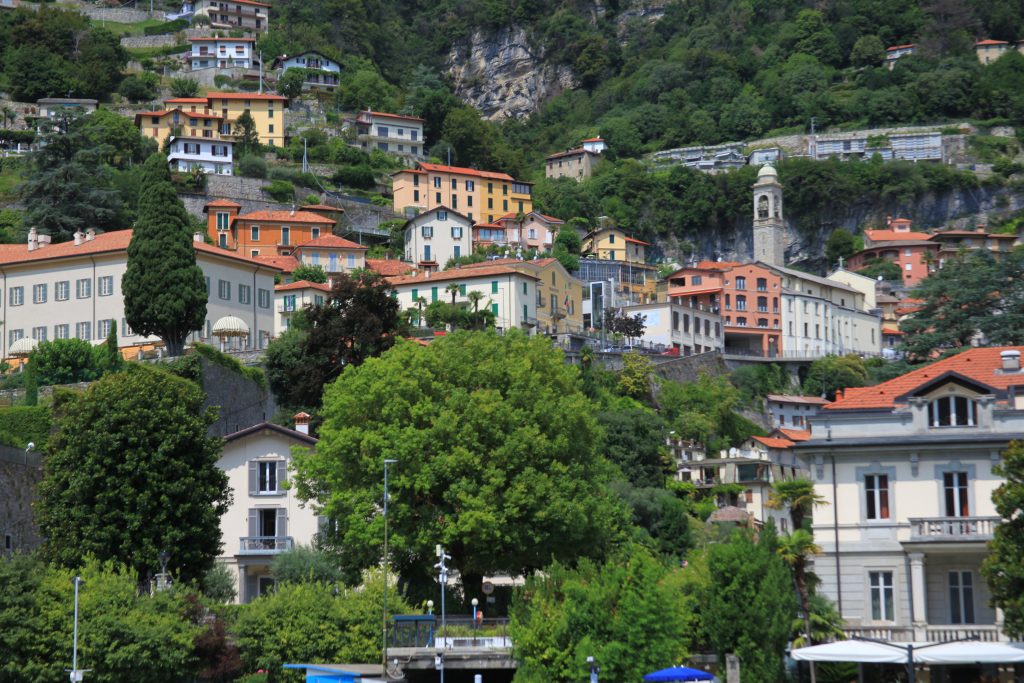
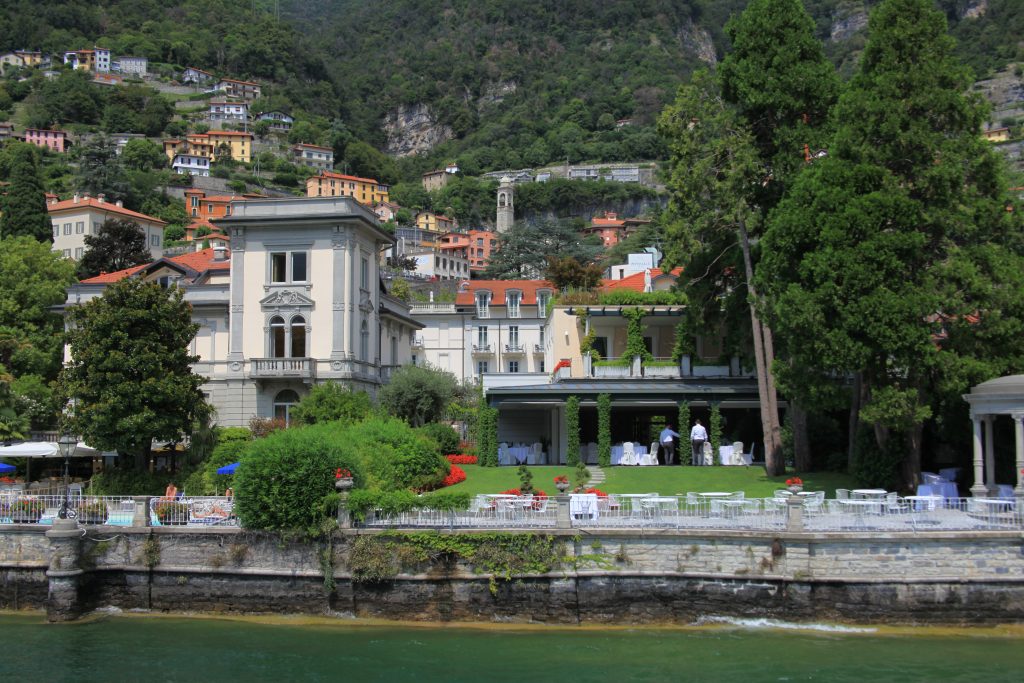
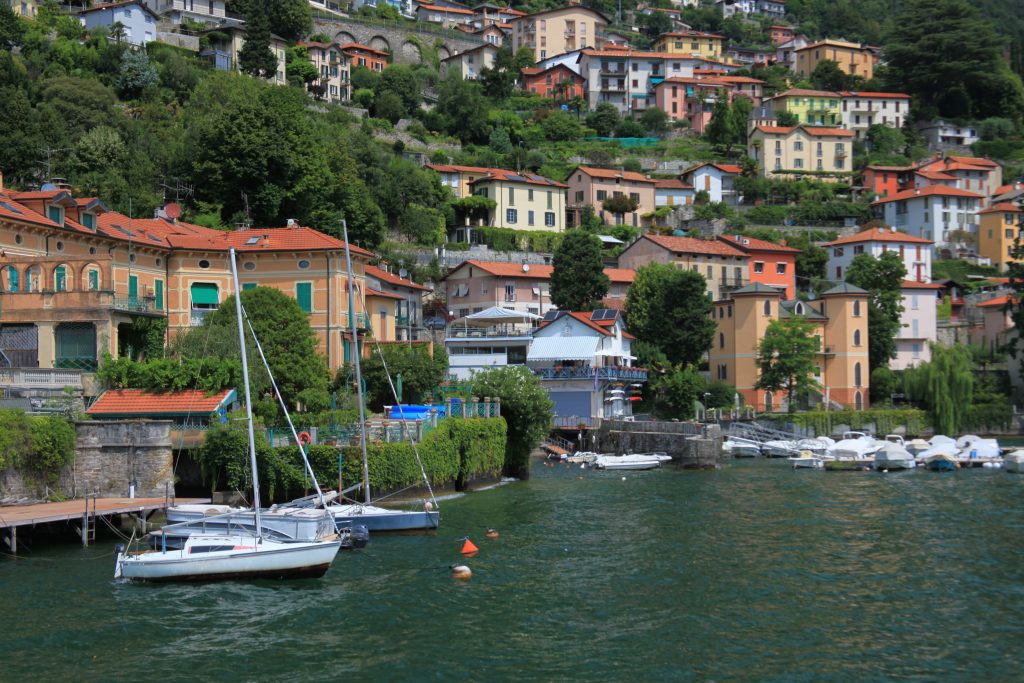
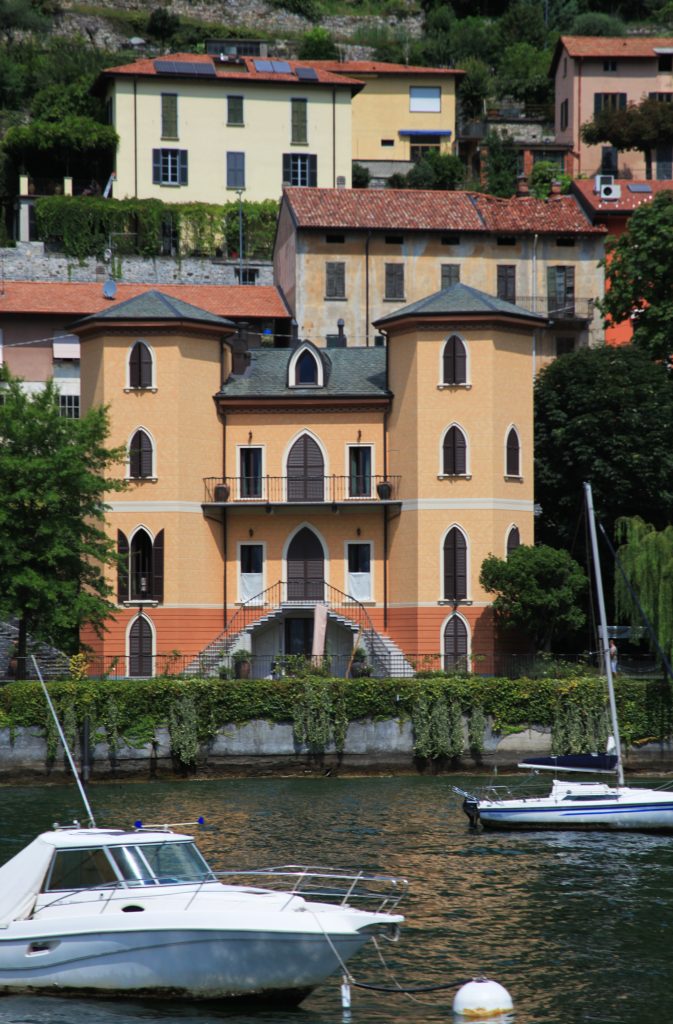
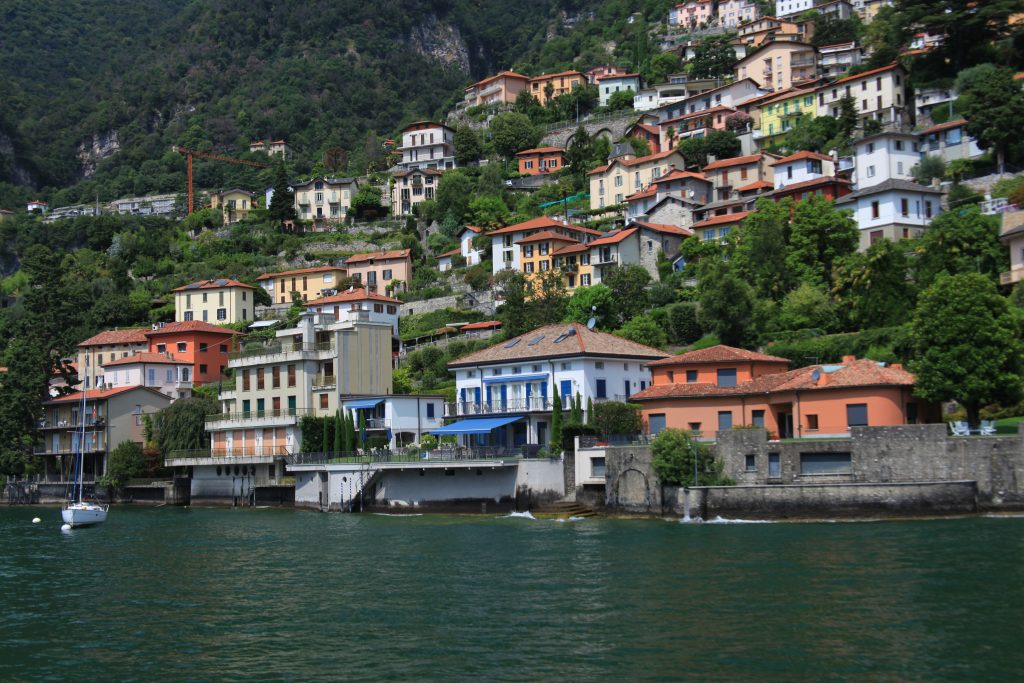
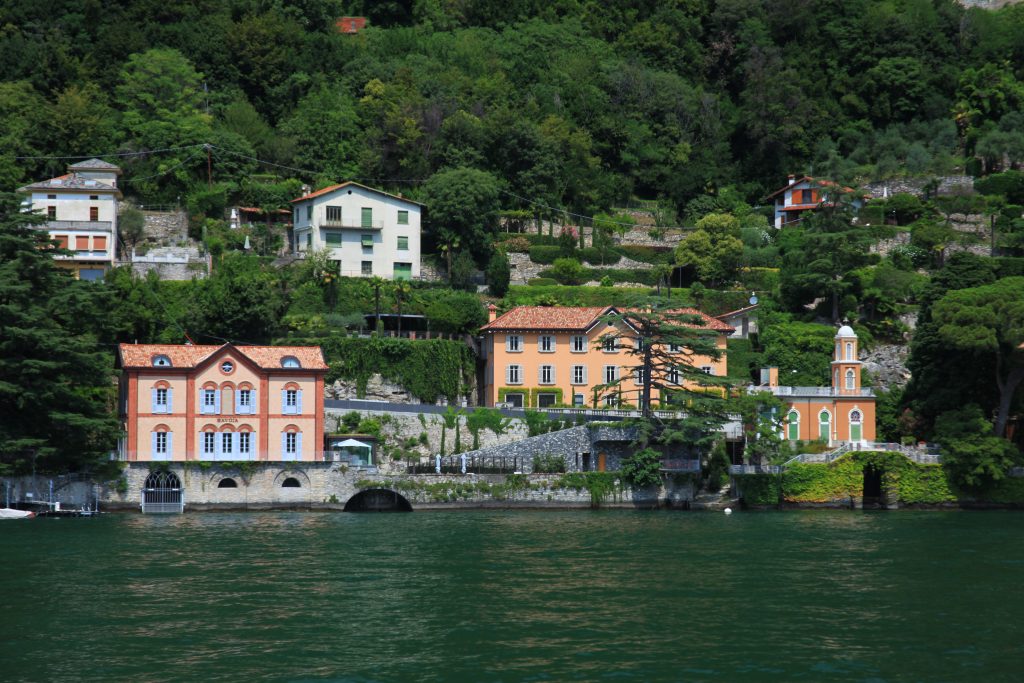
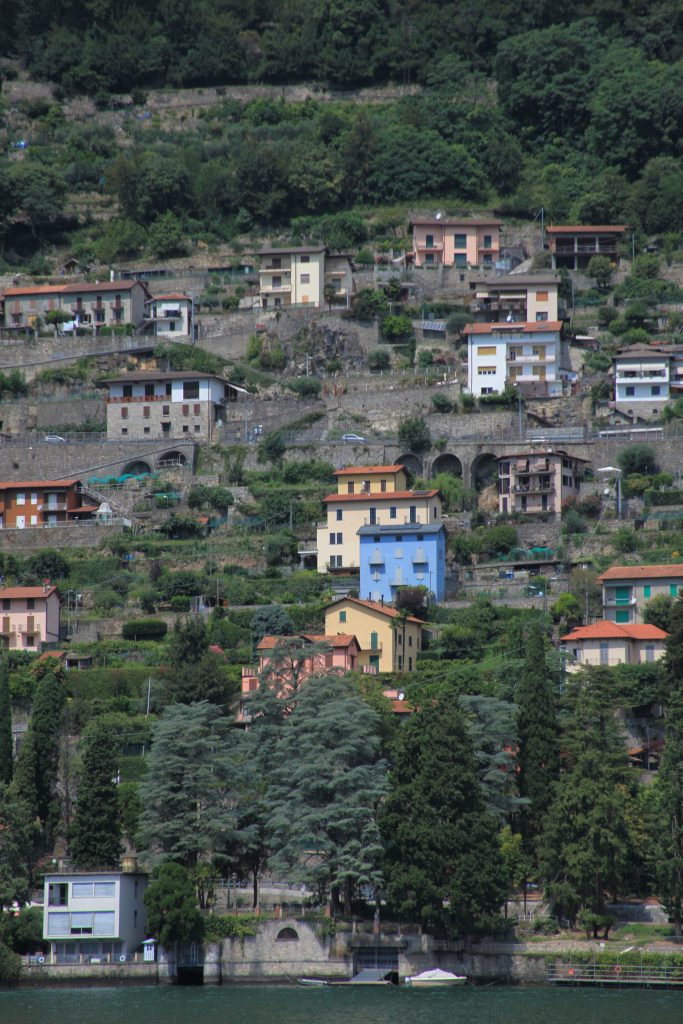
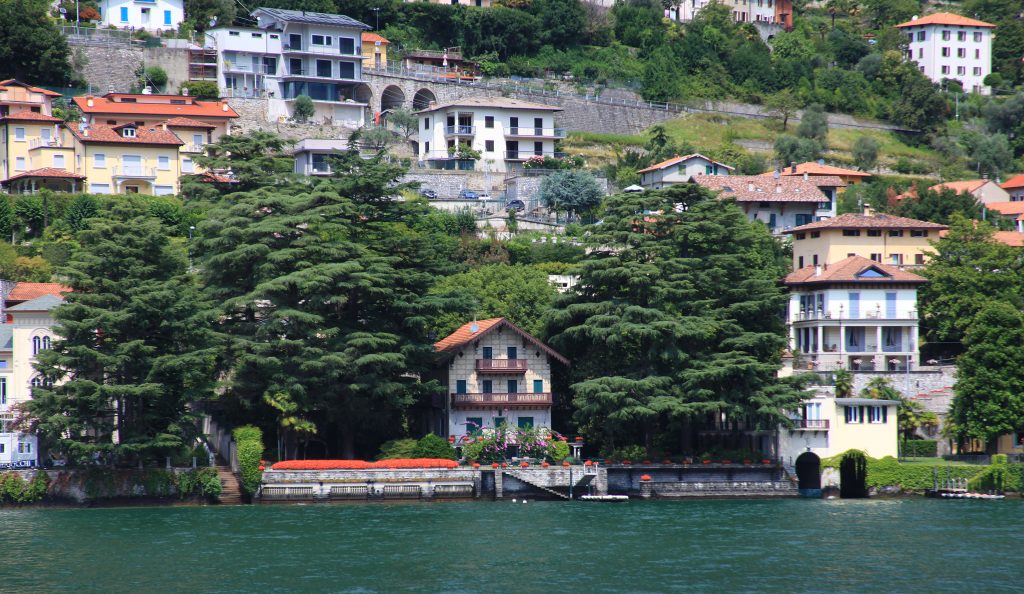
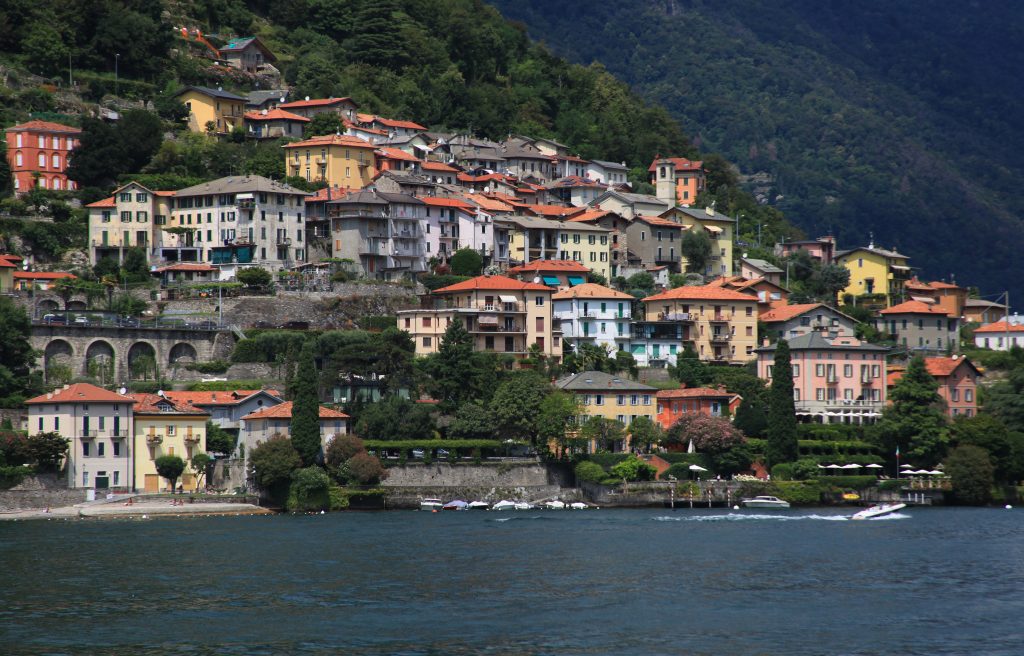
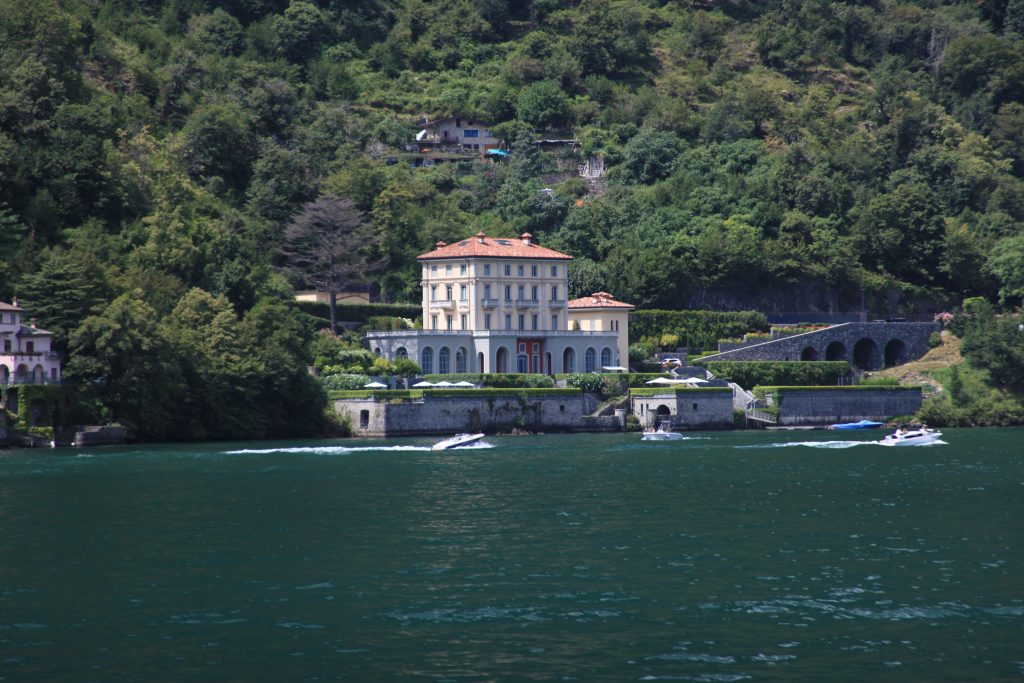
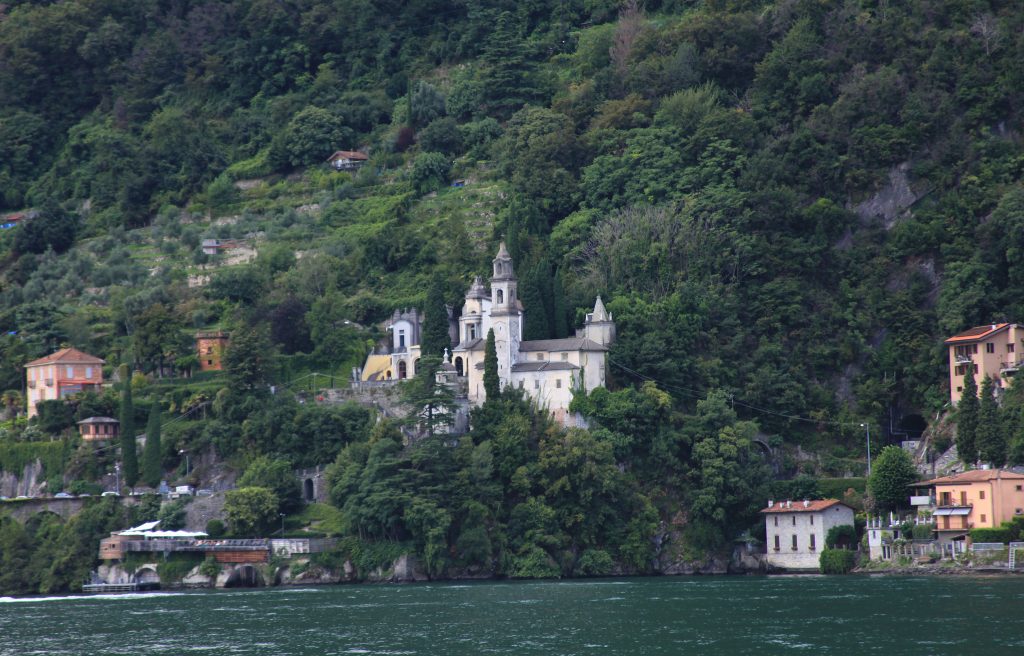
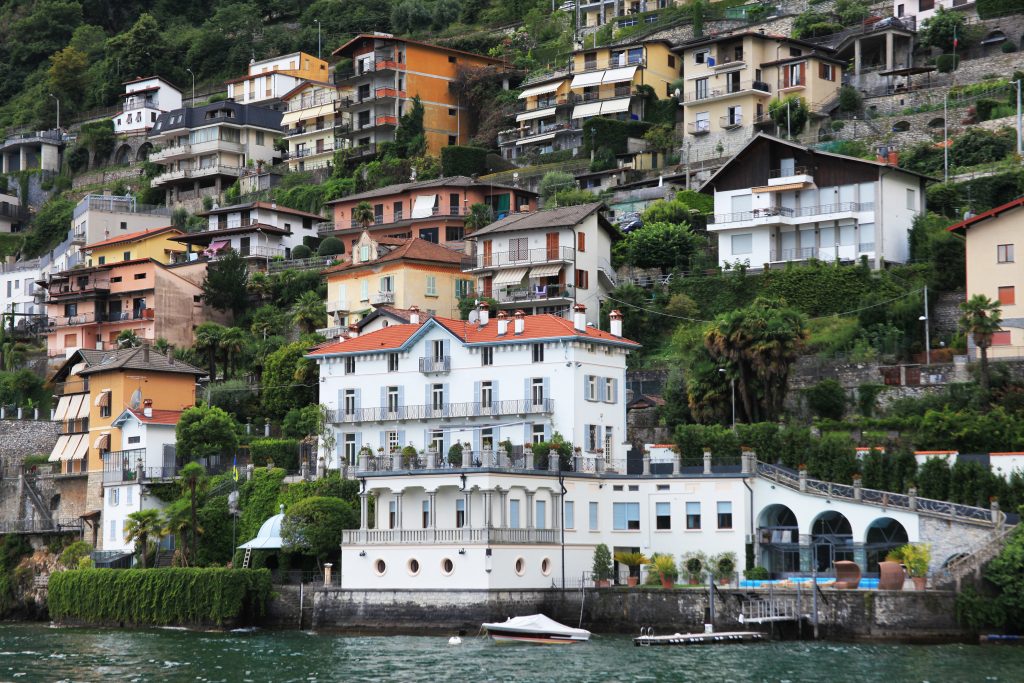
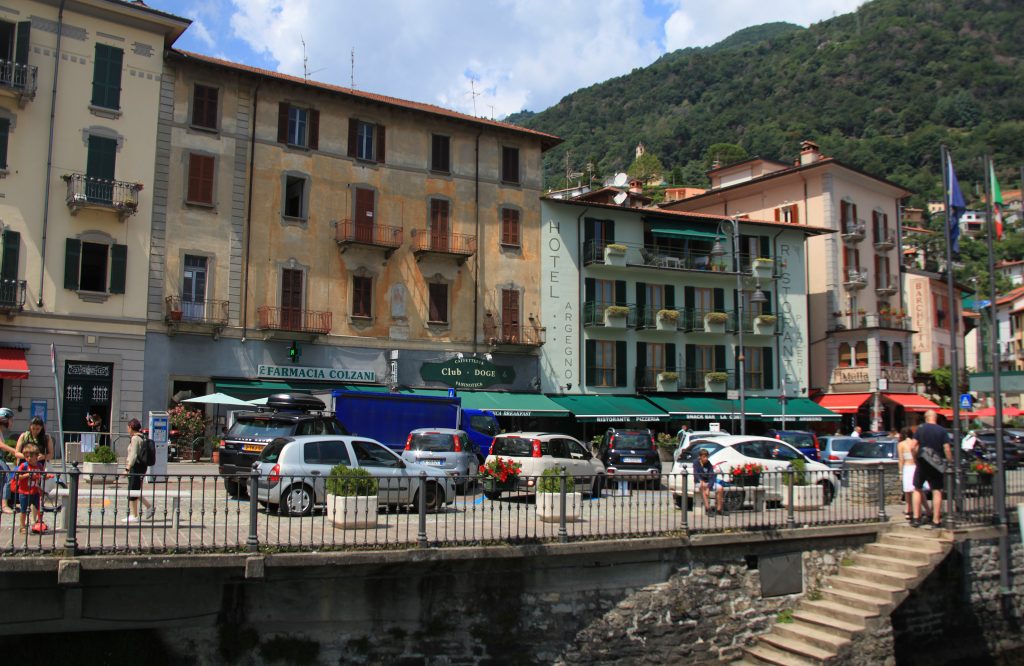
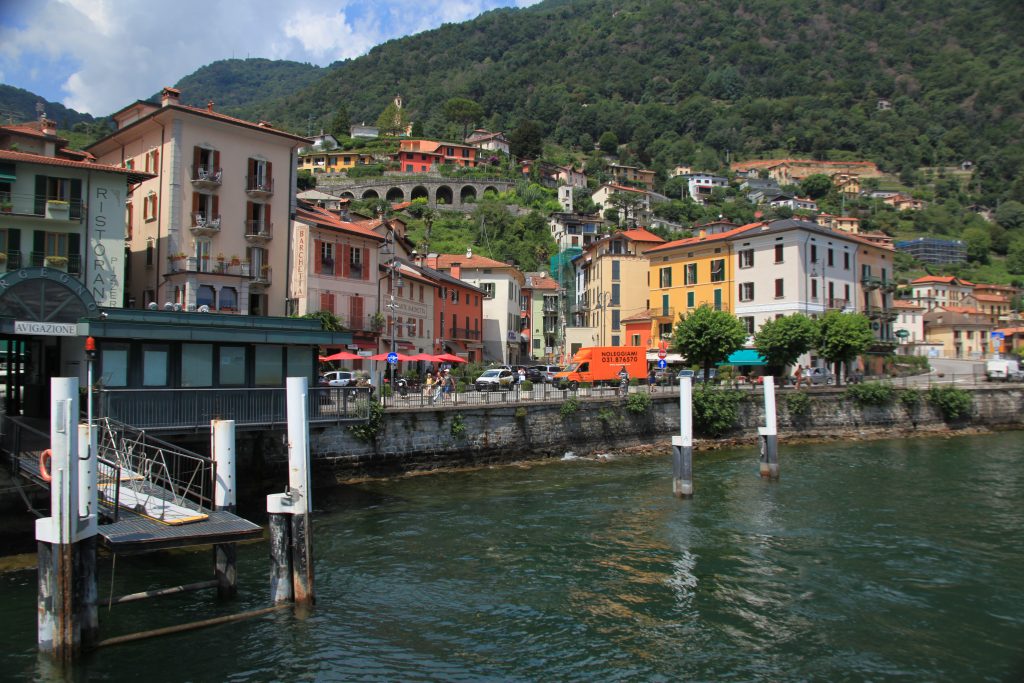
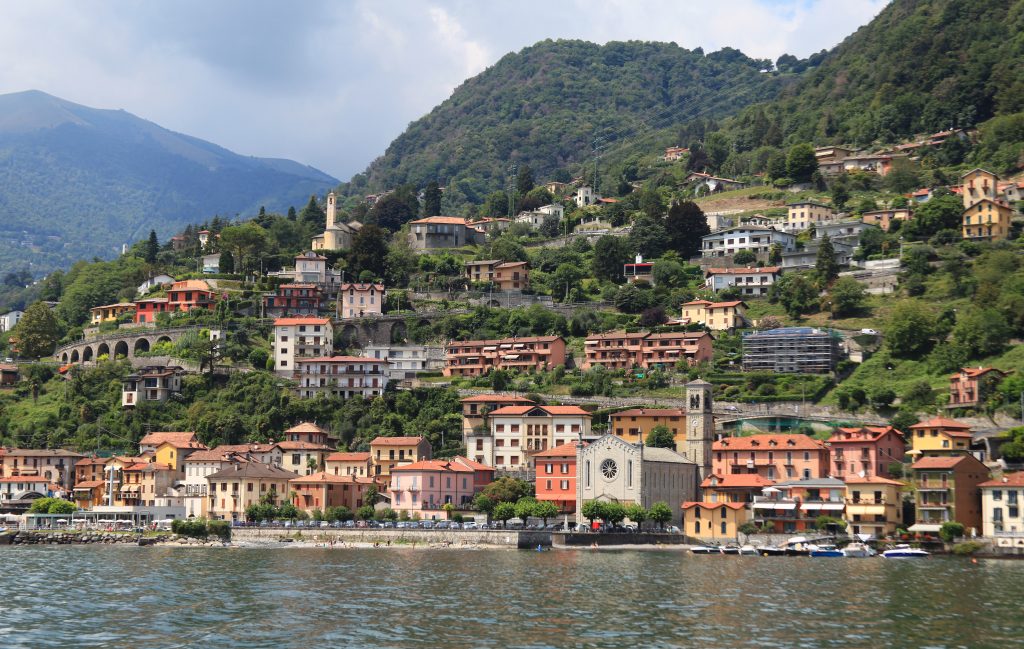
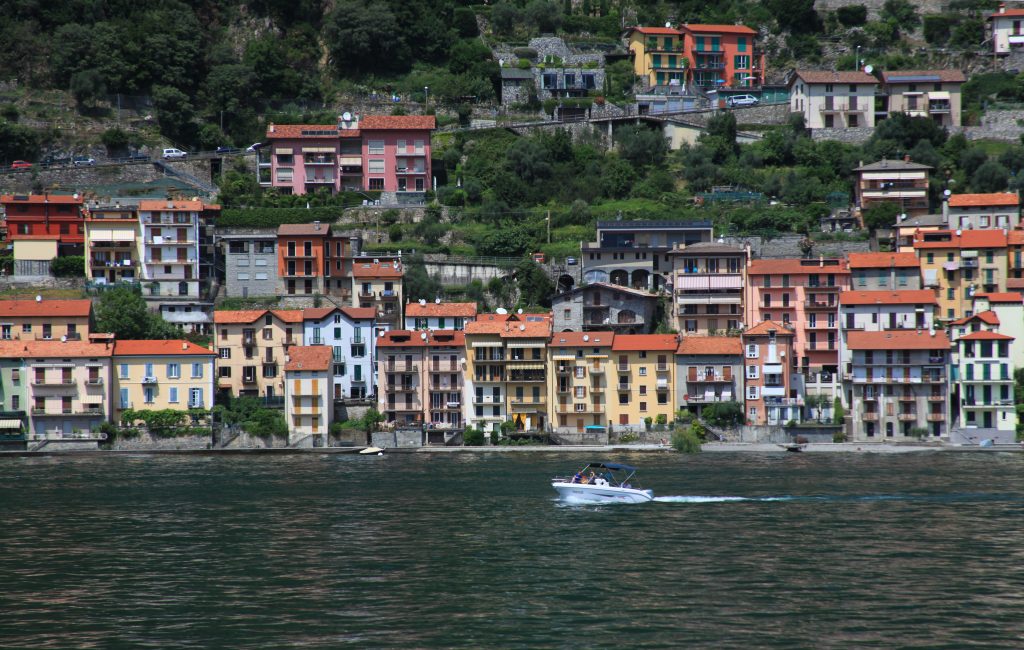
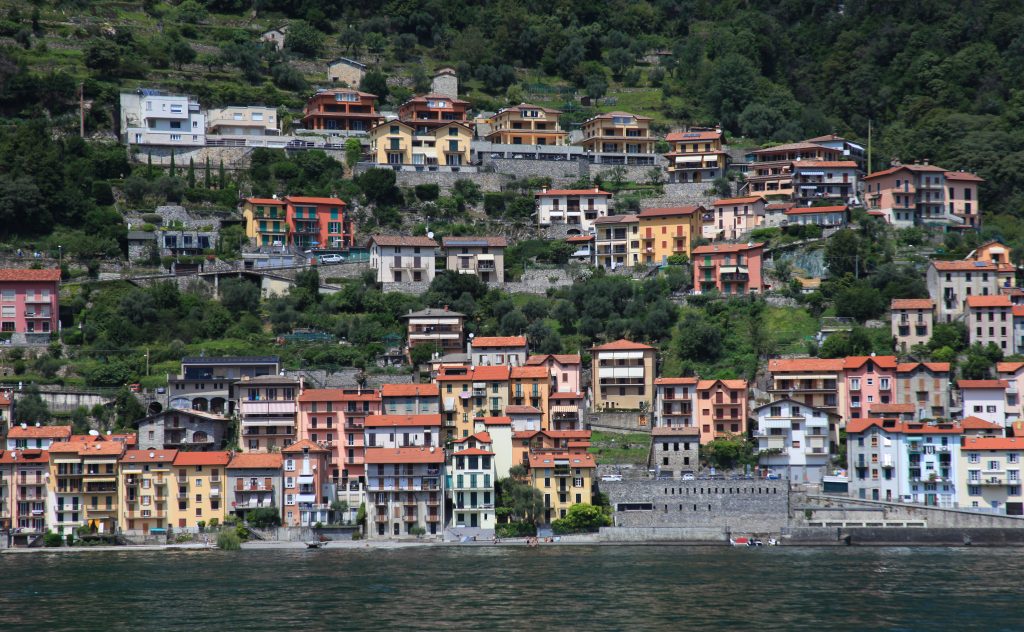
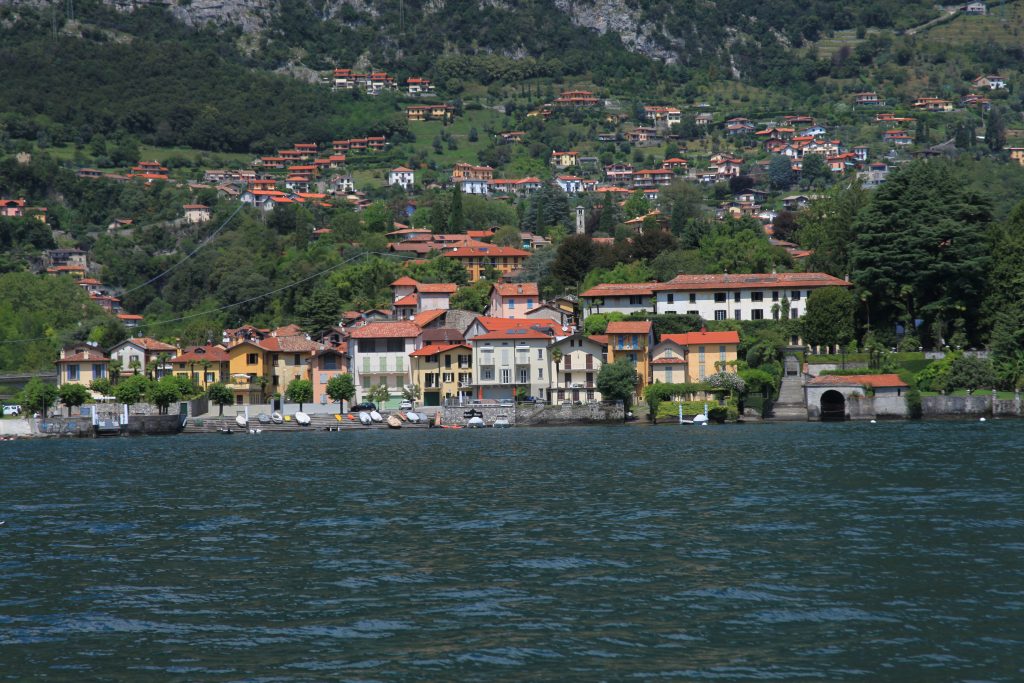
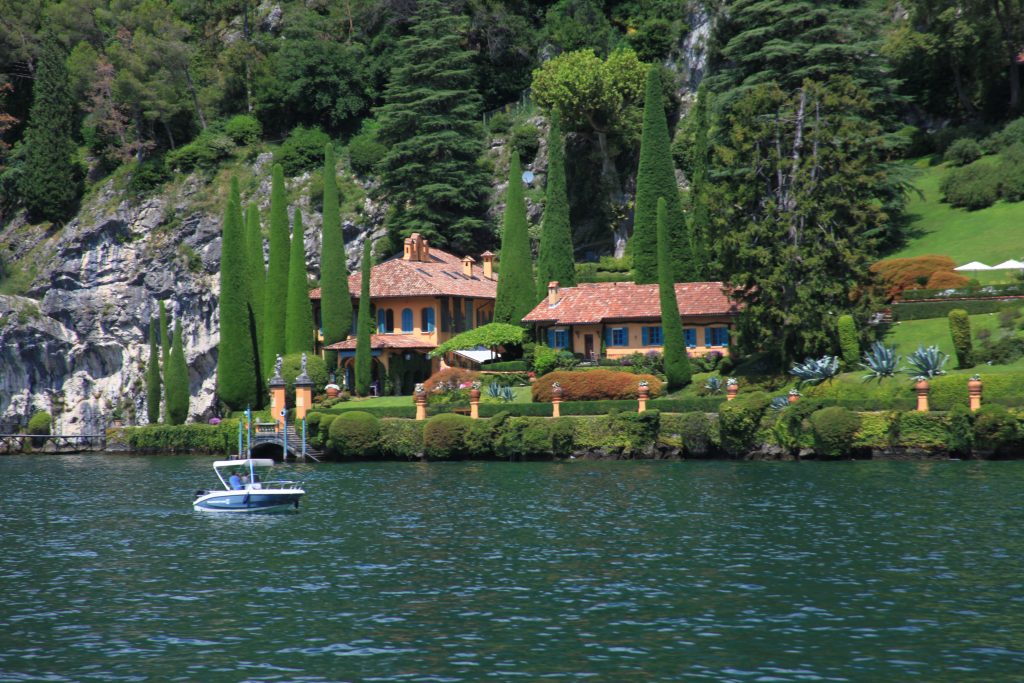
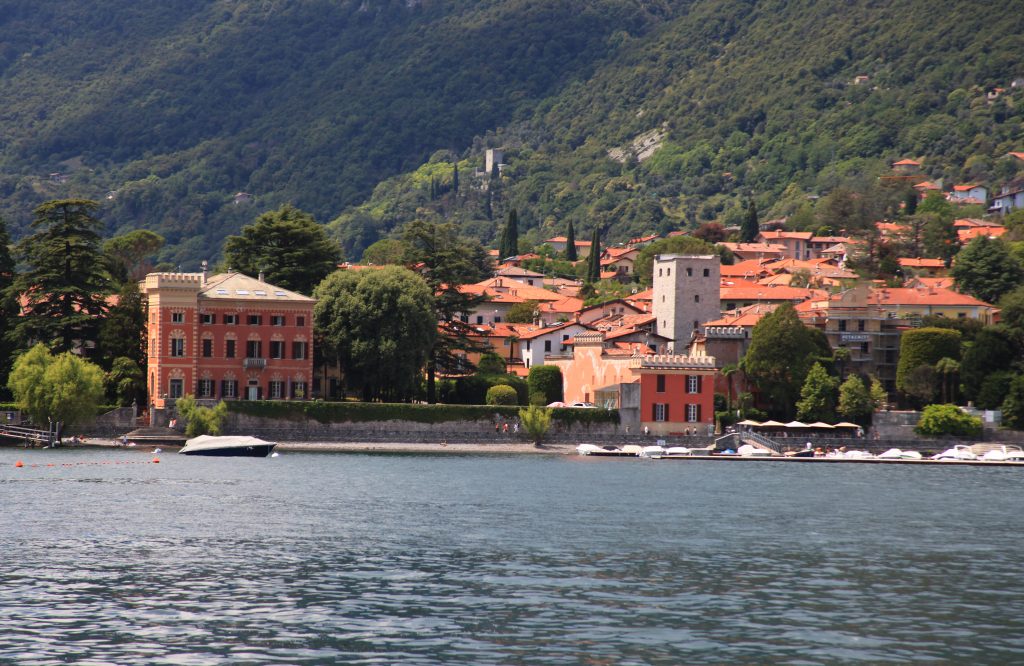
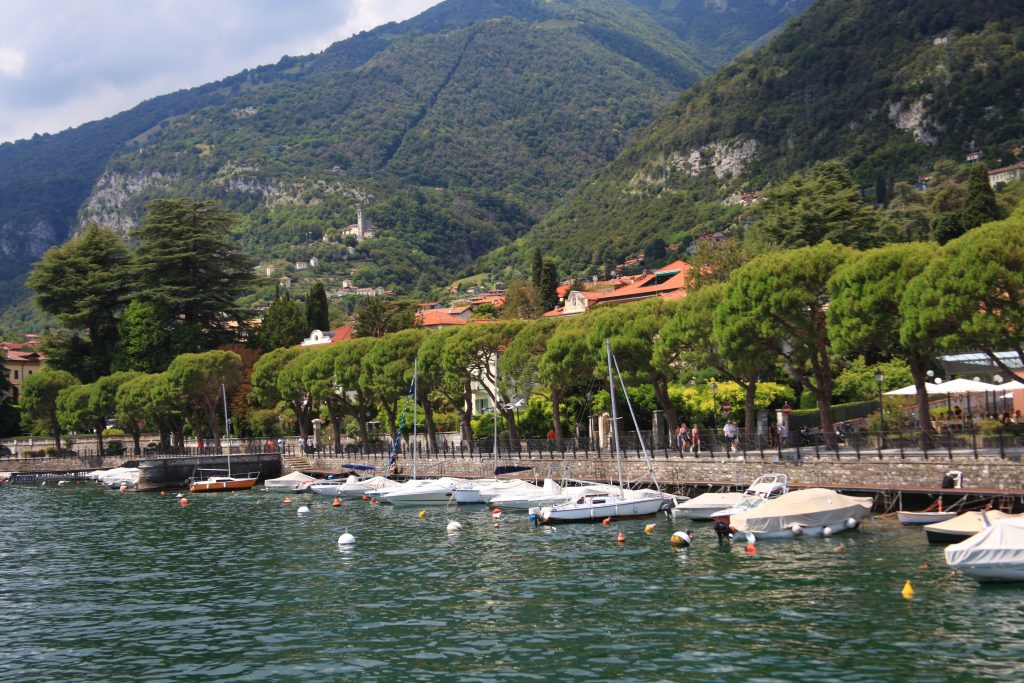
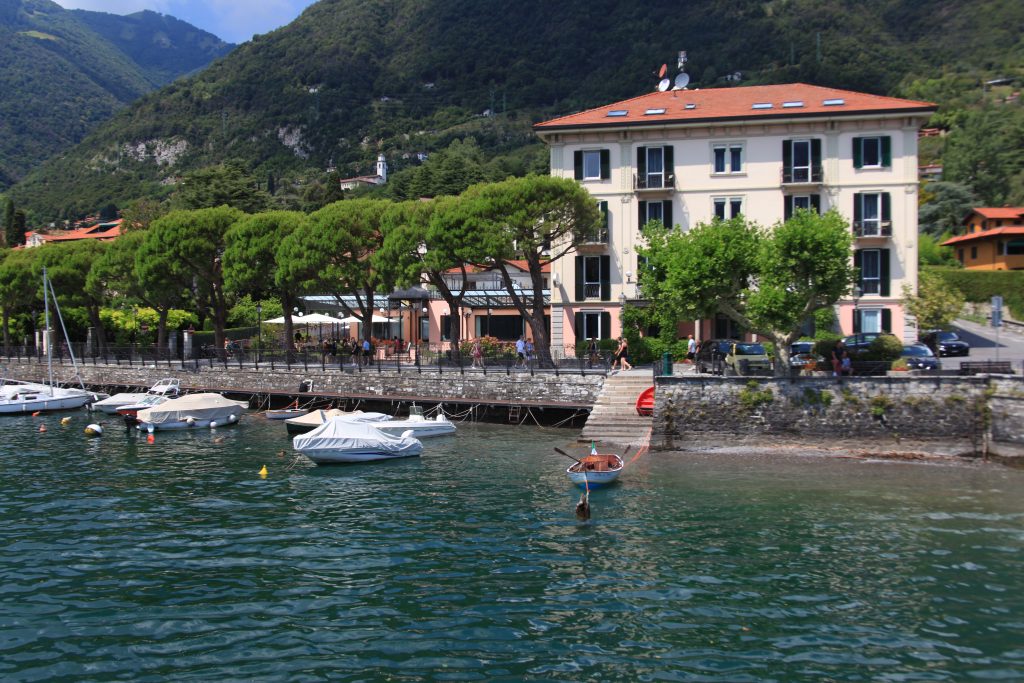
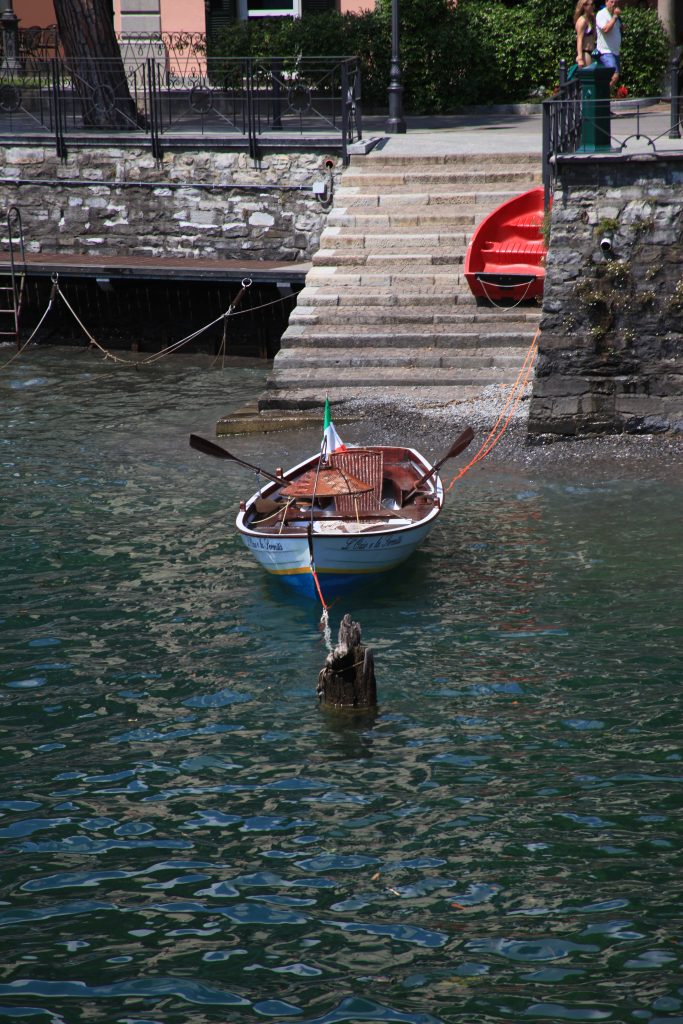
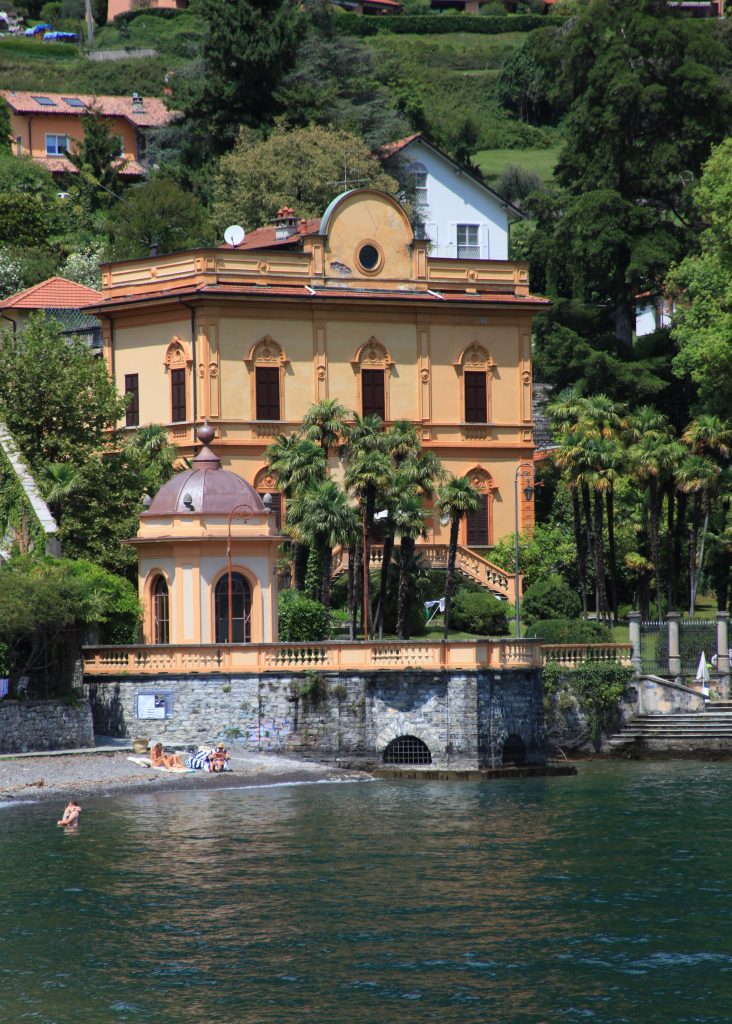
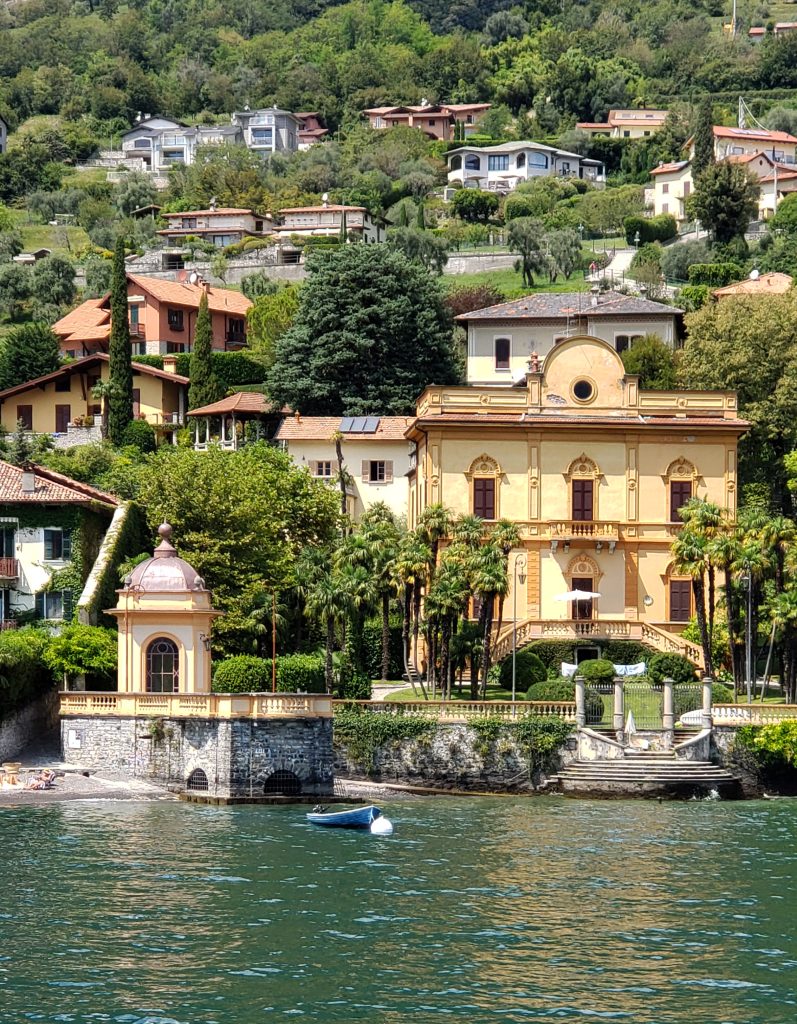
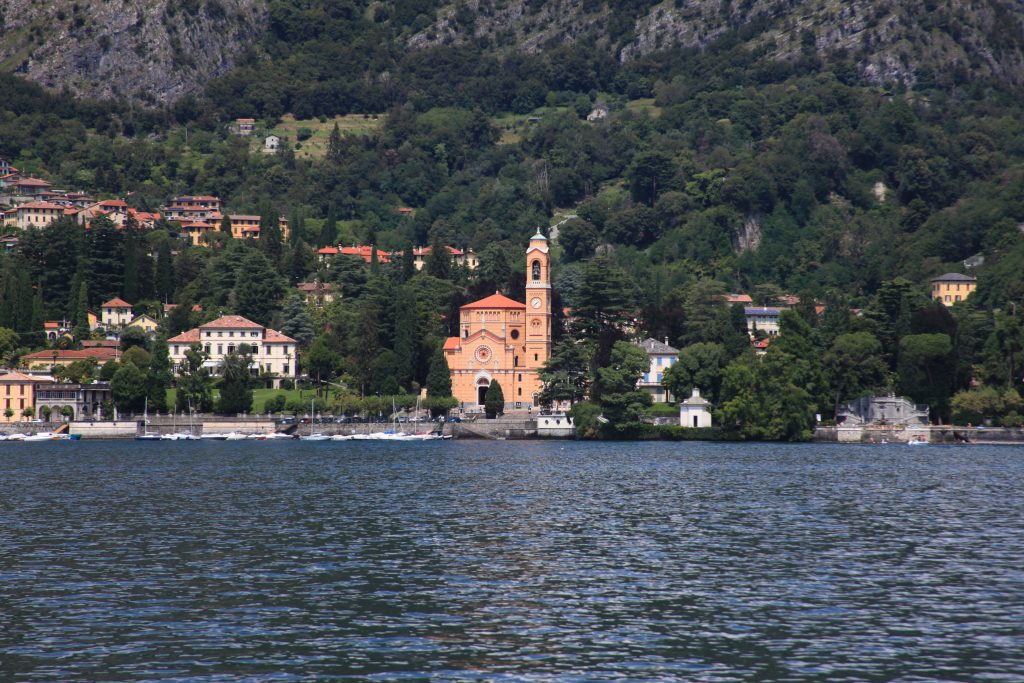
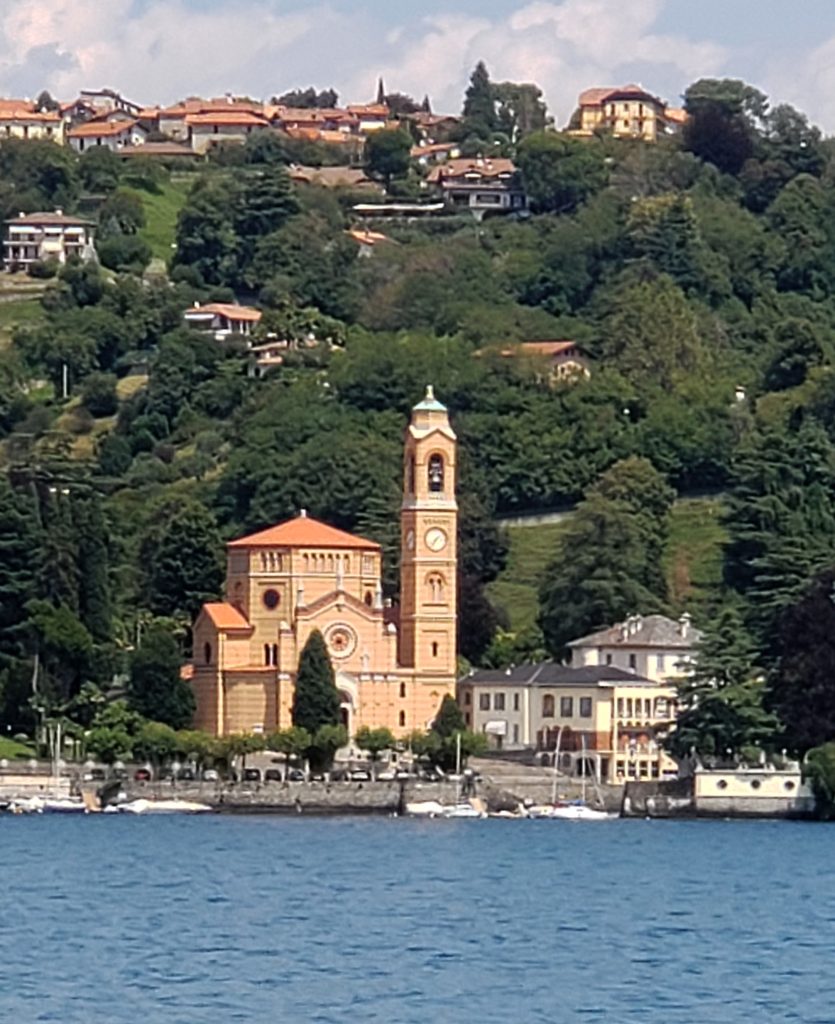
There is no better way to understand Lake Como than from the water itself. From the bow of a ferry, water taxi, or sleek motoscafo, steep forested slopes drop away to reveal a necklace of villas, palazzi, gardens, and fishing towns that have seduced emperors, movie stars, and poets alike. The water is the unifying thread, a mirror for snow-dusted peaks in spring, a ribbon of silver in winter, and in summer, a dazzling blue-green stage for centuries of drama and indulgence.
Discreet Hideaway
Lake Como’s fame is no recent phenomenon. The Romans adored this long, glacial lake, where Pliny the Younger kept two grand villas in the 1st century AD, writing rhapsodically about the breezes and the calm. Through the Middle Ages, the lake’s deep waters and strategic valleys were contested by Milanese and Como nobles, Swiss armies crossing the Alps, and dukes seeking summer retreats within a day’s ride of their capitals.
The Renaissance brought architects, artists, and merchants who commissioned opulent villas with terraced gardens cascading to the water’s edge. By the 18th and 19th centuries, the Grand Tour had made the lake an essential stop, drawing poets like Shelley and Byron, and composers such as Franz Liszt. In the 20th century, the lake became the discreet playground of aristocrats, royals, and eventually film stars, its privacy assured by steep terrain and an unspoken local code.
From the Waterline
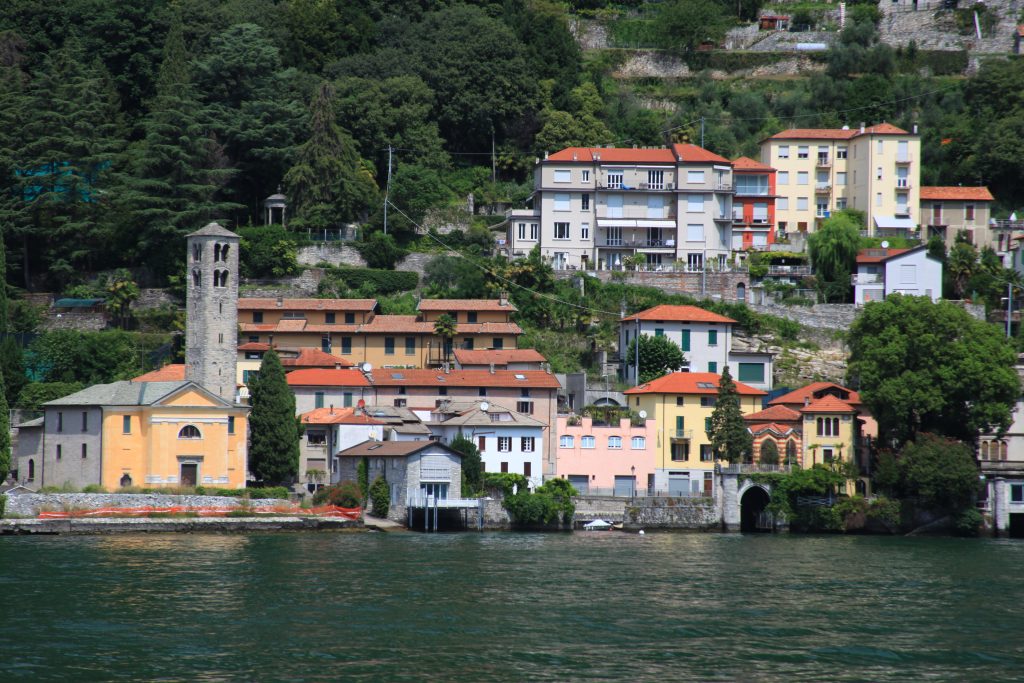
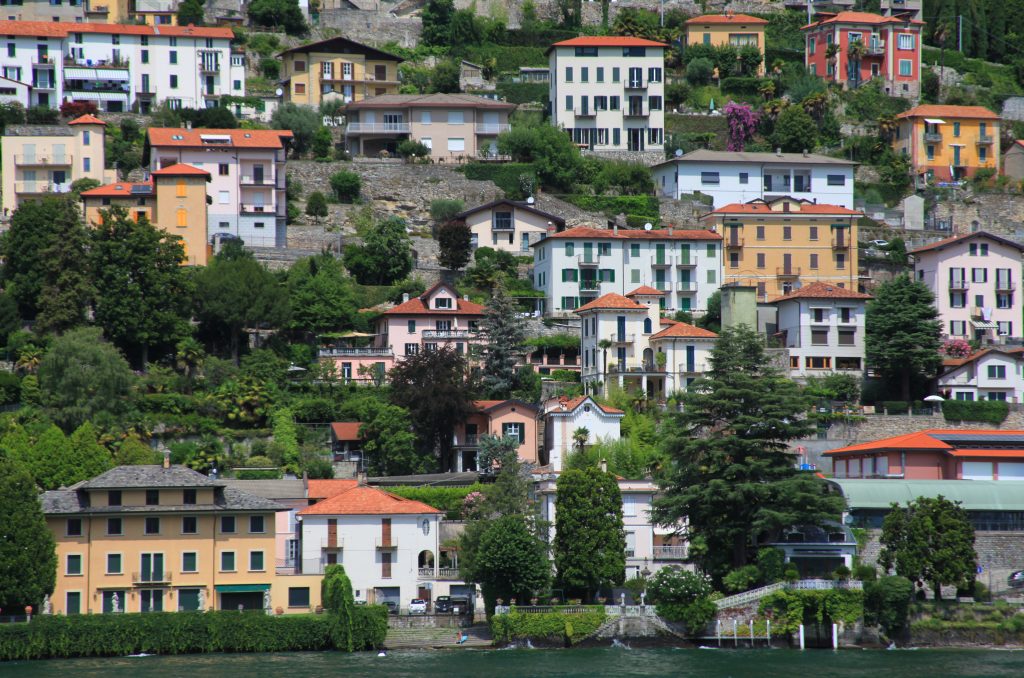
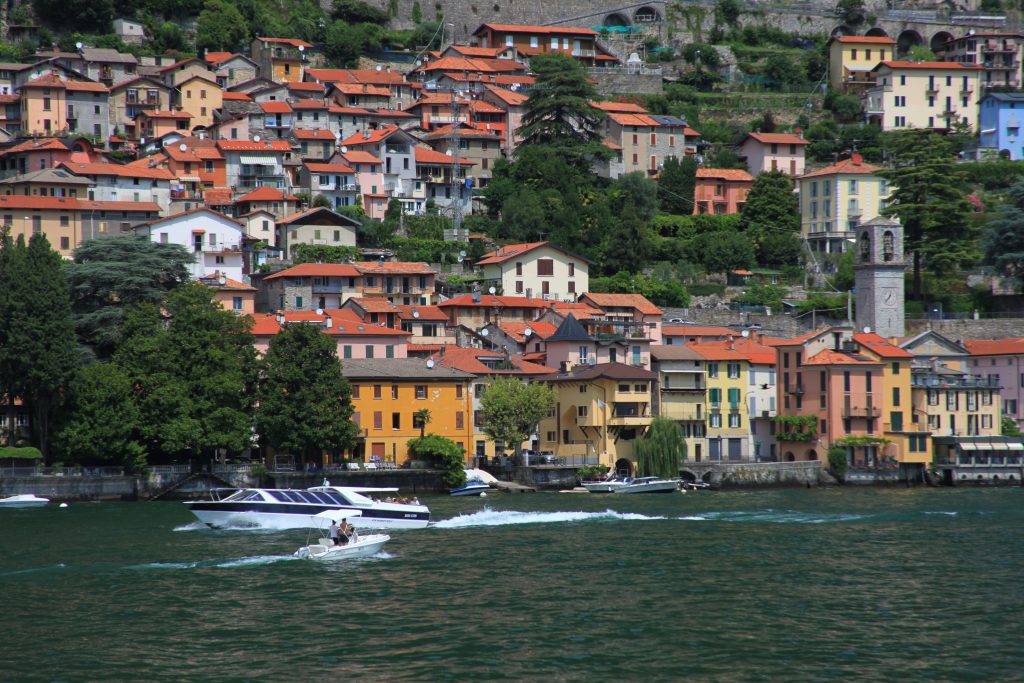
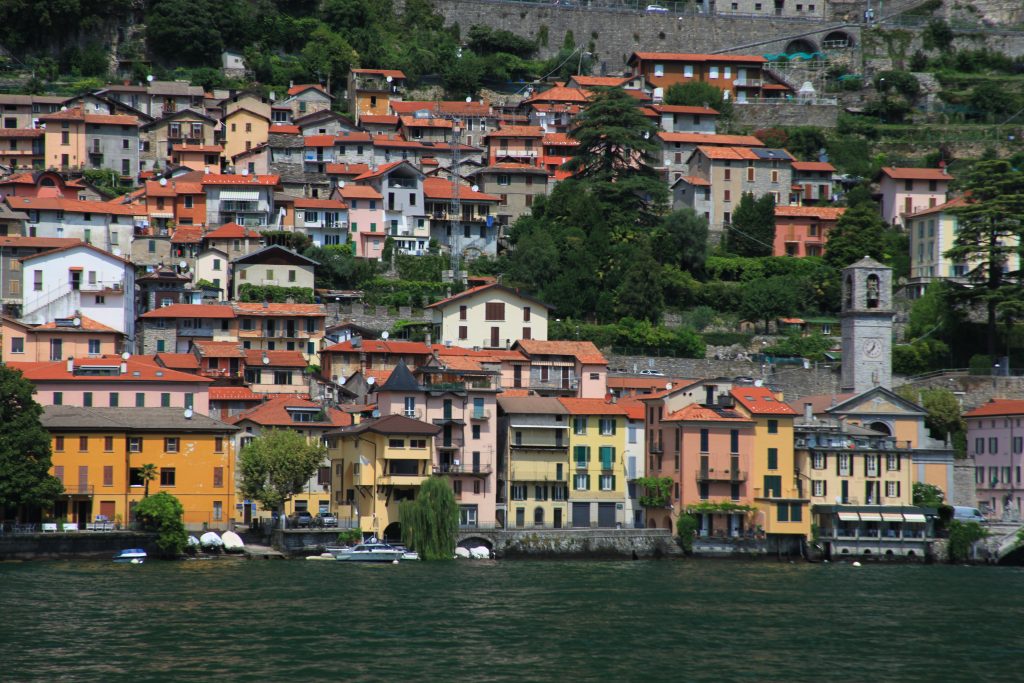
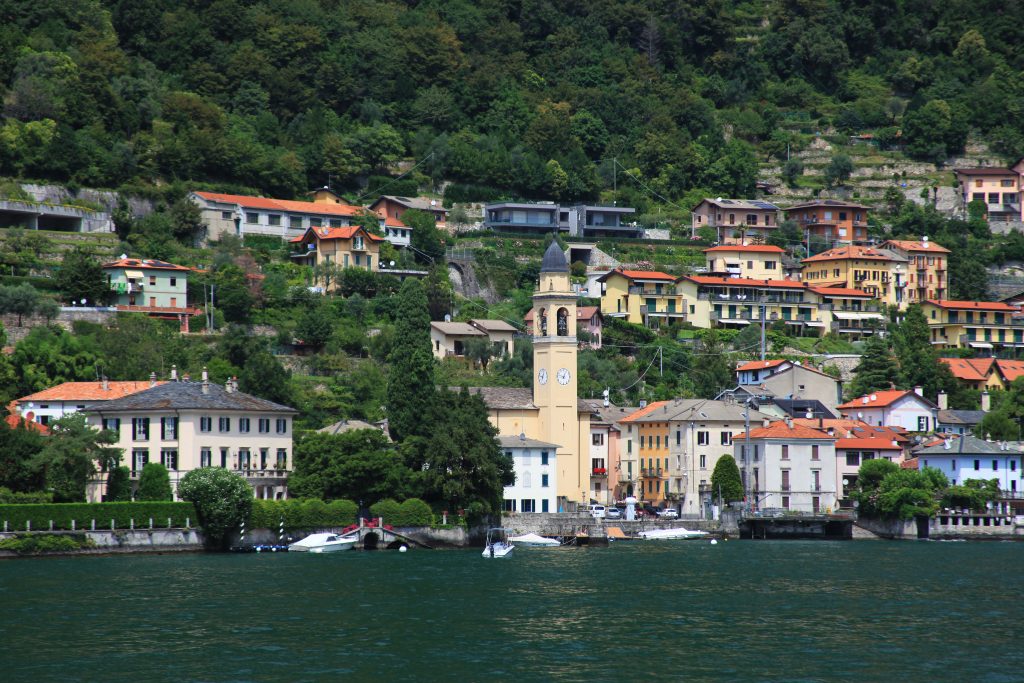
Board a boat in Como‘s harbor, and watch the shoreline unfold like a living gallery as the boat’s wake trails behind. Past the curve of the city, where Liberty villas nod toward the lake, the slopes turn greener, and the architectural drama begins.
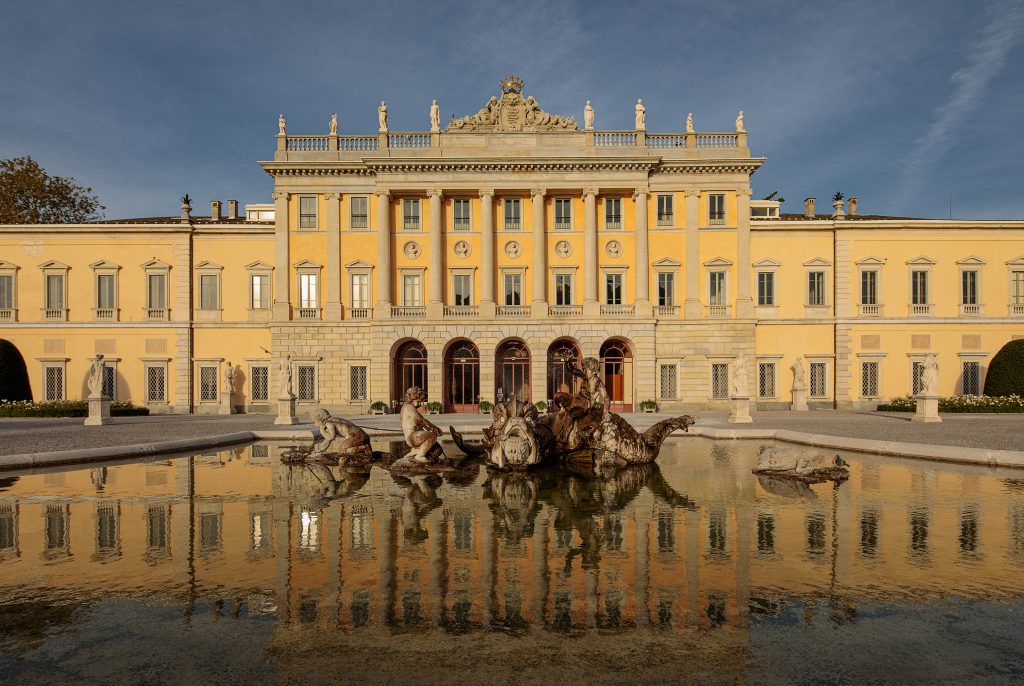
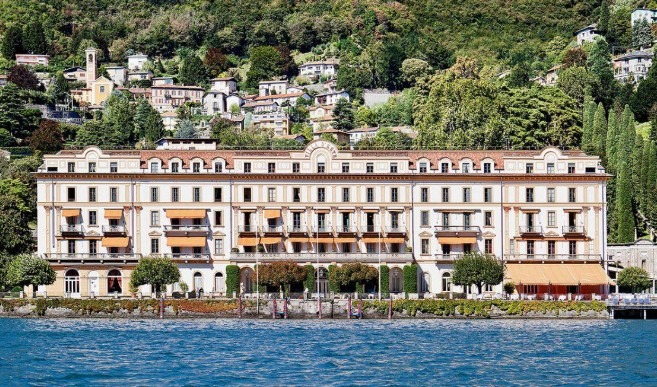
Villa Olmo appears first, a pale neoclassical masterpiece from the late 18th century, its name a nod to the great elms that once shaded its approach. Napoleon and Garibaldi both visited, and its symmetrical façade seems to welcome you with open arms. Gliding northward, you pass smaller villages, Cernobbio foremost among them, anchored by elegant hotels and historic villas. Here is the fabled Villa d’Este, once a 16th-century cardinal’s residence and later a royal palace for Princess Caroline of Brunswick, now one of the world’s most exclusive hotels. Its water gate and gardens are instantly recognizable, and its guest list has ranged from Elizabeth Taylor to heads of state. Princess Caroline of Hanover (the elder daughter of the late Princess Grace of Monaco) is known to have spent time at a villa on Lake Como. She has been reported in Italian and European press as owning or regularly staying at a lakeside property in the Laglio/Cernobbio area, though, as with many celebrity and royal retreats here, locals tend to guard details close
The shoreline never stops surprising:
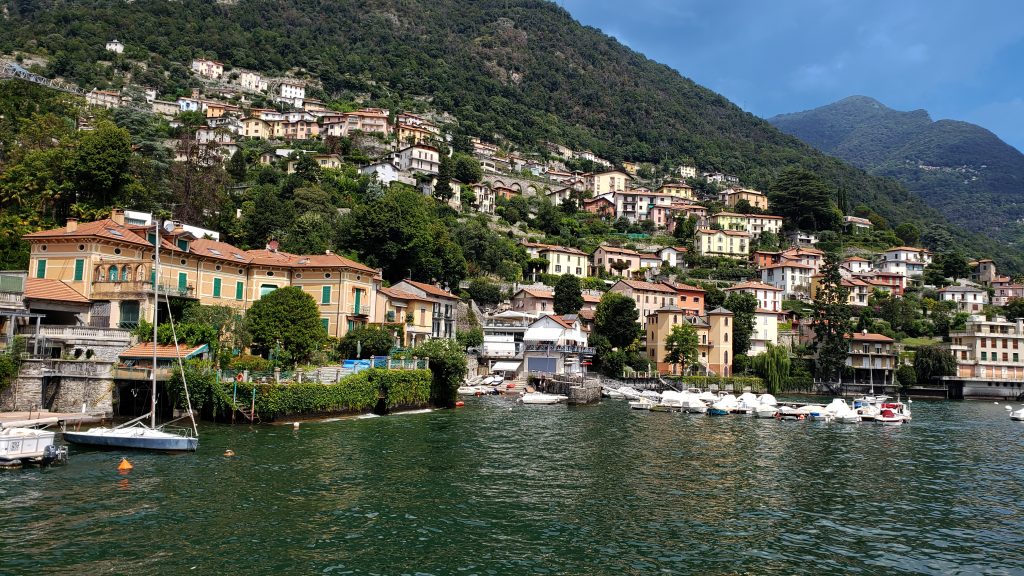
- Moltrasio, with its stone stairways climbing the hill, hides villas once favored by opera singers and industrial barons.
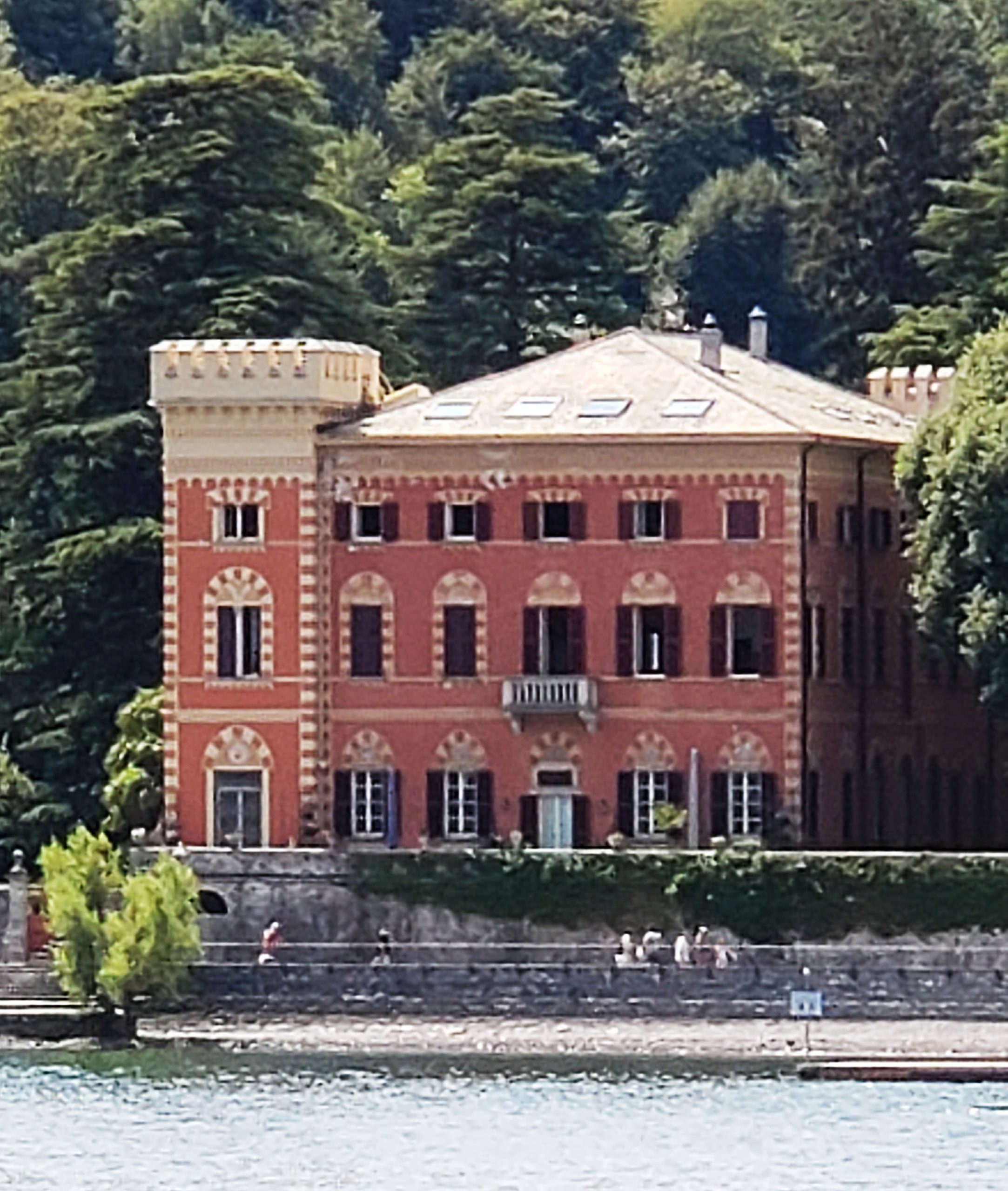
- Laglio is quieter but internationally famous as the home of George Clooney, whose 18th-century Villa Oleandra, with its cream façade and green shutters, was once owned by the Heinz family. Locals still chuckle at the tales of Clooney hosting charity galas and ferrying guests to dinner by boat.
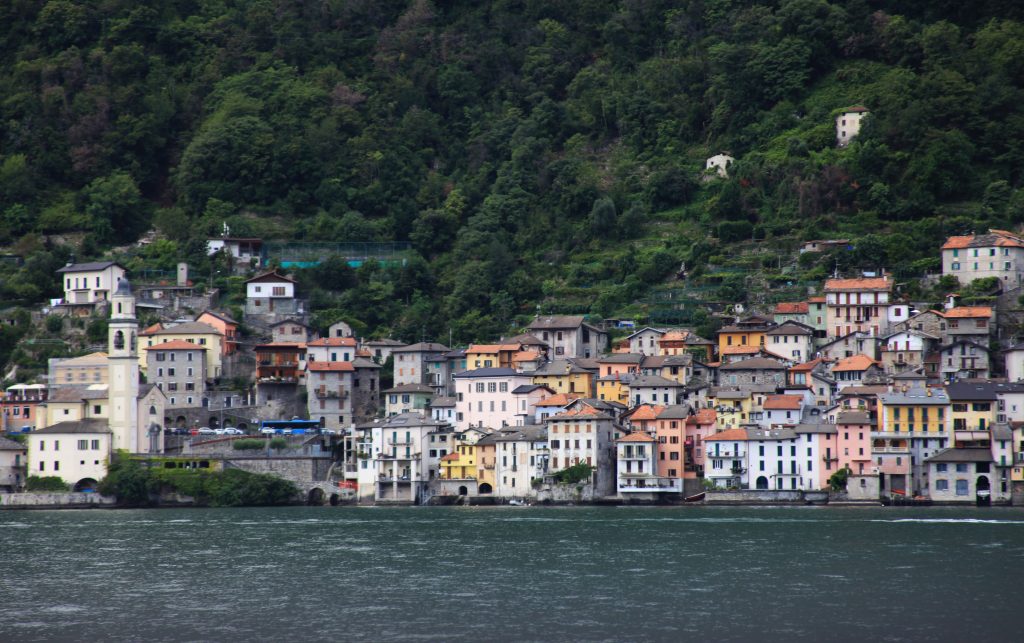
- Brienno, a medieval fishing village, still shows its ancient bones, narrow alleys, Romanesque churches
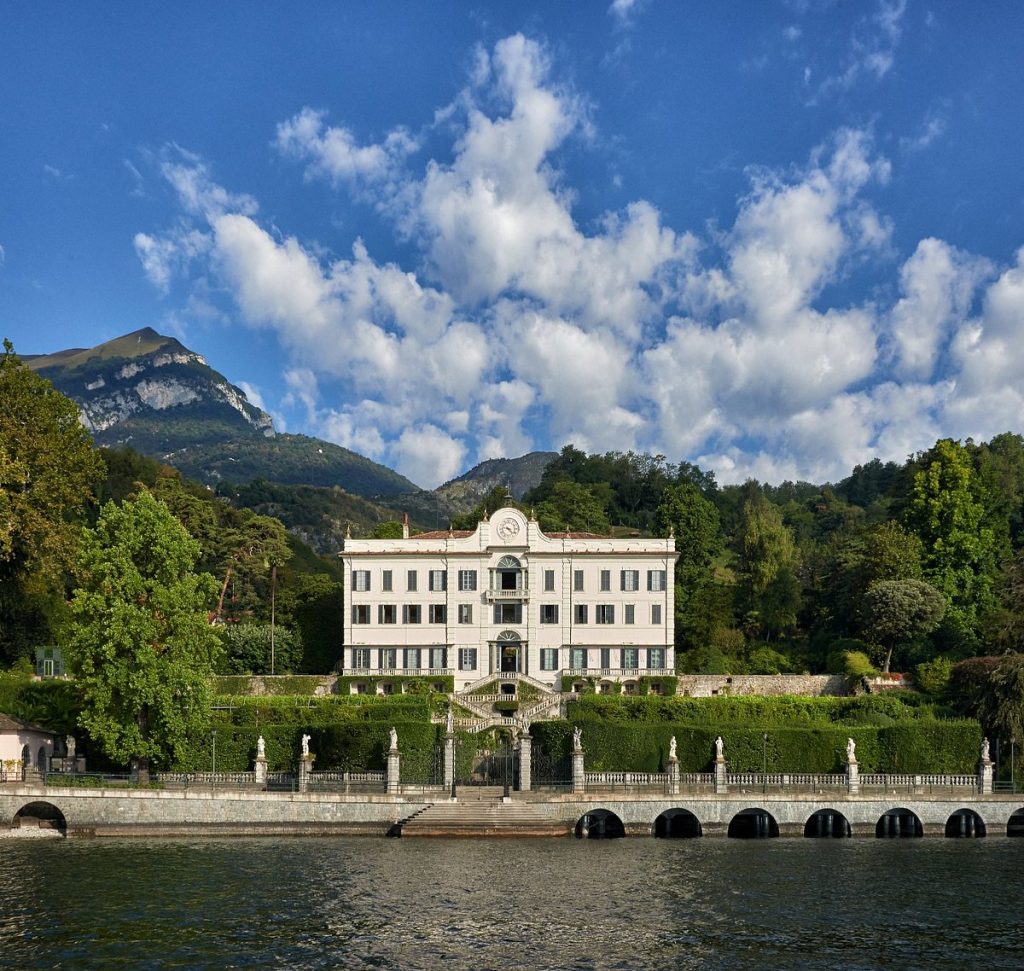
In Tremezzo, the star is Villa Carlotta, an 18th-century villa now open as a public museum. From the water, its grand terraced gardens rise in a symphony of camellias and azaleas. Inside are Canova sculptures and Hayez paintings, but from a boat’s deck, the green geometry of the gardens steals the breath.
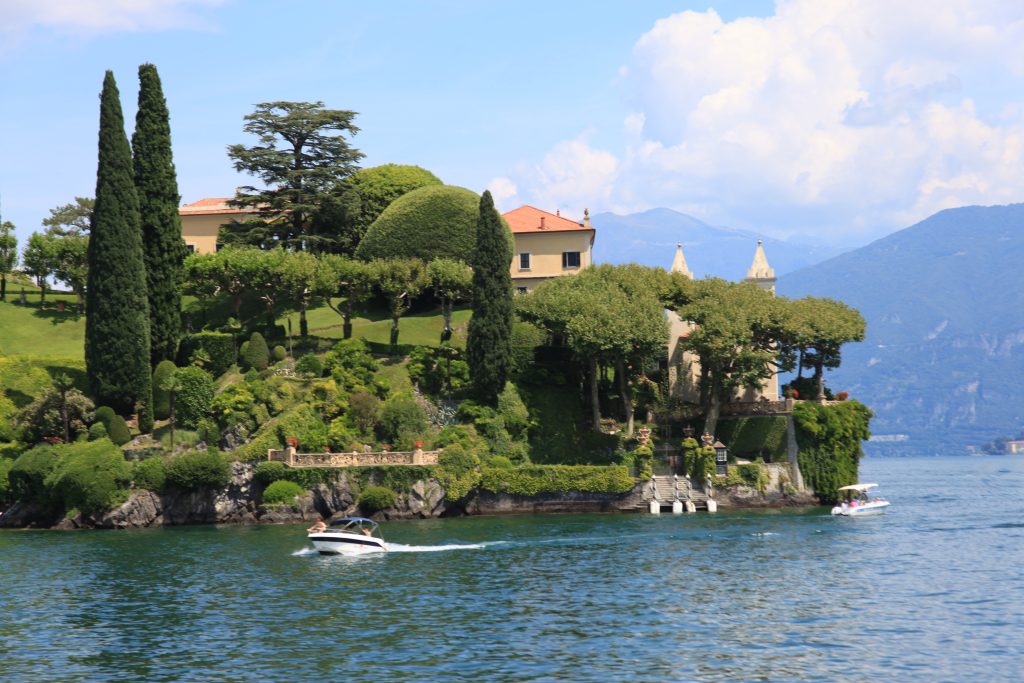
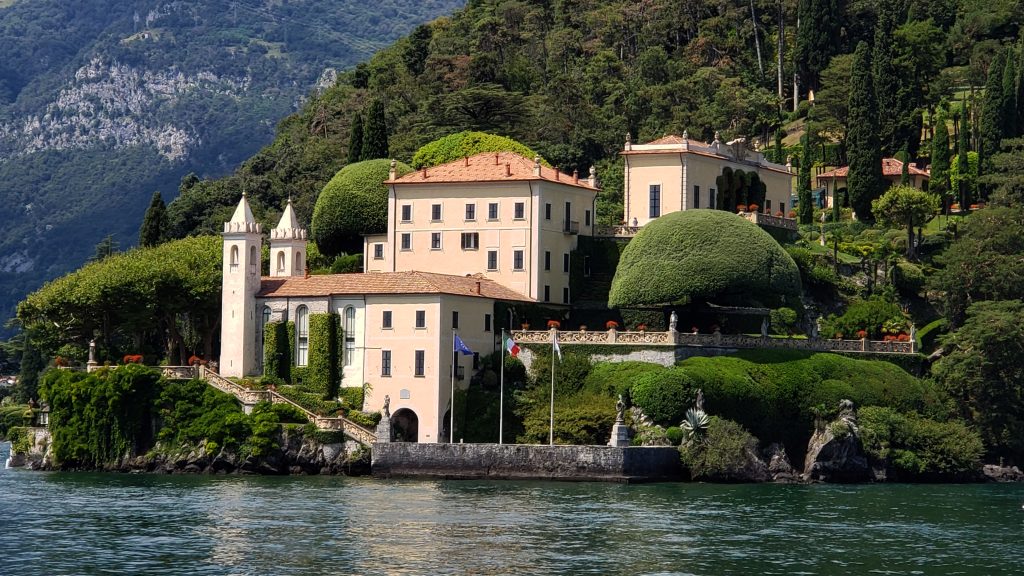
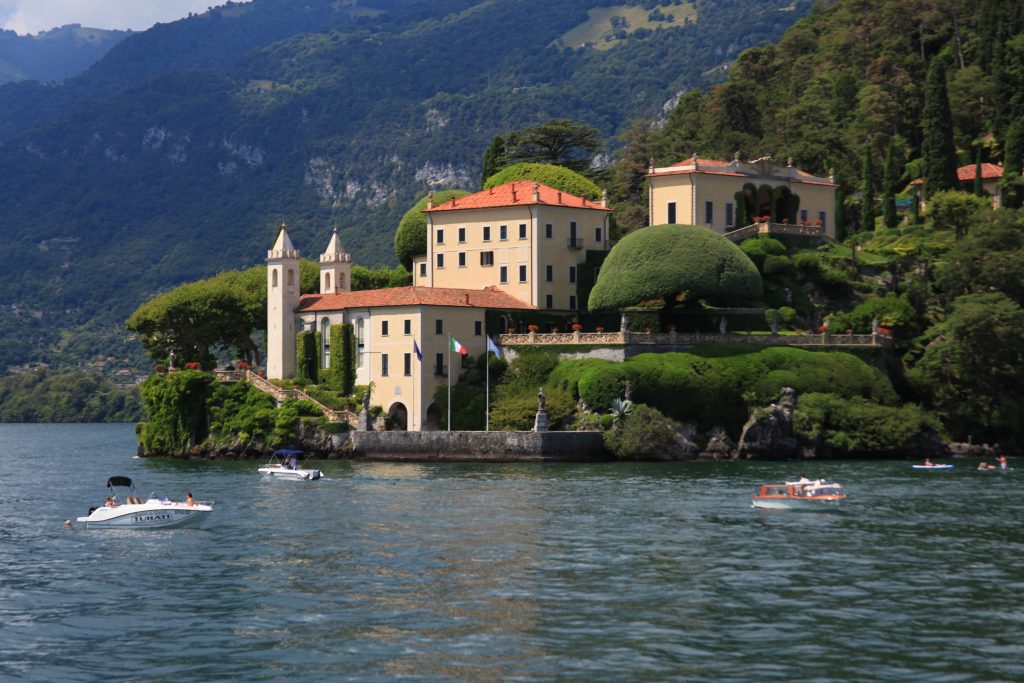
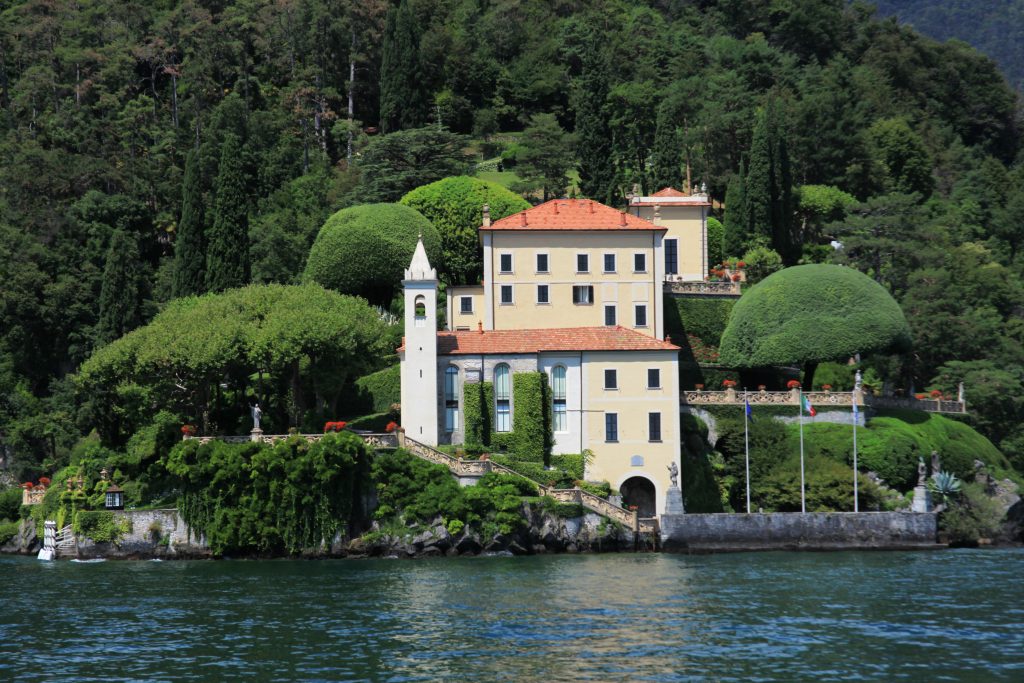
Lenno’s breathtaking Villa del Balbianello, perched theatrically on a wooded point, is a highlight further along the splinter of tiny promontories and coves. Built in the late 18th century by Cardinal Angelo Maria Durini, it later welcomed explorers returning with artifacts from the Arctic and Himalayas. In recent years, it’s been a film star itself, appearing in Star Wars: Episode II and the James Bond film Casino Royale. Arriving by boat is the purest way to appreciate its silhouette against the mountains.
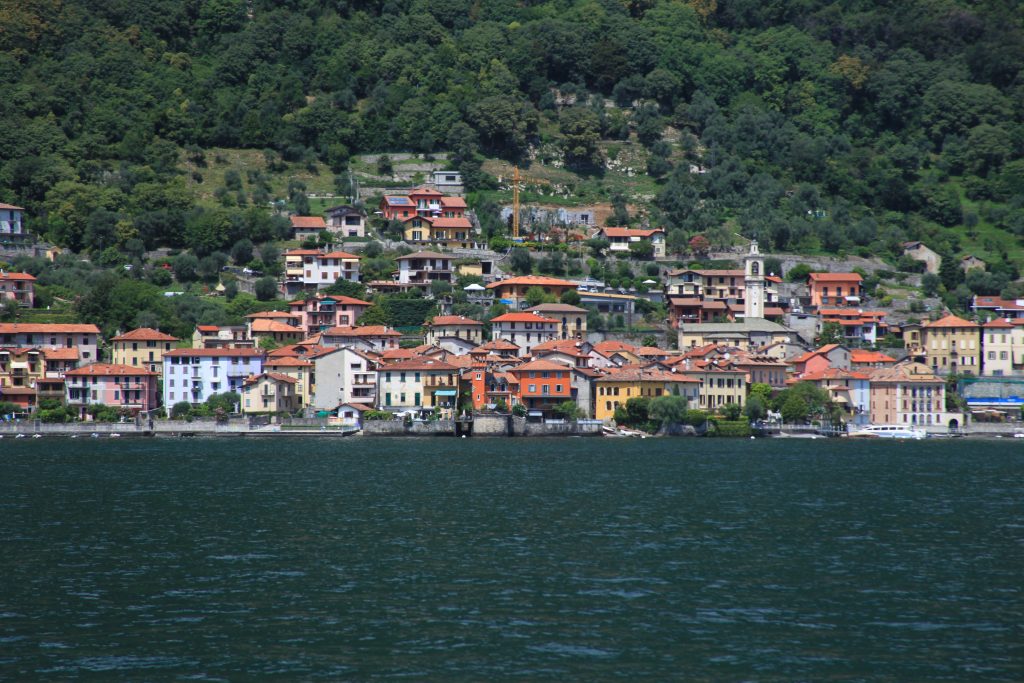
A little further, the lake’s prow divides and there, like a jewel at the meeting of the waters, lies Bellagio. With its grand hotels, steep lanes, and terraced gardens spilling toward the shore, it has earned its title as the “Pearl of the Lake”—but that, dear reader, is a story deserving its own spotlight. The smaller towns, Sala Comacina opposite the island of Isola Comacina and Colonno tucked under the mountains, are strung like pearls, each with its own church steeple and pastel façades. Isola Comacina itself, the only island on the lake, has a long and turbulent history: fortified in Roman times, destroyed in 1169 by the rival city of Como, then left largely abandoned. Today, its ruins and artists’ houses make it a atmospheric stop.
The Elegant Life
From the deck of a boat, Lake Como is more than scenery: it is a theatre of lives past and present. Modern water taxis whisk you between Michelin-starred restaurants and family-run trattorias, but the rhythm echoes centuries past when noble families traveled between lake estates by gondola lariana. Celebrities and royals still come for the reasons Pliny and Liszt did: beauty, privacy, and the endless play of light and water.
For the traveler, a boat on the lake offers two luxuries: access and perspective. Many villas can only be glimpsed properly from the water, and the curve of the shoreline reveals surprises at every turn: a bell tower just visible above cypress trees, a marble statue guarding a private dock, laundry fluttering from a centuries-old balcony.
Few water journeys will etch themselves so deeply into your memory.
Where to Stay in Lake Como, Italy
Bellagio and Varenna are among Lake Como’s most popular bases for visitors. Bellagio sits where three lake branches converge, offering ferry access to most towns and a compact historic core with hotels from modest family-run properties to high-end resorts. Varenna, on the eastern shore, draws travelers seeking quieter streets and mountain scenery, with waterfront hotels and guesthouses that feel less crowded than Bellagio while still offering good restaurants and cafes.
Como town, at the lake’s southern tip, is ideal if you want to combine lake time with easy access to rail connections to Milan and Switzerland. Hotels here tend to be less expensive than Bellagio or Varenna, and the town retains a genuine working character beyond tourism. Menaggio, on the western shore, serves the same practical function and appeals to visitors who prefer exploring the region by foot or boat away from the busiest areas.
For budget travelers, guesthouses and small family hotels throughout the region often offer better value than larger properties. Many sit just one or two blocks from the waterfront, providing easy access to the shore without premium water-view rates. The smaller towns of Lierna, Nesso, and Tremezzo each have their own character, feel less tourist-focused than Bellagio, and remain walkable and well-connected by water.
If you plan to visit multiple villas and towns, staying centrally in Bellagio or Varenna makes sense because ferries run frequently and daily excursions can reach nearly every landmark along the shore. If your interests center on hiking or exploring the valleys and villages above the lake, Varenna or Menaggio position you closer to mountain trails and cable cars to higher elevations.
Recommended Reading
Fiction
- The Villa by Nora Roberts: A multigenerational novel set on Lake Como centered around a powerful Italian wine dynasty and the secrets surrounding a family estate.
- A Month on the Lake by H.E. Bates: An intimate portrait of life and love against a lakeside backdrop.
- The Betrothed(I Promessi Sposi) by Alessandro Manzoni: Classic Lombard history, giving depth to the region’s past.
Non-Fiction & History:
- The Merchant Bankers by Joseph Wechsberg: Though broader in scope, this historical narrative includes Lombardy’s economic and silk heritage connected to the Lake Como region.
- Lake Como: A Guide to Villas and Gardens by Enrico Massetti: Richly illustrated with history and architectural detail.
- Pliny the Young: The Letters of the Younger Pliny (various translations): The Roman statesman’s own words about life on the lake.
Tours to Consider:
- Private Tour by Classic Wooden Boat on Lake Como
- Lake Como Boat Tour – Villas, Bellagio & Scenic Highlights