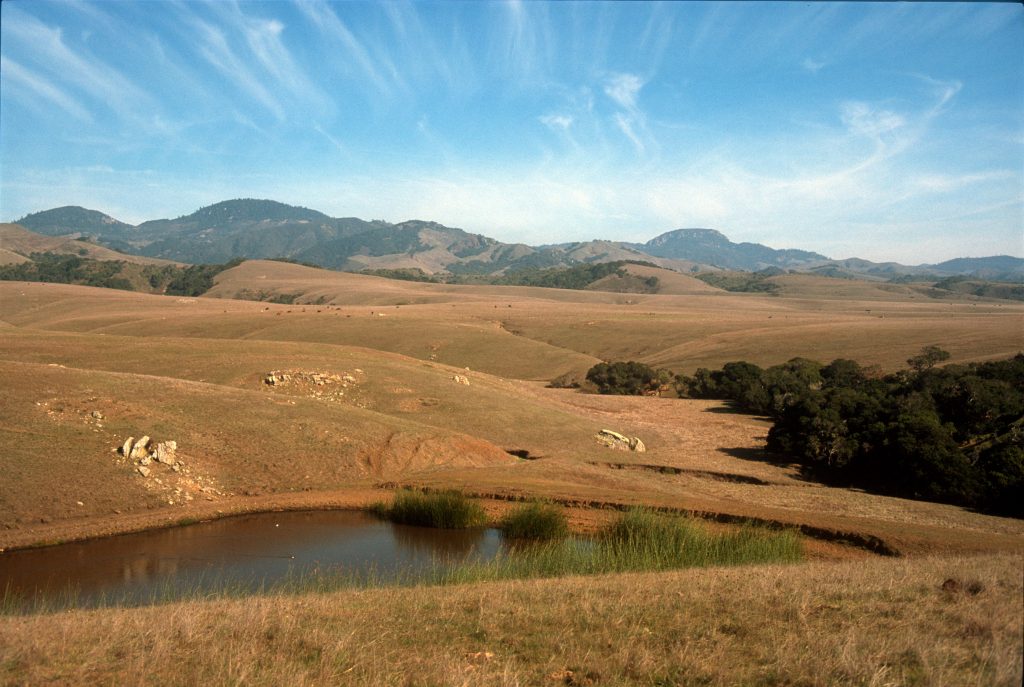
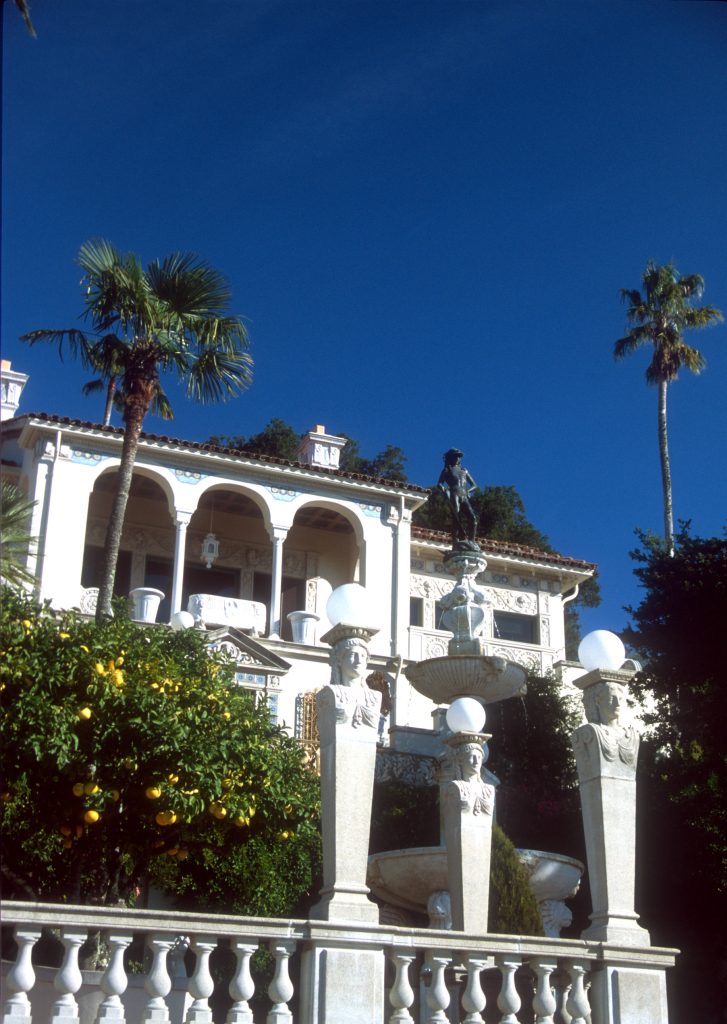
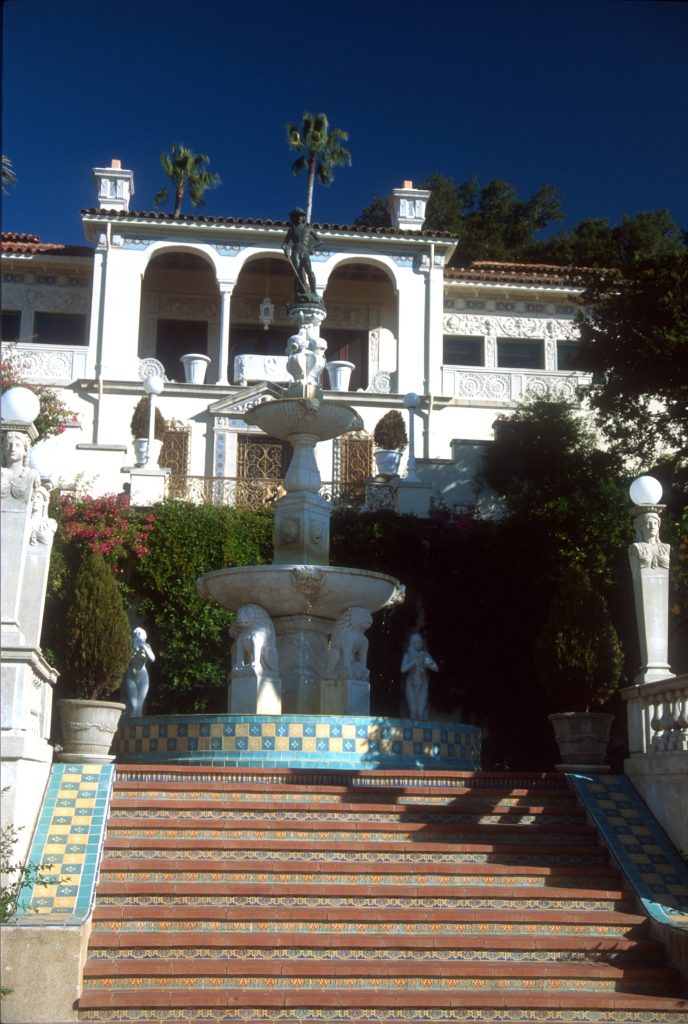
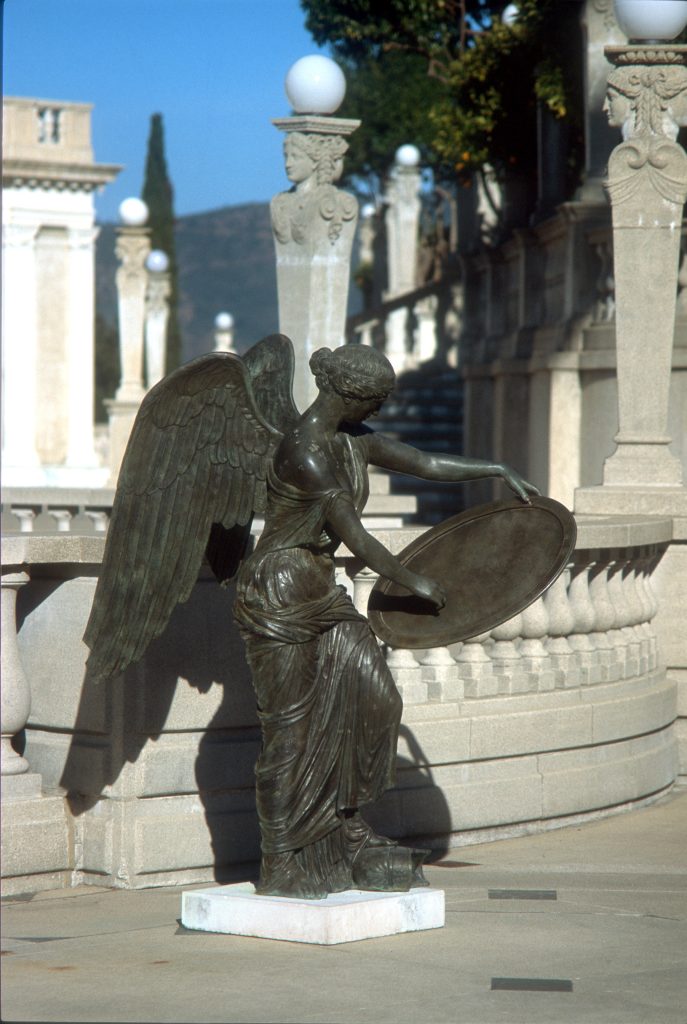
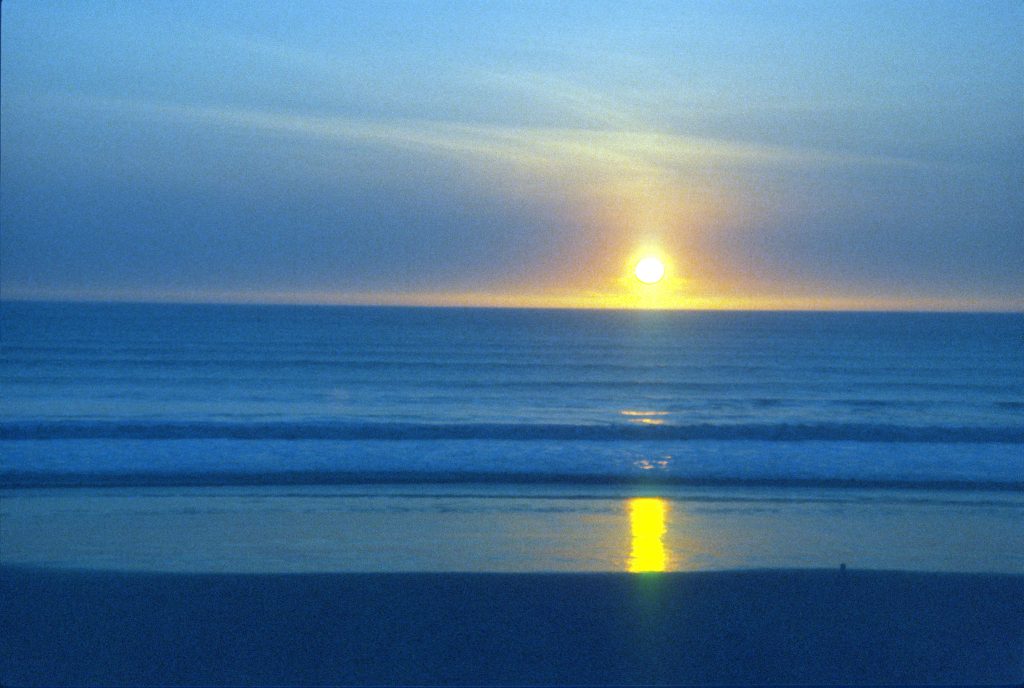
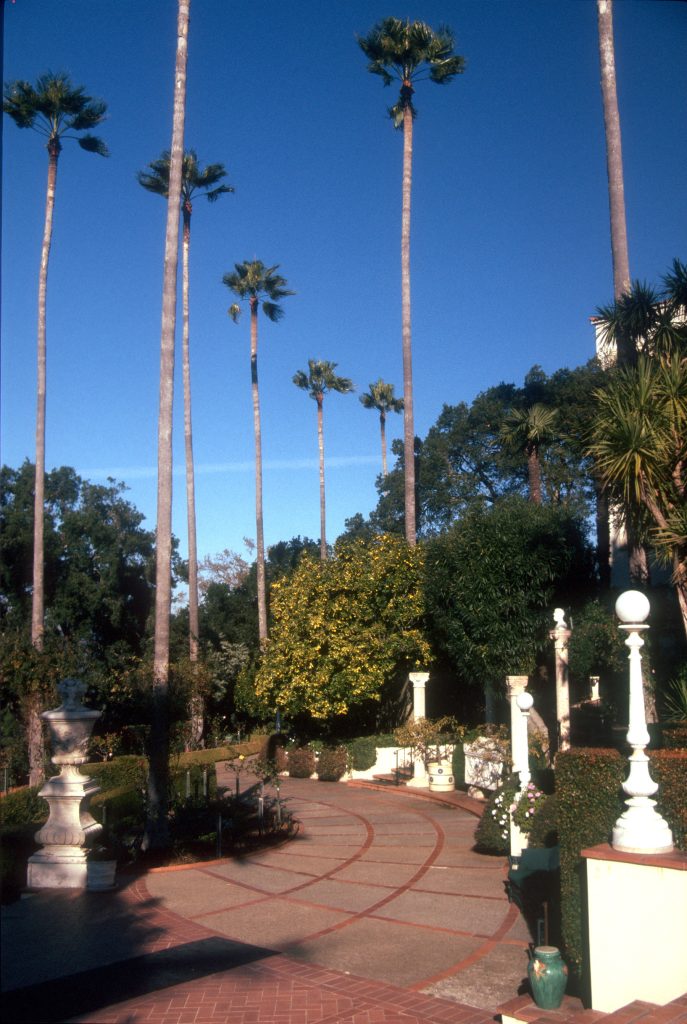
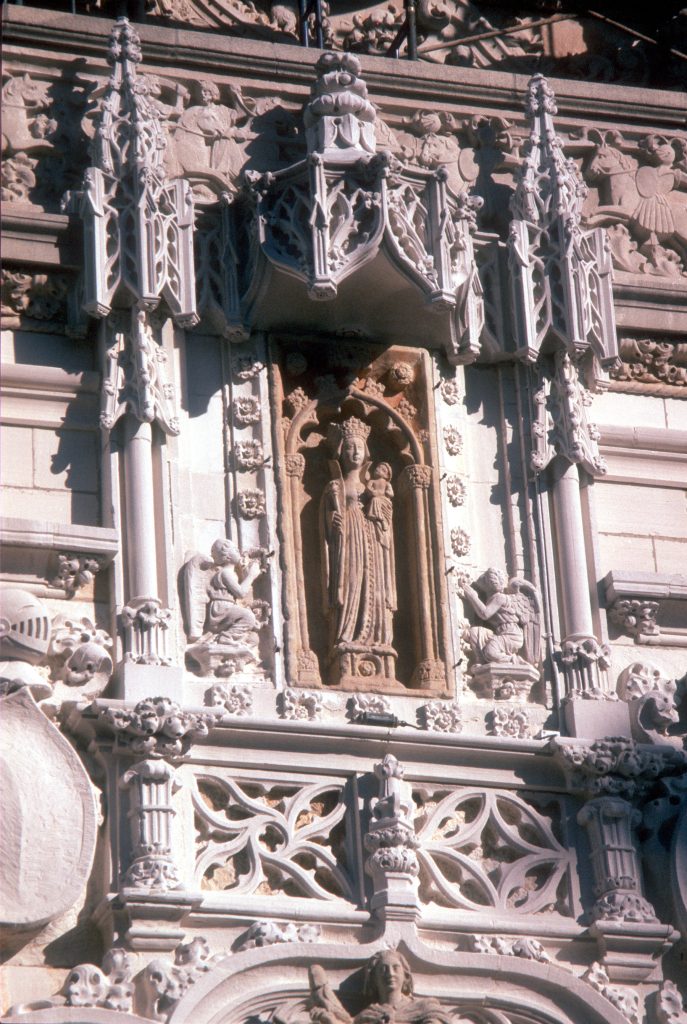
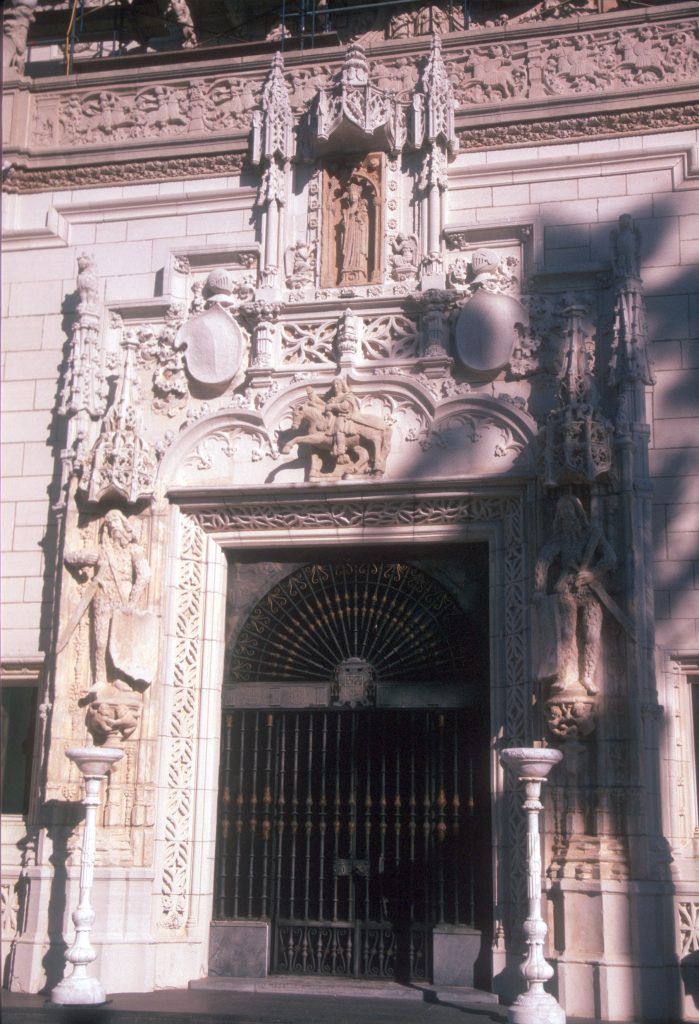
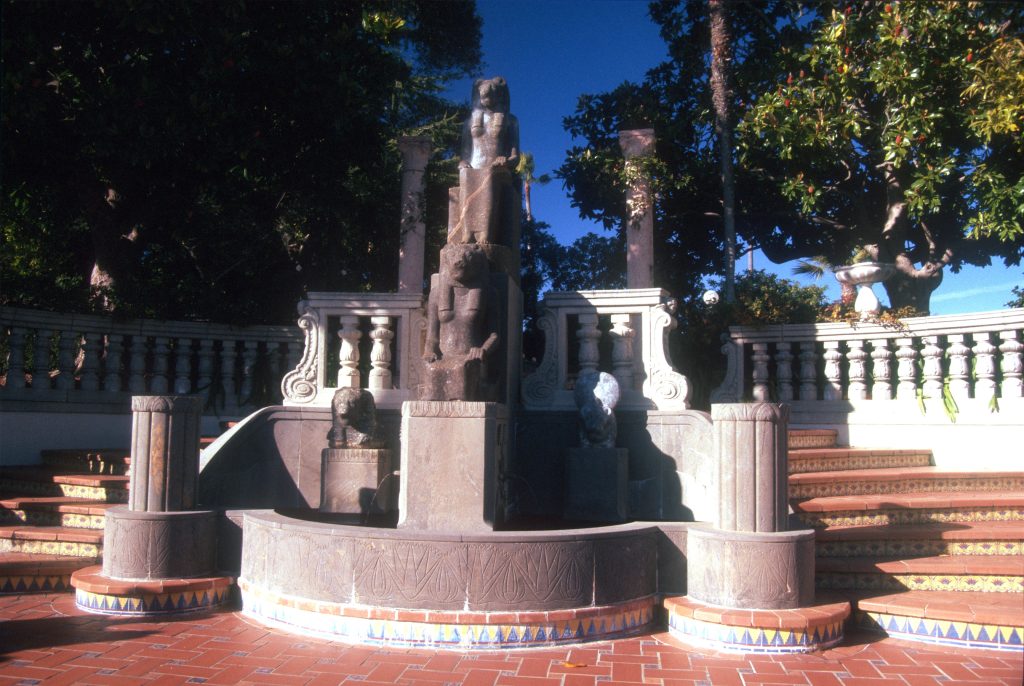
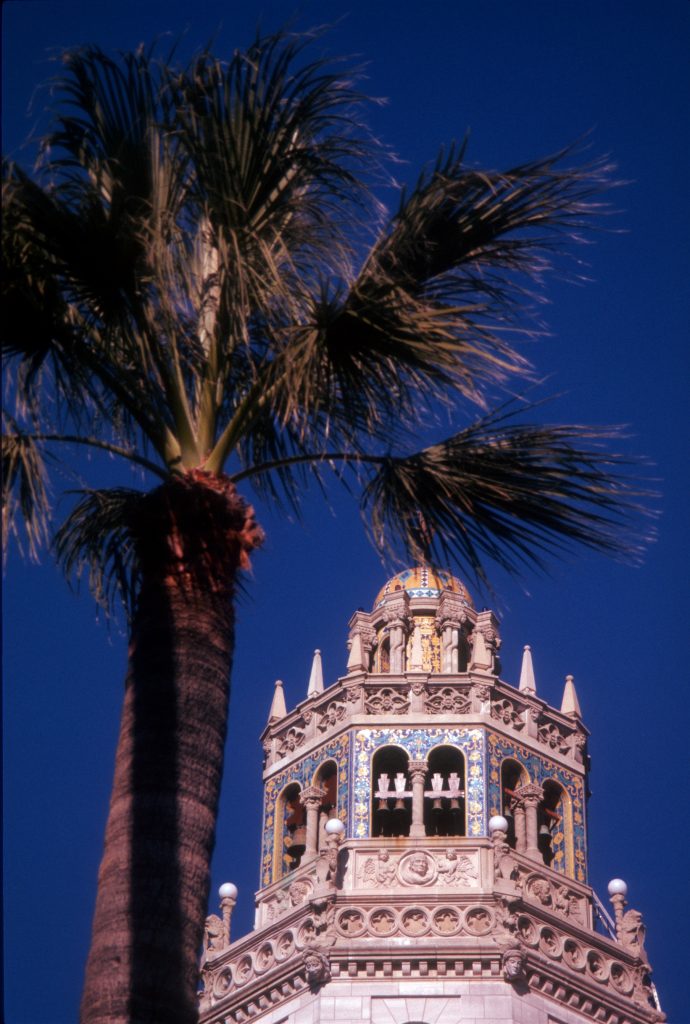
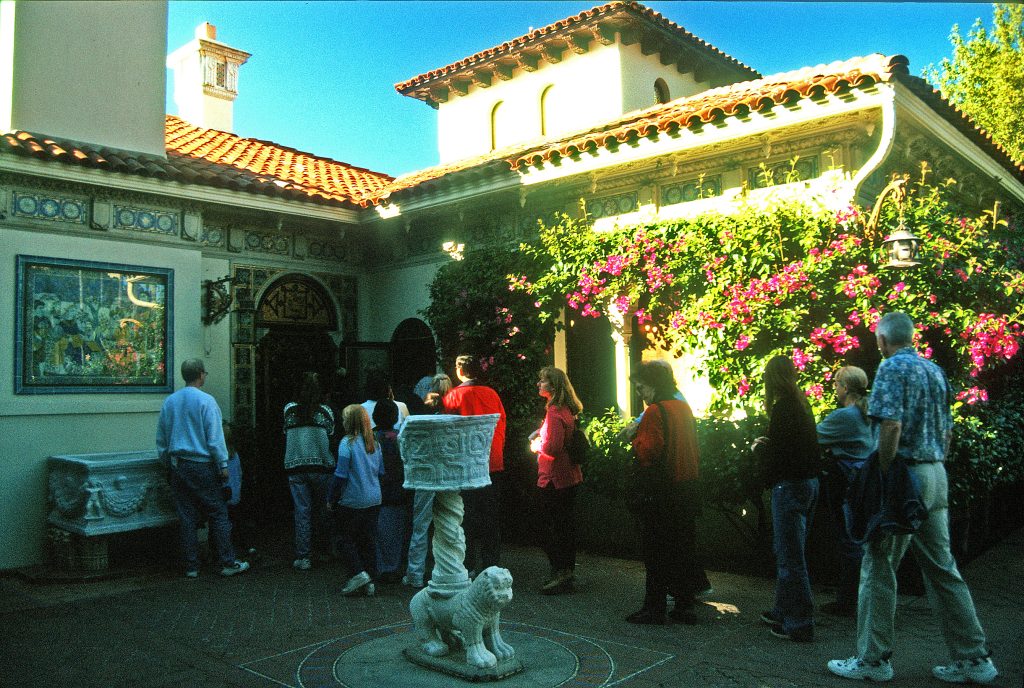
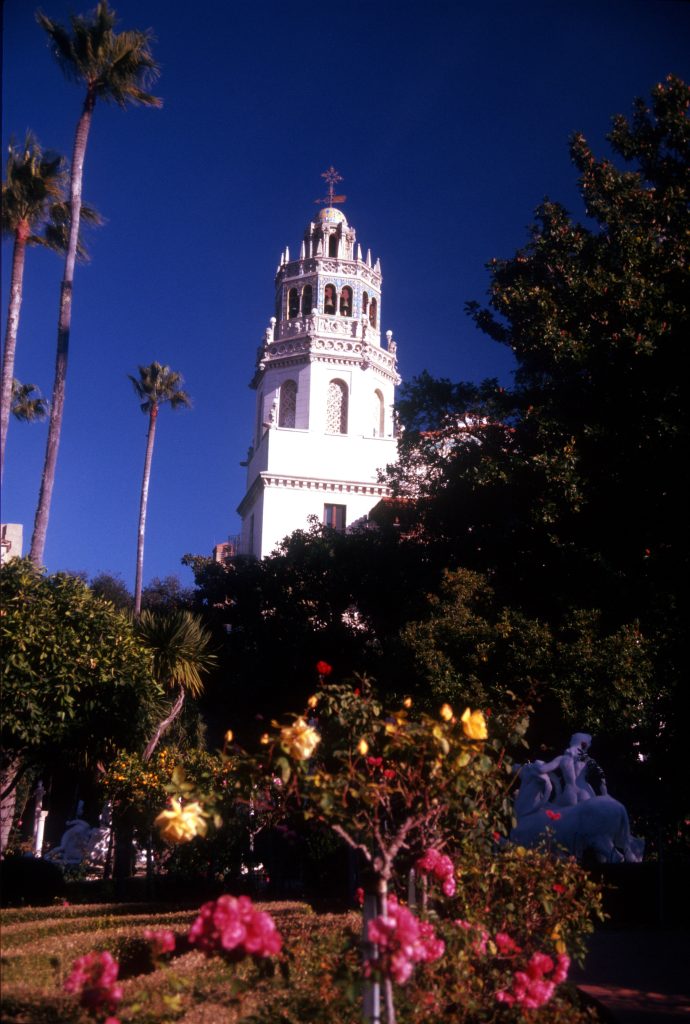
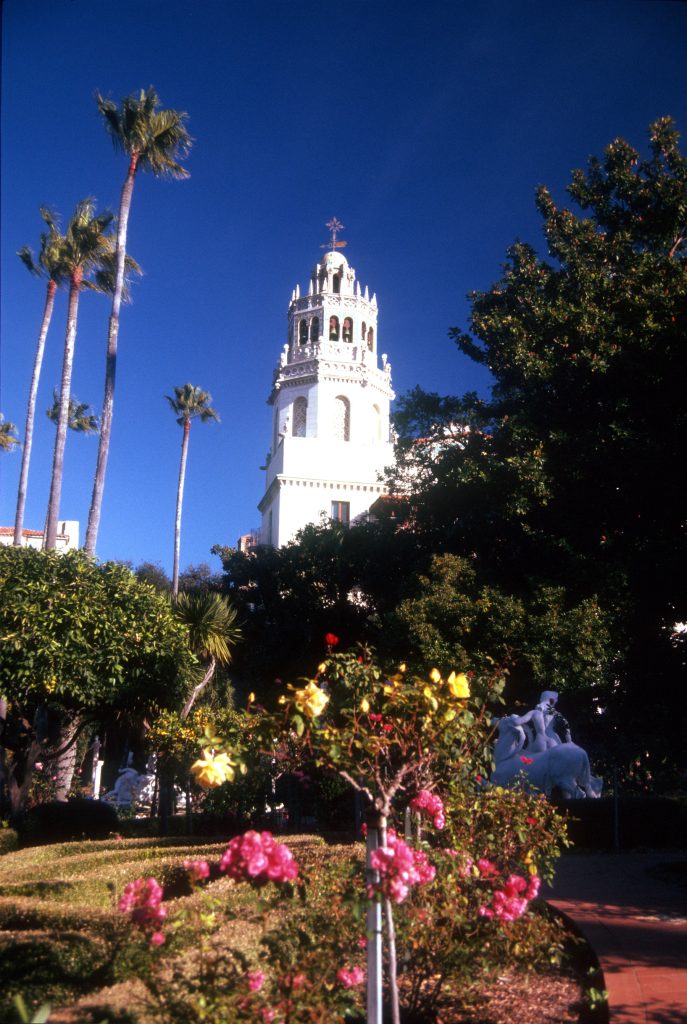
High above California’s rugged Central Coast cliffs, where the Pacific shimmers in the distance and coastal fog winds through the Santa Lucia Mountains, sits one of the most fantastical private estates ever built in the United States: Hearst Castle. Officially known as La Cuesta Encantada, Spanish for “The Enchanted Hill,” this sprawling complex of mansions, gardens, pools, and museum-quality collections stands as the legacy of publishing magnate William Randolph Hearst and the brilliant architect who realized his vision, Julia Morgan.
Construction began in 1919, when Hearst’s newspaper empire spanned the country and his influence stretched from Washington to Hollywood. He envisioned a hilltop retreat unlike anything the New World had seen, a private domain modeled after the cathedrals, castles, and villas he visited as a child traveling through Europe. But this was no mere copy. What emerged over nearly three decades was a wildly original, multilayered celebration of history, power, and spectacle.
Shopping for Legacies
William Randolph Hearst’s legendary European buying sprees were deliberate, theatrical gestures designed to transform San Simeon into a living museum of global history and taste. Beginning in the early 20th century and intensifying through the 1920s and ’30s, Hearst purchased tens of thousands of antiquities from castles, churches, monasteries, and aristocratic estates across Europe. His acquisitions included centuries-old Spanish ceilings, Italian marble fireplaces, Flemish tapestries, carved choir stalls, and even entire medieval rooms, some disassembled stone by stone and shipped across the Atlantic to be rebuilt inside the castle.Hearst had an eye for grandeur, but it was Julia Morgan who masterfully wove these disparate pieces into a coherent whole. Rather than simply mimicking European palaces, they designed interiors that felt immersive and theatrical. A 15th-century French fireplace might anchor a room with a coffered ceiling from a Spanish convent, Renaissance tapestries lining the walls, and Roman emperor sculptures standing guard in the corners. Hearst accumulated so many artifacts that warehouses in New York and Los Angeles overflowed with unused treasures. For him, the castle was a curated stage set, a synthesis of centuries of European art and architecture that awed visitors who stepped through its arched doors.
The Casas
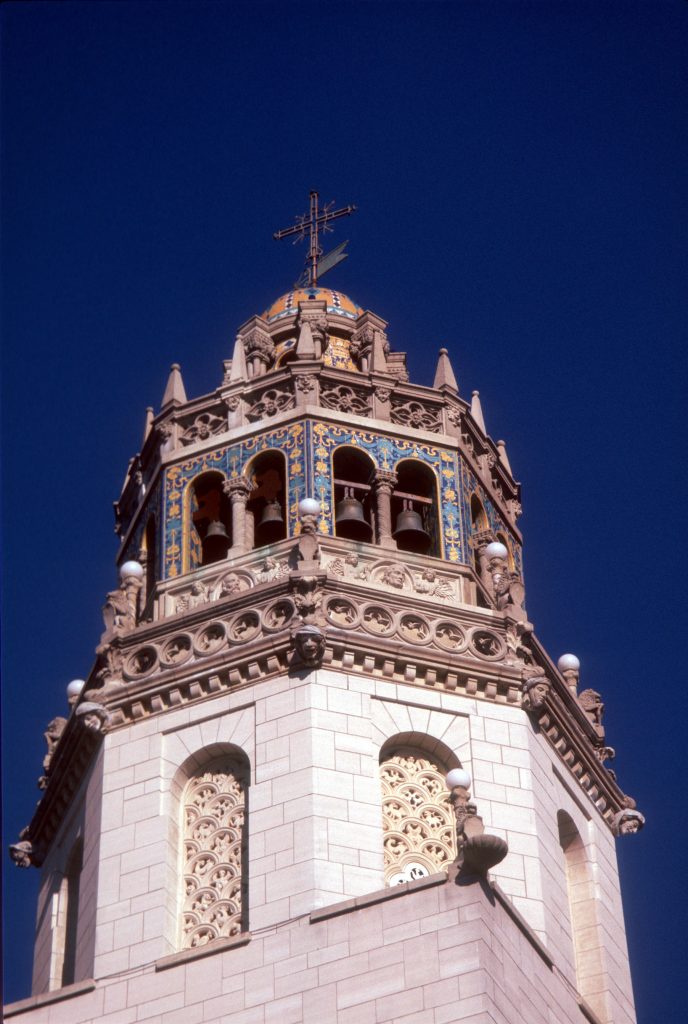
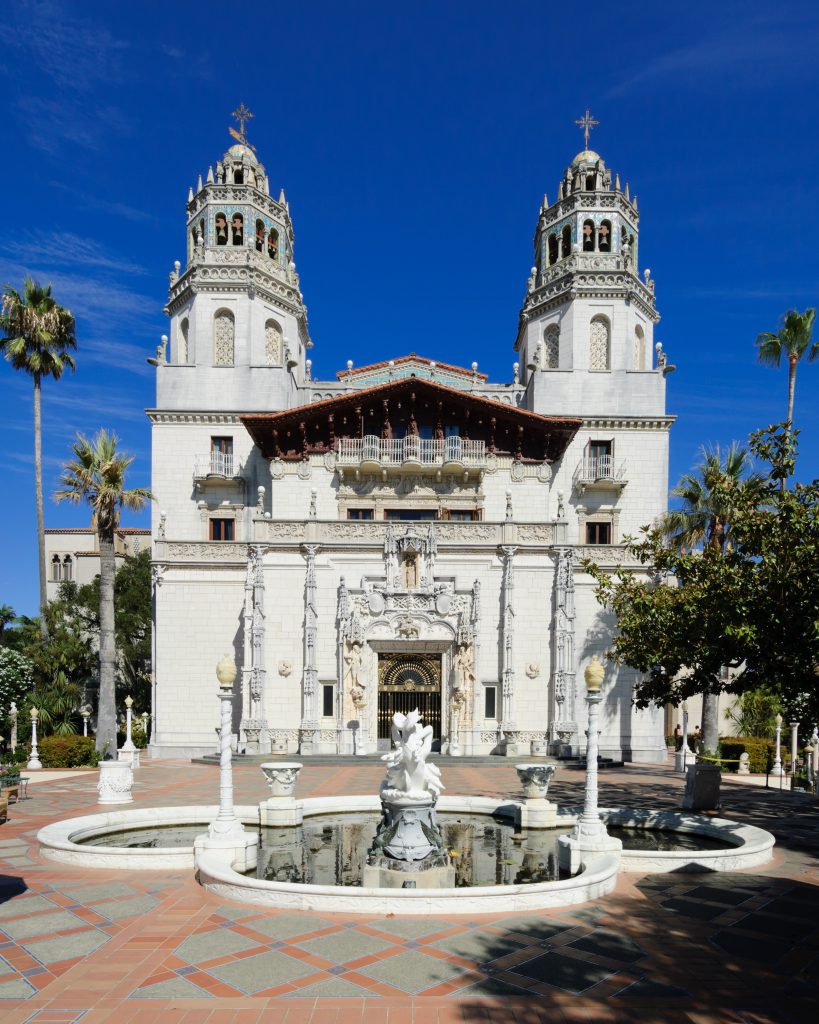
At the heart of the estate stands Casa Grande, a 60,645-square-foot main house with dramatic twin bell towers inspired by Spanish cathedrals. Stepping inside is like entering a Renaissance fantasy: elaborately carved coffered ceilings, massive French fireplaces, and 16th-century tapestries adorning the walls. The rooms were furnished for both comfort and visual drama, with the Gothic Study, the Doge’s Suite, and the Billiard Room each filled with antiques, sculptures, and architectural salvage from across Europe.
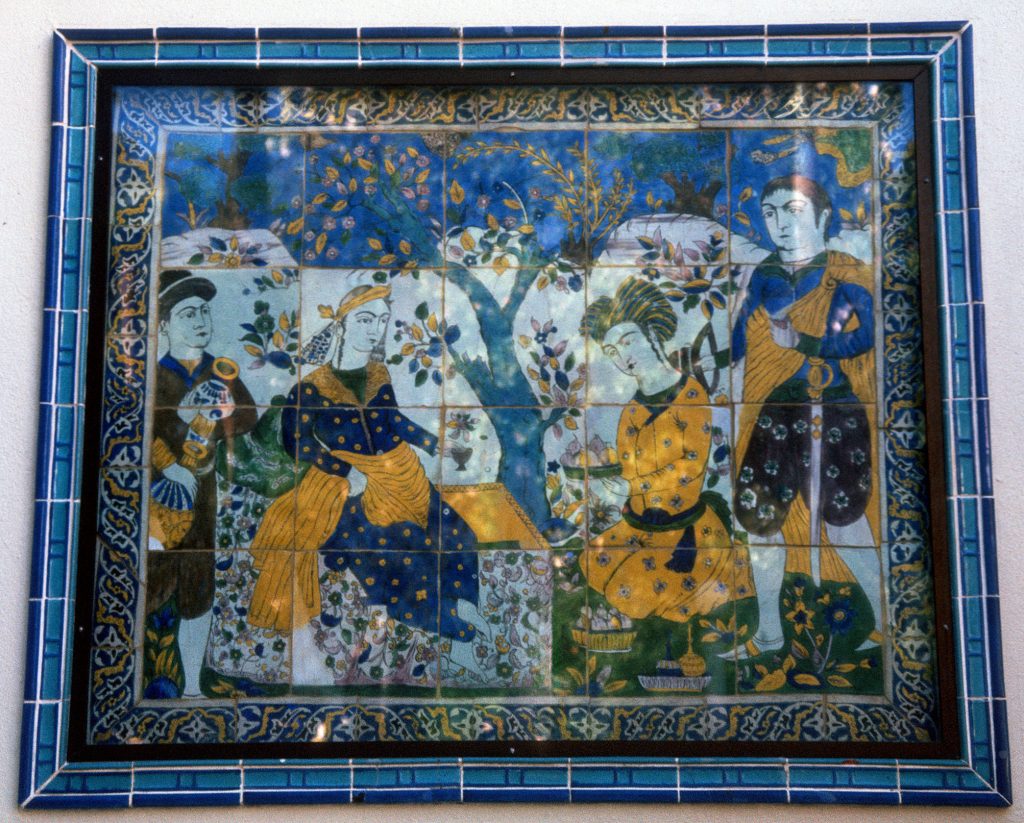
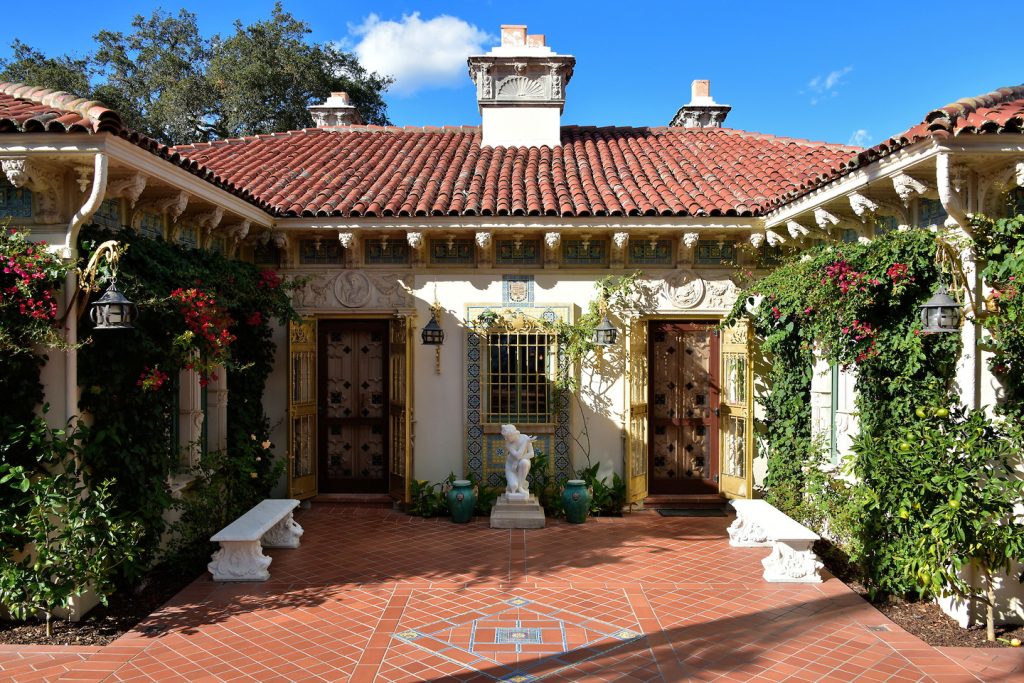
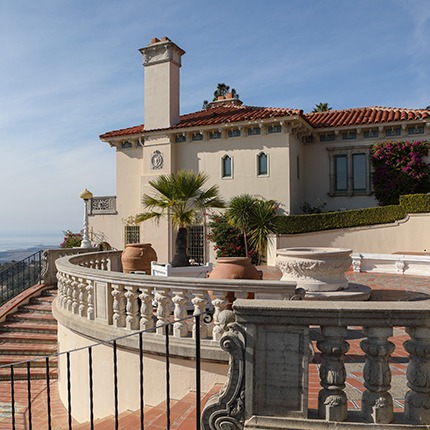
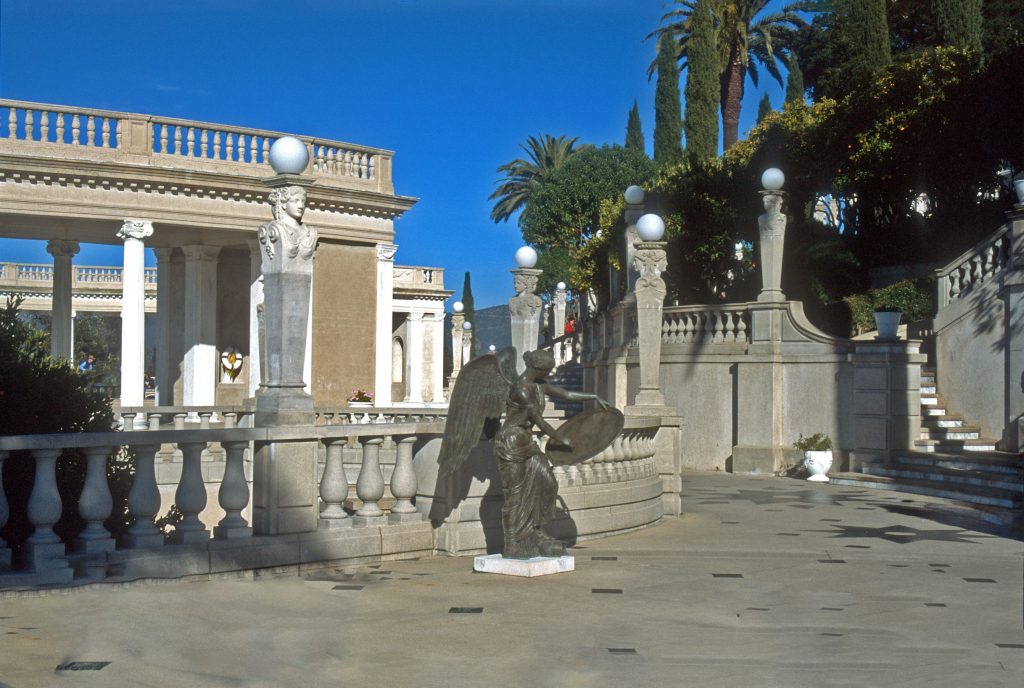
Casa del Mar, perched closest to the ocean, was Hearst’s personal favorite. With sweeping Pacific views and wraparound terraces, it overflows with Roman mosaics, Spanish tilework, and carved wooden ceilings. Casa del Monte, nestled among cypress and oak, offered privacy and quiet, while Casa del Sol, the “House of the Sun,” captured California’s brilliant light through arched windows and colonnades. While smaller in scale, these residences were crafted with equal care and extravagance, serving as palatial retreats for Hearst’s many illustrious guests.
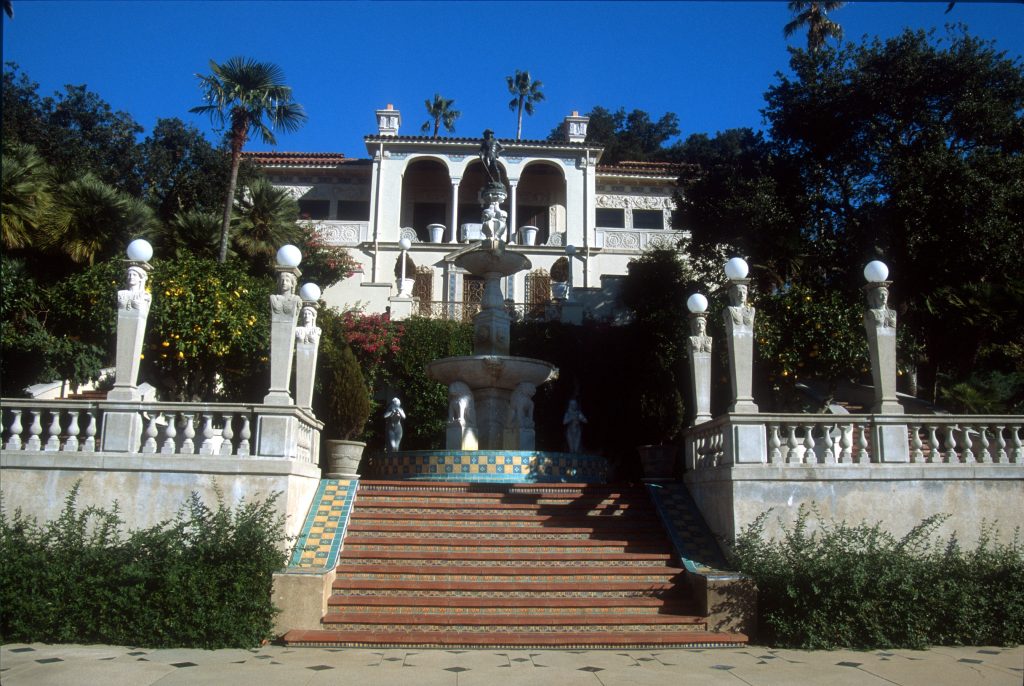
The Who’s Who of the Day
And who exactly were these guests? Charlie Chaplin once danced on the Neptune Pool’s marble steps, while Clark Gable and Carole Lombard stayed in the guesthouses—Greta Garbo, Joan Crawford, Howard Hughes, Winston Churchill, and even President Calvin Coolidge all visited at various times. The estate was not merely a retreat but a stage, a magnet for the cultural elite, and a power center where movie stars mingled with media titans and foreign dignitaries. And yet, Hearst maintained his egalitarian approach to fun. He famously insisted ketchup and mustard bottles be placed on the long, medieval-style dining table during formal dinners, often bewildering his ultra-refined guests.
The Refectory
That table sat at the center of the Refectory, Casa Grande’s grand dining hall. This space, inspired by monastic banquet rooms, features high vaulted ceilings, colorful flags, and hand-carved choir stalls lining the walls. Massive candelabras and tall windows lend it a solemn, sacred air, yet Hearst tempered the formality with a touch of California casual. Meals here were both performances and reunions, with guests seated by their favor with Hearst, gradually moving closer to his chair if they proved witty and entertaining.
The World-Renowned Pools
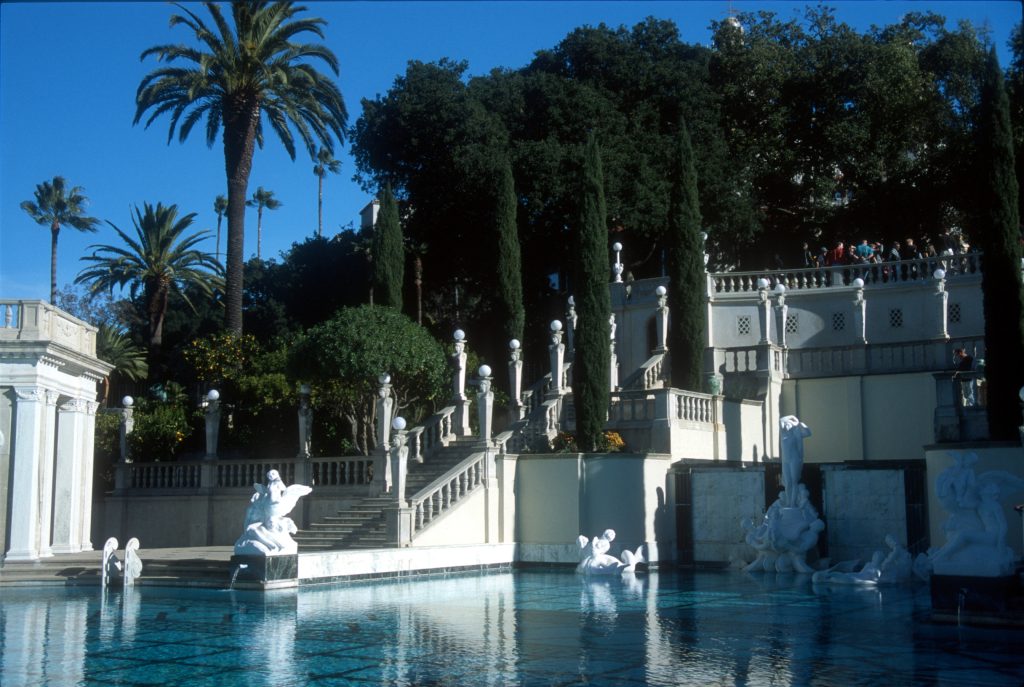
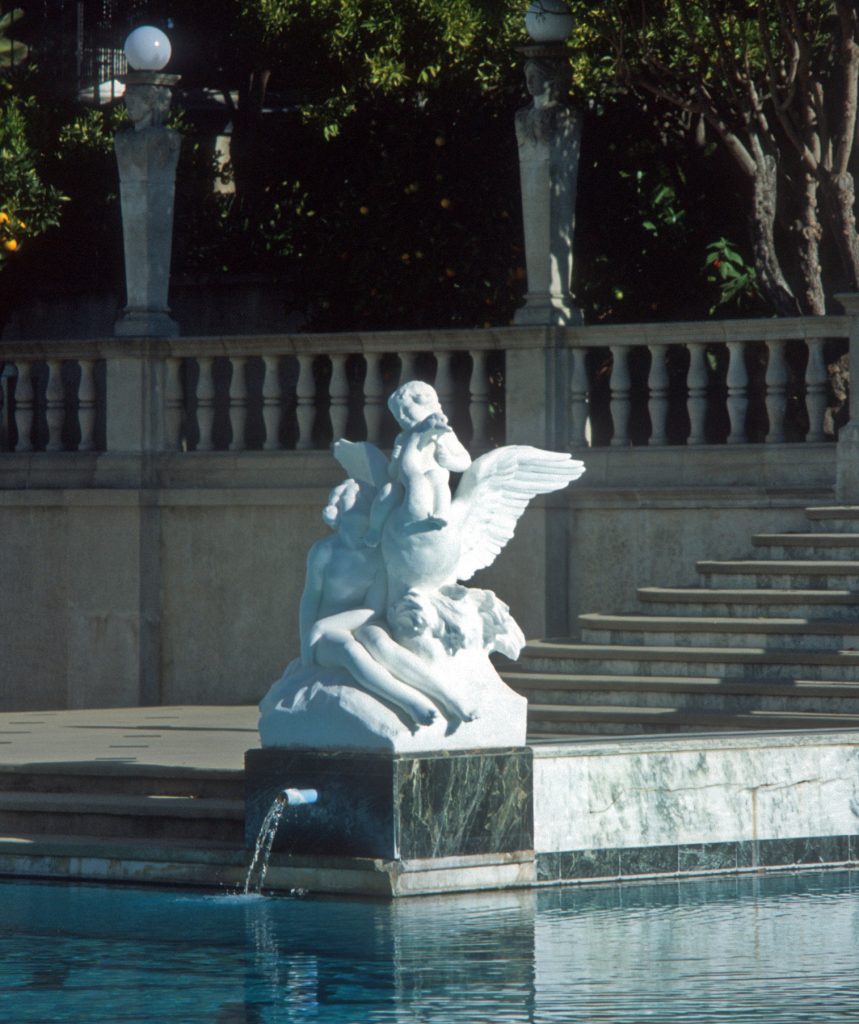
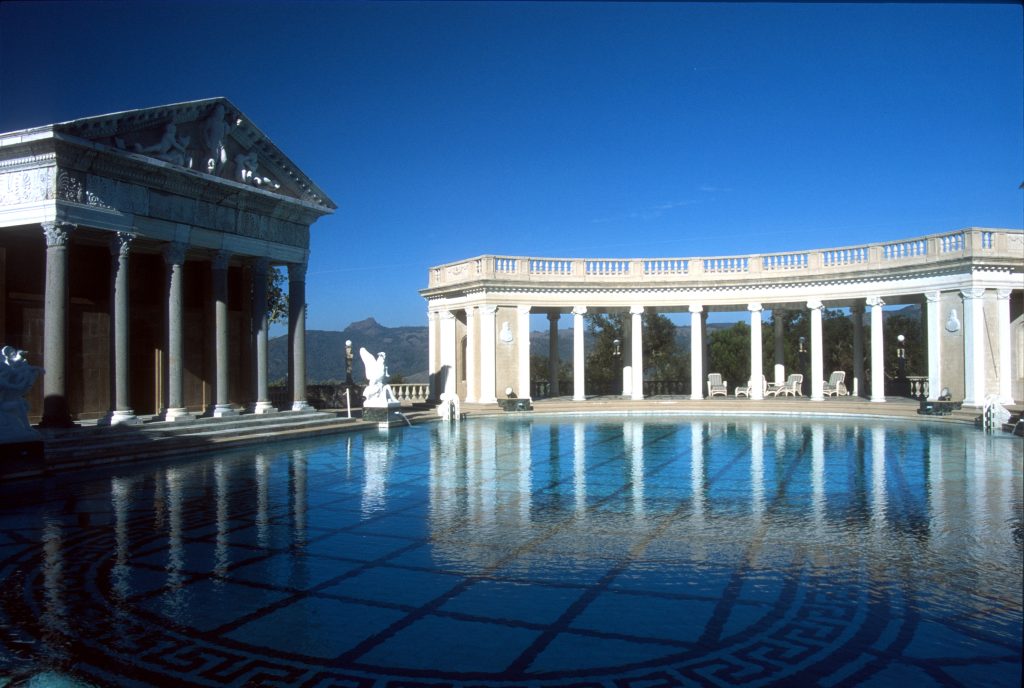
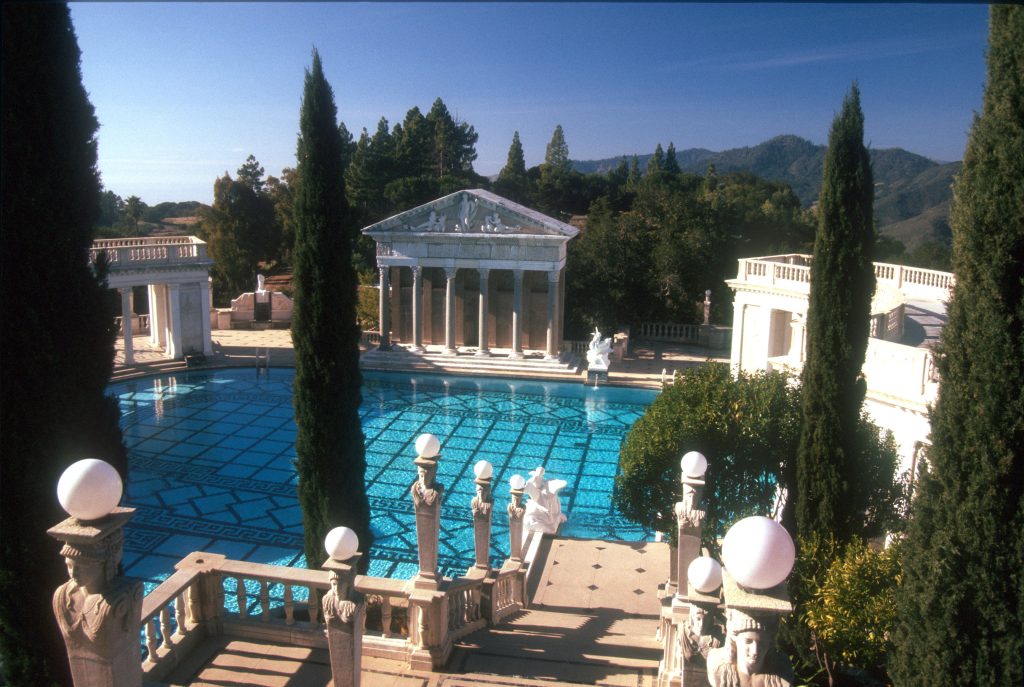
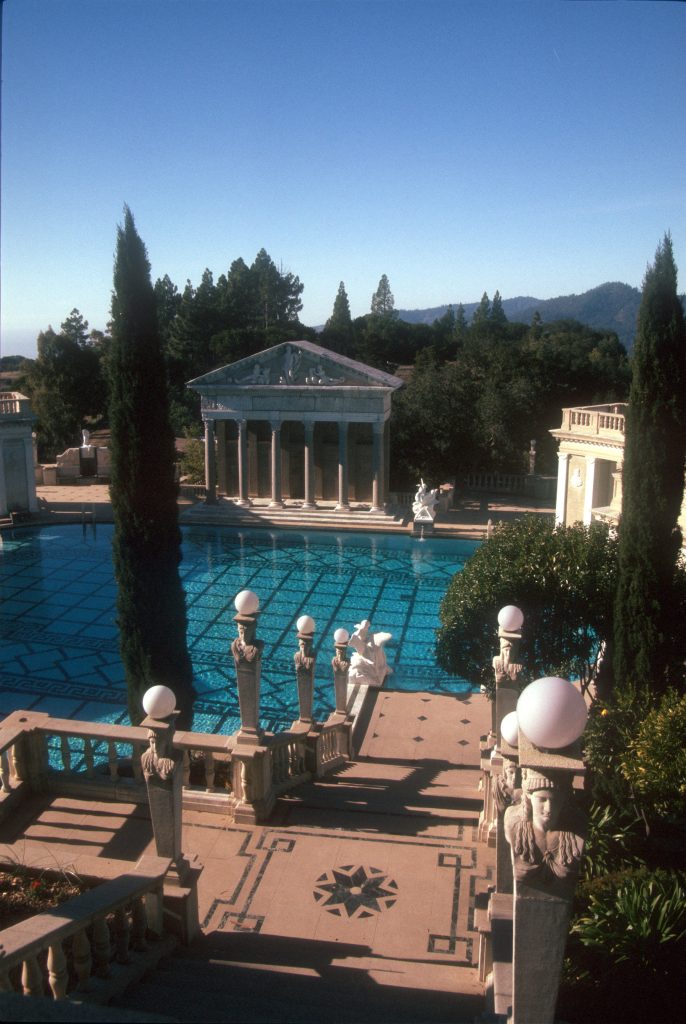
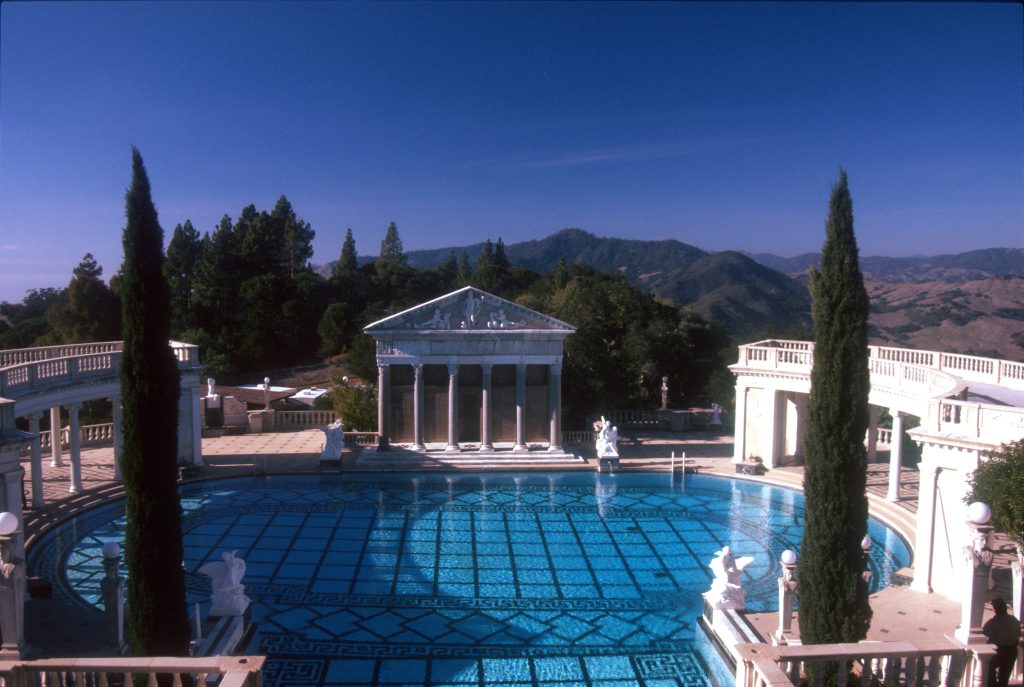
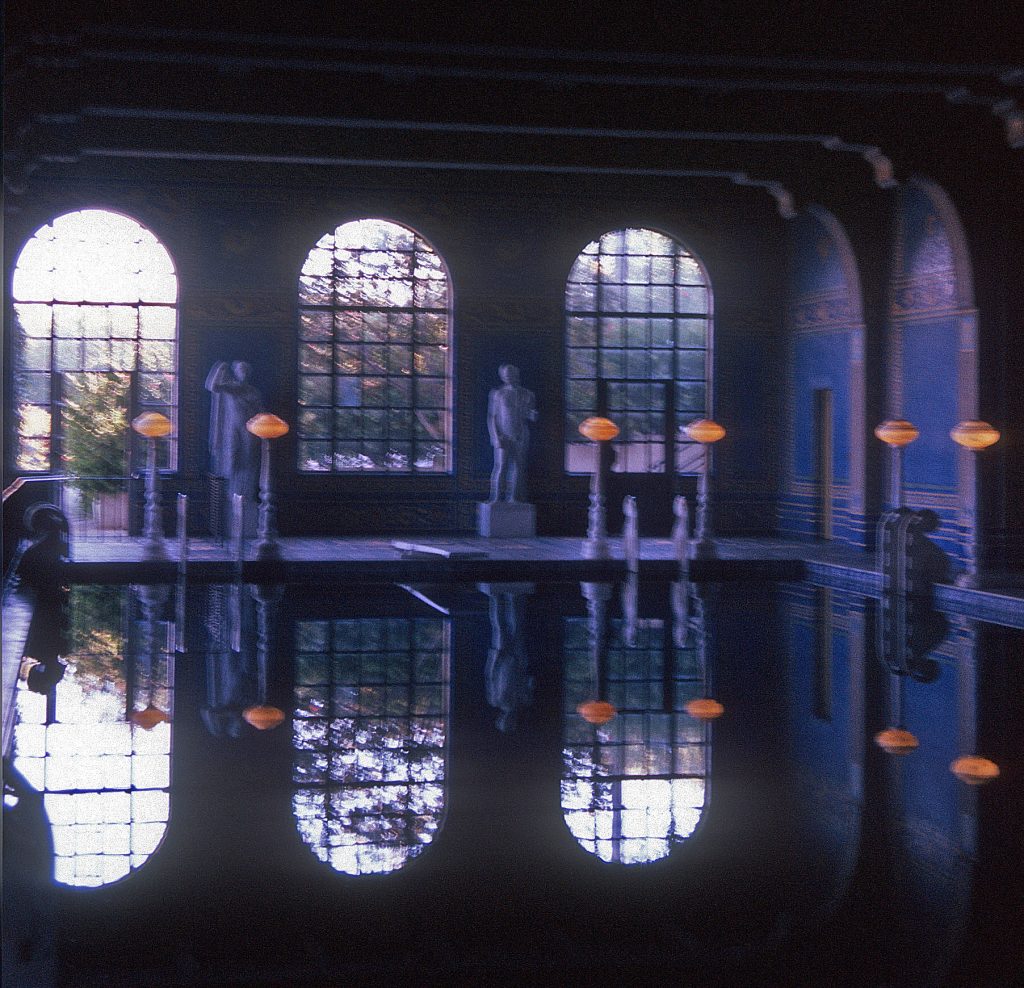
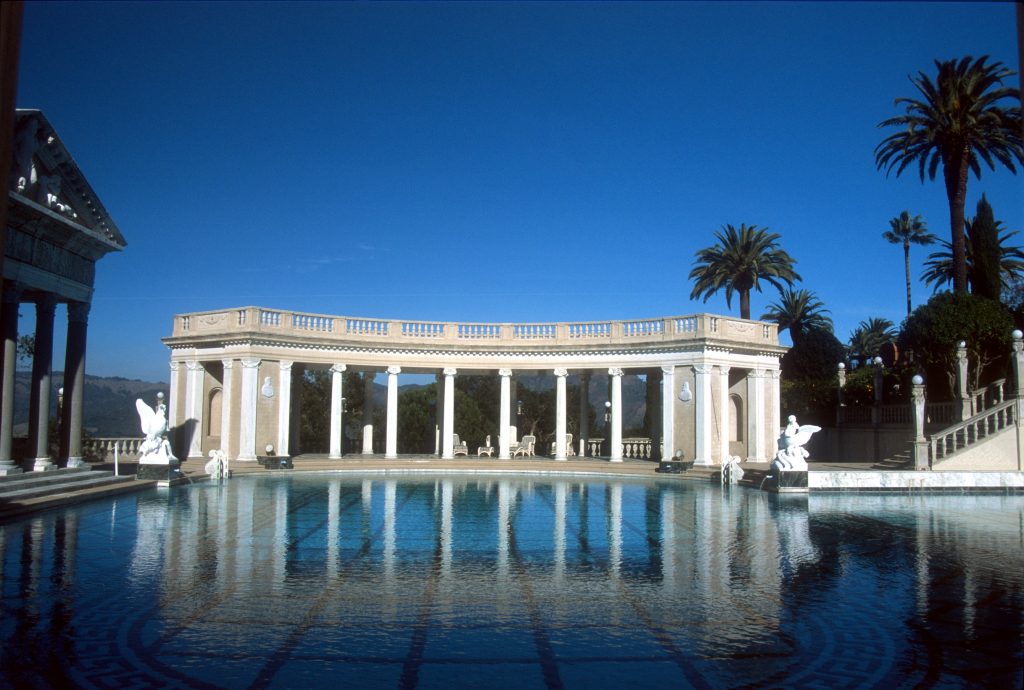
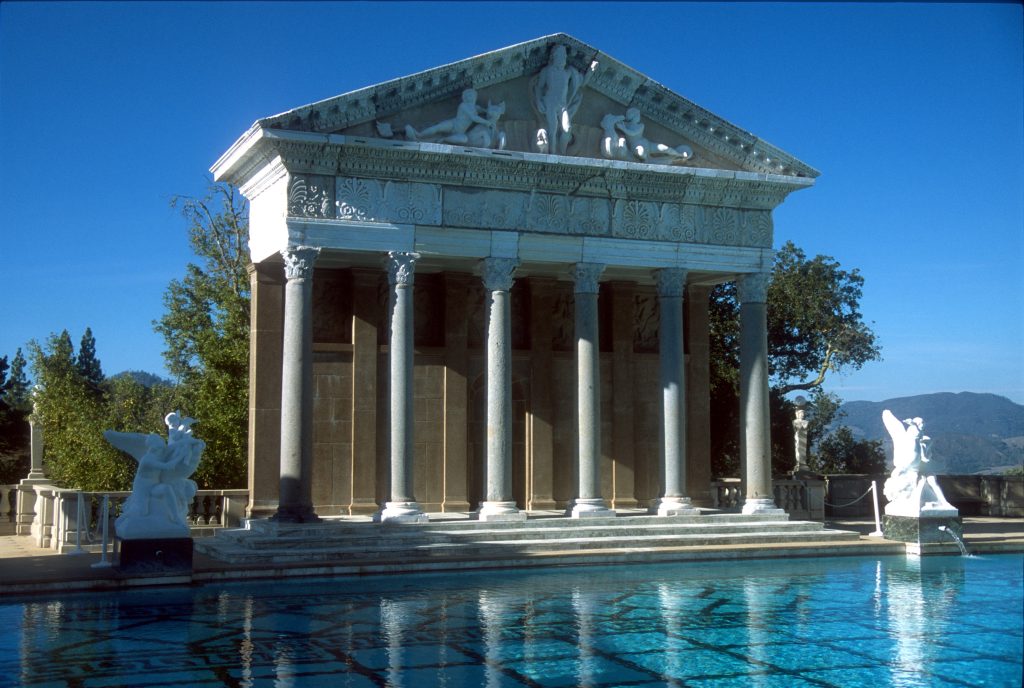
Beyond the buildings, Hearst Castle’s grounds are masterpieces themselves. The estate once housed the world’s largest private zoo at the time, with zebras, kangaroos, lions, and exotic birds roaming the hillside. But the most iconic outdoor feature is the breathtaking Neptune Pool, rebuilt three times to match Hearst’s perfectionism. With a capacity of over 345,000 gallons, this outdoor pool evokes a Roman bathhouse from a fantasy film. White marble columns flank the pool, and imported stone by stone from Europe, a genuine Roman temple façade stands at one end as backdrop. The water glistens in a sunlit amphitheater of travertine and mythological statuary, while inside the main house lies the Roman Pool, a darker, moodier counterpart. Inspired by the Baths of Caracalla, this indoor pool features walls completely lined in tiny glass mosaic tiles, many infused with 24-karat gold leaf. Statues of Roman gods and athletes gaze down on swimmers gliding through cobalt waters beneath vaulted ceilings. The effect is nothing short of celestial, making it one of the most photogenic and surreal indoor spaces in American architecture.
A Dream Unrealized
Though Hearst poured his energy and fortune into the estate, he never witnessed its completion. By the mid-1940s, declining health and finances forced him to leave for Beverly Hills, abandoning an unfinished dream. After his death in 1951, the Hearst family donated the property to California, which opened to the public as a museum in 1958.
Today, Hearst Castle stands as a designated National Historic Landmark and symbol of California’s Gilded Age, where art, architecture, media, and celebrity culture converge in one staggering vision. Visitors walk pathways Churchill and Garbo once walked, gaze from balconies that charmed Chaplin and Hughes, and swim in pools that define cinematic luxury. More than just a tourist site, it is a place where ambition and imagination ran gloriously wild, a palace not just of wealth but of story.
Where to Stay in San Simeon, United States
San Simeon itself has limited lodging, so most visitors stay in nearby Cambria, a charming coastal town about 10 miles south. Cambria’s bed and breakfasts, small inns, and modest hotels sit within walking distance of shops, galleries, and restaurants. The town’s Main Street offers genuine local flavor without the crowds of larger tourist destinations, making it an ideal overnight base near Hearst Castle.
For budget-conscious travelers, motels along Highway 1 between Cambria and San Simeon offer straightforward rooms at lower rates than the inns. These no-frills establishments put you close to the castle and dramatic coastline. Many are within a 15-minute drive of the main attraction and let you explore the rugged beaches and tide pools that make this stretch of California coast remarkable.
If you prefer solitude, the villages of Big Sur (30 miles north) and Morro Bay (20 miles south) offer quieter bases with distinct character. Big Sur draws visitors to its redwood forests and coastal cliffs, while Morro Bay centers on its iconic volcanic rock and working fishing harbor. Both towns have small hotels and inns, though Big Sur accommodations tend to be pricier and book up quickly during peak season.
Book early for summer and year-round weekend visits. Winter months draw fewer tourists and often feature lower rates, though some smaller properties close seasonally. The Central Coast’s mild climate makes spring and fall ideal for pleasant weather and easier room availability.
Recommended Reading
- The Chief: The Life of William Randolph Hearst by David Nasaw
The definitive biography of Hearst, this meticulously researched book chronicles his rise as a media titan, his political ambitions, his romantic obsession with actress Marion Davies, and the creation of Hearst Castle. - Hearst Castle: The Biography of a Country House by Victoria Kastner
A richly illustrated and engagingly written history of the estate itself. Kastner, the castle’s longtime historian, guides readers through the architecture, guests, and stories behind the walls. - The Times We Had: Life with William Randolph Hearst by Marion Davies
Hearst’s longtime companion tells her side of the story in this personal, intimate memoir. Equal parts Hollywood gossip and heartfelt reflection, it offers a rare glimpse into life at San Simeon. - Citizen Hearst: An American Experience Biography by Amanda Pollak and Stephen Ives
Based on the PBS documentary, this book presents Hearst’s life within the broader context of American media, politics, and power, exploring the man behind the myth and his complex legacy. - Orson Welles: Hello Americans by Simon Callow
A compelling account of Orson Welles’ life during the Citizen Kane era. It dives into the creative clash between Welles and Hearst, offering deep insights into how art and politics collided. - Patriot or Traitor: The Life and Death of Sir Walter Ralegh by Anna Beer
While not directly about Hearst, this book sheds light on one of Hearst’s historical obsessions. Artifacts related to Ralegh were collected by Hearst and inspired some of the castle’s themes and décor. - Citizen Kaneby Orson Welles
A brilliant analysis of Orson Welles’ landmark film, this essay explores how Citizen Kane, widely believed to be based on Hearst, redefined modern cinema and storytelling. Kael unpacks both its artistry and its real-life parallels.