
Founders of True Ranch Hospitality, Ranch Preservation Holdings LLC and Ranch Preservation Foundation
Dude Ranches are an iconic fixture of the American West. Once working ranches filled with cowboys and cattle, many struggled as the economy changed from agrarian to urban—and they reinvented themselves, by giving the city-slicker a taste of the old west lifestyle. Yet, as time passed, many of those older Dude Ranches faced headwinds once again.
Two men, Russell True and Jaye Wells, had a vision that has preserved, refreshed and breathed life into those gems of western hospitality. They currently have assembled several of them into The True Ranch Collection, a selection of historic dude ranches in Arizona, Montana and Wyoming offering guests authentic dude ranch vacations. Their historic preservation company Ranch Preservation Holdings, LLC, is committed to maintaining the hospitality and heritage of western dude ranches. They aim to preserve the historic tradition of dude ranching, from its celebration of western heritage to its history as an early destination vacation in the United States. Their goal is to stay true to the authenticity, identity and heritage of each ranch, making them a haven for the next generation of guests. Their dude ranch vacations are full of adventure and relaxation in a truly unique setting.
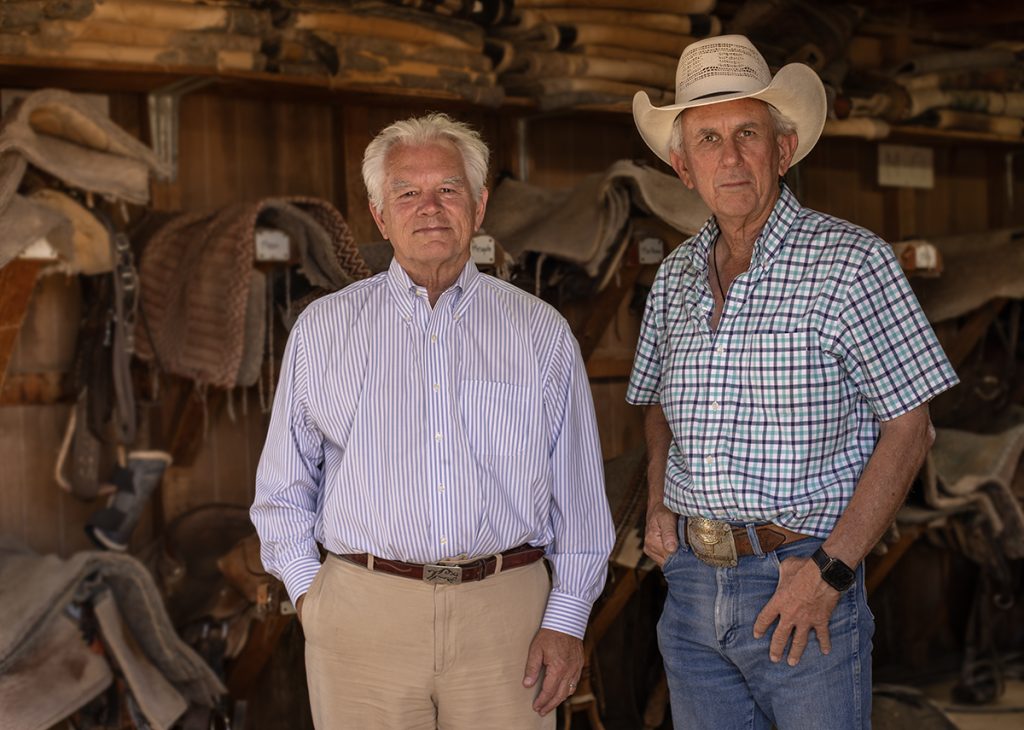
The Historic Traveler interviewed them on why they undertook this journey.
Jackie: How did the two of you connect?
WELLS: We were on the board of a private school that our children attended and realized we were like-minded in business aspects, and then Russell asked me to help him with redesigning his ranch – White Stallion Ranch – and that’s initially how I got started in the ranch business.
Jackie: What inspired you to create these ventures? Why do you believe it’s important to preserve historic dude ranches in the American West?
TRUE: We always say that we aren’t trying to save dude ranching as it doesn’t need us to do that. However, I’m driven both by the big picture and the small one. Dude ranching in Arizona has had 338 ranches in the state’s history. There are about 14 today. Also, every time a dude ranch closes or gets “repurposed,” it feels like a personal loss to me. Our company is designed to make these ranches viable.
WELLS: Since I’m a preservation architect by trade, that’s why we specifically look for historic ranches. They’re historic properties, which I believe should be preserved at a baseline. Many are falling into decline and abandoned, but we also have to consider that for them to be preserved they have to be economically viable.
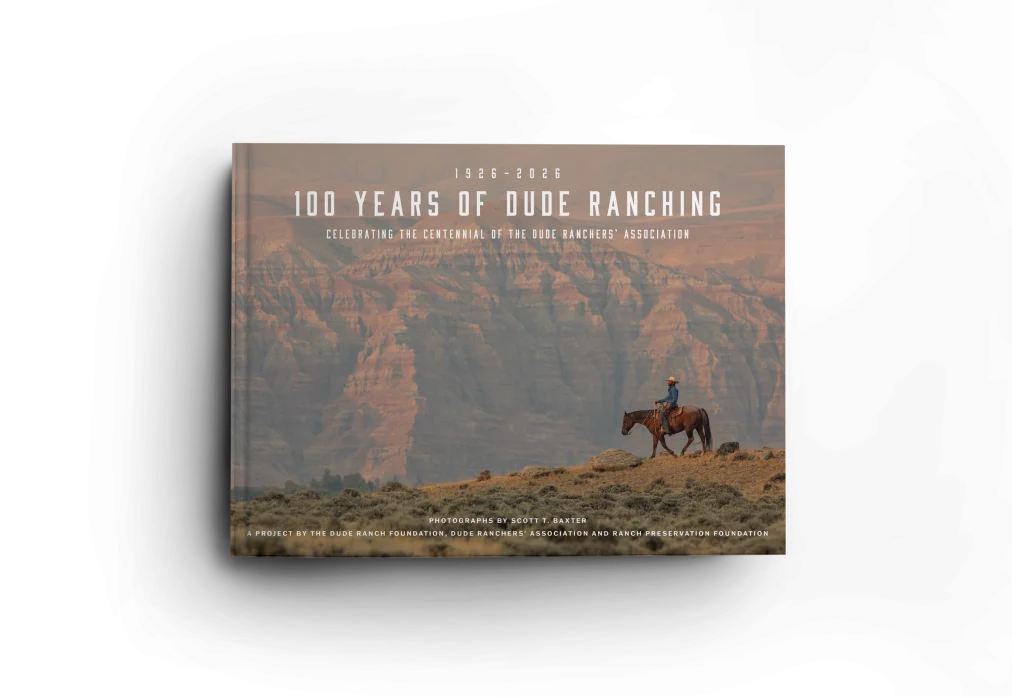
Jackie: I understand there is a book “The 100 Years of Dude Ranching—1926-2026” which goes into detail, but can you briefly describe the origin of Dude Ranching…a tiny bit of history.
TRUE: Since the concept of dude ranching is such a good and obvious hospitality option in rural America, it likely had several “firsts.” The first dude ranch that history recognizes, and should since that ranch is still thriving, is Eatons’, near Sheridan, Wyoming. The Eaton brothers – Howard, Willis and Alden – started out in the Dakota Territory raising cattle and horses. Their neighbor was Theodore Roosevelt, whose family and friends often strayed over to the Eatons’ Custer Trail Ranch. Dude ranching was born there when the guests convinced the brothers to accept money for their stay. In 1892, the first guests signed the guest book and paid $10 a week for a room, horse and meals.
Jackie: How many operational Dude Ranches are there–generally?
TRUE: There are probably about 250 or more dude ranches in the U.S. The number will adjust a little depending on how a dude ranch is defined.
Jackie: Now let’s really define what’s typically offered at a Dude Ranch and how many people are generally accommodated at the same time.
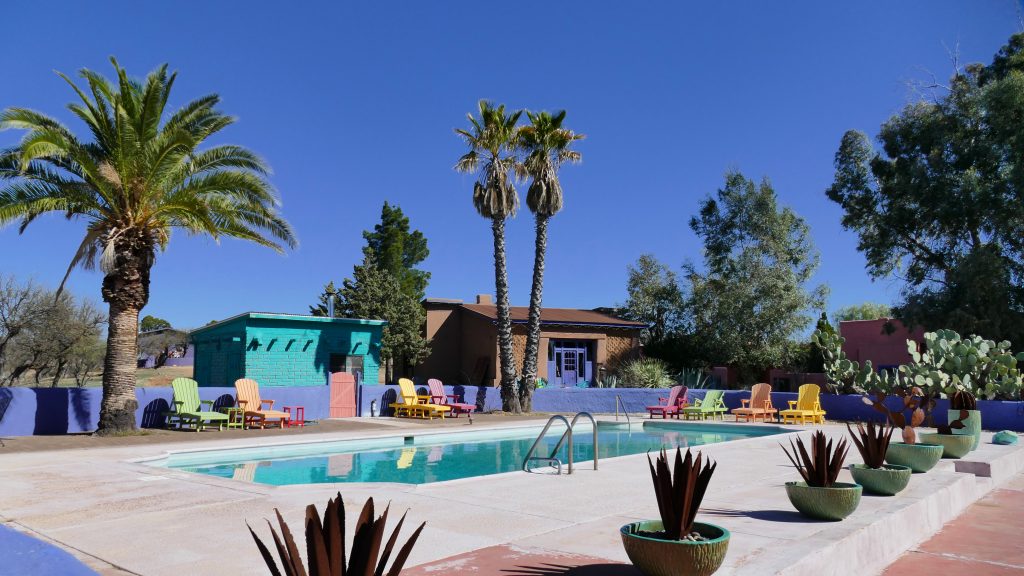
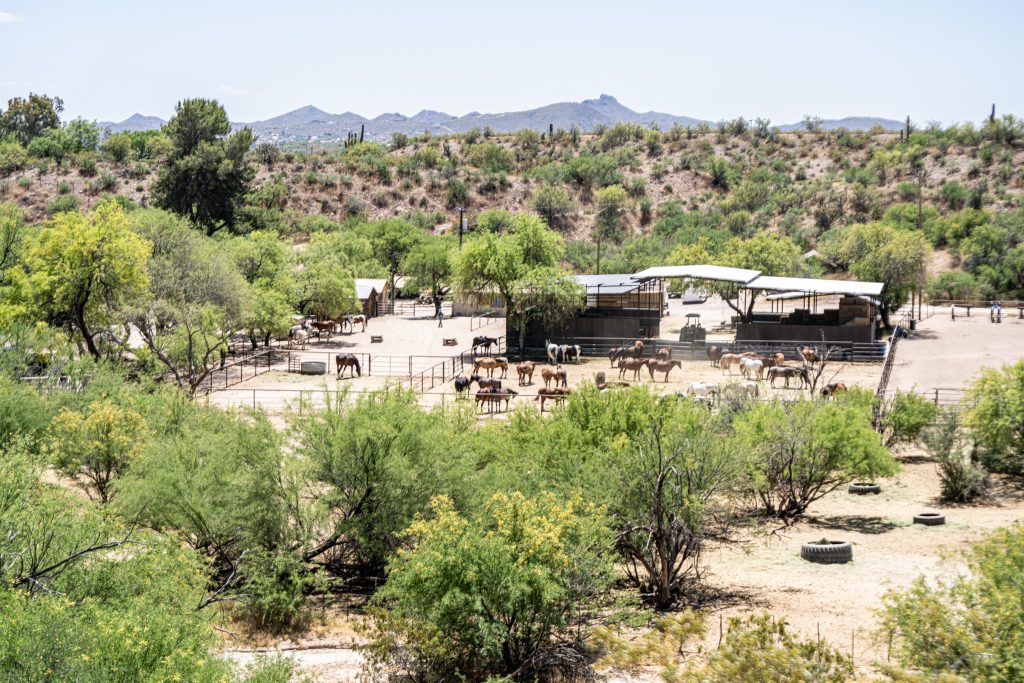
TRUE: The Dude Ranchers’ Association defines a dude ranch with its 6 H’s – horses, hats, hospitality, heritage, heart and honesty. It all begins with the horses, hats and hospitality, which form the core of a dude ranch. A dude ranch is always built around horseback riding, with three meals daily provided and the special Western brand of hospitality wrapping it all up. Many ranches have added pools, tennis courts, shooting, water sports, archery, entertainment, UTVs, etc. While the guest capacity of ranches is a broad range, most ranches host 35 to 40 “dudes.”
Jackie: Let’s get into specifics of your renovation work—how do you find the properties that you renovate?
WELLS: We’re looking for ranches that are older and likely need some work. We don’t necessarily look for that, but it comes with the territory. Ranches with historical backgrounds that can be renovated and brought up to modern hospitality standards fit into what we’re looking for. We have some connections that are constantly scouting the market for historic opportunities.
Jackie: Can you share a success story of a ranch that was saved from decline?
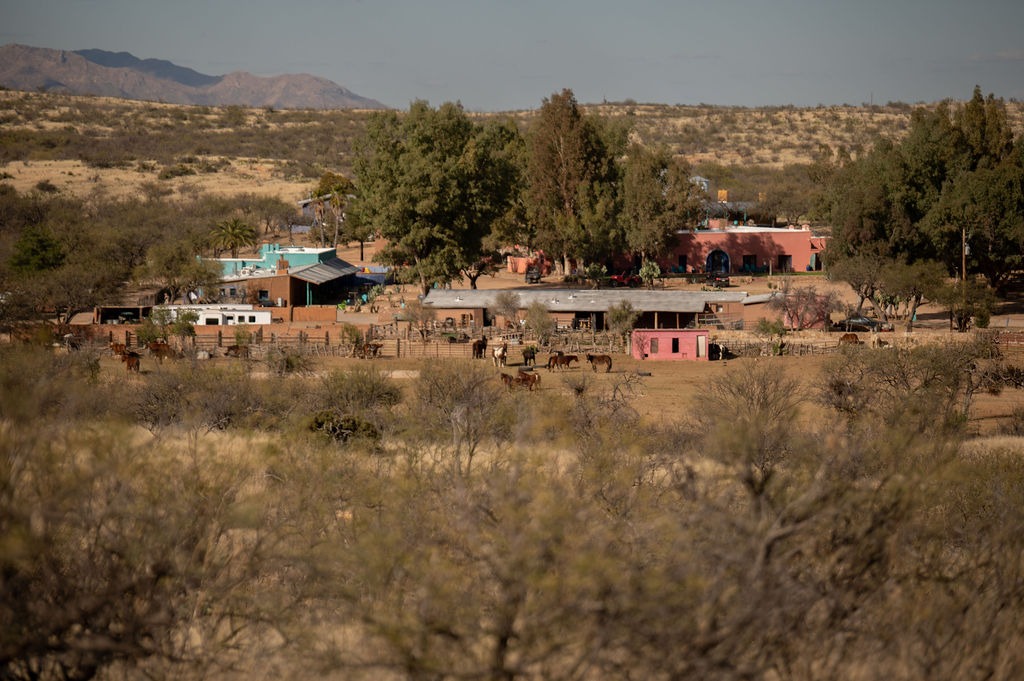
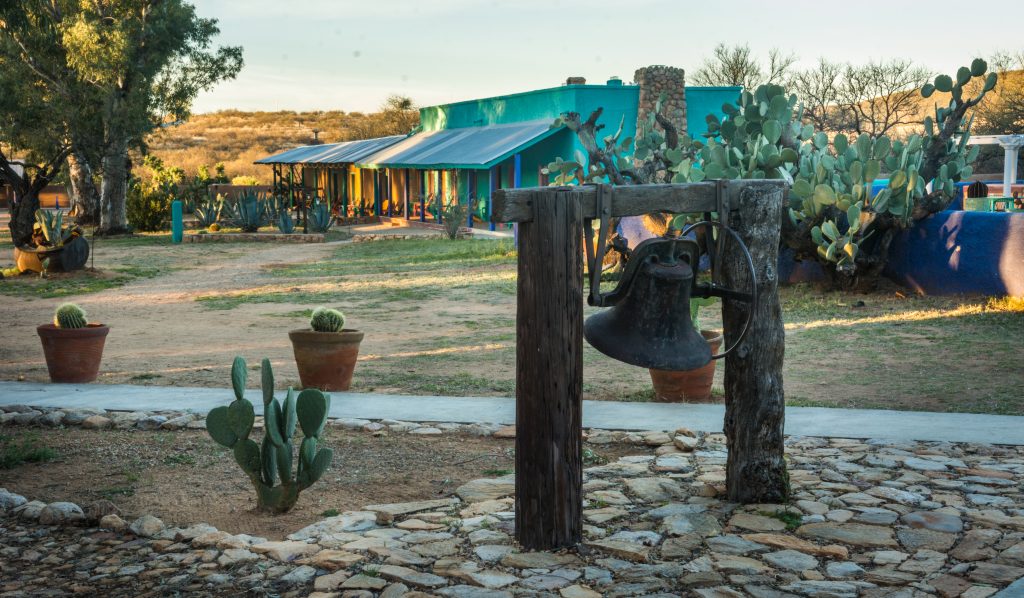
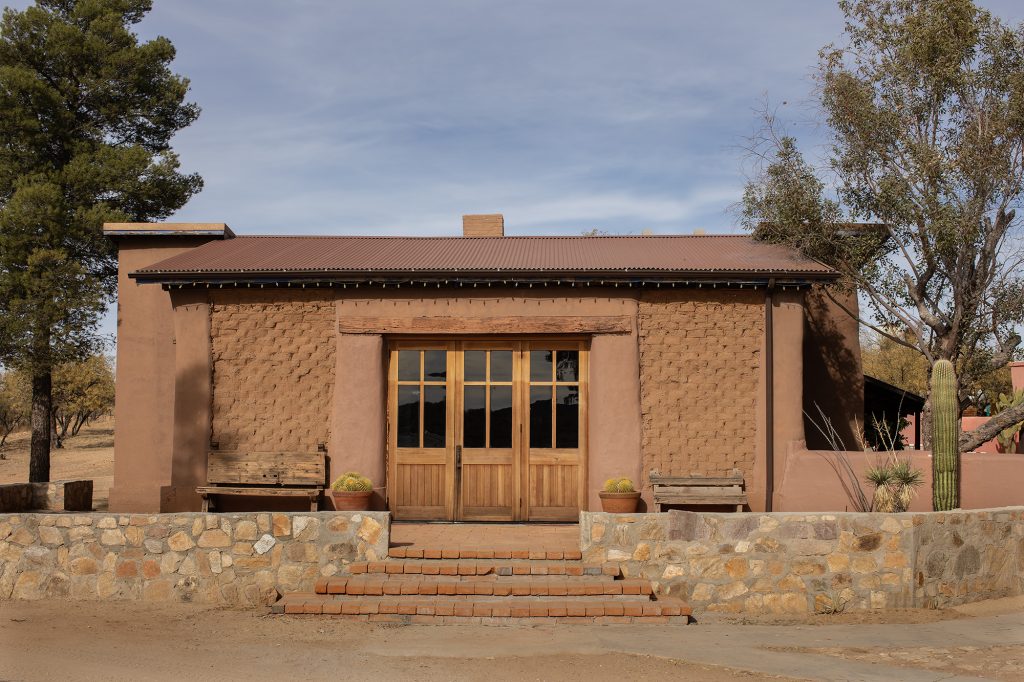
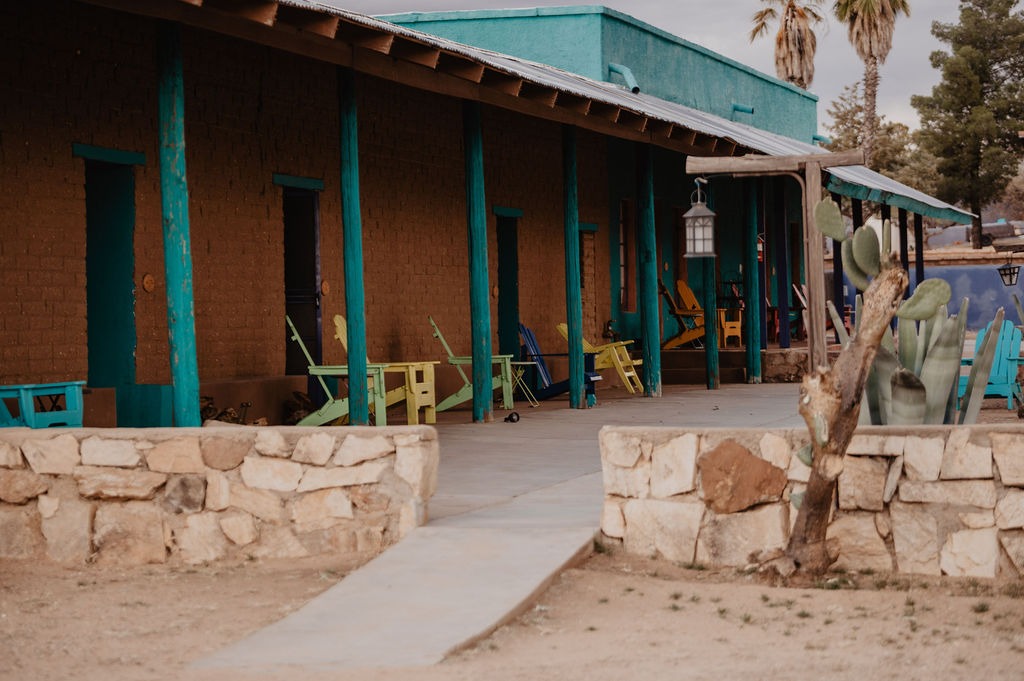
WELLS: Rancho de la Osa is a historic ranch on the U.S.-Mexico border that is one of the oldest ranches in Arizona, if not the West. Part of its story with us has been restoring a building built by Jesuit missionaries in 1722. We purchased new doors for its 300th birthday and added an adobe patio. When we first purchased the property, it needed improvements for guests, septic tanks and the works. It’s such a special place and we’re honored to be stewards of La Osa and honor its dude ranching history.
Jackie: When you acquire or are retained to develop/renovate them, are they generally already operating as Dude Ranches or were they just ranches you had to remake into Dude Ranches?
WELLS: We’ve typically bought ranches that had been closed down that had previously been dude ranches. We don’t create dude ranches, we restore them. We mainly look for those that have been closed because families are aging out or they might have had to close for economic reasons. But we’re also looking for those that we can revitalize to make economically viable.
Jackie: In what state are they generally…broken down shells of buildings or going concerns which just aren’t up to date and not appealing?
WELLS: Typically, it’s a combination of both because there will be some structures on the property that need radical makeovers and others that just need to be freshened up. We try to make sure kitchens and bathrooms are up to standards, plus we style the ranches to fit their location and historical era. In guest areas, we refurbish interiors from floorings to ceiling fans.
Jackie: What historical elements do you prioritize keeping intact during renovations?
WELLS: The main priority goes to main buildings and their architectural features. We are very strict about restoring them back to how they originally were. We generally try not to add new structures or do total remodels. Some of our ranches are on the National Register of Historic Places, so any preservation work must be done under the guidelines of the Department of the Interior, and we try to keep those guidelines in mind with any of our ranches.
Jackie: Give us any idea of what you tackle first when you undertake a project?
WELLS: The first step is called a survey, which is going through every aspect, every part of the building from plumbing to site access and egress. It’s the number one thing we do. It tells us what the overall condition is. Just like restoring an antique car, you have to see what works and what doesn’t, then you tackle the things that don’t work. First you have to have the necessities, what we call the A’s, then you can follow with any B’s and C’s on the list.
Jackie: Are there stages? Can you walk us through what you have to do to get a Dude Ranch up to its ideal level?
WELLS: Well, there are two aspects to try and balance – functionality and operations of the ranch behind the scenes – while bearing in mind the guests are experiencing all facets of the ranch. So, your public spaces and guest rooms have to be clearly clean, refurbished and well styled. But you can’t let that mean that the kitchen isn’t working properly, and you have to make sure the laundry room is sufficient, for instance. That’s the balancing act.
Jackie: How do you balance historical preservation with modern hospitality needs?
WELLS: Sometimes you can’t. For example, some of the historic buildings are not ADA compliant so we have to find a way to have the least impact on the original character of the building, but make it accessible to guests. When you have guest accommodations and buildings that are more than a century old, you have a century’s worth of challenges that come along with them.
Jackie: What are the biggest challenges you face when restoring and maintaining these historic ranches? Perhaps give us an example of one of your most challenging projects and its outcome?
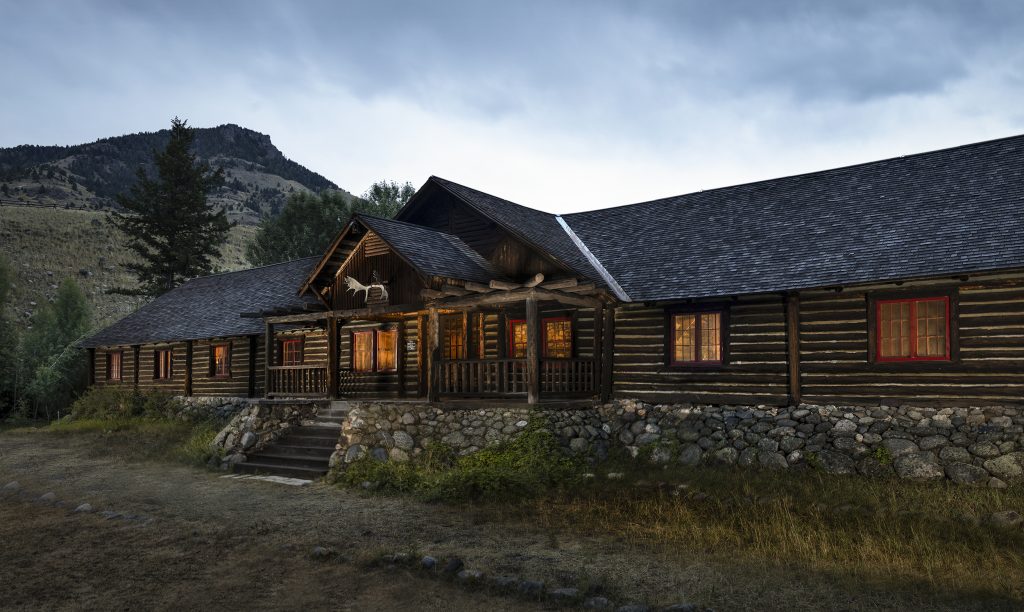
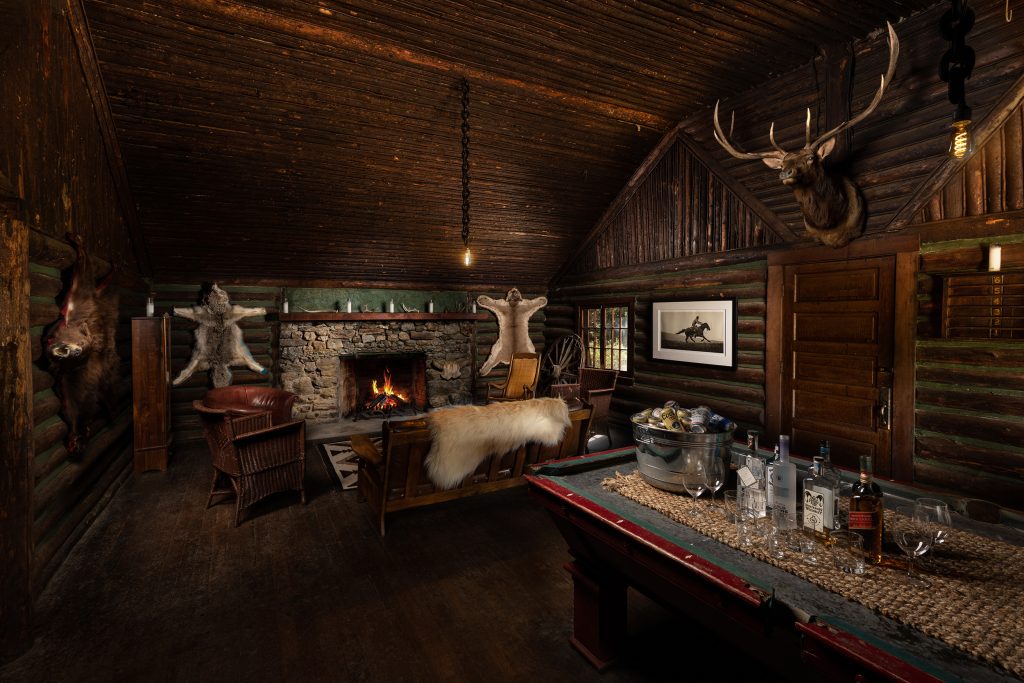
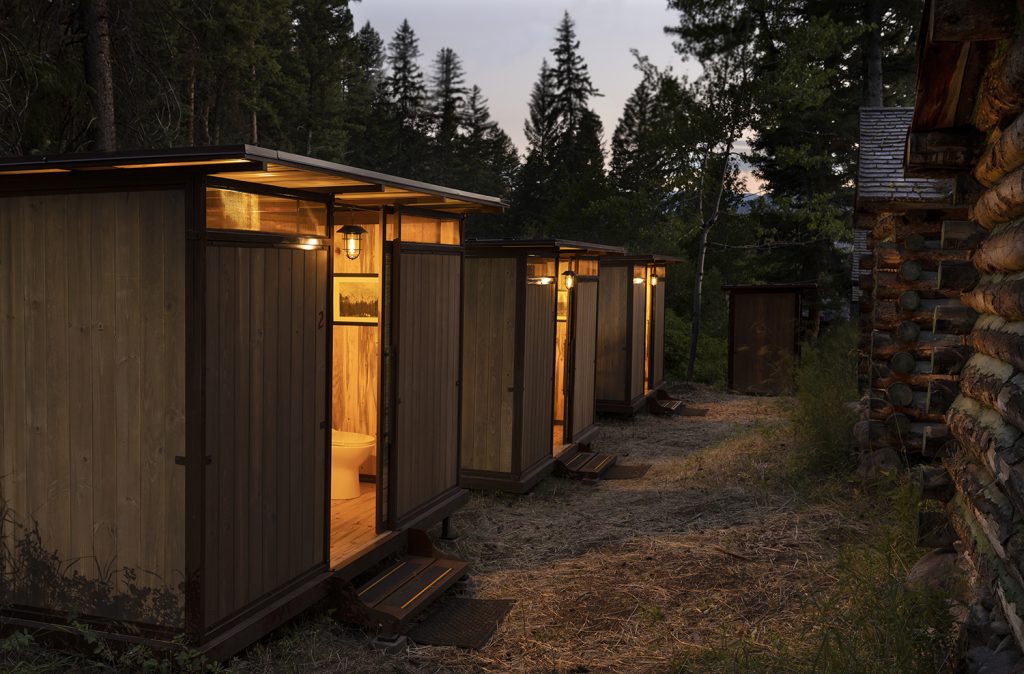
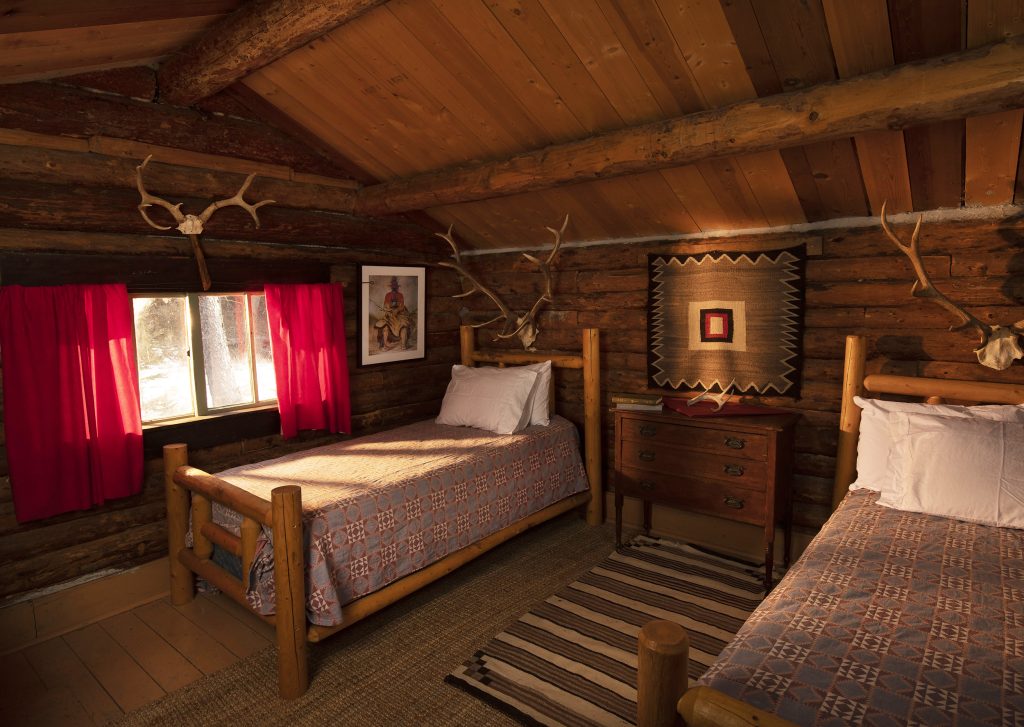
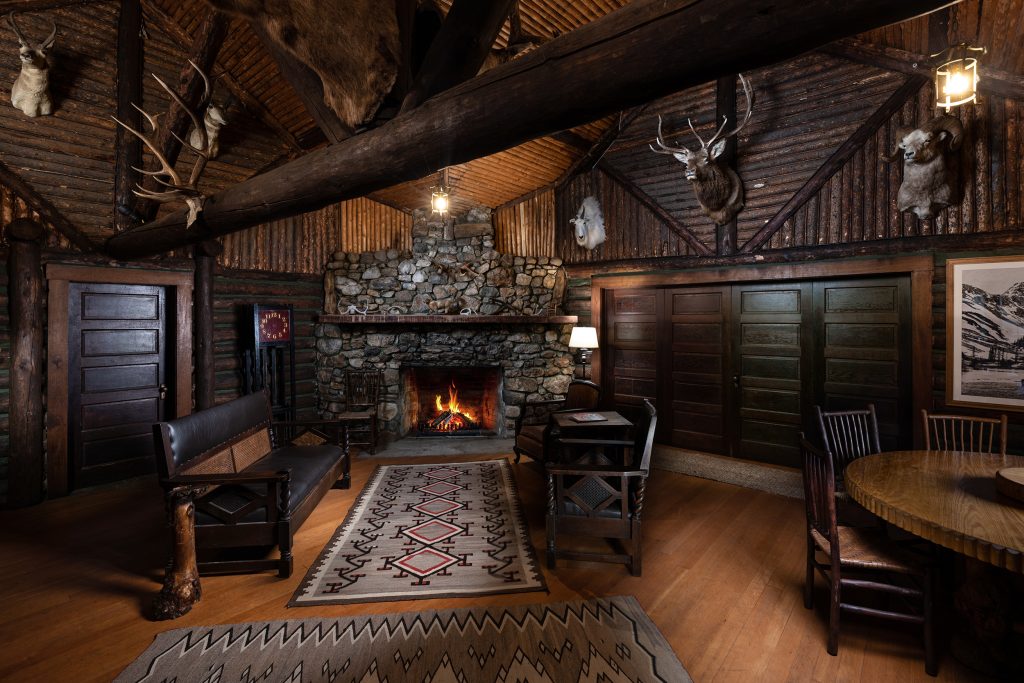
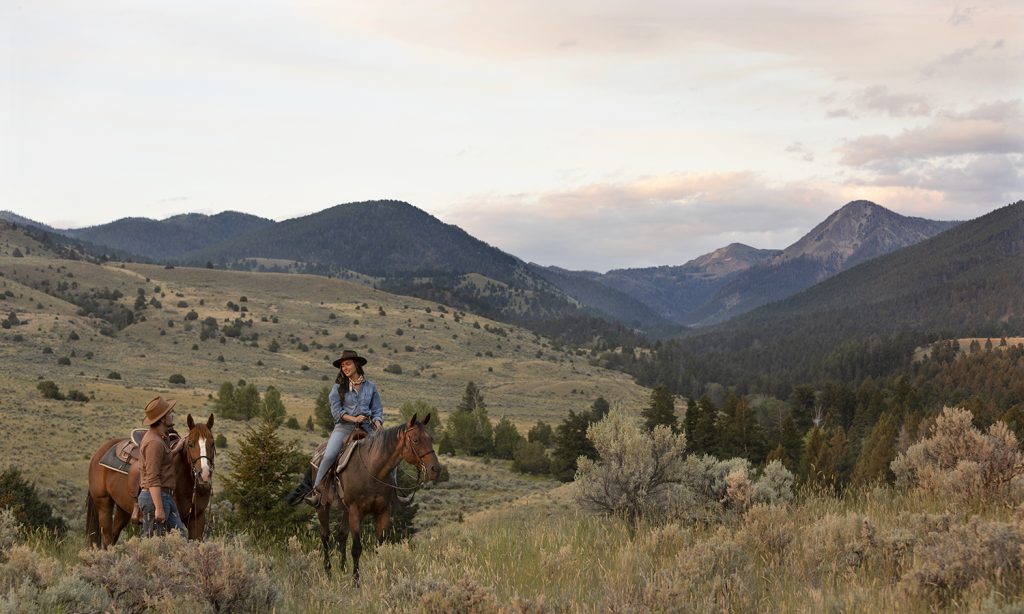
WELLS: The most challenging project we’ve had so far was the O.T.O. Dude Ranch, which is Montana’s first dude ranch and hadn’t hosted guests since 1939. We worked with the Custer Gallatin National Forest to bring a dude ranch season back to the ranch in 2022 and 2023. It did not have modern plumbing, a water supply or electrical to the main lodge and guest cabins. We came up with glamping-style bathhouses that wouldn’t have an architectural impact against its register landmark status. They provided solar-powered electricity to the cabins and allowed guests to have bathrooms with hot showers. It was the biggest challenge we’ve faced, and the funny thing is it actually ended up being a rose on the cake.
TRUE: The most difficult challenge again might be the O.T.O. because there are several different purposes and goals for the property, including wildlife habitat, historical preservation, public access and hospitality. Solutions to cooking and bathrooms were created and successful. Guests enjoyed the ranch. Work toward a longer-term permit was derailed by staffing changes at the Forest Service. No one involved has given up on the project, but timing for the next reopening of the ranch will be delayed.
Jackie: Is there one Dude Ranch preservation or renovation that you are most proud of?
TRUE: We’re literally proud of every ranch, as we’ve brought them back from closure, foreclosure or decline to doing what they were meant to do again, hosting guests. That said, if we’re forced to pick one project, then we’d have to say the O.T.O., as it was Montana’s first dude ranch and had been closed to guests for 83 years when our group and the Forest Service joined forces to open the ranch to guests again.
WELLS: The O.T.O. by far. The magic of having dudes and horses back at a place that was designed to be a dude ranch. The Forest Service initially reached out to us for our help with what could be done at the ranch, and it was our most rewarding challenge to date.
Jackie: How do you incorporate sustainability into your restoration efforts?
WELLS: Dude ranches at their foundation incorporate sustainability and stewardship of natural lands, so we are cognizant of the importance of the land stewardship in addition to the historic buildings. We also focus on being good stewards of each property, not expanding man-made structures except where necessary. The O.T.O. gave us a chance to incorporate more sustainable practices because it was off-the-grid and we needed to add modern guest accommodations, which were entirely solar-powered.
Jackie: You actually have 3 organizations—the hospitality company, the preservation holdings company and the foundation…how do these differ in terms of your mission to renovate Dude Ranches?
WELLS: The hospitality company is our management company, which is me and Russell. Ranch Preservation Holdings is the investment company for private funding. Ranch Preservation Foundation’s mission in addition to the other missions is when there are projects that require restoration efforts, but there is no way they would generate a bottom line. For instance, if there are buildings that deserve to be preserved, but the restoration would not be economically viable. Our overarching goal is aligned: to preserve dude ranching and historic ranches.
Jackie: How do you market the ranches under your direct control to attract visitors interested in both history and adventure?
WELLS: We create immersive experiences. We’re marketing to those people that are looking for adventure, but decide on coming to one of our ranches because they’re historic. We’re looking for people who want to come and have an authentic dude ranch stay. The dude ranch’s original attraction is the attraction we’re trying to create.
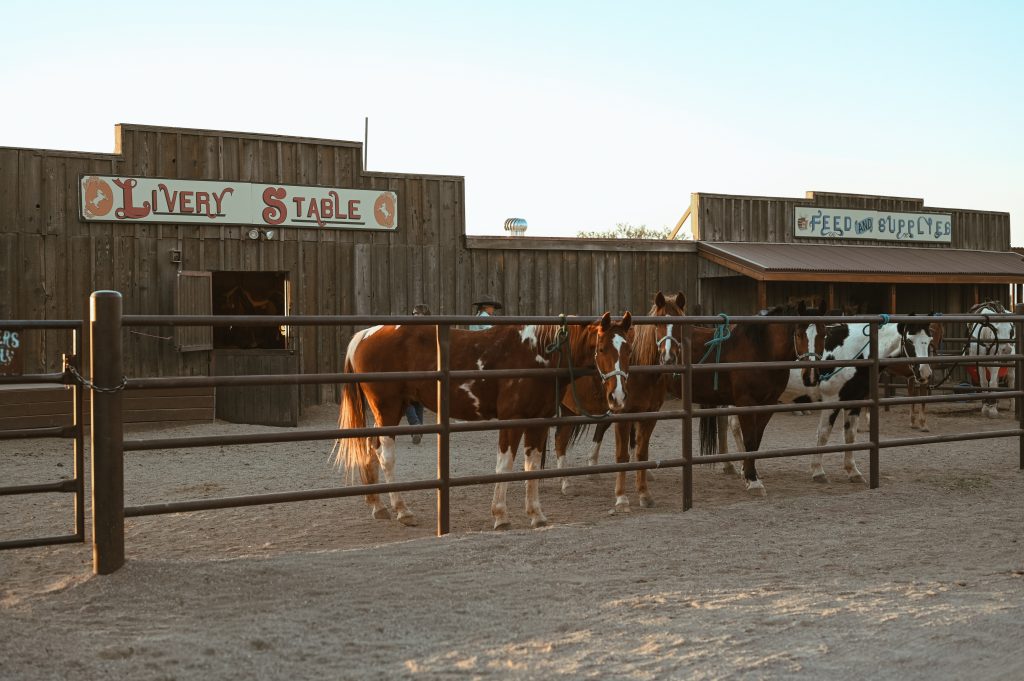
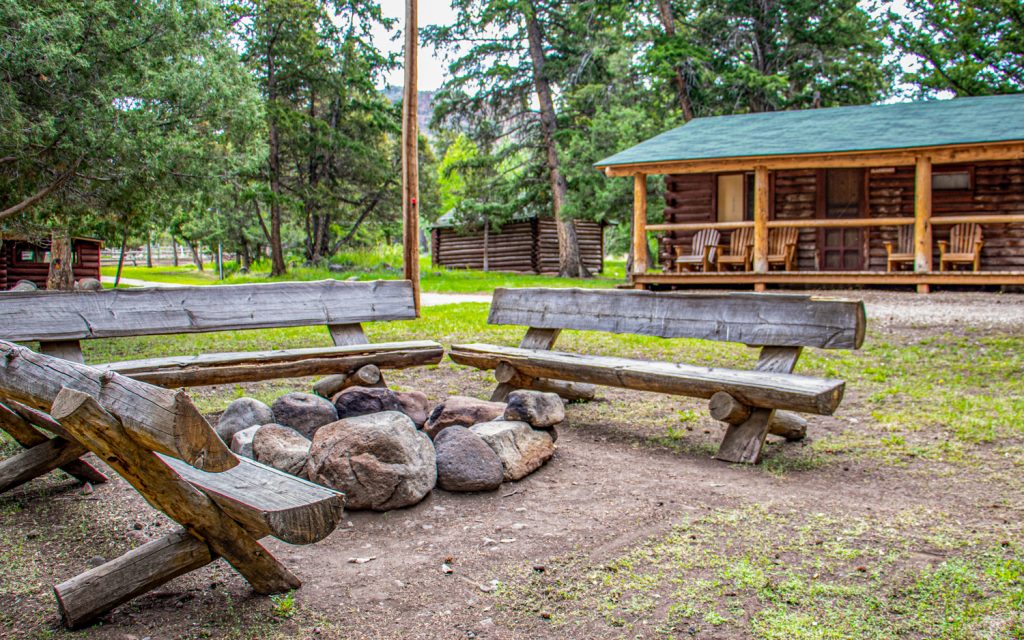
Jackie: What role do dude ranches play in preserving Western heritage and culture?
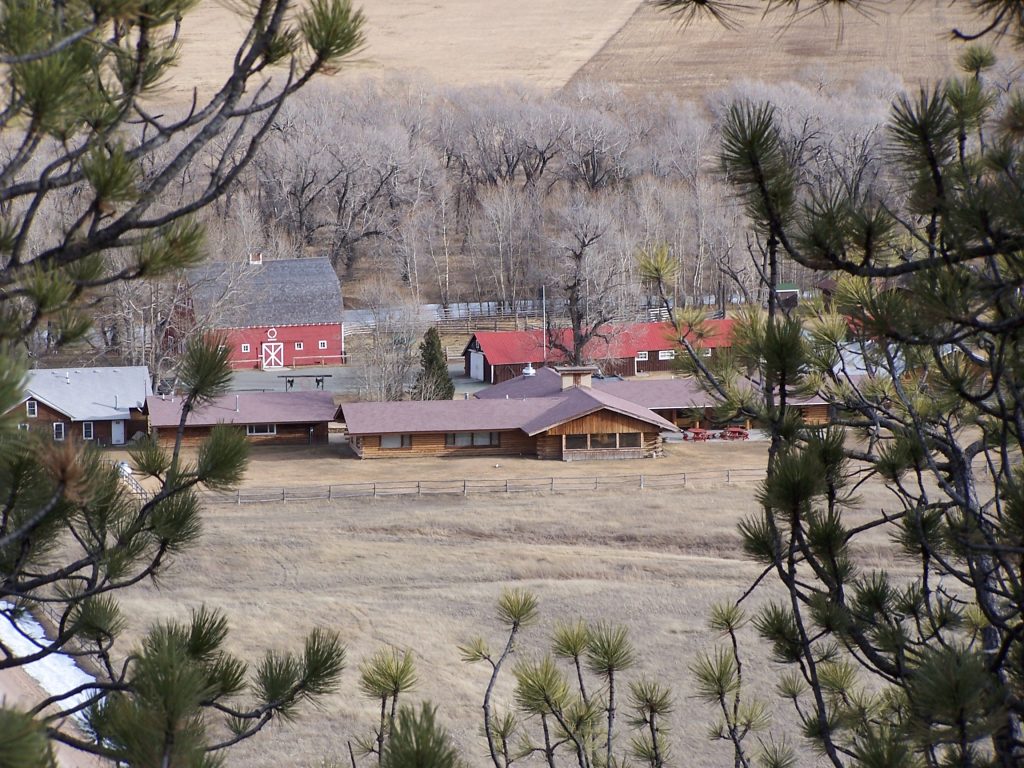
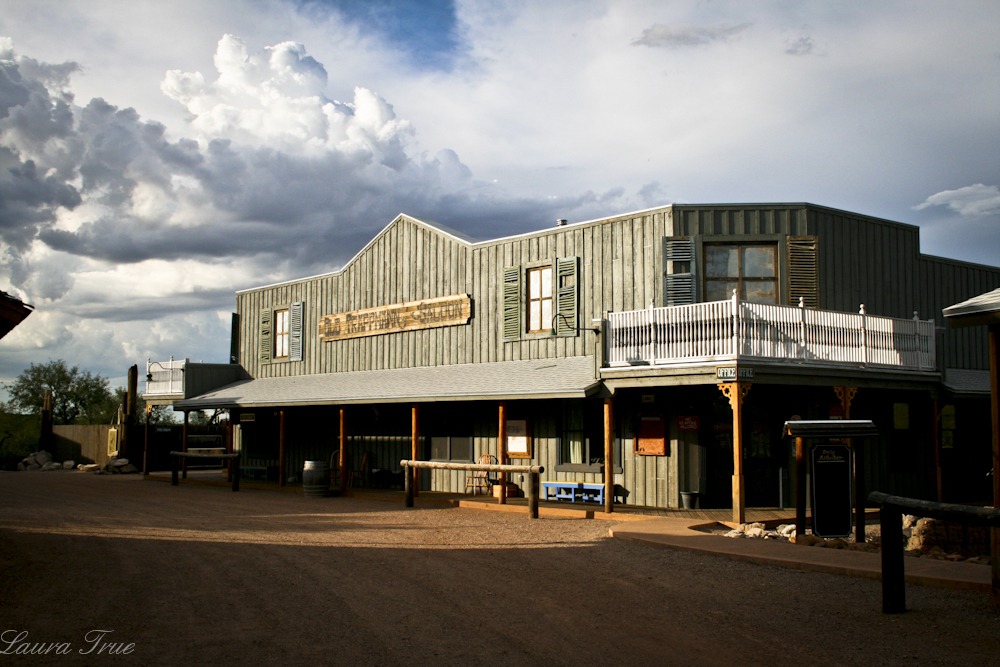
TRUE: Dude ranches had a far larger role in shaping the West than will ever be recognized. They hosted the elite and powerful from the East and Midwest, introducing them to the truly splendid West. Some stayed, even more kept coming back. Many had roles in preserving and protecting the land and culture. Today’s guest roles are far more egalitarian, but ranches are still introducing the open, unspoiled land, wilderness, wildlife, culture and rural lifestyle to people who literally had “no idea.” And, while all that is happening, the guests are supporting the ranches’ preservation and stewardship of the land.
Jackie: Are there any unique partnerships or collaborations that help support your mission?
WELLS: Some are inherent to our ranches’ locations, like cooperation with services that manage our public lands where the ranch may be located or where we might ride. The O.T.O. is a great example of this, as the entire project was collaborative with the Custer Gallatin National Forest. We also work with the Dude Ranchers’ Association – all of our ranches are DRA members – and we’ve collaborated with the Dude Ranch Foundation with our nonprofit, Ranch Preservation Foundation. Our goal is to make dude ranching the preservation aspect more prominent. Ranch Preservation Foundation is a source to get advice from both our experiences and to assist other ranches to do this, because it’s important. Out of the 90-something member DRA ranches, 26 are over 100 years old. That’s a unique thing for the industry.
Jackie: How can the public support or get involved in ranch preservation?
WELLS: Go visit a historic ranch, whether it’s one of ours or not. It’s a way to support the industry and it’ll be rewarding. I spoke with a dude rancher in her 80s, who has been doing this since the 1950s, and she said people need dude ranches now more than ever. We agree.
Jackie: Anything else we should explore for lovers of history, travel and historic reading?
WELLS: One of Ranch Preservation Foundation’s current endeavors is a collaborative coffee table book project to celebrate the centennial of the Dude Ranchers’ Association in 1926. The book will feature DRA member ranches that were accepting guests in 1926 when the association began, with modern photographs by award-winning Western photographer Scott T. Baxter, as well as a written history and historic photos. It’s going to be an incredible piece. All sale proceeds will benefit the Dude Ranch Foundation. Plus, we are planning an art exhibition featuring Scott’s images in 2026 that will tour museums and other exhibition spaces throughout the West.
Jackie: What’s next for your ventures?
WELLS: The great thing about this is we’re constantly looking for another opportunity and that’s the fun of it. We’re always surprised where we end up. There’ll be another ranch to discover!
Where to Stay in Russell, United States
Russell is a small ranching community in southwestern Kansas, and accommodation options reflect its rural character. The town itself has limited lodging, so many visitors stay in nearby Dodge City, about 30 miles north, where you’ll find chain hotels, independent motels, and bed and breakfasts. Dodge City offers more amenities and restaurant choices while remaining close enough for a day trip to Russell’s historical sites.
If you prefer to stay closer to Russell, look for ranch accommodations and rural bed and breakfasts in the surrounding area. These properties often provide a more authentic Kansas High Plains experience and may offer insights into ranching life from the owners themselves. Call ahead to confirm availability, as small-town lodging can fill quickly during peak travel seasons.
For those interested in the dude ranch heritage that shaped Russell’s history, consider exploring working ranches in the region that offer overnight stays or ranch experiences. These accommodations let you experience the landscape and lifestyle that made dude ranches central to western tourism. Several properties within an hour’s drive of Russell provide this kind of hands-on opportunity, though availability varies by season.
Budget accordingly for your stay. Small Kansas towns typically offer affordable lodging compared to major tourist destinations, whether you choose Dodge City’s established hotels or a rural bed and breakfast closer to Russell. Plan your base location based on how much time you want to spend exploring the area’s ranching history and landscape.
Recommended Reading
Fiction
- Crooked Tree Ranch (Montana #1) by R. J. Scott
Contemporary cowboy romance set amid the rustic life of a Montana dude ranch, with authentic ranch work and emotional stakes. - A Cowboy’s Home (Montana #3) by R. J. Scott
Continuation of the Crooked Tree series—second chances, love, and ranching life on a working dude ranch in Big Sky Country. - The Power of the Dog by Thomas Savage
A deeply atmospheric western novel set on a Montana ranch in the 1920s. Though not billed as a “dude ranch” story, it vividly portrays ranch culture and the tensions of guests and families on working ranchland. - News of the World by Paulette Jiles
While not explicitly a dude ranch novel, this Western story involves travel through frontier territories and ranch environments. It is often shelved in dude-ranch-related categories due to its setting and tone.
Non Fiction
- American Dude Ranch by Lynn Downey and collaborators (expected 2026, DRA / Ranch Preservation Foundation)
A forthcoming illustrated centennial history of dude ranching in North America, commemorating the founding of the Dude Ranchers’ Association. It includes profiles of “Centennial Ranches” still in operation, essays on the ranching lifestyle, historic and modern photography, and the evolving role of dude ranches in tourism and conservation. - Dude Ranching: A Complete History by Lawrence Borne
A comprehensive historical account tracing the origins of dude ranches in the 19th century through their growth in the early 20th century, and their survival through events like the Great Depression and World War II. Explores the cultural and economic shifts that shaped the dude ranch industry. - Where Rivers Change Direction by Mark Spragg
A lyrical memoir from a man who grew up on a Wyoming dude ranch near Yellowstone. It reflects on solitude, wilderness, work, and the rugged beauty of life on the range, as well as the challenges of ranching and youth in an isolated environment.
