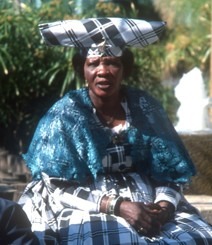
In the sun-seared expanses of Namibia, where ochre sands meet cobalt skies, two cities tell a tale not just of colonial ambition but of survival, adaptation, and enduring beauty. Windhoek and Swakopmund, different as desert and sea, stand today as living relics of a complicated past—cities where German colonial architecture, African resilience, and the elemental drama of the land itself converge.
German Colonial Conquest
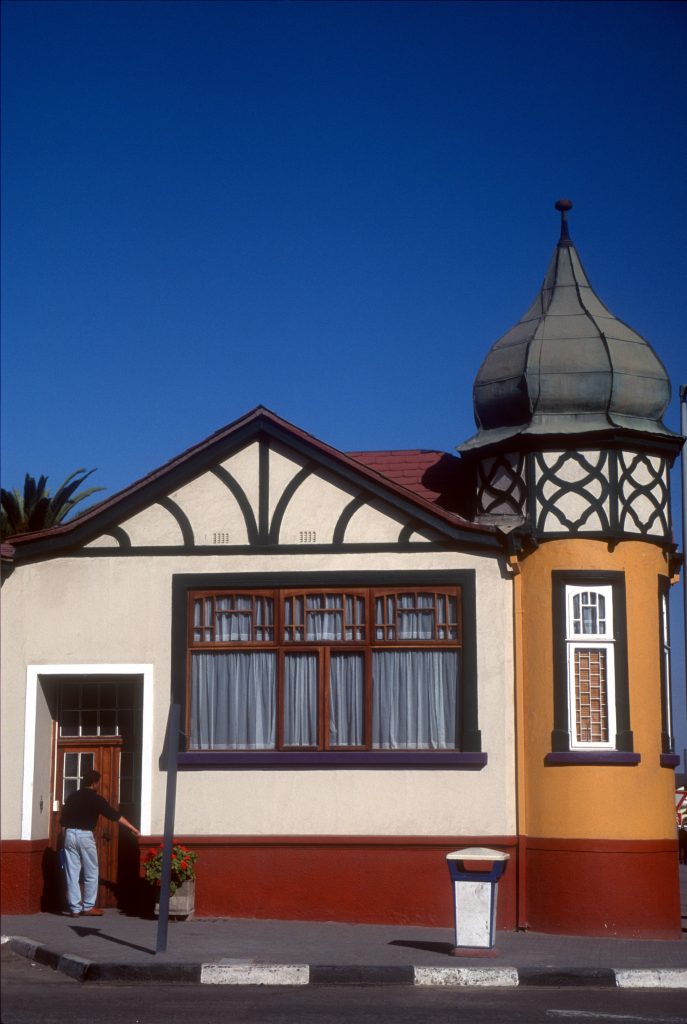
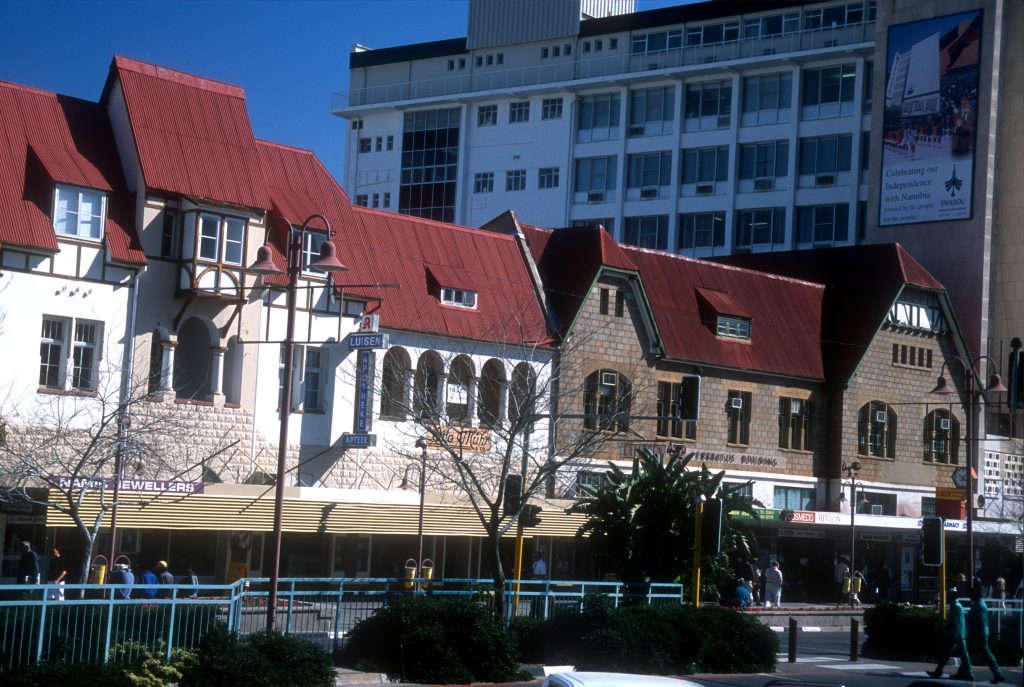
Windhoek, the capital of Namibia, was established on a hot spring site long known to local Nama and Herero peoples. In the late 19th century, German colonial forces seized the area, formally founding the city in 1890. Windhoek became the administrative heart of “German South-West Africa,” and its streets quickly filled with Lutheran churches, colonial fortresses, and gingerbread villas—an unlikely transplant of European order into African soil.
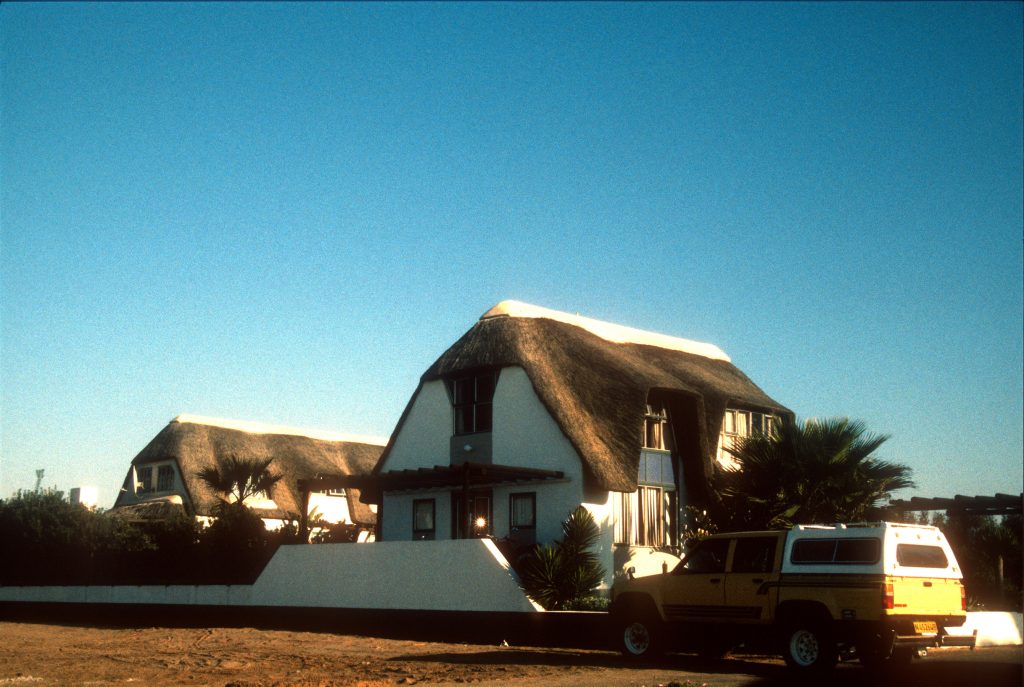
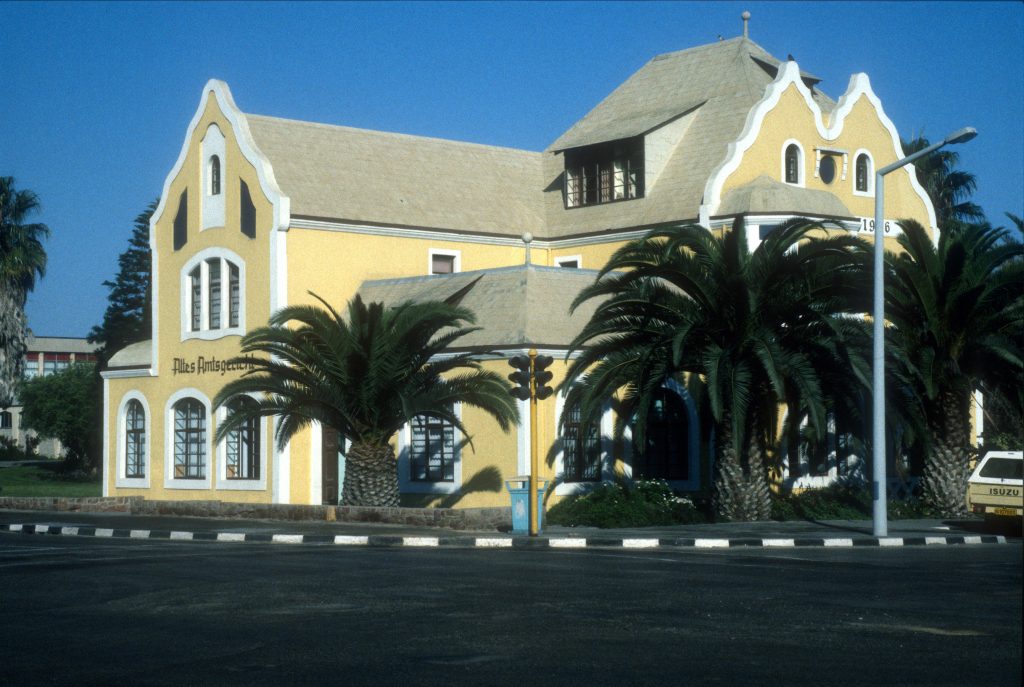
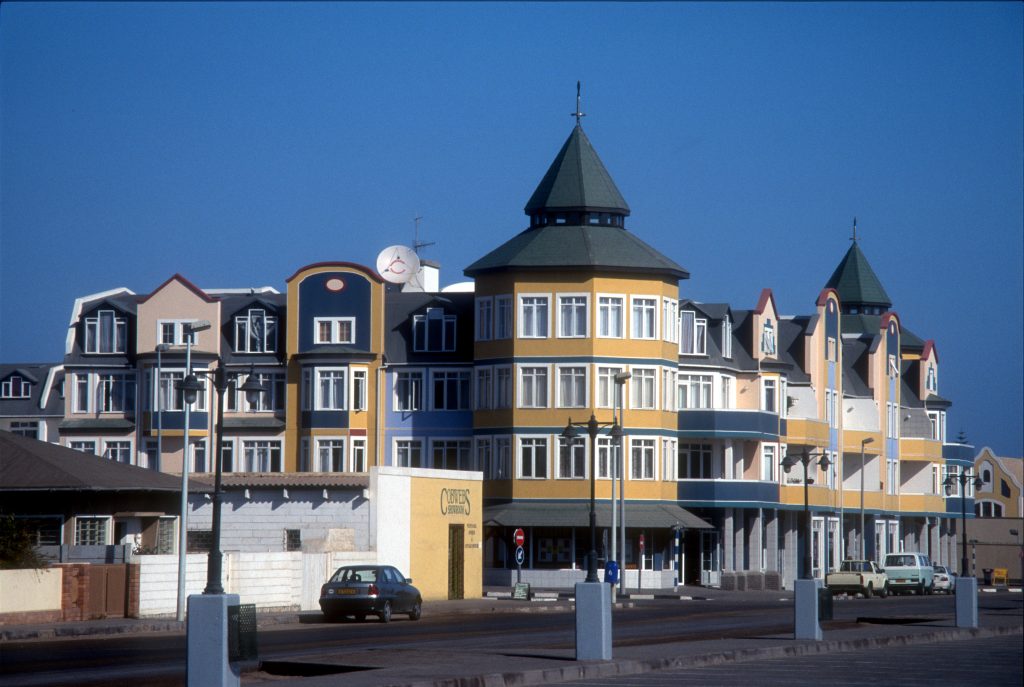
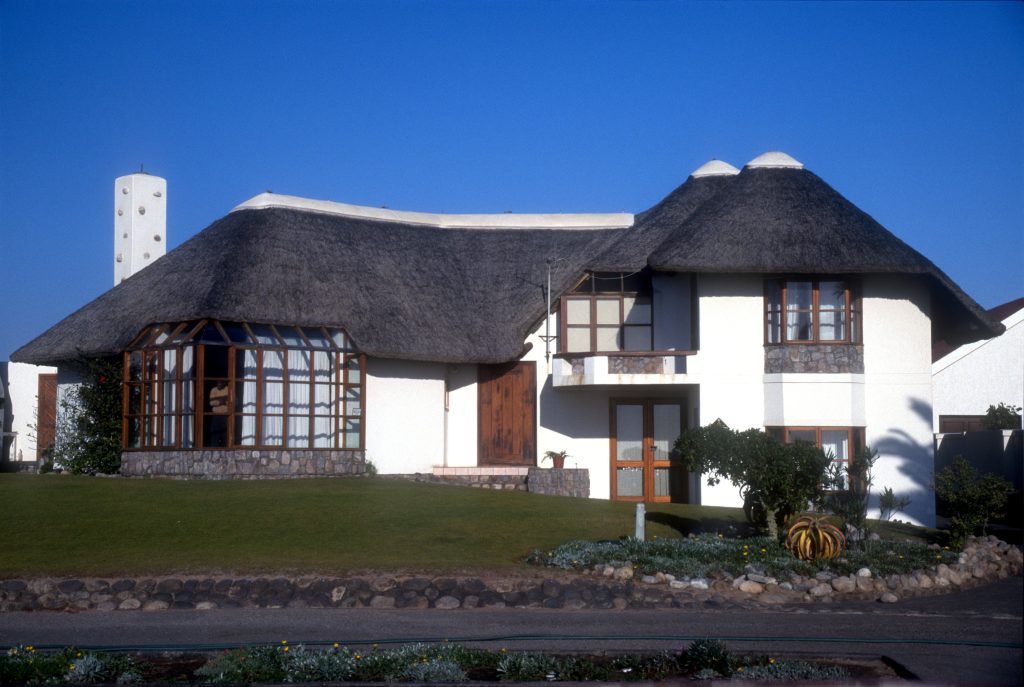
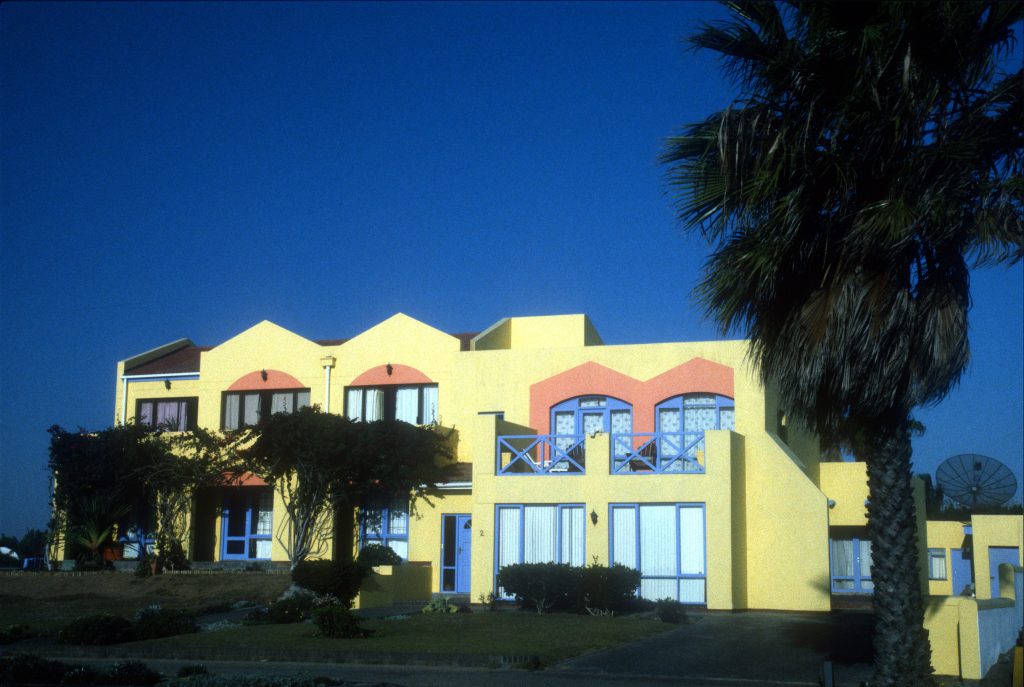
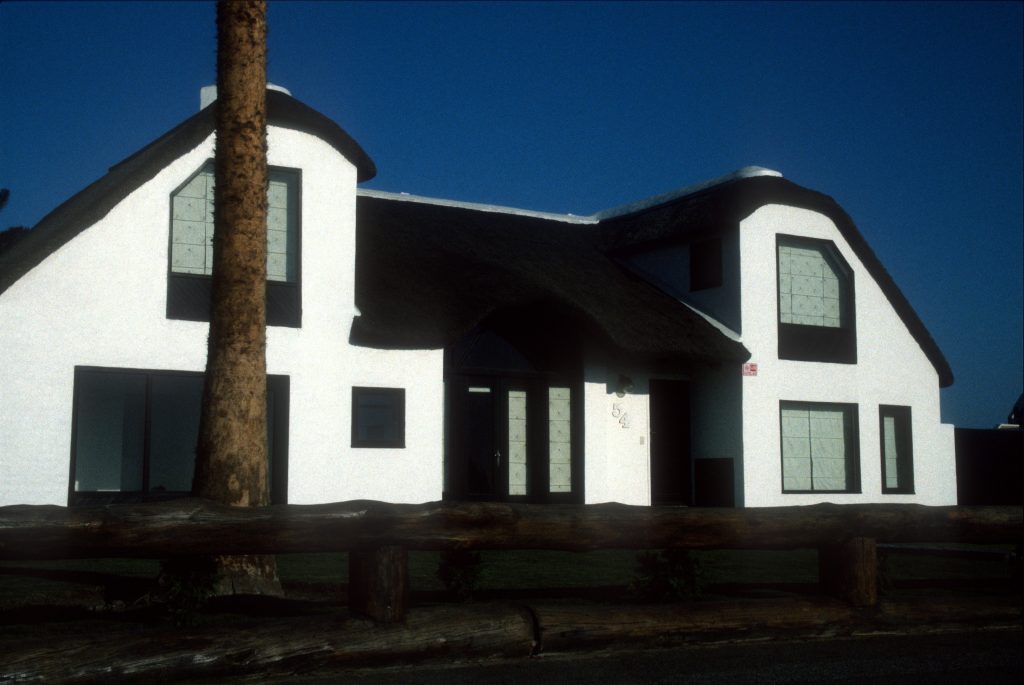
Swakopmund, meanwhile, rose from the Atlantic surf in 1892 as Germany’s answer to the lack of a good natural harbor in the region. It was intended as a key port, its tidy streets lined with seaside promenades, turreted villas, and delicate wrought-iron balconies—a Bavarian dreamscape washed by desert winds.
Though German colonial rule ended after World War I, both cities retain striking echoes of that era, overlaid now with layers of Namibian identity, independence (gained in 1990), and cultural renaissance.
Windhoek
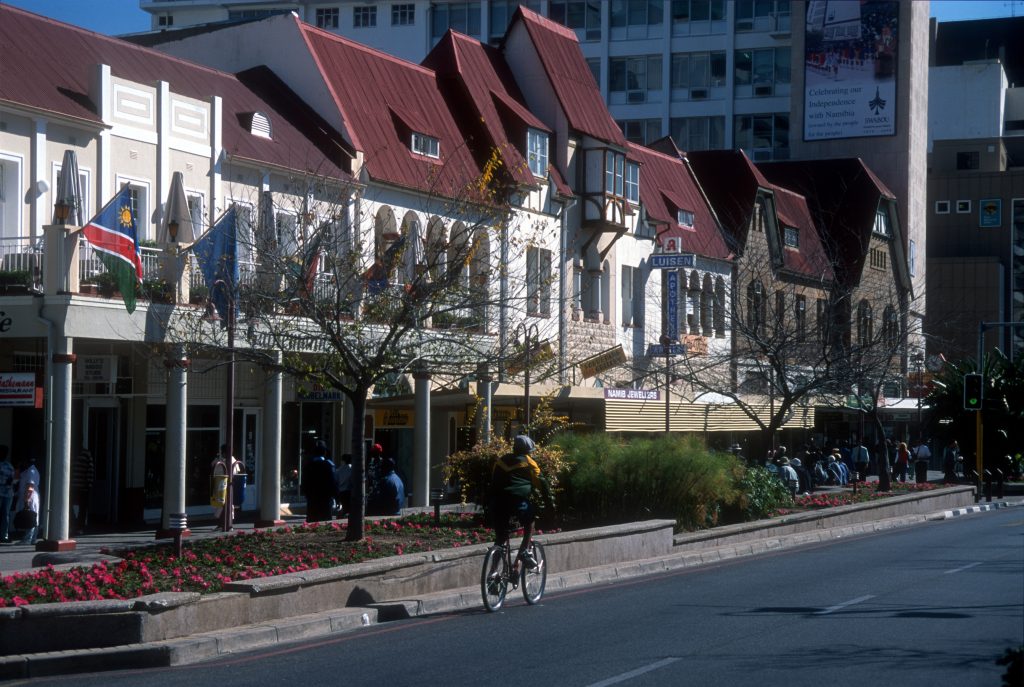
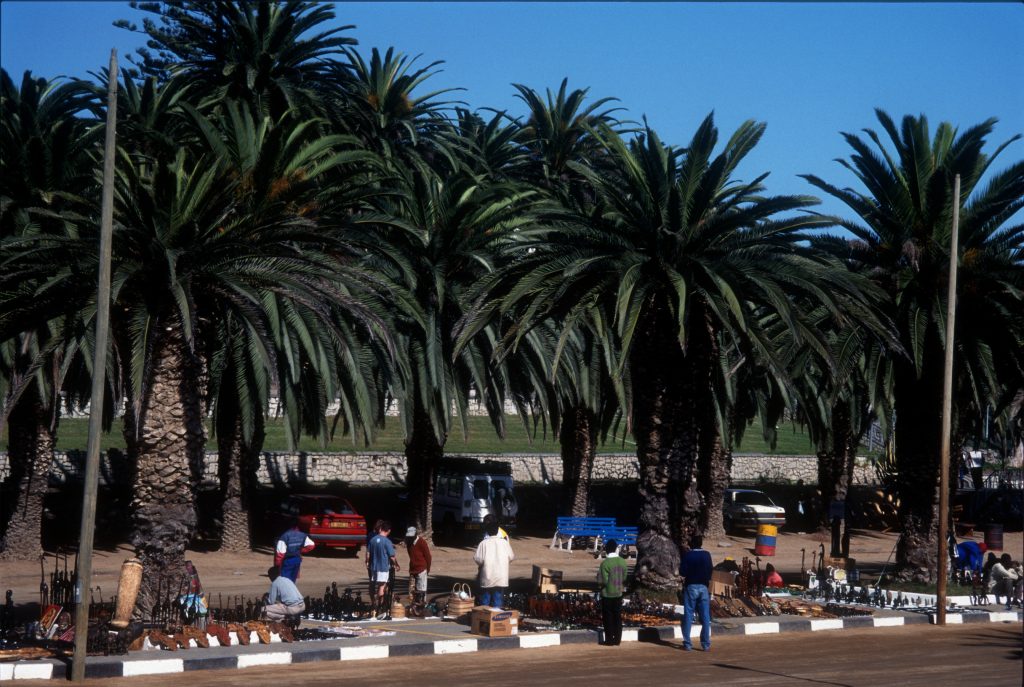
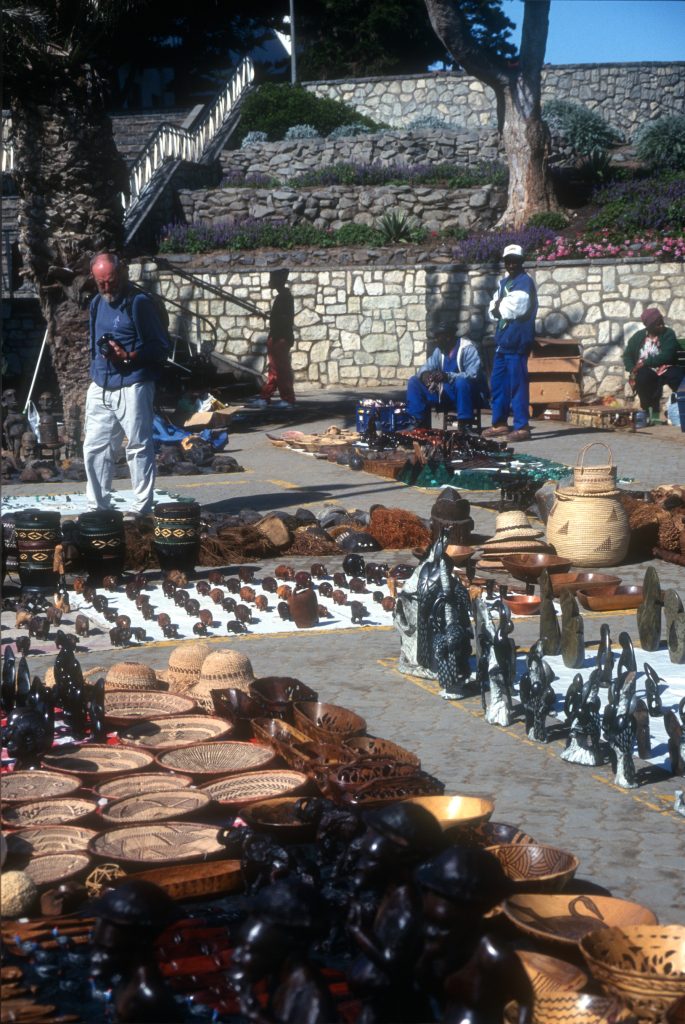
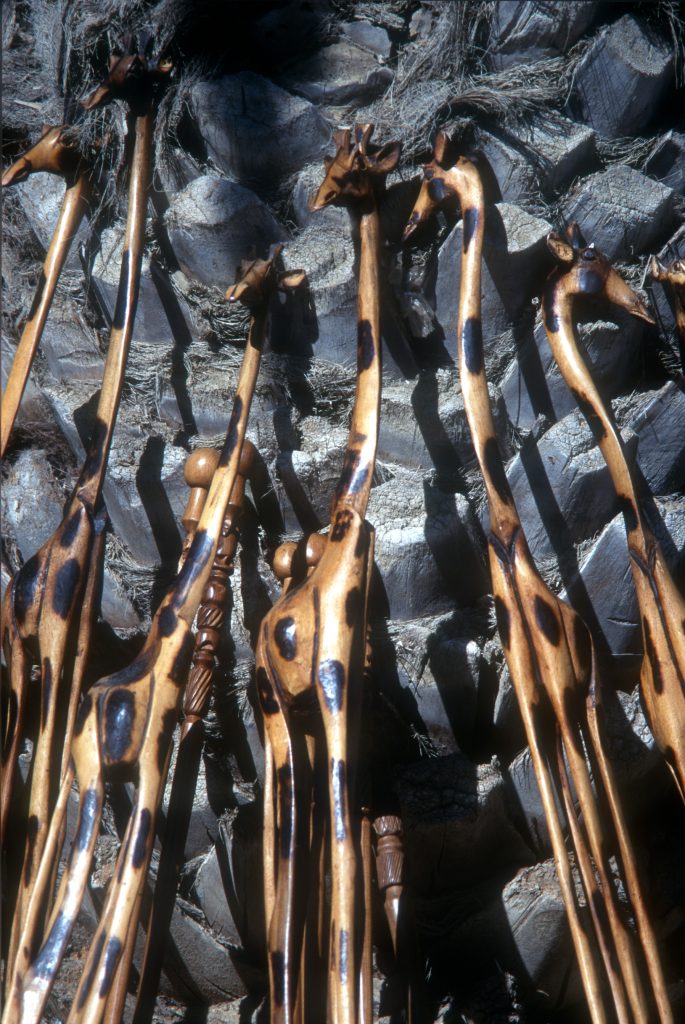
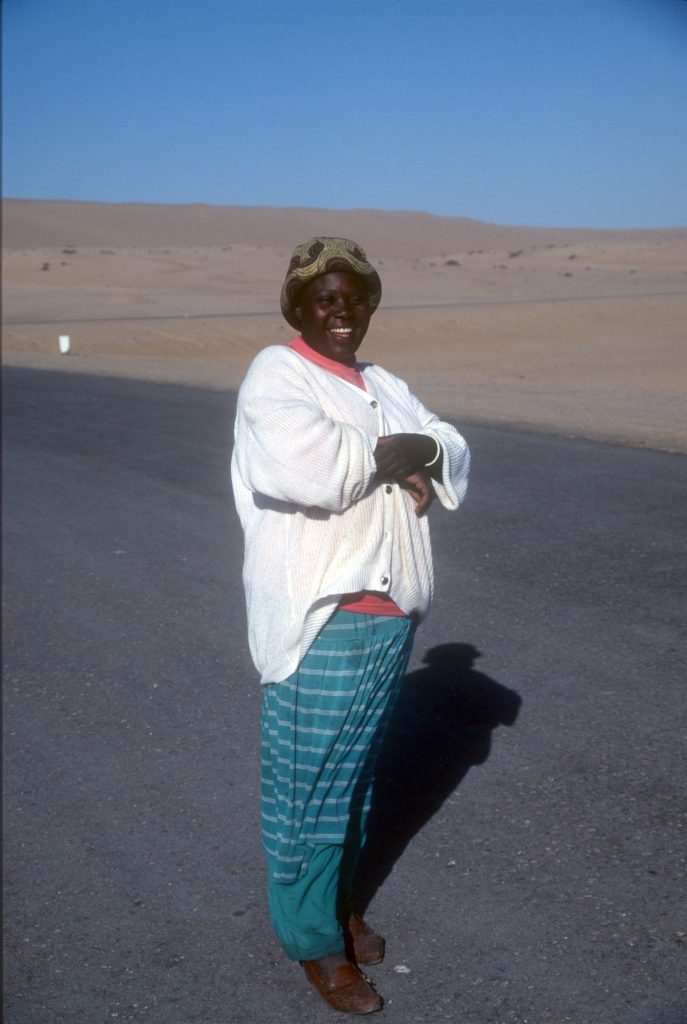
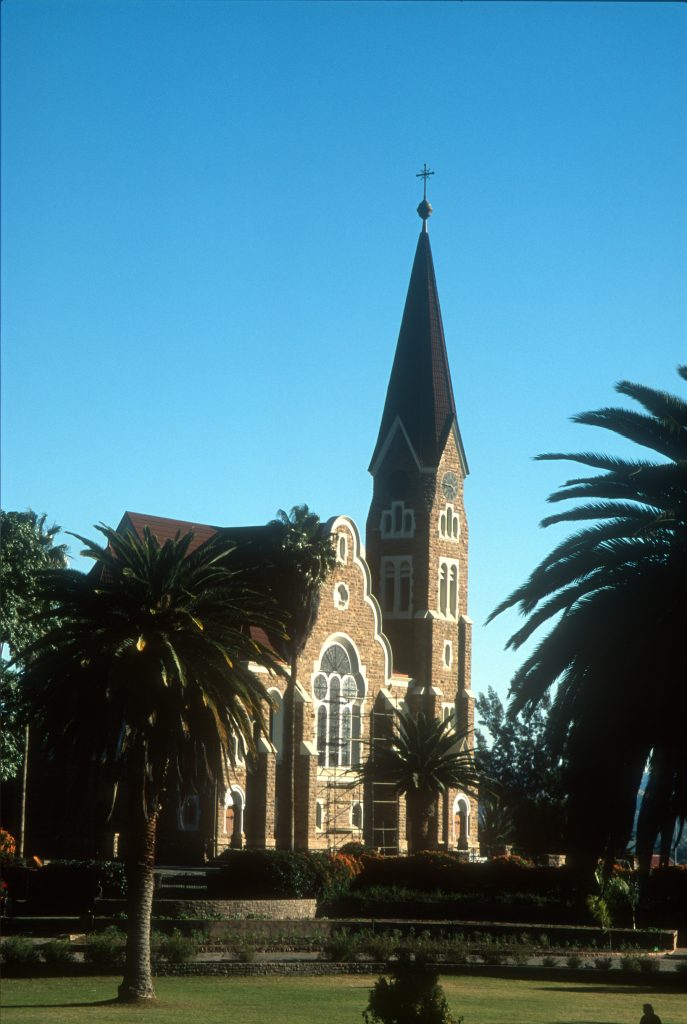
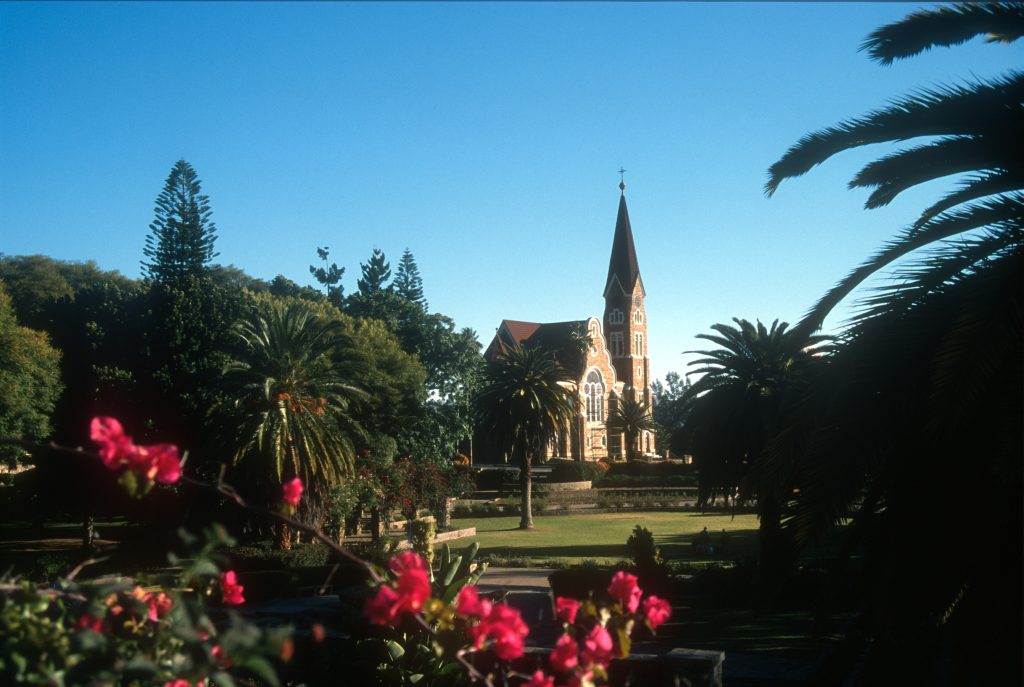
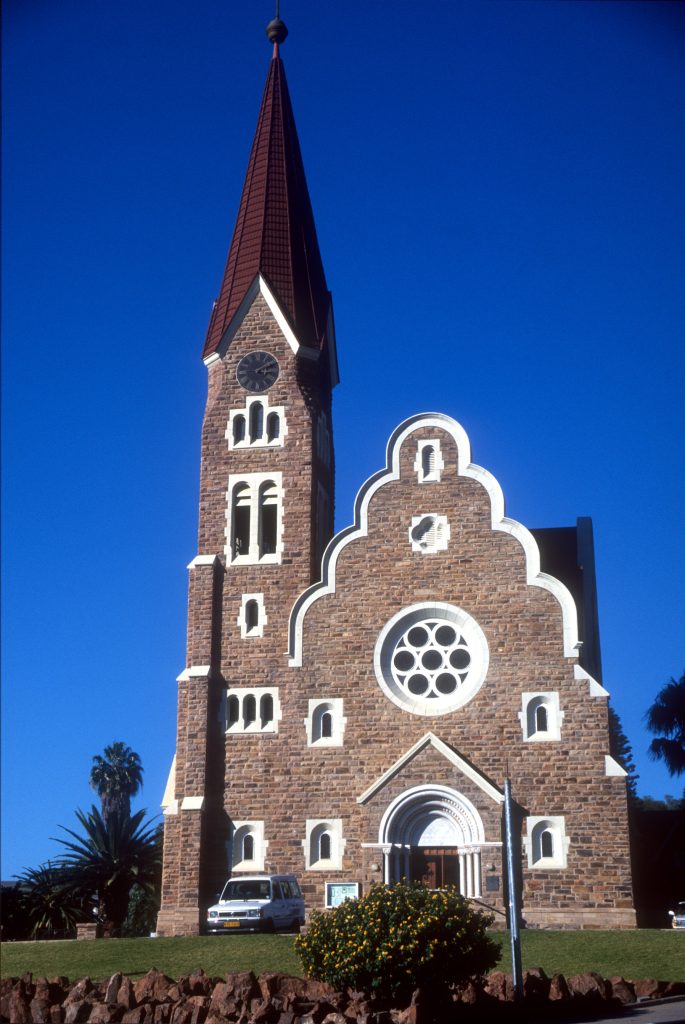
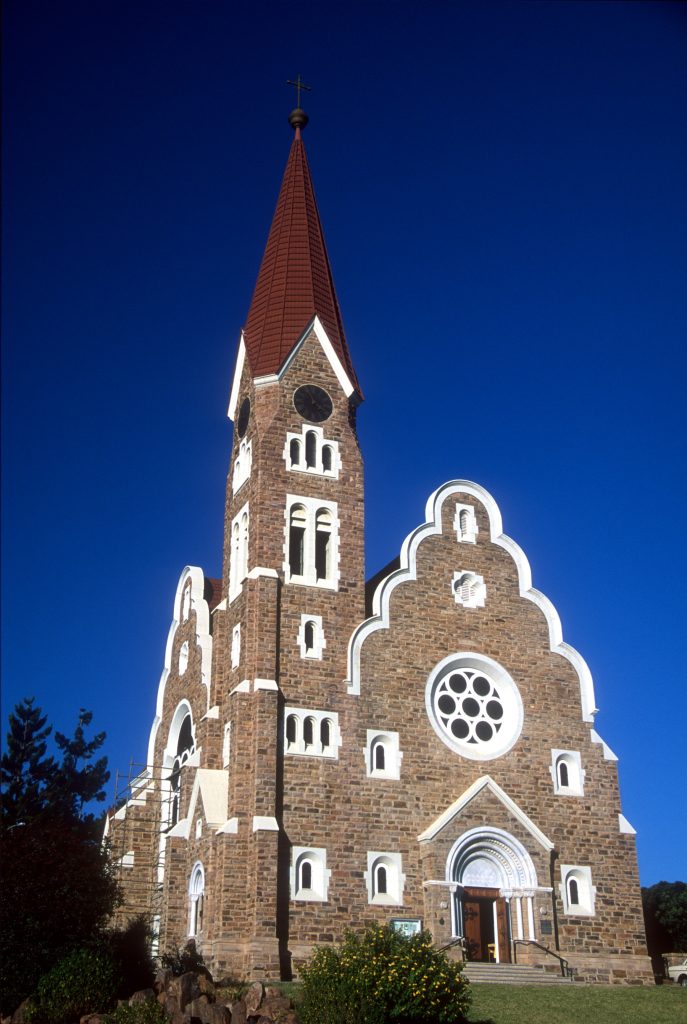
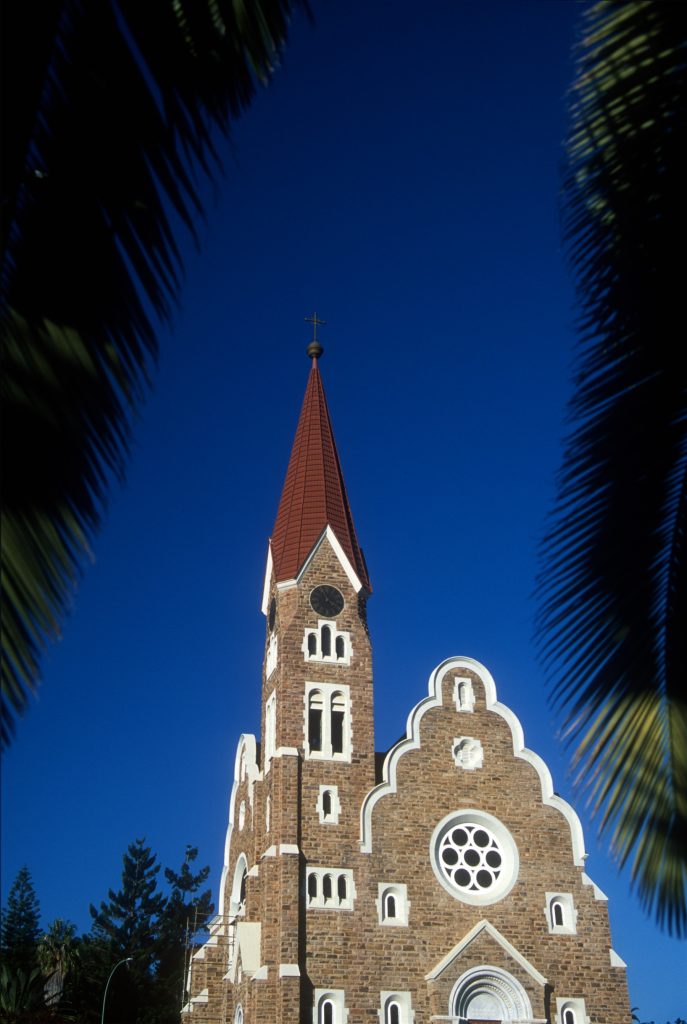
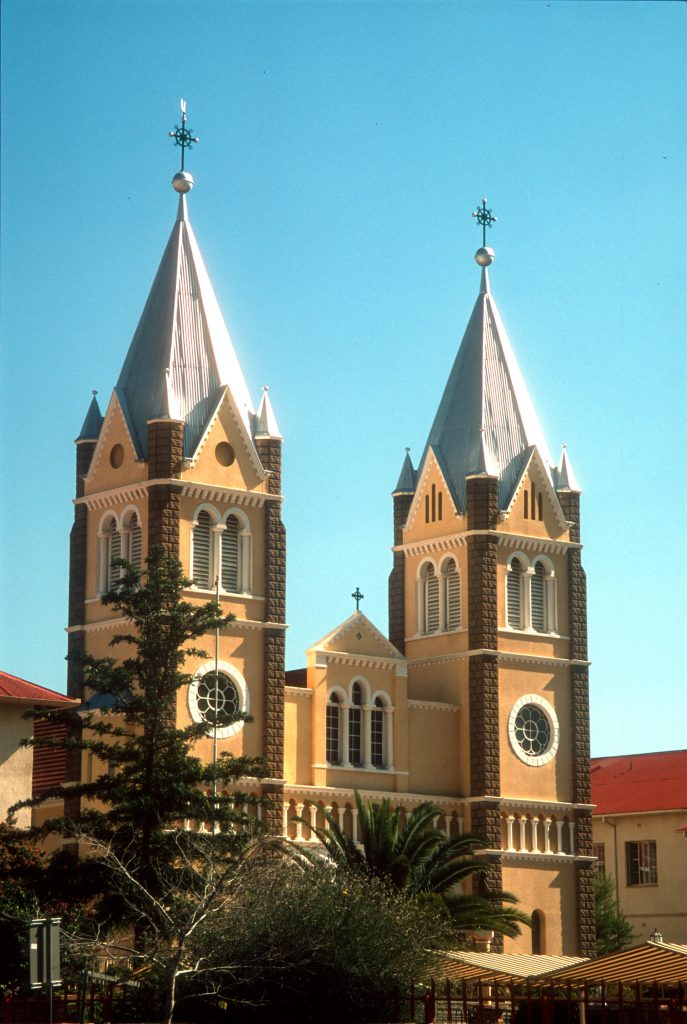
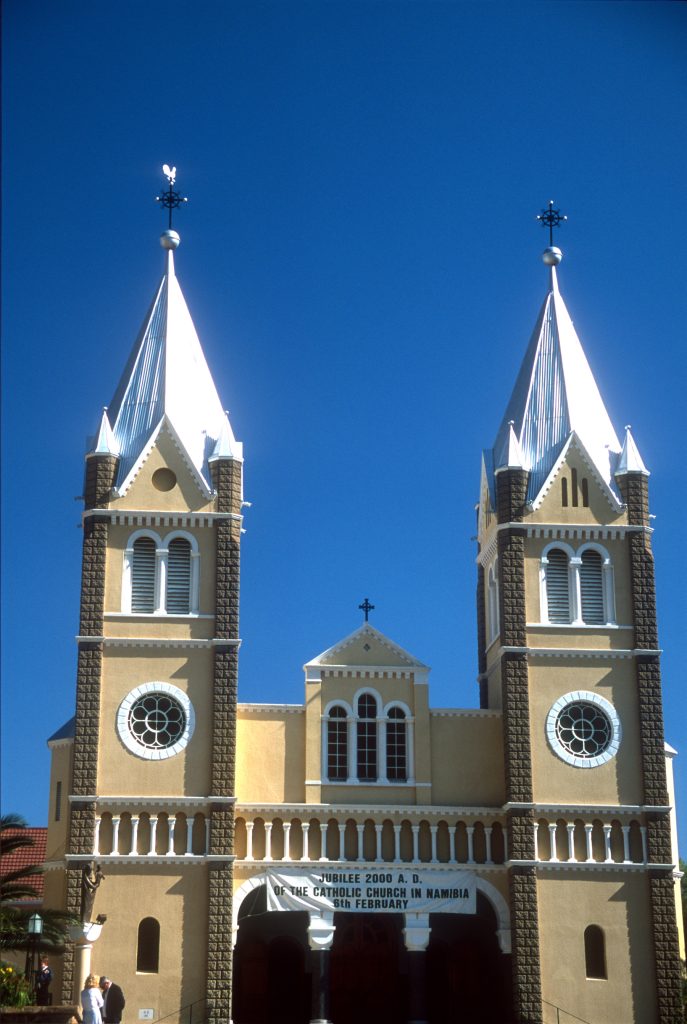
In Windhoek, the morning light gilds the Lutheran spire of Christuskirche, a sandstone masterpiece completed in 1910. The surrounding streets hum with life: markets sell carved mahogany animals and bright textiles, while cafés pour German-style lagers and serve sizzling plates of bratwurst beside spicy African stews.
Some of Windhoek’s highlights are:
- Christuskirche, — This Neo-Gothic Lutheran church, built from local sandstone, stands as an emblem of German colonial aspirations—a serene silhouette against the African sky.
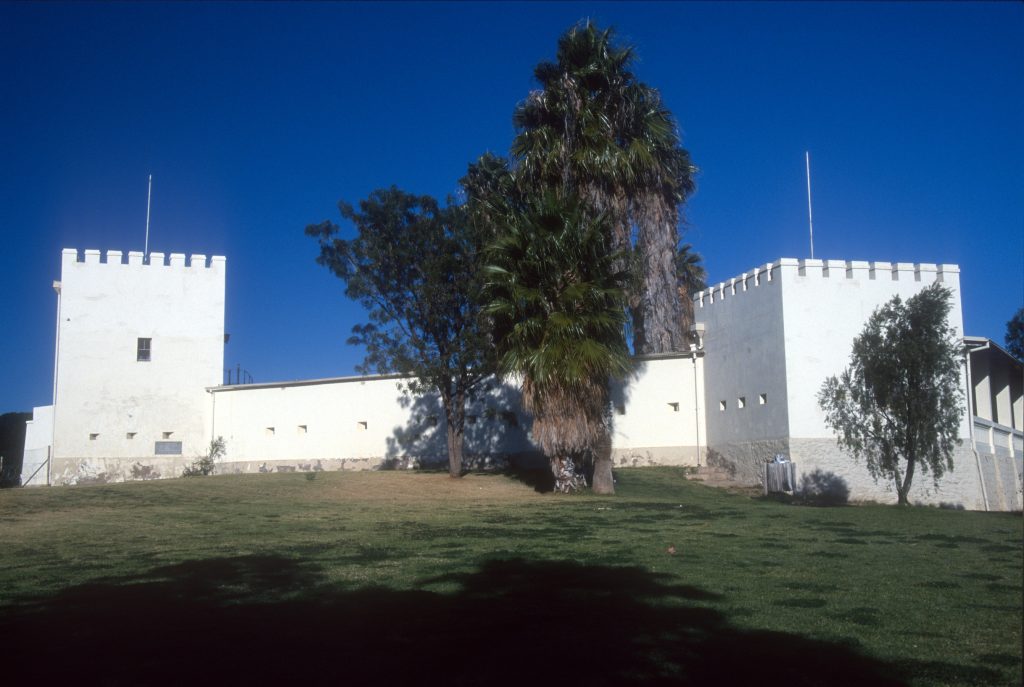
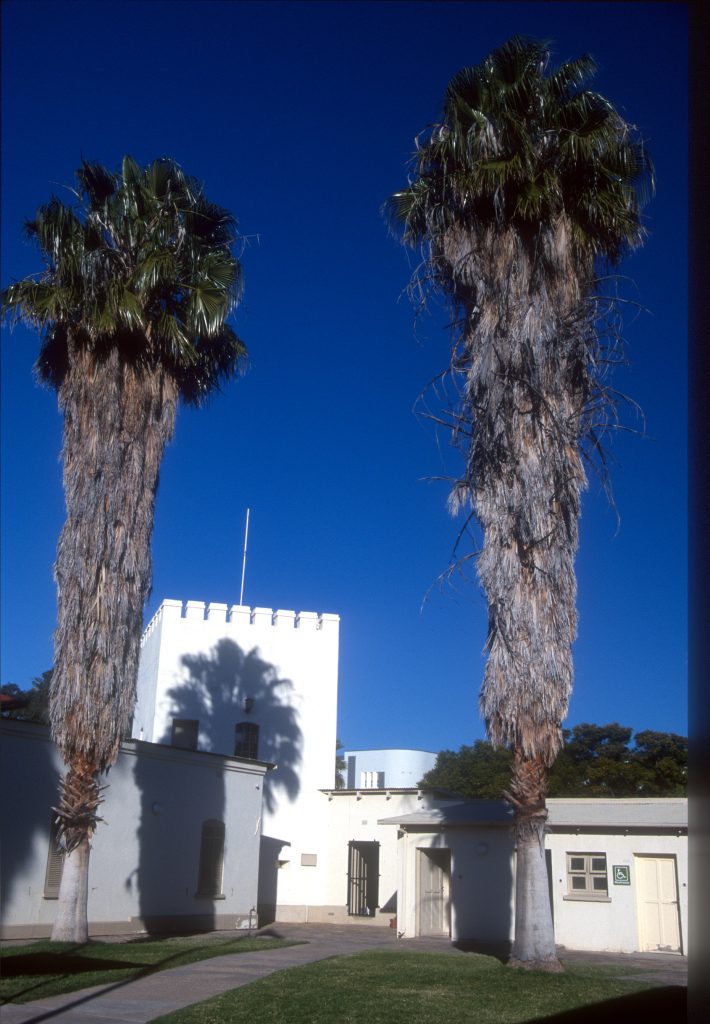
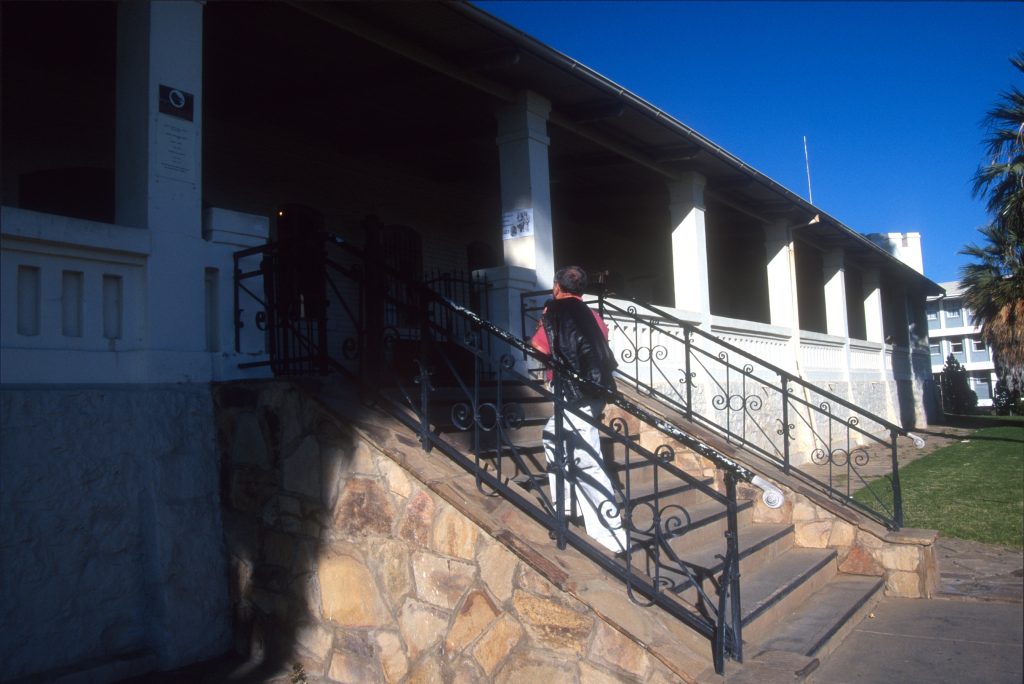
- Alte Feste — Once a German military headquarters, now a museum complex tracing Namibia’s complex colonial and independence narratives. The old German fort, stands stoic amid the modern bustle—its thick white walls and watchtowers whispering of the city’s military beginnings.
- Independence Memorial Museum –A gleaming, angular structure, symbolizes a proud, sovereign Namibia looking boldly toward the future.
- Tintenpalast — “The Ink Palace,” built in 1913, serves today as Namibia’s Parliament Building, blending German formality with African governance.
Swakopmund
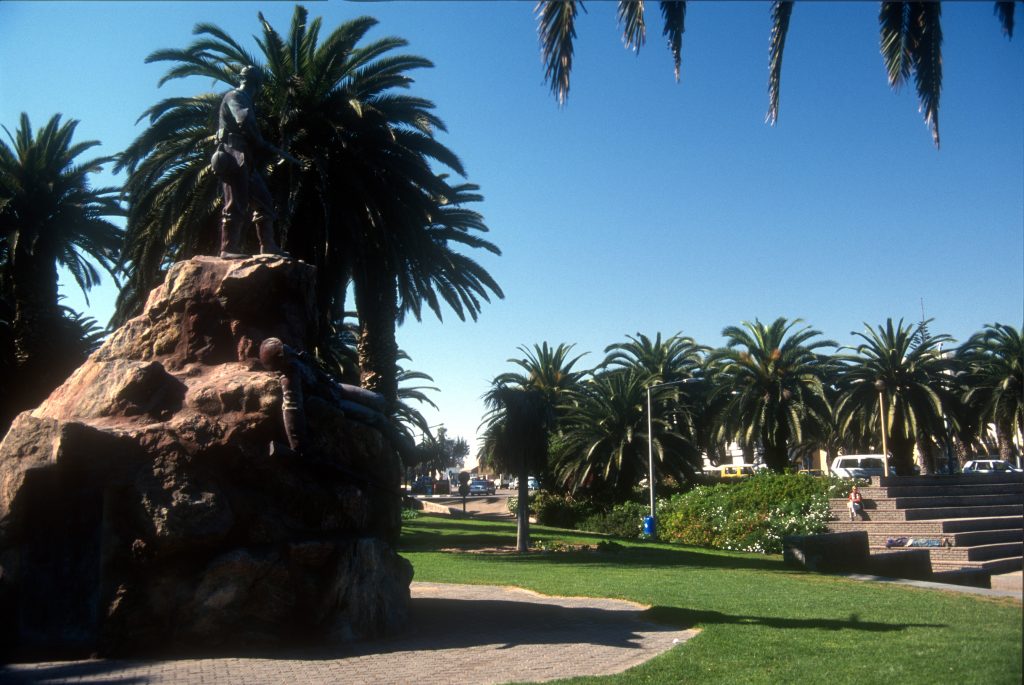
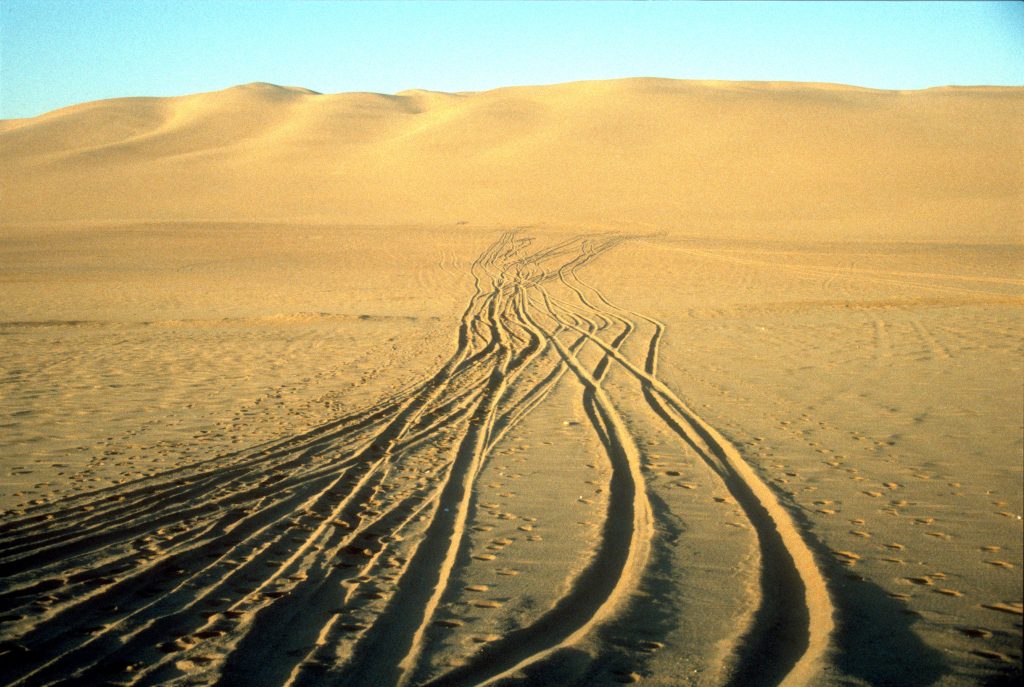
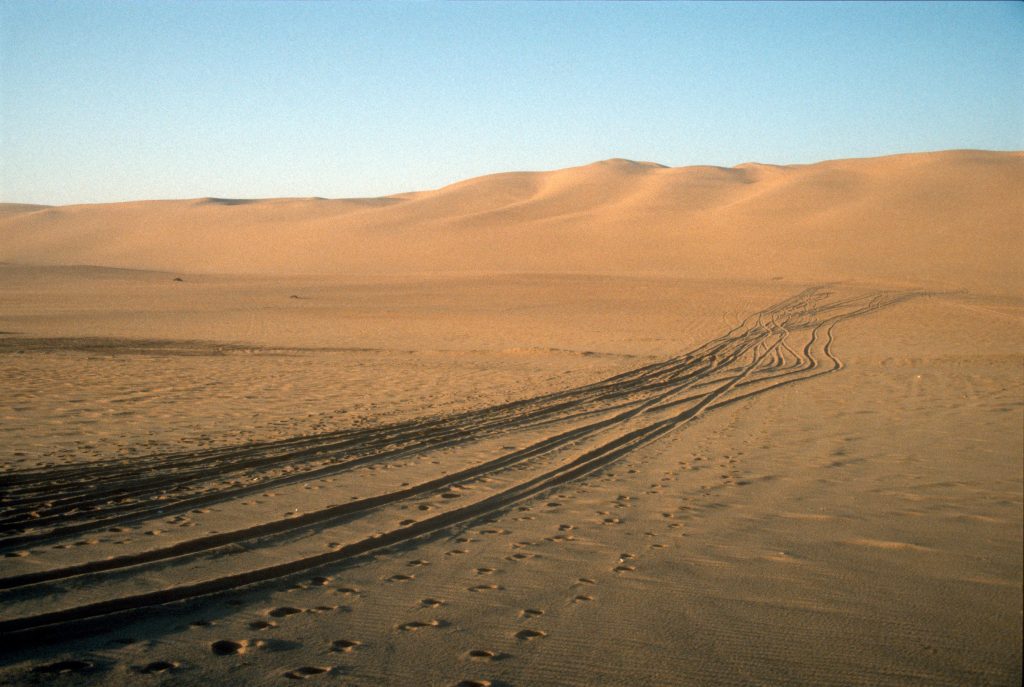
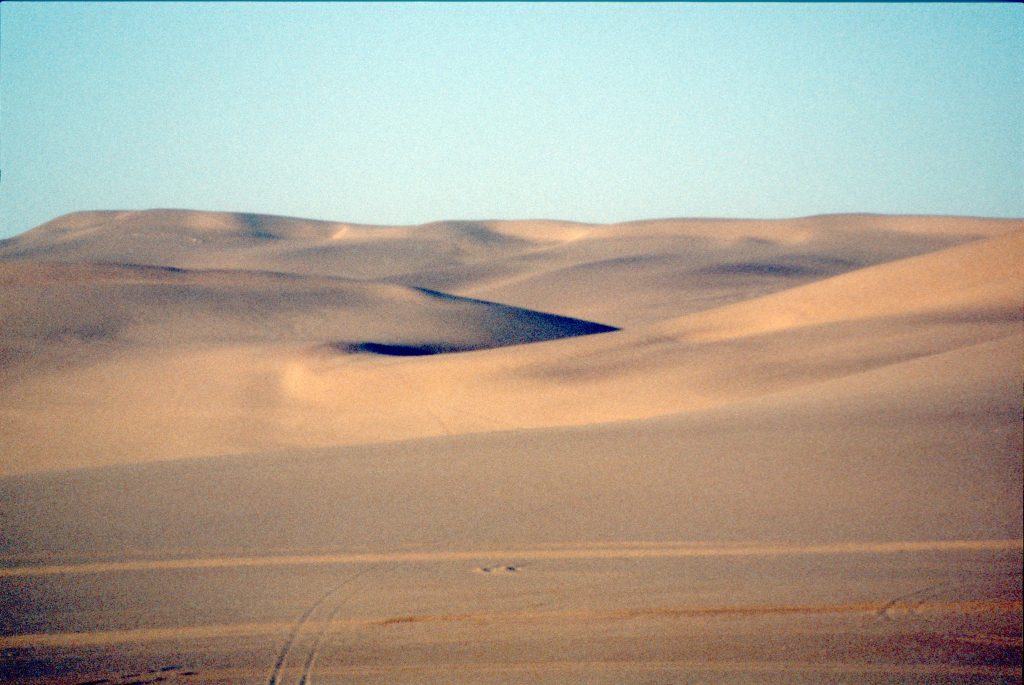
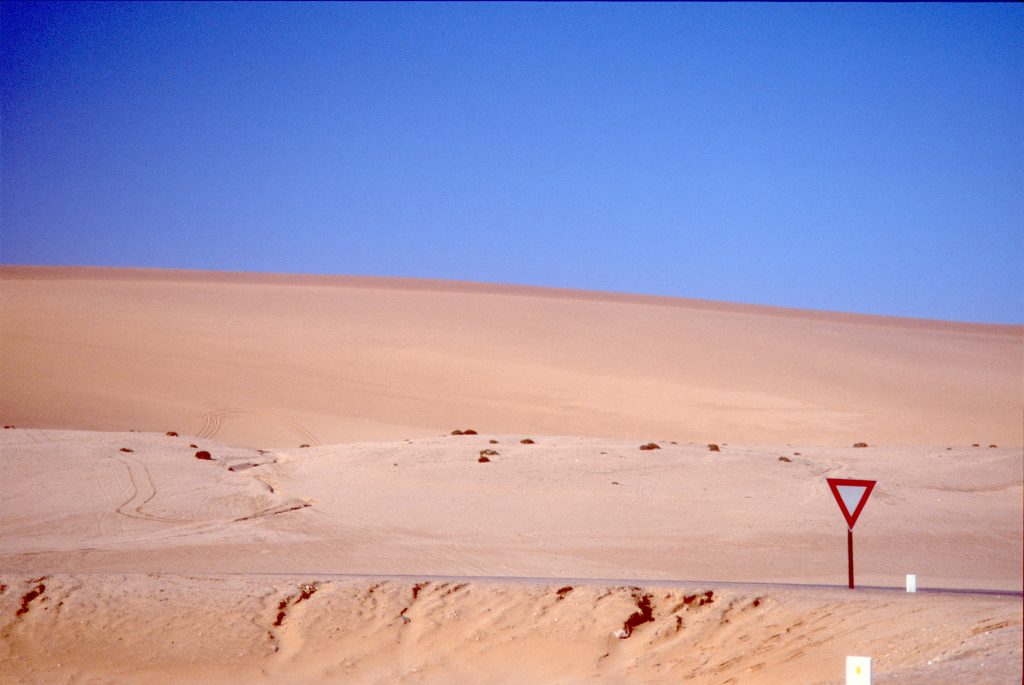
Swakopmund, by contrast, feels almost otherworldly. Here, the tidy streets end where dunes rise in golden waves against the sky. The half-timbered Swakopmund Hotel, once a railway station, exudes a Belle Époque elegance.
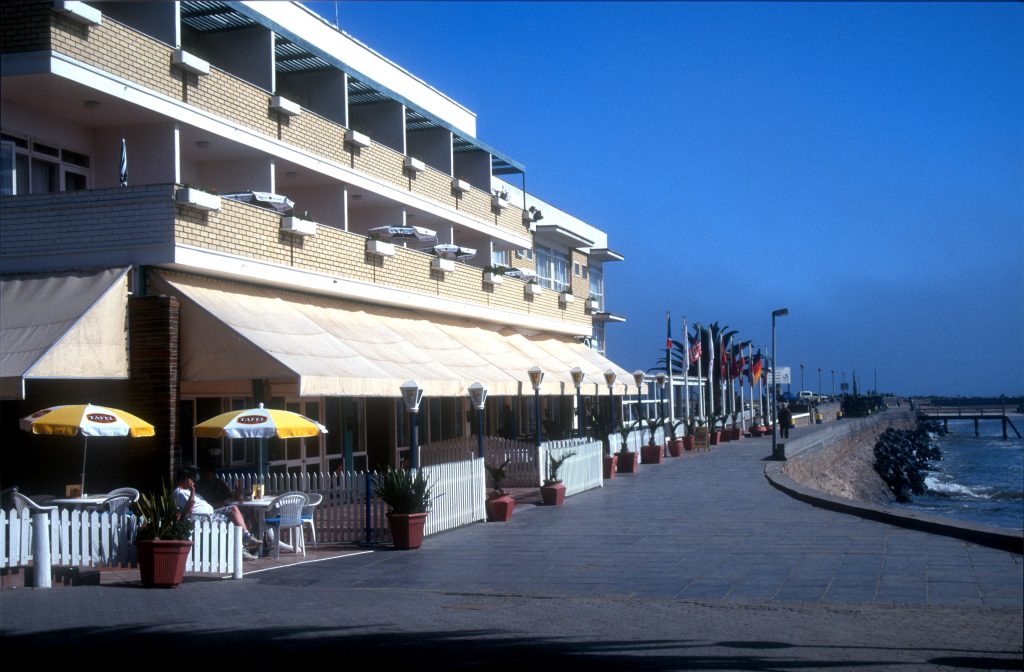
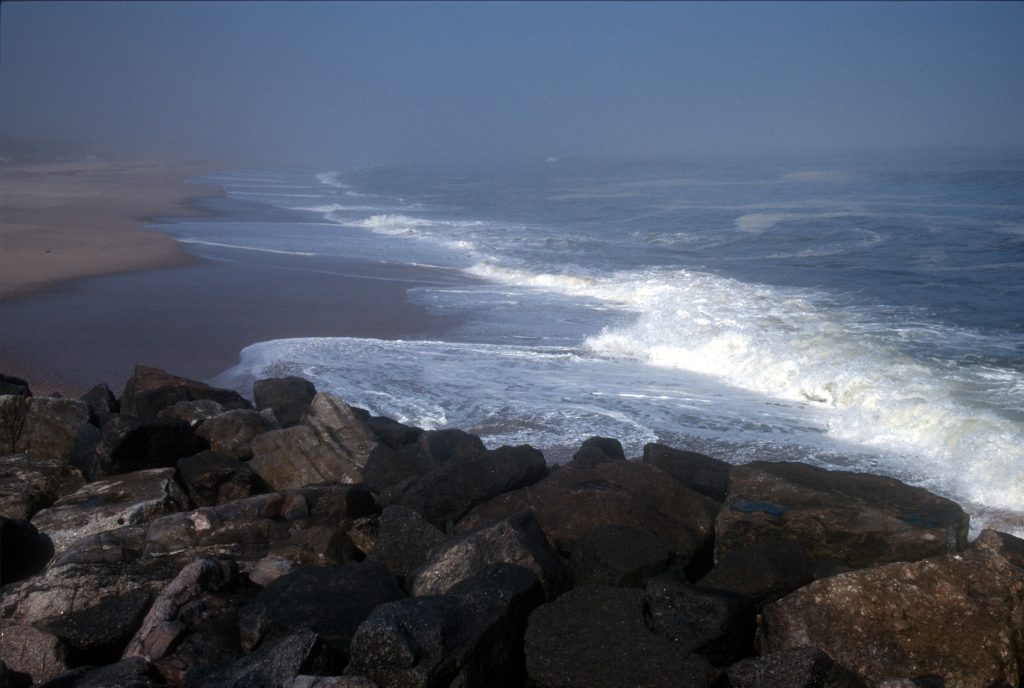
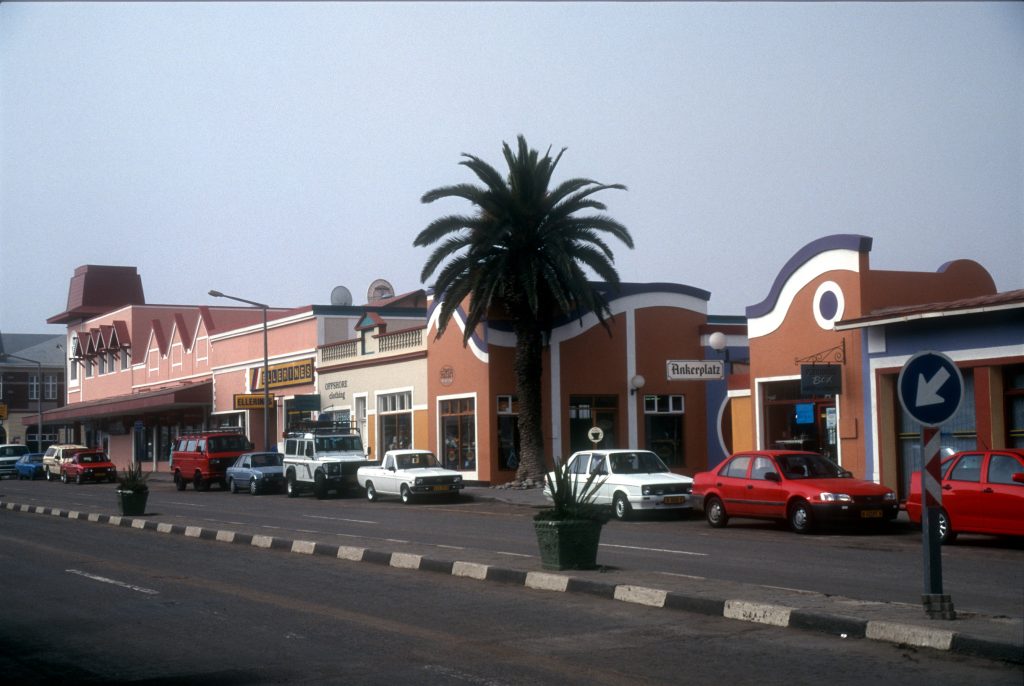
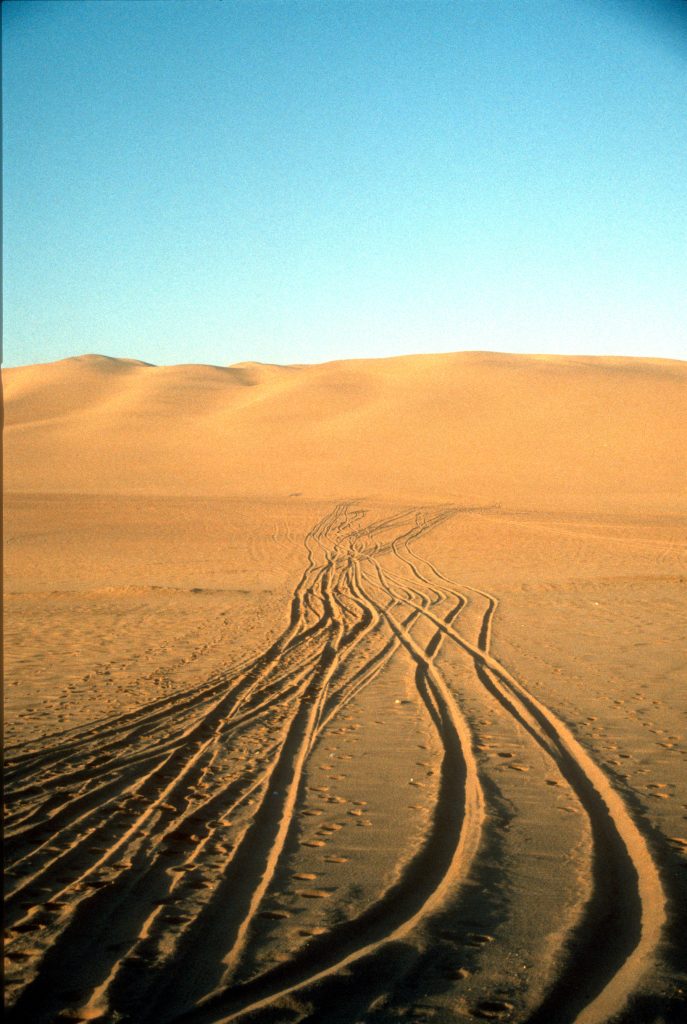
On cool mornings, the Atlantic mists roll inland, shrouding the city in pearly fog. Palm-lined promenades invite languid strolls, while the scent of fresh-baked bread and sea salt mingles in the air. Venture into the desert just beyond town, and the world becomes a shifting dreamscape of roaring dunes and stark silence.
Some of Swakopmund’s highlights are:
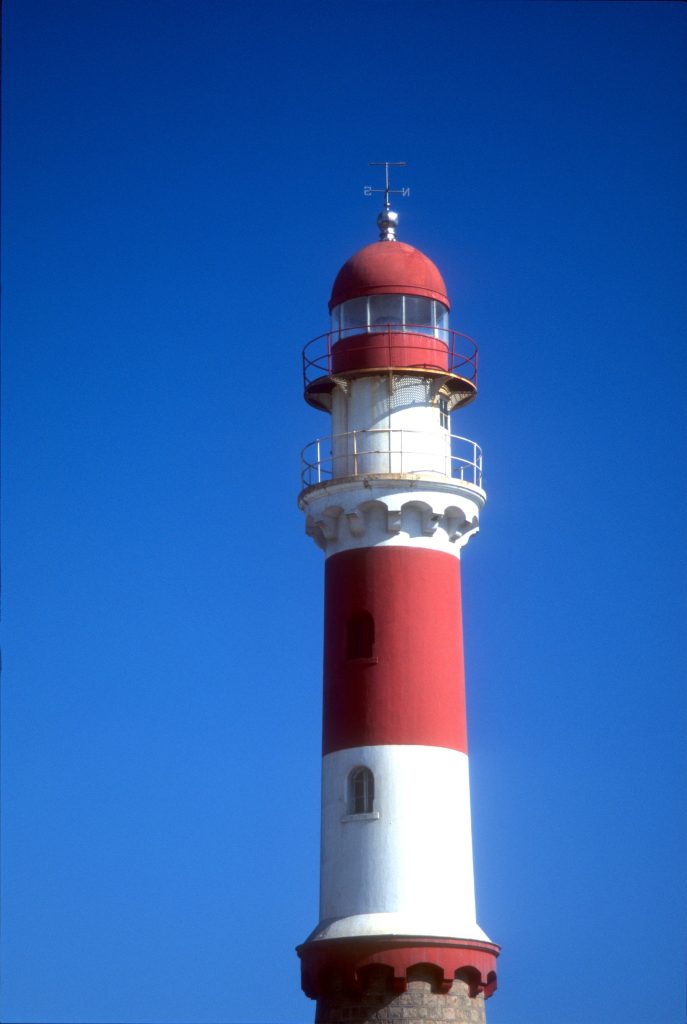
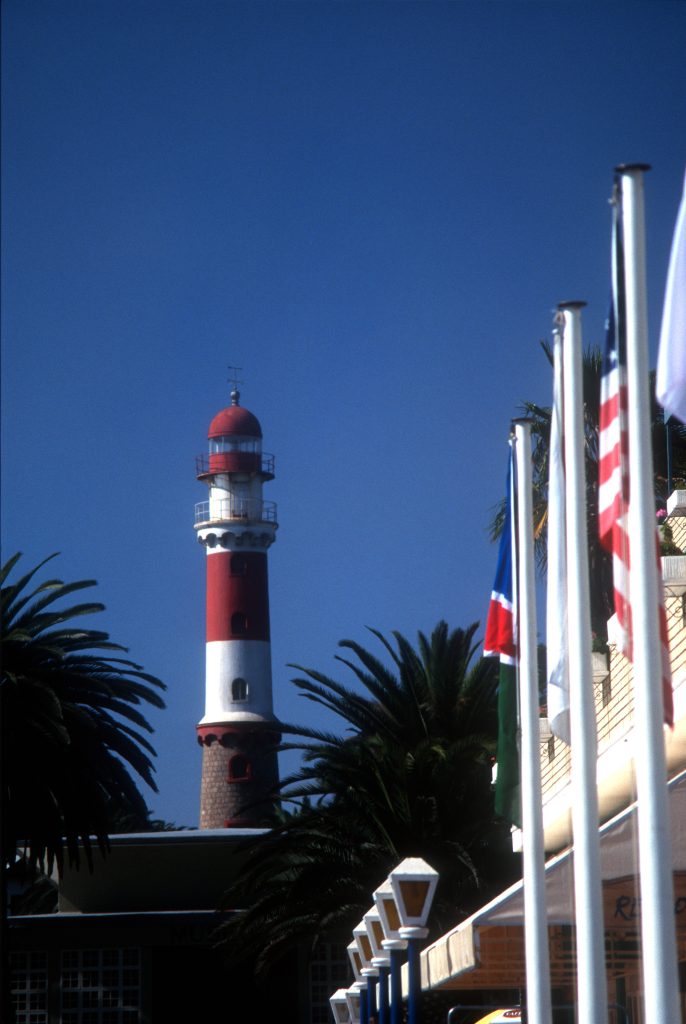
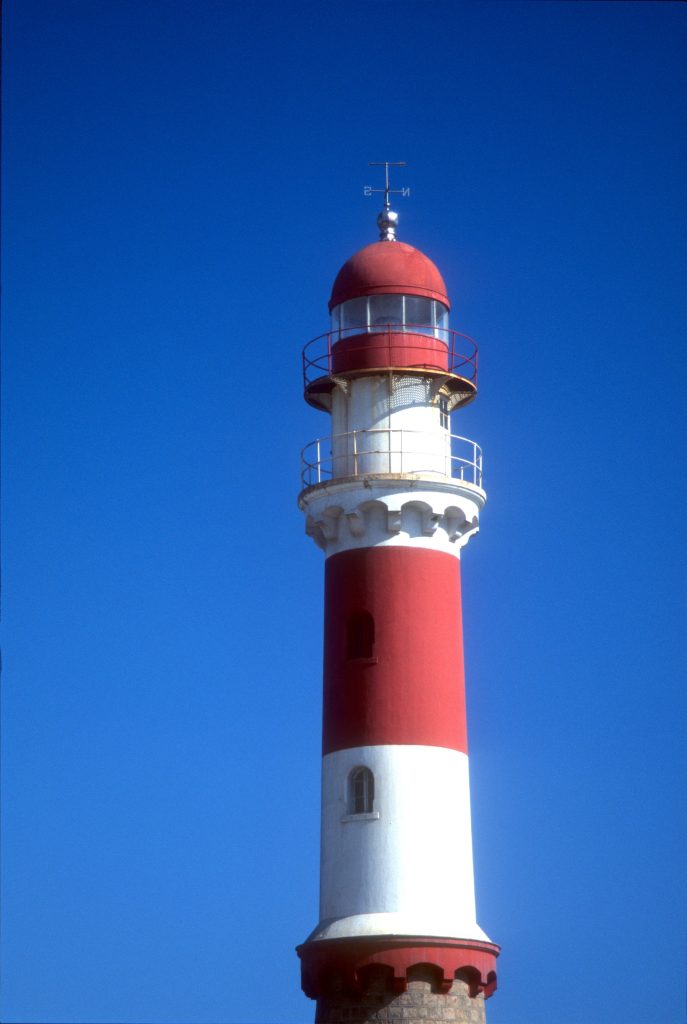
- Swakopmund Lighthouse — Rising from the heart of town, this still-functioning beacon is both a navigational guide and an iconic symbol of German perseverance.
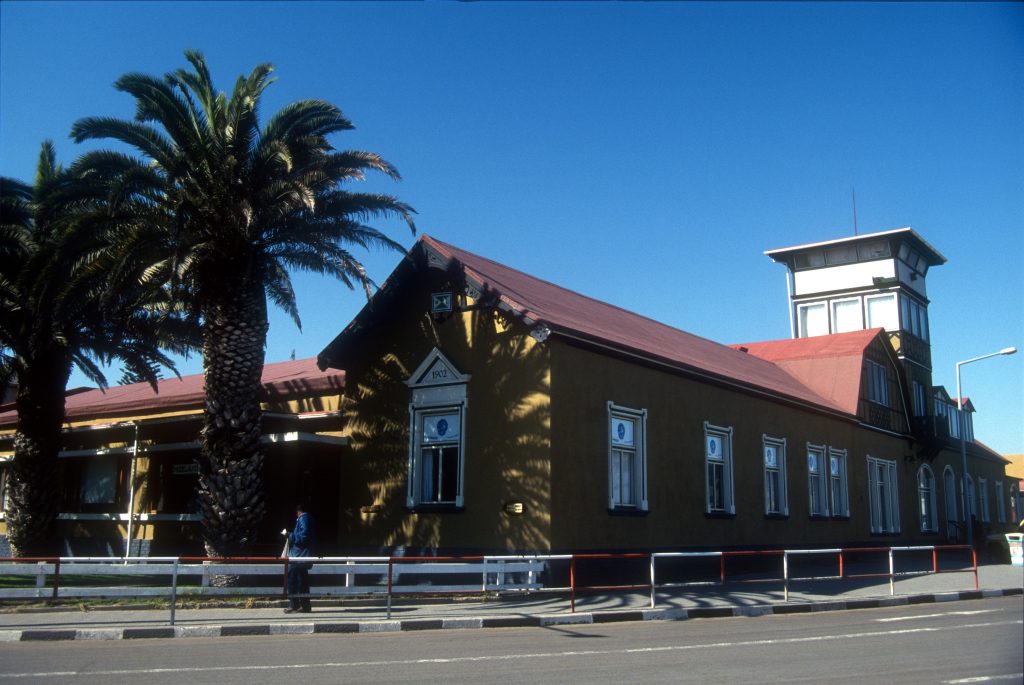
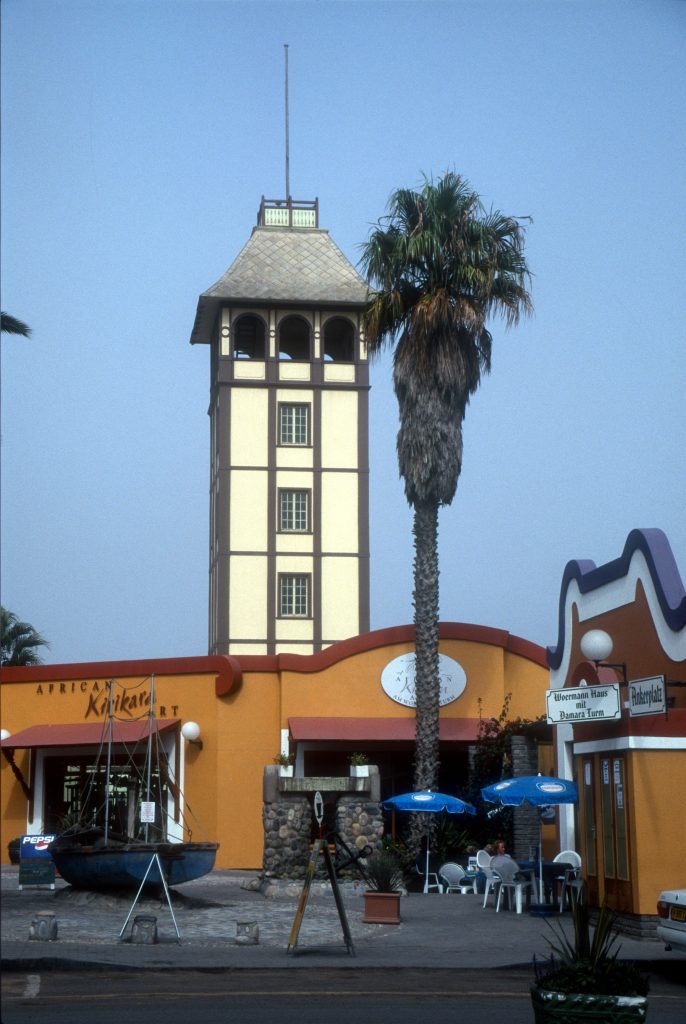
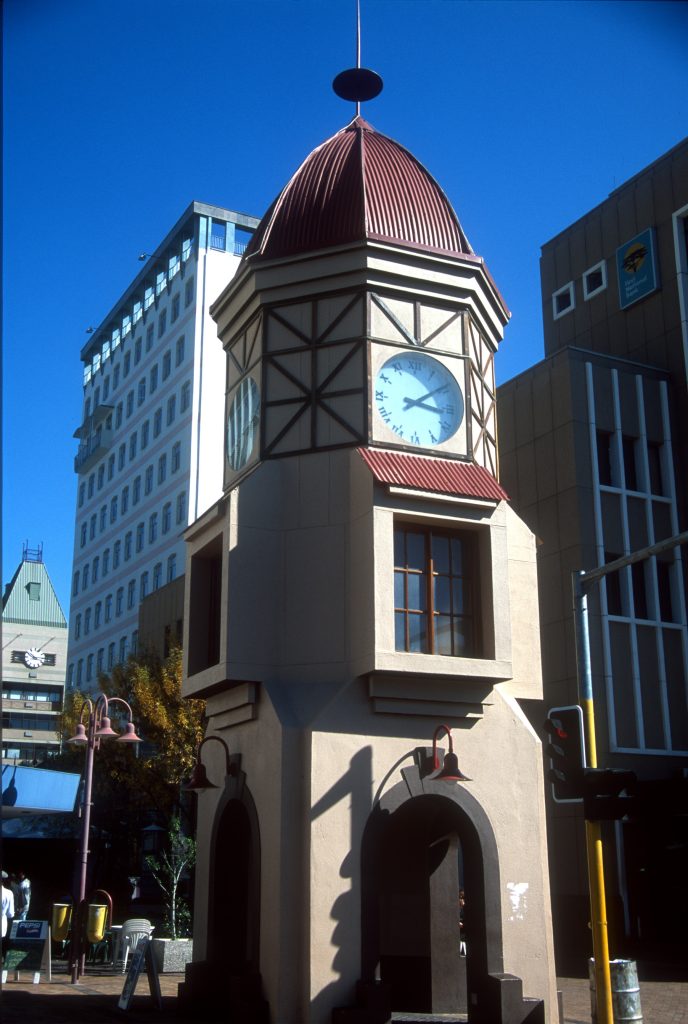
- Woermannhaus — Originally the headquarters of a German trading company, its tall tower and elegant lines evoke the town’s mercantile origins. With its lighthouse-like turret, Woermannhaus still watches over the ocean with the air of a storybook castle.
- Hohenzollern Building – This is a flamboyant relic of German imperial optimism, crowned by a statue of Atlas bearing the globe.
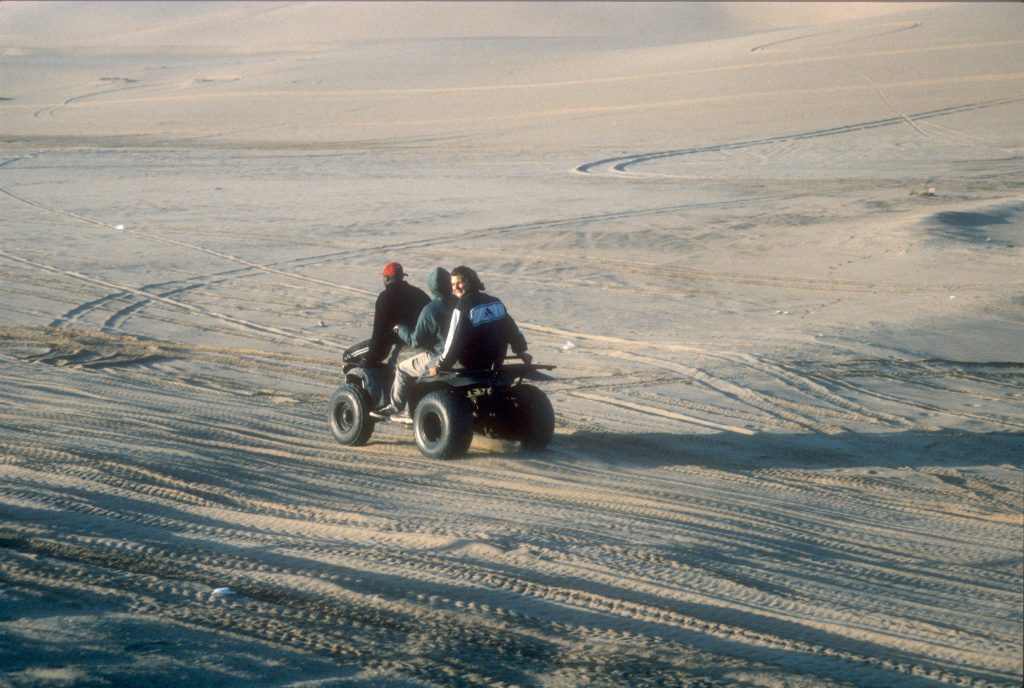
- Sand Dunes – Towering dunes—some among the highest in the world—glow in shades of apricot and flame at sunrise. Adventurers ascend their knife-edge ridges for panoramic views of an endless, undulating sea of sand.
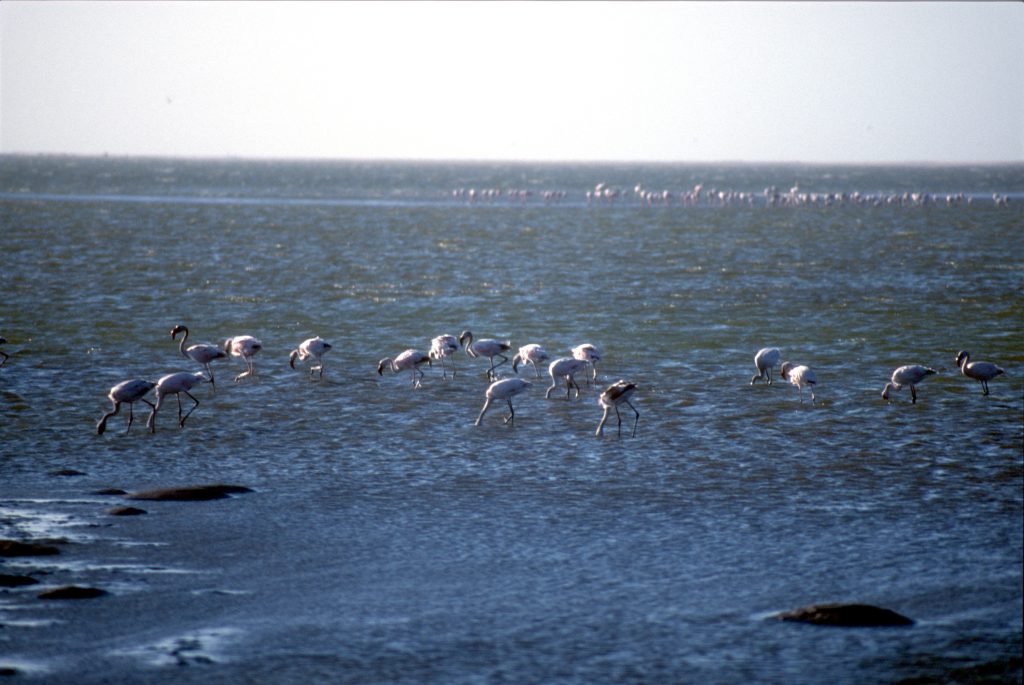
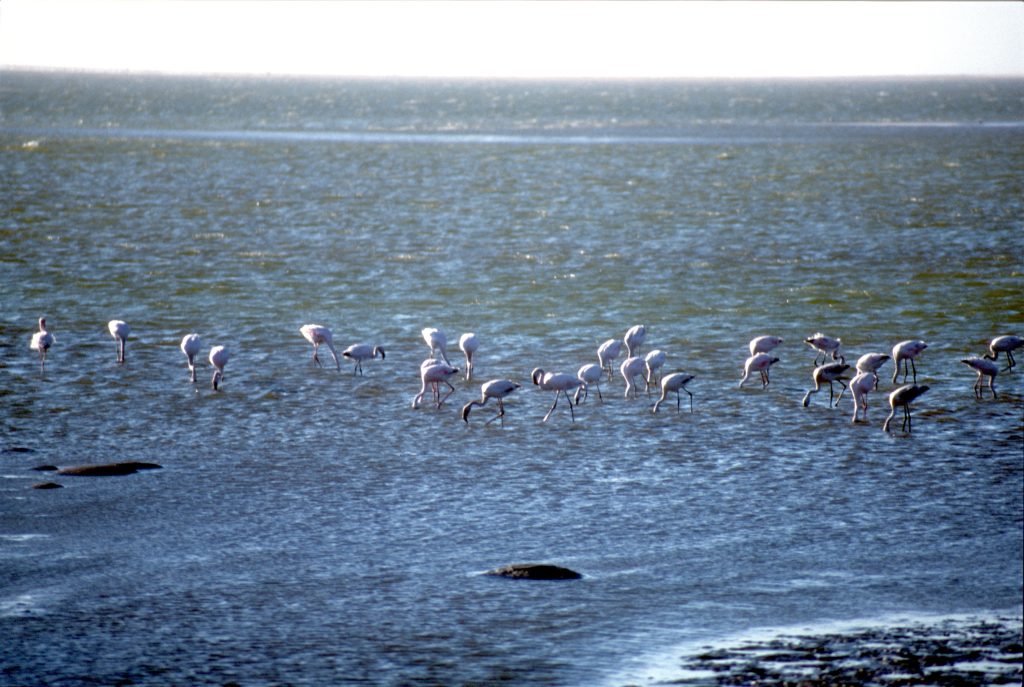
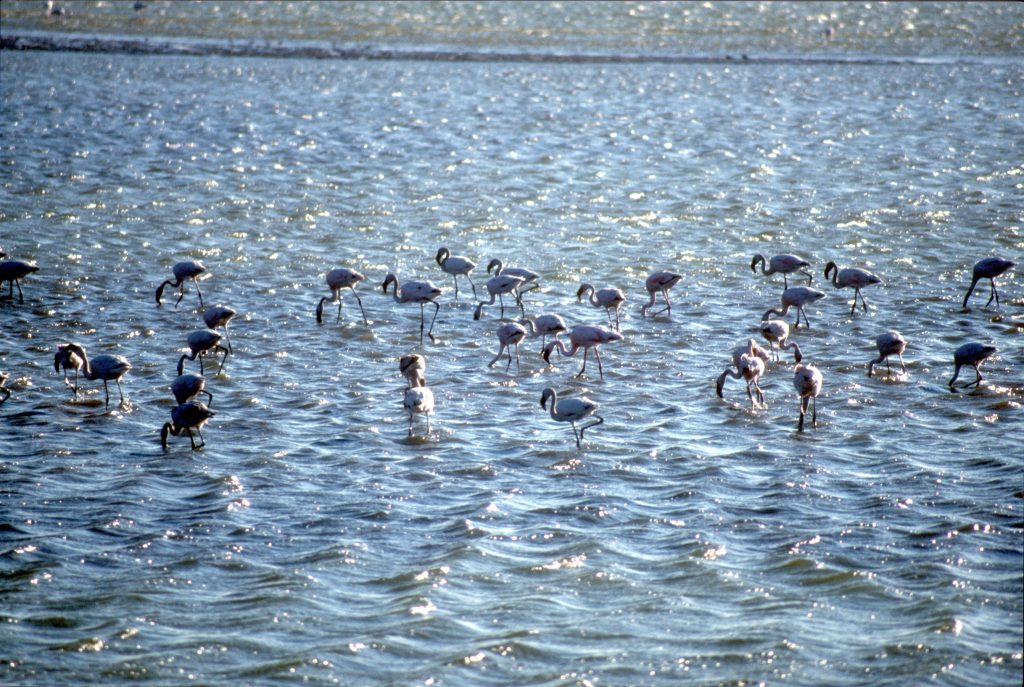
- Flamingos — In the coastal shallows at Walvis Bay, just south of Swakopmund, a more delicate spectacle unfolds: flocks of flamingos wade gracefully through pink-hued waters, their slender forms reflected in the shimmering lagoon, offering an ethereal counterpoint to the desert’s austere grandeur.
Namibian Indulgence
Today, Windhoek and Swakopmund are vibrant hubs where history breathes alongside innovation. In Windhoek, craft breweries, art galleries, and bustling markets coexist with poignant memorials and historic cathedrals. In Swakopmund, adventure travelers set off for sandboarding on dunes, dolphin cruises, or quiet walks through the otherworldly Moon Landscape nearby.
Both cities embody Namibia’s spirit: resilient, adaptive, and luminously unique—a crossroads where German colonial dreams meet the timeless soul of Africa.
Stay a little longer beneath Windhoek’s sharp, starry nights. Let the Atlantic mists of Swakopmund kiss your skin. Wander streets where empires crumbled, and new nations rose with fierce grace. In Namibia, history isn’t buried; it lives in the desert winds, the laughter of marketplaces, and the golden quiet of sunset over the dunes.
Where to Stay in Windhoek, Namibia
Windhoek’s city center offers several reliable mid-range hotels within walking distance of Independence Avenue and the main business district. The Hilton Windhoek and similar international chains provide predictable comfort and service, while smaller hotels and guesthouses in the Klein Windhoek suburb offer more character at lower prices. This area keeps you close to restaurants, shops, and government buildings if you need to handle any administrative tasks.
For budget travelers, the neighborhoods around Katutura and Khomasdal have guesthouses and backpacker hostels that cater to visitors on tighter schedules. These areas are residential and less touristy, which means lower rates and authentic local atmosphere. Ask your accommodation host for guidance on safe transportation to and from the city center, as distances can be deceptive in Windhoek’s sprawling layout.
If you prefer a quieter base, several guesthouses operate in the Ausspannplatz area and along the hills south of the city center. These properties often include gardens, cooking facilities, and views across the valley. They work well if you have a rental car, though they require a short drive or taxi ride to reach downtown restaurants and attractions.
Book accommodations in advance during Namibia’s high season (May through August and December through January), when international tourists and regional business travelers fill available rooms. Windhoek’s hotel market is well-established enough that you can find honest reviews online, and many guesthouses communicate directly via email about rates and availability. Expect prices to range from roughly N$400 to N$1,200 per night depending on amenities and location.
Recommended Reading
For Fiction Lovers:
- Mama Namibia by Mari Serebrov – A historical novel telling the harrowing story of a Herero girl during Germany’s brutal colonial rule.
- The Purple Violet of Oshaantu by Neshani Andreas — Set in a small Namibian village post-independence, this novel reflects the traditions and challenges of rural life, deeply rooted in Namibian identity.
- The Price of Freedom by Renee Le Roux — A fictionalized account capturing the tensions of Namibia’s fight for independence, weaving personal stories with historic events.
- An Arid Eden by Garth Owen-Smith — A memoir-styled narrative blending conservation and Namibian frontier life, it offers rich historic context about land, people, and wildlife, written with the lyricism of historical fiction.
- Germany’s Genocide of the Herero: Kaiser Wilhelm II, His General, His Settlers, His Soldiers by Jeremy Sarkin – A sobering account of the dark legacy behind some of Namibia’s historic sites.
- Namibia: The Bradt Travel Guide by Chris McIntyre – A detailed, insightful guide for understanding Namibia’s landscapes, cities, and layered history.
- Insight Guide to Namibia – A visually stunning and expertly curated guide blending rich historical narrative, cultural insights, and practical travel advice. With evocative photography and thoughtful essays, it captures Namibia’s vast deserts, vibrant cities, wildlife wonders, and complex colonial past, making it an indispensable companion for travelers seeking both depth and discovery.
Tours to Consider
- Sandwich Harbour 4×4 Guided Tour – Unforgettable Adventure
- Windhoek City Tour And Modern Lifestyle Experience