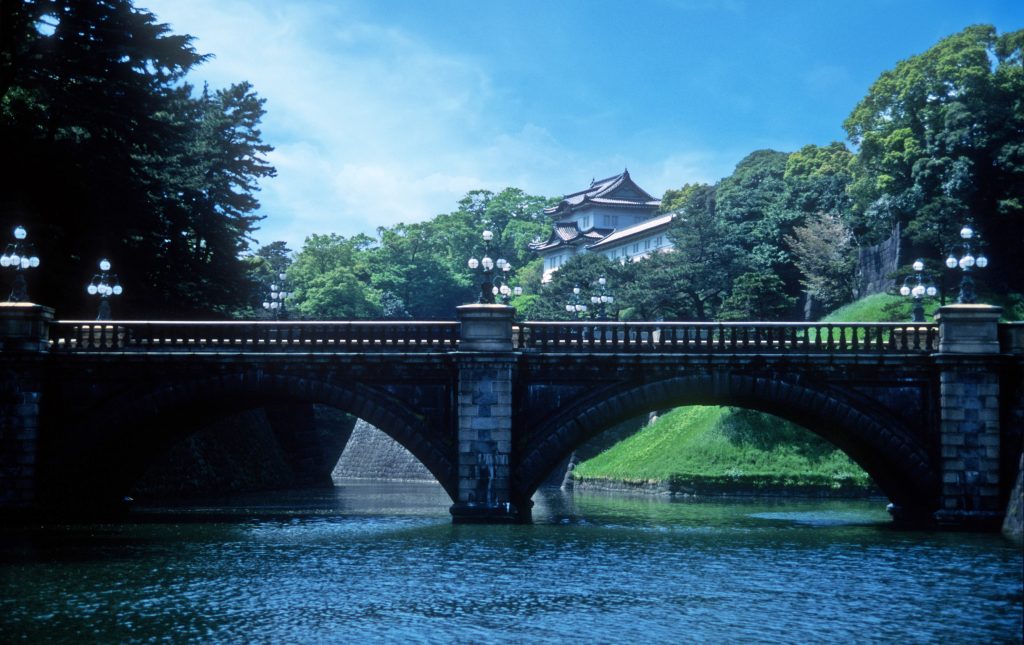
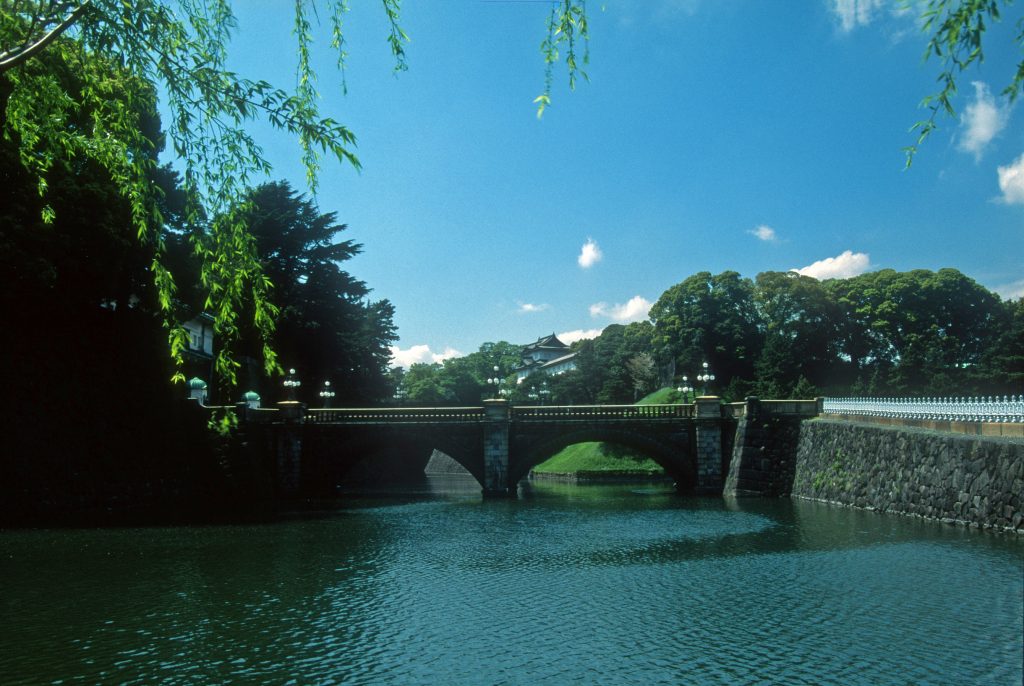
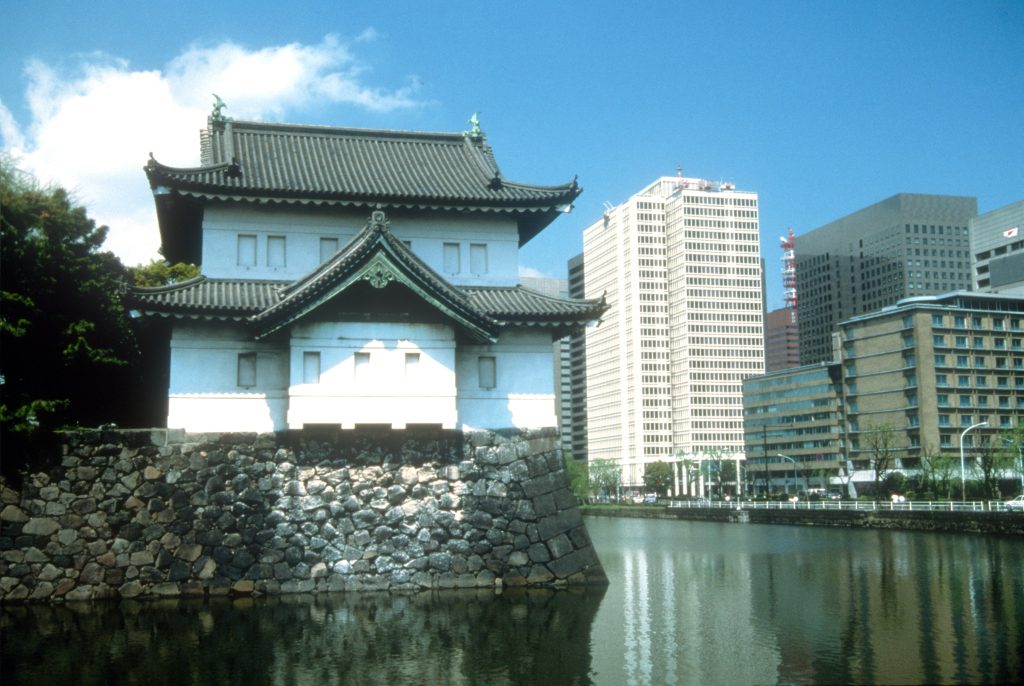
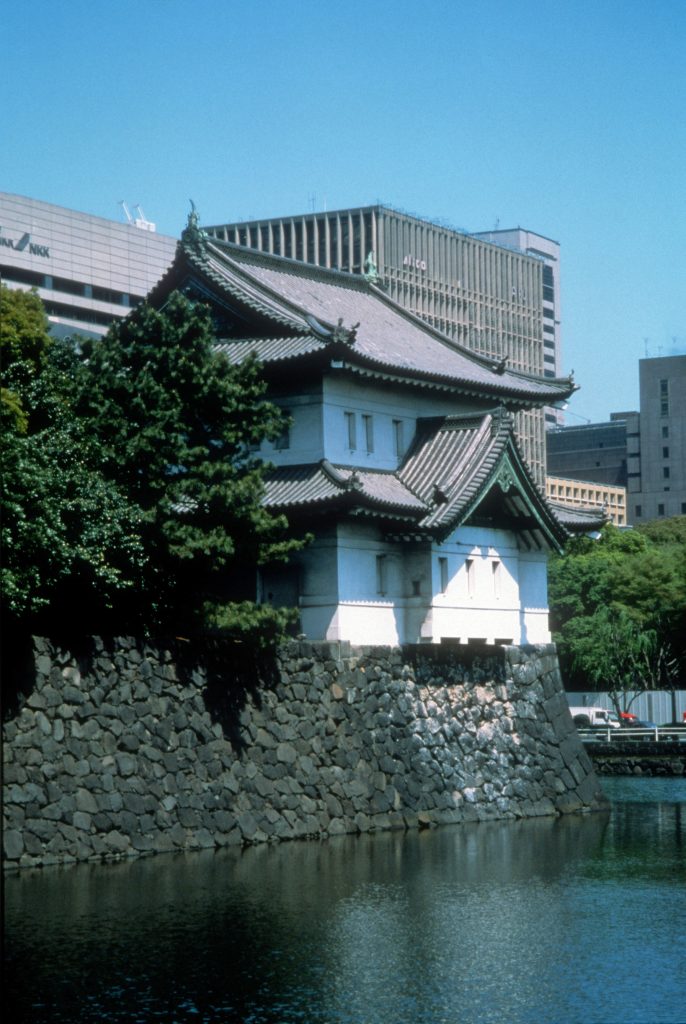
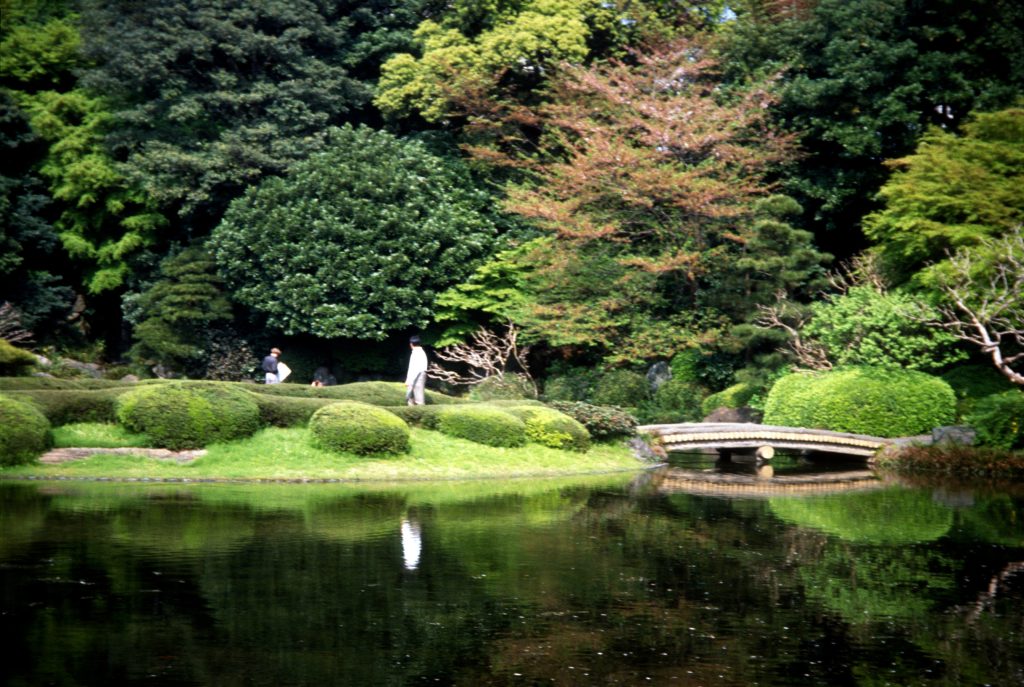
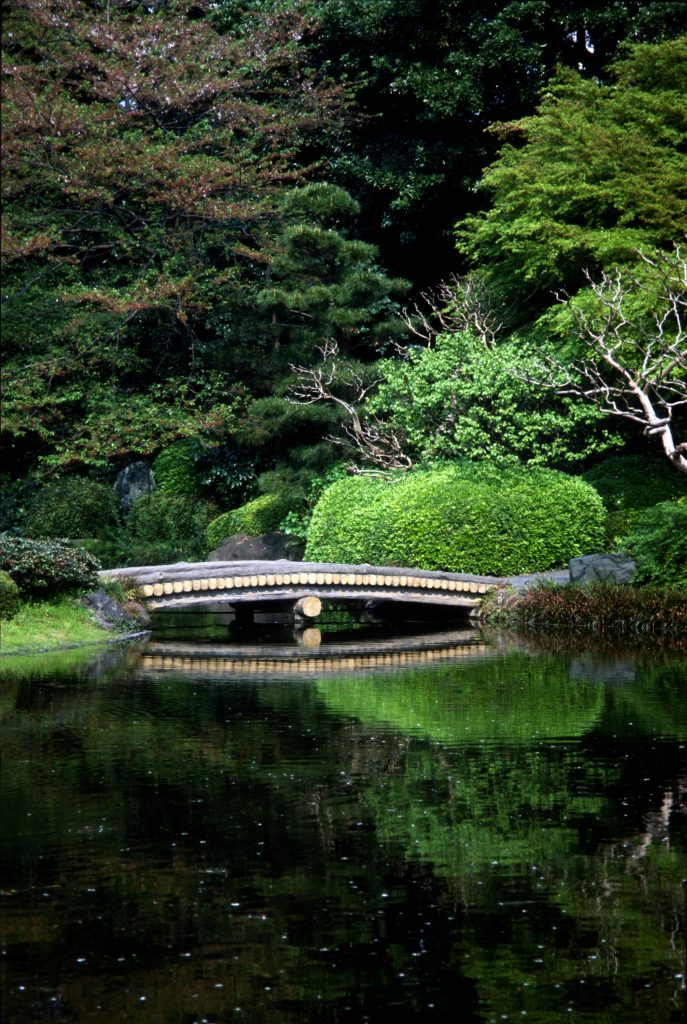
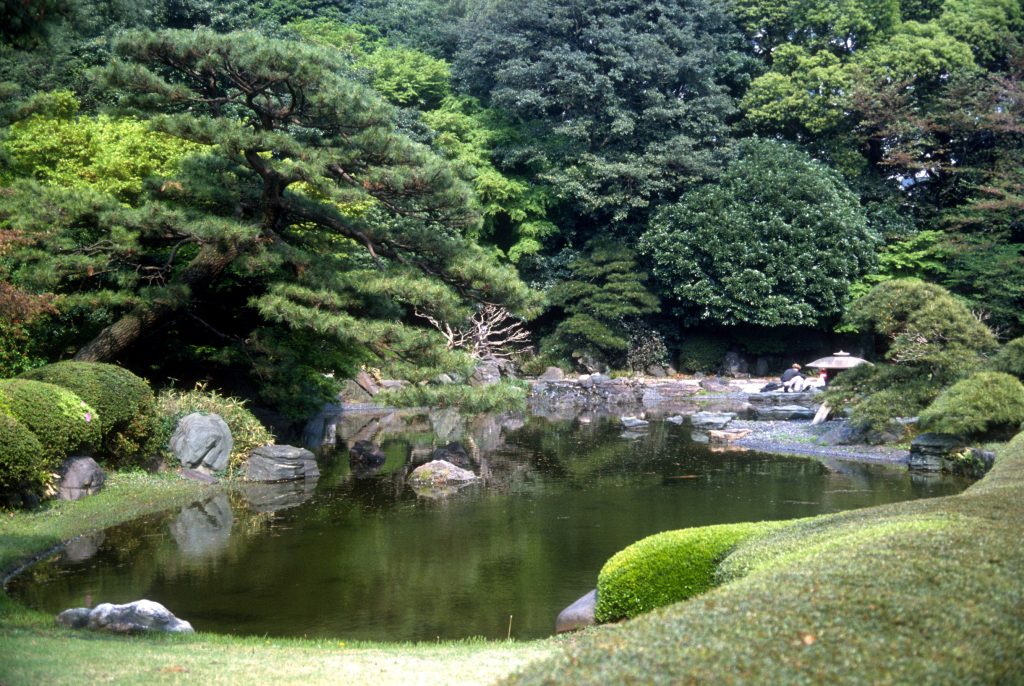
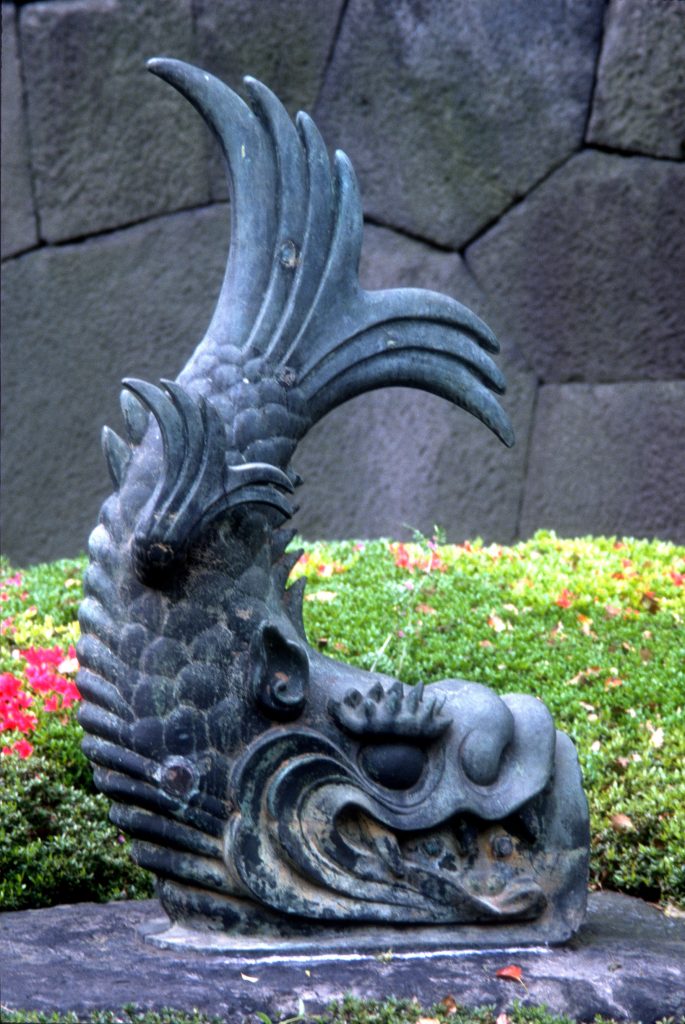
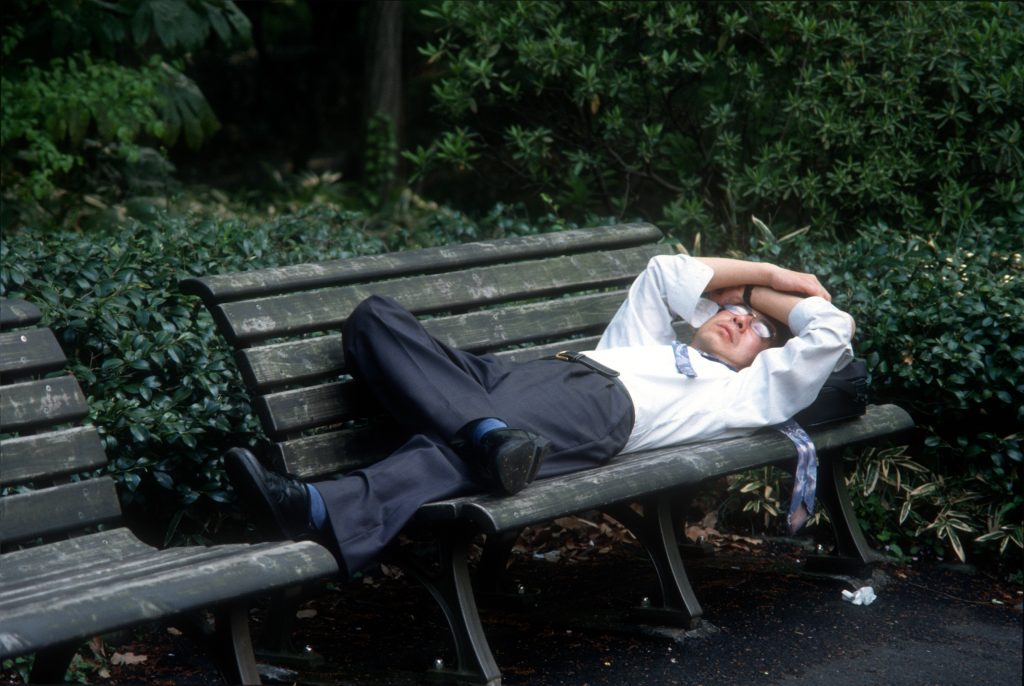
In the heart of Tokyo, where skyscrapers shimmer and modernity pulses through the city, lies a sanctuary of serenity: the Imperial Palace East Gardens. Here, amidst ancient stone walls and manicured landscapes, time slows as visitors wander through echoes of a bygone era.
Where Edo Castle Reined
The Imperial East Gardens occupy the former site of Edo Castle, once the seat of the Tokugawa shogunate during the Edo period (1603-1868). (Yes, home of the man who inspired the Shogun book, film and TV series!)
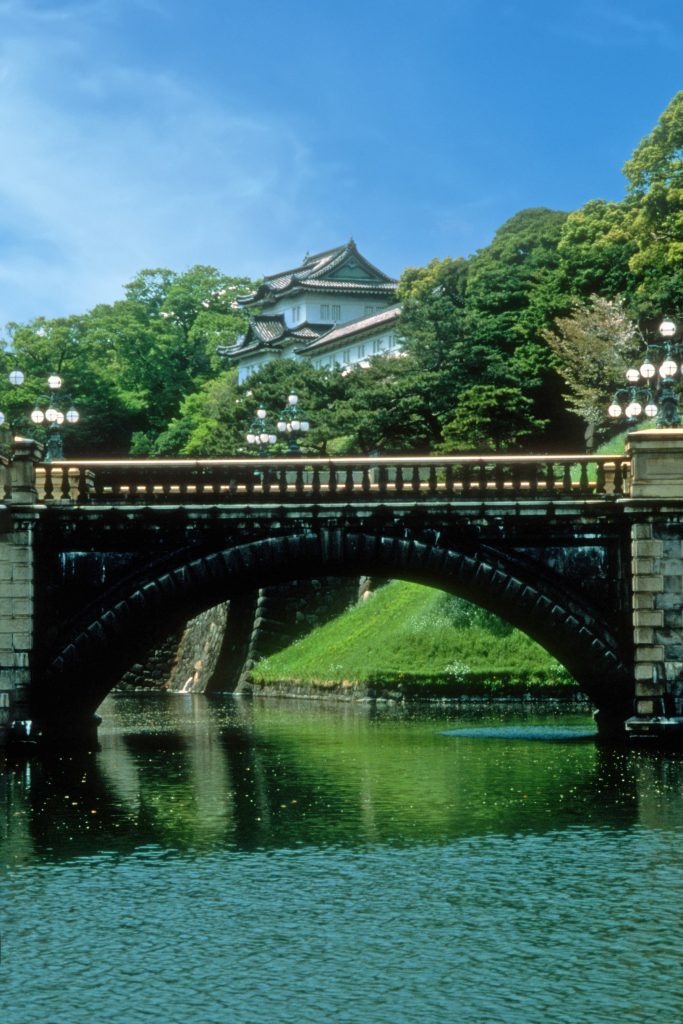
After the Meiji Restoration, when Japan modernized and opened to the world, the castle grounds became the Imperial Palace, which you can still see perched on the hill above the gardens. In 1968, the East Gardens opened to the public, offering a glimpse into Japan’s feudal past.
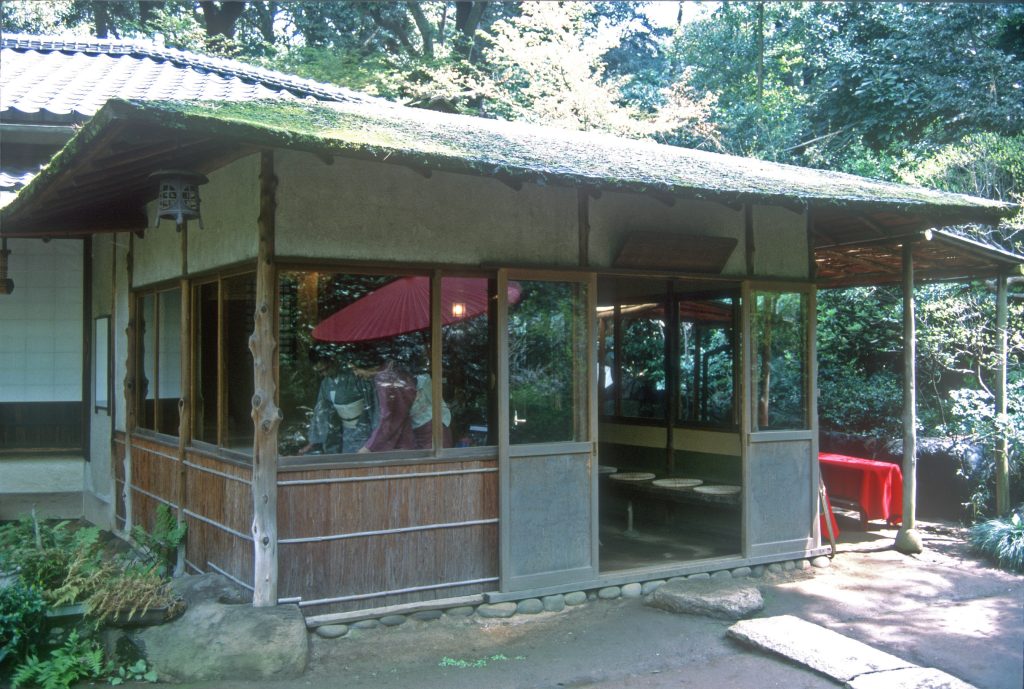
Among the garden’s treasures stands the Suwa no Chaya teahouse. Originally built in 1912 by Emperor Meiji for the Fukiage Gardens, it was moved to the East Gardens in 1968. The teahouse, named after the Shinto deity Suwa, embodies traditional Japanese architecture and reflects the cultural importance of the tea ceremony.
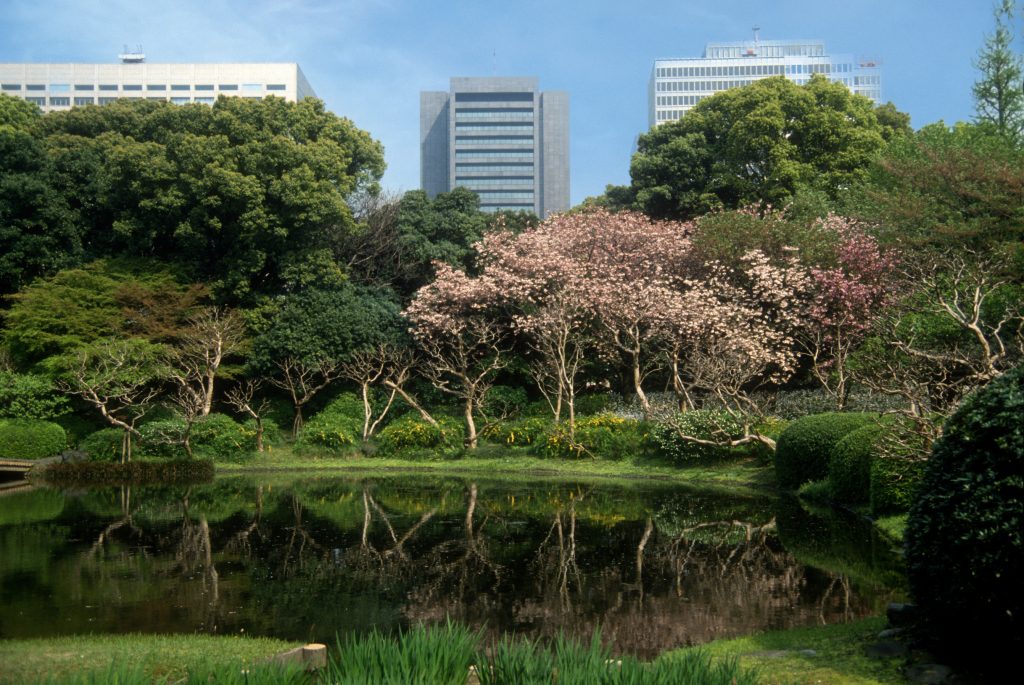
Garden Perfection
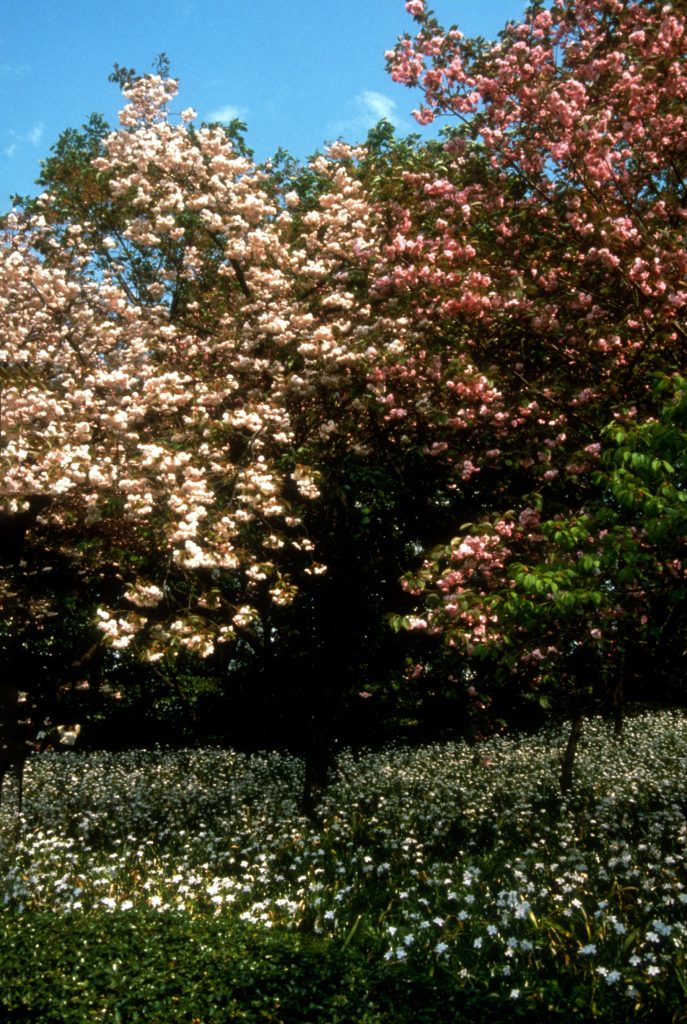
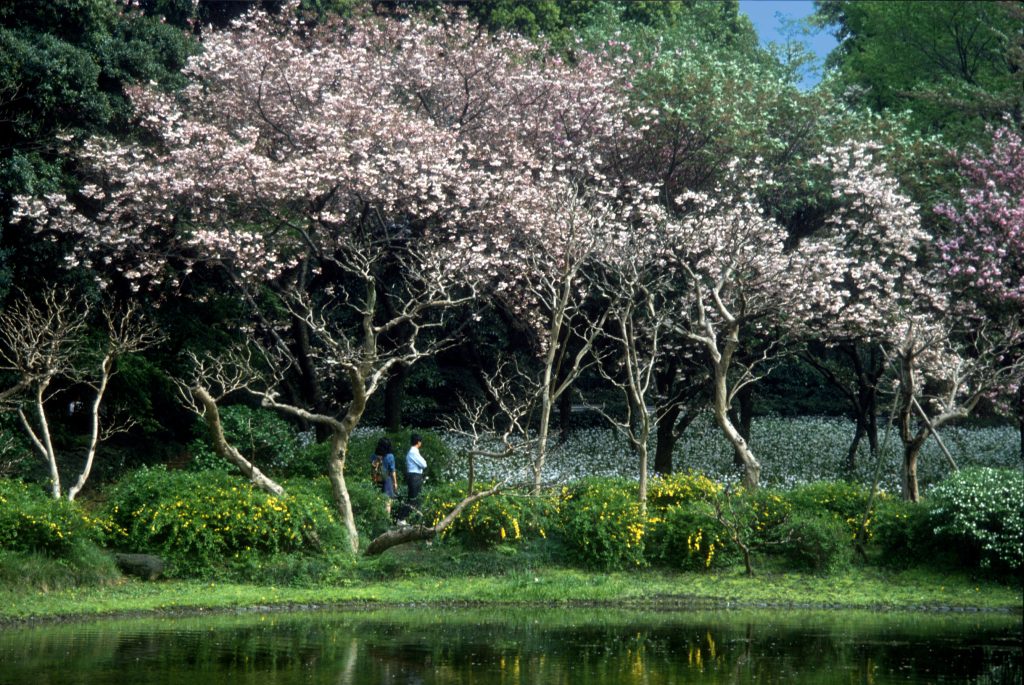
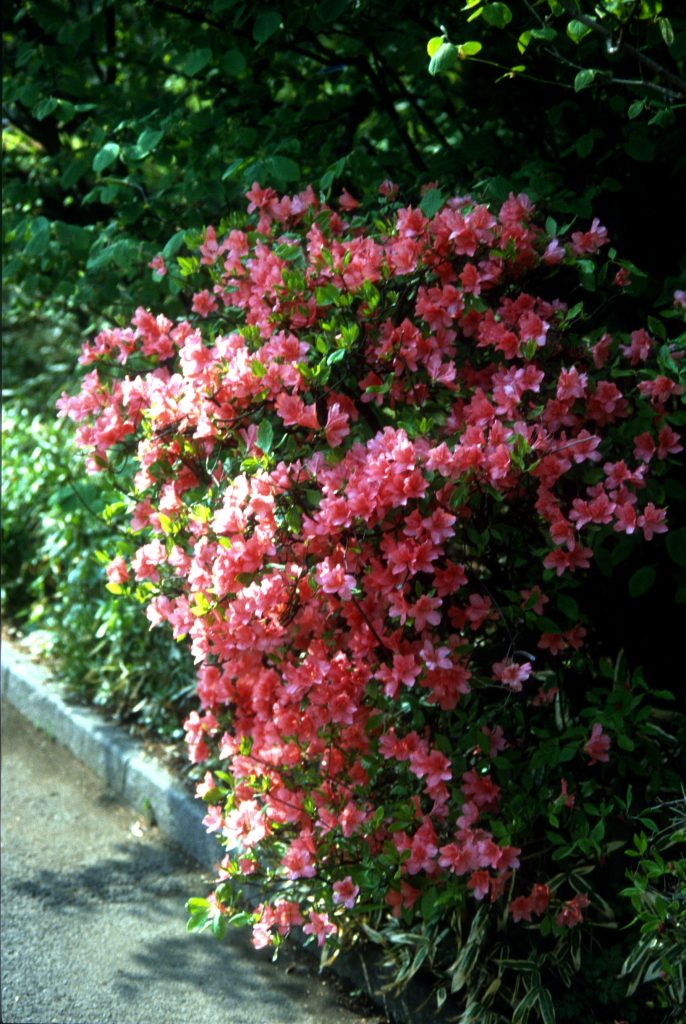
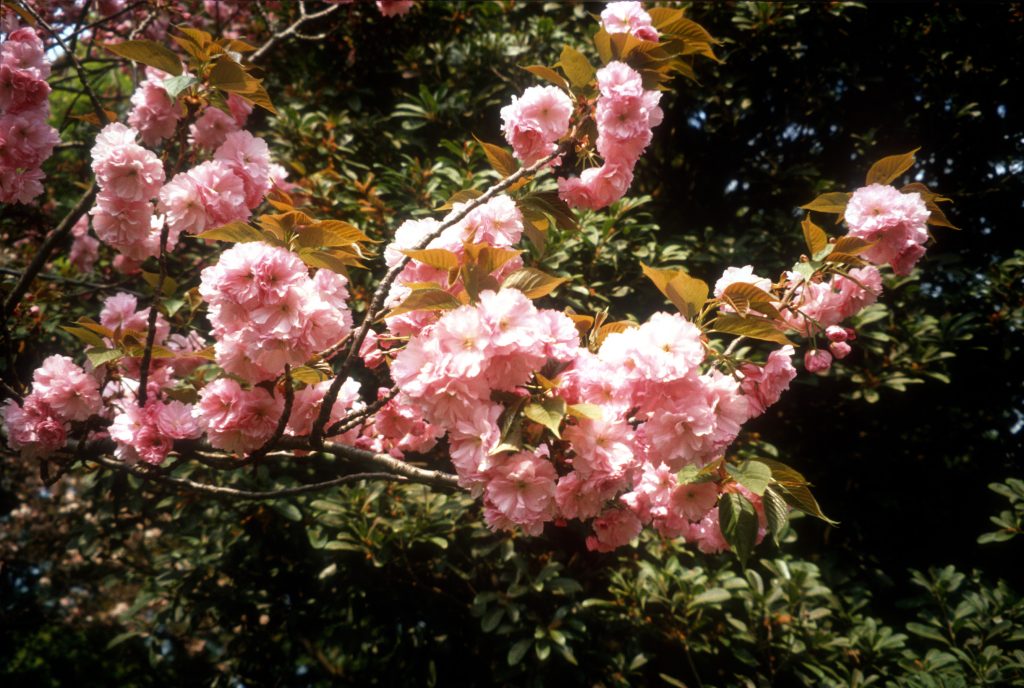
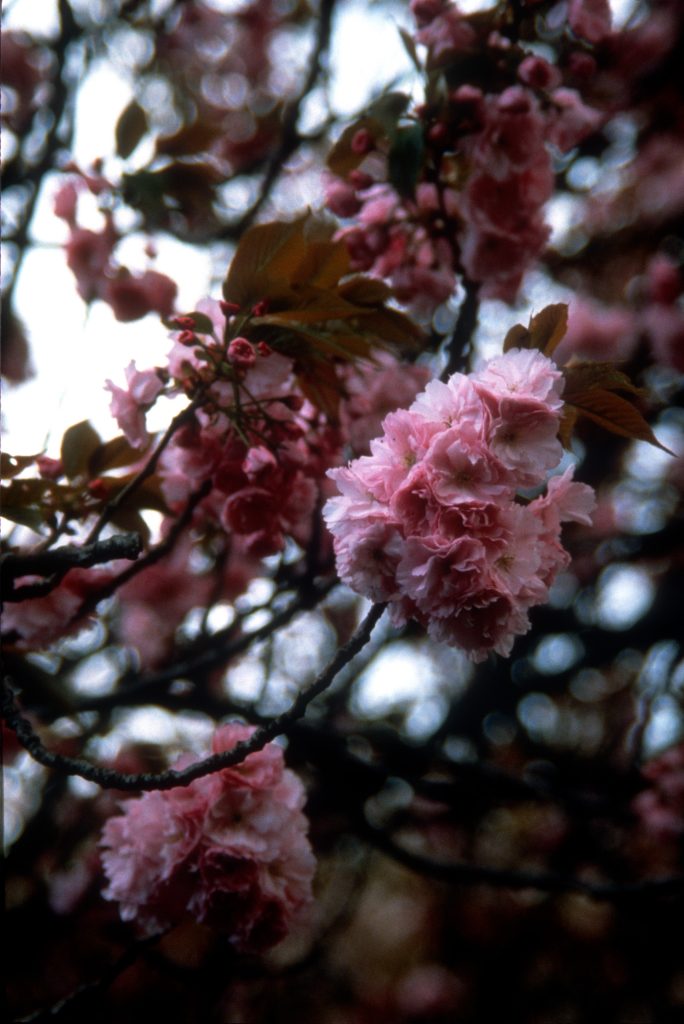
The Ninomaru Garden displays cherry blossoms in spring, irises in early summer, and fiery maples in autumn.
The Suwa no Chaya teahouse sits among the greenery, a quiet place to think. Its wooden structure, nestled among surrounding greenery, feels timeless. Though no longer operational, the teahouse stands as a symbol of Japan’s rich tea culture and its aesthetic principles of harmony, respect, purity, and tranquility.
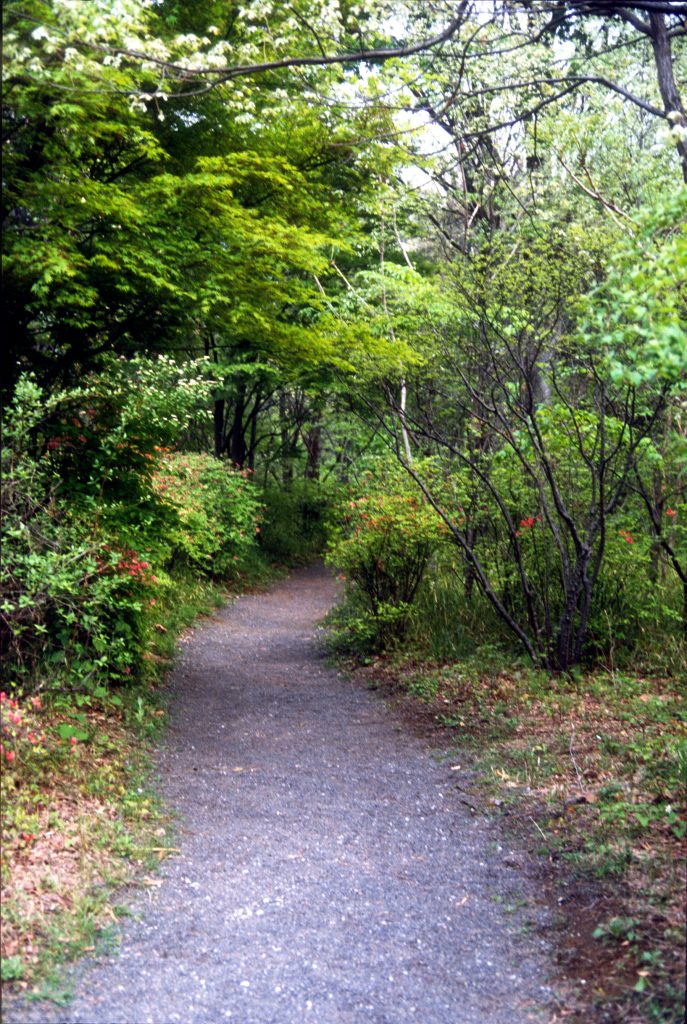
Today, the East Gardens remain a cultural and historical haven for locals and tourists alike. Open year-round except Mondays, Fridays, and designated holidays, they offer a peaceful retreat from urban life. Visitors can explore Edo Castle’s remnants, its meticulously maintained gardens, and the Suwa no Chaya teahouse and learn about Japan’s imperial history.
Tea Ceremony In a Garden
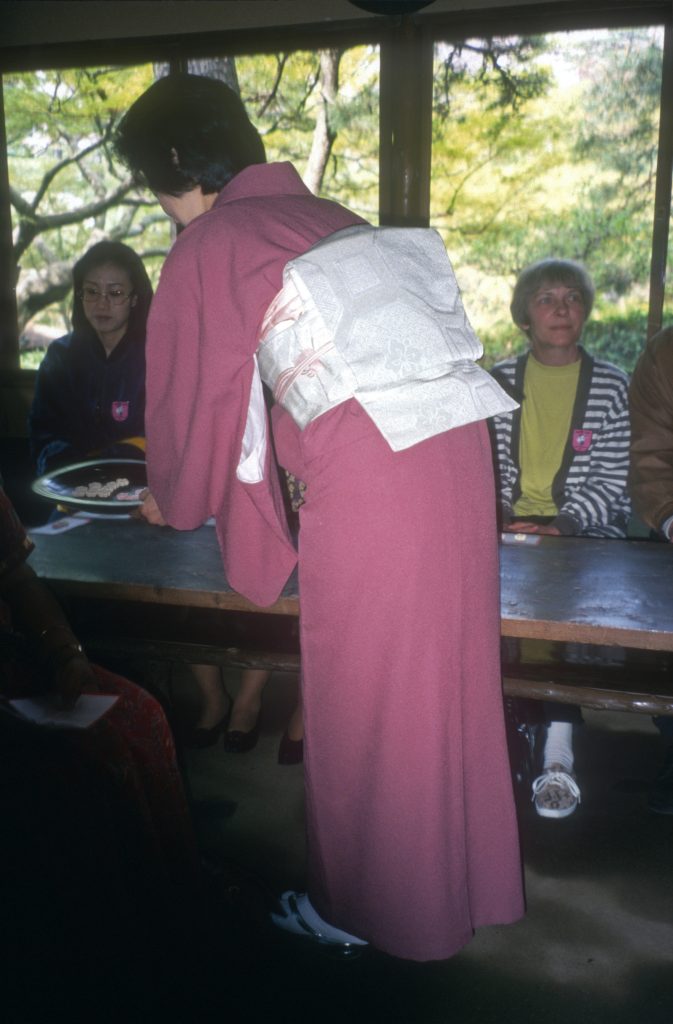
If you’d like to feel like a Japanese prince or princess yourself, or just an honored guest, here are two lovely gardens with tea houses that offer authentic Japanese tea service amidst beautiful, peaceful landscapes.
Hamarikyu Gardens
Located in Chūō ward, Tokyo, Hamarikyu Gardens opened to the public on April 1, 1946. At the center of the garden’s Shioiri-no-ike (Tidal Pond) stands a teahouse accessible by two bridges, where visitors enjoy matcha and Japanese sweets in tea-ceremony style.
Kyū-Furukawa Gardens
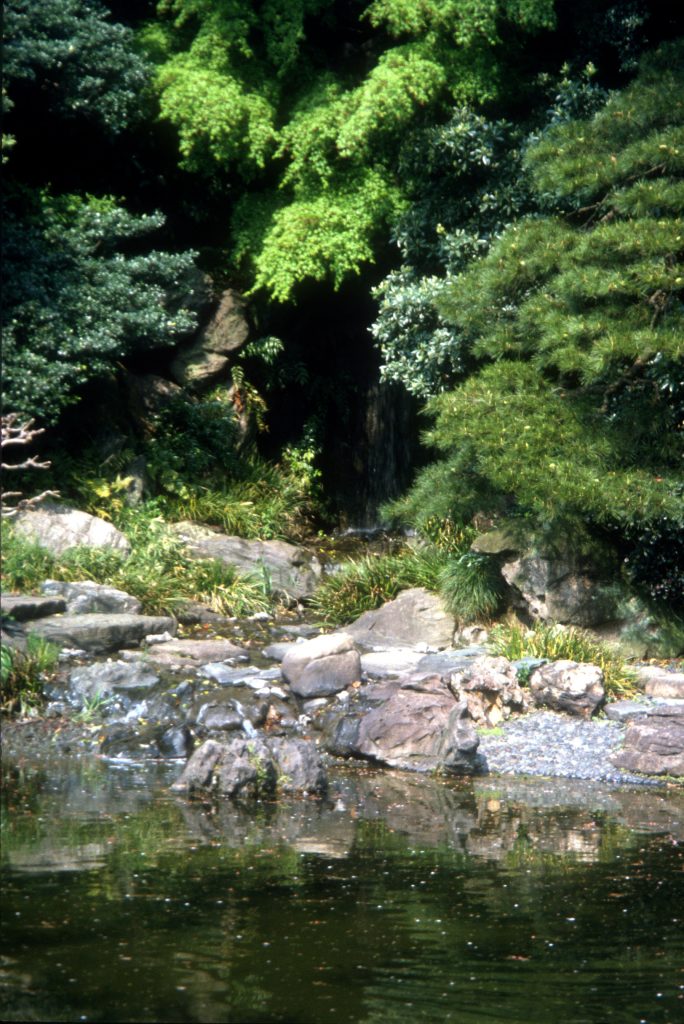
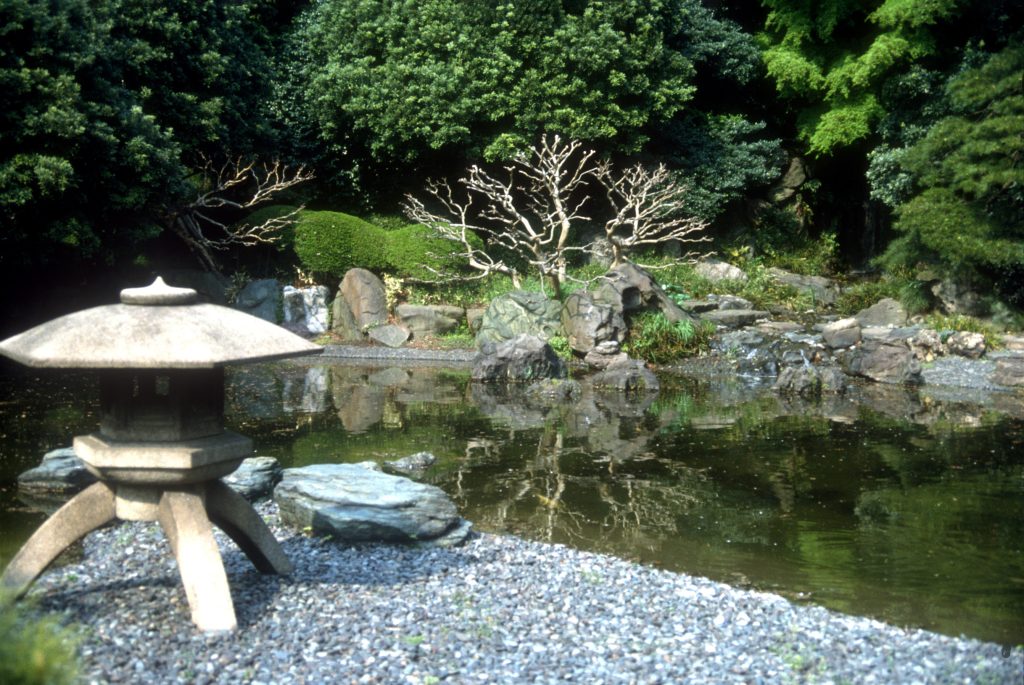
Situated on the Musashino Terrace, Kyū-Furukawa Gardens blends Western and Japanese landscaping in a distinctive way. The Japanese garden at the base of the slope features a traditional tea ceremony house surrounded by forest, artificial hills, waterfalls, islands, and stone lanterns.
Two More Tea Experiences
Traditional Geisha and Tea Ceremony Experience in Asakusa
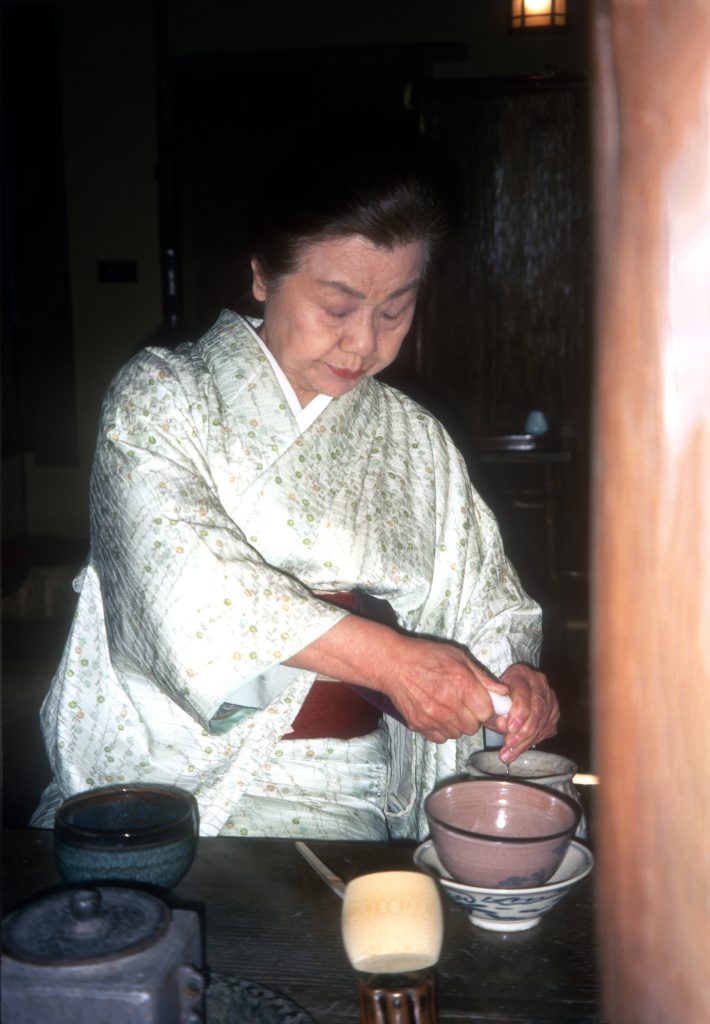
In Tokyo‘s historic Asakusa district, you can experience a traditional geisha and tea ceremony. This 60-minute event brings an intimate gathering where guests enjoy matcha tea and Japanese sweets while learning about Japan’s captivating heritage from a genuine geisha.
Japanese Tea Ceremony Hosted by Traditional Geisha in Fukagawa
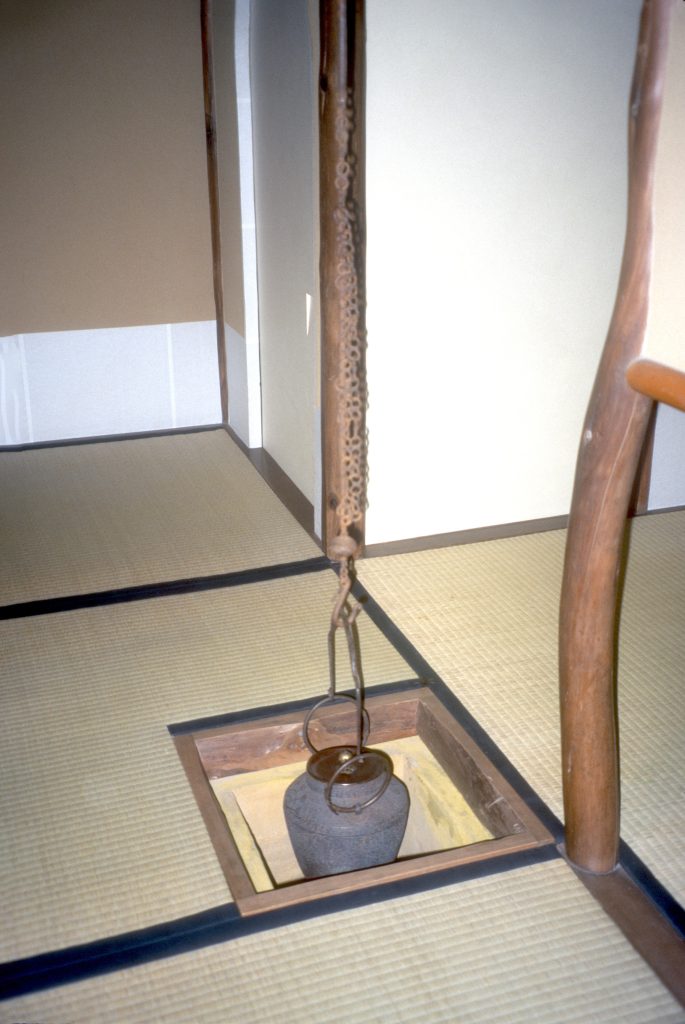
In Tokyo‘s Fukagawa District, you can experience a traditional tea ceremony hosted by a geisha. Held in a local teahouse with traditional Japanese decor and tatami mat flooring, this experience allows you to discover the art of the Japanese tea ceremony from a geisha master.
Grace Amidst the Turmoil
In Tokyo’s bustling metropolis, the teahouse once sheltered princes, warriors, and scholars seeking refuge from daily pressures. As you walk these historic paths, may you find your connection to Japan’s storied past and the same peace and reflection.
Where to Stay in Tokyo, Japan
For visiting the Imperial East Gardens, staying in Chiyoda ward puts you steps from the palace grounds with direct access to central Tokyo via the Chiyoda Line. Hotels in this area range from business-class chains to traditional ryokans, with mid-range options around 8,000-15,000 yen per night and luxury properties at the higher end. The neighborhood is quiet and residential compared to busier districts, making it ideal if your main interest is exploring the imperial sites and nearby museums.
If you prefer more amenities and dining options, the adjacent Marunouchi area has larger hotels and remains within walking distance of the gardens. The area around Tokyo Station offers good value and convenient transit to the city’s other neighborhoods, with hotels clustered along the station and its surrounding blocks. Business hotels here typically run 6,000-12,000 yen per night and serve both leisure and business travelers.
For a different experience, consider staying in Nihonbashi, just south of the Imperial Palace district. This historic merchant quarter has small hotels and boutique guesthouses alongside larger chains, while the Nihonbashi River area offers a quieter, more local feel than central Chiyoda. You’ll be a short train ride from the gardens but gain easier access to traditional shopping streets and restaurants outside the main tourist corridor.
Book accommodations in advance during cherry blossom season (late March to early April) and Golden Week (late April to early May), as rooms fill quickly across central Tokyo. Most hotels in these wards have English-speaking staff and online reservations, with many offering luggage storage for exploring other neighborhoods during your stay.
Recommended Reading
**Historical Fiction:**
- The Samurai’s Garden by Gail Tsukiyama: A poignant tale set in 1930s Japan, exploring themes of love, honor, and the healing power of gardens.
- The Teahouse Fire by Ellis Avery: A richly detailed novel delving into the world of the Japanese tea ceremony during the Meiji era.
Non-Fiction:
- Tokyo: A Biography by Stephen Mansfield: An accessible history tracing Tokyo’s evolution from a small fishing village to a global metropolis.
- The Book of Tea by Kakuzo Okakura: A classic work exploring the philosophy and aesthetics of Japanese tea culture.
- Edo Culture: Daily Life and Diversions in Urban Japan, 1600-1868 by Nishiyama Matsunosuke: An insightful look into the cultural and social life of Edo-period Japan.
- Insight Guide: Tokyo – From deciding when to go, to choosing what to see when you arrive, this guide to Tokyo is all you need to plan your trip and experience the best this city has to offer, with insider information on must-see, top attractions like Senso-ji, Roppongi and the Imperial Palace, together with cultural experiences like enjoying a soothing soak in an onsen with some locals, picnicking in the blossom-strewn Yogogi Park and soaking up the atmosphere in the city’s famous Cat’s House.
Tours to Consider
- Tokyo City Tour by Private Car & English guide
- Tokyo Private Tour of the Imperial Palace East Gardens
- Private Tour – History, Art and Nature at the Imperial Palace