
You can’t throw a bowling ball without hitting a Habsburg building in Vienna, many of them grand palaces!
The Habsburg family dominated European politics for over six centuries. As dukes and emperors, the Habsburgs ruled Austria from 1282 to 1918. They also controlled Hungary and Bohemia (1526-1918) and ruled Spain and the Spanish empire for nearly two centuries (1504-06, 1516-1700). Empress Maria Theresa married off all 16 of her children to royalty, notably including Marie-Antoinette to the Dauphin of France and Maria Carolina to the King of Naples, effectively using them to solidify political alliances. Habsburg blood still flows through the English Crown.
Vienna was their seat of governance for over 600 years, affording ample time to build and rebuild their empire’s architectural signature. Much of the monumental construction and lavish renovation was spearheaded under Maria Theresa and her grandson, the long-reigning Emperor Franz Joseph I. Their legacy is a cityscape that exudes imperial grandeur at every turn.
Vienna at Its Best
Today, wandering Vienna’s gracious boulevards and cobbled lanes reveals the physical reality of empire: the smell of roasted chestnuts curling through chilly winter air, the gleam of crystal chandeliers through golden windows at twilight, the clip-clop of horse-drawn Fiaker carriages echoing off marble facades. The Habsburgs ruled through architecture, each stone a story of power, ambition, and cultural blossoming.
You Won’t Want to Miss
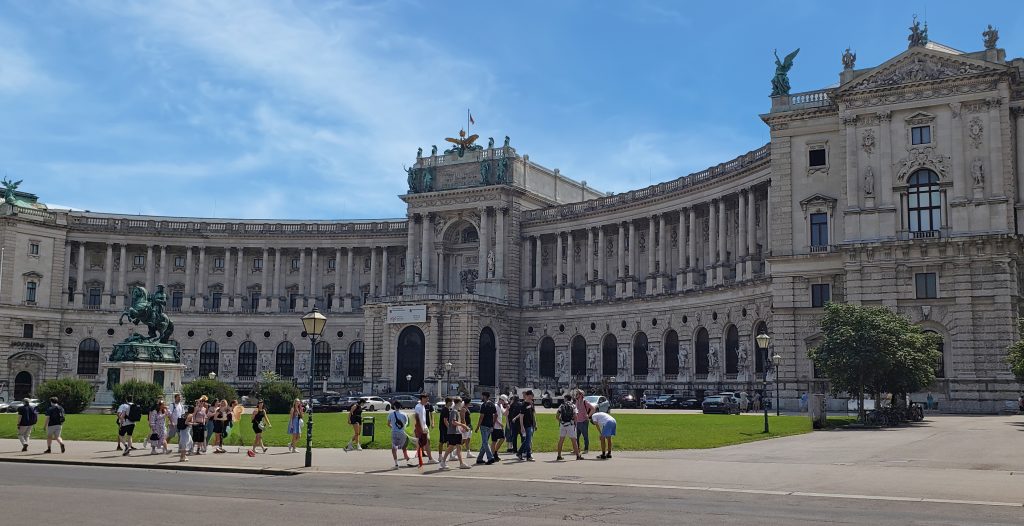
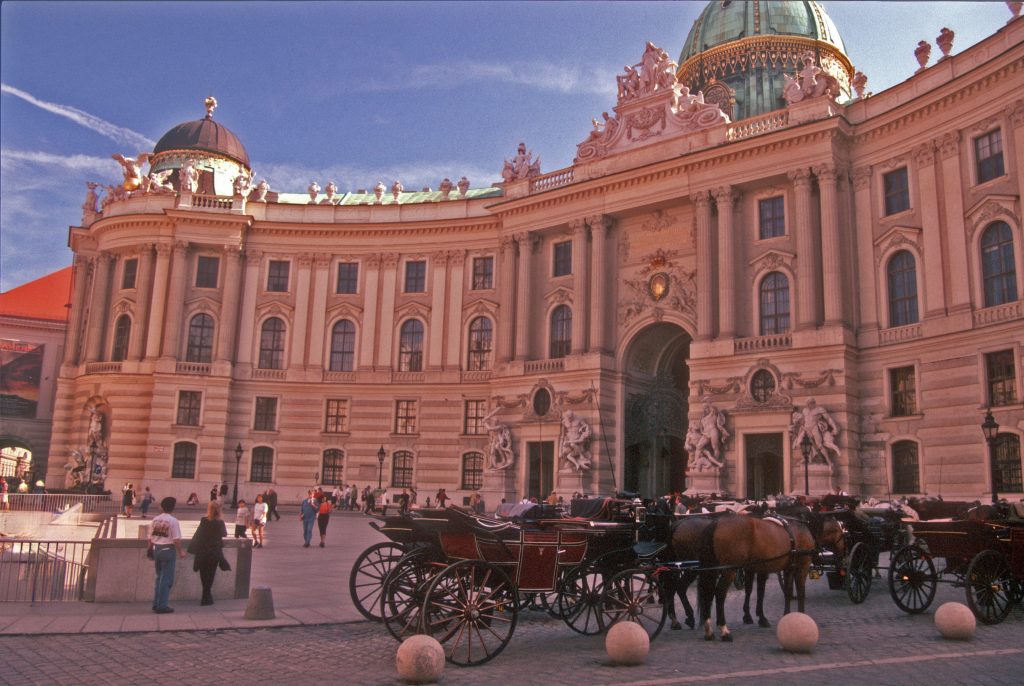
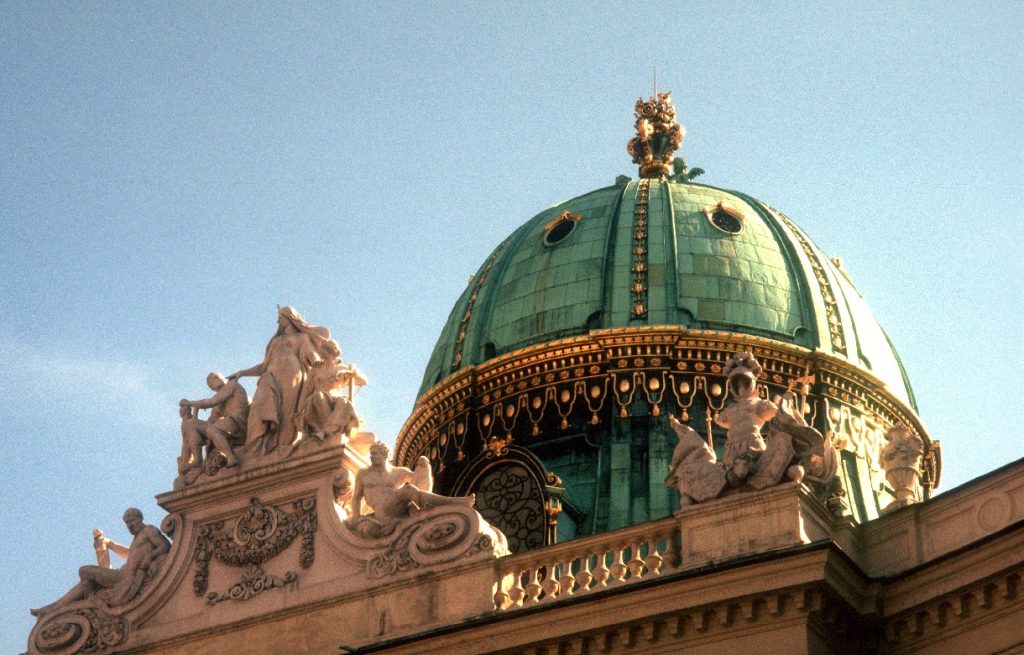
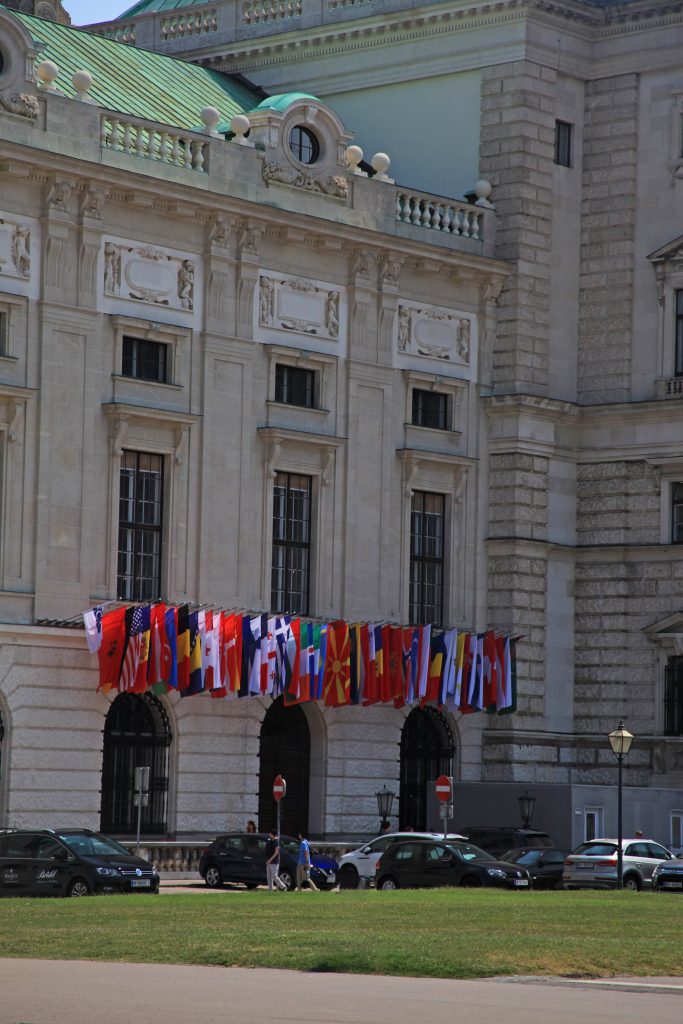
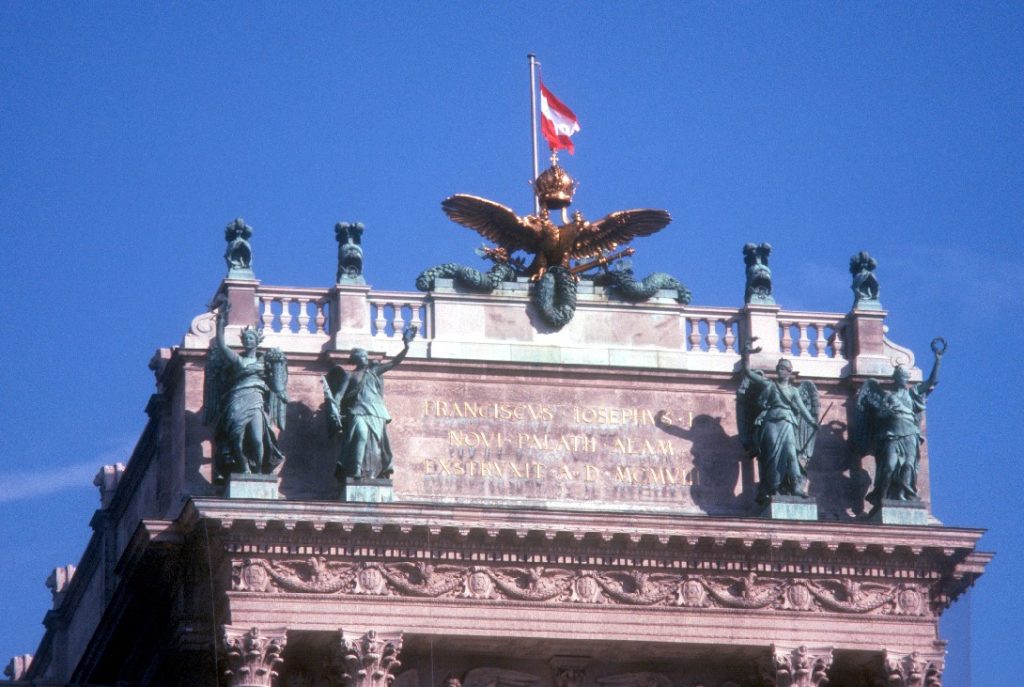
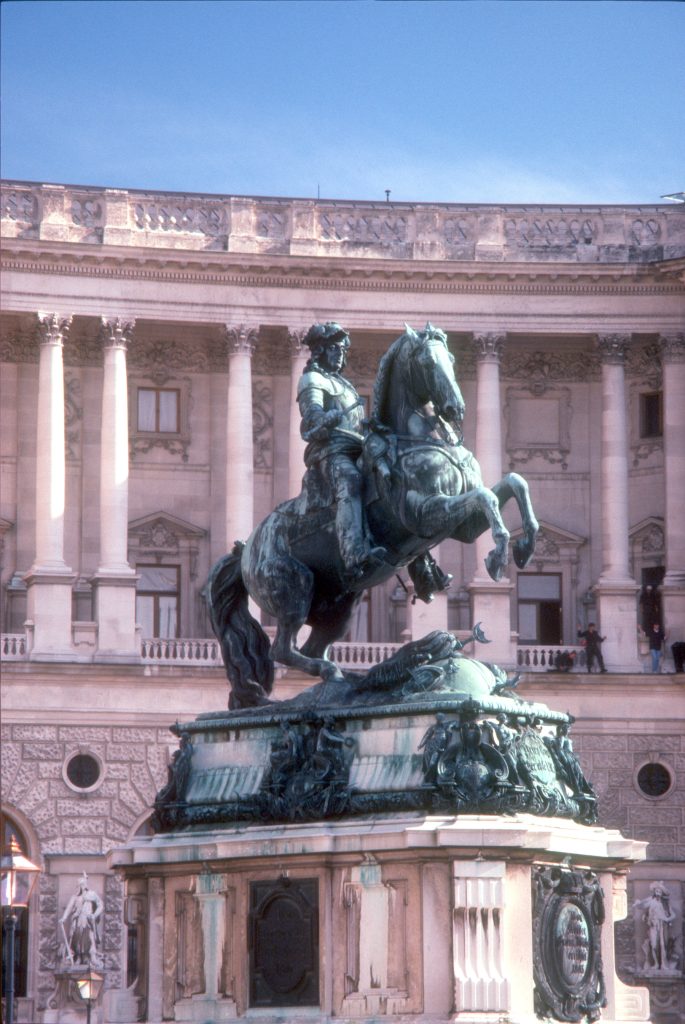
Hofburg Palace: Built initially as a 13th-century fortified castle, it evolved into an imperial residence and administrative center. This imposing crescent-shaped palace, with its 2,600 rooms and halls, 18 wings, and 19 courtyards covering 2.5 million square feet, served as the imperial winter residence. (Nearly 5,000 still work and live there today!) Touring it today as a museum brings visitors face-to-face with the tragic story of Empress Sisi (Elizabeth), a renowned beauty who married Emperor Franz Joseph I. Her once-idyllic marriage crumbled under court pressures and a tyrannical mother-in-law. Her life ended in tragedy when she was assassinated in Geneva. The museum displays her dresses, famously tiny-waisted garments, her apartments, and splendid state rooms. The palace also houses the Imperial Apartments, the Sisi Museum, and the Imperial Silver Collection, each revealing the opulence and ceremonial life of the Habsburg court.
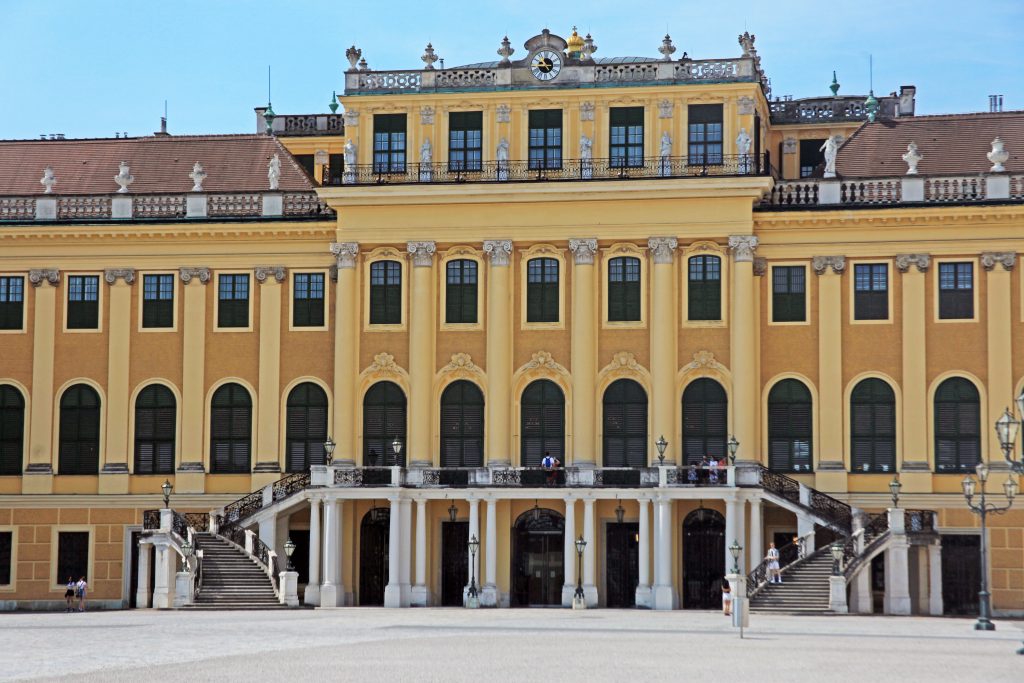
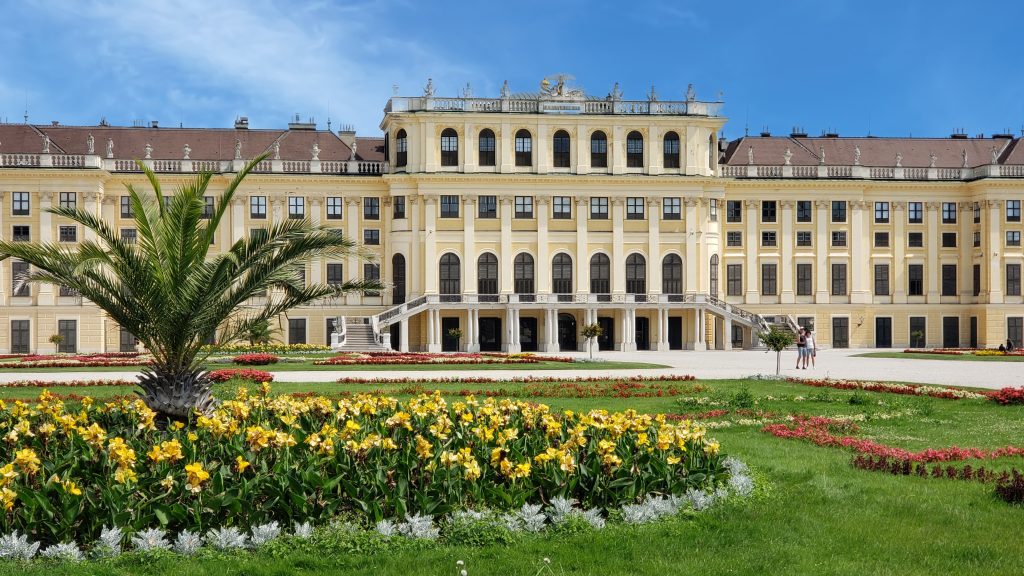
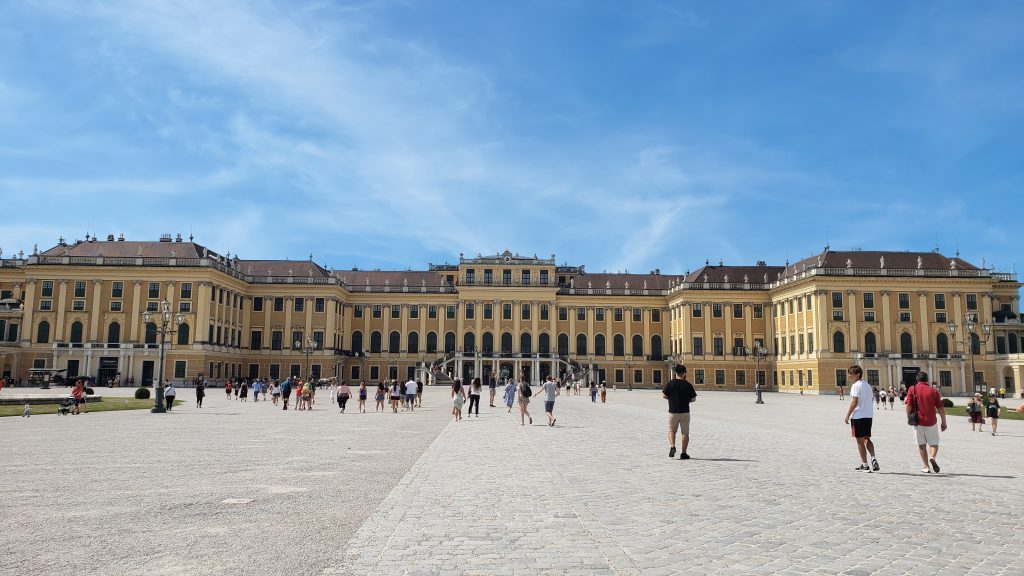
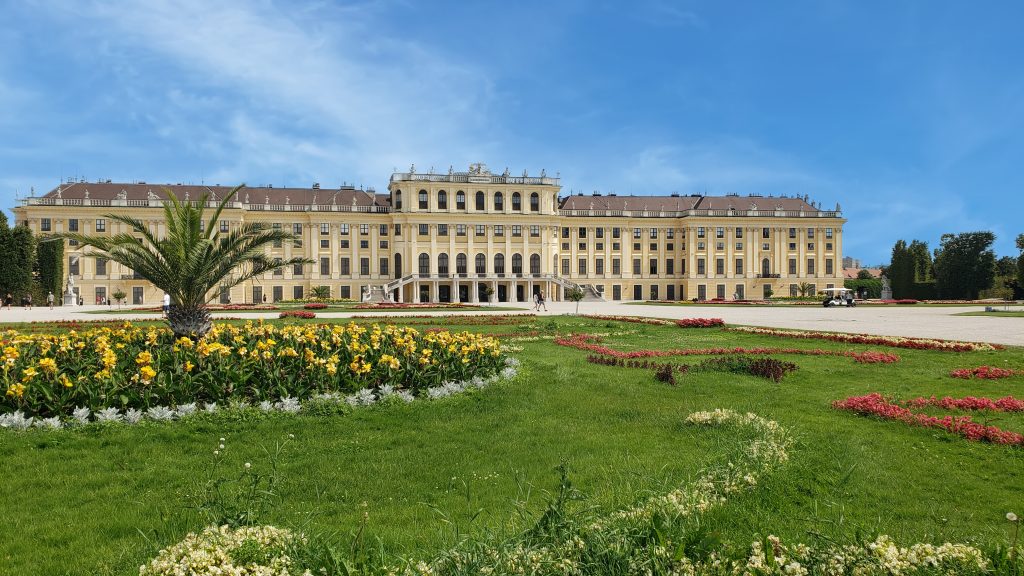
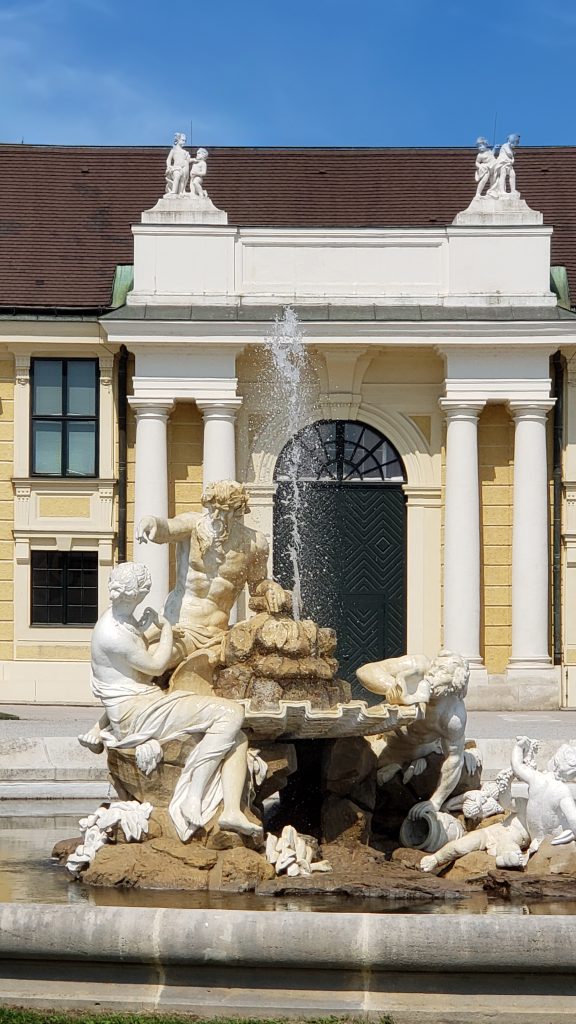
Schönbrunn Palace: The Habsburgs’ Baroque summer residence an hour outside Vienna’s city center has 1,441 rooms and formal gardens. Originally designed as a hunting lodge for Emperor Leopold I, Maria Theresa later transformed it into a palatial complex. Its lavish Rococo interiors include the Hall of Mirrors, where a young Mozart famously performed, and the Great Gallery. The surrounding gardens feature the magnificent Neptune Fountain, ornate flowerbeds, and the Gloriette, a hilltop pavilion with sweeping views of Vienna. Maria Theresa made it her favored seat of power, and its gilded halls and mirrored ballrooms still shimmer with echoes of imperial grandeur.
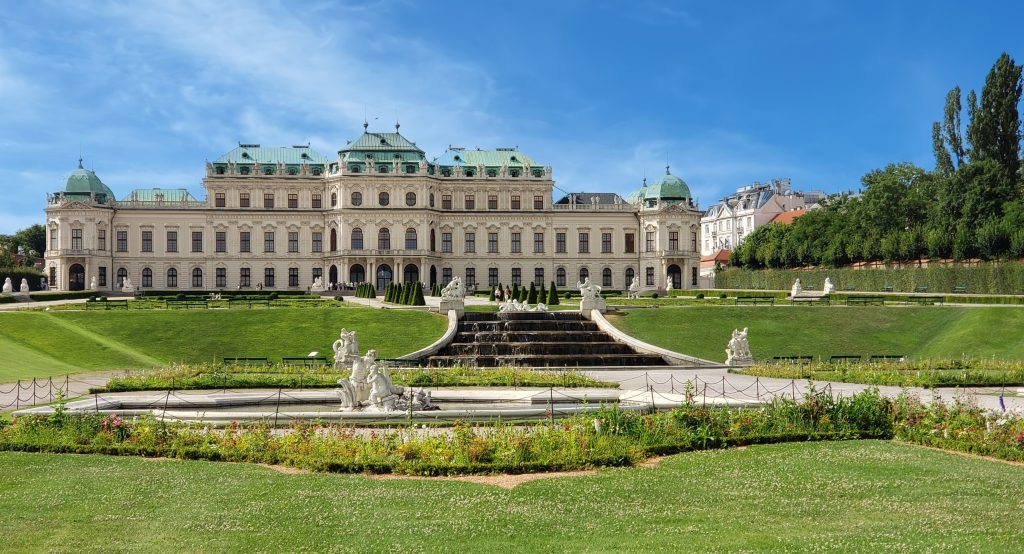
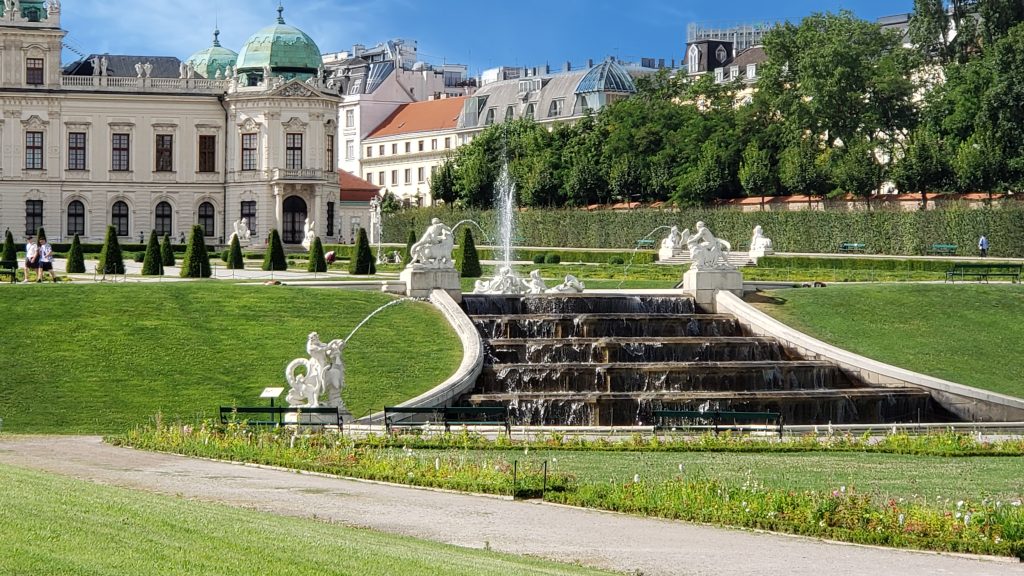
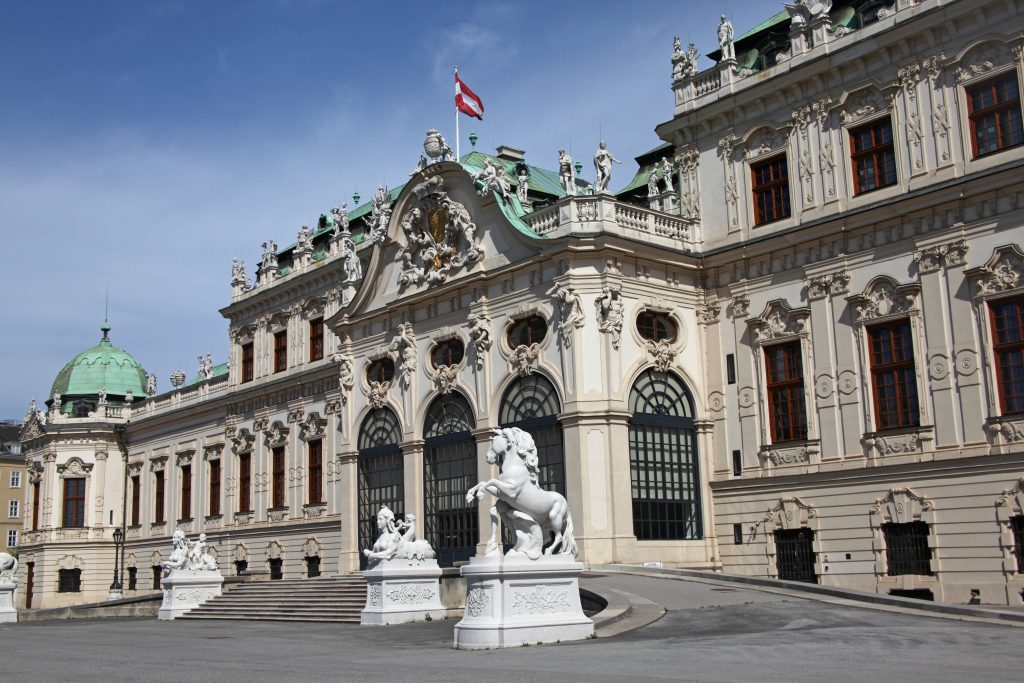
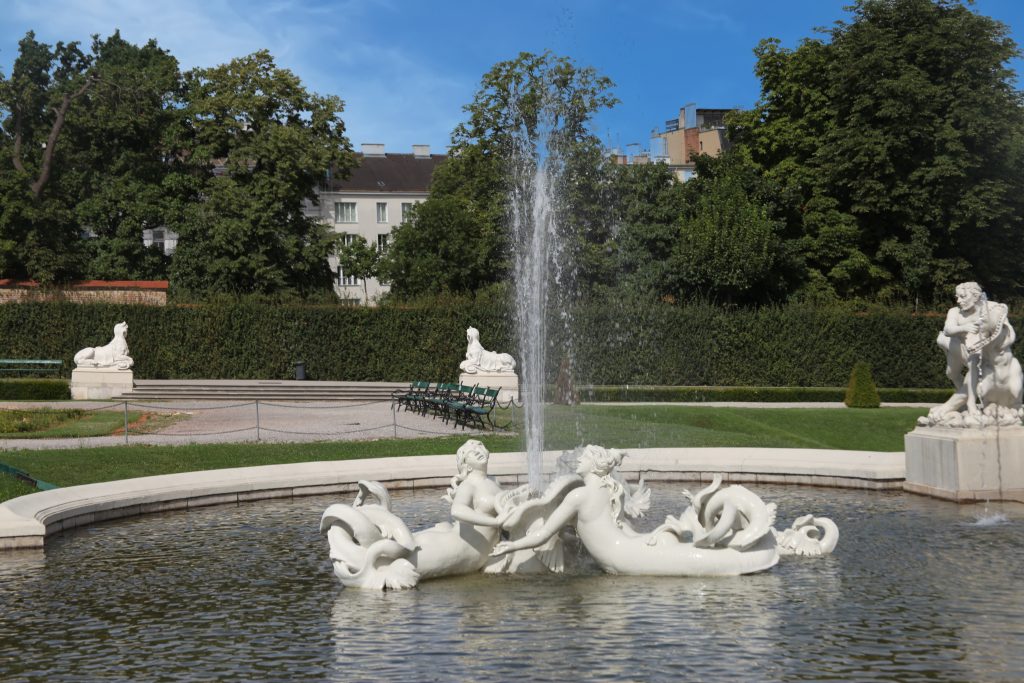
Belvedere Palace: Built as the summer retreat for Prince Eugene of Savoy, a celebrated field marshal and defender against the Ottoman Empire, this graceful Baroque palace comprises the Upper Belvedere and the Lower Belvedere. The complex is connected by formal gardens adorned with cascades, statues, and carefully trimmed hedges. Today, the Upper Belvedere houses one of Austria’s most prized art collections, including works by Klimt, Schiele, and medieval masters, most notably Gustav Klimt’s famed The Kiss. The gilded ceremonial halls and marble salons echo Prince Eugene’s refined taste and military triumphs.
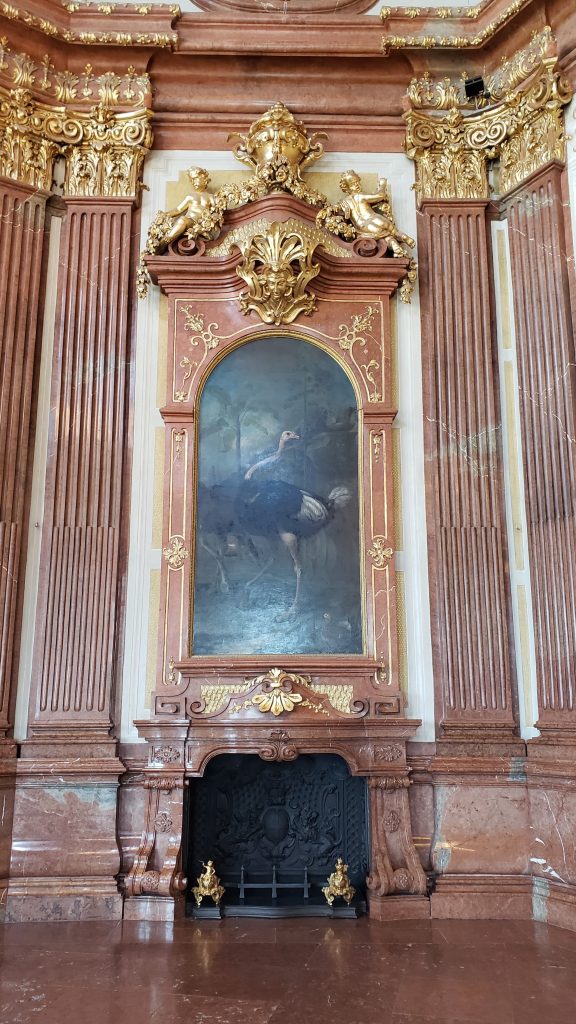
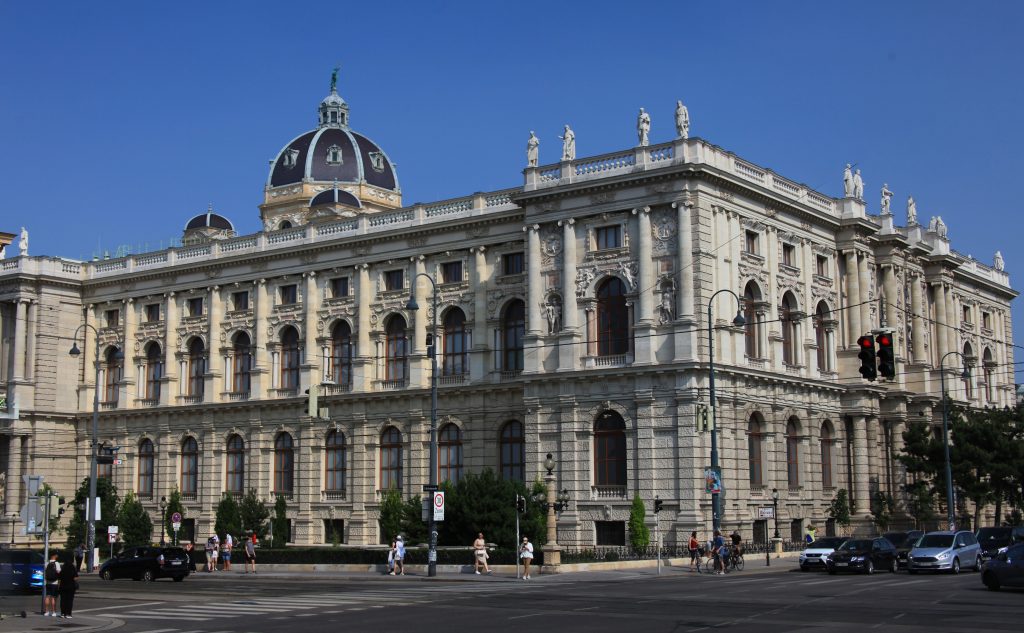
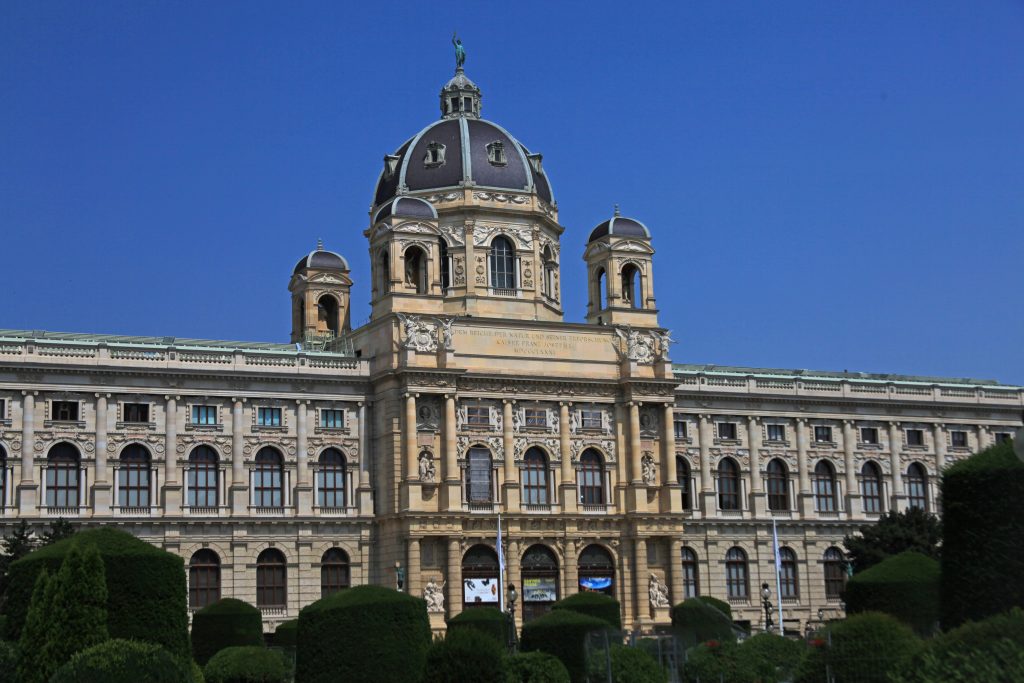
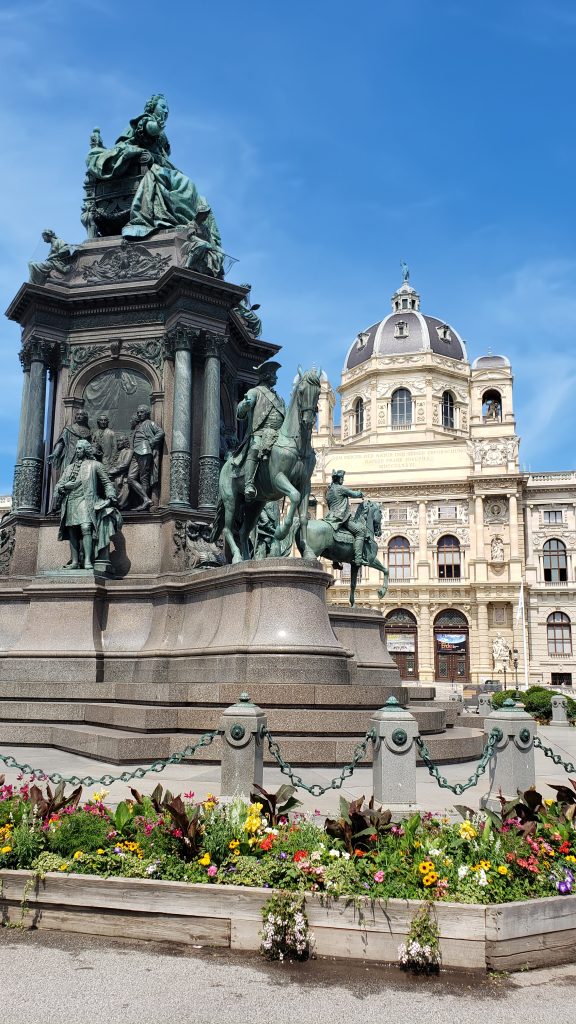
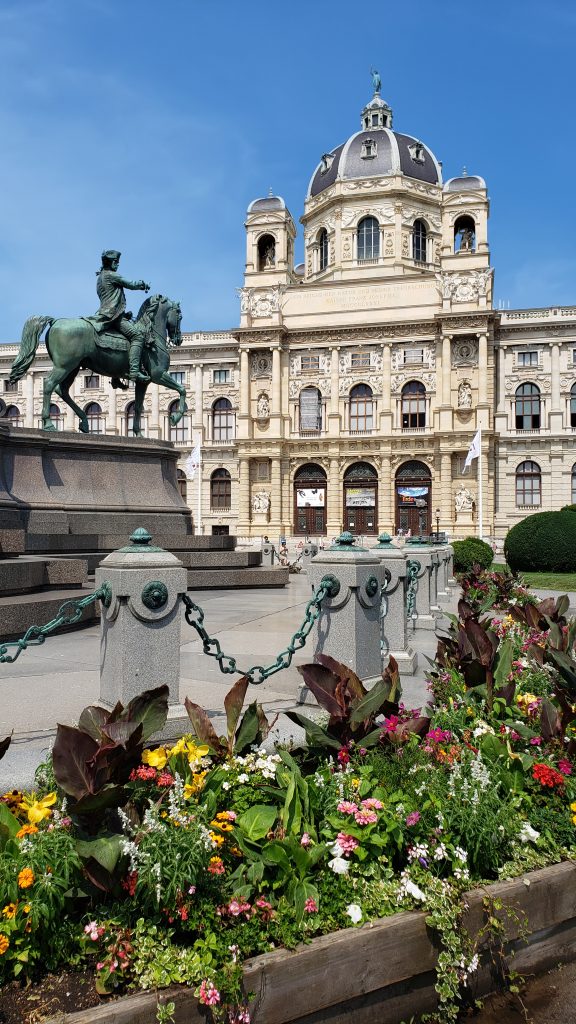
The Kunsthistorisches Museum: This palatial museum houses the Habsburgs’ formidable art collection of works by masters like Bruegel, Raphael, and Titian, displayed beneath soaring domes and frescoed ceilings. Across from it stands the Natural History Museum, its twin, forming a grand cultural axis with the Maria Theresa Monument.
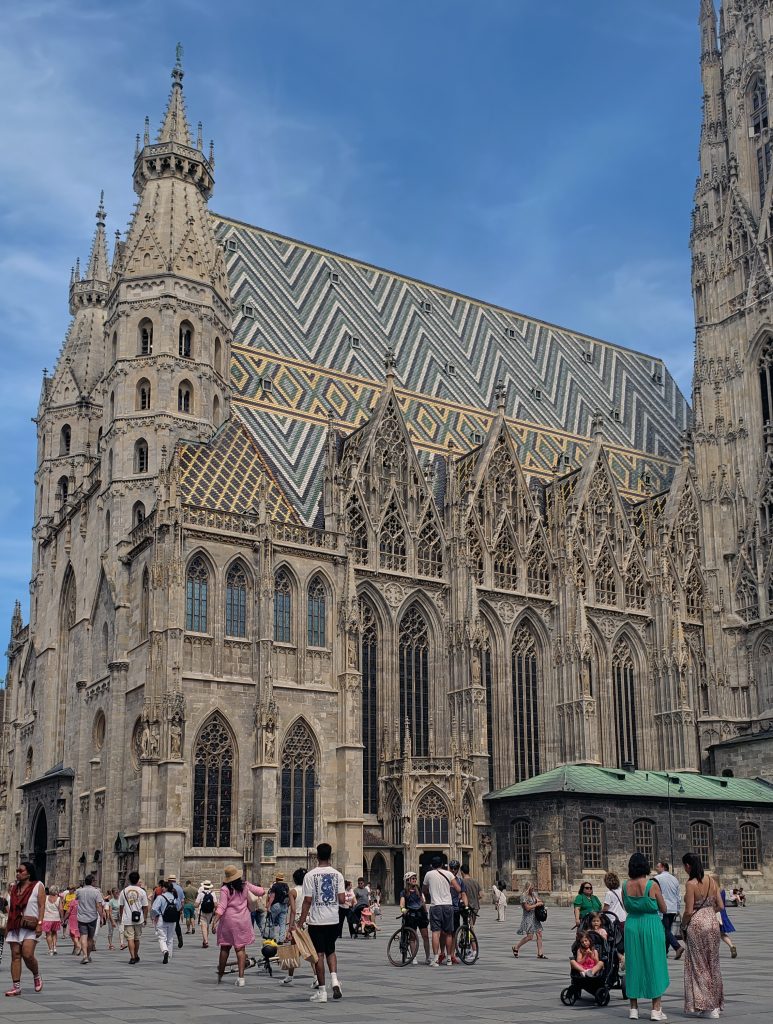
St. Stephen’s Cathedral: A Gothic marvel initiated largely under Duke Rudolf IV (1339-1365), known as the founder of the House of Habsburg. Its brilliant blue, gold, and white tiled roof rises like a jeweled crown over Vienna’s old town.
Other Notable Habsburg Contributions: The State Opera House, the Imperial Treasury (Schatzkammer), the Imperial Crypts, and the Church of the Augustinian Friars—each a product of imperial patronage—complete Vienna’s major cultural landmarks.
Where to Stay in Vienna, Austria
Staying in Vienna’s Innere Stadt puts you within walking distance of the Hofburg Palace, St. Stephen’s Cathedral and most major sights. Hotels here range from luxury five-star properties like the Hotel Sacher to mid-range options, with prices reflecting the central location. If you prefer quieter streets and lower costs, Neubau’s hotels offer good value in a lively neighborhood with cafes and galleries.
The Second District (Leopoldstadt) across the Danube Canal offers good value and sits just a short tram ride from the center. This area has been revitalized in recent years and now hosts some of Vienna’s finest museums and parks. It’s a genuine residential neighborhood, not a tourist zone, which means better local restaurants and fewer breakfast crowds.
For a more relaxed pace, consider the Sixth or Eighth Districts, both walkable to the city center and offering plenty of modest, family-run hotels. The Sixth District sits near the Naschmarkt, Vienna’s premier food market, well worth a visit on its own. These neighborhoods give you access to local coffee houses and shops without the premium you’d pay near the Hofburg.
Book accommodations with free or low-cost WiFi and confirm tram connections to the First District, as Vienna’s public transport is reliable and inexpensive. Many hotels include a substantial breakfast buffet, offsetting the cost of eating out for that meal. Austrian hotel staff generally speak English, and direct booking often yields better rates than international platforms.
Recommended Reading
- The Accidental Empress by Allison Pataki: A vivid novel chronicling the passionate, tumultuous life of Empress Sisi, from her glittering ascension to her heart-wrenching struggles.
- Passions of the Mind by Irving Stone: A brilliant biographical novel that explores Sigmund Freud’s revolutionary ideas and his battle for acceptance in turn-of-the-century Vienna.
- Imperial Scandal by Teresa Grant: A suspenseful historical novel set against the backdrop of the Congress of Vienna, filled with intrigue, espionage, and elegant palace settings.
- The Painted Kiss by Elizabeth Hickey: A richly atmospheric novel tracing the life of Emilie Flöge, muse and companion to Gustav Klimt, with scenes unfolding in the glittering salons and gardens of Vienna’s palatial world.
- Music in Vienna: 1700, 1800, 1900 by David Wyn Jones: An illuminating cultural history showing how the Habsburgs’ patronage of music shaped Vienna into the world’s musical capital.
