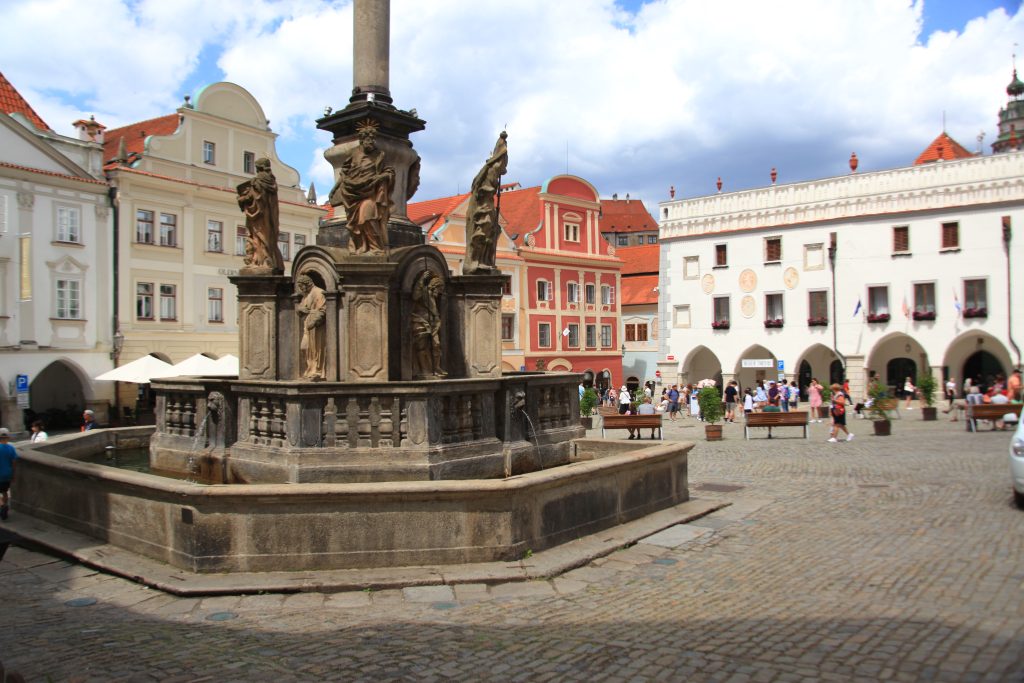
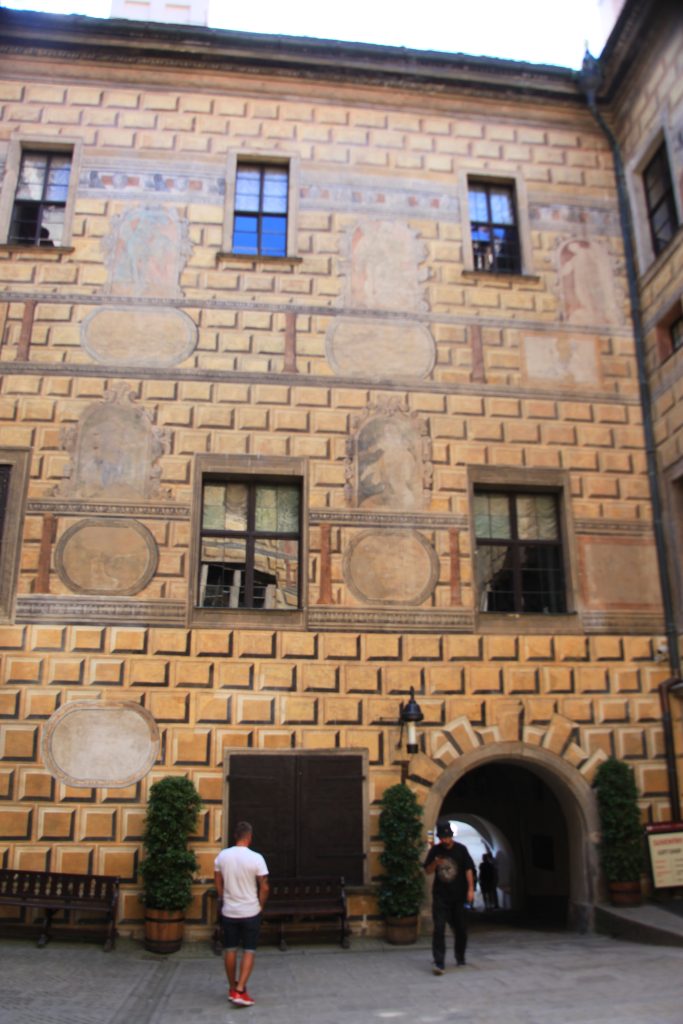
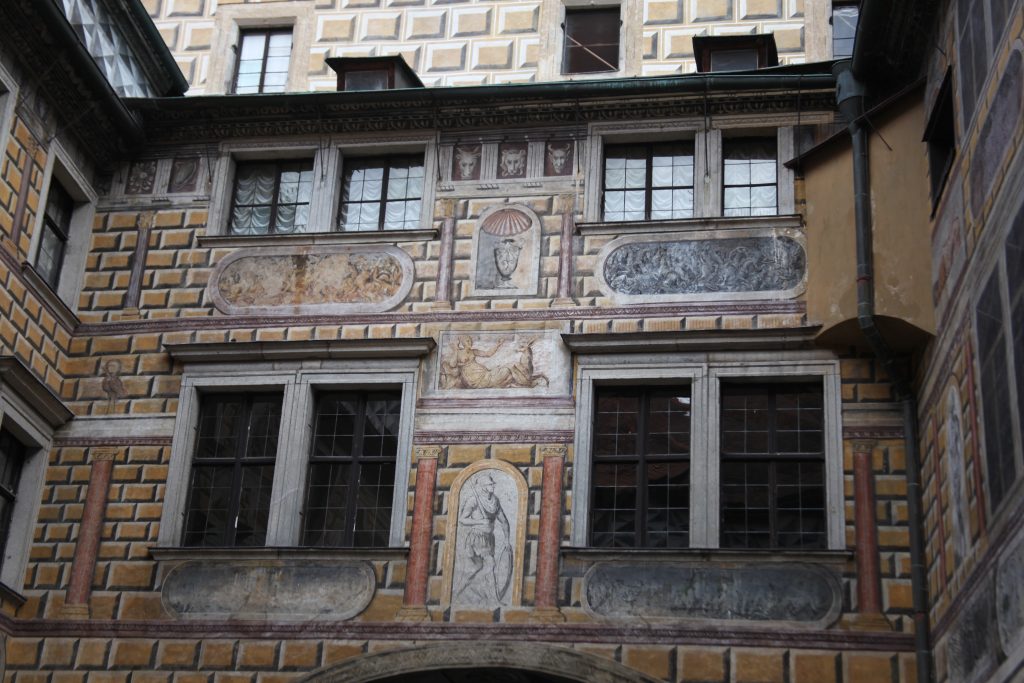
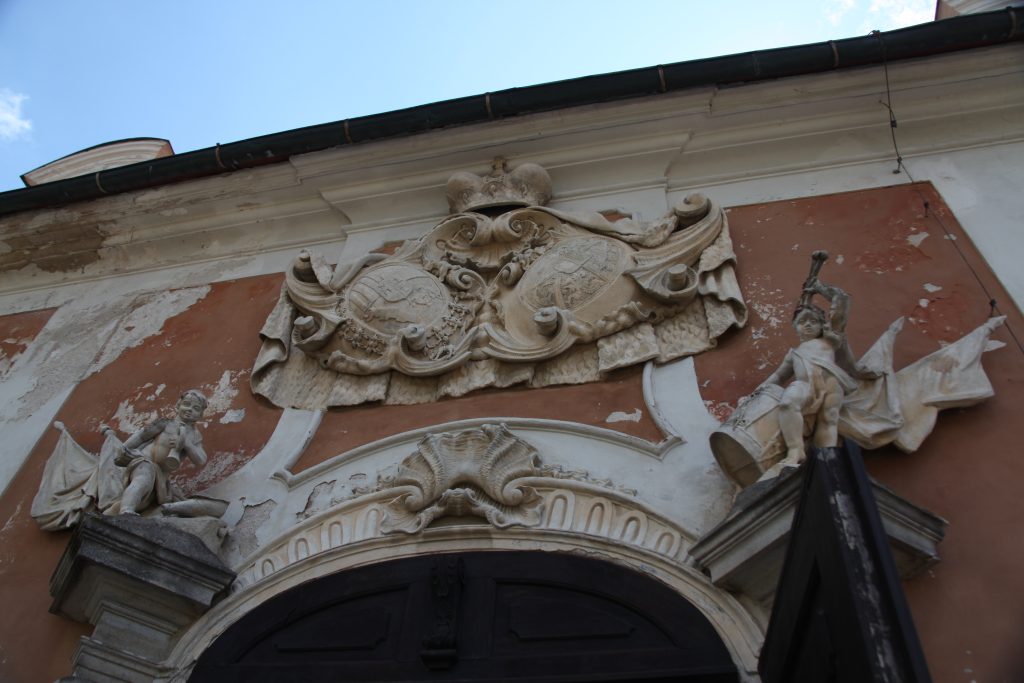
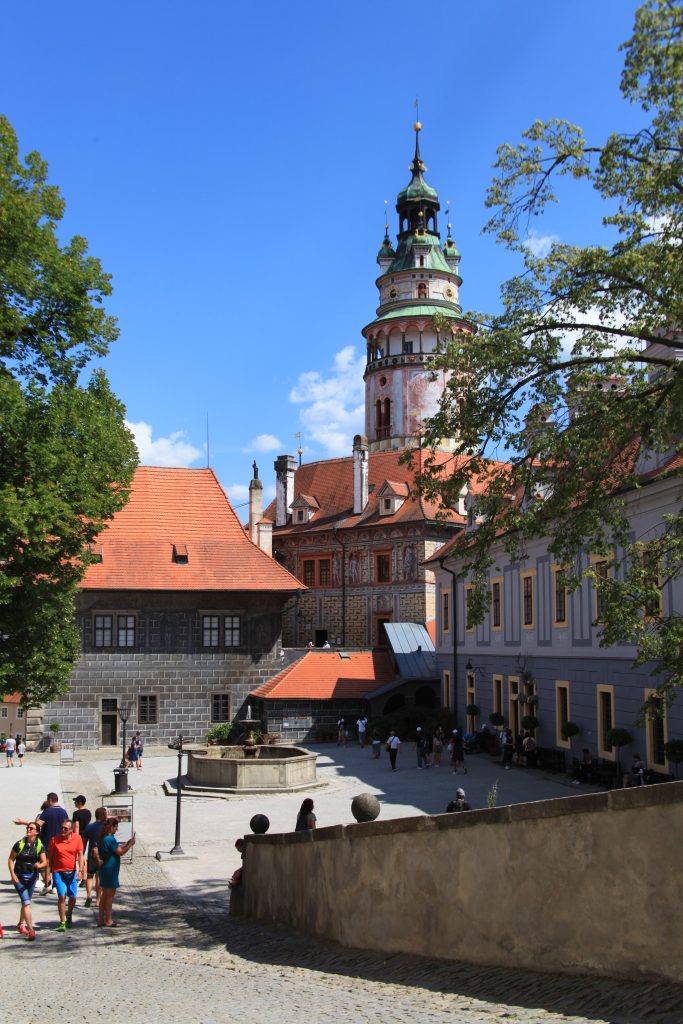
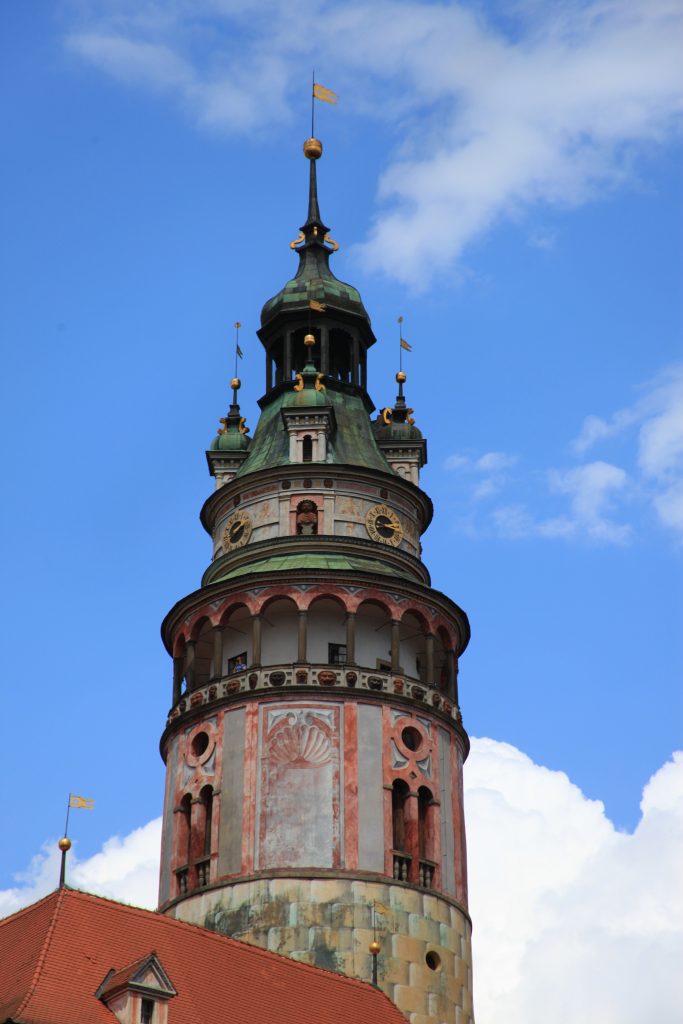
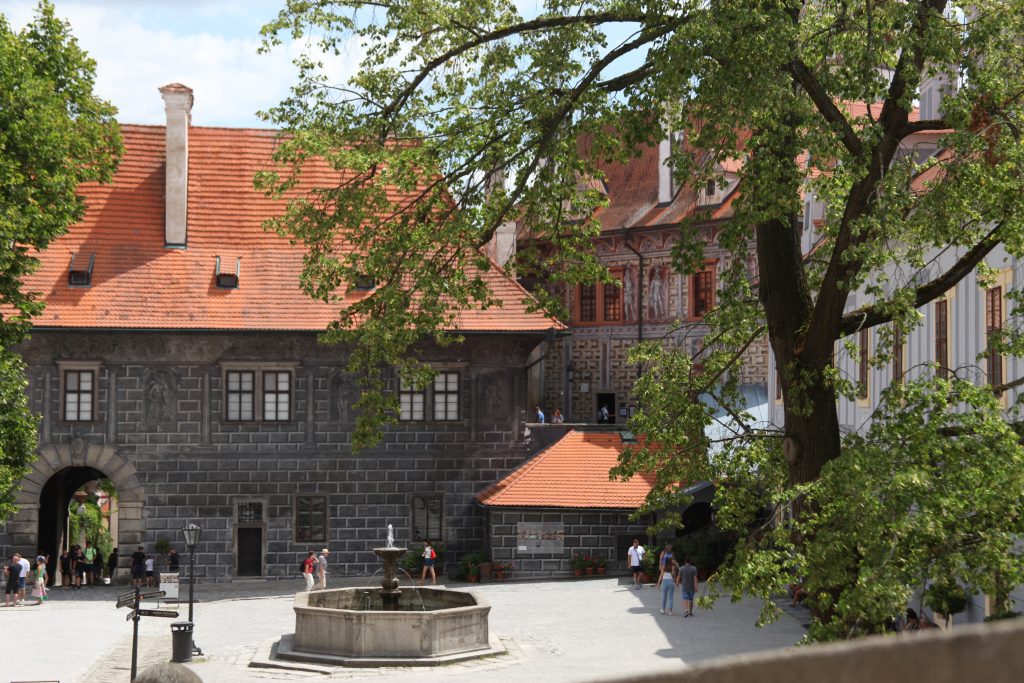
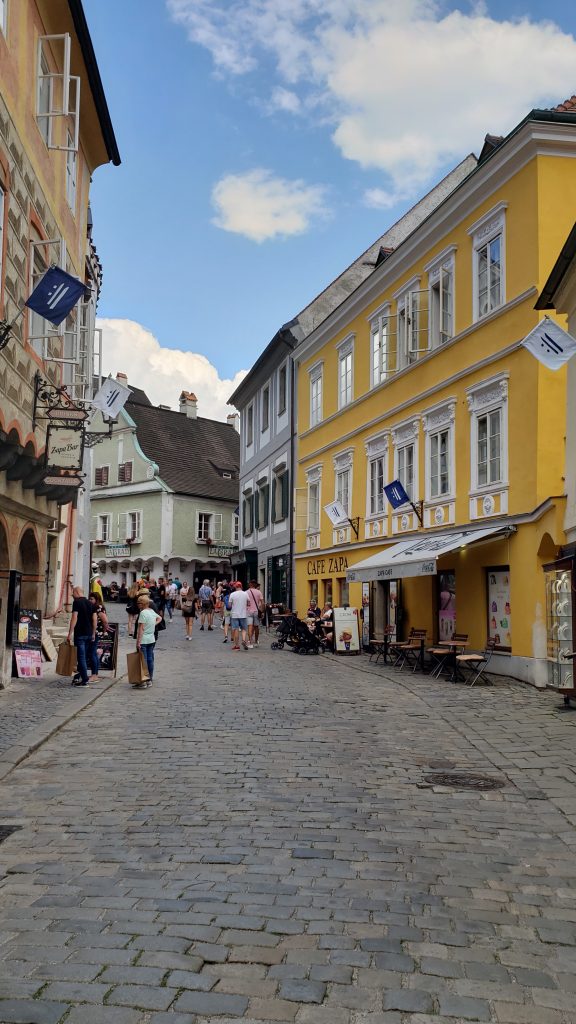
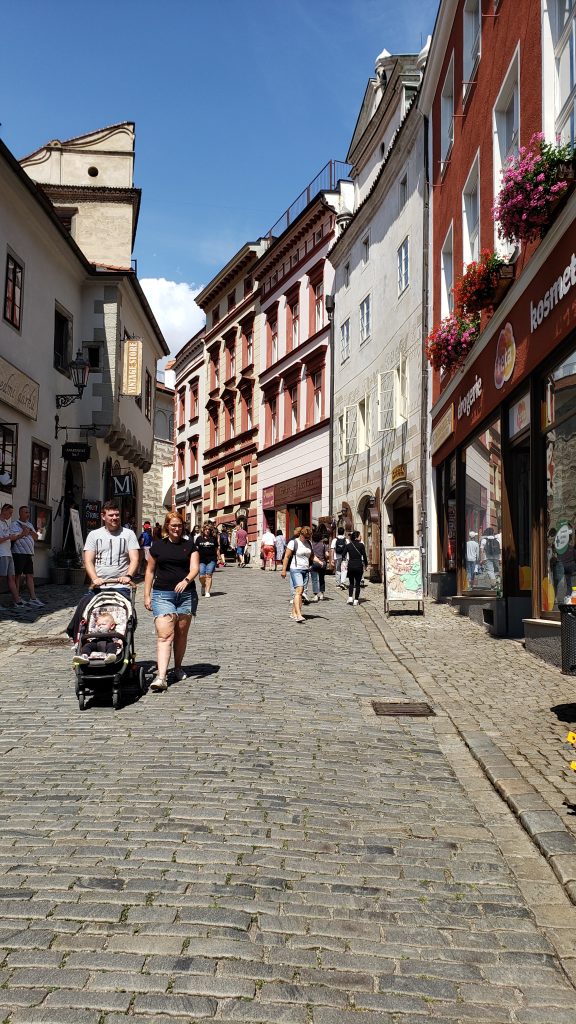
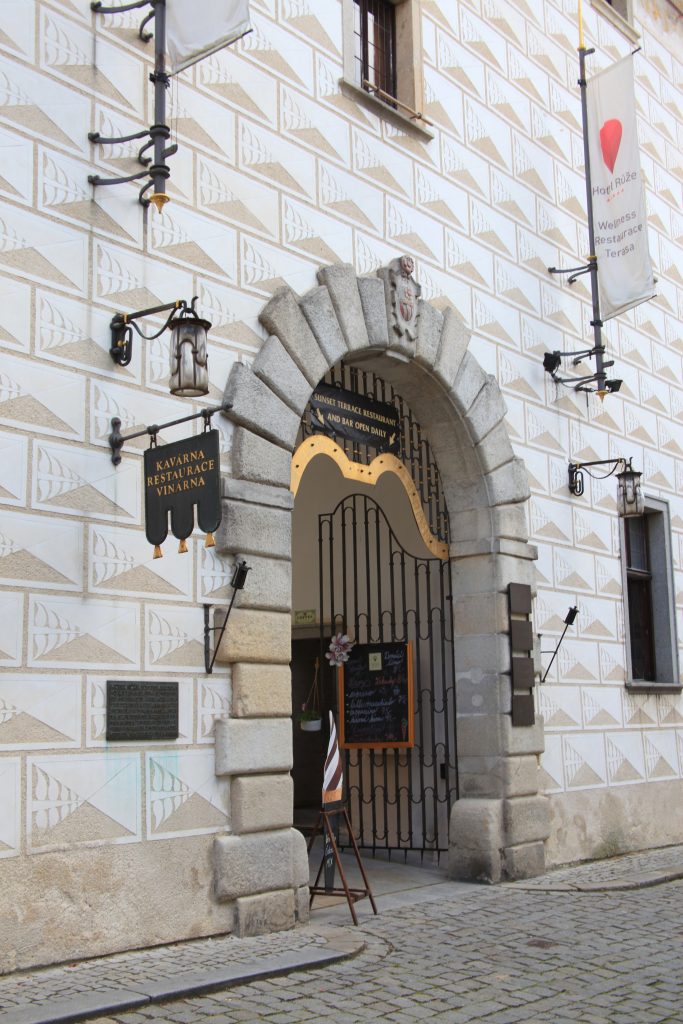
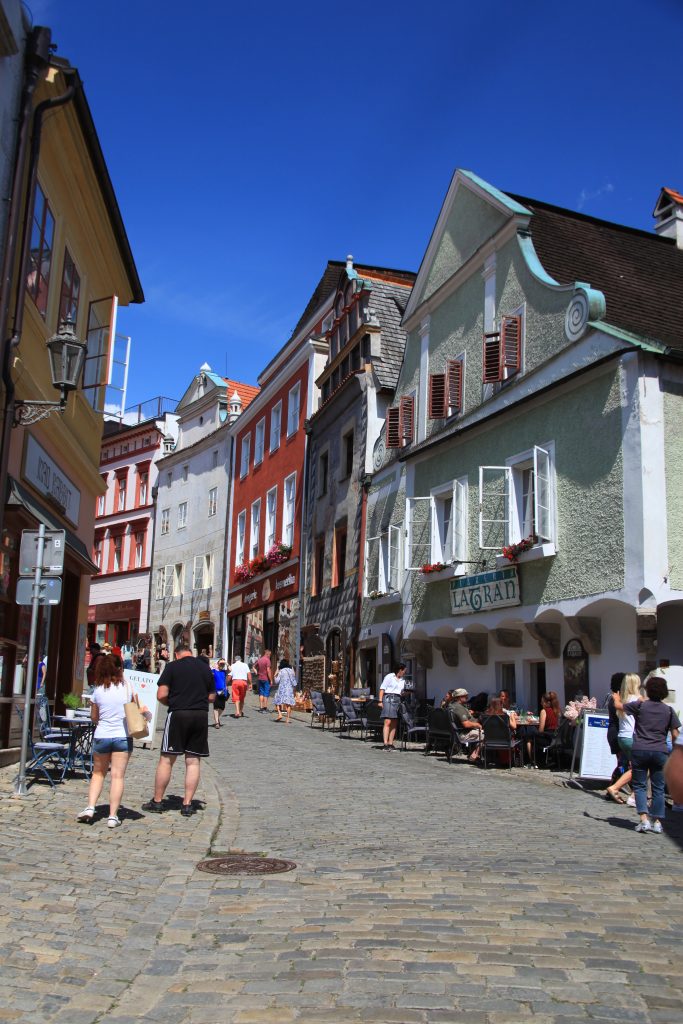
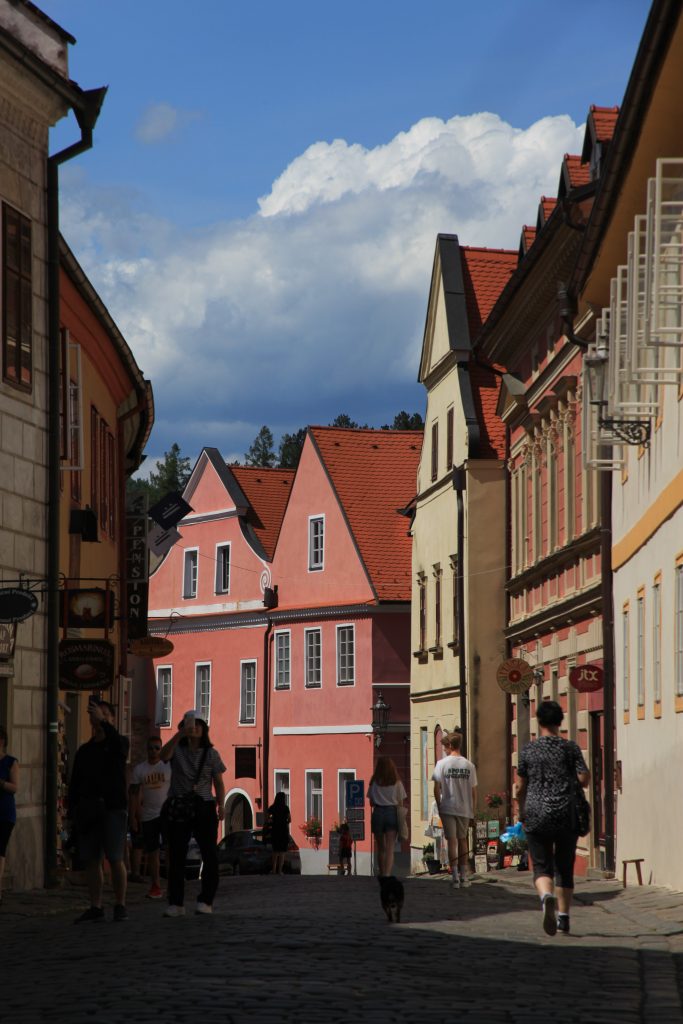
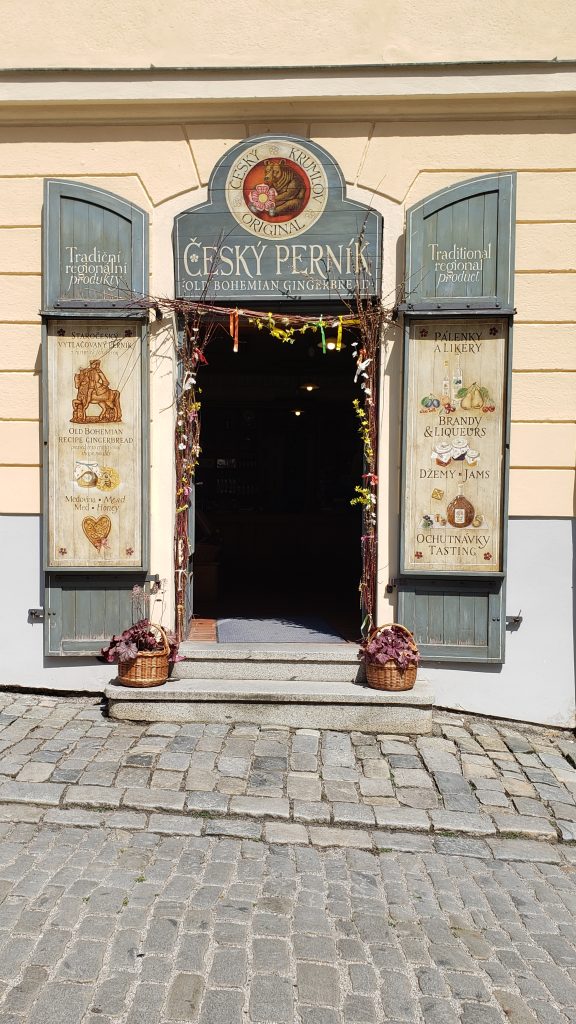
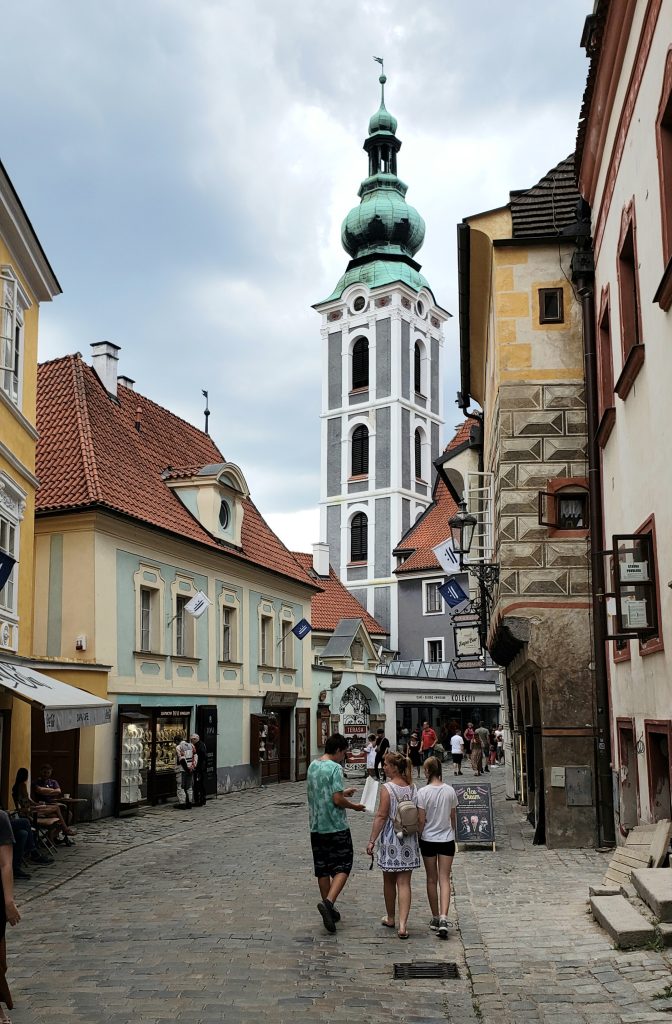
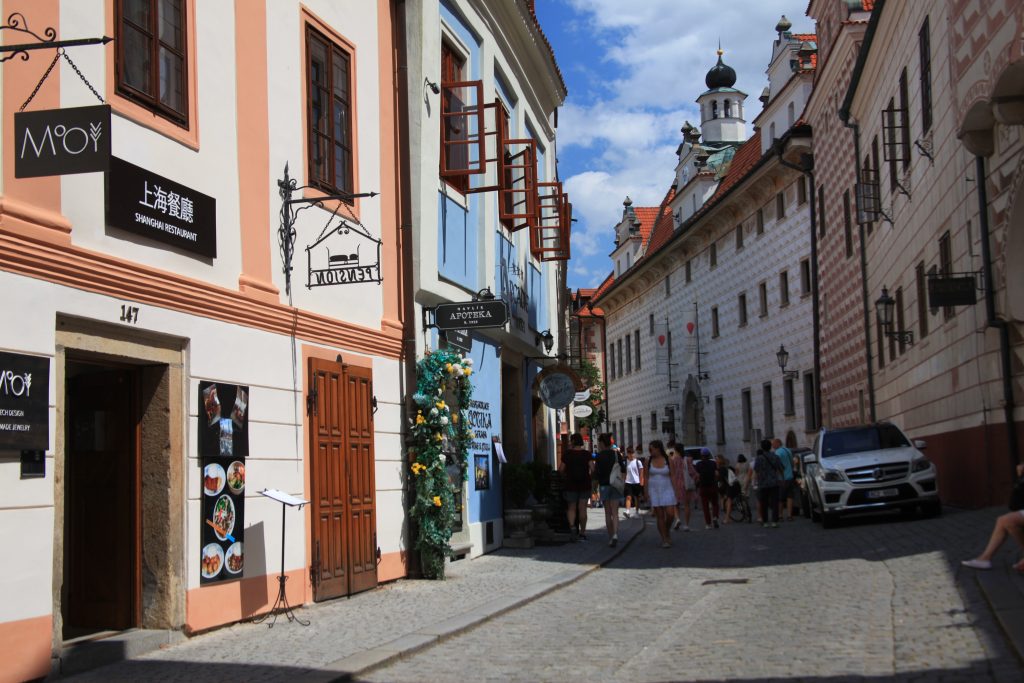
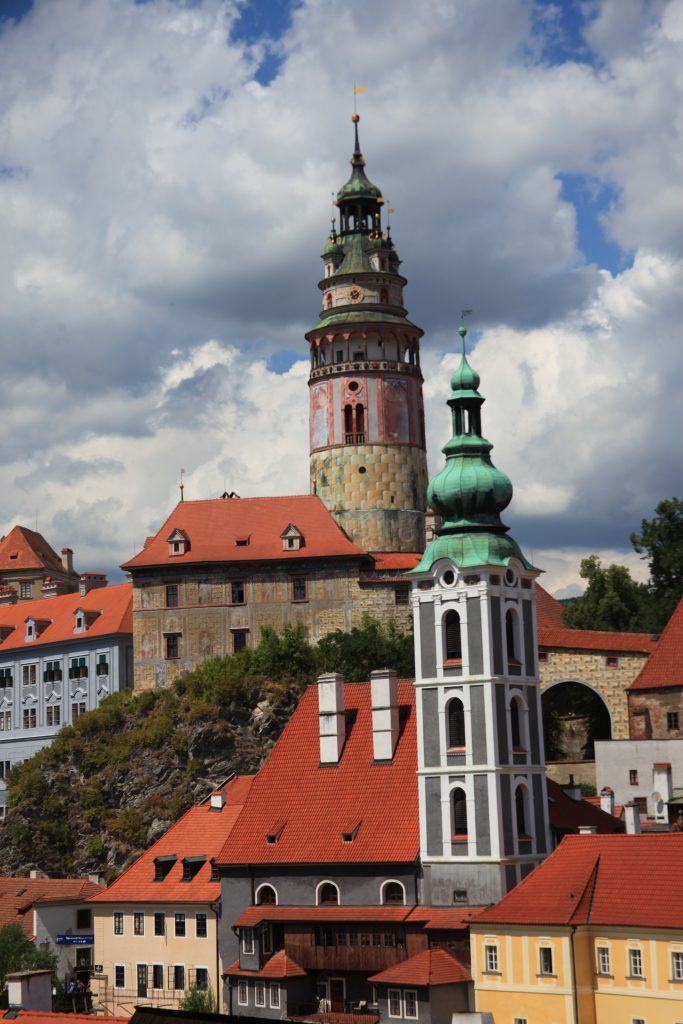
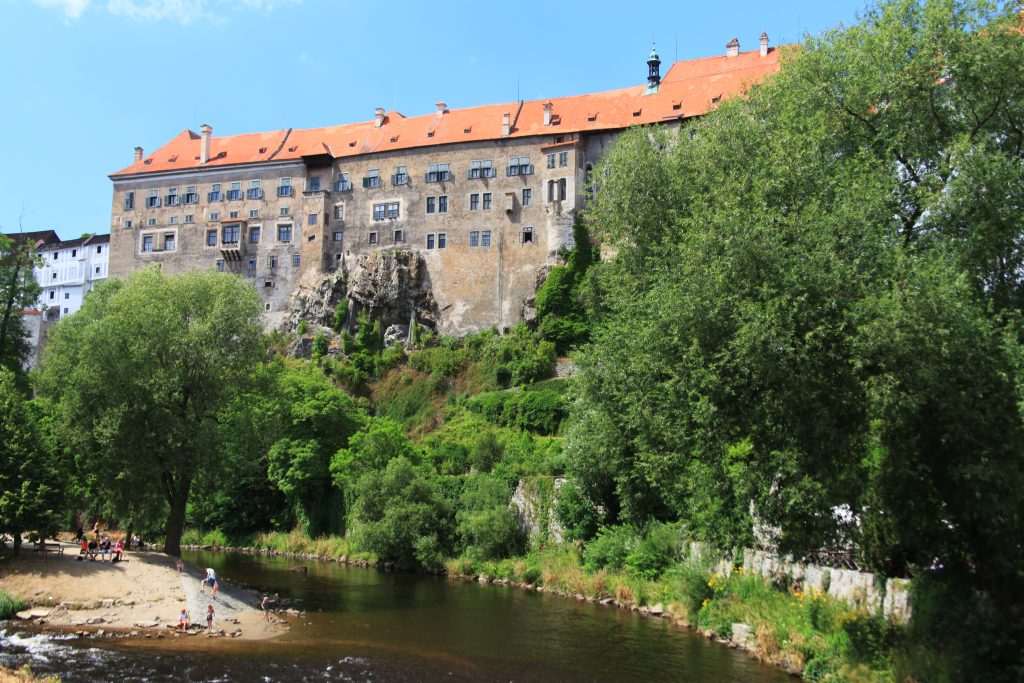
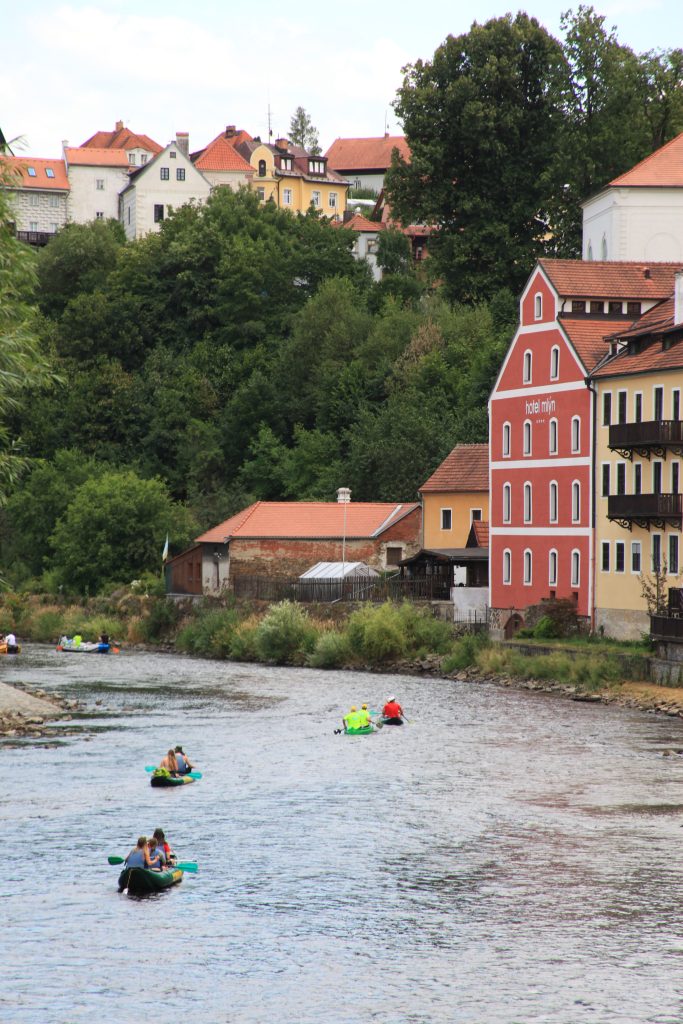
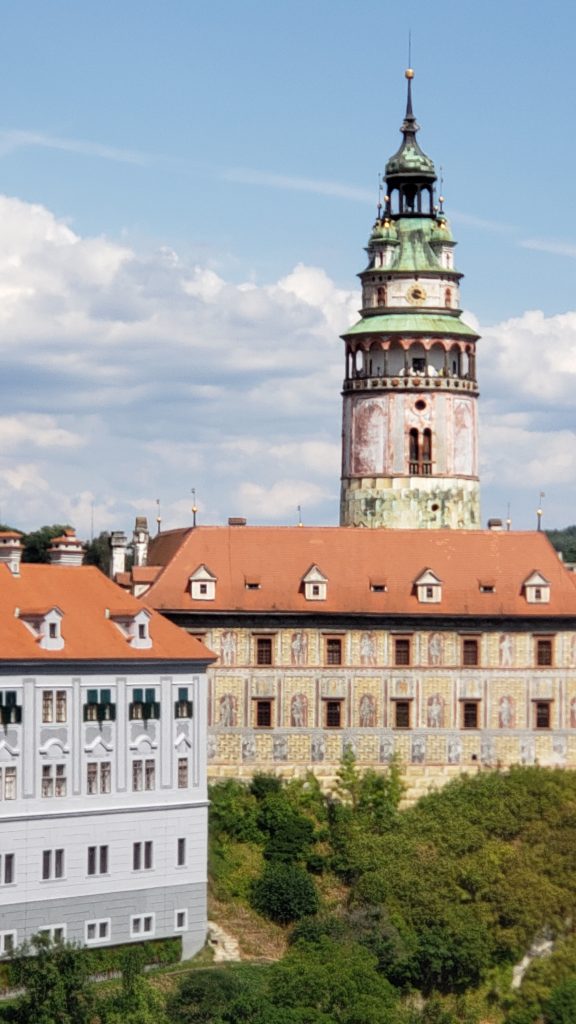
If you think of fairy-tale villages, think Český Kromlov (pronounced Ches-key Krom-love), 83 miles south of Prague. You would have thought that Walt Disney invented it. But no, this incredible UNESCO World Heritage Site sits atop land that has been continually occupied since the Stone Age (70,000-50,000 BC)! Spilling down a hillside into a twisty village, Český Kromlov’s castle (actually two castles!) are perched above a horseshoe bend in the Vltava River in the Bohemian Forest Foothills. The name originated in High German and meant crooked meadow.
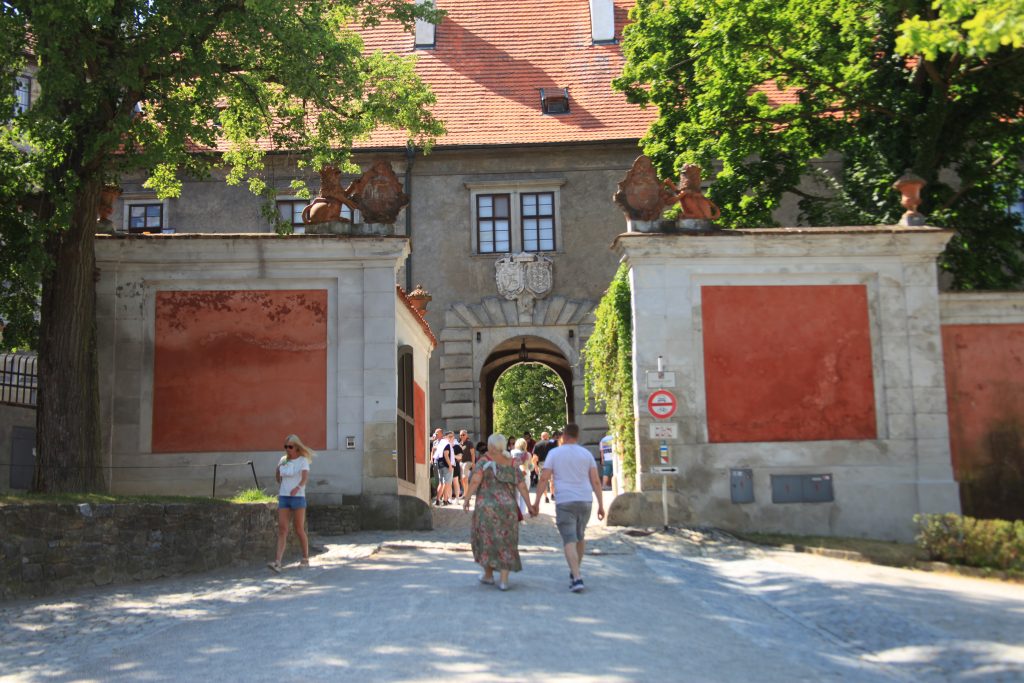
The castle was founded around 1250 by the noble Vitovci family, and it passed into the hands of King Wenceslaus II, who then handed it off to Peter I of Rosenberg, the Lord Chamberlain of King John of Bohemia. He built the current upper castle in the 14th century, while encouraging trade and crafts within the town walls. It seems to have been a bit of an orphan after that, going from Emperor Rudolph II and then to Ferdinand II. The town ultimately became the Duchy of Kromlov. From 1719 to 1947, the castle belonged to the House of Schwarzenberg.
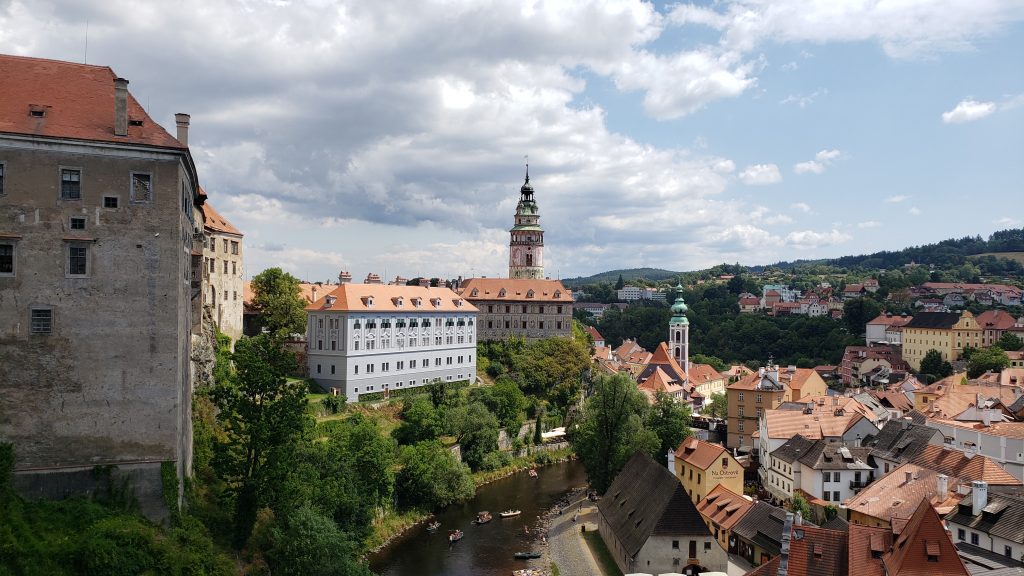
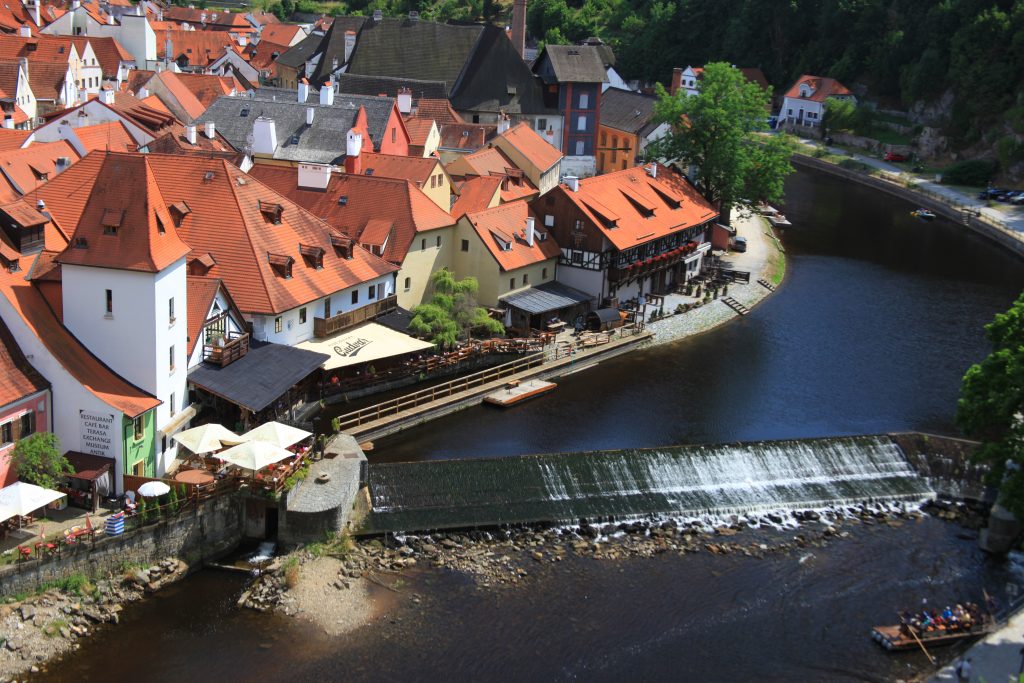
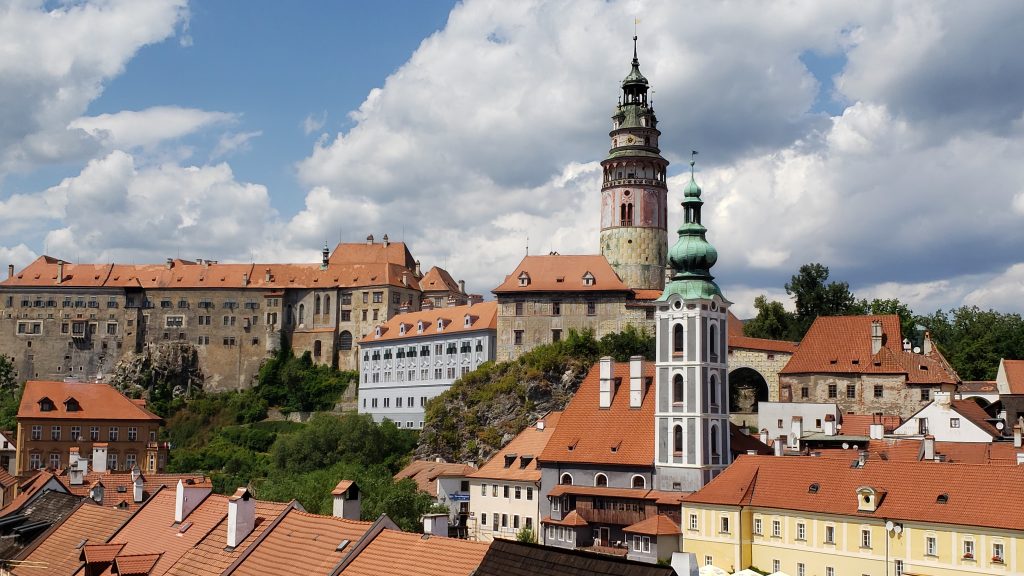
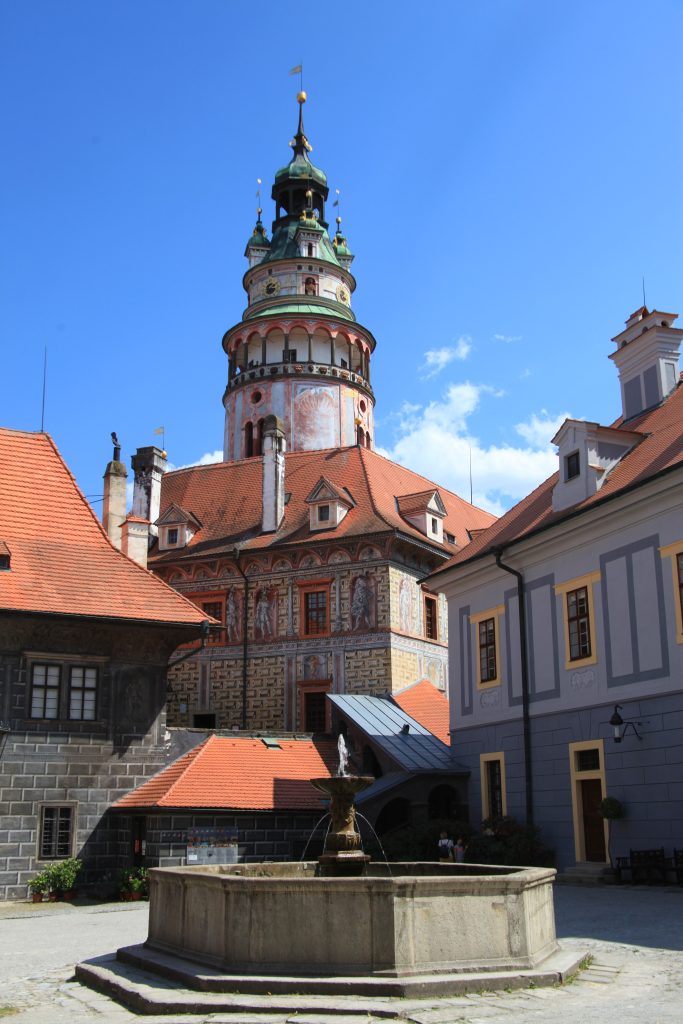
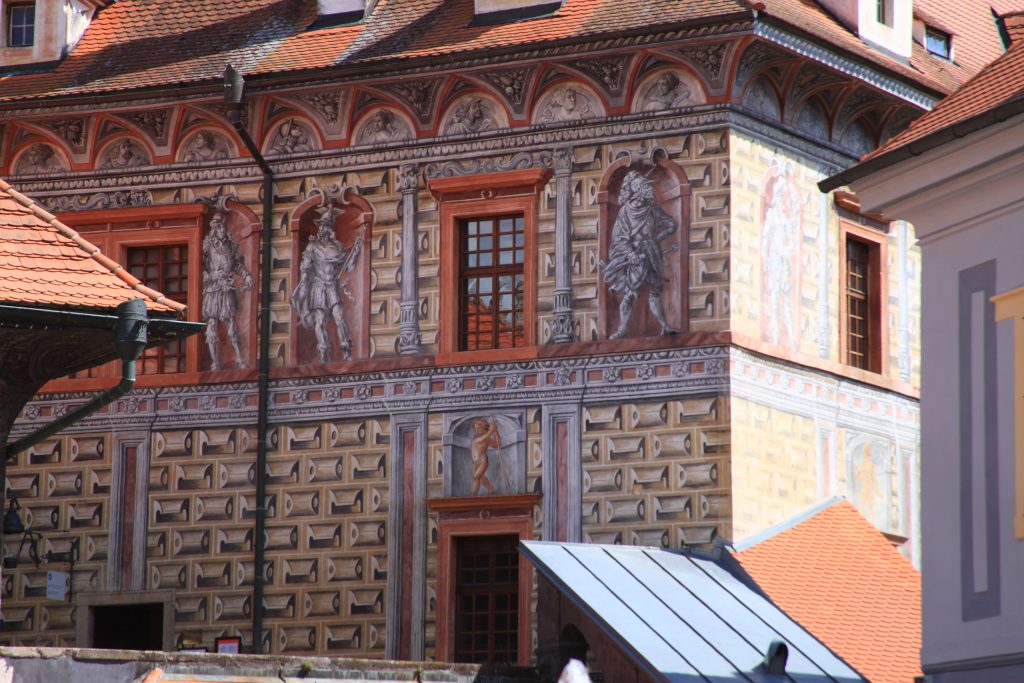
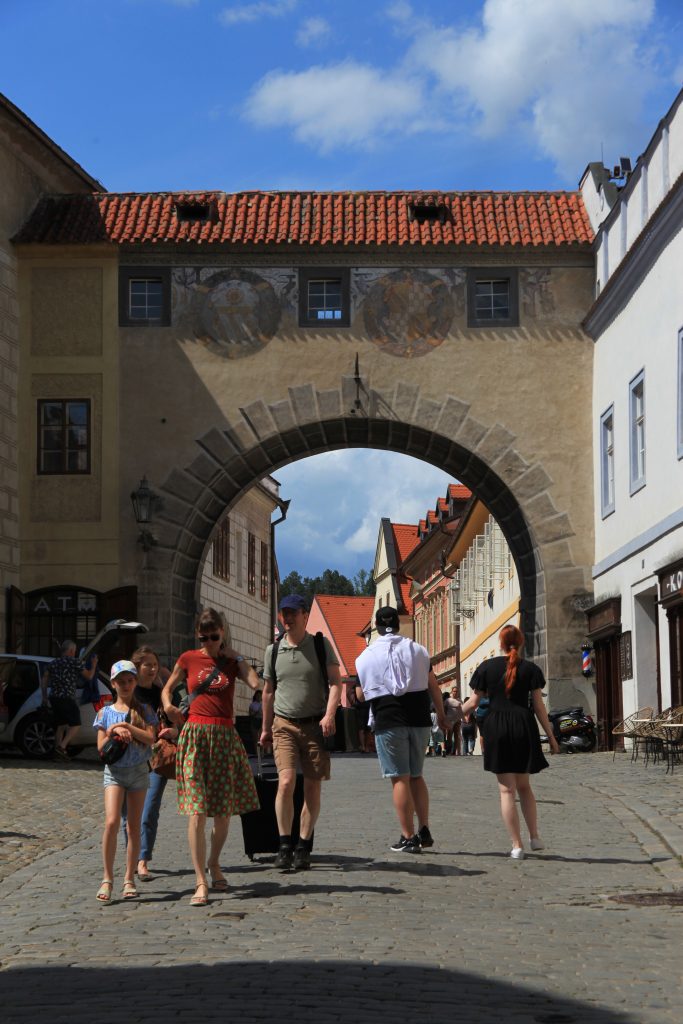
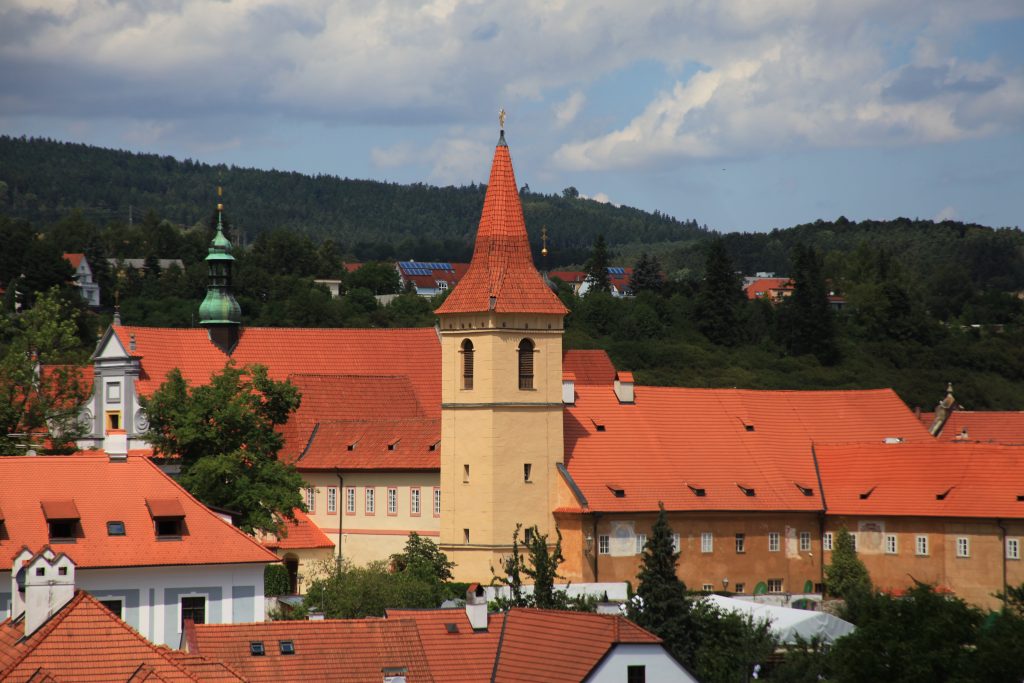
Český Kromlov, sporting Gothic, Renaissance, and Baroque buildings, has preserved the street layout from the Middle Ages. Most of the architecture of the old town and castle dates from the 13th through 17th centuries. The historical core, today Vnitřní město (“Inner Town”) town part, is within a horseshoe meander of the river, with the old Latrán town part and castle complex on the other side of the Vltava.
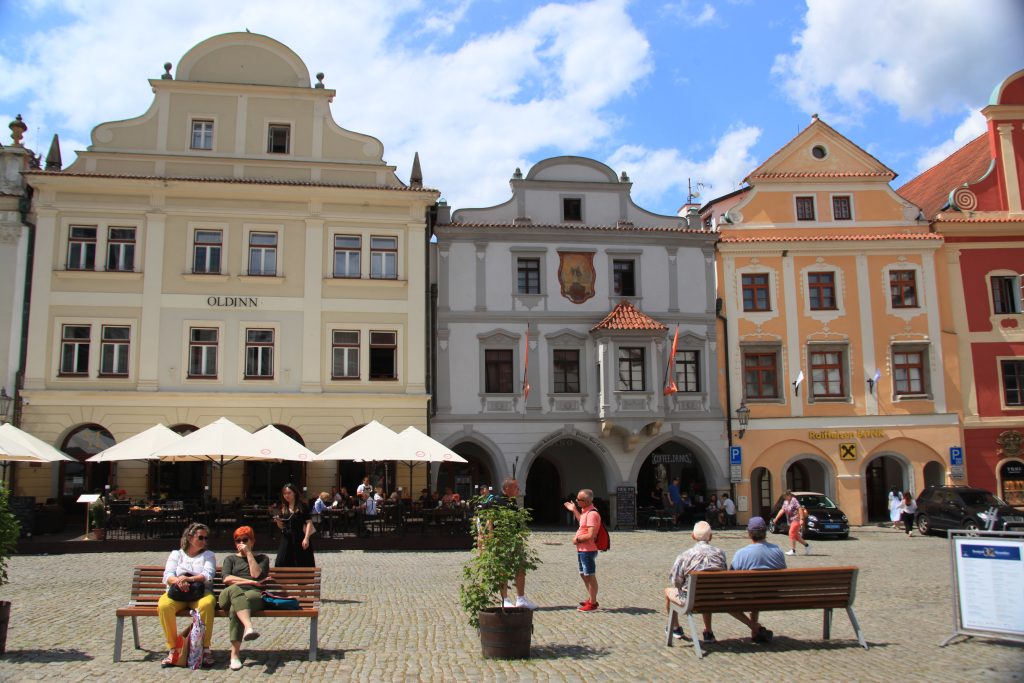
The center of Old Town is formed by Svornosti Square, a lovely rectangle of shops and restaurants. Its main landmark is the town hall from 1597, created by the merger of three Gothic houses with arcades, whose façade was merged with a Renaissance attic.
Enjoy the stroll over the scenic bridge between these two sections. With the sweetness of Český Kromlov, you may want to stay a long time and indulge your fairyland fantasies!
Where to Stay in Český Krumlov, Czech Republic
Cesky Krumlov offers several lodging options within its compact medieval town center, though rooms fill quickly during summer and peak tourist seasons. The Old Town area, centered around Latrán Street and the main square, puts you within walking distance of the castle and all major sights. Hotels in this zone range from three-star properties to family-run guesthouses, and booking well in advance is essential if you want to stay directly in the historic core.
For budget travelers, guesthouses and small pensions scattered throughout the Old Town provide comfortable rooms at lower prices than larger hotels. These smaller properties often occupy renovated Renaissance and Baroque buildings, giving you authentic period architecture without excessive cost. Many owners speak English and can offer practical advice about local restaurants and hiking trails in the surrounding Bohemian countryside.
If the Old Town center feels crowded or pricey, the streets immediately across the Vltava River offer quieter residential neighborhoods with hotels and apartment rentals at moderate rates. You lose the immediate proximity to the main square, but the walk across the bridge takes only five to ten minutes. These areas still feel part of the medieval town rather than suburban sprawl, and morning walks back toward the castle are pleasant.
The train station and bus depot sit at the edge of town, about a twenty-minute walk uphill to the Old Town. Unless you arrive by car and need parking near your hotel, there is no advantage to staying near the station. Most visitors prefer to stay within the old fortified walls, where streets are pedestrian-friendly and the character of the place is most concentrated.
Recommended Reading
Here’s some Český Krumlov reading for you.
- The Bloodletter’s Daughter by Linda Lafferty: Set in 17th-century Bohemia and inspired by true events, this historical novel takes place in Český Krumlov. It follows the daughter of a bathhouse bloodletter whose encounter with a disturbed Habsburg prince sparks a gripping tale of science, superstition, and survival.
- Insight Guides: Prague: While focused on the Czech capital, this guide provides historical context and cultural background relevant to Bohemia as a whole. A helpful companion if you’re exploring the region beyond Prague, including picturesque Český Krumlov.
Tours to Consider