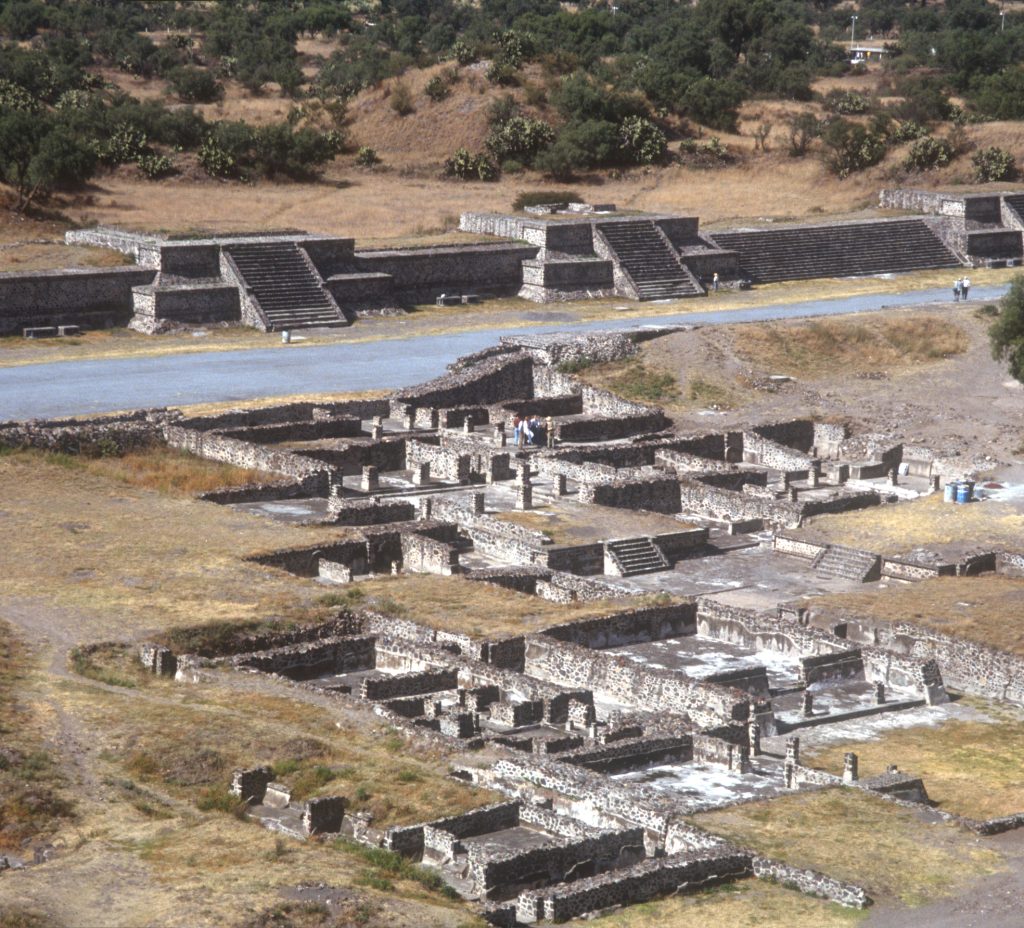
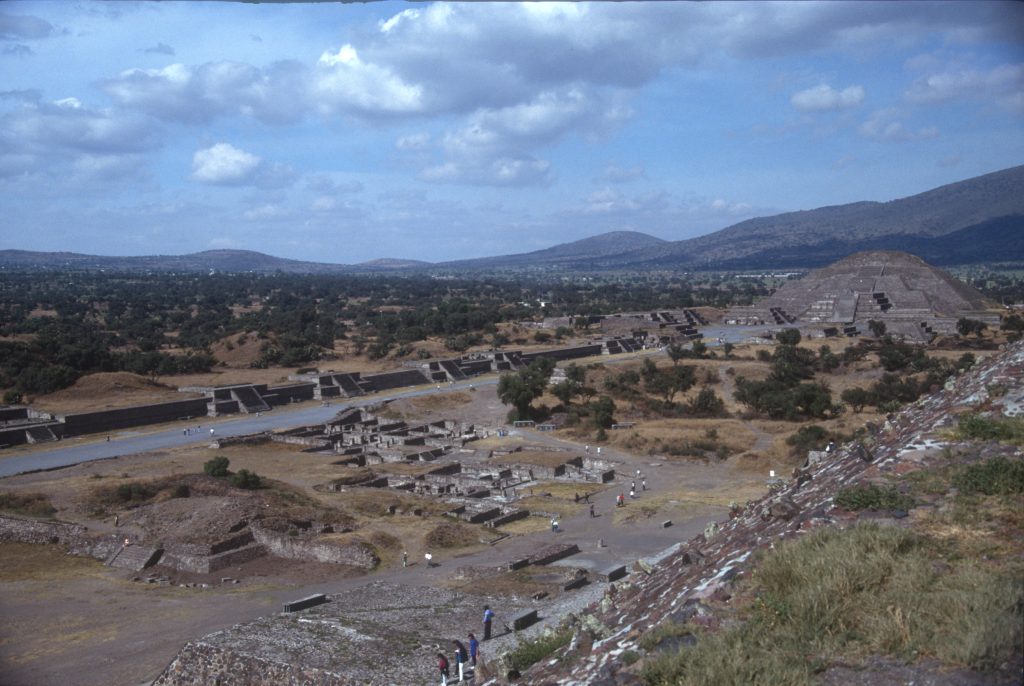
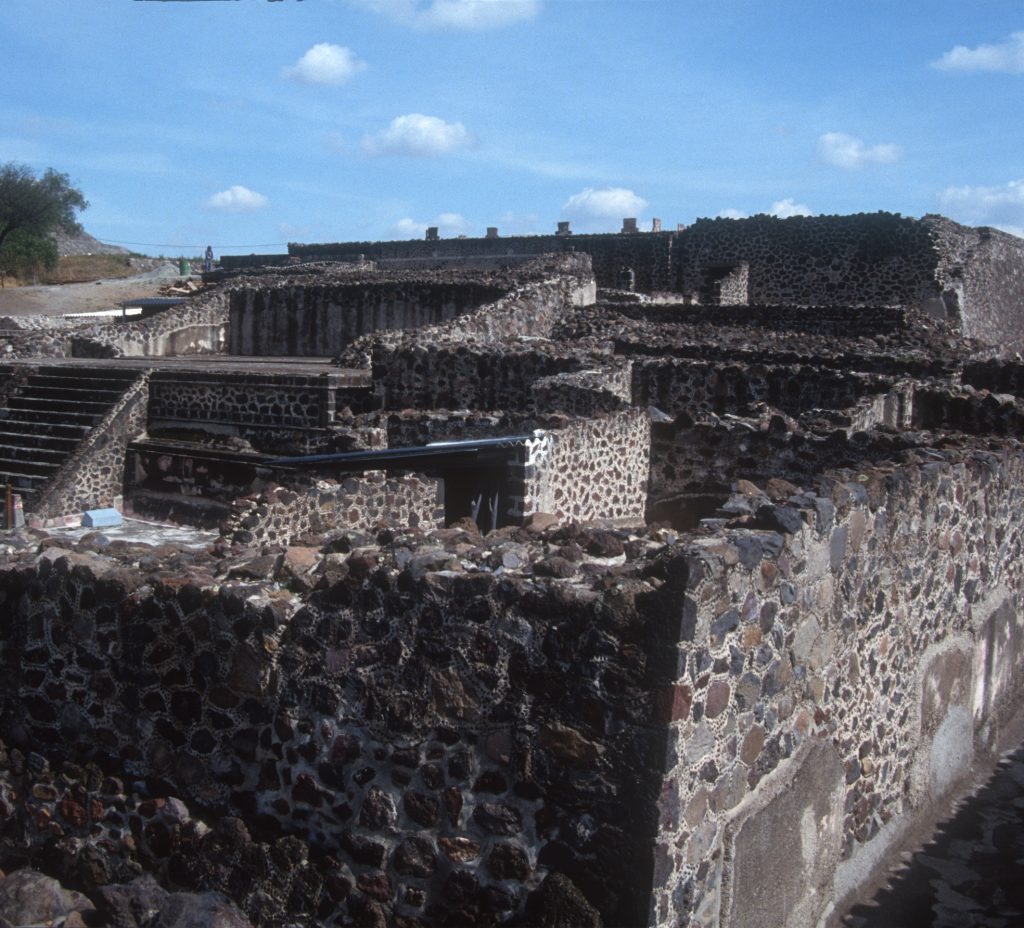
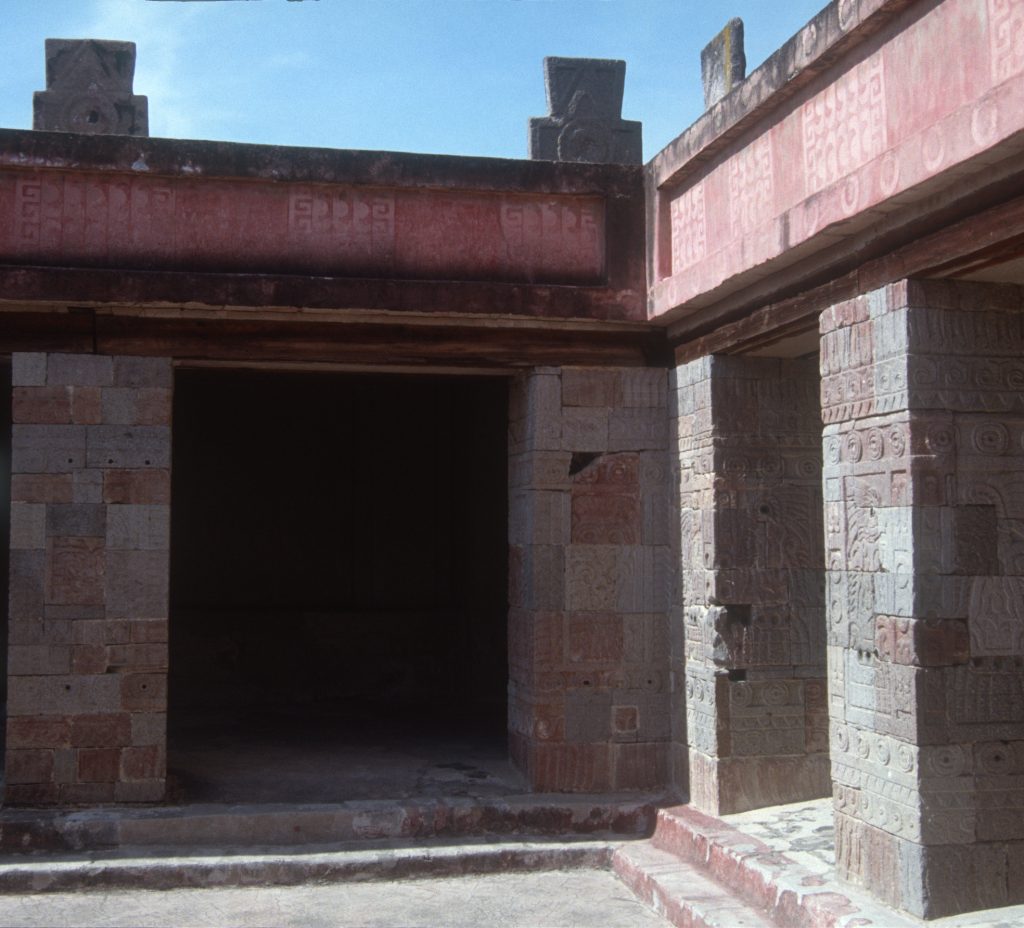
Once overgrown with brush and covered in dirt, the remarkable ceremonial city of Teotihuacan reemerged in the early 20th century, with excavations continuing through the 1960s. Built by a pre-Columbian people starting in 300 BCE, Teotihuacan was the largest urban center of Mesoamerica before the Aztec era, nearly 1000 years prior to their rise. Through 750 BCE, these warring people dominated the region, building pyramids for worship, ceremony, and human sacrifice; elite housing compounds; thriving trade and craft districts; and residential areas for nearly 125,000 inhabitants.
Powerful Pyramids
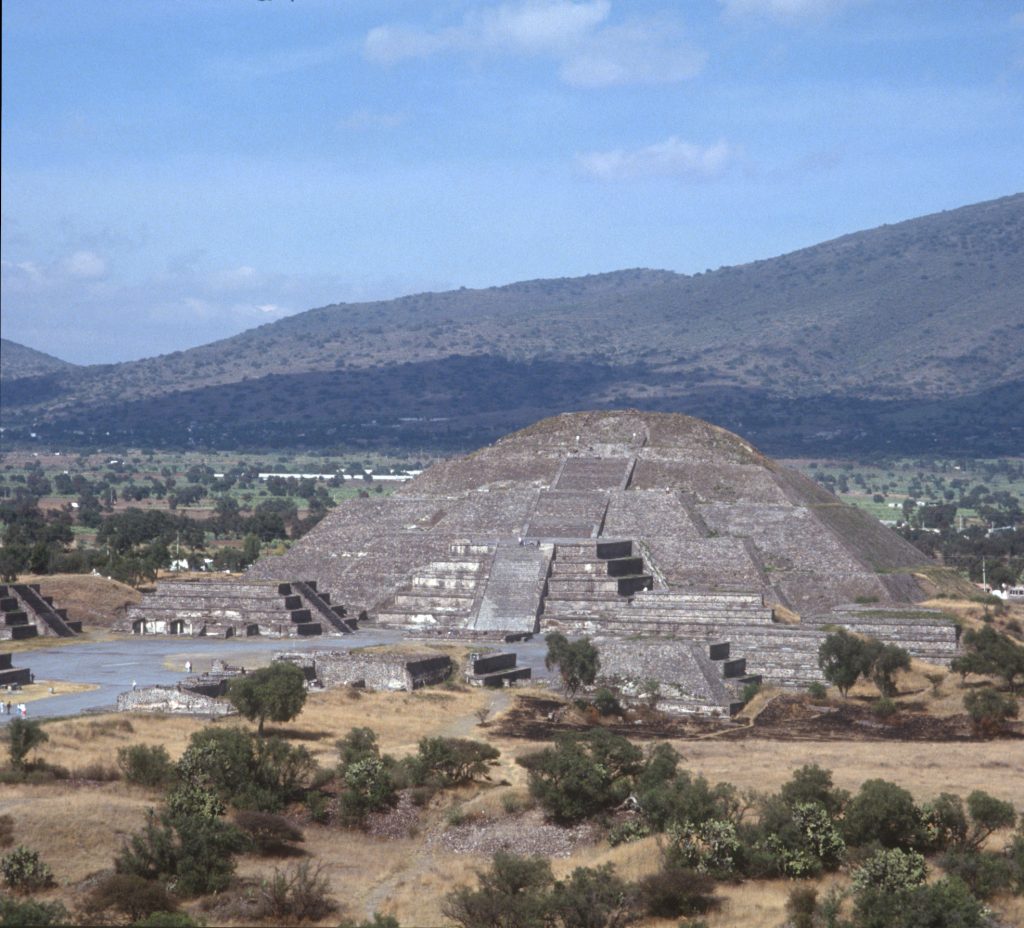
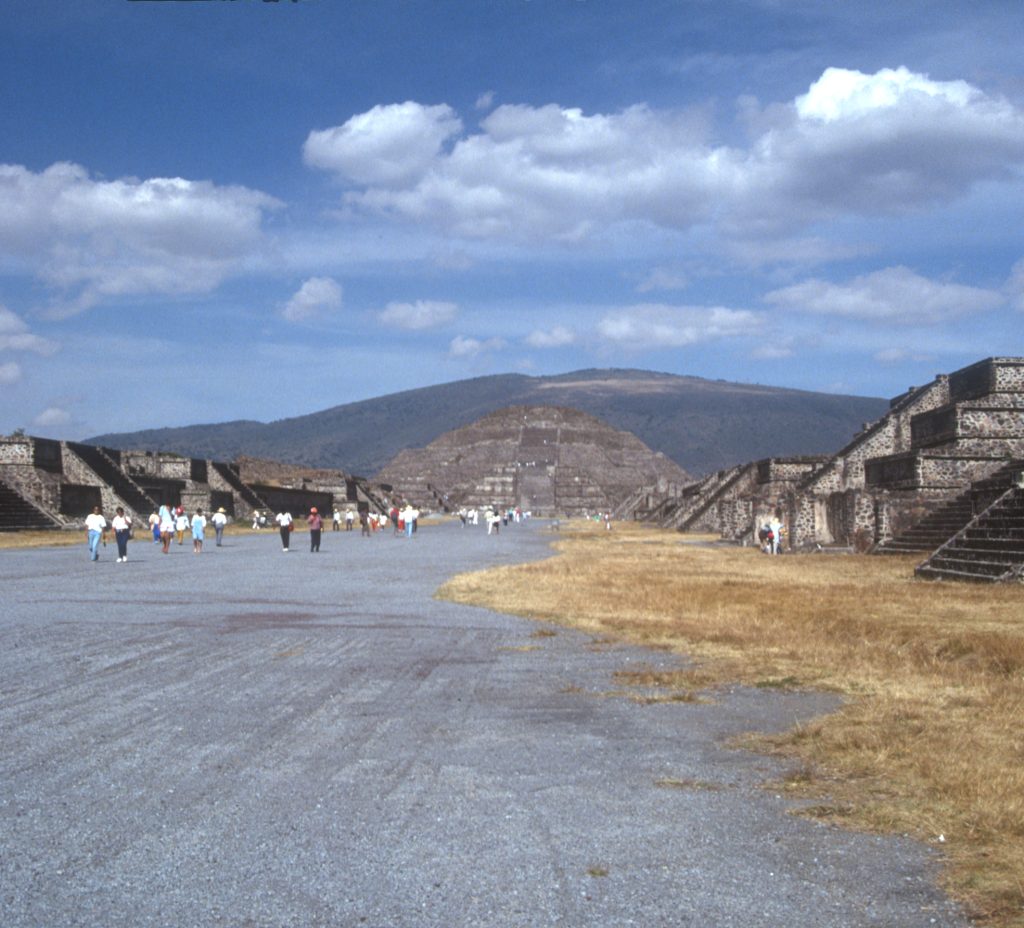
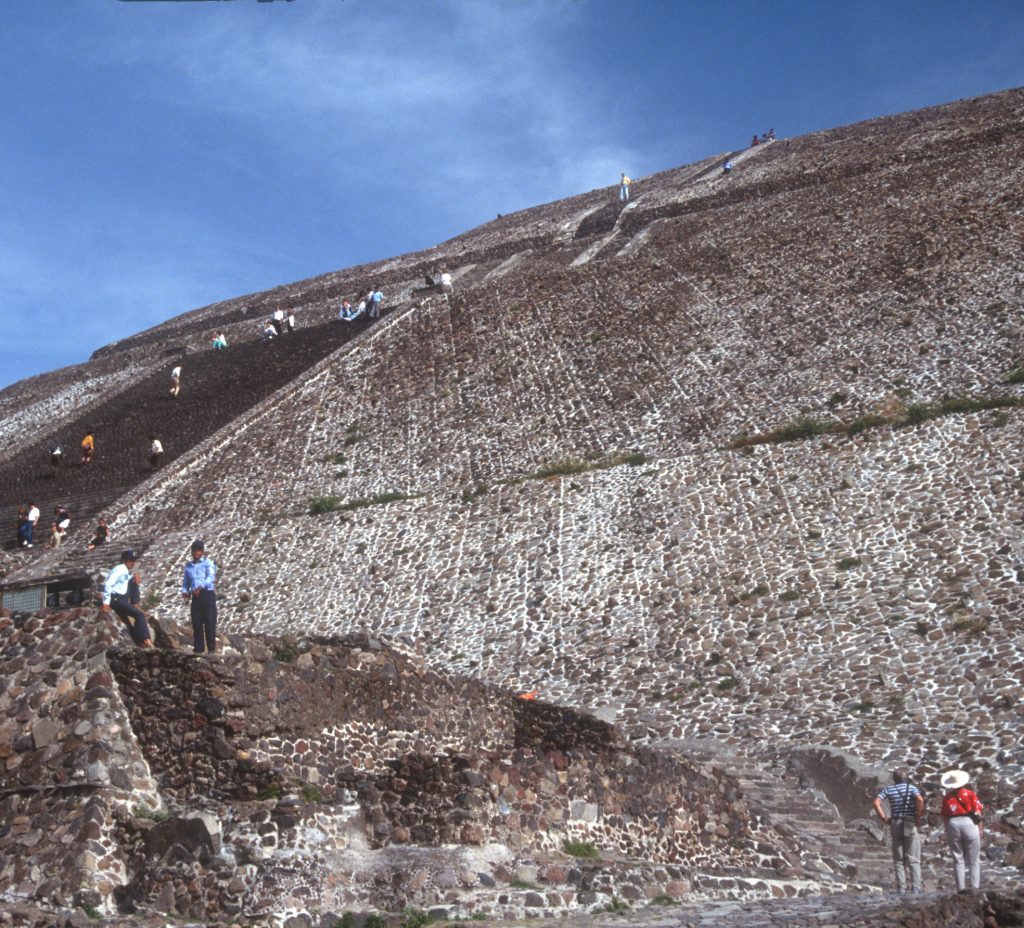
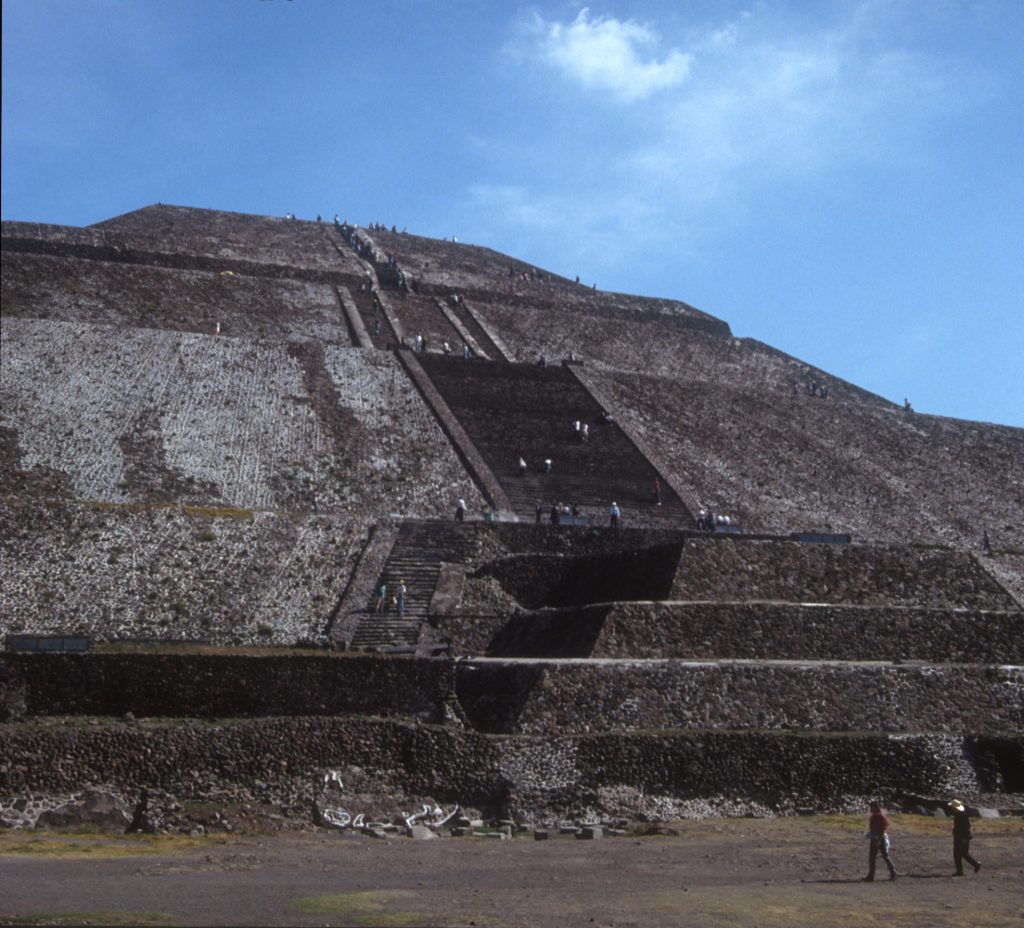
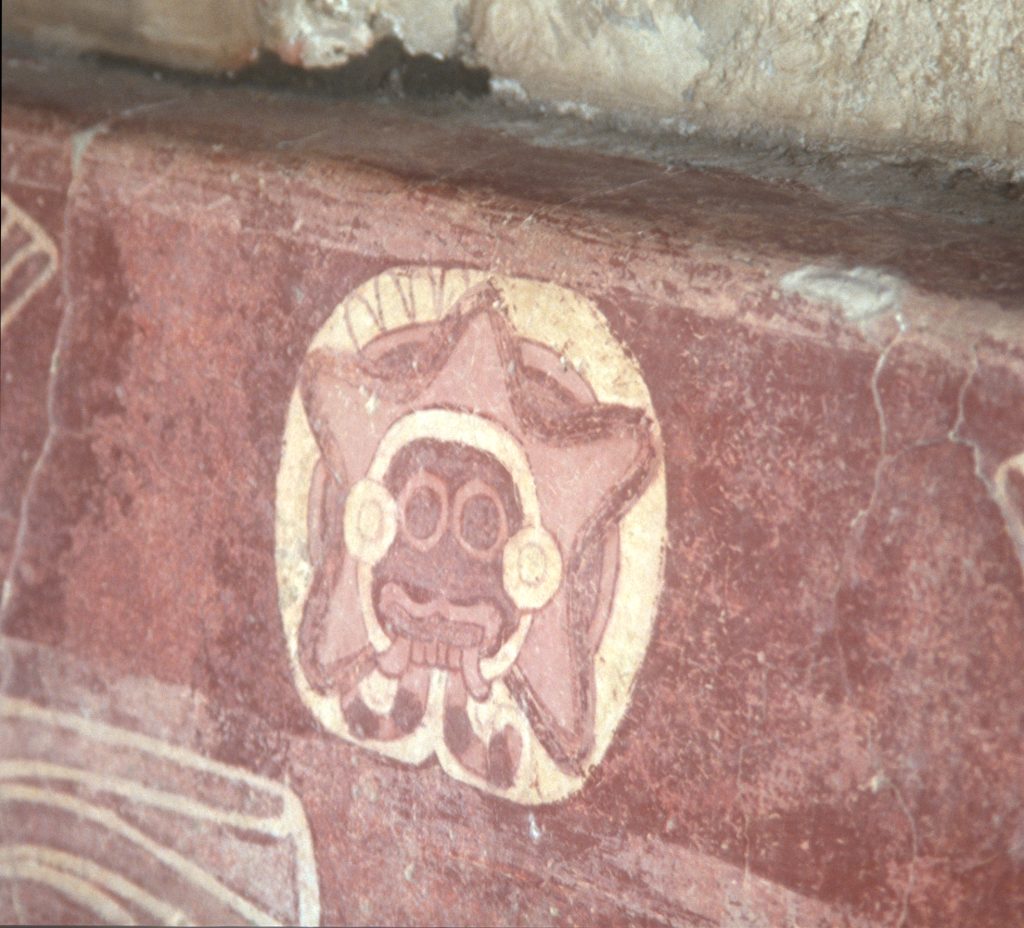
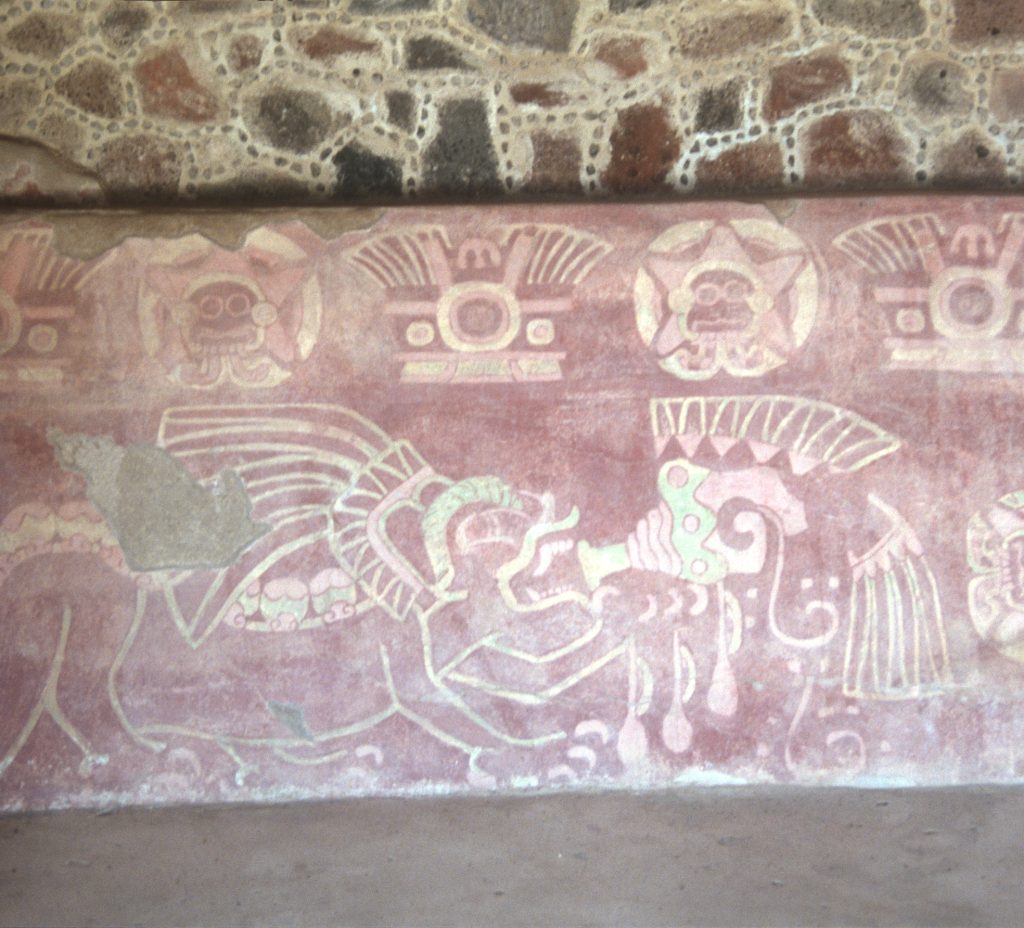
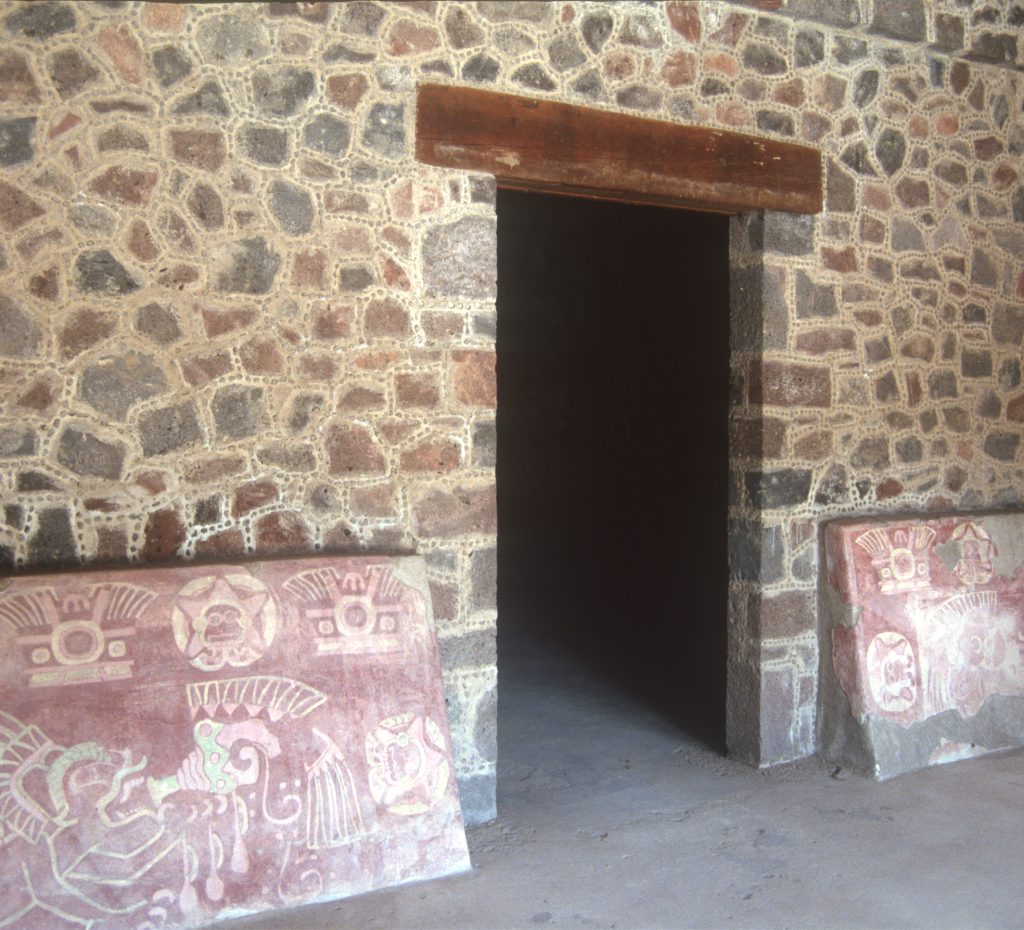
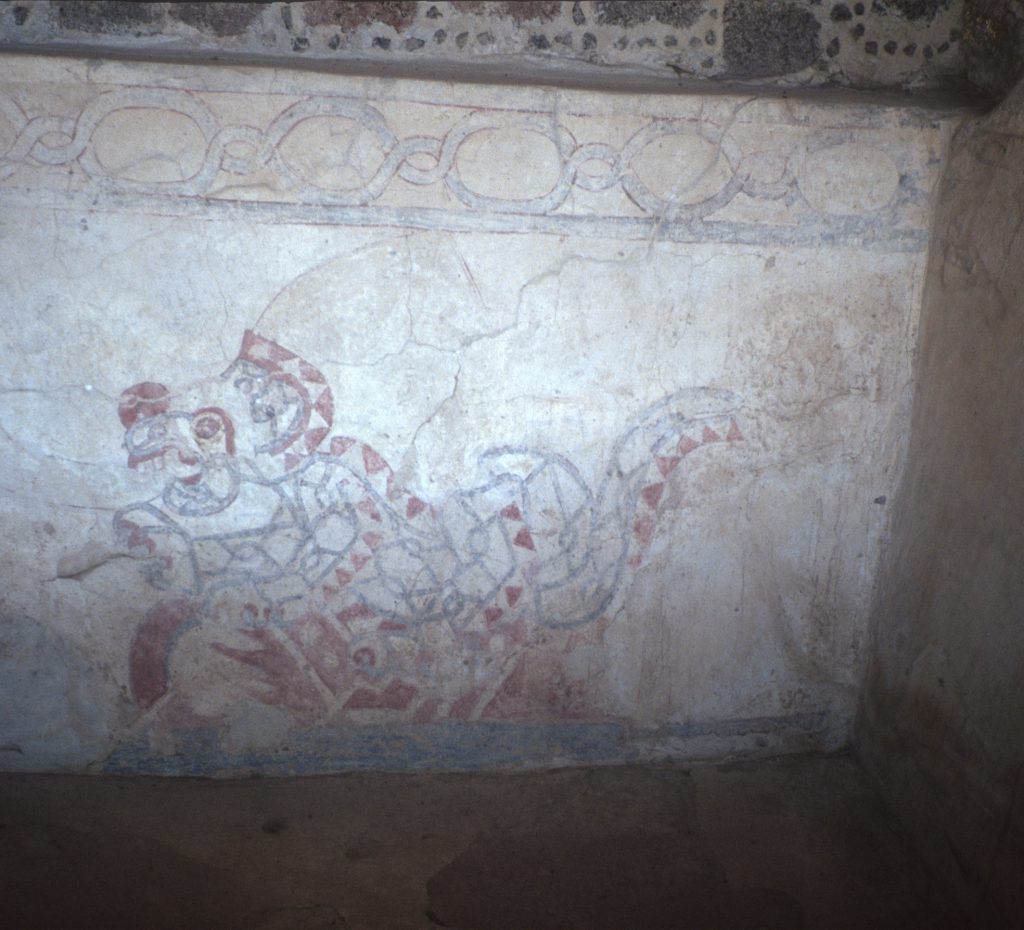
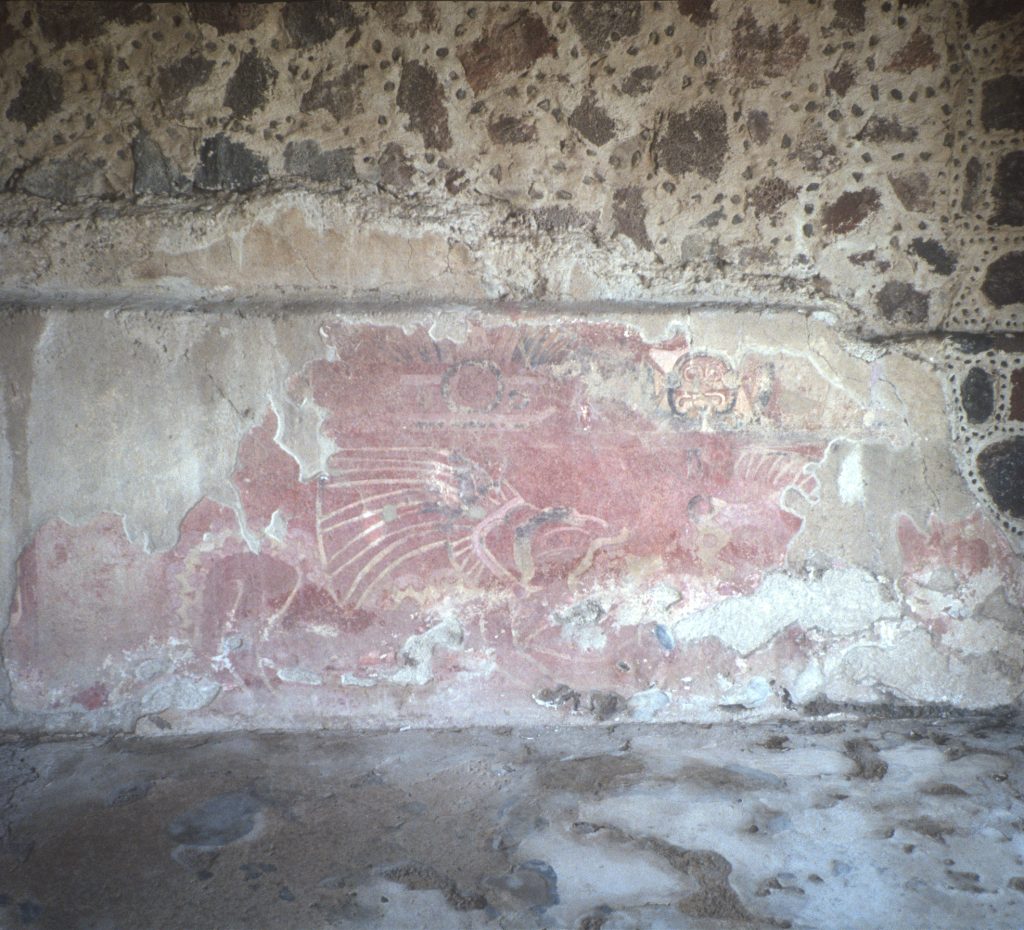
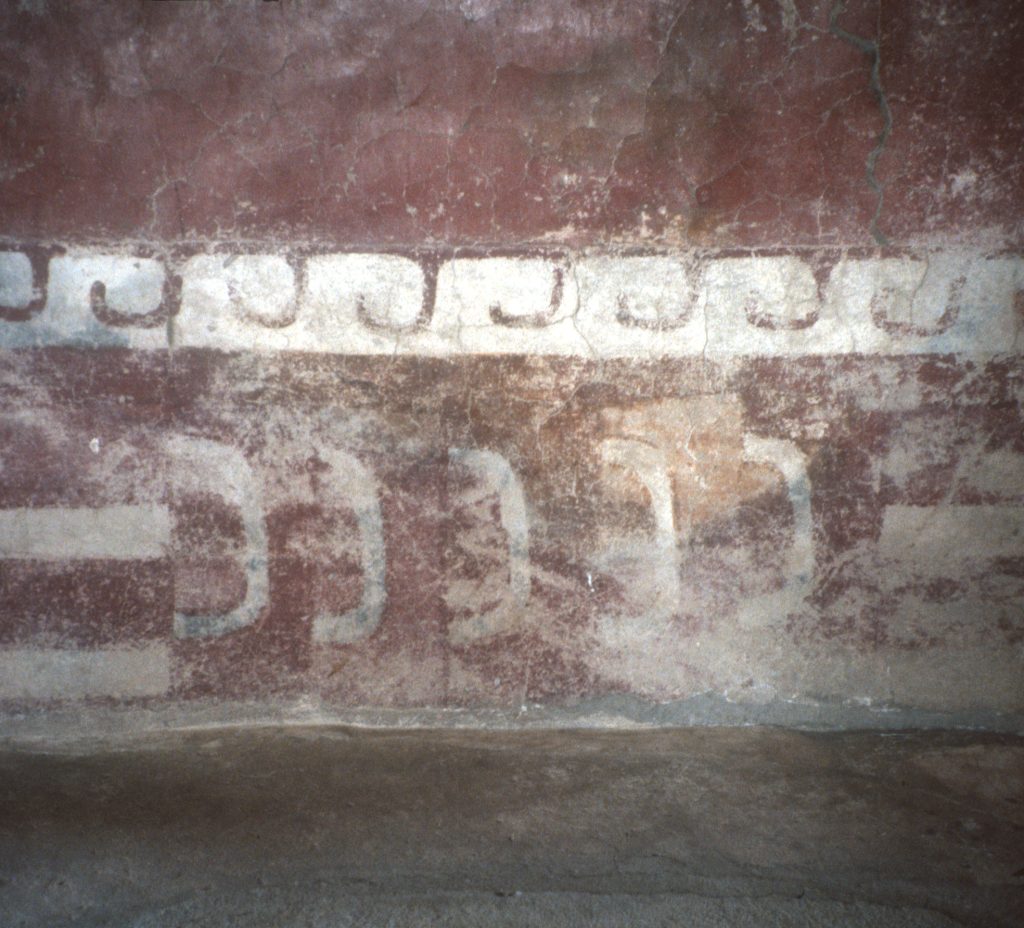
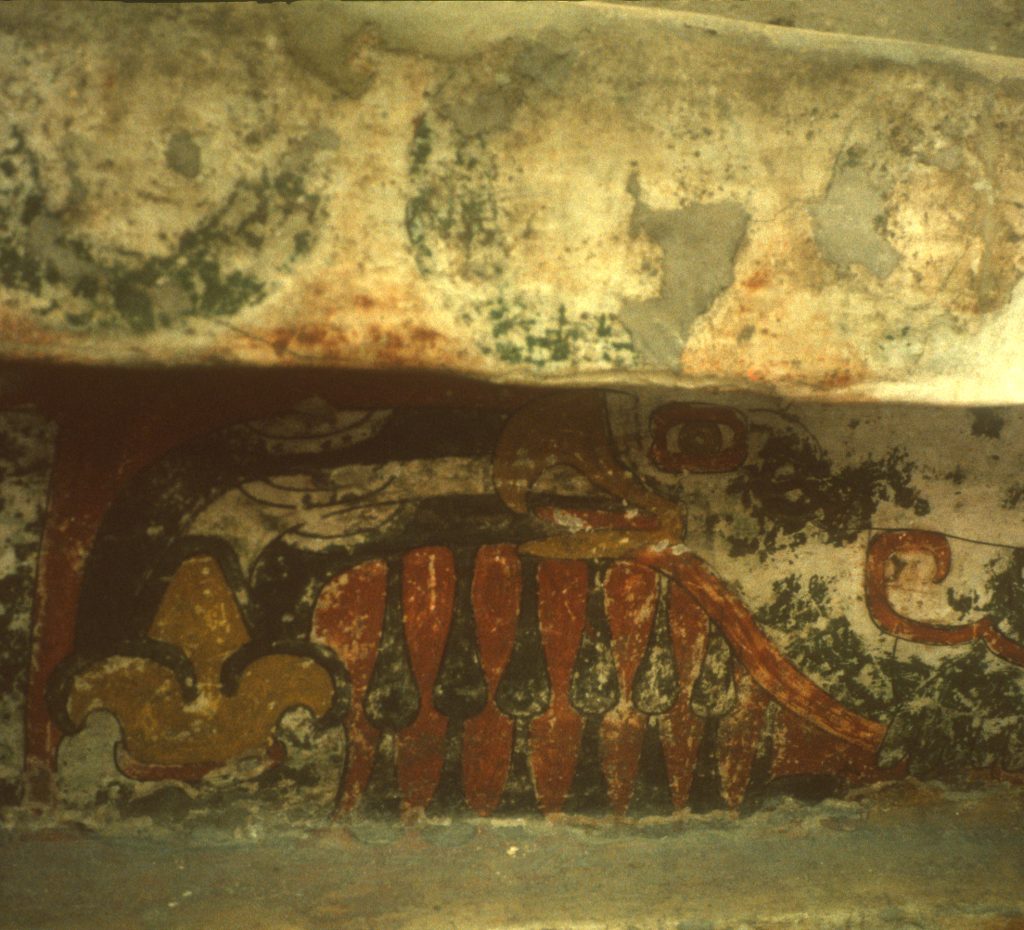
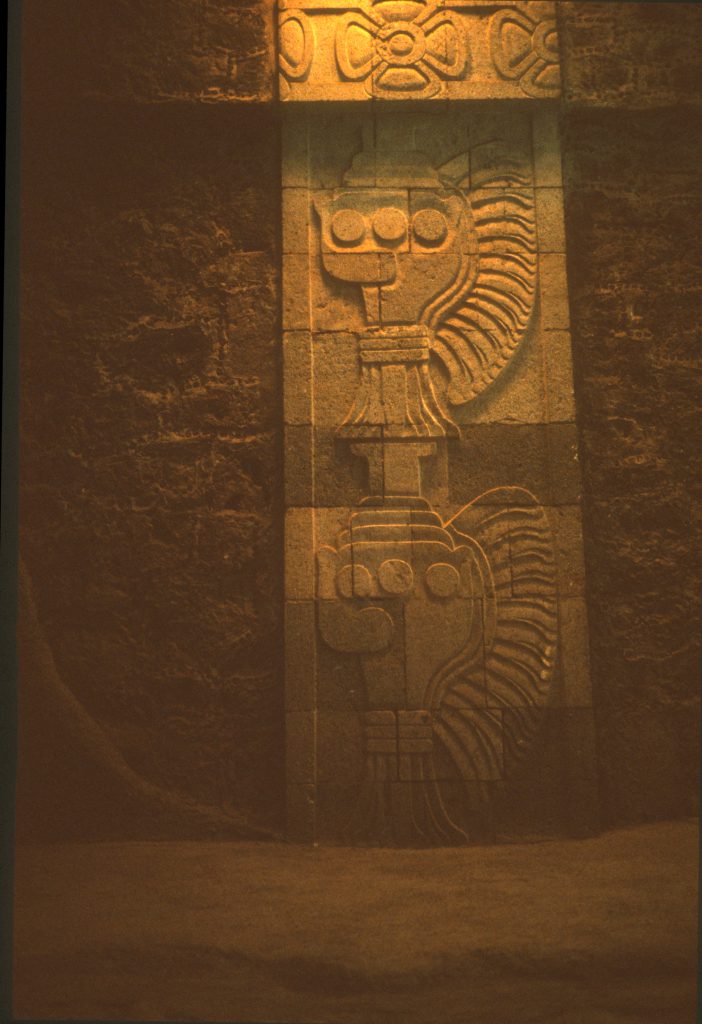
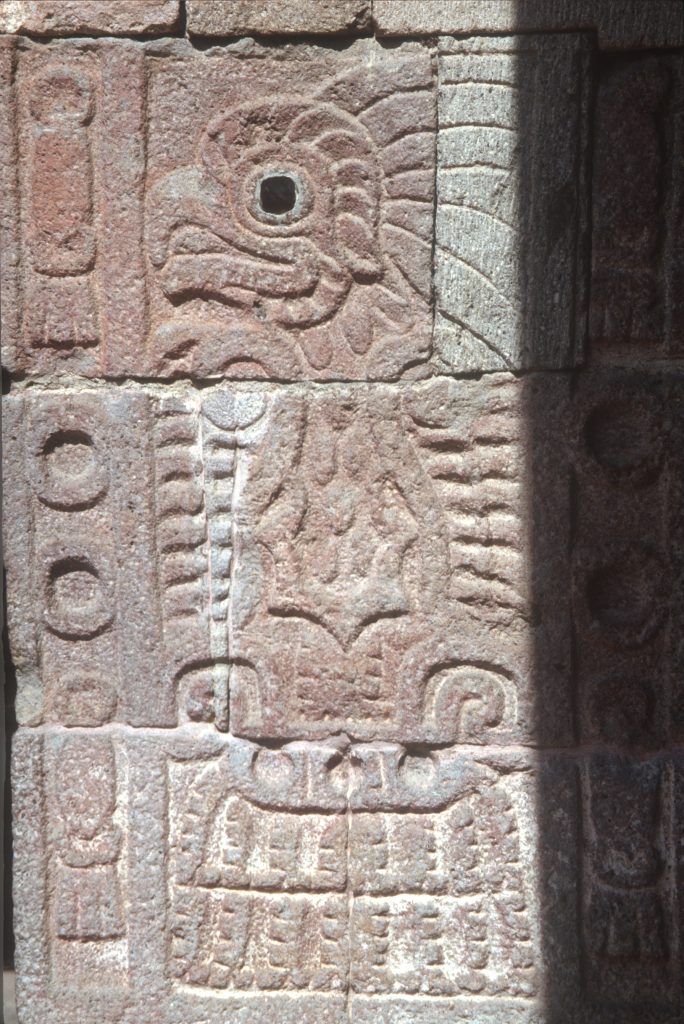
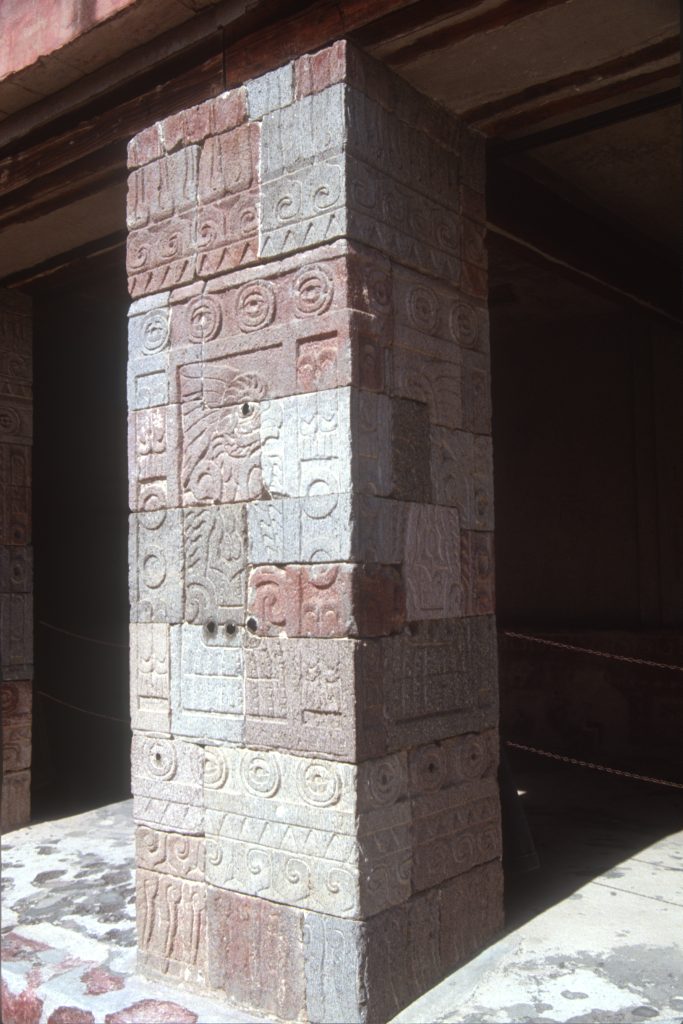
Teotihuacan is most often symbolized in photos by its Pyramid of the Sun, the largest of its stone pyramids with steps to the top. (Unfortunately, some people climbed up and came down without the hearts that were ripped from their chests!) The Pyramid of the Sun is the third largest pyramid in the world. In front of it lies the Avenue of the Dead, which culminates at the smaller Pyramid of the Moon. Located directly west of that Pyramid off the Plaza of the Moon is the entrance to the Palace of the Jaguars (Quetzalpapálotl), with its incredible jaguar and other murals that retain their colorful character from ancient times. You can explore inside some of these amazing structures, including ruins like the Temple of the Feathered Serpent of Quetzalcoatl, and if you have the stamina, climb the steep steps to the top for incredible views of the entire complex. Steep yourself in the mysteries and the energy of power that emanates from this site.
Where to Stay in Mexico, Mexico
Most visitors stay in Mexico City, about 50 kilometers away, rather than in nearby San Juan Teotihuacan. The drive takes roughly an hour each way, and staying in the capital gives you access to far more restaurants, museums, and evening options. The historic center of Mexico City, particularly neighborhoods like Roma and Condesa, offers mid-range hotels within walking distance of colonial architecture and local cafes.
If you prefer to be closer to the pyramids, San Juan Teotihuacan has modest three- and four-star hotels within a few kilometers of the archaeological site. These tend to be quieter and more affordable than Mexico City options, though with fewer dining and entertainment choices nearby. The town is small and largely oriented toward day visitors, so an early start from the city is often more practical than an overnight stay nearby.
For budget travelers, Mexico City’s northern neighborhoods like Garibaldi or areas around the Metro offer lower costs than tourist zones while maintaining good public transit access. You can catch a bus or Metro to the city’s north side and transfer to a direct combi that runs to Teotihuacan for just a few pesos. This option works well if you want affordable lodging and don’t mind leaving early in the morning.
Arrive by mid-morning to beat the afternoon heat and crowds, regardless of where you stay. If you go with Mexico City, book a hotel with reliable transportation information, as many staff can arrange a driver or direct you to the most efficient public transit routes to the pyramids.
Recommended Reading
Here are some ancient Mexico readings for you.
- The Young Jaguar by Zoe Saadia: The first in the Pre-Aztec Series, this novel introduces a young warrior navigating the shifting political landscape of early Mesoamerican cultures. A fast-paced and culturally rich entry point into a forgotten era.
- The Jaguar Warrior by Zoe Saadia: In the second installment, alliances shift and loyalties are tested as the young warrior’s journey continues deeper into conflict, diplomacy, and survival.
- The Warrior’s Way by Zoe Saadia: The trilogy concludes with rising tensions and decisive action as personal destinies intersect with the sweeping changes in pre-Aztec society.
- Aztec by Gary Jennings: A monumental historical epic that follows the life of Mixtli, a native Mexican man, from his youth through the arrival of the Spanish. Dark, vivid, and immersive, it’s a brutal yet brilliant dive into Aztec civilization.
- Aztec Blood by Gary Jennings: This sequel explores the aftermath of the conquest through the eyes of Mixtli’s son, blending political intrigue, survival, and identity in a colonized world.
- Aztec Autumn by Gary Jennings: The final book shifts to the post-conquest era, where remnants of Aztec culture resist assimilation. A powerful exploration of cultural endurance and loss.
- Insight Guides: Mexico: A beautifully illustrated guide that delves into Mexico’s diverse landscapes, history, and cultural legacy, from ancient ruins to modern cities, making it a perfect companion to your reading journey.
Tours to Consider