
Masada rises from the Judean Desert as a sentinel and reminder that even when a courageous resistance fails, its heroes will not be forgotten.
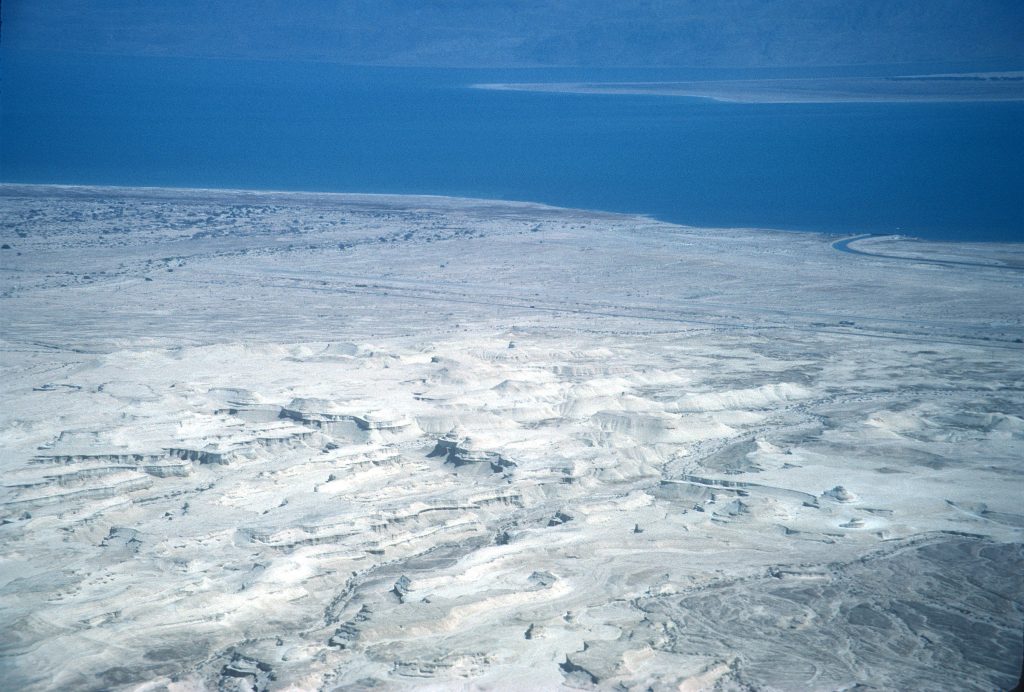
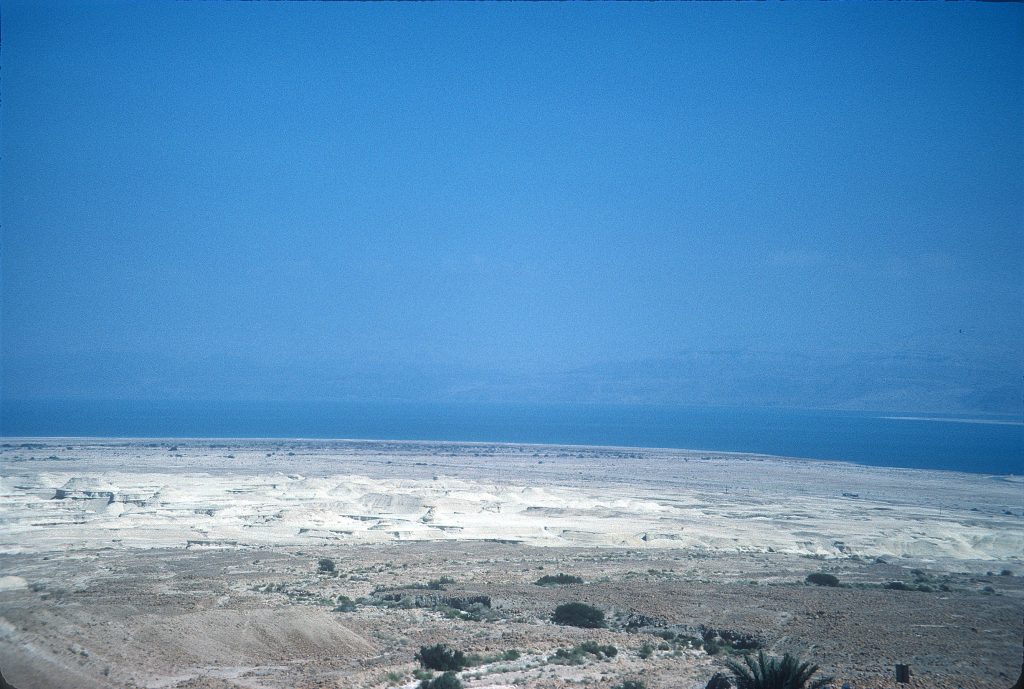
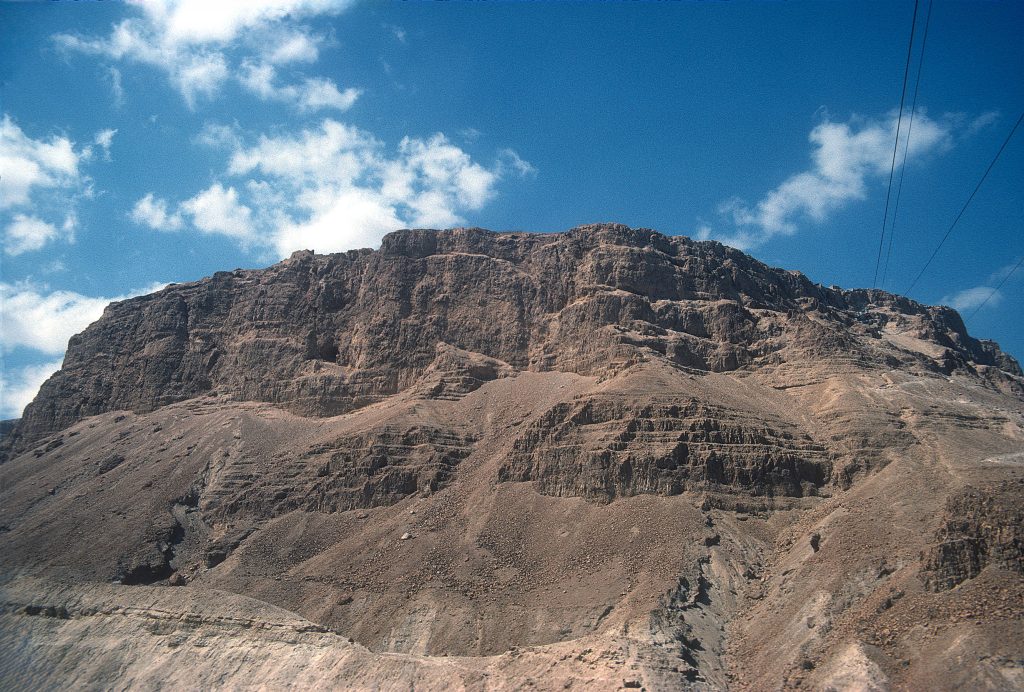
There it stands, a vast, flat-topped fortress of sunbaked stone, suspended between desert and sky, with the Dead Sea glittering far below like a sheet of blue metal. From a distance, it appears almost impossible that anyone could have lived there. And then you reach the summit and discover not a barren outpost, but the remains of palaces, bathhouses, storerooms, ritual baths, defensive walls, and one of the most remarkable ancient water systems in the world.
Masada is remembered as the last redoubt of Jewish rebels who resisted Rome after the fall of Jerusalem. But before it became a symbol of defiance, it was Herod the Great’s desert masterpiece—a royal refuge built by a king who knew luxury, engineering, and paranoia in equal measure. Quite a combination, but history has never lacked for drama!
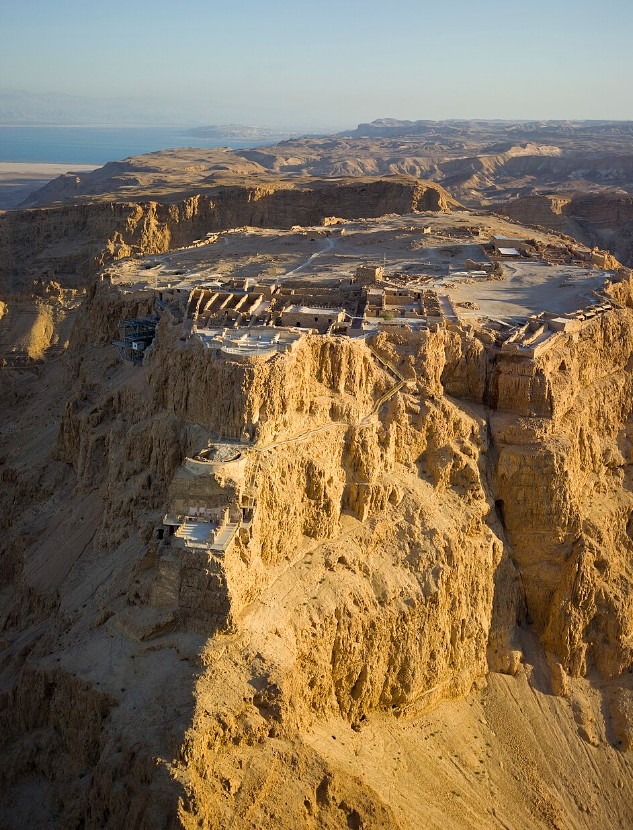
Herod The Great’s Perch
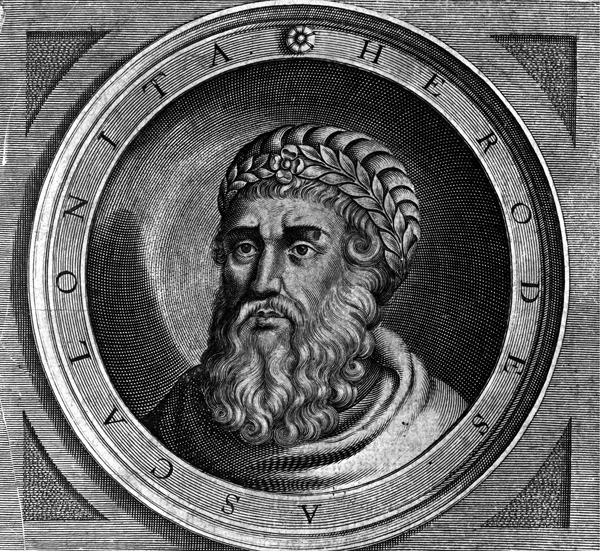
Masada was first fortified by the Hasmoneans, but it was Herod the Great, Rome’s client king of Judea, who transformed the mountain into an astonishing desert citadel between roughly 37 and 31 BCE. Herod, never one to understate his own security needs, built Masada as both palace and fortress—a place where he could retreat if politics, rebellion, or rivals came snapping at his royal heels.
And Herod had reason to worry. Judea sat at the crossroads of empire, faith, ambition, and revolt. Roman power pressed in from the west, local loyalties shifted, and royal households were often more dangerous than battlefields. So, Herod built himself a stronghold that was nearly impregnable: high cliffs, a surrounding defensive wall, massive food stores, palaces fit for a ruler, and enough water storage to make survival possible in one of the harshest landscapes in the region.
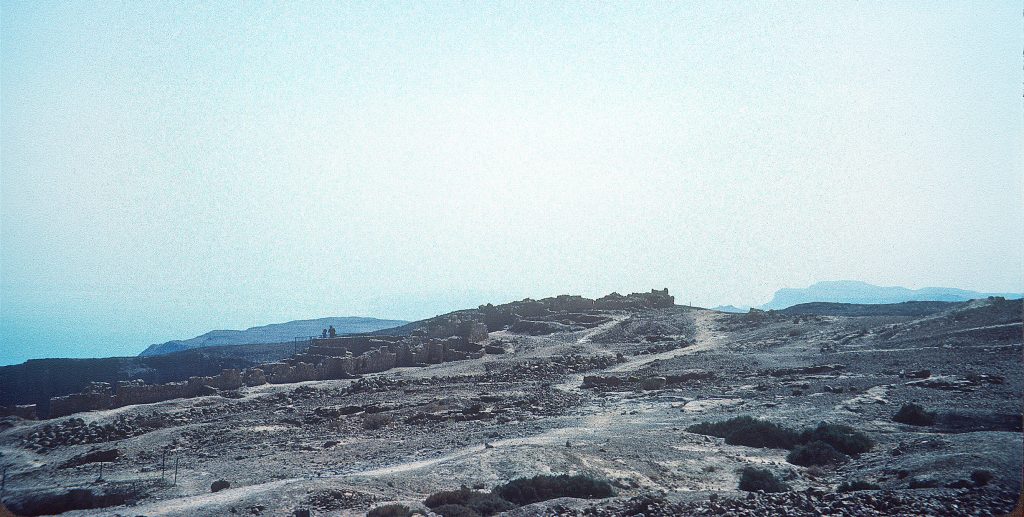
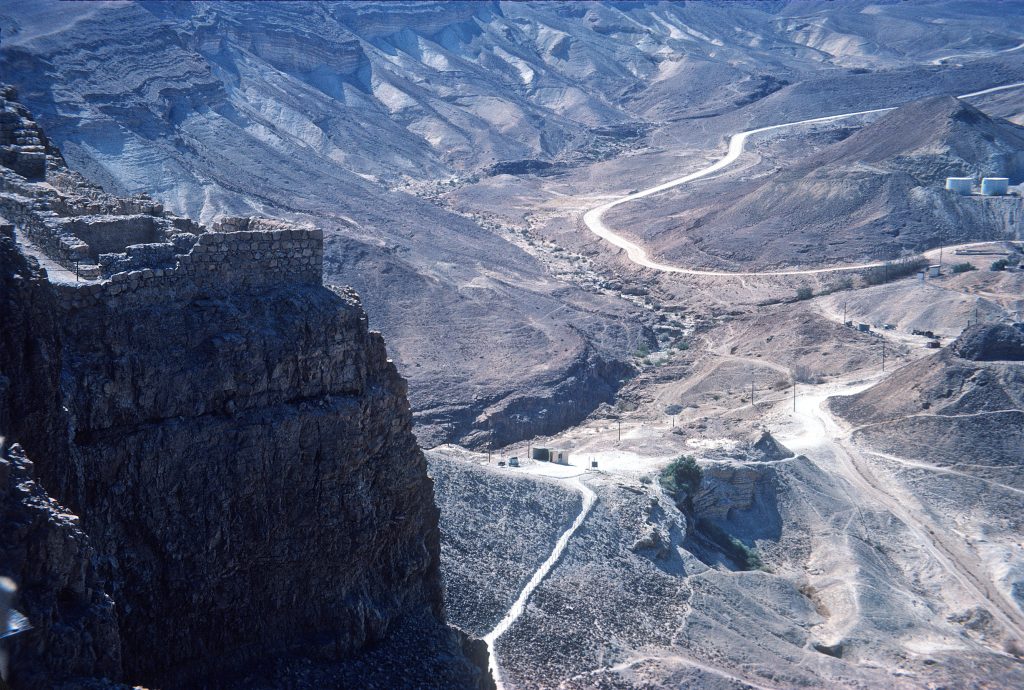
But Masada’s most famous chapter came after Herod’s death. During the First Jewish–Roman War, Jewish rebels known as the Sicarii seized the fortress. After the Romans destroyed Jerusalem and the Second Temple in 70 CE, Masada became one of the final points of resistance. In 72 or 73 CE, the Roman Tenth Legion, under Flavius Silva, surrounded the mountain, built camps and a siege wall, and raised an enormous earthen ramp against the western side.
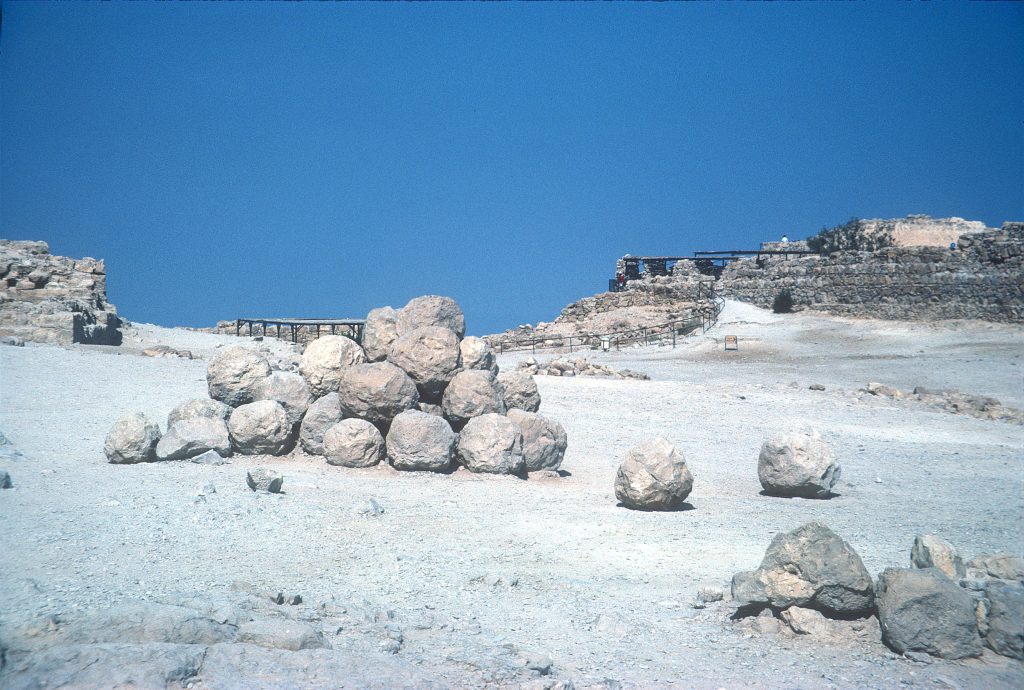
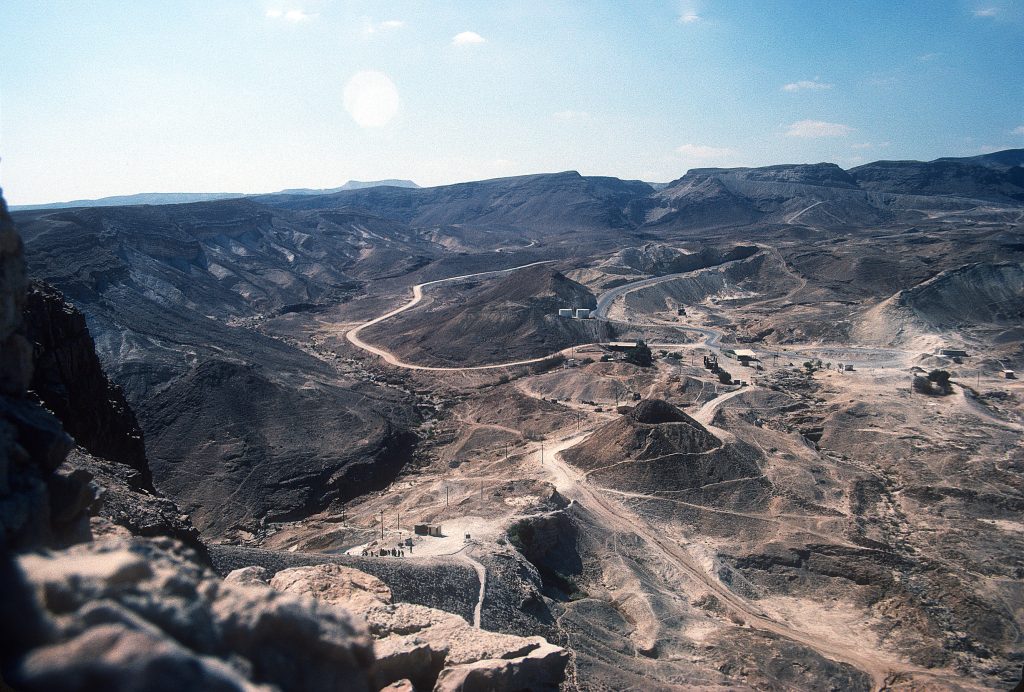
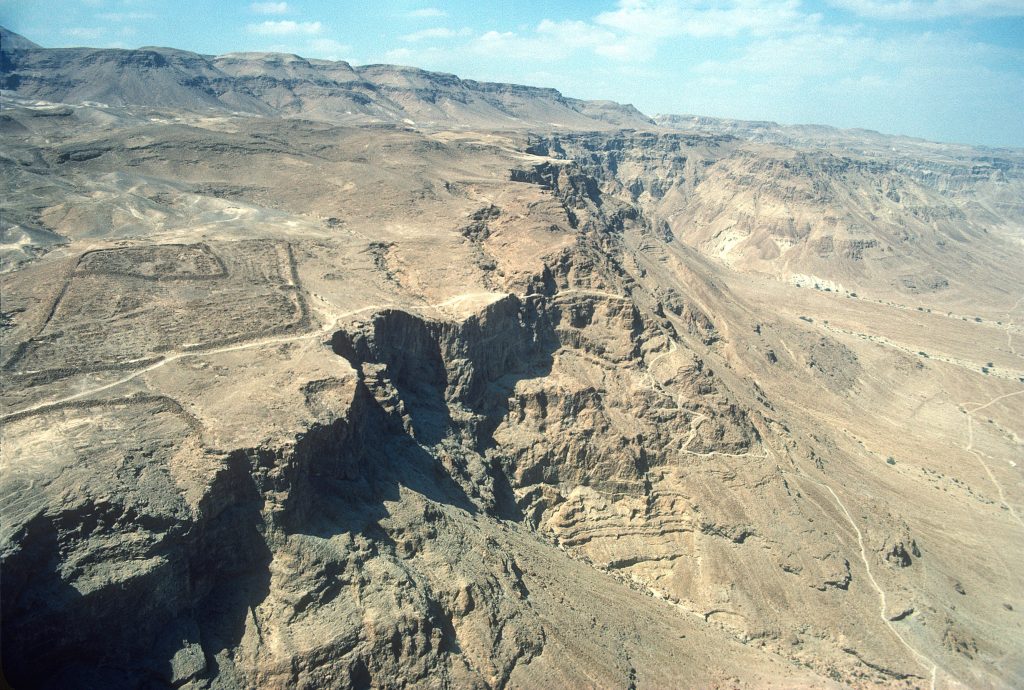
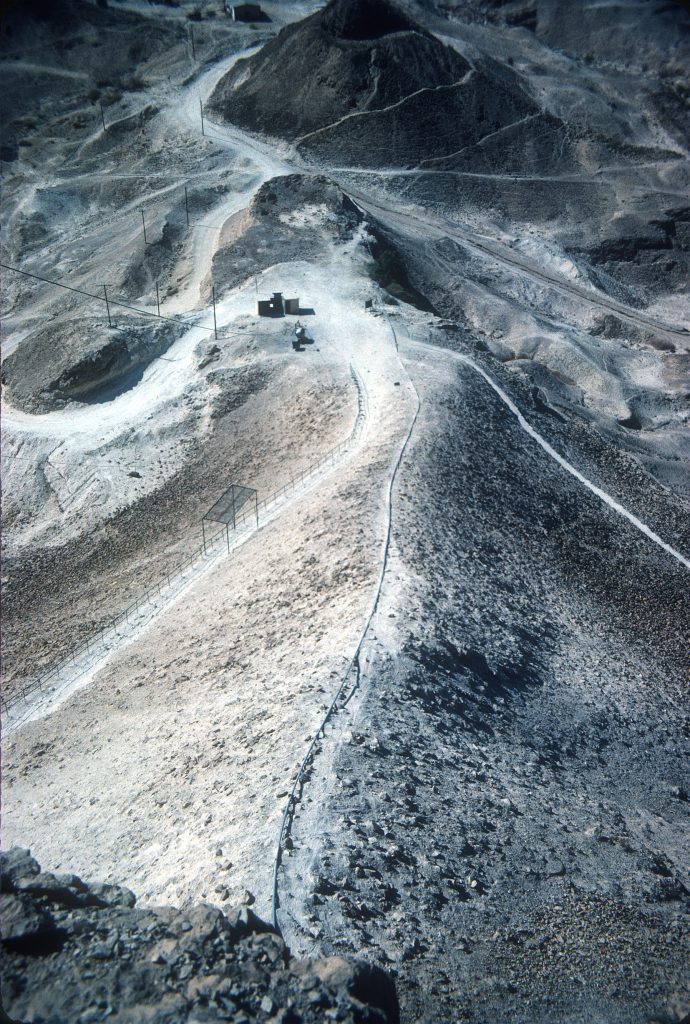
According to the ancient historian Josephus, when the Romans finally breached the fortress, the defenders chose death rather than enslavement. Whether one reads the story as history, legend, tragedy, or national memory, Masada remains one of the most emotionally charged sites in the ancient world. A place where people chose death than face the oncoming death or enslavement marching up the ramp.
A Palace, a Sanctuary and a Tomb
The first thing you notice at Masada is the light. It is sharp, pale, and absolute. The second is the silence, broken only by footsteps, wind, and the murmur of visitors who instinctively lower their voices.
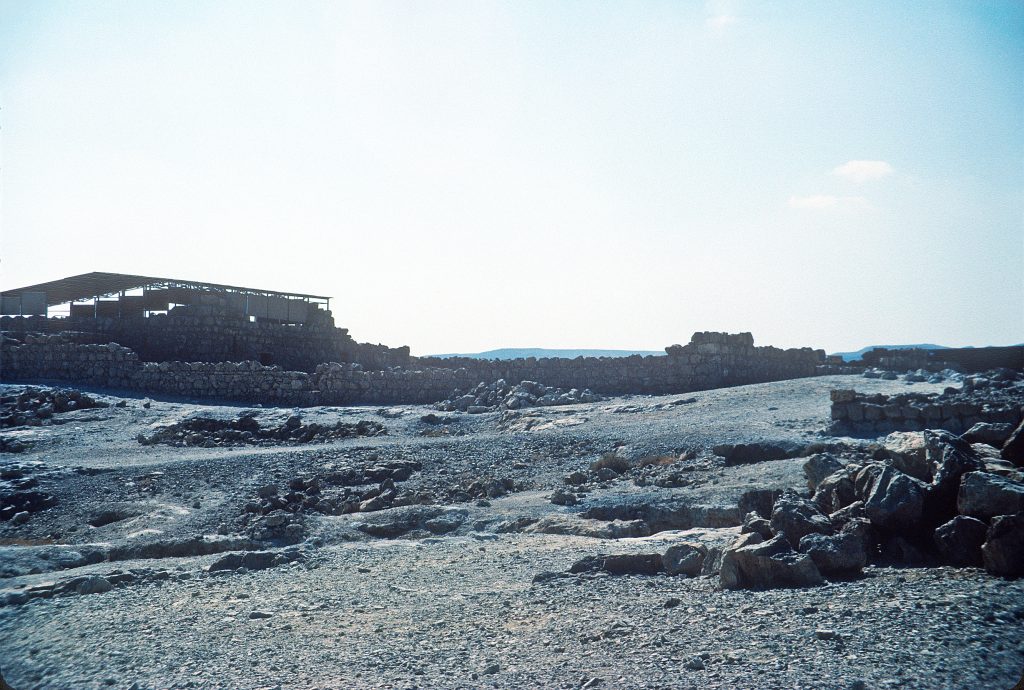
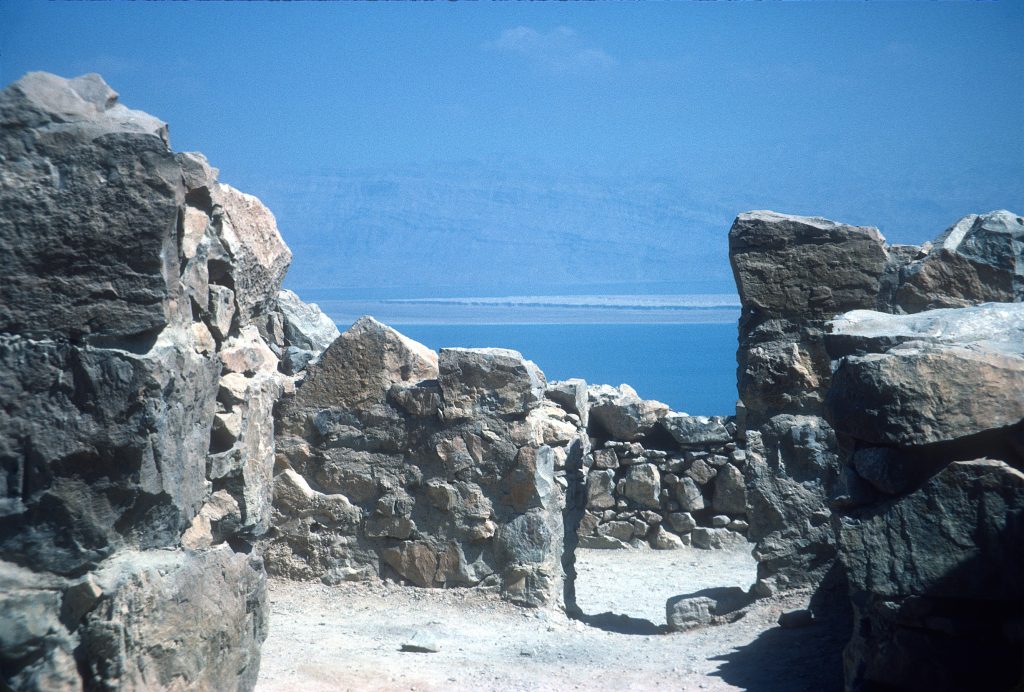
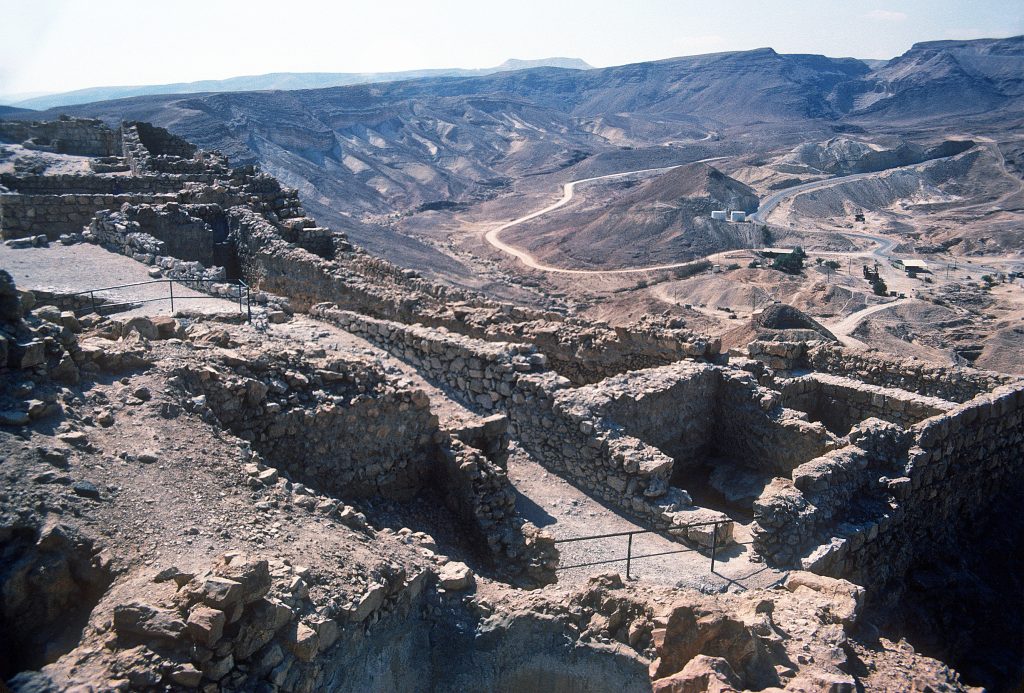
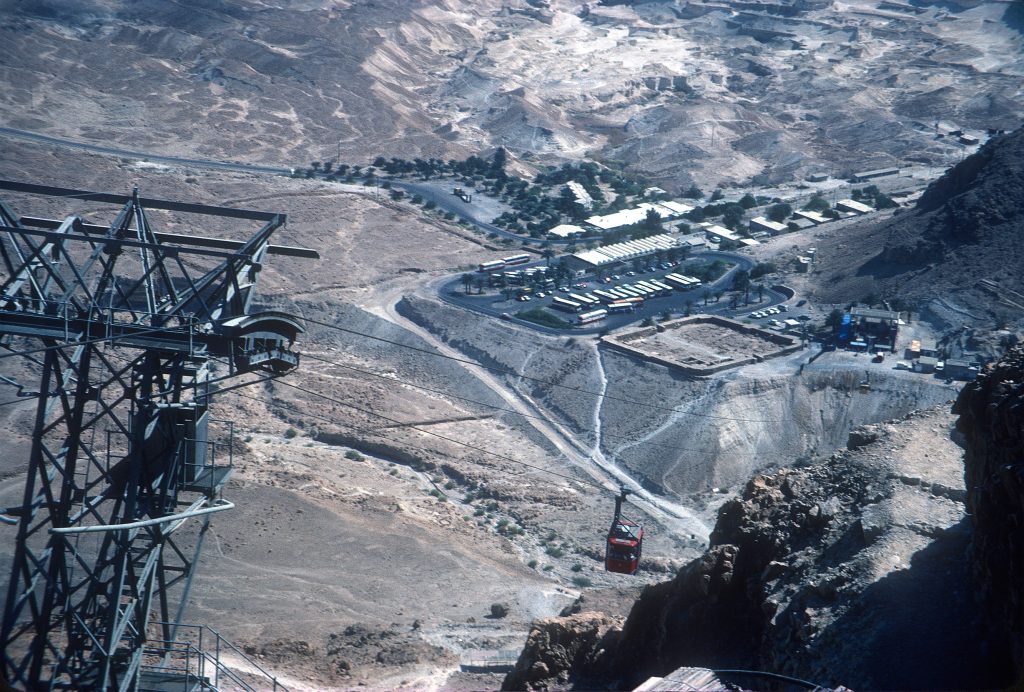
Most travelers ascend by cable car from the eastern side, while the hardy and romantic-at-heart may climb the Snake Path in the early morning. Once atop the plateau, the site opens like a stone map of ambition, survival, and siege. Masada’s buildings are scattered across the summit, each revealing a different chapter of its life: royal retreat, military garrison, rebel sanctuary, Roman target, and later, Christian hermitage.
The Palaces
- The Northern Palace — Located on the northern tip of the plateau, this was Herod’s breathtaking personal residence, built in three dramatic tiers descending along the cliff face. The upper terrace held the royal living quarters, the middle terrace served as a belvedere pavilion for viewing the desert and Dead Sea, and the lower terrace featured a square courtyard surrounded by double columns and once enriched with colorful wall paintings. It is Masada at its most theatrical—a palace clinging to the edge of the world.
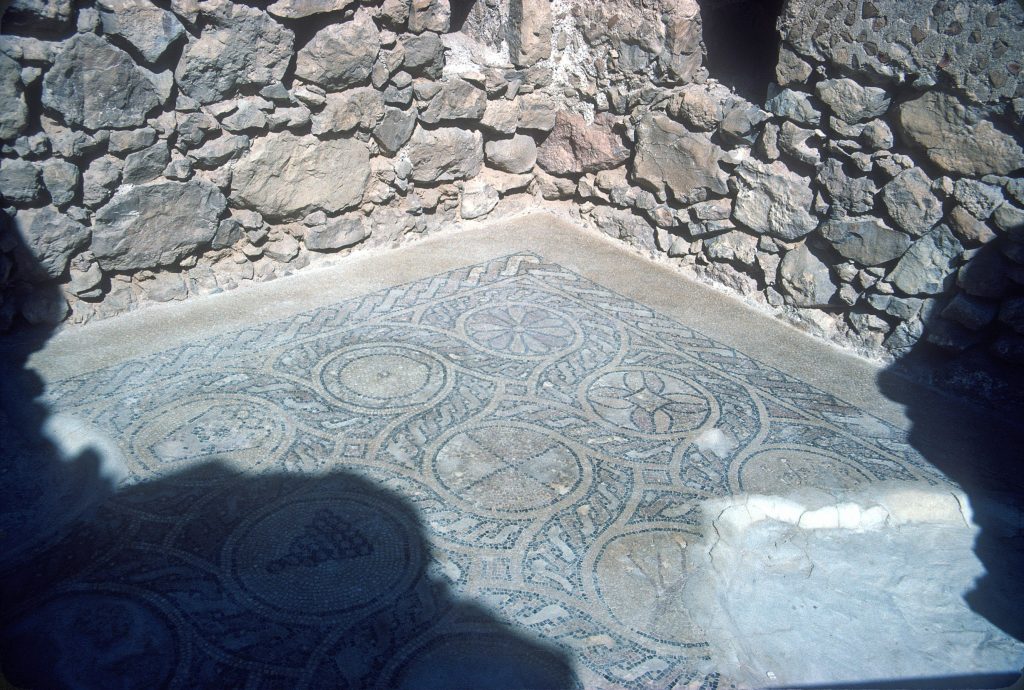
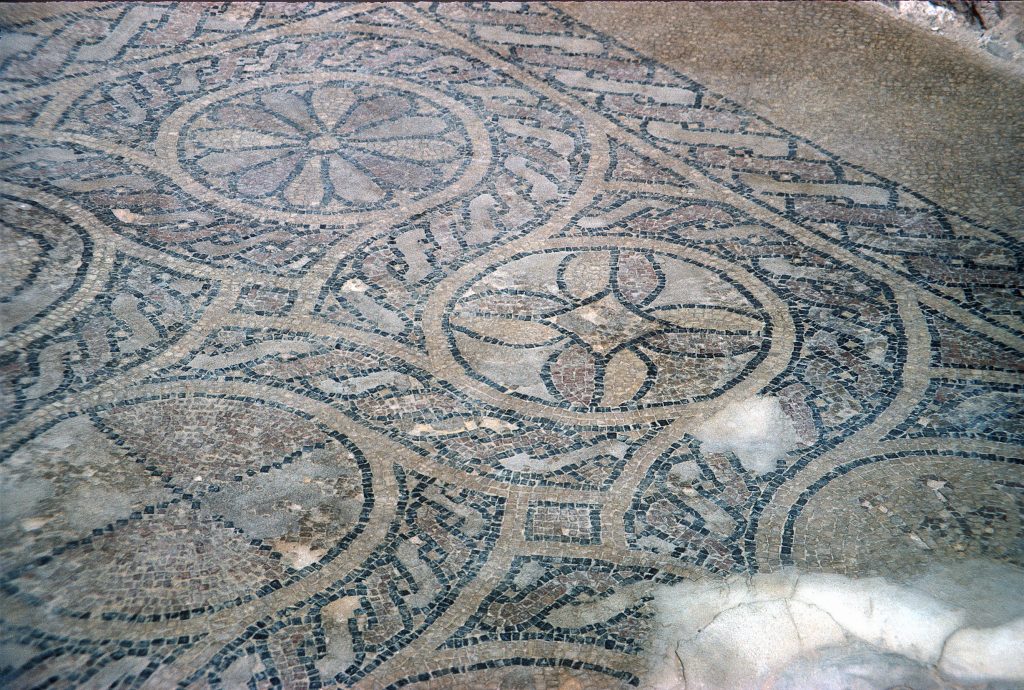
- The Western Palace — The largest building on Masada, covering more than 4,000 square meters, this served as Herod’s ceremonial and administrative center. It included a royal apartment, workshops, storehouses, and a splendid reception room with a geometric mosaic floor. If the Northern Palace was Herod’s private drama, the Western Palace was the official face of royal authority.
- The Small Palaces — Several smaller palatial structures are clustered around the central and southern parts of the plateau. Less lavish than Herod’s principal residences, they likely housed family members, dignitaries, officials, or guests. One can imagine the comings and goings of attendants, guards, scribes, and visitors—because even on a desert mountaintop, court life must be managed.
Communal and Administrative Structures
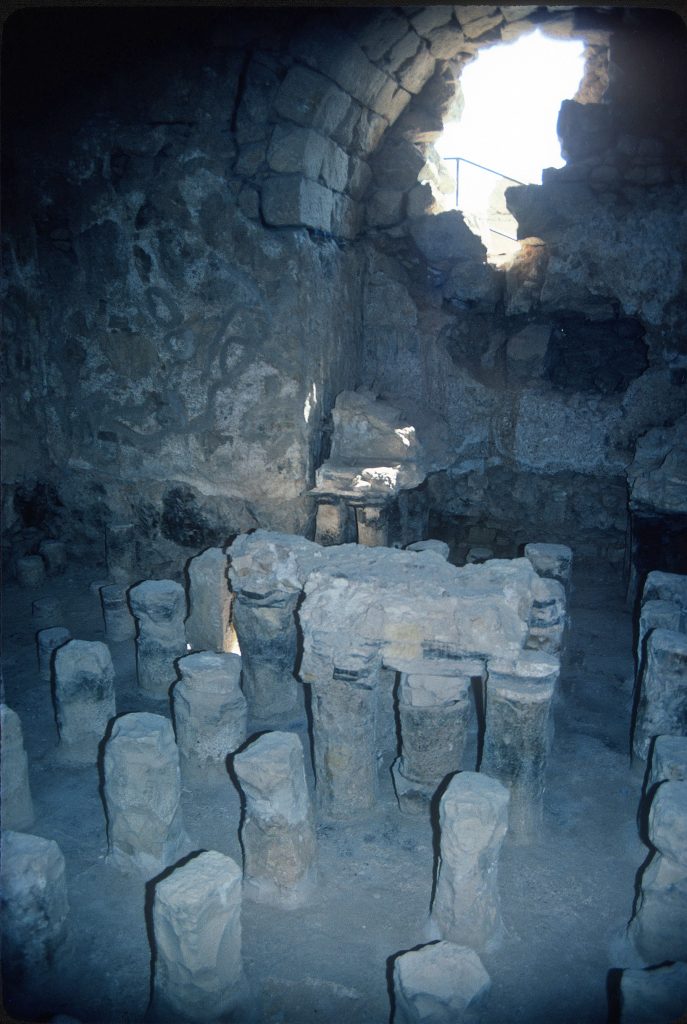
- The Large Bathhouse — Herod’s bathhouse is one of the clearest reminders that Roman luxury traveled well, even into the desert. It included a frigidarium, or cold room; a tepidarium, or warm room; a caldarium, or hot room with a raised floor; and an apodyterium, or dressing room. The heating system used Roman hypocaust technology, circulating hot air beneath the floors. Later, the Jewish rebels adapted part of this space for ritual purification with a small mikveh. History, as always, reuses the rooms it inherits.
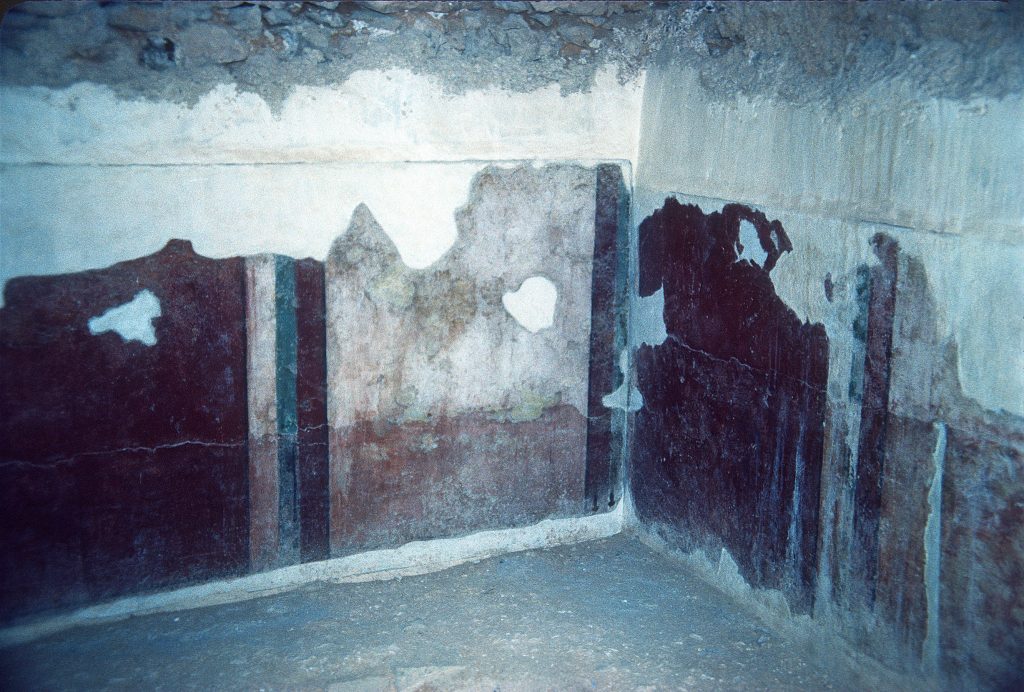
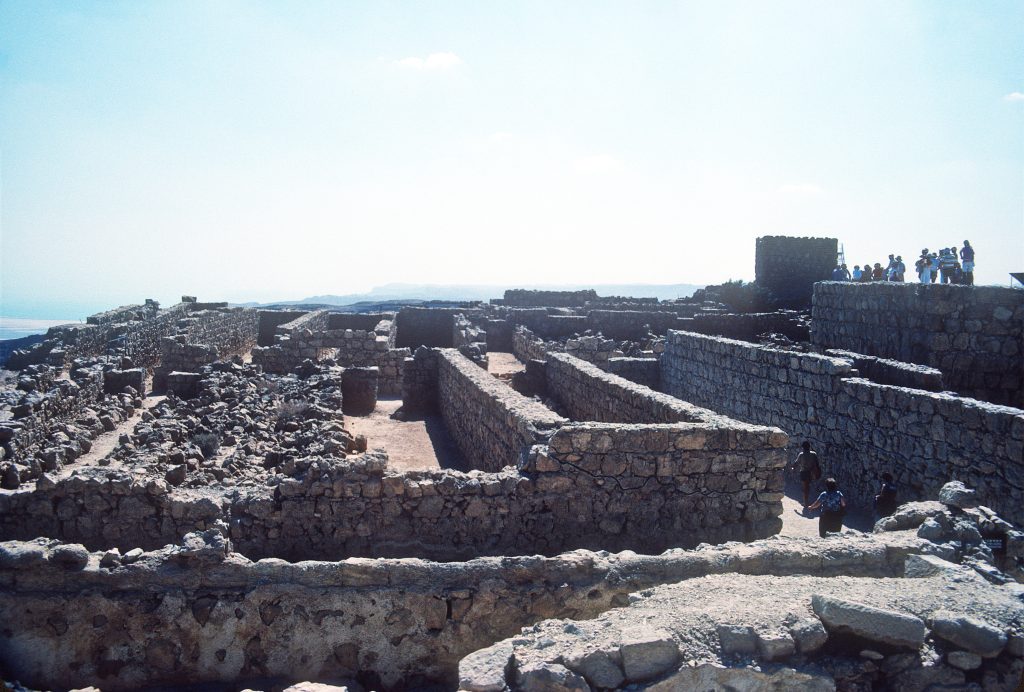
- The Storehouses — Fifteen long, parallel storerooms held food, wine, oil, weapons, and other supplies needed to withstand a prolonged siege. These structures are among the most practical and impressive on the mountain. They speak not of palace beauty, but of endurance. In Masada’s harsh landscape, survival was a matter of planning—and Herod planned lavishly.
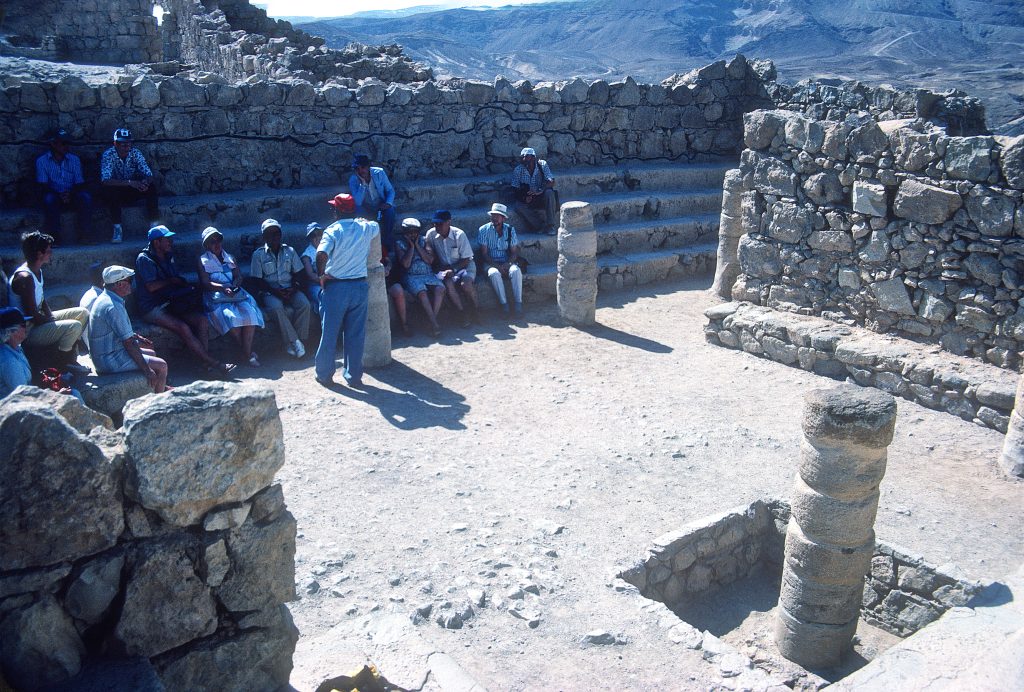
- The Synagogue — A small, nearly square building with stone benches along the walls, this structure was originally used by Herod’s garrison and was later repurposed by the Jewish rebels during the First Jewish–Roman War. It is one of the most moving places on the mountain because it shifts the story from royal power to community, memory, and faith.
- The Ritual Baths, or Mikvaot — Several stepped and plastered immersion pools were constructed for Jewish ritual purification, including a public immersion pool on the southern end of the plateau. These baths offer a quiet but powerful glimpse into the religious life of the rebels who made Masada their final refuge.
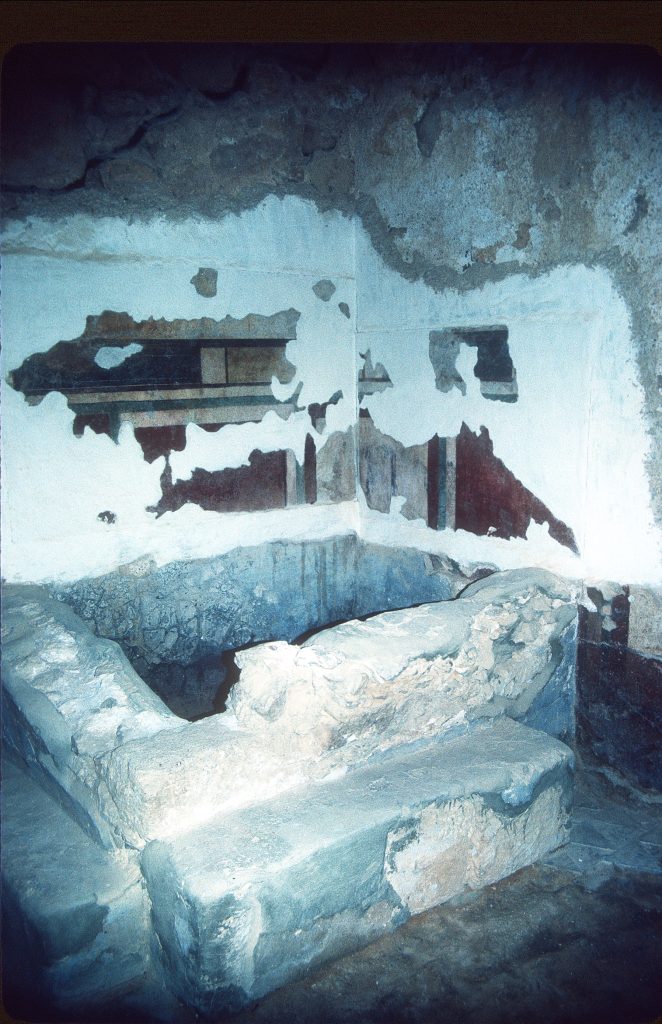
- The Administrative Building — Located near the storehouses, this complex likely served as the logistical and bureaucratic headquarters for managing supplies, records, personnel, and fortress operations. It is a reminder that even the most dramatic stronghold required a great deal of paperwork—or its ancient equivalent!
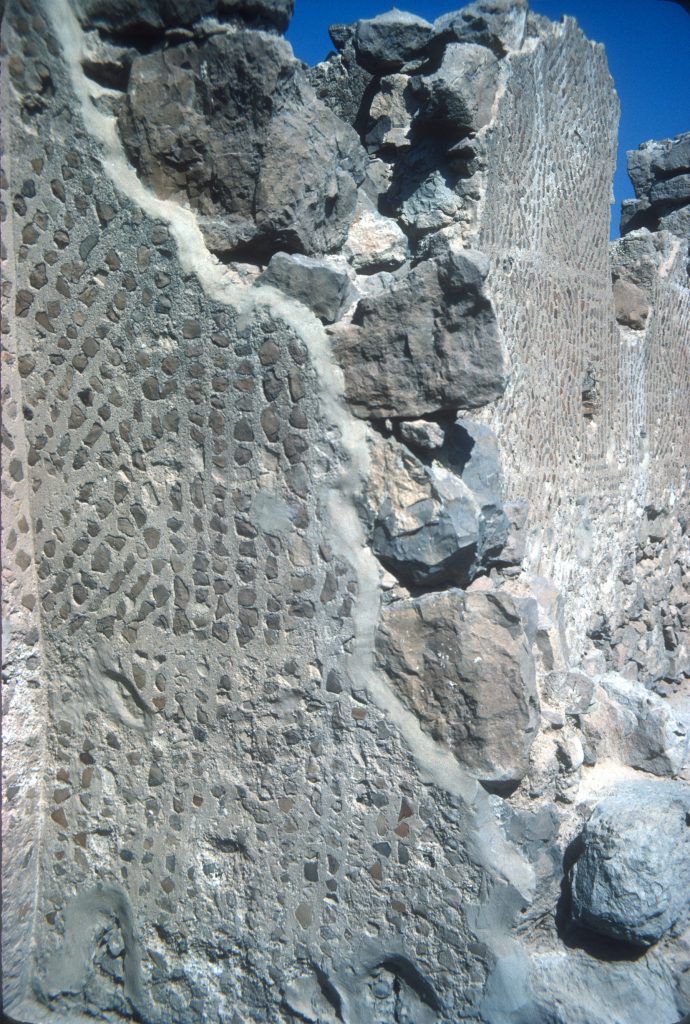
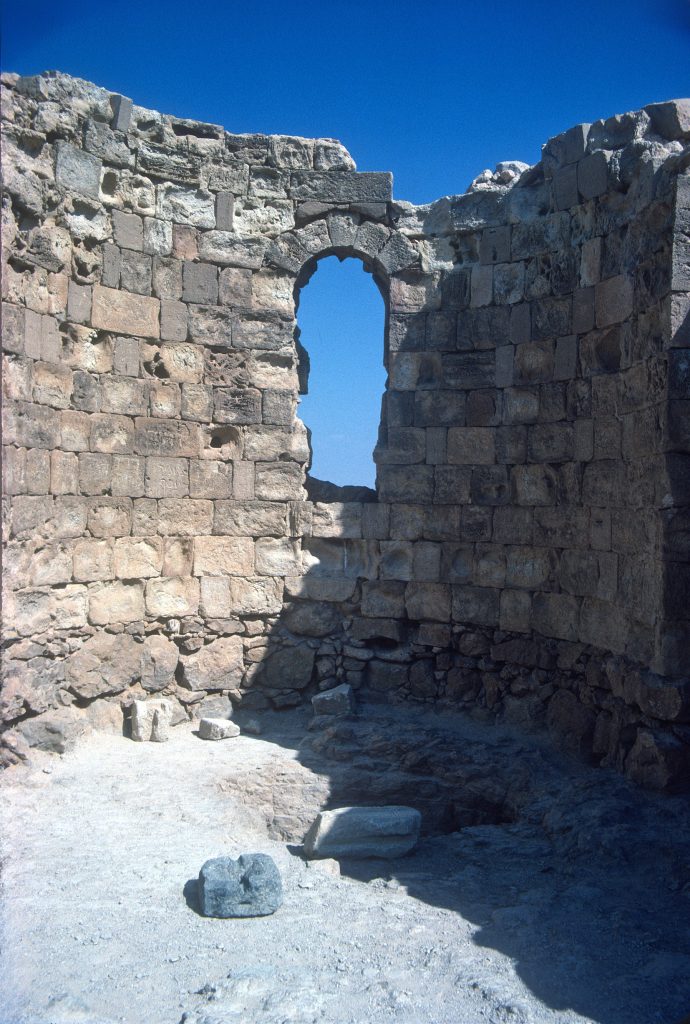
- The Byzantine Church — Centuries after the fall of Masada, Christian monks settled on the mountaintop and built a church in the 5th or 6th century CE. Its presence adds a later, unexpected layer to the site. Masada did not disappear after the Roman siege; it was reimagined by those seeking solitude, prayer, and perhaps the same stern beauty that draws travelers today.
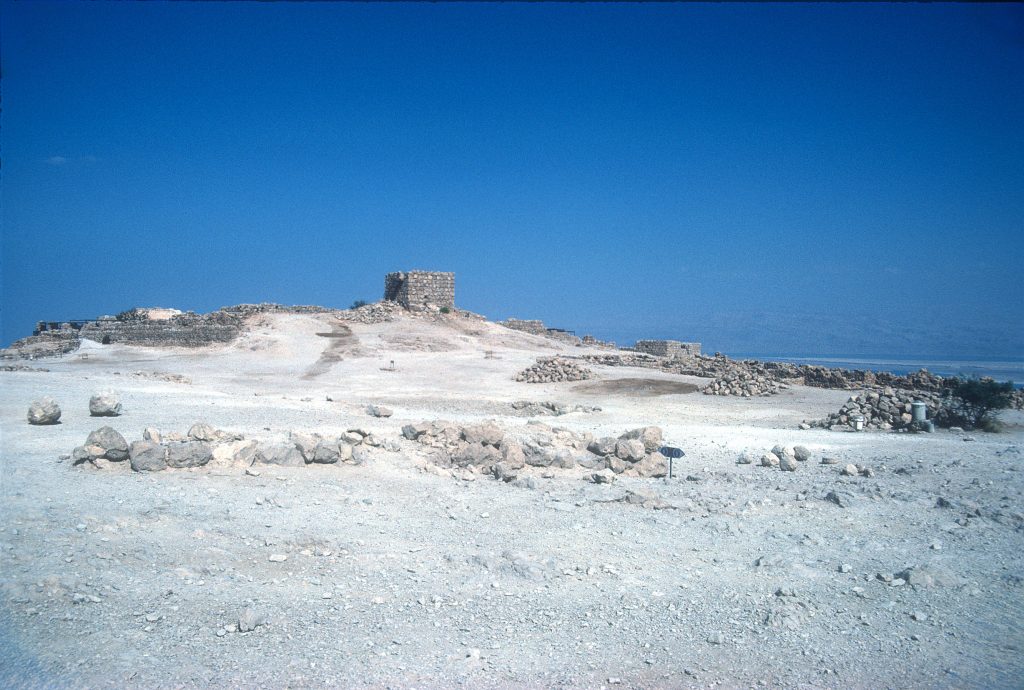
Defensive and Support Structures
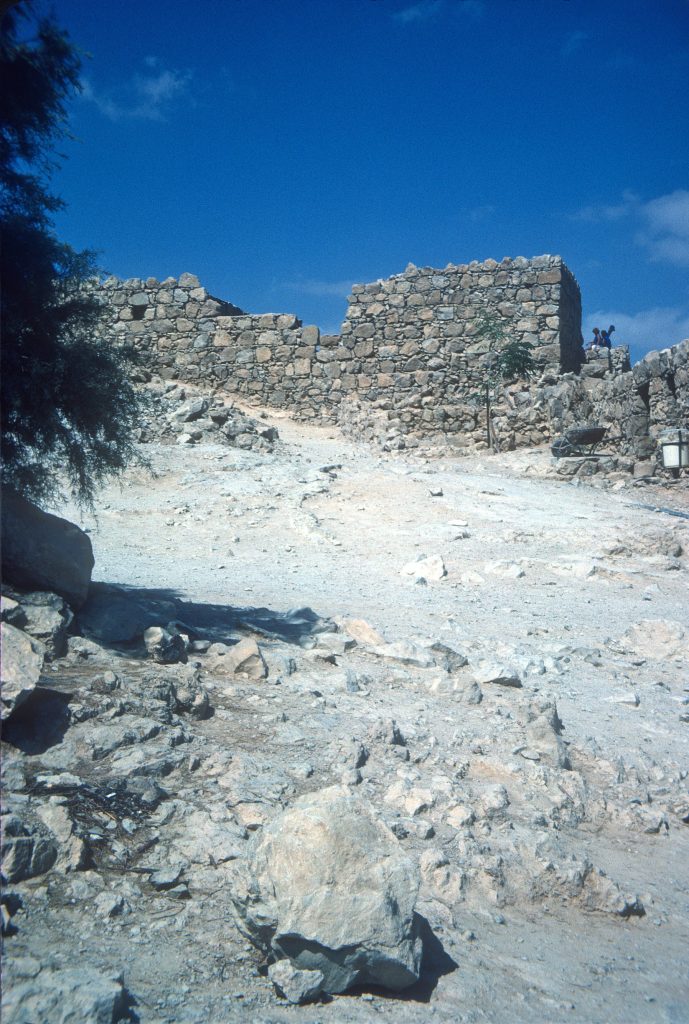
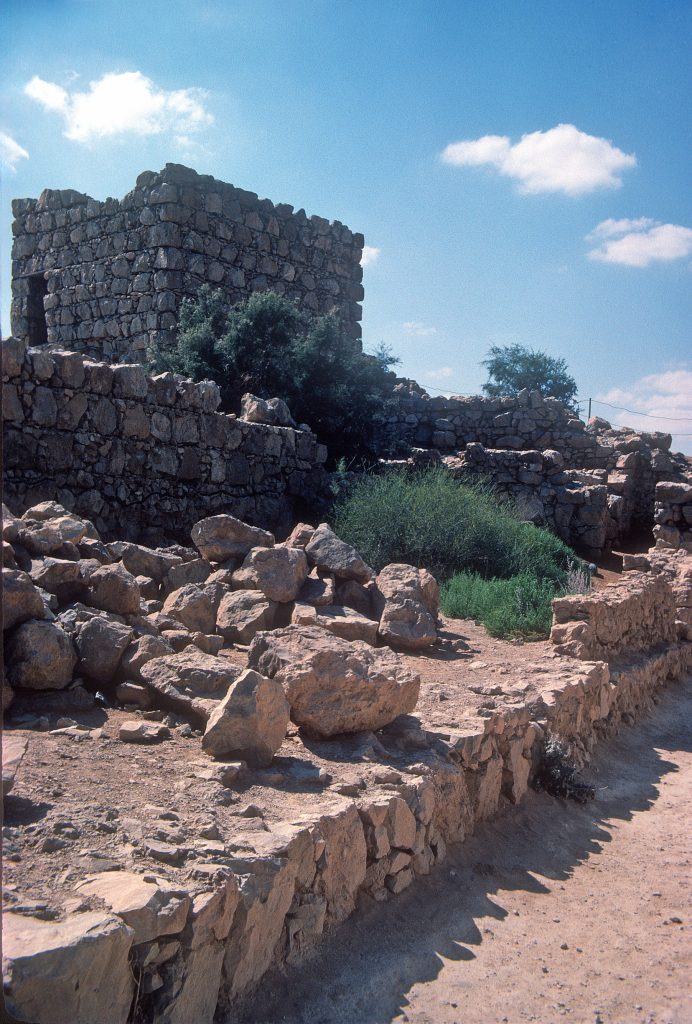
- The Casemate Wall — This double fortification wall enclosed the summit of Masada. The space between the two walls was divided into rooms used for barracks, storage, and defensive purposes. It gave the fortress both strength and utility, wrapping the plateau in a continuous ring of preparation.
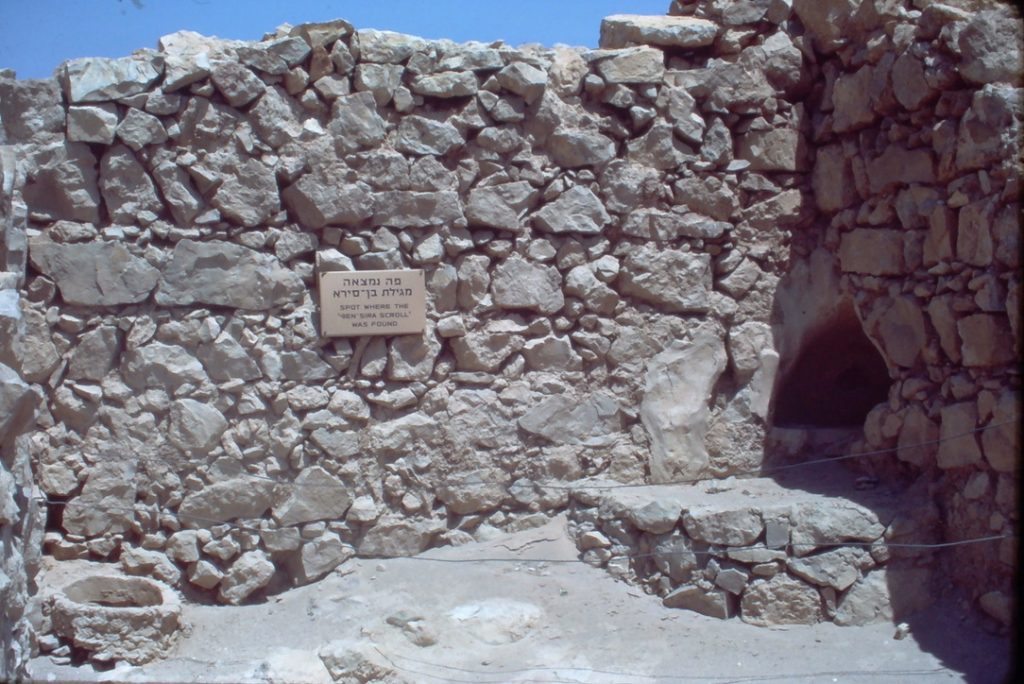
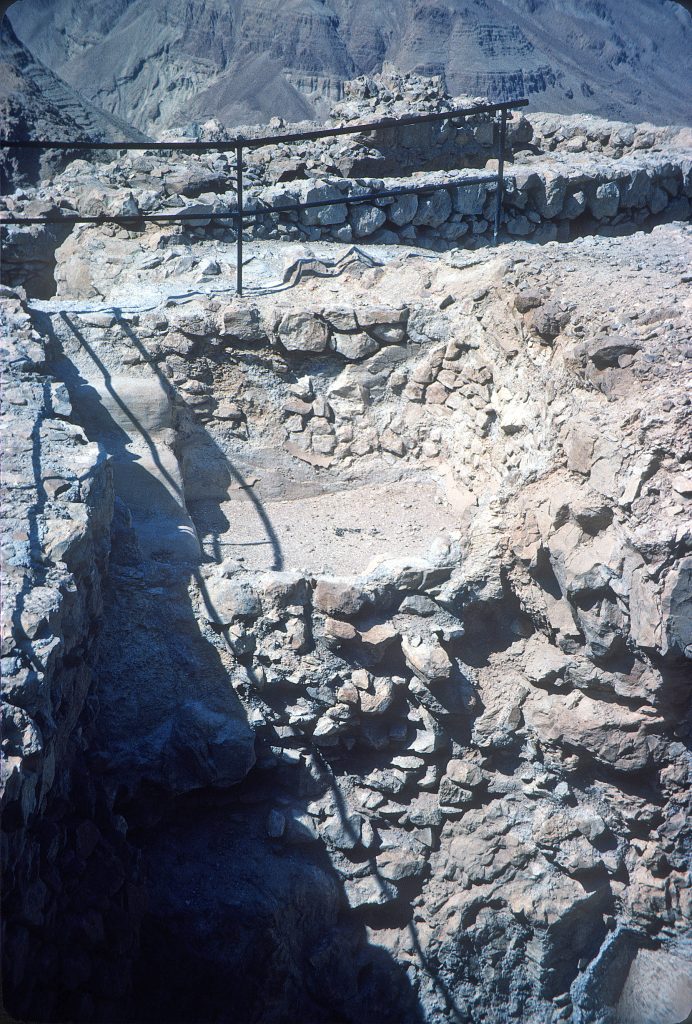
- The Water System — One of Masada’s greatest marvels is its water system: rock-cut cisterns carved into the mountain to capture runoff from flash floods in nearby wadis. Channels directed precious water into storage, allowing the fortress to maintain an ample supply despite the desert setting. This is ancient engineering at its most brilliant and most necessary.
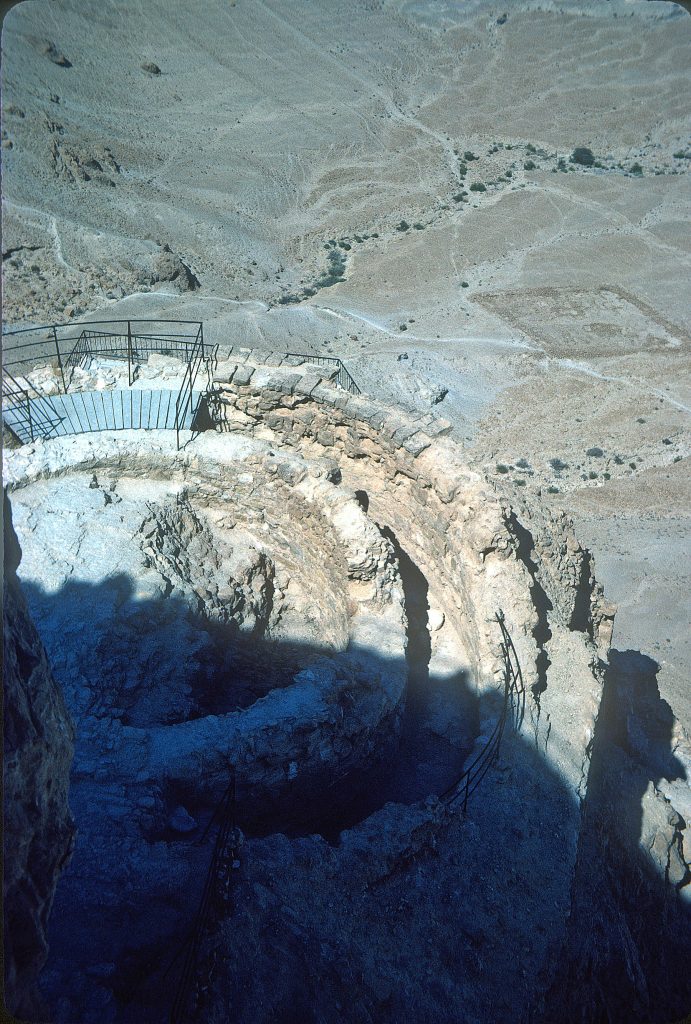
- The Columbarium Towers — These round towers contain hundreds of small niches used for raising doves. The birds provided meat, sacrificial offerings, and fertilizer. It is a small domestic detail, but a wonderfully vivid one. Even in a fortress of kings and rebels, there were doves fluttering in stone towers.

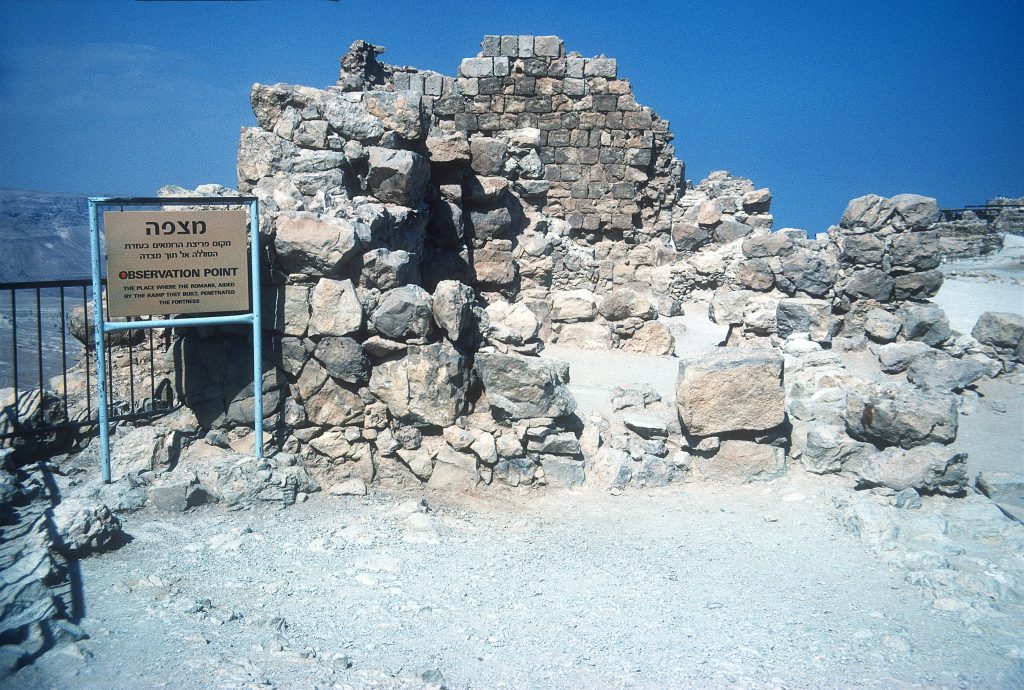
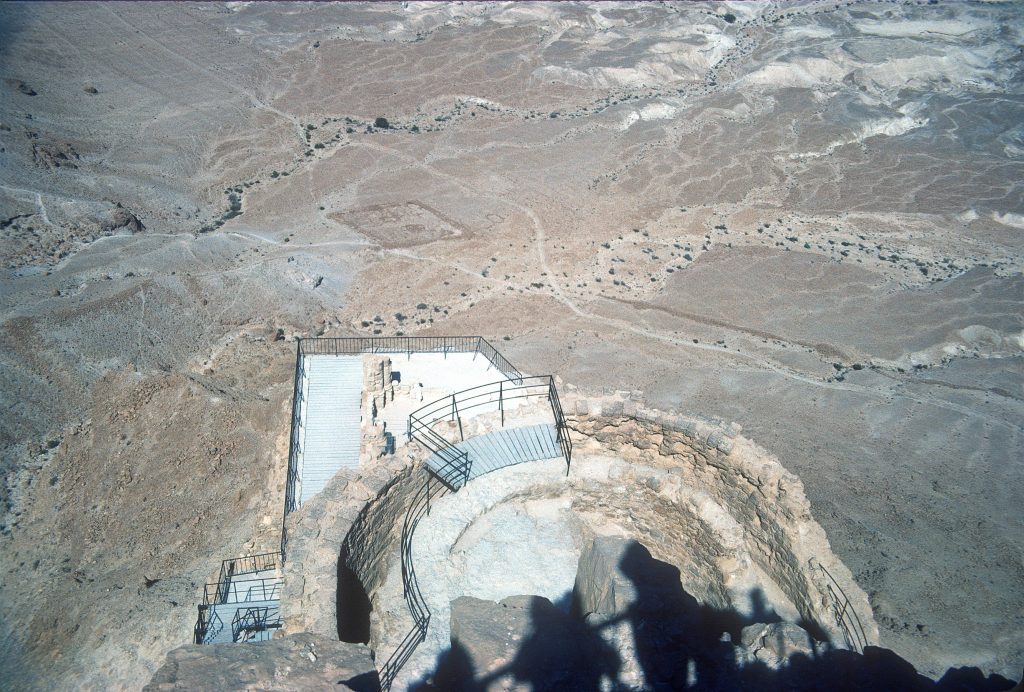
- The Roman Siege Works — Though not buildings on the summit itself, the Roman camps, siege wall, and great ramp below are essential to understanding Masada. From the top, you can still see the outlines of Roman camps in the desert and the ramp rising on the western side. It is chillingly easy to imagine the slow, methodical advance of imperial power. Rome did not hurry; Rome built. Imagine watching the construction of that ramp , counting the days to your destruction. It is a powerful and terrible site to behold.
Masada’s Impact and Symbolism
Today, Masada is one of Israel’s most visited historic sites and a UNESCO World Heritage Site. It is a place to walk slowly and remember….
Masada also remains deeply resonant in modern Israeli identity. For generations, the phrase “Masada shall not fall again” expressed a national vow of survival and self-defense. Yet the site is more than a symbol. It is also a complex archaeological landscape where Herodian opulence, Jewish resistance, Roman military engineering, and Byzantine spirituality all meet on one isolated mountain.
For the historic traveler, that is the magic of Masada. You are not simply seeing one story. You are seeing many stories in collision: a suspicious king building a refuge, rebels making a last stand, Romans demonstrating the brute patience of empire, monks seeking holy solitude, and modern visitors trying to make sense of it all in the desert wind.
Masada is a place where grandeur and grief stand side by side. You can admire Herod’s palaces, marvel at the cisterns, walk through storerooms, look into the bathhouse, and study the Roman ramp. But sooner or later, the mind returns to the people who waited there as the siege crept closer. They lived among these buildings, prayed in these rooms, stored their food against hunger, watched the Roman works rise below, and faced the terrible narrowing of possibility. You cannot help but put yourself in their sandals and wonder how did that fear and dread feel? And ruminate on the choice they made.
Access
The official Israel Nature and Parks Authority manages the site and provides current visitor information, admission pricing, operating hours, and practical guidance. For most travelers, the cable car makes the summit accessible, though the Snake Path remains a memorable climb for early risers. Morning is best, both for the temperature and the light. The desert sun is not known for its mercy.
Recommended Reading
Fiction
- The Dovekeepers by Alice Hoffman — A lyrical historical novel imagining the lives of four women at Masada during the final days of the siege, giving emotional texture to one of antiquity’s most haunting stories.
- Masada by Ernest K. Gann — A dramatic historical novel of the Roman siege of Masada, centered on the opposing wills of Jewish rebel leader Eleazar ben Yair and Roman commander Flavius Silva; originally published as The Antagonists and later tied to the famous 1981 television miniseries.
- Masada: The Last Fortress by Gloria D. Miklowitz — A young-adult historical novel told through 17-year-old Simon ben Eleazar, son of the Zealot leader, as he witnesses the final Roman assault and the desperate last stand atop Masada.
- The Wolf of Masada by John Fredman — A historical novel set in ancient Judea during the siege of Masada, exploring the conflict through themes of faith, loyalty, freedom, and resistance to empire.
- Masada: Thou Shalt Not Kill by Shimon Avish — A historical novel using a fictional character’s perspective to illuminate daily life at Masada and the moral burden of the rebels’ final choice.
- The Triumph by Ernest K. Gann — The sequel to Gann’s The Antagonists/Masada, continuing his fictional treatment of the aftermath and legacy of the Masada story.
NonFiction
- Masada: Herod’s Fortress and the Zealots’ Last Stand by Yigael Yadin — A foundational account by the archaeologist who led major excavations at Masada, offering vivid insight into the fortress, its discoveries, and its lasting significance.
- The Jewish War by Flavius Josephus — The ancient source for the story of Masada’s siege, written by the Roman-era Jewish historian whose account shaped the memory of the rebels’ final stand.
- Herod the Great: Jewish King in a Roman World by Martin Goodman — A thoughtful portrait of the ambitious and controversial ruler whose architectural vision turned Masada into a royal desert stronghold.
