
There are major American history museums across the country, but few—if any—are as fully and exclusively devoted to the Revolutionary era as the Museum of the American Revolution in Philadelphia. Just steps from Independence Hall, it does something more ambitious than most. It does not simply recount the Revolution—it places you in direct proximity to it, through objects that once belonged to the people who shaped it.
Here, history is not abstract. It is tangible.
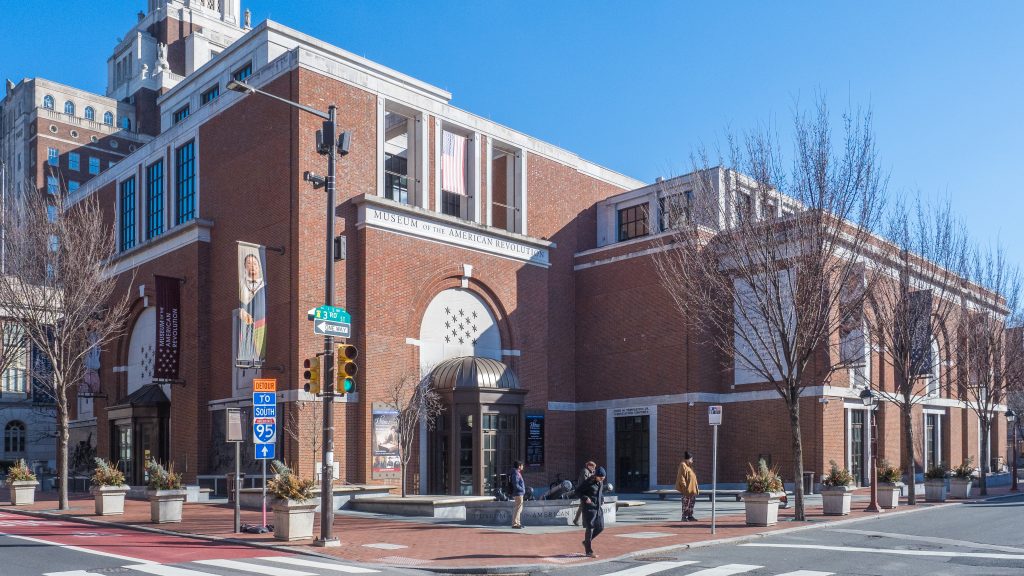
A Revolution Told Through Its Objects
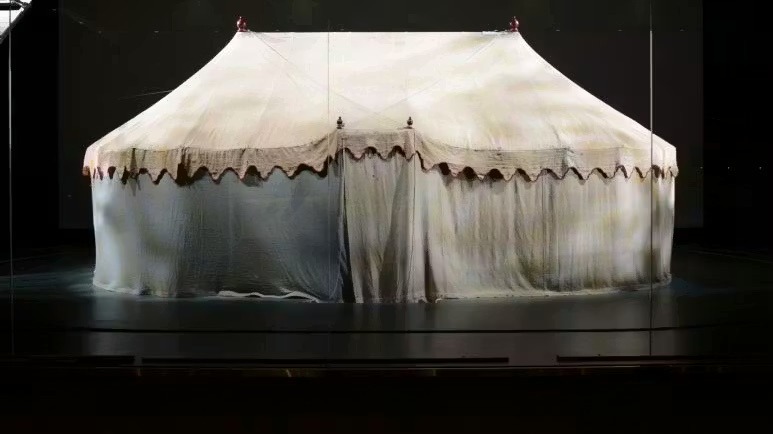
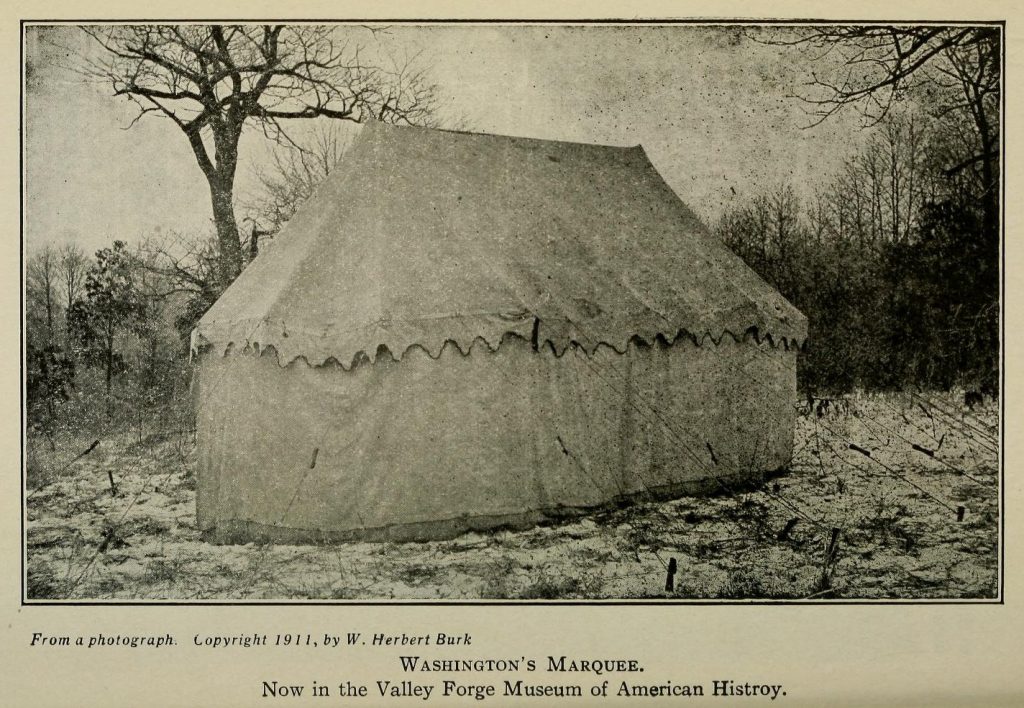
What distinguishes this museum is not simply its narrative, but the specificity of what it contains. At its center is one of the most extraordinary surviving artifacts of the Revolutionary War: George Washington’s field tent.
This is not a symbolic reconstruction. It is the actual tent Washington used throughout much of the war—his mobile headquarters, his office, and at times his refuge. From within this canvas structure, decisions were made that affected the course of the conflict. It traveled with him through campaigns, weather, uncertainty, and near defeat.
To stand before it is to encounter leadership not as myth, but as practice—portable, improvised, and burdened.
Nearby, you encounter another deeply personal object: Washington’s camp bed and field equipment, which underscore the reality that even the commander-in-chief lived within the constraints of the field, not above them.
The War in Personal Terms
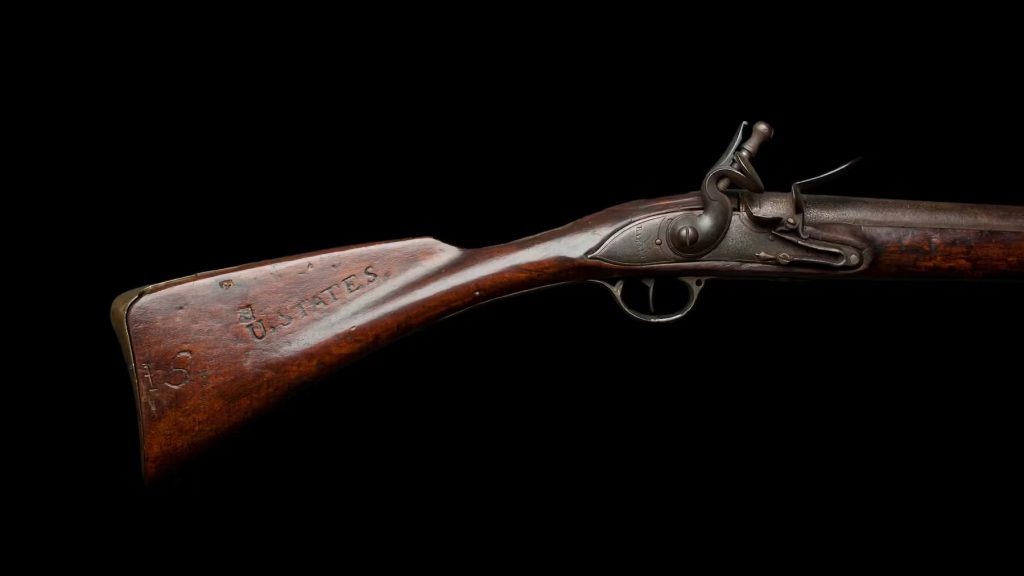
The museum excels in connecting individuals to the objects they carried. One of the most compelling artifacts is a musket carried by a Continental soldier, its wear and modification revealing the lived experience of combat. These are not pristine weapons—they show use, adaptation, and necessity. Equally powerful are the powder horns engraved by soldiers, often personalized with maps, names, or inscriptions. These objects served practical purposes, but they also became expressions of identity—small, portable records of participation in a cause still uncertain.
Letters and diaries throughout the galleries bring voices into the space—officers, enlisted men, and civilians writing in real time, without the benefit of hindsight. These documents do not summarize events; they react to them.
Voices Beyond the Battlefield
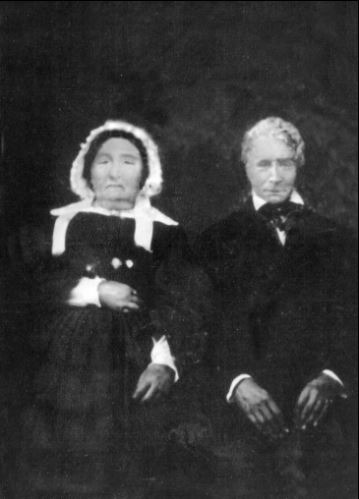
What gives the museum depth is its inclusion of those often left at the margins. You encounter the story of Joseph Plumb Martin, a young soldier whose firsthand accounts help reconstruct the daily realities of the Continental Army. His experiences—hunger, exhaustion, monotony punctuated by danger—are reflected in the objects associated with soldiers like him.
Equally significant are the narratives of enslaved individuals who sought freedom by aligning with the British, who offered them freedom if they joined up. It’s reminder that the Revolution did not offer liberty equally. Artifacts and documents tied to these individuals complicate the story in essential ways.
Women, too, are present—not as background figures, but as participants. Through personal items, correspondence, and reconstructed narratives, the museum reveals their roles in sustaining households, managing businesses, and, at times, following the army itself.
Moments You Can Stand Within
Certain spaces within the museum are designed not just to display, but to immerse.
The presentation of Washington’s tent is one of the most effective examples. Elsewhere, recreated environments—encampments, meeting spaces, and domestic interiors—are anchored by real objects, ensuring that immersion never becomes theatrical for its own sake. The balance is carefully maintained.
Philadelphia as Context
The museum’s location reinforces everything within it.
After moving through these galleries, you step outside into the very city where the political dimensions of the Revolution took shape. Independence Hall, where decisions were debated and formalized, sits within walking distance.
Inside the museum, you encounter the war as lived experience.
Outside, you encounter its consequences.
What Stays With You
It is not a single artifact, but a cumulative impression. The Revolution feels smaller in scale, more uncertain in outcome, and more dependent on individuals than most narratives suggest. The objects reinforce this repeatedly. They are worn, practical, often improvised. They reflect effort, not inevitability.
And perhaps most importantly, they return the Revolution to human scale.
Recommended Reading
Fiction
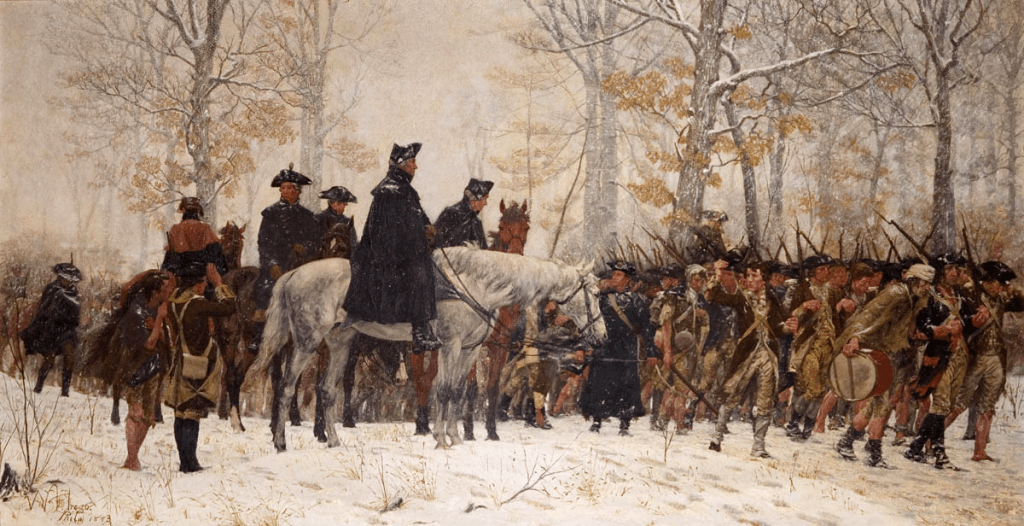
- Valley Forge by Newt Gingrich & William R. Forstchen — A vivid portrayal of the Continental Army’s harsh winter encampment, capturing the endurance, deprivation, and fragile morale of soldiers under Washington’s command
- The Drums of War by James L. Nelson — The opening of the Revolution seen through the eyes of sailors and soldiers, offering a ground-level view of early engagements and the chaos of a war just beginning
- The Rifle by Gary Paulsen — A spare but powerful story centered on a single weapon and the soldiers who carry it, revealing how individual lives intersect with the broader sweep of war
- The Midwife’s Revolt by Jodi Daynard — Set in the days surrounding Lexington and Concord, this richly detailed novel places a midwife at the center of unfolding rebellion, blending domestic life with political upheaval
- The Turncoat by Donna Thorland — A gripping espionage novel set in British-occupied Philadelphia, capturing the shadow world of spies, divided loyalties, and wartime intrigue
- Chains by Laurie Halse Anderson — A powerful and intimate novel following an enslaved girl navigating loyalty, survival, and the promise of freedom in Revolutionary-era New York
Nonfiction
- Washington’s War by Robert Middlekauff — A comprehensive account that deepens understanding of the campaigns and leadership represented in the museum’s central artifacts
- 1776 by David McCullough — A vivid narrative that pairs especially well with the museum’s focus on Washington’s early leadership
- A Narrative of Some of the Adventures, Dangers and Sufferings of a Revolutionary Soldier by Joseph Plumb Martin — A firsthand account that brings the experience of the common soldier—reflected throughout the museum—into sharp focus
- Revolutionary Mothers by Carol Berkin — An essential work that expands the stories of women whose lives intersect with the world represented in the museum
Image Credits: ajay_suresh via Wikimedia Commons

This is a fascinating museum… and I say this as a 'foreigner'. Really enjoyed my visit to Philadelphia.