
Reclaiming the “Men Without Shoes”
In a quiet but powerful act of historical restoration, a group of Black high school scholars in Trenton, New Jersey has brought some long-forgotten Revolutionary War patriots back into the light—just in time for America’s 250th anniversary.
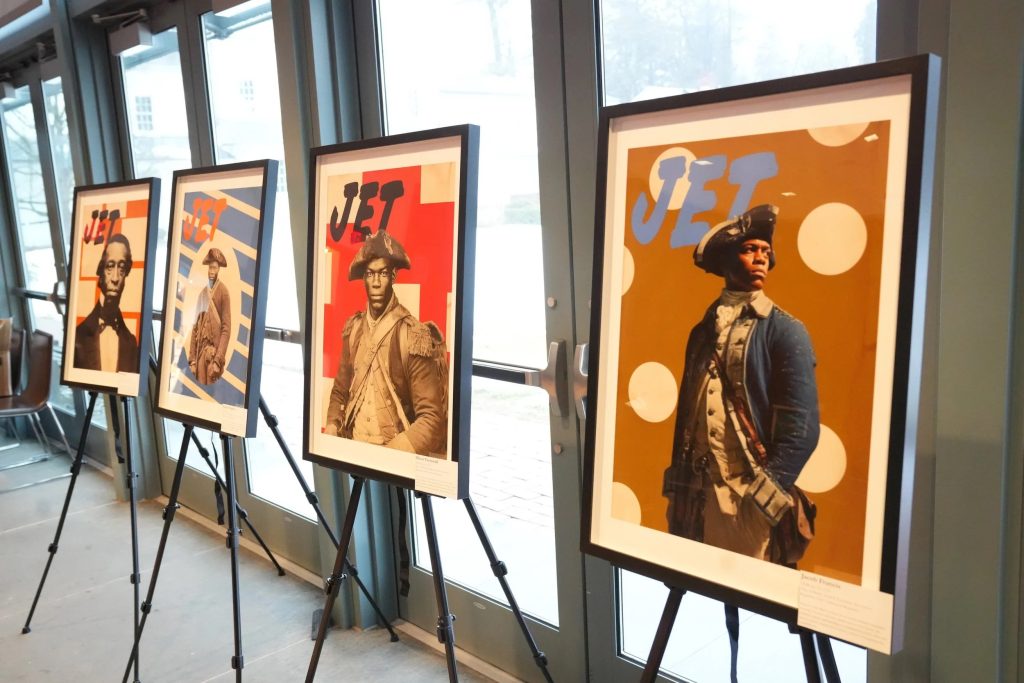
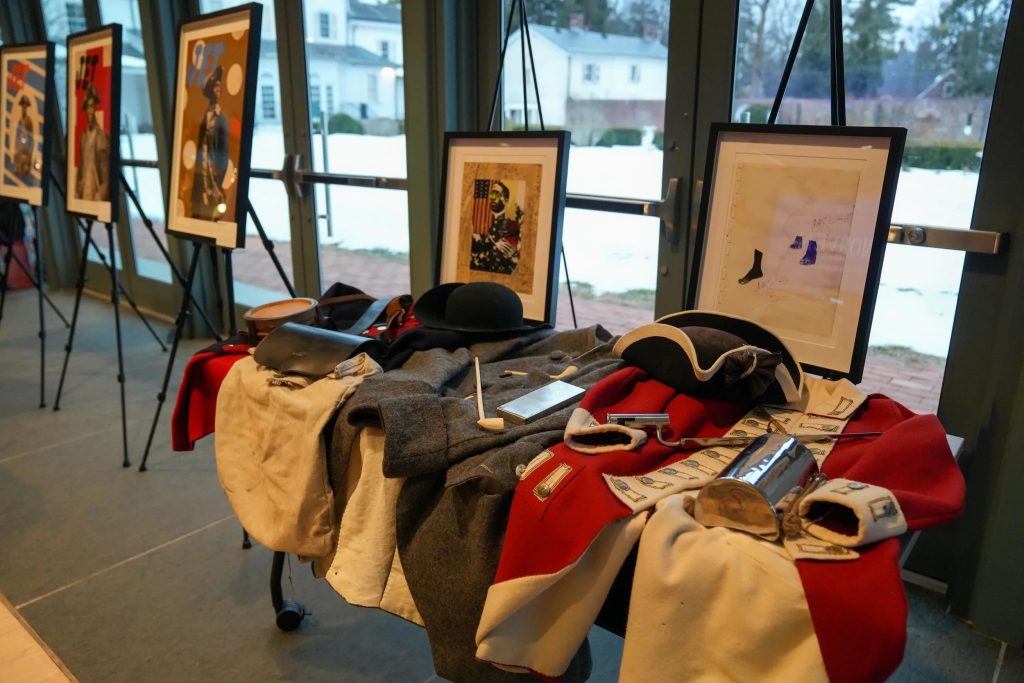
During Black History Month, Foundation Academies’ Black Student Union, in partnership with the Princeton Battlefield Society, unveiled Men W/O Shoes, a striking student-led multimedia exhibition at the Morven Museum & Garden. The project recovers the lives of 14 Black soldiers who fought in the pivotal Battles of Trenton and Princeton—men whose courage helped secure American independence, yet whose names were largely erased from the historical record.
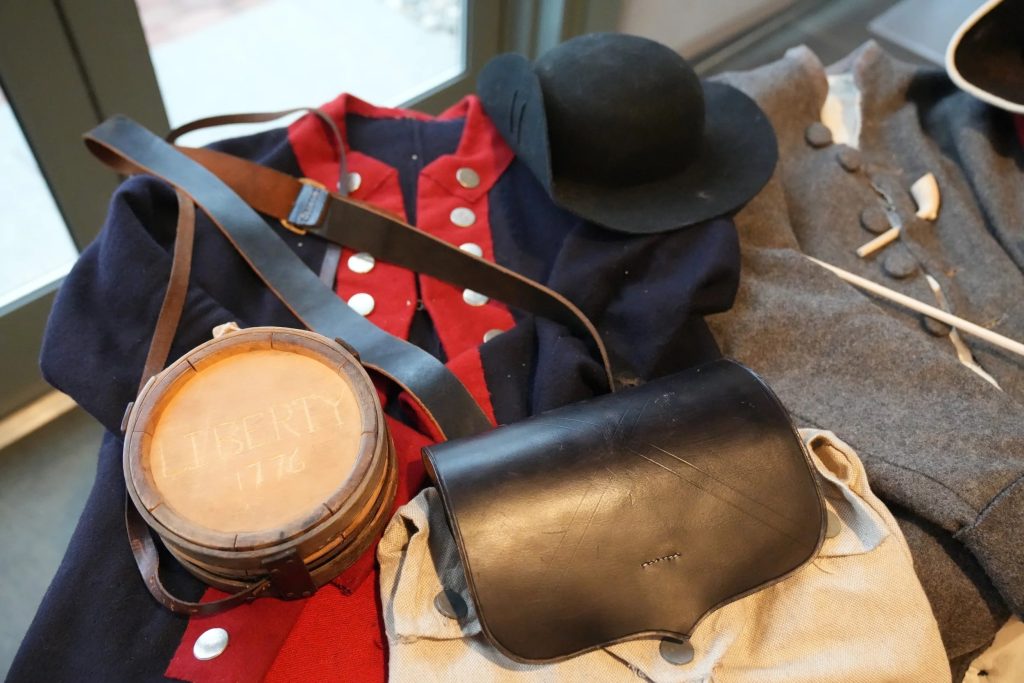
Historians estimate that Black soldiers comprised between 5% and 20% of the Continental Army. Many marched barefoot. Some fought in place of enslavers. Most were never formally acknowledged.
“There would be no 250th anniversary if it weren’t for these 14 men,” said Casey Scott, faculty advisor to the Black Student Union. “Our students reclaimed their stories—and, in doing so, reclaimed their own place in American history.”
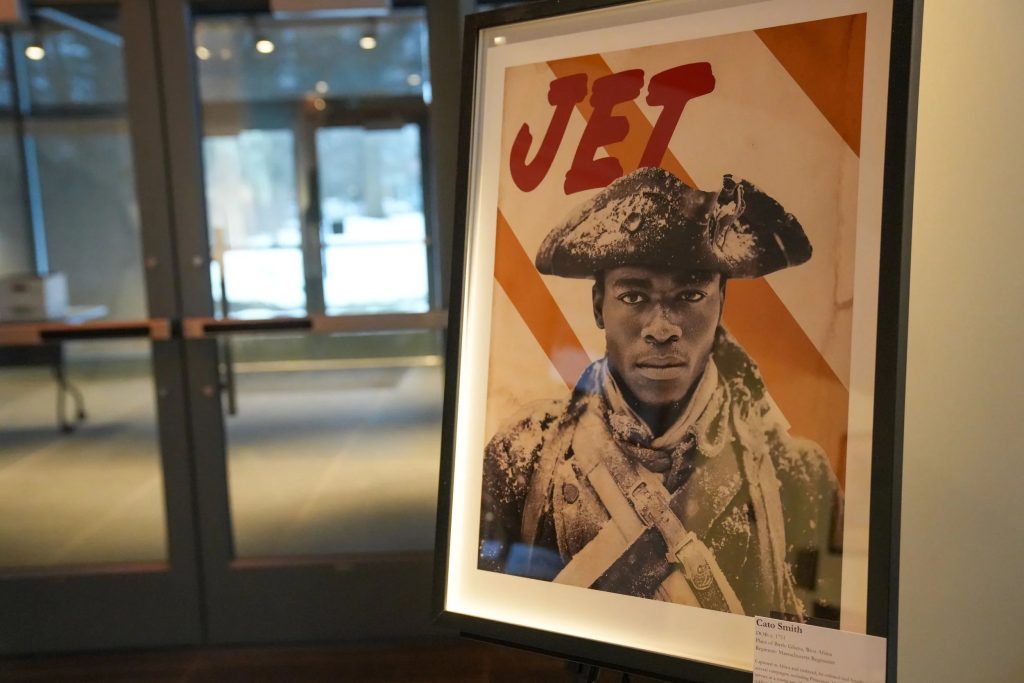
Over the course of a year, thirty students in grades 9–12 conducted original archival research to reconstruct these lives. Their work goes far beyond the written word: AI-generated monologues give voice to the soldiers, a documentary film reveals the research journey, and evocative portraits—created with Philadelphia artist Shaheed Rucker—reimagine the men in the bold visual language of mid-20th-century JET magazine covers.
Among the newly illuminated figures:
- Charles and James Ailstock, brothers who fought side by side in multiple campaigns
- Primus Hall, who transformed military service into civic leadership and advocacy
- Peter Jennings, whose pension testimony now anchors historical understanding of Black participation
- Oliver Cromwell, a six-year veteran honored by George Washington and later a community leader
- Cato Smith, an African-born soldier whose life—and death—embody the profound sacrifices of the war

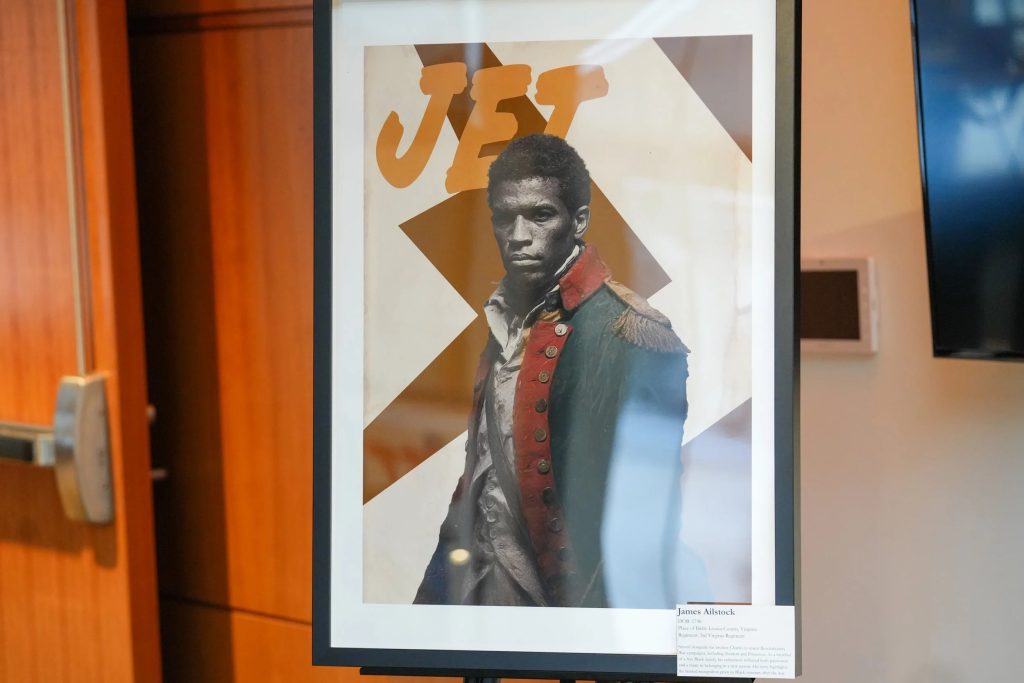
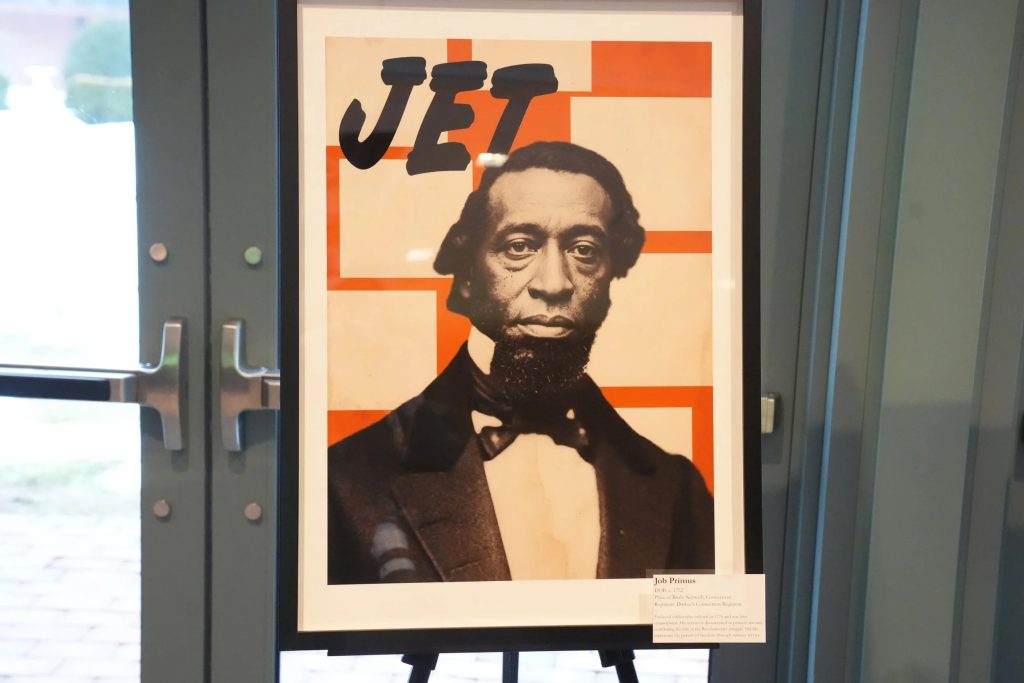

These are not isolated stories. They are threads in a larger, long-overlooked tapestry of Black patriotism, resilience, and agency at the nation’s founding.
The exhibition’s impact reaches beyond the gallery. The Princeton Battlefield Society will incorporate the students’ findings into its digital encyclopedia and educational programming, ensuring these names—and their legacy—endure.
As one descendant of soldier Job Lathrop reflected, the project is more than historical recovery—it is an act of inheritance: a reminder that the story of America has always been broader, deeper, and more inclusive than the traditional narrative allows.
And now, at last, these men without shoes are no longer without names.
Photo Credit: Daniel Helmstetter, Foundation Academies
The Other Woman at George Washington’s Side
By Leslie Bramlett
The duress and upheaval of war brings with it undeniable devastation and loss. The American Revolution brought not only the destruction of wealth and resources but the greatest death toll that society had ever seen. Still with the toppling of the status quo and the havoc that comes with power struggles, unforeseen opportunities for the marginalized and underprivileged can rise from the ashes.
In the chaos of the American Revolutionary War thousands of enslaved African Americans found their way to freedom. Major events that played out on the world’s stage would have long lasting effects for several African American families and one story in particular, is that of the Tills of Philadelphia.
In June 1776 a plot to assassinate George Washington was discovered. The plot involves the loyalist Governor, Mayor of New York, and members of Washington’s own bodyguards. It shakes the leadership of the Continental Army to their core. They arrest the Mayor — and Thomas Hickey of Washington’s guards is tried and executed in front of 20,000 people.
It is evident New York will most certainly fall to the British. The citizens of New York who side with the patriots are leaving the city and selling all that they can. The Revered John Mason looks to the army to lighten his family’s load and make a few shillings. George Washington is in need of a cook. He has been getting his meals from a local inn, but Mason has an enslaved woman Hannah, he can lease to the army as a cook.
These events work in tandem to change the course of Hannah Till’s life. Washington accepts Mason’s offer of leasing Hannah but there is a deal struck between the enslaver and the general. Mason would receive pay until such time when Hannah would be freed and earn wages. Hannah’s husband Isacc’s enslaver receives the same deal and both are able to work toward their freedom from slavery.
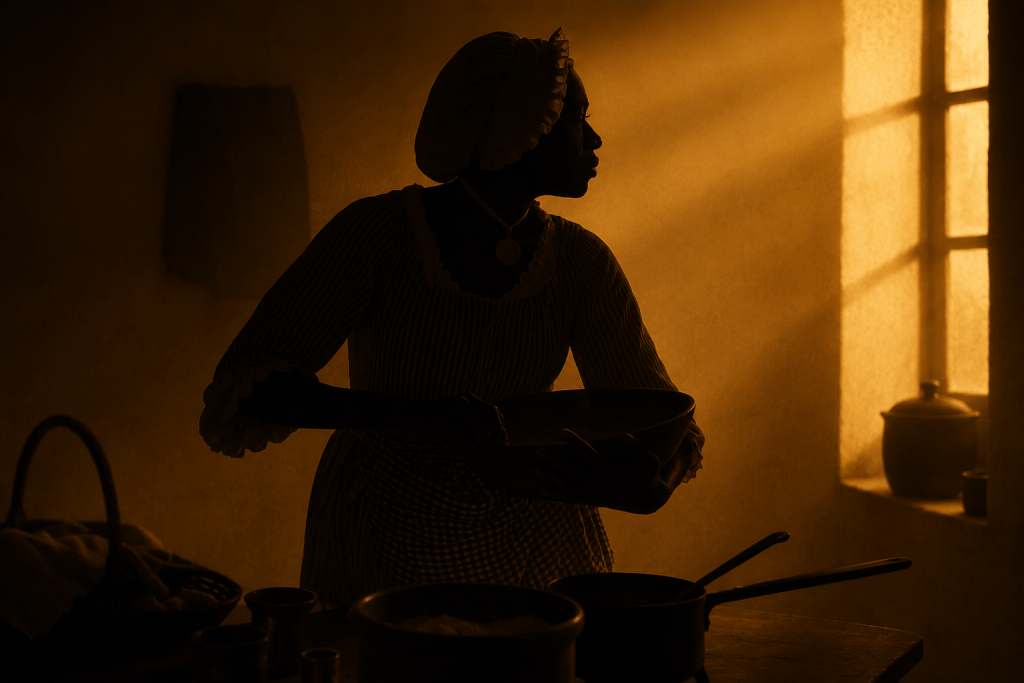
Hannah’s life as a cook for the Washington household would have been very demanding. George Washington’s “military family” totaled 25 people or more who would be eating three meals a day. The winter campaigns brought Martha Washington and other wives to the encampment. This also brought added responsibilities and additional mouths to feed.
Hannah forges strong friendships with the people around her. Margaret Thomas, the free Black woman hired as laundress to the Washington household becomes her close friend and lives with the Tills in Philadelphia after the war. She witnessed the execution of Major John Andre, the British spy, and would have noticed the change in Washington’s demeanor after the death of his step-son. Hannah spent six months in the service of General Lafayette. She reconnects with him on his return visit to America in the 1820s. He writes a letter to say he would like to pay her mortgage as he has heard she has fallen on hard times and expresses his affection for her. It is during that time Hannah is interviewed and tells the amazing story of her life.
She was born in Delaware where she lived with her family until the age of 15. She was sold three times before ending up with the Continental Army. She gives her account of her time spent with Washington: “He was very positive in requiring compliance with his orders; but was a moderate and indulgent master. He was sometimes familiar among his equals and guests, and would indulge a moderate laugh. He always had his lady with him in the winter campaigns, and on such occasions, was pleased when freed from mixed company and to be alone in his family. He was moderate in eating and drinking.”
Women like Hannah Till and Margaret Thomas worked and served the Patriot war effort while advancing their own interests and those of their families. Hannah gave birth to Isacc Worley Till at the winter encampment of Valley Forge and had him baptized 19 months later. Hannah, her husband Isacc and their 7 children remained free and settled in Philadelphia. Philadelphia had the largest free Black population in the country after the war and Hannah’s family thrived among them.
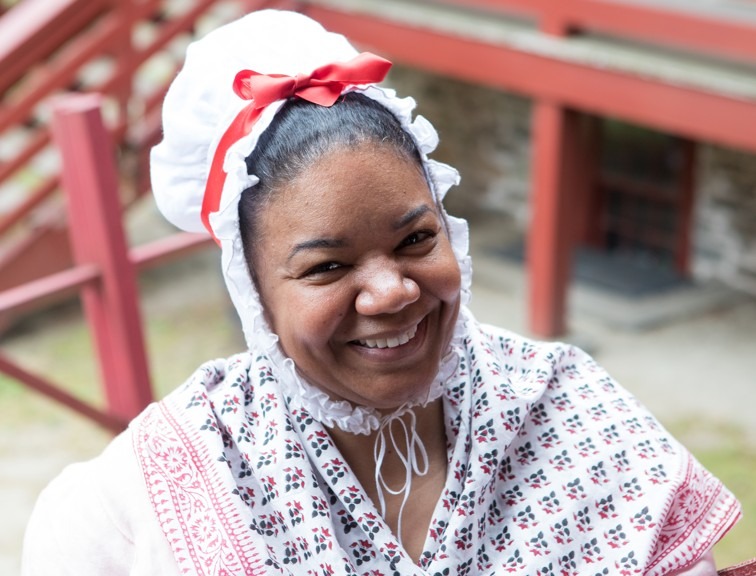
Leslie Bramlett is a certified Public School teacher and a Historical Interpreter at From the Grey Fortress LLC, an educational consultancy dedicated to telling American history and spotlighting the contributions of African American women throughout time.
