
Juneteenth: The Long-Awaited Day of Freedom
June 19, 1865—Juneteenth—is the day when freedom, long promised, finally arrived for the last enslaved people in the United States. Not with ceremony or grandeur, but with the reading of an order on a warm Texas day—an announcement that would ripple across generations.
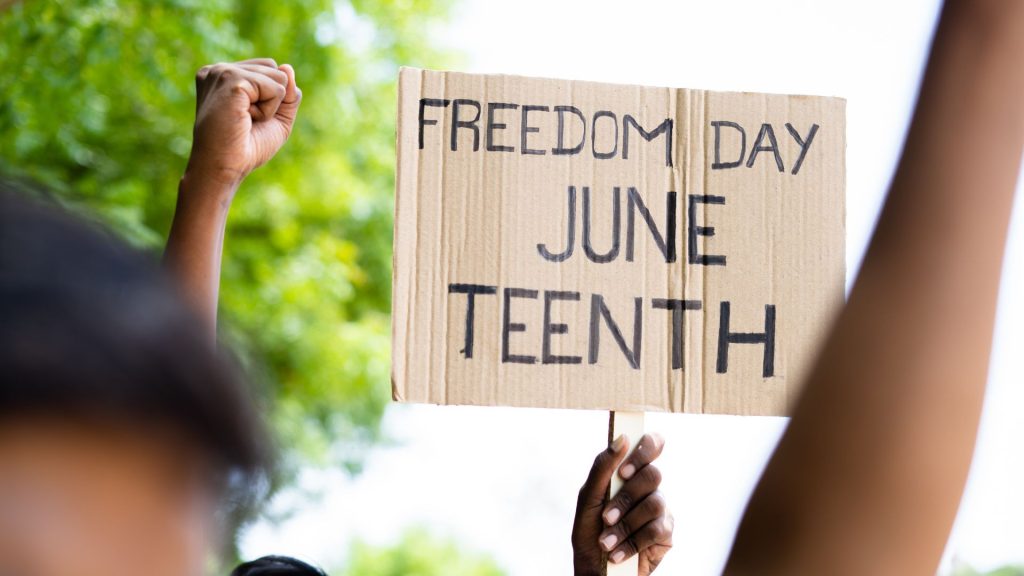
Two-Year Delay
Although President Abraham Lincoln issued the Emancipation Proclamation on January 1, 1863, its enforcement depended largely on Union military presence. In the far reaches of the Confederacy—particularly Texas, geographically remote and lightly occupied—enslavement persisted.
It was not until June 19, 1865, when Union General Gordon Granger arrived in Galveston, Texas, that General Order No. 3 was read aloud, declaring that all enslaved people were free. By then, the Civil War had effectively ended, and yet the news came more than two years after emancipation had been proclaimed.
For those who heard it, the moment was transformative—sudden, profound, and, for many, difficult to fully comprehend. Freedom had arrived, but without roadmap or restitution.


Juneteenth Unfolds
In the years that followed, Juneteenth took shape not as a formal holiday, but as something more intimate—a lived tradition carried forward by those who had waited for that freedom to arrive.
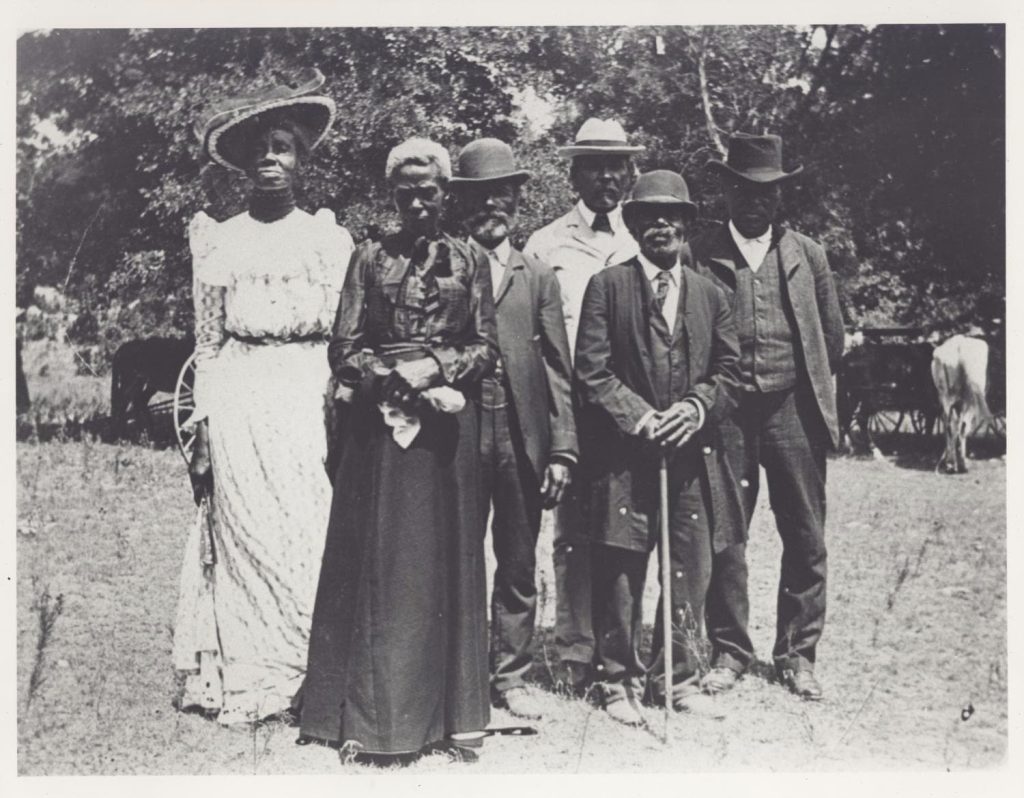
The earliest gatherings in Texas unfolded in open fields, churchyards, and along dusty roads, where families came together dressed in their finest, reclaiming a dignity long denied. Food became central—not simply for sustenance, but as expression. Tables filled with slow-cooked meats, sweet desserts, and dishes whose recipes carried memory within them. Red—deep, vivid, unmistakable—appeared again and again in drinks and foods, a quiet symbol of endurance and sacrifice.
Music rose naturally from these gatherings—spirituals, hymns, and later jazz and blues—each note carrying both sorrow and celebration. Elders told the story of that June day in Galveston, repeating it so that it would not fade, so that each generation would understand that freedom had not come easily, nor all at once.
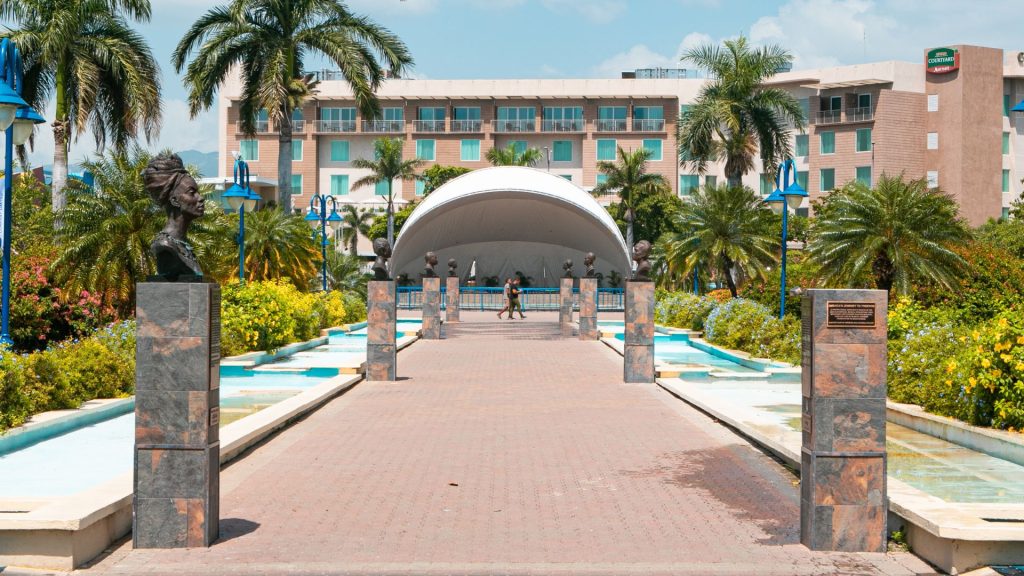
Because public parks were often closed to Black communities, people created their own spaces. In Houston, a group of formerly enslaved men pooled their resources in 1872 to purchase land that became Emancipation Park—a place not just for celebration, but for belonging. There, and in similar spaces across Texas, Juneteenth became rooted in both place and memory.
Celebration Today
Today, Juneteenth has expanded into a national observance, yet it retains that deeply personal character. In Galveston, the story returns to its origin point each year with readings of General Order No. 3 and gatherings that echo those first moments of freedom. In Houston, Emancipation Park still fills with music and community, its history layered into every celebration.
Across cities like Atlanta, Washington, D.C., Los Angeles, and Oakland, Juneteenth unfolds in a similar spirit—parades and festivals, certainly, but also something quieter: family reunions, shared meals, storytelling, and reflection. The celebrations are vibrant, yet grounded—less about spectacle than about continuity.
Even as it grows in scale, Juneteenth resists becoming purely performative. It remains, at its heart, a day shaped by those who carry its meaning forward—honoring not only the moment freedom was announced, but the generations who ensured it would be remembered.
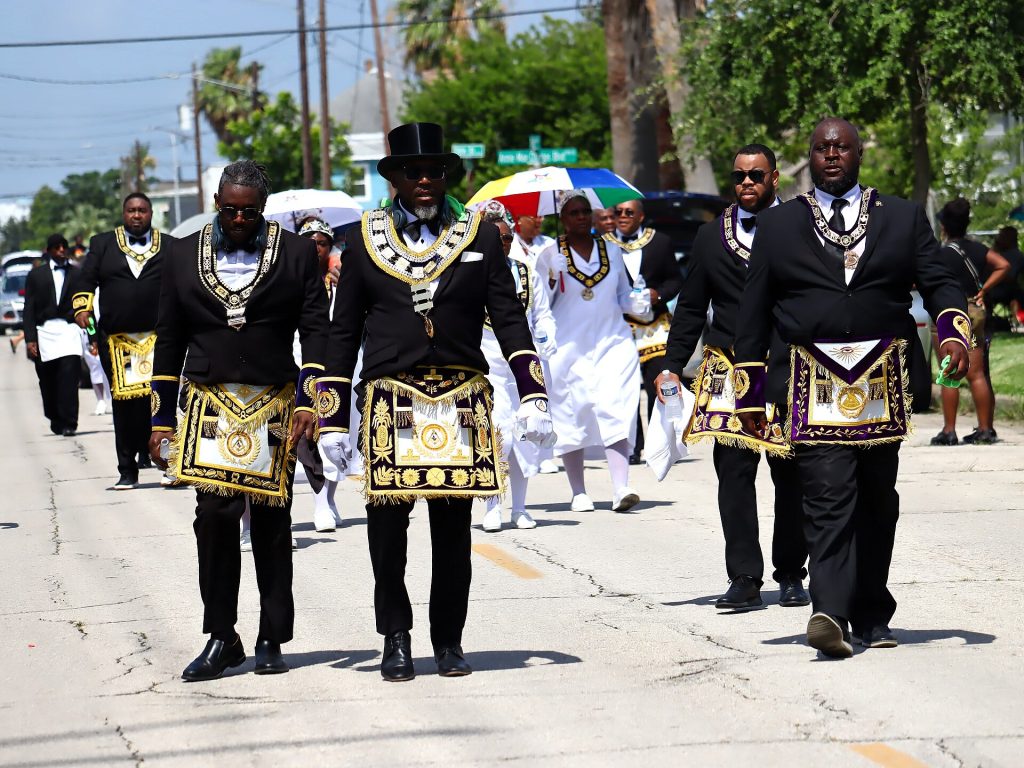
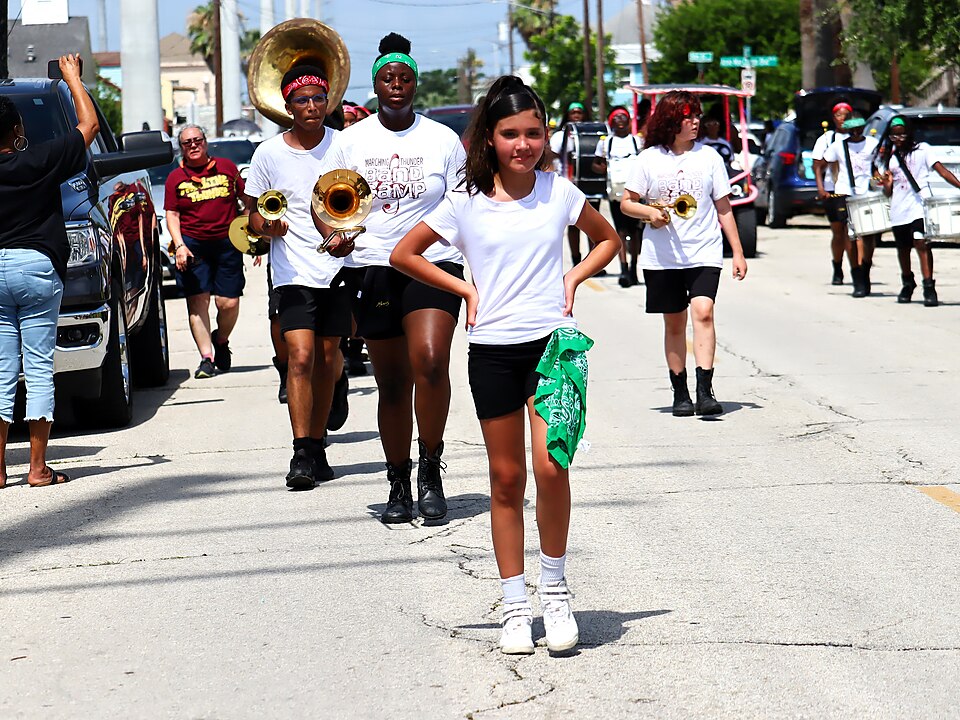
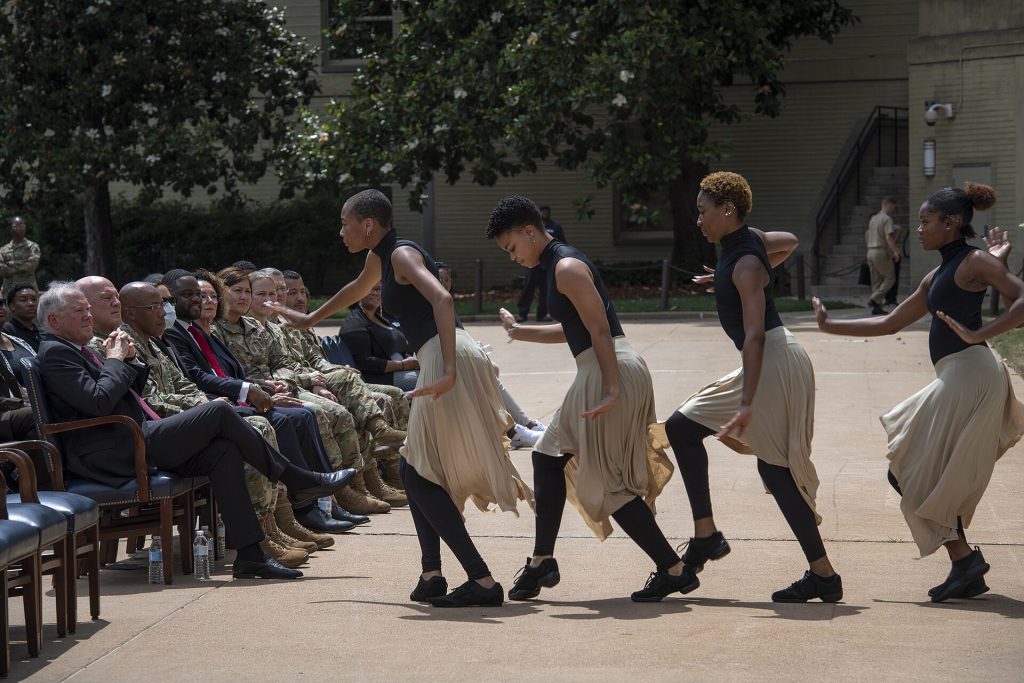
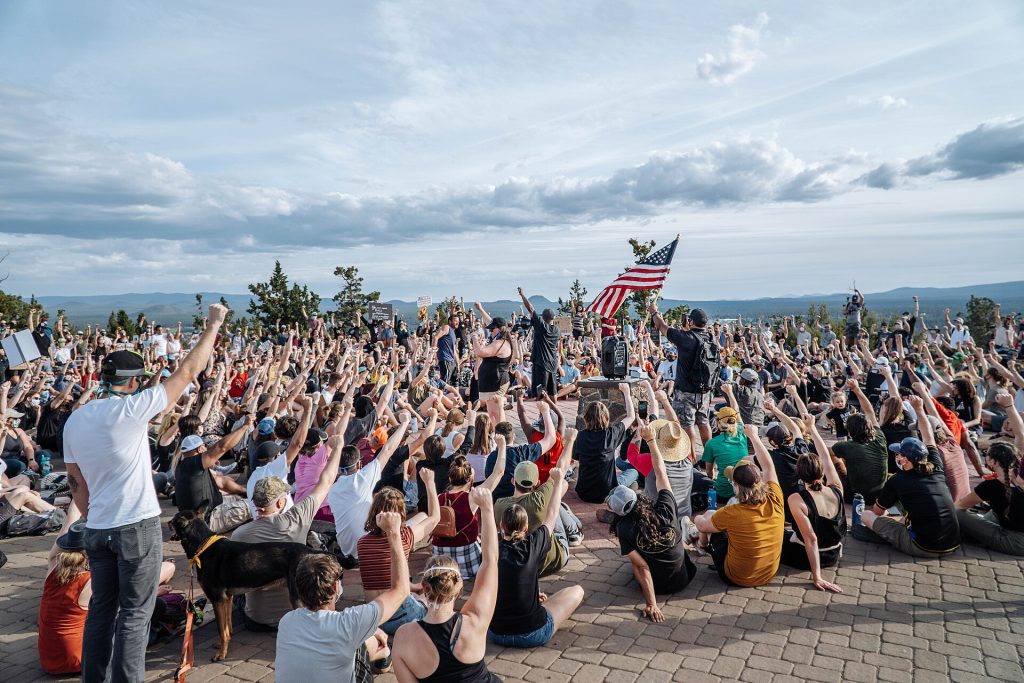
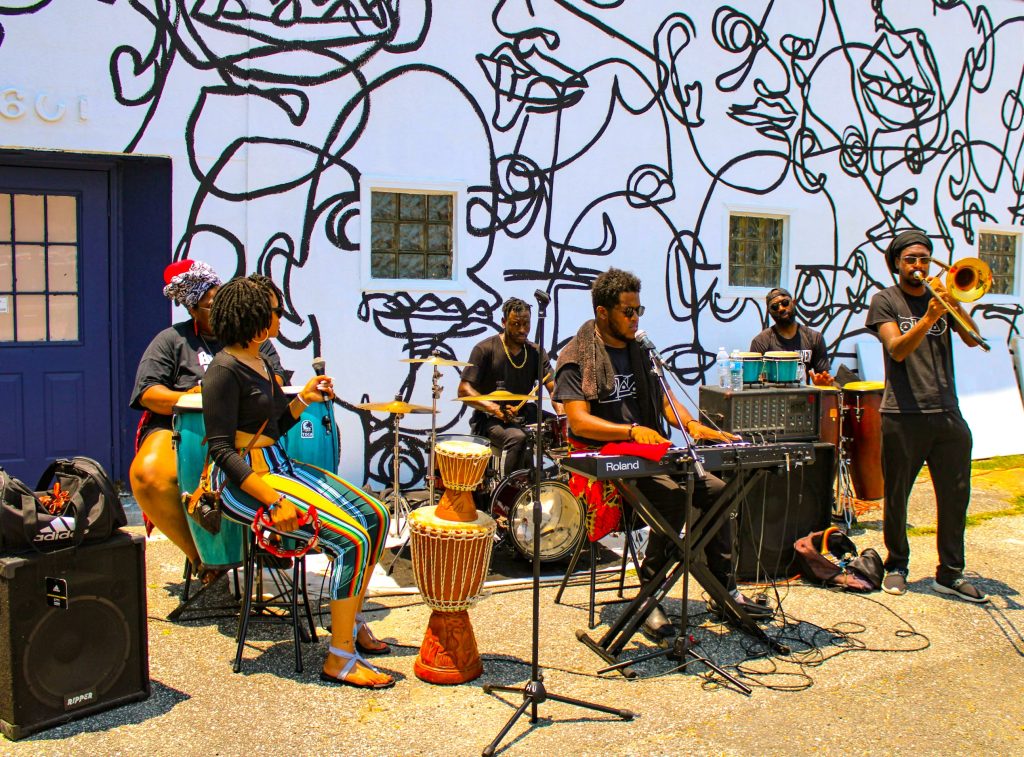
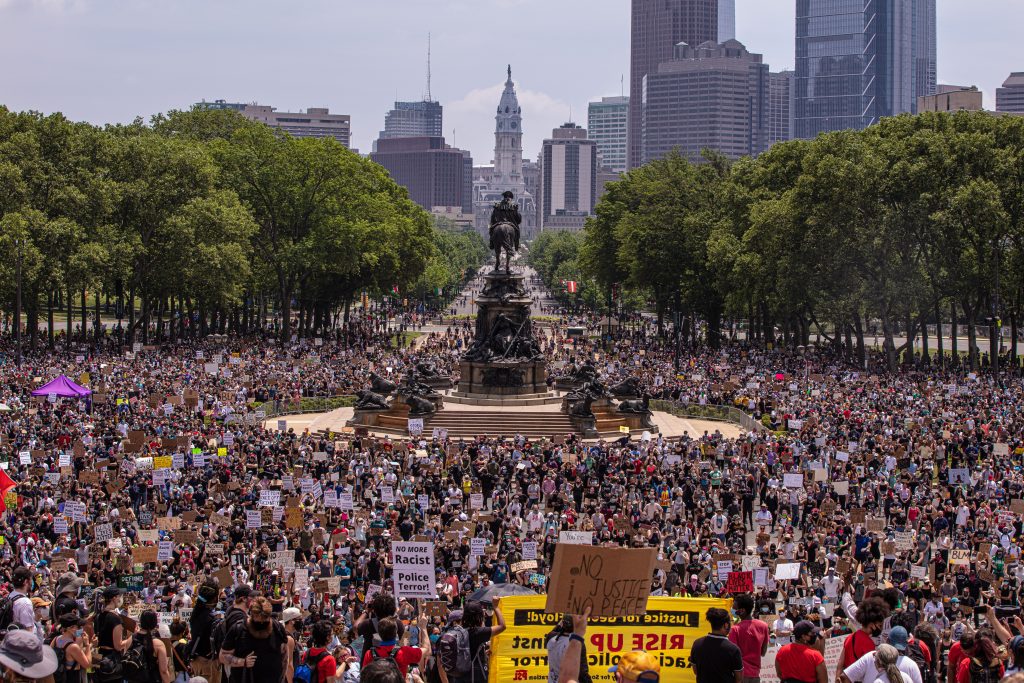
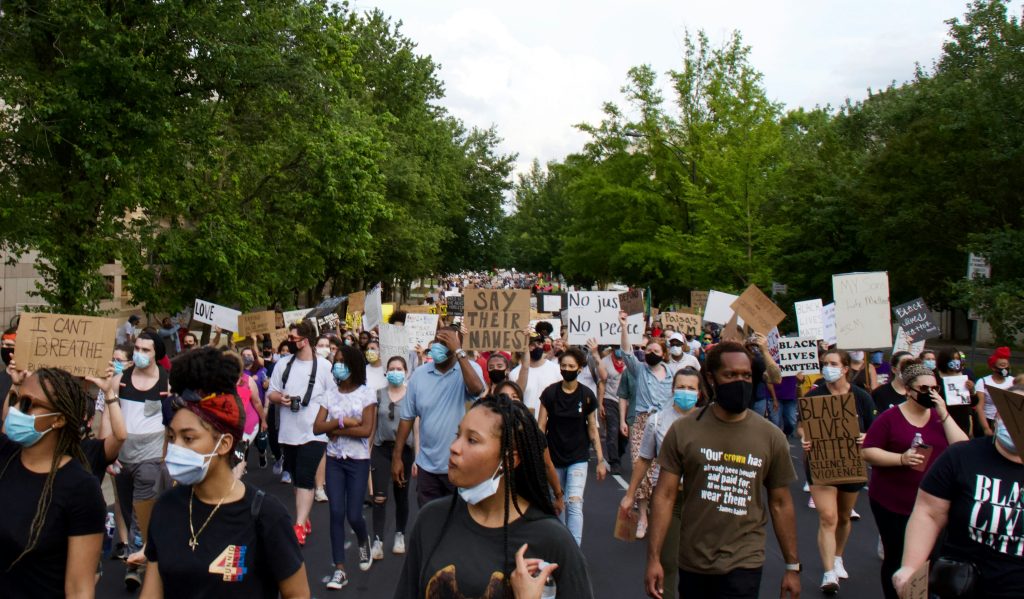
Image Credits: 2C2KPhotography and Airickson (Wikimedia Commons), Pexels contributors, Pixabay contributors, and public domain sources.
Historic Juneteenth Sites to Visit
Across the United States, a handful of places still hold the physical memory of that long-awaited day and the traditions that followed.
In Galveston, Texas, the story begins. At Ashton Villa, where General Order No. 3 was publicly read, visitors can stand at the very site where freedom was finally announced. Nearby, the city’s annual commemorations bring history vividly to life, returning the narrative to its point of origin.
In Houston, Emancipation Park offers a powerful testament to community resilience. Purchased in 1872 by formerly enslaved men so they could celebrate Juneteenth on their own land, it remains one of the oldest continuously used public spaces tied to the holiday—a place where celebration and history intertwine.
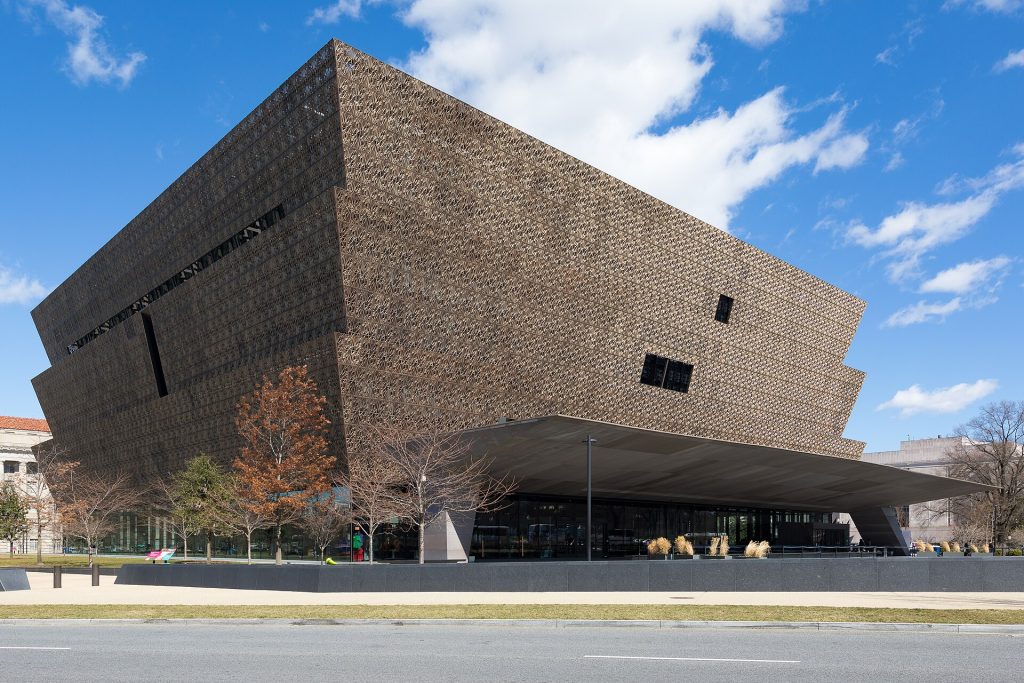
Further afield, the National Museum of African American History and Culture in Washington, D.C. provides essential context, tracing the broader arc of emancipation, Reconstruction, and cultural legacy. And in cities like Atlanta and New Orleans, historic Black neighborhoods and cultural centers host Juneteenth events that reflect both local heritage and national significance.
Together, these places form a kind of living map—one that invites you not only to observe history, but to step into it, and to understand how memory, place, and celebration continue to shape one another across time. Stand in Galveston today, or in any city where Juneteenth is honored, and you may feel it: a quiet, enduring truth— that freedom, once claimed, is never forgotten.

Recommended Reading
- On Juneteenth by Annette Gordon-Reed – A deeply personal and historical reflection that weaves the author’s Texas roots with the broader story of emancipation and its enduring legacy.
- Juneteenth by Ralph Ellison – A powerful, unfinished novel that explores memory, identity, and the long shadow of freedom through richly layered storytelling.
- The Warmth of Other Suns by Isabel Wilkerson – An epic narrative of the Great Migration that reveals how the legacy of emancipation shaped generations seeking opportunity and dignity.
- Stony the Road: Reconstruction, White Supremacy, and the Rise of Jim Crow by Henry Louis Gates Jr. – A compelling examination of the post-emancipation era, illuminating the challenges that followed freedom’s promise.
- Four Hundred Souls edited by Ibram X. Kendi and Keisha N. Blain – A sweeping collective history told through multiple voices, tracing 400 years of African American experience from enslavement to the present.
