
Where Buccaneers Ruled, Rum Flowed, and Sin Lingered in the Sand
Port Royal, Jamaica was once known around the world as the Wickedest City on Earth.
This sun-scorched corner of Jamaica was not merely a pirate haven, it was their capital! A den of privateers, slavers, rum merchants, and tavern-keepers, where stolen Spanish gold changed hands over dice games and sermons were drowned out by laughter and cannon fire.
Today, Port Royal is quiet. A fishing village with faded pastel walls, ghostly foundations, and a past so vivid you can almost taste the salt and gunpowder. But in the 17th century, it was the richest, roughest, most riotous port in the Caribbean, and home to the golden age of piracy.
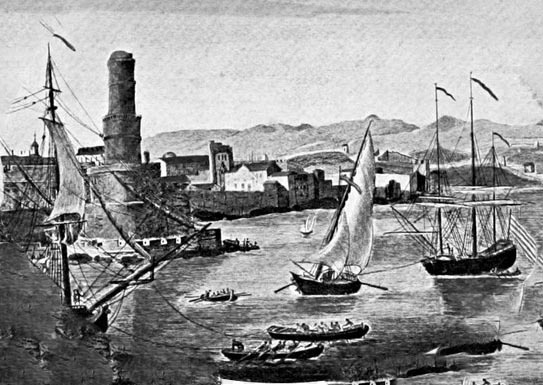
Buccaneers, Empire, and English Opportunism
The story of Port Royal begins not with pirates, but with imperial rivalry. In 1655, the British seized Jamaica from Spain, hungry for a strategic stronghold in the West Indies. But they needed help holding it, and so, in an age-old tactic dressed in national pride, they turned to licensed pirates, or privateers, to defend their claim.
These sea raiders were offered sanctuary in Port Royal’s natural harbor, one of the deepest and safest in the Caribbean. In exchange, they agreed to raid Spanish ships and settlements, splitting their plunder with the Crown.
Thus, piracy became policy. And Port Royal flourished, not in spite of its sin, but because of it!
By the 1660s and ’70s, the city had more wealth per capita than London, and more taverns per street than any colonial capital in the Americas. Its wooden streets echoed with every language of the sea. Its taverns poured rum by the barrel. And its piers were lined with ships flying false flags.
Port Royal became not just a pirate port, it became a pirate kingdom!
The Pirates Who Walked Its Streets
Port Royal attracted a legendary cast of characters, some ruthless, some clever, all unforgettable. These are just a few of the men (and at least one woman) who helped write its infamous story:

Henry Morgan
Perhaps the most notorious of them all, Morgan was a Welsh privateer who led audacious attacks on Panama, Portobelo, and Maracaibo, sacking cities and amassing vast fortunes. He was knighted by Charles II and eventually made Lieutenant Governor of Jamaica. He spent his later years in Port Royal, a pirate turned respectable, though never quite repentant.
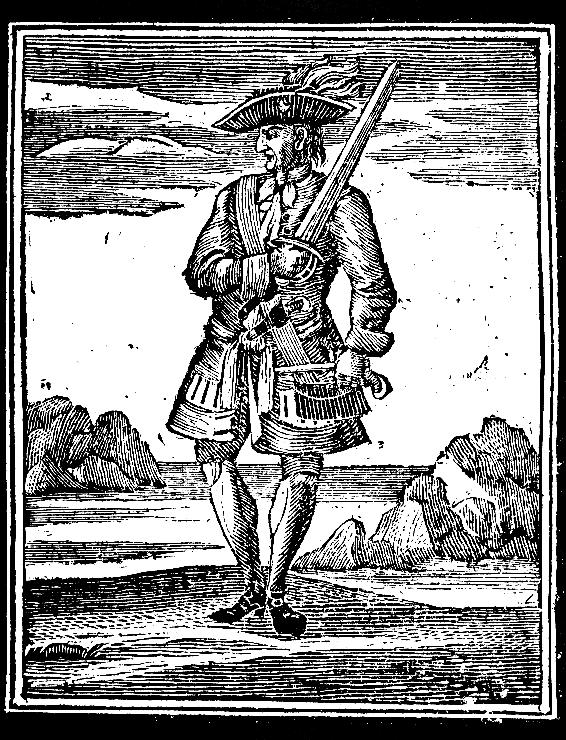
Calico Jack Rackham
Known for his flamboyant dress and his even more flamboyant lovers, Rackham was a swaggering pirate who plundered across the Caribbean in the early 18th century. He’s remembered less for his success and more for sailing with Anne Bonny and Mary Read, two of the most famous female pirates in history.
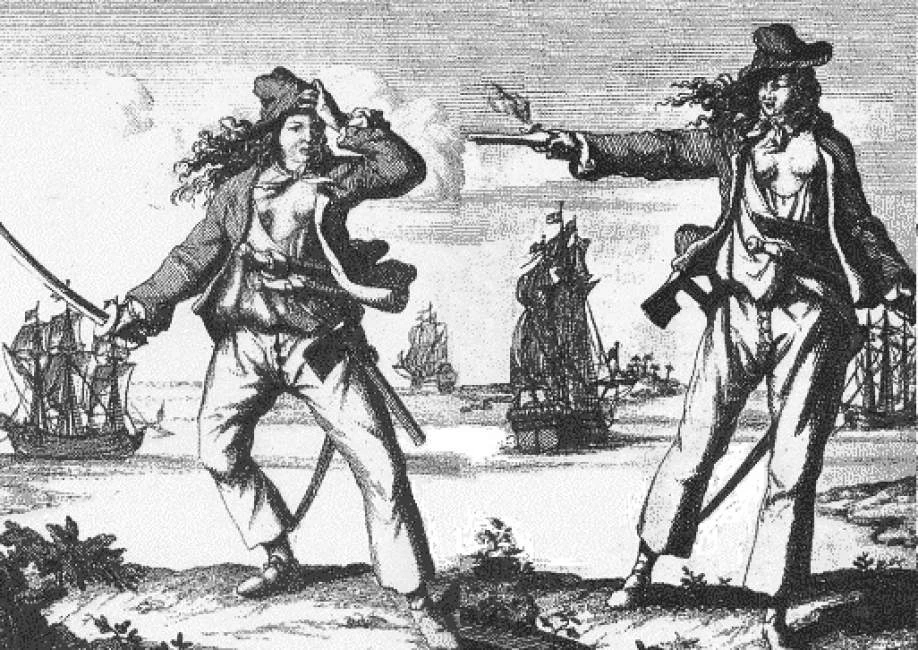
Anne Bonny & Mary Read
Disguised as men, these two fierce and fearless women fought alongside Calico Jack, refusing to go quietly when finally captured. While not native to Port Royal, they certainly drank, fought, and conspired in its alleys before their arrest in 1720.
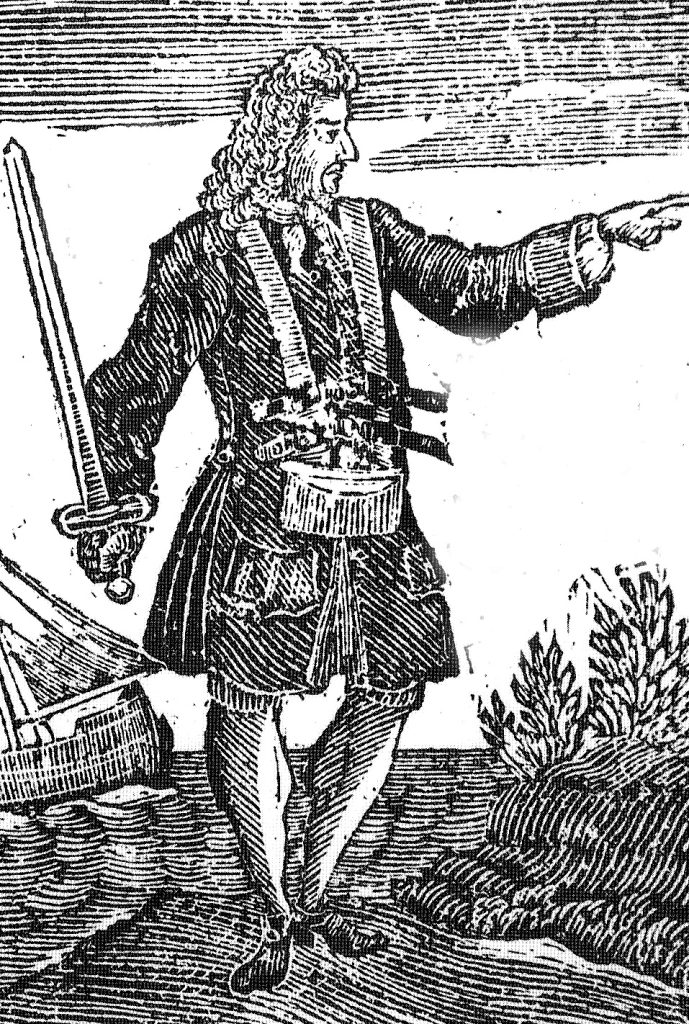
Charles Vane
A brutal, cunning pirate who rejected the Crown’s offers of pardon, Vane terrorized shipping lanes from Jamaica to the Carolinas. He was ultimately betrayed and hanged, but not before Port Royal hosted his ship and his infamy.
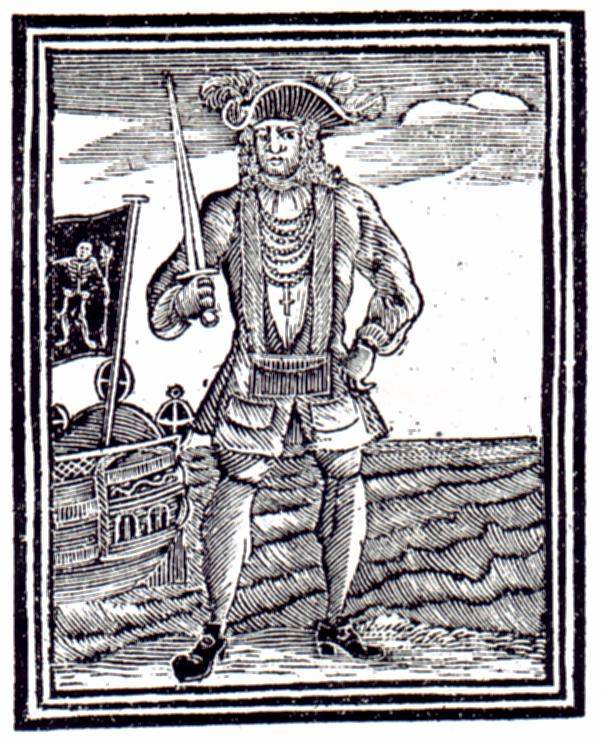
Bartholomew Roberts (Black Bart)
Though more associated with Africa and the Atlantic, Roberts is said to have passed through Port Royal in its declining years, a last link in the golden chain of piracy before the noose tightened.
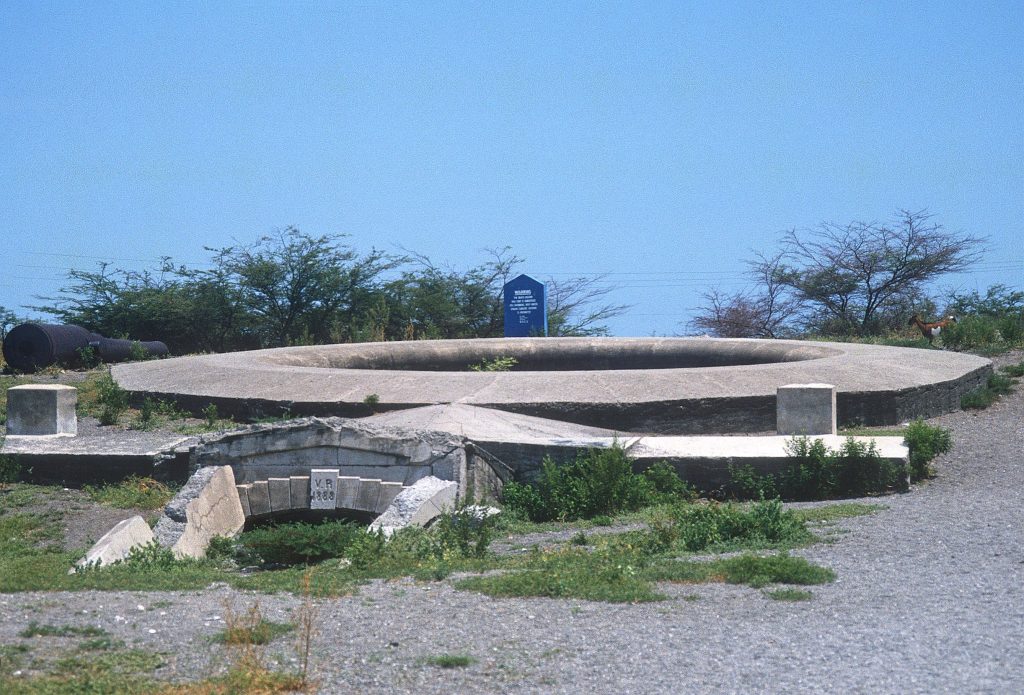
Fort Charles
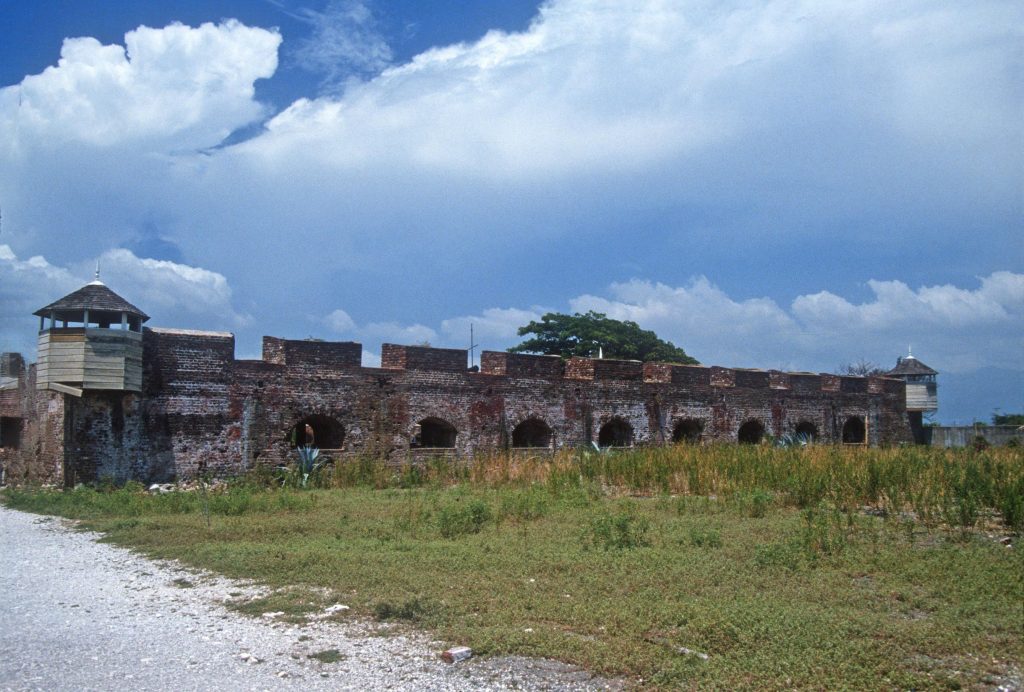
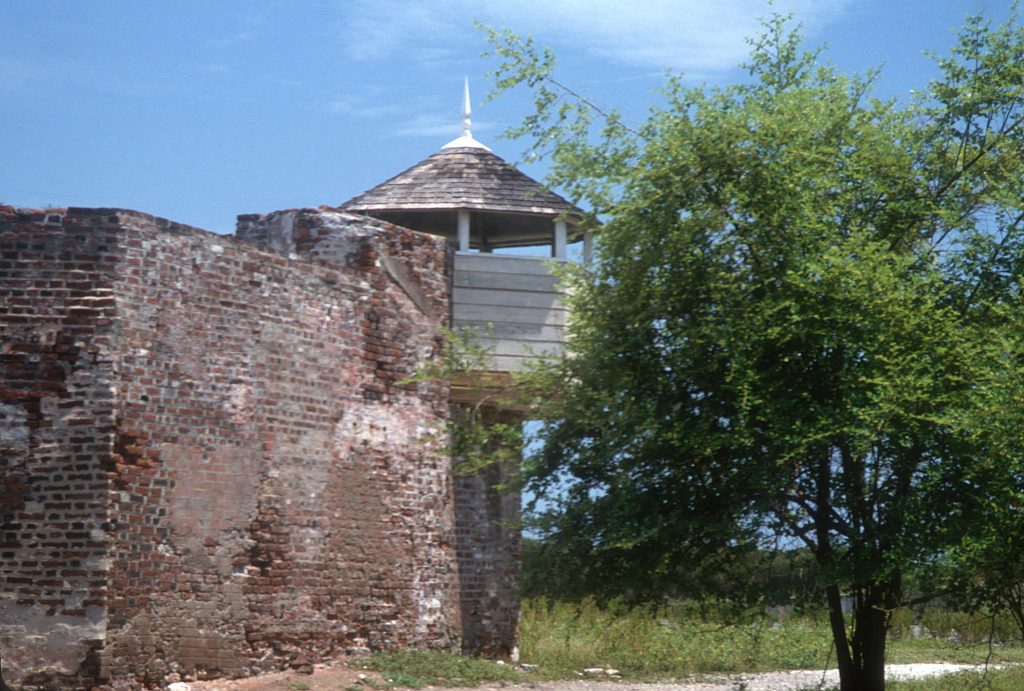
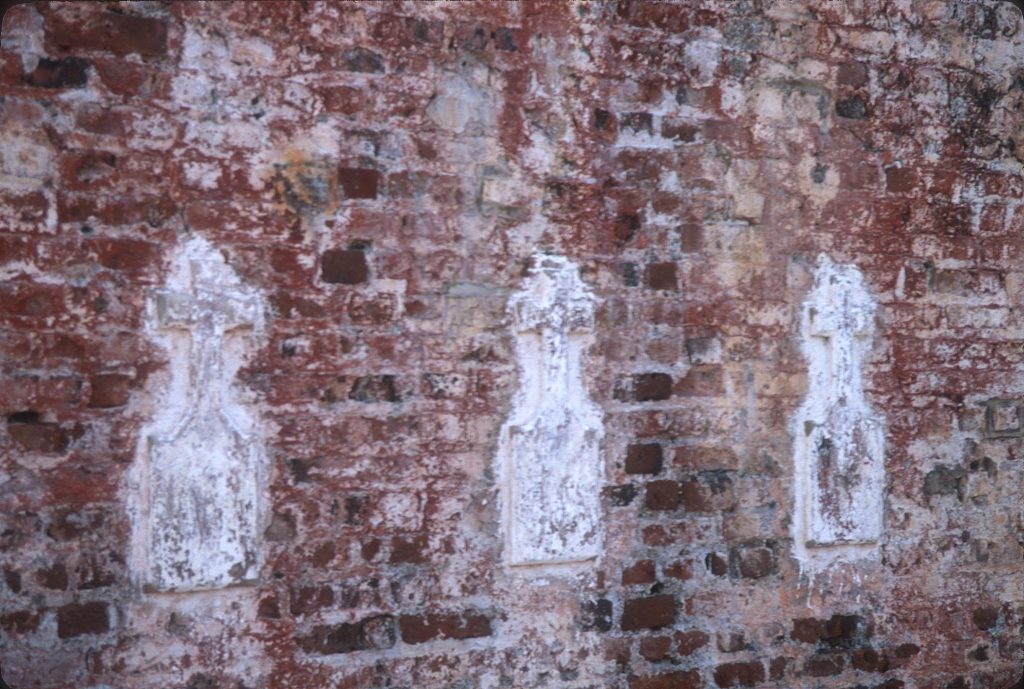
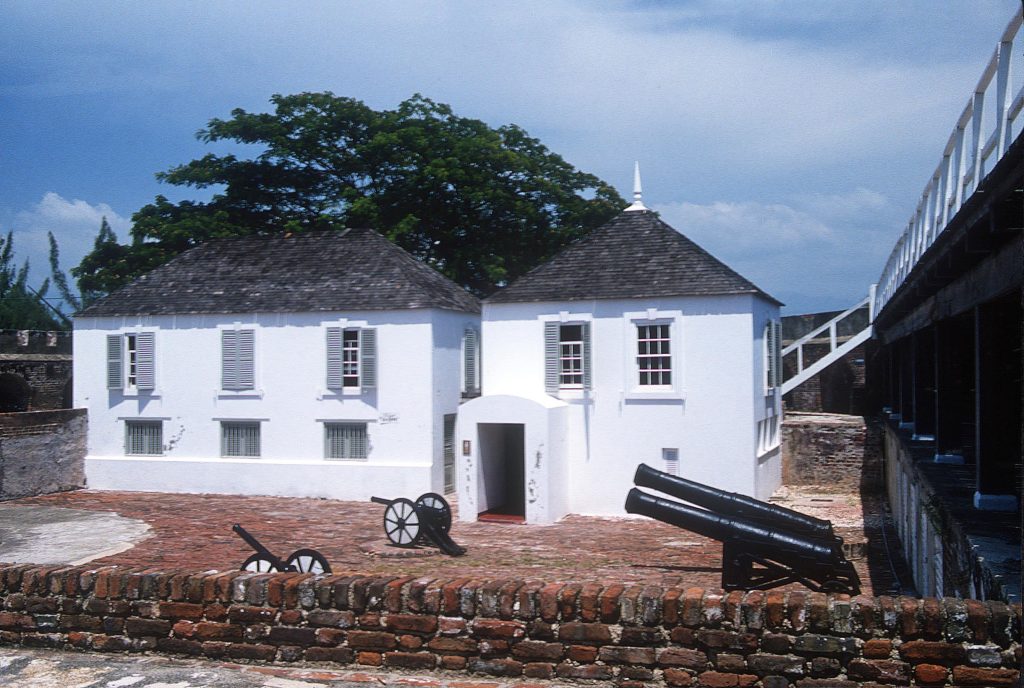
Built by the British shortly after their seizure of Jamaica from the Spanish in 1655, Fort Charles is the oldest surviving structure in Port Royal and a silent sentinel of the pirate era. Originally named Fort Cromwell, it was later renamed to honor King Charles II after the monarchy was restored.
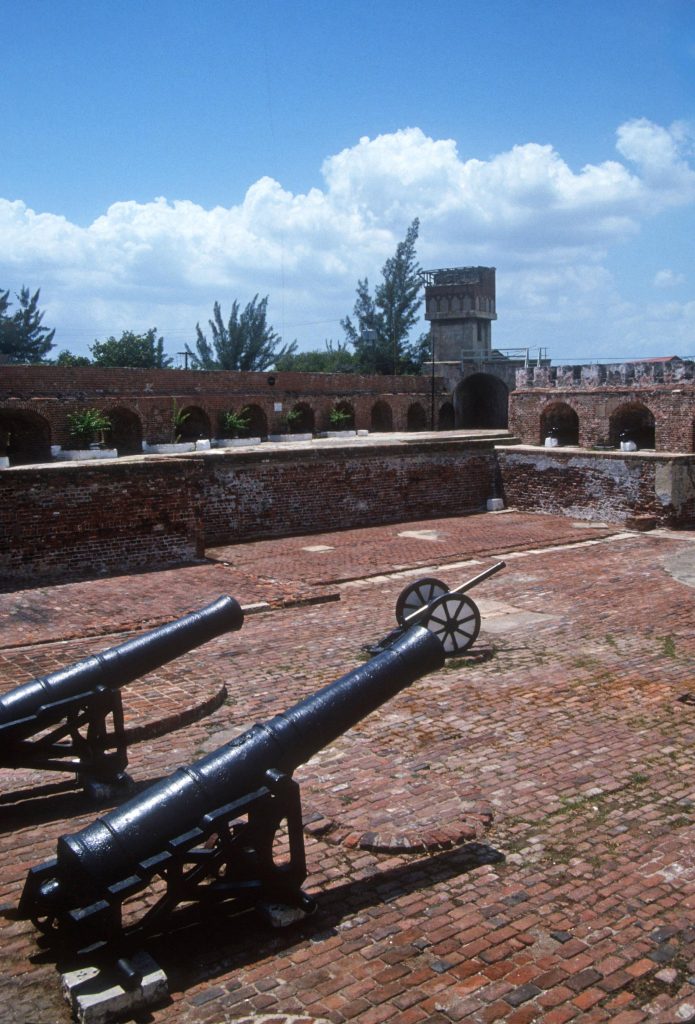
Constructed of red brick and reinforced over time, the fort was designed to guard the harbor entrance and protect the city from naval attack, but it also served a more subtle purpose: keeping a watchful eye on the very pirates Port Royal sheltered.
As privateers returned from sanctioned raids on Spanish ships, Fort Charles became a checkpoint and symbol of Crown authority, balancing opportunistic tolerance with imperial control. Its bastions once bristled with over 100 cannons, and its strategic position at the edge of the peninsula made it both defensive bulwark and political theater, where the line between legitimacy and lawlessness was always negotiable.
Today, visitors can walk its uneven brick corridors and climb its seawall, one of the few places where the view hasn’t changed in centuries.
A City of Excess and Earthquake
By the late 17th century, Port Royal was overflowing with wealth, vice, and vulnerability. With every brothel and gambling house, its wooden foundations grew more precarious, not just morally, but physically. It sat atop sandy limestone, perilously close to sea level.
Then came the reckoning.
On June 7, 1692, a massive earthquake struck. Buildings sank. Streets split. The sea rushed in. In mere minutes, two-thirds of the city collapsed into the Caribbean. Over 2,000 people died. Survivors spoke of churches swallowed whole, and rum cellars suddenly submerged.
Some saw it as divine punishment, the sea reclaiming what sin had built.
In truth, it was a geological inevitability. But Port Royal never recovered its glory. Piracy waned, trade shifted to Kingston, and the city faded into legend.

Port Royal Today: Ghosts Beneath the Waves
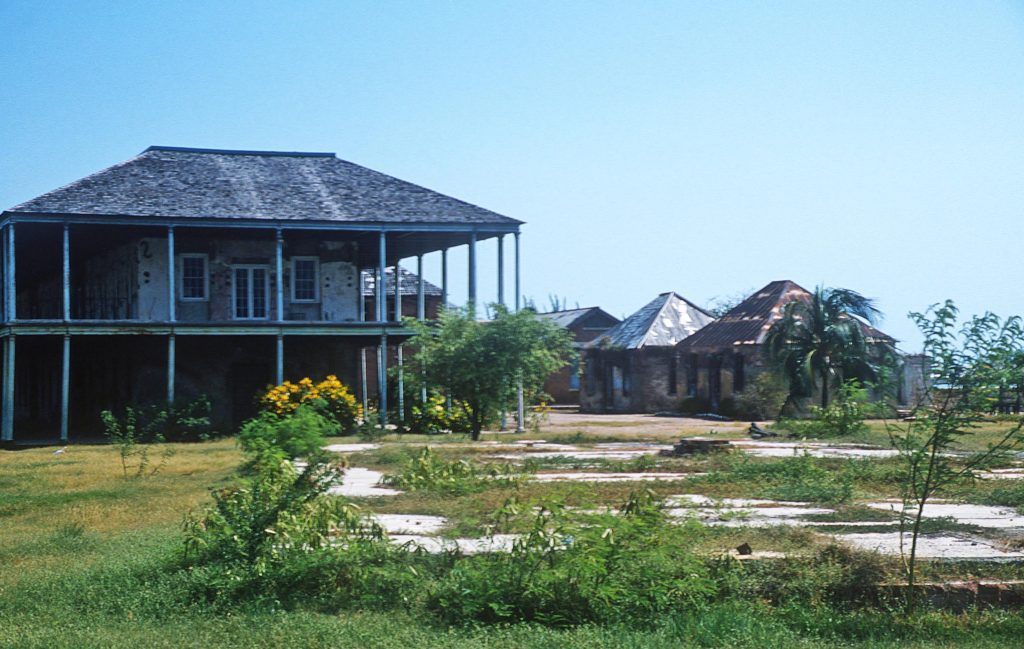
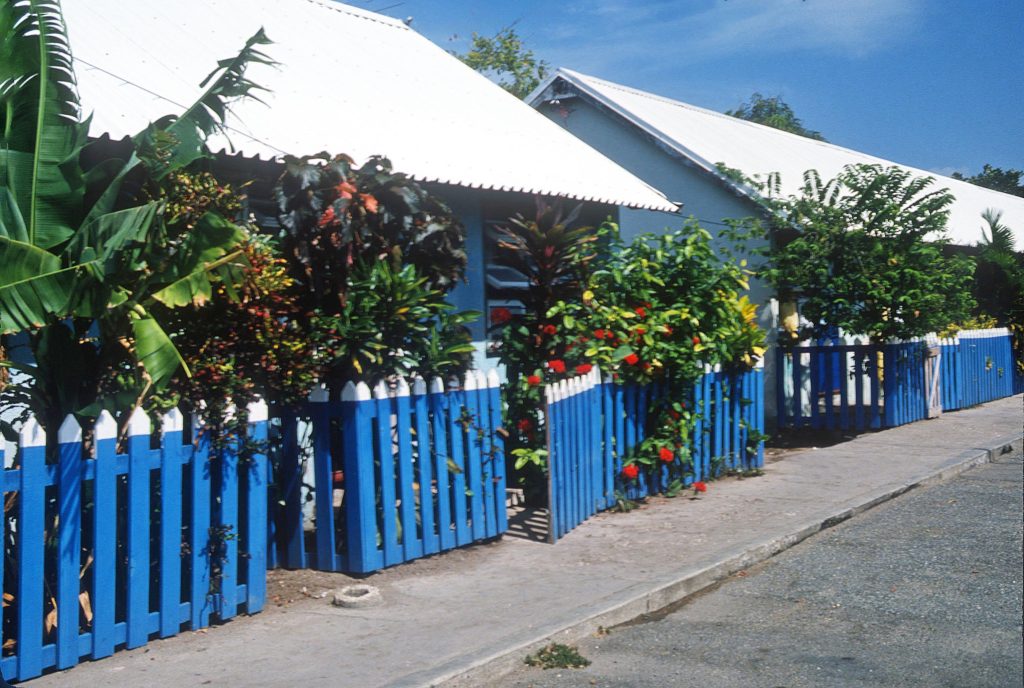
Modern Port Royal is quiet, sun-bleached, and half-forgotten. Fishermen mend nets. Children play on docks. But beneath the water lies one of the best-preserved underwater archaeological sites in the world, a literal sunken city, frozen in the moment of disaster.
Efforts have been made over the years to preserve its history:
- Archaeologists have uncovered coins, tankards, weapons, and even intact buildings, now buried in silt and coral.
- The Fort Charles Maritime Museum offers a small but fascinating look at pirate life, with cannon-lined bastions and exhibits on Henry Morgan’s exploits.
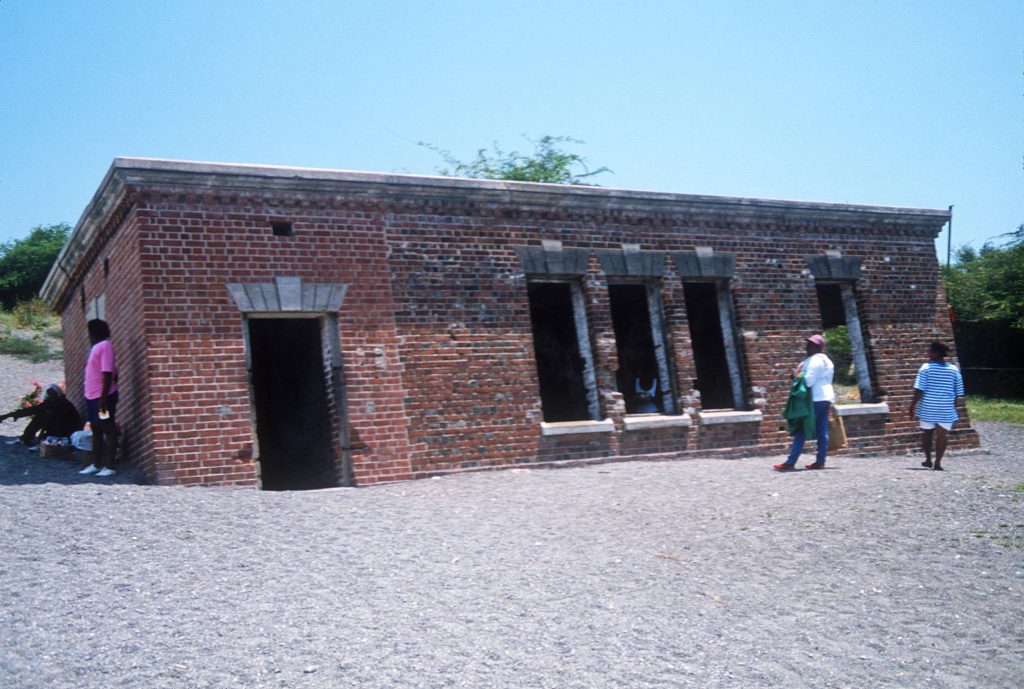
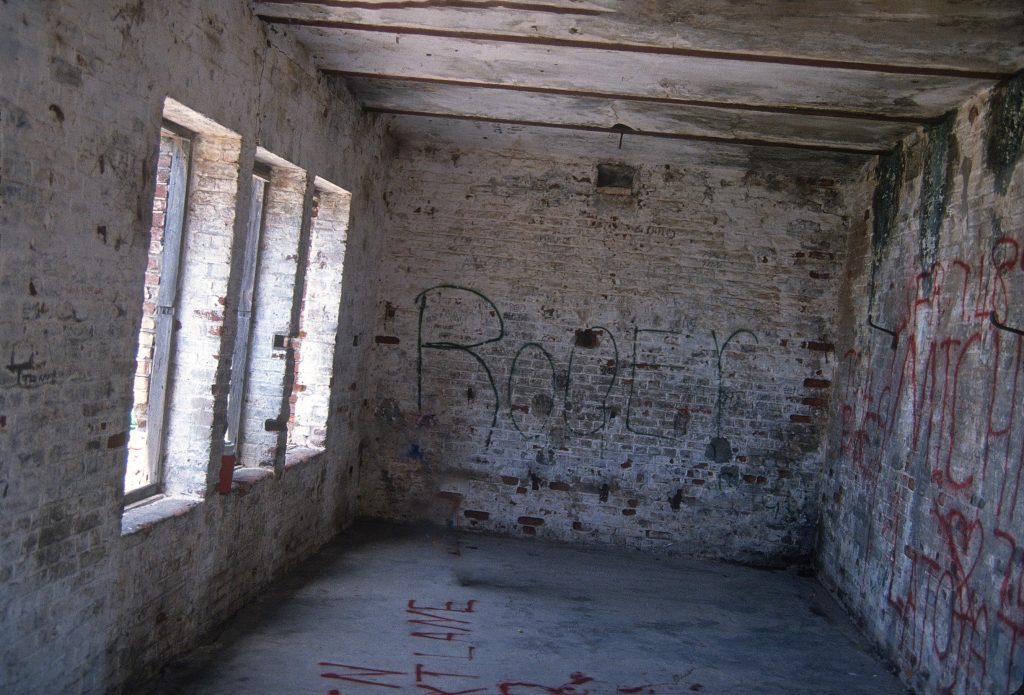
- You can still visit Giddy House, a munitions storehouse from the 19th century, tilted at a dizzying angle from a later earthquake, a physical metaphor for the city’s unsteady fate.
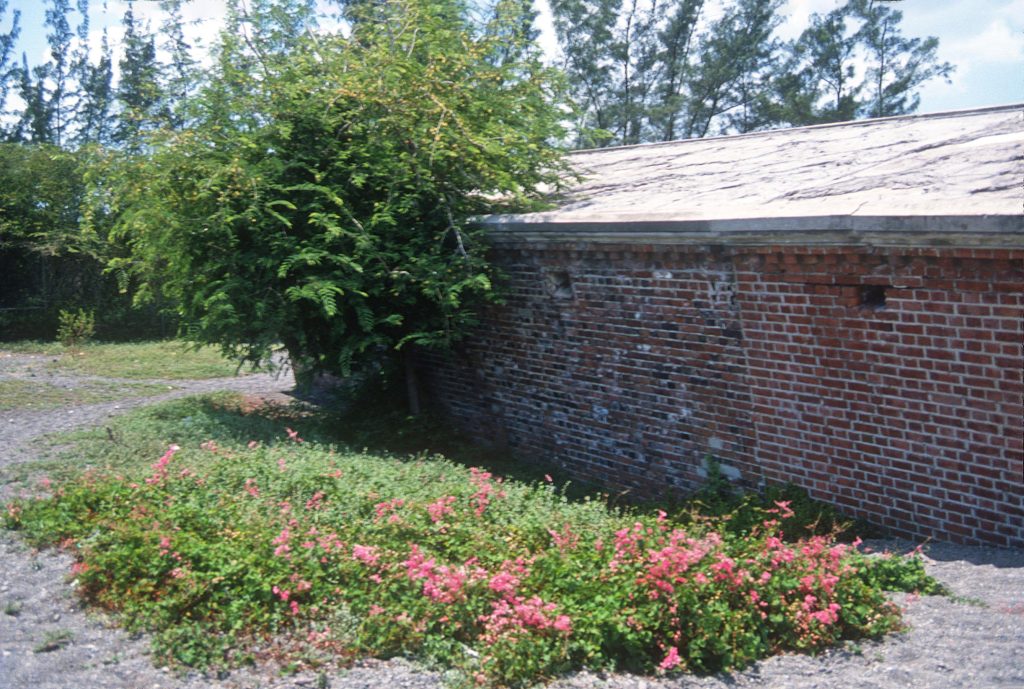
There are ongoing efforts to nominate Port Royal as a UNESCO World Heritage Site, and plans for responsible heritage tourism remain in discussion. For now, it remains a place of whispers and waves, more myth than metropolis, and all the more haunting for it.
Where to Stay in Port Royal, Jamaica
Most visitors to Port Royal stay in nearby Kingston, about 20 minutes away by car or taxi, where you’ll find a wider range of hotels and restaurants. The New Kingston area has mid-range hotels and some upscale options, making it a practical base for exploring the historic sites. If you prefer to be closer to Port Royal itself, a few small guesthouses and basic hotels operate in the town, though amenities are limited compared to Kingston proper.
For budget-conscious travelers, guesthouses in Port Royal offer an authentic local experience and lower rates than Kingston hotels. These family-run establishments give you direct access to the waterfront and local restaurants without the tourist markup of larger chain hotels. Staying in Port Royal means you can explore the archaeological museum and coastal ruins at your own pace, though you may need to arrange transportation for meals and other services in the evening.
If you want comfort with convenience, consider hotels in the Half Way Tree or New Kingston neighborhoods, which offer better restaurant options and nightlife while keeping Port Royal within easy reach. These areas have several mid-range hotels with consistent amenities like reliable electricity and hot water. The short drive to Port Royal takes 15 to 20 minutes depending on traffic, so you won’t sacrifice much convenience for better accommodations.
Port Royal’s accommodation scene reflects its small-town status: expect basic but clean rooms rather than resort amenities. The trade-off is that you’ll experience the town more authentically than you would from a large tourist hotel, and you’ll support local businesses directly. Plan your stay around daylight hours for exploring, since most dining and activity options close by early evening.
Recommended Reading
Fiction
- The Price of Blood by Declan Hughes (writing as D.A. Hughes)
A deeply atmospheric historical novel set in Port Royal during the 1680s, following a surgeon caught in a brutal web of piracy, politics, and personal redemption. Rich with detail, it captures the moral grayness of a city built on both gold and blood. - Sea Change by Robert Goddard
A sweeping historical thriller that begins in Port Royal just before the 1692 earthquake, then traces its repercussions through Europe. The novel blends mystery, maritime trade, and political intrigue, with Port Royal’s fall serving as its dramatic catalyst. - Ginger Star by Diana McDonough
The story follows Ginger Star as she becomes entangled in the world of pirates, plantations, colonial power, and survival. - Port Royal by Linda Chaikin
A Christian historical romance set in 17th-century Jamaica, this novel features Port Royal during its most turbulent years. While more focused on personal drama than gritty realism, it offers a richly imagined backdrop of corsairs, faith, and betrayal. - Captain Blood by Rafael Sabatini
While not solely set in Port Royal, this classic swashbuckling novel opens there and returns to it throughout. Dr. Peter Blood, wrongly convicted and sold into slavery, escapes and becomes a privateer, with Port Royal as both prison and pivot point. It remains one of the most enduring fictional portrayals of the era. - Pirate Latitudes by Michael Crichton
A swashbuckling, historically grounded pirate adventure set in 17th-century Jamaica, filled with action, intrigue, and familiar names. - Sea Queens: Women Pirates Around the World by Jane Yolen
A lively, narrative-driven account of female pirates like Anne Bonny and Mary Read, ideal for young readers or those new to the legends. - The Wake of the Lorelei Lee by L.A. Meyer
Part of the Bloody Jack series, this rollicking YA adventure places a female pirate heroine in richly detailed Caribbean waters.
Non-Fiction
- Empire of Blue Water by Stephan Talty
A vivid account of Henry Morgan’s rise from privateer to pirate lord, and the bloody empire he built with Port Royal as his base. - If a Pirate I Must Be.: The True Story of “Black Bart” Roberts by Richard Sanders
A gripping biography of one of the most successful pirates in history, with chapters touching on Jamaica’s pirate legacy. - Under the Black Flag by David Cordingly
The book separates myth from reality while exploring the lives of famous buccaneers and privateers. - Port Royal Rediscovered: Archaeology at the Site of the “Wickedest City on Earth” by Robert Marx
A fascinating dive (literally and figuratively) into the underwater ruins of the lost city, with historical maps and artifact photography.
