Where Every House Is a Poem
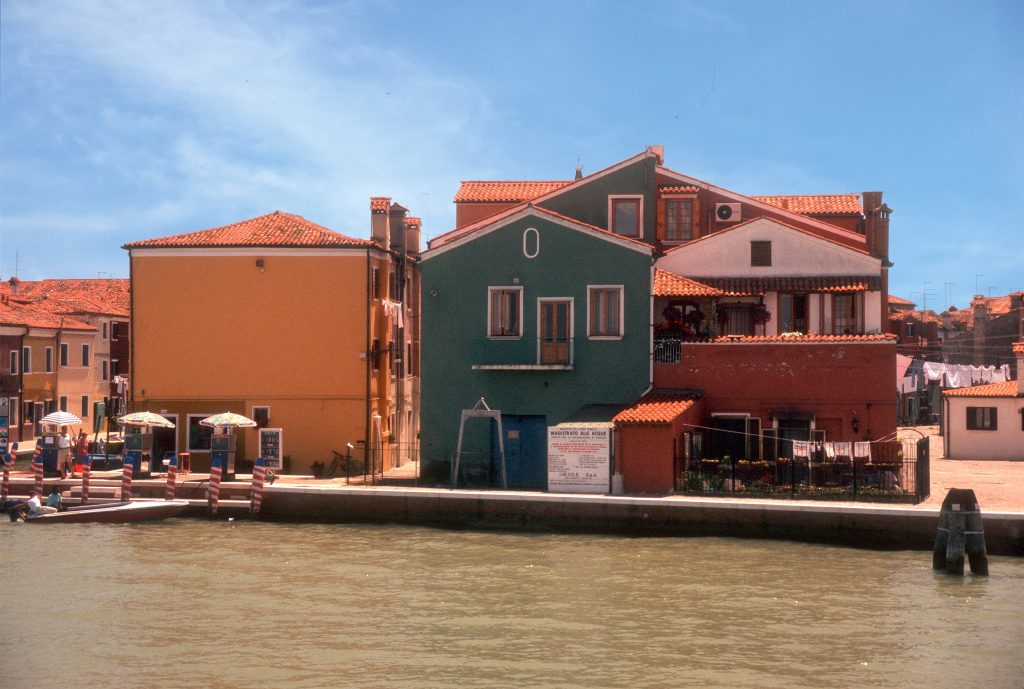
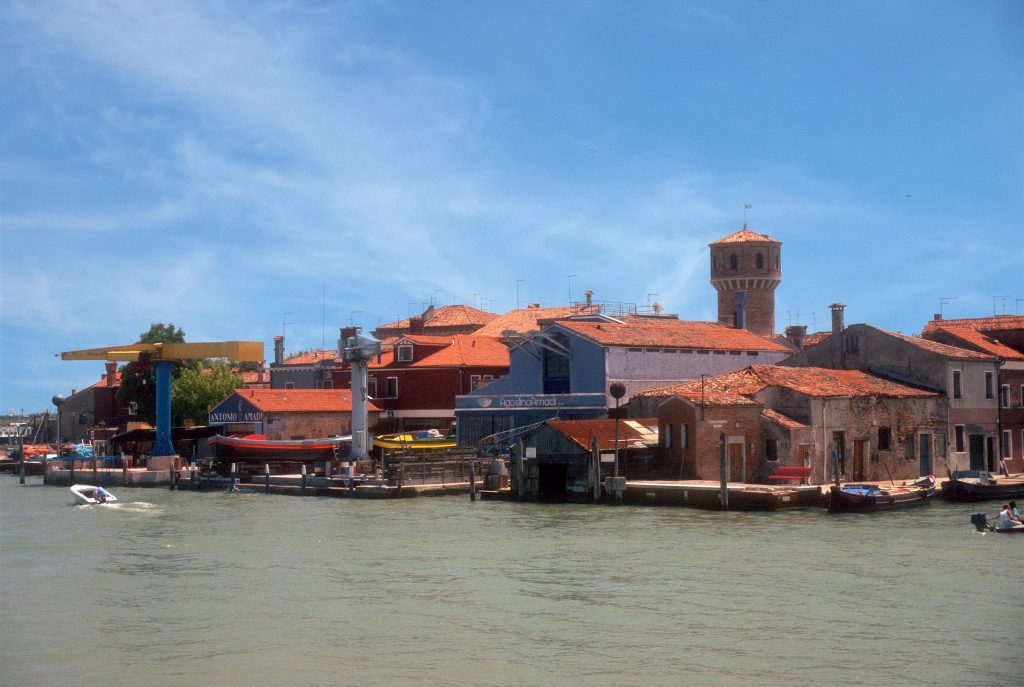
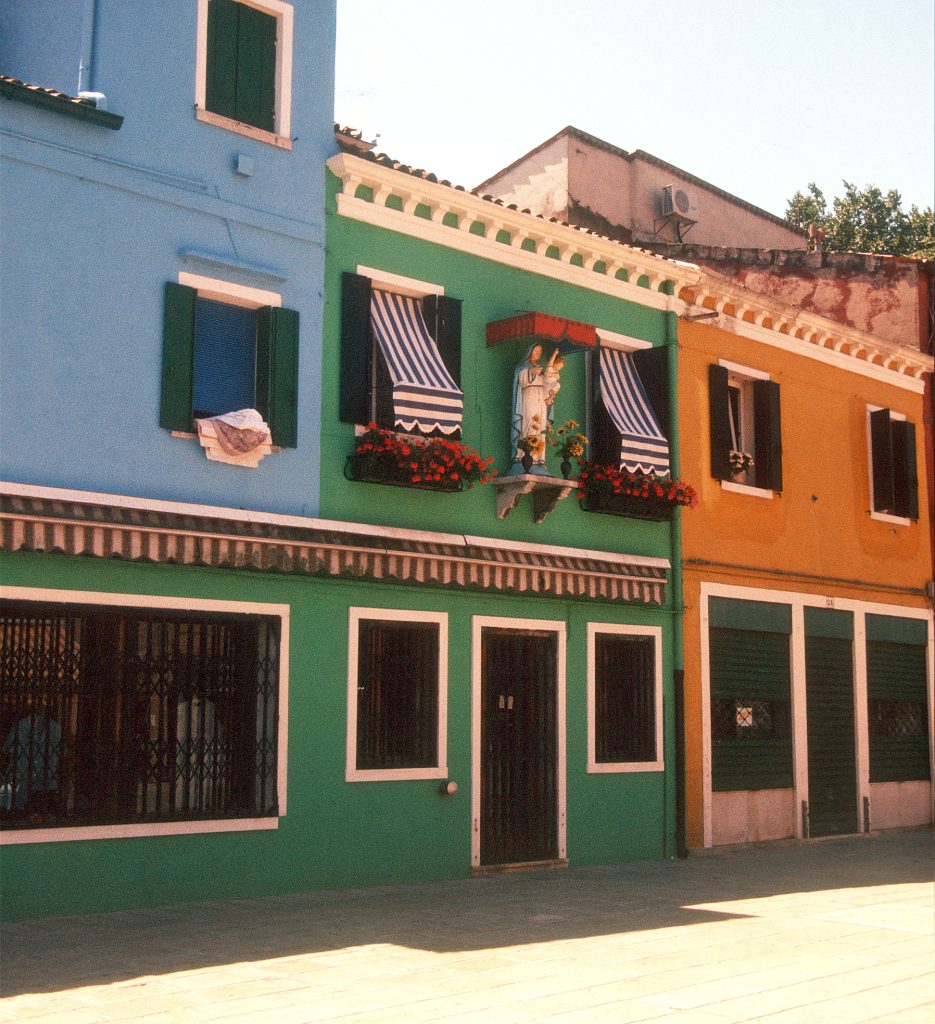
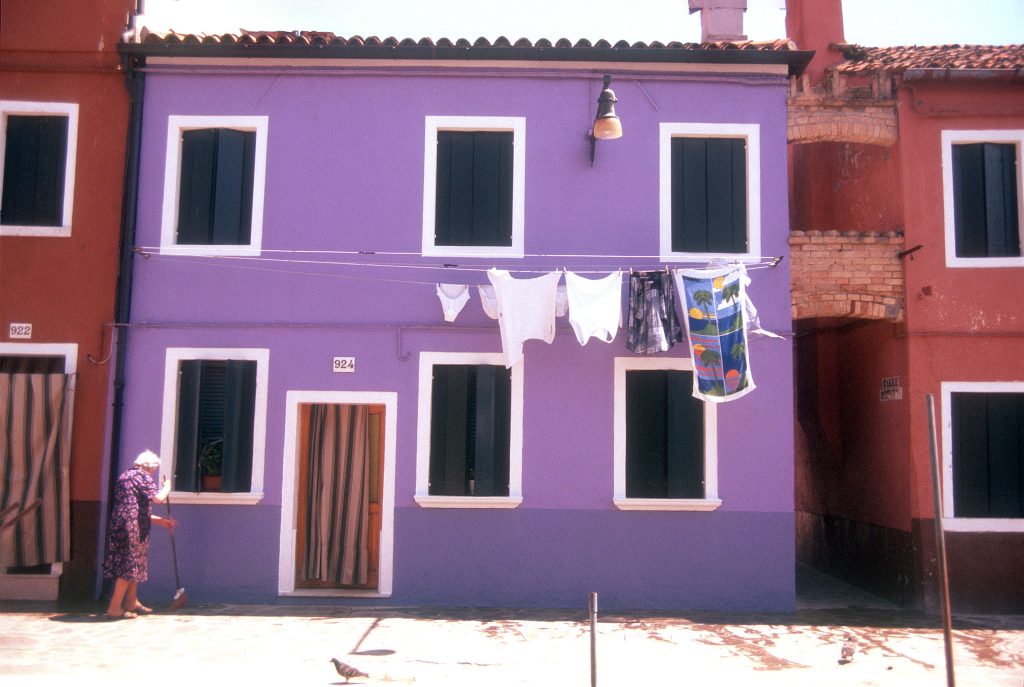
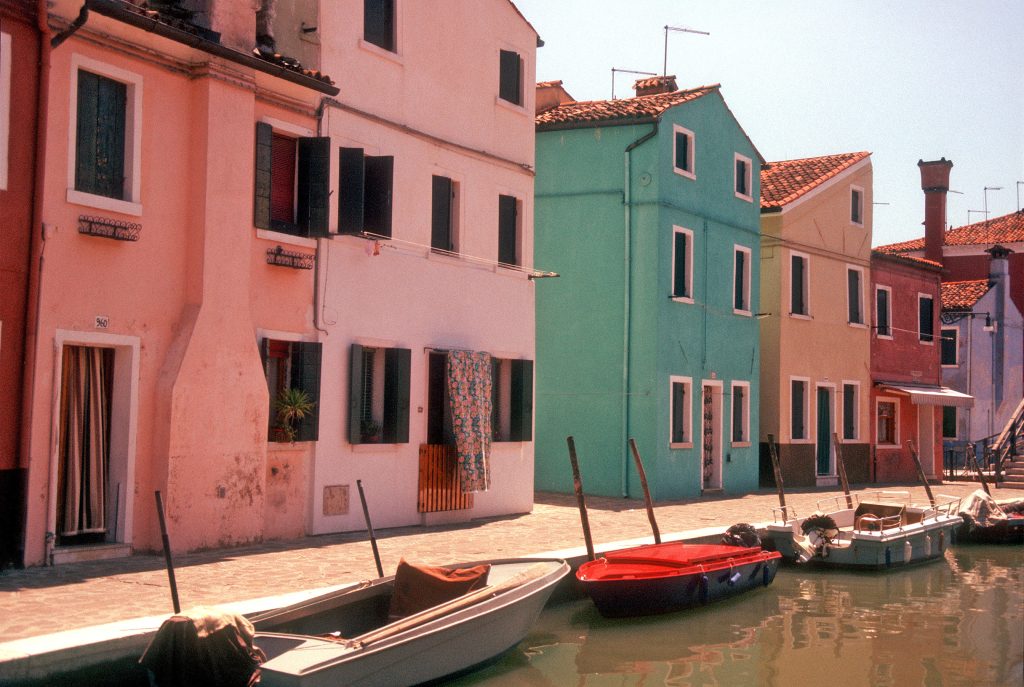
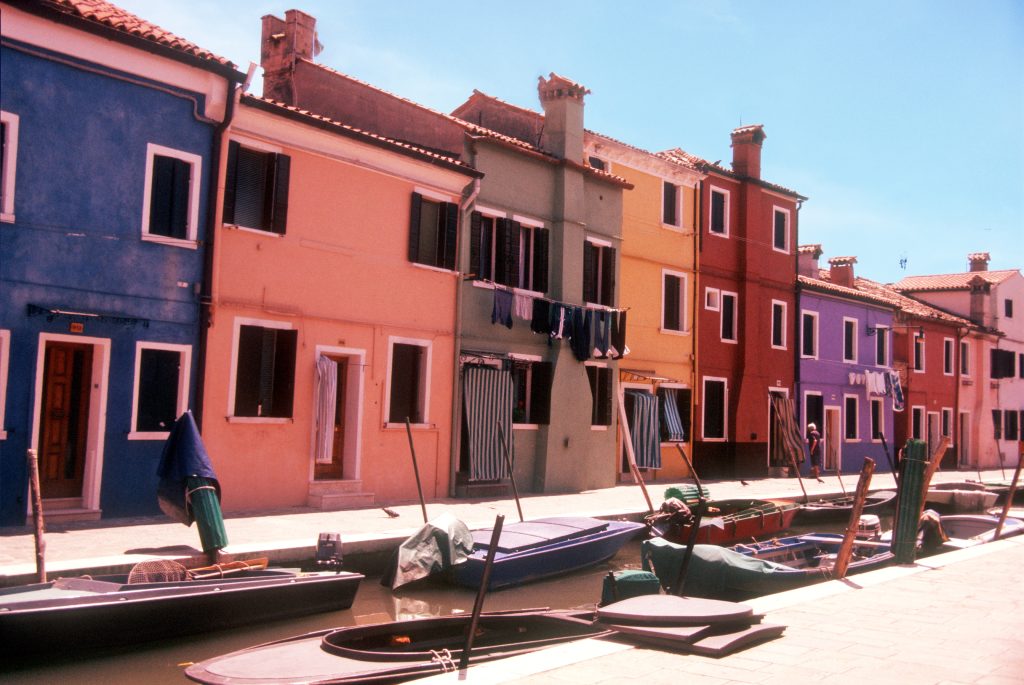
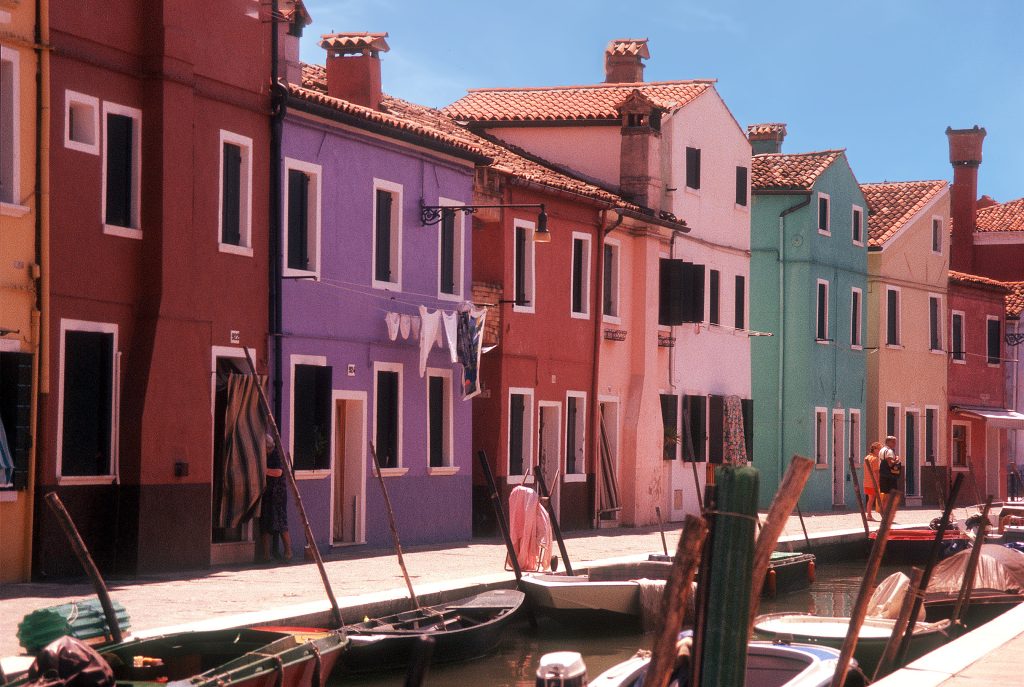
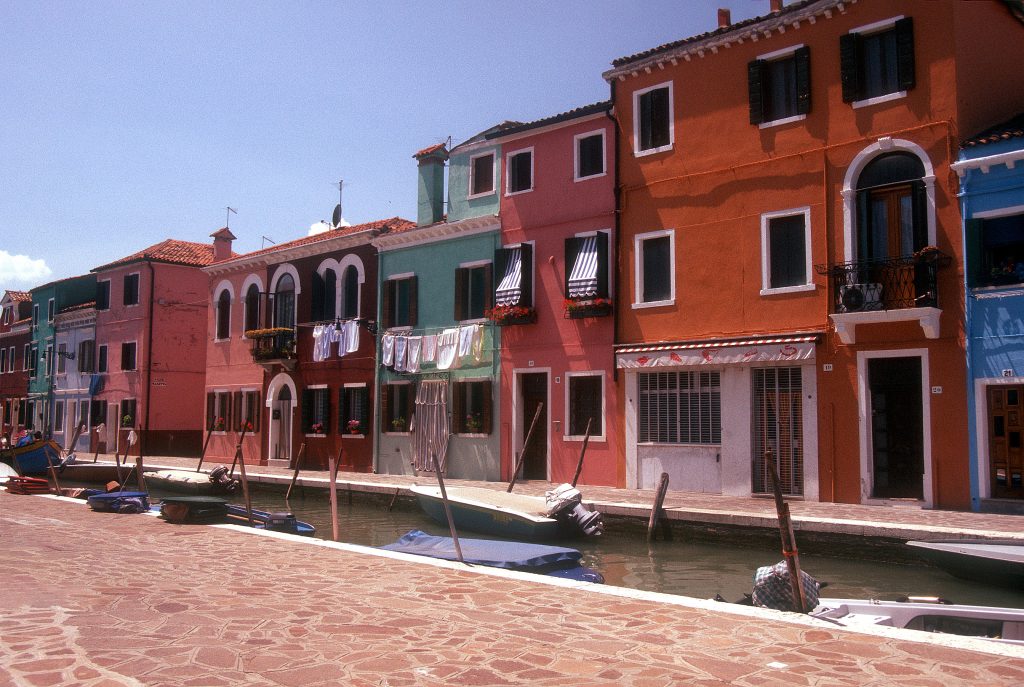
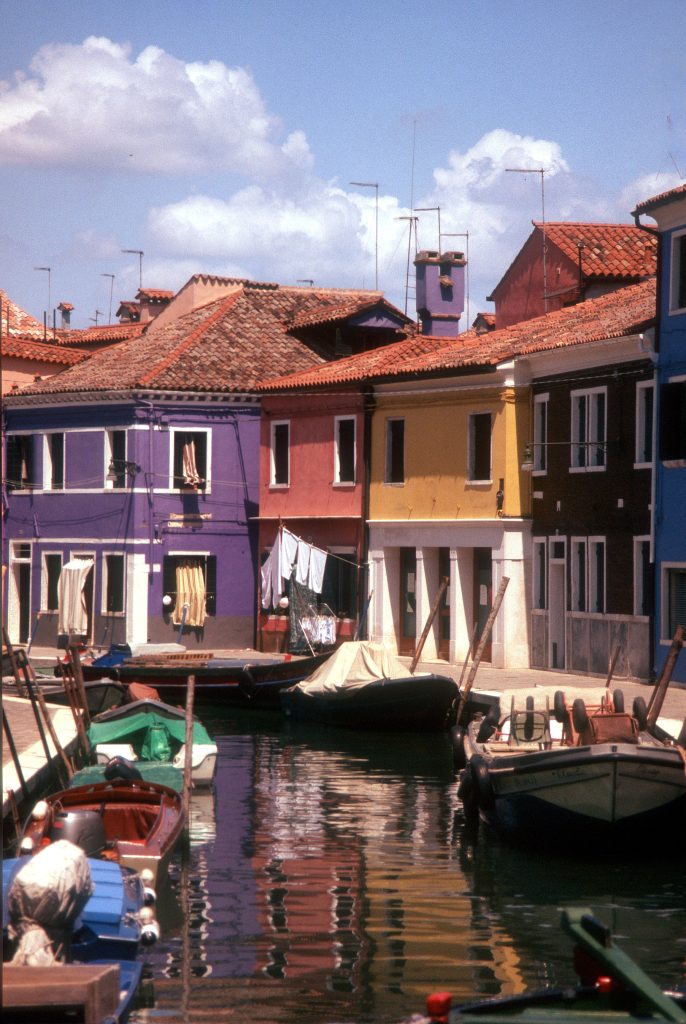
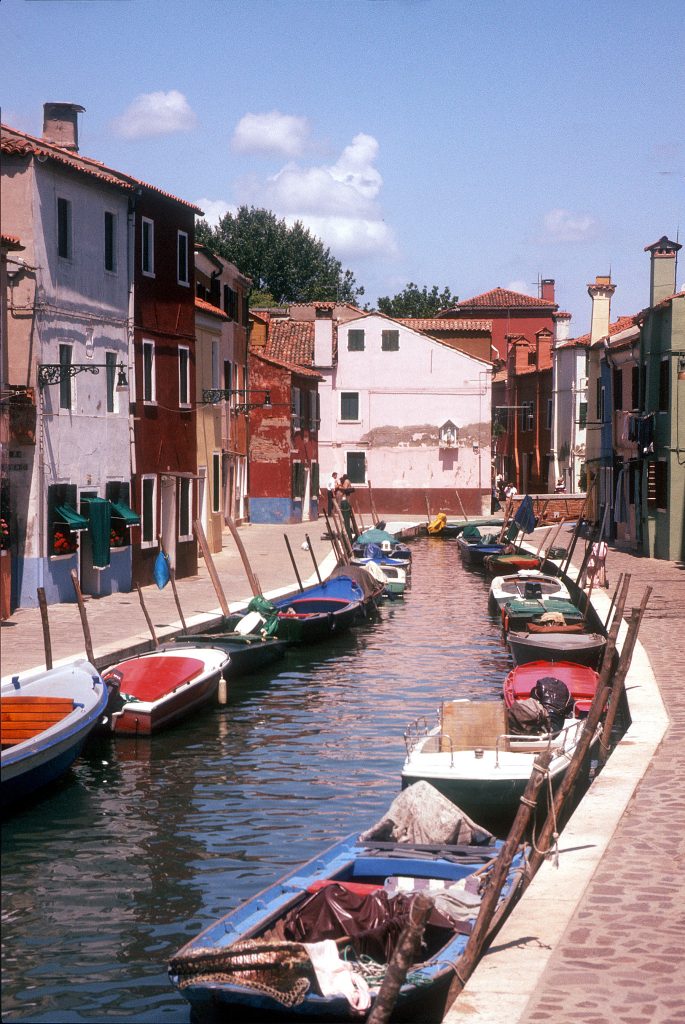
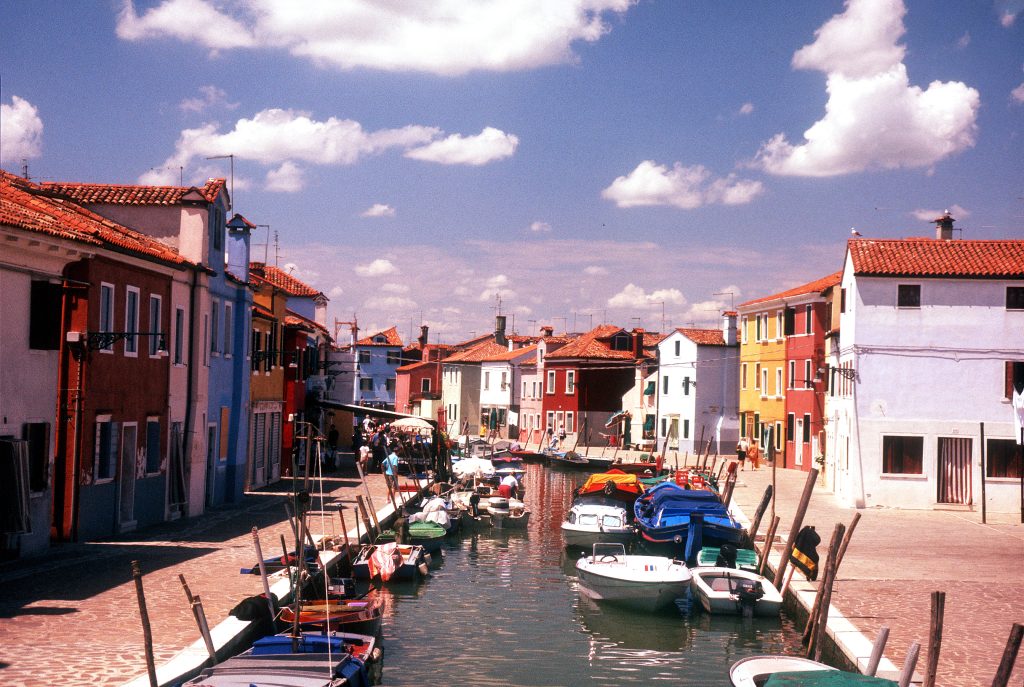
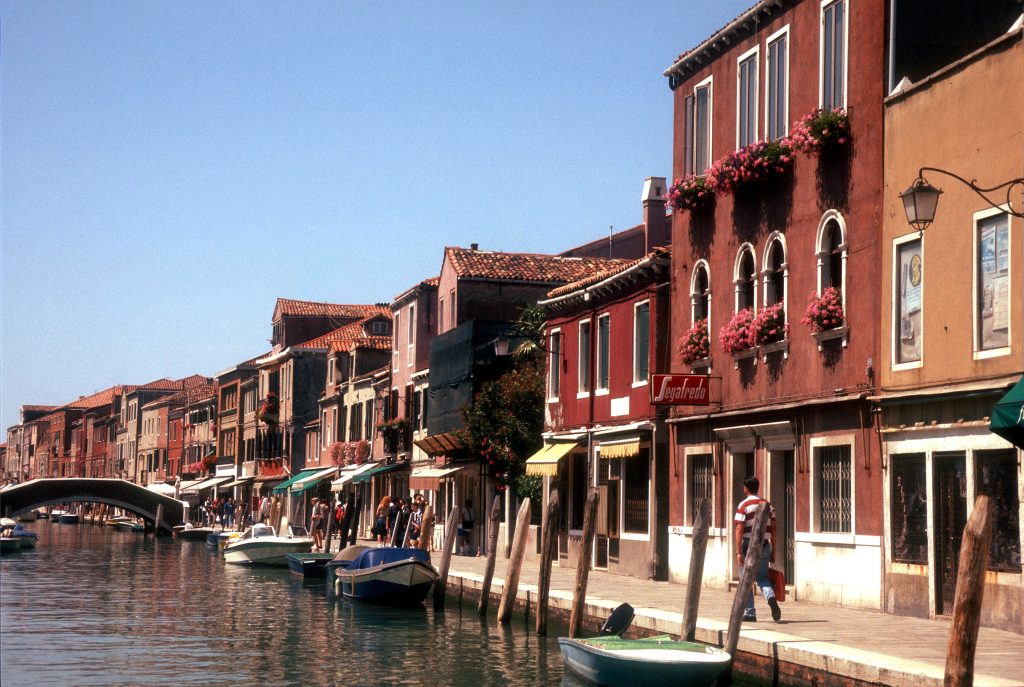
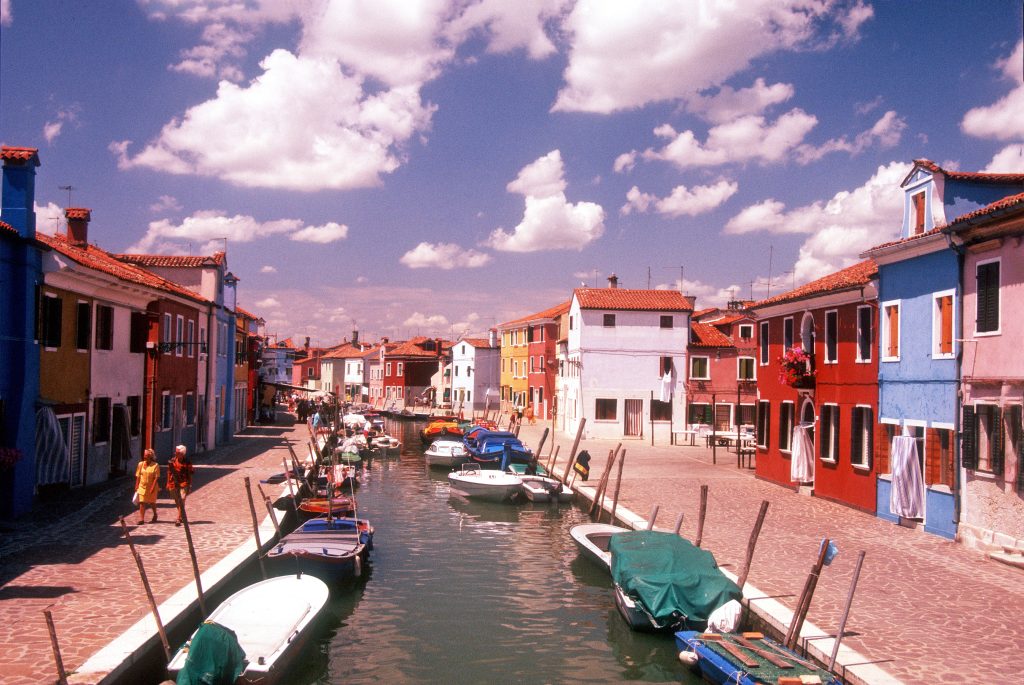
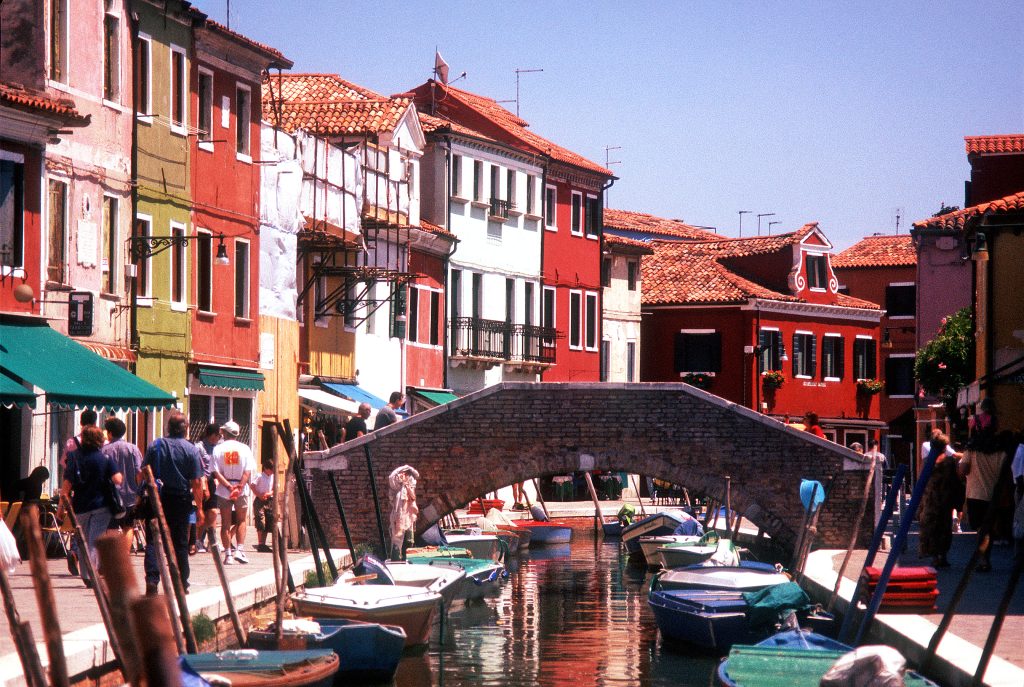
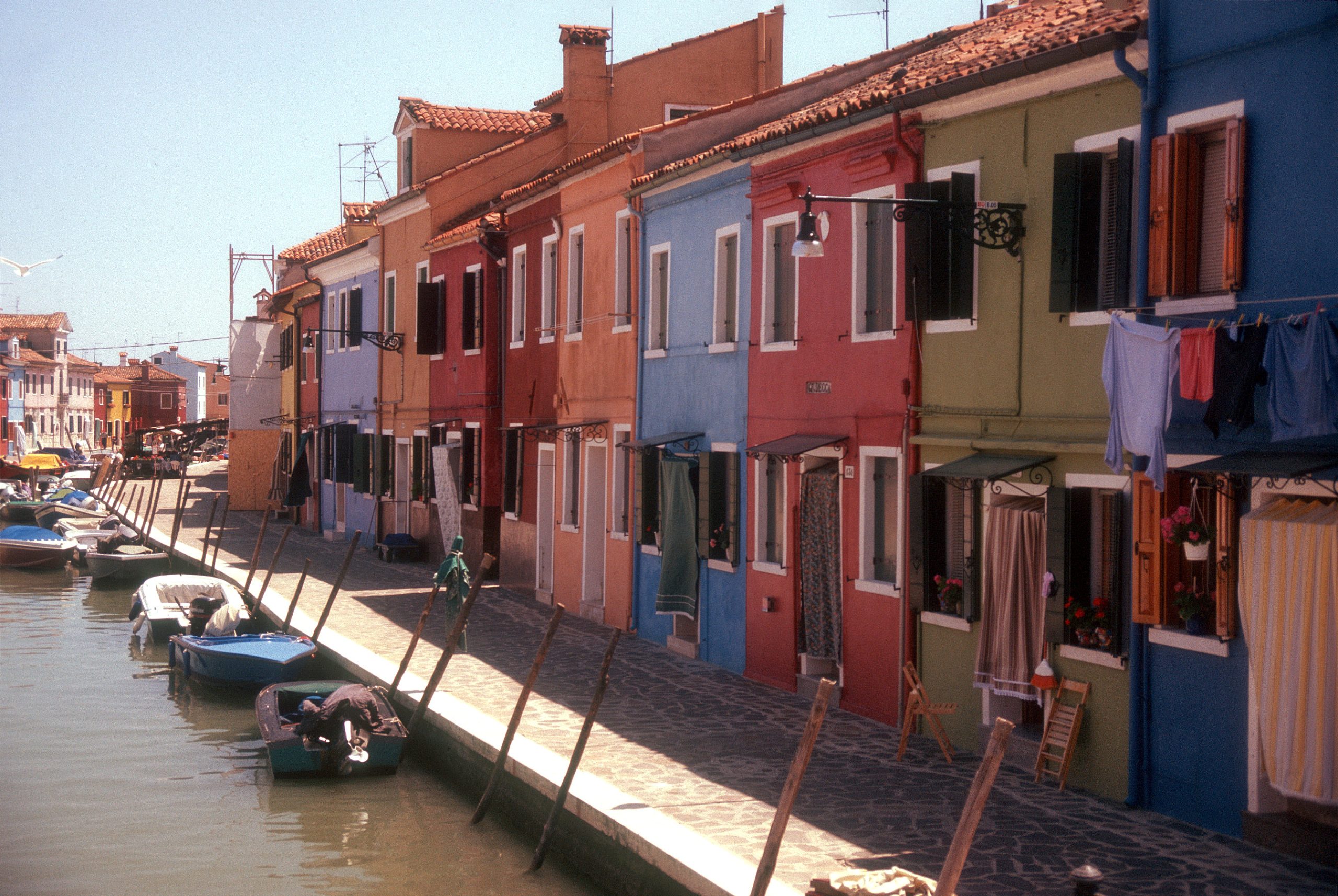
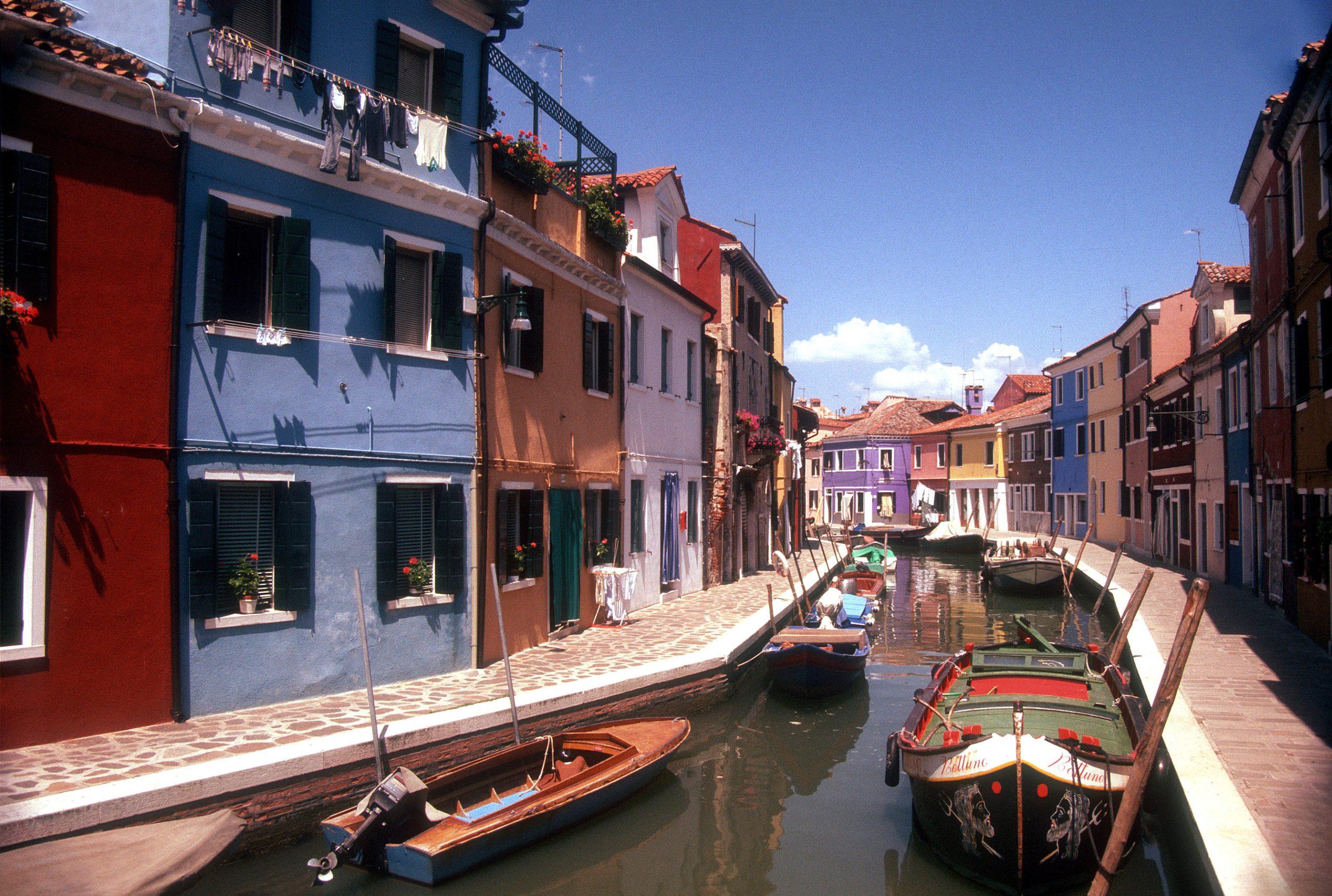
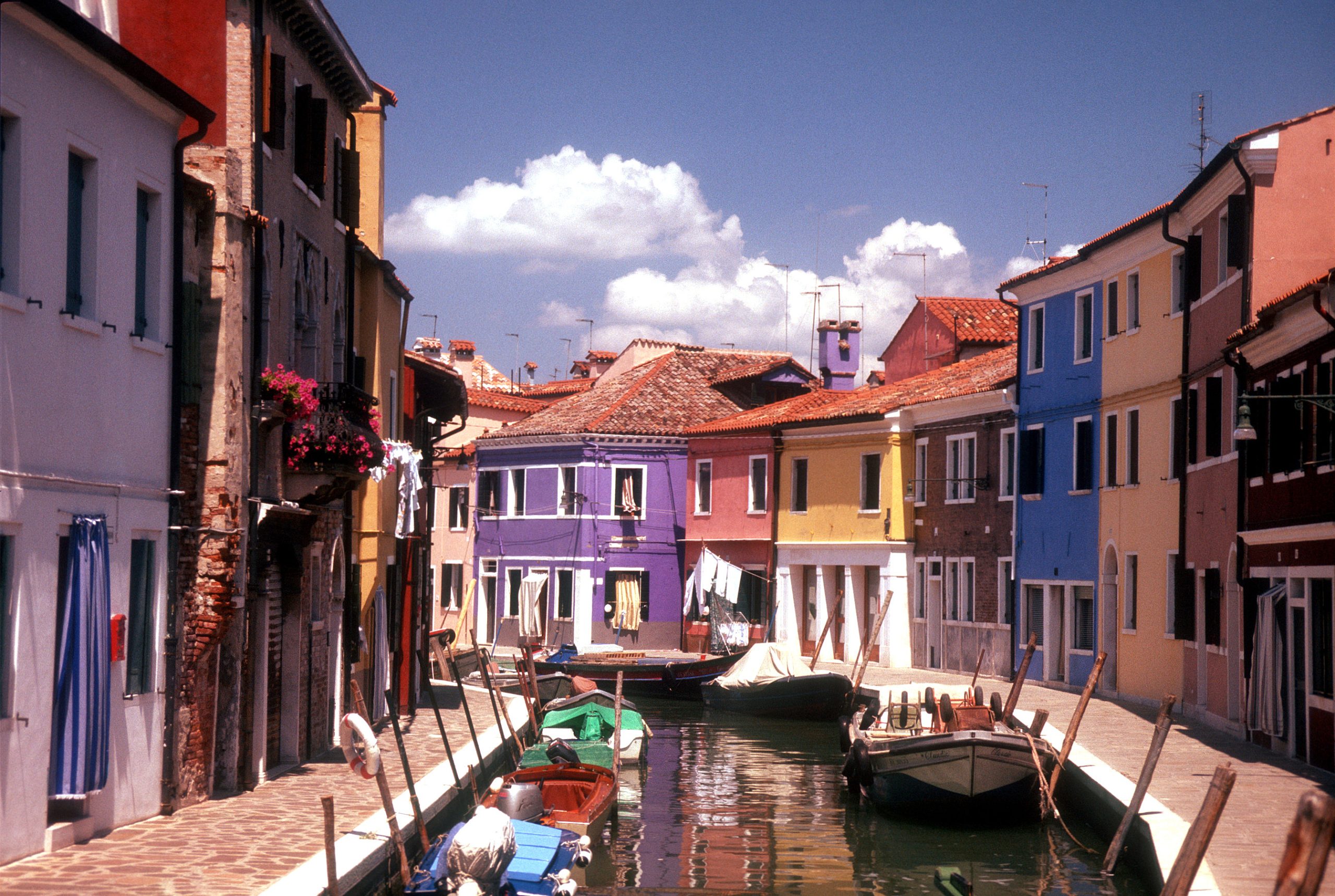
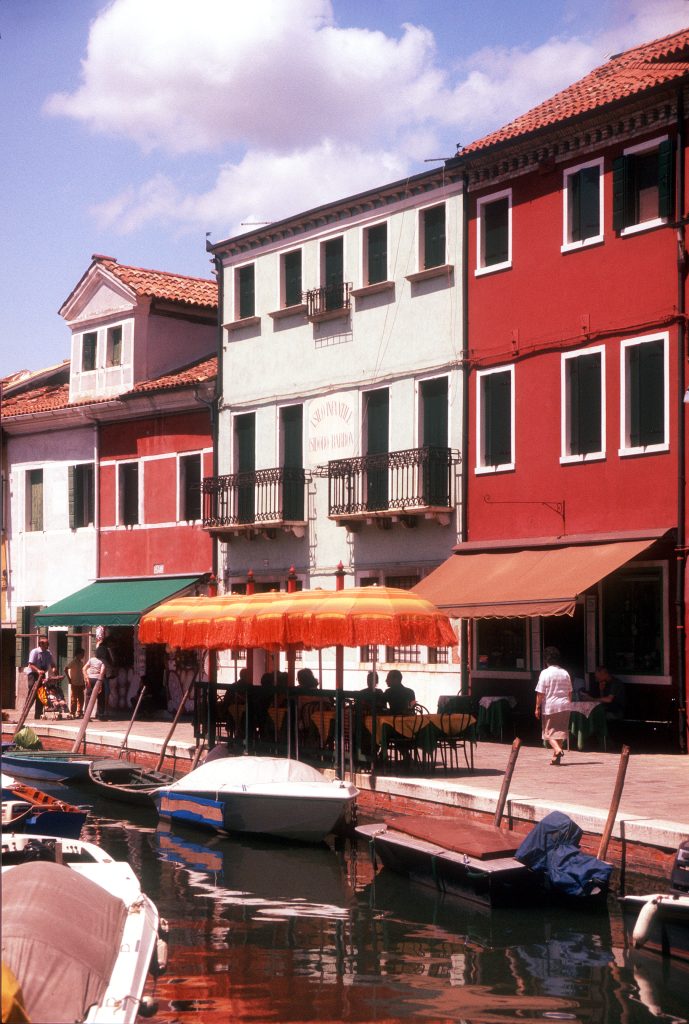
A 40-minute vaporetto ride from the whirl of Venice delivers you to something smaller, brighter, and slower—a floating village where the houses blush and beam in lavender, ochre, coral, mint. Where laundry flutters like ribbon in the wind, and the still canal water doubles everything it sees. There is no rush in Burano. Only rhythm.
Burano is a tiny island in the Venetian Lagoon has been here for centuries, shaped by tides, salt, wind, and hands. Its beauty is not accidental. It is deliberate, handcrafted, and deeply lived-in. A place where color is both tradition and compass, and where lace is not just ornament, but legacy.
A Fishermen’s Island Painted Against the Fog
Burano’s origins are humble and watery. Founded as early as the 6th century, it became a haven for fishermen and lacemakers, drawn by its proximity to the sea and the calm shelter of the lagoon. Unlike its grand neighbor Venice, Burano never built for spectacle. It built for survival—and for beauty on a human scale. If you want to wake up to that beauty rather than day-trip through it, where to stay on Burano is worth planning early, since the island keeps only a handful of rooms.
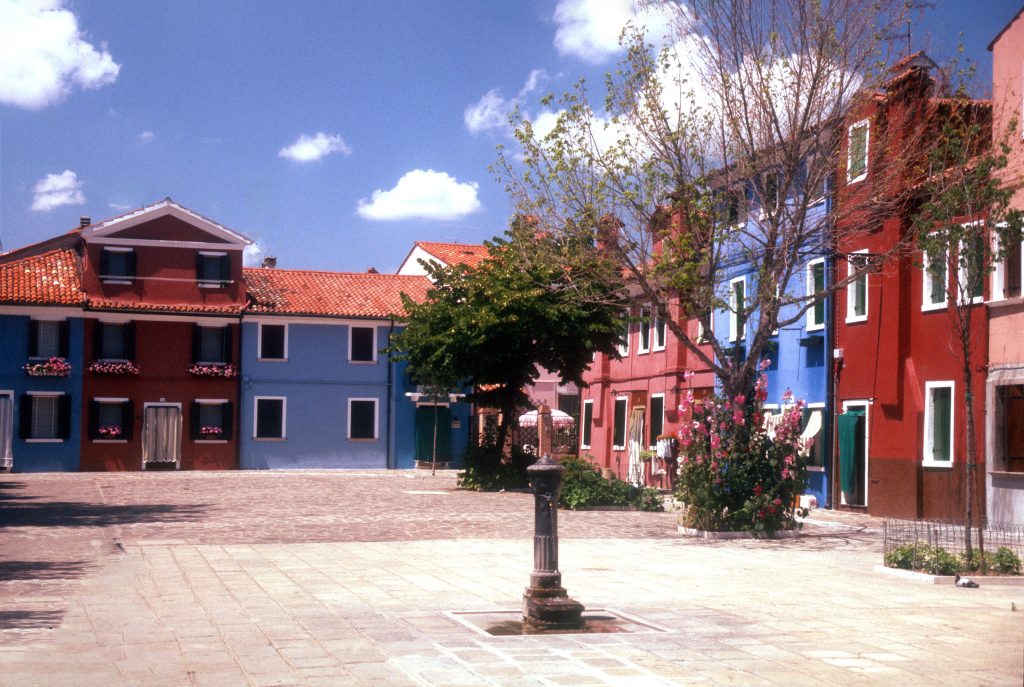
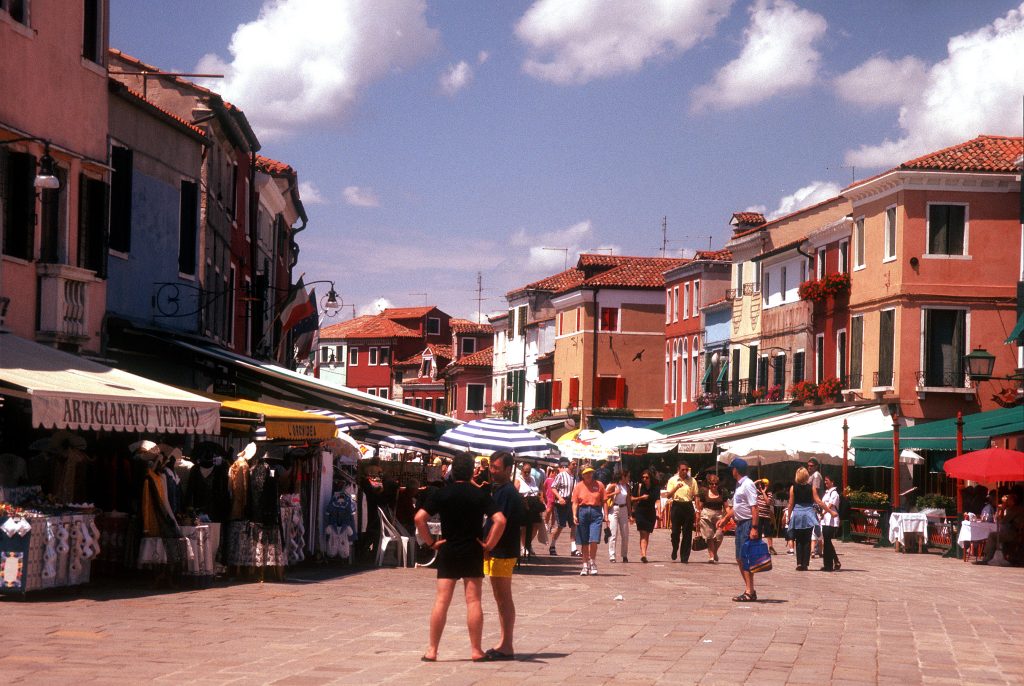
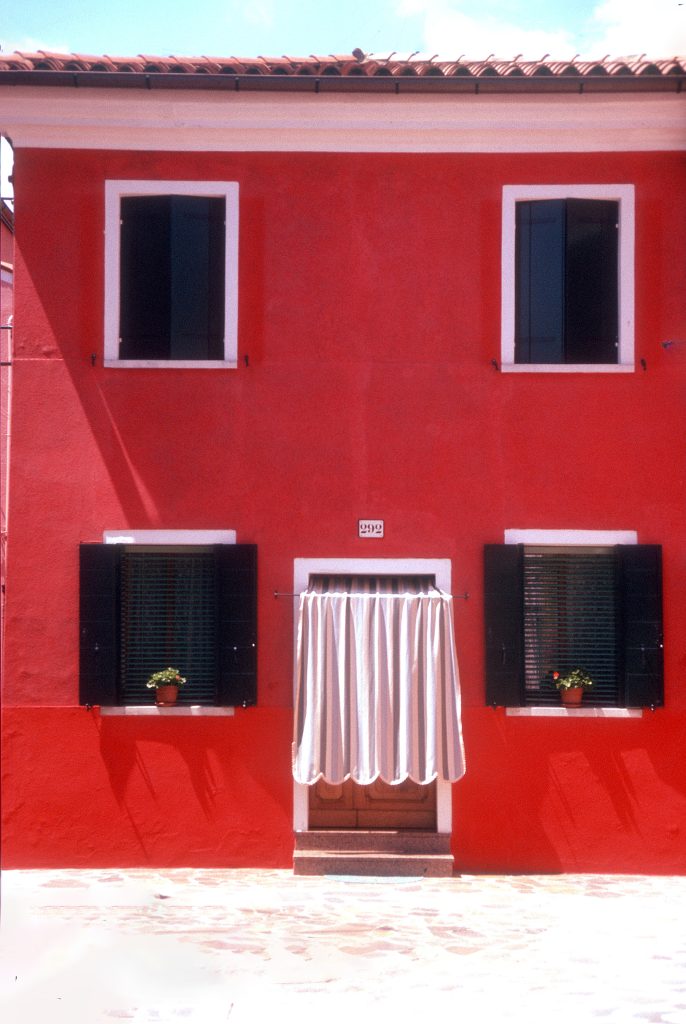
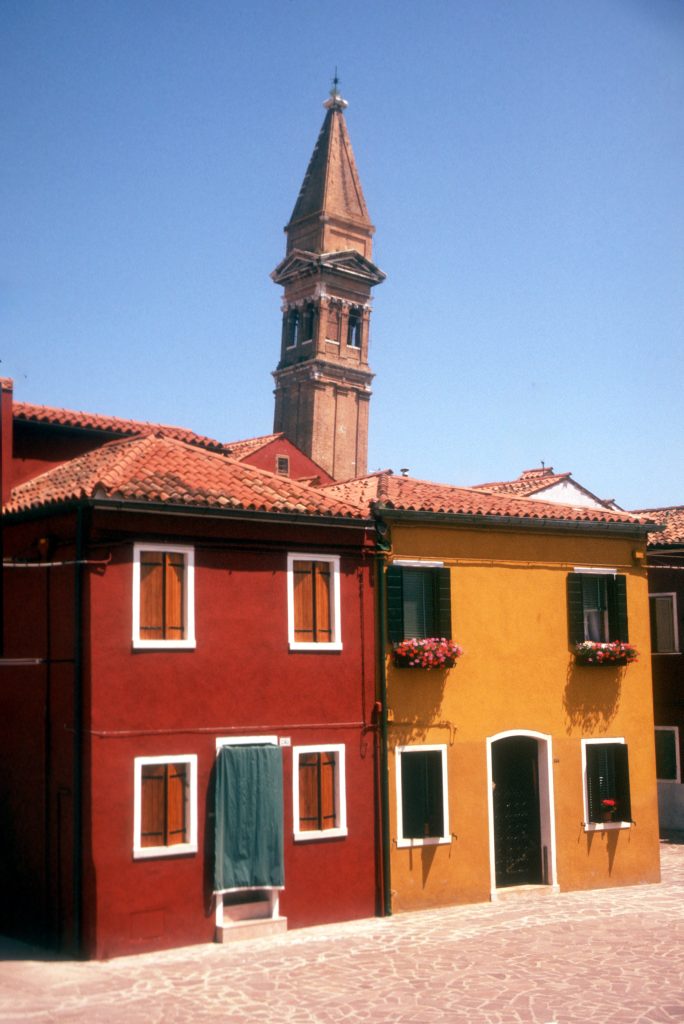
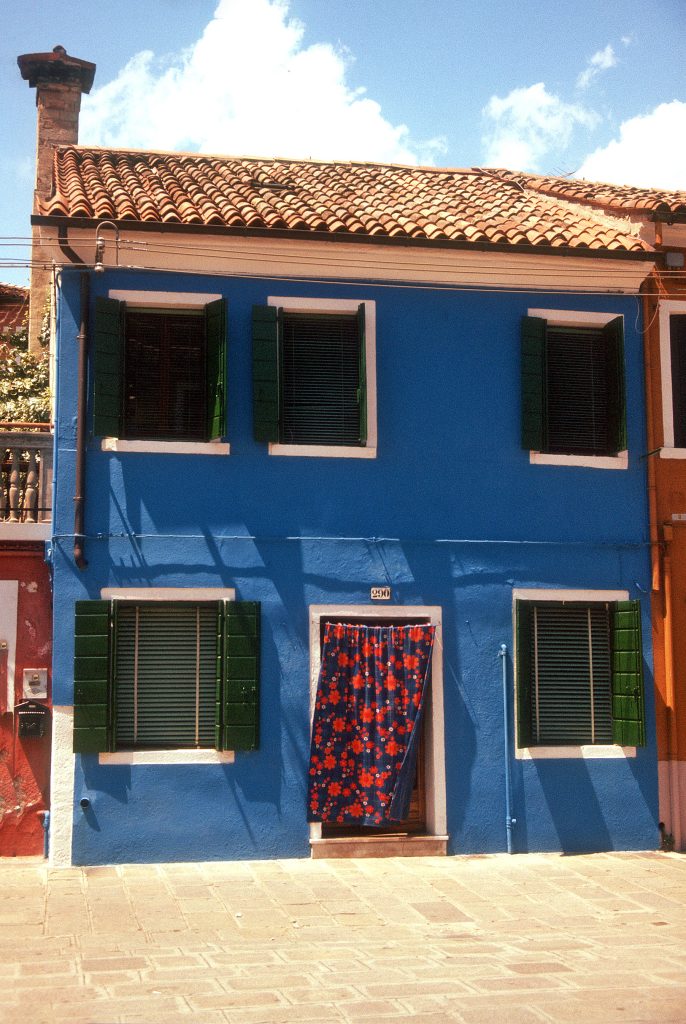
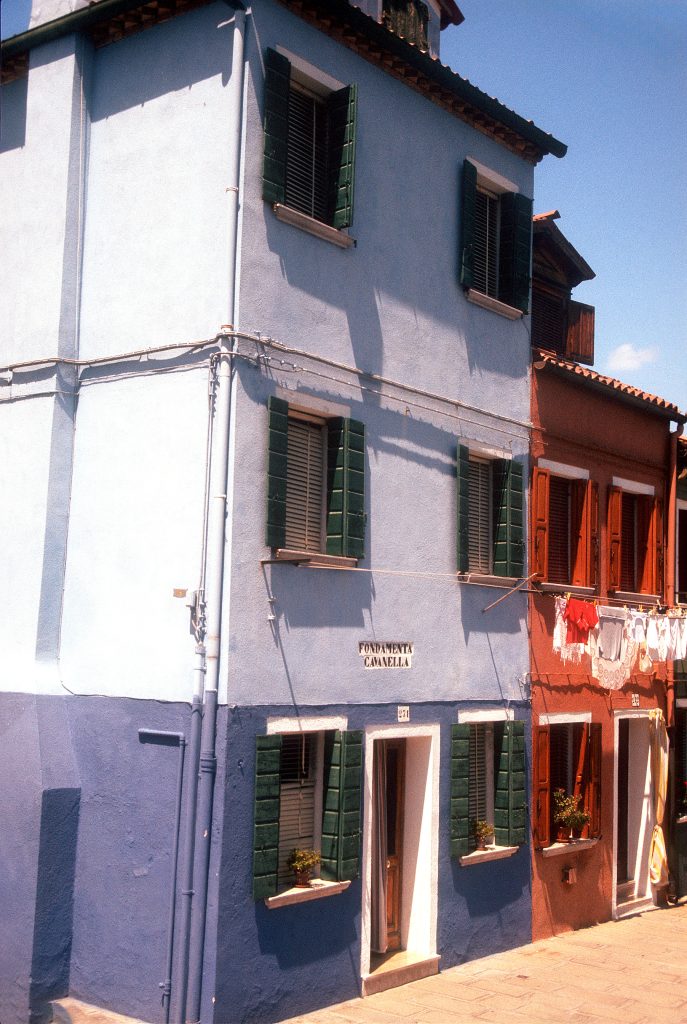
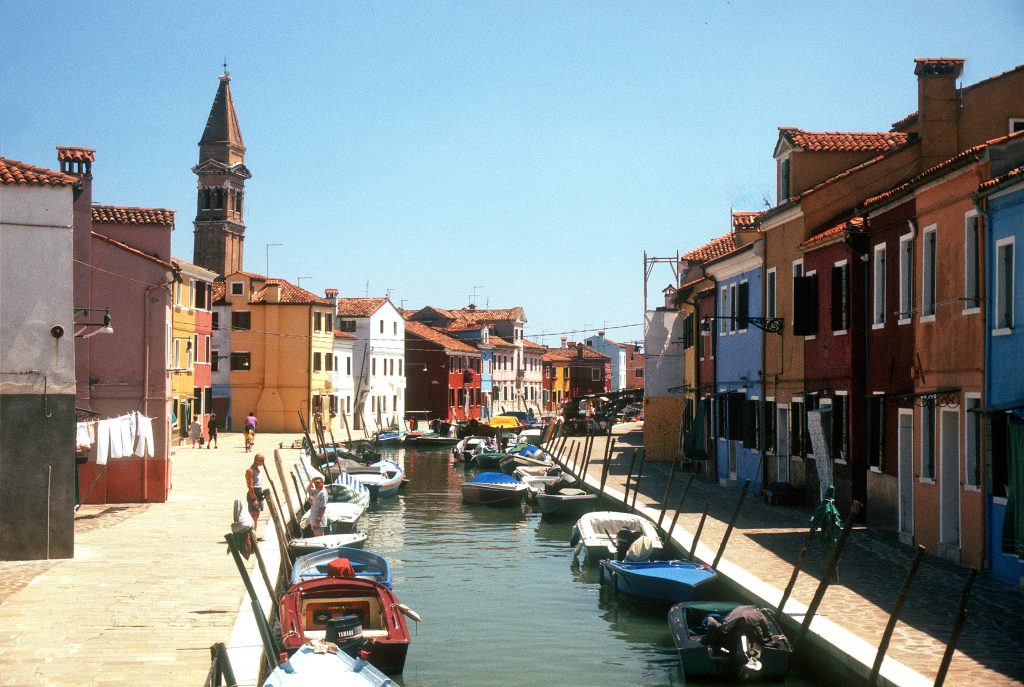
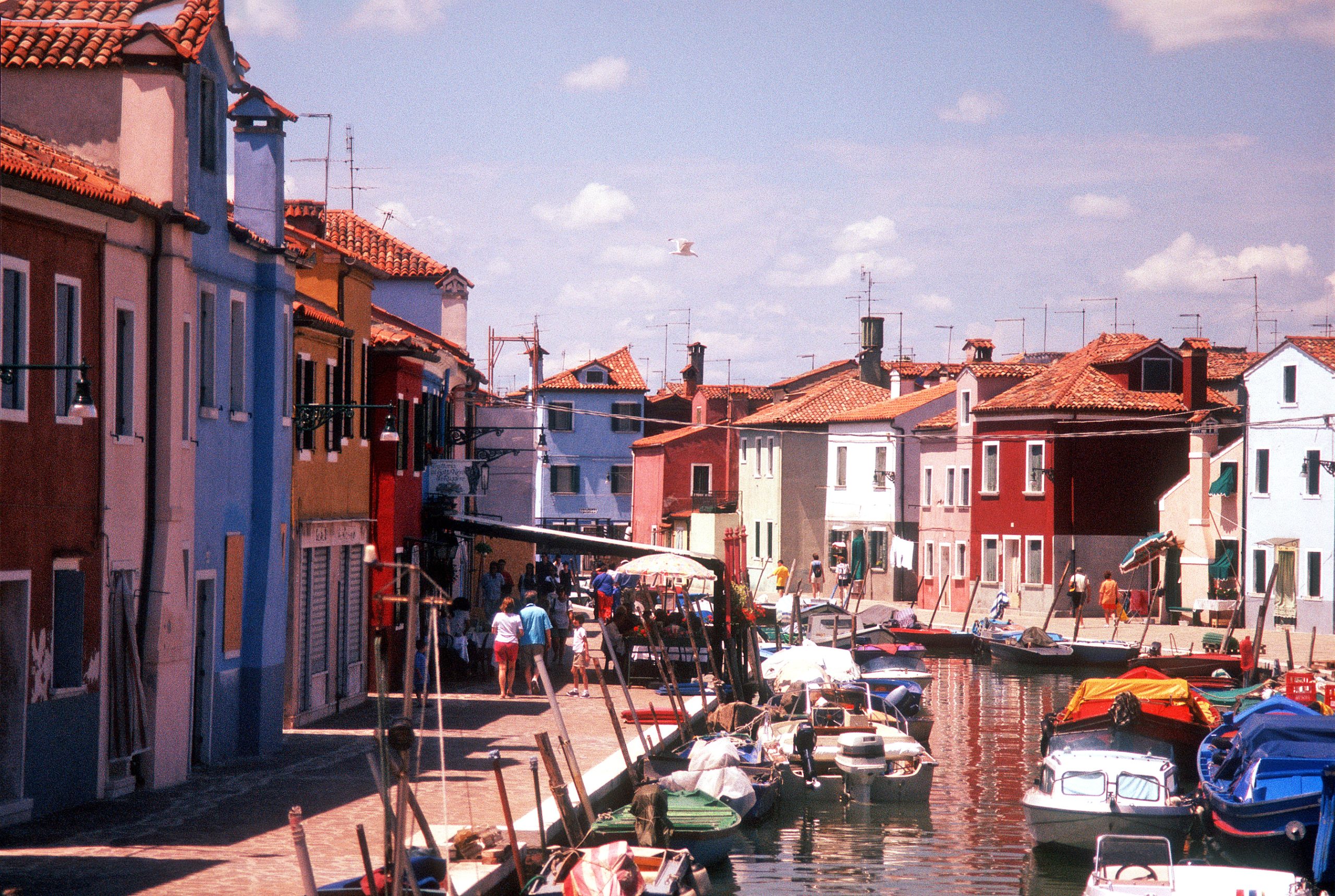
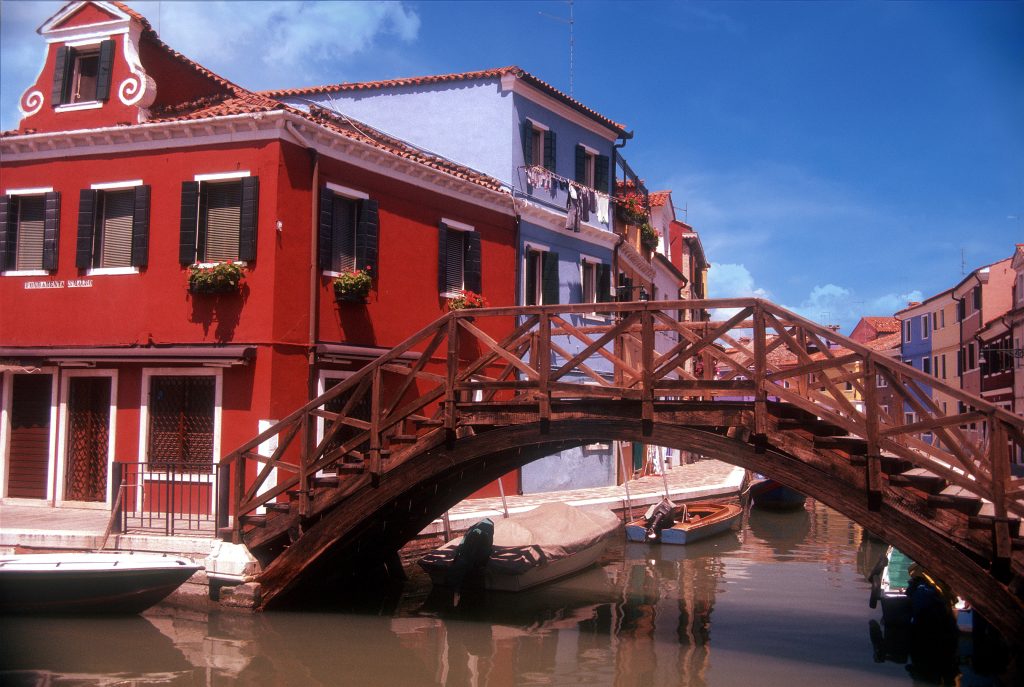
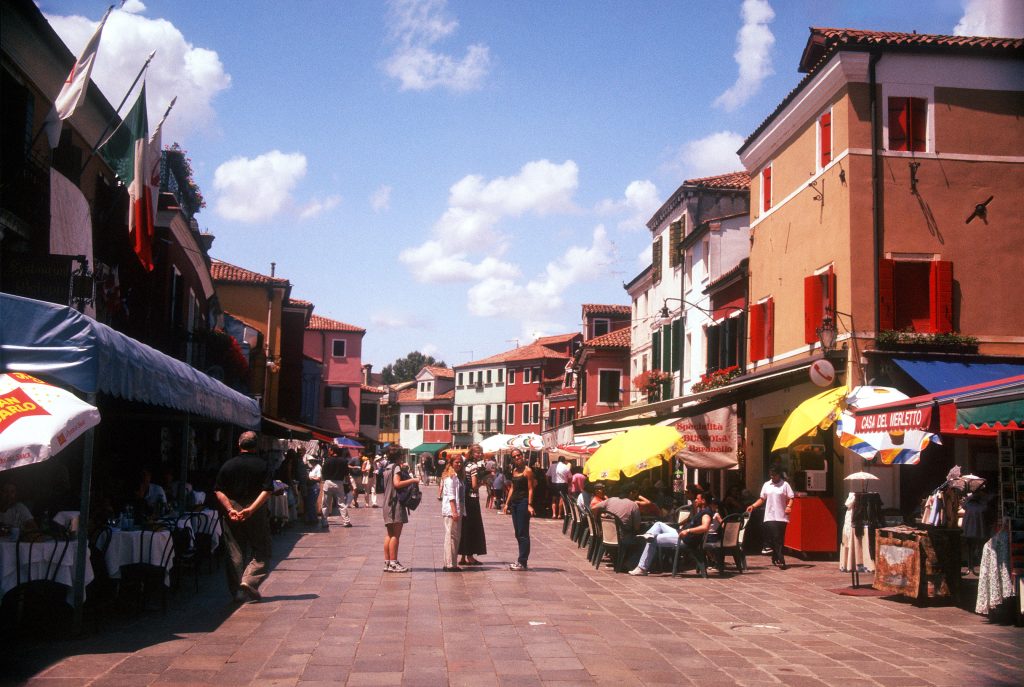
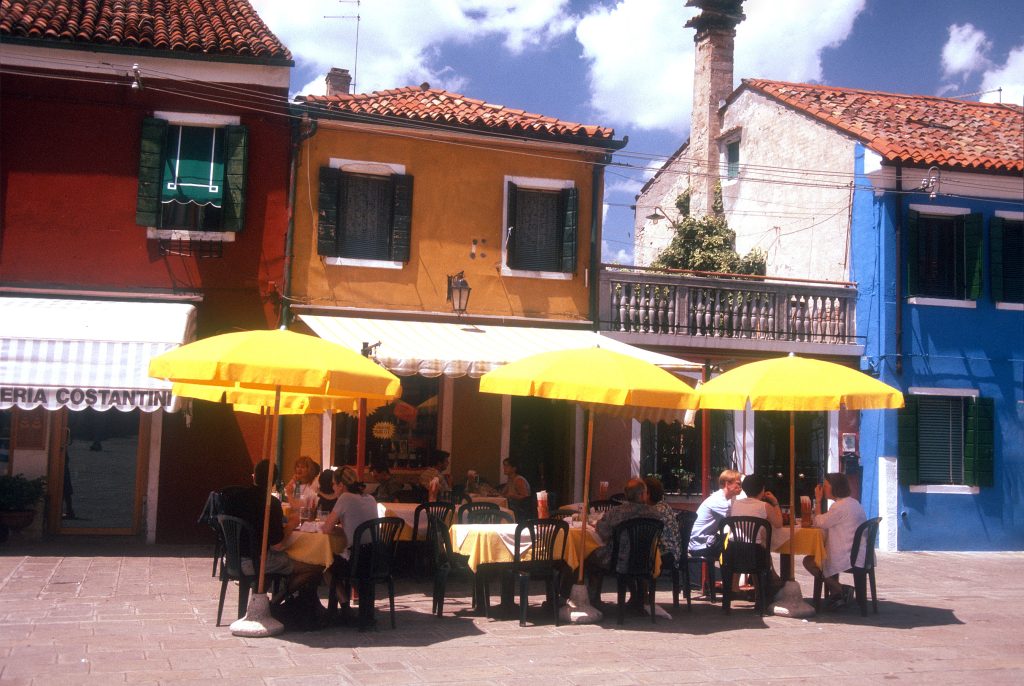
The island is best known today for its vividly painted houses, which line the canals in patchwork radiance. Legend says the colors were chosen so that fishermen returning home in the fog could spot their houses from afar. Each hue was registered and maintained—a practical palette that became poetry. Basing yourself among those canals, rather than back in Venice, means the colors are yours at dawn: compare places to stay near Burano before the day boats arrive.
There are no palazzos here. No gilded basilicas. Instead, Burano’s charm is its intimacy. Stone steps worn smooth by centuries. Painted shutters, crooked chimneys, flower boxes in full celebration.
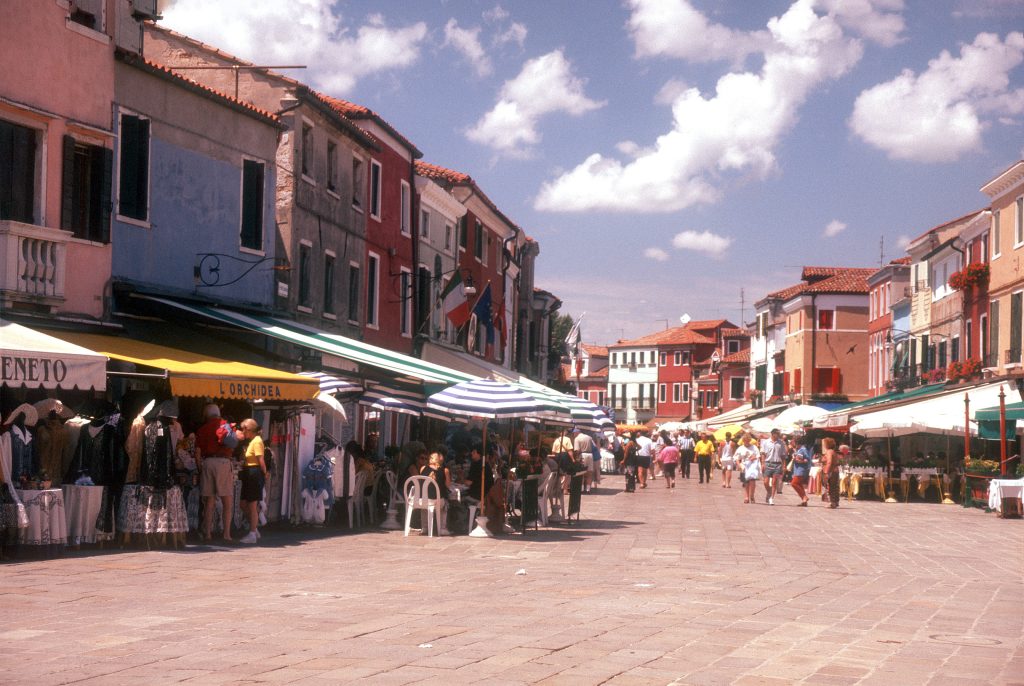
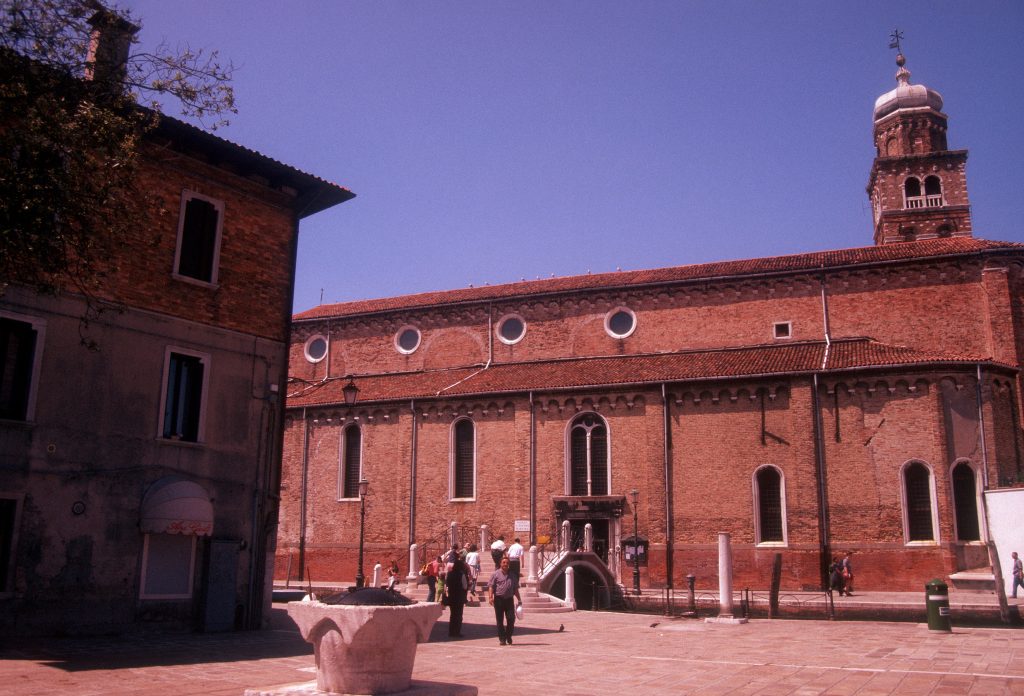
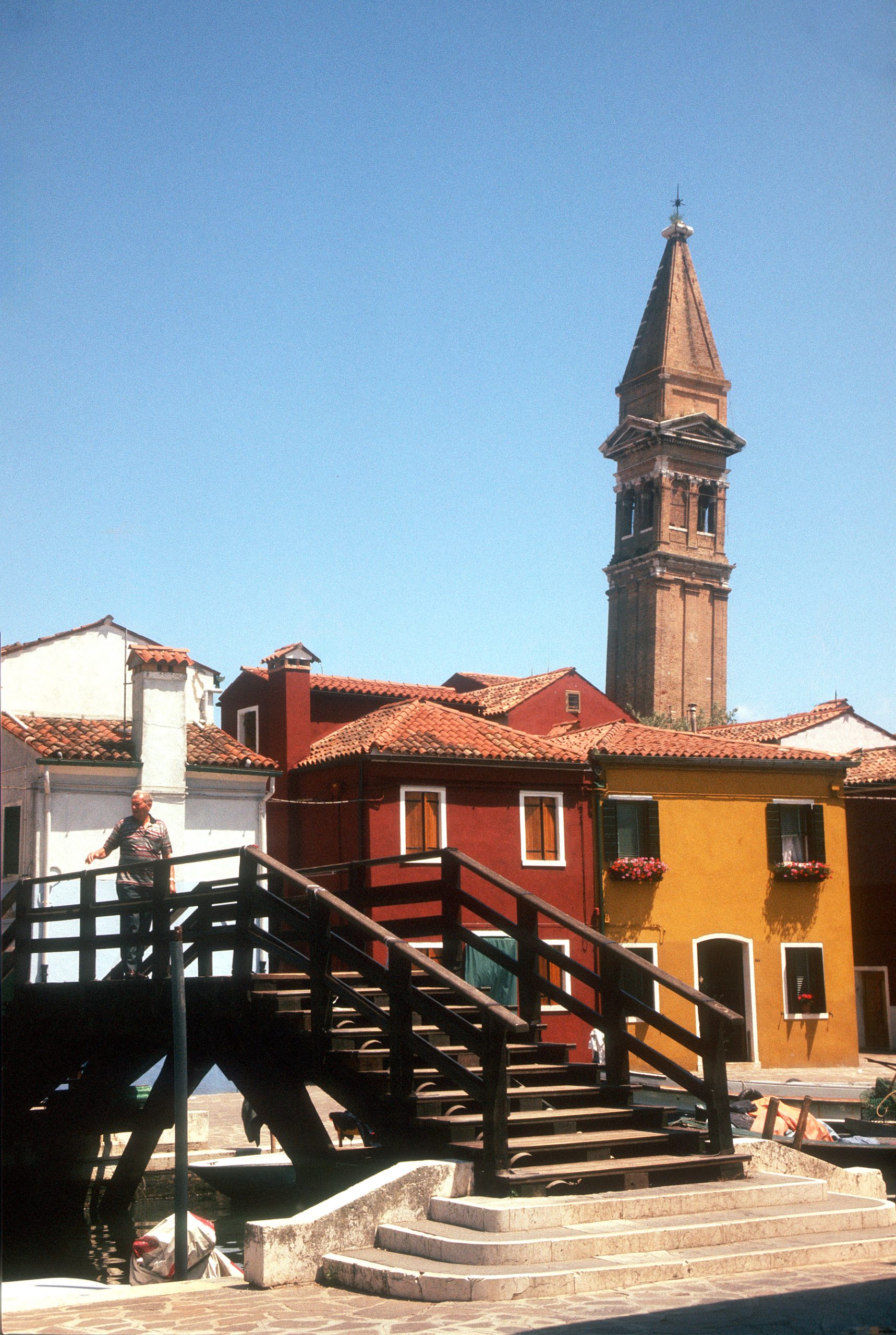
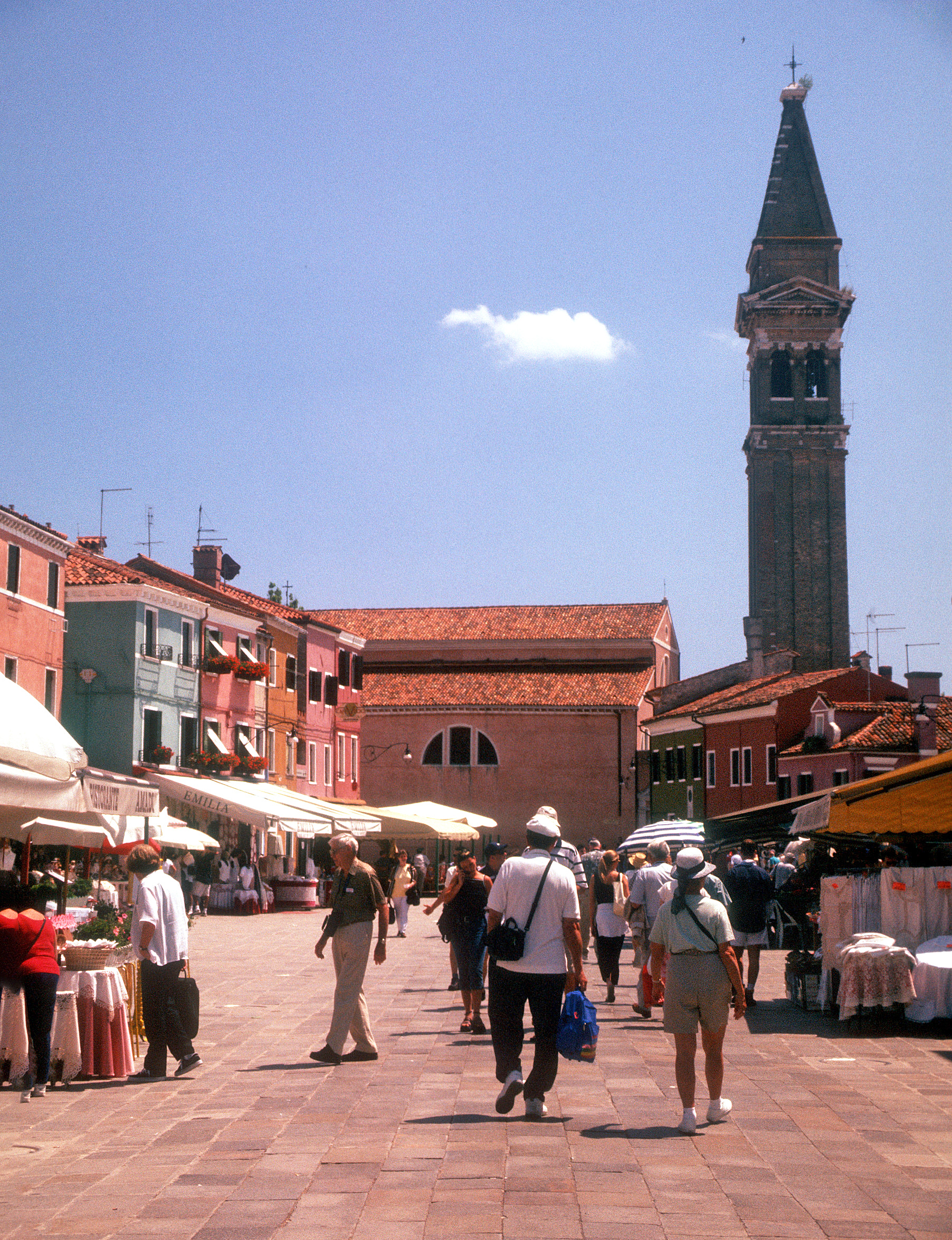
And in the center of it all, the leaning bell tower of San Martino, tipped slightly askew like a nod to the surreal. It watches quietly over the town square, where children still play, and elders still chat beneath striped awnings.
The Lace of Queens and Grandmothers
If color is the soul of Burano, then lace is its heartbeat.
The island became famous for needle lace (punto in aria) in the 16th century, when local women began crafting impossibly delicate designs without a backing fabric—patterns that floated in air, stitched from memory and skill. Burano lace soon adorned the collars and cuffs of European royalty. Even Leonardo da Vinci is said to have purchased lace from Burano to adorn the altar of Milan Cathedral.
The lace industry flourished until the 19th century, when cheaper machine lace began to replace it. But in 1872, a lace school was founded to preserve the tradition. Today, Burano’s lace is still made entirely by hand—a single piece taking weeks or even months to complete.
Walk through town, and you’ll still see elderly women sitting in doorways, bent over their work, stitching in silence. Visit the Museo del Merletto (Lace Museum), housed in the old lace school, to learn the intricacy and pride behind every thread (more on this shortly.)
This is not lace for tourists. It is lace for memory—for inheritance, for devotion, for dignity.
Hidden Anchors of Burano: Churches, Towers, and Timeless Facades
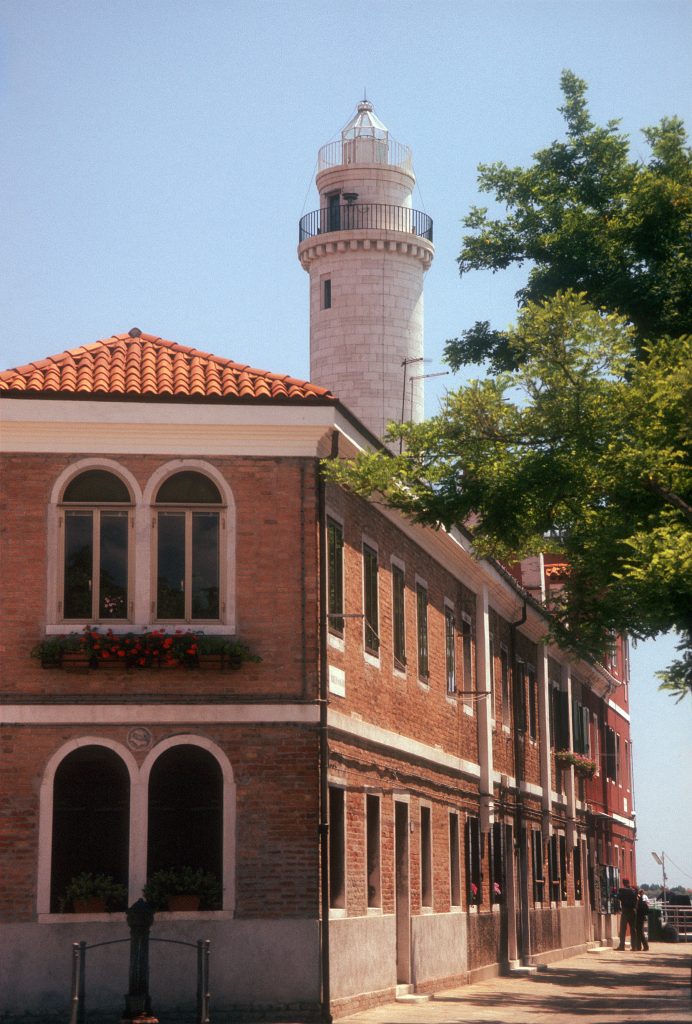
Burano may feel like a storybook town, but look closely and you’ll find its architectural soul quietly rooted in history. Unlike Venice’s domes and spires, Burano’s landmarks are modest—weathered by salt air, shaped by working life, and gently tilting with time.
Church of San Martino Vescovo
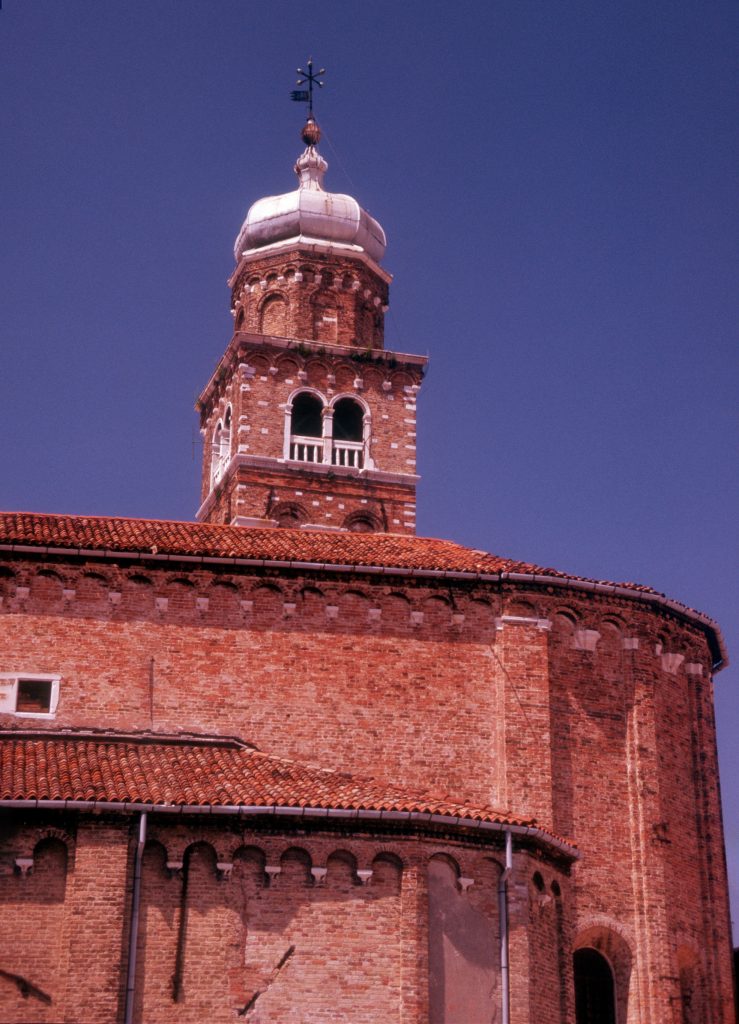
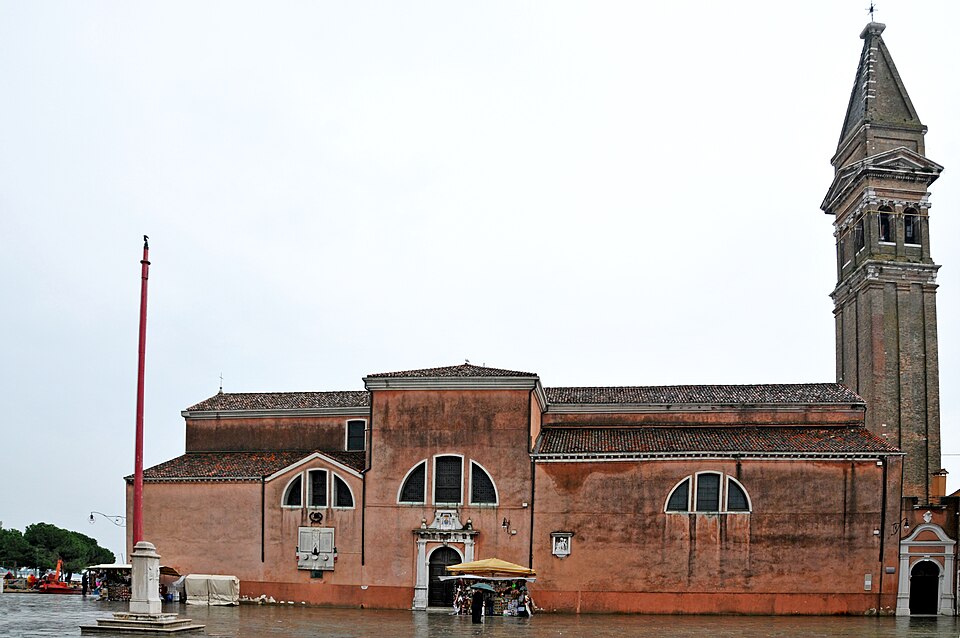
At the heart of Burano stands the Church of San Martino Vescovo, dedicated to Saint Martin of Tours. Originally built in the 16th century and remodeled over time, this Roman Catholic parish church is a simple yet anchoring presence on the island.
- Its leaning bell tower—tilted due to subsidence in the marshy ground—is one of Burano’s most recognizable silhouettes, often mistaken in photos for a trick of the camera. It rises above the rooftops like a watchful guardian.
- Inside, the church holds several notable artworks, including the “Crucifixion” by Gian Battista Tiepolo, one of the great Venetian painters of the 18th century.
- The nave is serene, often filled with the scent of candle wax and cool air from the lagoon—a quiet counterpoint to the island’s exuberant palette outside.
Lace Museum (Museo del Merletto)
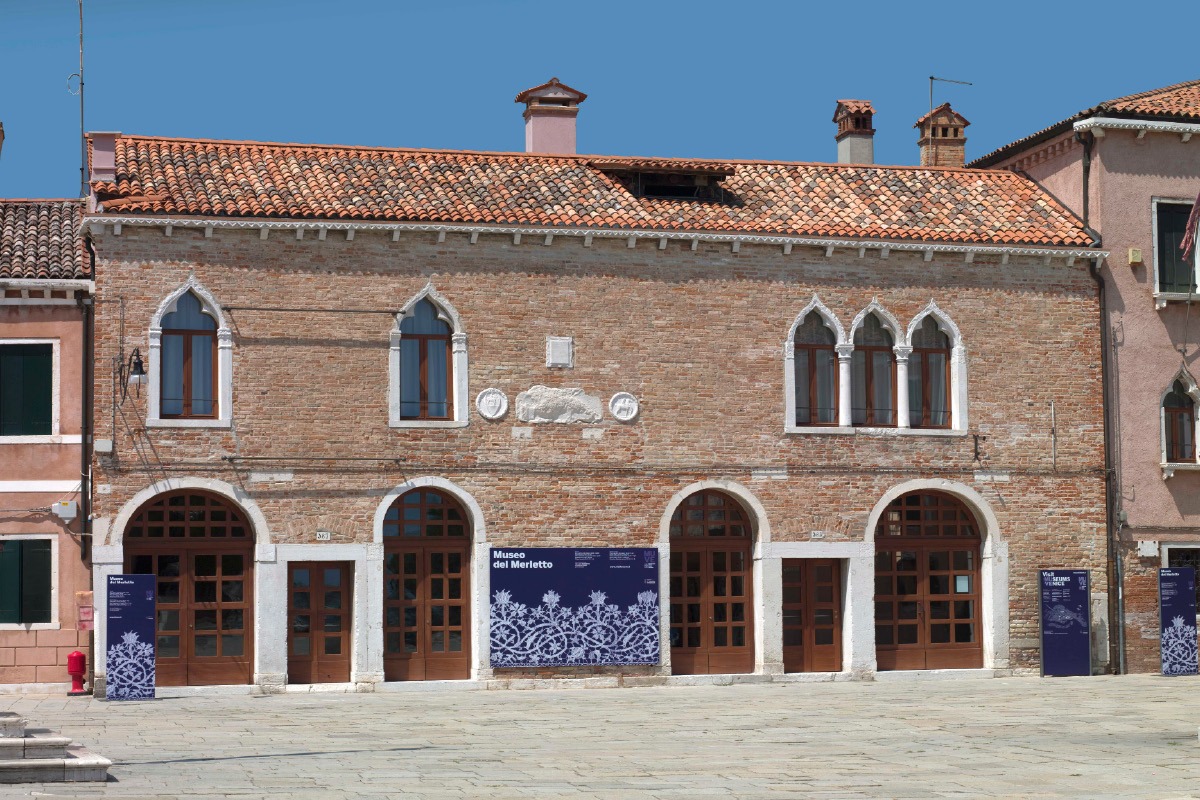
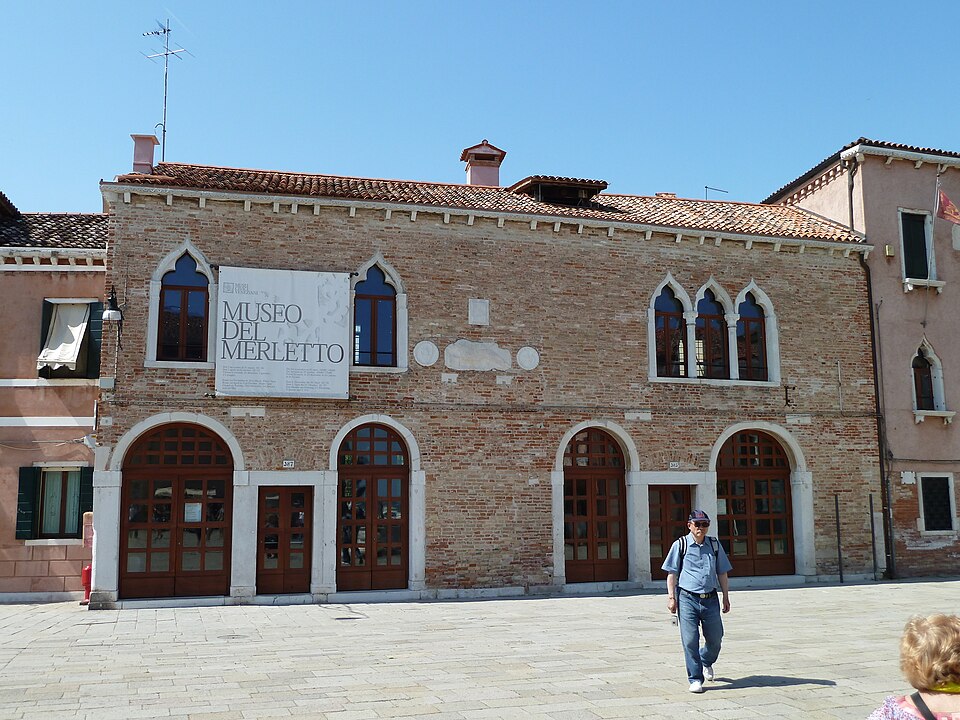
Housed in the former Scuola di Merletti (Lace School), this 19th-century building once trained generations of Burano women in the disappearing art of needle lace. It’s now a beautifully curated museum, preserving the island’s most exquisite—and exportable—legacy.
- The building itself is a lovely example of late-Venetian civic architecture, with arched windows and airy galleries.
- Inside, you’ll find antique lacework from the 16th to 20th centuries, lace-making tools, and video exhibits that trace how the craft evolved over centuries.
Corte del Municipio (Town Hall Courtyard)
While unassuming from the outside, the Corte del Municipio—Burano’s small municipal complex—represents the living governance of the island, still serving its tiny population today. Set along the canal and often framed by flower boxes, it reminds visitors that Burano isn’t just a photo opportunity—it’s a functioning community.
Everyday Beauty, Everyday Life
Burano is not large. You can walk its length in less than an hour. But you won’t want to.
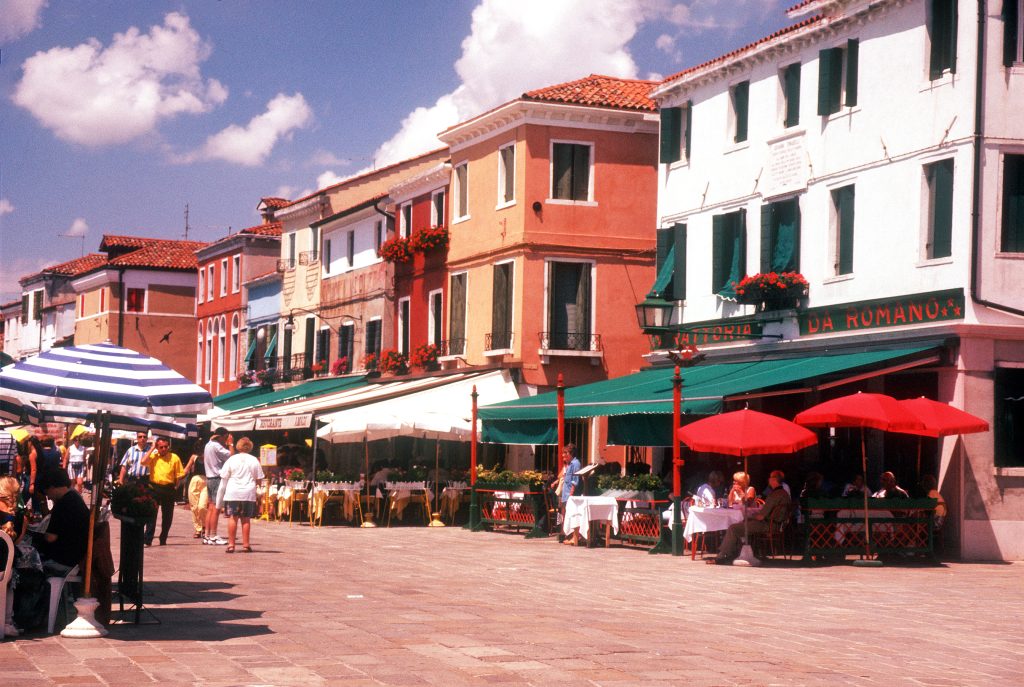
You’ll stop for cicchetti and a glass of prosecco at a canal-side table. You’ll photograph reflections that seem more vivid than the houses themselves. You’ll watch cats sunning on stoops, and laundry lines lifting like prayers.
In the piazza, children kick soccer balls and chase pigeons. The rhythm of the island is one of living beauty—not staged, not slick, but real. The houses may be postcard-perfect, but they are also homes: filled with cooking, conversation, and community. Wander this place and let the splashes of color on each façade speak to the exuberance within you!
Where to Stay: Sleep Among the Colors of the Lagoon
Burano is small, and most visitors arrive by vaporetto for the day. Staying on the island, or nearby in the quieter corners of the Venetian lagoon, lets you see the colors at dawn and dusk when the tour boats have gone and the canals turn glassy and still.
Casa Burano is a scattered hotel spread across several of the island’s painted fishermen’s houses, so you sleep inside the very palette the island is famous for. Rooms are simple and bright, steps from the lace shops and the leaning bell tower, and the island belongs to you once the day-trippers leave.
Venissa, on the neighboring island of Mazzorbo, a short footbridge from Burano, pairs a small wine-country inn with a walled vineyard and a celebrated restaurant. It is the choice for travelers who want the lagoon slow and rural, with rows of vines where the water usually is.
If you would rather base yourself in Venice proper and ride out to Burano for the day, the map below pulls live rates for hotels, guesthouses, and apartments across the lagoon so you can compare where to rest your head against the towers and the color.
Recommended Reading
Fiction
- The Glassblower of Murano by Marina Fiorato
While primarily set in Murano and Venice, this richly atmospheric novel explores the life of a woman returning to the Venetian Lagoon to reclaim her ancestral craft. Burano is visited as part of her journey, painted vividly in all its lace-laden beauty. - Death in a Strange Country by Donna Leon
The story explores corruption, politics, and the fragile ecosystem of Venice and its surrounding islands. It offers a detailed and atmospheric portrayal of lagoon life beyond the city center. - Miss Garnet’s Angel by Salley Vickers
Set in Venice but infused with the mood of the lagoon, this quiet novel explores art, solitude, and the spiritual resonance of small details. - A Thousand Days in Venice by Marlena de Blasi
This memoir-turned-love story takes readers beyond the Grand Canal into the everyday corners of lagoon life, including meals and strolls through Burano. It offers a romantic, lived-in portrait of Venetian islands away from the crowds. - The Venice Sketchbook by Rhys Bowen
A dual-timeline novel that follows a young woman in World War II Venice and her great-niece decades later. Burano appears as a quiet sanctuary from the city’s tension—a place of healing, color, and artistic escape.
Non-Fiction
- A Forest on the Sea: Environmental Expertise in Renaissance Venice by Karl Appuhn
Karl Appuhn explores engineering, ecology, and governance that shaped the islands and waterways. The book provides deep insight into how communities like Burano depended on environmental control. - Venice: Pure City by Peter Ackroyd
A beautifully written cultural history of Venice and its surrounding islands, filled with atmosphere and insight. - Italian Hours by Henry James
A classic travel memoir from the 19th century that captures the elegance and emotion of Italy through the lens of a master observer. - Venetian Vernacular Architecture by Richard J. Goy
While more academic in tone, this architectural history offers fascinating insights into Burano’s painted façades, building materials, and how the island’s homes were adapted to fishing life, humidity, and community codes. - The Atlas of World Embroidery: A Global Exploration of Heritage and Styles by Gillian Vogelsang-Eastwood
The book examines the development of intricate styles, including Venetian and Burano lace traditions. It highlights the cultural and artistic significance of lace-making communities. - Lace: A History by Santina M. Levey
Santina Levey examines the evolution of techniques, styles, and cultural significance, including Venetian and Burano lace. The book offers a detailed and authoritative study of this intricate craft.
Tours to Consider: