
With the revival of Gladiator II late last year, the spectacle of Gladiators, chariot races and Roman arenas are once again in people’s focus. Certainly, the granddaddy of them all in Rome, The Colosseum, originally seating 50,000 screaming spectators, is the one that comes to mind. It may be among the biggest and most famous, but it’s far from the best preserved. Four of the original approximately 400 are still functioning as entertainment venues—after 2000 years!
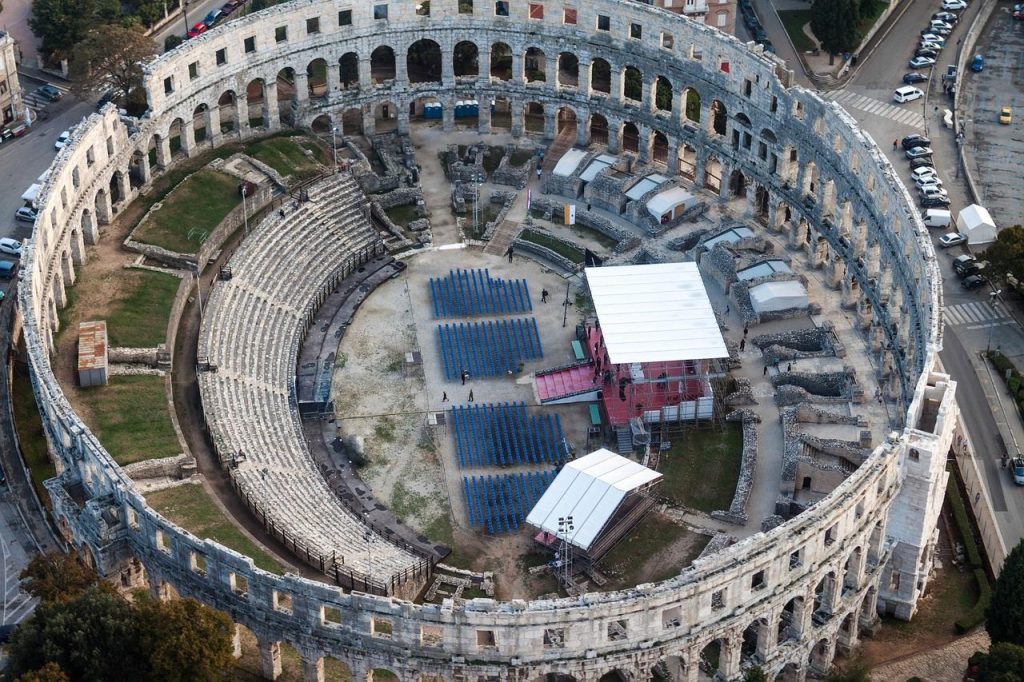
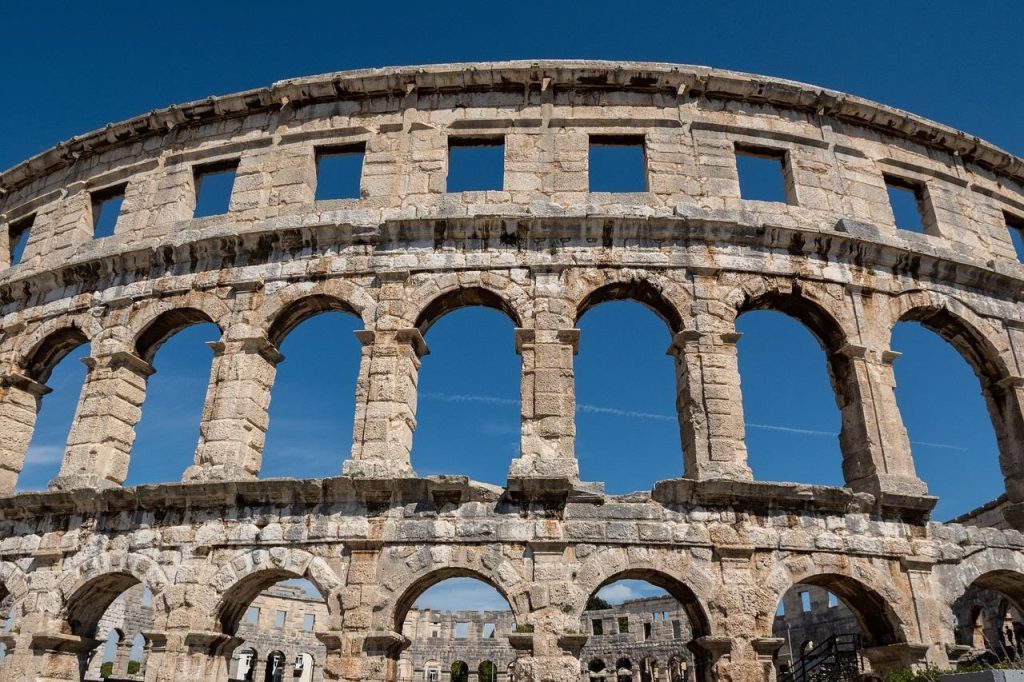
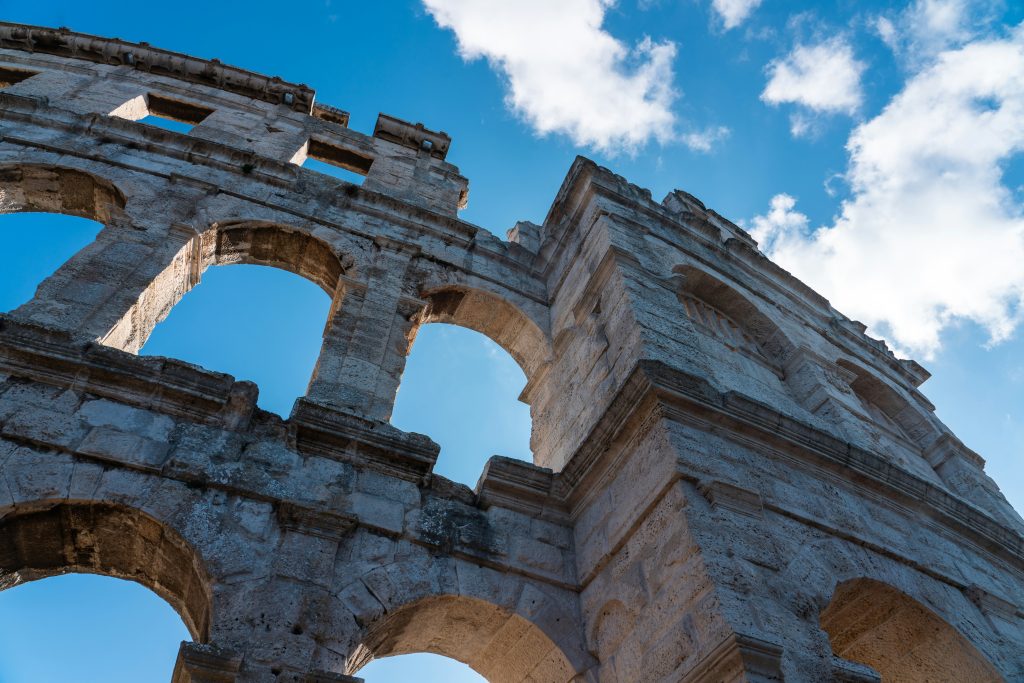
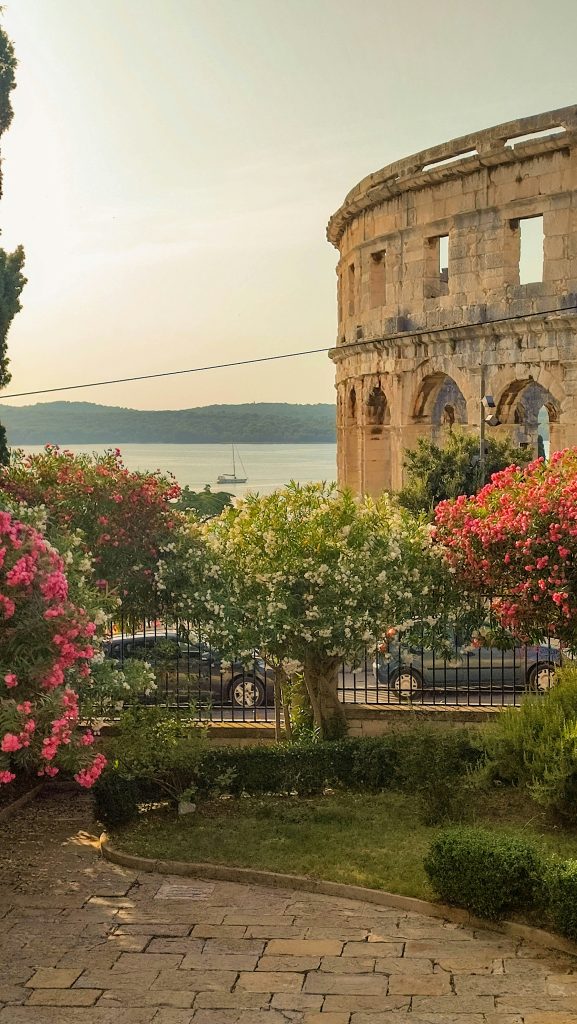
The oldest of these is the Pula Arena in Croatia, erected between 27 BC and 68 AD (these things often took a long time to build or were expanded on.) It is considered one of the most complete and well preserved in the world. Seating approximately 23,000 spectators originally, the primary entertainment was death by combat and wild animal flights, but these were both banned in 681AD. The next tenants were the Knights of Malta, with their chivalric tournaments, and also the community’s own Medieval Fairs. Today, you will pull out your credit for a host of events, including concerts, operas, ballets, sports events and the annual Pula Film Festival.
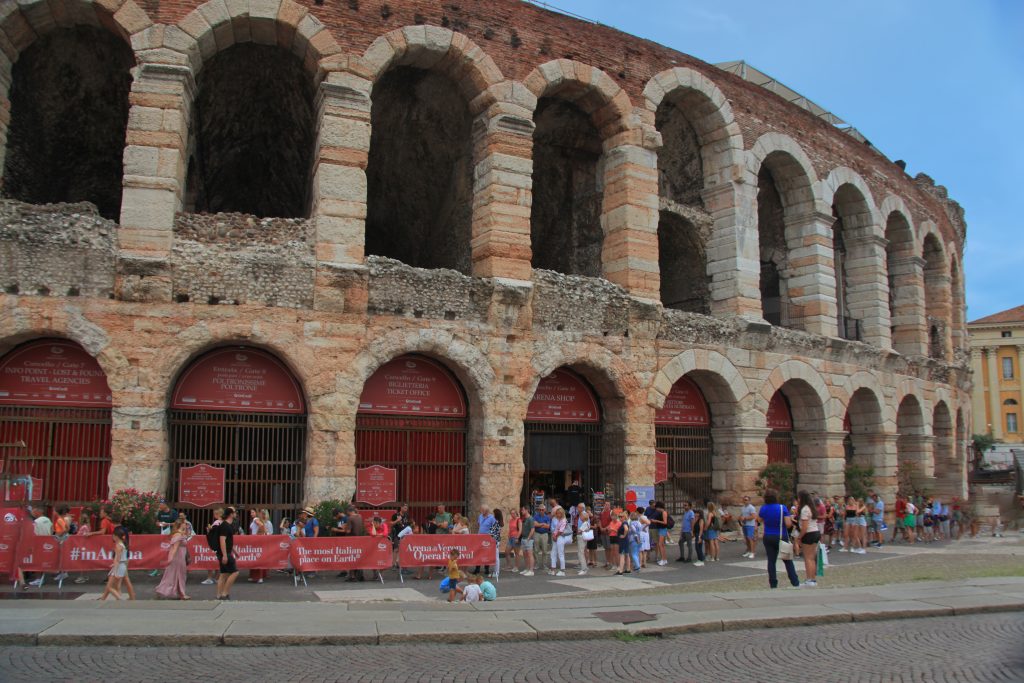
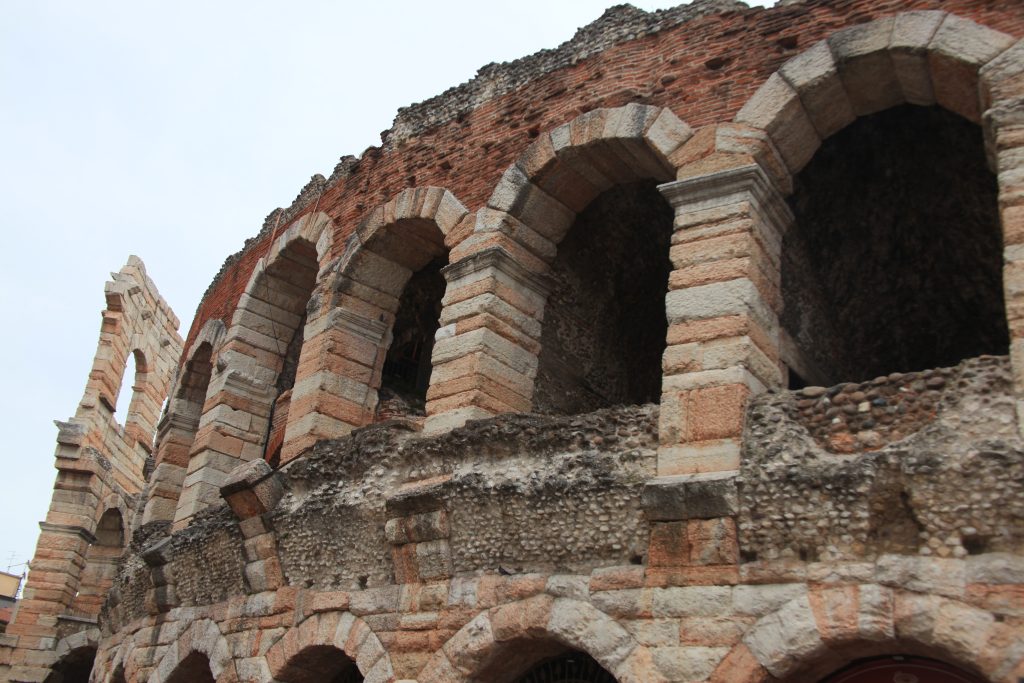
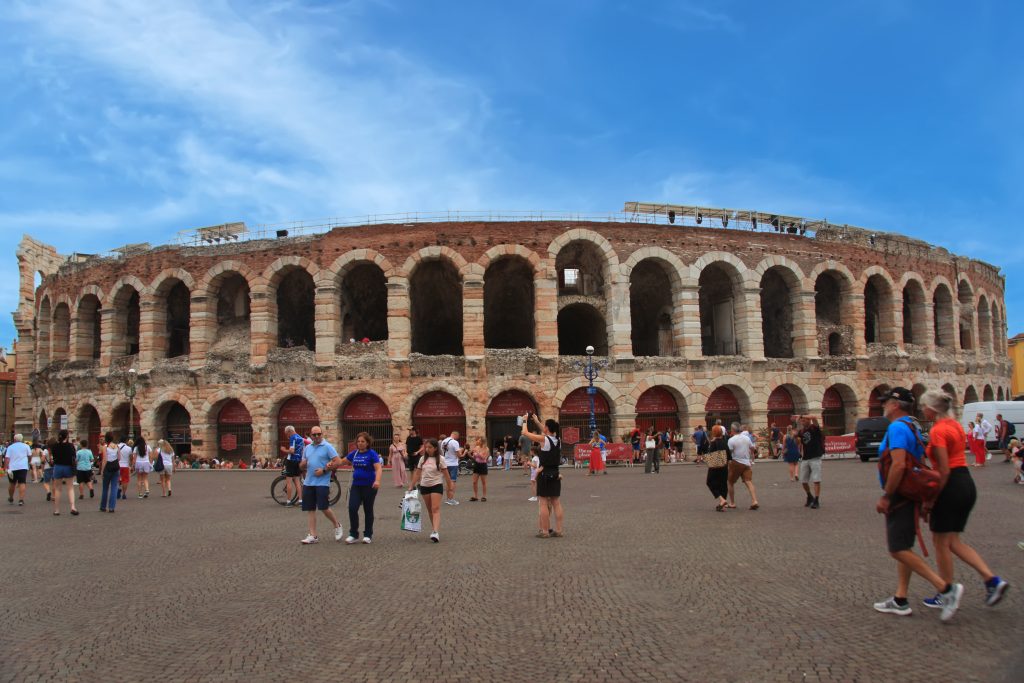
The next oldest site is in Varona, Italy, built in 30 AD. The Varona Arena is also in great condition, and anchors a stunning square, the Piazza Bra, lined by historic buildings now filled with cafes and restaurants, whose patrons spill out on tables that front the ancient structure. The Romans would be proud to see the square teaming with people, probably much like it was in their day. This arena did require renovation after a 12th century earthquake that almost completely destroyed its outer façade. Today, its capacity of 15,000 is about half of the original. In the summer, large-scale elaborate operas are performed. It has also been designated the closing ceremony venue for the 2026 Winter Olympics and the opening ceremony site for the Winter Paralympics.
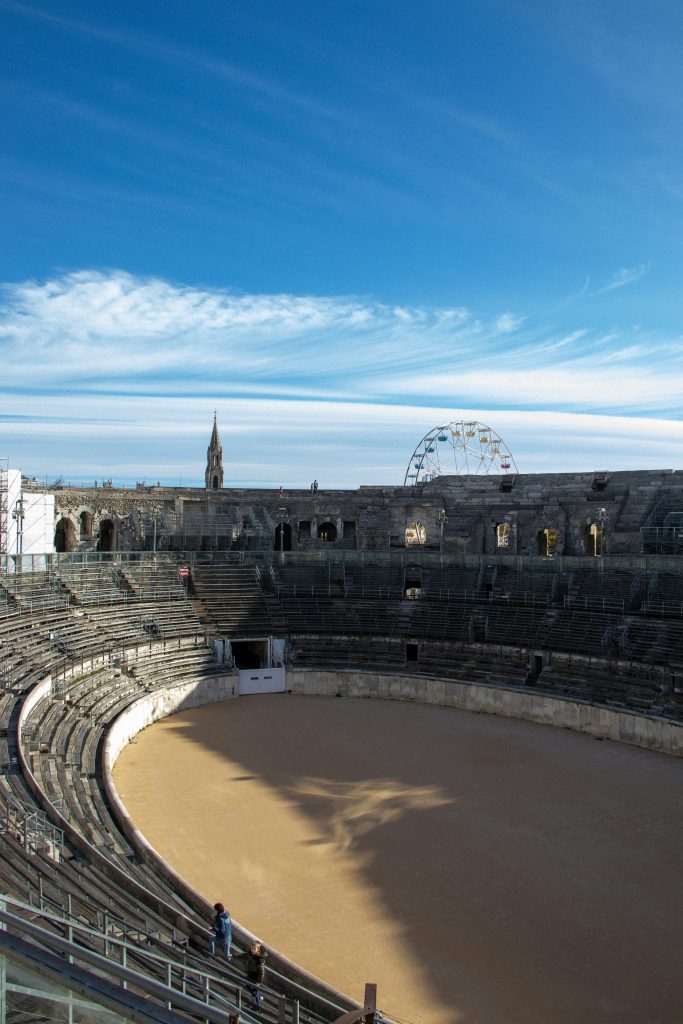
The Arena of Nimes in Nimes, France, came onboard in 70 AD, with a 24,000-seating capacity. It sits in the midst of a city that has one of the largest preponderance of existing well-preserved Roman structures, some of which are on the UNESCO heritage lists. Nimes is considered a mini-Rome and, in fact, this arena was built soon after the Colosseum. The Arena of Nimes was primarily employed as a venue for gladiator battles, animal hunts and other spectacles that pleased the local nobles and the brutality-hungry populace. Today, it’s the scene of French bullfights, concerts and fabulous historic re-enactments of the Great Roman Games.
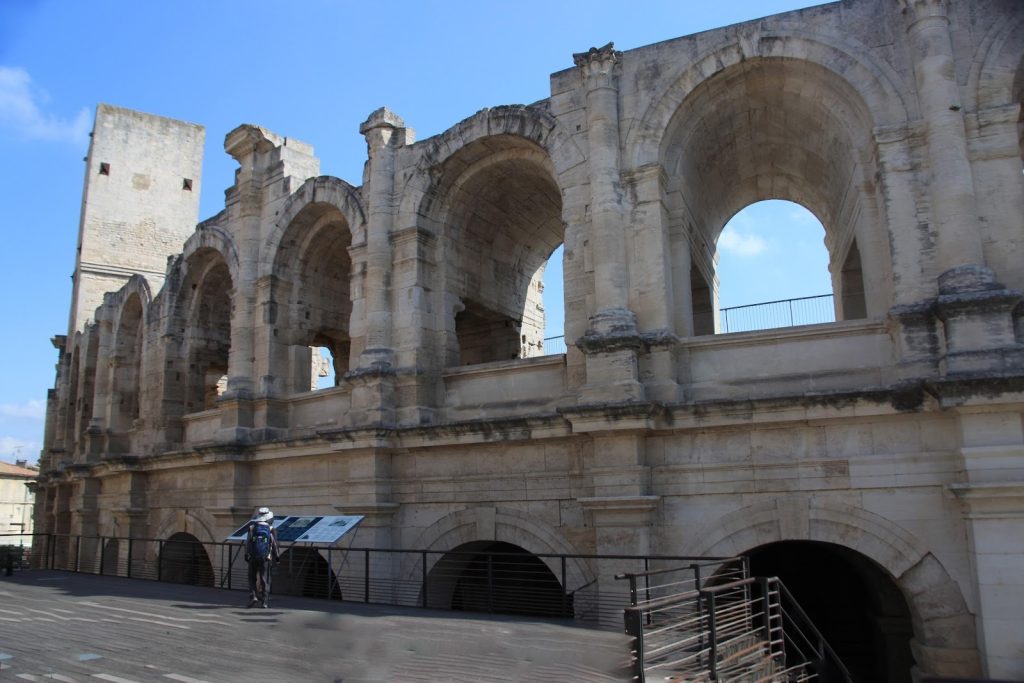
The fourth great remaining specimen is Arles Arena in Arles, France. (Yes, this is where Van Gogh cut off his ear, so bloody mutilations did continue!) This venue, seating 20,000, was constructed in 90 AD, and was the scene of chariot races, gladiator fights and other “entertainments.” It has undergone several alterations over the years, the most visible being the medieval towers springing from the top. After Rome fell, Arles Arena was transformed into a fortress with four towers, a town of 200 houses arising within its walls. Today, it is home to bullfighting, plays and concerts. A very well-preserved Amphitheatre is immediately adjacent to the Arena and is also in use.
Where to Stay in Nimes, France
Nimes rewards visitors who stay within the old town center, where the Roman arenas and amphitheater sit within walking distance of cafes and narrow streets. Hotels like the Imperator and smaller properties in the Ecusson district put you steps from the Maison Carree and Arena, meaning you can explore on foot before crowds arrive in the morning. This neighborhood has the most character and the best access to what you came to see.
If budget is your priority, consider the residential area south of Boulevard Victor Hugo, where guesthouses and modest two-star hotels offer better rates without sacrificing proximity to the center. A fifteen-minute walk gets you to the arena, and you’ll share space with locals rather than tour groups. The trade-off is fewer restaurants at your doorstep, though bakeries and neighborhood cafes serve the same purpose.
For those wanting more amenities, the streets around the train station and Place de la Comedie have three-star hotels with parking, air conditioning, and dining options that matter if you’re staying several nights. These areas are slightly farther from the arena but still walkable, and they connect easily to the tram system if you want to explore beyond the old town without relying on your feet.
Book early if you’re traveling June through September, when school holidays and the summer festival season fill rooms. Even so, Nimes remains more affordable and less crowded than Arles or Avignon, so a flexible attitude toward your hotel choice pays off. Pick something with an early breakfast if possible, so you can reach the arena when the light is best and the streets are quietest.
Recommended Reading:
The Colosseum by historians Keith Hopkins and Mary Beard. There is no evidence that any gladiator ever said “Hail Caesar, those about to die…” and there is no proof any single Christian martyr met his finish there either. But, according to the authors, the reality is much stranger than the legend of the famed arena, as the two prominent classical historians, explain in this absorbing account. You will learn the details of how the arena was built and at what cost; you’ll be introduced to the emperors who sometimes fought in gladiatorial games staged at the Colosseum; and you’ll get a true measure of the audience who reveled in, or opposed, these games. The authors also trace the strange afterlife of the monument―as fortress, shrine of martyrs, church, and–believe it or not–a glue factory!
This Article was featured in the Spring 2026 issue of The Historic Traveler Magazine.
