
Once built for drills and discipline, now echoing with music, laughter, and the clink of wine glasses—across the globe, historic military sites are being stunningly reimagined. In place of marching boots, there are dancers’ pirouettes. Barracks are now boutique hotels. Powder magazines have become pastry kitchens. These transformations are not just architectural triumphs — they’re emotional ones, reframing the legacies of defense and power into places of joy, rest, creativity, and connection.
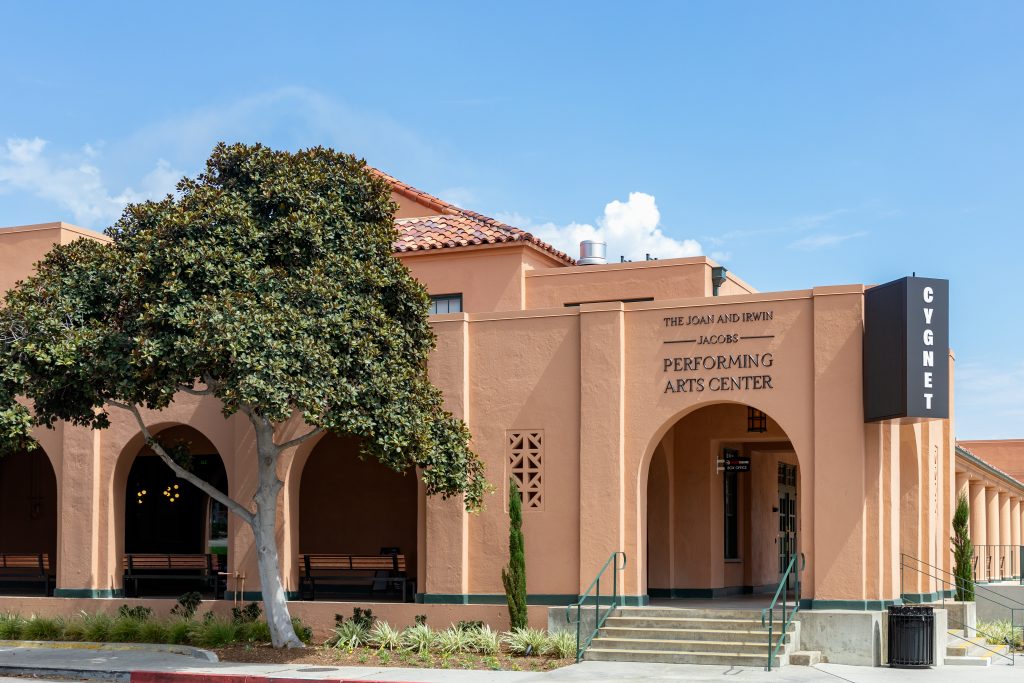
And perhaps nowhere is this more breathtakingly realized than at The Joan and Irwin Jacobs Performing Arts Center in San Diego, affectionately known as The Joan.
Historical Context
Military installations, by nature, are built to endure—to stand solid through siege, wind, war, and time. Their austere grandeur, sturdy materials, and symbolic architecture are reminders of conflict and command. Yet in the postwar years, as military priorities shifted and urban footprints evolved, these sites often sat dormant. In some cities, they crumbled; in others, they quietly waited for a new calling.
The adaptive reuse of these sites speaks to a broader narrative: one of reconciliation, creativity, and community. It invites us to consider how the past might be not just preserved, but transformed—not by erasing its memory, but by weaving that memory into new purposes. By pulling down their military walls and stitching these repurposed buildings in the fabric of their surrounding cities.
The Joan: A Case Study in Theatrical Transformation
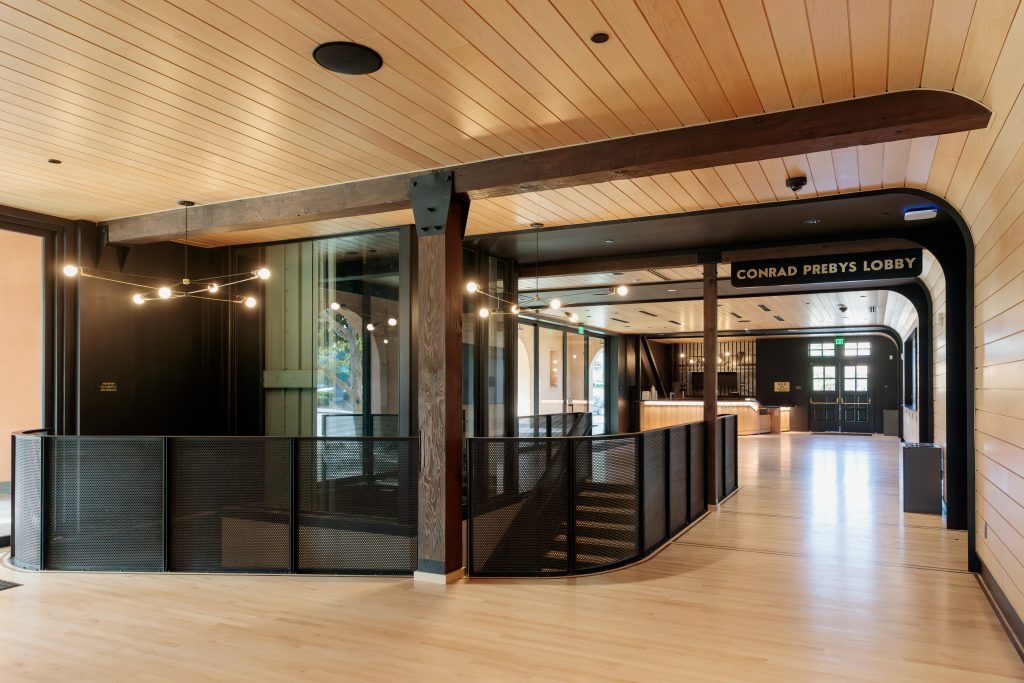
The newest jewel in this crown of reinvention is The Joan, which opened its doors in September 2025. Rising from the bones of a historic U.S. Navy building in San Diego’s Liberty Station, The Joan represents a $43.5 million metamorphosis of martial order into cultural exuberance.
Located in Point Loma’s vibrant Arts District Liberty Station—once the Naval Training Center San Diego—The Joan is the result of a dynamic partnership between two cultural powerhouses: Cygnet Theatre and Arts District Liberty Station. This collaborative vision has produced Southern California’s newest world-class performance venue, offering residents and travelers a rich calendar of theater, dance, music, and immersive experiences.
The building now features:
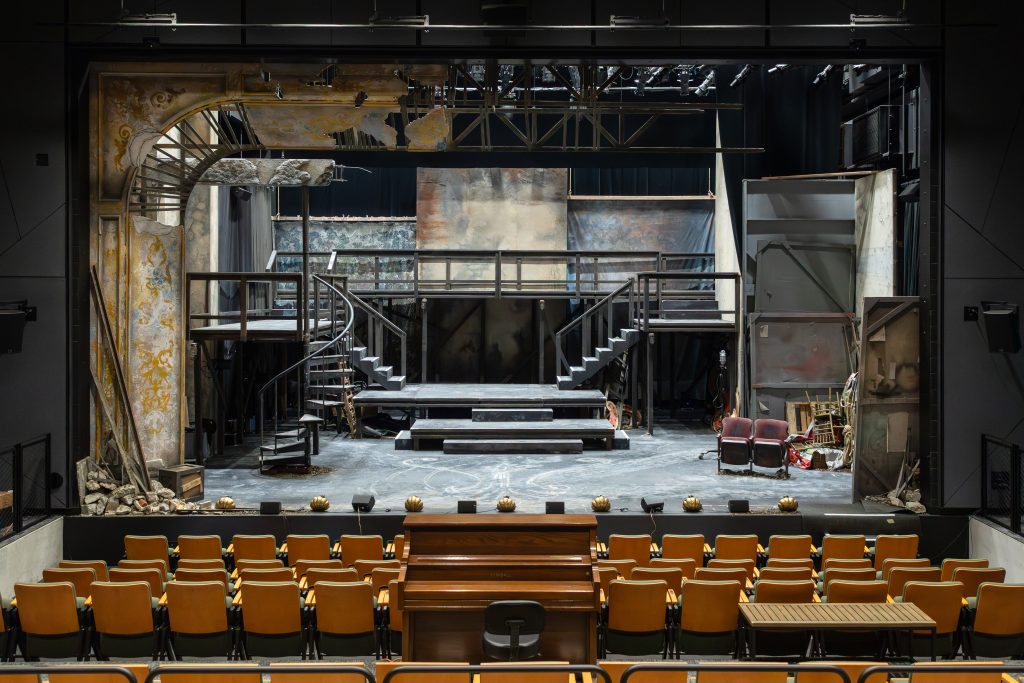
- The Joseph Clayes III Theater, a 280+ seat proscenium-style venue
- The Dorothea Laub Studio Theater (“The Dottie”), a 150-seat flexible space
- State-of-the-art acoustic design, top-tier ADA accommodations, and artist-centric features including green rooms, a costume shop, rehearsal spaces, and sophisticated modern lobbies
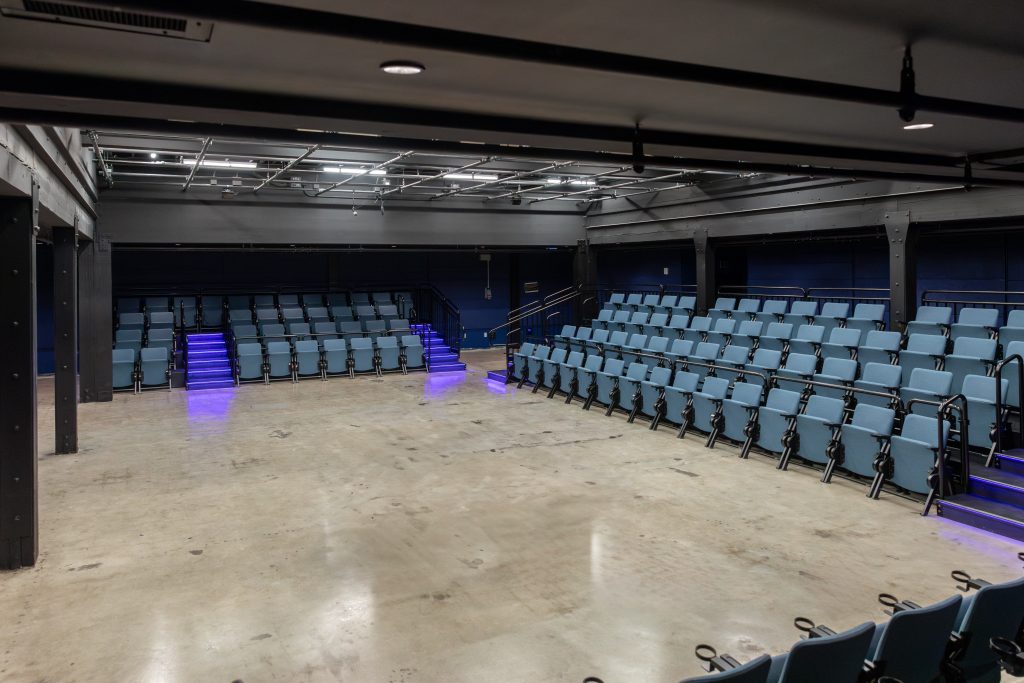
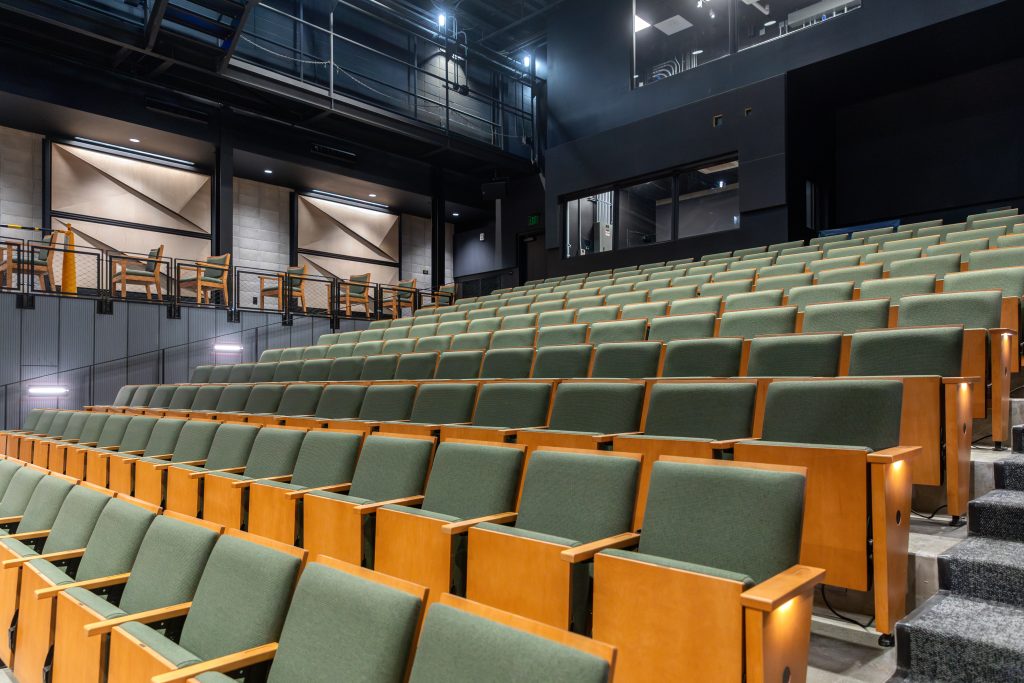
From Navy command to curtain call, the building’s identity now echoes with standing ovations. The military history isn’t erased—it’s layered under the stage lights, lending a kind of gravitas to each new performance.
But don’t miss the full expression of this repurposing in the entire Liberty Station complex. A large food hall joins nearly a dozen different restaurants and eateries, plus retail stores, boutiques, artisan shops, grocery stores, health and wellness studios, service providers, galleries, artists studios and shared office space.
Other Notable Transformations
Liberty Station and The Joan are part of a rising global trend that merges historical preservation with modern utility. These transformations go far beyond static museums or placid parks—they are living, breathing, useful spaces that honor the past while serving the present.
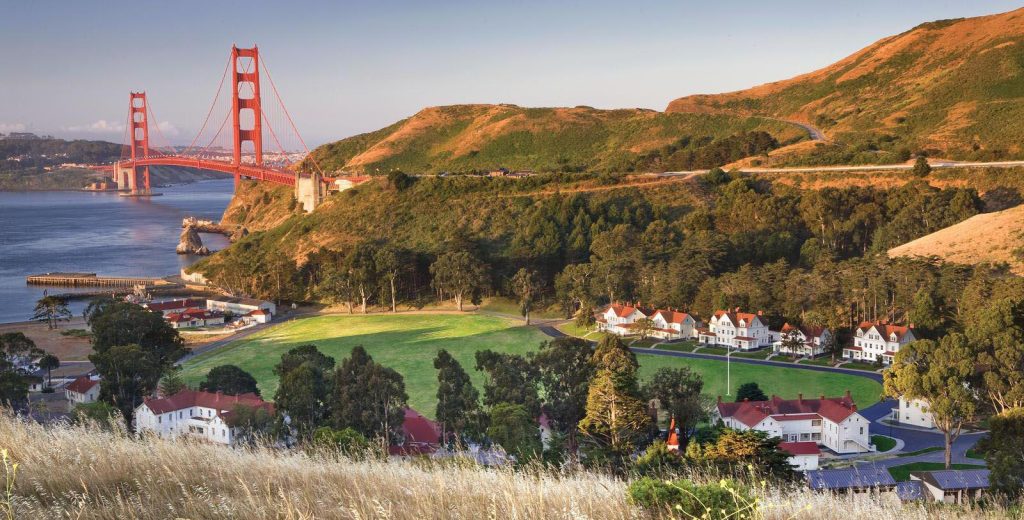
1. Cavallo Point – The Lodge at the Golden Gate (Fort Baker, California)
Once a U.S. Army post nestled beneath the Marin Headlands, Fort Baker’s historic military barracks have been exquisitely converted into a luxury eco-resort. The site retains its Colonial Revival-style architecture, but now offers fire pits, fine dining, a world-class spa, and one of the best views of the Golden Gate Bridge in existence.
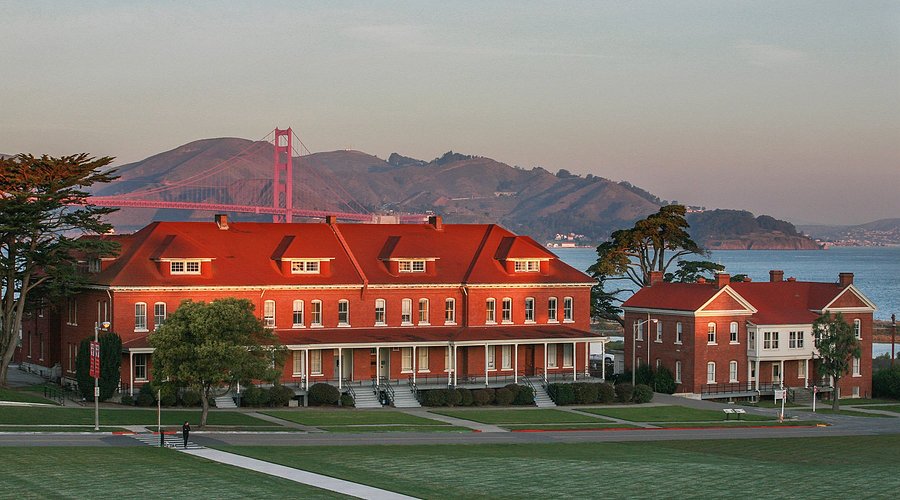
2. The Lodge & Inn at the Presidio (San Francisco, California)
Inside San Francisco’s former military base-turned-national park, these repurposed 19th-century barracks now host travelers instead of soldiers. Meticulously restored to highlight original hardwoods and period details, both properties offer quietude, history, and stunning access to trails and museums.
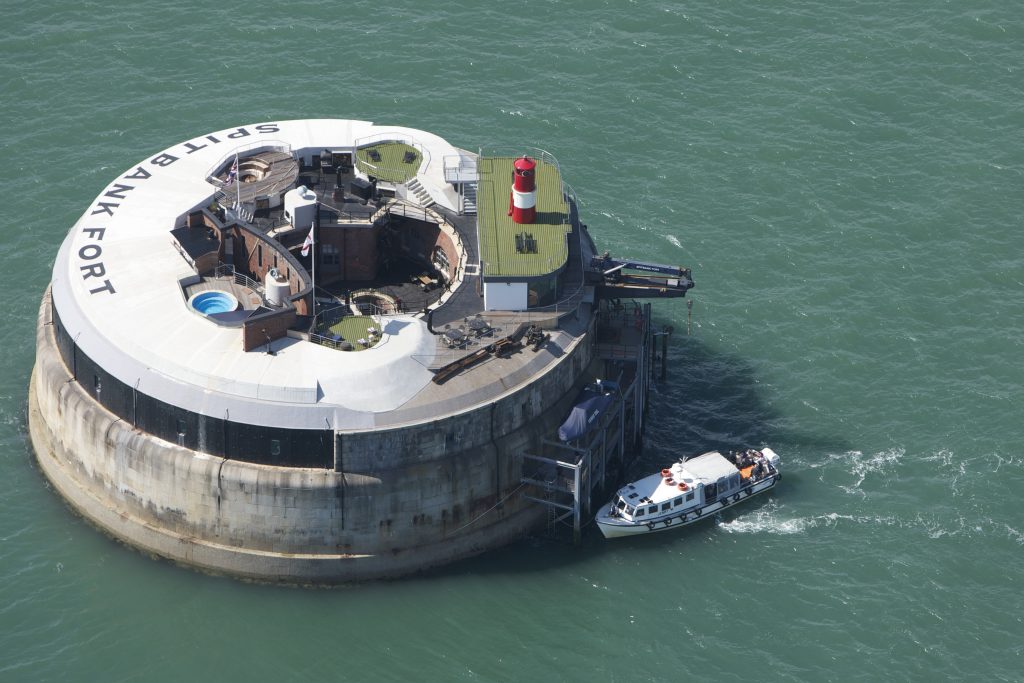
3. Spitbank Fort (Portsmouth, UK)
Once built to guard Britain from a Napoleonic invasion, this isolated sea fort in the Solent has been reborn as a luxury hotel. Accessible only by boat, guests can now soak in rooftop hot tubs and sip champagne inside iron-plated chambers once used to store artillery.
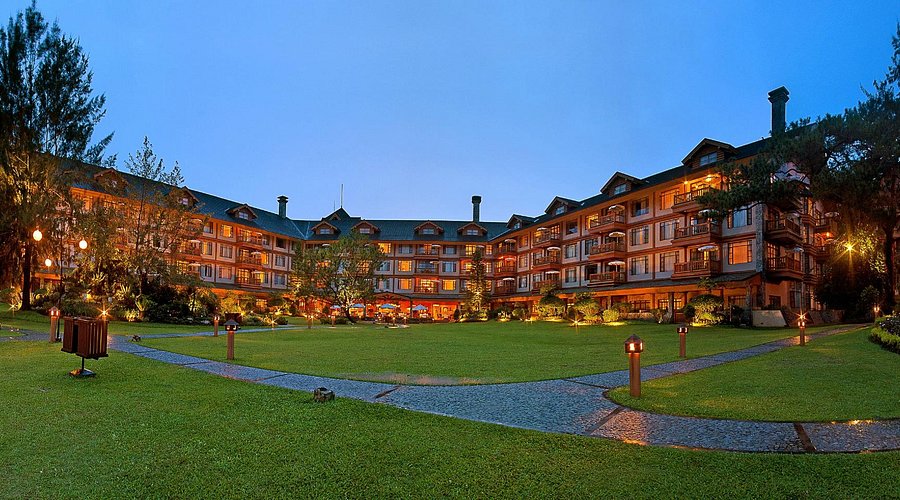
4. Camp John Hay (Baguio, Philippines)
Established as a rest and recreation facility for U.S. military personnel, this picturesque site in the Philippine highlands is now a serene mountain resort. Visitors stay in chalets and lodges once used by American officers, surrounded by pine forests, golf courses, and gardens.
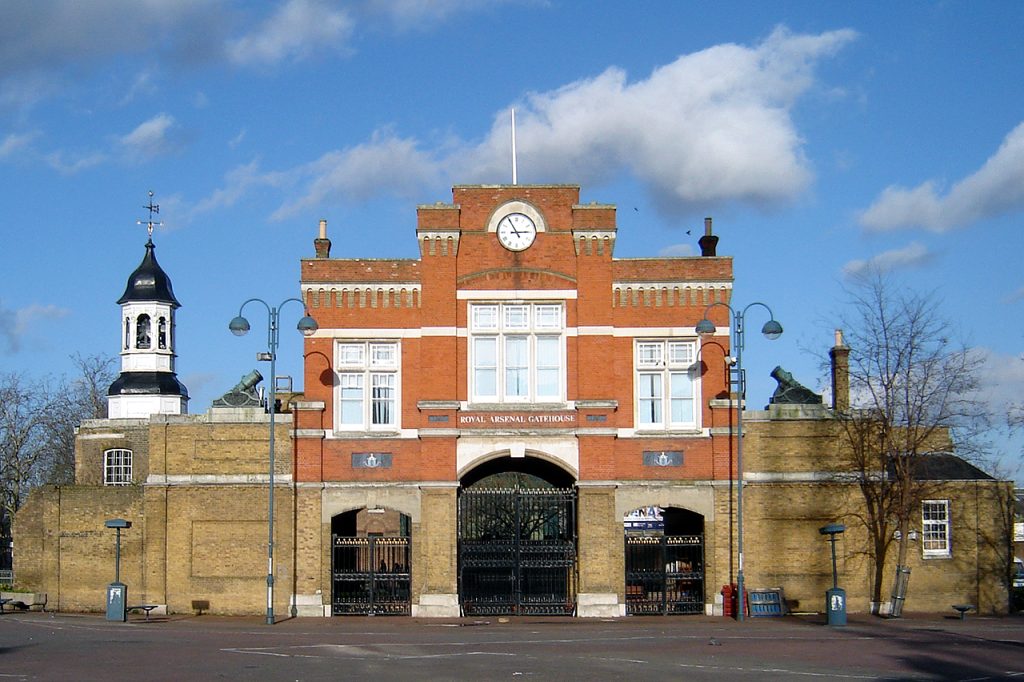
5. The Royal Arsenal (Woolwich, London)
A former munitions factory and military warehouse complex has transformed into a thriving riverfront community, with red-brick facades intact. Today it houses modern apartments, cafés, art spaces, and a Crossrail station—a model of urban regeneration.
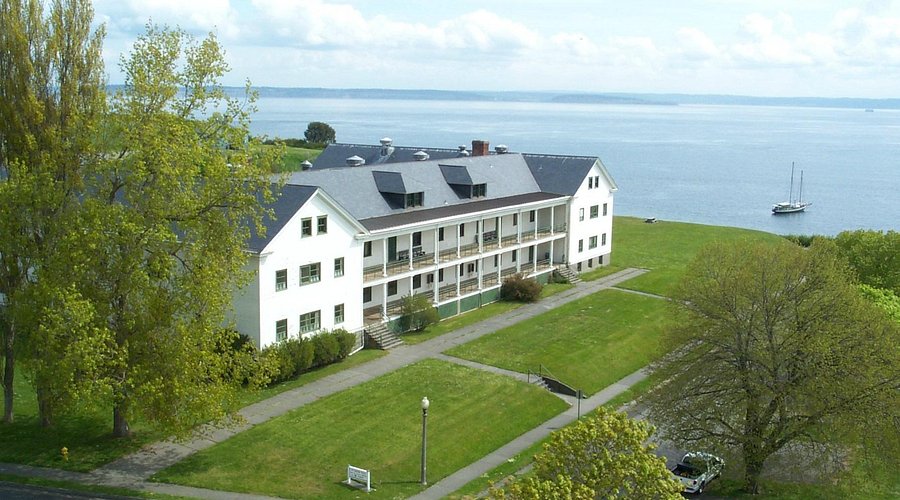
6. Fort Worden (Port Townsend, Washington)
Once part of the coastal defense system known as the “Triangle of Fire,” Fort Worden now offers lodging in former officers’ homes, creative workshops in ex-military halls, and a robust artist-in-residence program. You can still sense the martial past in its watchtowers and barracks—but you’re just as likely to find a writing retreat or a music festival underway.
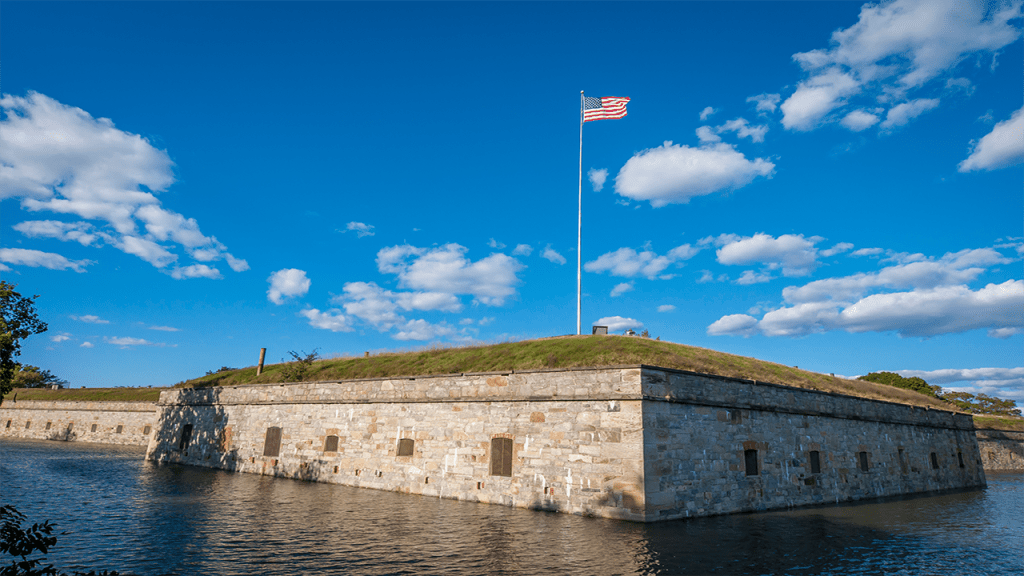
7. Fort Monroe (Hampton, Virginia)
This enormous coastal fort, once known as “Freedom’s Fortress” for sheltering escaped enslaved people during the Civil War, now serves as a mixed-use development. Apartments, restaurants, a brewery, and event spaces coexist within the still-standing ramparts. It offers one of the most complete integrations of historic military architecture into everyday civic life.
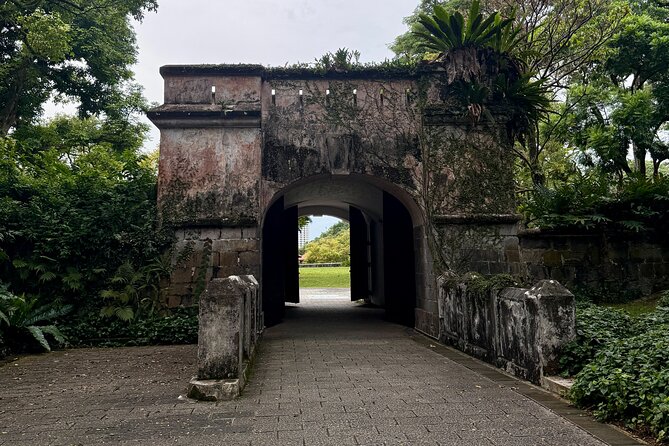
8. Fort Canning (Singapore)
Built atop one of the most strategic hills in Singapore, Fort Canning served as a British military command post and wartime bunker. Today, it is a lush hilltop park dotted with museums, but also a vibrant venue for weddings, concerts, food festivals, and even Shakespearean theater under the stars.
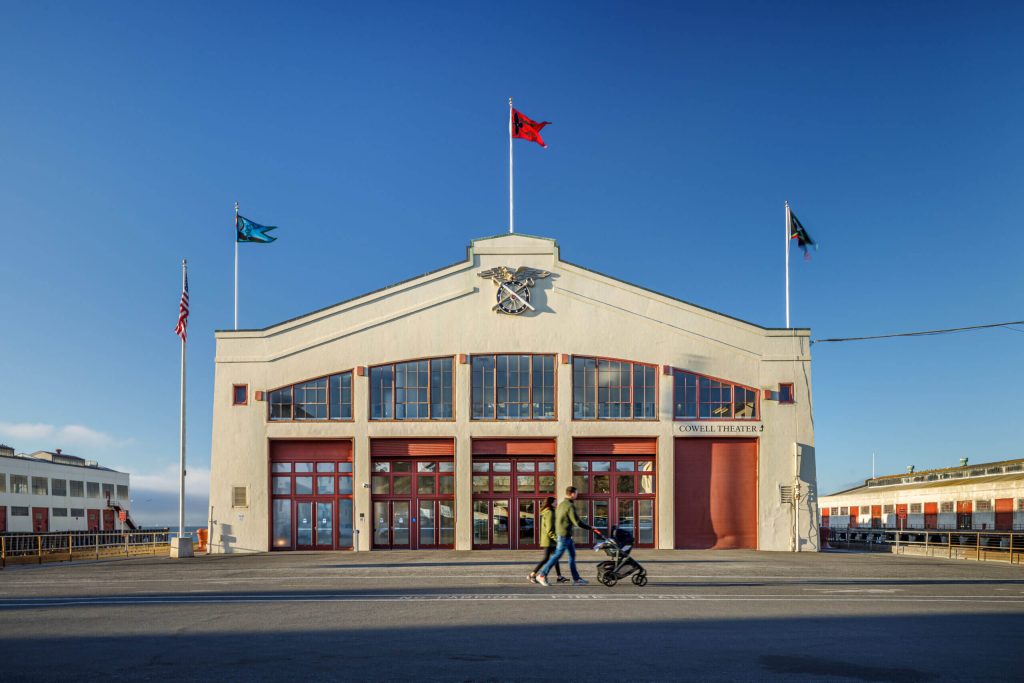
9. Fort Mason Center (San Francisco, California)
A historic military port that supplied U.S. troops across the Pacific during multiple wars, Fort Mason is now a center for arts and culture. The site includes galleries, restaurants, event venues, and creative workspaces, while retaining its wharves and warehouses overlooking the Bay.
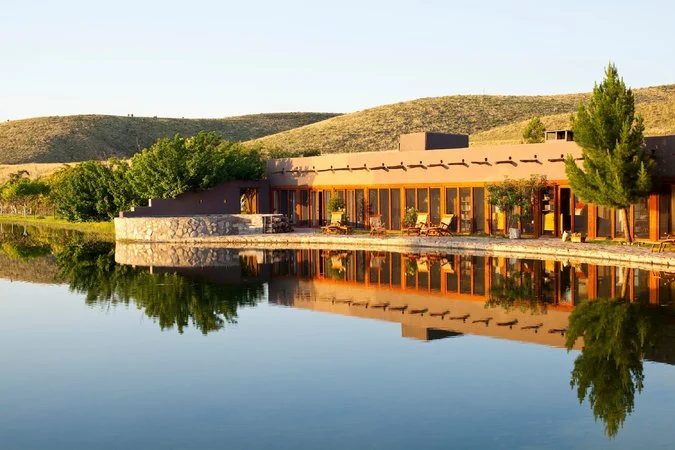
10. Cibolo Creek Ranch (Presidio County, Texas)
Built in the 1850s as a fortified adobe stronghold, this historic ranch includes original fort structures that have been transformed into a high-end retreat. With stone walls, antique furnishings, and sweeping desert views, it blends frontier history with modern luxury.
From Cannon Balls to Comfort and Culture
The adaptive reuse of military architecture offers a unique sensory juxtaposition. Imagine drifting off to sleep in a four-poster bed beneath an original exposed-beam ceiling that once housed a drill sergeant’s quarters. Or walking through echoing brick corridors still etched with naval insignias, only now lit by the soft glow of gallery sconces. You might sip espresso in a lounge that used to hold munitions, or watch an opera in a space that once trained radio operators. These contrasts are not jarring—they’re poetic.
Recommended Reading
- The Past and Future City by Stephanie Meeks – A compelling look at how historic preservation builds community and drives urban revitalization.
- Adaptive Reuse: Extending the Lives of Buildings by Liliane Wong – A deeper dive into the design processes and philosophies behind reuse.
- Presidio: Portraits of a Changing Place by Richard Barnes – A visual feast of one of America’s most iconic military sites turned cultural destination.
- The Architecture of Happiness by Alain de Botton – A thoughtful meditation on how the spaces we inhabit shape our emotional lives.
