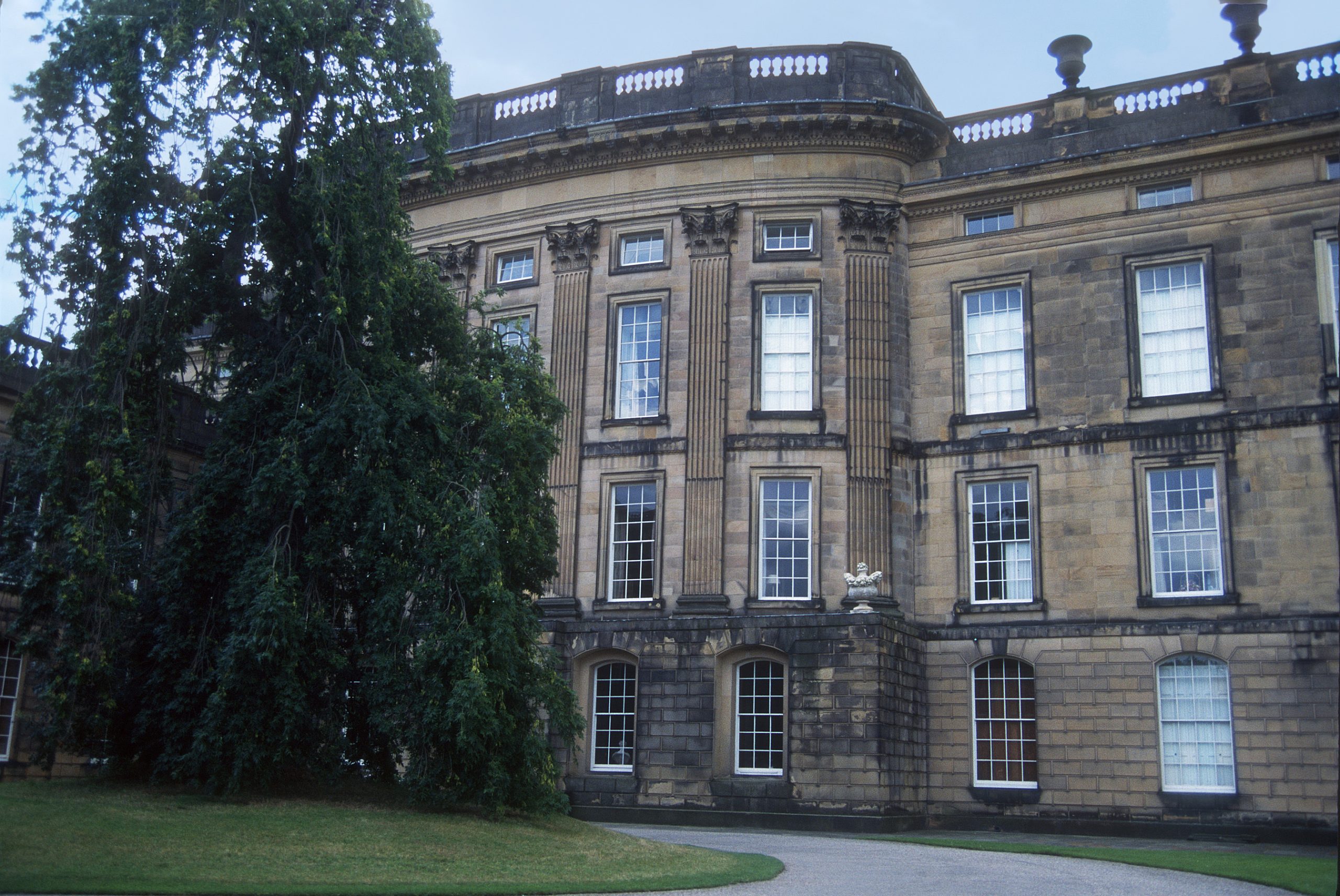
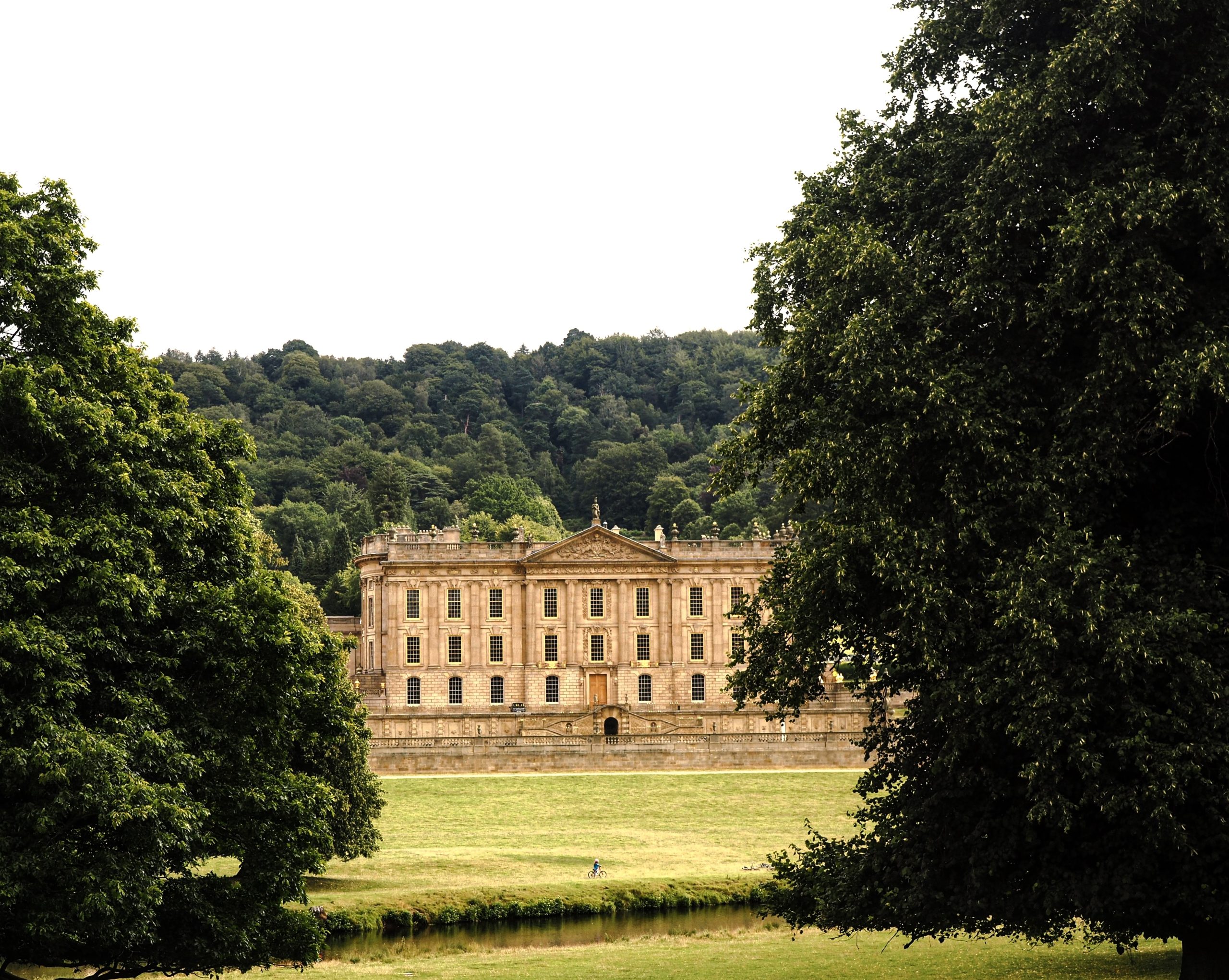
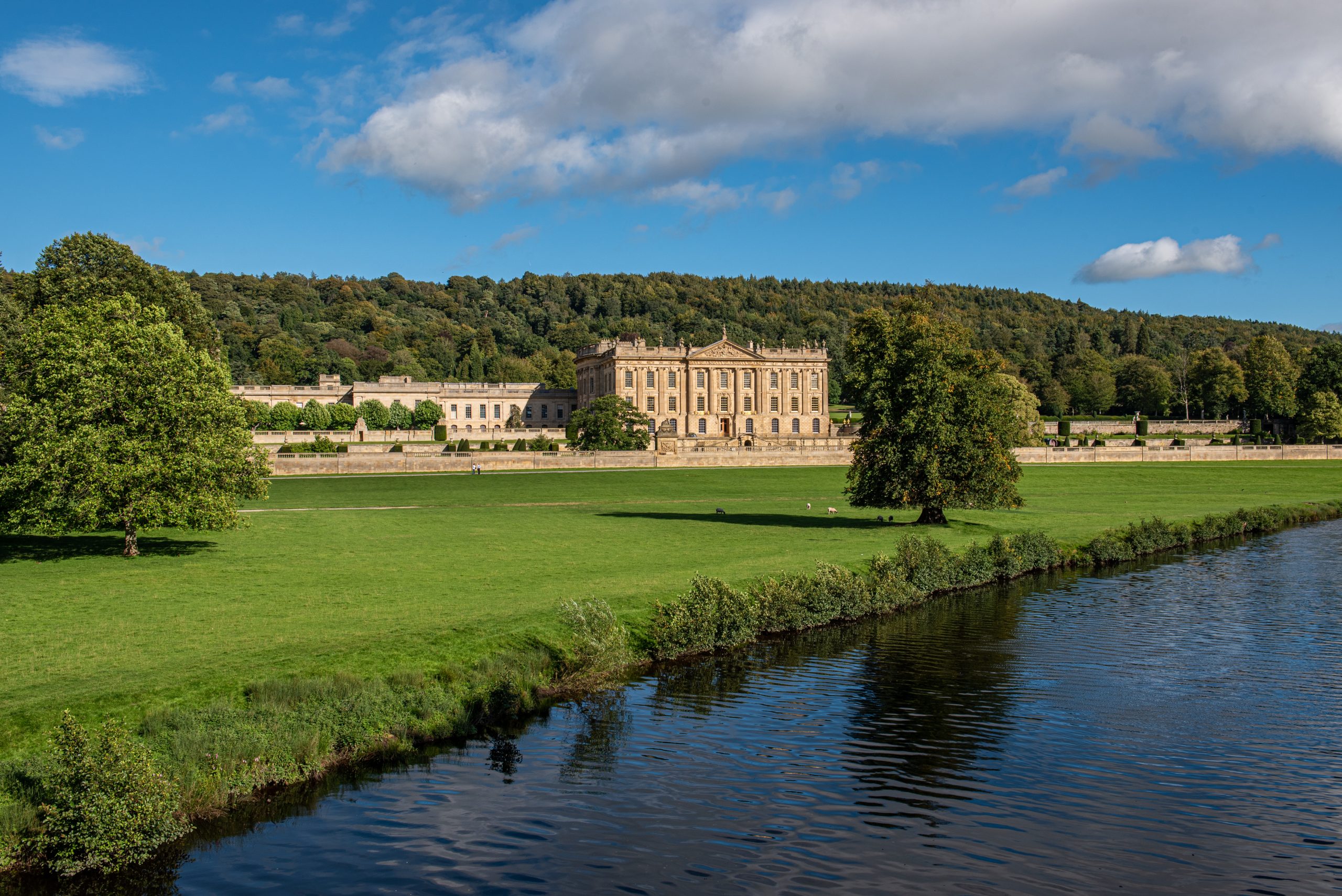
High in the Derbyshire Dales, where the River Derwent glides through the patchwork green of the Peak District, stands one of England’s most resplendent estates: Chatsworth House. Seat of the Dukes of Devonshire and home to the Cavendish family since the 16th century, this great house is far more than a stately residence. It is a living chronicle of aristocratic ambition, artistic patronage, royal connection, and reinvention. Spanning more than 500 years of continual habitation, design, innovation, and public engagement, Chatsworth is not just a backdrop to English history, it is a principal actor.
A House Built on Ambition
Chatsworth began modestly by noble standards. In 1552, Bess of Hardwick, then one of the most formidable women in England, commissioned the original house with her second husband, Sir William Cavendish. Bess, who would marry four times and become the richest woman in England after Queen Elizabeth I, had her eye not only on comfort but legacy. That ambition would lay the groundwork for centuries of architectural transformation. Her descendants, through the Cavendish line, would rise to ducal status and create an estate that would rival anything in Europe.
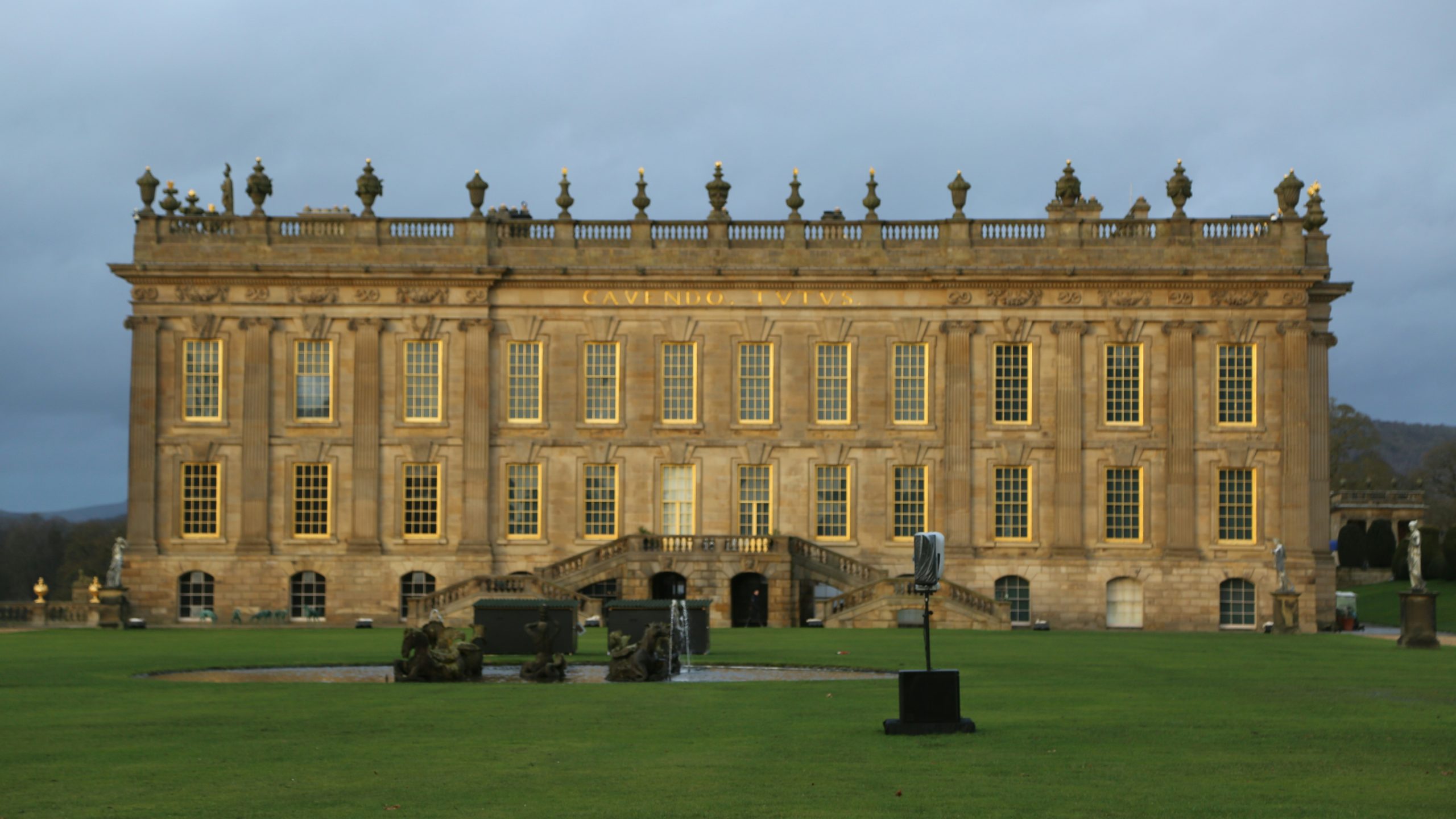
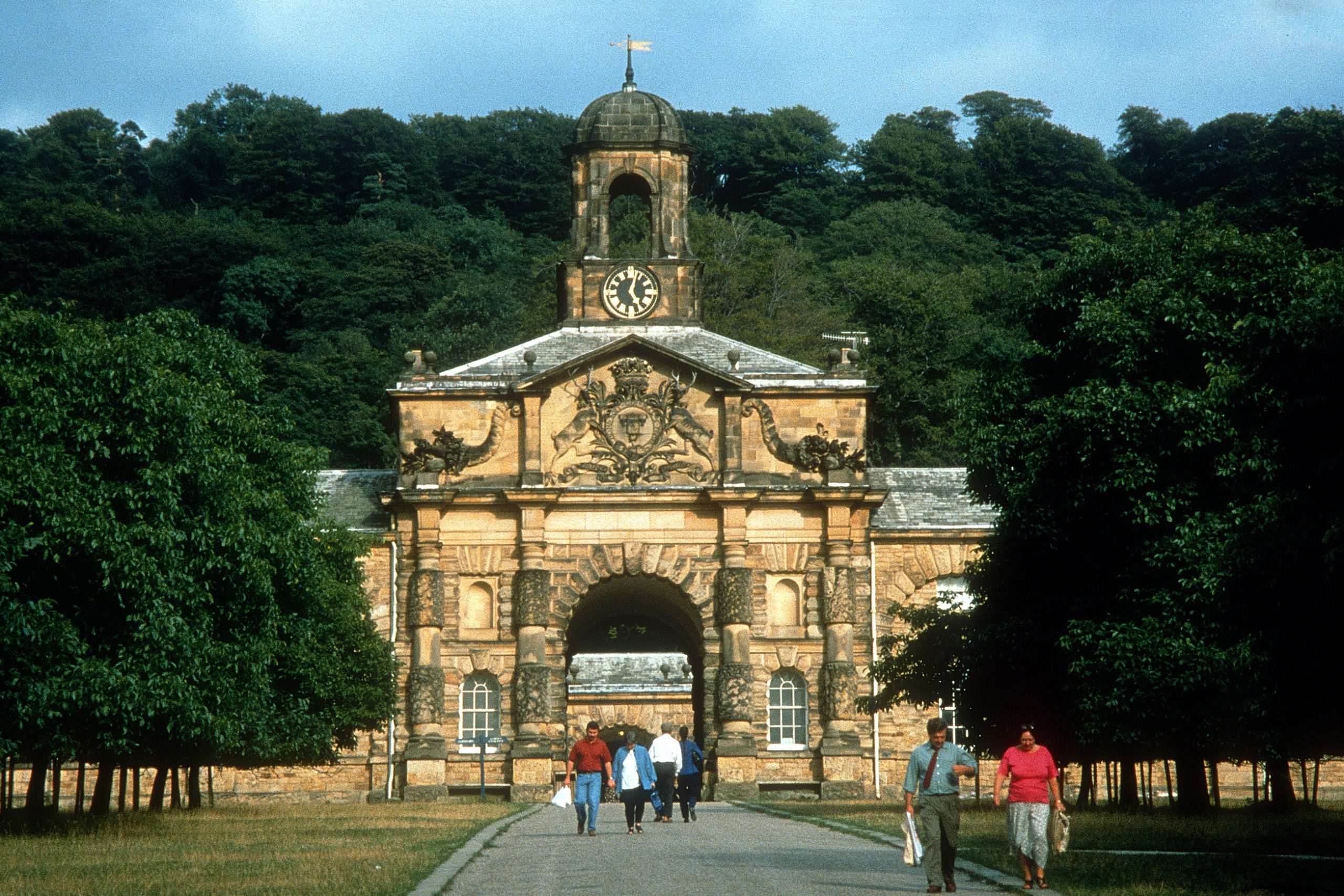
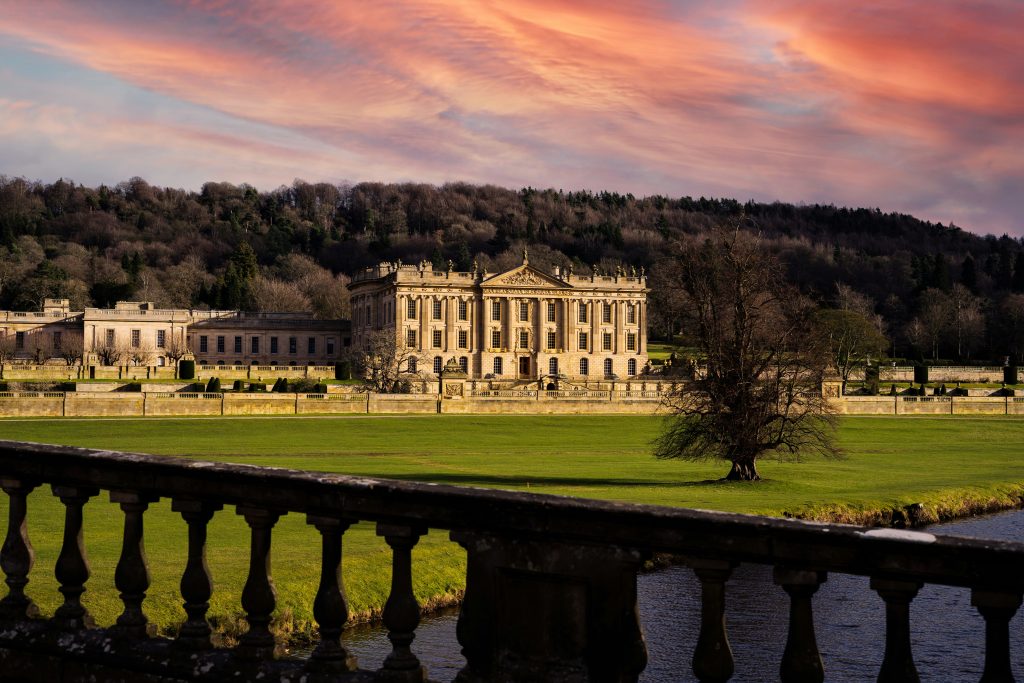
In the late 17th century, William Cavendish, the 1st Duke of Devonshire, embarked on a dramatic rebuilding of the house in the baroque style, replacing the older Tudor structure with a golden stone palace meant to impress both socially and politically. The famed south front, with its symmetrical facade and grand windows, rose like a theatrical set above the river. The interiors mirrored the grandeur, with painted ceilings, gilded plasterwork, and expansive galleries that proclaimed the family’s wealth and cultural standing.
No story of Chatsworth’s history would be complete without a whispered word about Georgiana Cavendish, Duchess of Devonshire, perhaps the most dazzling and controversial occupant of the house. Born Georgiana Spencer (an ancestor of Diana, Princess of Wales), she married the 5th Duke in 1774 at the age of seventeen and quickly became the It-girl of Georgian society. A fashion icon, political campaigner, and socialite, Georgiana was also a woman of complex contradictions. Her marriage was famously unhappy; the Duke was cold and inattentive, while she took lovers, including the future Prime Minister Charles Grey, with whom she had a child out of wedlock. Her deep involvement in Whig politics, debts from gambling, and scandalous ménage à trois with Lady Elizabeth Foster (who later became the Duke’s second wife) made her a fixture of gossip columns and satirical cartoons.
Yet Georgiana was beloved by the public, admired for her wit, charm, and courage. Despite personal trials, she transformed Chatsworth into a salon of art, ideas, and political discourse. Her influence continues to echo through the house, her portrait by Gainsborough still hangs in the collection, a haunting and beautiful reminder of a woman who lived vividly, defiantly, and with enduring elegance.
The house continued to evolve through the 18th and 19th centuries. The 4th Duke, who married Lady Charlotte Boyle, brought immense wealth and taste to the estate and invited the famed landscape designer Lancelot “Capability” Brown to reimagine the grounds. He also rebuilt the north wing and expanded the art collections. Later, the 6th Duke, known as the “Bachelor Duke”, ushered in the Romantic era at Chatsworth. He hired Joseph Paxton, then a young gardener, to design the Great Conservatory, a revolutionary glasshouse that would pave the way for the Crystal Palace in London. The 6th Duke also oversaw lavish entertainments and was instrumental in forming the modern-day art collections.
Through turbulent centuries, civil wars, world wars, and economic downturns, Chatsworth remained in family hands, though not without sacrifice. The 20th century brought profound challenges. The estate was requisitioned during WWII, housing an evacuated girls’ school, and afterwards burdened by inheritance taxes so large that the family had to sell Hardwick Hall and hundreds of priceless works of art.
It was Deborah Mitford, later Deborah, Duchess of Devonshire, who with her husband Andrew (the 11th Duke), truly revitalized Chatsworth in the post-war years. With characteristic pragmatism and charm, she oversaw its transformation from private ancestral home to a self-sustaining estate that welcomed the public, without sacrificing dignity or soul. Her tenure left a mark not only in flower gardens and exhibitions, but in the philosophy of what it means to share a legacy.
Today, under the care of the 12th Duke and Duchess, Chatsworth is a flourishing estate of over 35,000 acres. It comprises farms, woodlands, a village, and some of the most visited gardens in the UK. It is as much a cultural institution as a home, blending conservation and commerce with an eye toward the future.
Inside the House: A Theatre of Art and Light
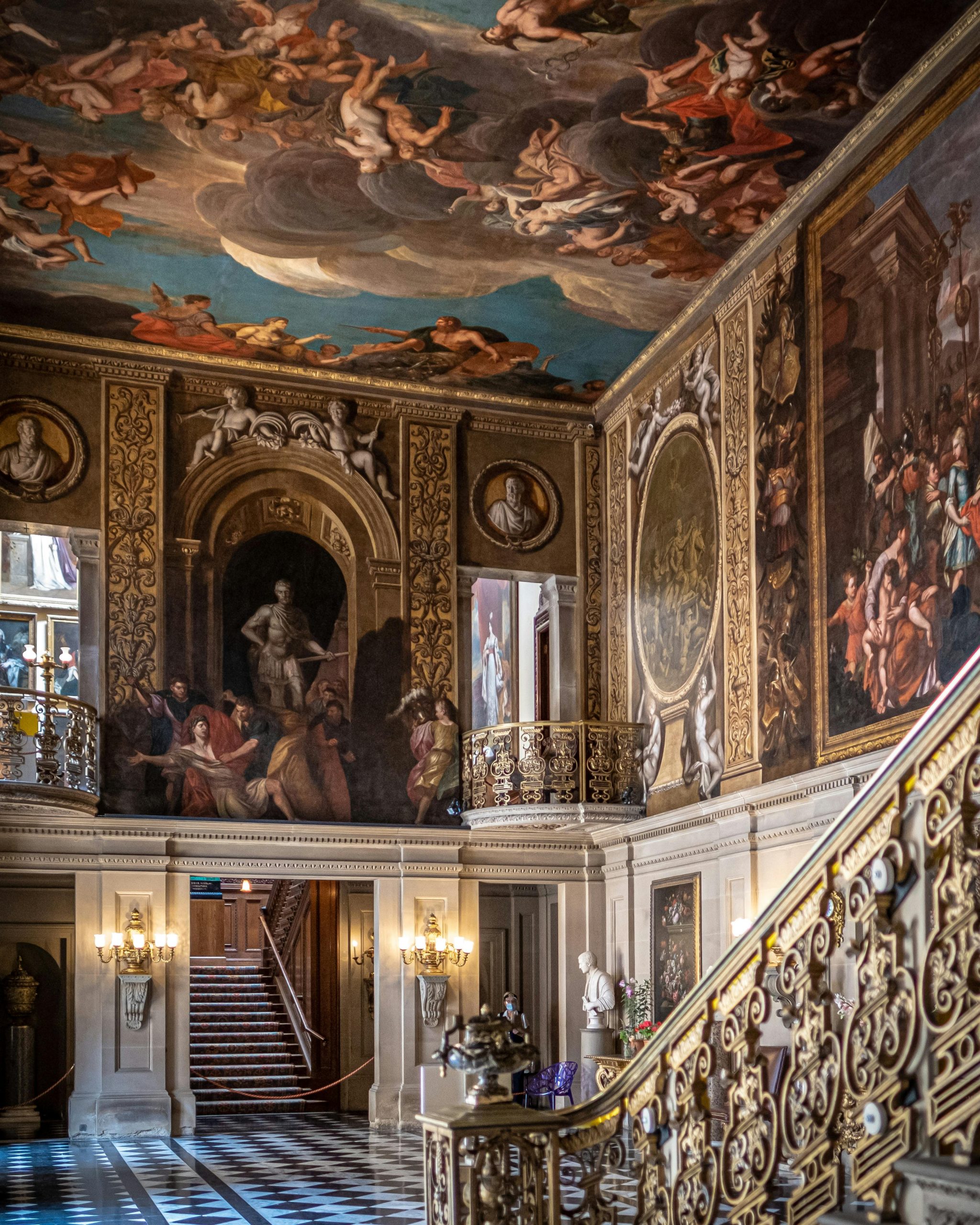
Stepping into Chatsworth is like entering a series of painted pages. The Painted Hall dazzles immediately with its trompe-l’œil ceilings by Louis Laguerre, depicting scenes of classical heroism that climb the walls and seem to defy gravity. This dramatic entrance hall sets the tone for what follows: a sequence of rooms where history and artistry converge.
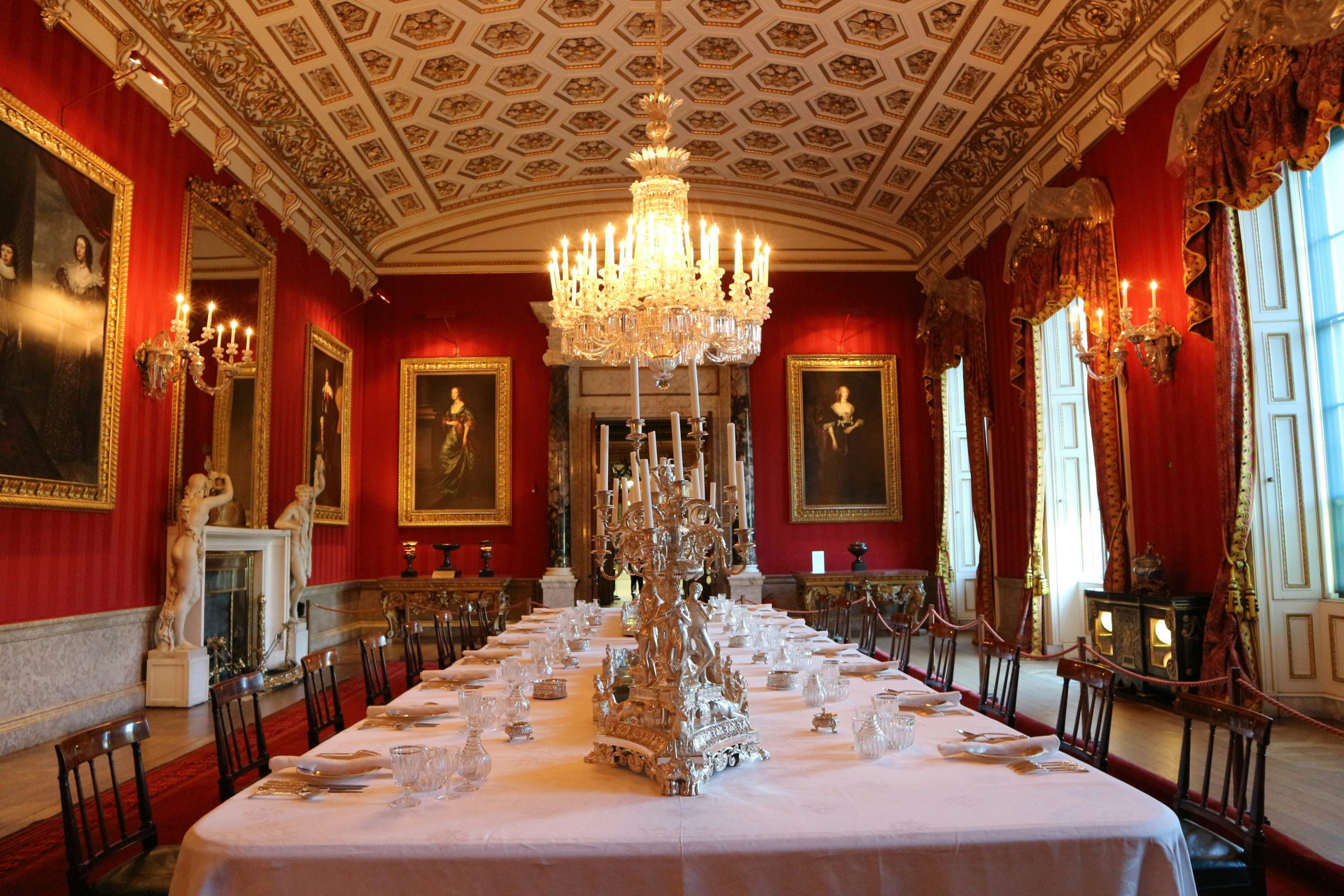
Among the treasures within: works by Rembrandt, Van Dyck, and Gainsborough; Roman and neoclassical sculptures; tapestries woven with myth and majesty; and curiosities from around the world. The State Apartments, created for royal visits, include the State Drawing Room, a study in 18th-century opulence with gilded mirrors, damask-covered walls, and fine furniture by Chippendale and Ince & Mayhew.
The Library, one of the most atmospheric rooms in the house, contains more than 40,000 volumes. Some are rare first editions, others family archives, but all are beautifully bound and arranged in floor-to-ceiling oak cases. Secret doors are hidden among the shelves.
One of the most beloved spaces is the Sculpture Gallery, built by the 6th Duke. Bathed in natural light, it contains over 100 works of classical and neoclassical sculpture, including pieces by Canova, Nollekens, and Thorvaldsen. In recent years, the family has incorporated contemporary works by artists such as Antony Gormley and Elisabeth Frink, creating a compelling visual dialogue between past and present.
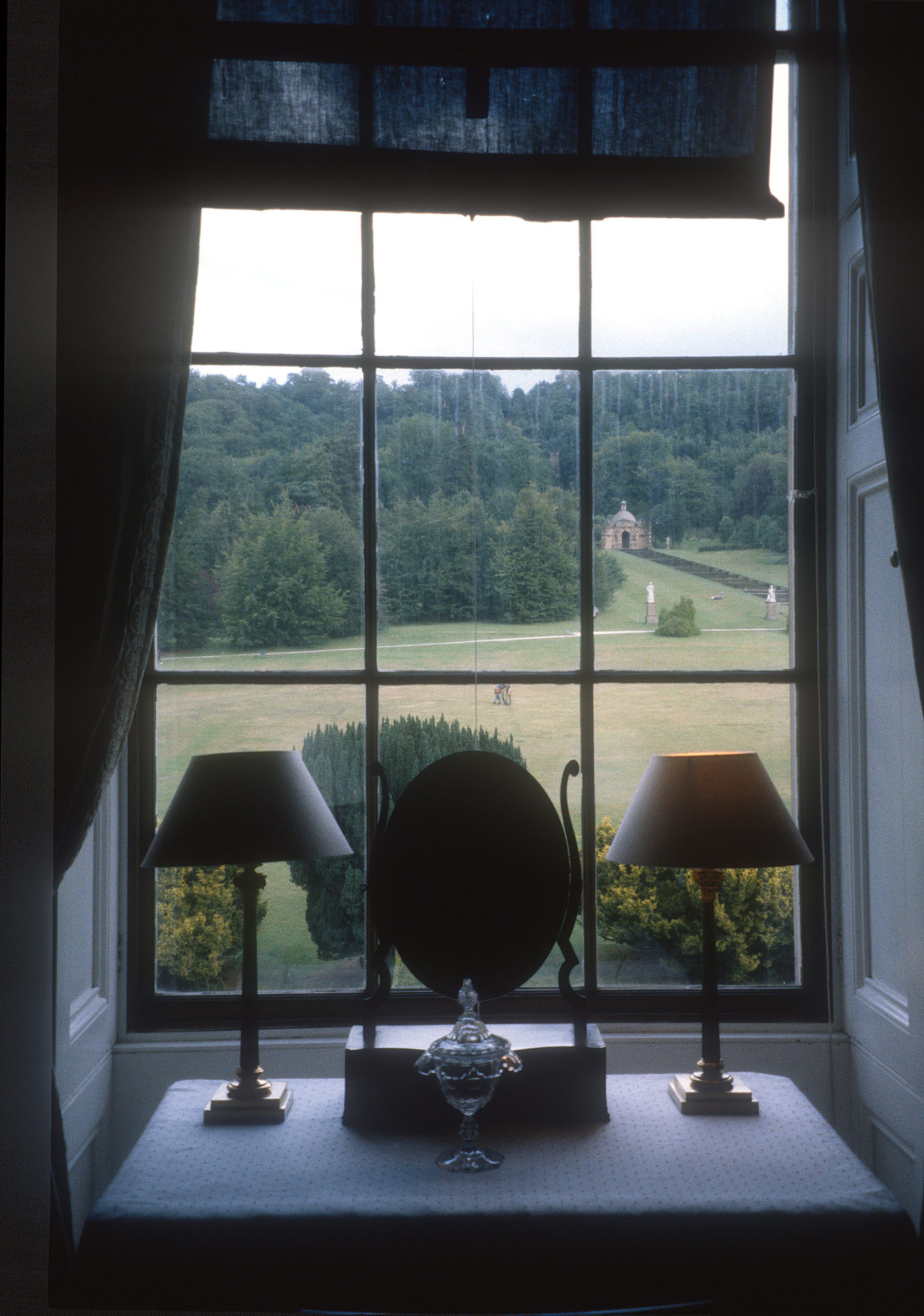
The Guest Bedrooms offer a glimpse into aristocratic hospitality, with embroidered bed hangings, family portraits, and stunning views across the park. In the private chapel, an exquisite altarpiece by William Kent and sumptuous wood paneling remind visitors that Chatsworth was also a spiritual seat.
Special exhibitions rotate through the house annually, often drawing from the Devonshire Archives. Past exhibitions have included everything from Tudor portraiture to fashion collaborations with Gucci and Sotheby’s-curated contemporary shows.
The Grounds: Nature as Canvas
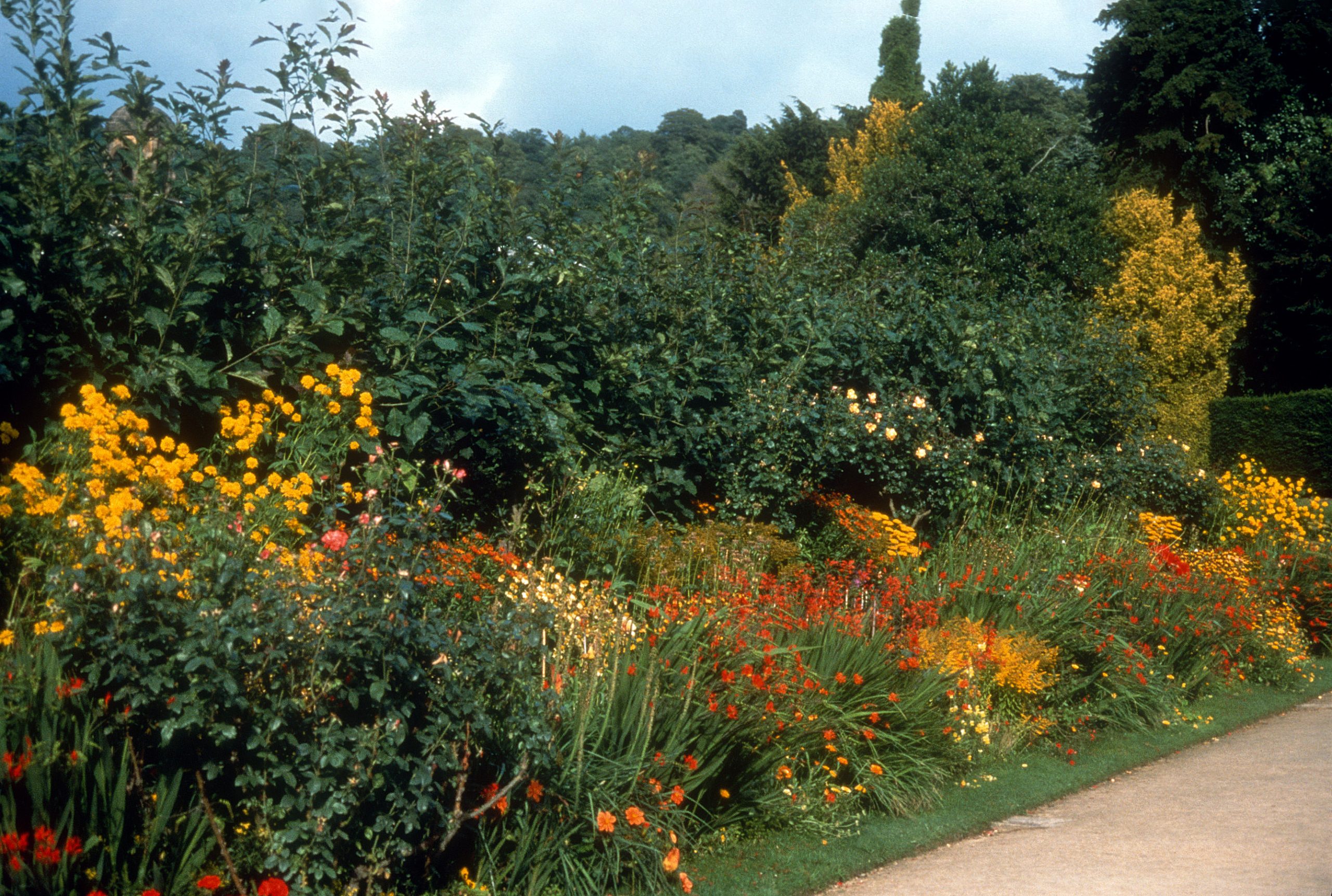
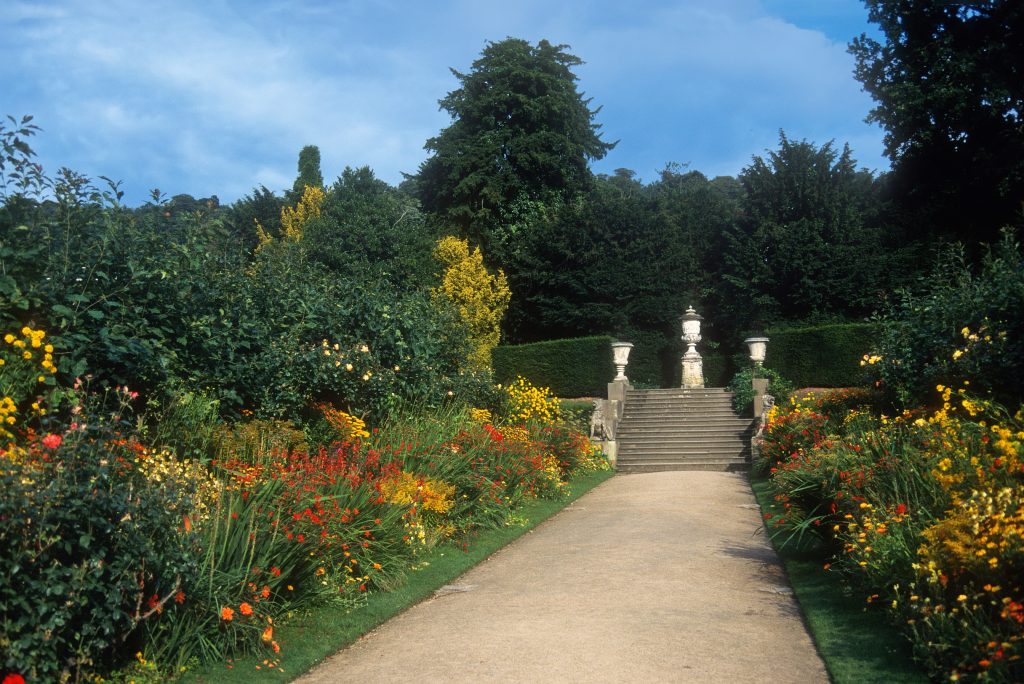
The gardens at Chatsworth are a masterpiece in their own right, spanning over 105 acres and lovingly tended for more than 450 years. Designed first in the formal Elizabethan style, then softened by Capability Brown’s 18th-century vision, and later sculpted by Joseph Paxton’s Victorian ingenuity, the grounds are a fusion of art, engineering, and romantic wilderness.
One of the earliest and most enduring features is the Cascade, a stepped water feature created in 1696. It stretches down the hillside in a controlled fall that still flows with the original 17th-century gravity-fed plumbing. Nearby, the Emperor Fountain, constructed in 1843 to impress Tsar Nicholas I, still shoots water nearly 200 feet into the air. It remains one of the tallest gravity-fed fountains in the world.
Paxton’s legacy is also visible in the Rock Garden, a sublime and slightly surreal area where enormous boulders are positioned as if tossed by giants. Paths wind through alpine flowers and waterfalls, offering moments of quiet wonder. The Maze, the Grotto, and the Ravine Garden continue the theme of exploration and fantasy.
For the botanically inclined, the Kitchen Garden provides seasonal produce for the estate restaurants. Glasshouses cultivate rare fruit, including peaches and figs, while espaliered apples and neatly tended herb beds continue Chatsworth’s long tradition of sustainable estate farming.
The Sculpture Trail, which winds through both garden and parkland, is a rotating outdoor exhibition space featuring works by artists such as Barry Flanagan, Allen Jones, and Laura Ellen Bacon. This blend of curated landscape and contemporary art underscores Chatsworth’s commitment to cultural dialogue.
The Adventure Playground and Farmyard invite families to engage with rural traditions. Children can meet animals, learn about beekeeping, and even try their hand at milking mechanical cows.
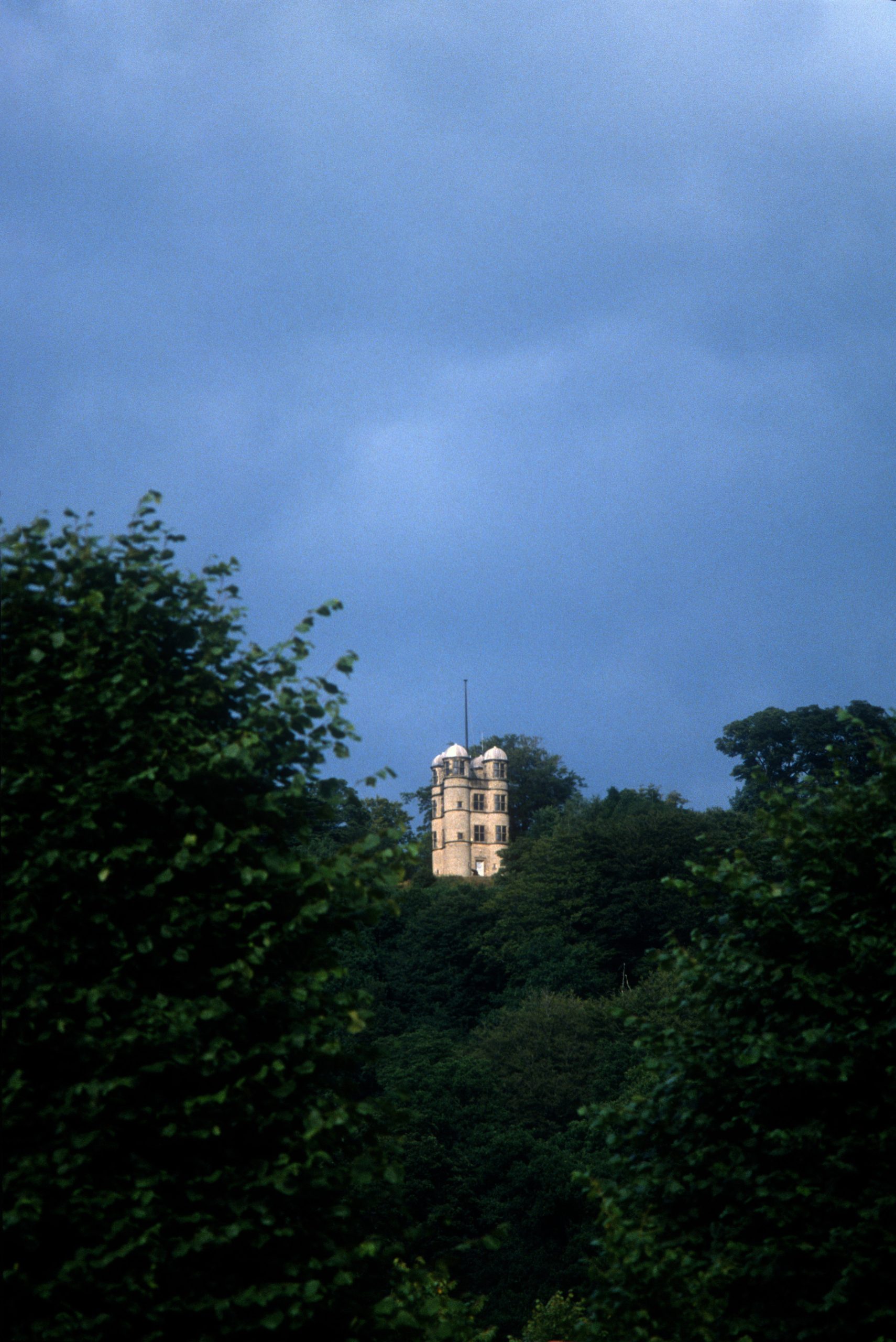
Beyond the formal garden lies Chatsworth Park, a vast expanse of rolling hills and ancient trees, designed to appear natural while being masterfully controlled. It is populated by herds of red and fallow deer, sheep, and Highland cattle. Walkers and picnickers are encouraged to roam freely, following trails that offer panoramic views of the house and valley.
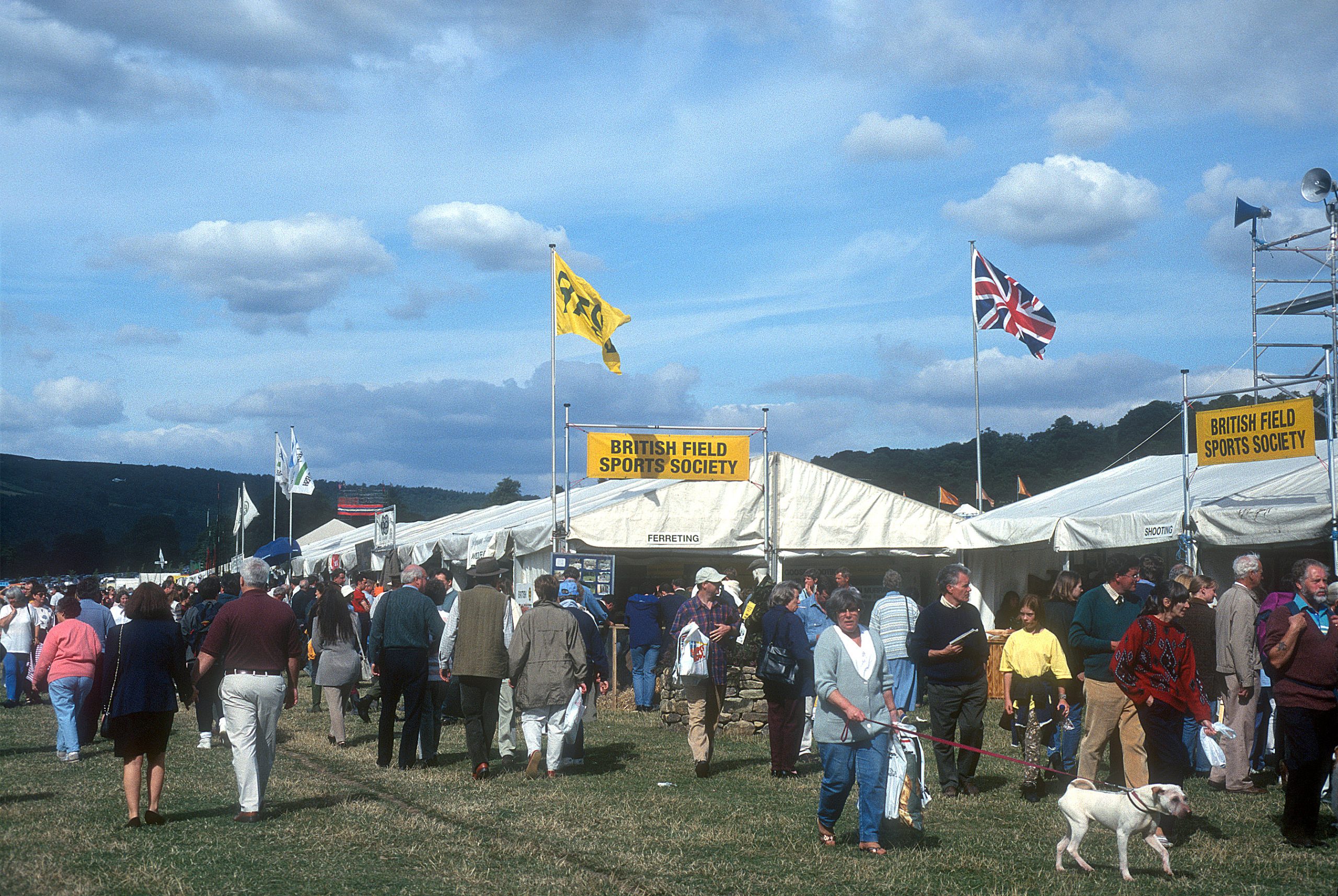
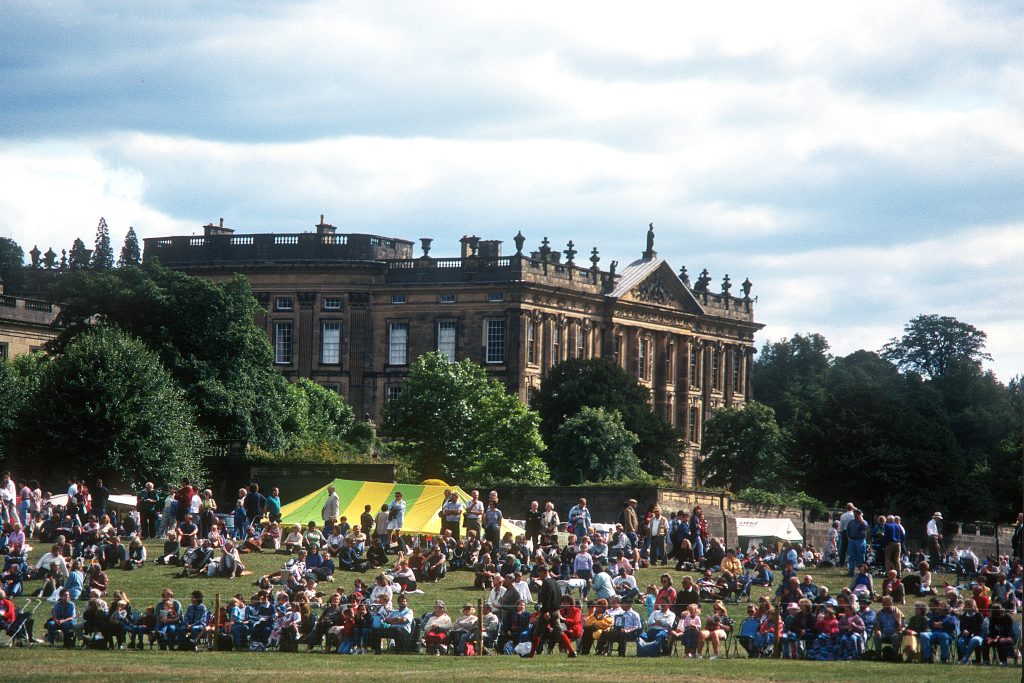
Throughout the year, Chatsworth hosts fairs, game fairs and exhibitions, art festivals, garden shows, and seasonal markets. The annual Christmas at Chatsworth event transforms the house into a fantastical themed wonderland, with rooms elaborately decorated and storytelling woven into every corridor.
Whether you come for the landscape, the art, or the legend, Chatsworth offers more than a glimpse of the aristocratic past, it is a conversation between history and the present, constantly evolving but always rooted in heritage.
Where to Stay in Chatsworth, United Kingdom
Chatsworth House sits near the village of Bakewell in Derbyshire, a market town with a solid range of accommodation options. The Rutland Arms Hotel in Bakewell’s town center offers comfortable rooms within walking distance of cafes and shops, making it a practical base for exploring both the house and the surrounding Peak District. For a more rural experience, the area has country hotels and farmhouse bed-and-breakfasts in the villages between Bakewell and Chatsworth, though these vary in amenities and should be booked ahead, particularly during summer months.
If you prefer to stay closer to Chatsworth itself, the village of Edensor sits just beyond the estate grounds and has a few guest accommodations, though your options narrow considerably. Most travelers find Bakewell more convenient, as it’s only about four miles from Chatsworth and offers better dining, grocery shopping, and services within a compact town layout. The journey between Bakewell and the house takes roughly ten minutes by car or is manageable by local taxi.
For those seeking quieter surroundings, the broader Derbyshire Dales region offers converted farmhouses and small inns in neighboring villages like Ashford-in-the-Water and Baslow. These places tend to appeal to visitors planning several days of walking or visiting multiple Peak District attractions alongside Chatsworth. Bakewell itself merits a night or two for its own sake, with a working market, historic parish church, and traditional shops that reflect English market-town life.
Whatever you choose, book accommodation well before visiting Chatsworth during the main season. Spring and autumn draw garden visitors, while summer brings families, and winter sees reduced availability at smaller establishments. Bakewell’s lodging fills fastest, but the smaller surrounding villages often have last-minute availability if you remain flexible on distance from the house itself.
Recommended Reading
Fiction:
- Pemberley by Emma Tennant: a continuation of Austen’s world, imagined at the very estate that inspired it.
- Death Comes to Pemberley by P.D. James: a murder mystery set six years after Pride and Prejudice, blending Regency manners with suspense.
- Rebecca’s Tale by Sally Beauman: while not set at Chatsworth, its gothic grandeur and estate intrigue will resonate with any lover of great houses.
Nonfiction:
- Chatsworth: The House by Deborah Devonshire: a personal, witty, and engaging portrait of the house by the Duchess who saved it.
- The Mitford Sisters: Letters Between Six Sisters edited by Charlotte Mosley: an intimate look at the world of Deborah and her five famous sisters.
- The English Country House: An Art and a Way of Life by Gervase Jackson-Stops: a scholarly but accessible deep dive into the evolution and ethos of country house living.