
Where Resurrection Meets Ritual, and Spring Becomes Sacred
The story begins the same—an empty tomb, a rolled stone, a rising sun—but the ways we tell it shimmer in endless variety. From candlelit processions in Seville to bonfires in Norway, feathered witches in Finland to crimson-dyed eggs in Greece, Easter is not one tradition, but a tapestry: of resurrection and renewal, of mourning and music, of ancient symbols carried into the light.
At its heart, Easter is the oldest and most central feast of Christianity. But its expressions differ wildly across cultures and centuries—woven with local legends, seasonal cycles, and even echoes of pre-Christian rites. What unites them is the desire to mark a turning point: from death to life, from winter to spring, from sorrow to joy.
These are just a few of the enduring Easter traditions that have helped communities gather, grieve, and celebrate—then and now.
Spain: Silence, Passion, and Streets Alive with Devotion
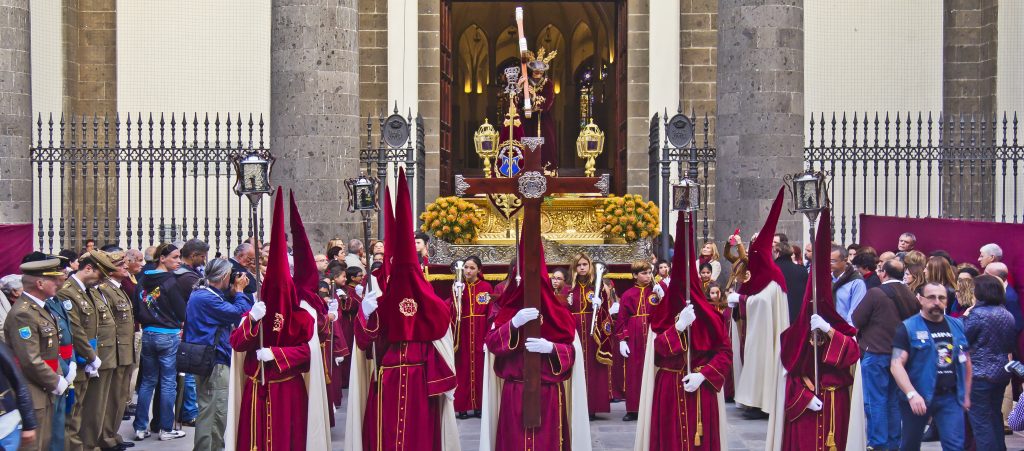
Few places mark Holy Week, or Semana Santa, with more solemn splendor than Spain—especially in Andalusia, where cities like Seville, Málaga, and Granada transform into living theaters of faith.
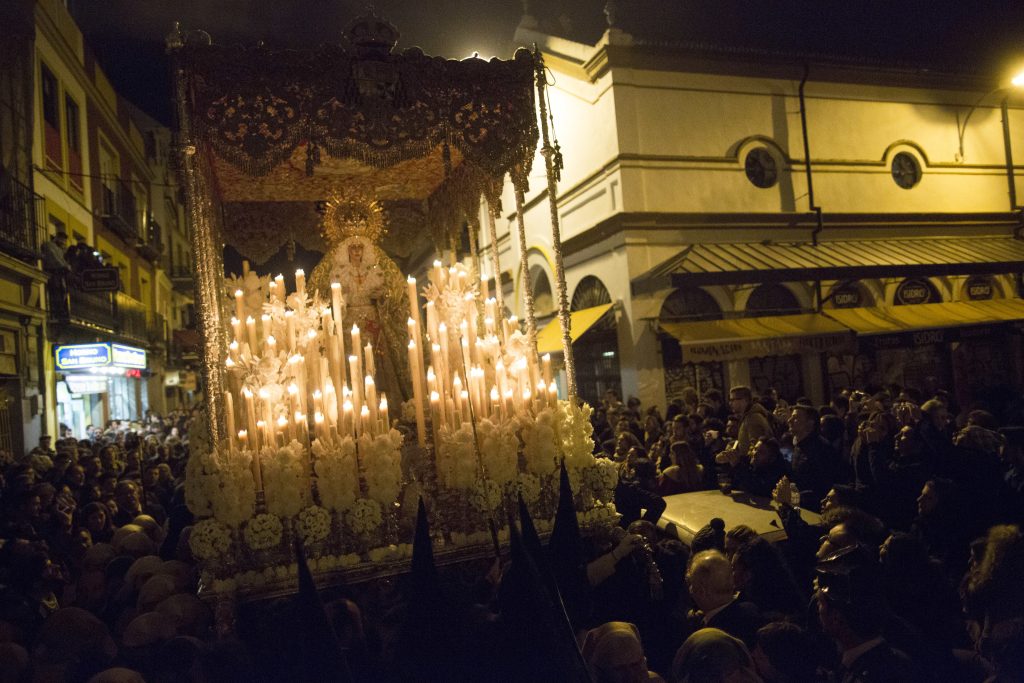
Beginning on Palm Sunday, enormous processions move slowly through the streets: brotherhoods called cofradías dressed in medieval robes and tall hoods, carrying floats of Christ and the Virgin, lit by lanterns and heavy with silver, flowers, and incense. Some are centuries old. Others are newly commissioned in the same artisanal tradition.
In Seville, the Madrugá—an all-night procession on Good Friday—is the emotional crescendo. Crowds line the streets in complete silence. From balconies, women sing saetas, raw flamenco-style laments that pierce the night like prayer set to fire.
These traditions continue unchanged, year after year—an embodied liturgy passed through generations.
Italy: Olive Branches, Exploding Carts, and the Sound of Stone
In Italy, Easter is both intimate and operatic, rooted in Catholic liturgy and celebrated with local pageantry.
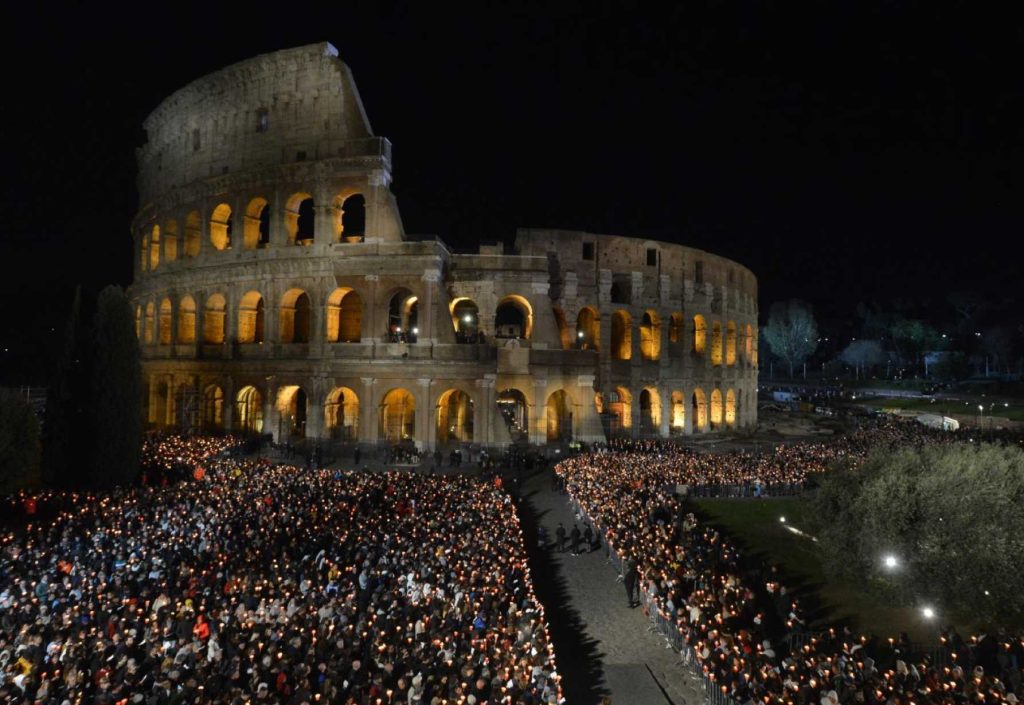
In Rome, the Pope leads the stations of the cross at the Colosseum on Good Friday, evoking martyrdom in the city’s ancient heart.
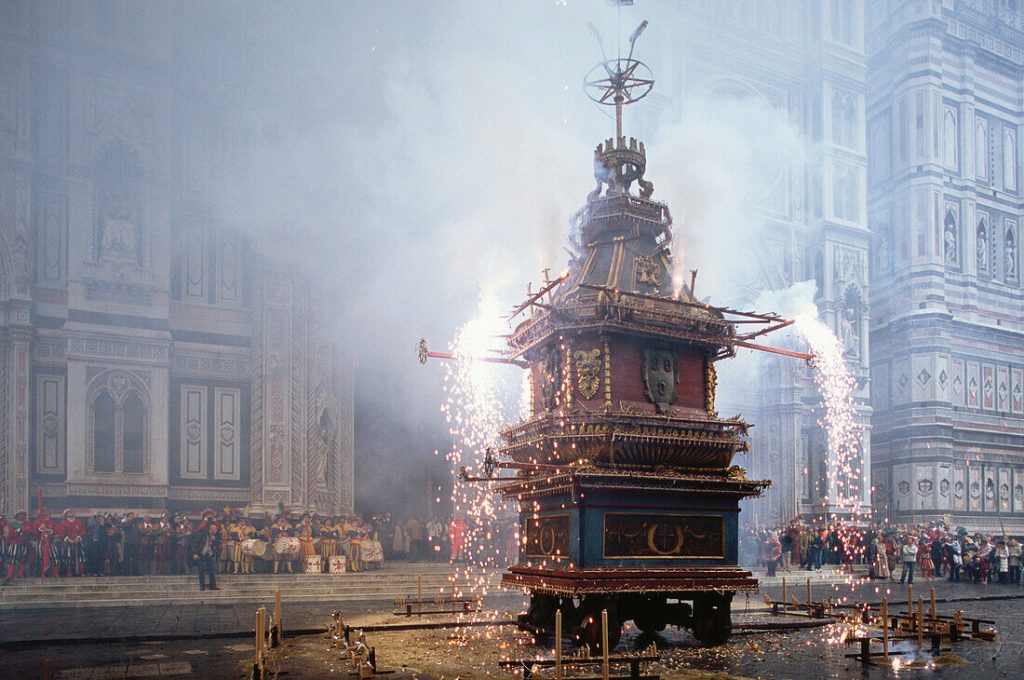
In Florence, Easter morning brings the Scoppio del Carro, or explosion of the cart—a centuries-old tradition in which a grand cart pulled by oxen is set aflame by a dove-shaped rocket launched from the Duomo. The bigger the explosion, the better the year’s harvest, say locals.
Elsewhere, churches are decorated with olive branches instead of palms, reflecting Mediterranean agriculture. And on Easter Monday, known as Pasquetta, families head to the countryside for picnics and laughter—marking not just resurrection, but release.
Greece and the Eastern Orthodox World: Fire, Light, and Red Eggs
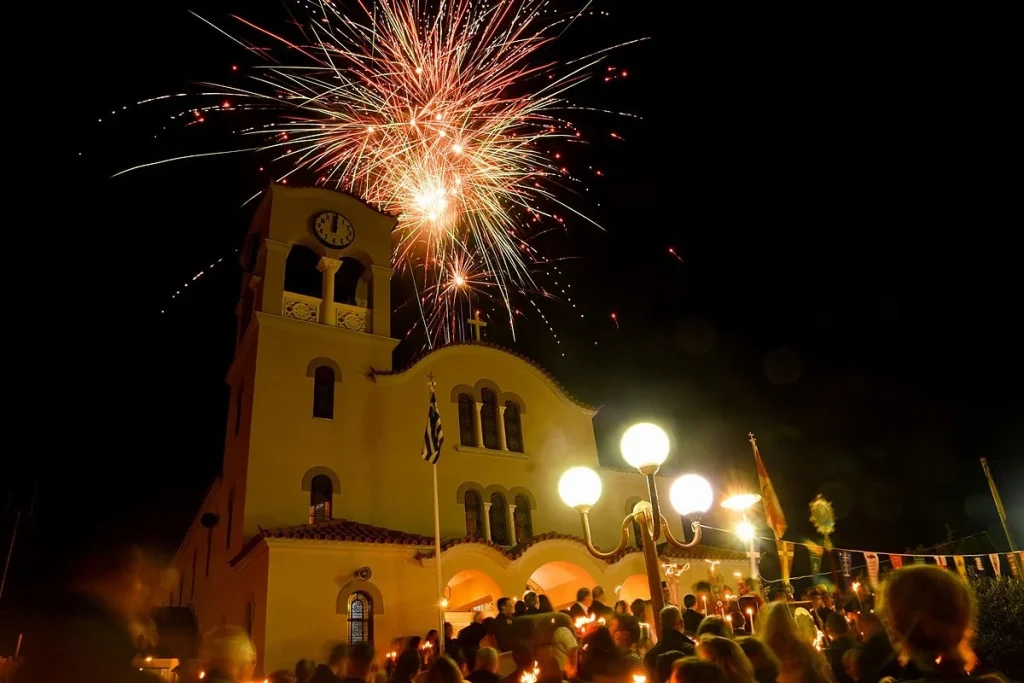
In Greece, Orthodox Easter is the most sacred holiday of the year, and its rituals are as sensory as they are symbolic.
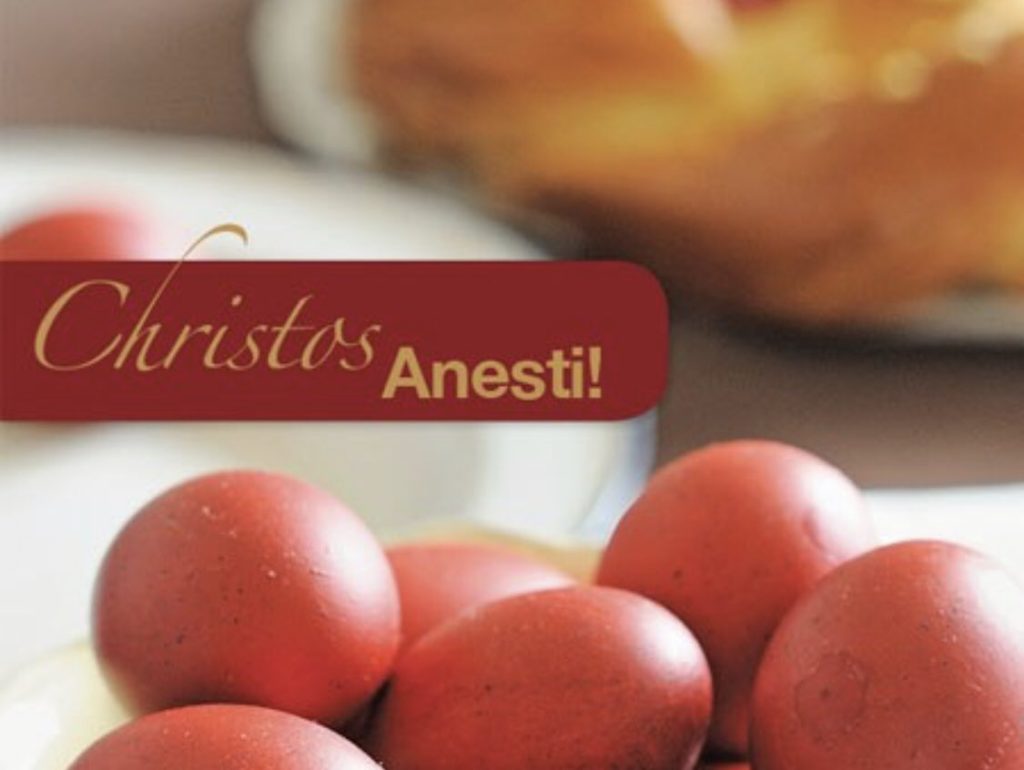
At midnight on Holy Saturday, churches darken, and then—candle by candle—are filled with resurrection light. Bells ring. Fireworks explode. And the priest proclaims: Christos Anesti—Christ is risen.
Families return home with their candles to draw crosses in smoke above their doors, warding off evil and welcoming renewal.
Easter eggs here are dyed deep red, symbolizing Christ’s blood and rebirth. In a beloved game, players crack eggs against each other—whoever’s shell stays whole is blessed with good luck.
In Russia, Ukraine, and Serbia, similar traditions unfold with regional variations: kulich (sweet bread), icons adorned in flowers, and processions that stretch into dawn.
Ethiopia and Eritrea: White Robes and a Liturgical Journey
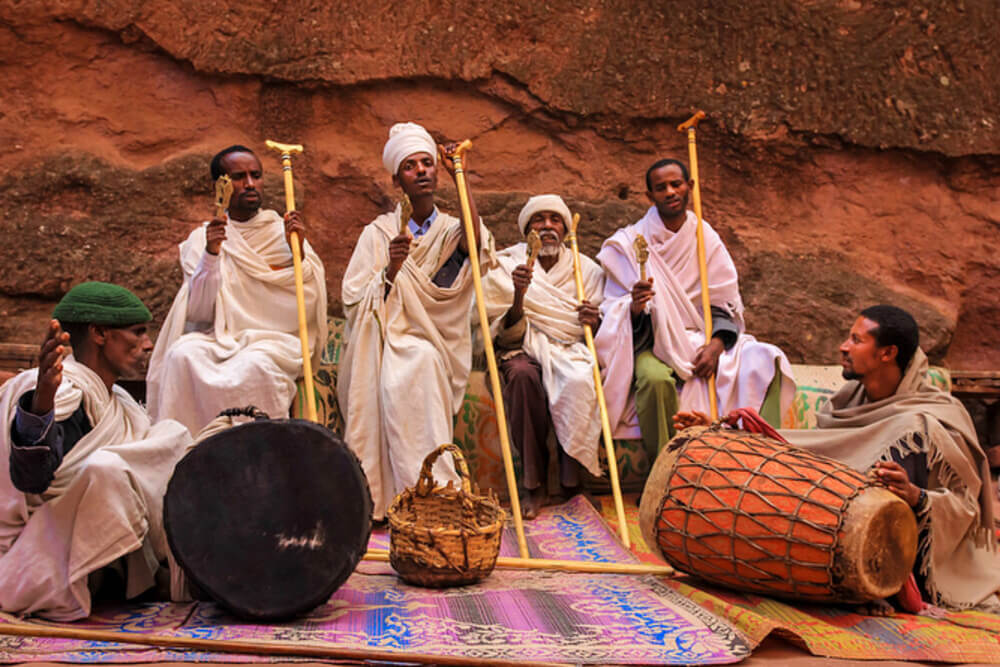
In the Ethiopian Orthodox Tewahedo Church, Easter is known as Fasika—a solemn and sacred time that follows fifty-five days of fasting, during which no meat, dairy, or eggs are consumed.
Holy Week culminates in an all-night vigil on Saturday, with worshippers dressed in white shamma garments, singing and swaying under the stars. At dawn, the resurrection is proclaimed, and the fast is broken with injera, doro wat, and eggs—a jubilant feast after disciplined devotion.
The symbolism is not just spiritual—it is communal. Fasika is about endurance, and then joy. About keeping faith when the tomb is still closed.
The Philippines: Penitents, Passion Plays, and a Living Liturgy
In the Philippines, Easter is observed with both Spanish Catholic tradition and deeply local expression.
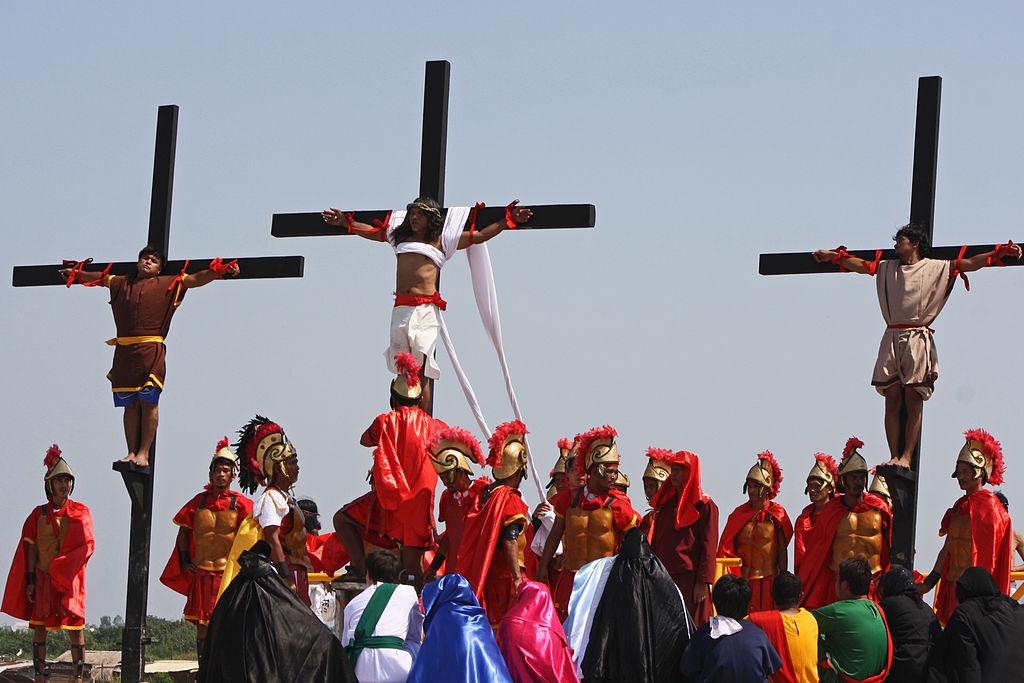
On Good Friday, some communities reenact the passion with intense realism—including voluntary flagellation and even crucifixion, as an act of penance. Though controversial, these rituals are considered by many participants to be acts of personal atonement, not spectacle.
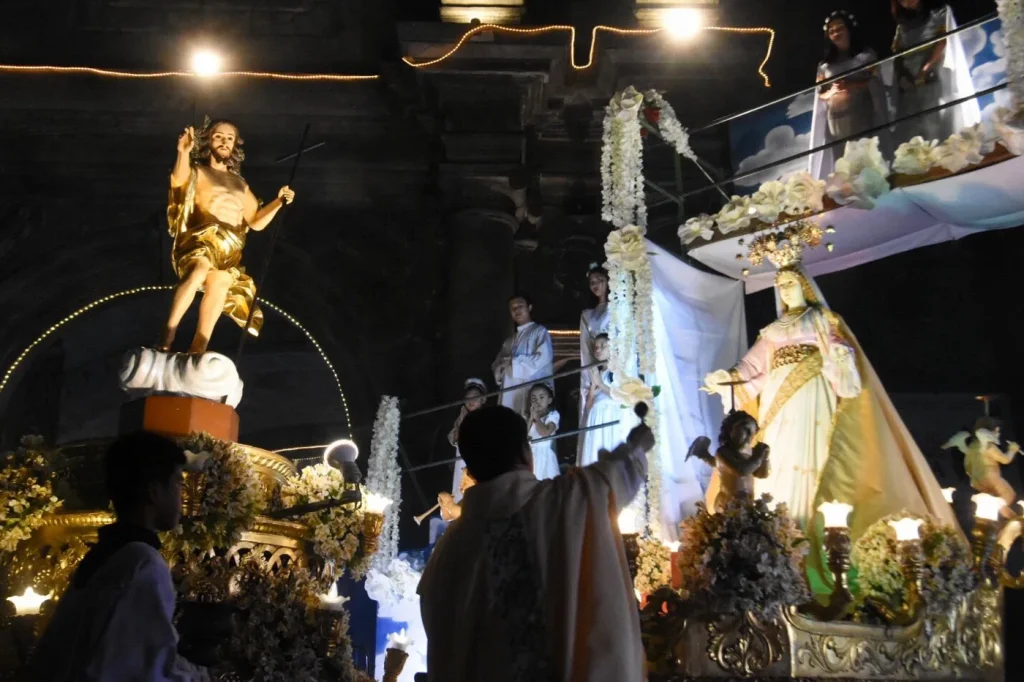
By contrast, Easter Sunday brings joy in the form of the Salubong, a pre-dawn ritual in which statues of the risen Christ and the Virgin Mary meet in a public square, reenacting the first reunion after the resurrection. Children dressed as angels remove the Virgin’s black veil, and the town erupts in song and light.
These traditions are passed down orally, blending faith with pageantry, grief with grace.
Germany, Sweden, and the Nordic Lands: Fire and Folklore
In Germany and Scandinavia, Easter carries traces of pre-Christian seasonal rites, woven into Christian observance.
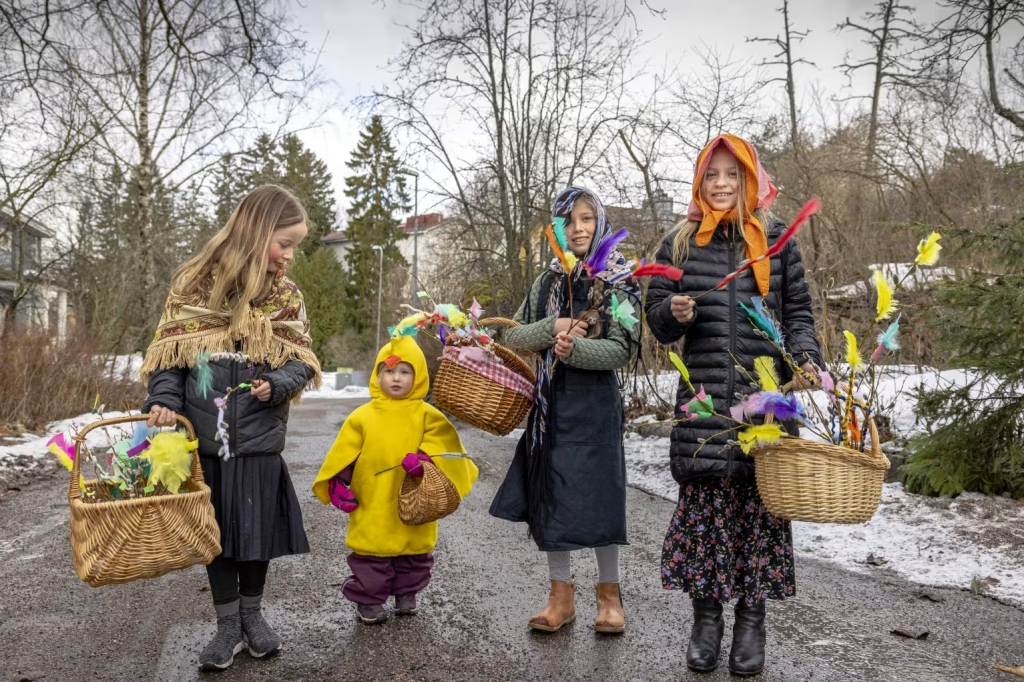
In Sweden and Finland, children dress as Easter witches, going door to door in colorful headscarves, handing out drawings in exchange for candy—a cheerful echo of both Halloween and folk superstition about evil spirits abroad during Holy Week.
In Norway, Easter is oddly associated with crime fiction—a beloved tradition known as Påskekrim, where families devour murder mysteries by the fireplace or ski lodge.
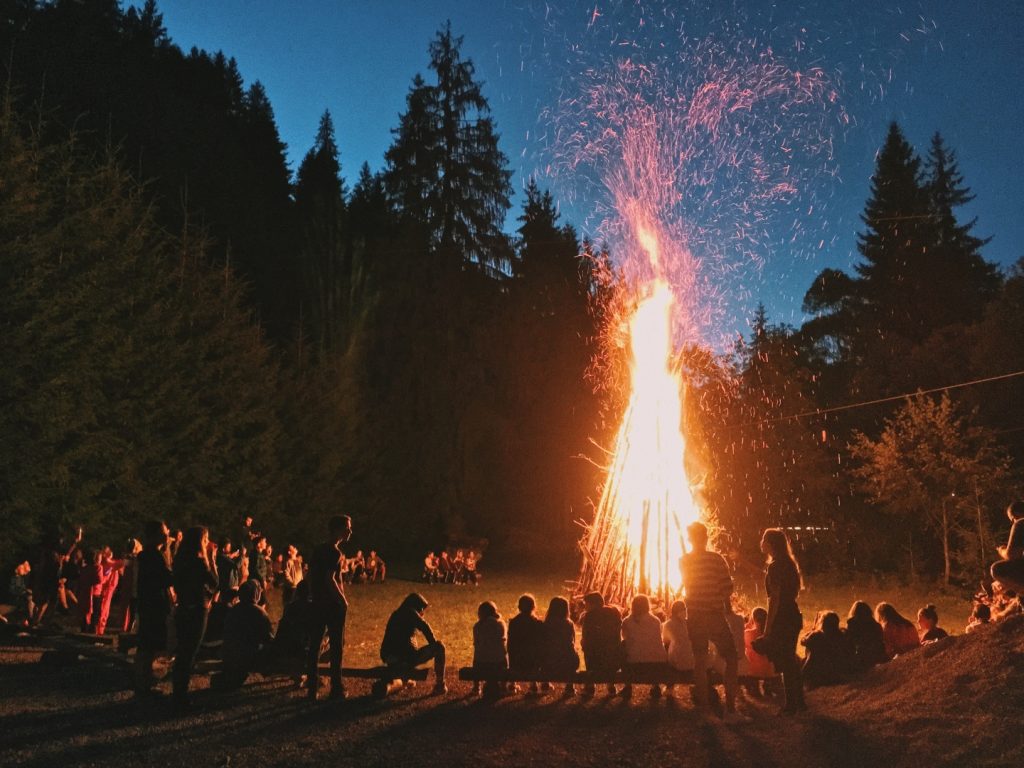
Across Denmark and Germany, towns light Easter bonfires on Holy Saturday—originally to chase away winter and darkness, now repurposed as symbols of resurrection light.

Latin America: Flower Carpets and Public Passion
In countries like Guatemala, Mexico, Peru, and Colombia, Easter is celebrated with lavish public processions, indigenous Catholic fusion, and weeks of preparation.
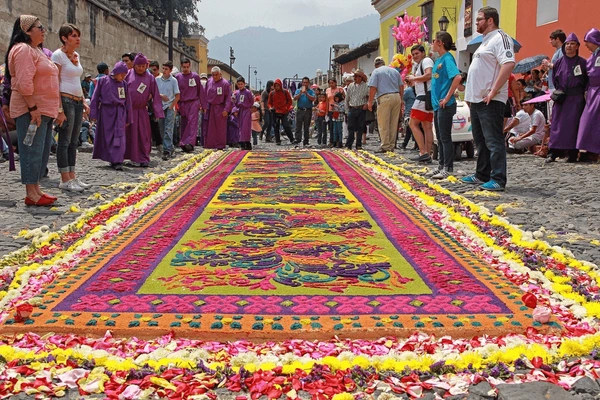
In Antigua, Guatemala, elaborate alfombras—flower carpets—are laid down in the streets. These vivid mosaics of sawdust, flowers, pine needles, and fruit are meticulously crafted only to be walked over by the Holy Week processions.
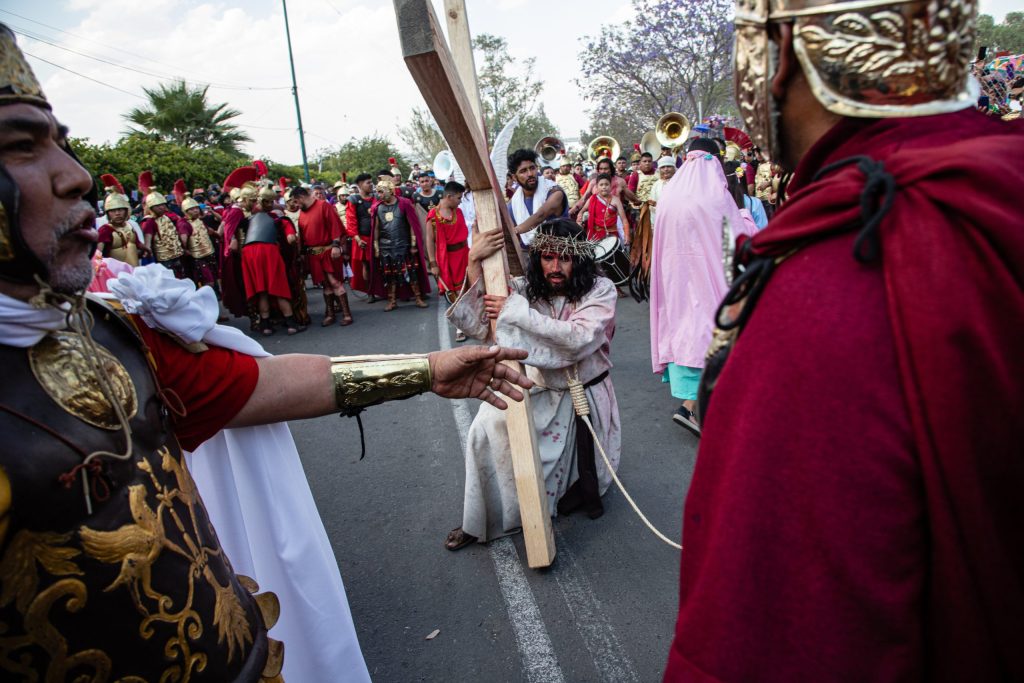
In Mexico, passion plays like the one in Iztapalapa draw thousands of spectators, retelling the final days of Christ with local actors, emotional intensity, and communal prayer.
These traditions are deeply embodied, drawing whole cities into the story—not as audience, but as participants.
Easter Today: Continuity, Creativity, and the Story Retold
While secular symbols like chocolate bunnies and egg hunts now dominate much of the Western landscape, many ancient customs remain vibrantly alive—and are even enjoying revival among younger generations.
Urban cathedrals still echo with Gregorian chants on Holy Thursday. Families in diaspora keep ancestral customs alive—from red eggs in Chicago to Moroccan lamb in Marseille. In creative circles, artists and writers reinterpret the Easter story through poetry, film, and public art. And in many churches, the pandemic years sparked new forms of communal worship—from sunrise services in parking lots to digital passion plays streamed across continents.
Wherever it is celebrated, Easter continues to ask the same ancient question: what does it mean to rise?
Easter has always been more than a date on the calendar. It is a turning of the heart, a threshold crossed in candlelight and bread, in silence and song. From bonfires to flower carpets, red eggs to empty tombs, the traditions endure not because they are identical—but because they carry the same longing: to rise, to renew, to remember.
Recommended Reading
Fiction
- The Power and the Glory by Graham Greene
A haunting novel of faith and failure in revolutionary Mexico, layered with Passion Week imagery and spiritual reckoning. - Kristin Lavransdatter by Sigrid Undset
Set in medieval Norway, this trilogy explores love, sin, and redemption—woven with rich Catholic ritual and seasonal rhythms. - Silence by Shūsaku Endō
A deeply moving novel about Christian persecution in 17th-century Japan, confronting belief, suffering, and resurrection in silence.
Non-Fiction
- The Resurrection of the Son of God by N.T. Wright
A comprehensive theological and historical study of the resurrection in early Christianity—accessible yet scholarly. - Surprised by Hope by N.T. Wright
An engaging reflection on Easter’s meaning for modern life, focused on justice, renewal, and the promise of restoration. - Holy Week: An Emotions Primer by Danielle Hitchen
A beautifully illustrated board book for children, introducing Easter themes through color and feeling. - The Case for Easter by Lee Strobel
The book explores the historical context of the Easter narrative and why the resurrection became central to Christian belief.
