
Matzah, Memory, and the Many Paths of Liberation
The Passover table is more than a meal. It is a portal—across centuries and continents, across languages and lineages, across songs sung in Ladino, Arabic, Yiddish, Persian, Amharic, and silence. While the story of the Exodus remains constant, the rituals around it have flourished in astonishing cultural variety—from the spice-scented kitchens of Morocco to candlelit courtyards inCochin, from shtetls inGalicia to high-rise apartments in Buenos Aires.
What endures is the heart of the holiday: a retelling of freedom hard-won, of identity affirmed, of bread not given time to rise, and the still-rising call for justice.
These are just a few of the rich and remarkable historic Passover traditions that have shaped Jewish life—and in many cases, continue to do so today.
North Africa: Fragrant Exodus and the Mimouna Feast
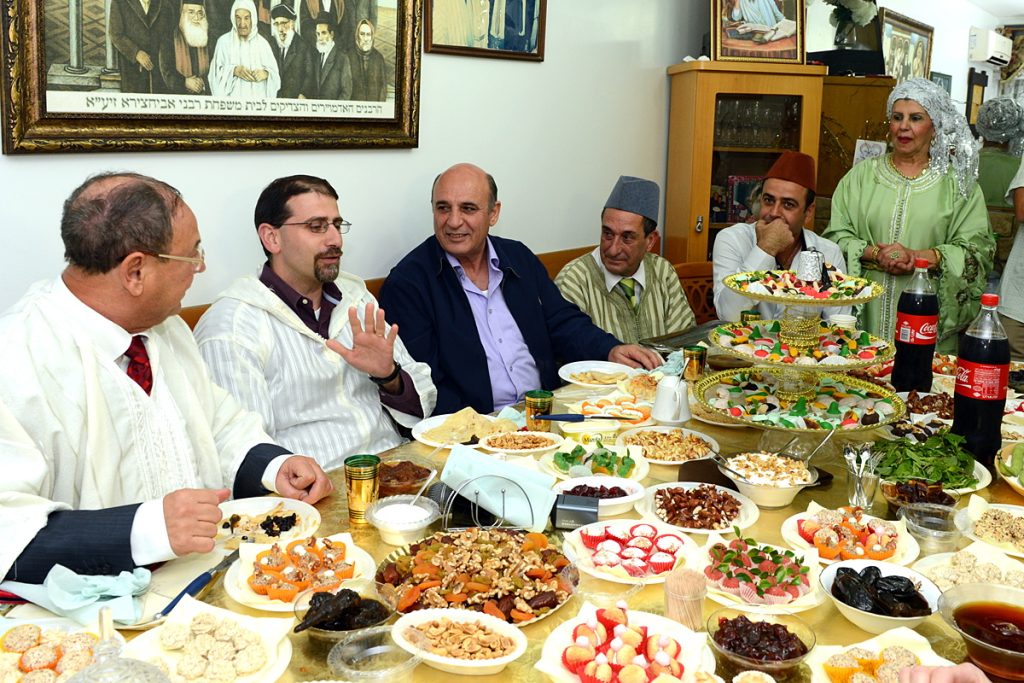
In the Jewish communities of Morocco, Algeria, and Tunisia, Passover was a deeply sensory affair—infused with spices, song, and blessing. Families would scrub the house clean of chametz (flour or fermented foods), replacing regular dishes with special Pesach (Passover)-only ceramics handed down through generations.
One cherished Moroccan tradition was hiding a piece of afikomen (broken Matzah or unleavened bread) in a child’s clothing and sending them to “wander” the home, echoing the Israelites’ journey. Haroset, the sweet symbol of mortar, was made not with apples and walnuts as it is in much of the world, but with dates, figs, and orange blossom water—a thick, sun-drenched paste reflecting the region’s bounty.
At the end of the holiday came Mimouna, a joyful festival celebrated at nightfall after Passover ended. Jewish families would open their homes to neighbors with lavish tables of leavened sweets, mint leaves, and moufleta (thin pancakes with honey and butter). It was a time of openness, renewal, and often—new beginnings. To this day, Mimouna is still celebrated in Israeli Moroccan communities, often with public festivities and music.

Persia and Central Asia: Spring Greens and Ancient Echoes
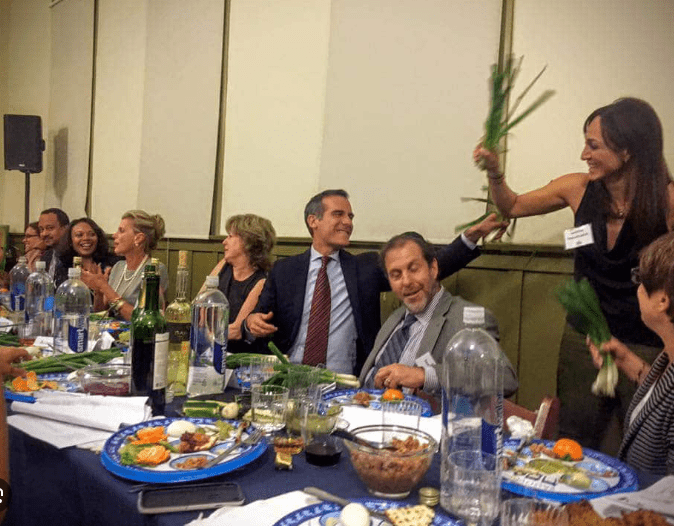
In Persian Jewish tradition, the Seder plate often includes fresh herbs and scallions, used in a symbolic “whipping” gesture to reenact the suffering of the Israelites under Egyptian taskmasters—a tactile reminder of pain and resilience.
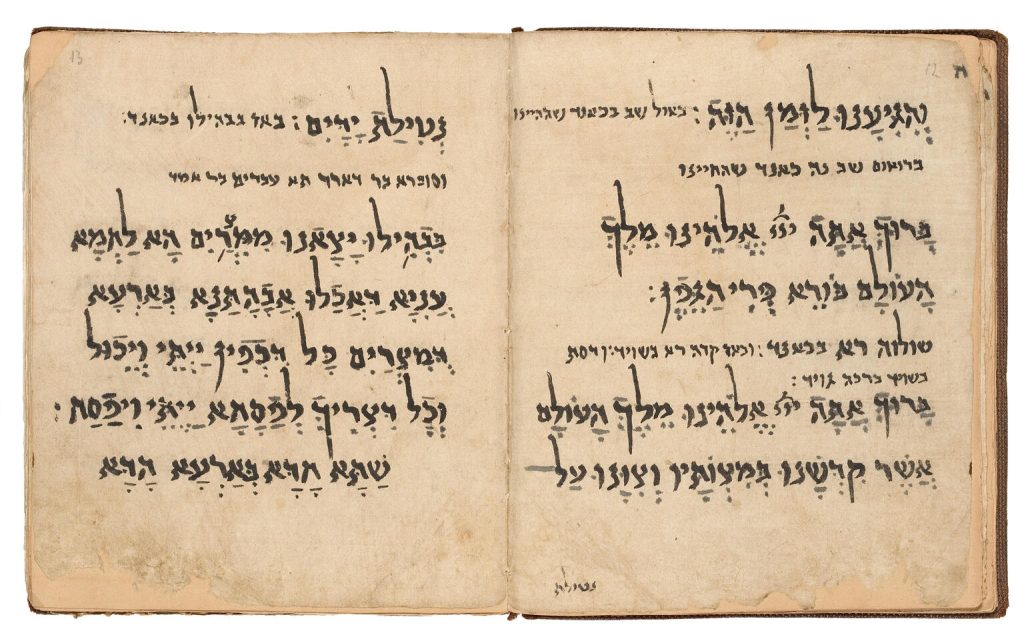
The Persian Haggadah (Passover story) is recited in Hebrew and Judeo-Persian, often punctuated with poems and blessings passed down orally. Many communities also include rose water or vinegar at the table for symbolic cleansing.
In Bukhara (Uzbekistan), Jews conducted seders surrounded by rich carpets and wall hangings, seated on floor cushions, with lamb as the central dish—recalling the ancient temple offering. Echoes of these traditions survive today in Persian Jewish homes in Los Angeles, New York, and Tel Aviv.
Ethiopia: Exodus on Foot and Sacred Simplicity
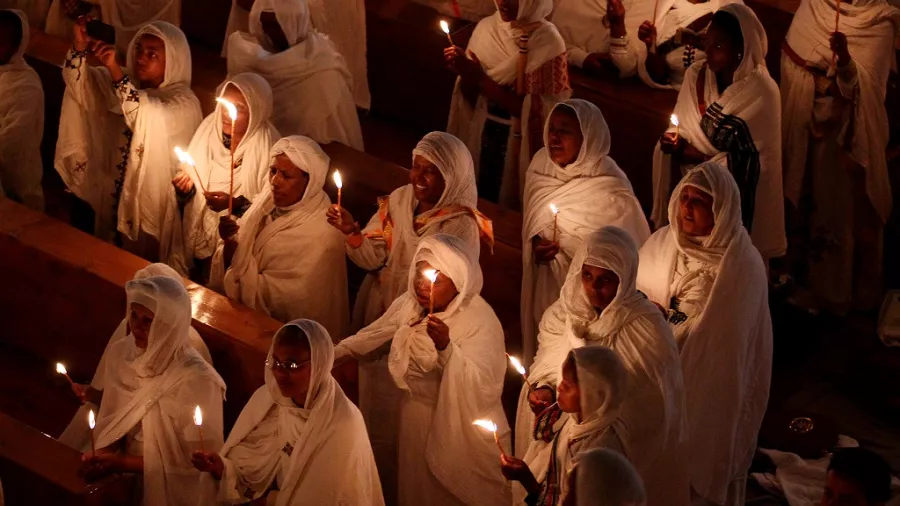
The Beta Israel (Ethiopian Jews) celebrated a version of Passover known as Fasika, centered less on the Haggadah and more on biblical reenactment. Without a Talmudic tradition, the holiday was marked by a fast, communal slaughter of lamb, and a daylong prayer vigil recalling the night of deliverance.
They ate unleavened bread baked in clay ovens, gathered outside the synagogue in white robes, and marked the holiday’s end with dancing and coffee ceremonies.
Since their arrival in Israel in the late 20th century, Beta Israel communities have begun blending traditional Fasika customs with mainstream Seders, preserving the spirit of simplicity and faith.
The Ottoman Empire and Sephardic Flourishes
In the former territories of the Ottoman Empire—from Izmir to Sarajevo, Thessaloniki to Jerusalem—Passover was celebrated with Ladino songs, lush rice dishes (a Sephardic tradition), and a particular flair for symbolism through storytelling. The Sephardim were the Jews who were exiled from Spain during the time of the inquisition. They developed the Ladino language, which differs significantly from the Yiddish tongue spoken by the Ashkenazi Jews of Northern Europe.
In Ladino-speaking households, the Haggadah was often sung in long, poetic refrains, with a musicality that made the Exodus feel alive in the room. Children would be encouraged to ask questions, and dramatic re-enactments of the crossing of the Red Sea—sometimes with napkins waved like water—were not uncommon.
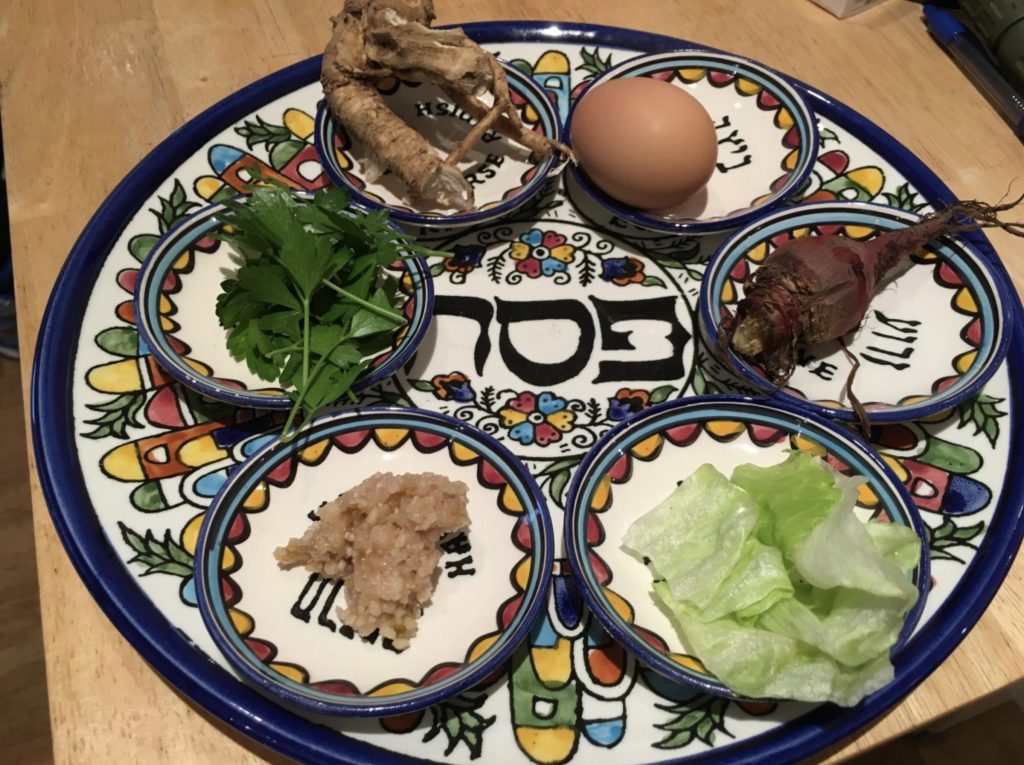
One remarkable Ottoman custom still practiced today is “Bibhilu Yatsanu Mi-Mitzrayim”—the declaration “In haste we left Egypt,” recited as the Seder plate is raised and passed over the heads of those at the table.

Ashkenazi Europe: Songs in the Shadows
In Eastern Europe, Passover was both solemn and celebratory—a ritual of survival in exile. Families gathered in candlelit homes, often still chilled by the late spring frost, with tables dressed in white and set with crystal and matzah.
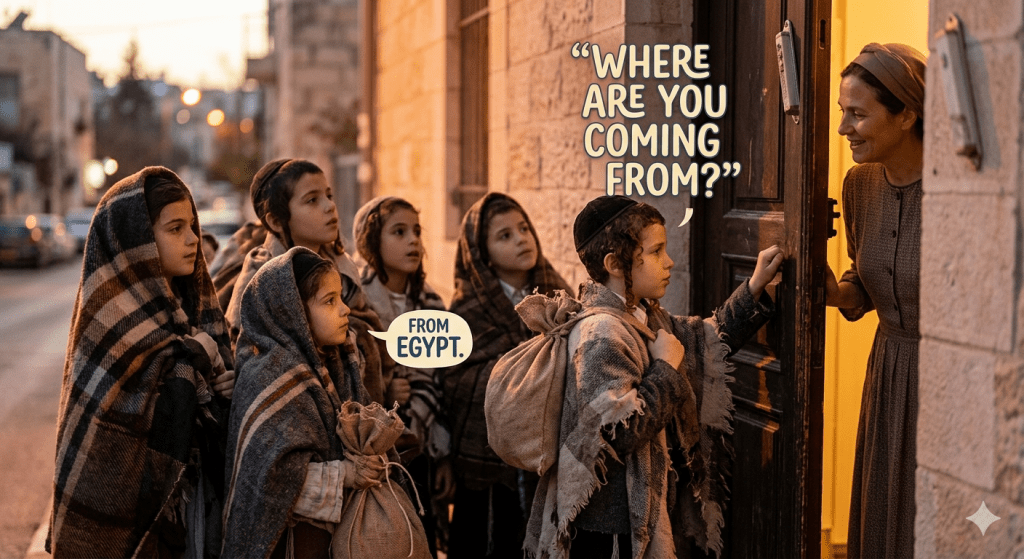
In some Ashkenazi communities, children were wrapped in blankets and sacks, then “knocked” at the door to be asked: “Where are you coming from?” The answer: “From Egypt.” It was a living midrash—children becoming their ancestors in the retelling.
Horseradish for maror, the bitterness of slavery, often brought tears in more ways than one. And the songs—Chad Gadya, Who Knows One, Dayenu—were sung in spirited crescendo, sometimes with Yiddish verses added between Hebrew lines.
Though many of these customs were nearly lost during the Holocaust, they have been lovingly revived in postwar Jewish life—in Berlin, Kraków, and Kyiv, and in diaspora homes where memory becomes resistance.
Today: Continuity, Adaptation, and the Table as Sanctuary
Across the globe today, Jews continue to celebrate Passover in homes, synagogues, refugee shelters, and border towns. The Haggadah has become both fixed and fluid—recited in dozens of languages, with new traditions layered atop ancient ones.
Some modern Seders include:
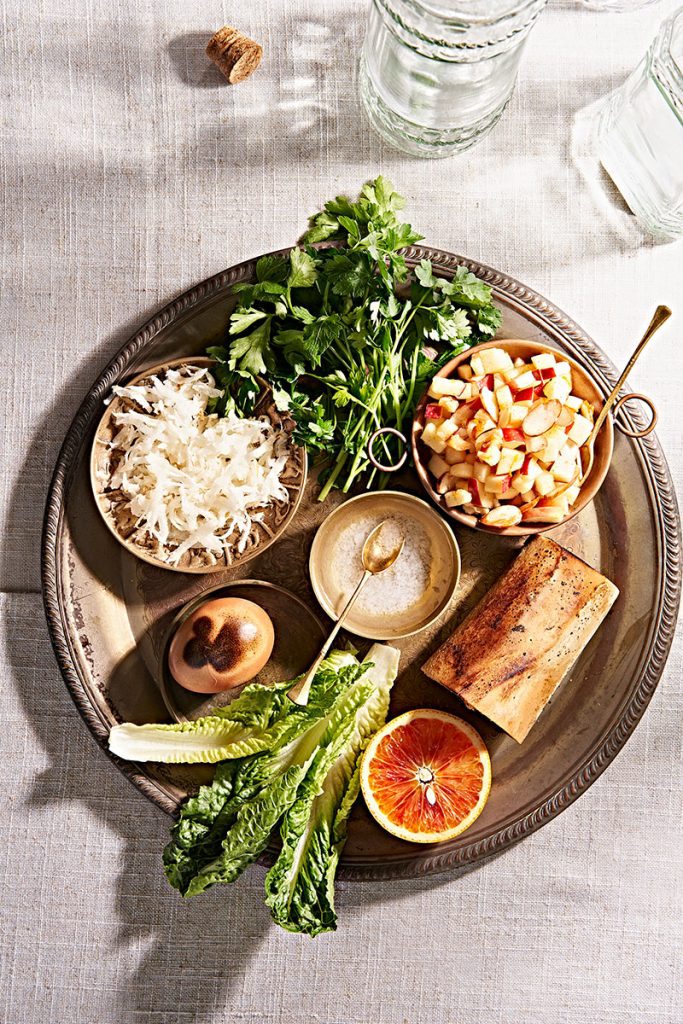
- Orange slices on the Seder plate, a symbol of inclusion and feminism
- Refugee-focused readings, connecting the Exodus to modern displacement
- Eco-conscious rituals, emphasizing sustainability and liberation from environmental degradation
- And digital Seders, live-streamed across continents—especially since 2020
But whether it’s whispered in a Soviet basement, sung in a Moroccan courtyard, or Zoomed from five time zones at once, the heart of Passover remains: “In every generation, we must see ourselves as if we left Egypt.”
The rituals change. The languages shift. But the meaning remains: to remember a night of departure, and a dawn of becoming. Passover is not just a story—it’s an inheritance. A table shared. A question asked. A freedom still unfolding.
Recommended Reading
Fiction
- The Beauty Queen of Jerusalem by Sarit Yishai-Levi
A sweeping Sephardic family saga set in Ottoman and British Mandate-era Jerusalem, rich in food, ritual, and generational memory. - The World That We Knew by Alice Hoffman
A lyrical novel set during the Holocaust, interweaving Jewish mysticism, tradition, and the enduring search for freedom. - The Mezuzah in the Madonna’s Foot by Trudi Alexy
Part memoir, part narrative history, exploring Sephardic identity, hidden Jewish rituals, and rediscovered heritage.
Non-Fiction
- The Exodus: How It Happened and Why It Matters by Richard Elliott Friedman
A scholarly yet readable exploration of the Exodus narrative and its lasting power. - A Passover Haggadah: As Commented Upon by Elie Wiesel
A deeply reflective interpretation of the Haggadah from one of the 20th century’s great Jewish voices. - My People’s Passover Haggadah by Lawrence A. Hoffman
The book gathers essays from Jewish scholars who interpret the meaning of the Exodus story, ritual symbolism, and the Seder traditions practiced around the world. It connects ancient biblical history with modern Jewish identity and religious practice. - Sephardic Flavors: Jewish Cooking of the Mediterranean by Joyce Goldstein
A culinary history through the lens of Sephardic Jewish tradition, perfect for exploring the foods of Passover across generations.
