
There are moments, standing amid Roman ruins, when time does something miraculous—it loosens its grip. You hear footsteps where none exist, sense voices echoing through marble corridors, and realize that Rome was not merely a civilization, but an architectural argument for immortality. Against earthquakes, invasions, neglect, and reinvention, some Roman structures have simply refused to disappear.
What are twelve Roman structures—spread across the former empire—that remain astonishingly intact, deeply legible, and profoundly moving. They are places where Rome still speaks in full sentences.
As the empire fractured, many structures were repurposed rather than destroyed—palaces became homes, baths became fortresses, temples became churches. Ironically, this adaptability saved them. What we admire today is not simply Roman ambition, but Roman Legacy.
1. The Colosseum — Rome, Italy
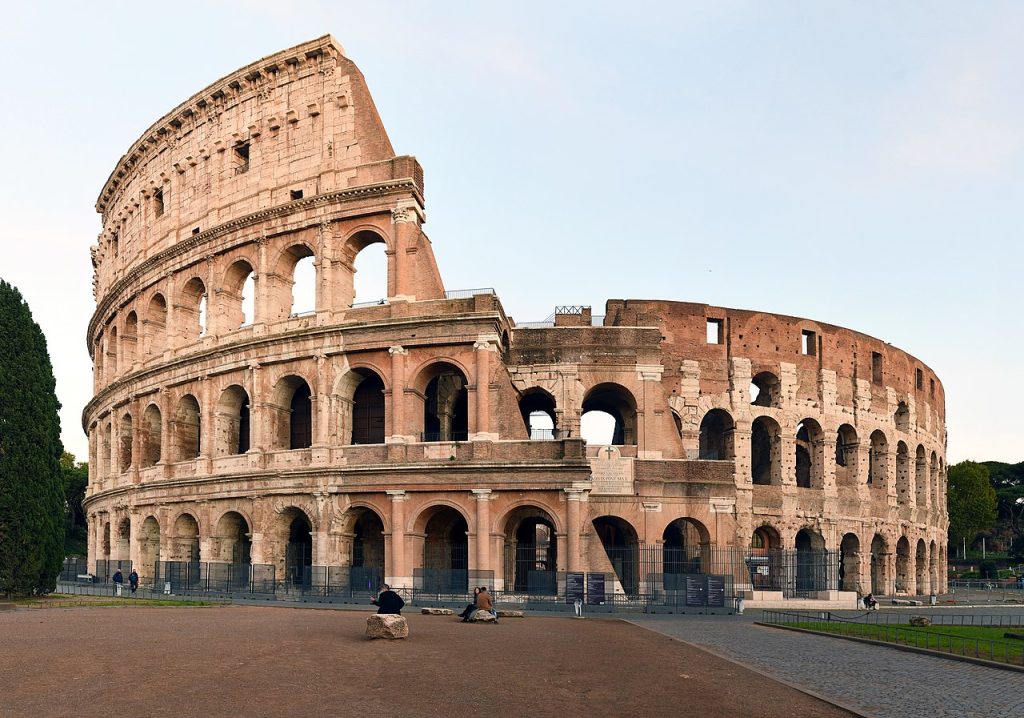
Even in partial ruin, the Colosseum remains the most commanding arena ever built. Step inside and the scale overwhelms—the stacked arches, the exposed hypogeum, the sense that 50,000 Romans once roared in unison. Weathered travertine still bears the confidence of empire.
Look closely and you can still read the social hierarchy of Rome etched into the seating plan—power, privilege, and spectacle arranged with ruthless precision.
2. The Pantheon — Rome, Italy
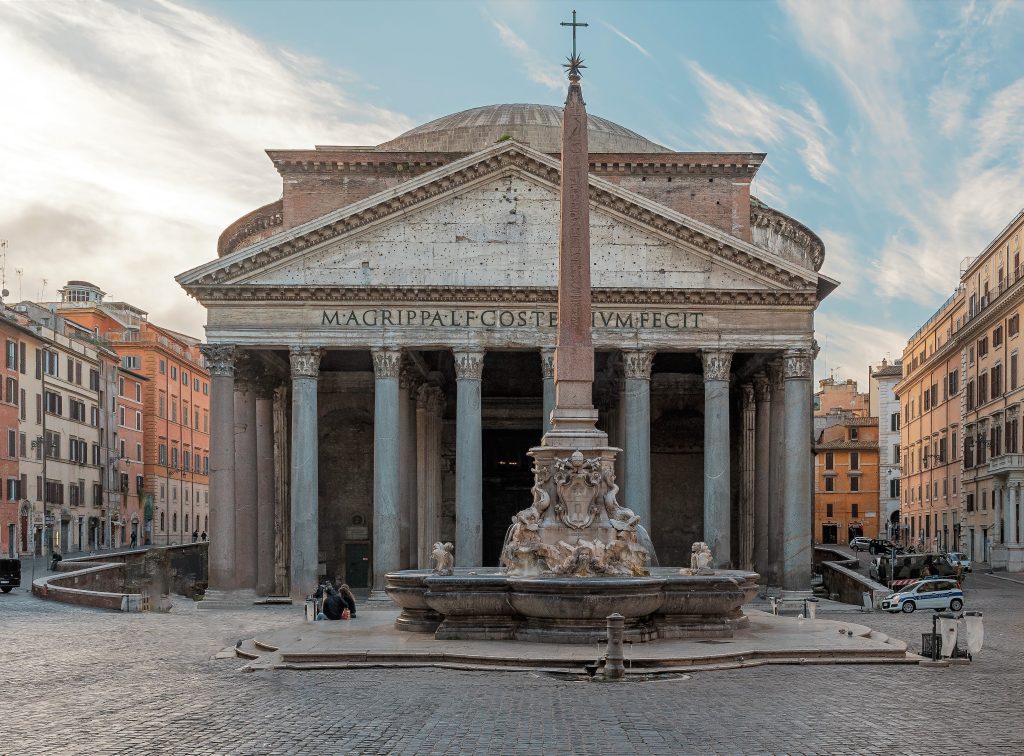
Perfection exists. It is circular, harmonious, and pierced by a single oculus open to the sky. Nearly two thousand years after its completion, the Pantheon’s concrete dome remains unmatched. Rain falls through the eye of the gods and drains away as it always has.
Stand beneath the dome and you feel not enclosed, but centered—an architectural expression of Rome’s vision of cosmic order.
3. Baths of Caracalla — Rome, Italy
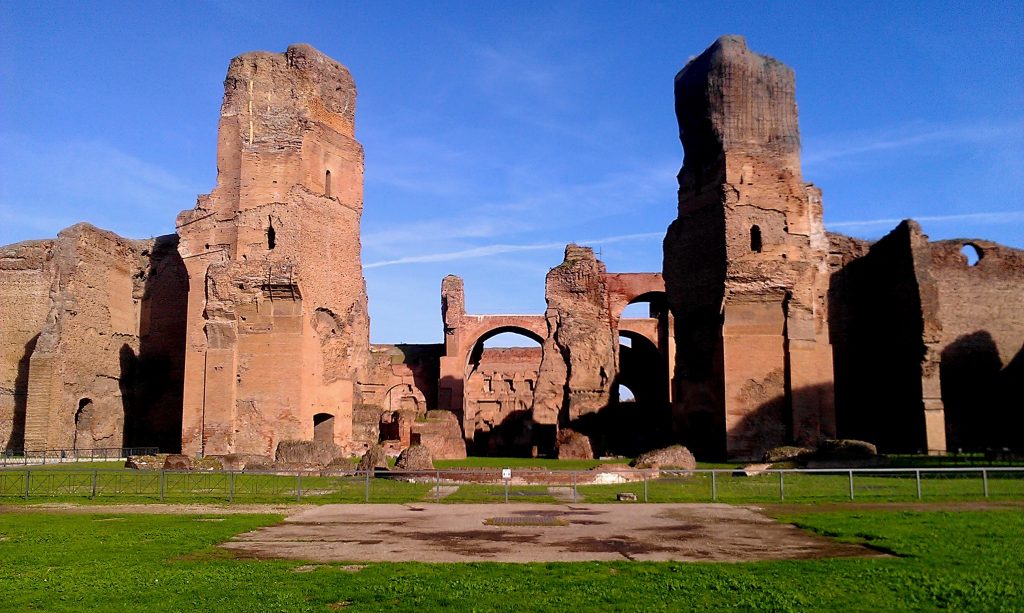
These were not baths; they were palatial civic complexes. Walk among towering brick walls and imagine steam rising from pools, philosophers debating beneath coffered vaults, and mosaics glittering beneath bare feet. Even stripped of marble, the Baths of Caracalla feel colossal and indulgent.
They remind us that leisure itself was a political act—Rome’s way of rewarding loyalty with grandeur.
4. Diocletian’s Palace — Split, Croatia
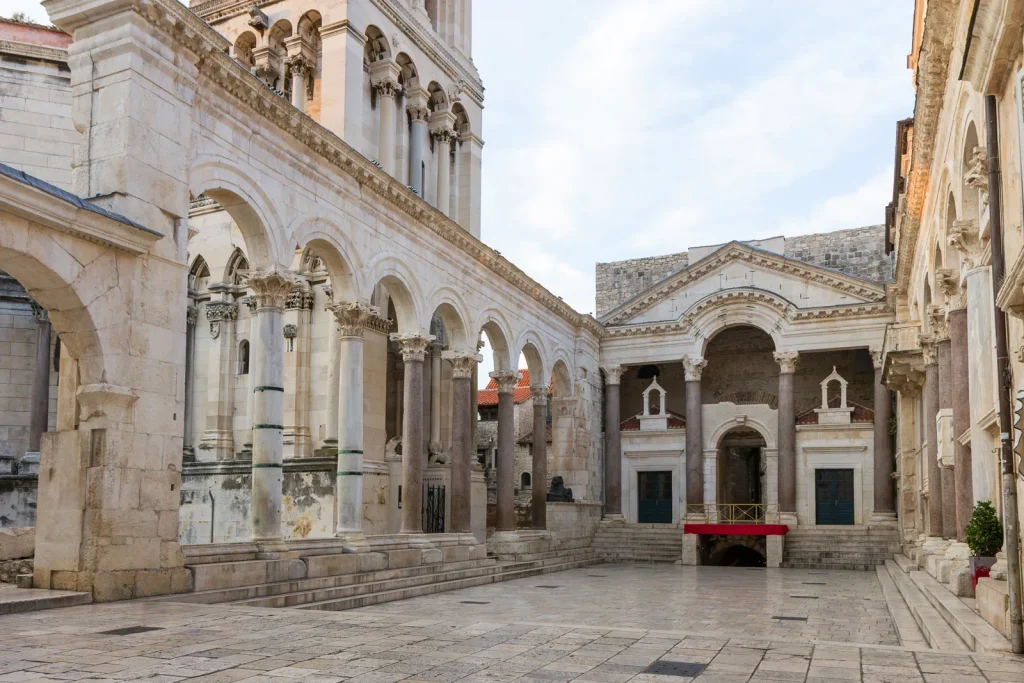
Not ruins but a living city. Within its Roman walls, medieval houses, cafés, and shops coexist with imperial architecture. Diocletian retired here, and somehow never left. The palace breathes—one of the most extraordinary survivals of antiquity.
Here, Rome did not fossilize; it adapted, proving that continuity can be the most powerful form of preservation.
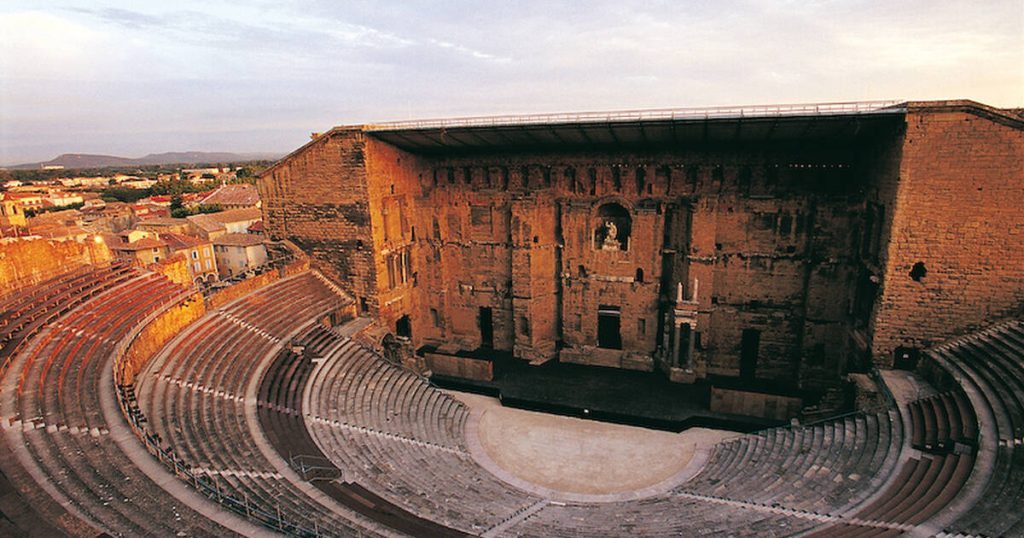
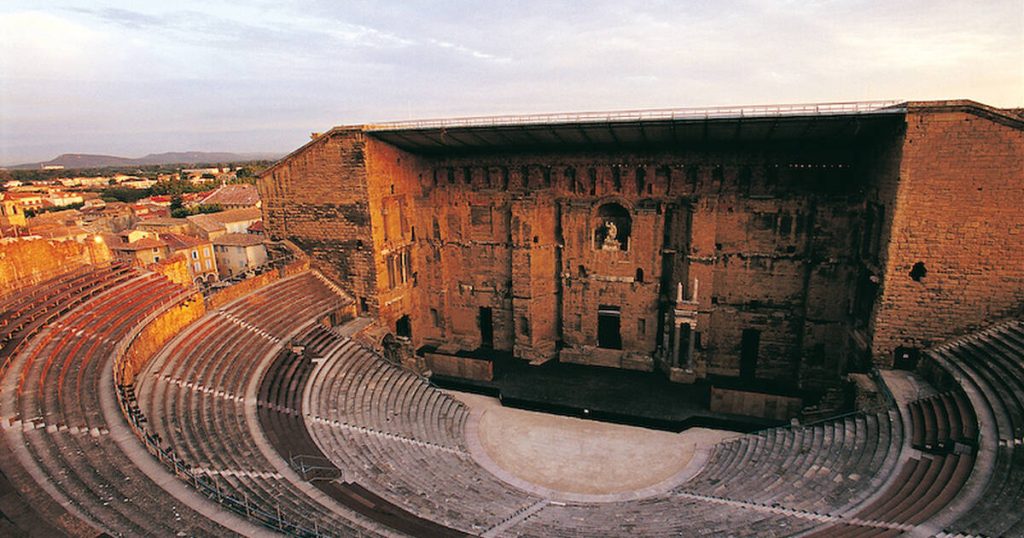
5. Roman Theatre of Orange — Orange, France
Its stage wall still stands, massive and unbroken. When you sit in the stone tiers, sound carries effortlessly. Performances continue, just as Rome intended. This is theater not as nostalgia, but as continuity.
The sheer height of the scaenae frons feels almost defiant—a declaration that art deserved permanence.
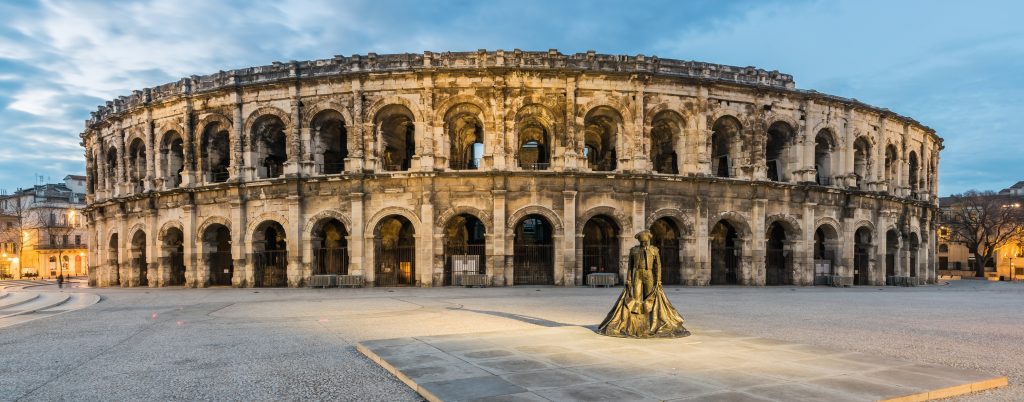
6. Arena of Nîmes — Nîmes, France
So well preserved it once served as a medieval fortress. The Arena of Nîmes feels ready for spectacle at any moment. Its symmetry, proportion, and structural clarity are lessons in Roman engineering still taught today.
Walking its corridors, you sense how easily Rome’s public spaces could be reborn for new eras.
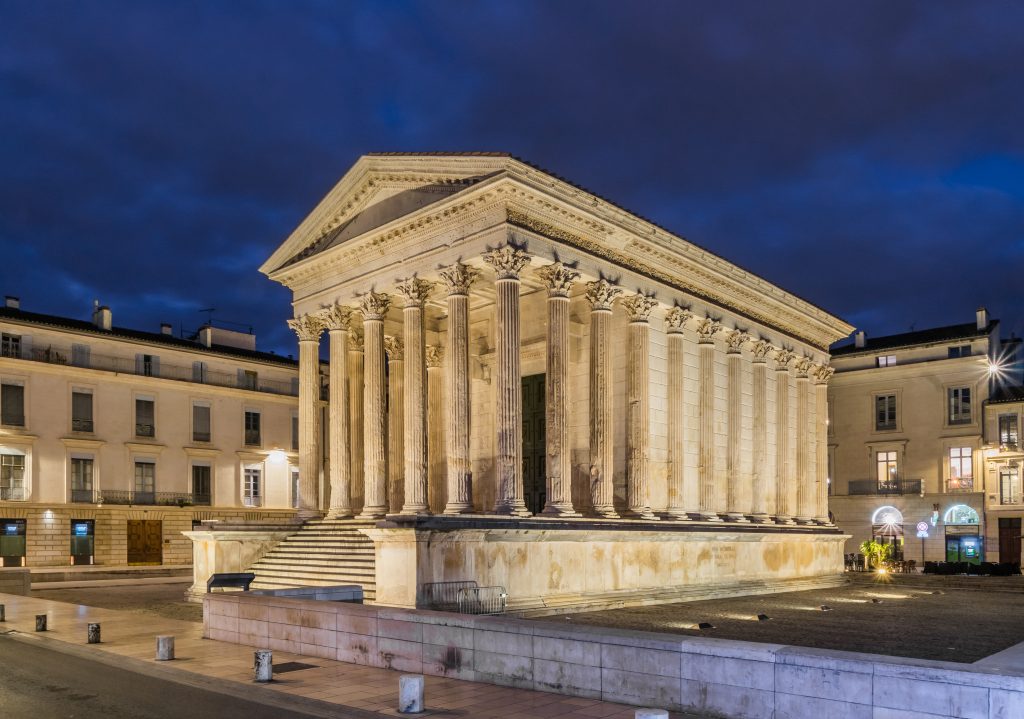
7. Maison Carrée — Nîmes, France
A temple so pristine it appears almost newly finished. Crisp Corinthian columns, perfect proportions—this is Roman religious architecture frozen in time, influential enough to inspire neoclassical buildings across continents.
It is Rome distilled: balance, restraint, and quiet authority rendered in stone.
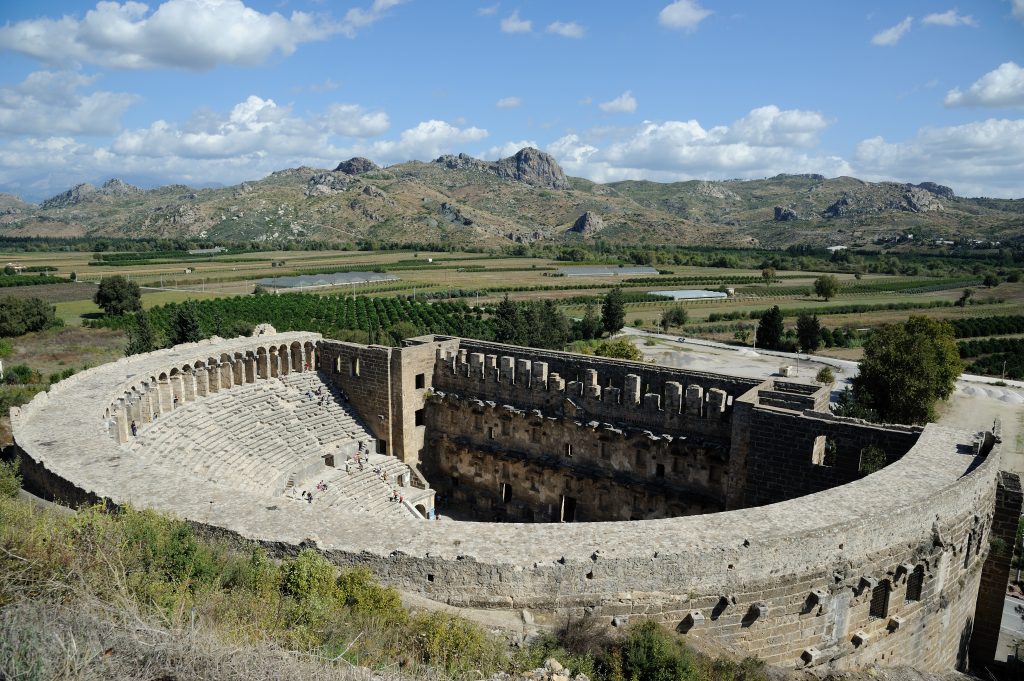
8. Theatre of Aspendos — Aspendos, Turkey
Perhaps the best-preserved Roman theater anywhere. Climb to the upper tiers and the acoustics astonish—whispers travel. Built under Marcus Aurelius, it remains structurally complete and eerily alive.
Even empty, the space seems to wait patiently for voices, as if performance were inevitable.
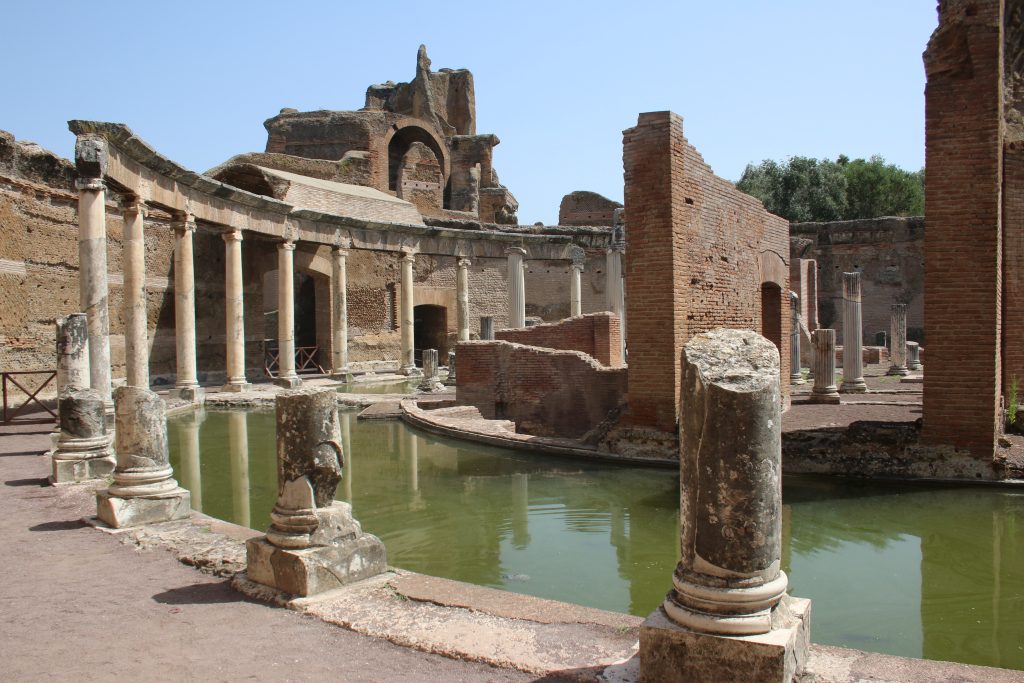
9. Hadrian’s Villa — Tivoli, Italy
Less a villa than a philosophical landscape. Reflecting Hadrian’s travels and obsessions, it blends Greek, Egyptian, and Roman forms into a deeply personal imperial retreat. Water, gardens, and architecture converse quietly here.
This is Rome at its most introspective—power softened by curiosity and reflection.
10. Roman Amphitheatre of El Djem — El Djem, Tunisia
Rising unexpectedly from the Tunisian plain, this massive amphitheater rivals the Colosseum. Its isolation heightens the drama—an empire’s fingerprint pressed into North Africa, astonishingly intact.
The silence here is profound, broken only by wind moving through arches once filled with noise and blood.
11. Porta Nigra — Trier, Germany
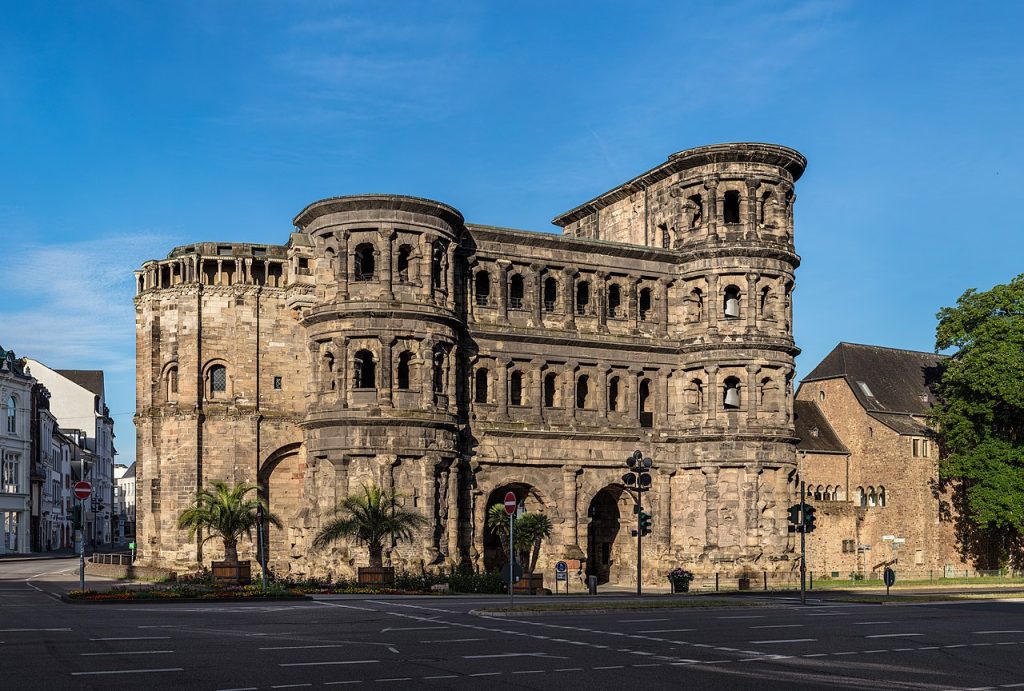
Darkened by centuries, this monumental gate still guards the city. Its sheer mass and defensive clarity remind us that Rome’s reach extended deep into northern Europe—and stayed.
Converted into a church and then restored, it survives because every era found use for its strength.
12. Temple of Augustus and Livia — Vienne, France
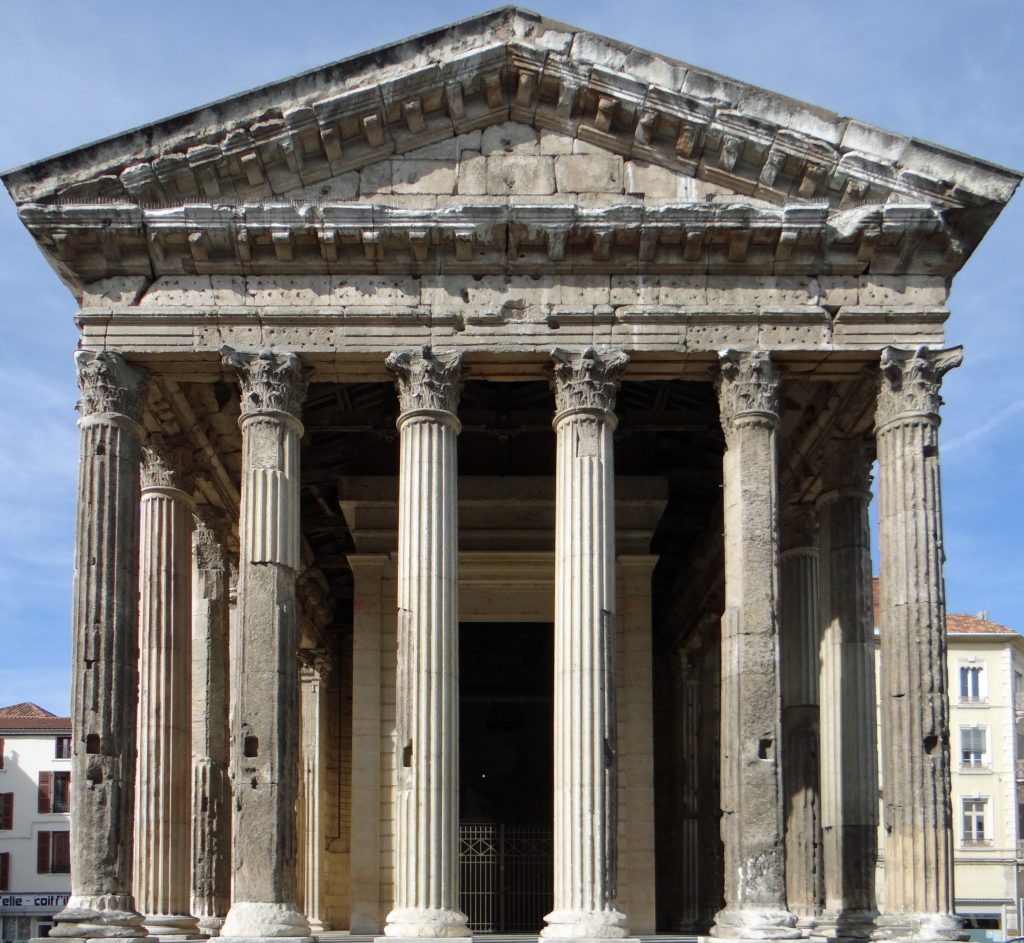
Graceful, balanced, and quietly commanding, this temple anchors the historic center of Vienne. It has survived because it was cherished—first as a temple, then a church, then a museum of itself.
Few buildings illustrate more clearly how reverence, not abandonment, preserves history.
In Appreciation…the Legacy Endures
These structures are not static relics. They host concerts, frame city life, inspire architects, and draw millions who seek something solid in an impermanent world. Rome’s buildings endure because they were built not just to function—but to matter. Standing before them, we recognize something rare: ambition that outlived its creators.
Recommended Reading
Fiction
- The Course of Honour by Lindsey Davis — A deeply human portrait of love and politics in imperial Rome.
- Imperium by Robert Harris — Cicero’s rise unfolds against the brutal elegance of the late Republic.
- Roma Sub Rosa series by Steven Saylor — Mysteries that move effortlessly through Rome’s streets and scandals.
Non-Fiction
- SPQR by Mary Beard — A definitive, lively examination of how Rome actually worked.
- Rubicon by Steven Saylor — The dramatic collapse of the Republic told with narrative flair.
- Rome: A History in Seven Sackings by Matthew Kneale — A layered meditation on the city’s resilience across centuries.
