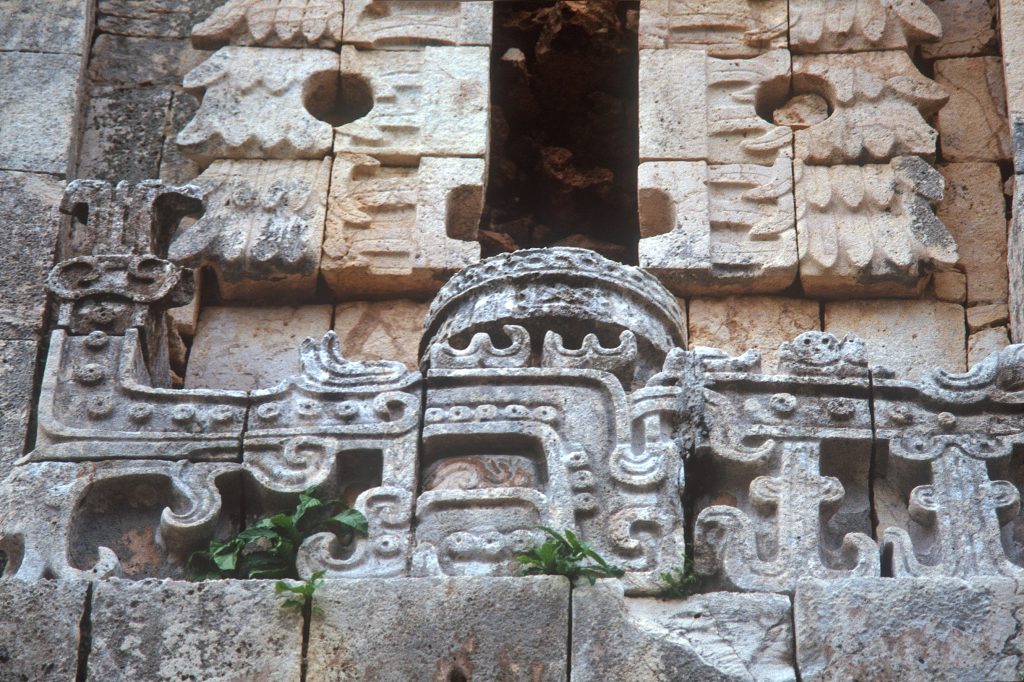
Stones Speakin Stars and Serpents
Set within the Puuc hills of the Yucatán Peninsula, Uxmal is not only one of the most visually stunning of all Maya cities, it is also one of the most mysterious, its history layered in astronomical elegance and unanswered questions.
There is no jungle overtaking the stones here, no sense of ruin swallowed by nature. Instead, Uxmal feels carved from clarity, its buildings poised and intentional, designed not just for grandeur but for cosmic conversation.
To walk through Uxmal is to move through geometry and myth, a place where architecture is not merely functional or symbolic, but sacred choreography between earth and sky.
A City of the Puuc: Style, Mystery, and Legacy
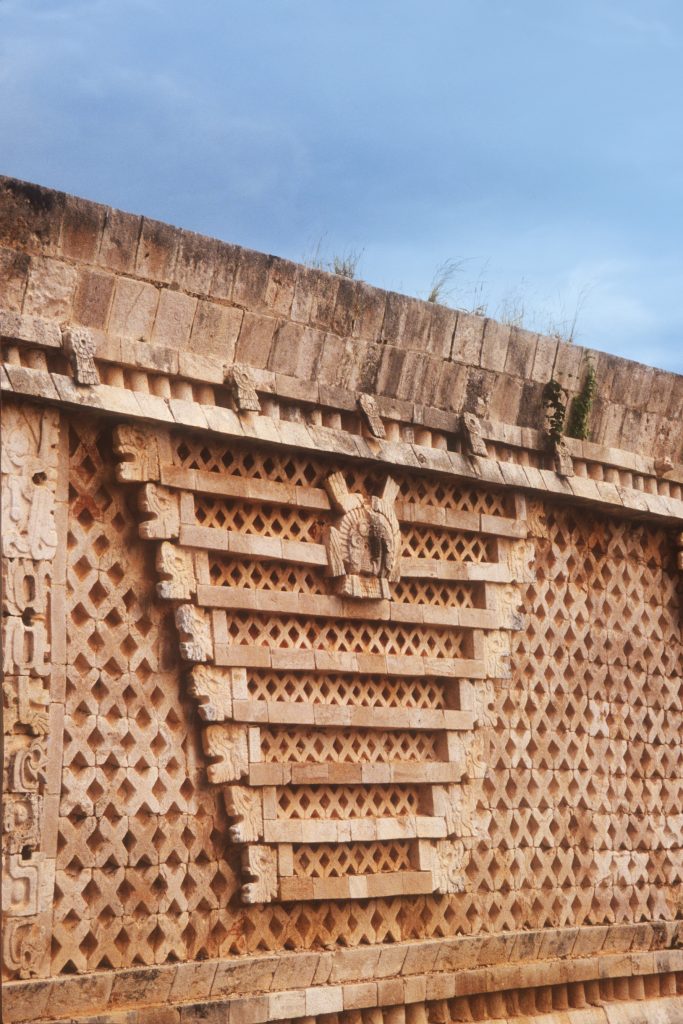
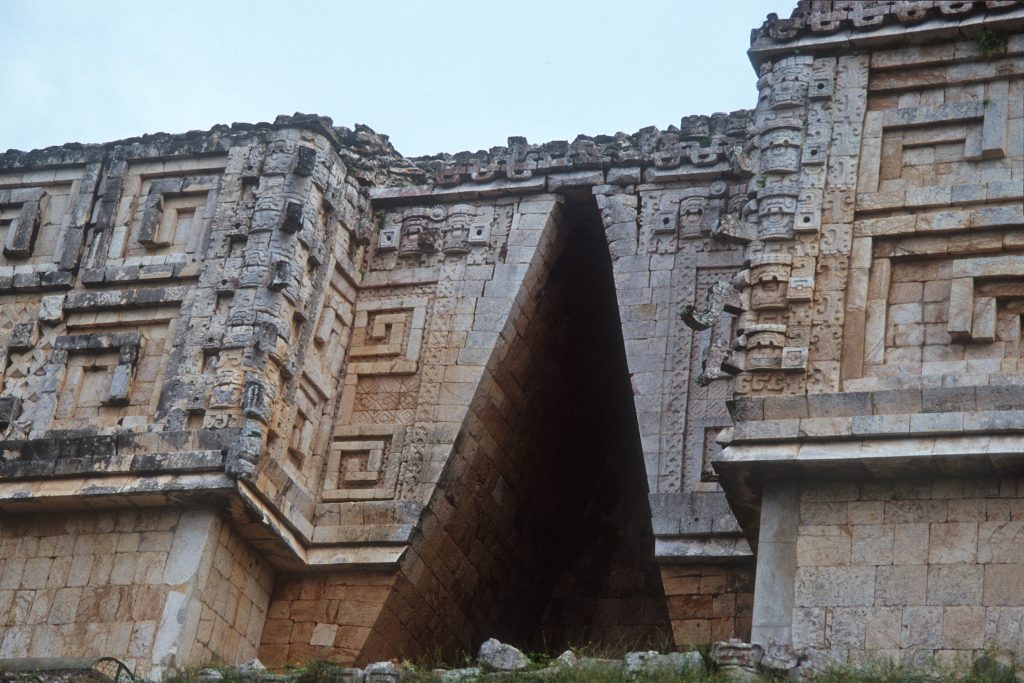
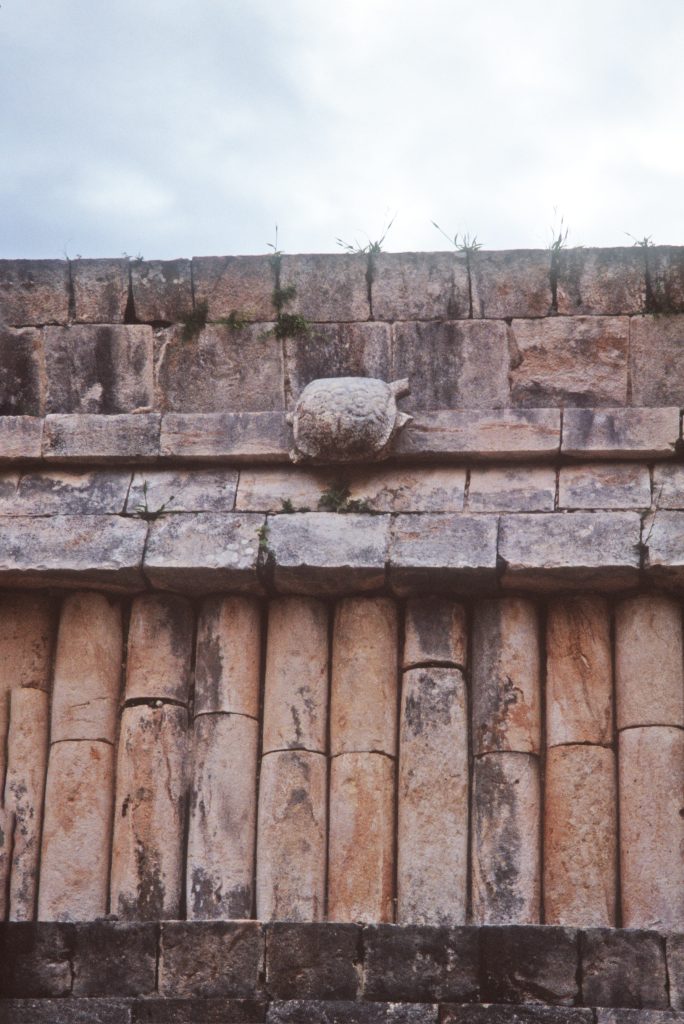
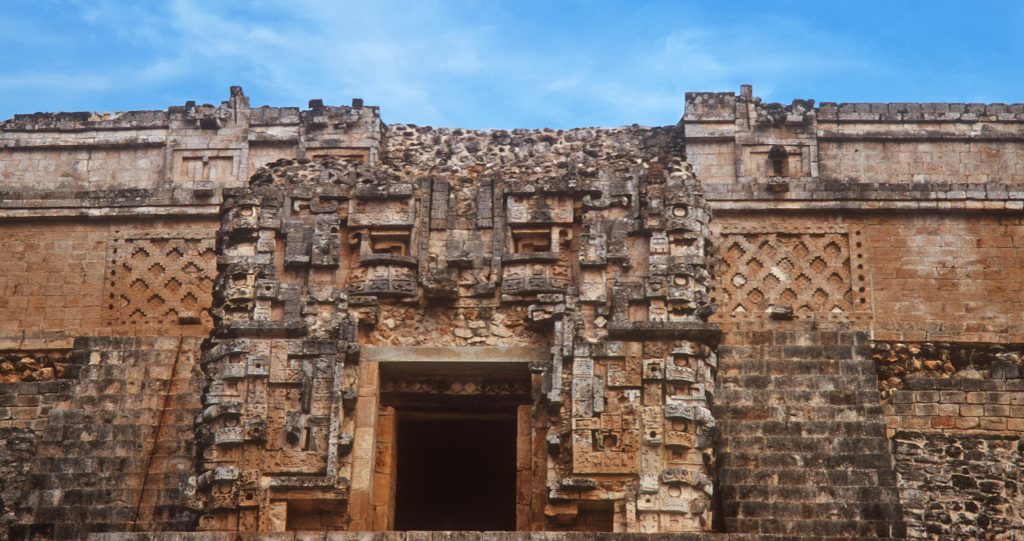
The name Uxmal (pronounced Oosh-mahl) means “thrice-built” in Yucatec Maya, possibly referring to the many phases of construction at the site or to the city’s cyclical renewal over centuries. The city reached its zenith between 600 and 950 CE, during the Late Classic period, and is considered the crown jewel of the Puuc architectural tradition, marked by elaborate stone mosaics, stacked terraces, and decorative façades unlike anything else in Mesoamerica.
Unlike the better-known cities of Chichén Itzá or Tikal, Uxmal was not built in the middle of dense jungle or highland valleys. Instead, it rose among the low limestone hills of western Yucatán, where no rivers run and all water had to be collected via chultunes, underground cisterns lined with plaster and stone. This necessity made Uxmal a marvel not only of spiritual vision, but of environmental adaptation.
And yet, for all its sophistication, much about Uxmal remains unknown. No stelae with clear dynastic records have been found. No definitive reason for its abandonment around 1000 CE has been uncovered. But what endures is the story told in stone, a celestial language of light, shadow, and serpents.
Architecture of the Divine
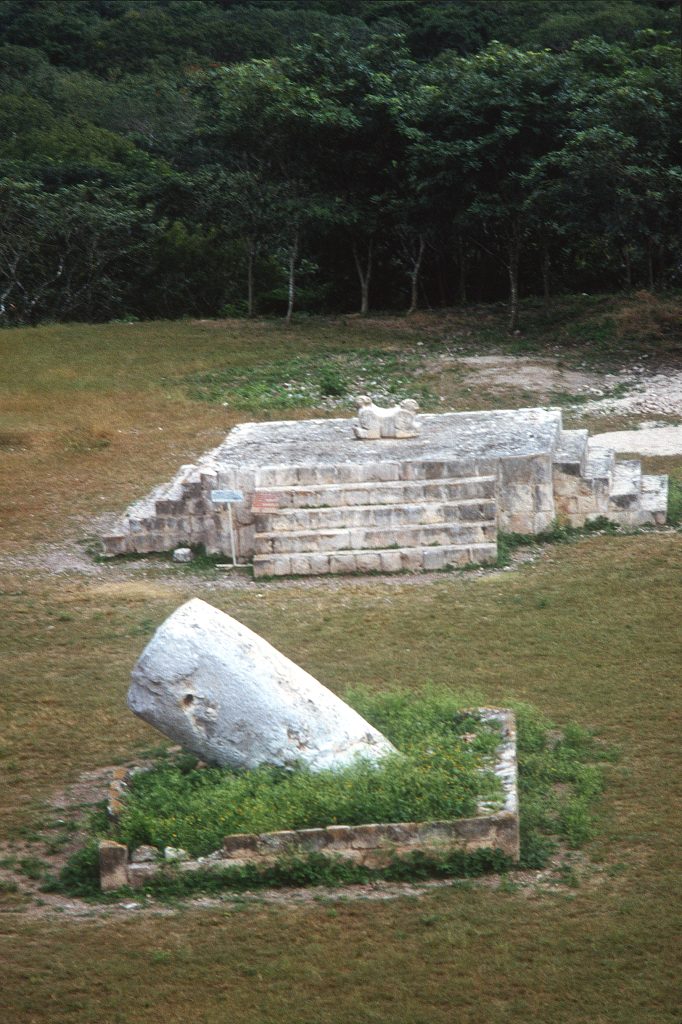
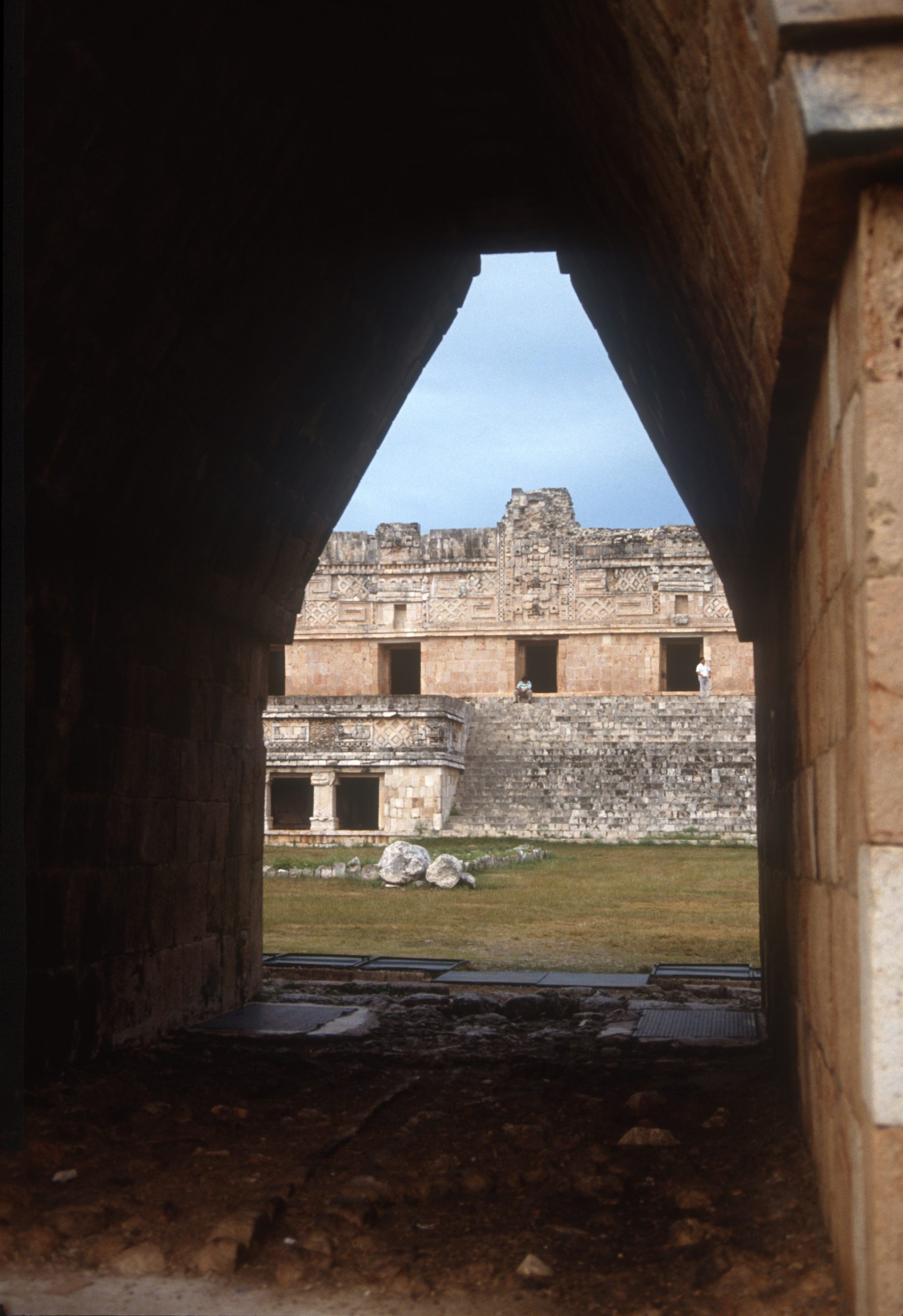
Uxmal is a site of grand plazas, ceremonial symmetry, and ornamental intricacy. Its buildings are not only technically impressive, they are theatrical, designed to move the spirit.
Pyramid of the Magician (Pirámide del Adivino)
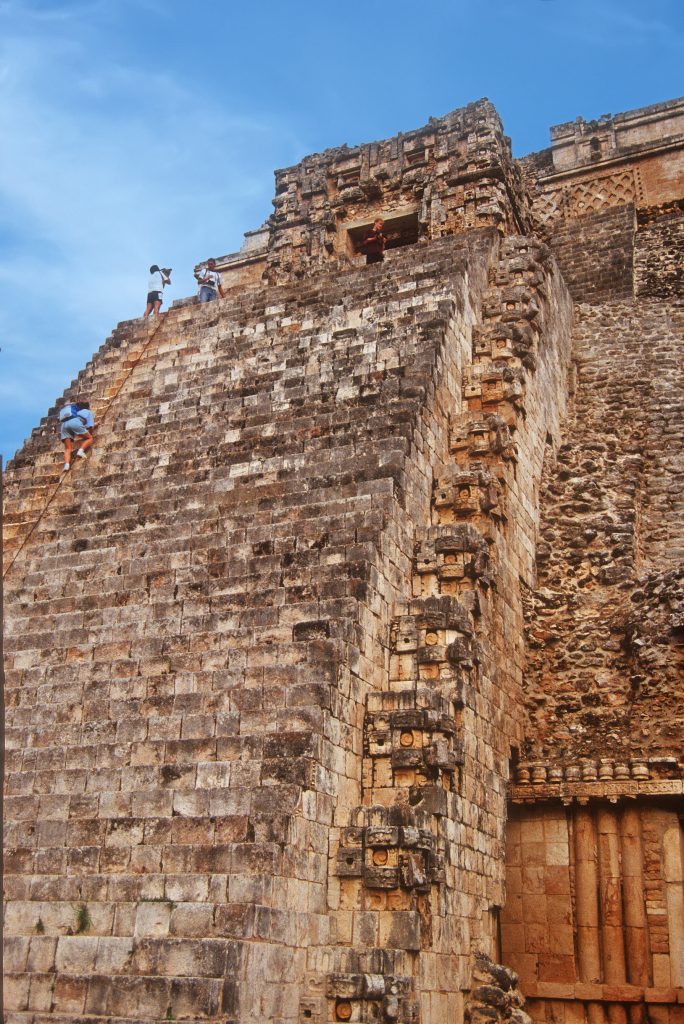
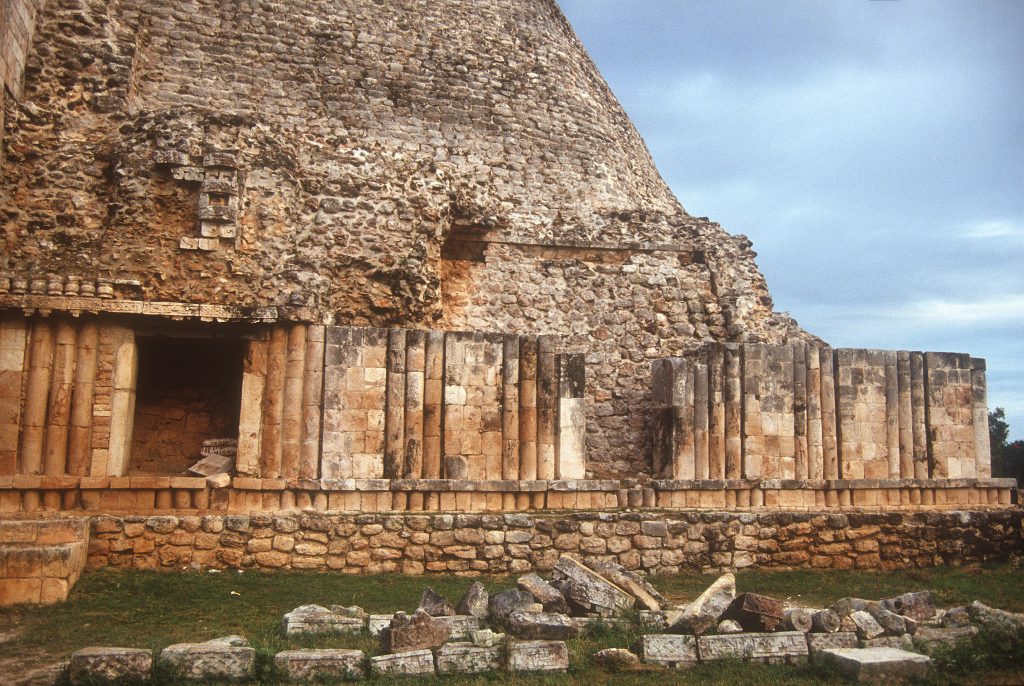
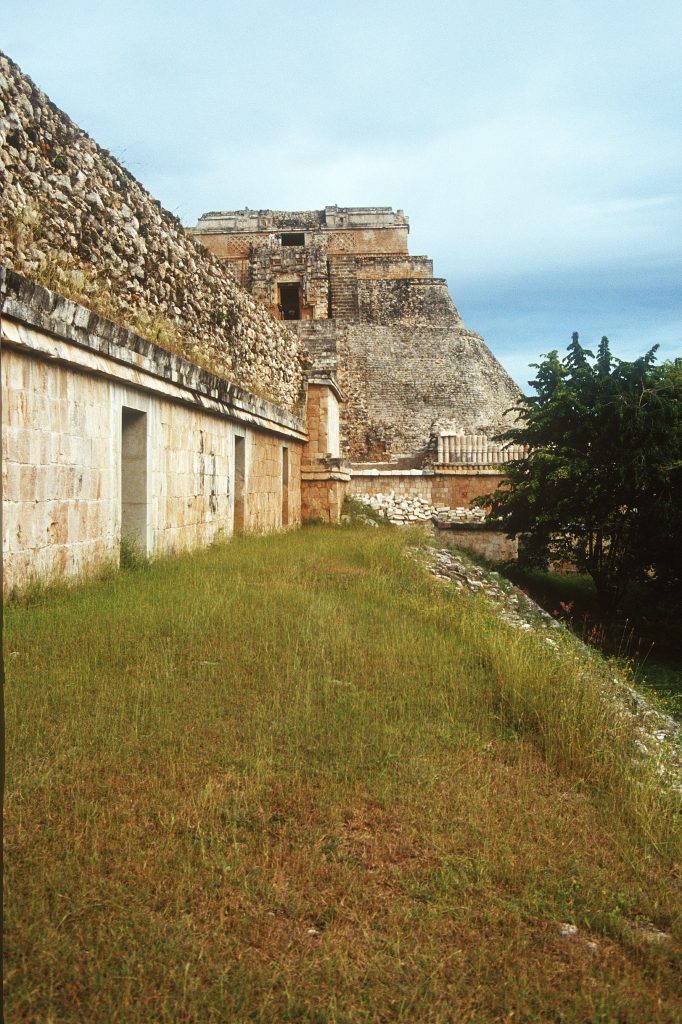
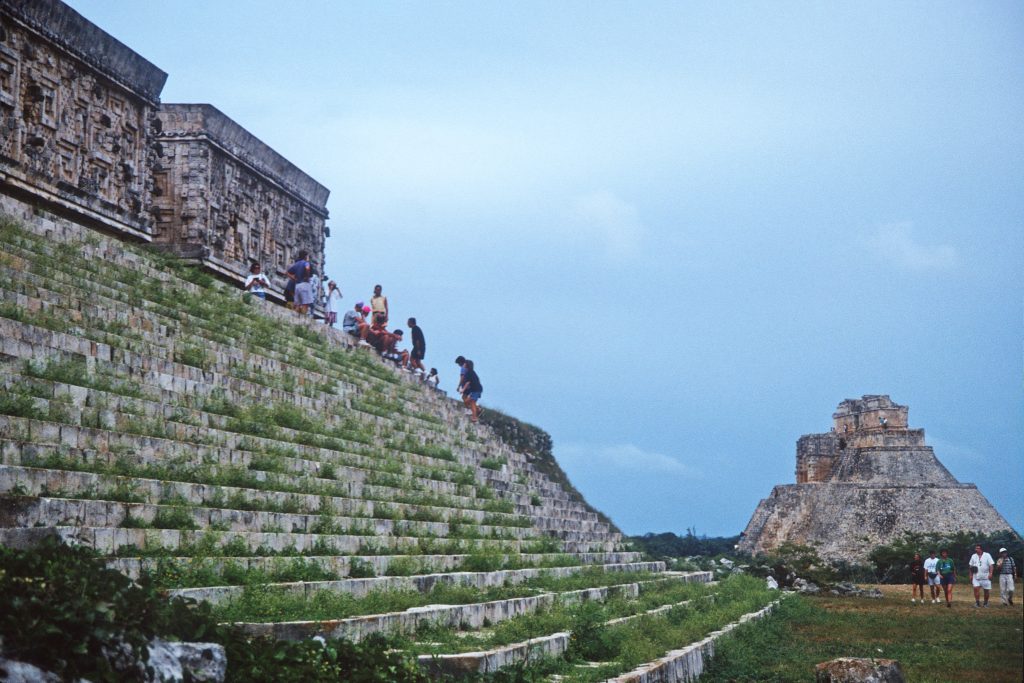
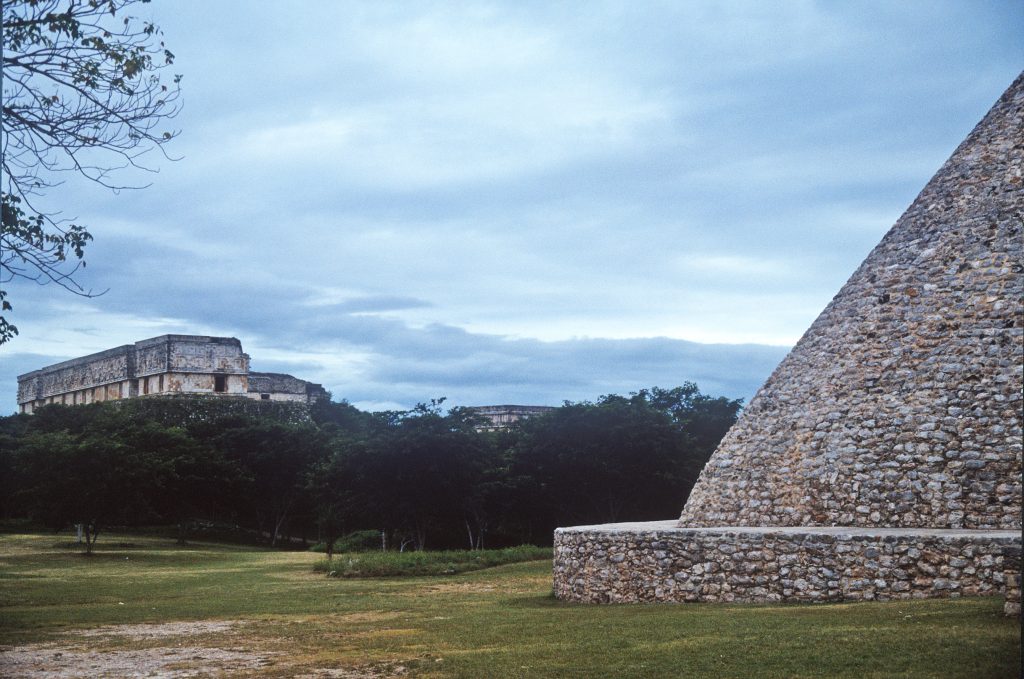
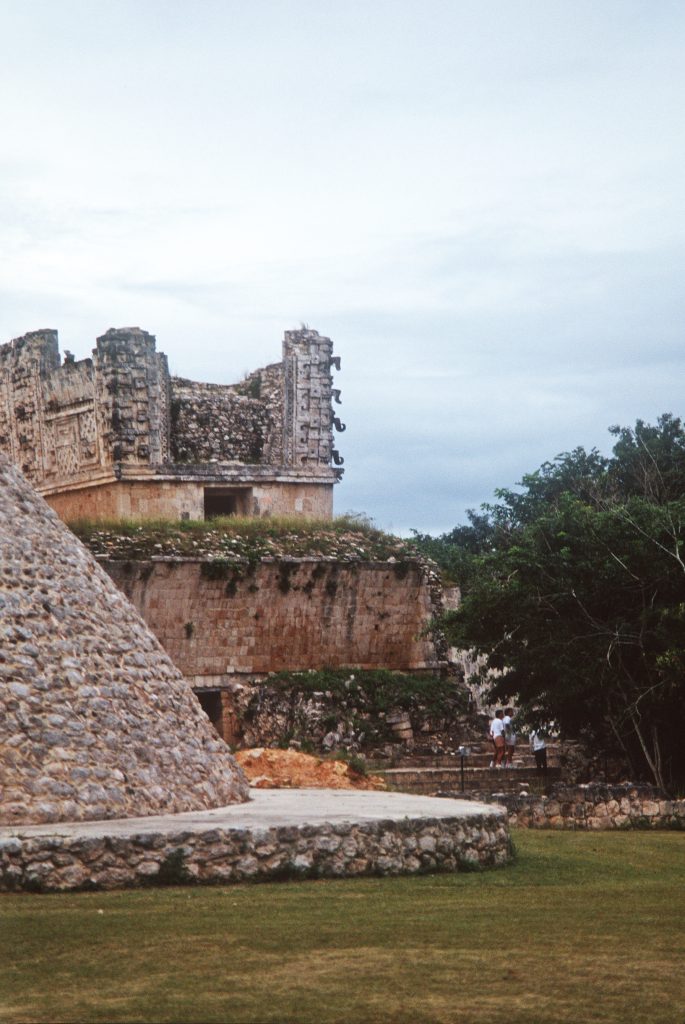
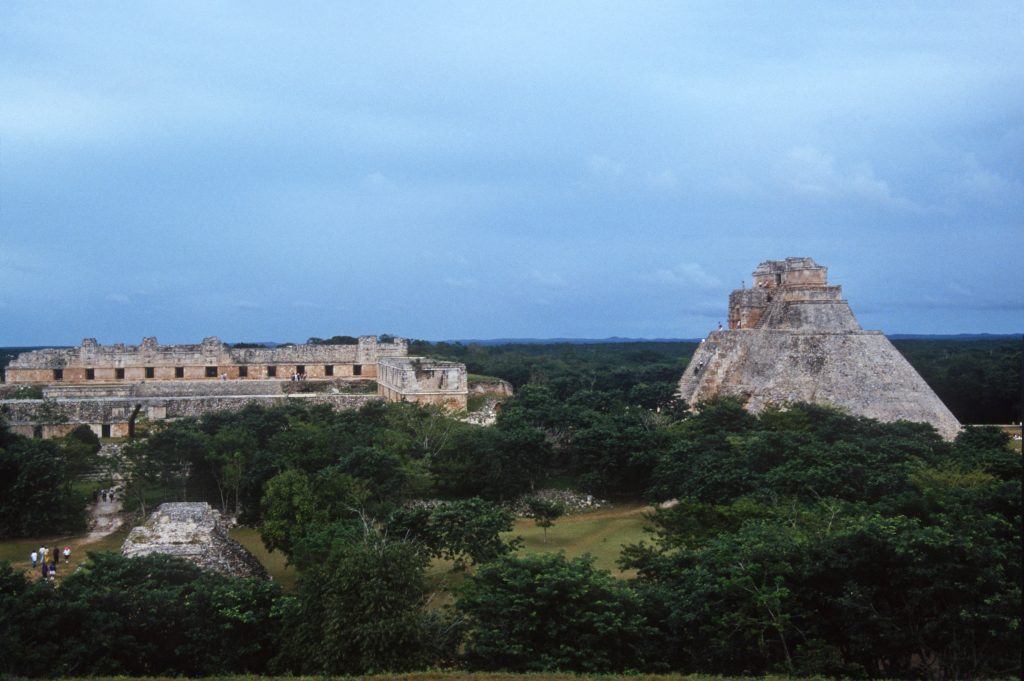
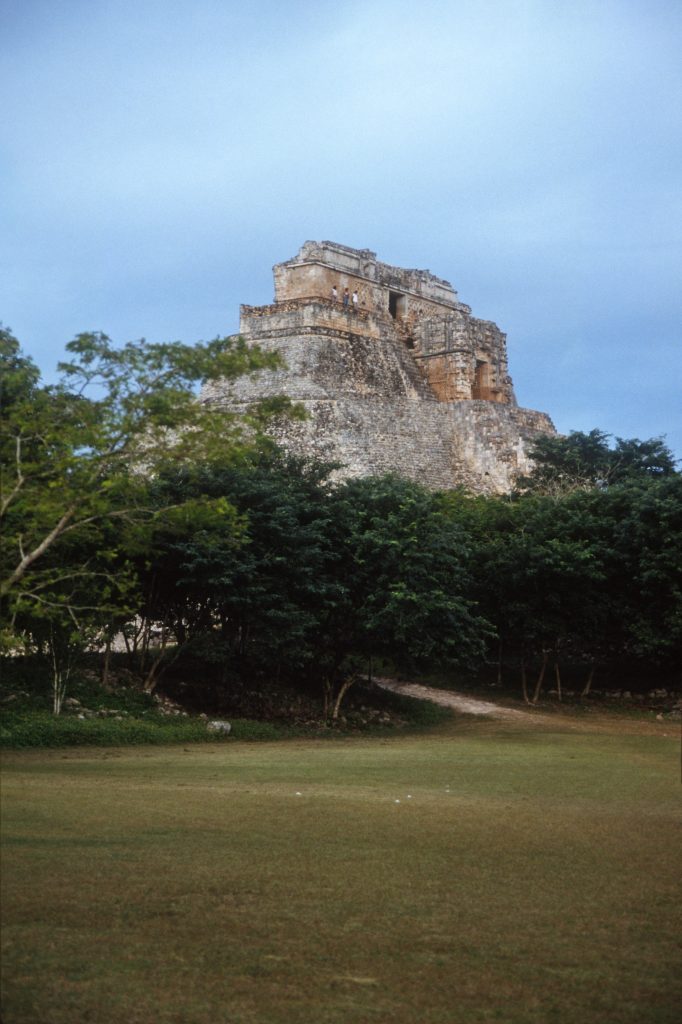
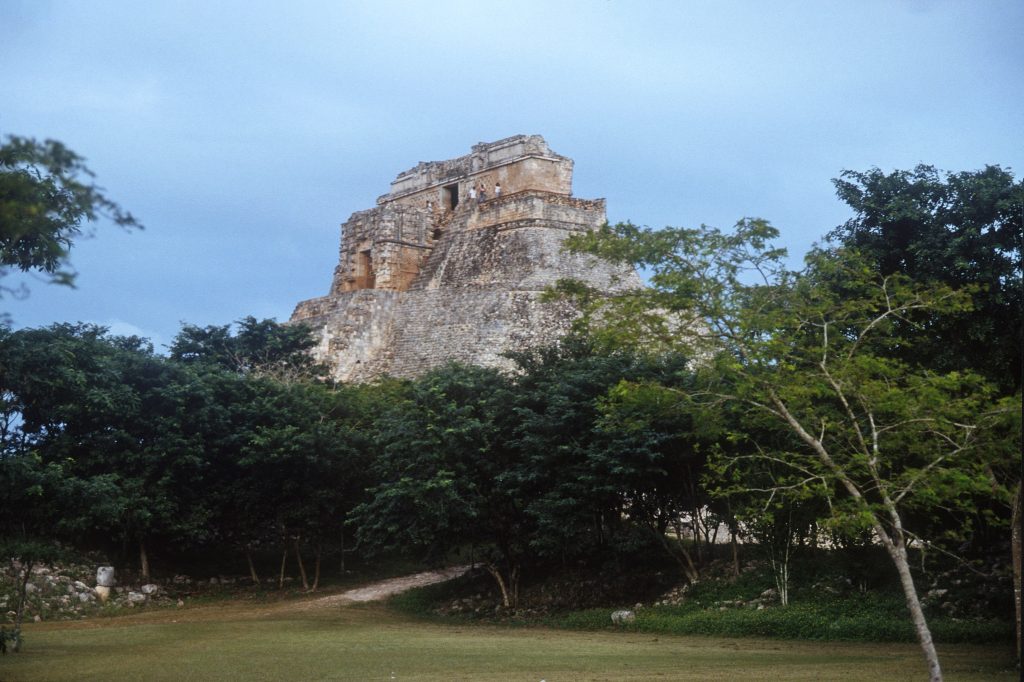
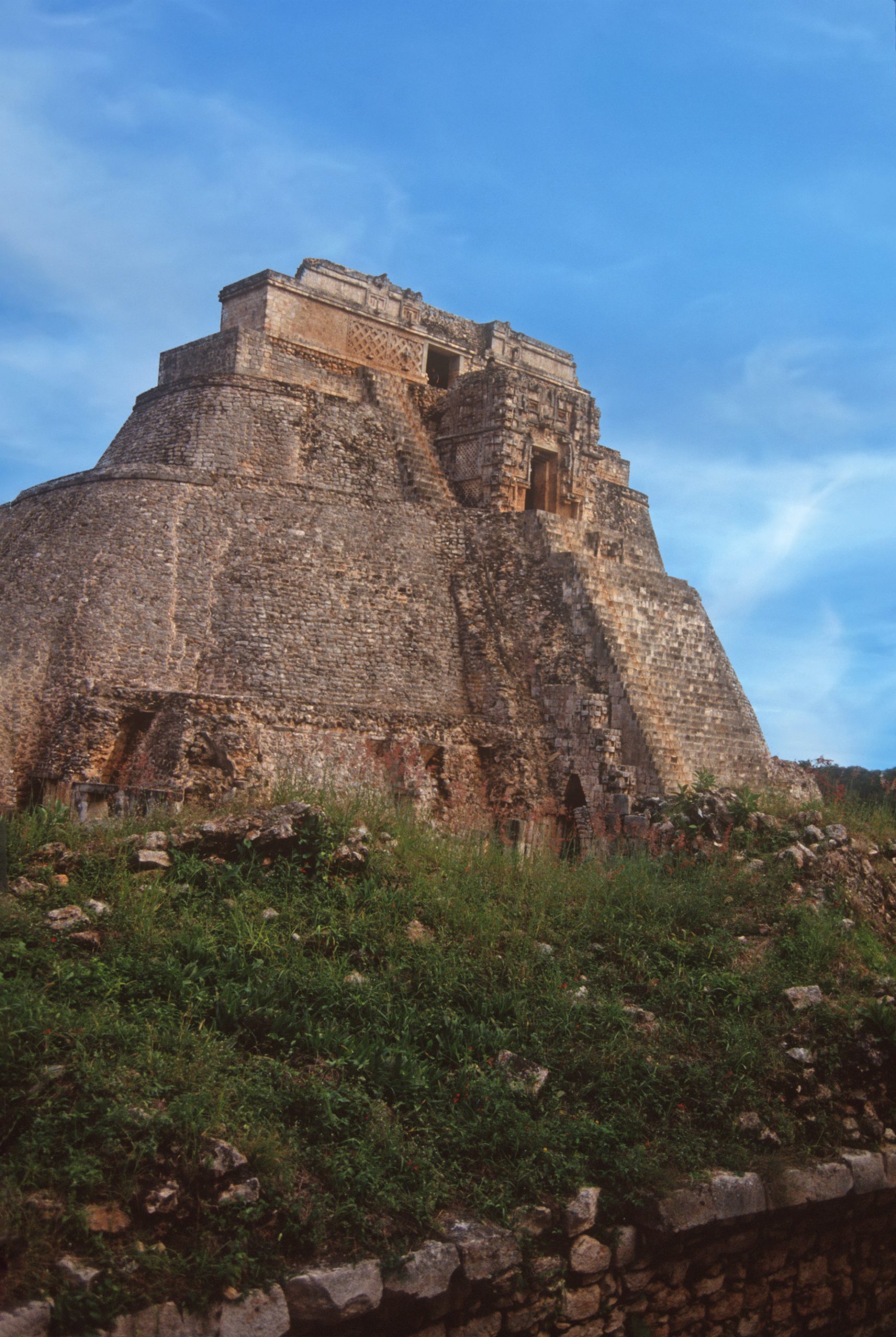
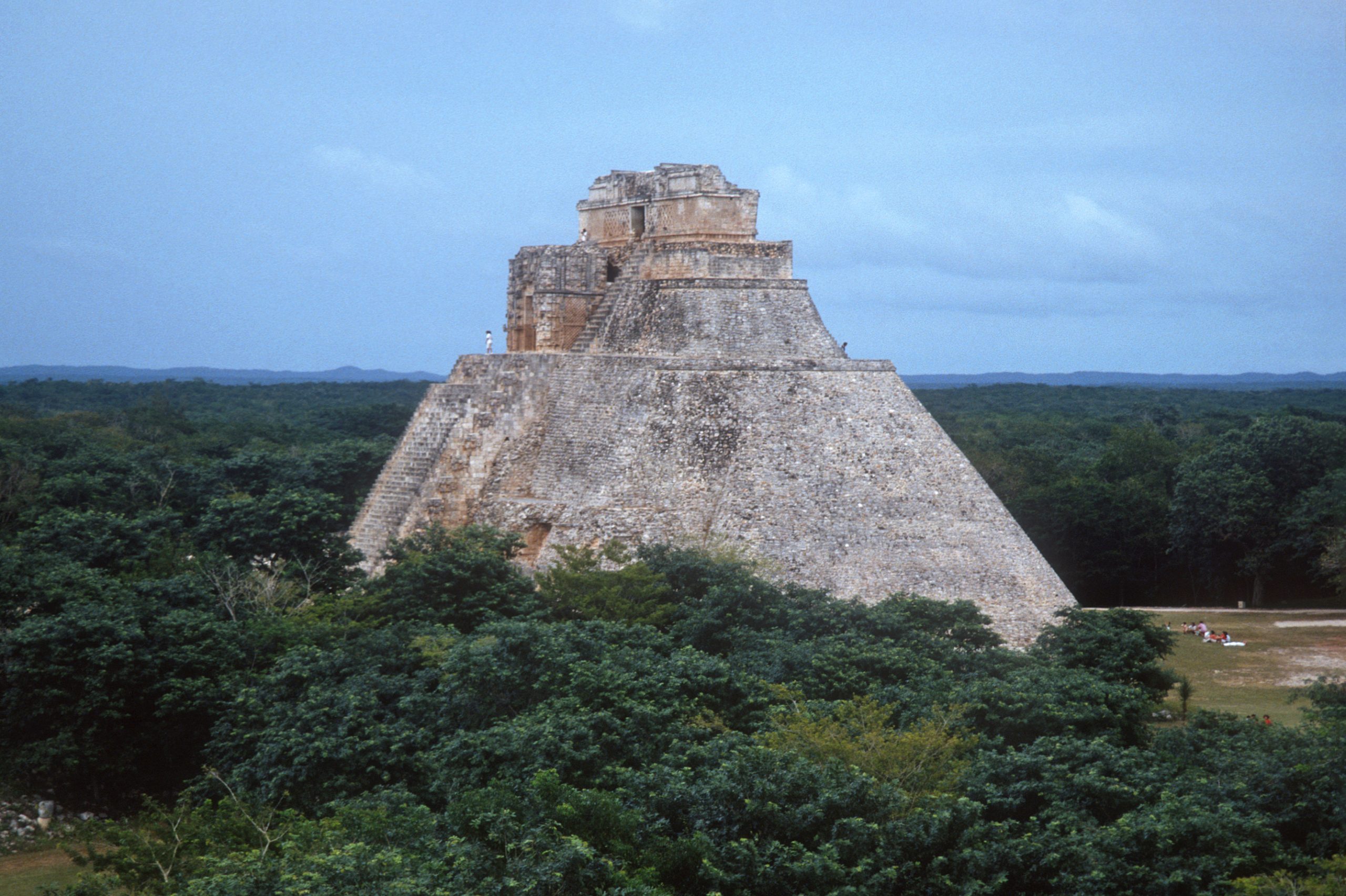
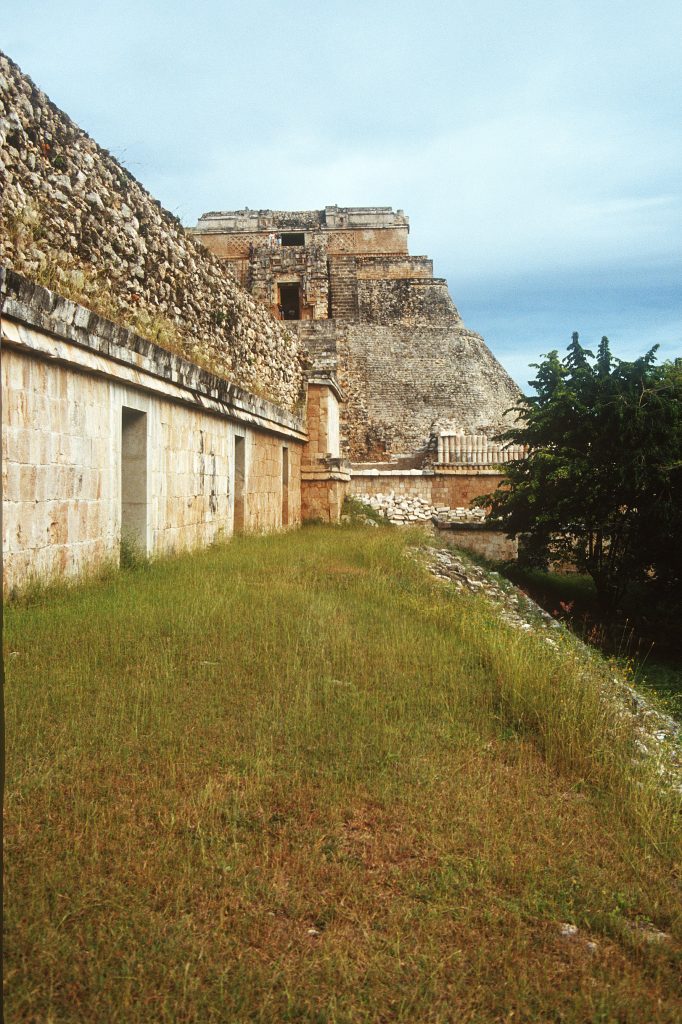
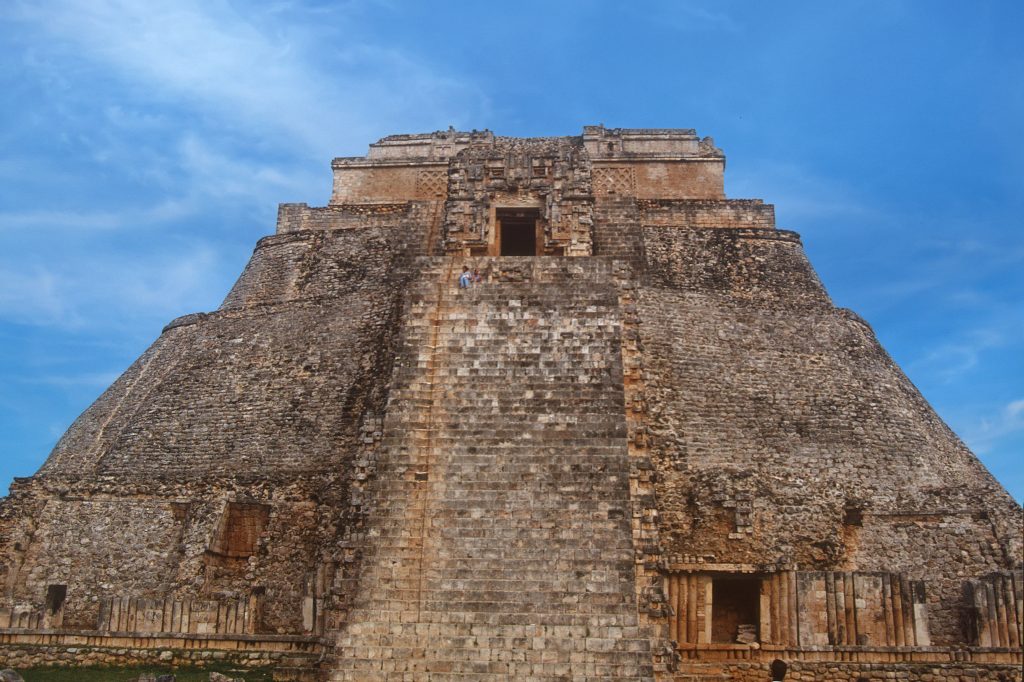
This is the most iconic structure at Uxmal, and unlike any other Maya pyramid. Its oval base and steep, rounded sides give it a curved elegance, setting it apart from the angular pyramids of Tikal or Palenque.
Legend tells of a dwarf magician who built the pyramid in a single night, outwitting a king. Archaeologists tell us it was built in five layers over several centuries, each level sheathing the one before.
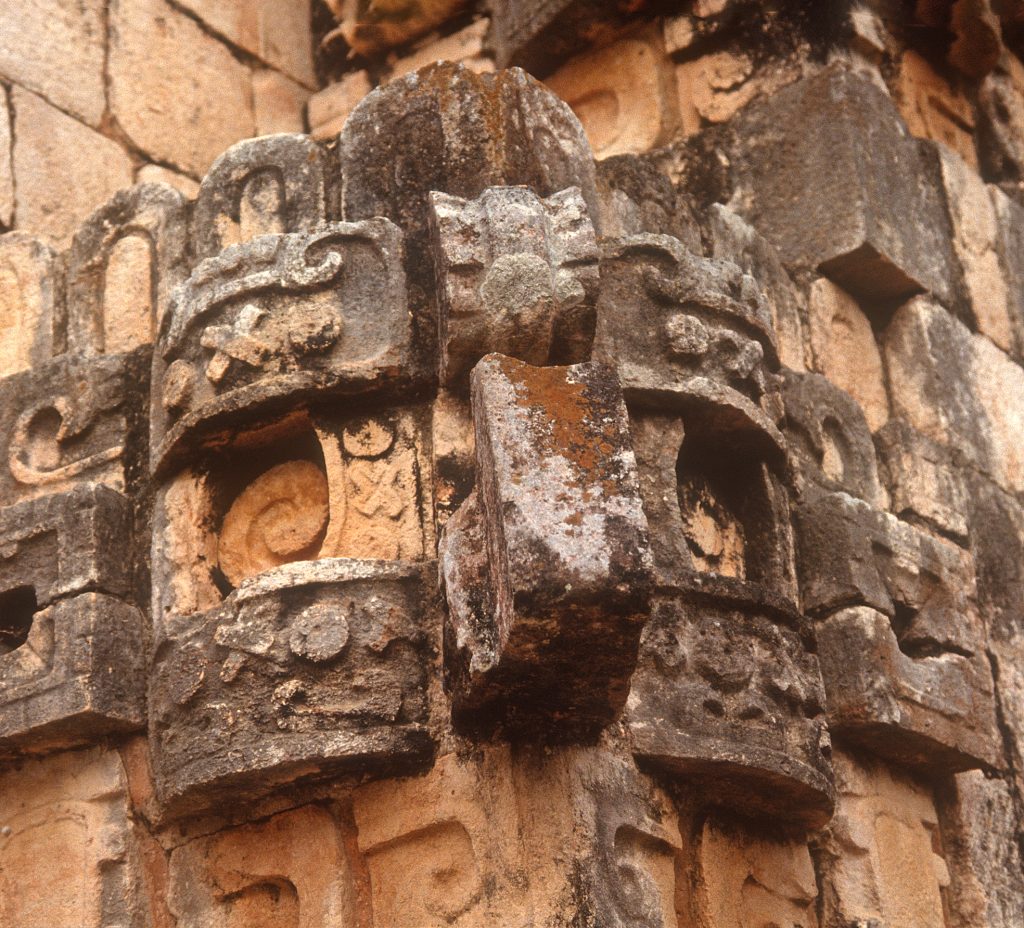
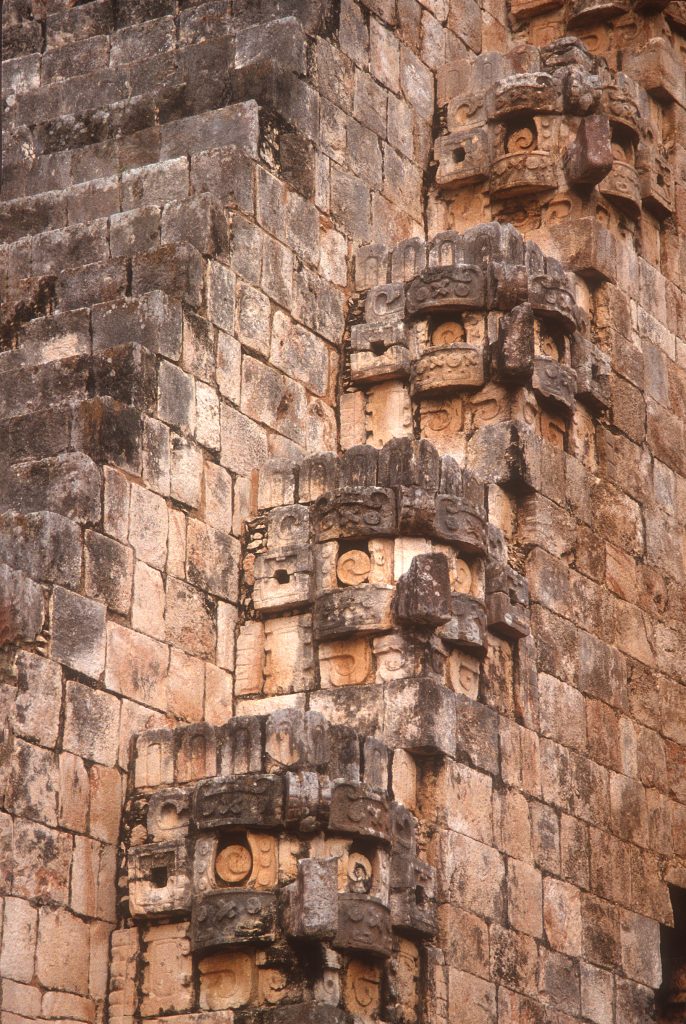
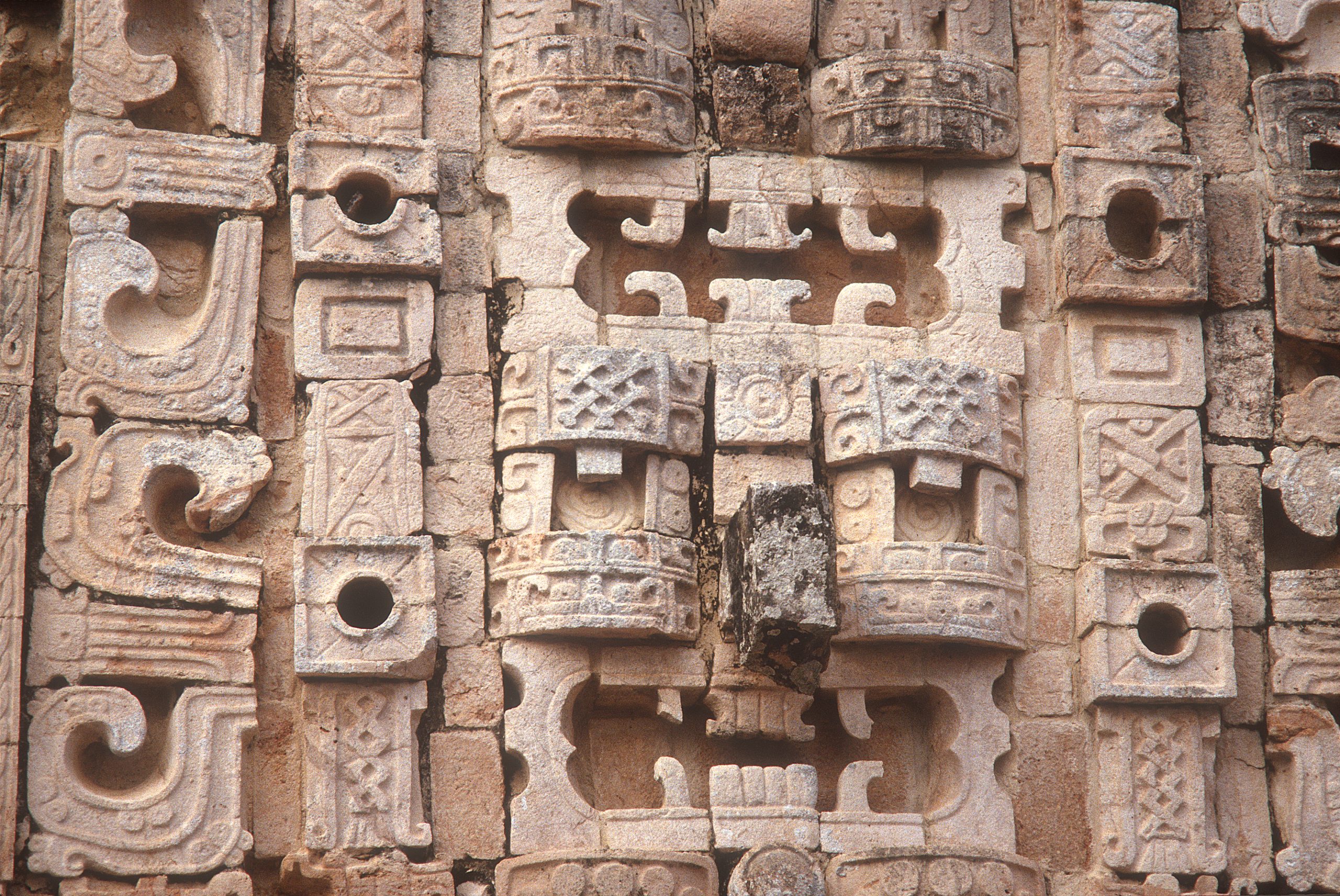
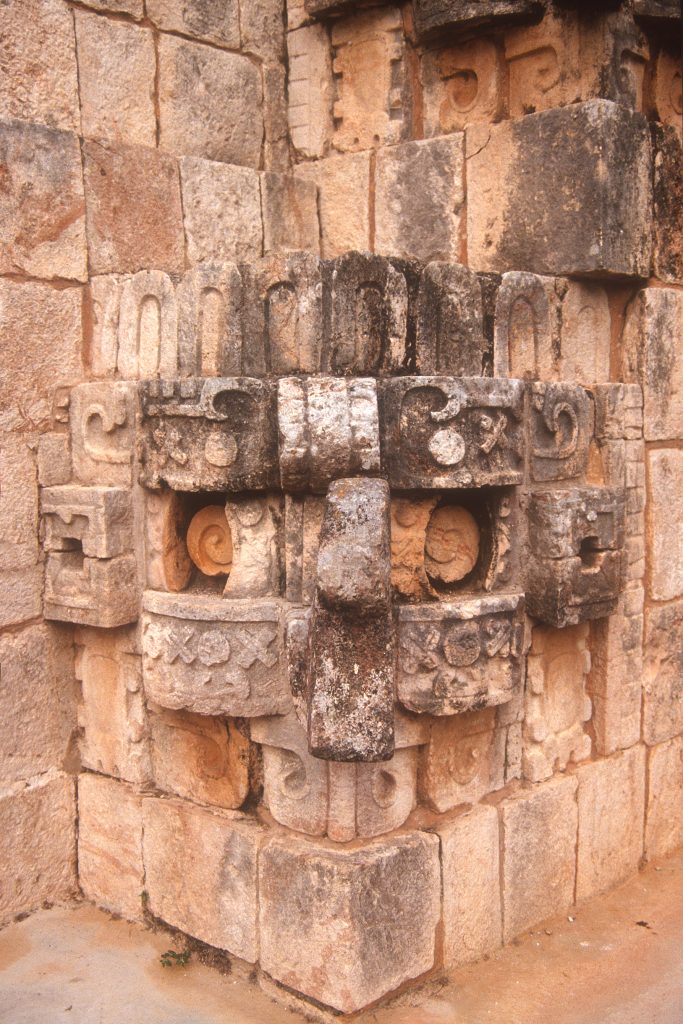
The temple atop the pyramid is aligned with the setting sun at the summer solstice, and the stairs are flanked by mask-like carvings of Chaac, the Maya rain god, whose hooked nose adorns many of Uxmal’s façades.
Governor’s Palace (Palacio del Gobernador)
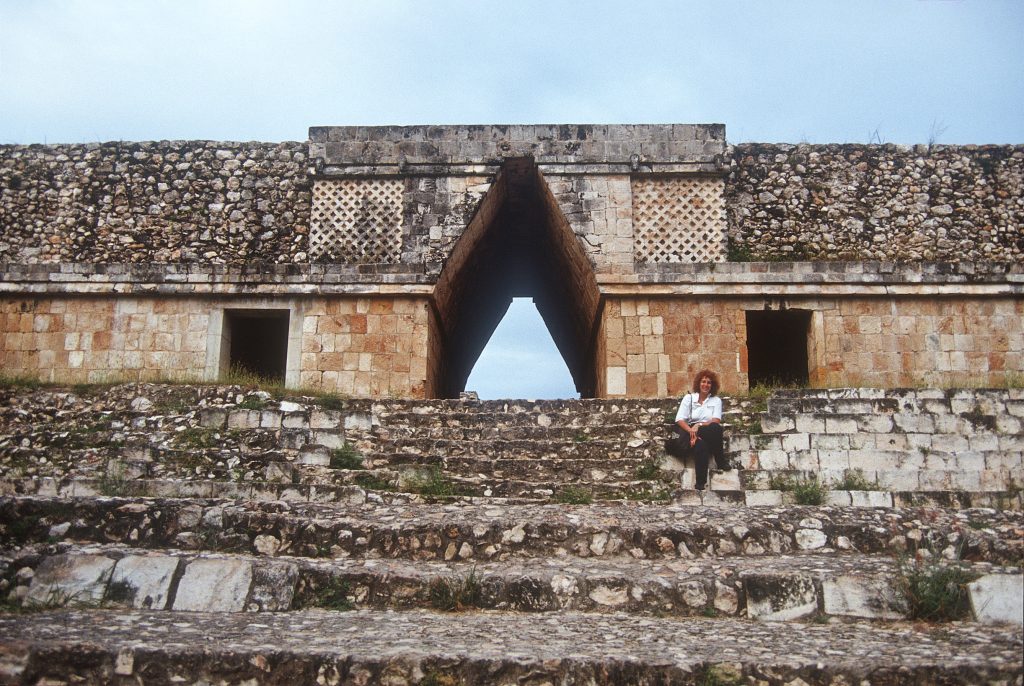
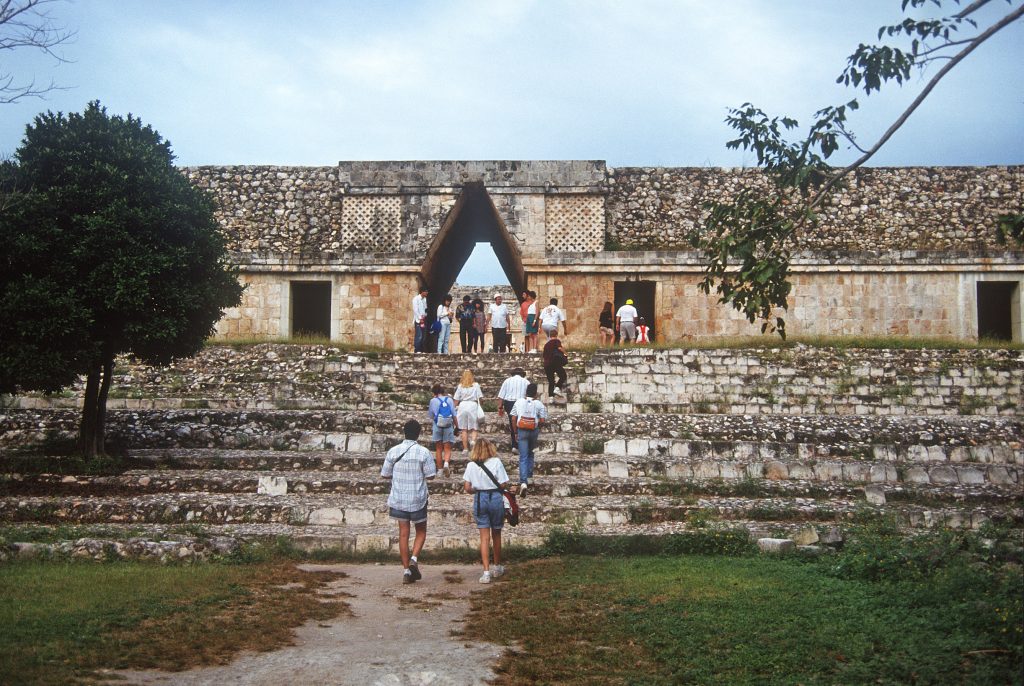
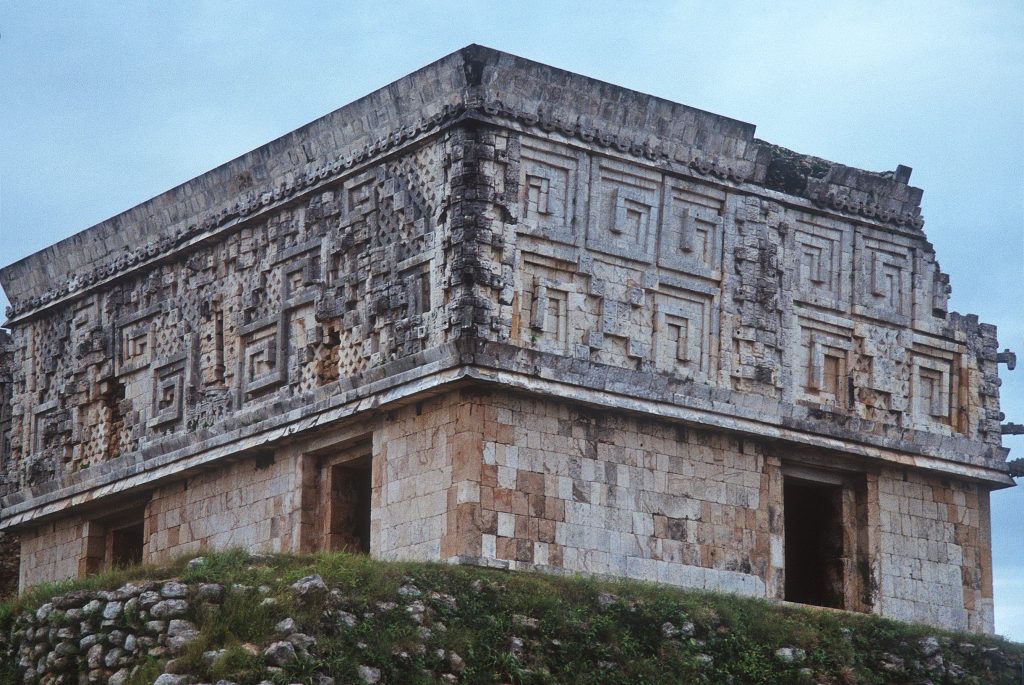
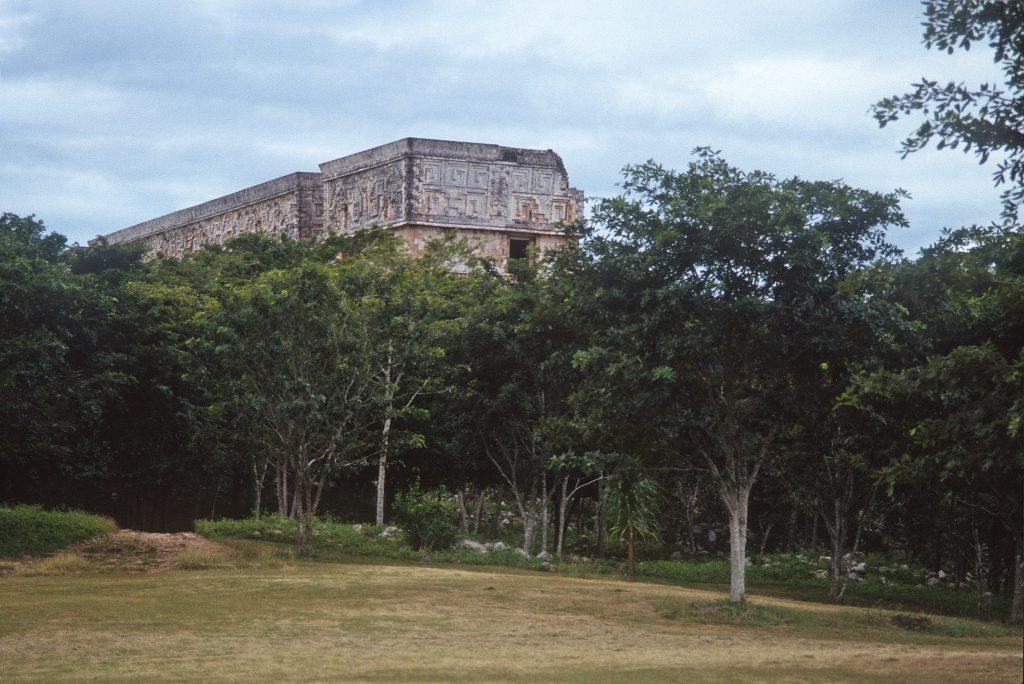
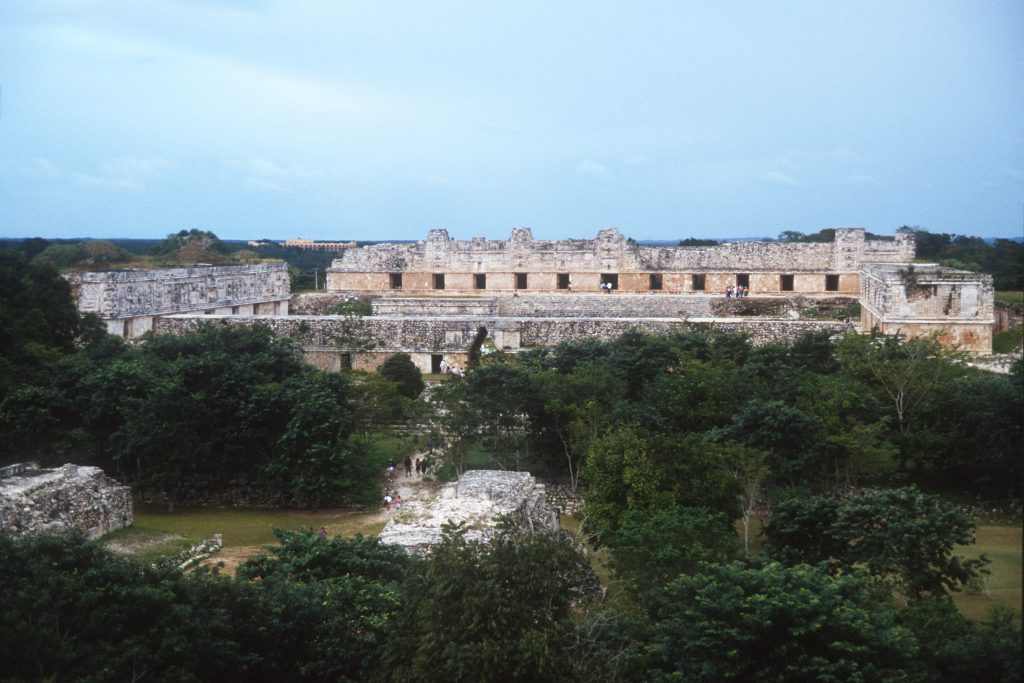
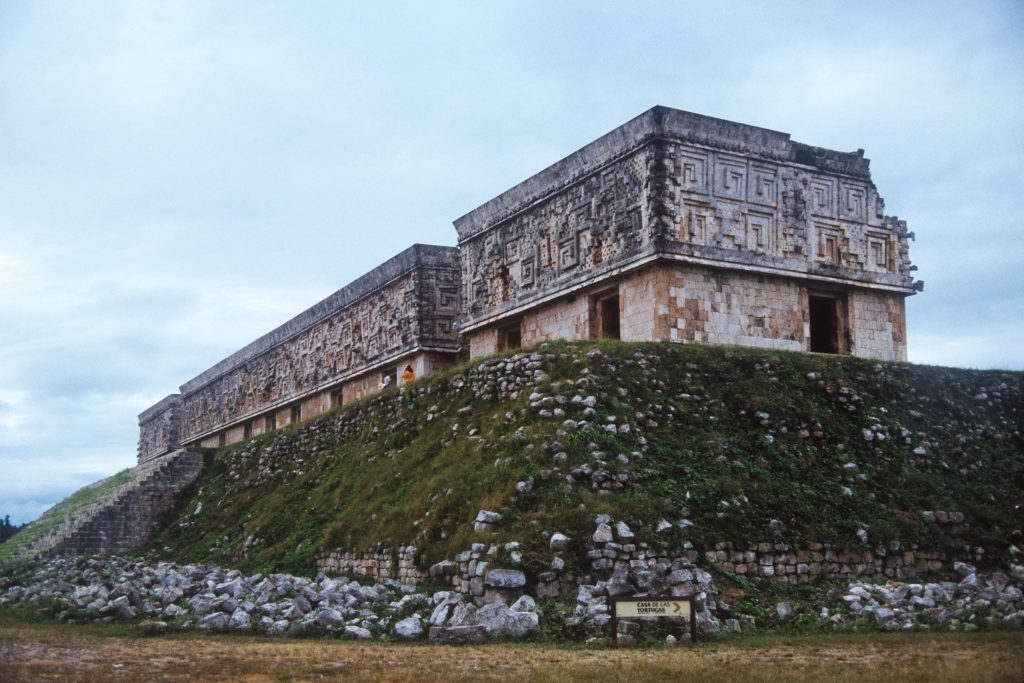
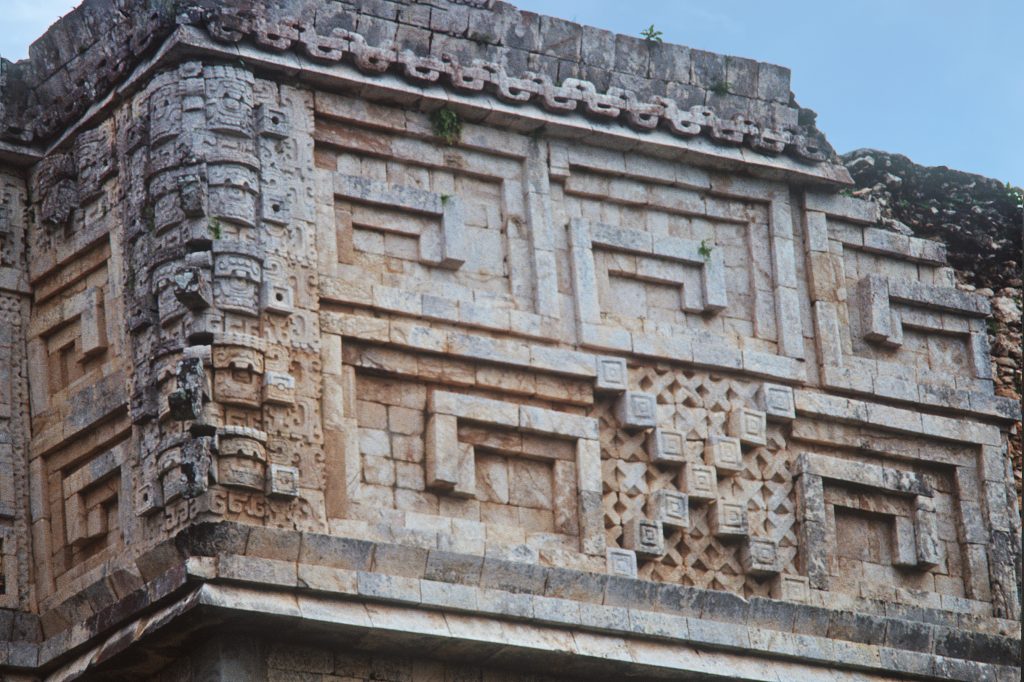
Despite the Spanish nickname, this was likely an administrative or ceremonial complex, not a convent. It is one of the most harmonious spaces in all of Mesoamerica: four long buildings arranged in a perfect rectangle, each one elaborately decorated with geometric fretwork, lattices, serpents, owls, and divine masks.
Scholars believe its layout reflects cosmological balance, with each side representing a cardinal direction and an aspect of Maya sacred geography.
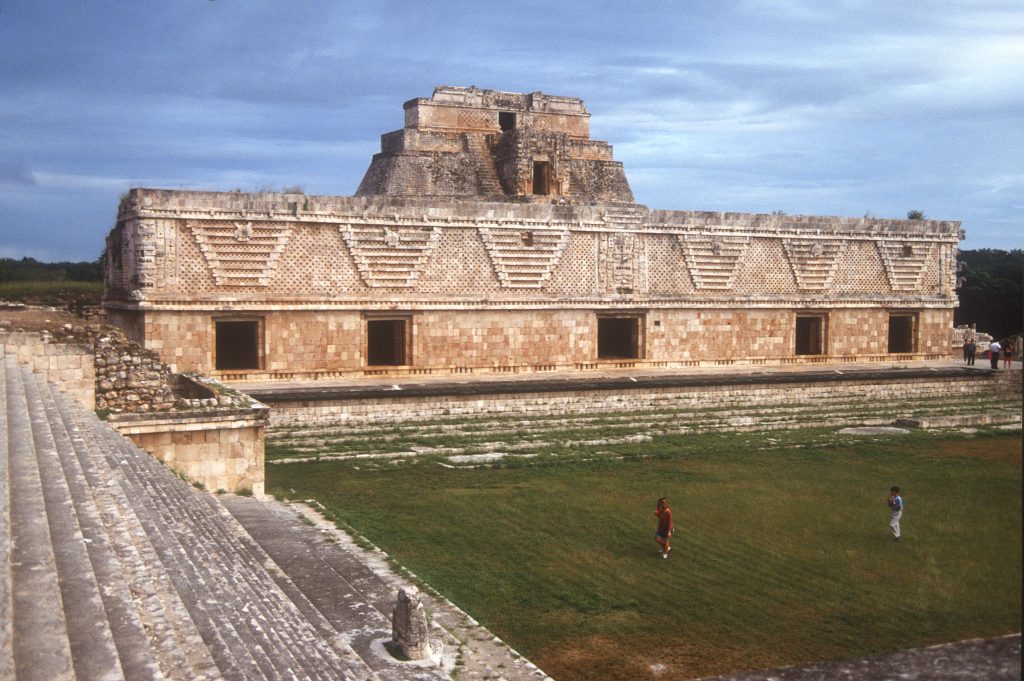
Nunnery Quadrangle (Cuadrángulo de las Monjas)
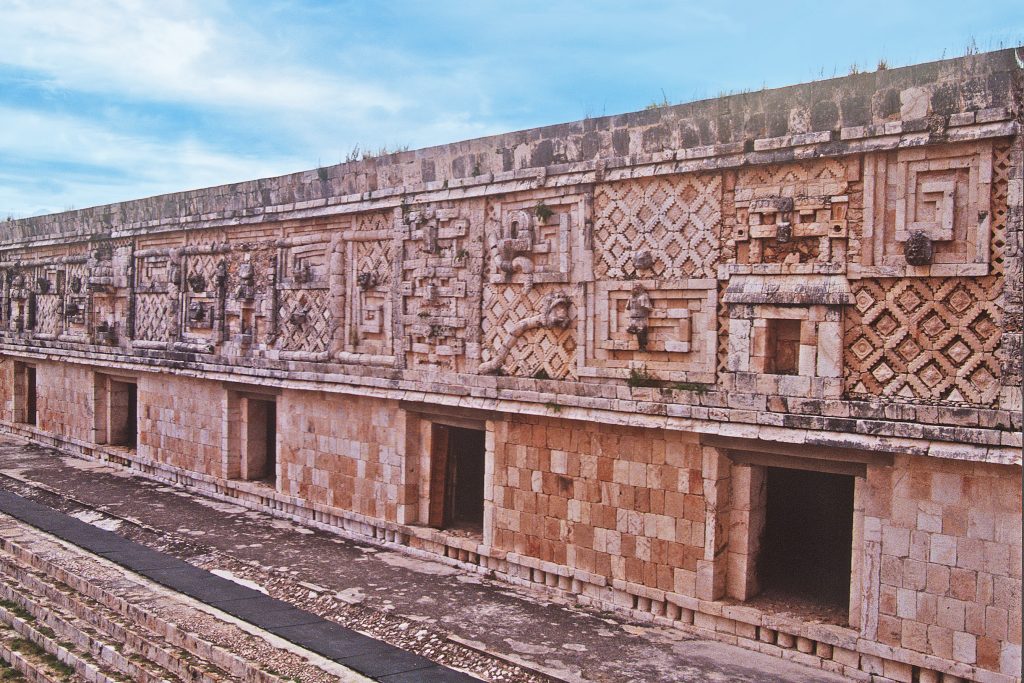
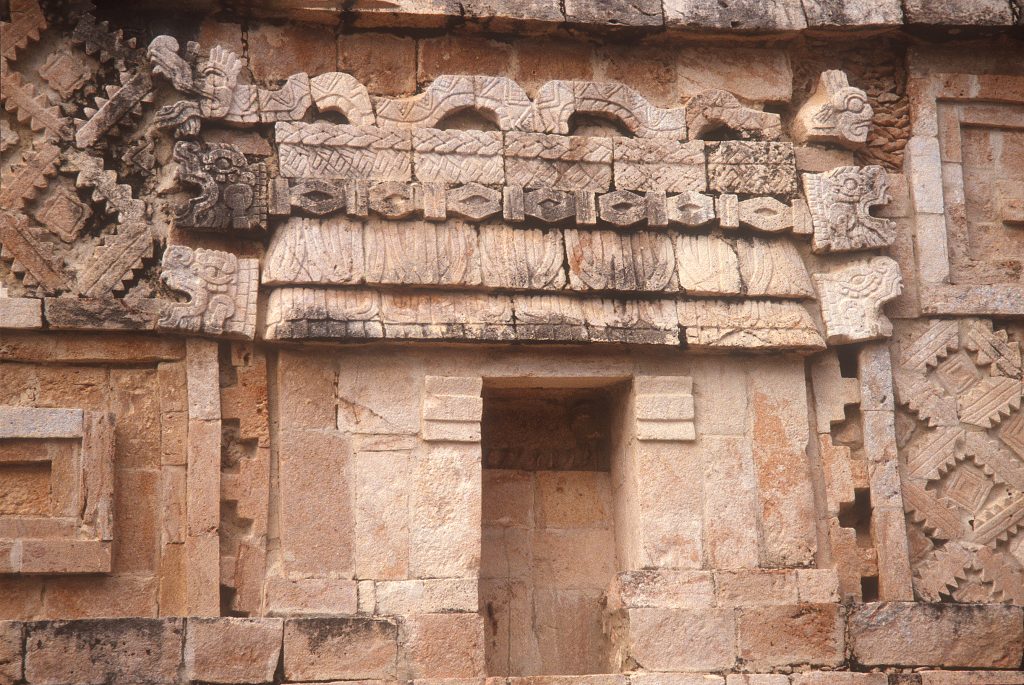
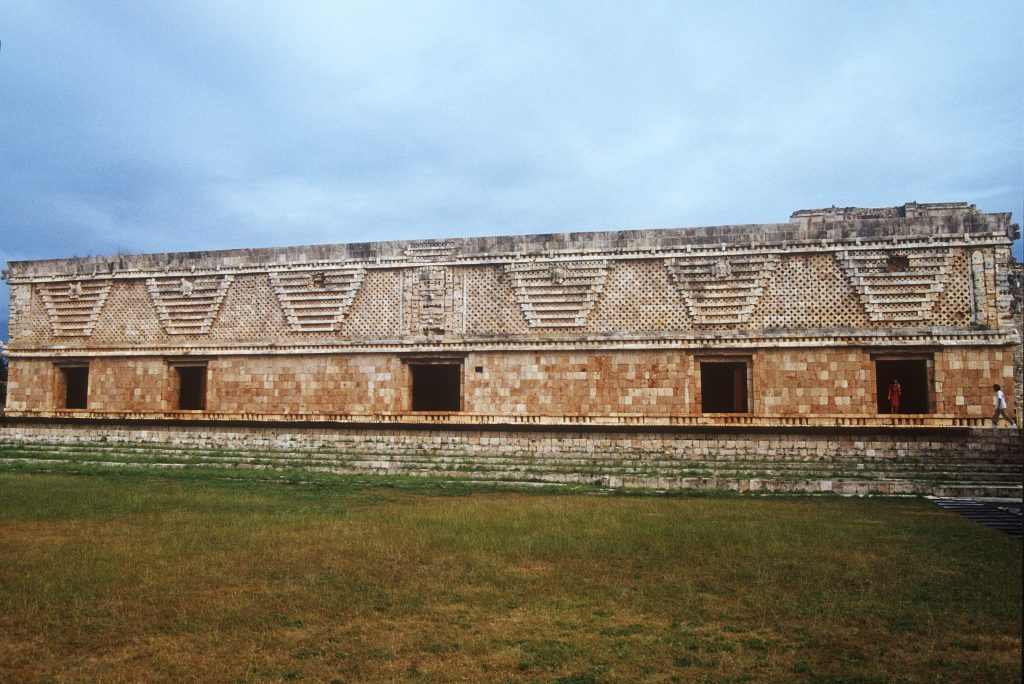
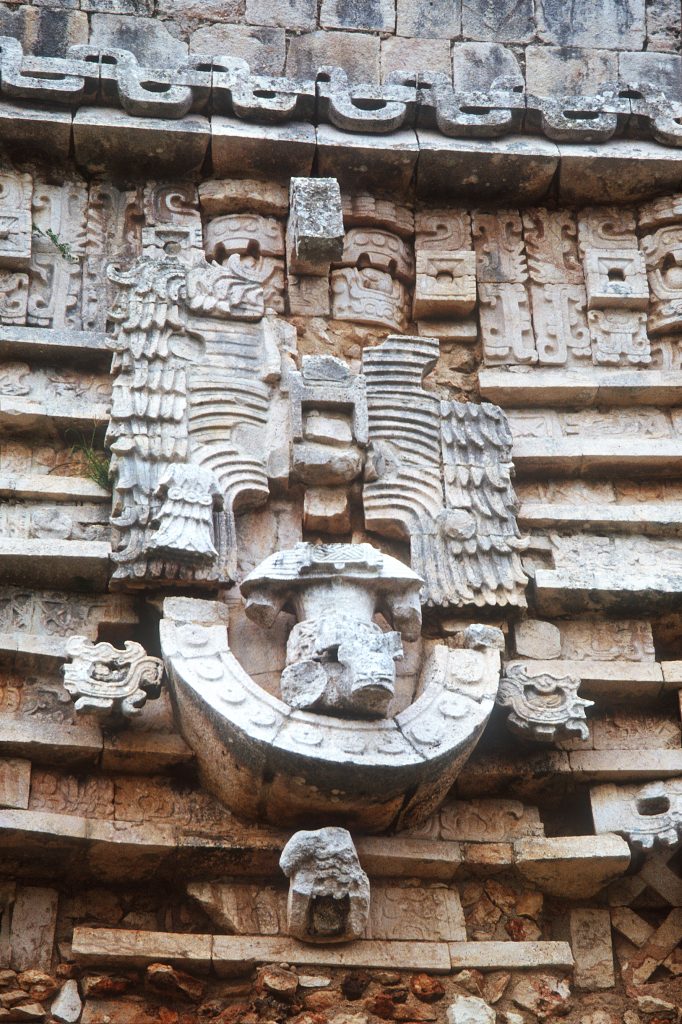
This long, low-slung palace rests on an artificial terrace, its façade covered in more than 20,000 stone mosaic elements, including double-headed serpents, celestial symbols, and royal thrones. A central mask of Chaac sits directly above the entrance, watching the sunrise at the equinox.
This is Puuc style at its most refined, a weaving of astronomy, rulership, and divine authority in stone.
Great Pyramid and Temple of the Macaws
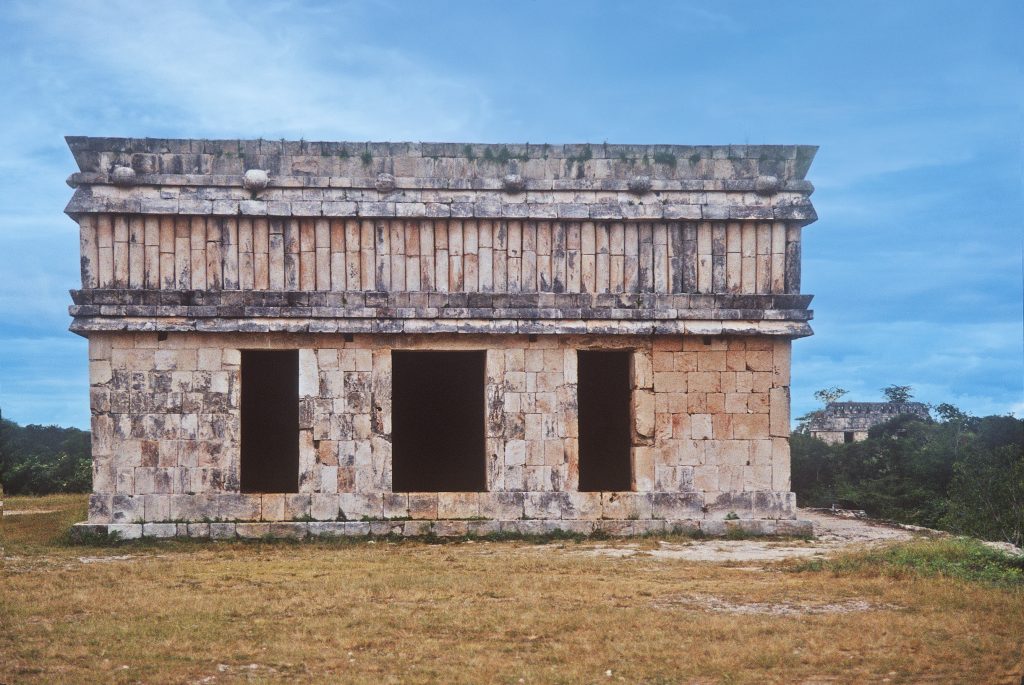
To the west lies the Gran Pirámide, offering expansive views over the site and its surrounding jungle scrub. Adjacent to it is a smaller temple with carvings of macaws in flight, their wings arched as if caught mid-migration.
The Ballcourt
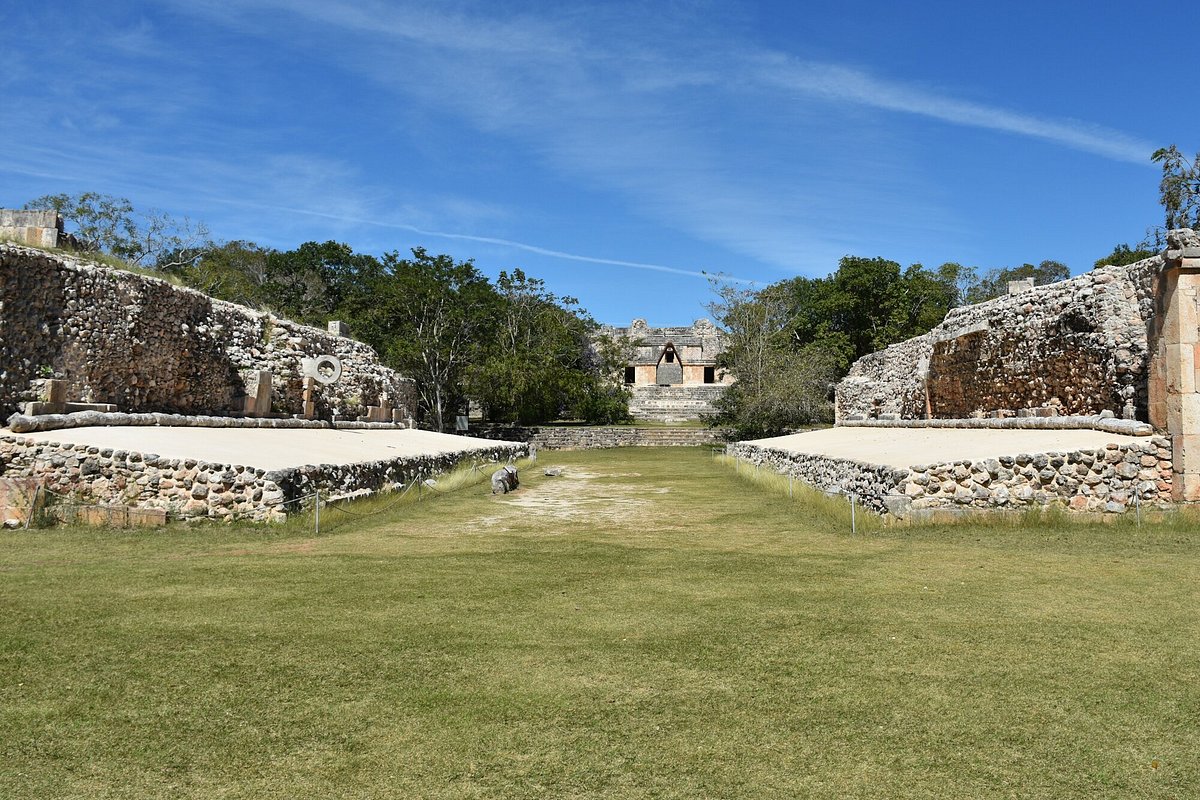
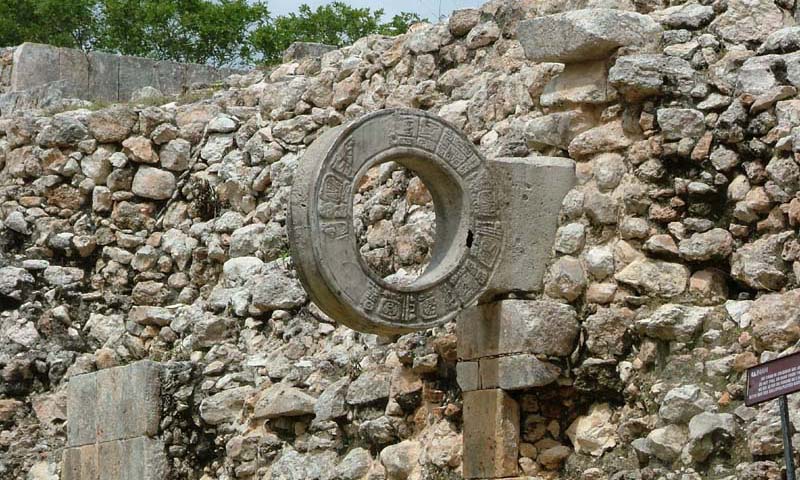
Though modest compared to those at Chichén Itzá, Uxmal’s ballcourt reflects the enduring ritual of the Mesoamerican ballgame, where cosmic order and royal power played out in rubber and blood.
Uxmal Today: Understated Majesty
Uxmal is a UNESCO World Heritage Site and a model of preservation. Unlike some better-known Maya ruins, it has not been overwhelmed by tourism, and its sense of quiet majesty remains intact.
The site can be explored on foot in half a day, though true travelers of the past will want to linger, to watch the light shift on the Nunnery Quadrangle, to trace the outline of a glyph with their shadow, to listen to the wind move through the empty doorways at dusk.
Evenings often include a sound and light show, projected onto the ruins, offering dramatic narration in Spanish or English. It is a tourist experience, yes, but also an invitation to view Uxmal as its builders intended: alive with sound, color, and cosmic rhythm.
Uxmal was not the largest, nor the bloodiest, nor the last of the Maya cities. But it may be the most beautiful, a place where form follows faith, and every detail speaks of harmony between human will and celestial design.
Where to Stay in Uxmal, Mexico
Uxmal sits in Yucatan’s Puuc region, about 50 miles south of Merida. Most visitors base themselves in Merida for convenience, where you’ll find a range of hotels from budget guesthouses to higher-end colonial properties. The city has good restaurants, markets, and services, and it’s an easy 45-minute drive to the ruins each morning. If you prefer to stay closer to Uxmal itself, the small town of Santa Elena offers a handful of modest hotels and family-run posadas within 10 minutes of the archaeological site.
For travelers who want to minimize driving, the Hotel Uxmal sits directly adjacent to the ruins. It’s a functional mid-range option with a pool and restaurant, though it’s pricier than comparable hotels in Merida and books up in high season. The trade-off is straightforward: you can visit the site early in the morning before crowds arrive and heat peaks, then retreat to air conditioning midday. If budget is your priority, you’ll find better value in Santa Elena or Merida.
The Puuc Route extends beyond Uxmal to several other archaeological sites within 30 to 60 miles. If you’re planning to visit multiple ruins, consider staying in Merida as your base and planning day trips, or splitting your time between two locations. Merida’s infrastructure and dining options make longer stays comfortable, while closer accommodations let you maximize time at the lesser-visited sites early in the morning when they’re quieter and cooler.
Book accommodations well ahead during December through March, when North American and European visitors descend on the Yucatan. The shoulder seasons of April and November offer smaller crowds and lower prices, though Uxmal can still be hot. Avoid late May through October if you’re sensitive to heat and humidity. Whatever you choose, aim to explore the ruins between 6 and 9 a.m., when temperatures are manageable and you’ll have the site largely to yourself.
Recommended Reading
Fiction
- House of the Tiger King by Tahir Shah
Though focused on a different region, this travel memoir captures the spirit of searching for lost cities, and the mythology that surrounds ruins like Uxmal. - Maya Cosmos: Three Thousand Years on the Shaman’s Path by David Freidel, Linda Schele, and Joy Parker
A richly detailed exploration of the Maya worldview, helpful for understanding the cosmological symbolism embedded in Uxmal’s layout. - The Kingdoms of Dust by Amanda Downum
A fantasy novel that blends Mesoamerican aesthetics and mystery, for those who enjoy fictional worlds inspired by real-world ruins.
Non-Fiction
- Maya Cities: Placemaking and Urbanization by George F. Andrews
Detailed investigations of the Maya cvililzation, particularly Maya architecture and civic planning. - Ancient Maya: The Rise and Fall of a Rainforest Civilization by Arthur Demarest
A balanced, accessible synthesis of Maya history and archaeology, with helpful context on sites like Uxmal. - The Code of Kings: The Language of Seven Sacred Maya Temples and Tombs by Linda Schele and Peter Mathews
Includes a fascinating section on Uxmal’s symbolic geometry and spiritual significance.
Tours to Consider