Where Kings Were Crowned and Legends Took Root
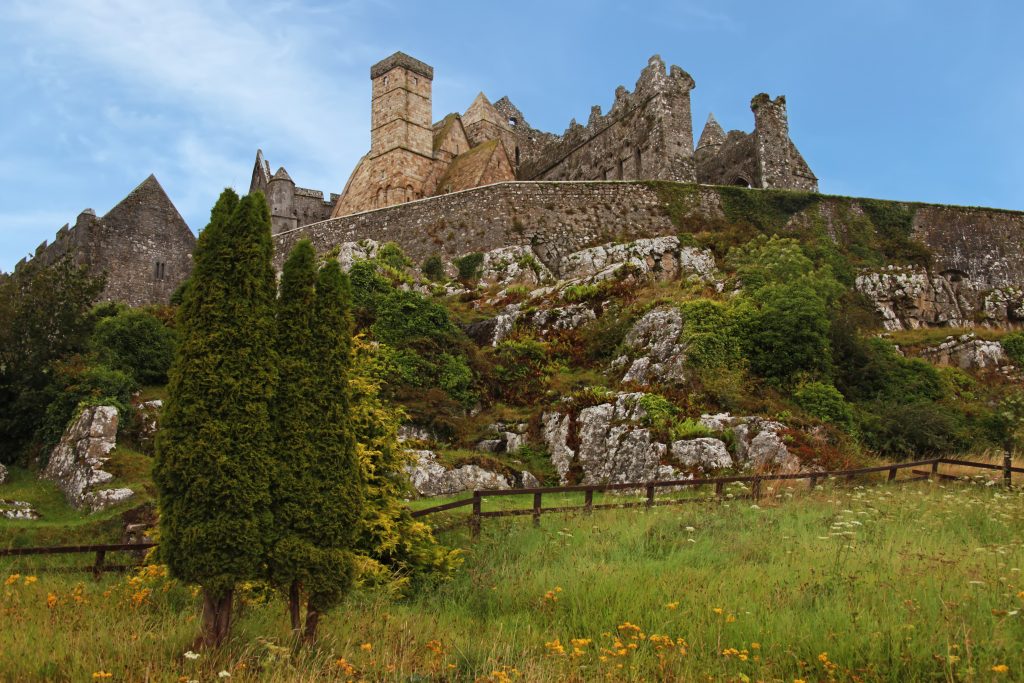
High above the golden fields of County Tipperary, rising from the plain like a vision pulled from an illuminated manuscript, the Rock of Cashel commands both landscape and legend. Wind lashes its battlements, crows wheel above the tower, and the air itself seems heavy with memory. This is not simply a ruin, it is a stage on which the great dramas of Irish history, myth, and faith were played out in stone.
To approach the Rock is to feel the pulse of a thousand years beneath your feet. It is where pagan kings ruled, where Saint Patrick is said to have struck the ground and baptized a monarch, and where centuries of ecclesiastical power flourished under arches still laced with medieval tracery. The Rock of Cashel does not ask for your attention, it demands it, as it always has.
A Seat of Kings and a Fortress of Faith
The Rock of Cashel, also known as St. Patrick’s Rock, was once the seat of the kings of Munster, and its origins reach back to at least the 4th or 5th century. According to legend, it was here that Saint Patrick converted King Aengus to Christianity in the 5th century, famously driving his crozier into the king’s foot during the baptism, either by accident or divine design. The king reportedly said nothing, believing the pain to be part of the rite.
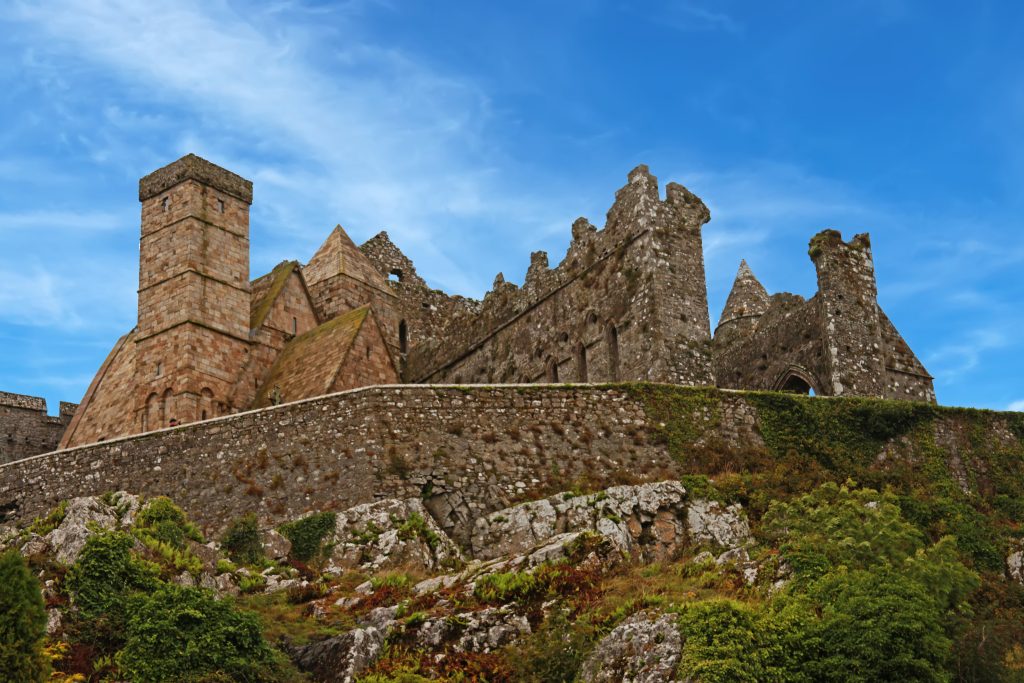
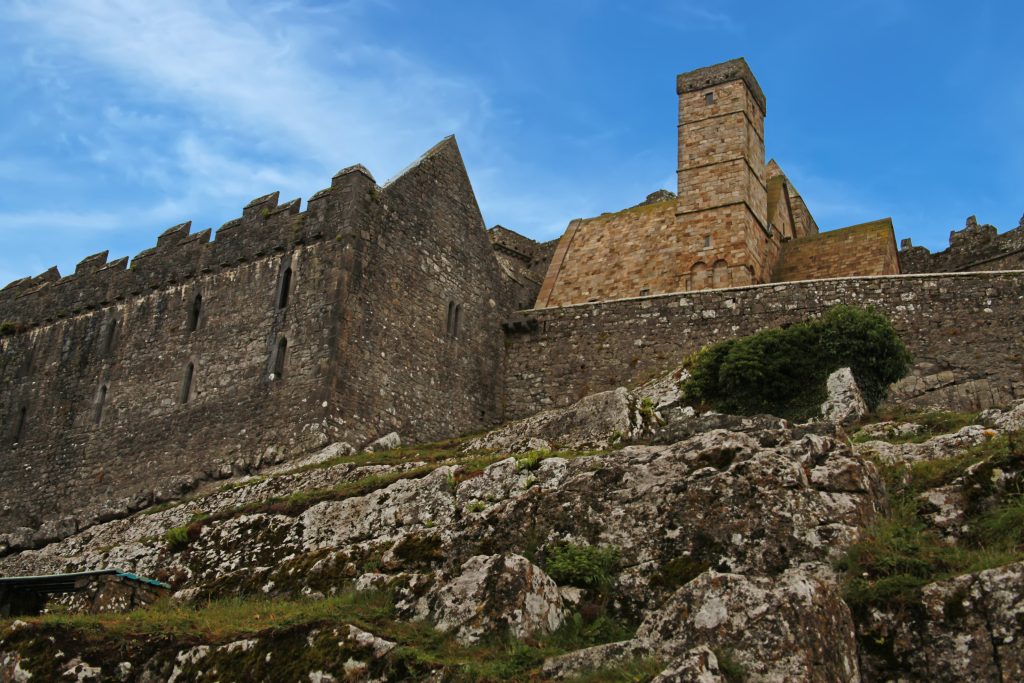
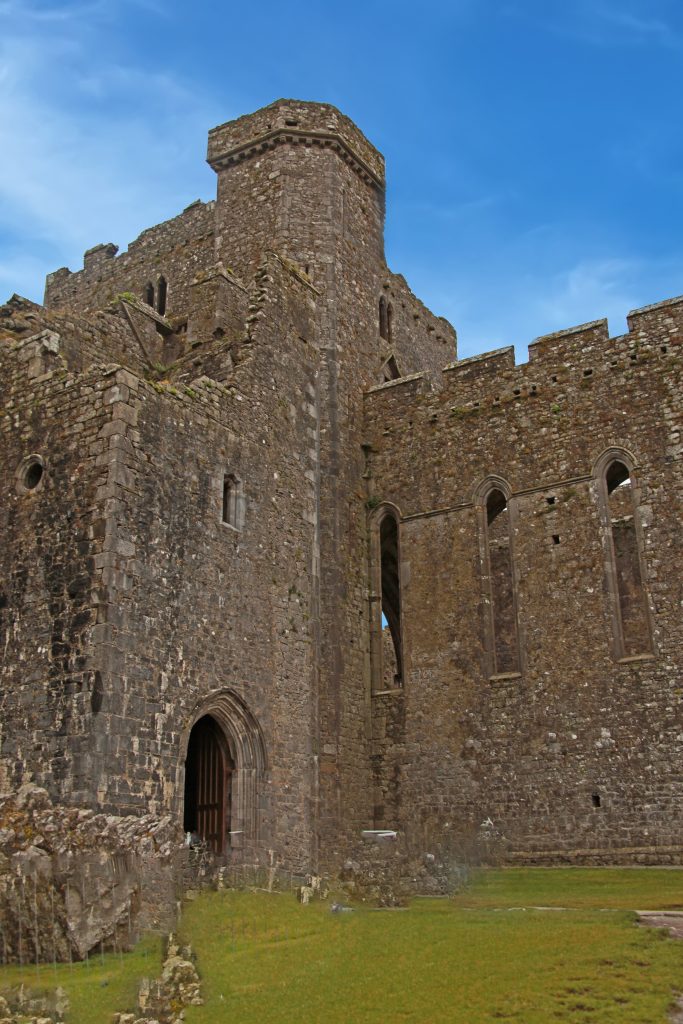
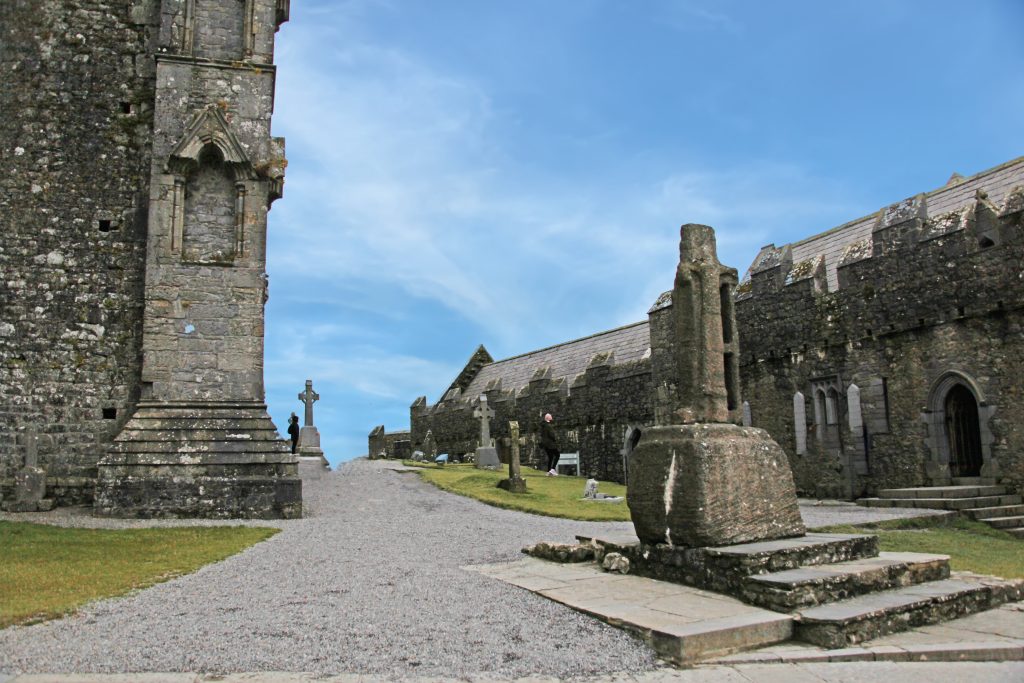
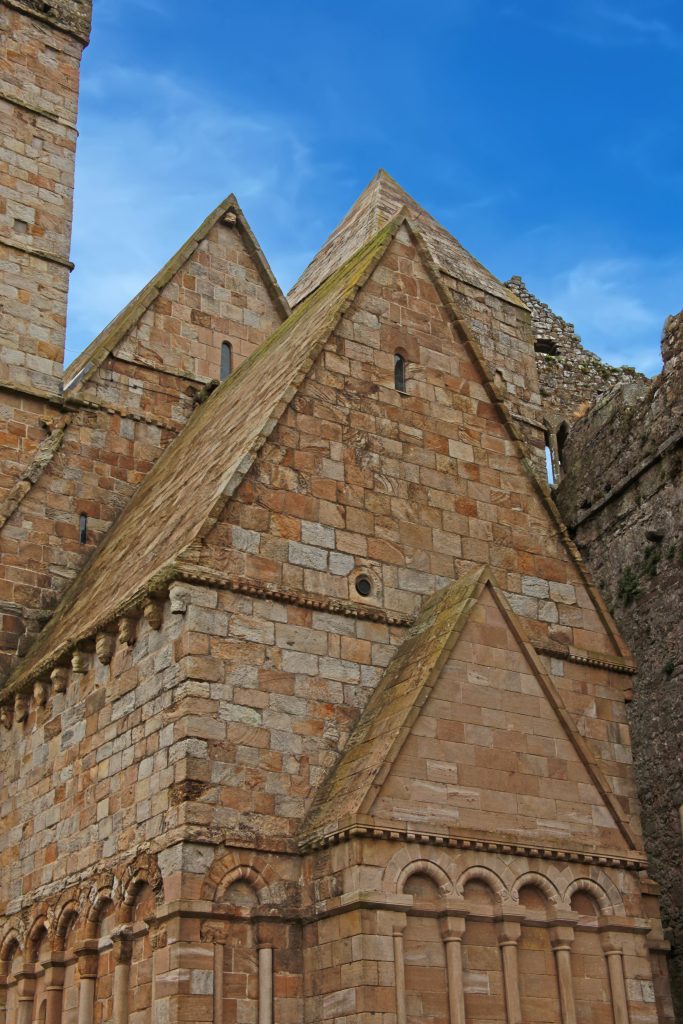
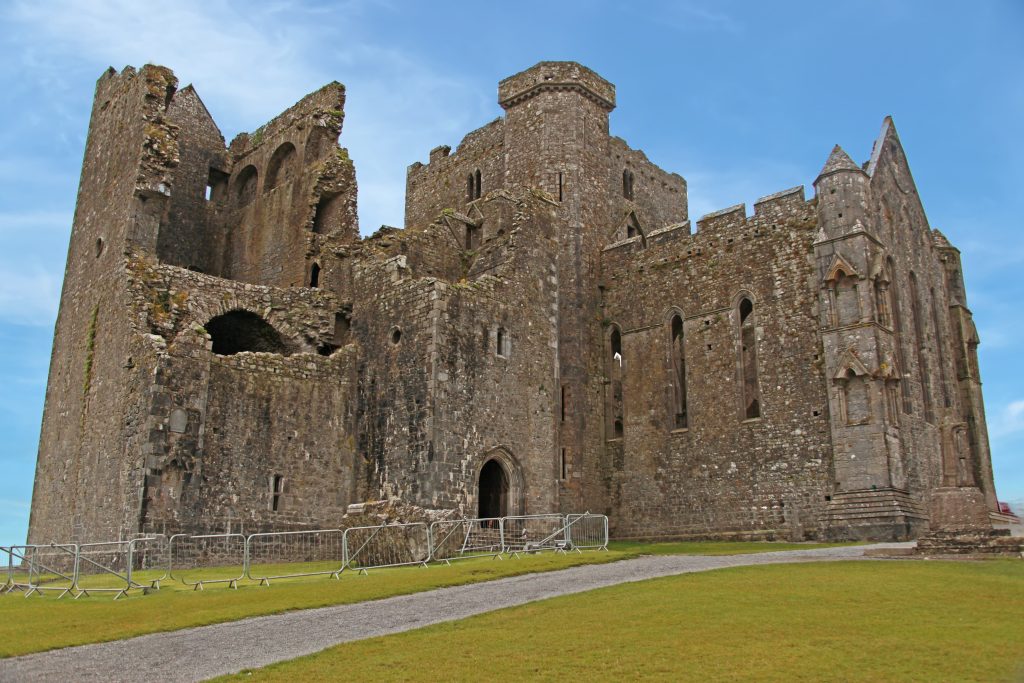
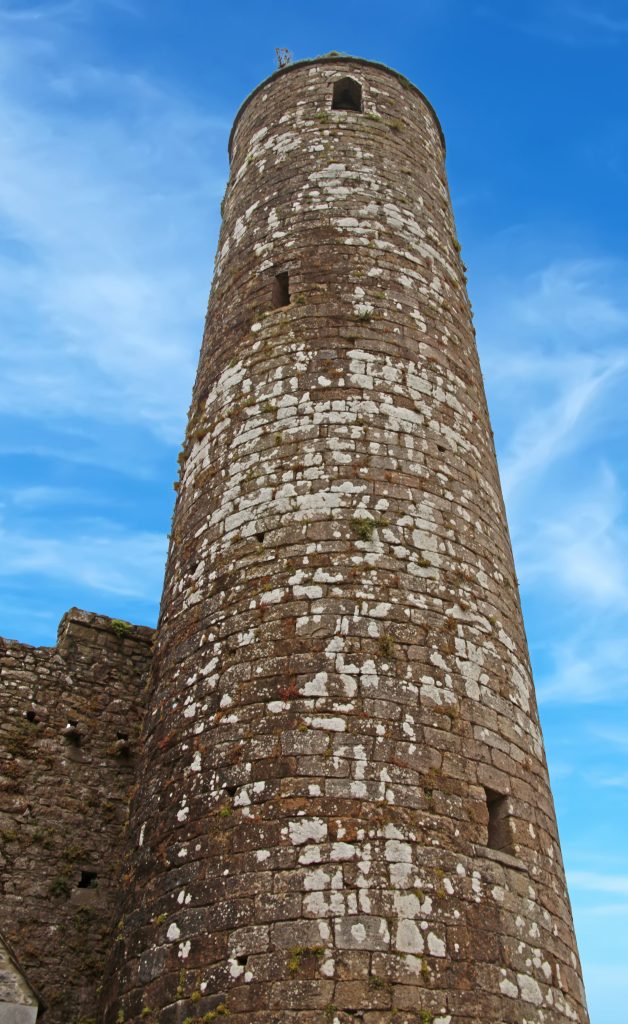
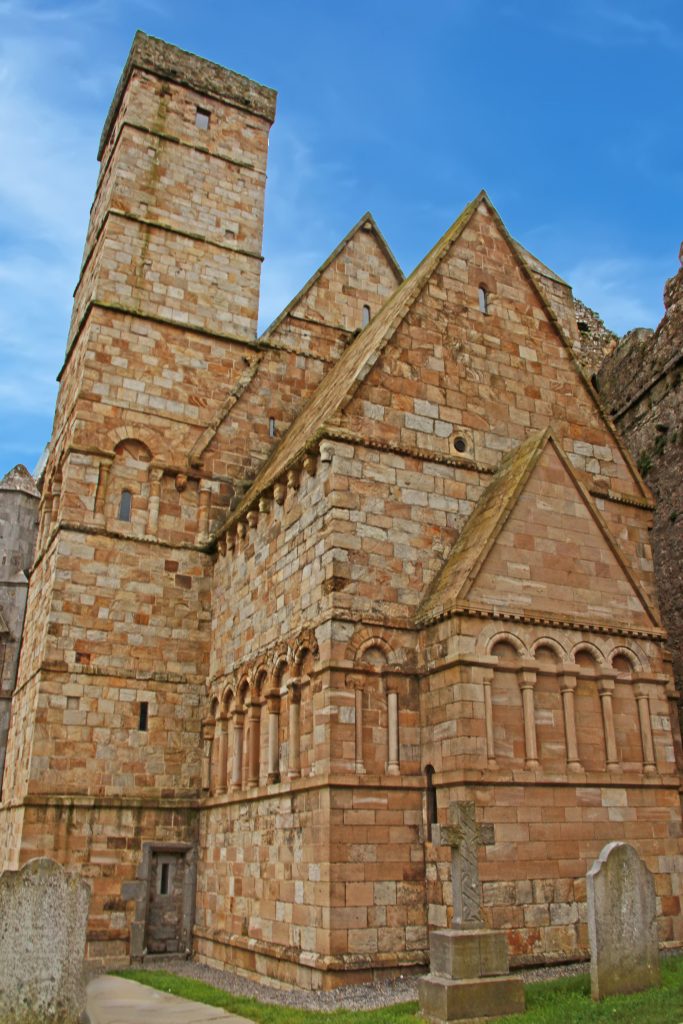
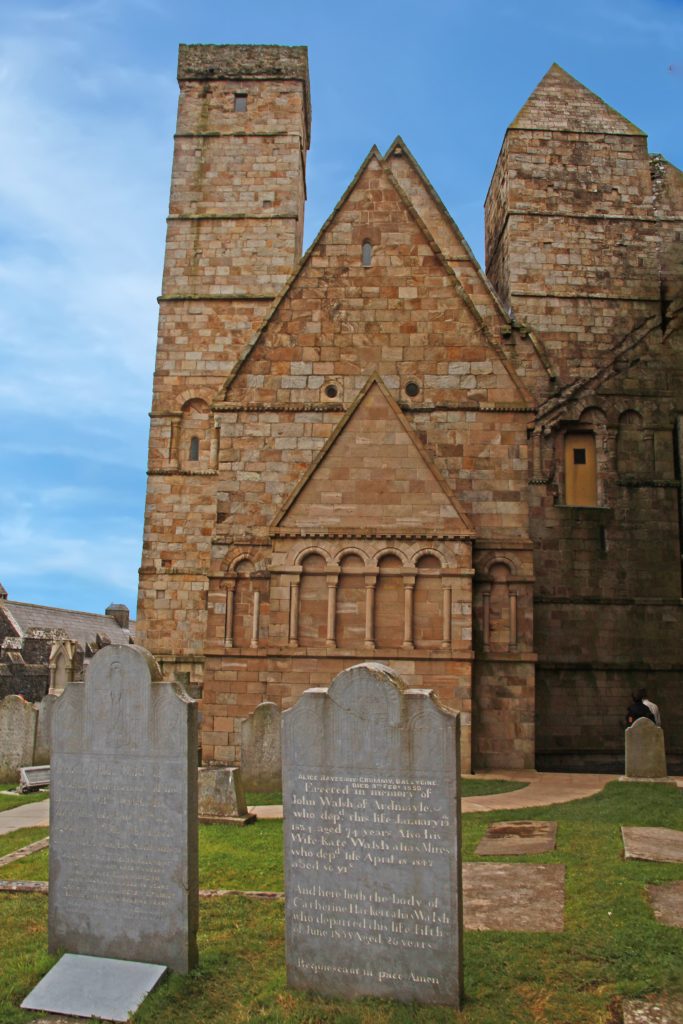
In 1101, the Rock was granted to the Church by Muirchertach Ua Briain, King of Munster, a gesture of both piety and politics, and it soon became an important ecclesiastical center. Over the following centuries, bishops and archbishops built an impressive complex that included a Romanesque chapel, Gothic cathedral, round tower, and medieval hall. The structure that remains today reflects this layered architectural evolution.
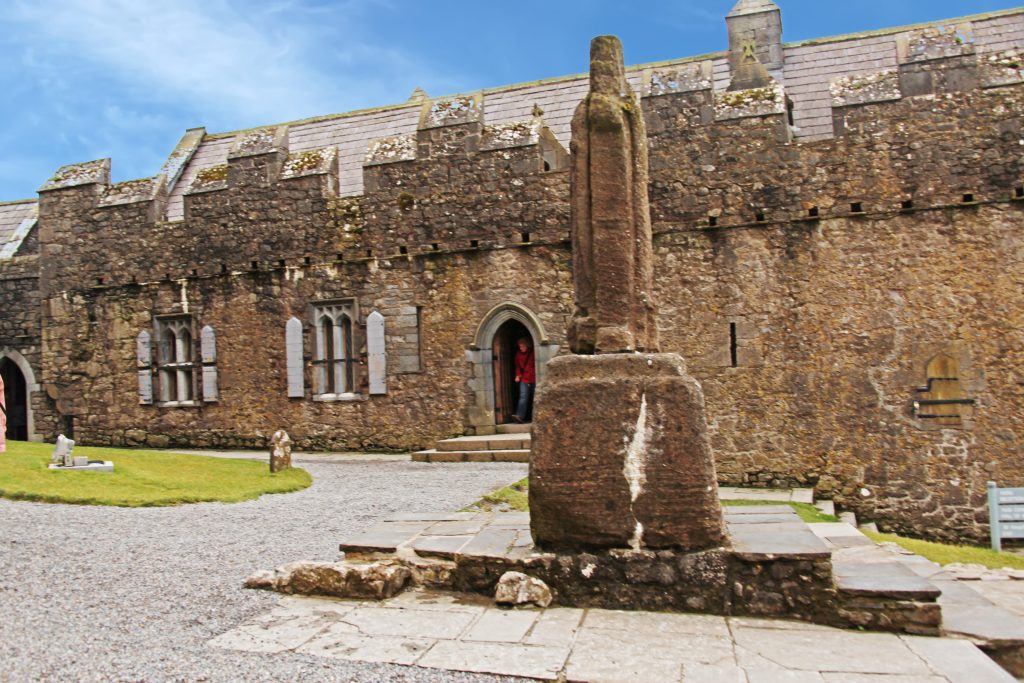
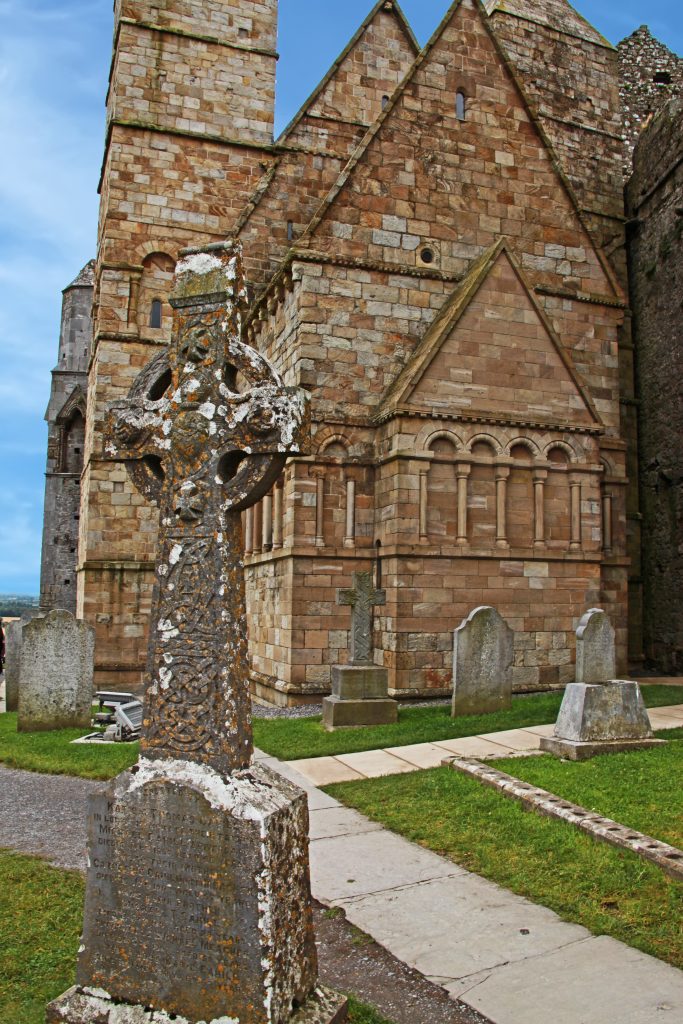
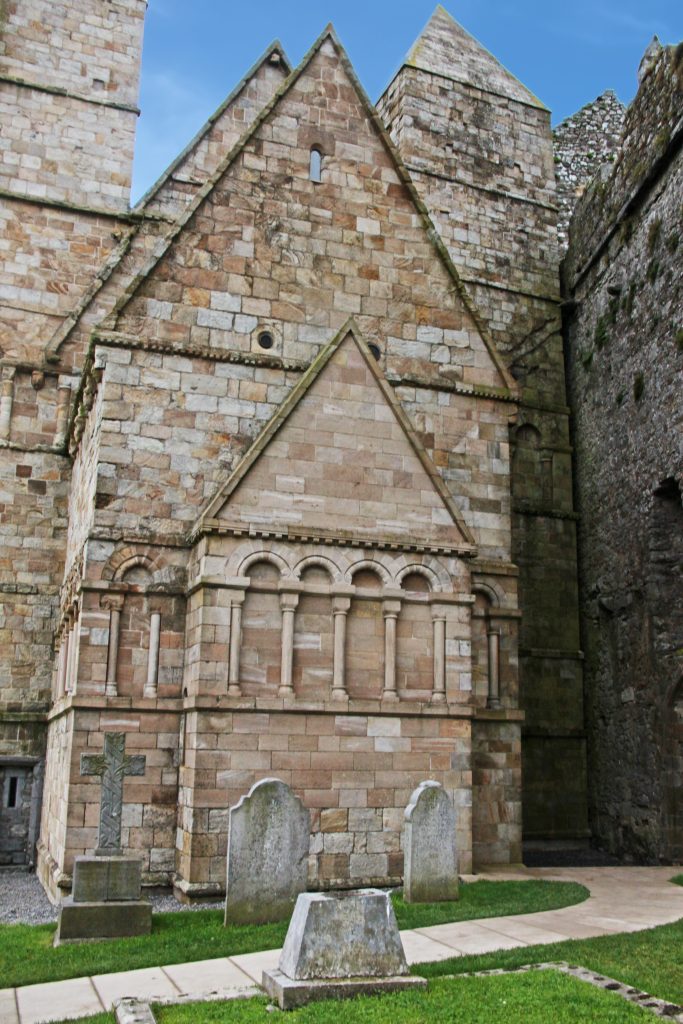
The 12th-century Cormac’s Chapel, built in the Hiberno-Romanesque style, is particularly significant. It contains some of the earliest and finest stone carving in Ireland, with intricate motifs, blind arcading, and a still-visible cycle of painted frescoes, rare survivals in the damp Irish climate.
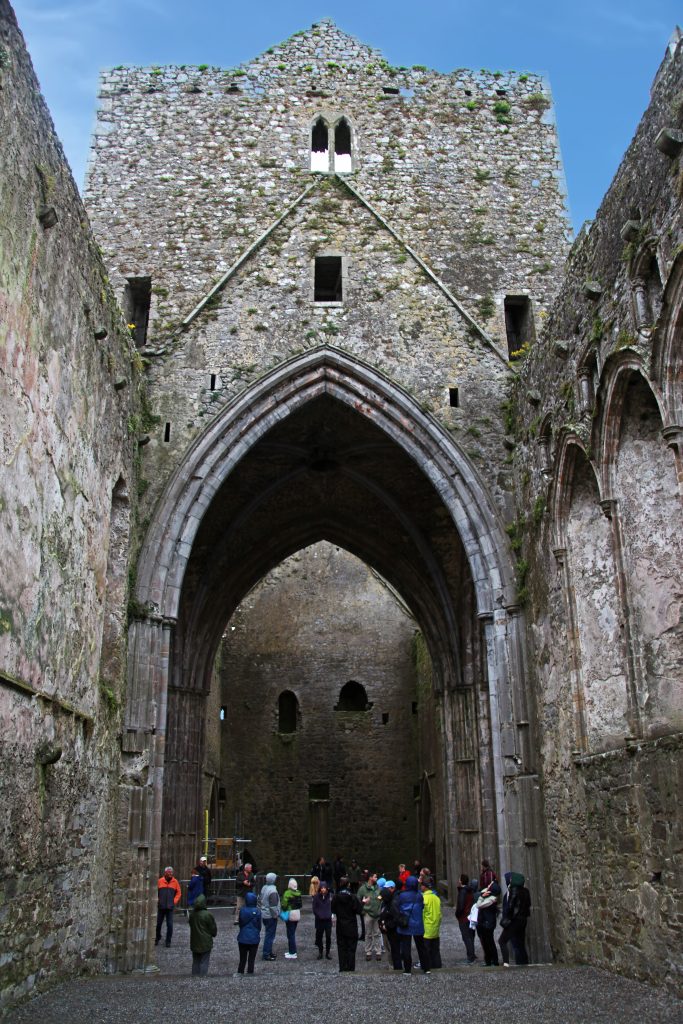
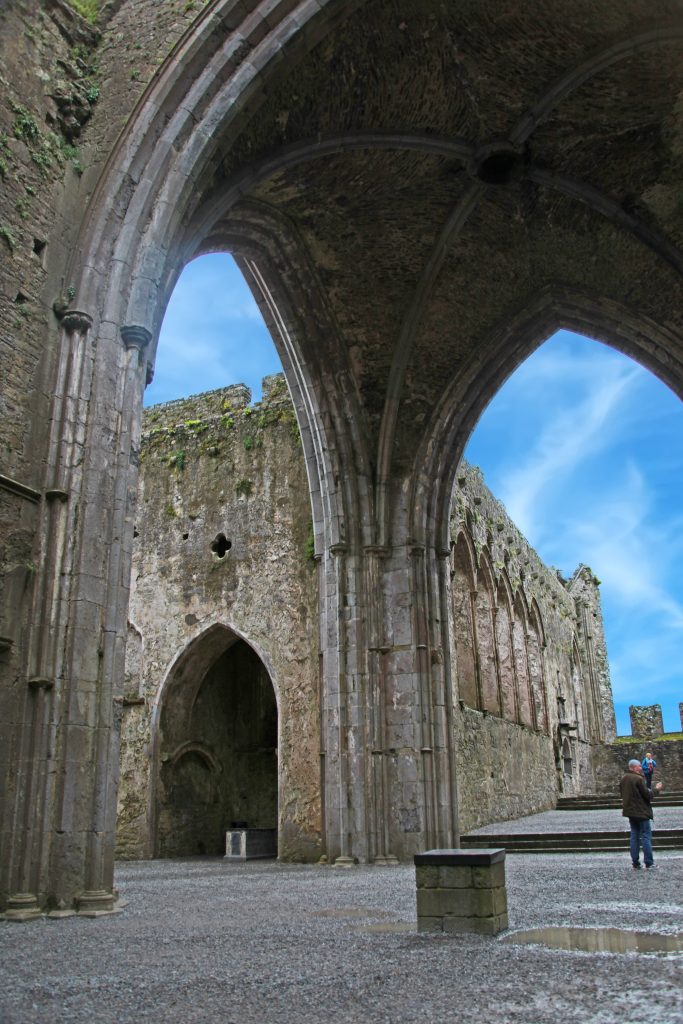
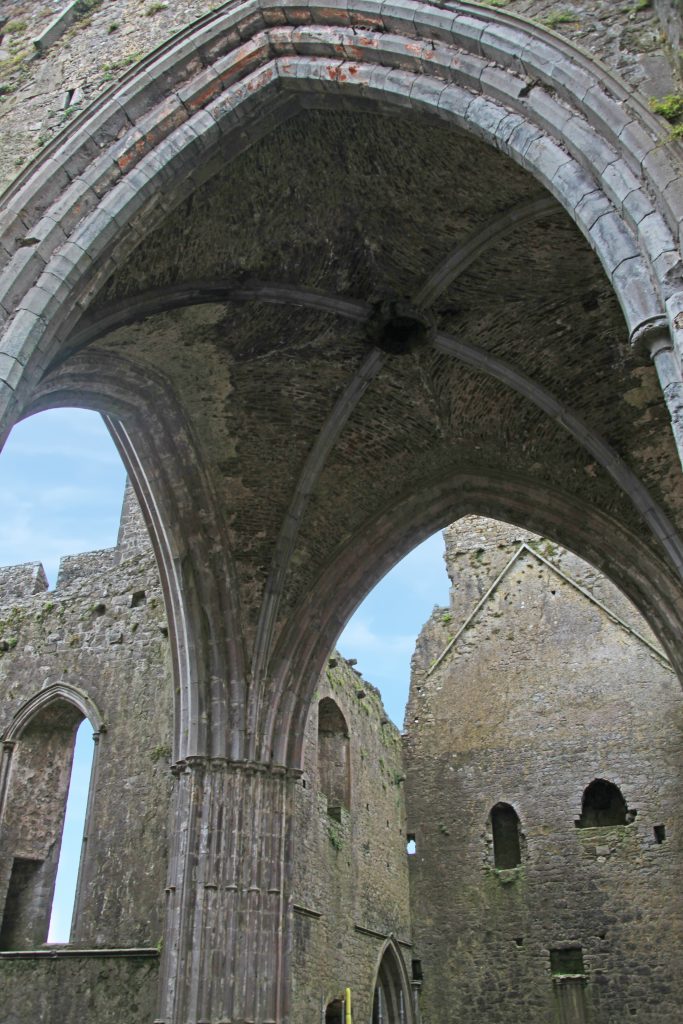
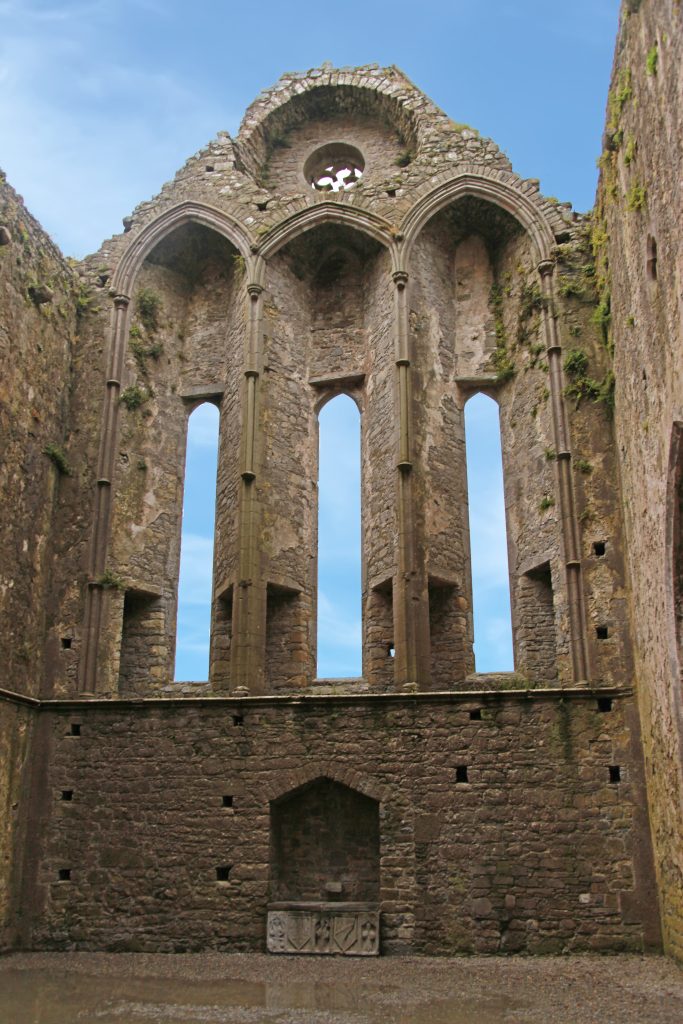
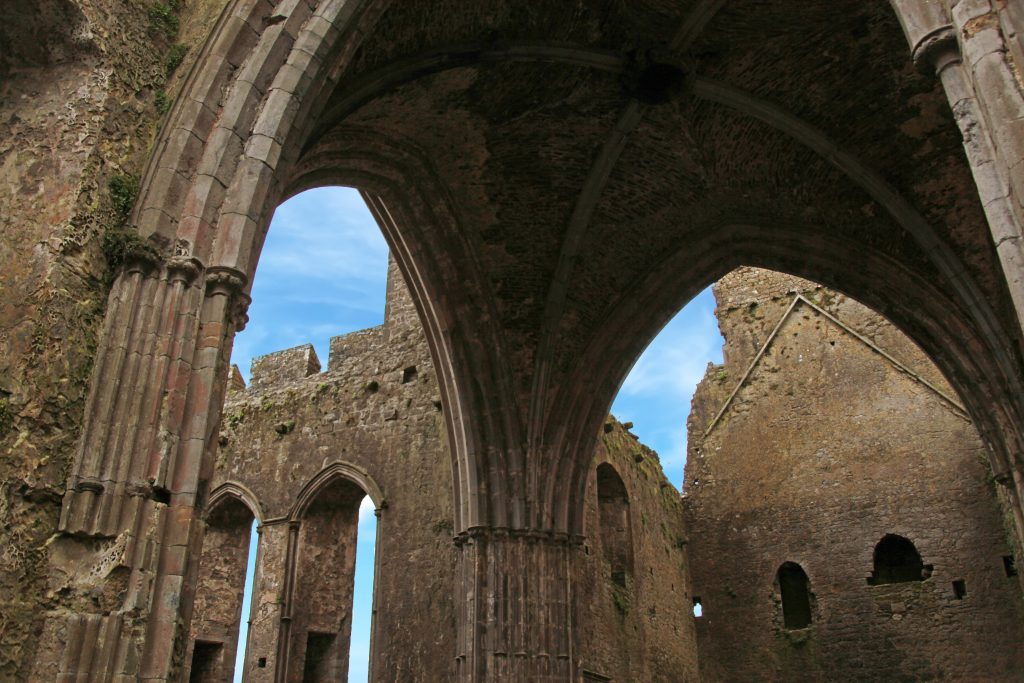
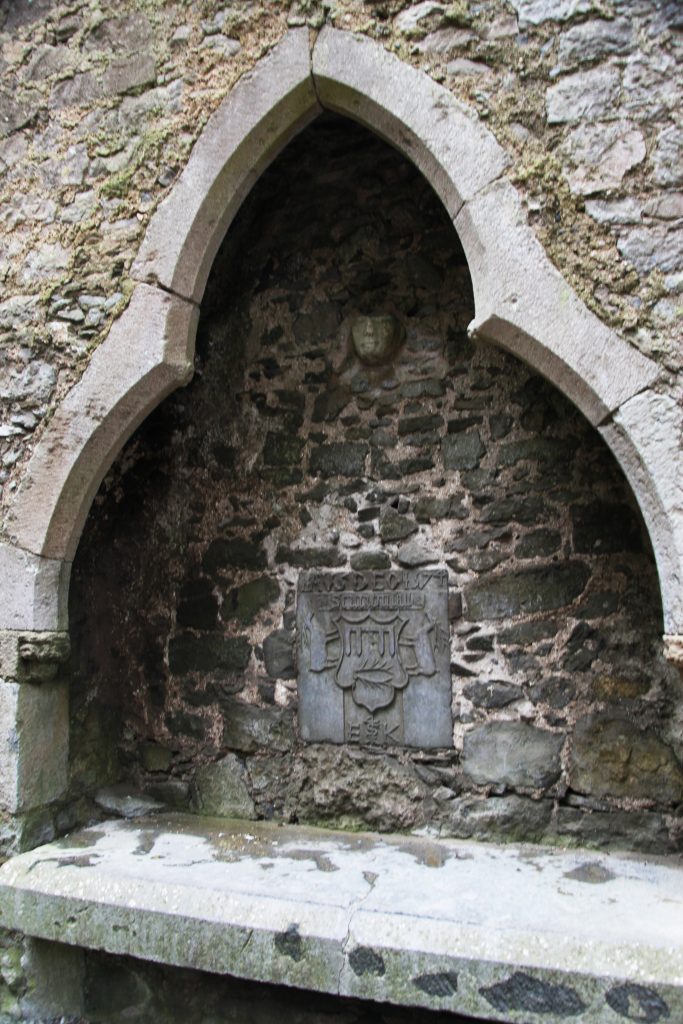
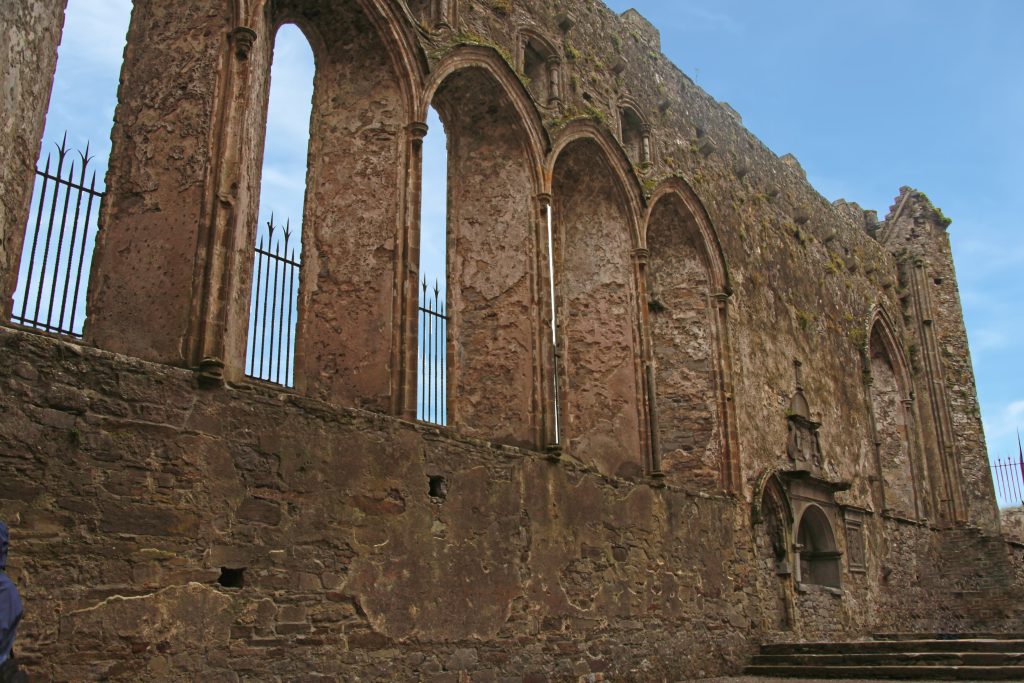
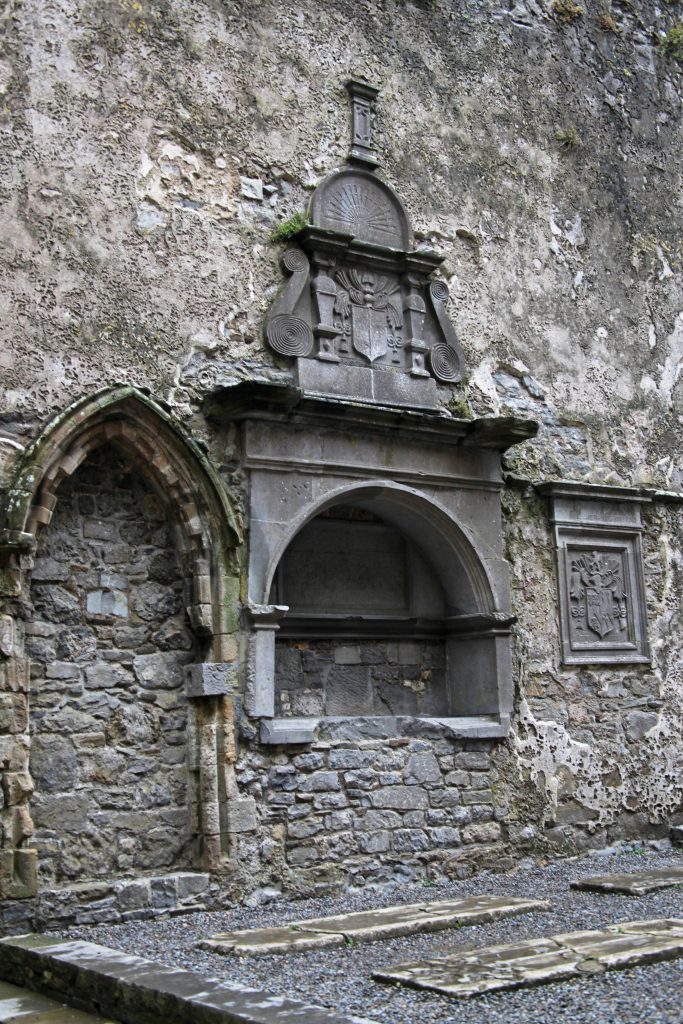
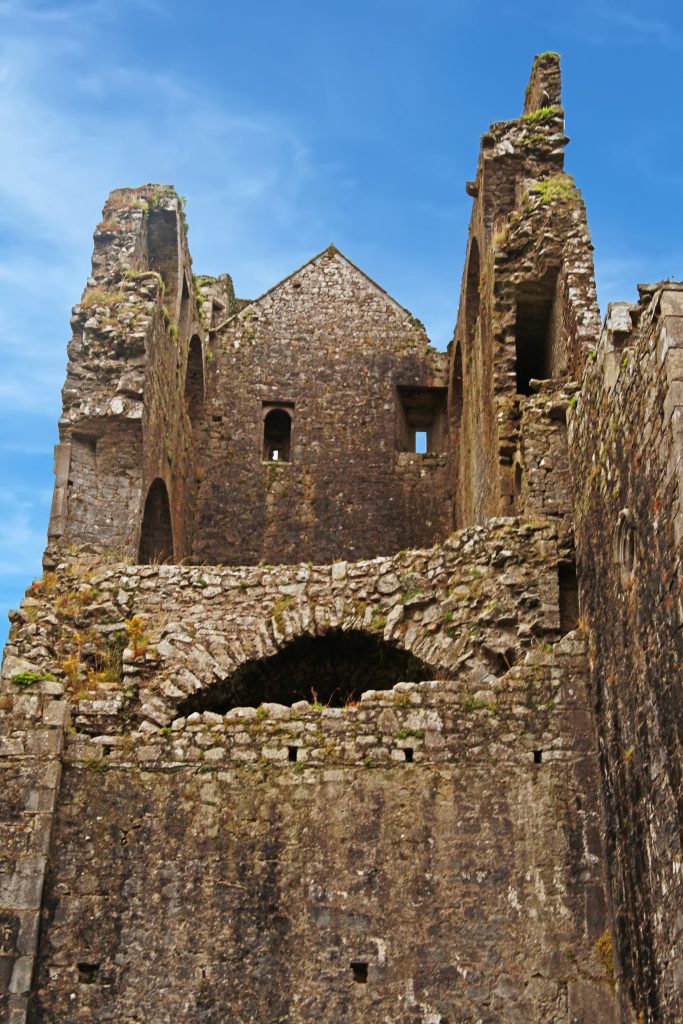
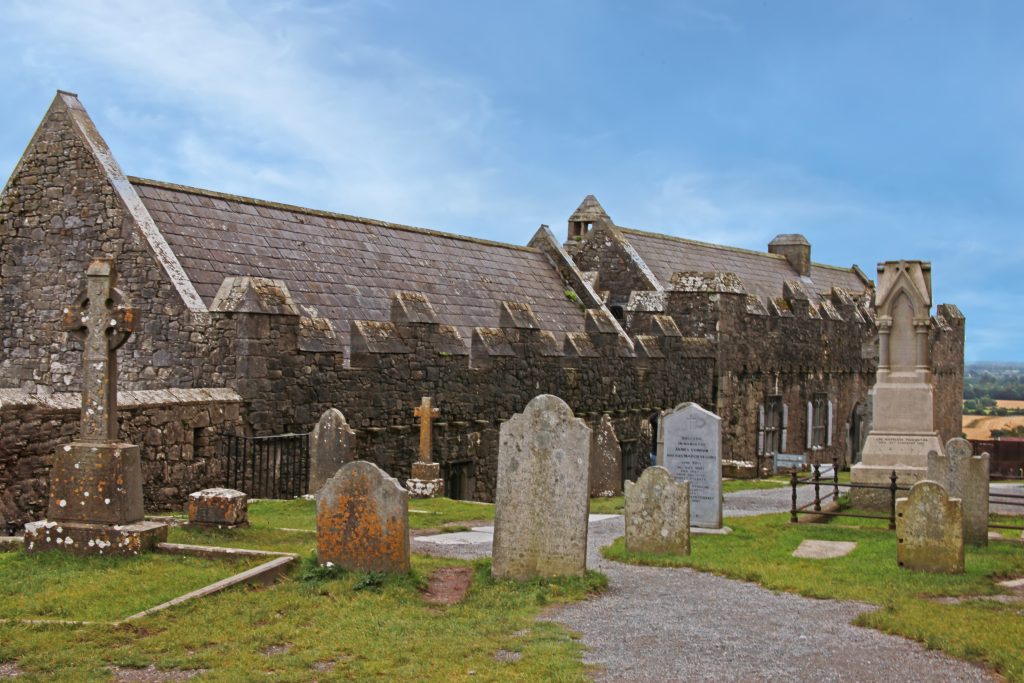
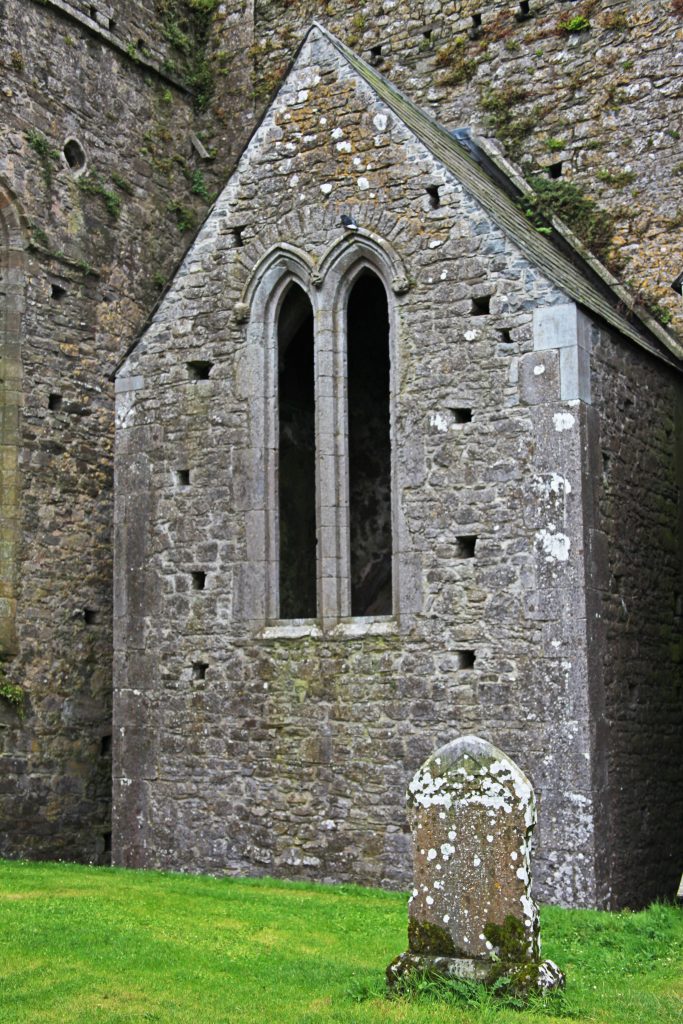
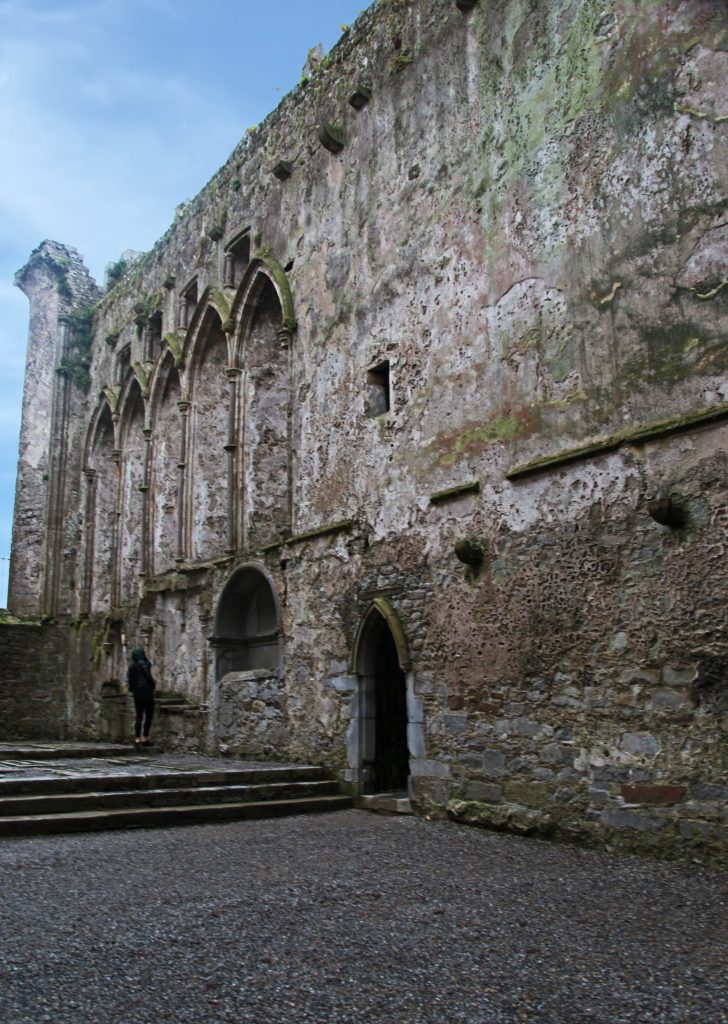
The adjacent 13th-century cathedral, now roofless but majestic, was designed in the Gothic style and remained in use for several hundred years. It served both as a house of worship and a symbol of Church authority at a time when spiritual power was inseparable from political influence.
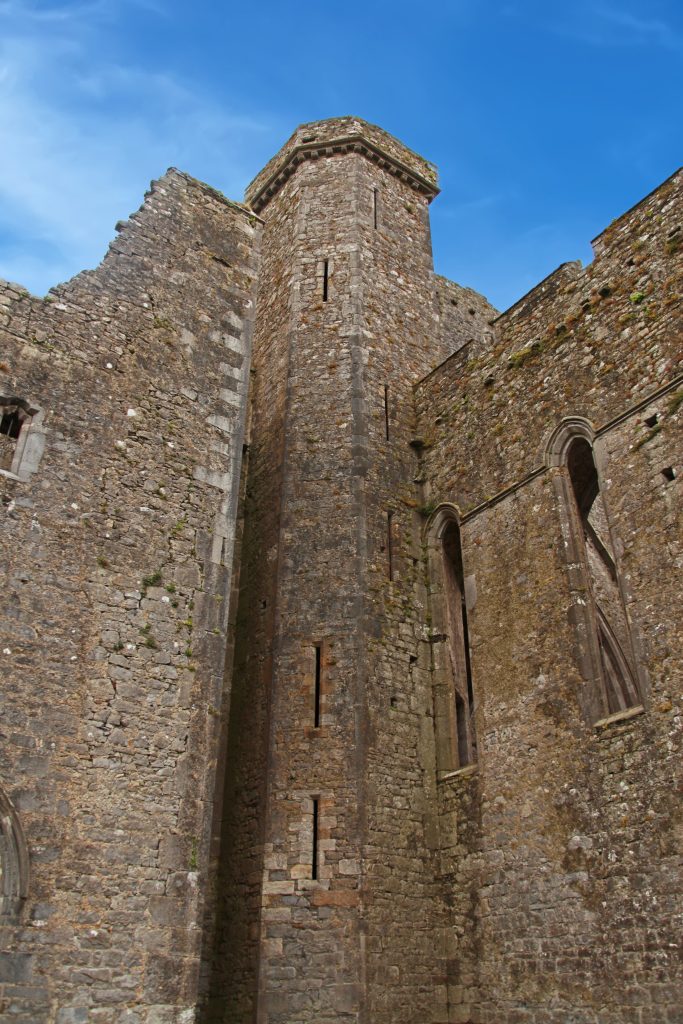
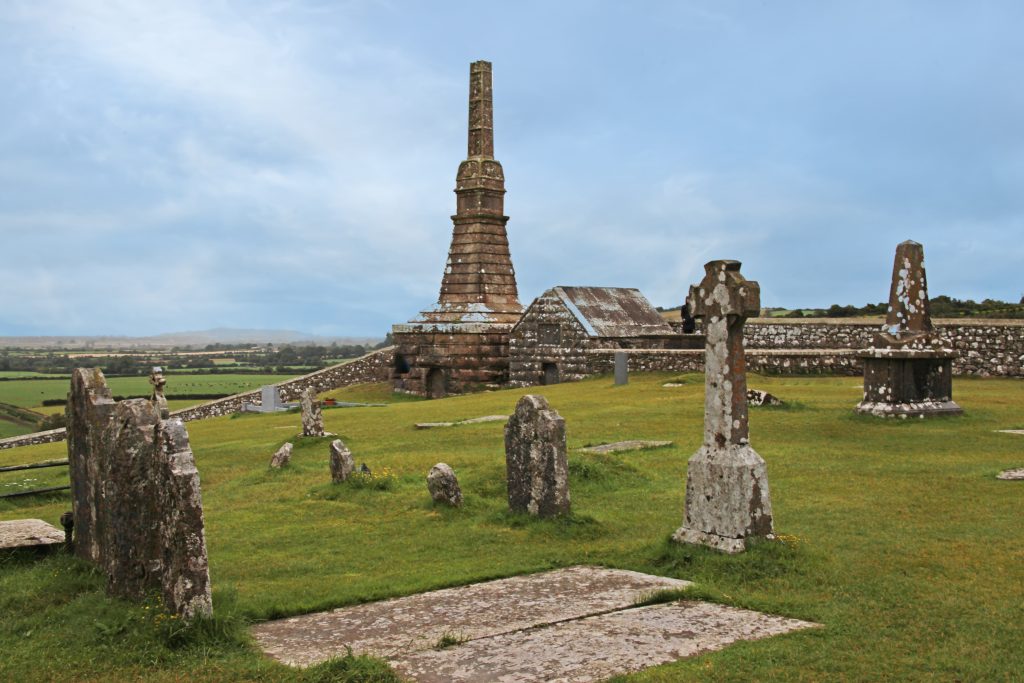
Though partially ruined after the Cromwellian siege in 1647, and later abandoned as a functioning church in the 18th century, the site retains a monumental gravitas. The round tower, standing over 90 feet tall, still watches the surrounding countryside much as it did in the days of raiders and pilgrims.
From Underfoot and Above
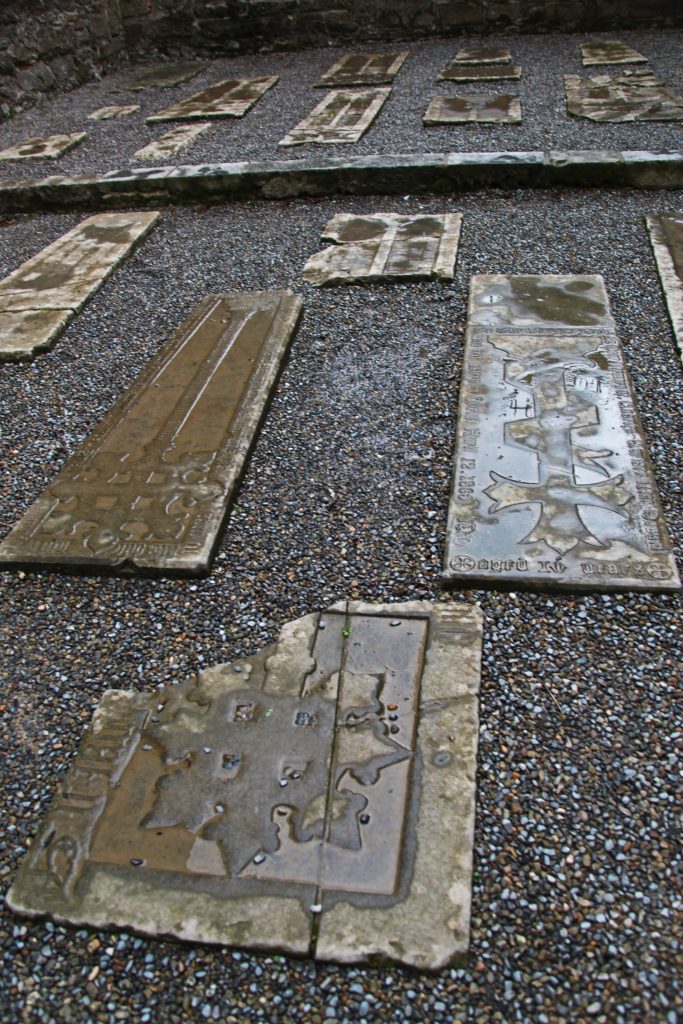
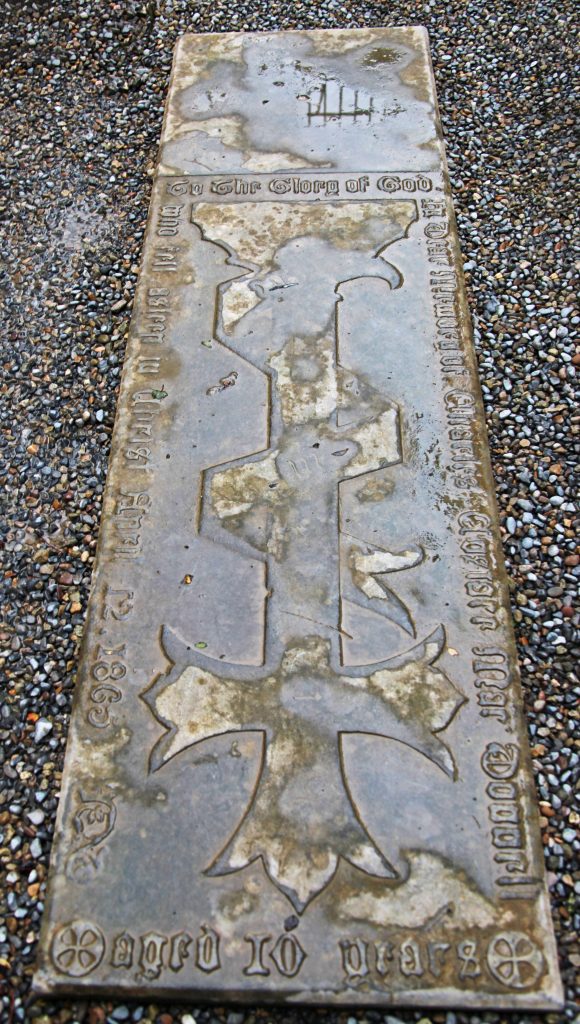
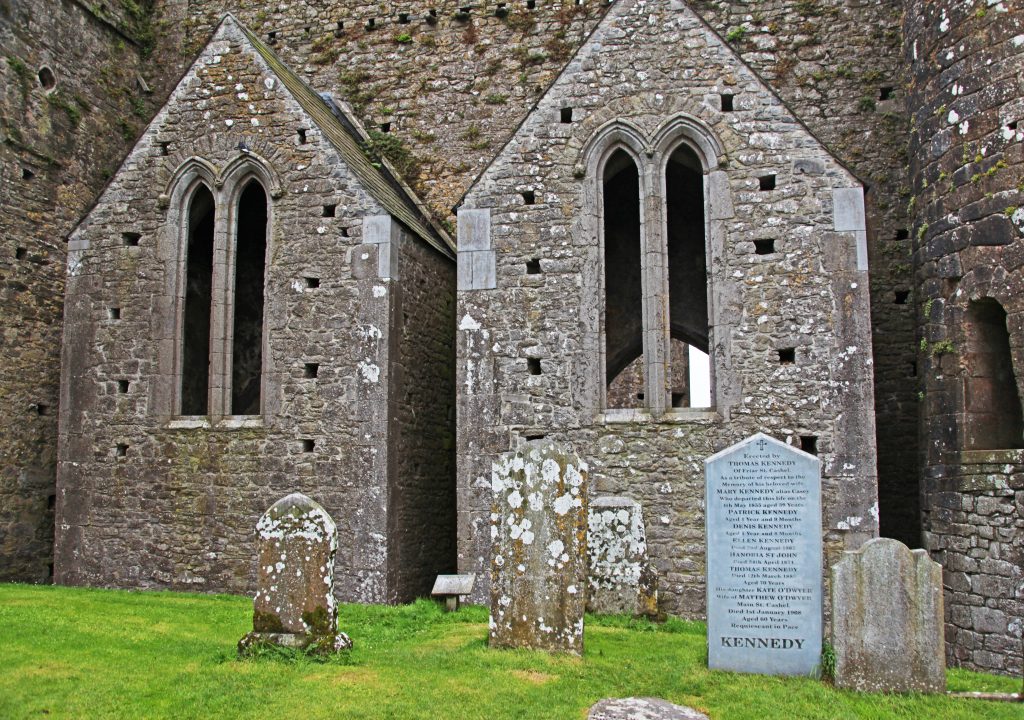
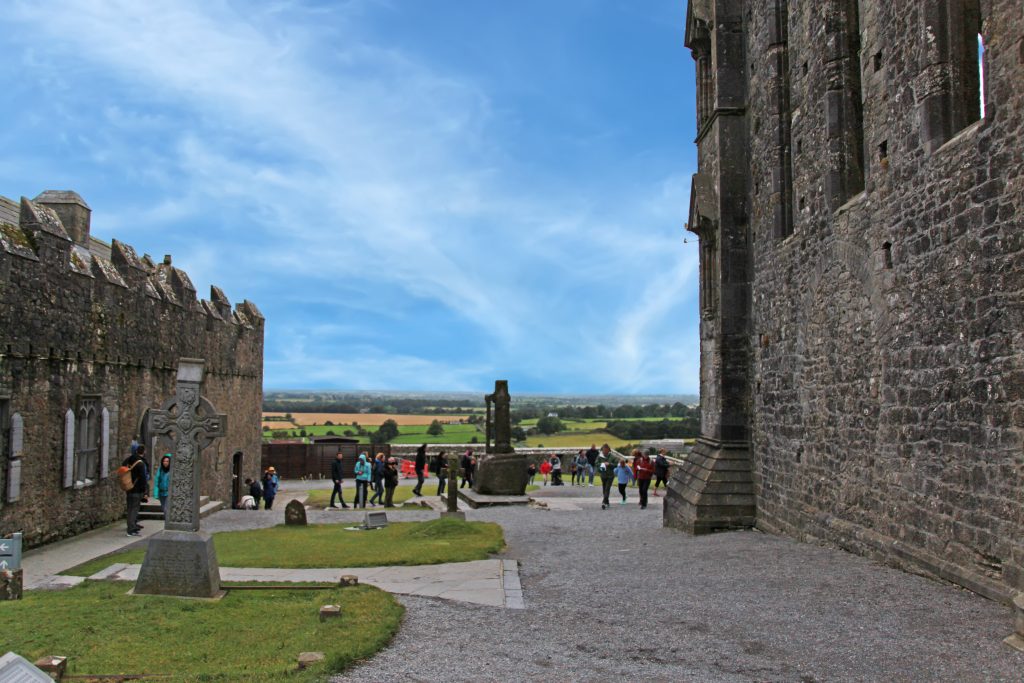
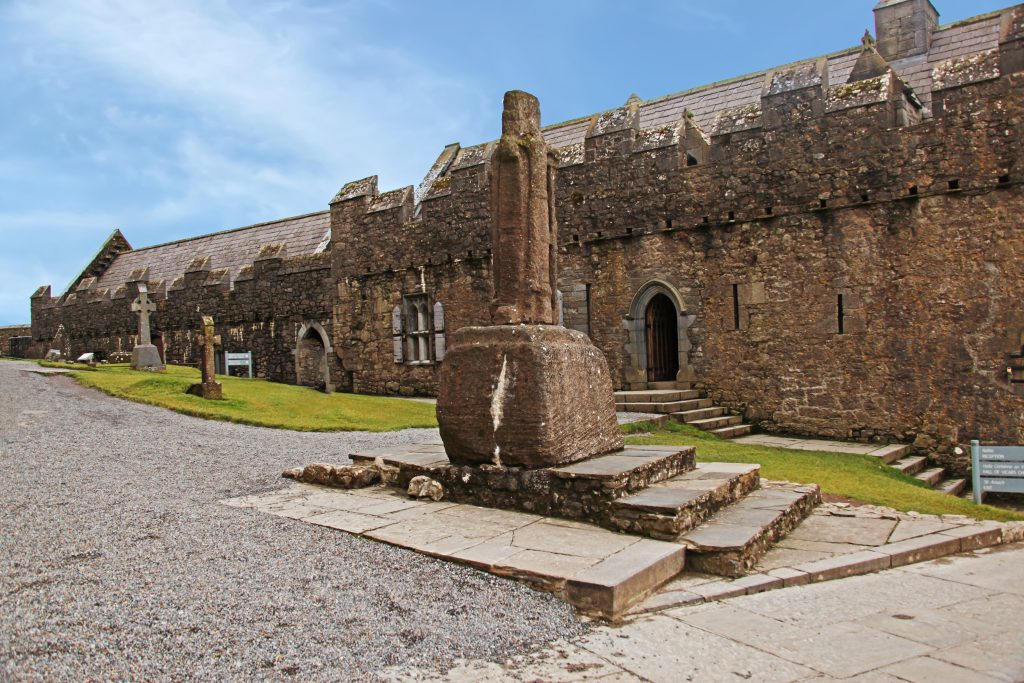
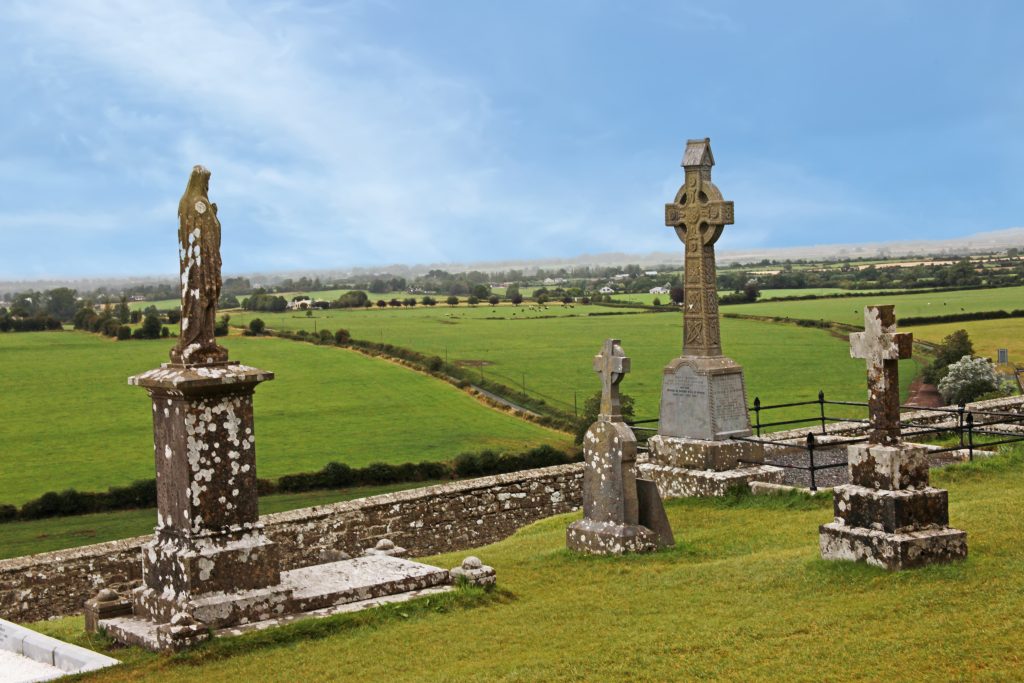
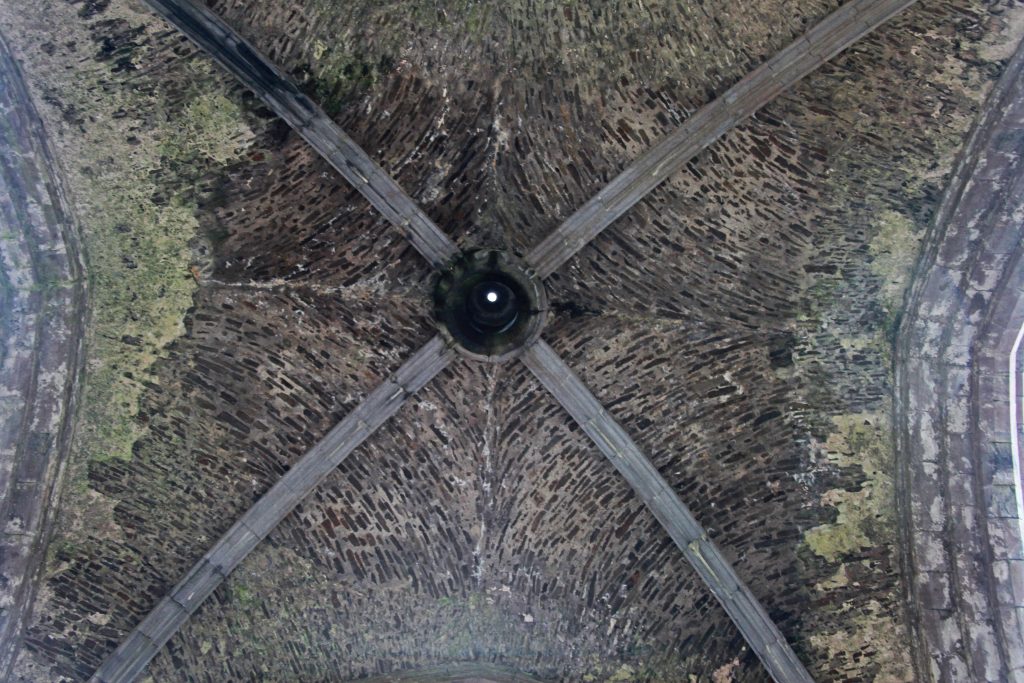
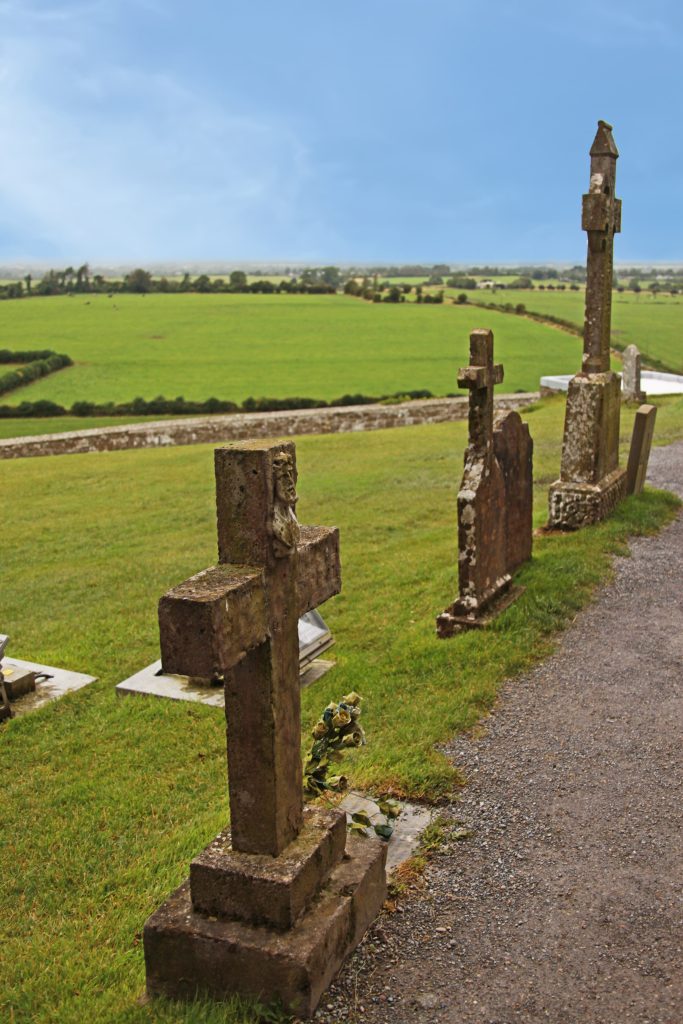
Visitors today can walk among the tombs and gravestones of the cathedral graveyard, many of them carved with Celtic crosses now weathered into art by wind and time. Inside Cormac’s Chapel, guides will point out the ancient frescoes and the rare vaulted ceiling, stone upon stone, balanced like time itself.
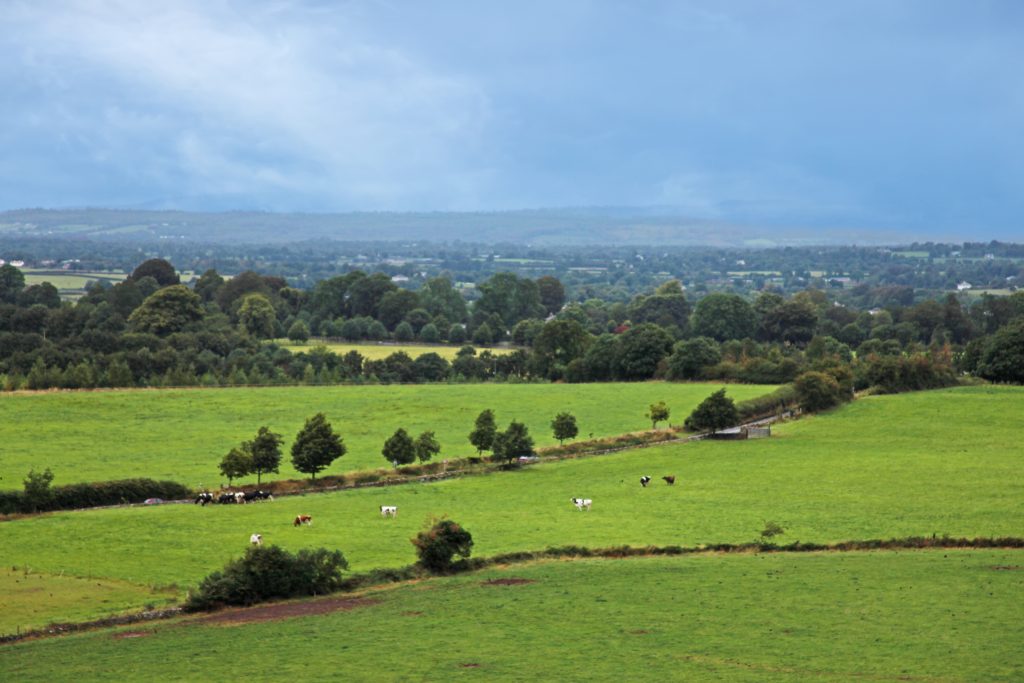
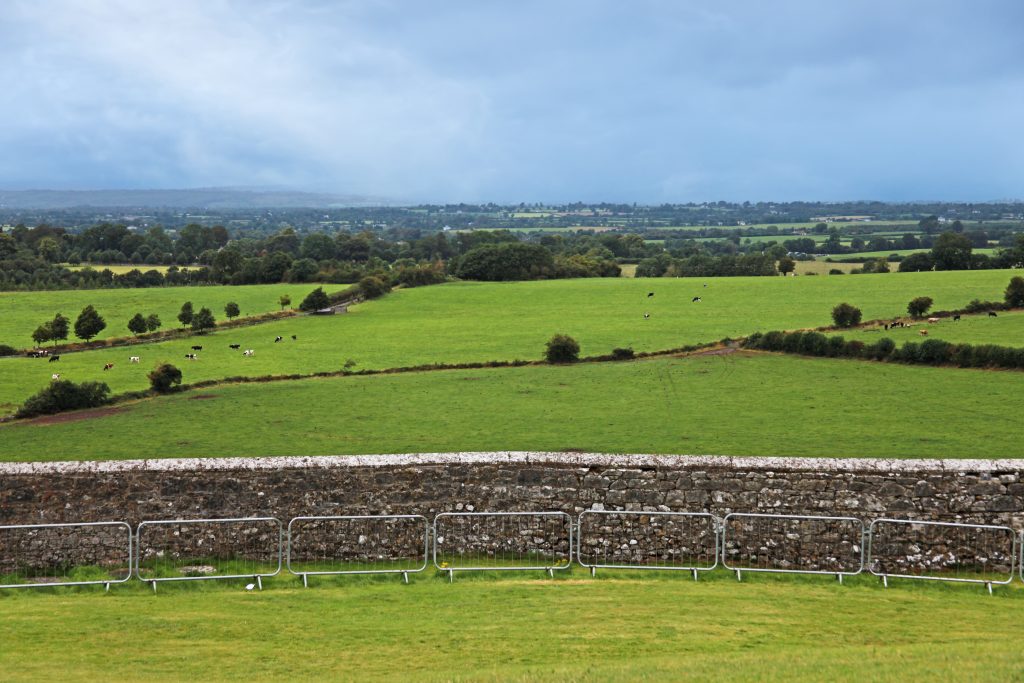
To stand at the Rock’s summit is to see Ireland the way its ancient rulers once did: spread out in a patchwork of fields, rivers, and winding roads, the Galtee Mountains framing the horizon. The air carries a cool bite, the kind that speaks of limestone and lichen. Below, the plain of Tipperary, once known as the Golden Vale, rolls out in gentle undulations that have nourished cattle and conflict alike.
The Rock Today: Sacred Heritage
Now under the care of Heritage Ireland, the Rock of Cashel is one of the country’s most visited historic sites, and with good reason. It is not just a monument but a mirror, reflecting Ireland’s passage from kingship to Christianity, from oral myth to written record, from conquest to cultural pride.
Interpretive centers on-site offer archaeological and historical context, while guided tours help illuminate the nuances of architecture, art, and legend. Restoration efforts, particularly within Cormac’s Chapel, have brought to light delicate features that were long hidden beneath centuries of grime and moss.
And yet, for all its grandeur, the Rock remains undefended by modern barriers, no glass walls or velvet ropes, allowing visitors to experience its weathered, darkly moody, power up close. Here, saints and sovereigns once stood. And here, we stand still, awed, windblown, and grateful.
Where to Stay in Cashel, Ireland
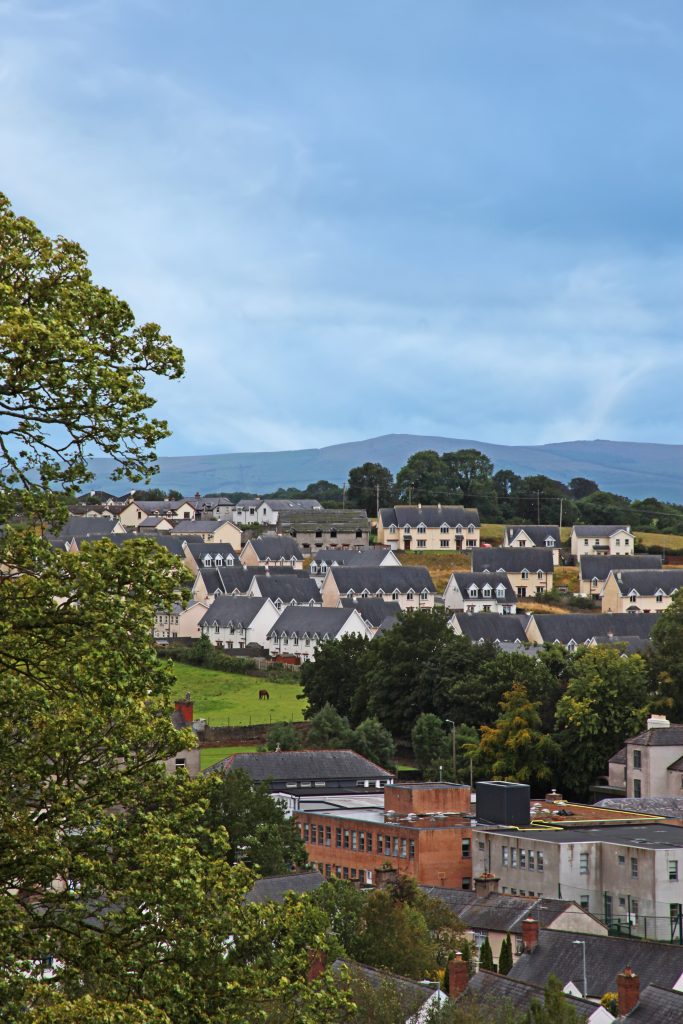
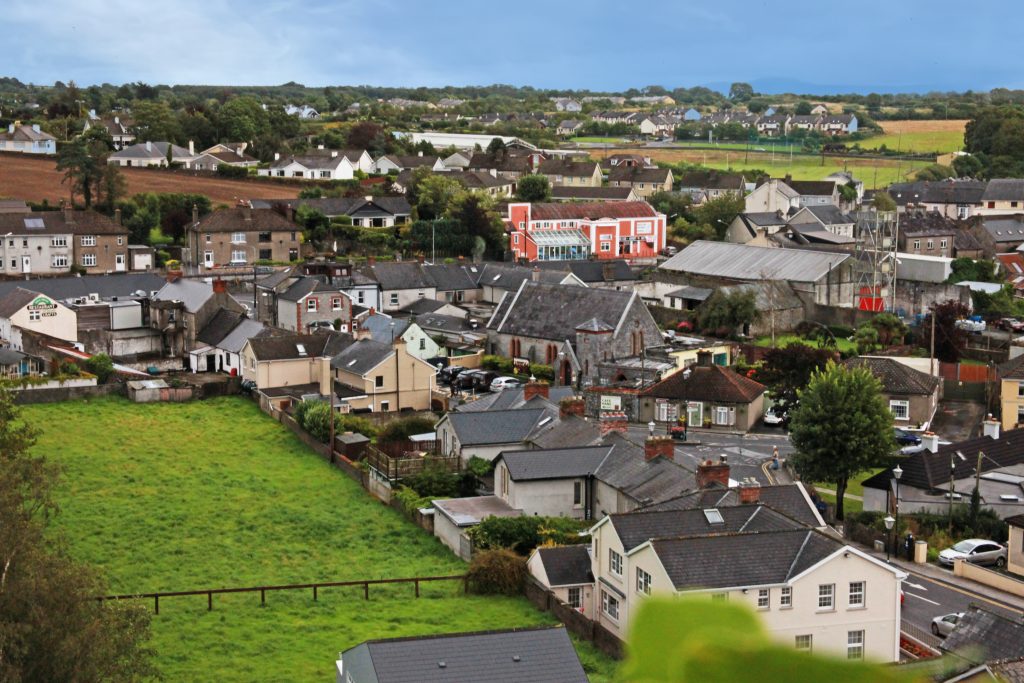
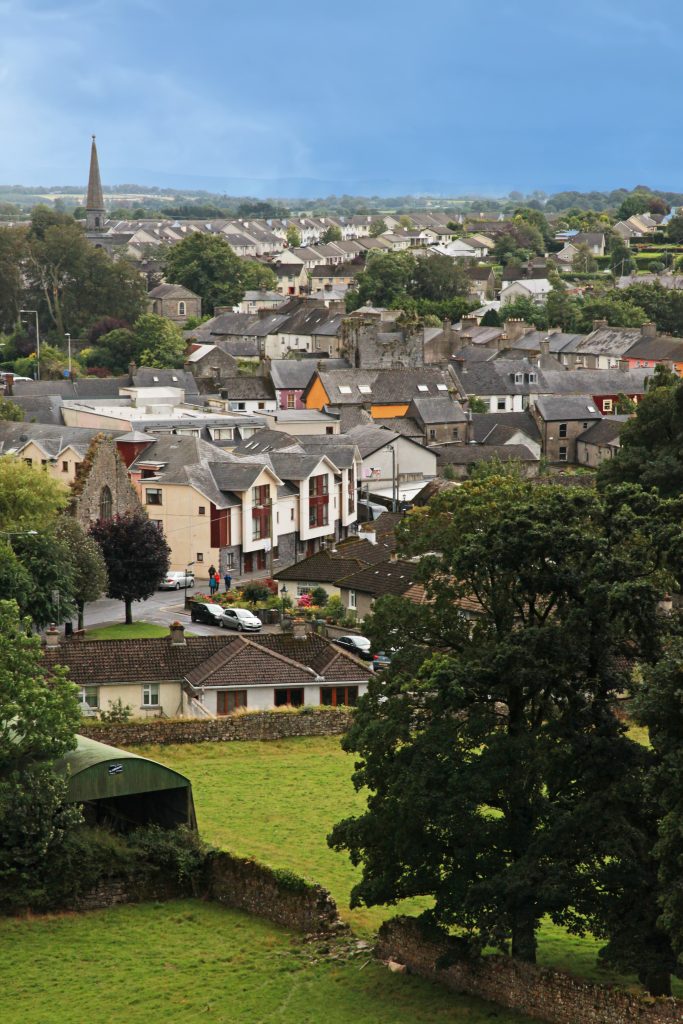
Cashel itself is a small town, so your lodging choices center on Main Street and the immediate surroundings. The Cashel Palace Hotel, a converted archbishop’s residence, sits directly across from the Rock and offers period rooms with views of the archaeological site. Smaller guesthouses and bed-and-breakfasts line the town center, many housed in Georgian and Victorian buildings, and tend to fill quickly during summer months and weekends. Book ahead if you’re visiting June through September.
For a quieter stay, consider the villages within a few kilometers of town. Dundrum, about 10 minutes south, has several country guesthouses set among farmland and offers easier parking than central Cashel. Cahir, roughly 15 kilometers away, is a larger town with more hotel options and still sits within easy driving distance of the Rock. Both villages provide the same access to the site without the foot traffic of Cashel proper.
Guest houses tend to include breakfast, which is practical given that Cashel has few restaurants open early or late. The town has a small grocery and a handful of cafes, so staying in or near the center makes sense if you want to walk to meals and the Rock. If you prefer more restaurant choice and nightlife, you might base yourself in Tipperary town, 25 kilometers away, though you’ll trade walkability for driving on each visit to the archaeological site.
Families and travelers seeking more space often rent holiday cottages through Irish vacation rental services. Several stone cottages sit in the surrounding countryside and offer kitchen facilities, allowing you to shop locally and prepare meals. These tend to be cheaper than hotels and give you flexibility for meals and schedules, especially useful if you’re spending multiple days exploring the broader Golden Vale region.
Recommended Reading
Fiction
- Lion of Ireland by Morgan Llywelyn
A historical novel centered on Brian Boru, the High King of Ireland, charting his rise amid Viking incursions and internal rivalries - The Princes of Ireland by Edward Rutherfurd
A sweeping epic that begins in prehistoric times and travels through the era of kings and saints, perfect for understanding the backdrop to Cashel’s rise. - Saint Patrick: A Novel by Jonathan Rogers
A vivid and spiritually rich reimagining of Patrick’s early life, enslavement in Ireland, and eventual return as a missionary. While fictionalized, it draws heavily on historical texts and traditional accounts.
Non-Fiction
- Ireland: A Luminous Beauty by M.Peter Harbison
A historical novel centered on Brian Boru, the High King of Ireland, charting his rise amid Viking incursions and internal rivalries - The Story of Ireland by Neil Hegarty
A readable, richly detailed history that places Cashel within the broader arc of Irish identity. - Early Irish Myths and Sagas translated by Jeffrey Gantz
A collection of pre-Christian Irish tales that inform the heroic and spiritual backdrop of sites like Cashel. - Guide to the National and Historic Monuments of Irelandby Peter Harbison
A beautifully photographed exploration of Ireland’s ecclesiastical landmarks, including the Rock.
Tours to Consider