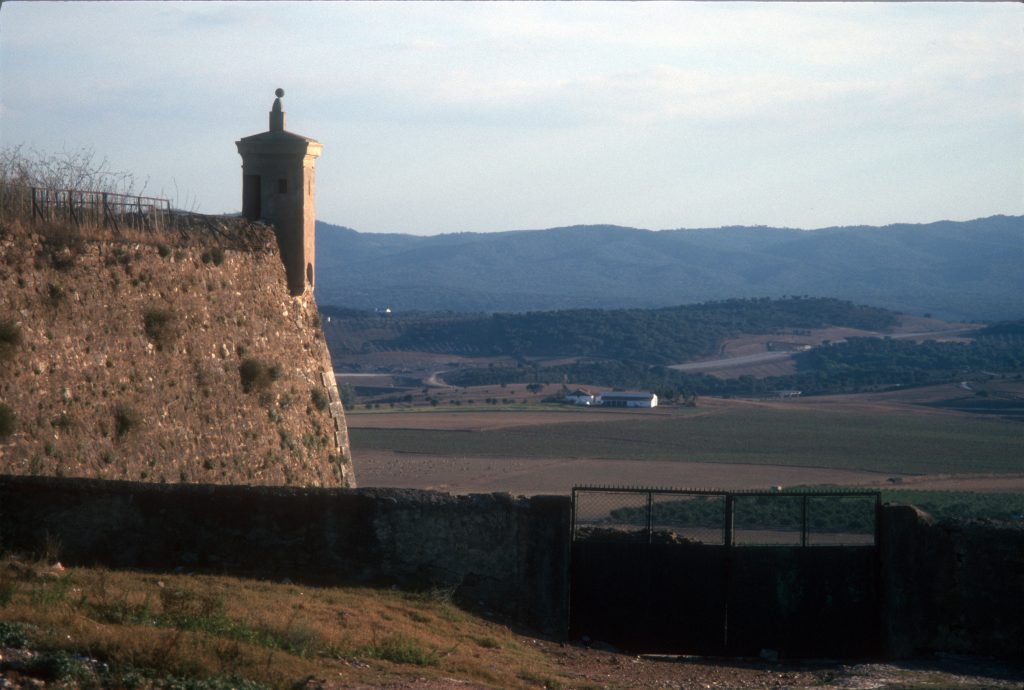
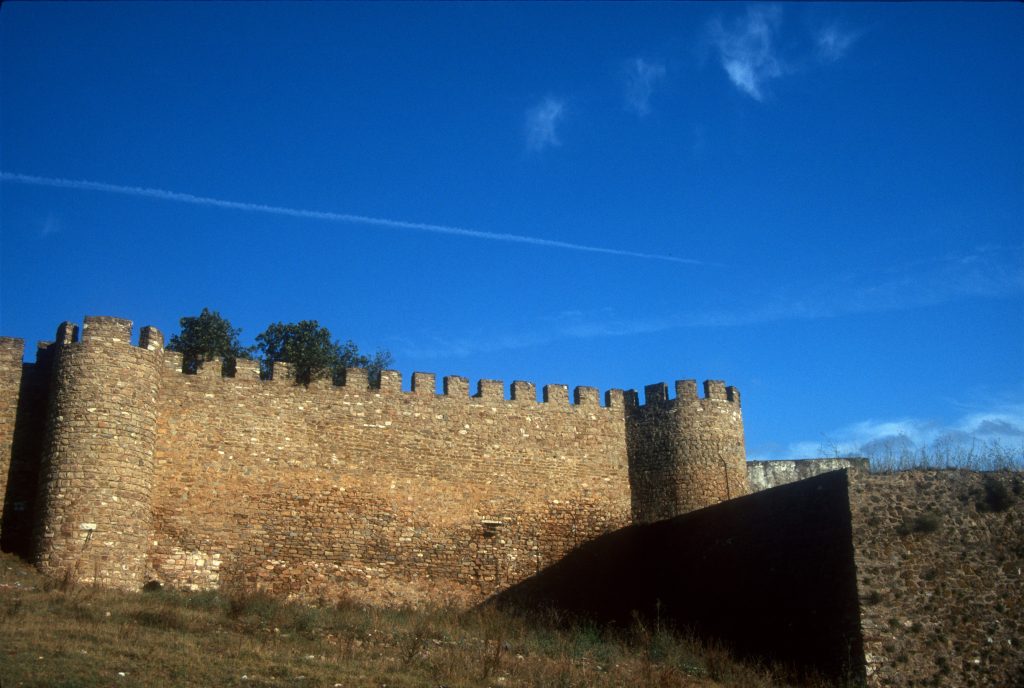
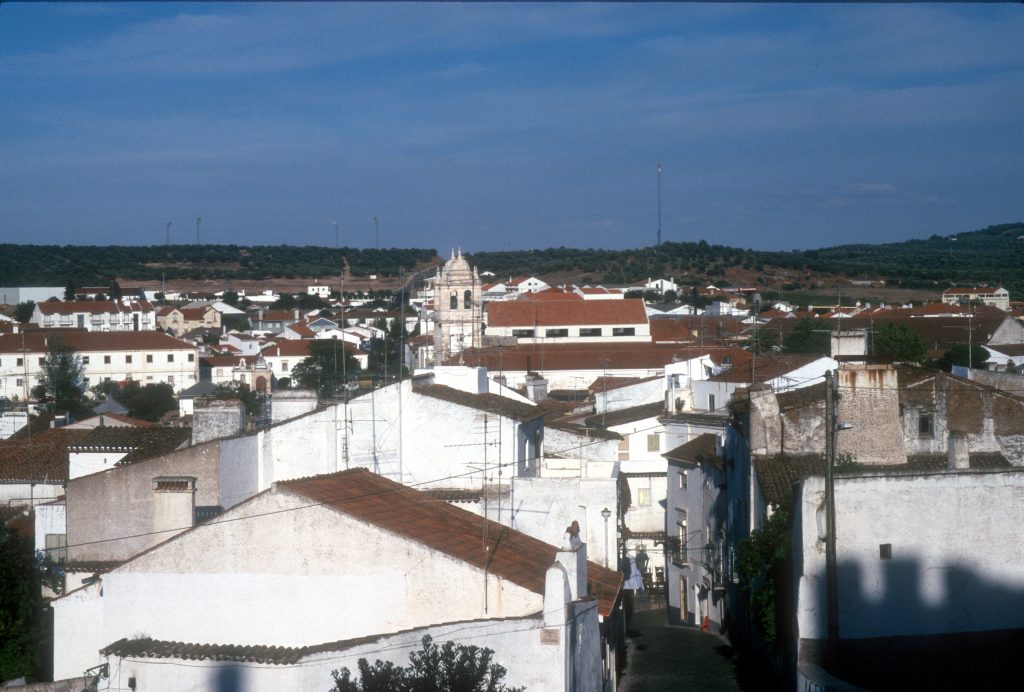
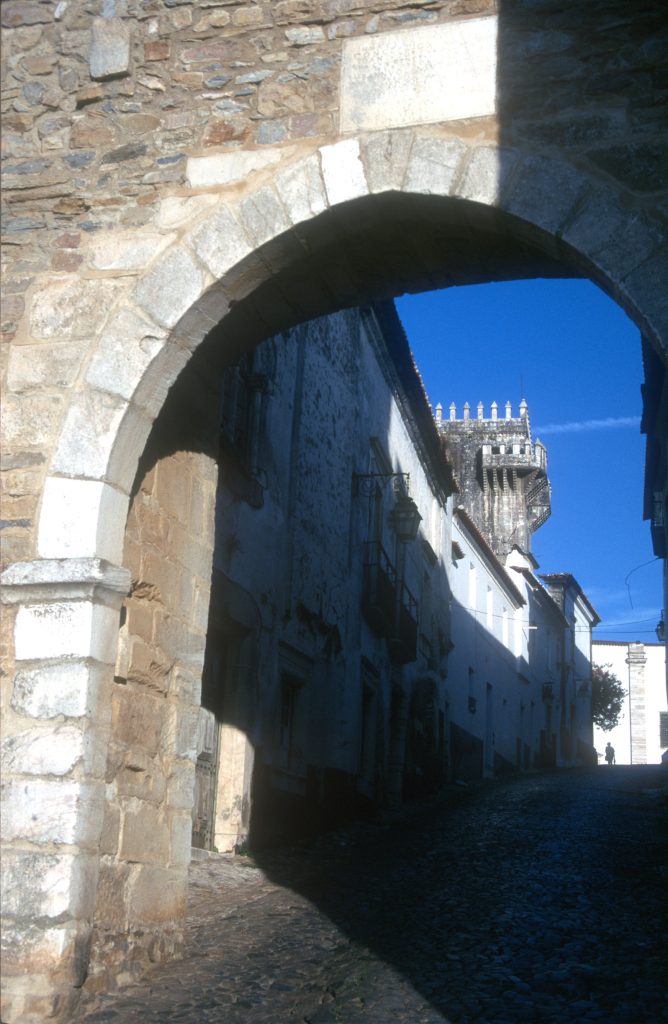
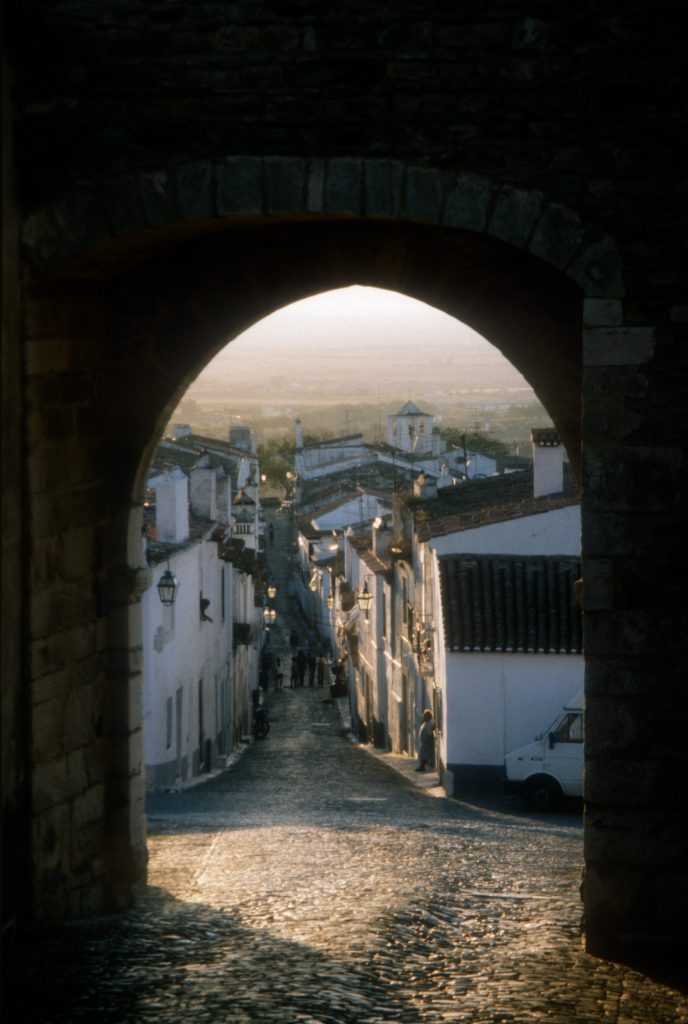
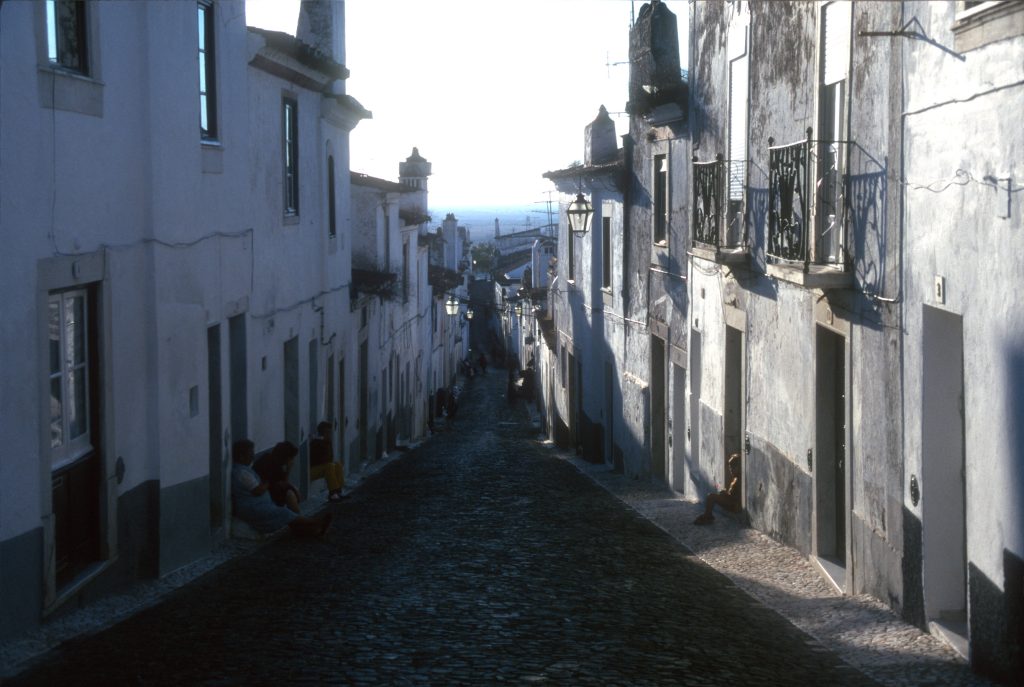
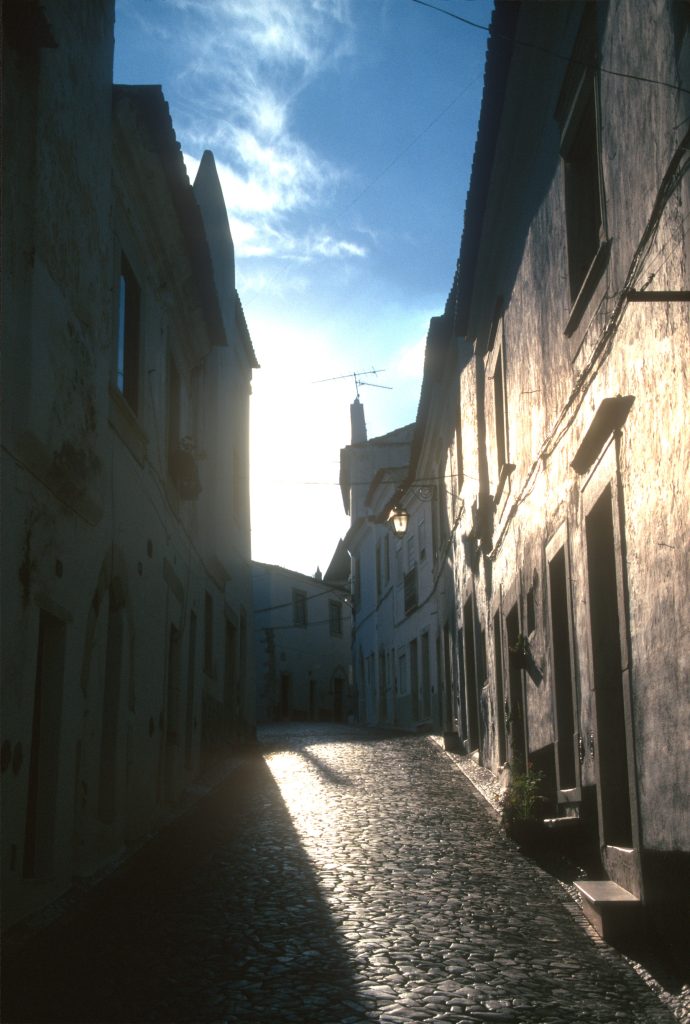
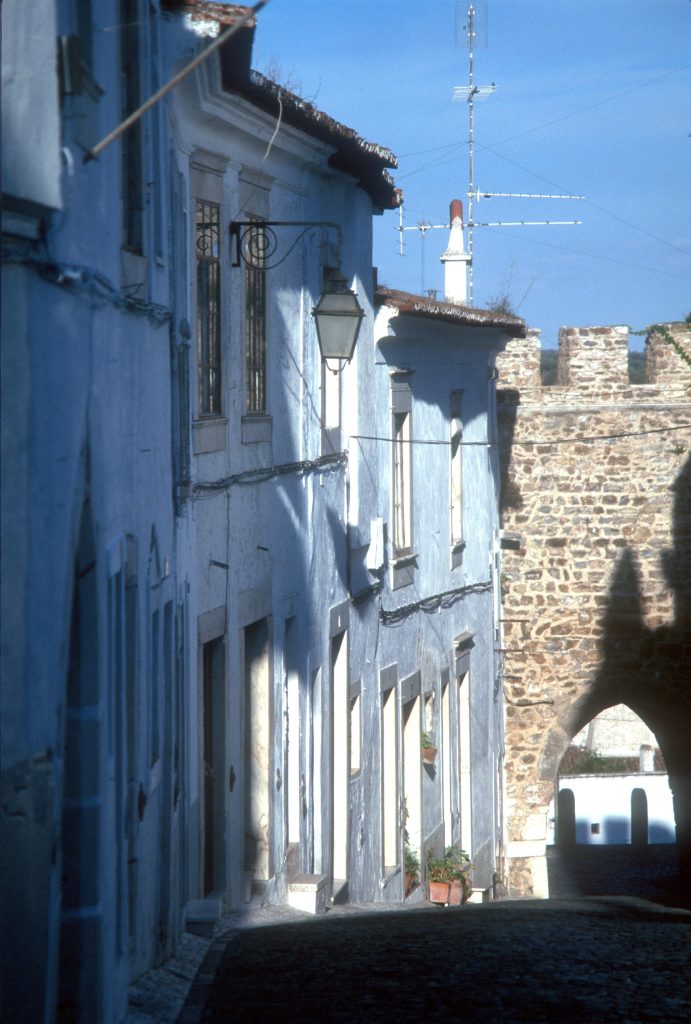
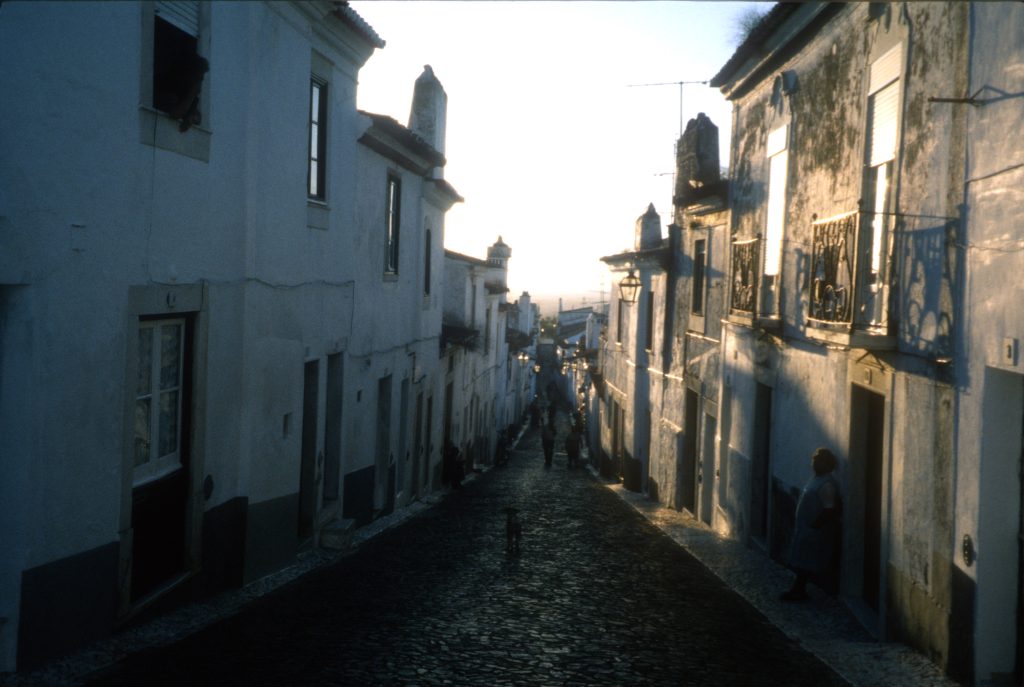
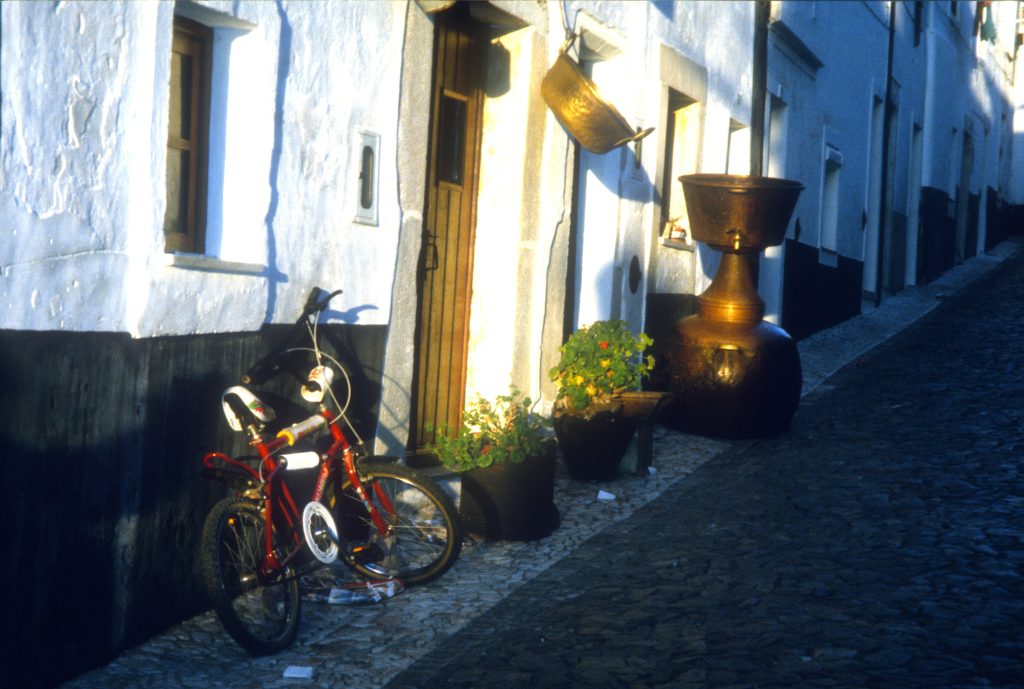
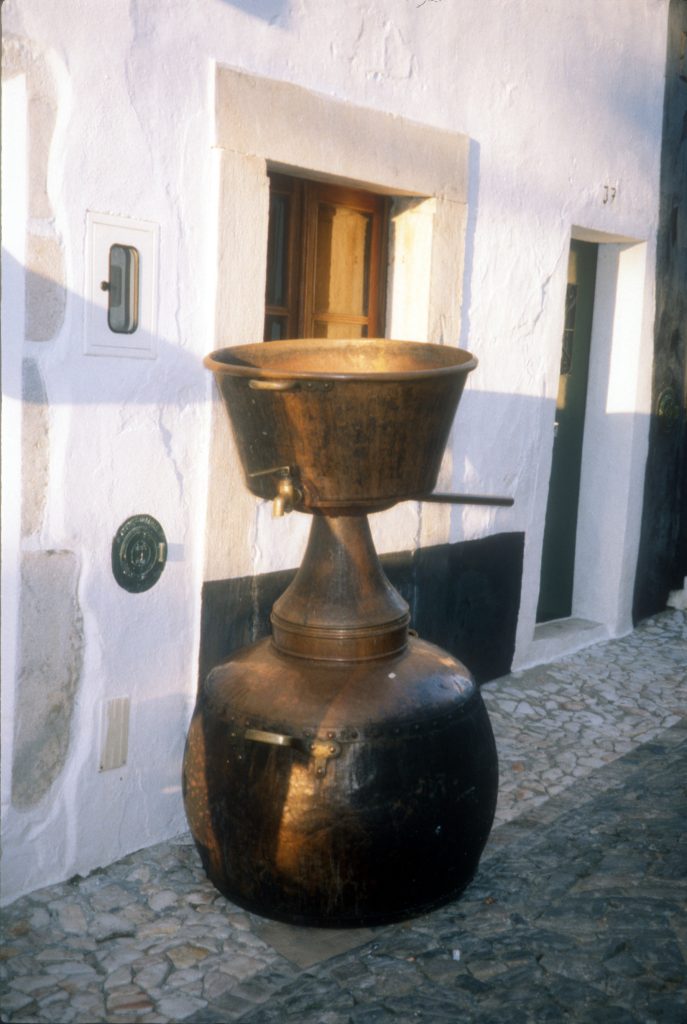
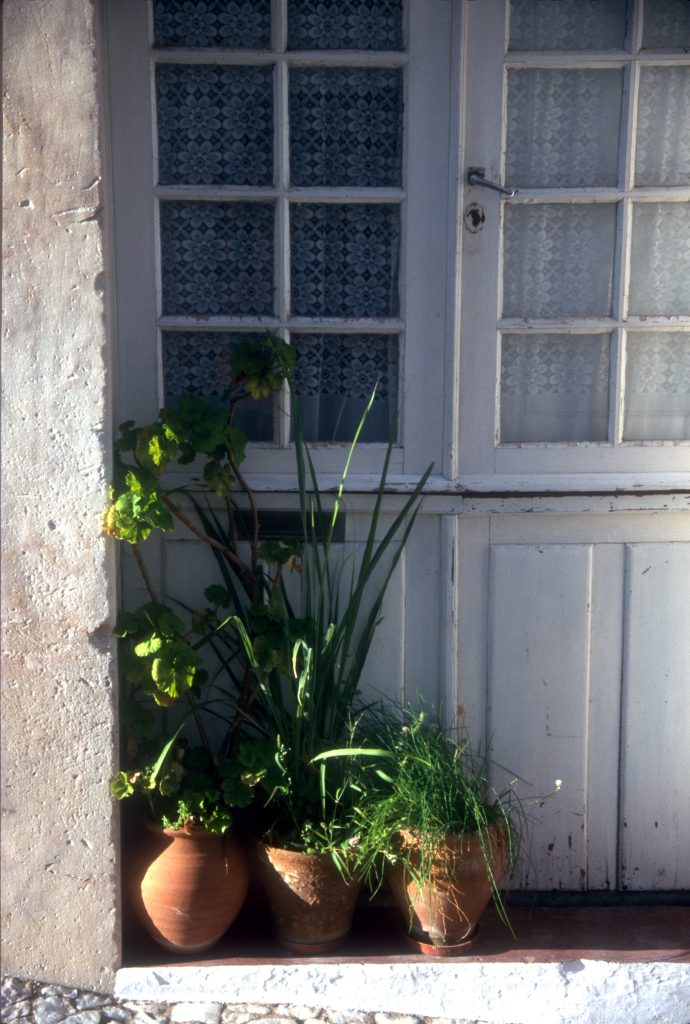
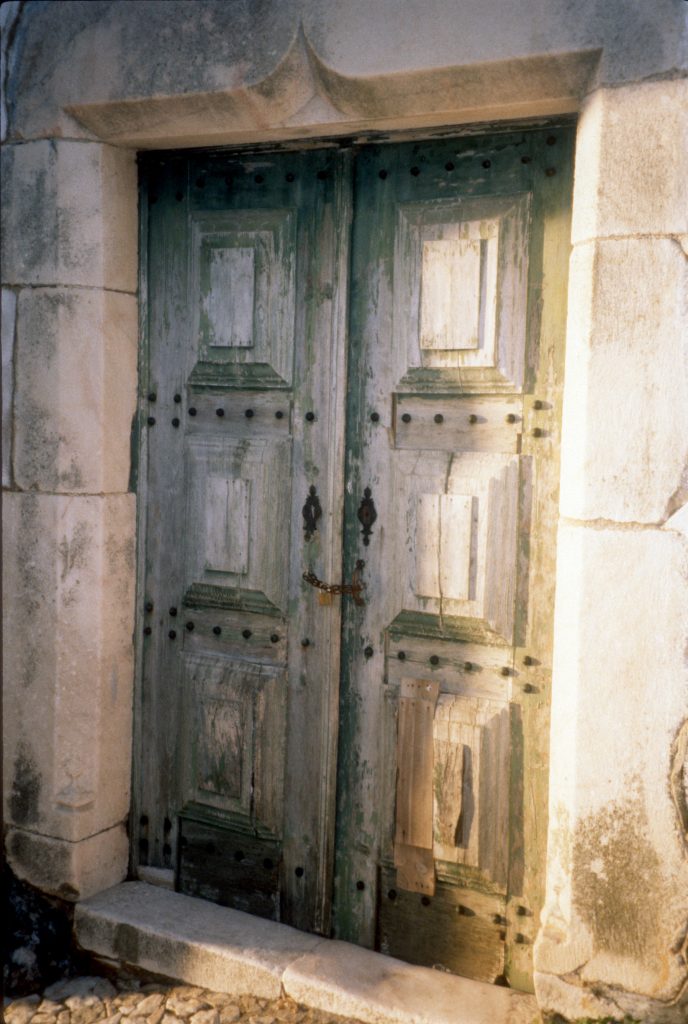
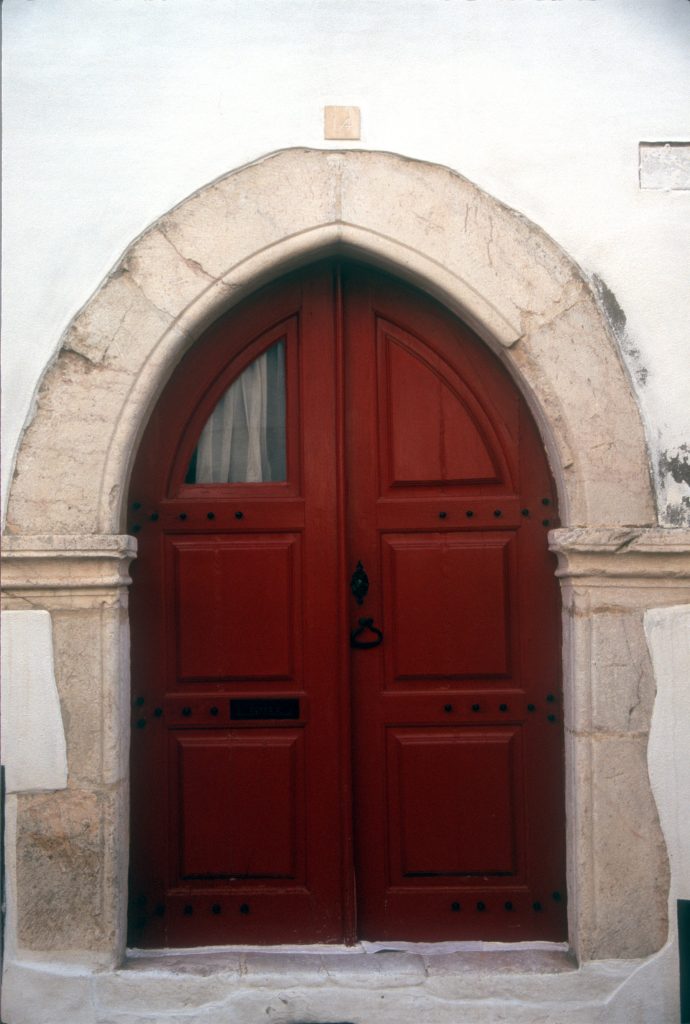
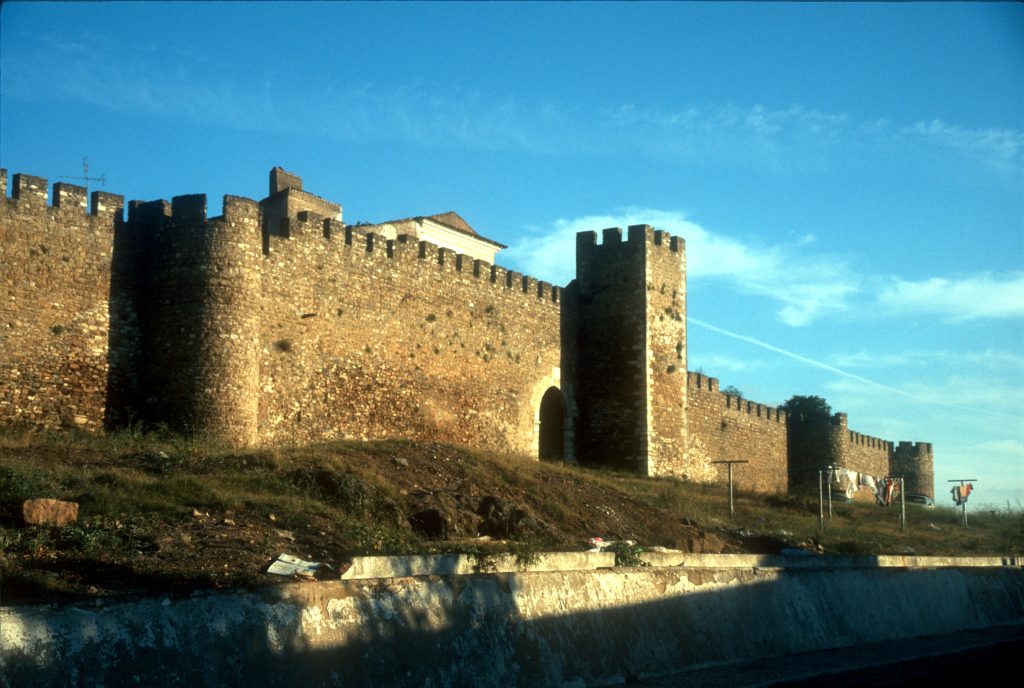
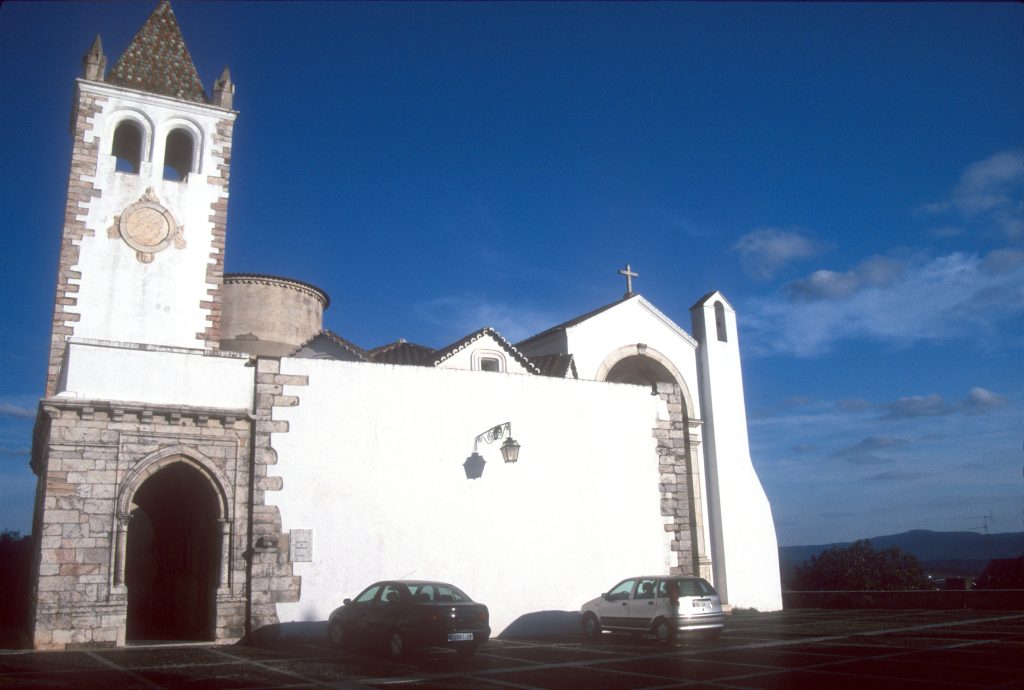
One of the first things you notice about Estremoz, besides its walls, is the color of its castle and most of the buildings. It’s blindingly white! The stone is marble. Estremoz has been internationally known for centuries for its stunning marble — white, cream, pink, grey or black, and streaks with any combination of these colors, used since antiquity as a material for sculpture and architecture. Its pink marble, Rosa Aurora from Estremoz, is especially in high demand. Portugal is the world’s second largest marble exporter, surpassed only by Italy’s Carrara marble. About 85% of Portugal’s marble—over 370,000 tons annually—is produced around Estremoz.
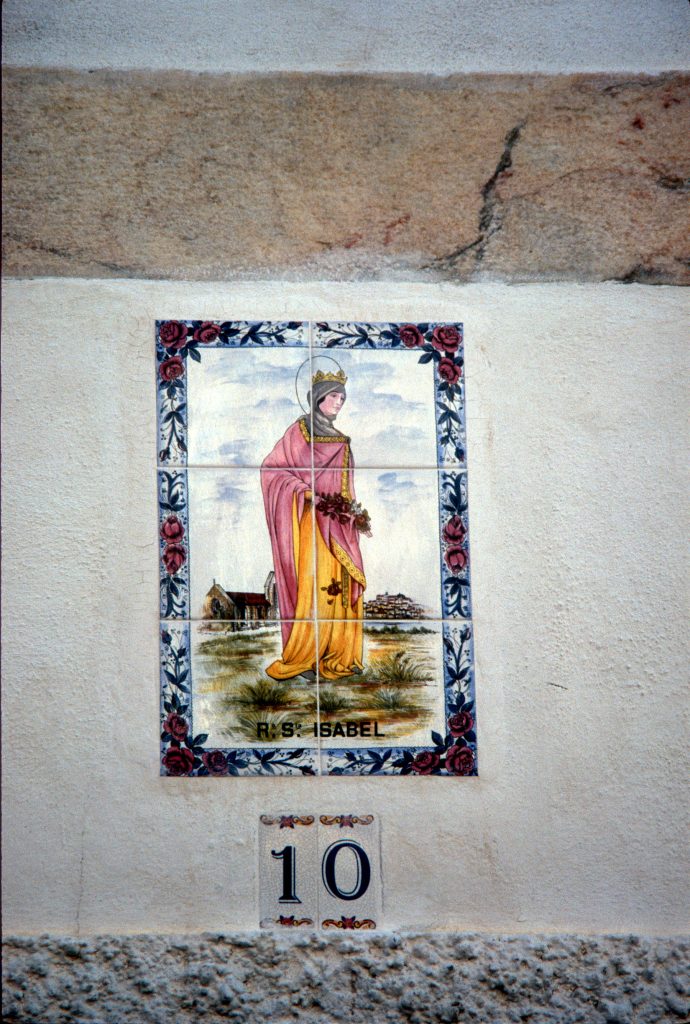
Estremoz, in Portugal’s Alentejo region, earned the designation “The White City” as a royal city of that era. Twice reconquered from the Moors, this strategically valuable location between the Kingdoms of Portugal and Castile was charted in 1258 by King Afonso III, when Christian recolonization began. King Dinis rebuilt the castle as his royal palace, and upon his death in 1336, it passed to his widow St. Elizabeth of Portugal. Her life wasn’t exactly peaceful—she had to mediate a peace treaty between her son Alfonso IV of Portugal and grandson Alfonso XI of Castile in her final days. Her grandson Pedro I of Portugal died at the Franciscan monastery in Estremoz in 1367.
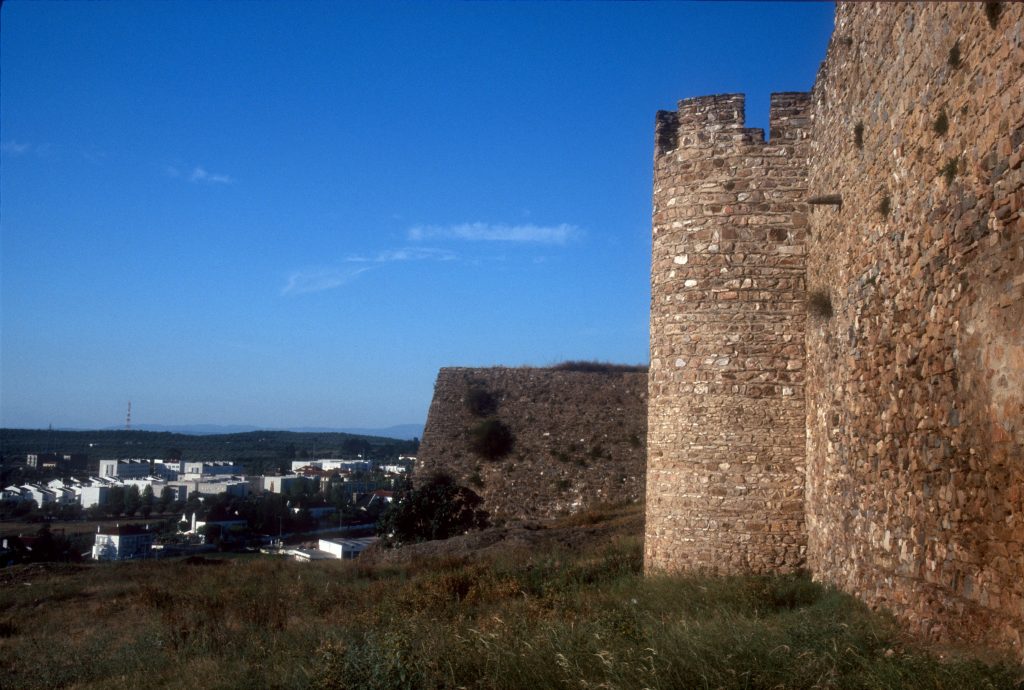
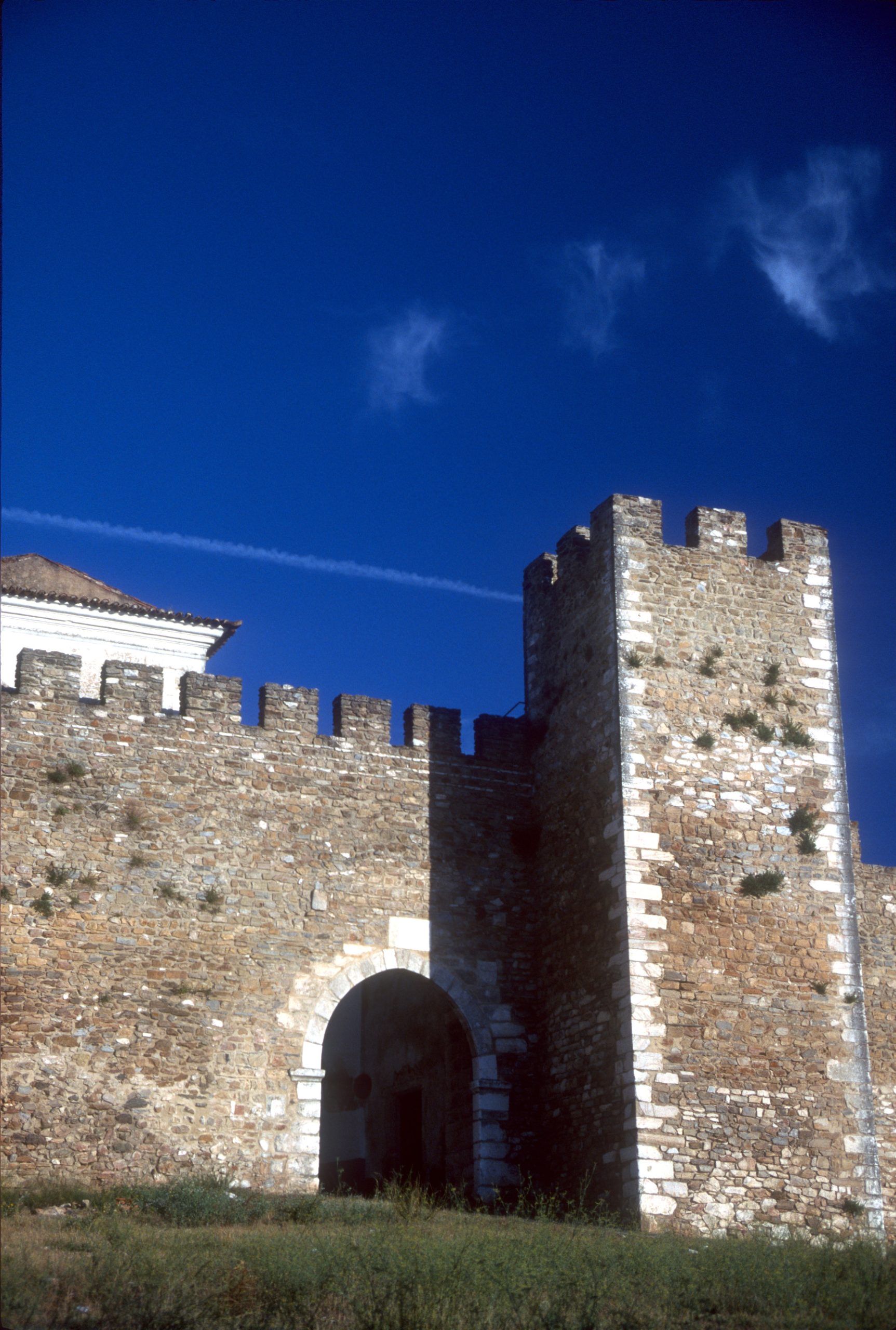
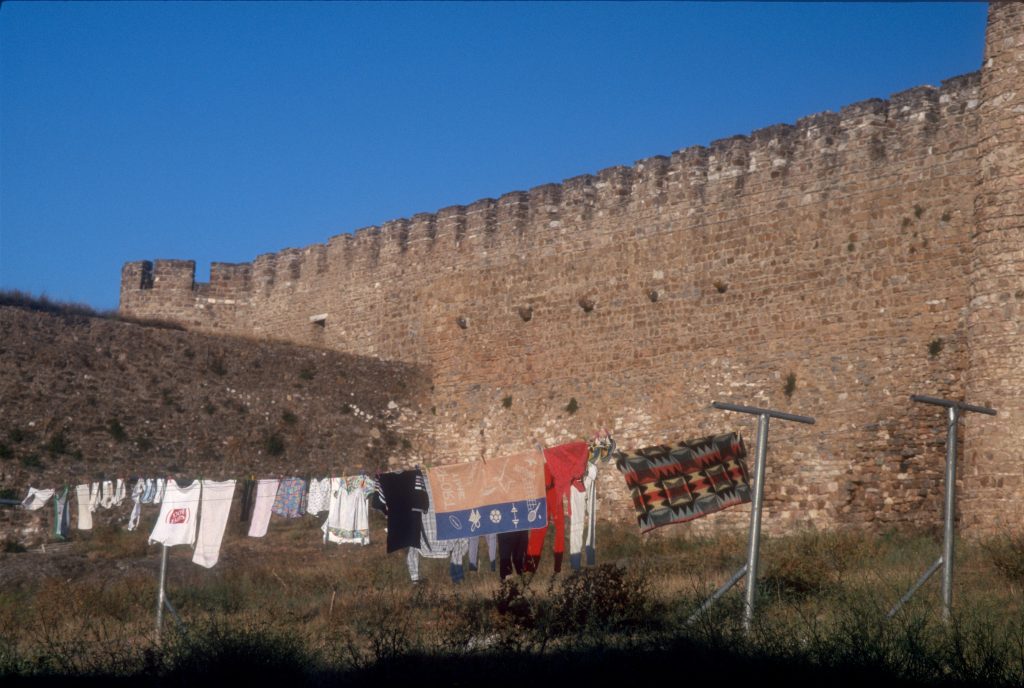
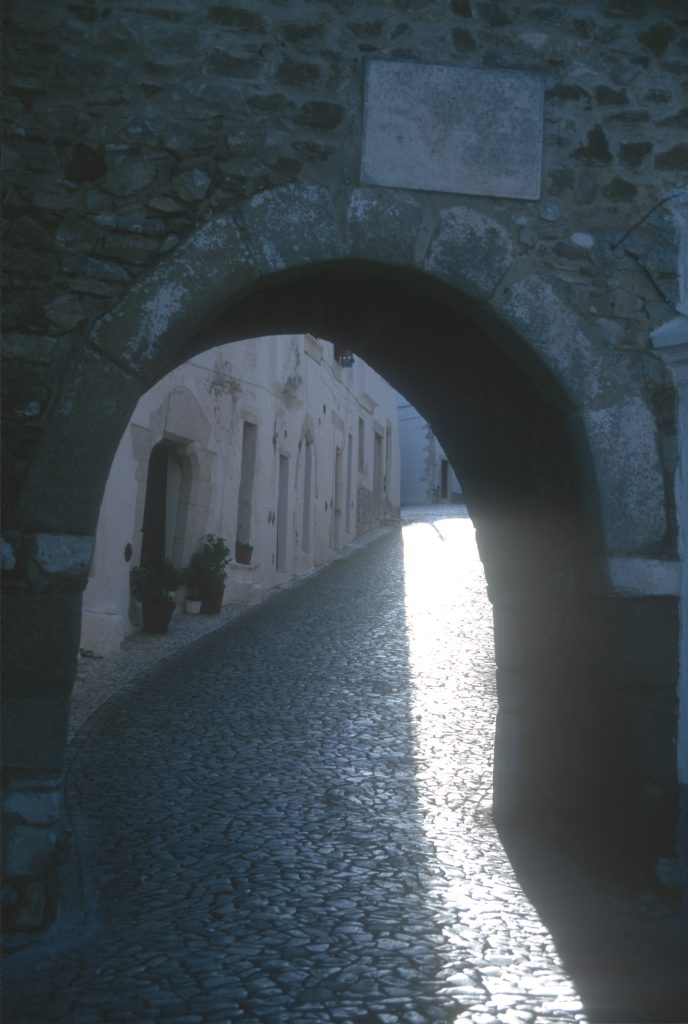
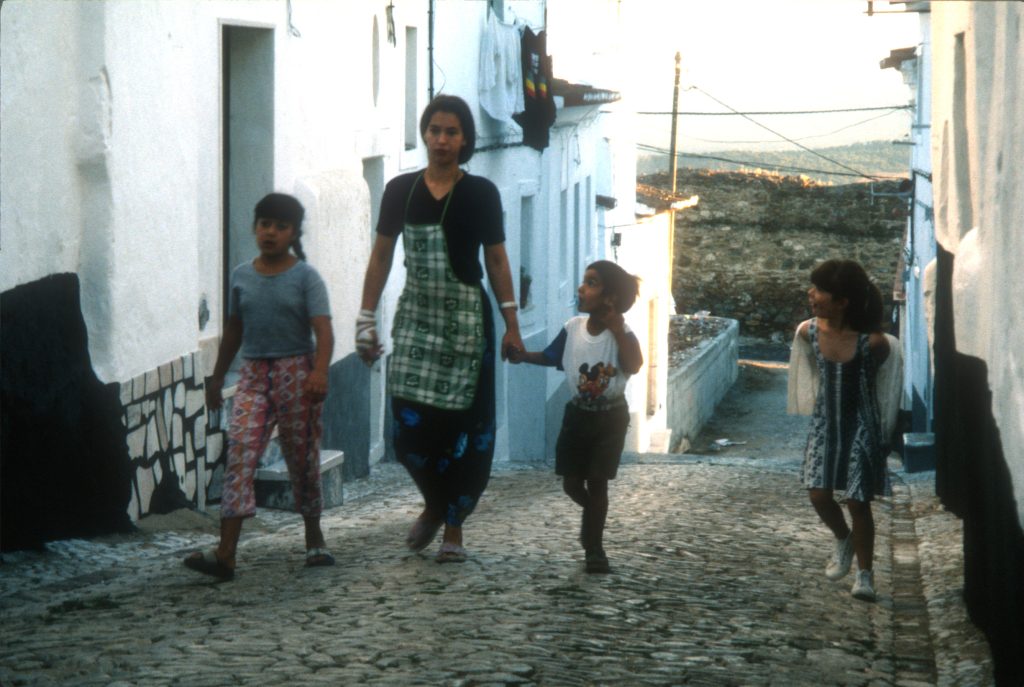
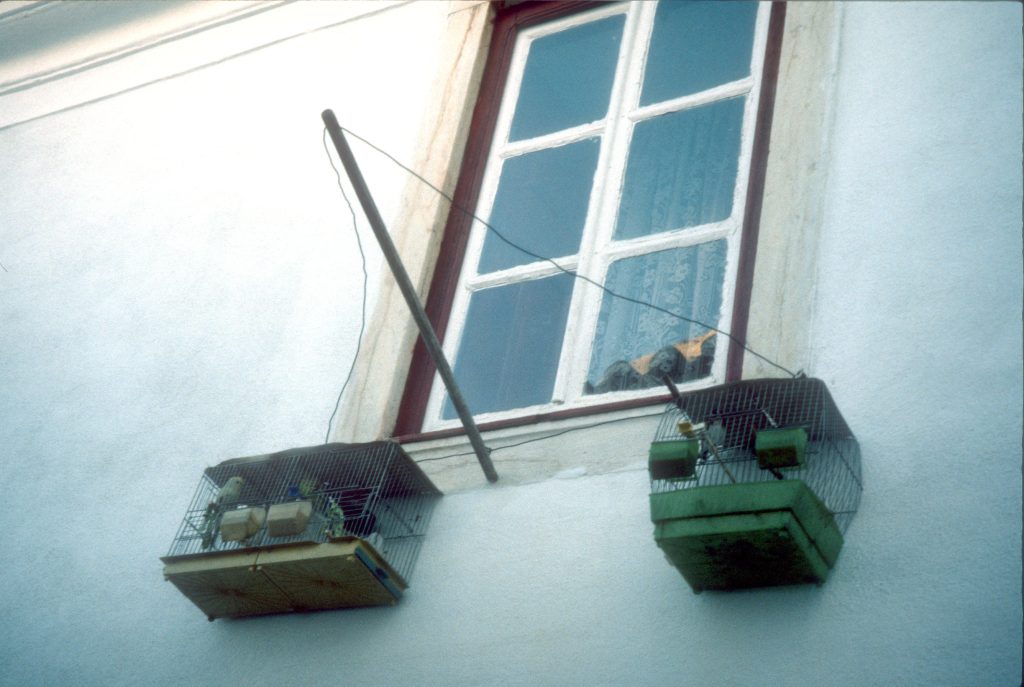
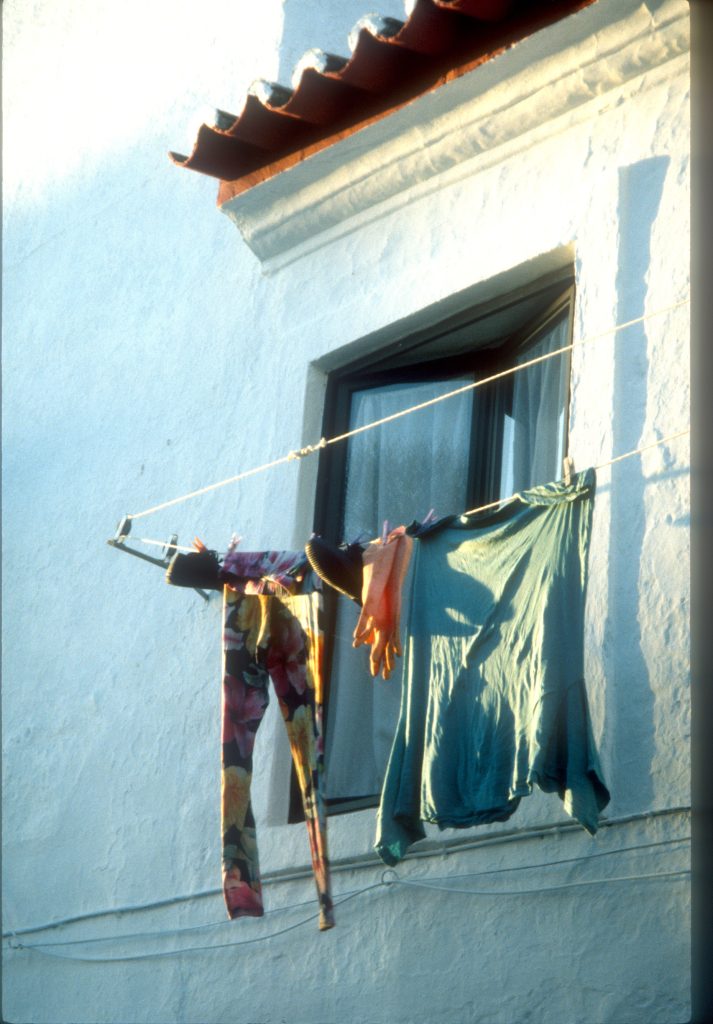
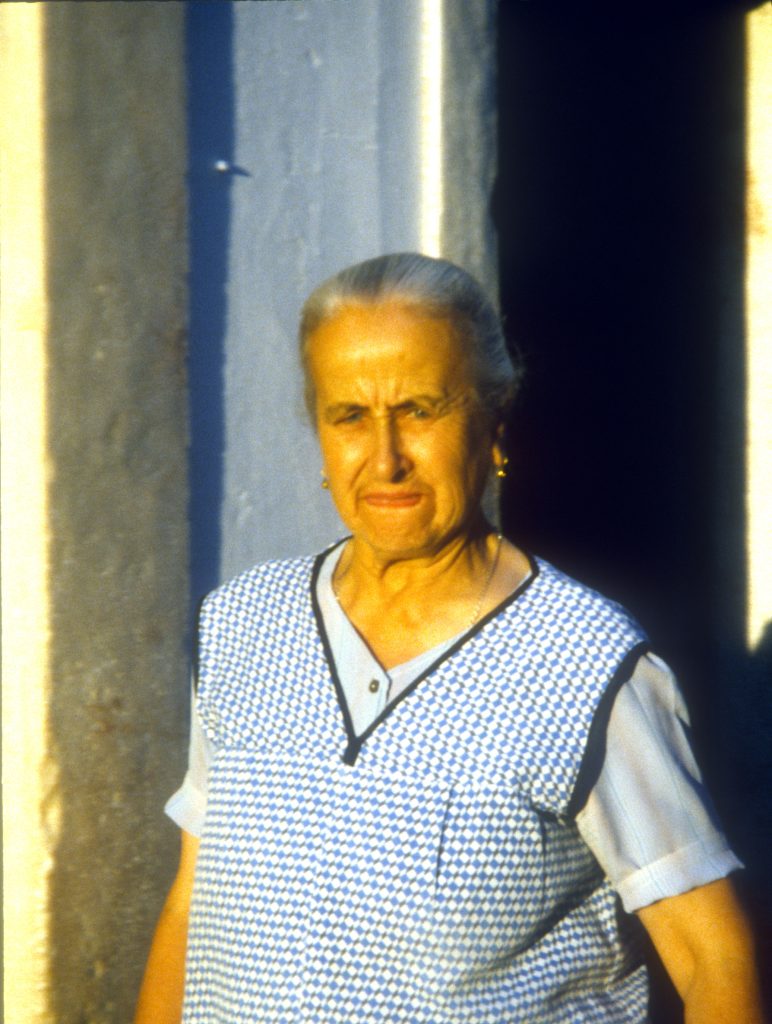
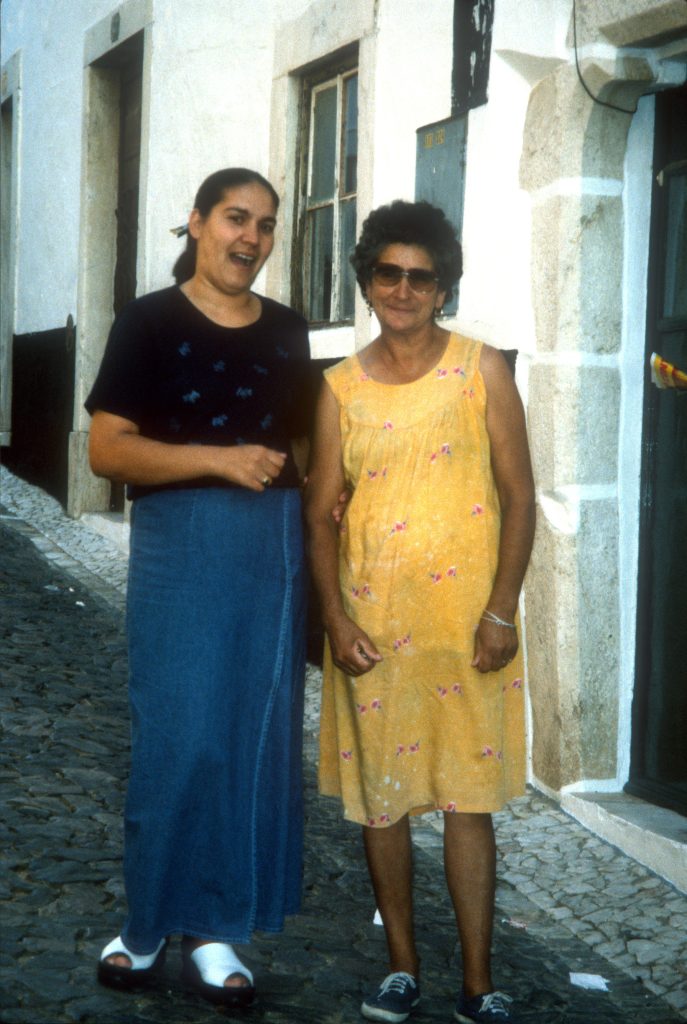
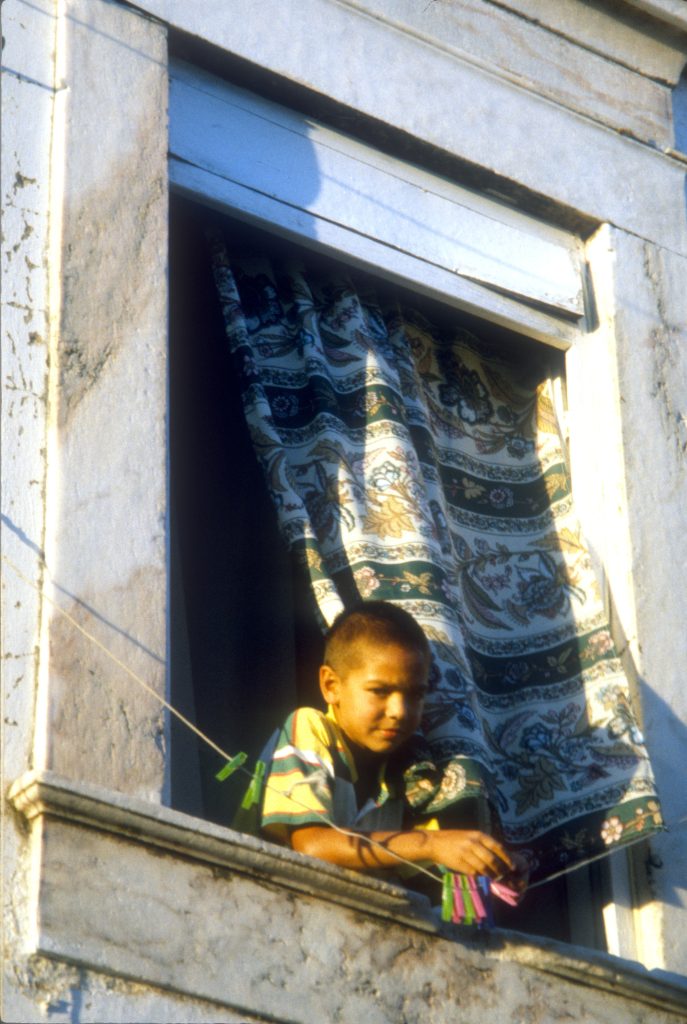
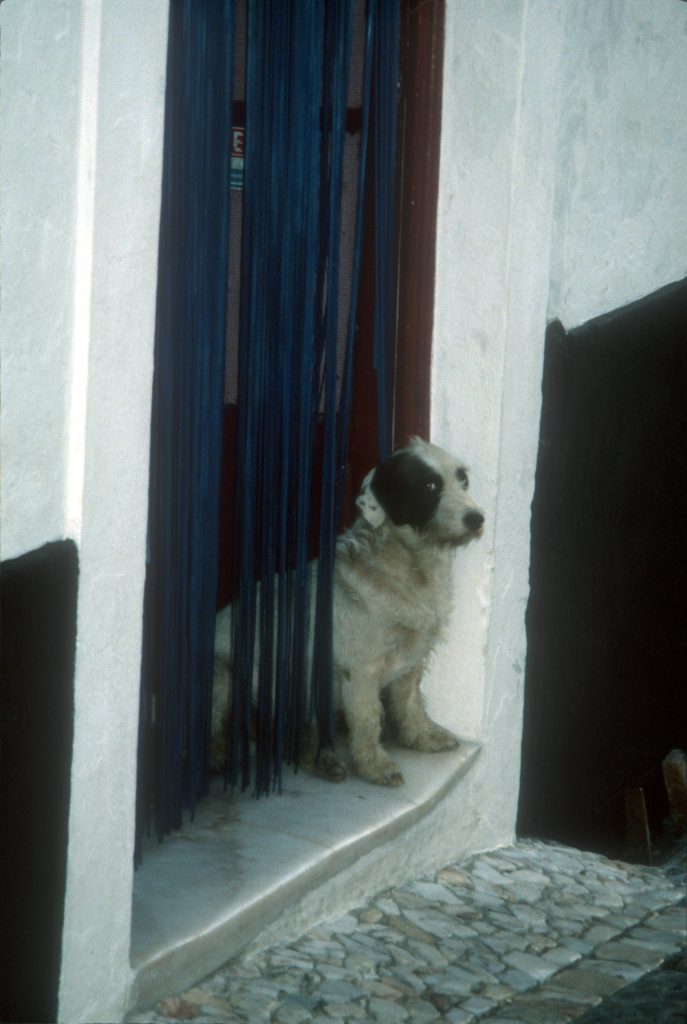
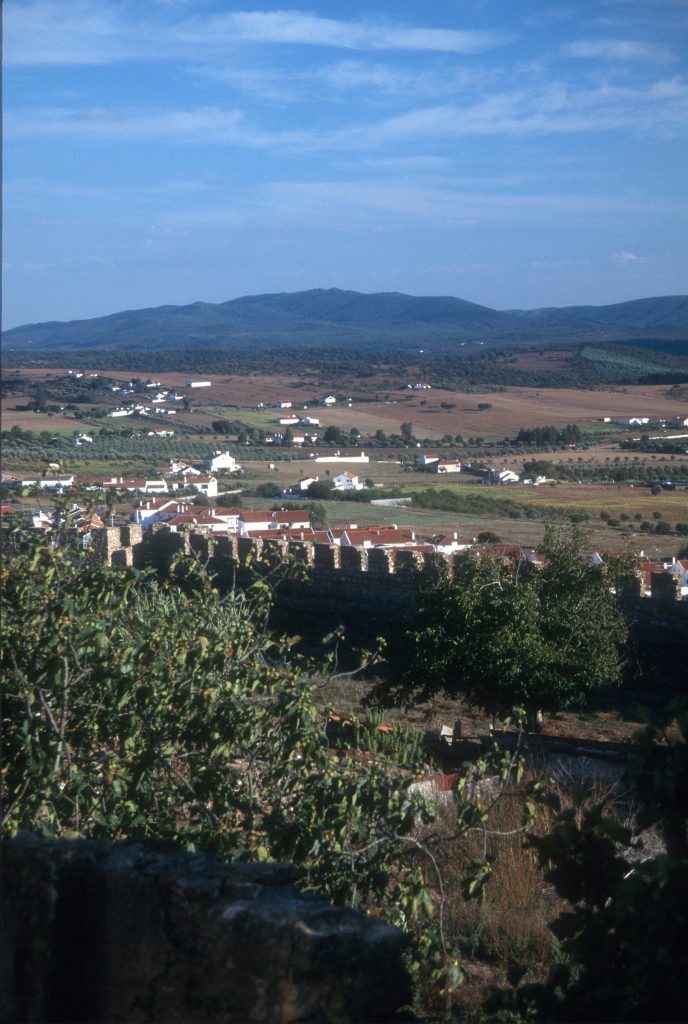
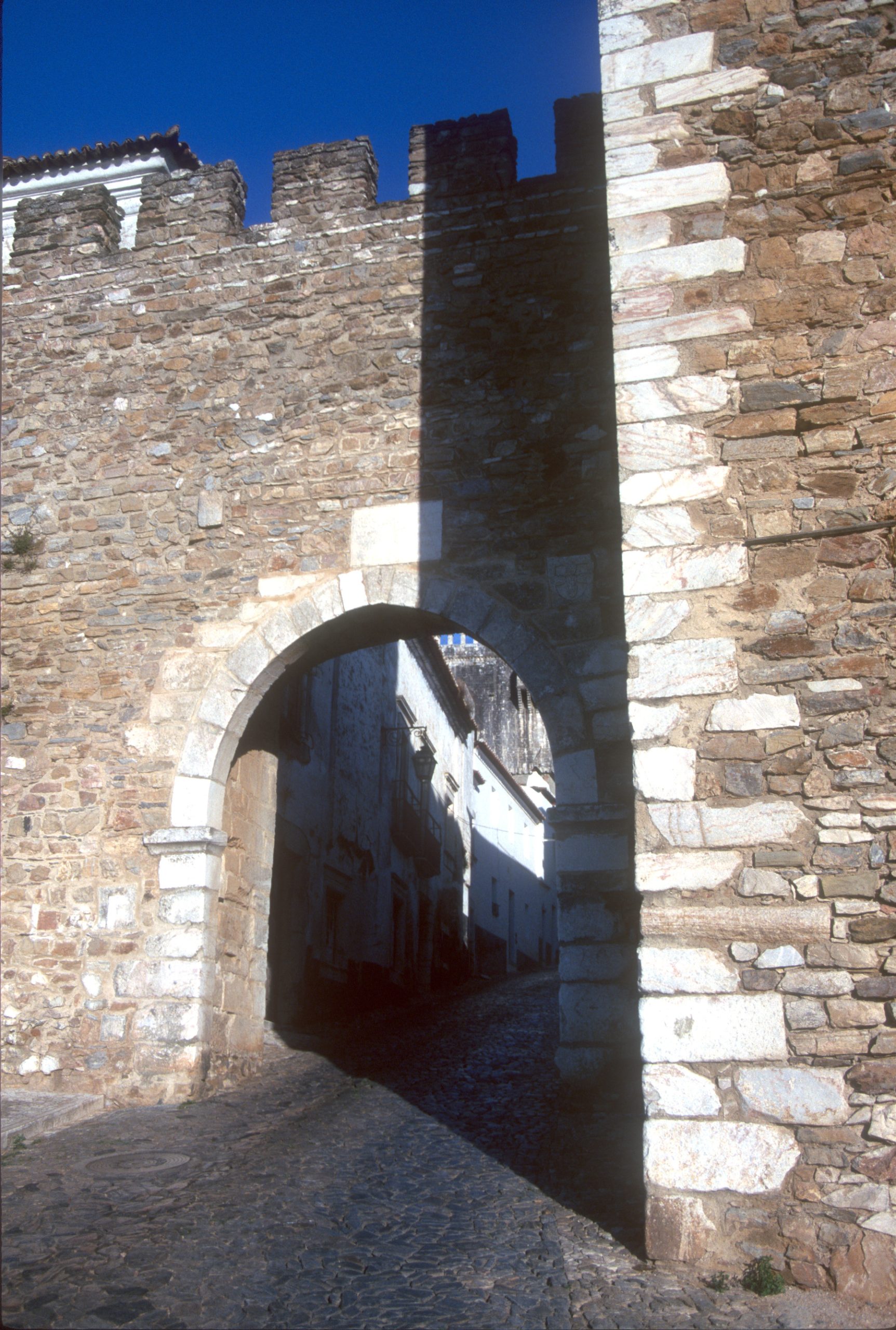
You enter their city, surrounded by vineyards and olive groves, through one of four doors in the castle wall constructed in the 17th century, made from marble. Two areas divide the city, each with distinct beauty and charm. One of them is the lower, commercial area called “Vila Nova” (new village), on the flat part of town. The other one, “cidade velha” (old city), sits atop the hill by the castle, where winding streets form a charming labyrinth that makes time feel suspended. Women in aprons with weathered hands, children leaning from windows, kittens dozing on doorsteps, laundry strung across the lane. Is this 2025 or 1895?
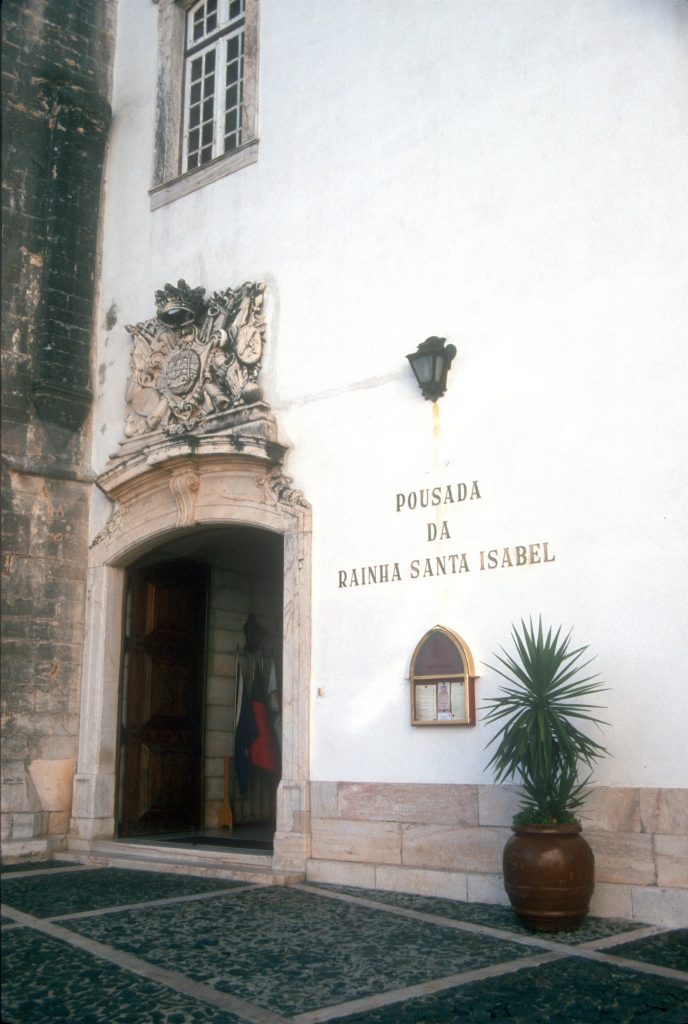
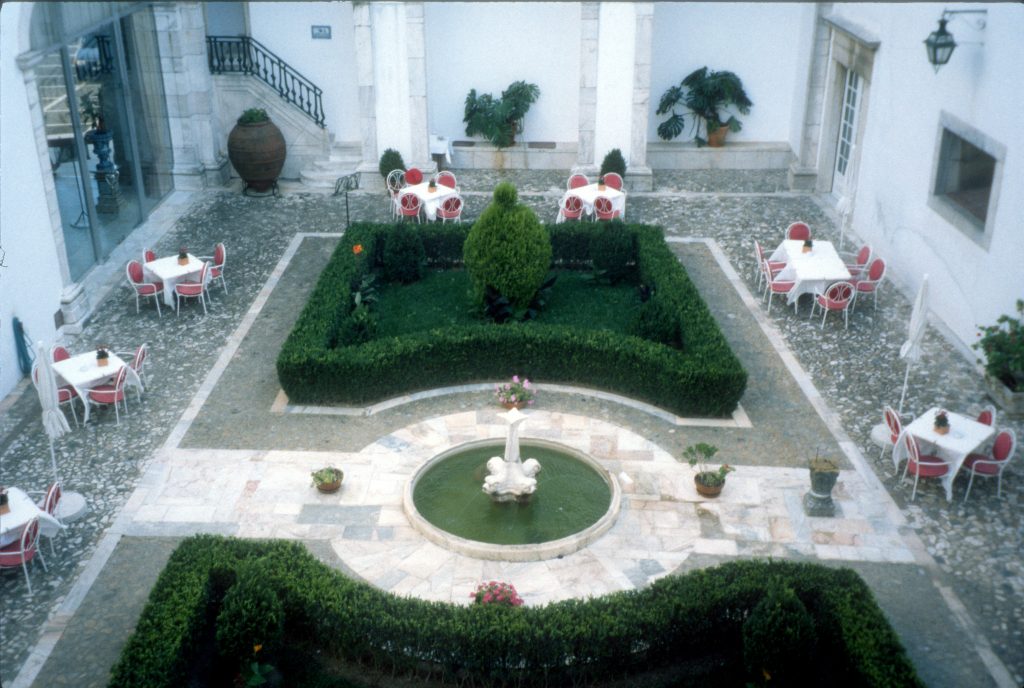
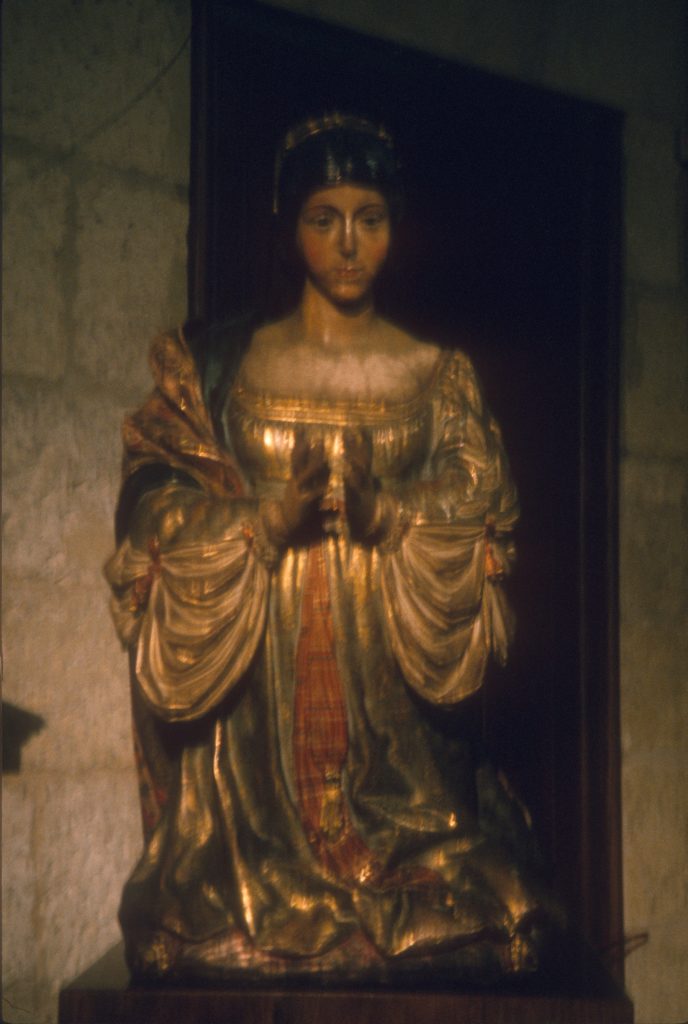
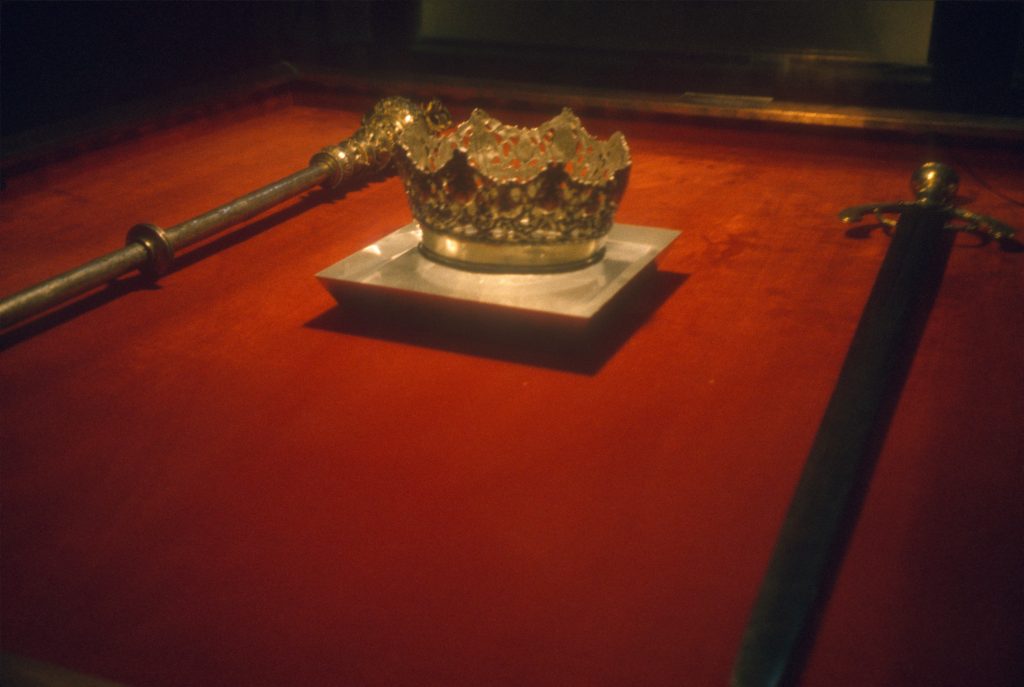
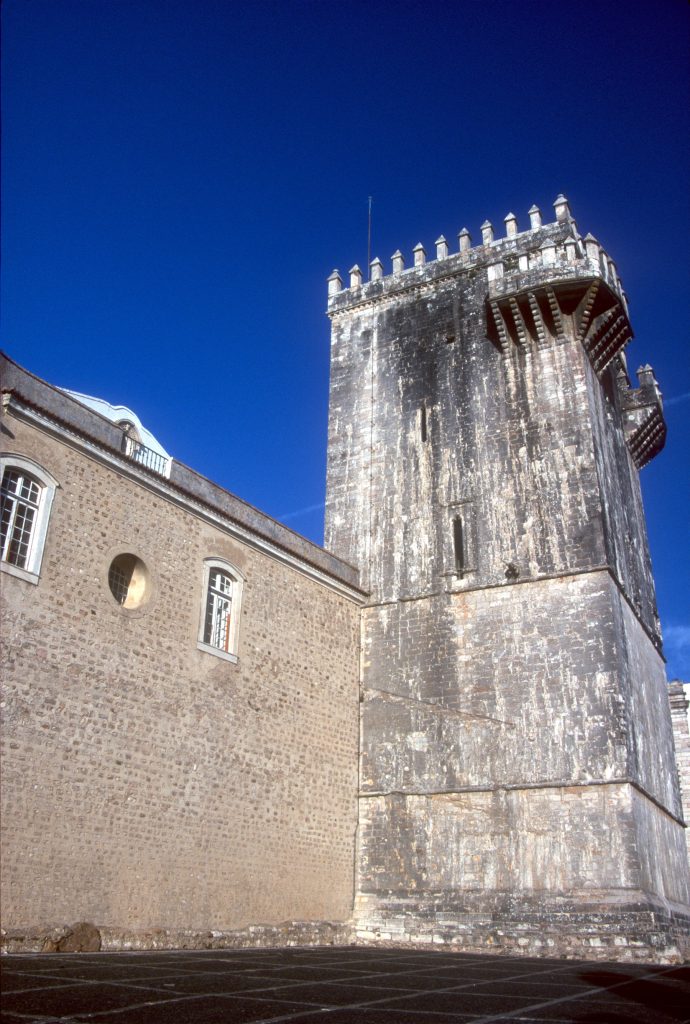
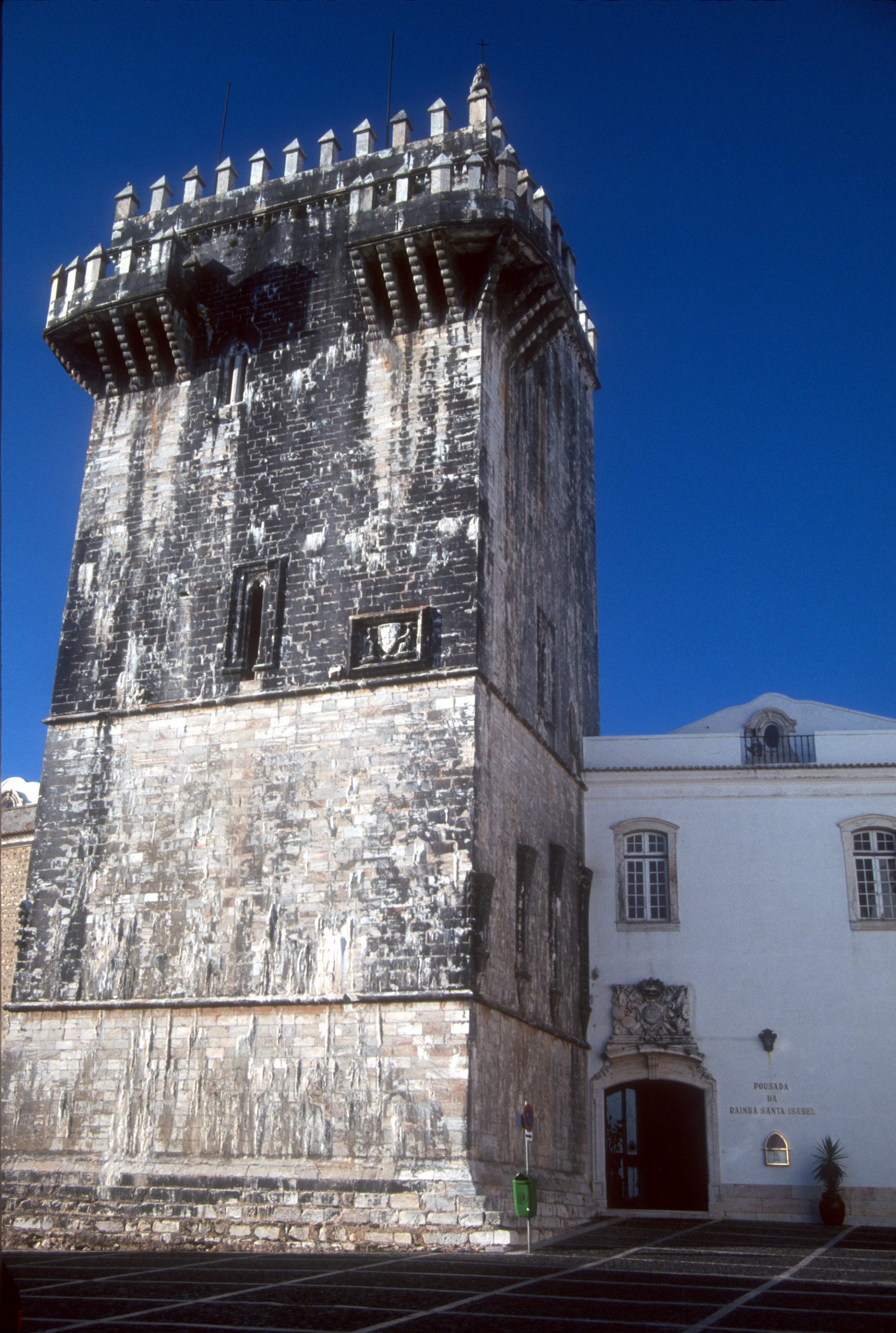
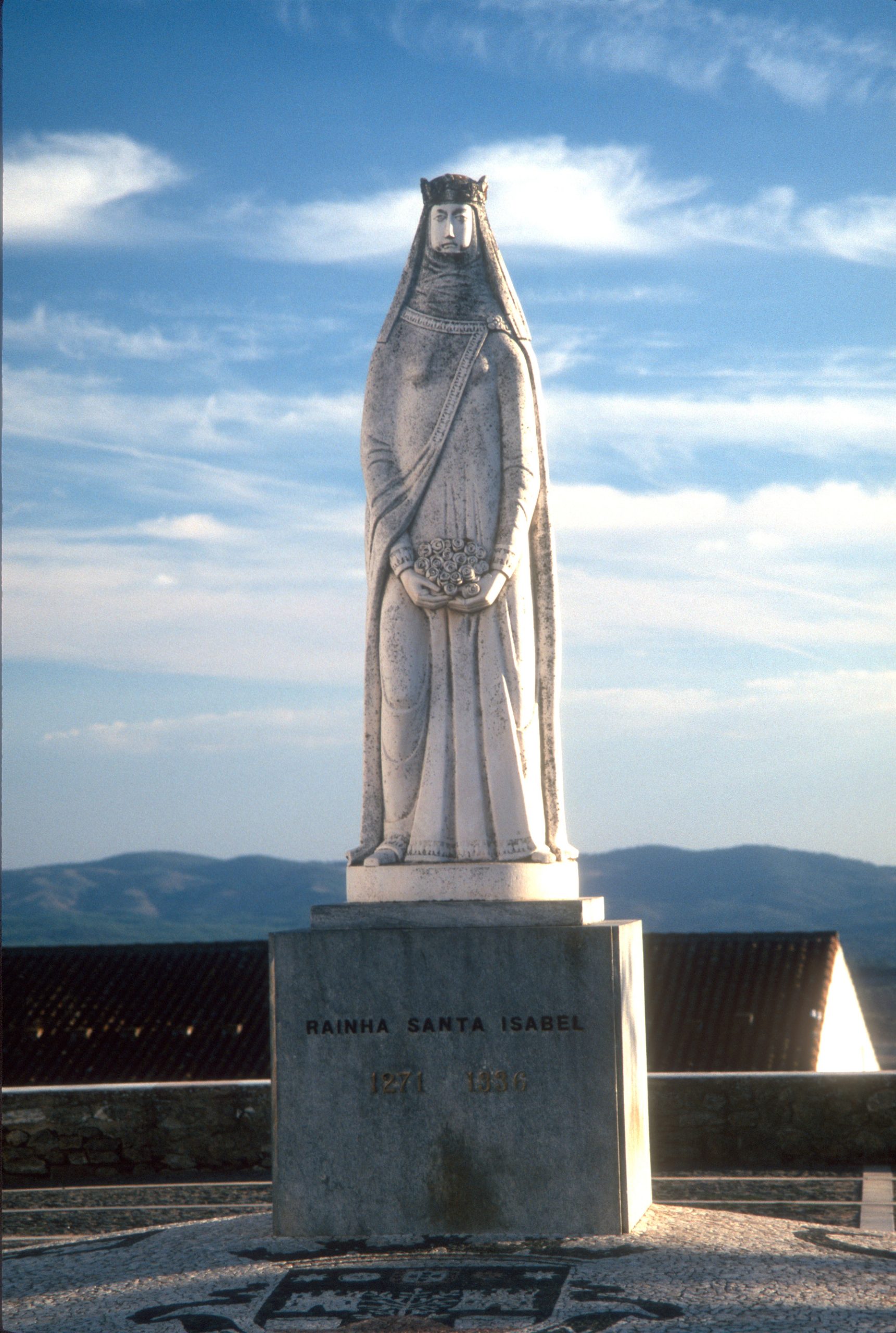
At the high point of the town stands the castle itself. Before the statue of St. Elizabeth, who looked rather lonely standing there all by herself. The castle tower rises above a quiet, peaceful inner courtyard. Inside the castle, you’ll find armor, paintings, statuary, scepters, swords, and even a crown from its glory days. Make time to admire the lovely vistas from the castle walls, or enjoy a pretty sunset over a glass of port. Did I forget to mention you can actually stay in the castle where kings and queens slept! It’s a government-run inn called Pousada Castelo de Estremoz, and a lovely midway stop between the country’s south and north.
Where to Stay in Estremoz, Portugal
Estremoz offers several lodging options in and around its historic center. The Pousada Rainha Santa Isabel, a converted palace within the castle walls, offers a unique overnight stay with period furnishings and views across the marble plains. For visitors seeking conventional lodging, the town center offers family-run establishments and smaller hotels within walking distance of the main square and pottery district. These accommodations favor modest comfort over luxury, suiting the town’s unhurried character.
The marble industry draws business travelers to Estremoz, so you’ll find a few mid-range hotels with reliable amenities. Look for lodging on or near Rua Serpa Pinto, the main commercial street, where several hotels and residenciais cluster in the lower town. Most places offer straightforward Portuguese hospitality rather than elaborate services, which keeps prices reasonable compared to larger cities.
If castle walls and palace settings appeal to you, the upper town near the fortress puts you steps from the Saturday pottery market and ceramic-shop warren. The narrow cobbled streets and proximity to the castle make this the most atmospheric choice, though rooms tend to be smaller and facilities more basic than newer hotels down the hill. For travelers willing to stay outside town, the countryside around Estremoz offers rural guesthouses and quinta lodgings that provide a quieter base and often feature dinner made with local ingredients.
Book accommodations in advance during spring and autumn weekends, when Portuguese visitors arrive for the pottery market and cooler weather. Many smaller guesthouses close Monday through Thursday or keep flexible hours, so confirm your stay before arriving. The bus station is a short walk from downtown, making it easy to arrive and find lodging without a rental car.
Recommended Reading
Here’s some rural Portugal reading.
- Baltasar and Blimunda by José Saramago: A haunting, lyrical novel set during the construction of the Convent of Mafra in the 18th century. Saramago weaves mysticism, romance, and rebellion into a vivid portrait of Portuguese rural life under the Inquisition.
- The Crime of Father Amaro by Eça de Queirós: A searing critique of the clergy and hypocrisy in 19th-century Portugal. Set in the provincial town of Leiria, this classic novel explores moral decay and scandal through the story of a young priest’s forbidden desires.
- Alentejo Blue by Monica Ali: Told through a mosaic of voices in a small Alentejo village, this contemporary novel offers a snapshot of modern rural Portugal, its beauty, secrets, and the tensions between locals and foreign dreamers.
- Raised from the Ground by José Saramago: A deeply personal and politically charged saga of landless peasants in the Alentejo. Saramago’s signature prose gives voice to generations of struggle, poverty, and quiet resistance.
- A Cottage in Portugal by Richard Hewitt: A charming memoir about an Englishman’s immersion into rural Portuguese life. Filled with warmth, humor, and local color, it’s a delightful introduction to the rhythms and quirks of life in the countryside.
- Insight Guides: Portugal: A comprehensive and visually rich guide covering the entire country, including the Alentejo region and rural gems like Estremoz. Ideal for travelers seeking cultural context, historical background, and local insights beyond the tourist trail.
Tours to Consider