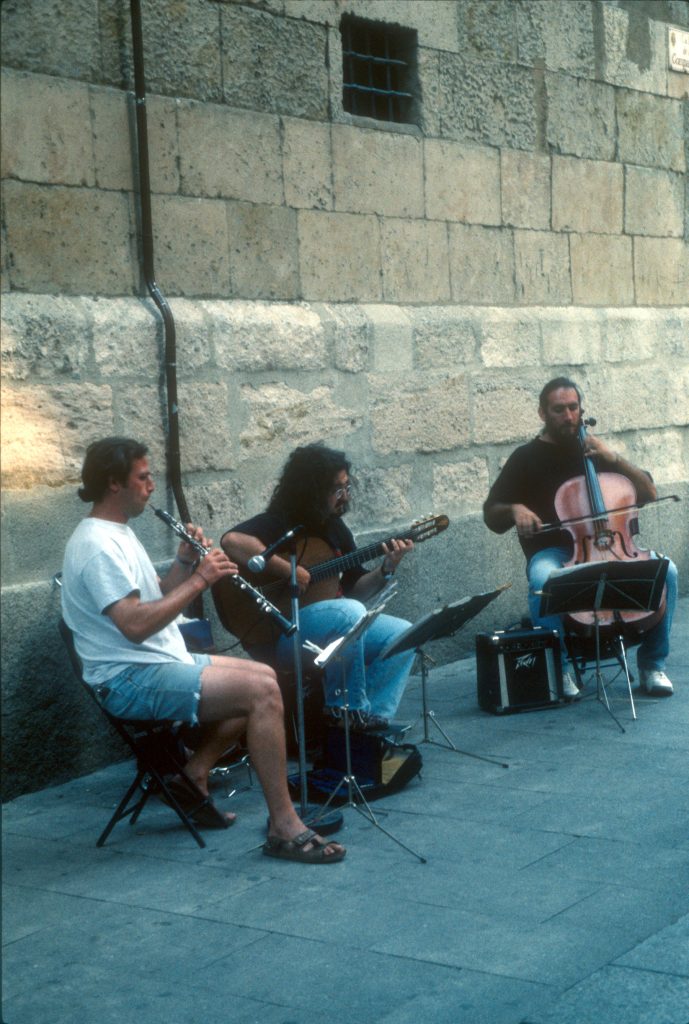
Visiting Salamanca, Spain, feels like any other college town—students studying at cafés or on the lawn, shopping, playing instruments in the street, hustling between classes. Except it isn’t. This city is filled with incredible historic buildings, classrooms, churches, apartments, and storefronts that have served students for more than 800 years.
Salamanca is home to the University of Salamanca, which was founded in 1218 by King Alfonso IX of Leon. It was part of the effort to repopulate the northwestern portion of Spain after the reconquest from the Moors. Salamanca became a ghost town during the years of Arabian advancement. Consecrating churches, opening the doors to people from across the realm, and establishing a university to attract students were central to Alfonso’s plan to restore Salamanca to glory. It worked.
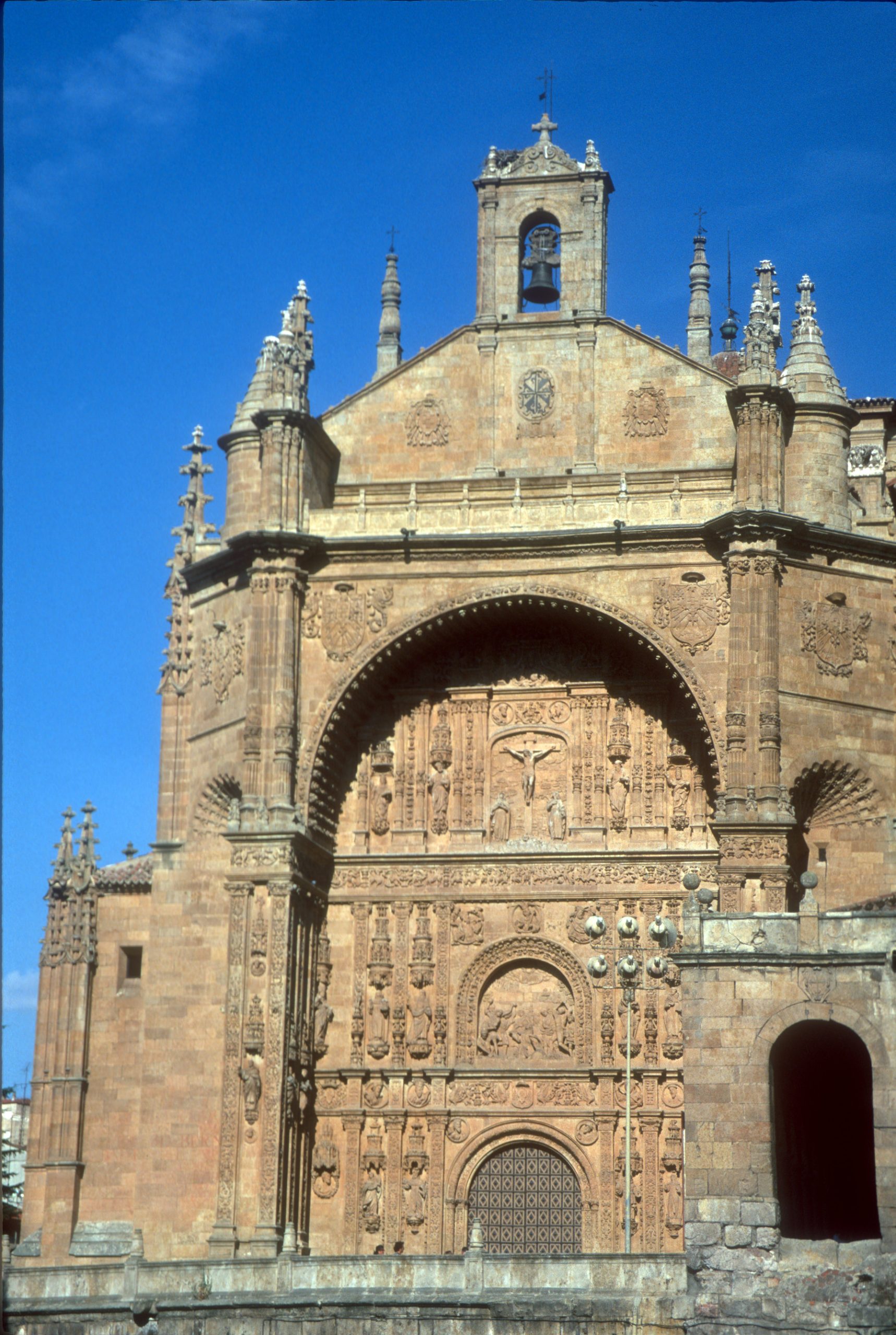
Here are a few highlights from the University’s history:
- The creation of the first grammar standards and book of the Spanish language was achieved here.
- The preparations of Christopher Columbus for his first voyage in the European discovery of the Americas. The Cloister of the University of Salamanca met in council to discuss his project, and it was here that Columbus obtained the support of the Dominicans, while staying at the Convento de San Esteban.
- Here Hernán Cortés spent years of study before leaving for the Americas and conquering the Aztec Empire.
- Mathematicians from the University of Salamanca proposed to Pope Gregory XIII the calendar that came to be known as the Gregorian calendar, which is what we use today.
- The oldest preserved printed book on modern chess was published in Salamanca in 1496.
- The stay of Miguel de Cervantes at the university influenced his books: La Cueva de Salamanca, Don Quixote of la Mancha.
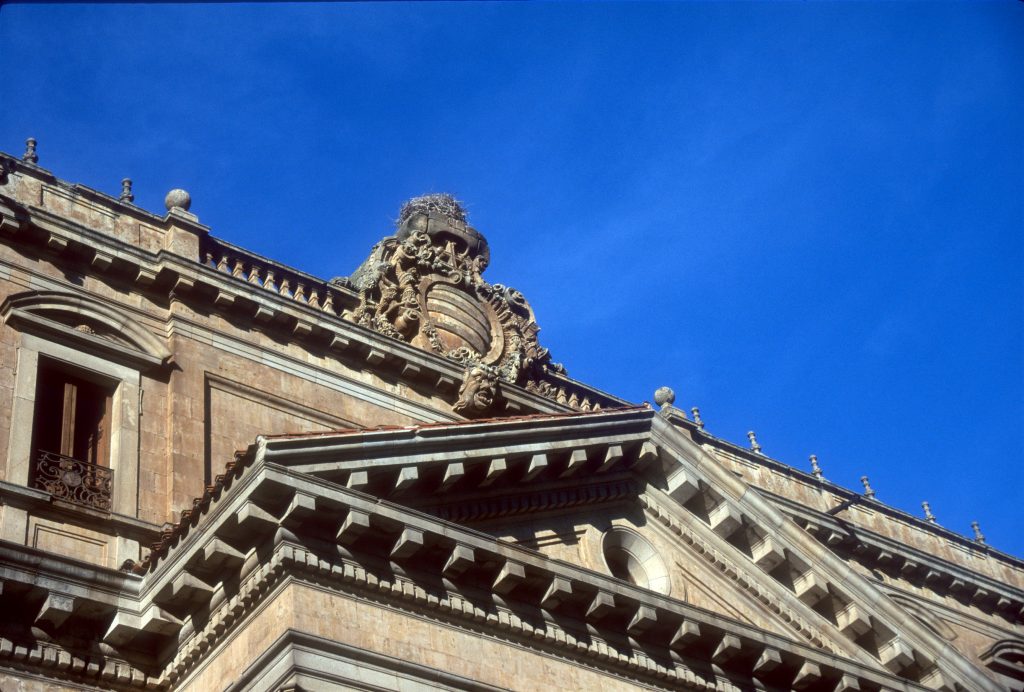
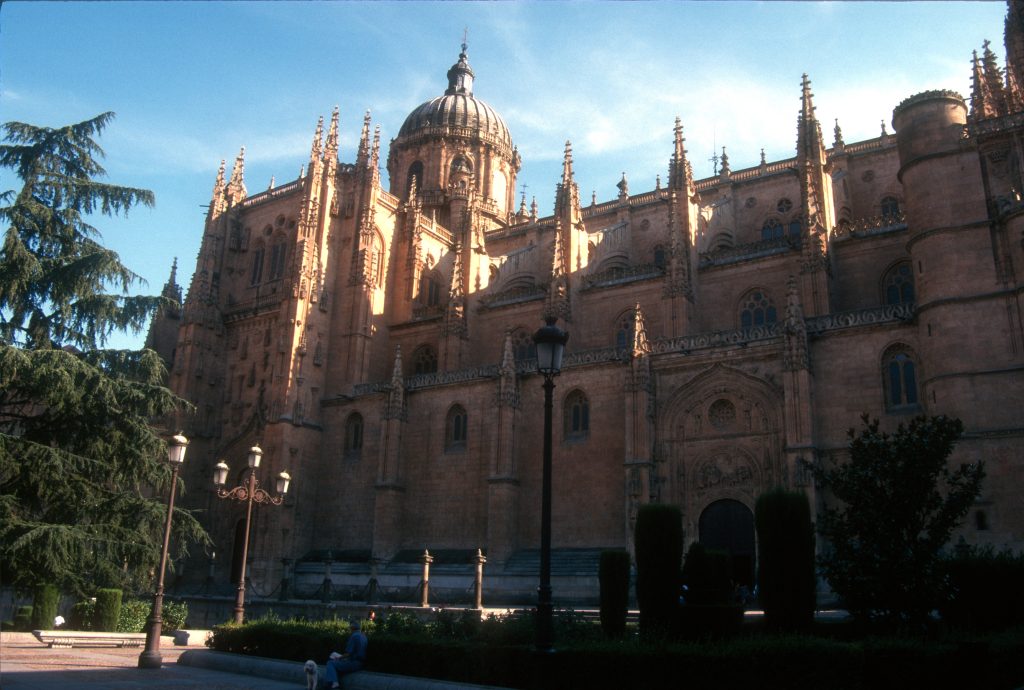
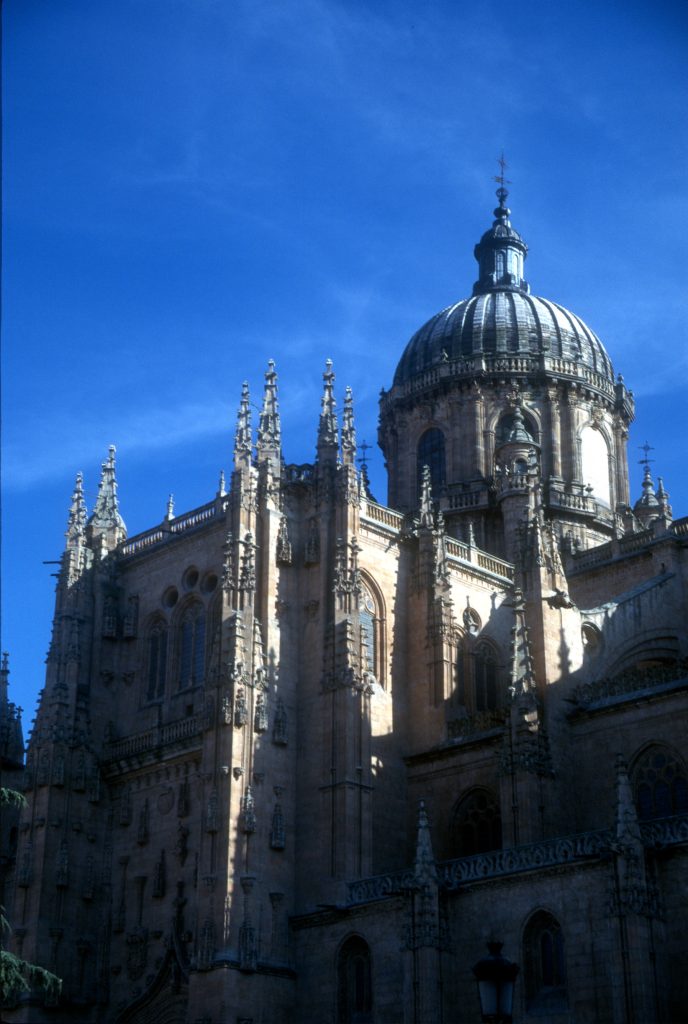
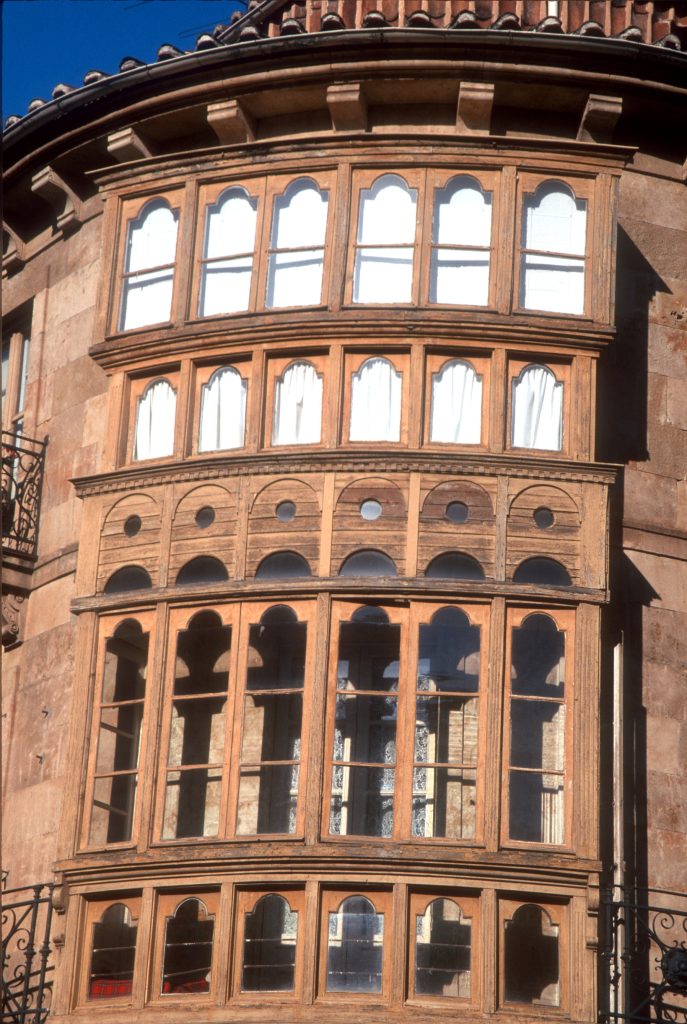
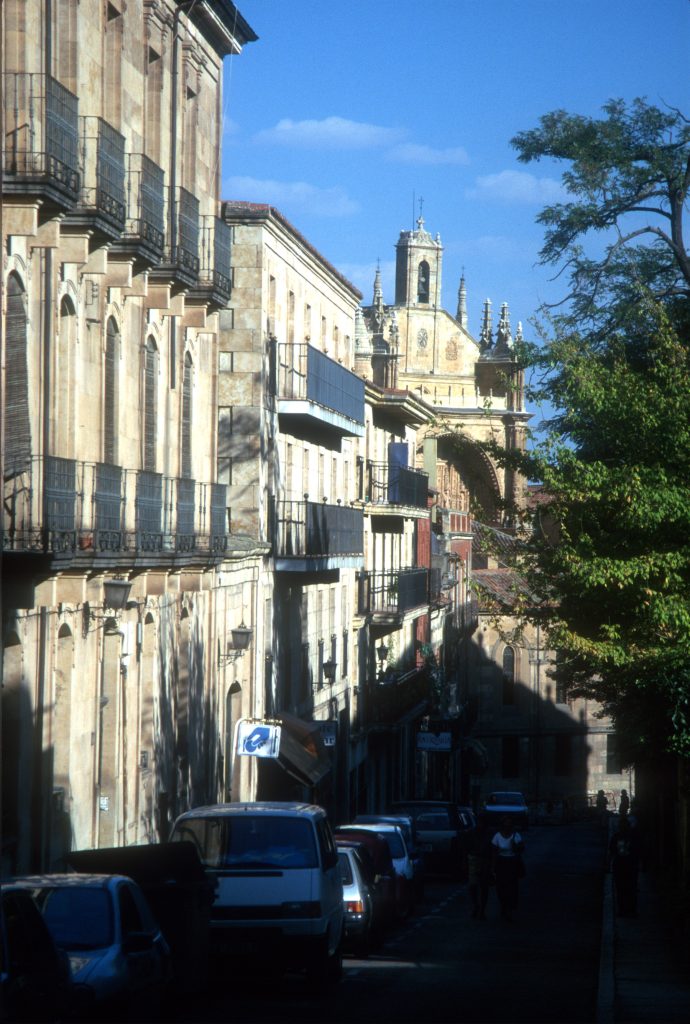
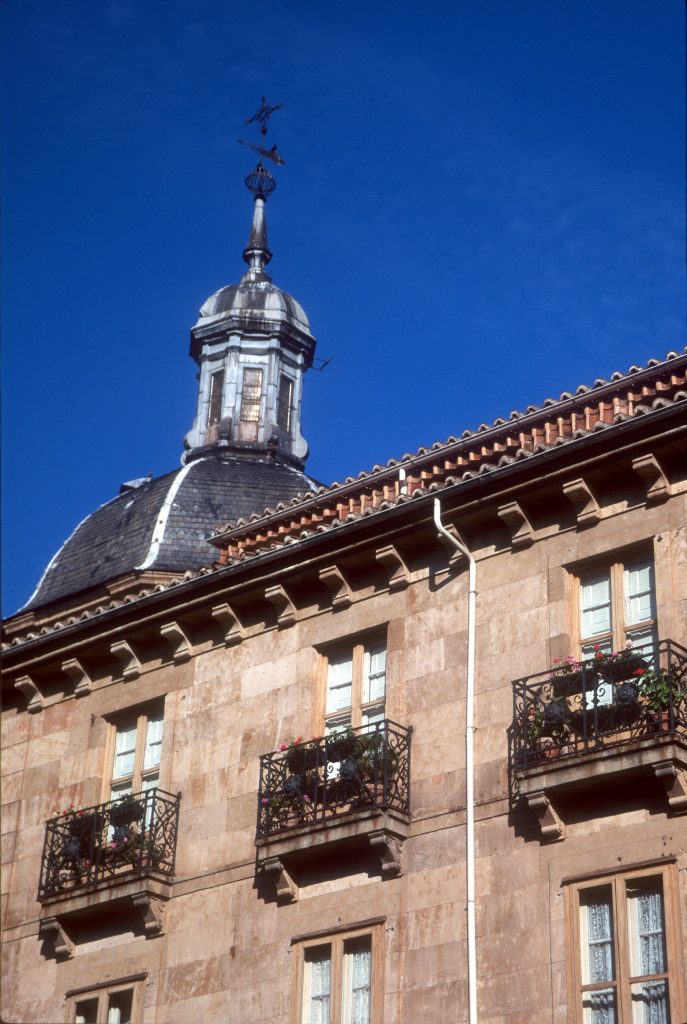
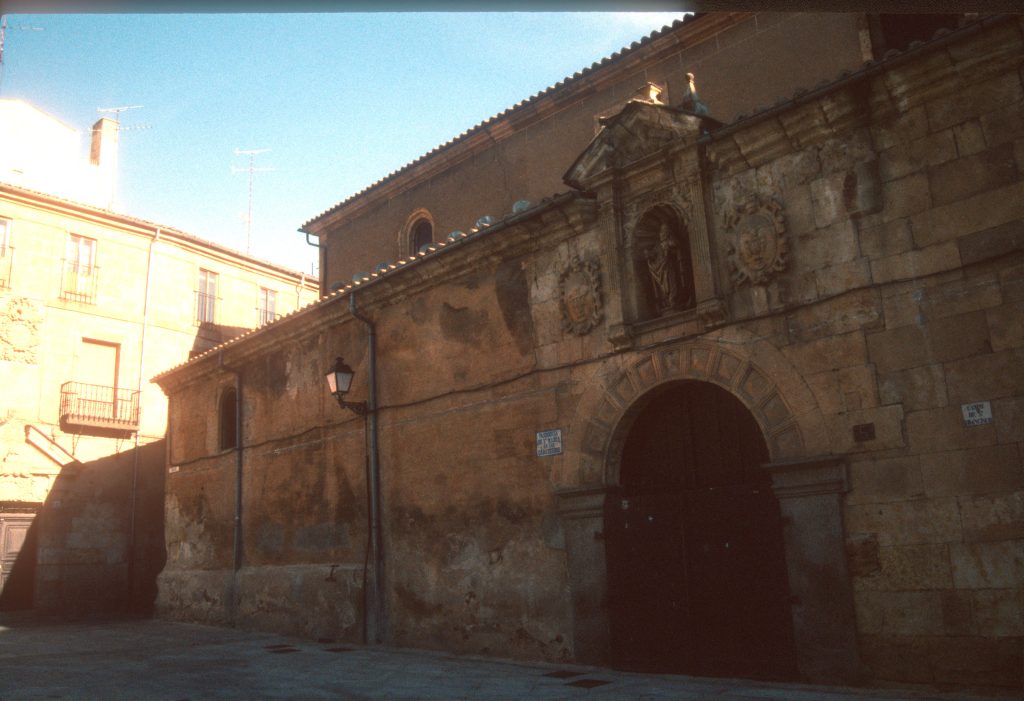
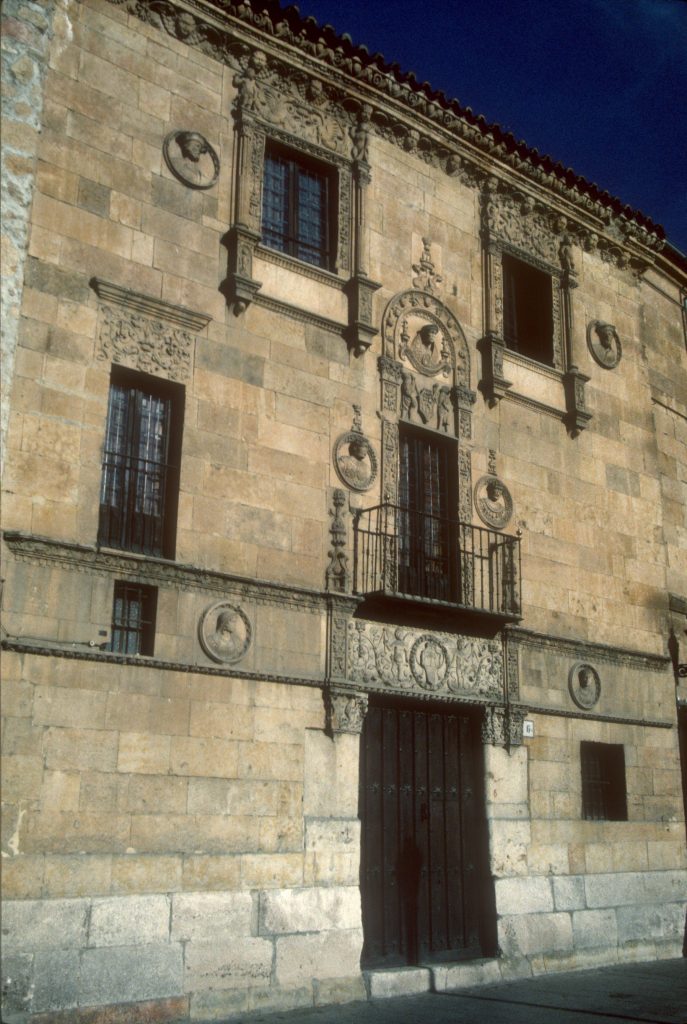
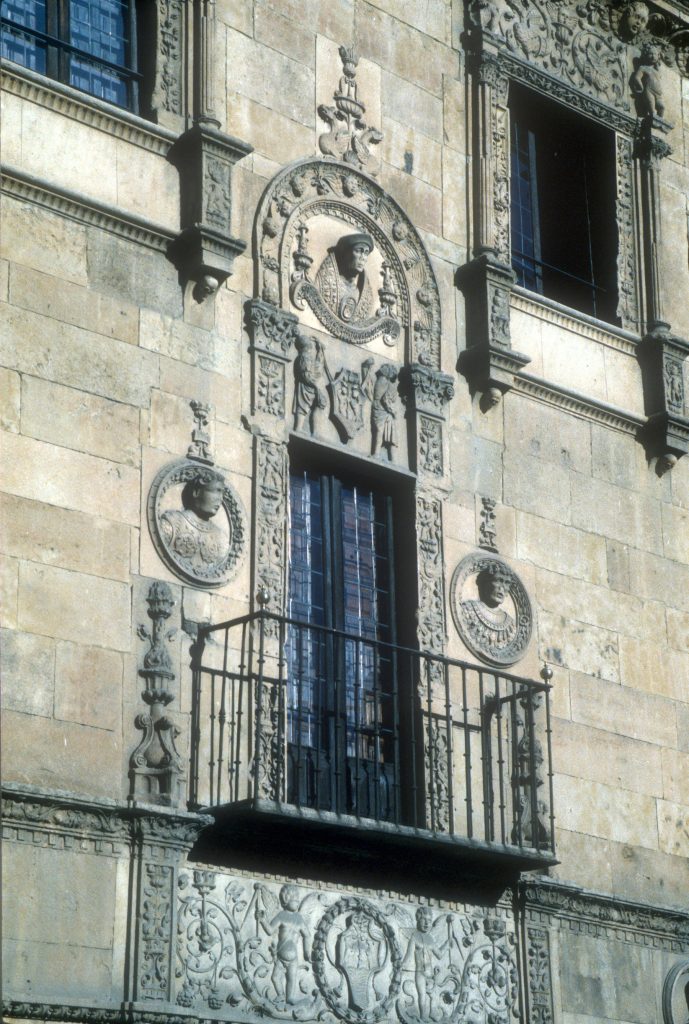
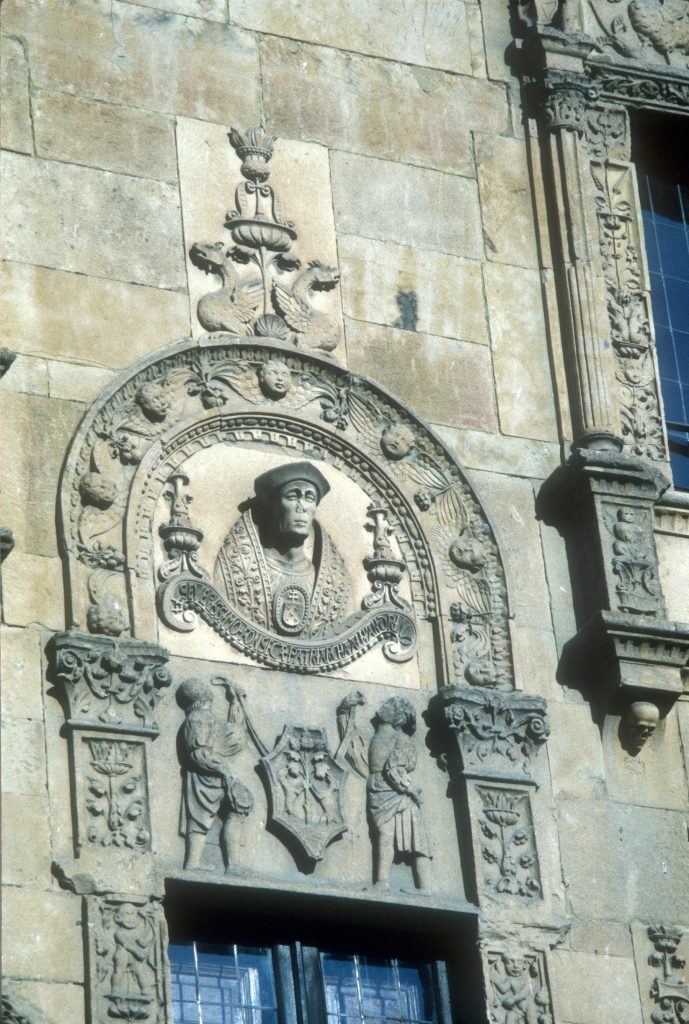
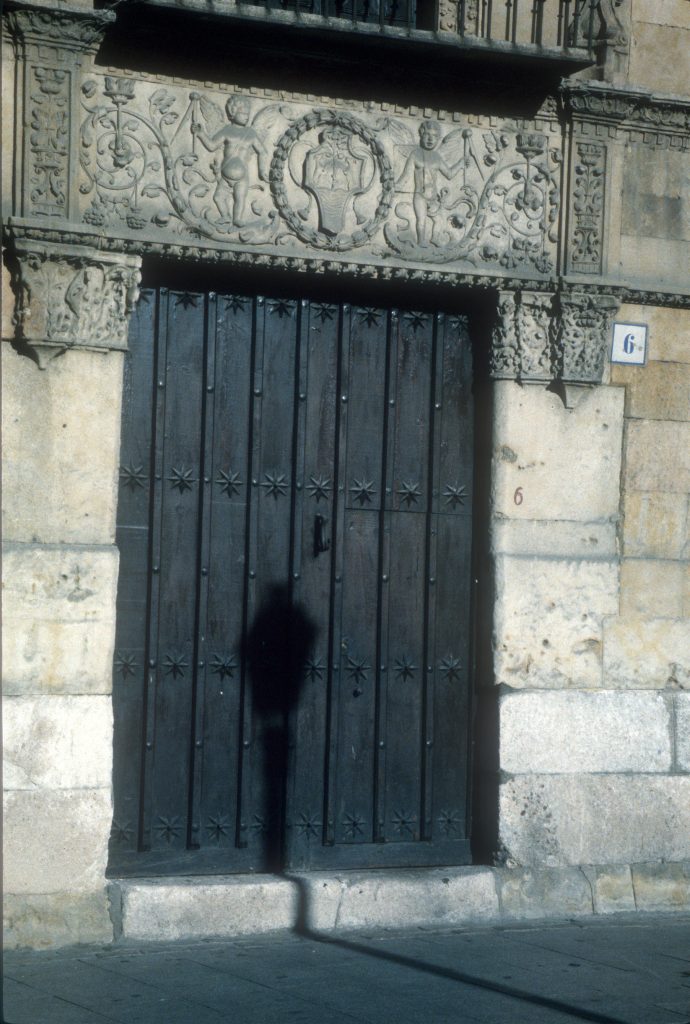
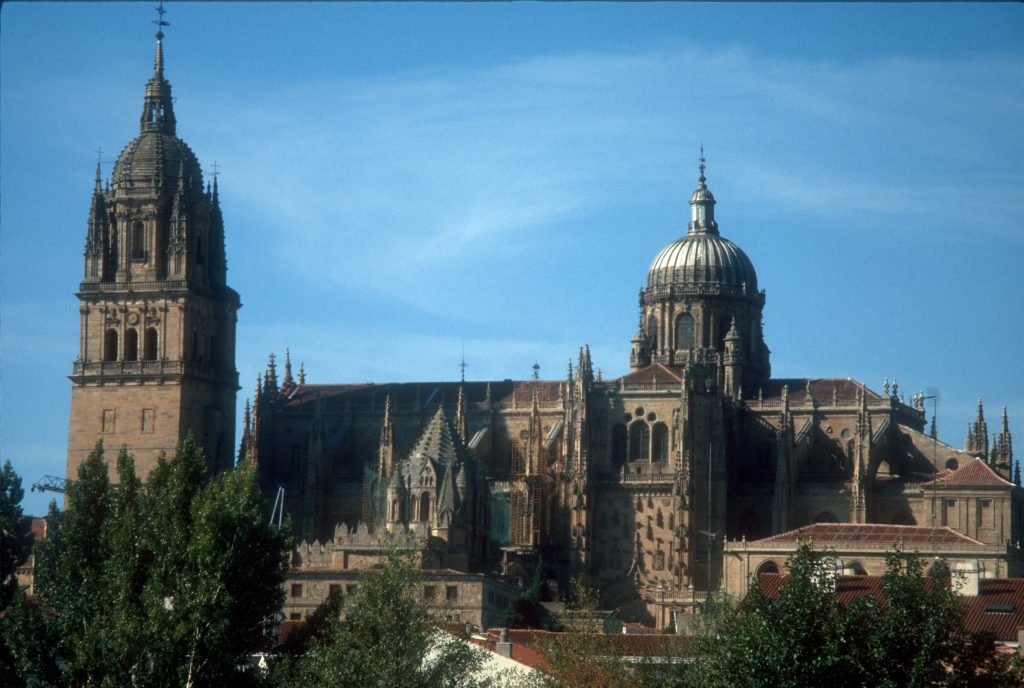
Salamanca is an extraordinary township that invites you on a walk through time—let’s explore it now! First, the Romans left standing the north half of the bridge that spans the Tormes River. Salamanca rises from the opposite riverbank, its old and new cathedrals mirrored in the water and cradled within the ancient city walls. As you cross the bridge into town, you’ll see these two Catholic churches and the Convento de San Esteban, whose ornate carved façade displays the Plateresque style. Famously known as the “Golden City,” Salamanca is an architectural masterpiece built with blond sandstone from quarries in Castile-León, which gives the structures their golden glow.
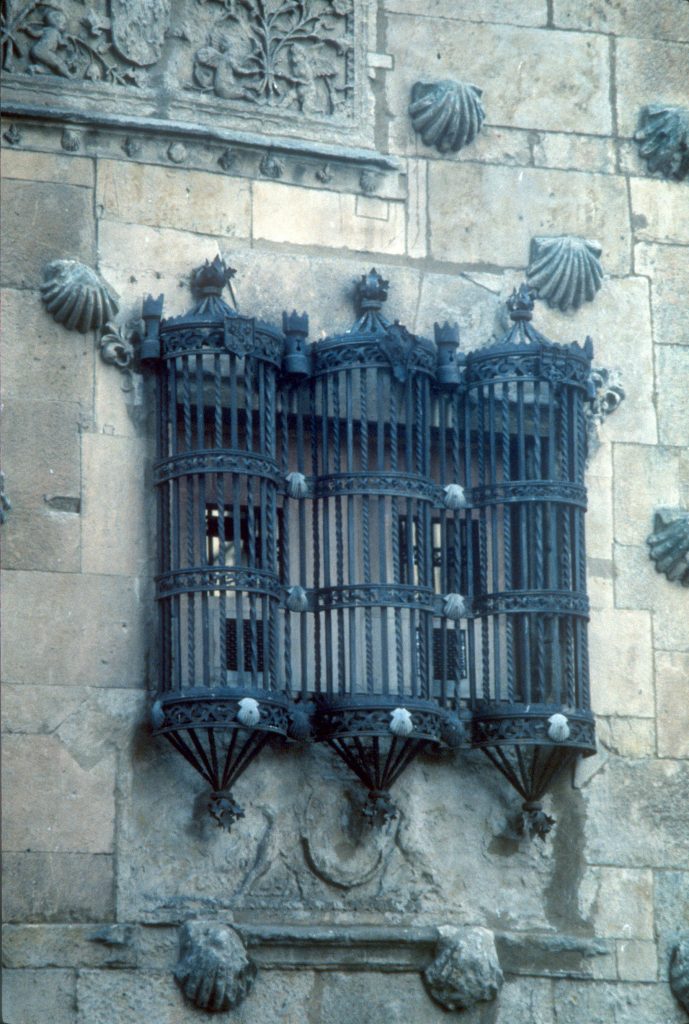
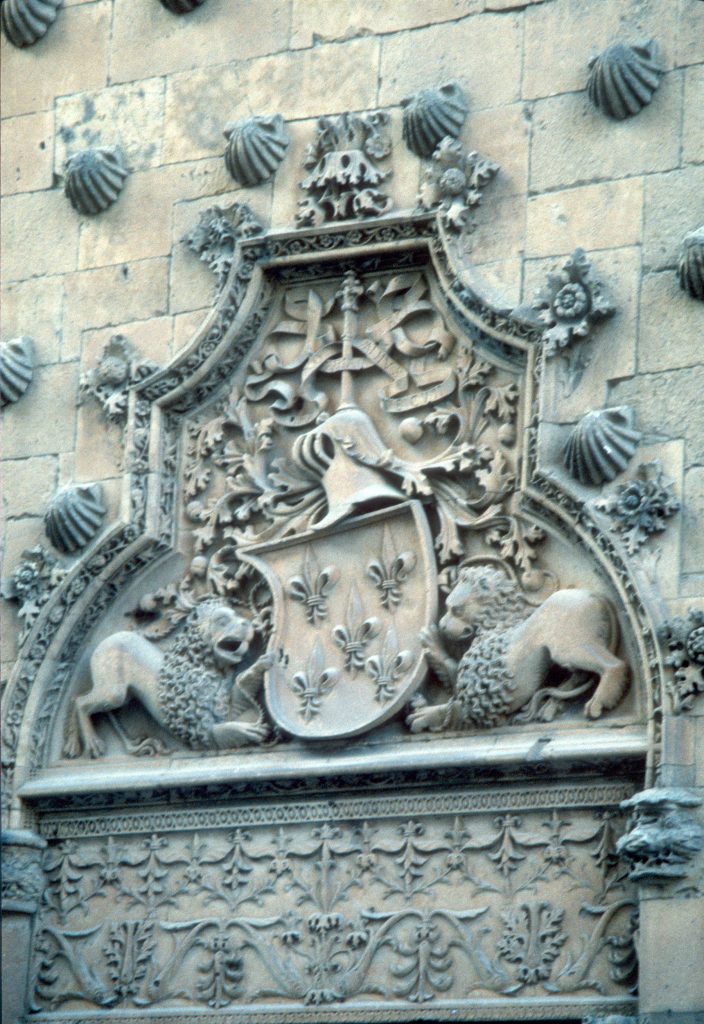
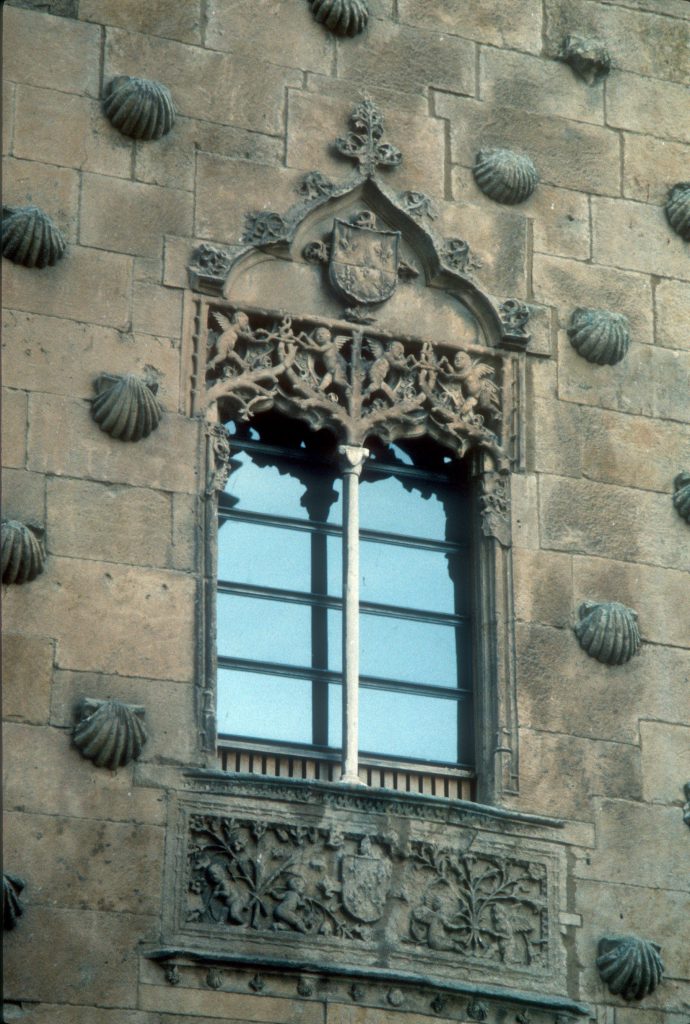
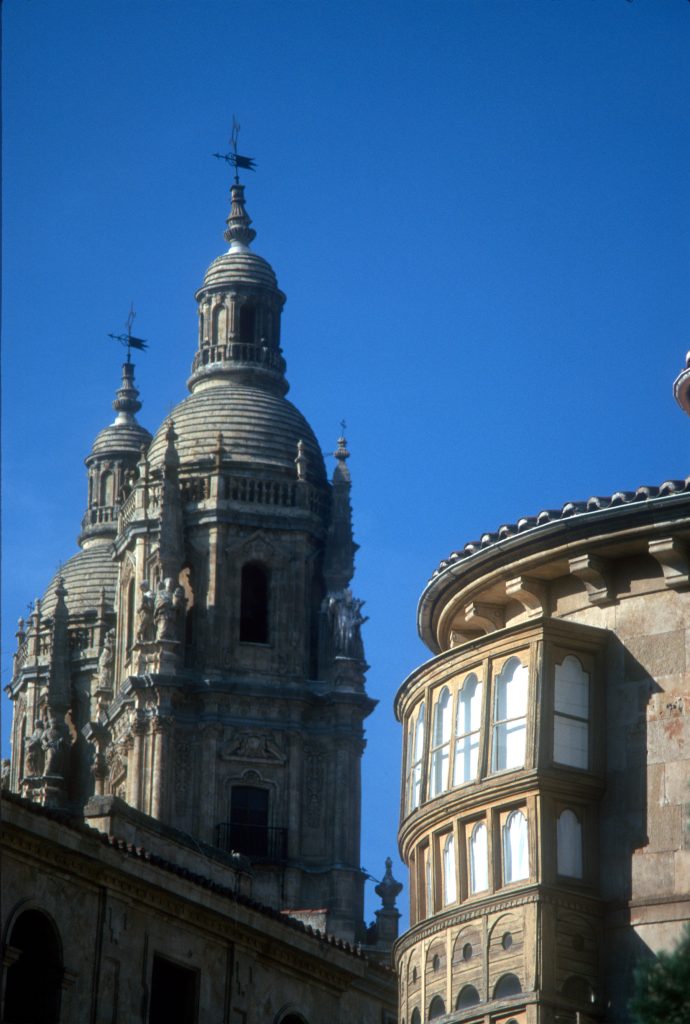
From there you pass into town with ancient university buildings dating to 1413, spanning Gothic, Renaissance, and Baroque styles. Next, you will spot some of the city’s totally unique medieval residences, including the Casa de Las Conches (House of Shells), with shells scattered across its entire façade.
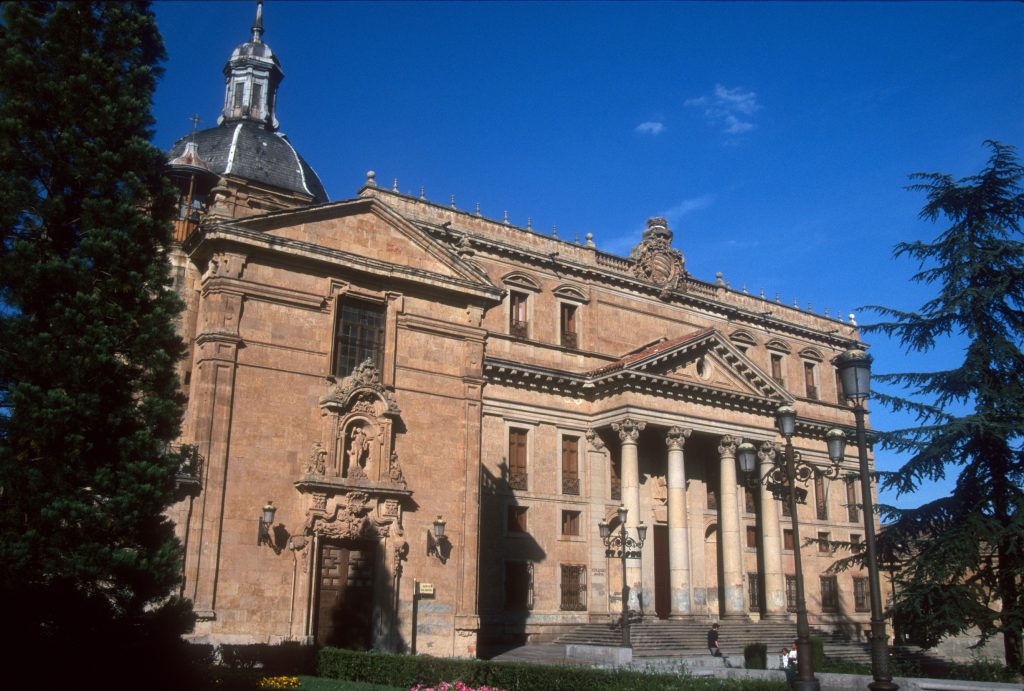
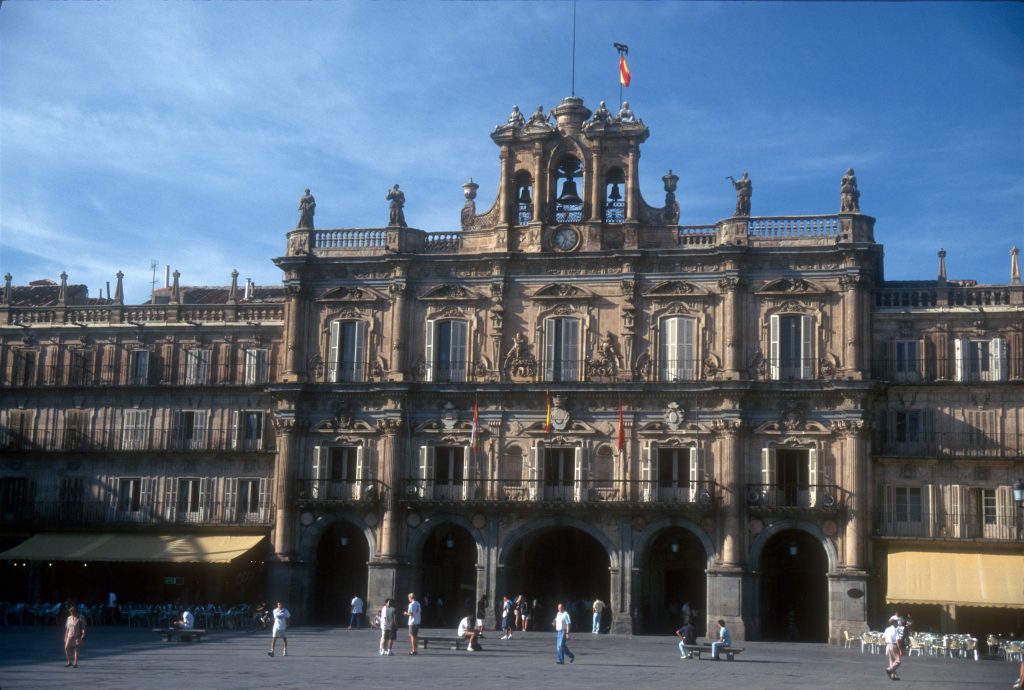
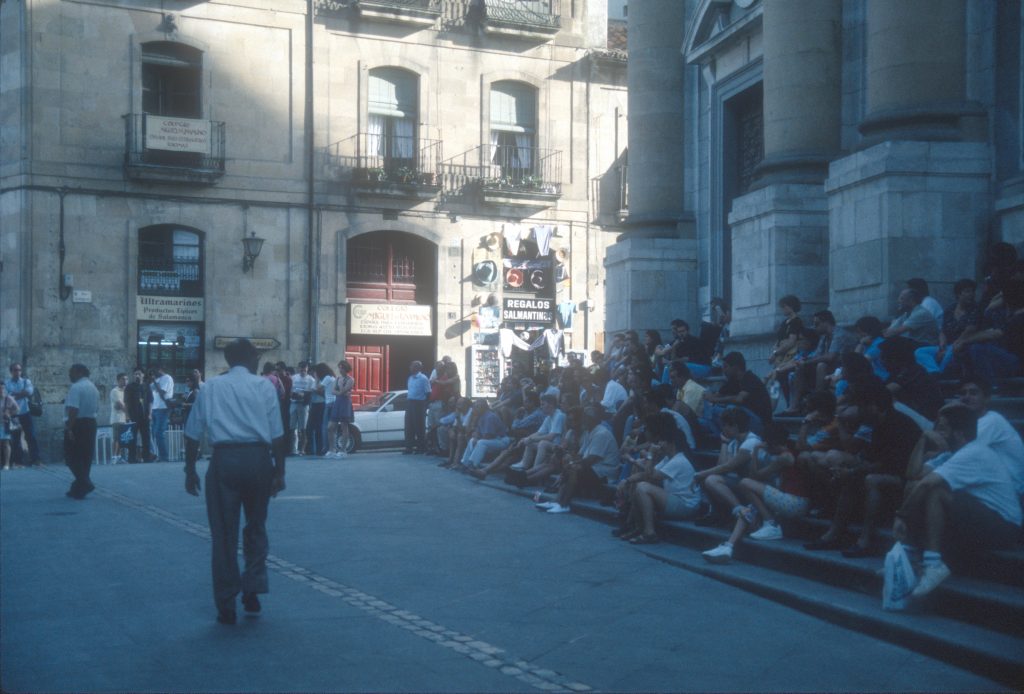
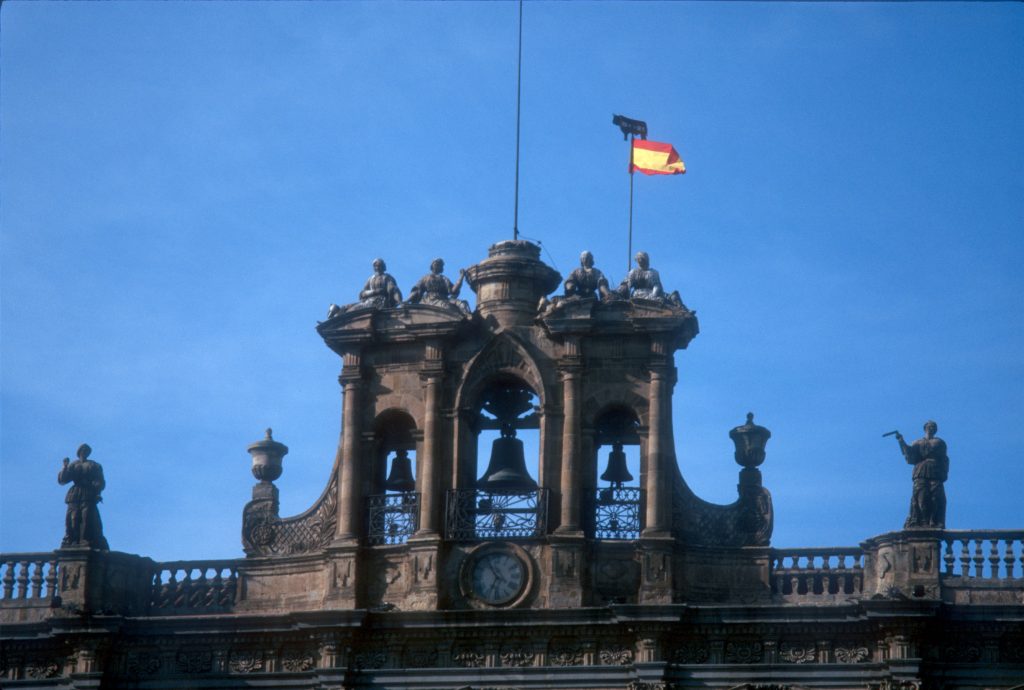
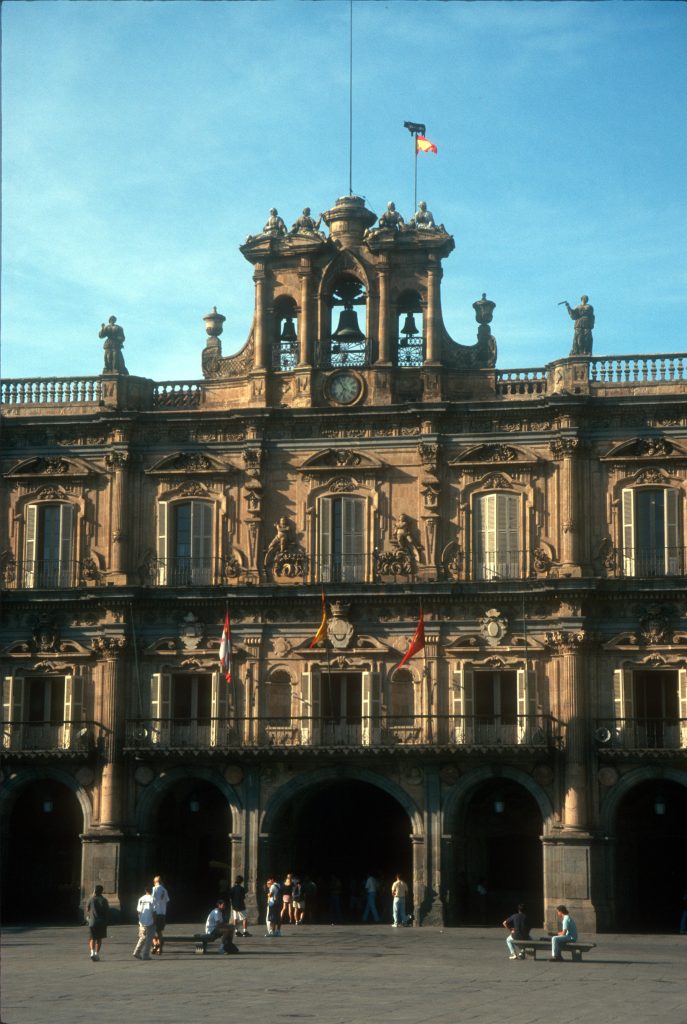
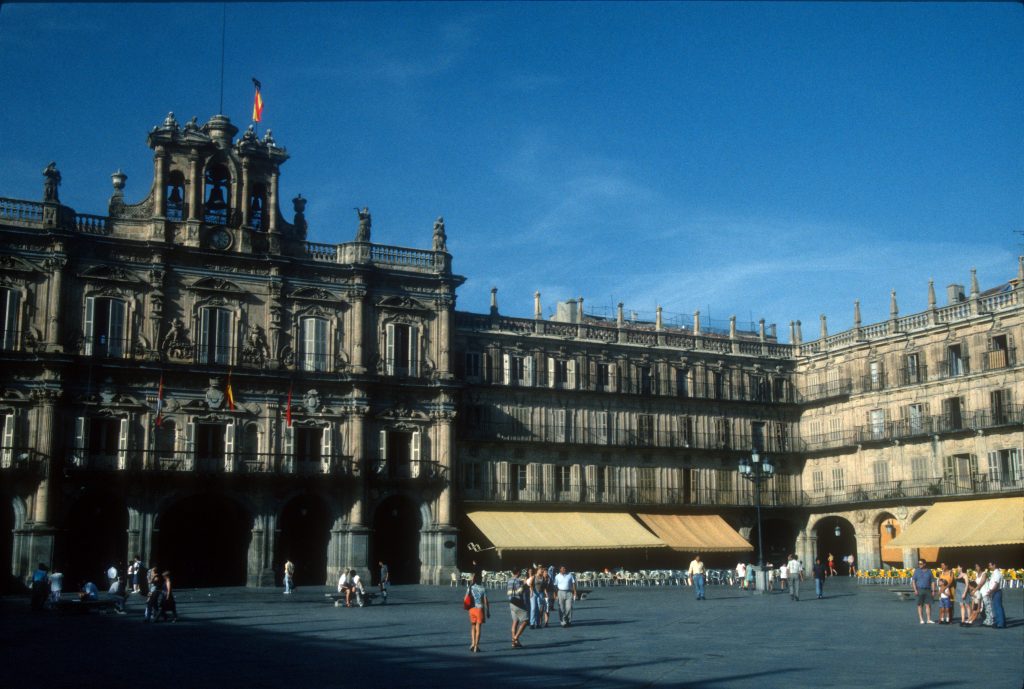
Strolling further, you’ll encounter lovely al fresco cafes, shops, and apartments in historic venues, then pass through an arch into the Plaza Mayor, the central square anchored by its magnificent City Hall and administrative buildings.
Salamanca is a historical treasure not to be missed if you’re in Spain.
Where to Stay in Salamanca, Spain
The Plaza Mayor neighborhood provides the most convenient base for exploring Salamanca’s historic center. Hotels in this area put you steps from the university, cathedral, and main plazas, but rooms book early in summer and command premium prices. If you prefer quieter neighborhoods with easier parking, areas south of the Plaza Mayor or near the Roman bridge offer good value while staying within a short walk of the major sites.
For budget travelers and students, streets radiating from the university host numerous hostels and small guesthouses that have served Salamanca’s student population for centuries. These tend to be basic but clean, and the university quarter maintains a lively evening atmosphere with cafes and bars. Booking directly with smaller family-run hotels instead of international chains often yields better rates and more personal service from owners who know the city well.
If you prefer to stay beyond the packed center, consider the Barrio Viejo (Old Town) or neighborhoods toward the Rio Tormes, both outside the immediate tourist zone. These spots are a short bus ride or ten-minute walk from the main attractions, offer better value, and reveal how local Salamancans actually live. The trade-off is less immediate access to nightlife and fewer crowds in the central plazas, but you gain breathing room and authentic neighborhood restaurants.
Book accommodations several months in advance if visiting during the academic year (October through May) or peak summer months, as students and tourists keep demand steady. Many hotels offer discounts for stays of three nights or longer. Parking in the old city is difficult and expensive, so if you arrive by car, choose a hotel with parking included or budget for a nearby garage instead of hunting street spaces on arrival day.
Recommended Reading
Here’s some Salamanca reading for you.
- La Cueva de Salamanca – A mysterious short work often attributed to Cervantes, steeped in legend and magic, capturing the folklore of Salamanca’s infamous cave and the secrets it was said to hold.
- Don Quixote of La Mancha by Miguel de Cervantes – Spain’s literary masterpiece, where chivalry, satire, and imagination collide; though not set in Salamanca, its spirit echoes through every cobbled street and dusty plain.
- An Untrustworthy Army: A Novel of the Salamanca Campaign of 1812 by Lynn Bryant – A historical novel that brings the Peninsular War to life through the lens of soldiers and spies caught in the fierce struggle around Salamanca.
- La Celestina by Fernando de Rojas – A bawdy, tragic, and brilliant Spanish classic, rooted in Salamanca and its university culture, offering a sharp critique of love, desire, and deception in late medieval Spain.
- Iberia by James A. Michener – A sweeping travel memoir that journeys across Spain, with evocative reflections on Salamanca’s history, architecture, and cultural soul, told with Michener’s signature depth and detail.
- Insight Guides: Spain – A comprehensive and richly illustrated guide that explores every corner of Spain, including Salamanca in the historic Castilla y León region. Perfect for understanding the country’s diverse cultures, landscapes, and architecture—from the sun-drenched Andalusian cities to the scholarly streets of Salamanca.
- Insight Guides: Northern Spain – Dive into the lush landscapes and cultural treasures of Northern Spain, covering regions such as Castilla y León, where Salamanca offers a deep dive into Spain’s intellectual and architectural heritage. Ideal for travelers seeking history, natural beauty, and off-the-beaten-path adventures.
Tours to Consider