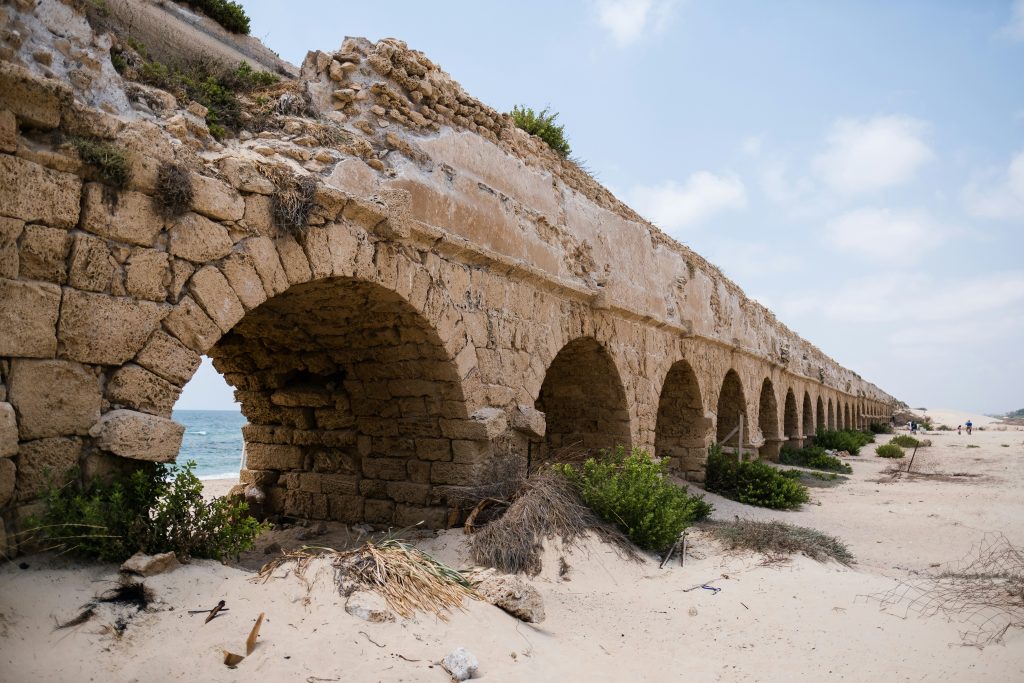
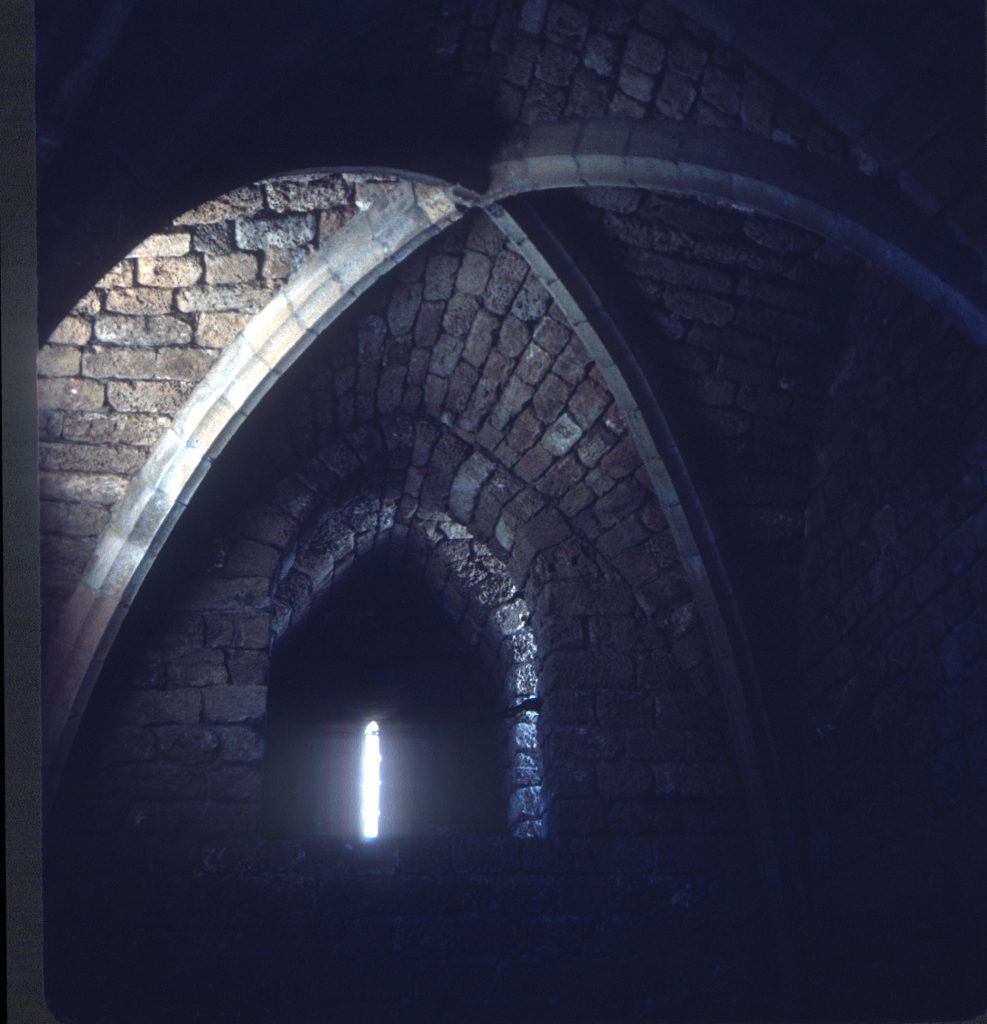
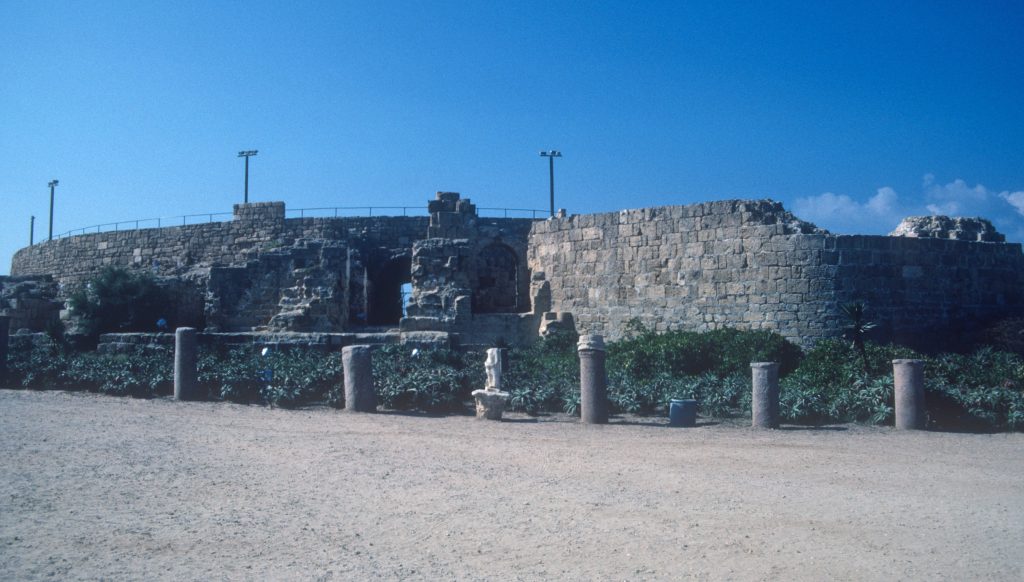
Pompey, Cleopatra, Caesar Augustus, Herod the Great, and Pontius Pilate all held sway over this relatively small town at one point, which should tell you of its importance in the history of Judea, now Israel. Second only in size and import to Jerusalem in Roman Palestine, it was primarily a Phoenician port until the coming of the Romans.
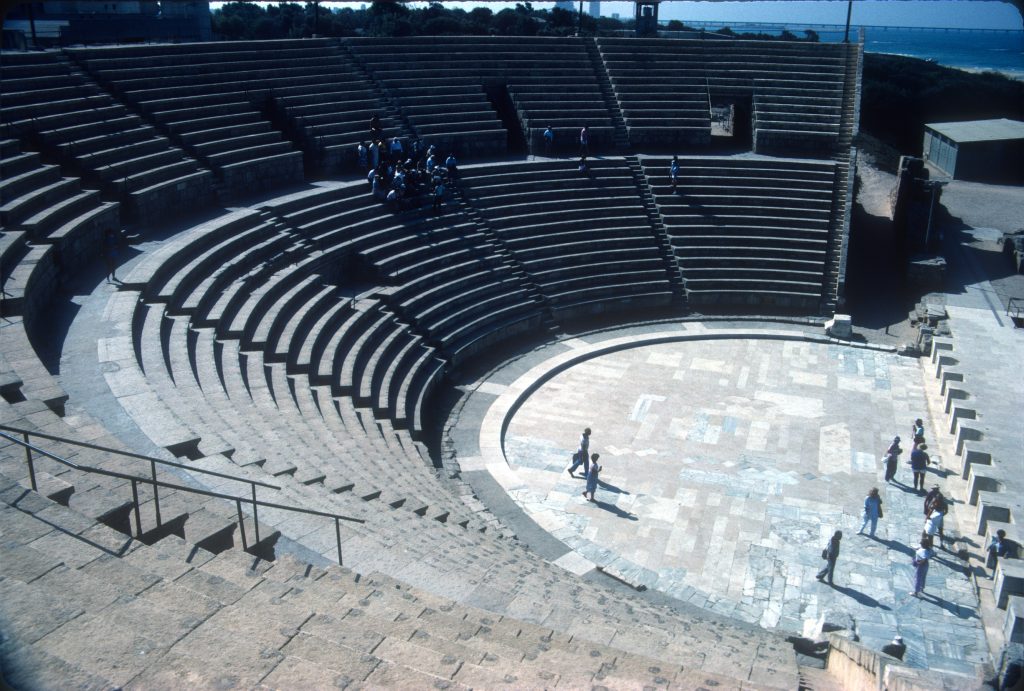
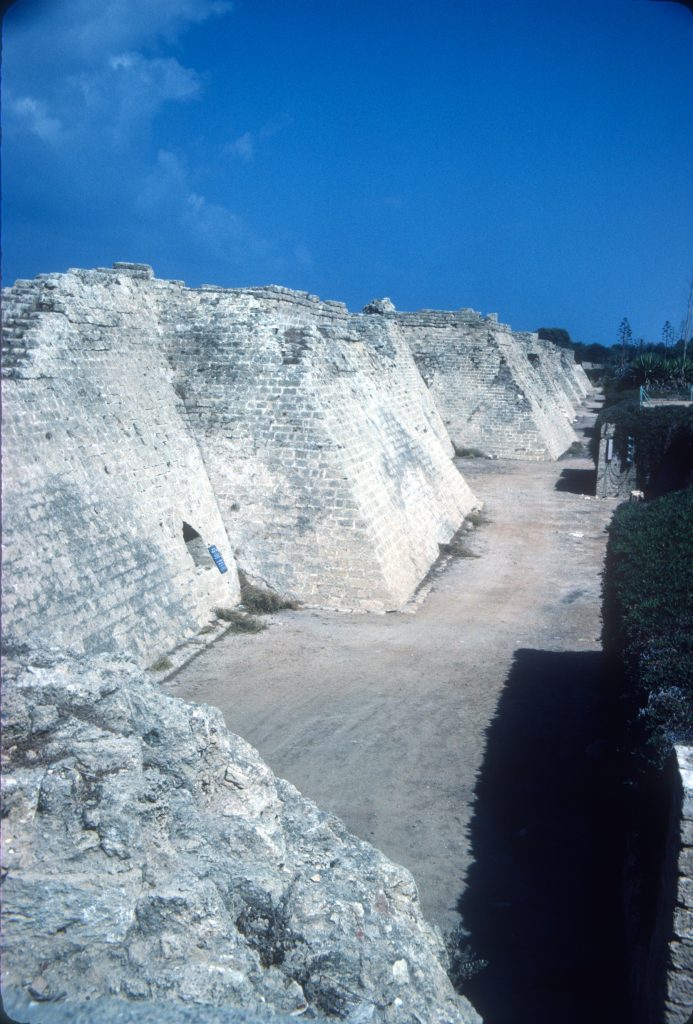
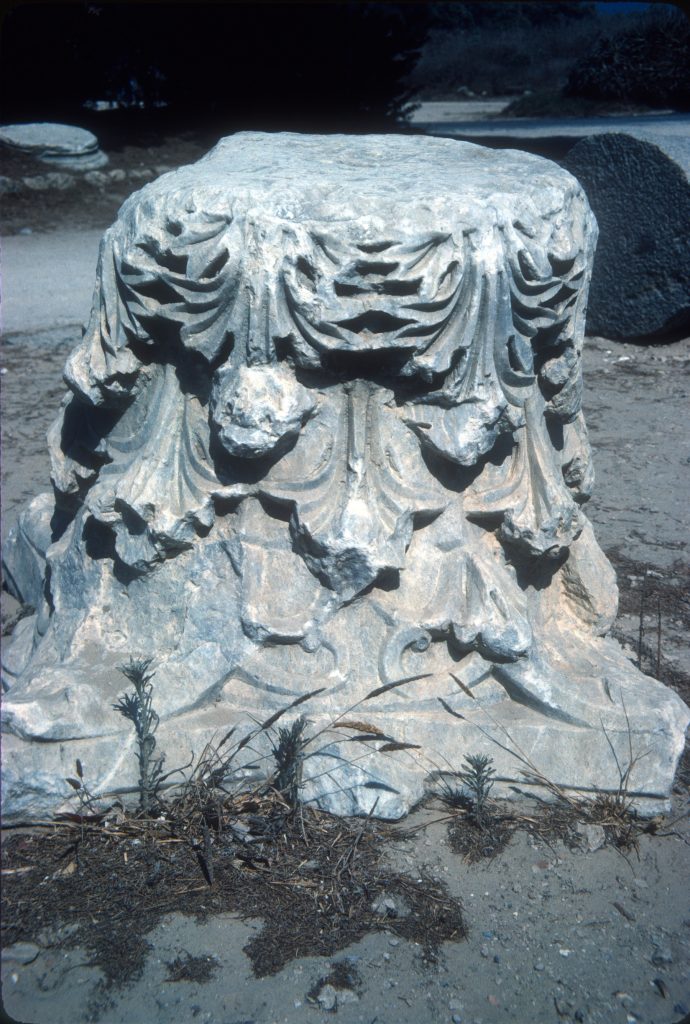
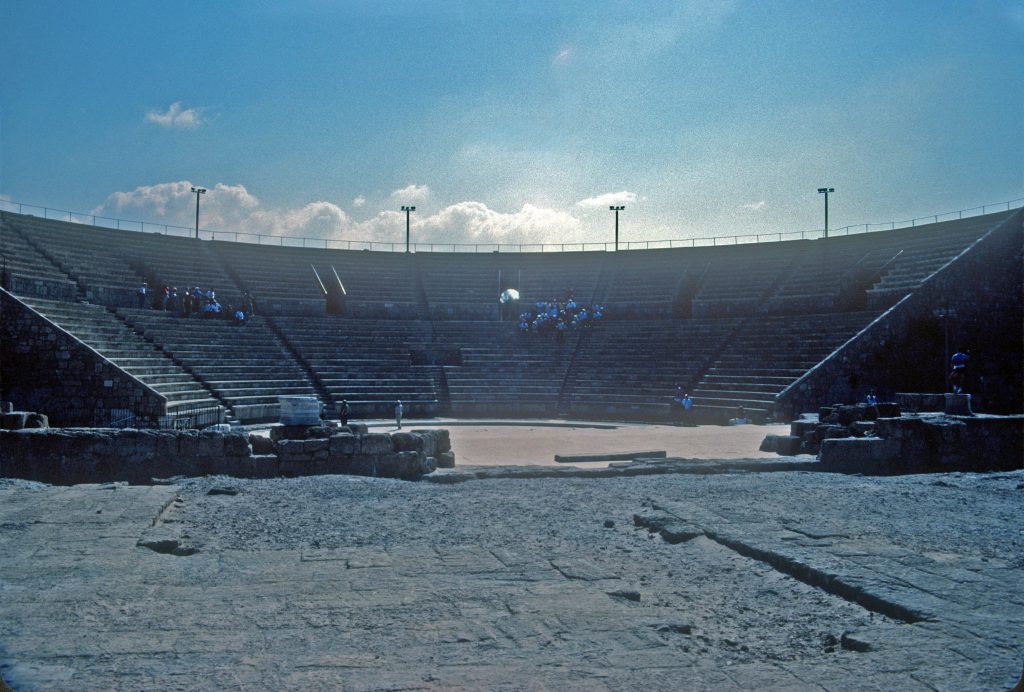
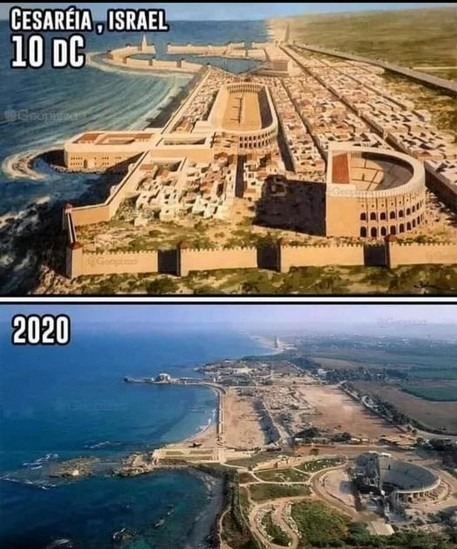
Over 12 years, Herod built Caesarea into a “proper” Roman city—a massive inner and outer harbor, aqueduct, hippodrome and a magnificent amphitheater, most of which you can still see today—naming the city for Emperor Augustus, his boss. It served as the capital of Roman and Byzantine Palestine from 6 CE, and was Pontius Pilate’s residence and seat of governance during the time of Christ. Populated half by Romans and half by Jews, it was also the site of the first Jewish resistance in the Great Revolt of 66-70 that eventually culminated in the destruction of Jerusalem and the Second Temple. Caesarea also had the distinction of being the last city to fall to Muslim invaders in 640 CE.
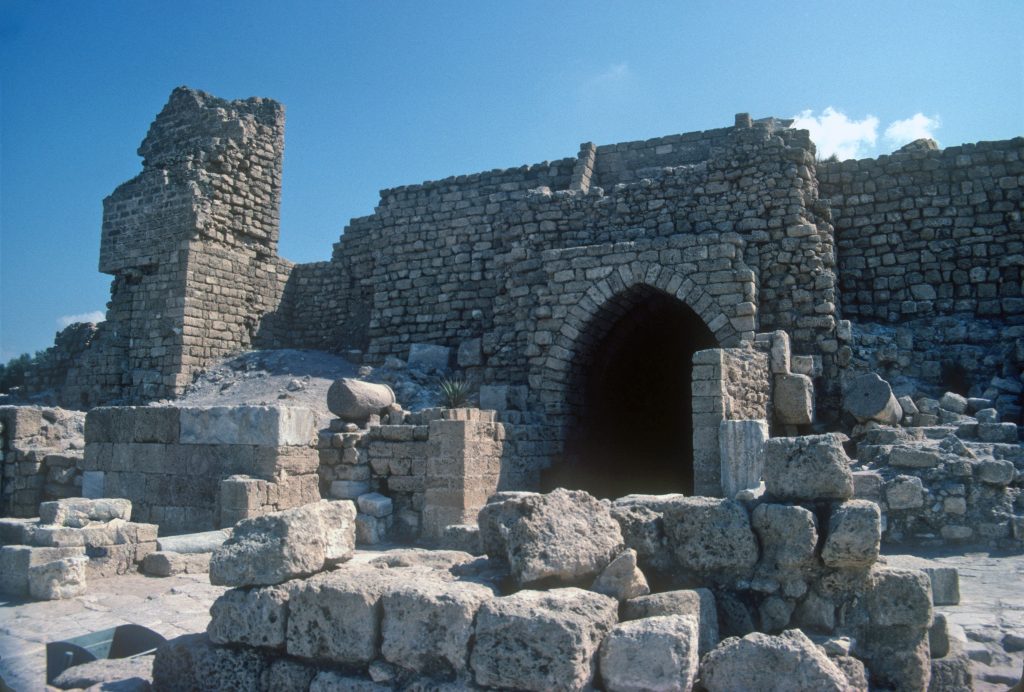
Caesarea’s Roman ruins, just 28 miles north of Tel Aviv, attract visitors from around the world. And while it still has a population of 6,000, the “resort” is still an enclave primarily for the wealthy — including Israeli Prime Minister Benjamin Netanyahu.
Where to Stay in Caesarea, Israel
Caesarea sits along Israel’s northern coast, and most visitors base themselves in one of two ways. The town itself has a handful of modest hotels and guesthouses within walking distance of the archaeological park and marina, which is convenient if you want to spend multiple days exploring the ruins and local restaurants. These tend to be mid-range properties catering to Israeli families and international tourists, with straightforward amenities and access to the waterfront.
If you prefer more variety in lodging and dining, the nearby city of Haifa, about 40 kilometers south, offers significantly more hotel options across all price ranges. Haifa has everything from budget hostels to upscale properties with sea views, and the drive to Caesarea is roughly 45 minutes each way. This works well if you’re combining Caesarea with other northern sites like Akko or Mount Carmel, as Haifa becomes your central hub.
For a quieter stay closer to Caesarea, look toward the small communities and kibbutzim in the Zichron Yaakov area, slightly inland to the southeast. These offer guesthouses and rural lodges that appeal to travelers seeking a more intimate setting. The trade-off is that you’ll be driving to reach Caesarea’s main attractions, but the surrounding wine country and agricultural landscape add a different dimension to your visit.
Book accommodations well in advance if you’re traveling during Israeli school holidays or summer months, as the coast draws both domestic and international visitors. The cooler shoulder seasons of spring and fall offer more availability and fewer crowds at both your hotel and the archaeological sites.
Recommended Reading
Here’s some ancient Judea and Roman-era reading for you…
- Pontius Pilate: A Novel by Paul L. Maier – A gripping reimagining of the man behind one of history’s most pivotal decisions. Told from the perspective of the Roman governor, this novel explores the political and personal forces that led to the crucifixion of Jesus.
- Pilate’s Wife by Antoinette May – A richly detailed and imaginative tale that gives voice to the mysterious woman who tried to warn her husband. Set against the backdrop of Roman and Judean tensions, it’s a story of dreams, power, and fate.
- Priest’s War by Amit Arad (Lions of Judea Series) – The first in a historical fiction series set during the Jewish revolt against Rome. Packed with action, intrigue, and emotional depth, it introduces readers to warriors, rebels, and priests navigating a crumbling empire.
- The War of the Jews by Lion Feuchtwanger – A sweeping historical novel centered on Josephus, the Jewish historian and Roman captive. Through his eyes, the fall of Judea and the destruction of the Second Temple unfold with intense realism and psychological complexity.
- Herod the Great: Jewish King in a Roman World by Martin Goodman – A scholarly yet accessible look at one of the ancient world’s most controversial rulers. Goodman explores Herod’s complex identity as both a Roman client king and a Jewish monarch.
- Architecture of Herod, the Great Builder by Ehud Netzer – A fascinating study of Herod’s ambitious building projects, from the Temple Mount to Caesarea. This archaeological deep dive showcases the grandeur and legacy of Herod’s reign.
- Insight Guides: Israel – A comprehensive travel guide offering historical background, cultural insights, and practical advice on exploring Israel’s diverse regions, from Caesarea to Jerusalem and beyond.
Tours to Consider
- Private trip to old city-Caesarea and the Baha’i Gardens in Haifa
- Haifa and Caesarea: A Journey Through Time and Sea – Private Tour