Sea Mist, Driftwood, Artists, and the Edge of the Known World
Perched at the end of the Sterling Highway on Alaska’s Kenai Peninsula, Homer is both a literal and figurative edge: the end of the road, the rim of Kachemak Bay, the last outpost before the Aleutian wilds. But for those who reach it, Homer is not an ending, it’s an awakening. Of salt air and salmon bones, of tidepools and tundra, of art studios and worn boots, all layered over one of the most quietly magnetic towns in America.
This is a place where history lingers in fish scales and sawdust, where the weather has opinions. And where a deep-rooted, self-sufficient beauty pulses just beneath the gray.
Of Glaciers, Gold, and a Bit of Whiskey
Long before settlers arrived, the Sugpiaq (Alutiiq) people lived along these shores, fishing, hunting, and navigating the dynamic tides of Kachemak Bay. Archaeological evidence along the shoreline shows that Homer has been inhabited for over a thousand years, shaped by sea mammals, kelp beds, and the rhythm of the moon.
In the late 19th century, prospectors and entrepreneurs began to trickle in, drawn by rumors of coal and gold. The town’s namesake, Homer Pennock, arrived in 1895 with big dreams of mining riches, dreams that didn’t last long. The coal seams proved shallow, and Homer moved on. But the name remained, and the small harbor community began to grow around fishing, canneries, and salt-hardened optimism.
By the early 20th century, Homer was a frontier town of driftwood cabins and schooners, connected more by boat than road. The landscape, ringed by mountains, glaciers, and shimmering bay, offered isolation, but also abundance.
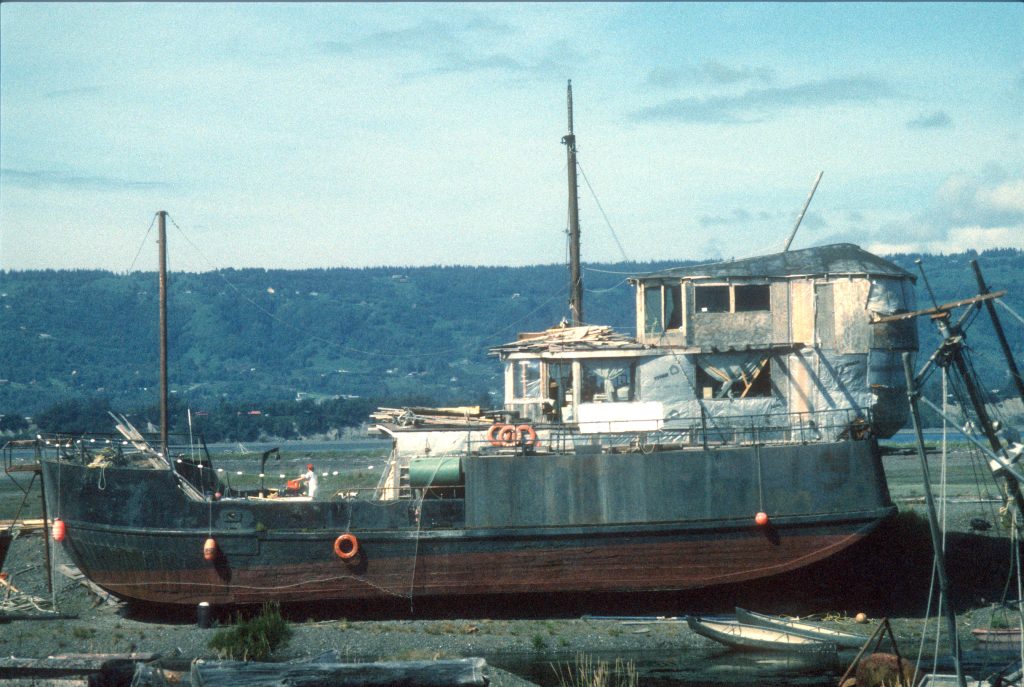
Today, that legacy remains etched in shipwrecks, historic wharfs, and family-run fisheries, all built around a deep relationship with the sea.
The Spit and the Sea
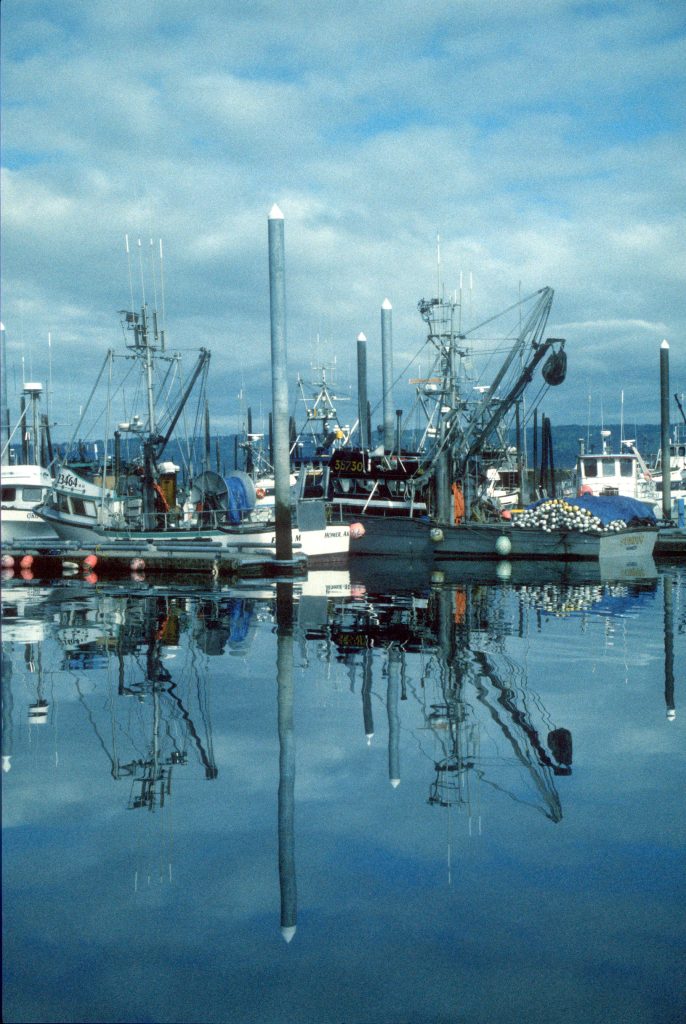
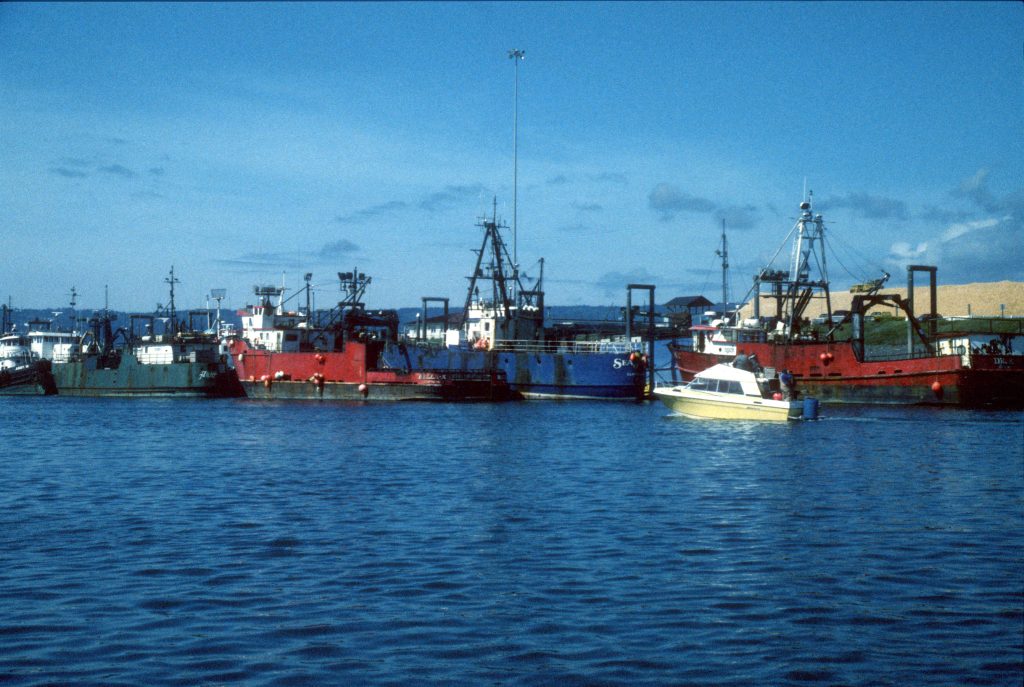
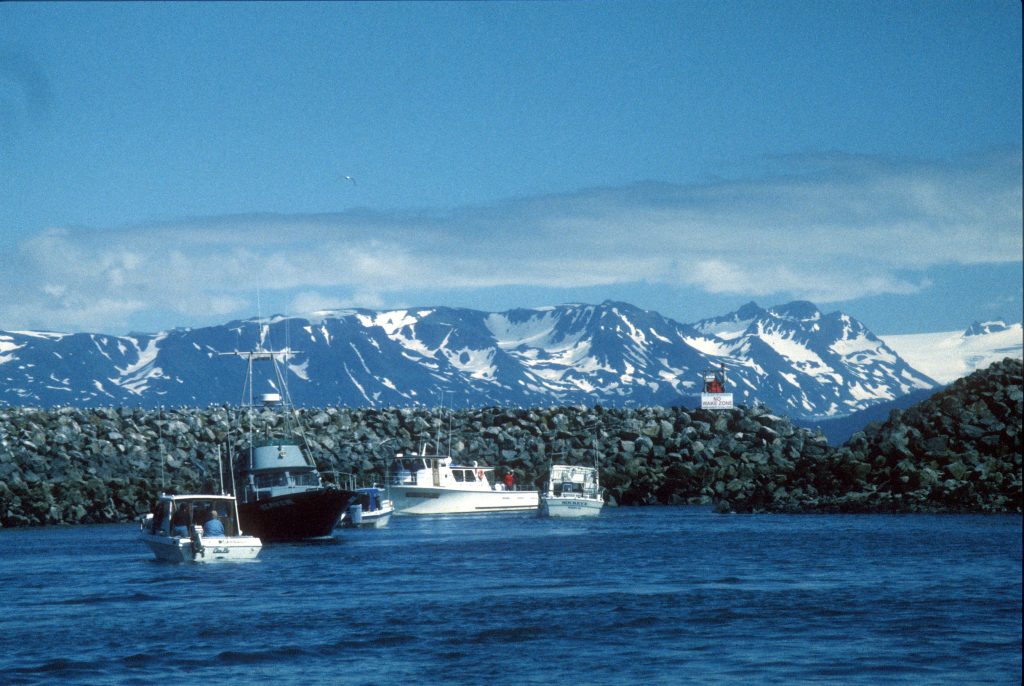
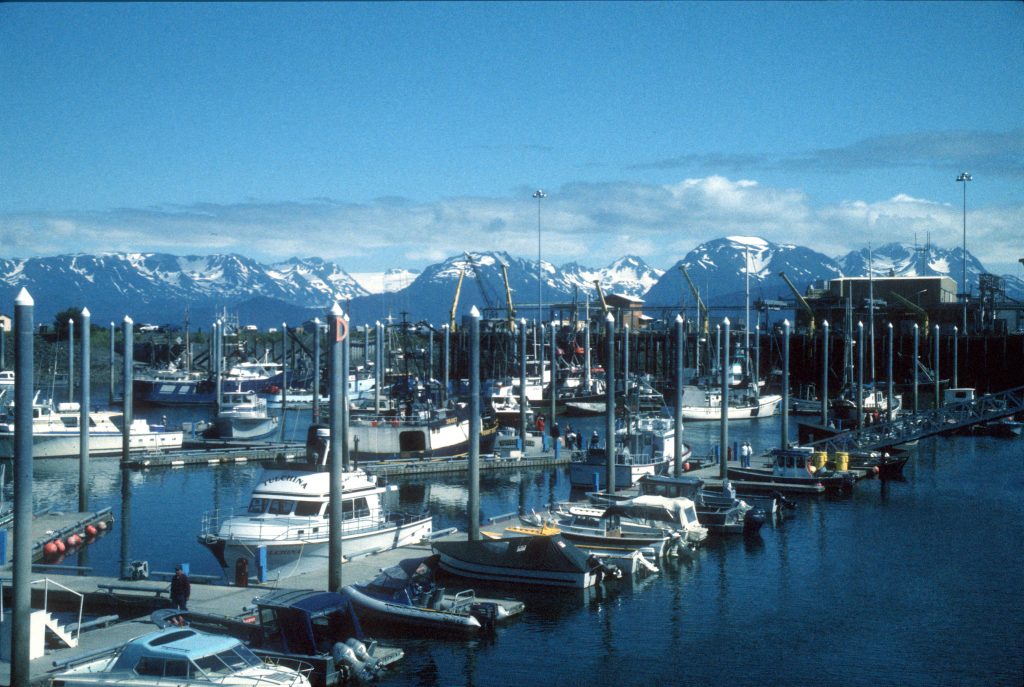
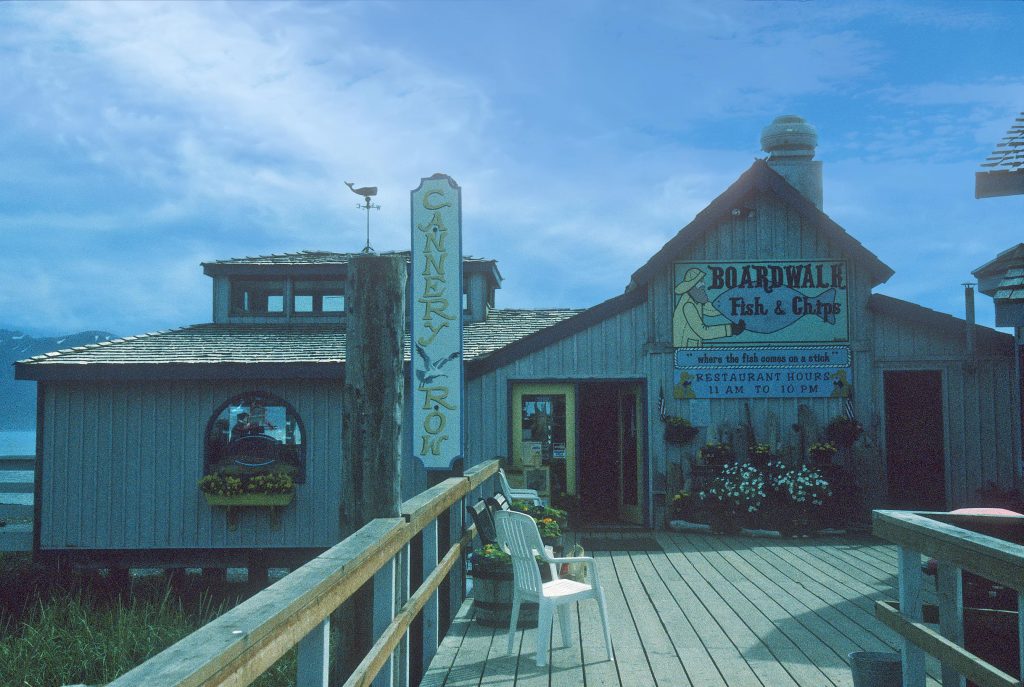
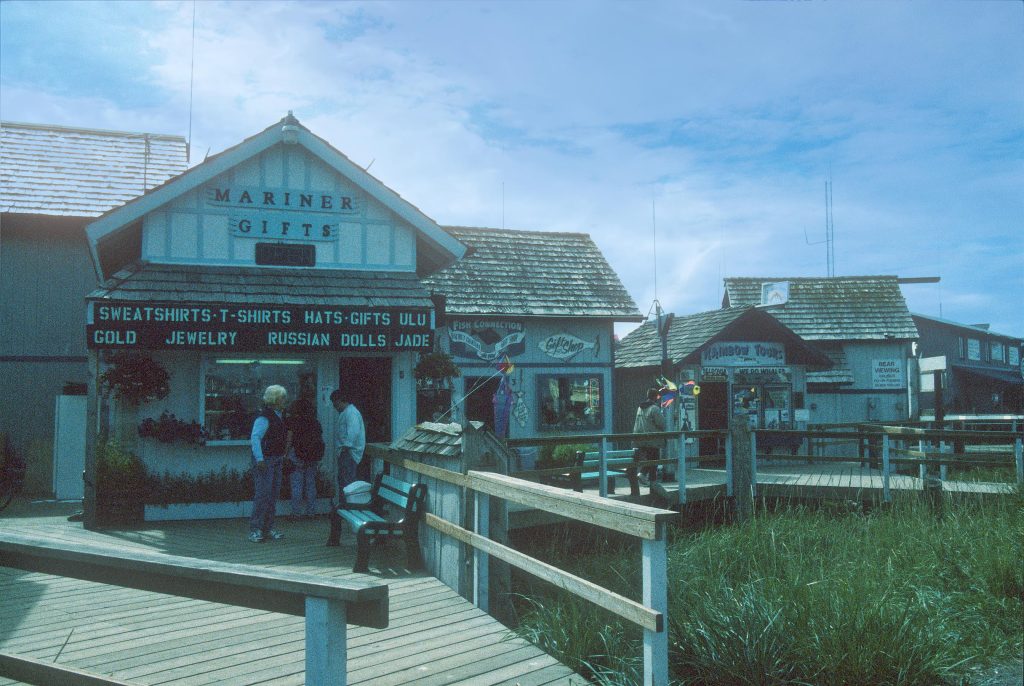
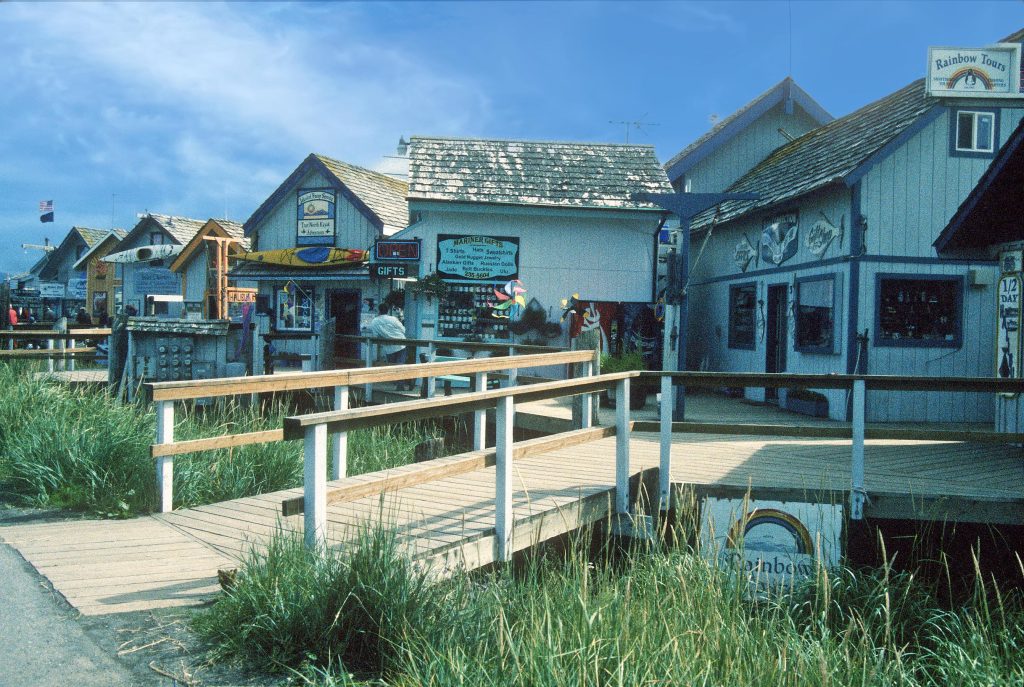
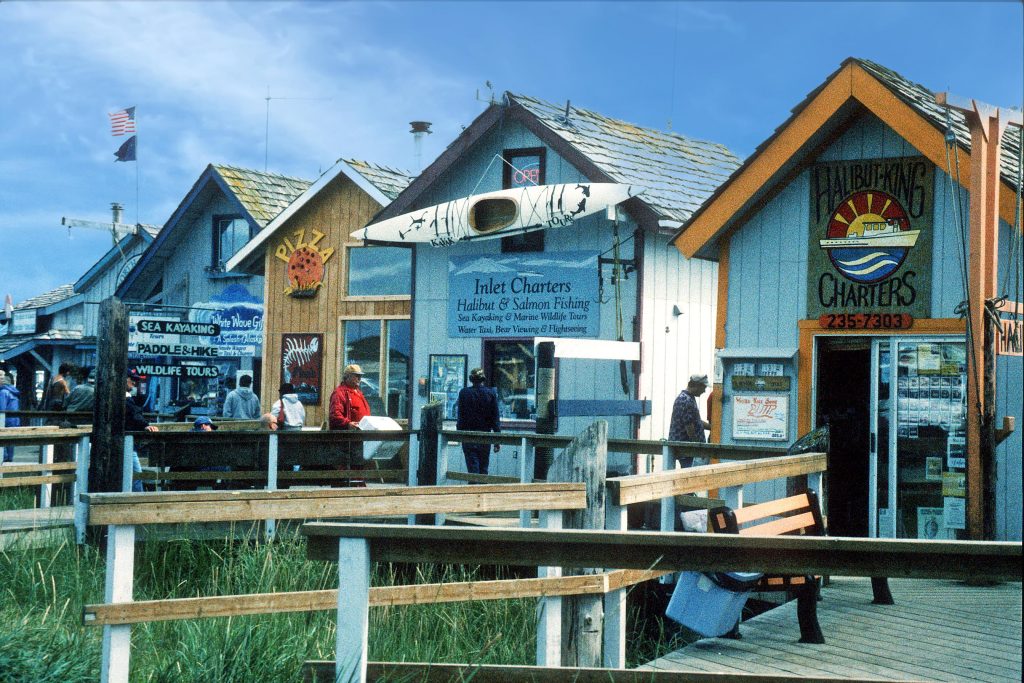
One of Homer’s most iconic features is the Homer Spit, a narrow, five-mile finger of land that reaches into Kachemak Bay, created by retreating glaciers and the persistent labor of tides. It’s part natural wonder, part working harbor, and part boardwalk bazaar.
Here, fishing boats bob beside art galleries, sea otters float on their backs just offshore, and eagles perch on dock pilings like sentinels from another time.
The Spit hosts:
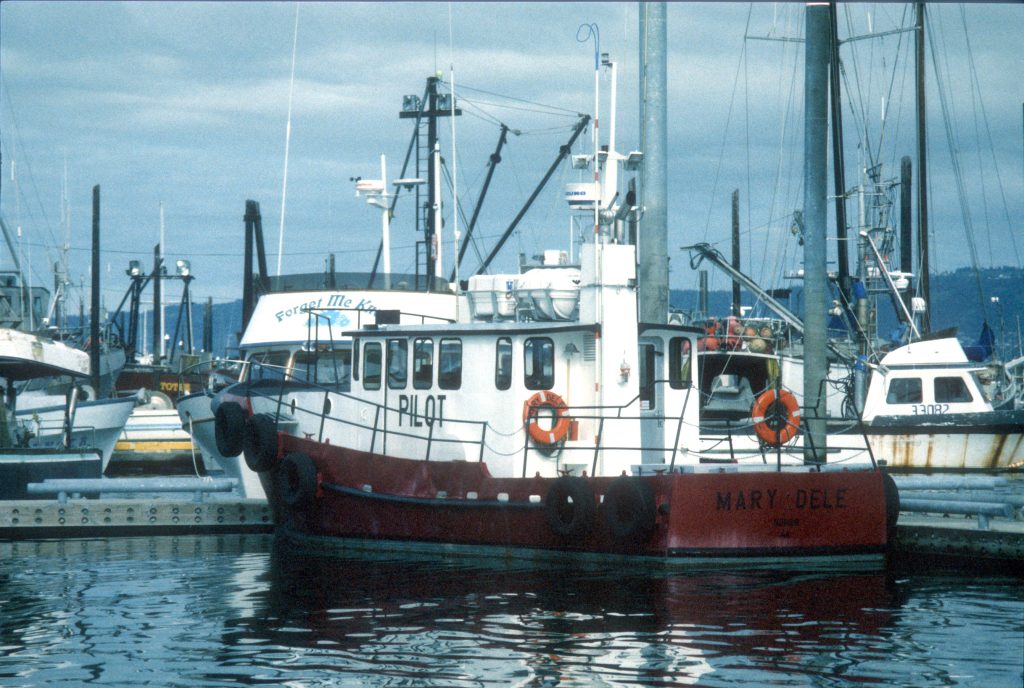
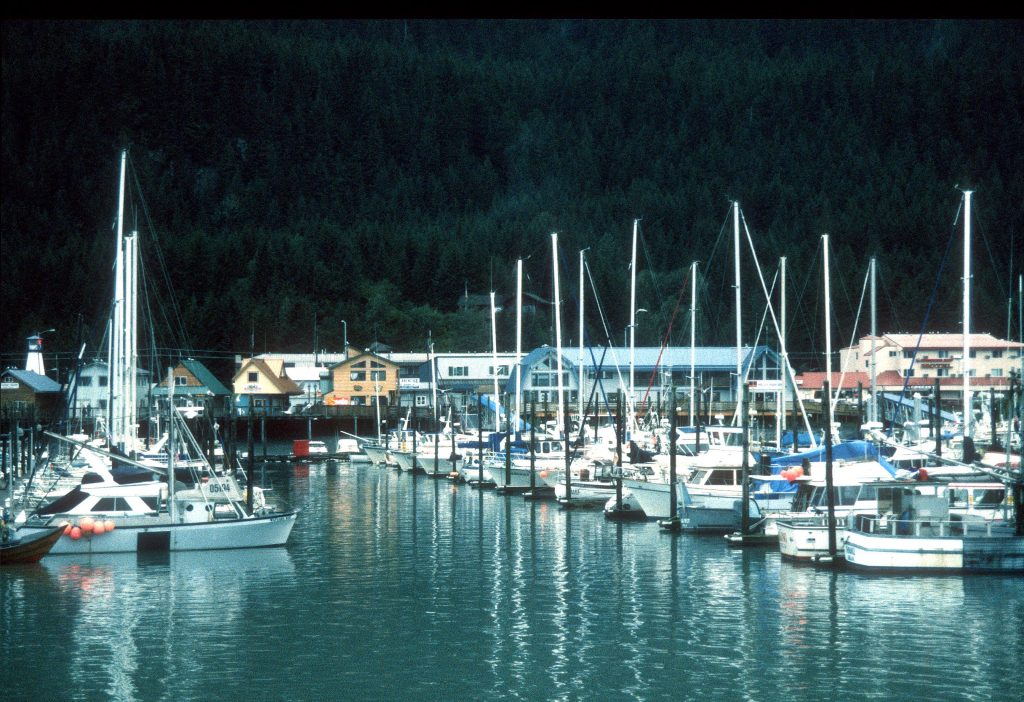
- The Homer Harbor: a bustling fishing port where halibut charters depart daily and the scent of salt and diesel tells you this is still a working town.
- The Salty Dawg Saloon: part tavern, part time capsule. Its low-beamed interior is papered with decades of signed dollar bills, left behind by travelers from across the world.
- Seafood shacks and studios: from freshly smoked salmon to hand-blown glass, the Spit offers a tactile, sensory experience of Homer’s dual identity: hard-won and handmade.
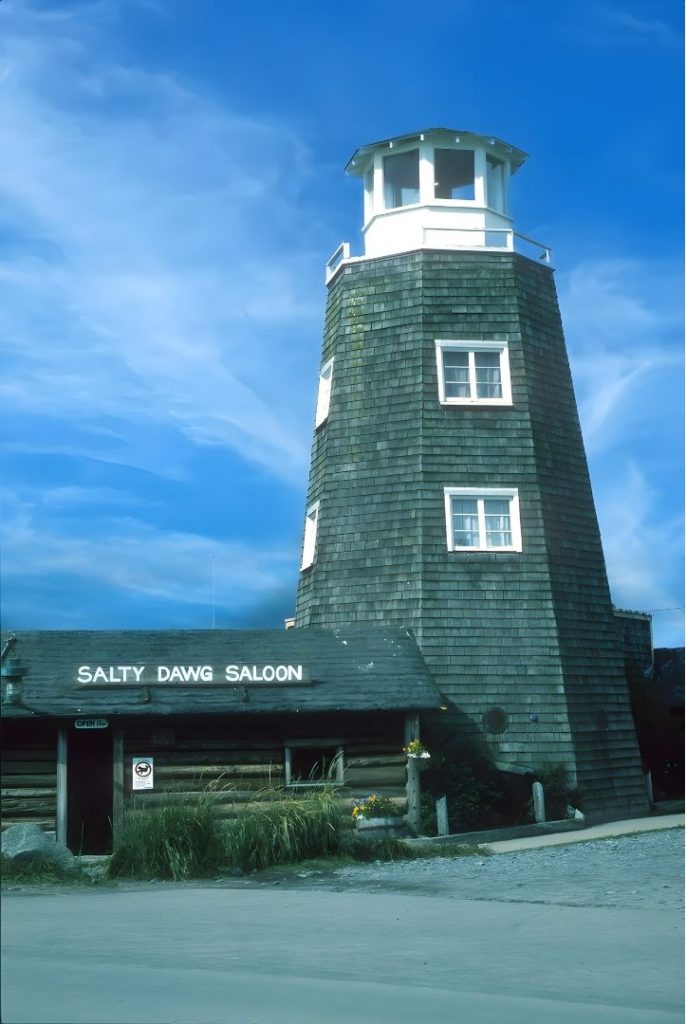
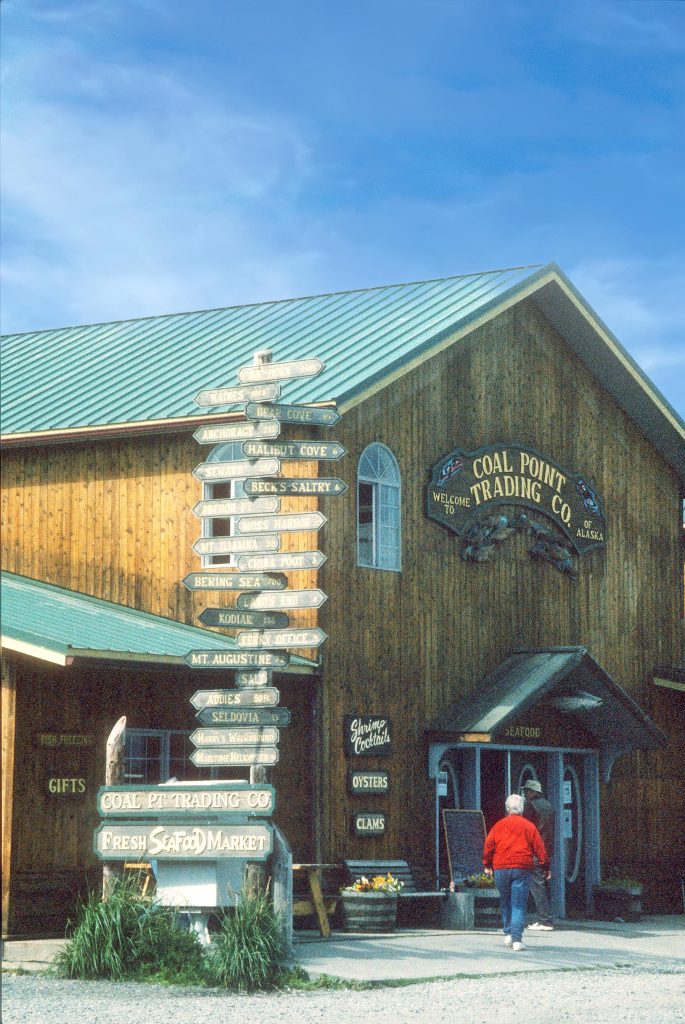
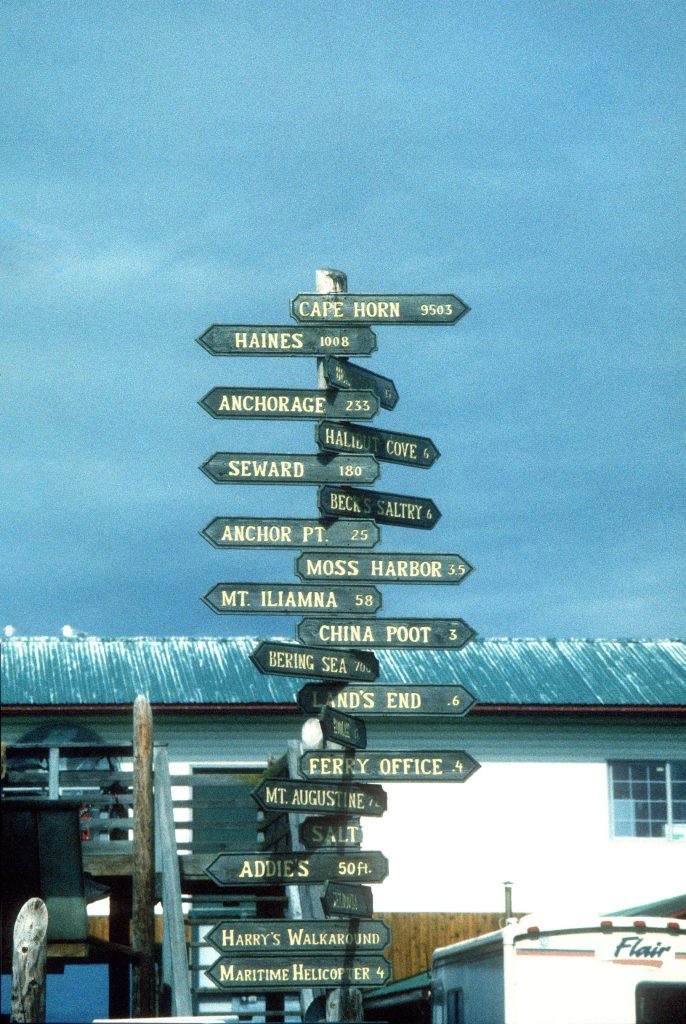
In summer, the spit pulses with life. In winter, it belongs to the wind.
A Town of Artists, Writers, and Weathered Hands
In the 1960s and ’70s, Homer began to attract a new wave of settlers: painters, potters, poets, and back-to-the-landers in search of beauty and independence. What they found was a town that already lived by its hands, and had room for many kinds of craft.
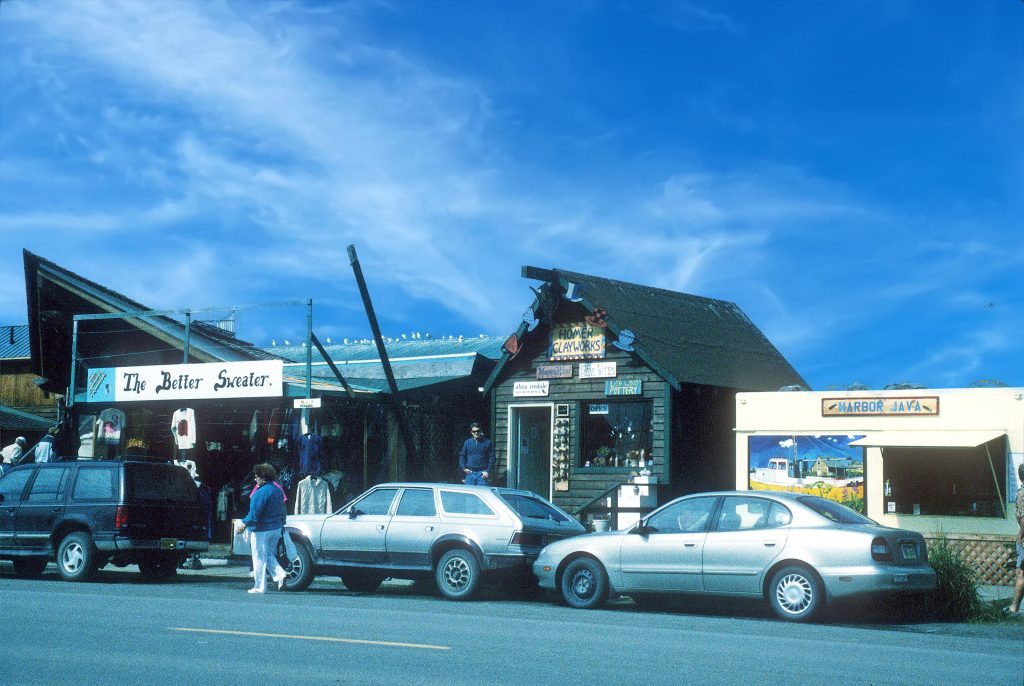
Today, Homer is a community of working artists and fishermen, where homesteads and bookshops coexist, and the locals can discuss both sockeye and sculpture with equal fluency.
Cultural highlights include:
- Bunnell Street Arts Center: a cornerstone of Homer’s creative life, showcasing regional artists, performances, and residencies in a historic building near Old Town.
- Homer Public Library: a surprisingly elegant modern building, with reading nooks, community programs, and a deep respect for storytelling.
- The Pratt Museum: a warm and intelligent institution that brings together Indigenous history, natural science, maritime heritage, and contemporary voices in a seamless narrative.
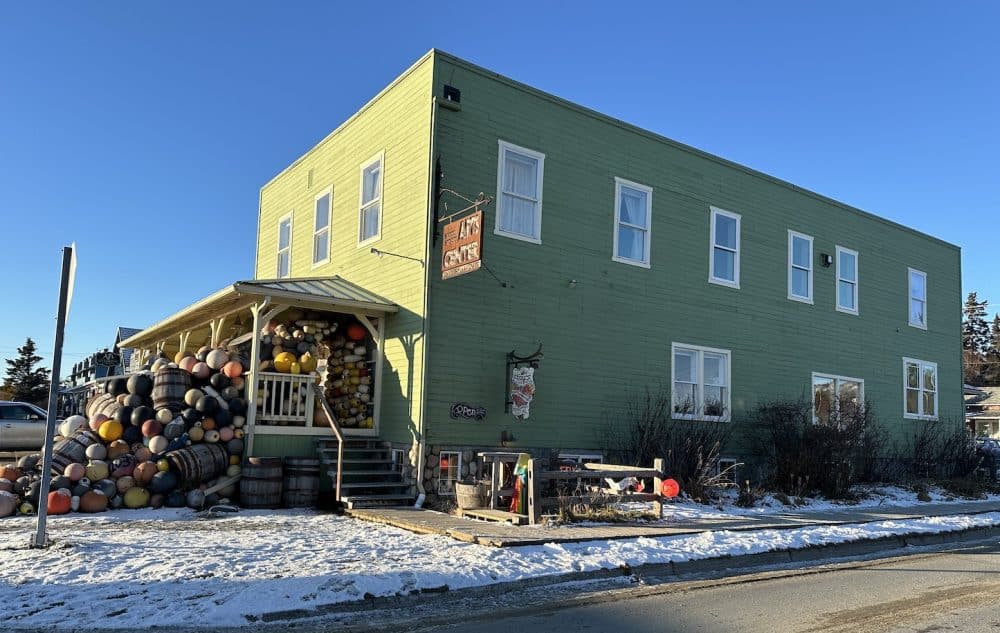
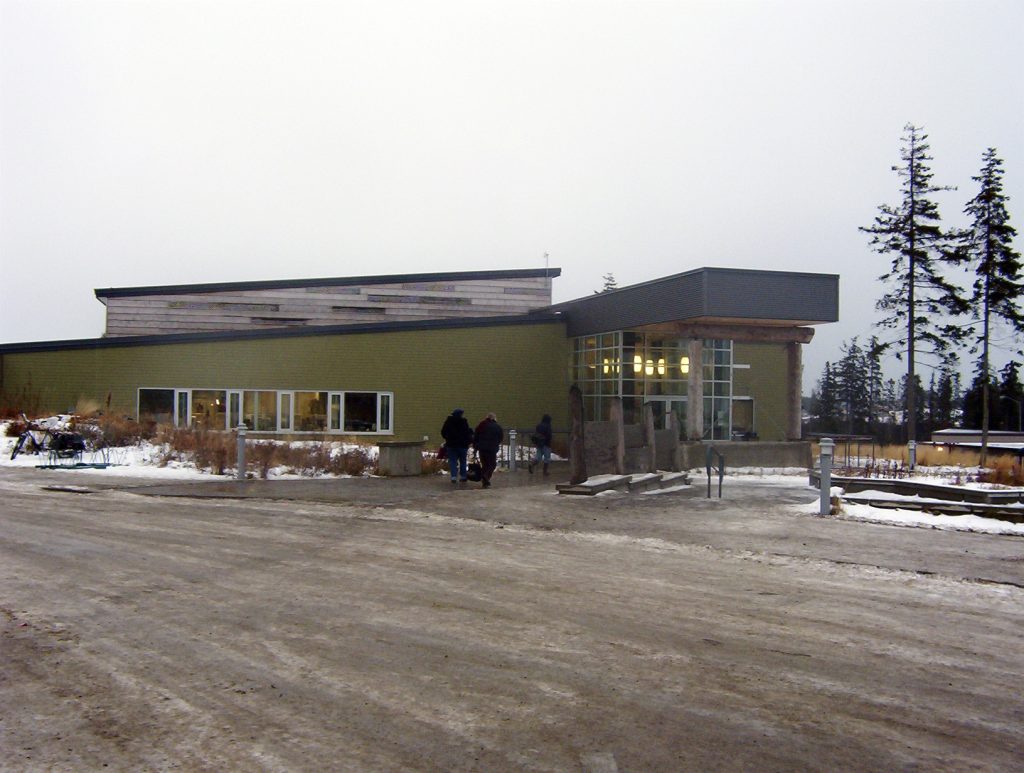
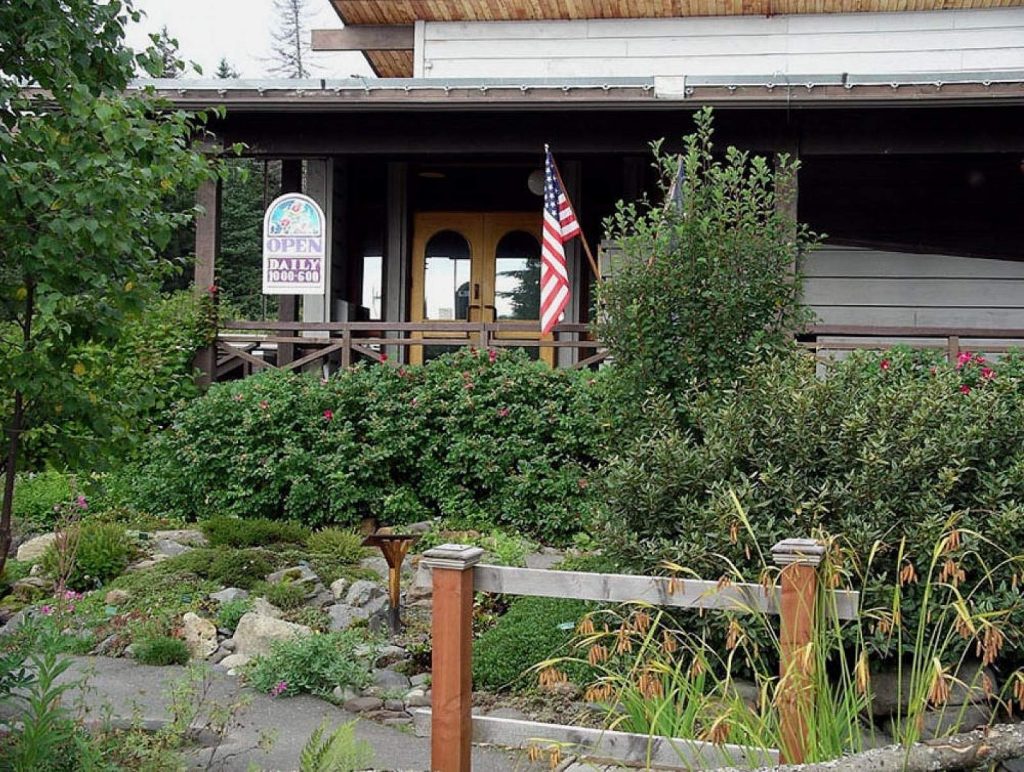
Homer art is representative of the landscape, rough-hewn, wind-tossed, and deeply rooted in place. Much of it also incorporates the nature that has so carved this town into its unique character.
A Town Between Glacier and Fog
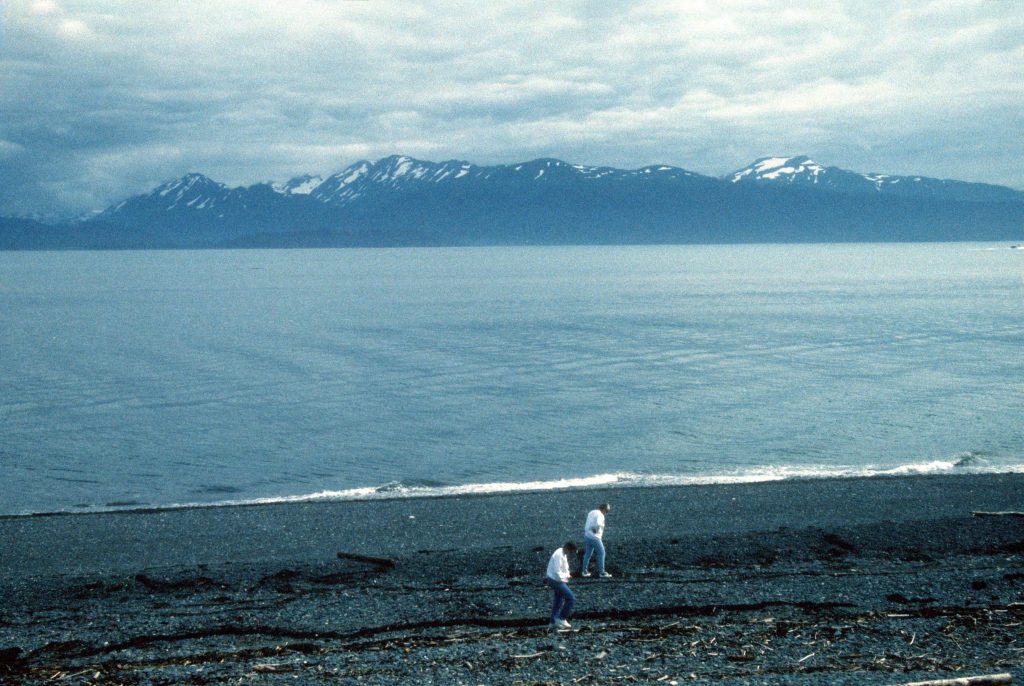
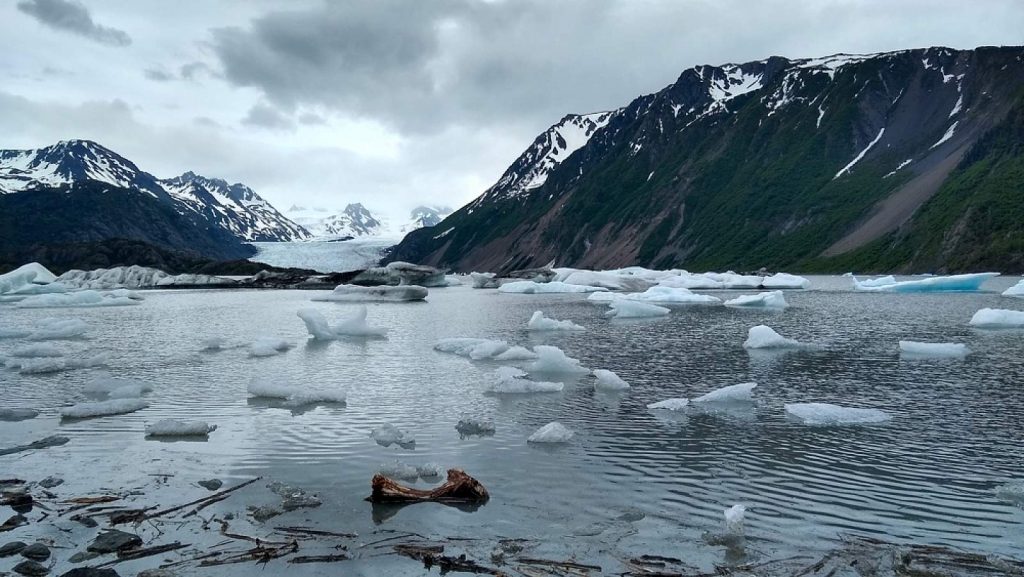
Though small, Homer offers an astonishing sense of scale. From town, you can see the blue-white edge of Grewingk Glacier across the bay. You can kayak among otters, walk forest trails, or head down to Bishop’s Beach when the tide pulls back, revealing rocks carpeted in mussels and purple starfish.
You might wake to a fog that erases everything, and find the sun blazing an hour later. This is a place of sudden weather and slow rewards.
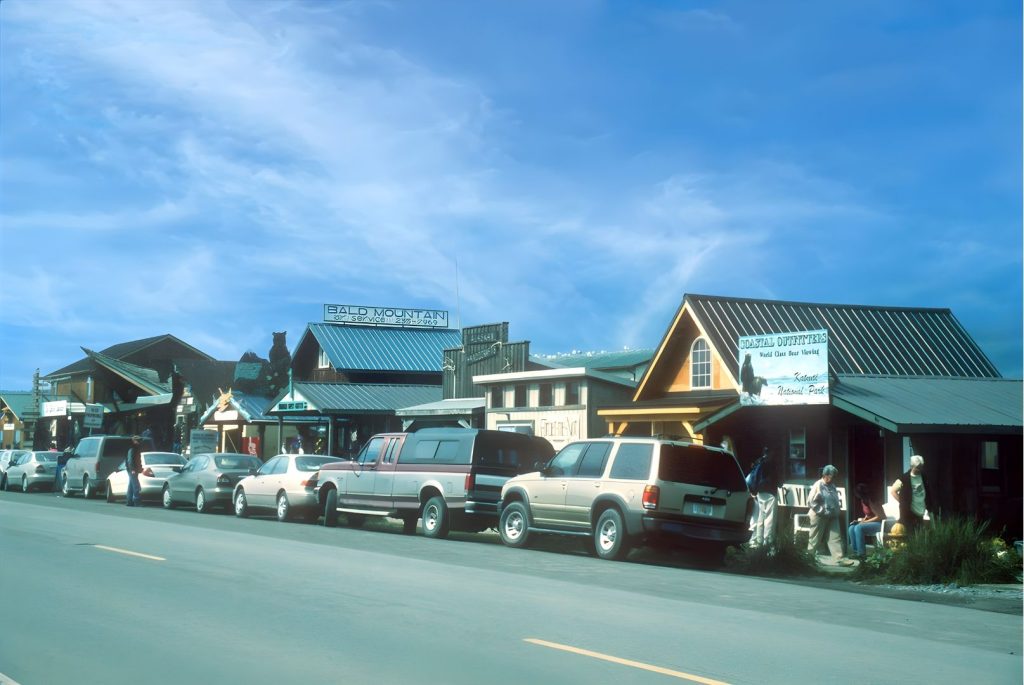
Visitors often find themselves lingering longer than planned. They take up temporary residence in cozy cabins tucked into spruce groves, sip locally roasted coffee in the warm hush of Two Sisters Bakery, or stroll through Old Town, where clapboard porches and tidal silences encourage unhurried thought.
Because in Homer, time works differently. Slower. Deeper. You arrive for the view, but you stay for the quiet that begins to change you.
Where to Stay in Homer, United States
Homer’s lodging options center on the downtown waterfront and the nearby Sterling Highway corridor, making location your first decision. If you want to be steps from the boats, restaurants, and shops, the downtown area offers hotels and small inns with views of Kachemak Bay. The trade-off is that waterfront rooms book quickly in summer and command higher rates; booking two or three months ahead is wise for June through August.
For budget-conscious travelers, Homer has several modest motels along the Sterling Highway on the way into town. These properties lack bay views but offer clean, functional rooms at roughly half the waterfront price. They’re a short drive to downtown and the harbor, making them practical if you plan to spend most days out exploring rather than lingering in your room.
Guesthouses and vacation rentals scattered throughout town give you another option if you’re staying longer than a few nights. Many are owner-managed properties in residential neighborhoods, often with kitchens and local insights from hosts who know the area well. Check current availability on vacation rental platforms, as these properties vary widely in amenities and booking windows.
Timing matters significantly in Homer. Winter brings fewer visitors and lower rates, but weather is unpredictable and daylight is short. Shoulder seasons (May and September) offer a good balance of reasonable prices, milder weather, and fewer crowds than peak summer. Book as far in advance as you can manage; Homer fills up during salmon season and summer tourism.
Recommended Reading
Fiction
- The Snow Child by Eowyn Ivey
Set in 1920s Alaska, this lyrical novel weaves frontier life with magic and longing. While not set in Homer, it evokes the same fierce beauty and solitude. - To the Bright Edge of the World by Eowyn Ivey
An epistolary novel about an 1885 Alaskan expedition, blending real history with myth and deep reverence for the land. - The Smell of Other People’s Houses by Bonnie-Sue Hitchcock
A young adult novel set in 1970s Alaska, filled with intertwined stories, hard choices, and the quiet resonance of northern life.
Non-Fiction
- A Land Gone Lonesome by Dan O’Neill
A poetic journey through abandoned homesteads along the Yukon River, a meditation on Alaska’s frontier and what’s left behind. - If You Lived Here, I’d Know Your Name by Heather Lende
Memoirs from nearby Haines, full of small-town obituaries, moose encounters, and the rawness of Alaskan community life. - Raising Ourselves: A Gwich’in Coming of Age Story by Velma Wallis
A searing, honest memoir about growing up in interior Alaska, deeply grounded in Indigenous experience and northern hardship.
Tours to Consider
- Homer Day Tour Wilderness, Wildlife and Beach Experience
- Alaska Road Trip: Anchorage, Seward, Homer & Denali Audio Tour