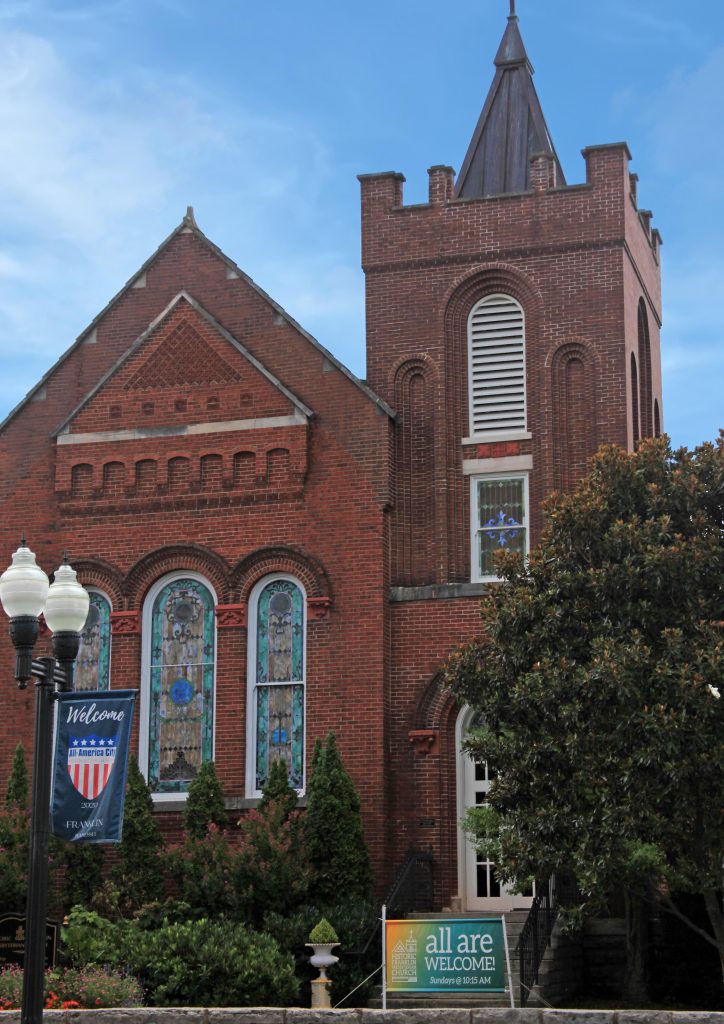
Echoes of the Past Ring on Quiet Streets
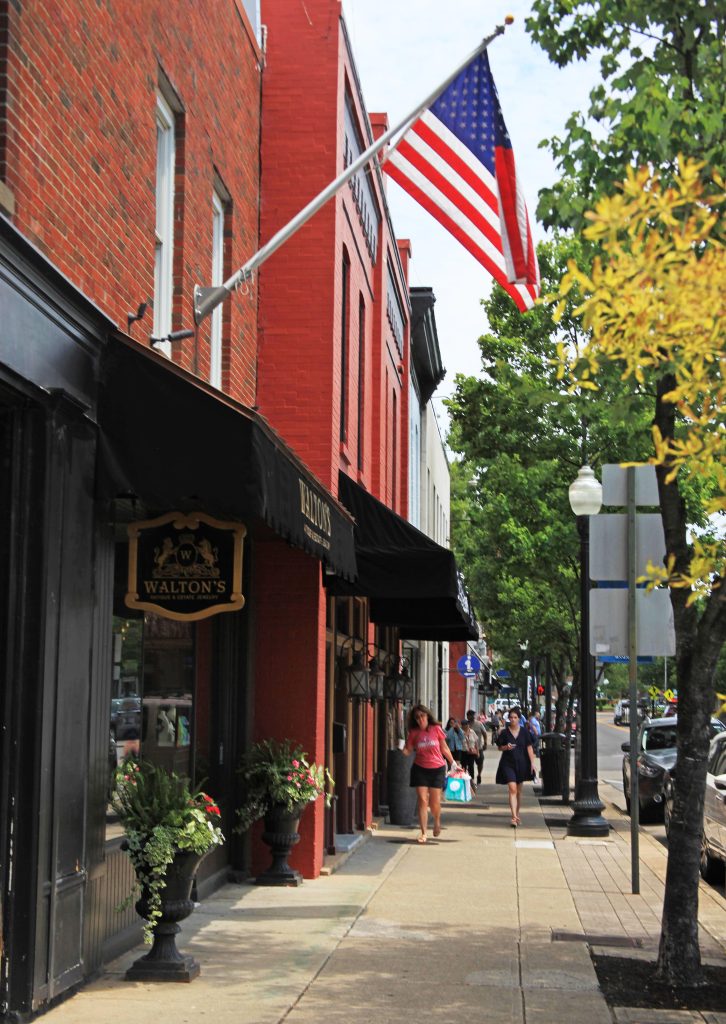
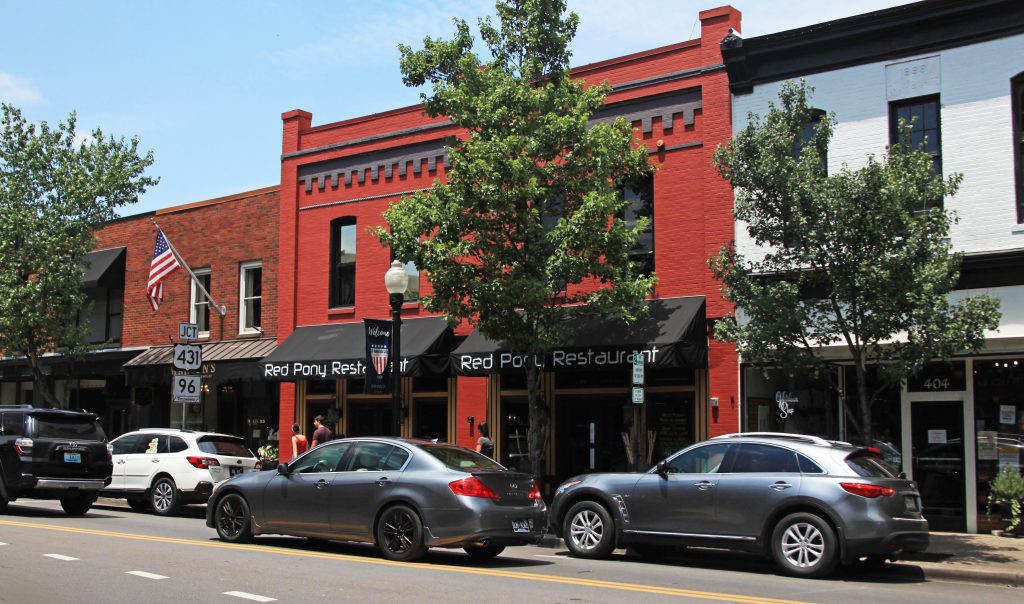
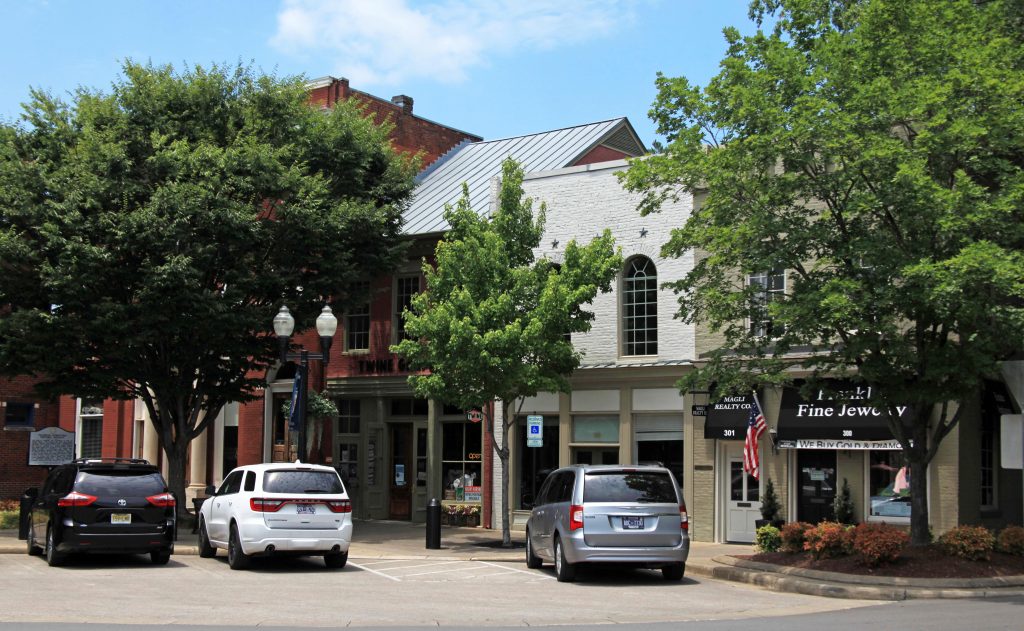
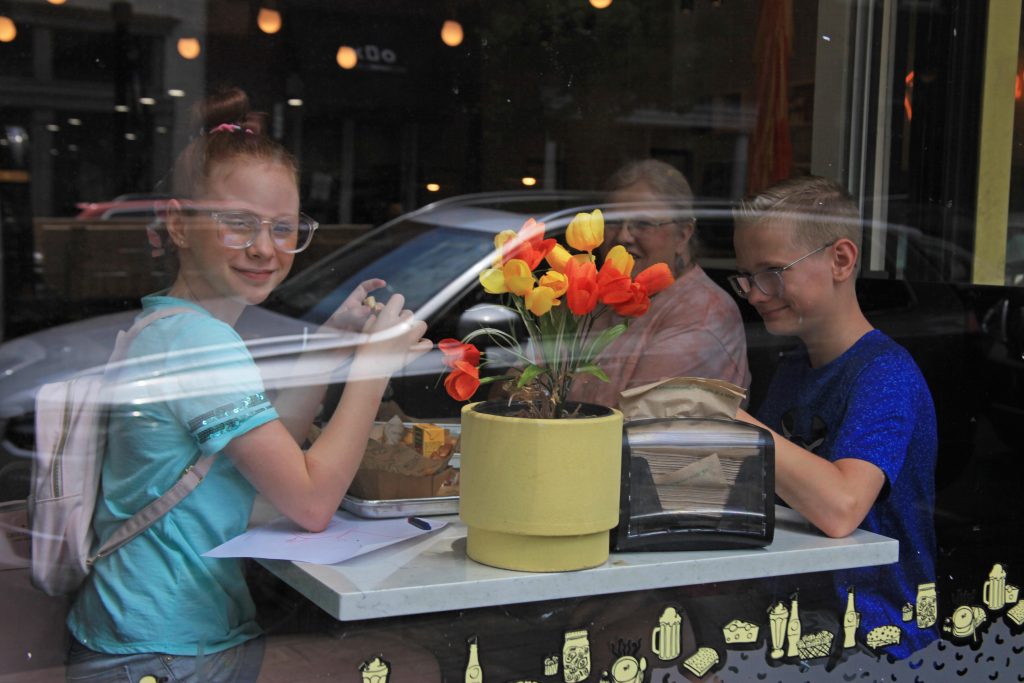
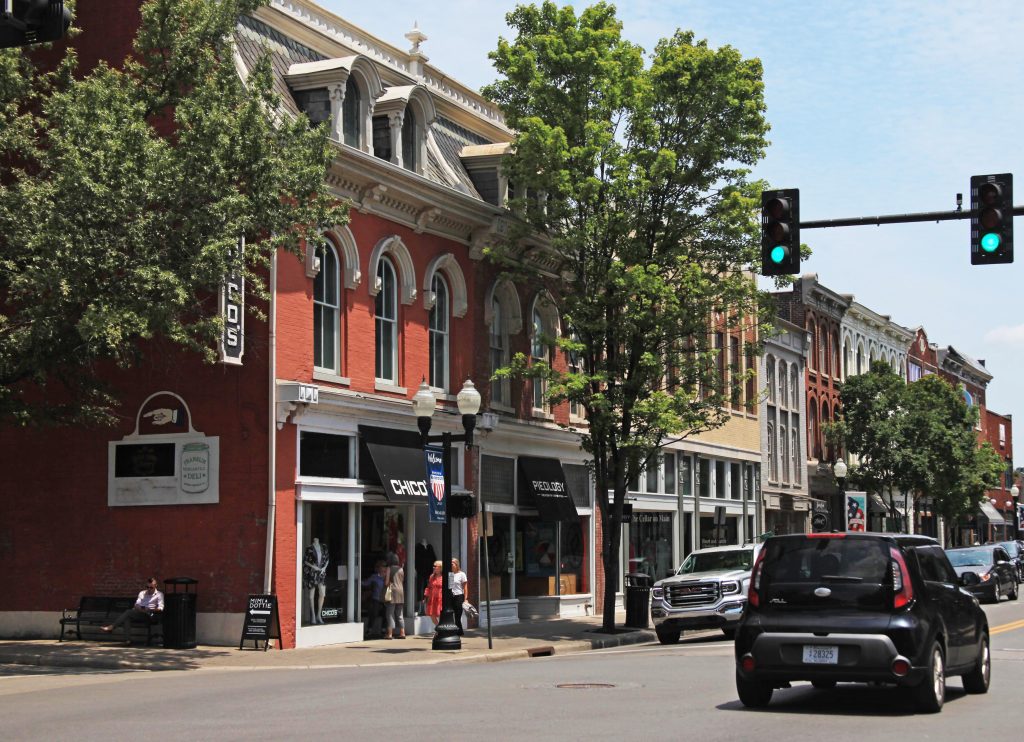
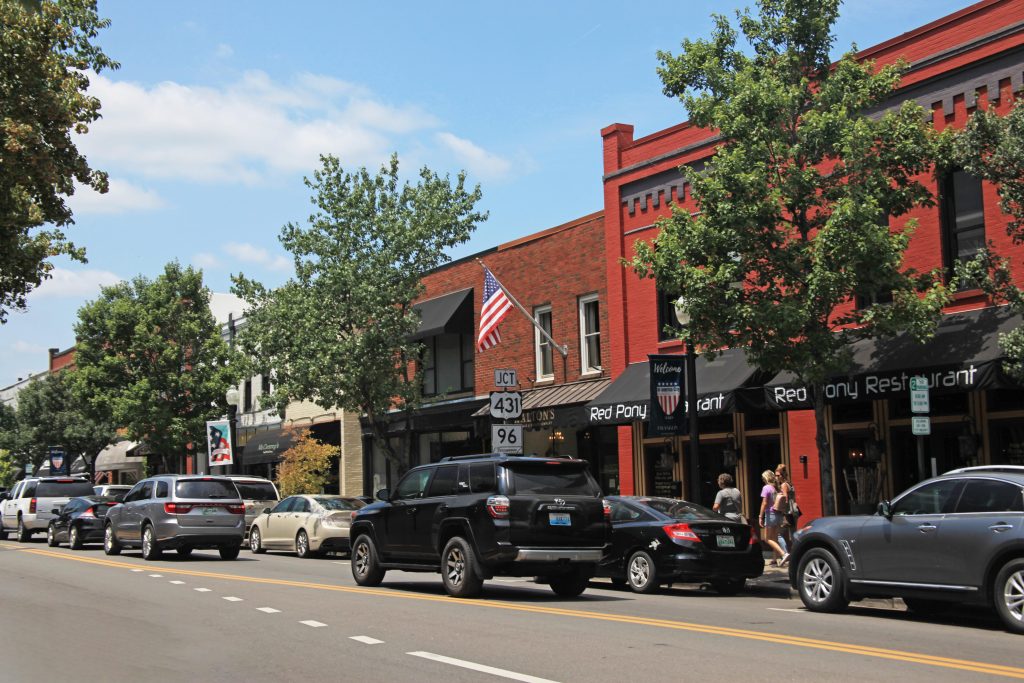
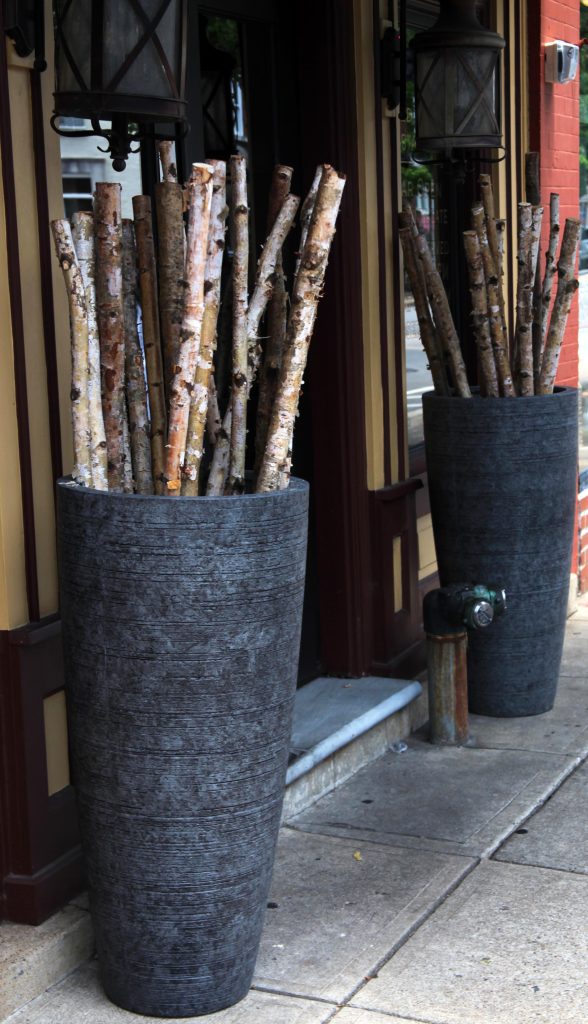
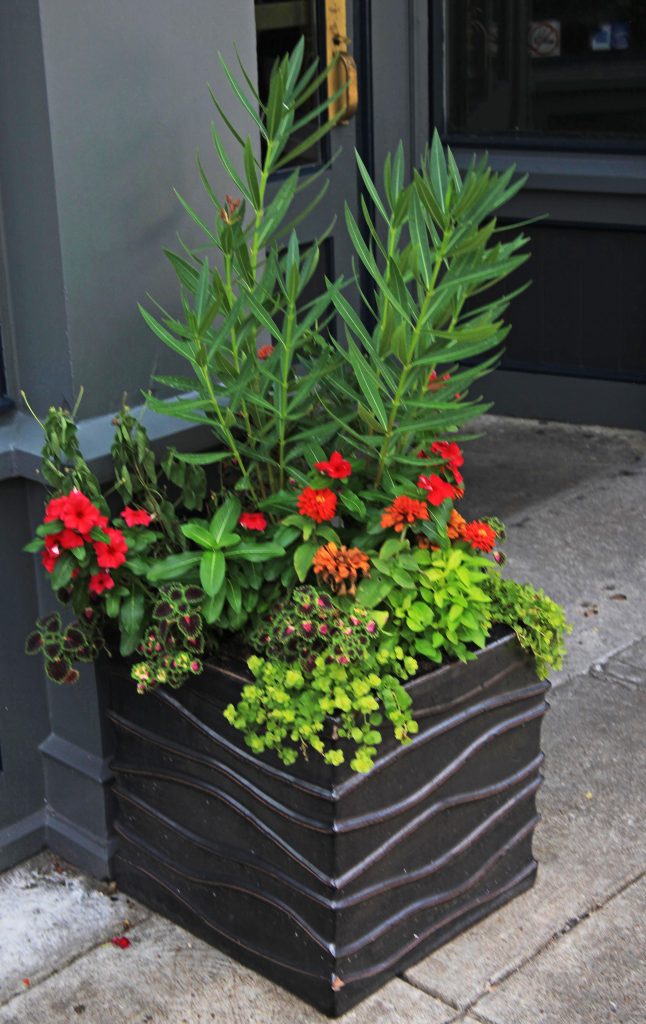
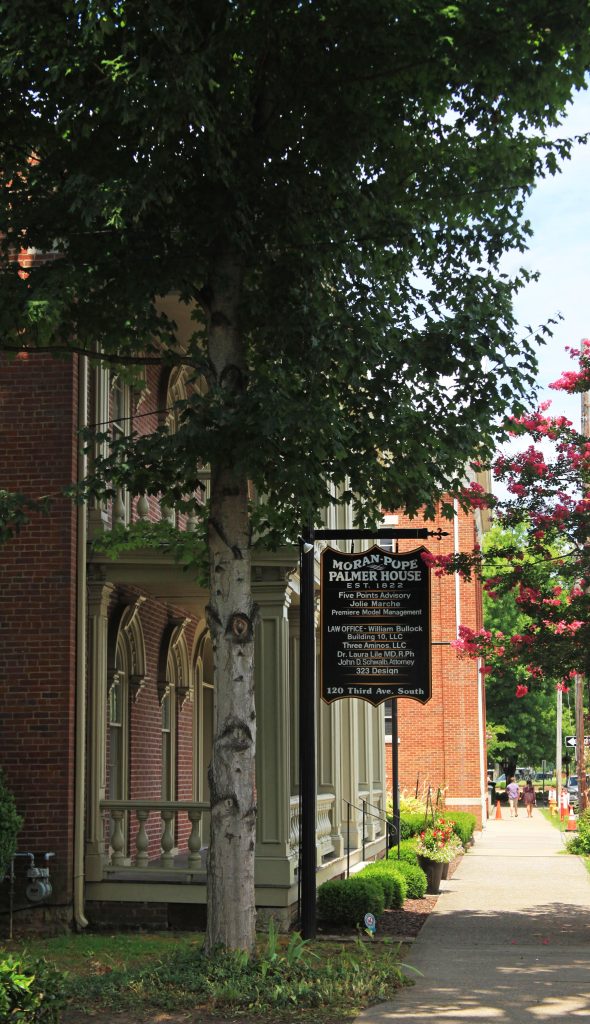
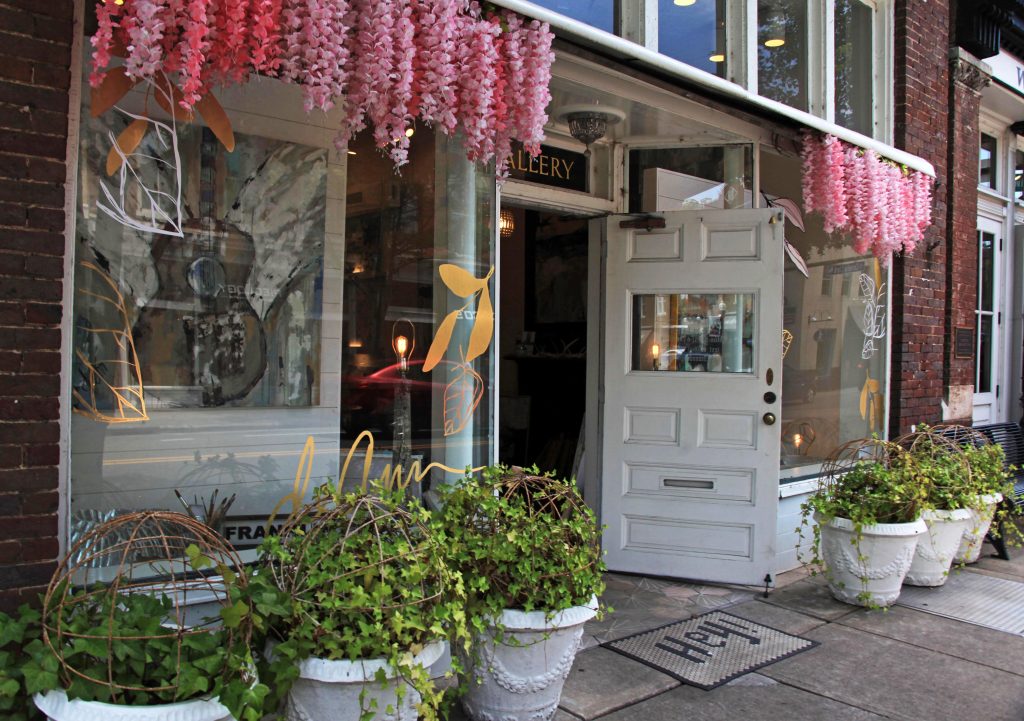
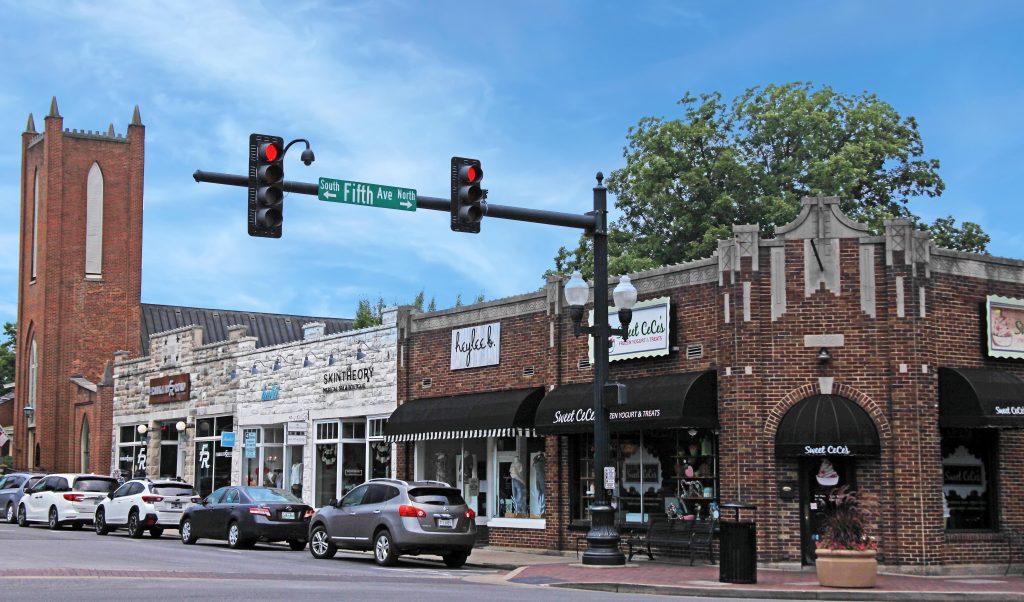
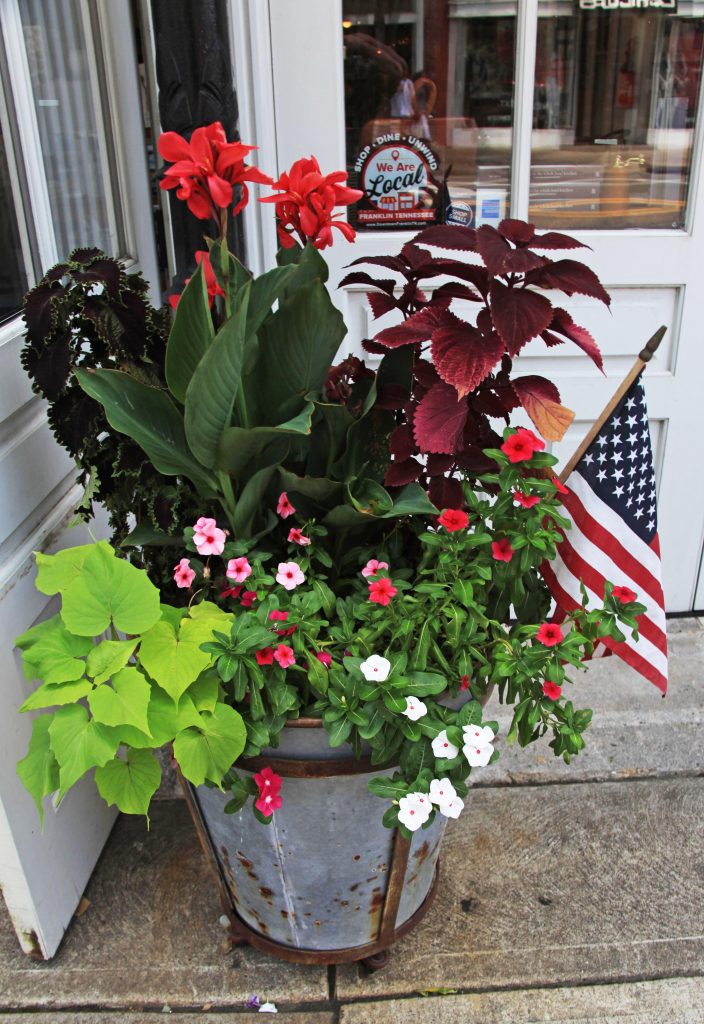
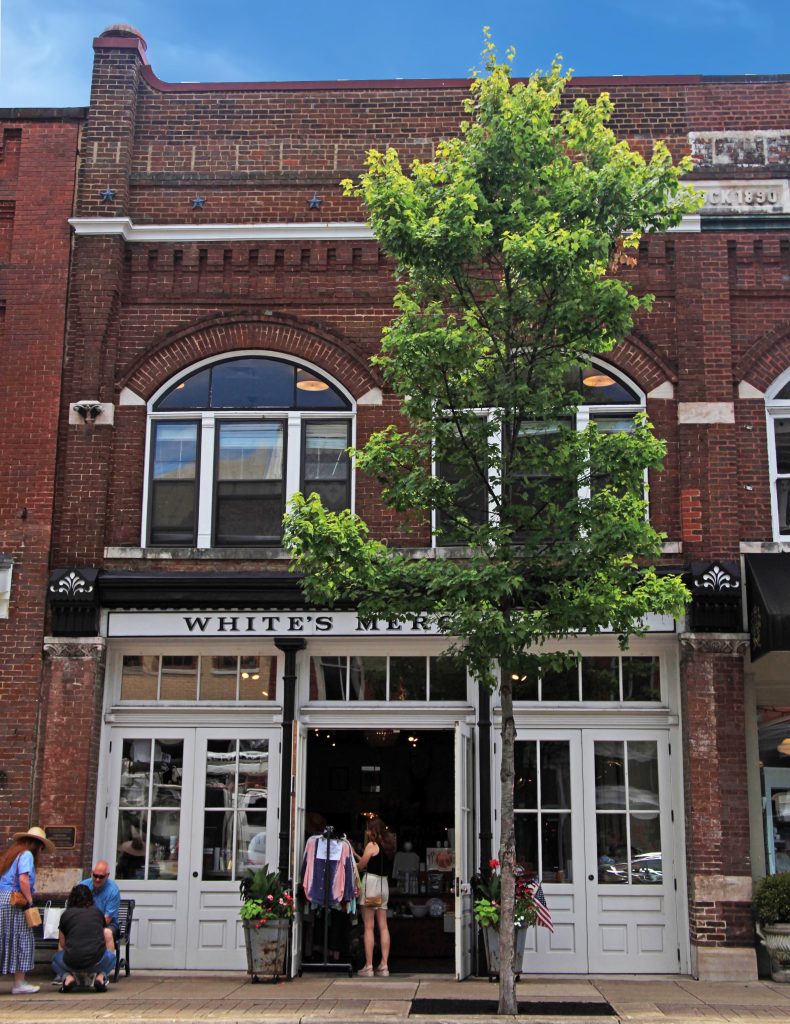
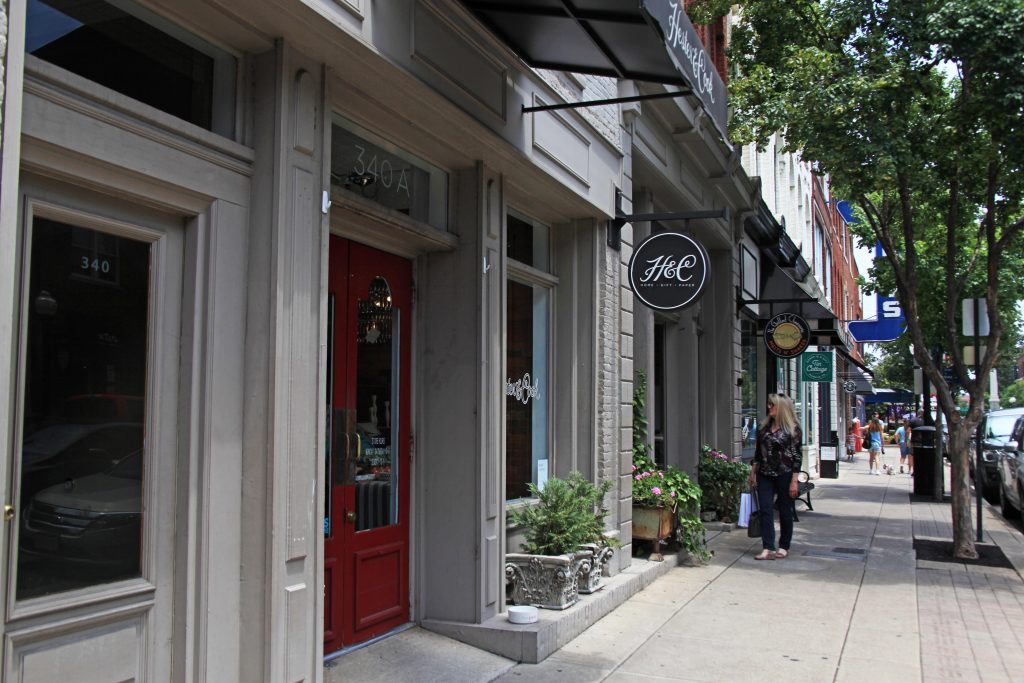
Franklin offers a different kind of Tennessee experience than Nashville’s loud Broadway and booming music, with lovely quiet cobblestone streets and brick sidewalks that have a storybook feel accented by antique lampposts and lined with historic buildings filled with boutiques, galleries and restaurants. It feels warm and inviting.
Where once a hub of genteel Southern living and many area plantations, it became the scene of one of the Civil War’s bloodiest battles. Today you will still see evidence of each of these periods in Franklin, but it has also become a beautiful suburb for those seeking a quieter life than Nashville’s hustle and bustle.
A Town Born of Revolution and Torn by War
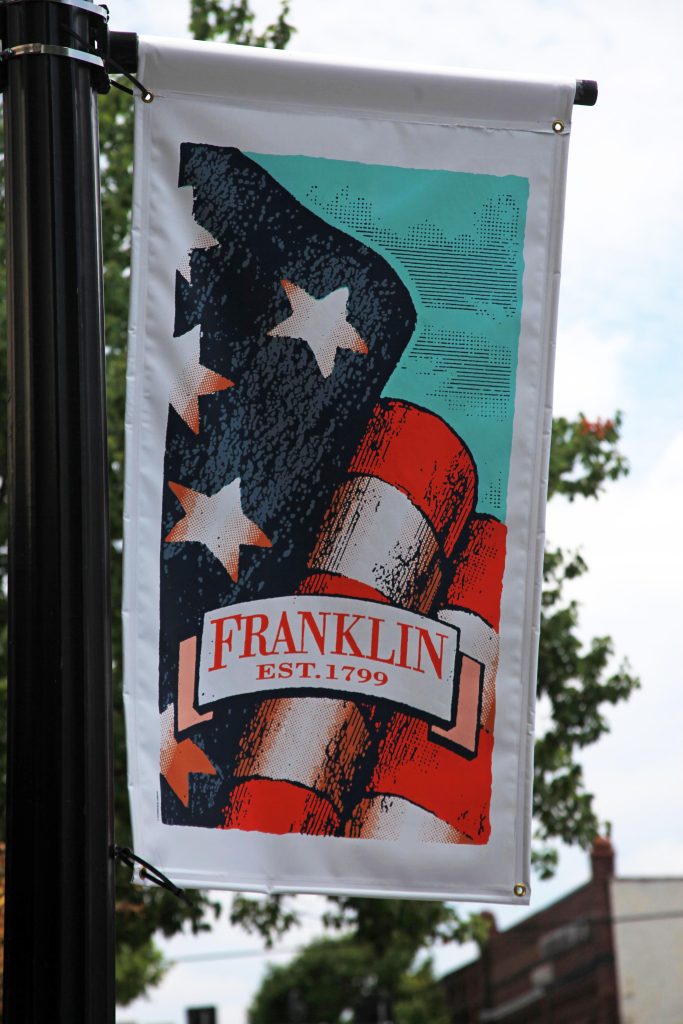
Founded in 1799 and named for Benjamin Franklin, the town rapidly became a hub of commerce, cotton, and cultural ambition in Middle Tennessee. Its early decades saw growth, industry, and plantation wealth reflected in grand homes, churches, and civic buildings throughout town.
But the Civil War wrote Franklin’s most indelible chapter.
On November 30, 1864, the Battle of Franklin erupted just south of town, a brutal five-hour engagement that left nearly 10,000 soldiers dead, wounded, or missing. It was one of the war’s bloodiest engagements and proved a devastating Confederate loss.
What’s remarkable is how much of that battlefield and its surrounding homes remain preserved. Franklin refuses to forget, even as it moves forward.
Architecture with a Southern Accent
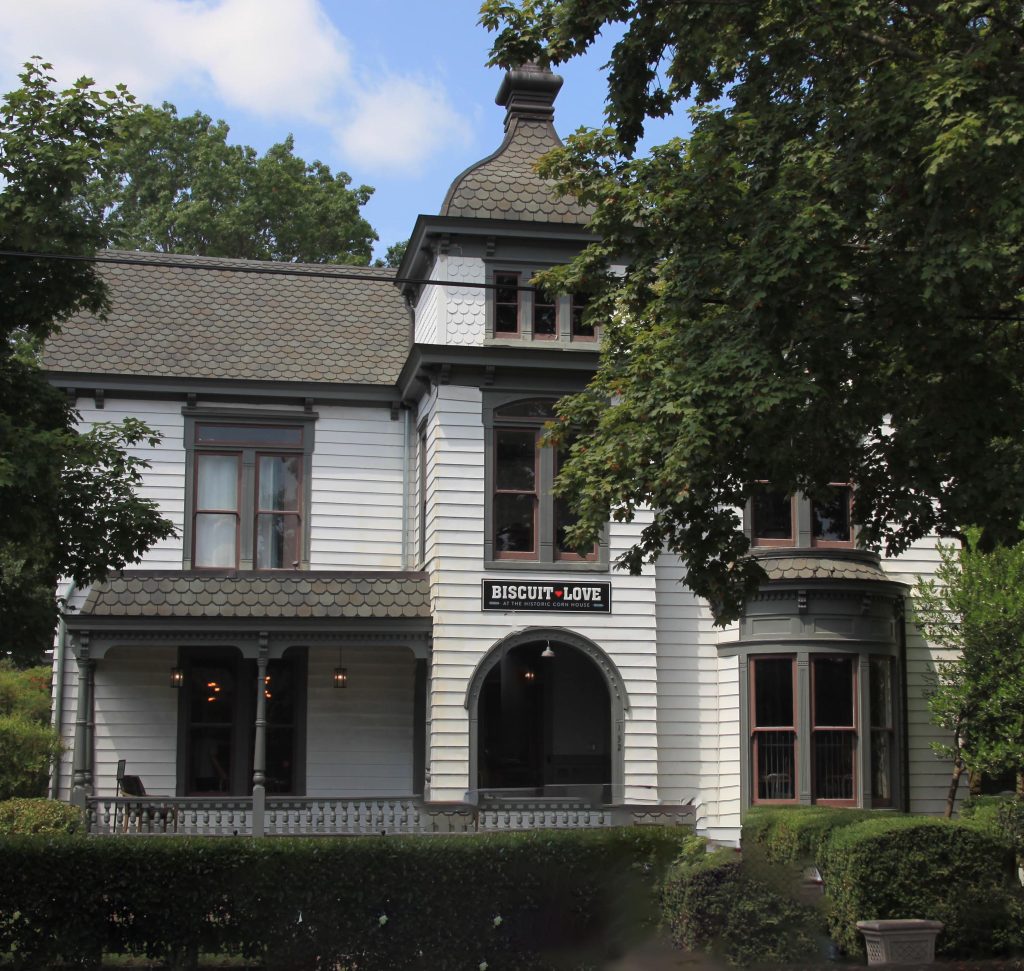
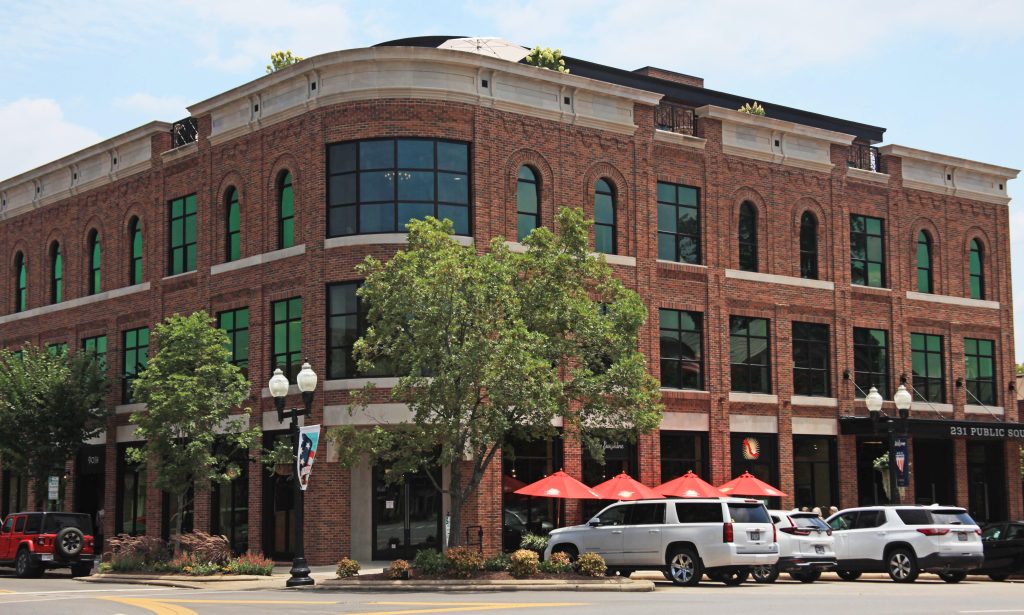
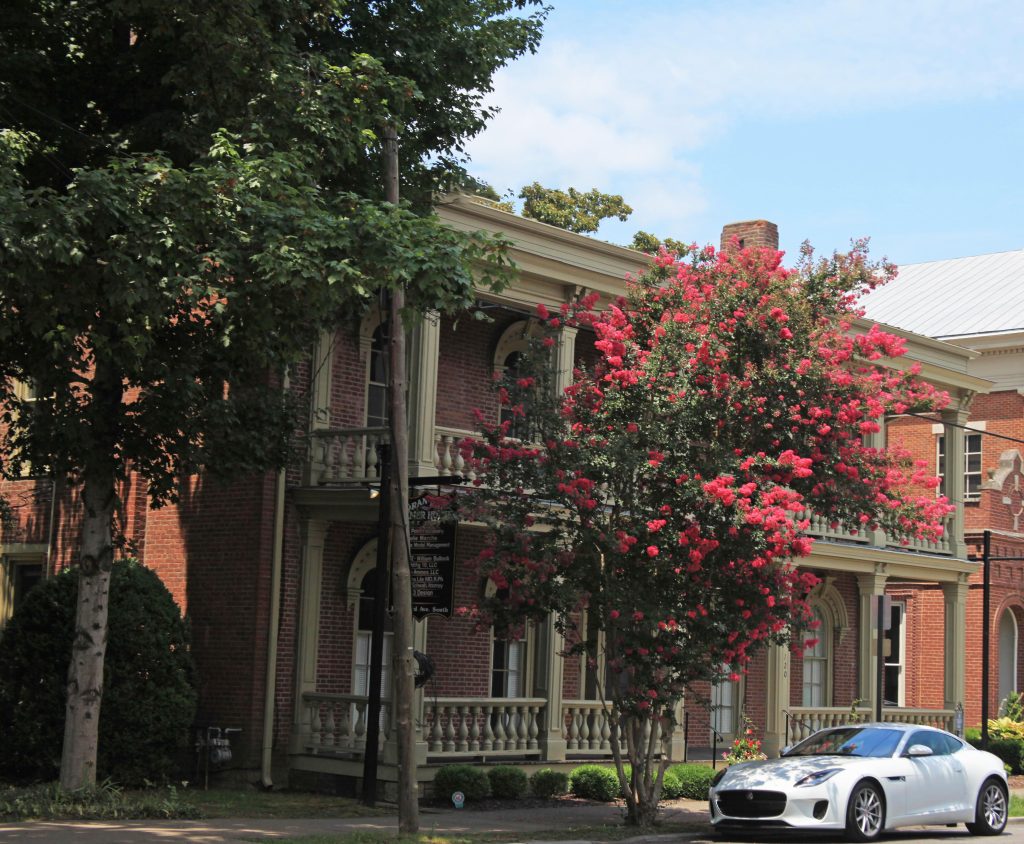
Franklin’s historic district is one of the most intact in the South, a harmonious blend of Federal, Greek Revival, Italianate, and Victorian architecture.
Take a slow walk down Main Street and you’ll pass:
- The Franklin Theatre: A 1937 Art Deco gem, lovingly restored, now hosting films, concerts, and community events under its original marquee.
- Gray’s on Main: Once a pharmacy, now a soulful restaurant and music venue that honors its history with tin ceilings, old counters, and vintage medicine bottles turned décor.
- Landmark Booksellers: A bookshop housed in a 200-year-old building, where exposed beams and creaking floors make every purchase feel like an act of preservation.
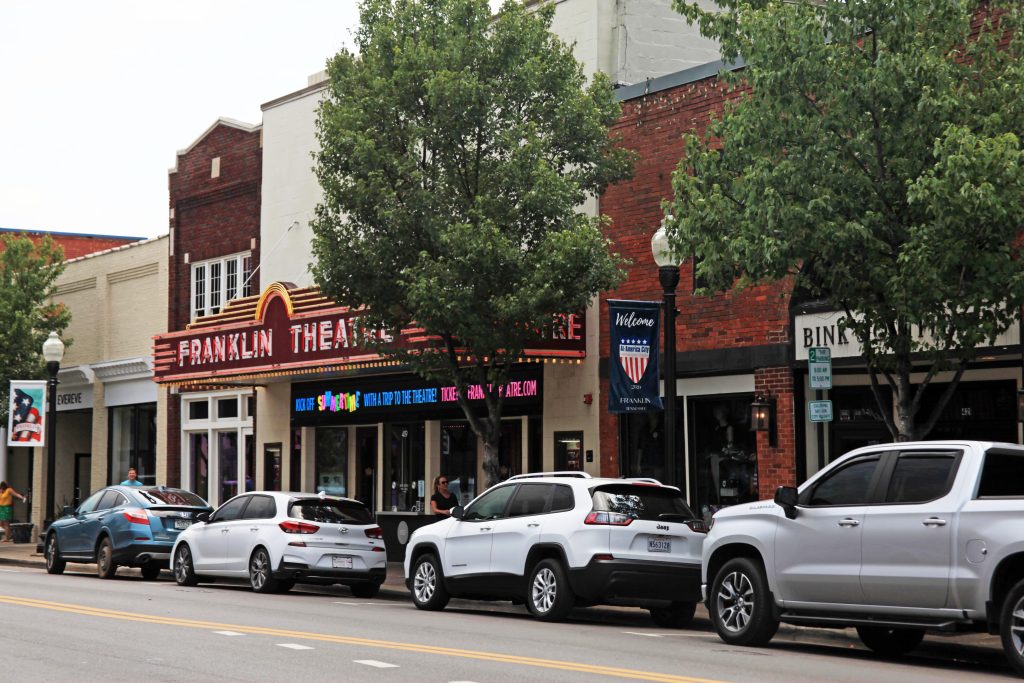
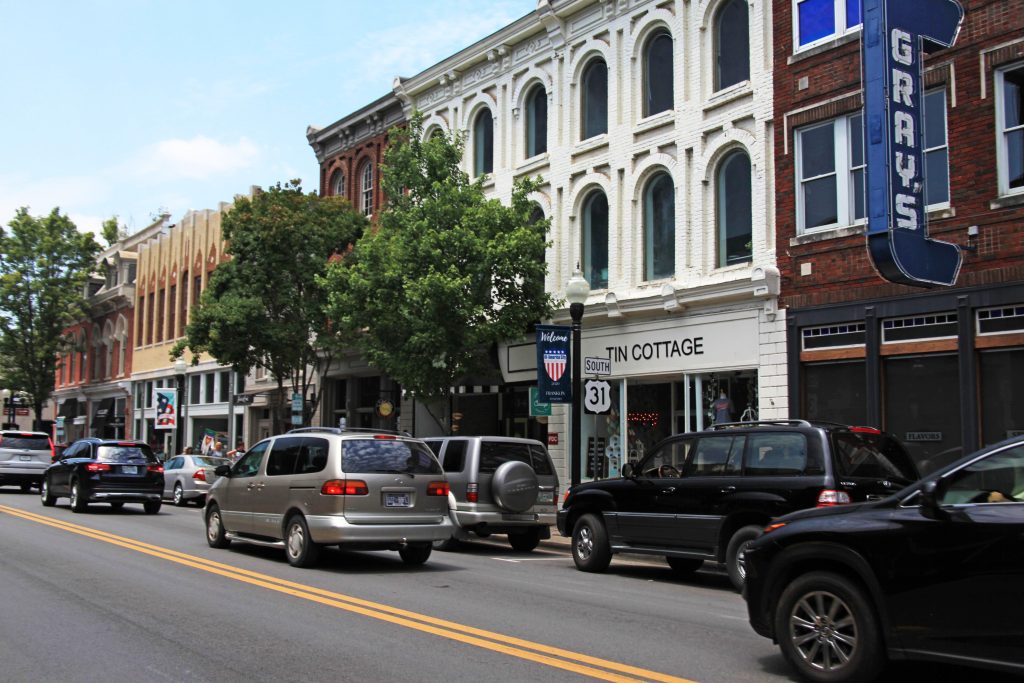
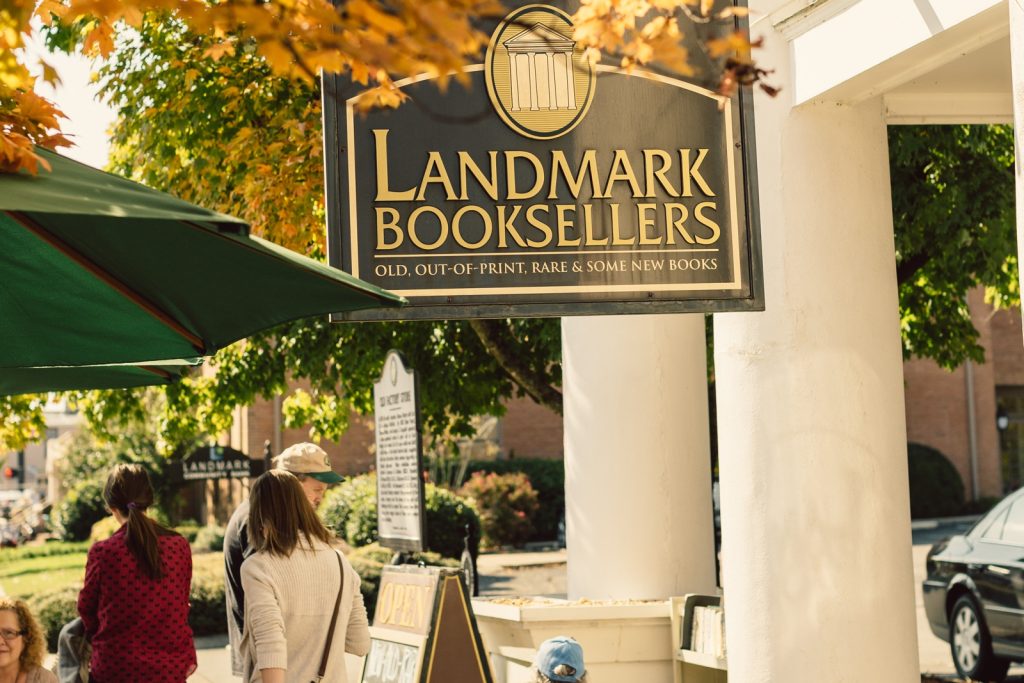
Franklin’s true elegance lies just off Main Street in its quiet residential blocks, where antebellum homes and garden walls whisper their stories.
Notable homes include:
- Carnton Plantation: Once the site of a Confederate field hospital, its back porch served as an operating table. Today, visitors can tour the home, the slave quarters, and the nearby McGavock Confederate Cemetery, the largest privately owned military cemetery in the U.S.
- Lotz House: A beautifully restored home directly in the path of the Battle of Franklin. Its woodwork still bears scars from the shelling, literal gashes in the floor where cannon fire struck. The Lotz family sheltered in the basement as history raged above.
- The Carter House: Another battlefield home turned time capsule. Bullet holes pepper its outbuildings, and the house itself saw unimaginable trauma. It offers one of the most visceral Civil War experiences in the South, intimate, sobering, and unforgettable.
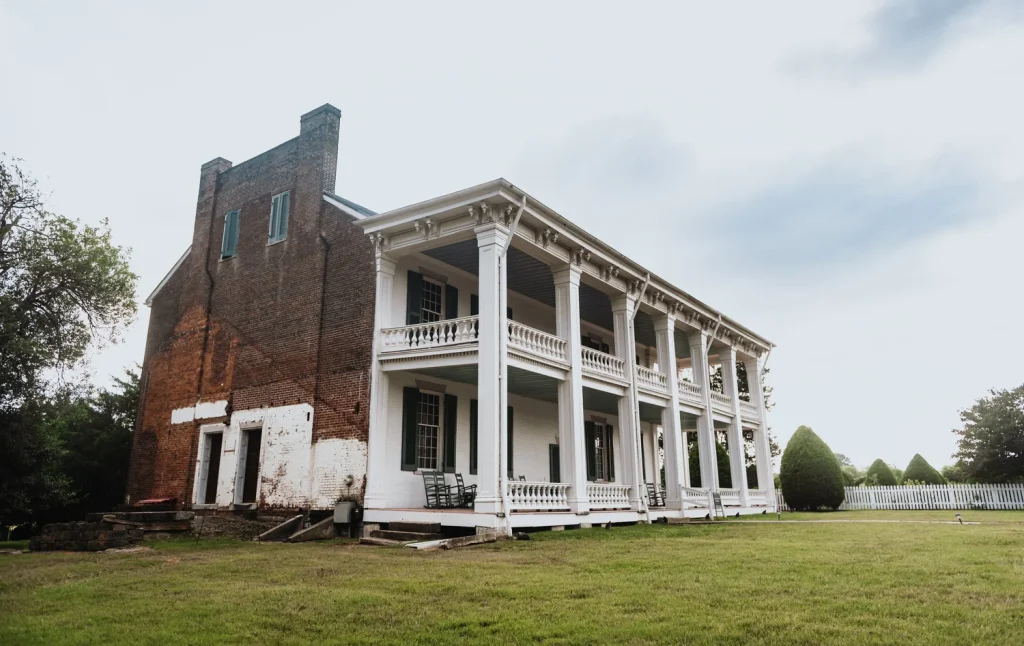
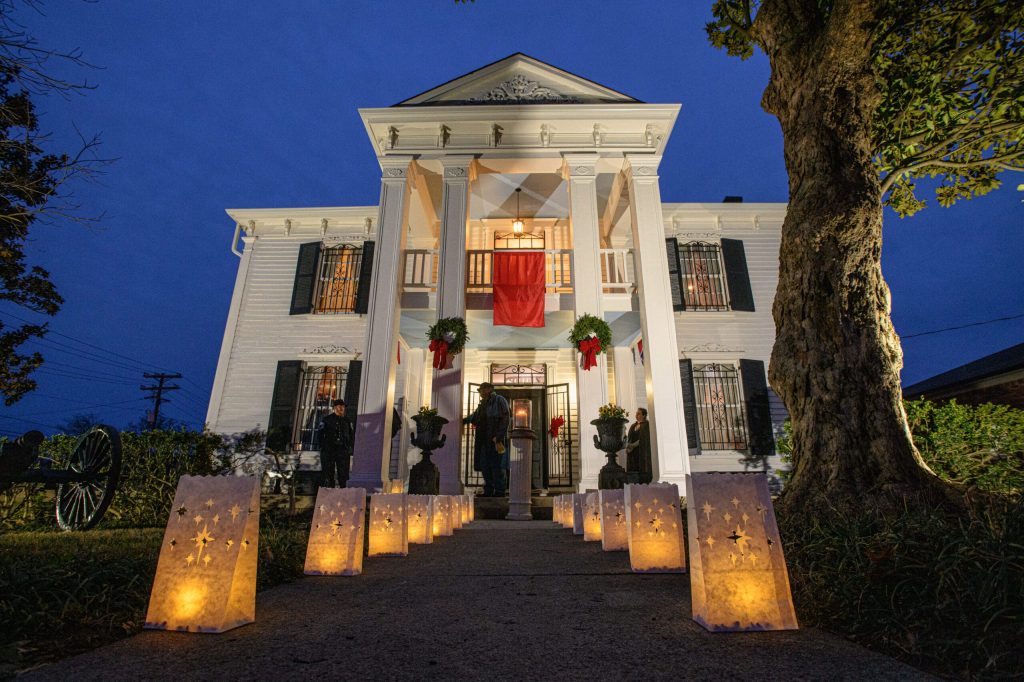
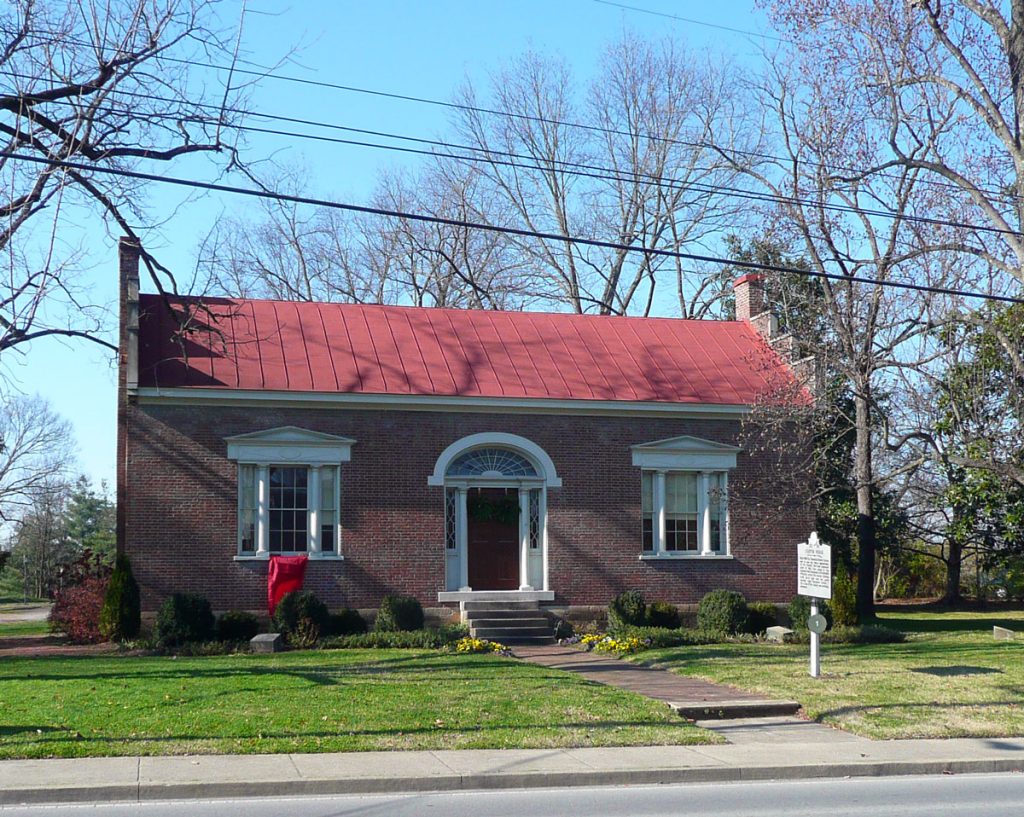
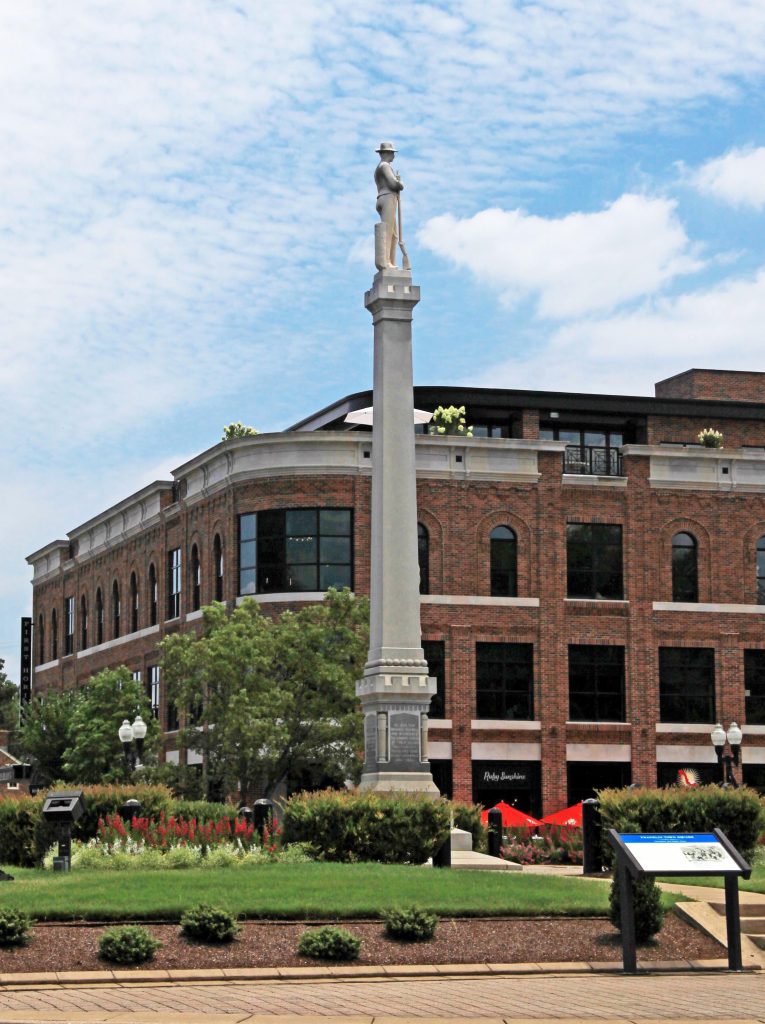
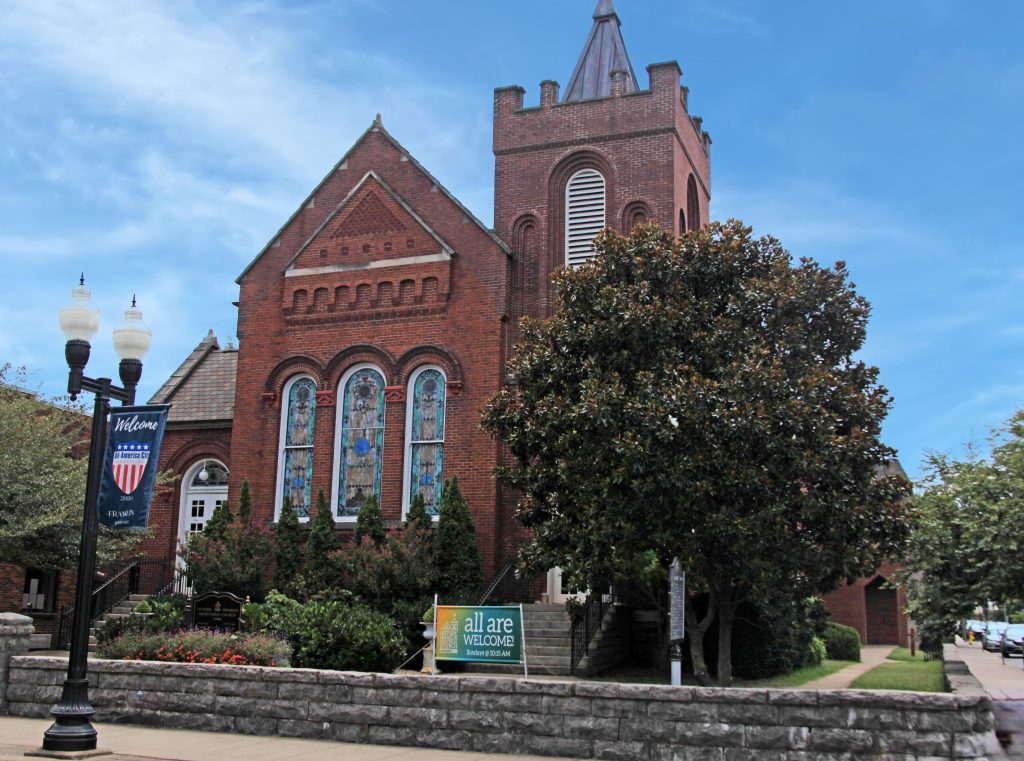
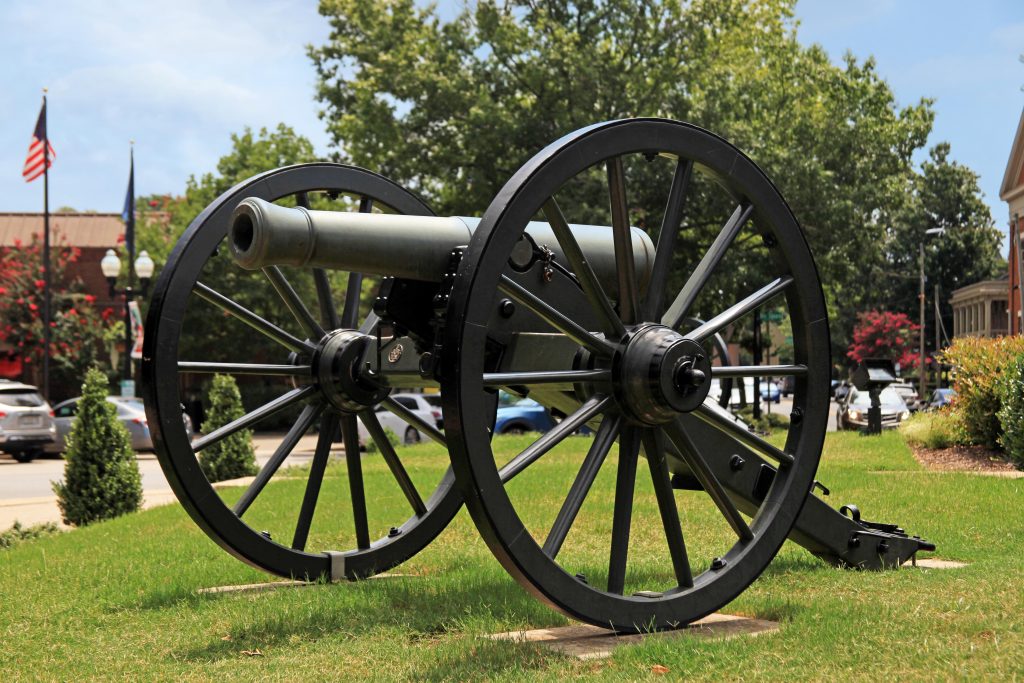
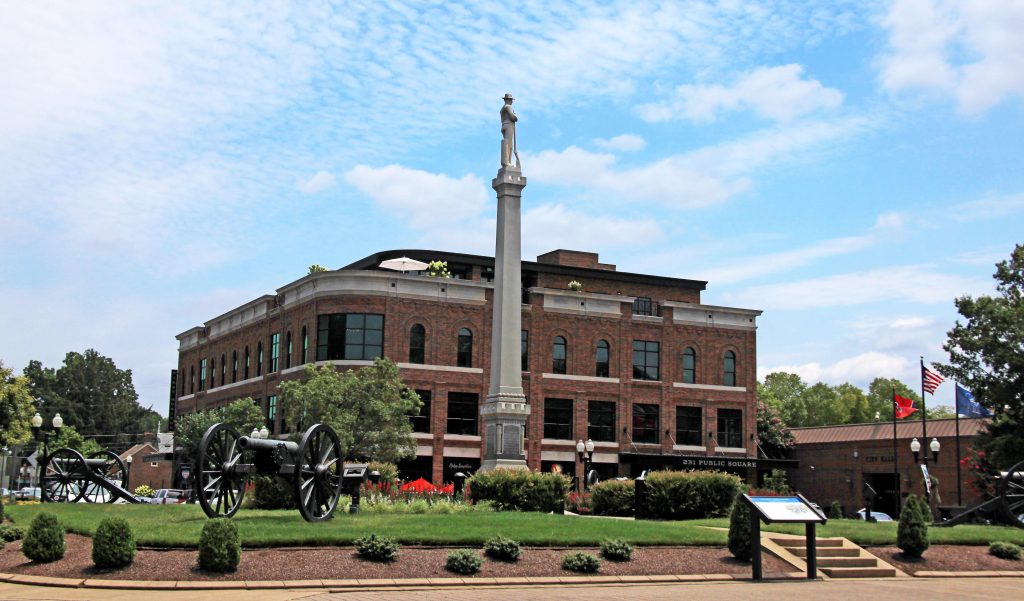
Just beyond these private homes lies the heart of public life in Franklin‘s central square. Here, the town’s main church stands with quiet dignity, its steeple rising above brick storefronts like a timekeeper marking the centuries. Across the street, Civil War cannons sit silently beneath magnolia trees, standing guard over the lawn of the Williamson County Courthouse, where community life has unfolded since 1858. This square has witnessed parades and protests, funerals and festivals, and remains the symbolic center of Franklin’s civic soul.
The surrounding municipal buildings, many carefully restored, blend classical detailing with small-town warmth: wide steps, aged limestone, and windows that seem to glow with memory at dusk. It’s here that history feels fully lived-in: not behind glass, but woven into the town’s heartbeat.
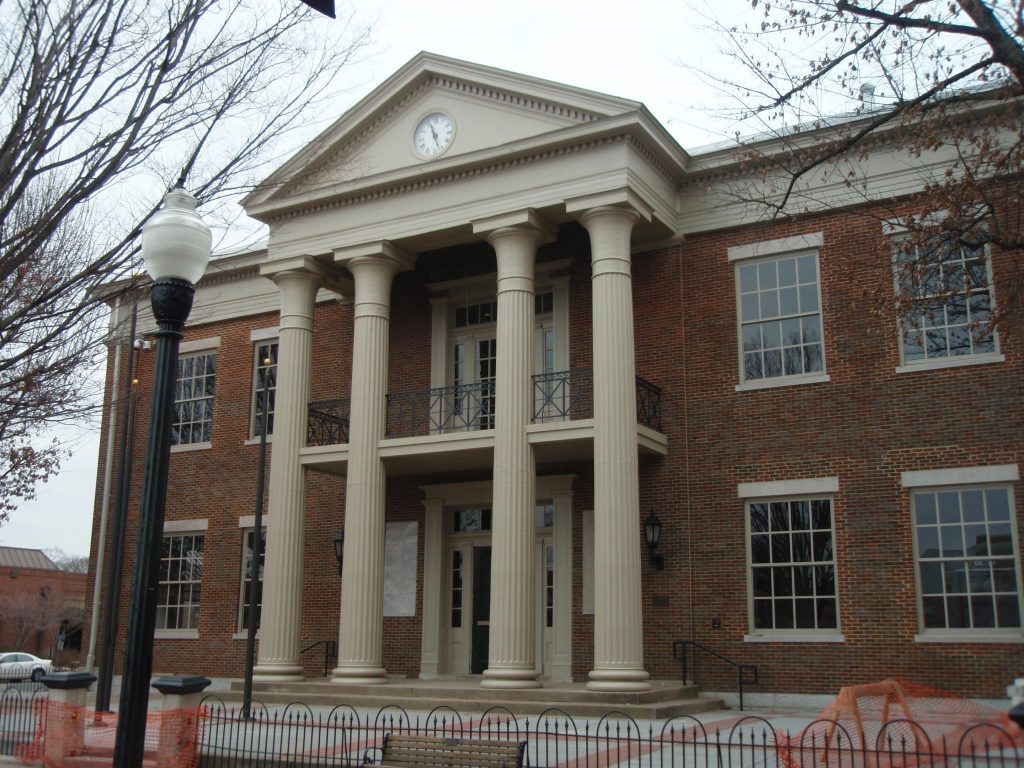
Franklin Today: Timeless, Thoughtful, and Still Singing
Franklin could have faded into obscurity. Instead, it became a model for historical preservation and small-town revival.
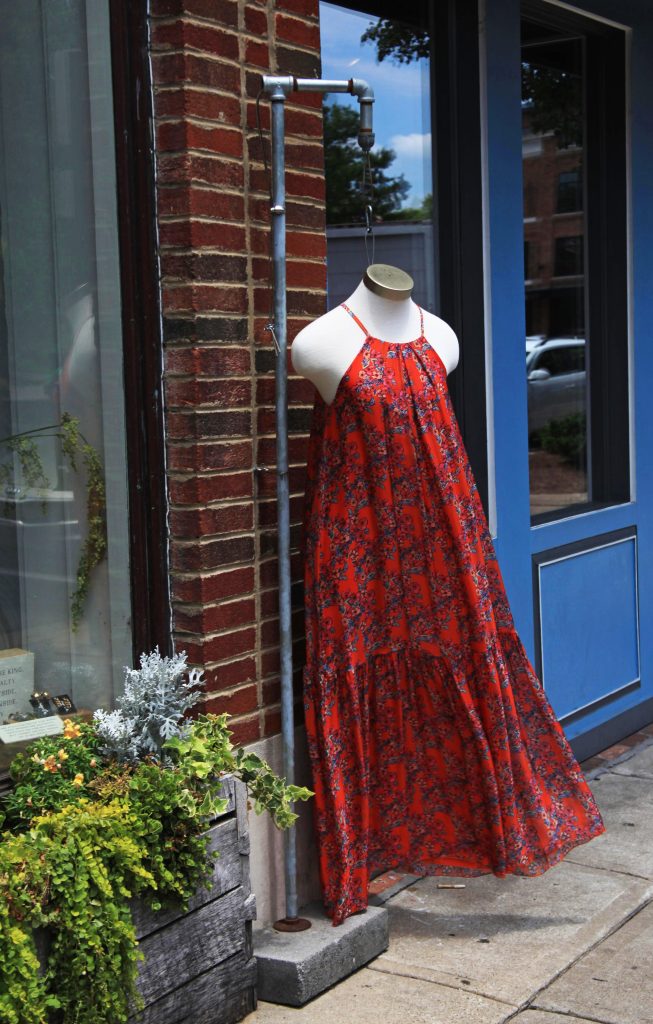
Its downtown thrives without overdevelopment, with antique shops, art galleries, local fashion, and coffee houses that honor their buildings’ pasts. There’s an elegance here—understated and refined. Distressed brick framing white columns, string lights strung over cobblestones, soft drawls drifting through the farmers’ market.
Franklin is a town of festivals and welcoming front porches. It houses:
- Main Street Festival (April): A beloved community event featuring local artisans, live music, and Southern food.
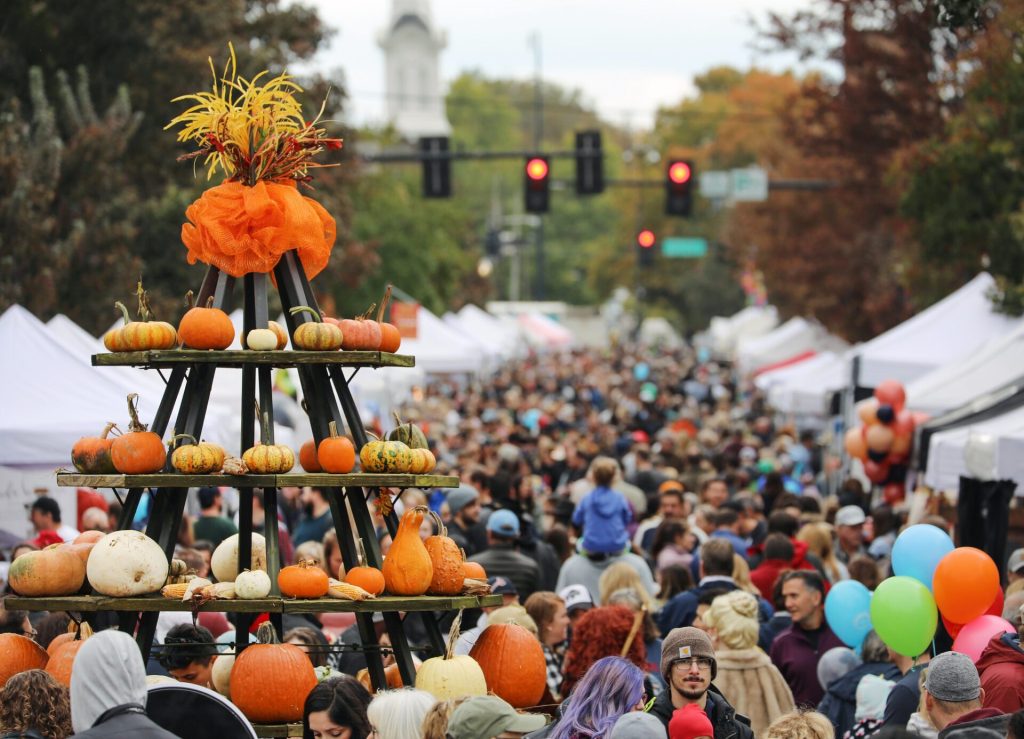
- Pumpkinfest (October): Franklin’s charming answer to autumn, full of pumpkins, hay bales, and family joy.
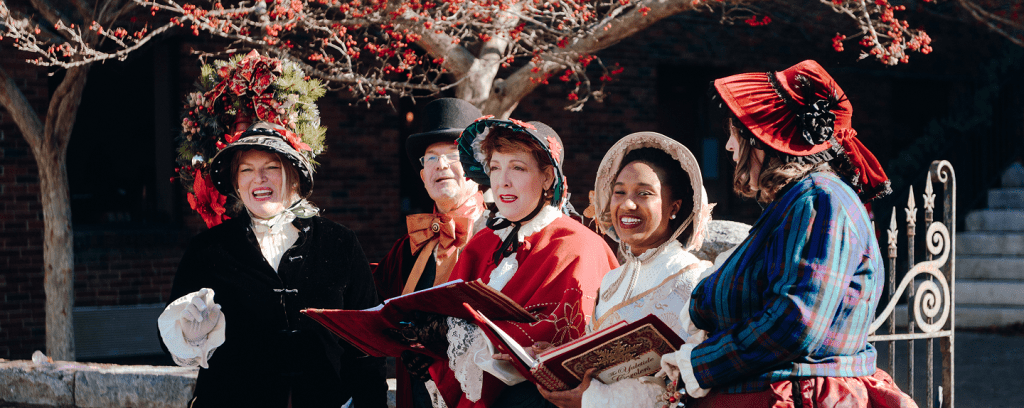
- Dickens of a Christmas (December): A magical transformation where carolers roam the streets in Victorian costume, and the town slips briefly back into another century.
Today, Franklin balances history, culture, and personal character in a way few places do.

Where to Stay in Franklin, United States
Franklin’s downtown provides the most walkable and convenient base for visitors. The Franklin Theatre area and Main Street have several hotels within easy walking distance of restaurants, galleries, and historical sites. The Williamson County Visitor Center can direct you to current options in this central location, close to the city’s core attractions without frequent driving.
For a residential feel, the neighborhoods just south of downtown offer bed and breakfasts and smaller inns. These quieter streets offer good access to Franklin’s main historical sites while maintaining the slower pace many travelers appreciate. Local innkeepers often possess detailed knowledge of the area’s history and can direct you to lesser-known spots worth visiting.
If you prefer chain hotel amenities, Franklin offers mid-range options along the I-65 corridor and near newer shopping areas. These locations are convenient for travelers with cars and typically cost less than downtown lodging. They lack the character of staying on or near Main Street, but offer reliable comfort and standard services.
Consider your priorities: walkability and historical atmosphere point you toward downtown or nearby residential streets, while convenience and budget favor chain hotels further from center. Franklin is small enough that even the outskirts lie only minutes from downtown, so your choice of lodging won’t significantly limit your exploration of the city’s past.
Recommended Reading
Fiction
- Widow of the South by Robert Hicks
A haunting, richly researched novel set in and around Carnton Plantation during and after the Battle of Franklin. It’s atmospheric, tragic, and deeply tied to the landscape. - A Separate Country by Robert Hicks
Though set in New Orleans, this spiritual follow-up to Widow of the South reflects on the postwar lives of Confederate soldiers, including ties to Franklin’s war-torn legacy. - All the Truth That’s in Me by Julie Berry
A lyrical, unsettling YA novel that feels at home in a rural 19th-century Southern setting, full of repression, resilience, and the weight of memory.
Non-Fiction
- This Cruel War: The Civil War Letters of Grant and Malinda Taylor, 1862-1865 edited by Mark M. Smith
A collection of letters between an enslaved man conscripted into Confederate service and his wife. Offers a deeply personal lens on the war that reached Franklin’s doorsteps. - Battle of Franklin: When the Devil Had Full Possession of the Earth by James R. Knight
A vivid, boots-on-the-ground account of the five-hour clash that defined Franklin’s Civil War story, detailed and immersive. - Carnton Plantation Ghost Stories by J.H. Markham
A slimmer volume, but rich in local lore and atmosphere, blending fact and legend in the rooms and fields where echoes still linger.
Tours to Consider: