Where Stone Touches Sky and the Medieval Rivalries Still Echo
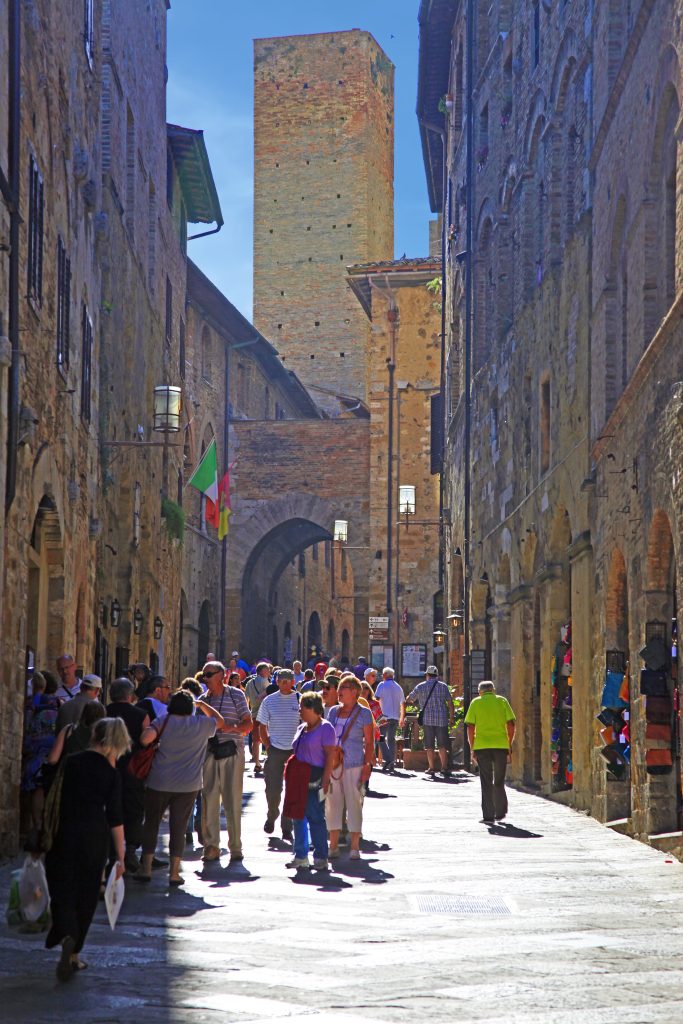
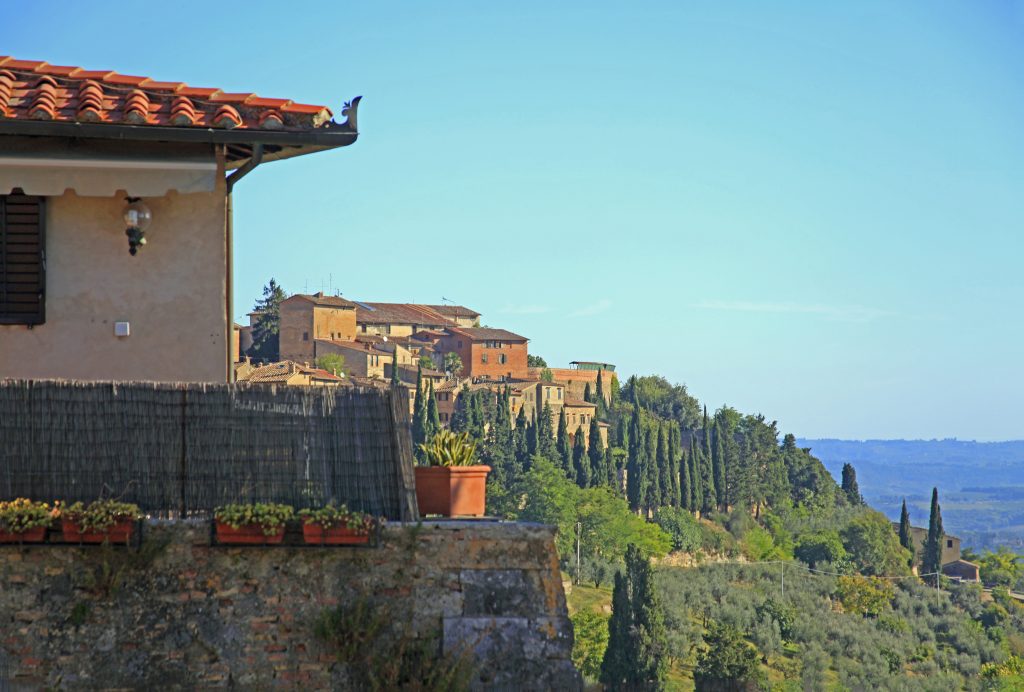
In the hills of Tuscany, between Siena and Florence, a walled town rises like a dream of the Middle Ages. Its stone towers catch the sun, its streets wind with purpose, and its air smells faintly of earth, olive oil, and memory. San Gimignano is not large. But it looms—in the imagination, in the skyline, and in the soul.
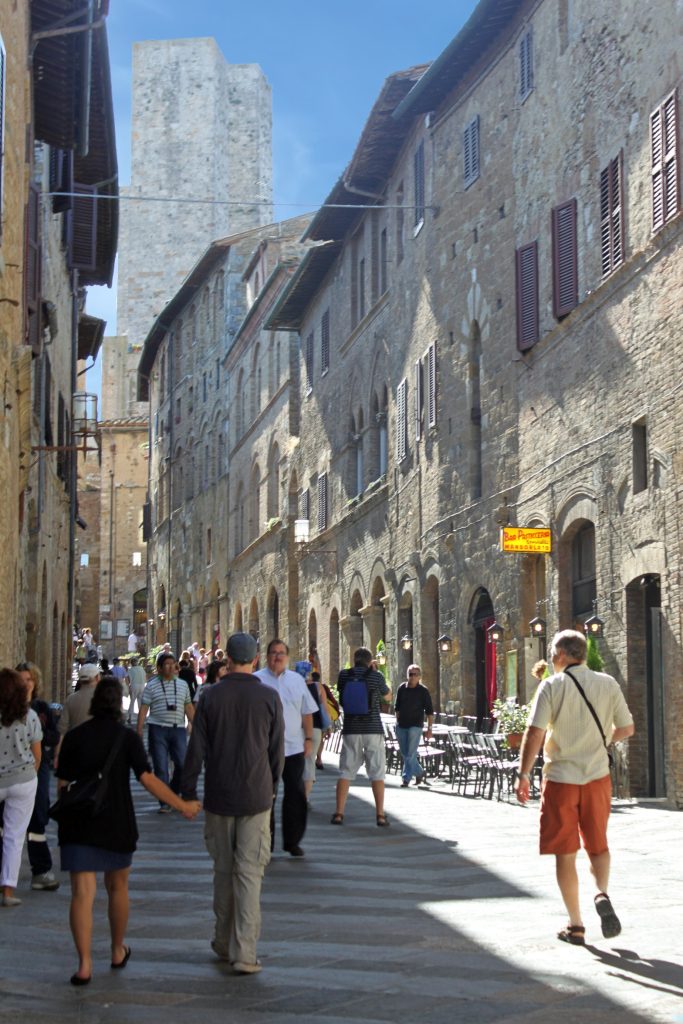
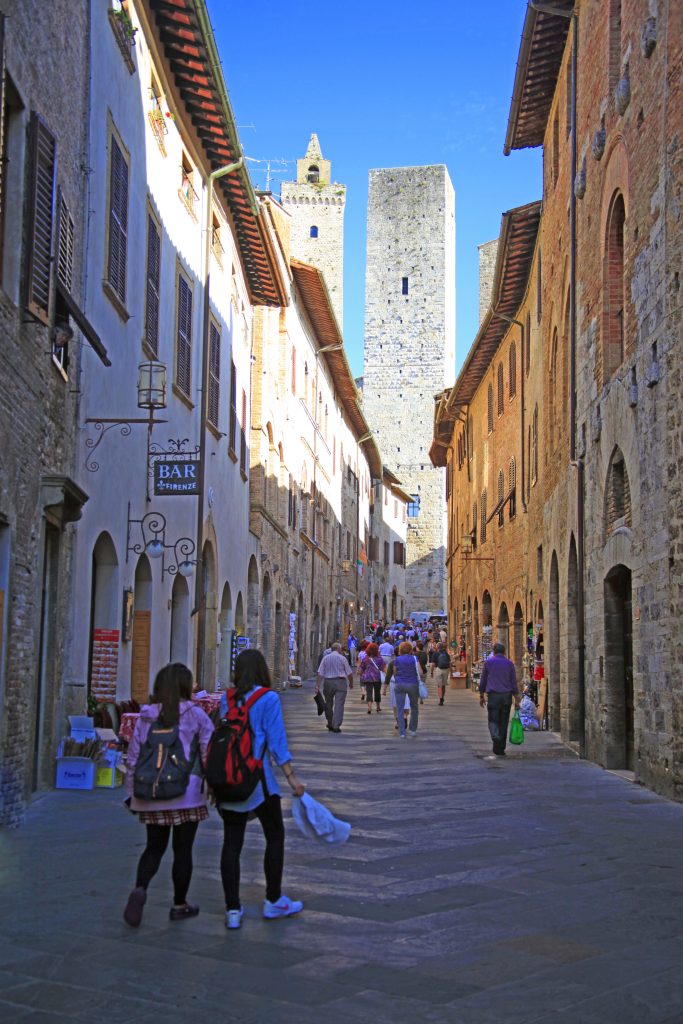
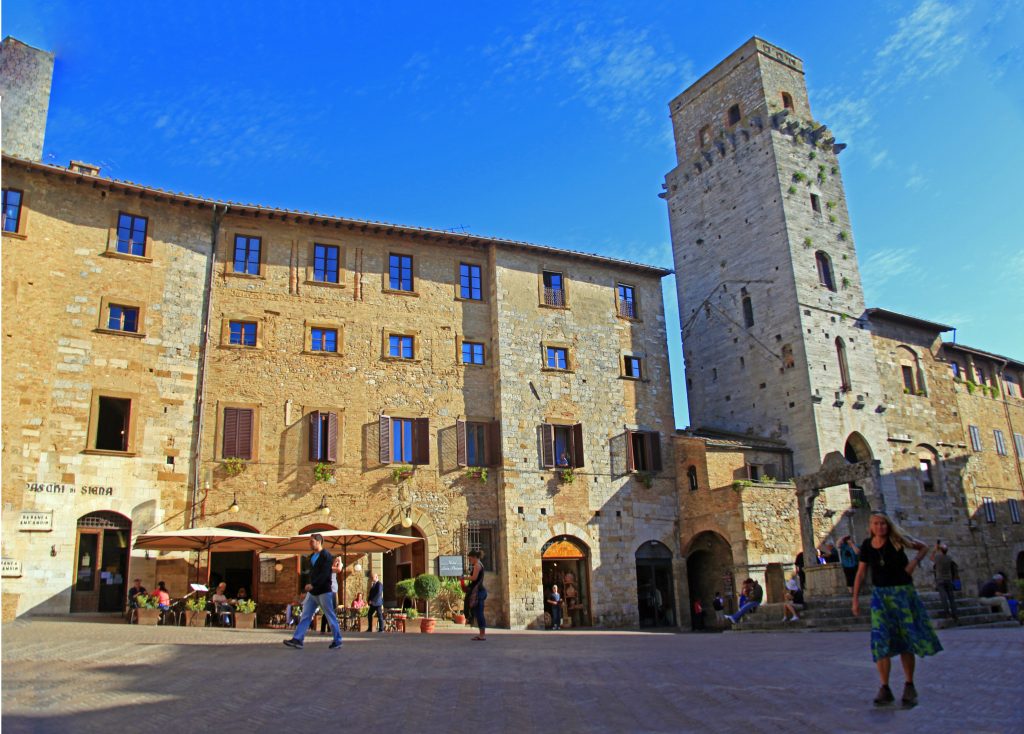
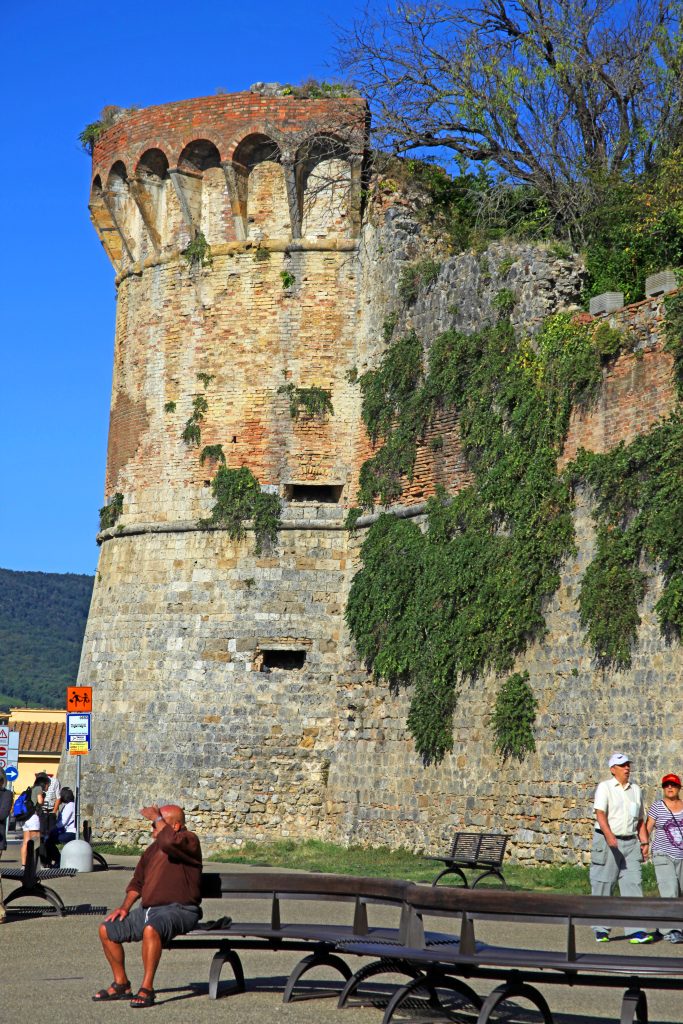
Known as the “Medieval Manhattan” for its improbable collection of towers—more than 70 at its height—San Gimignano feels like a place caught mid-story. A town that flourished, paused, and never quite unraveled. Its walls still stand. Its towers still reach. And its heart still beats with the rhythm of footsteps on stone.
To walk San Gimignano is to walk through centuries: past frescoes that once taught the illiterate, past wells that once saved the besieged, past walls that have withstood time and tide.
A Towering Medieval Power
San Gimignano takes its name from Bishop Geminianus, who, according to tradition, miraculously protected the town from Hun invaders in the 4th century. But it was in the 12th to 14th centuries that the town truly rose—both figuratively and literally.
Positioned along the Via Francigena, the great pilgrimage road from Canterbury to Rome, San Gimignano became a key trading post. Wealth flowed in from saffron, wine, and wool, and with it came power—and the architecture to prove it.
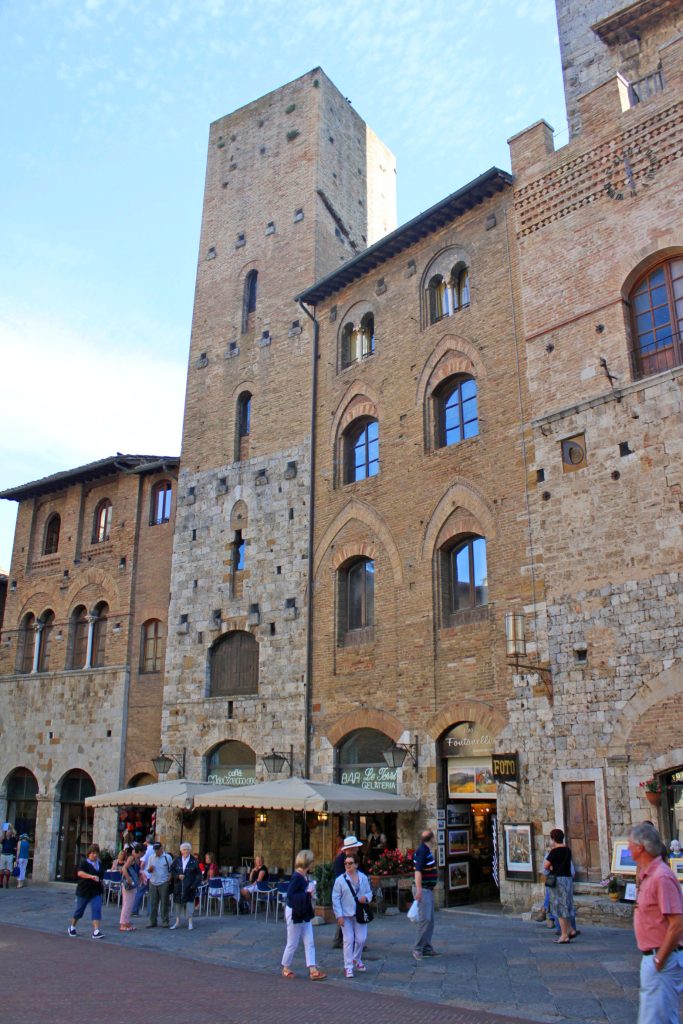
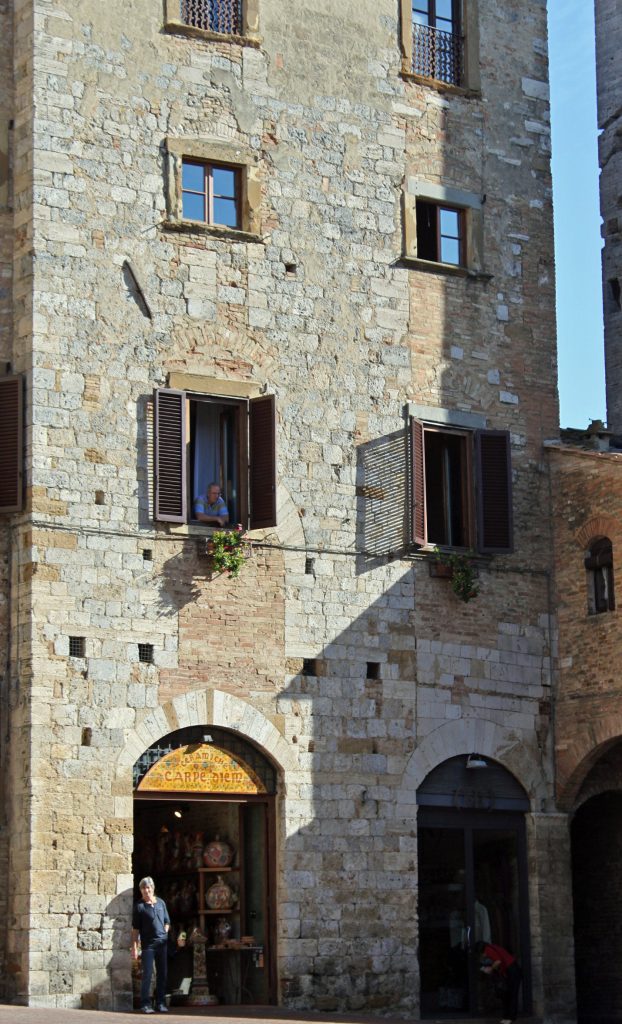
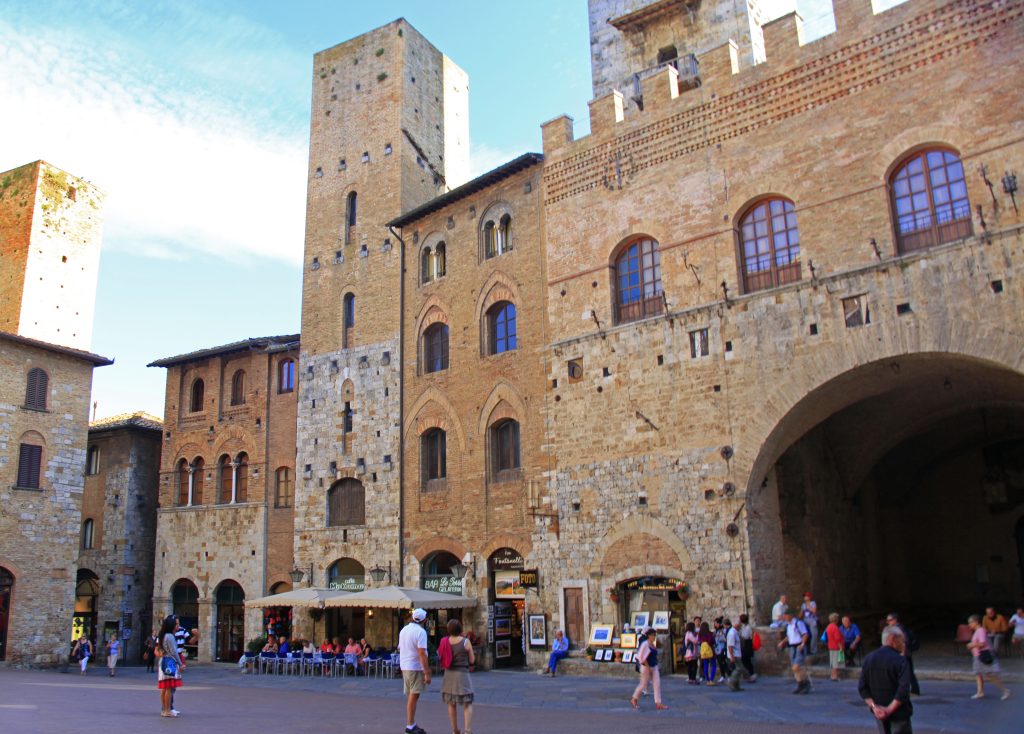
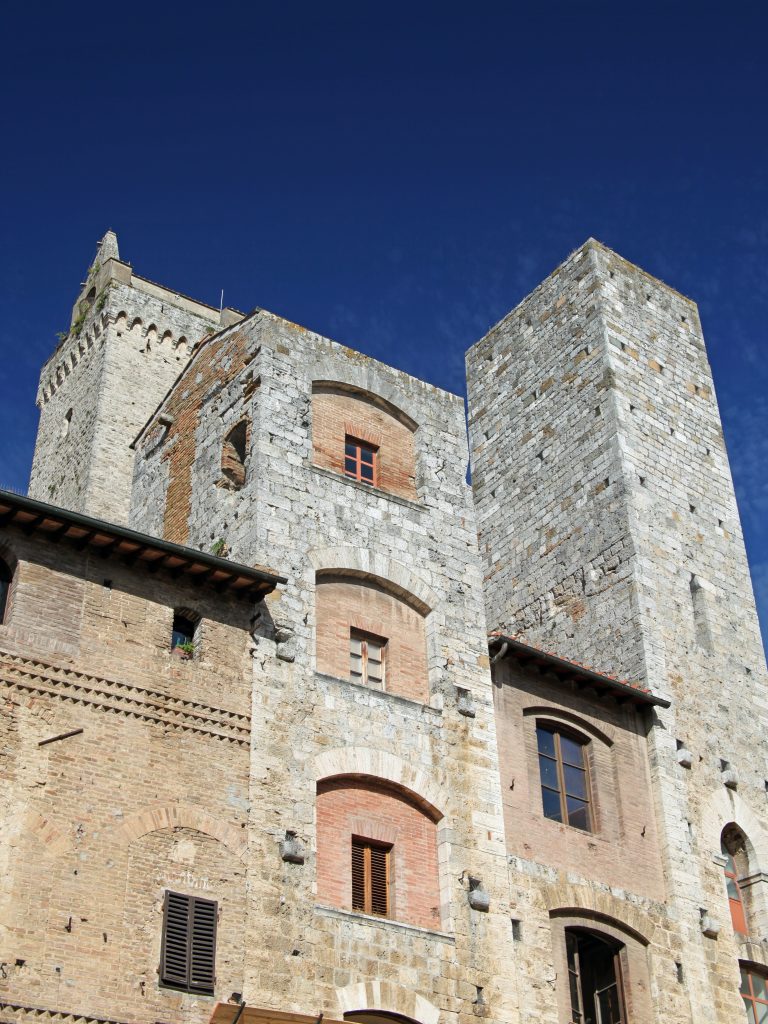
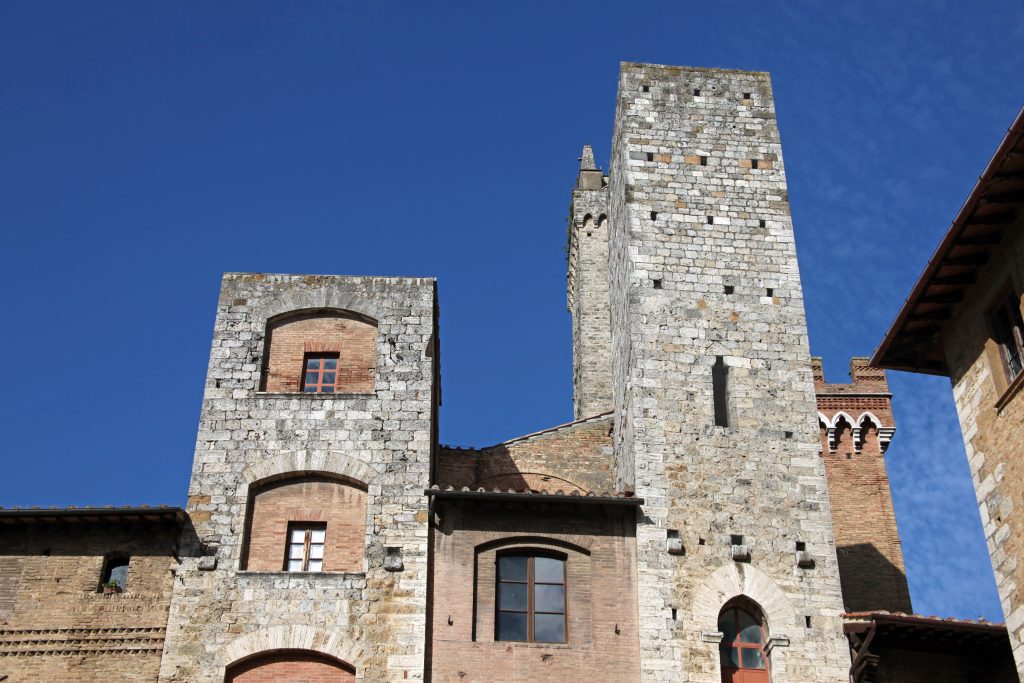
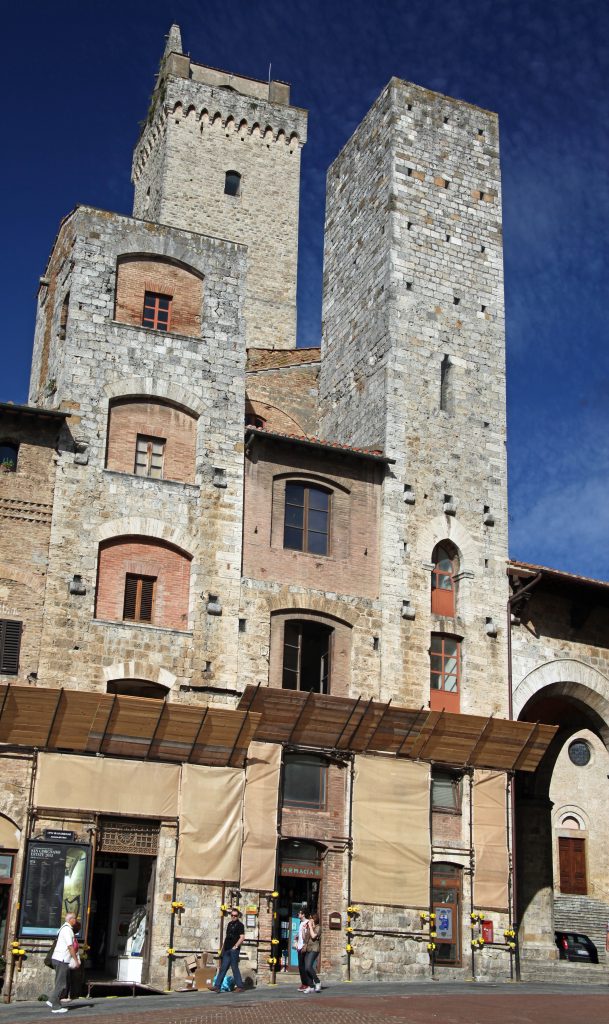
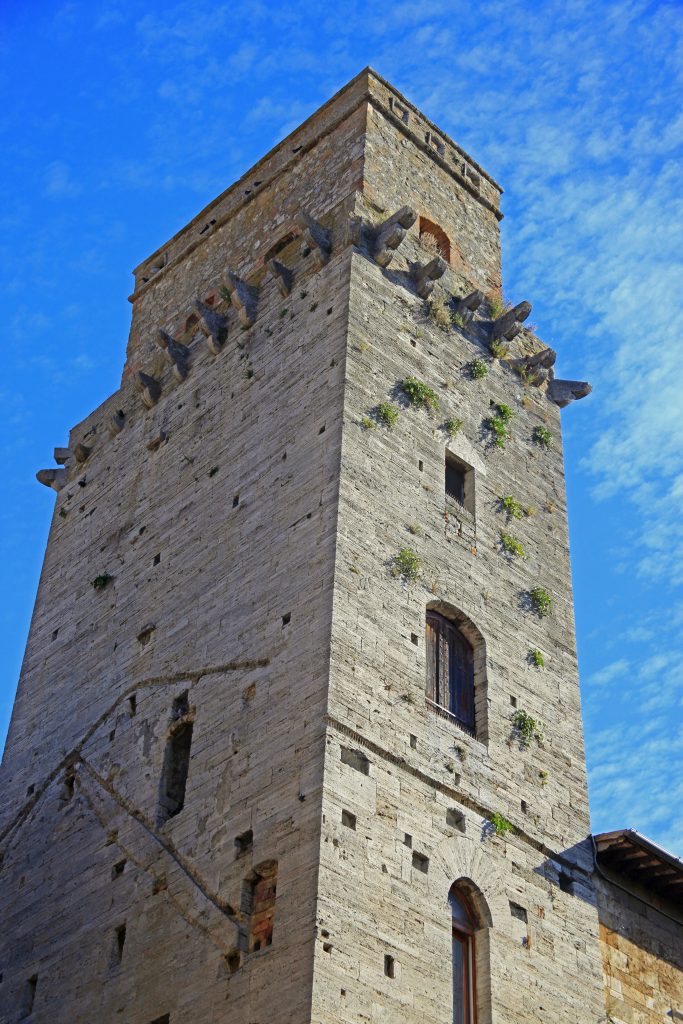
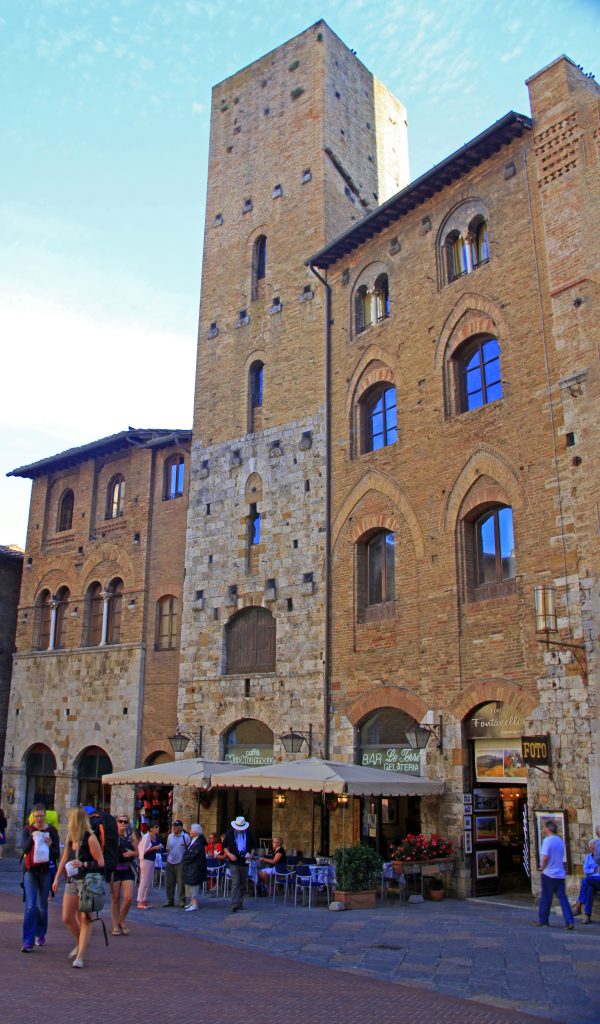
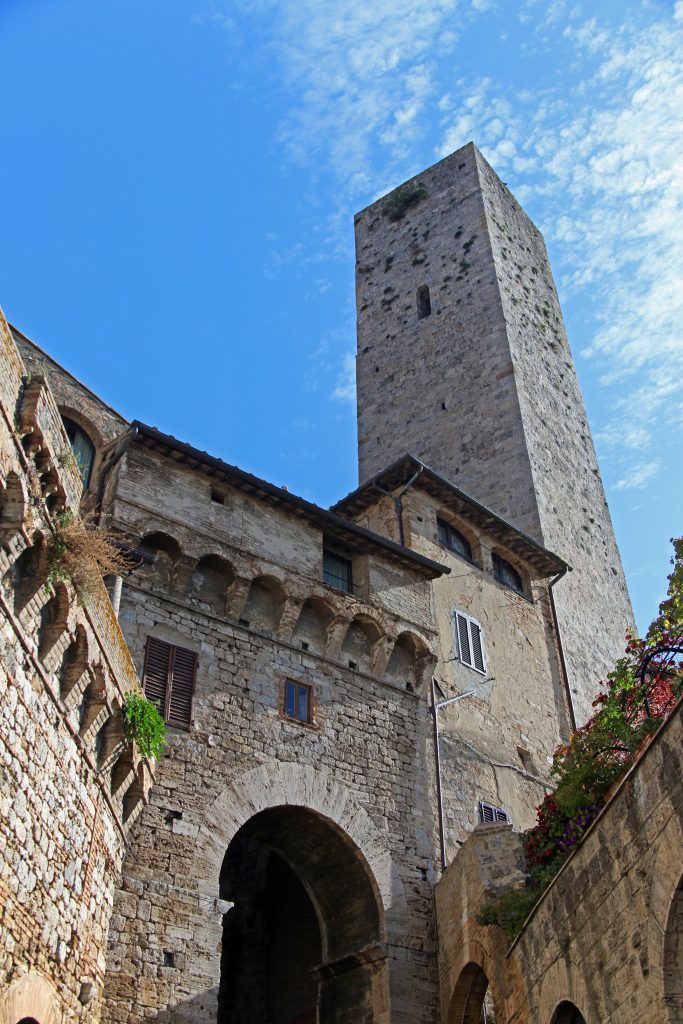
Wealthy families began building tower houses—not just as homes, but as symbols of prestige and competition. The taller the tower, the greater the family’s standing. By the 1300s, there were over 70 towers, piercing the skyline like a stone forest.
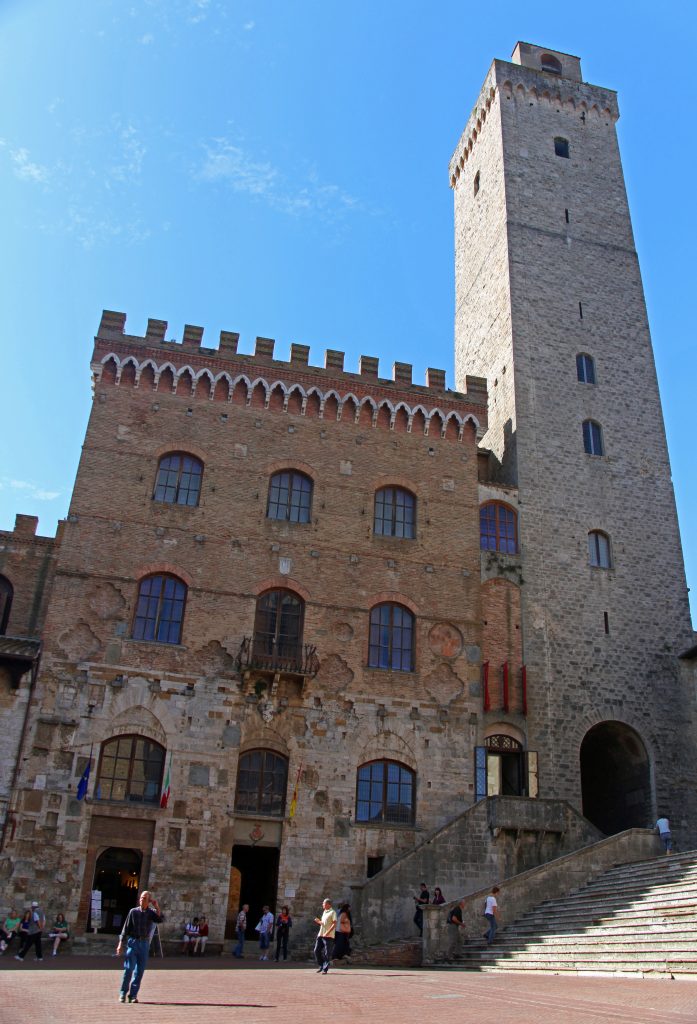
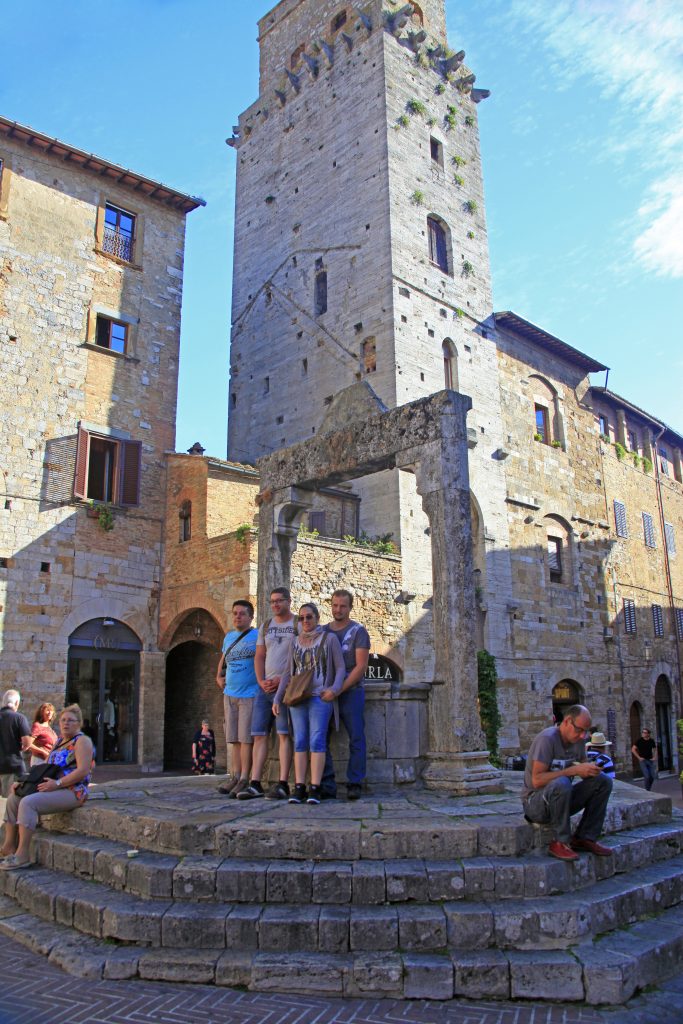
Only 14 remain today, but their vertical grace still defines the town. Torre Grossa, the tallest, rises 54 meters above the Piazza del Duomo and is open to the public. Climb it, and you’ll see the patchwork of Tuscan hills unroll like a painting, unchanged in centuries.
Towers of Power, Towers of Fear: A Town Built on Rivalry
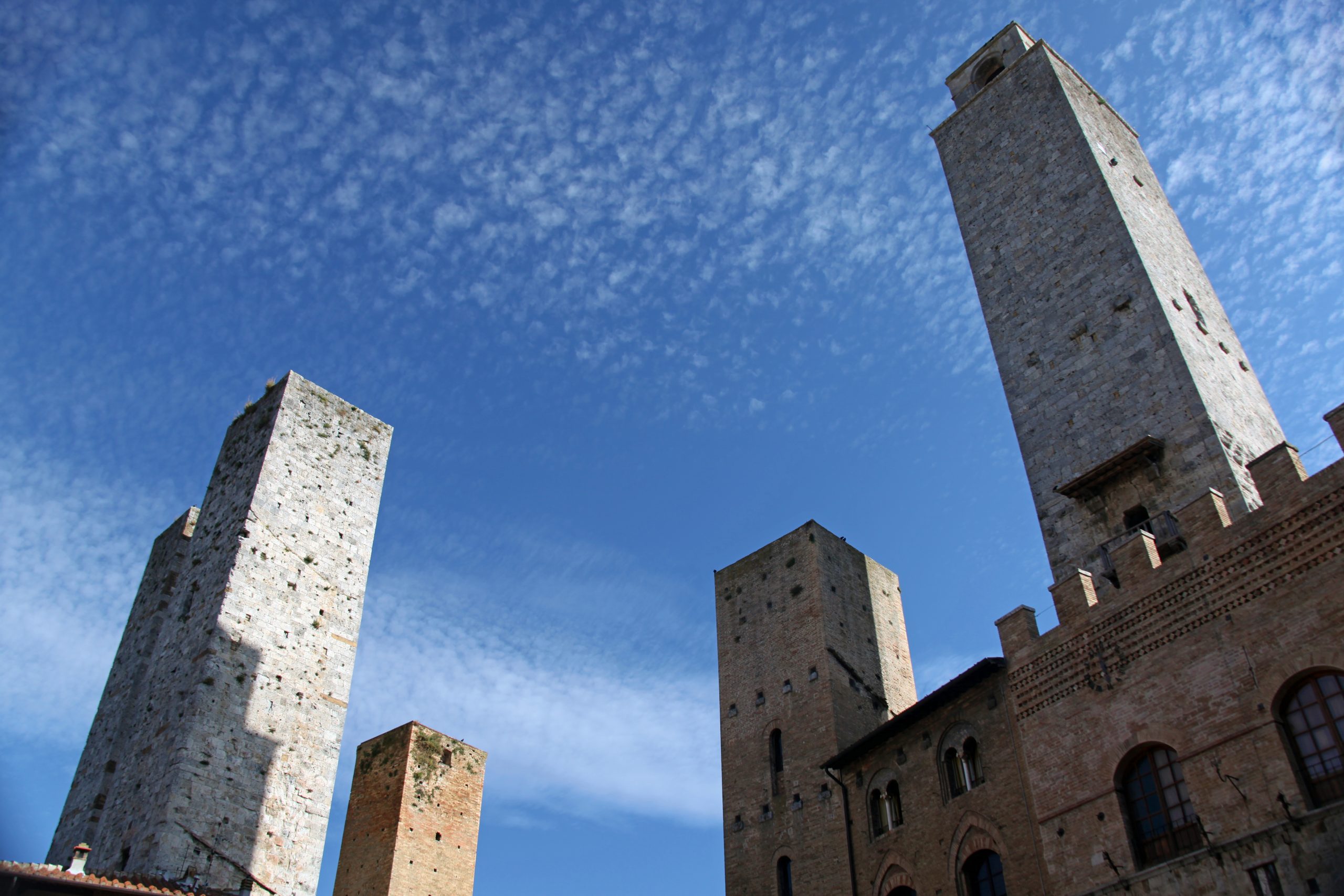
These towers were not simply architectural flourishes. They were born of conflict, family pride, and deep distrust.
Like many Tuscan communes, San Gimignano in the medieval and Renaissance eras was riven by factional and familial strife. The city was split between powerful clans—often aligned with either the Guelphs (papal supporters) or the Ghibellines (imperial loyalists). These rivalries turned the town into a vertical battlefield, where height meant dominance, and stone offered both status and security.
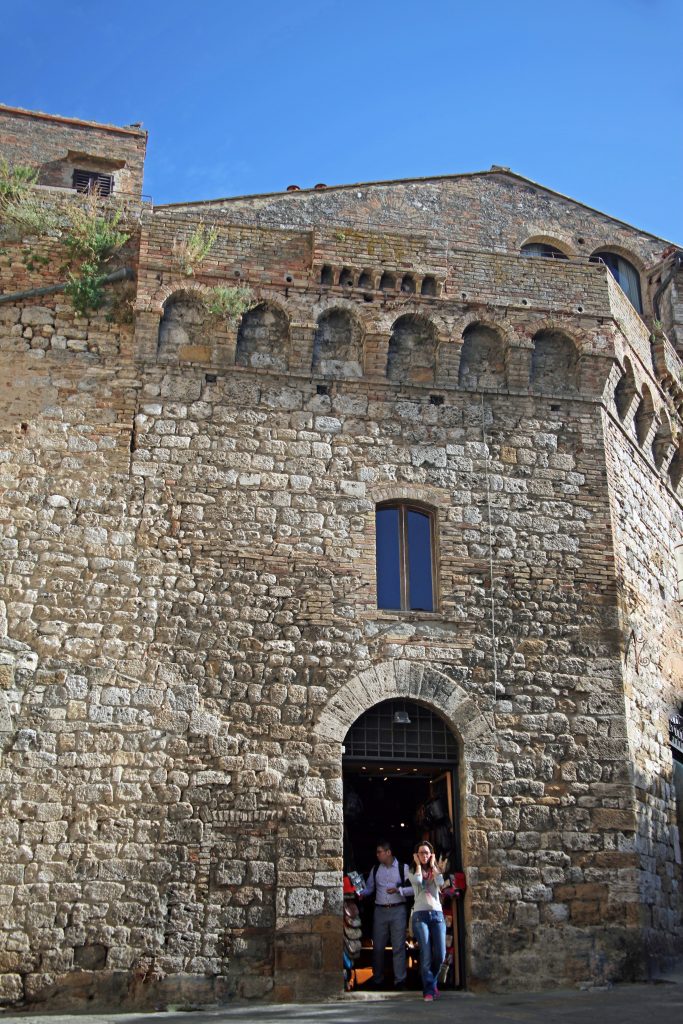
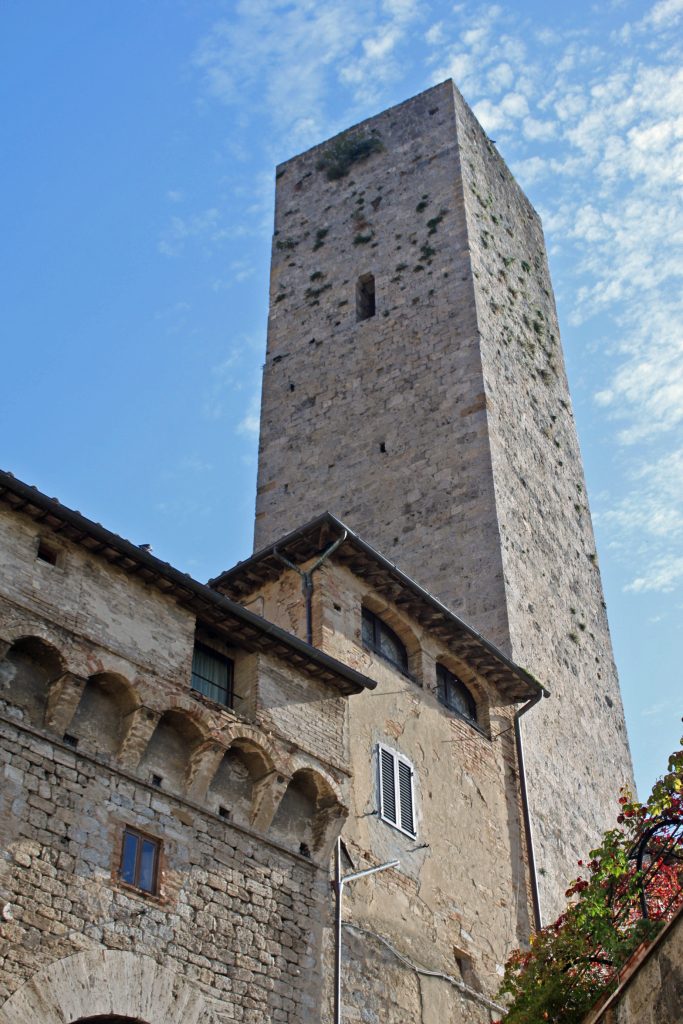
- Each family’s tower served as a fortress as much as a home, with thick walls, high windows, and often only one guarded entrance.
- During times of violence or siege, families would retreat inside, pulling up wooden ladders or crossing through hidden passageways to adjacent safe houses.
- So competitive did the tower-building become, that laws were eventually passed to limit tower height, though enforcement was often symbolic.
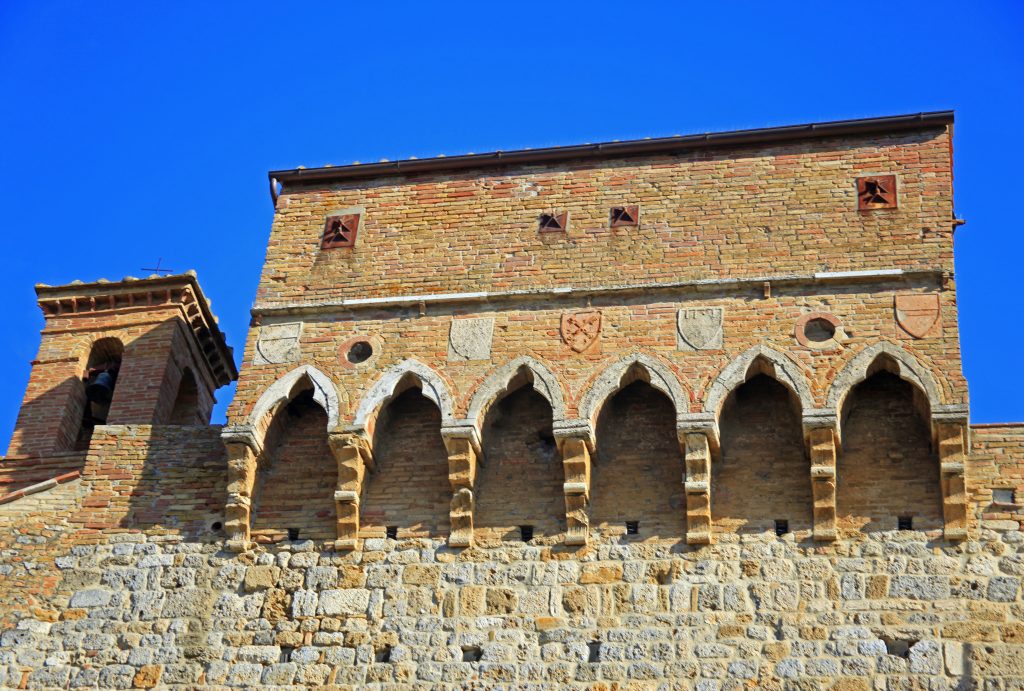
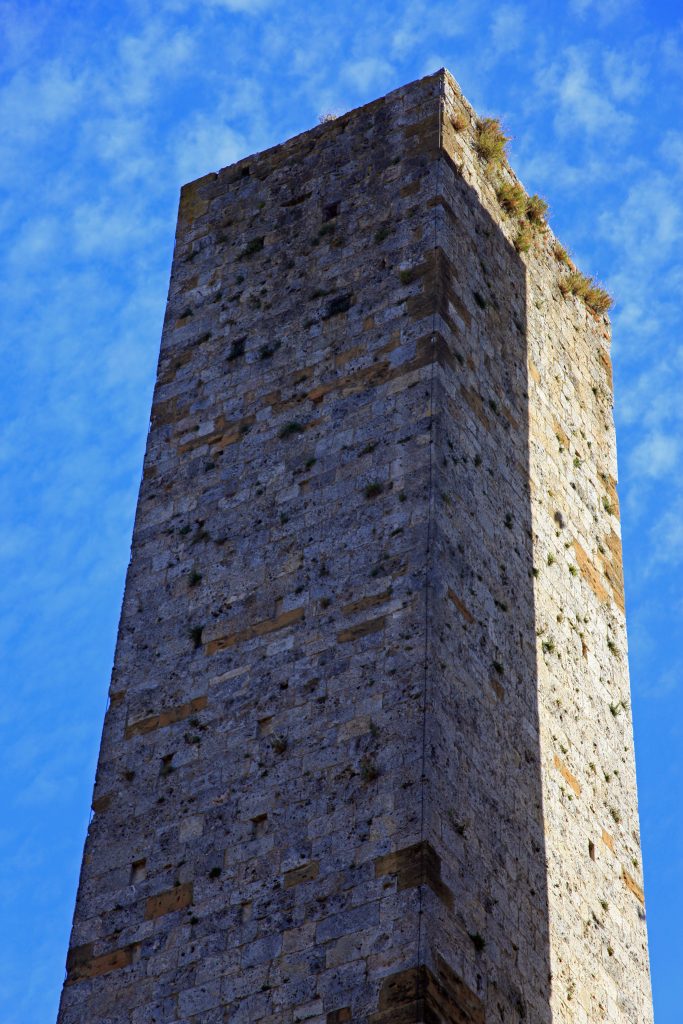
By the early 14th century, San Gimignano’s skyline was a contest in masonry—a display of wealth, power, and paranoia. The fact that so many towers still stand, silent but resolute, is a testament not only to the skill of their builders but to the intensity of the rivalries that created them.
Frescoes, Faith, and Civic Pride
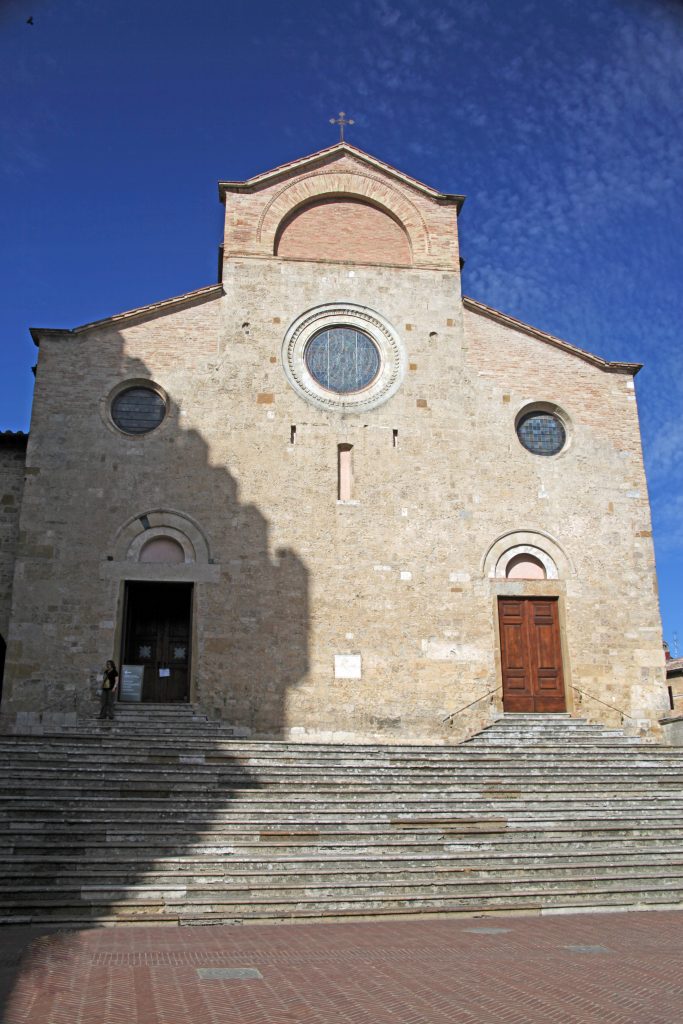
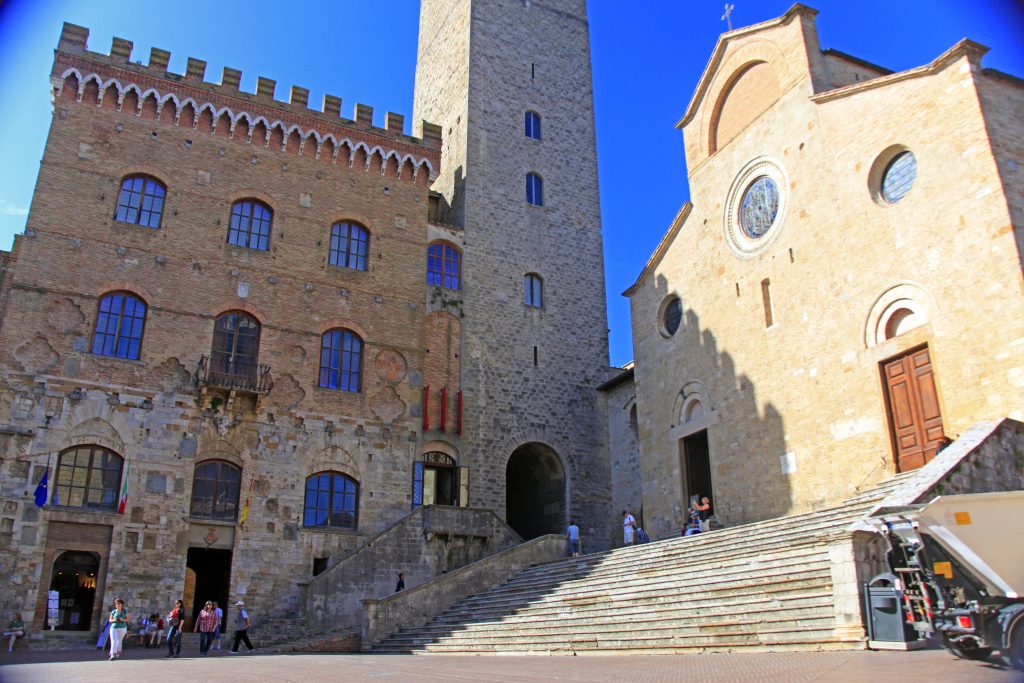
At the center of town, the Collegiata (Duomo) of San Gimignano may seem modest on the outside, but inside it glows with 14th-century frescoes so vivid they almost breathe. Painted by masters of the Sienese school, the walls narrate scenes from the Old and New Testaments—a medieval storybook in ochre and gold.
Next door, the Palazzo Comunale houses the town’s civic museum and the ornate Sala di Dante, named after the poet who visited in 1300. Here you’ll also find works by Filippino Lippi and Benozzo Gozzoli, tucked in rooms that once held council meetings and civic ceremonies.
Even the smaller churches—like Sant’Agostino, with its glowing fresco cycle by Benozzo Gozzoli—hold treasures worthy of Florence or Siena.
The Stones Remember Everything
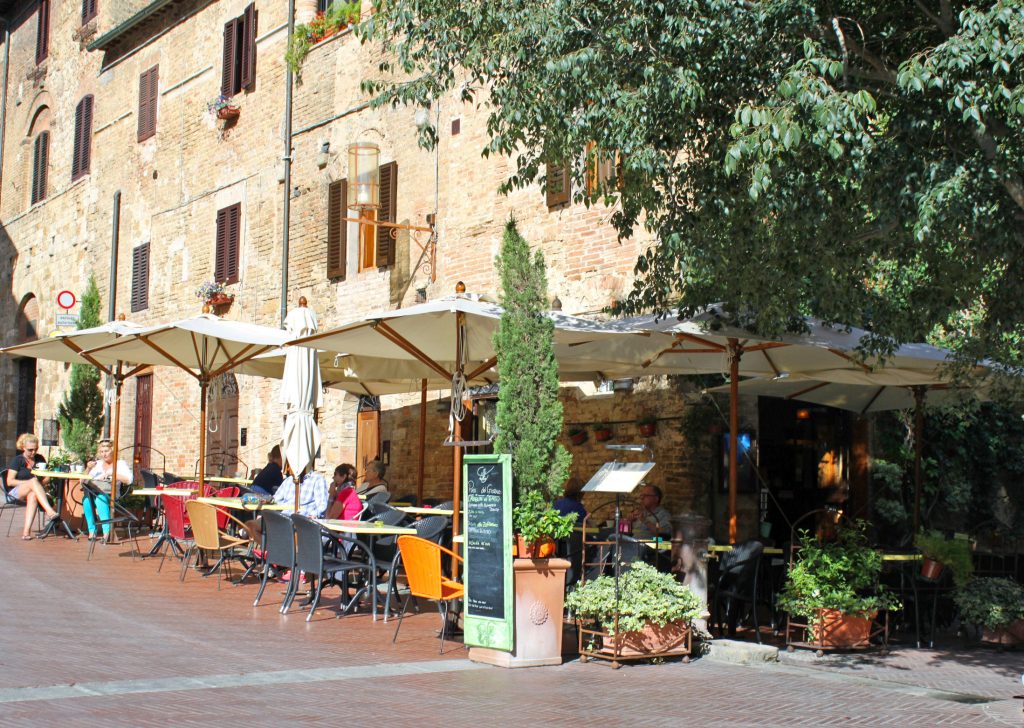
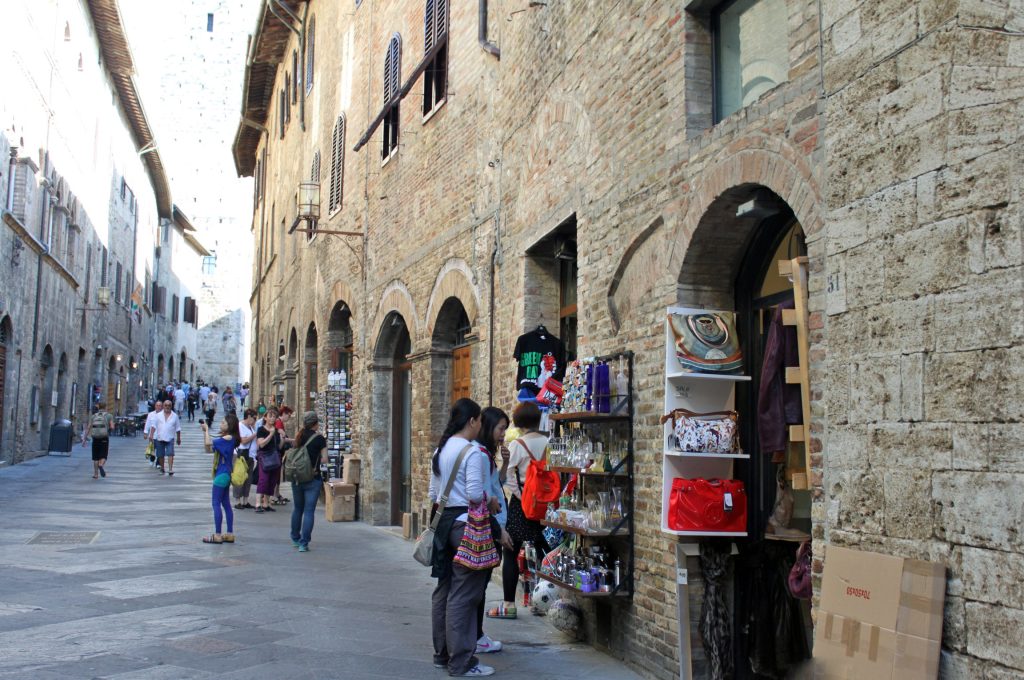
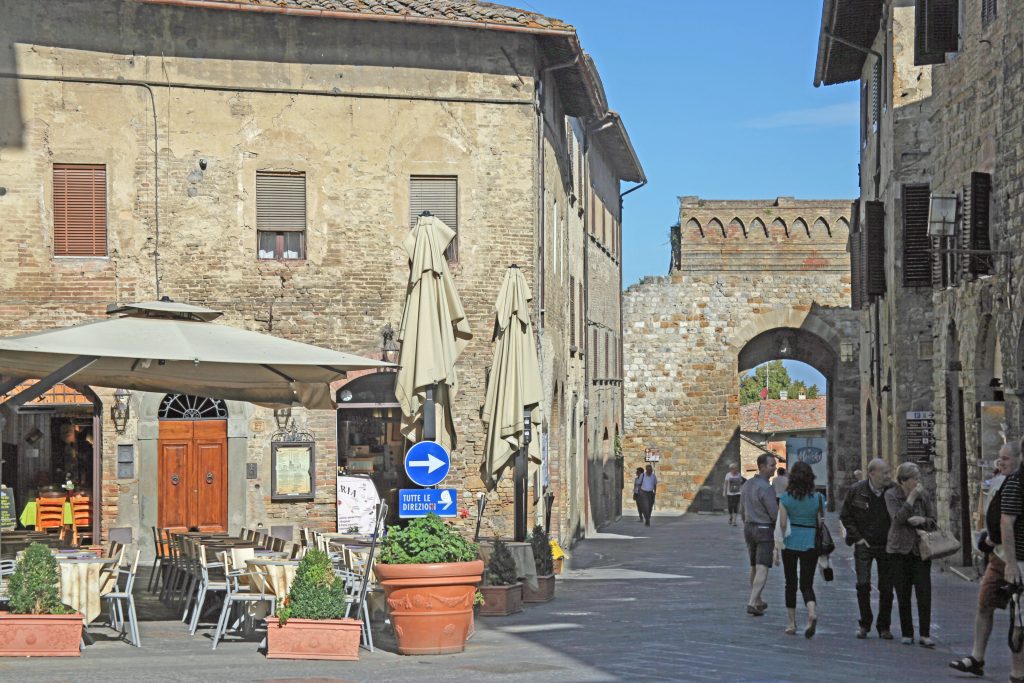
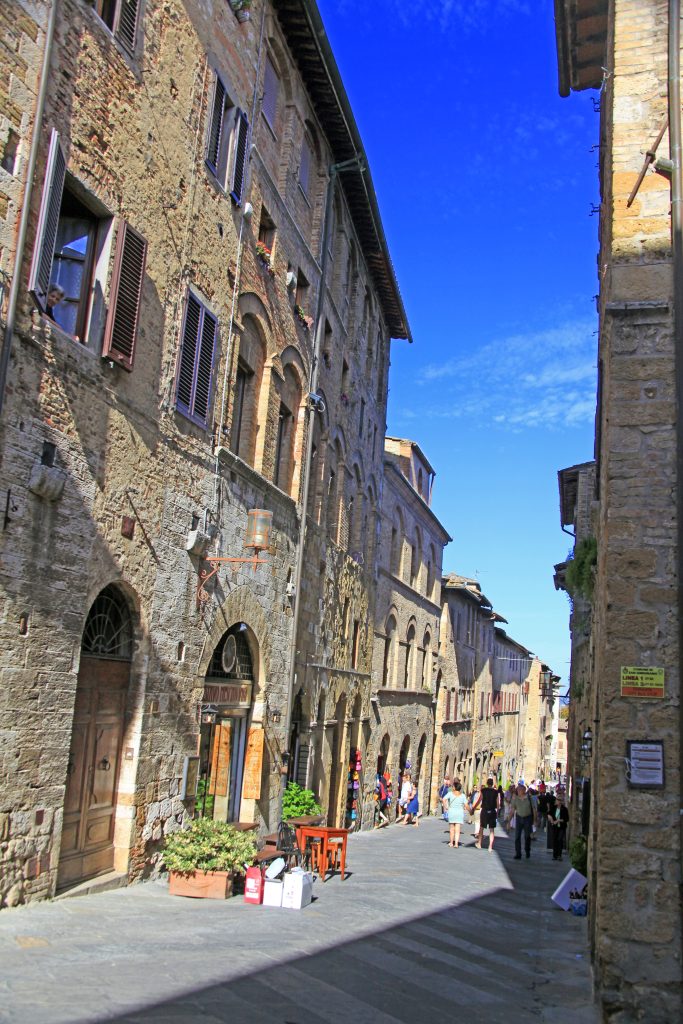
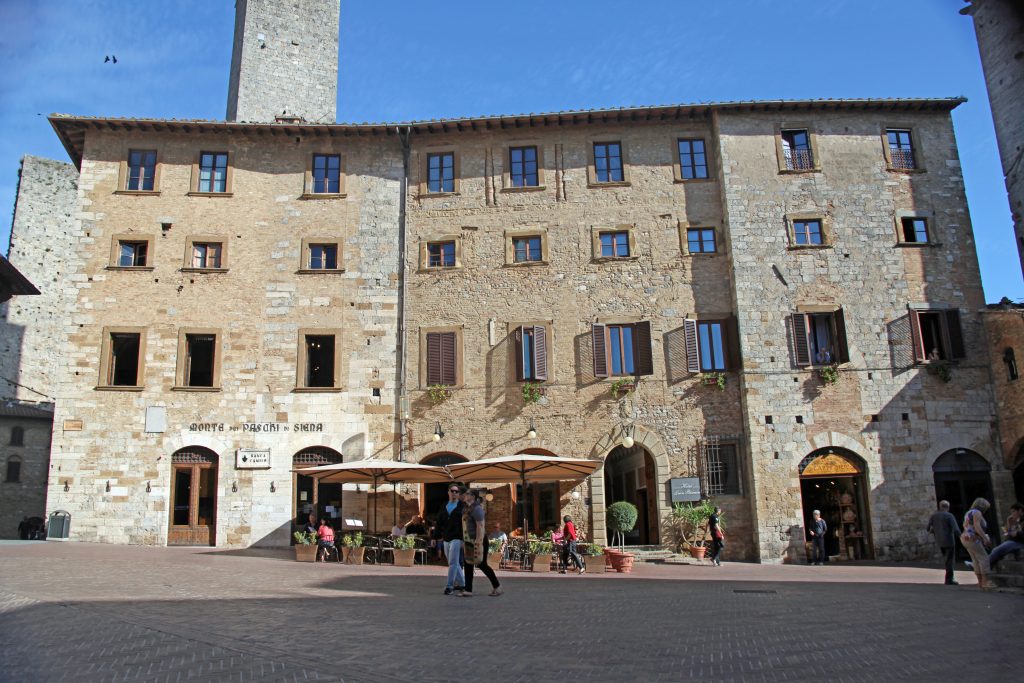
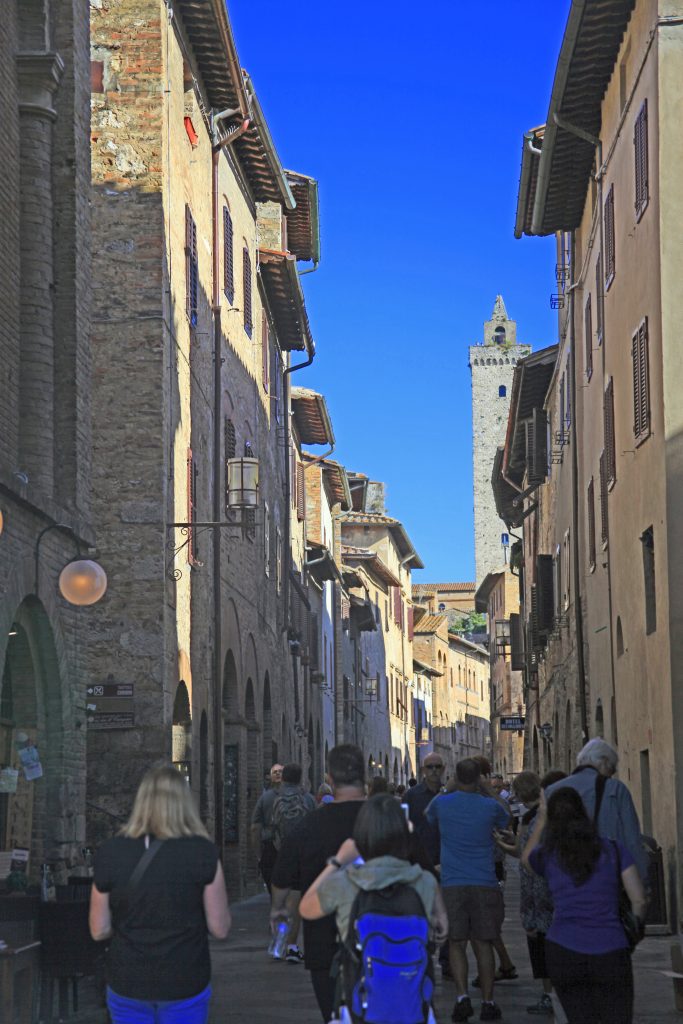
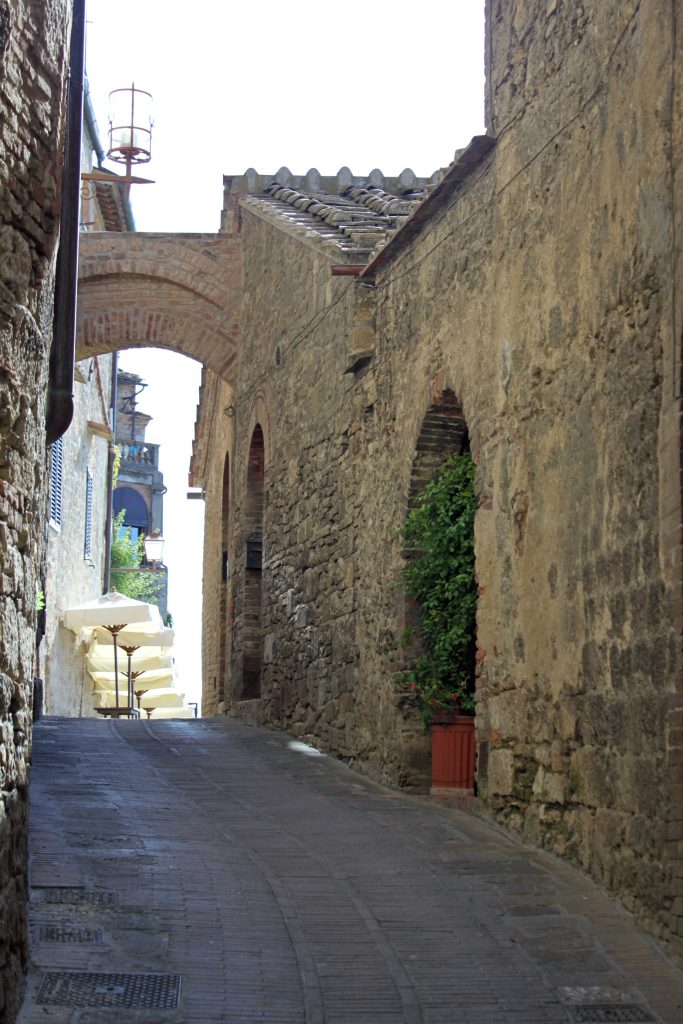
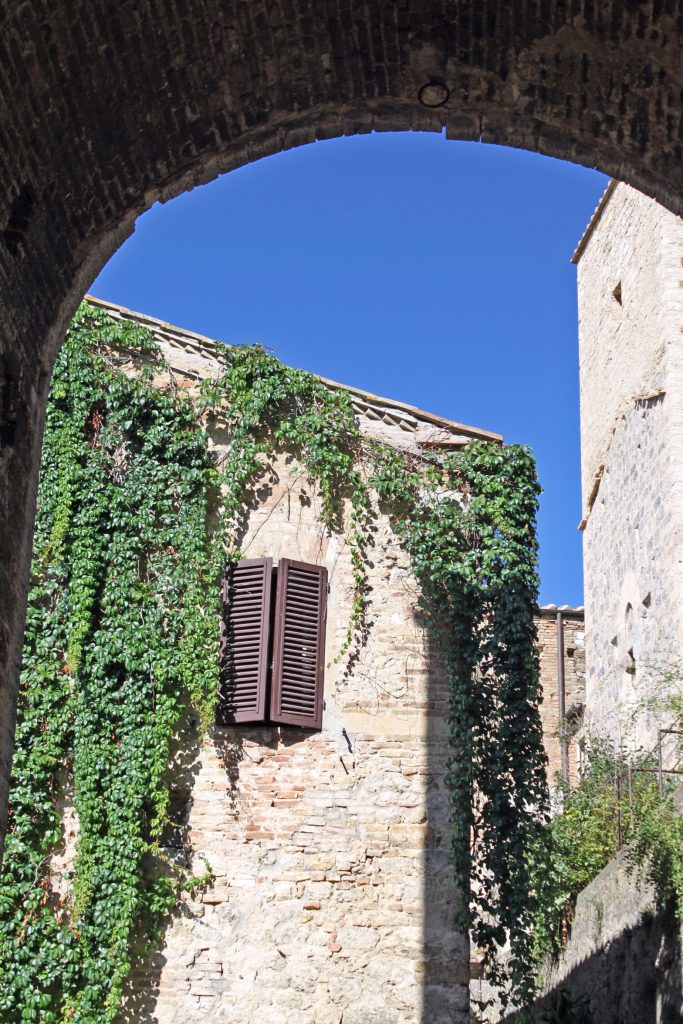
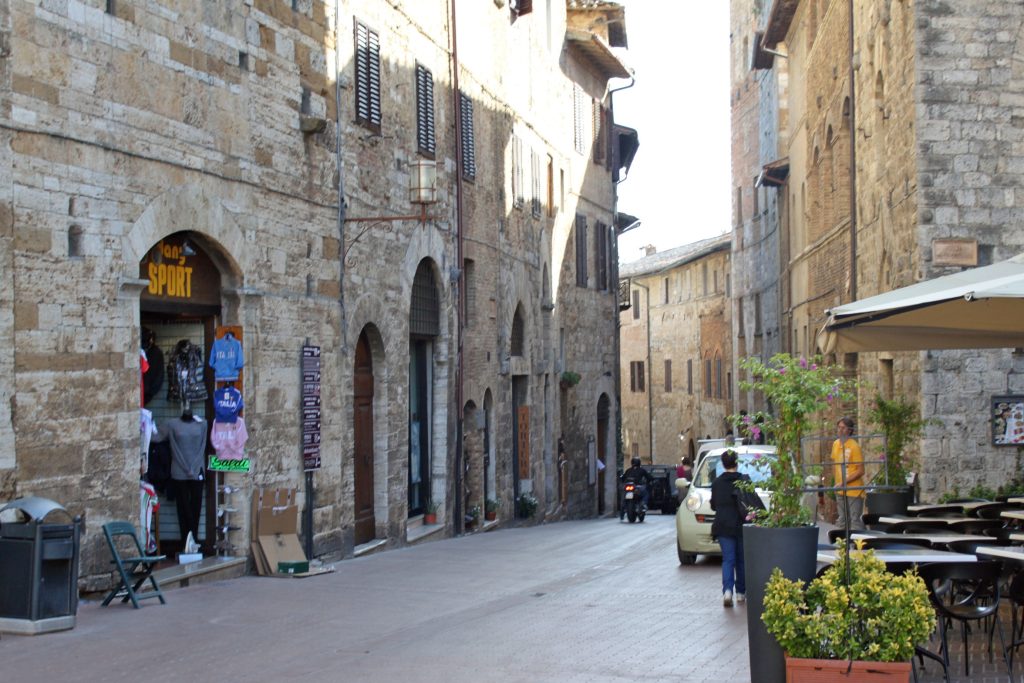
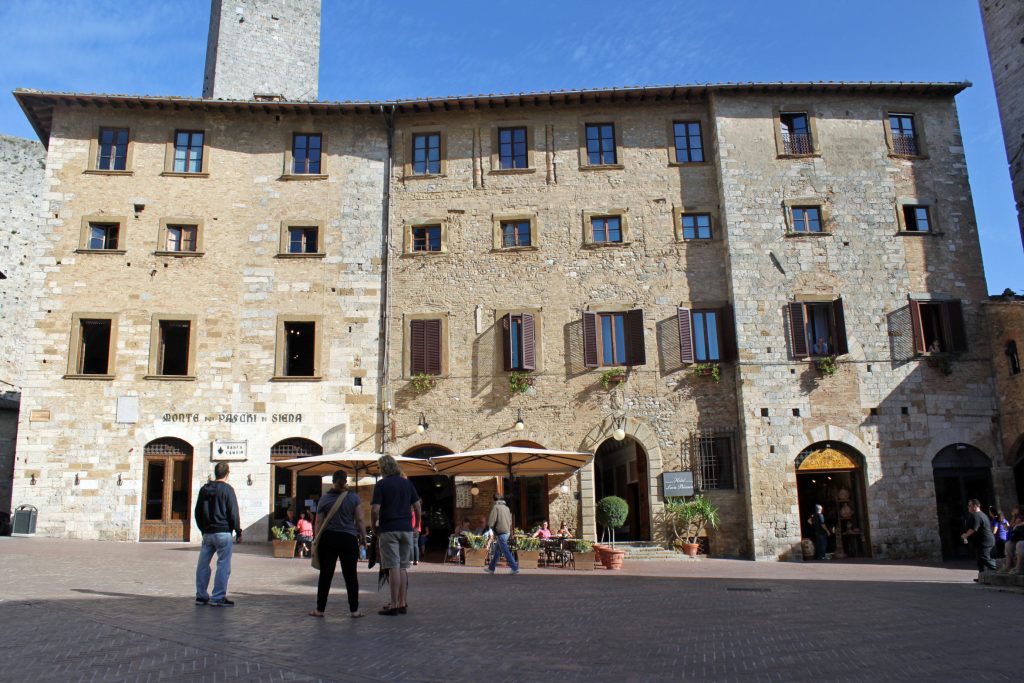
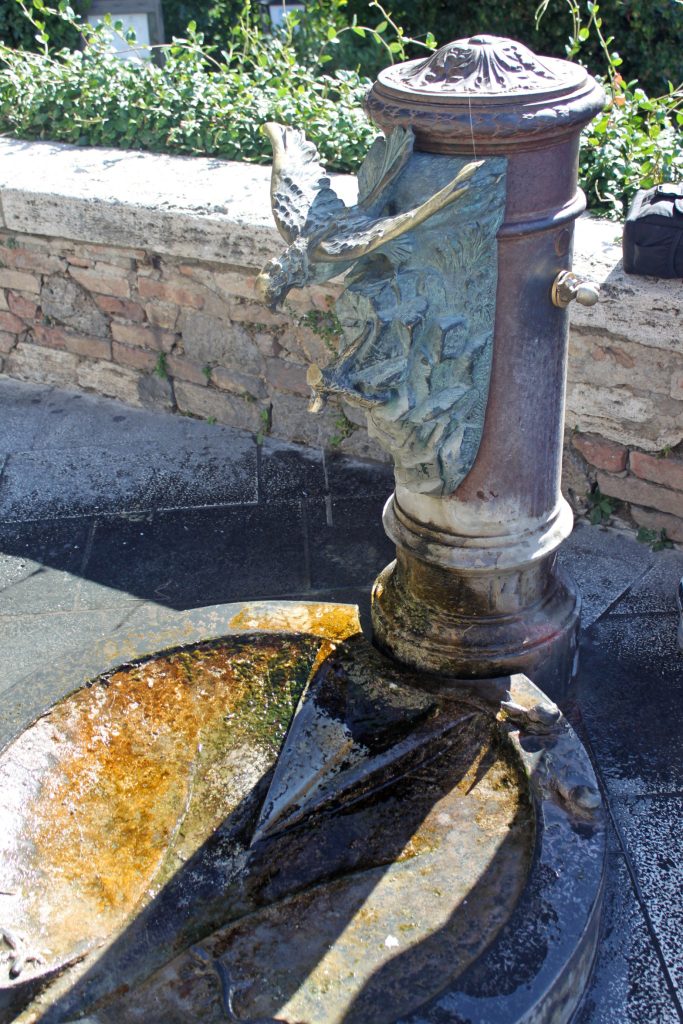
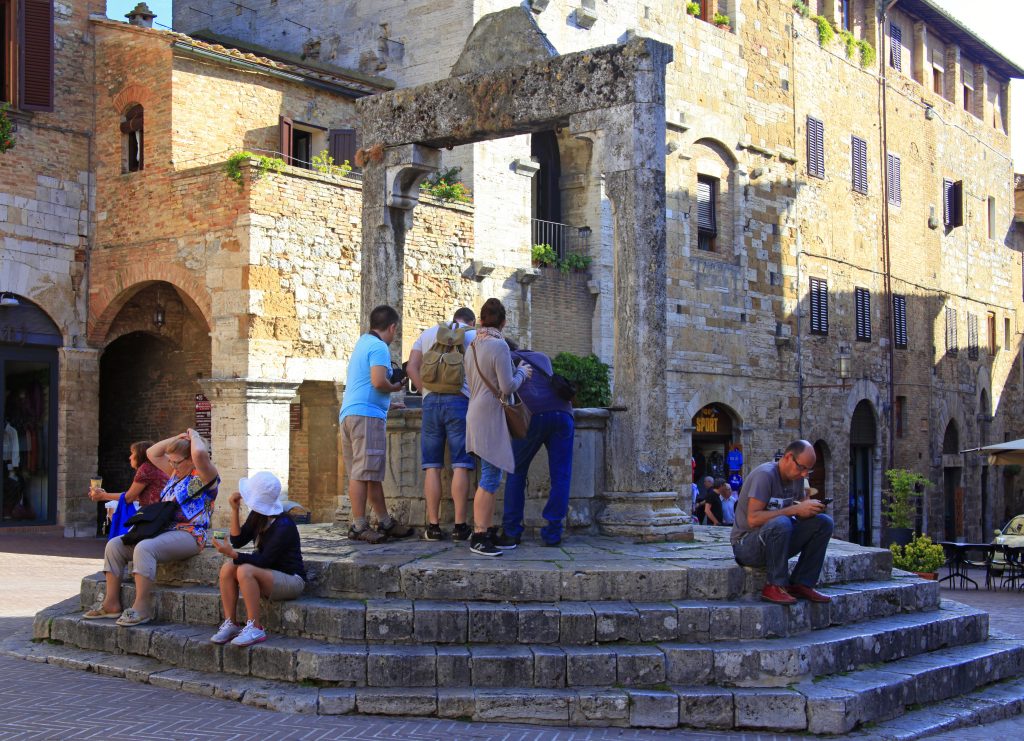
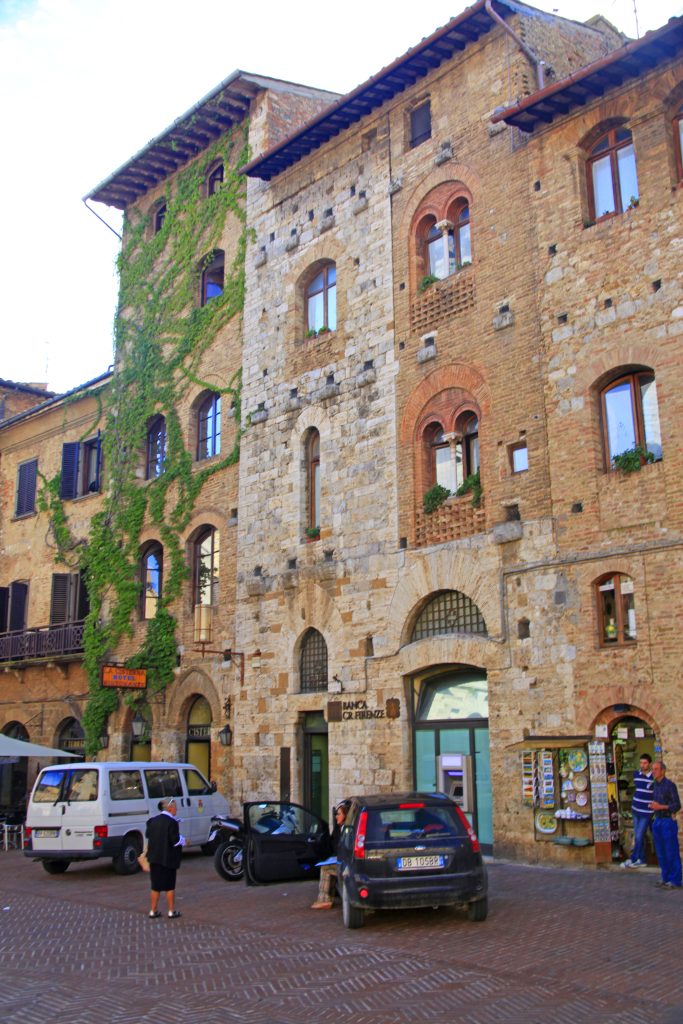
San Gimignano’s magic lies not in monuments alone, but in the way time rests on every stone. The cobblestoned streets still follow medieval routes, rising steeply, then curling into quiet alleys. The well in Piazza della Cisterna still offers a place to rest, where merchants once gathered and festivals spilled into the square.
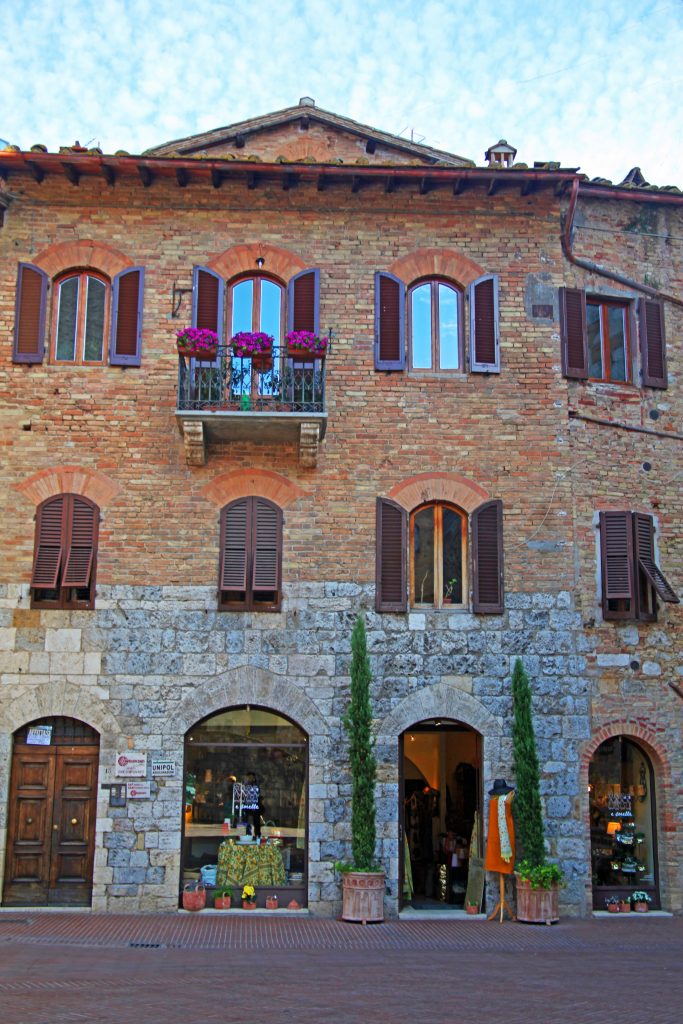
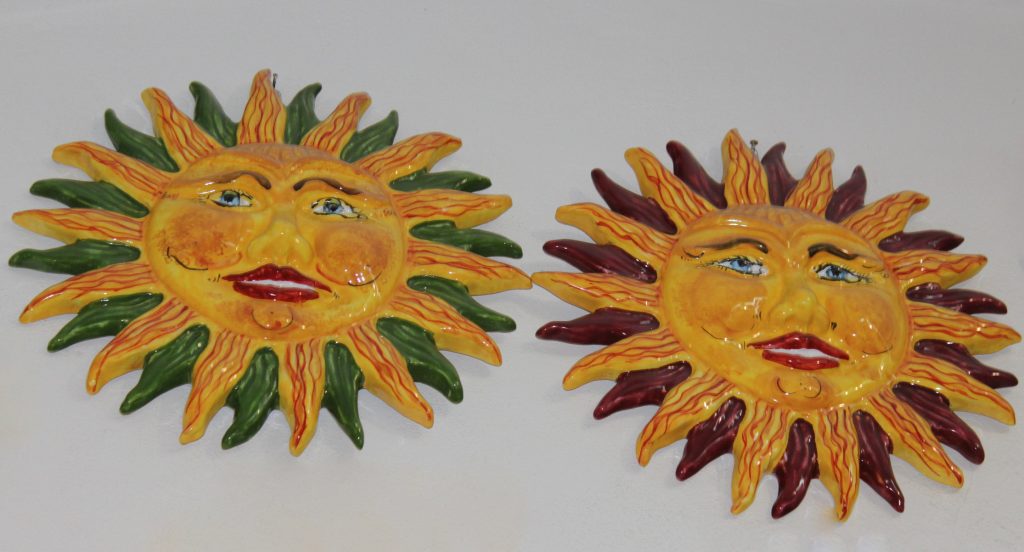
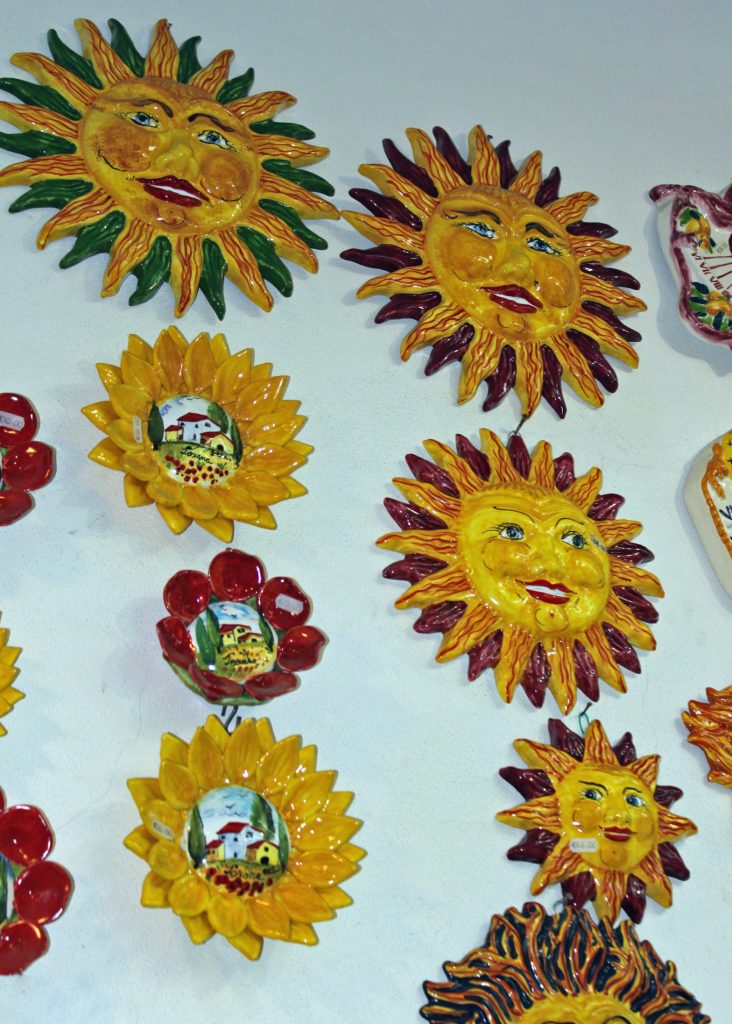
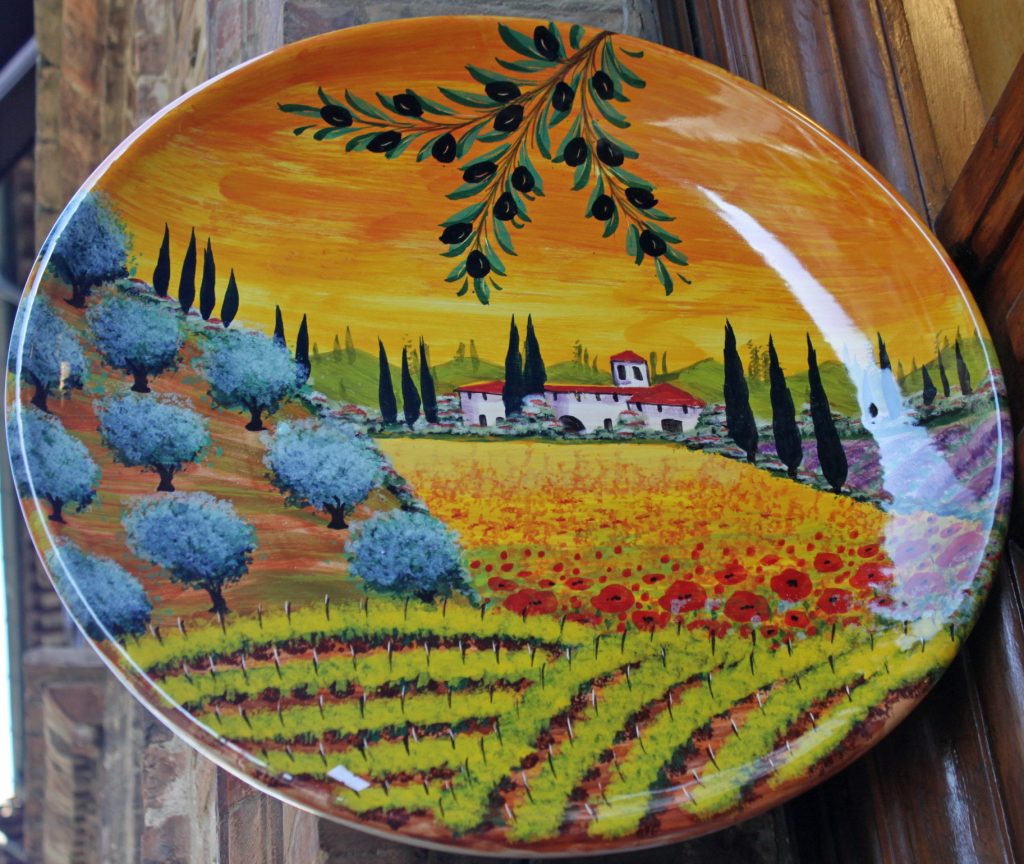
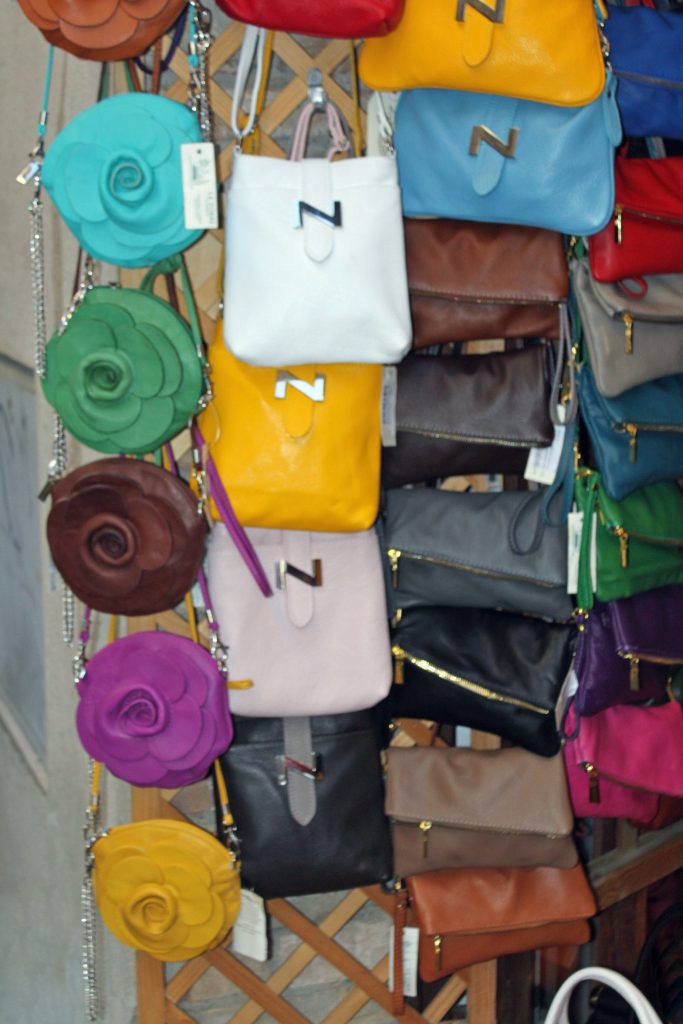
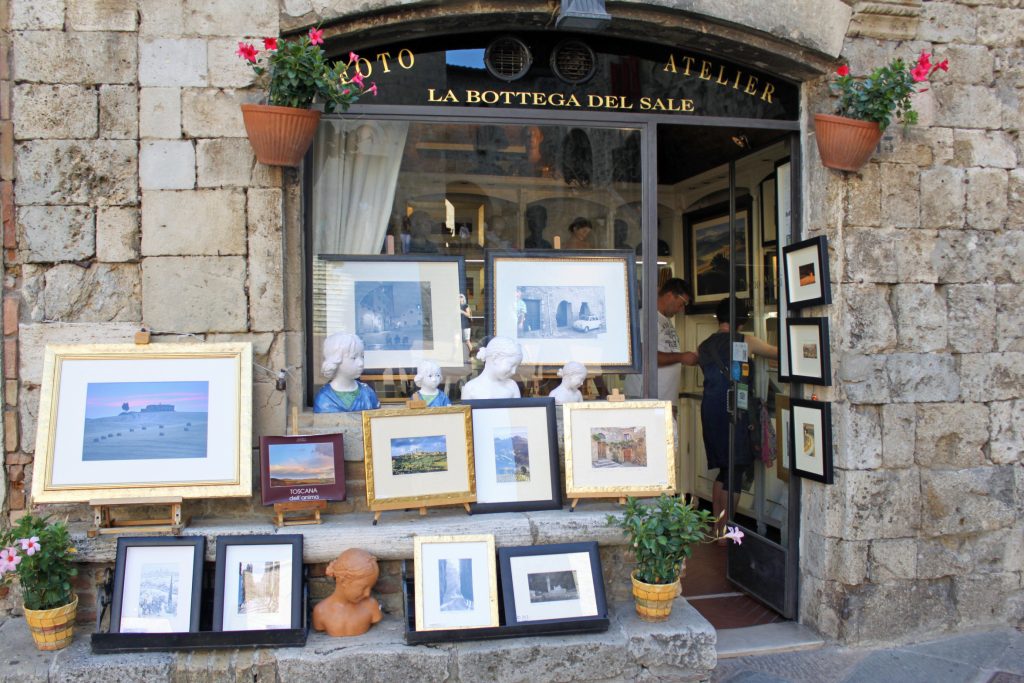
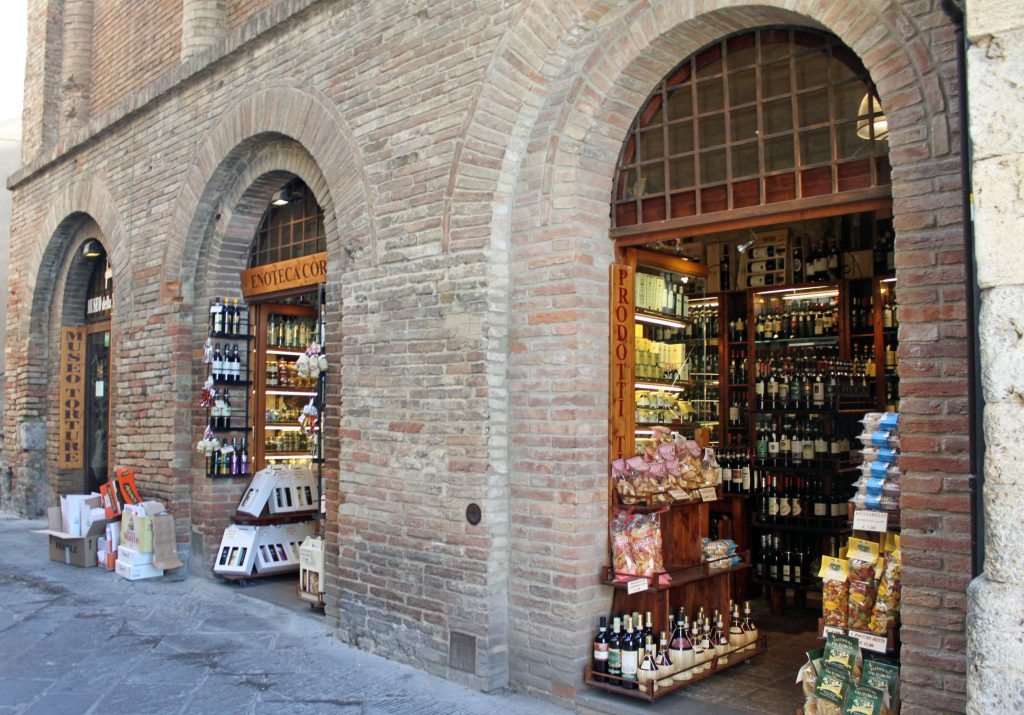
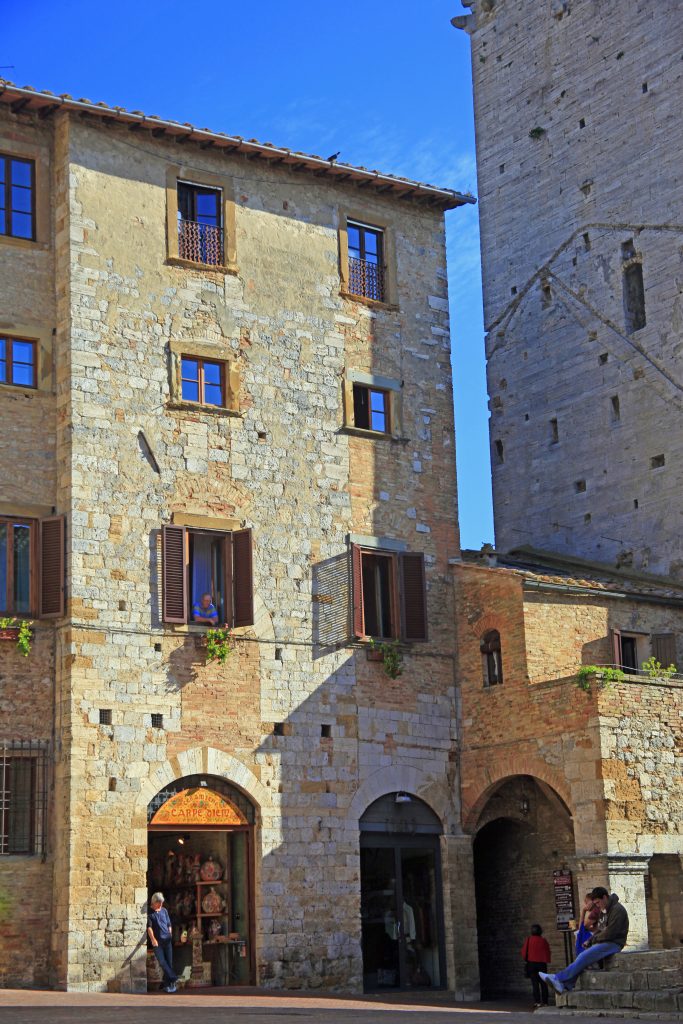
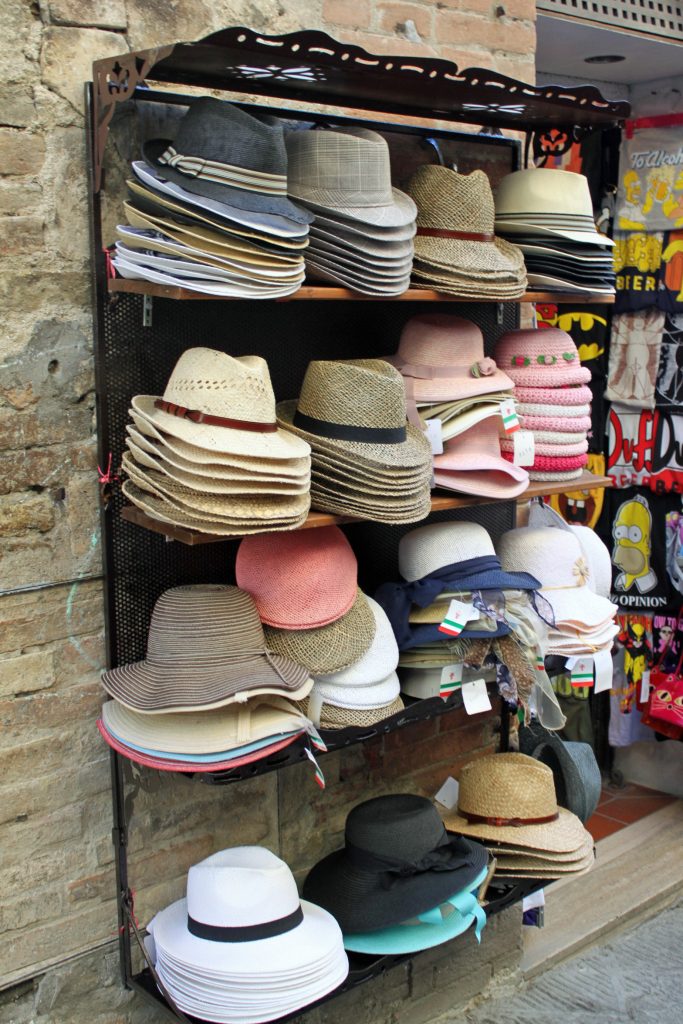
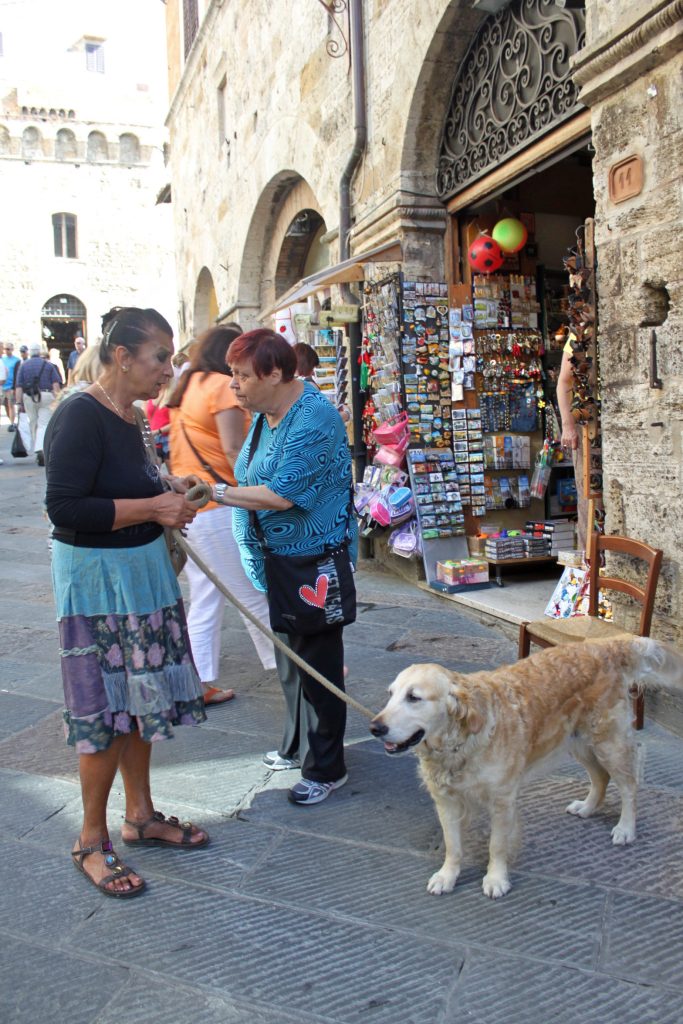
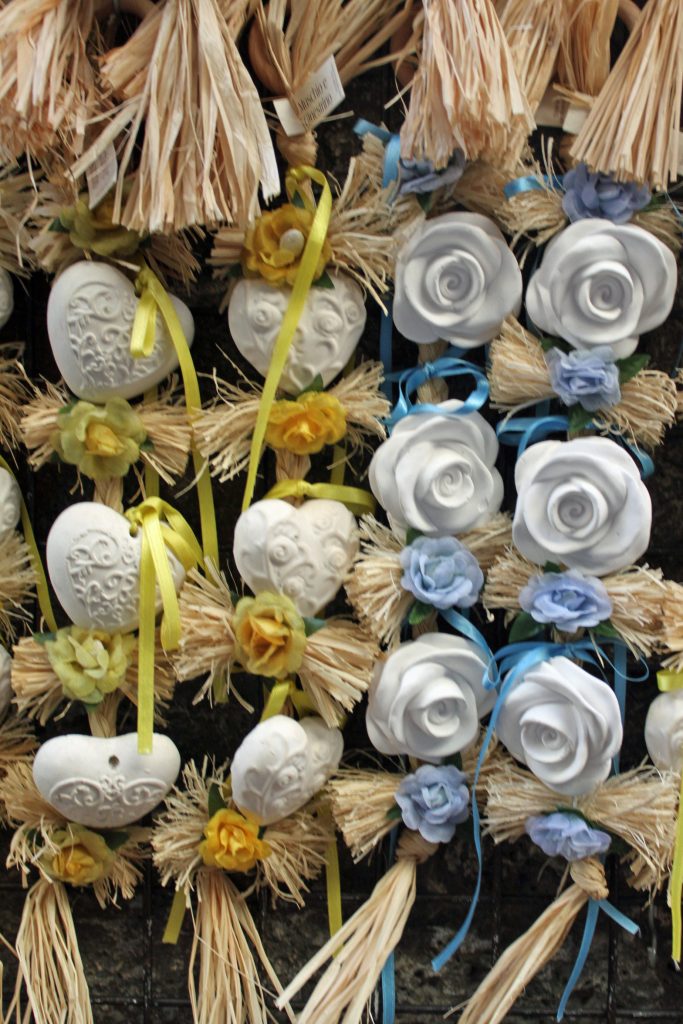
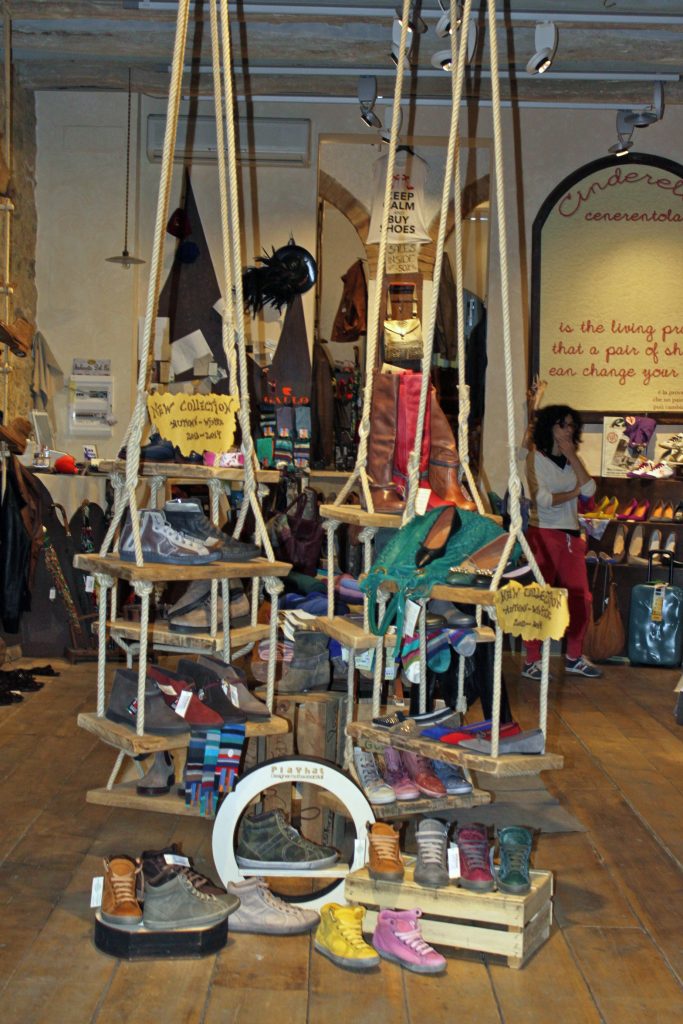
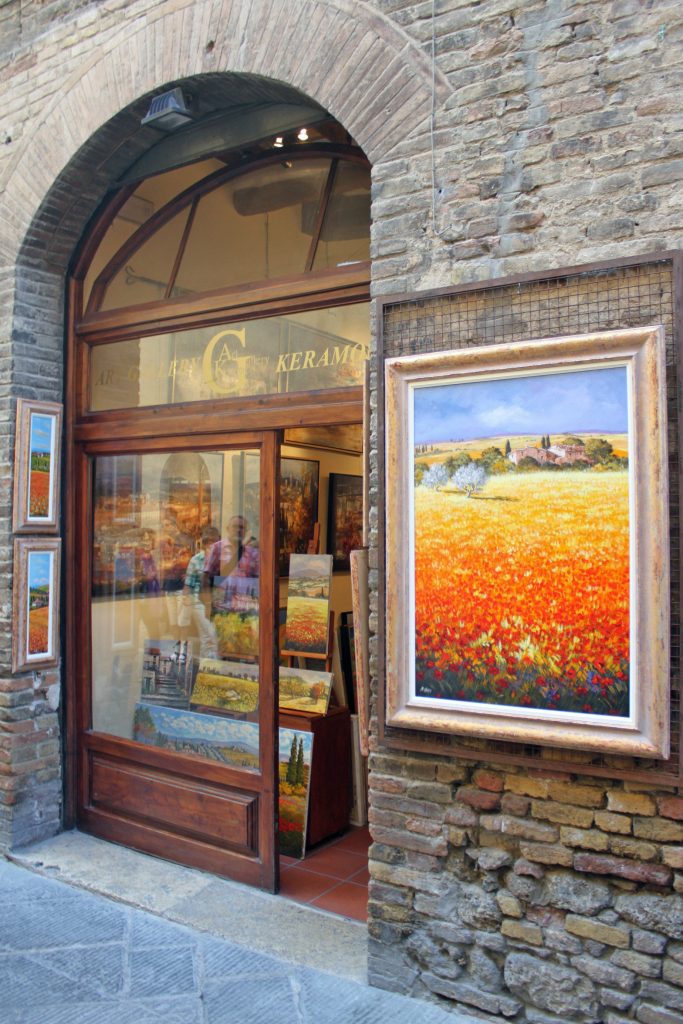
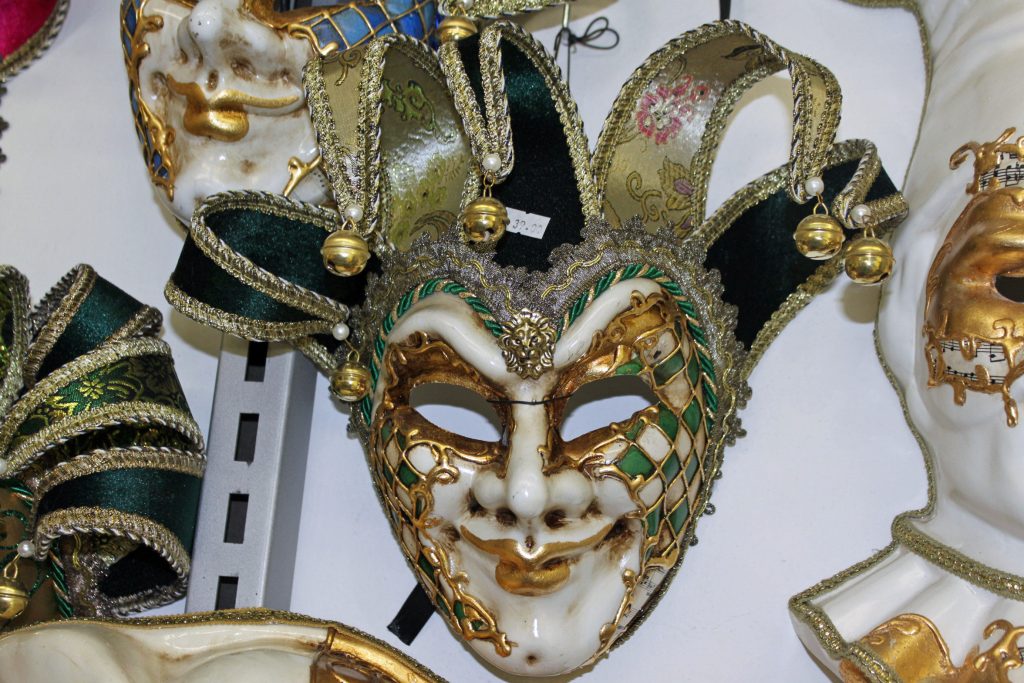
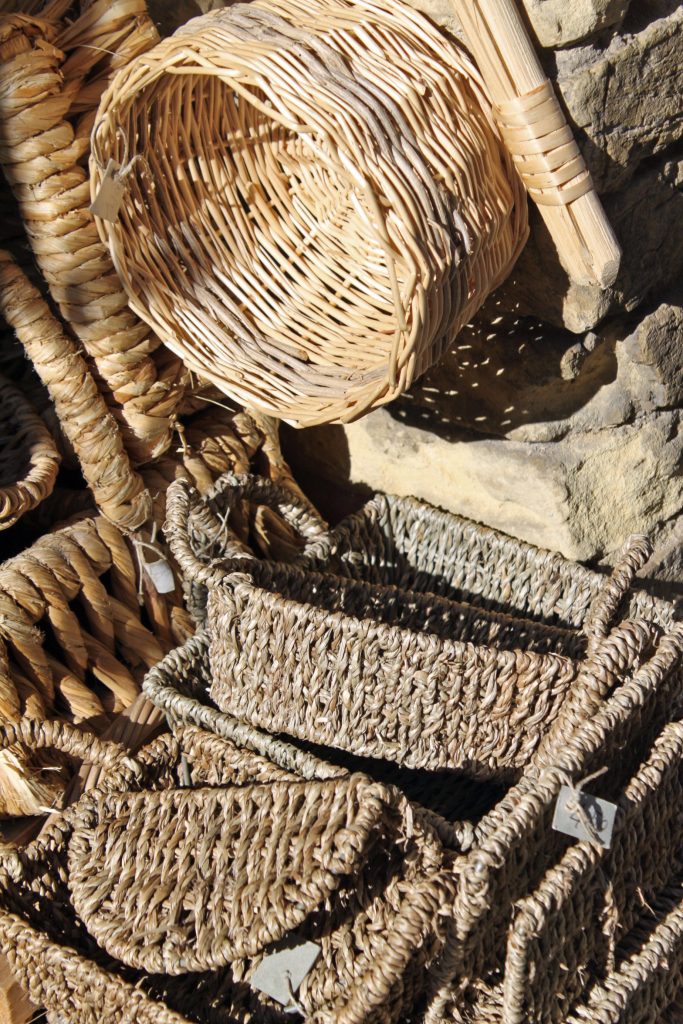
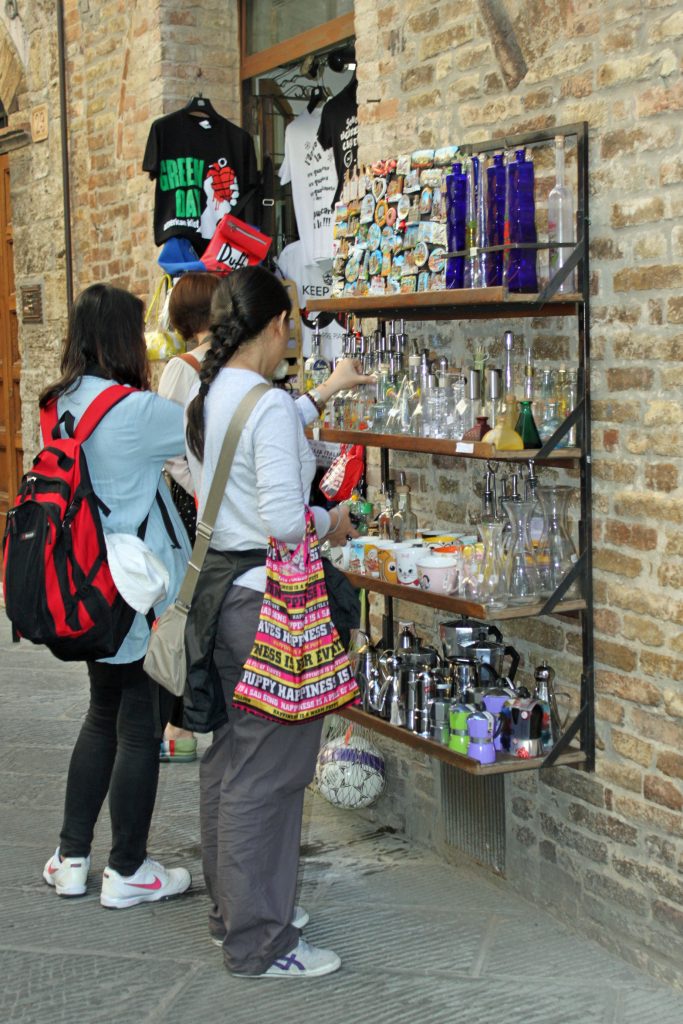
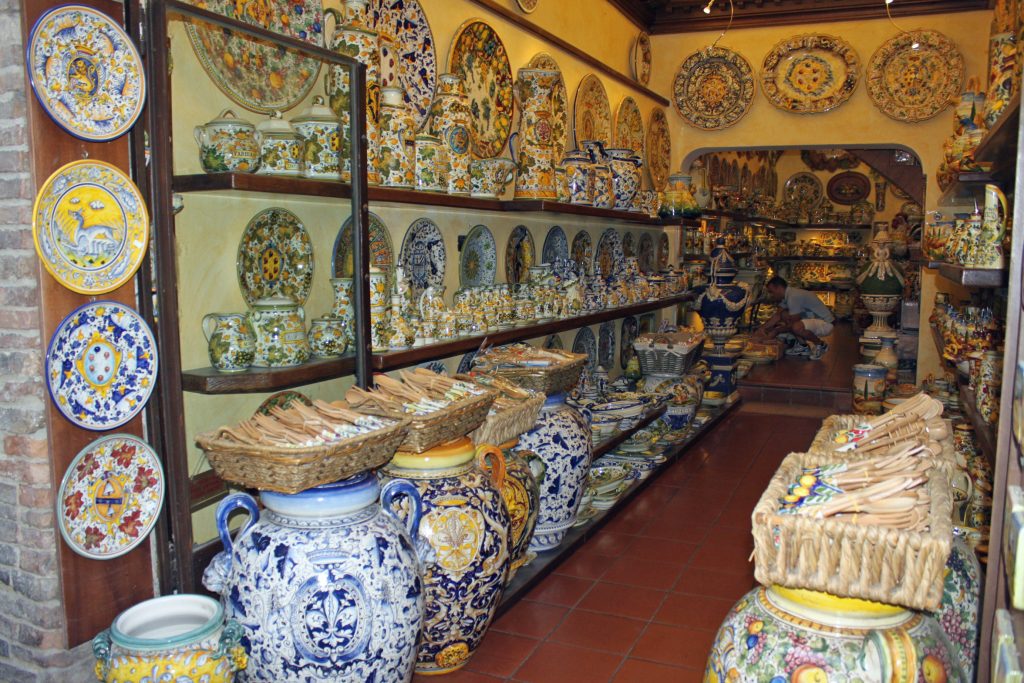
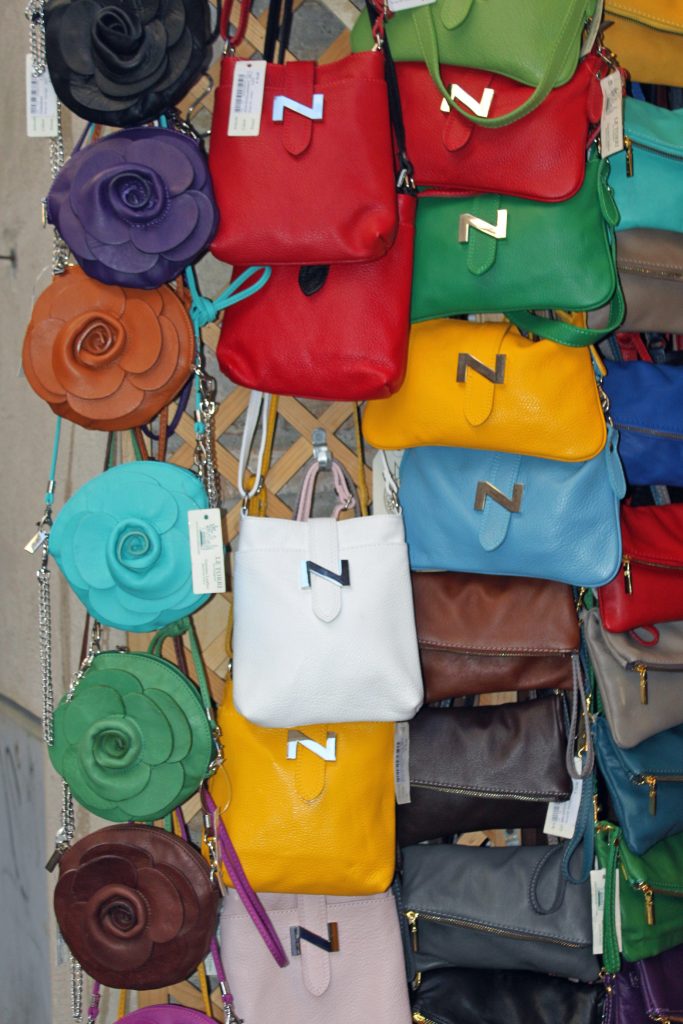
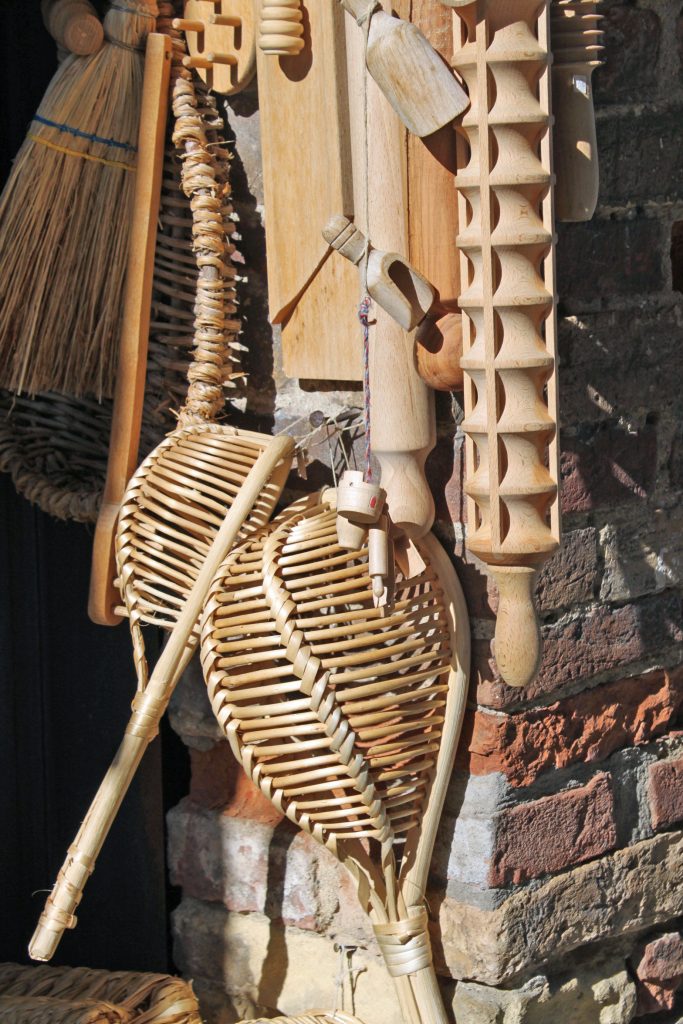
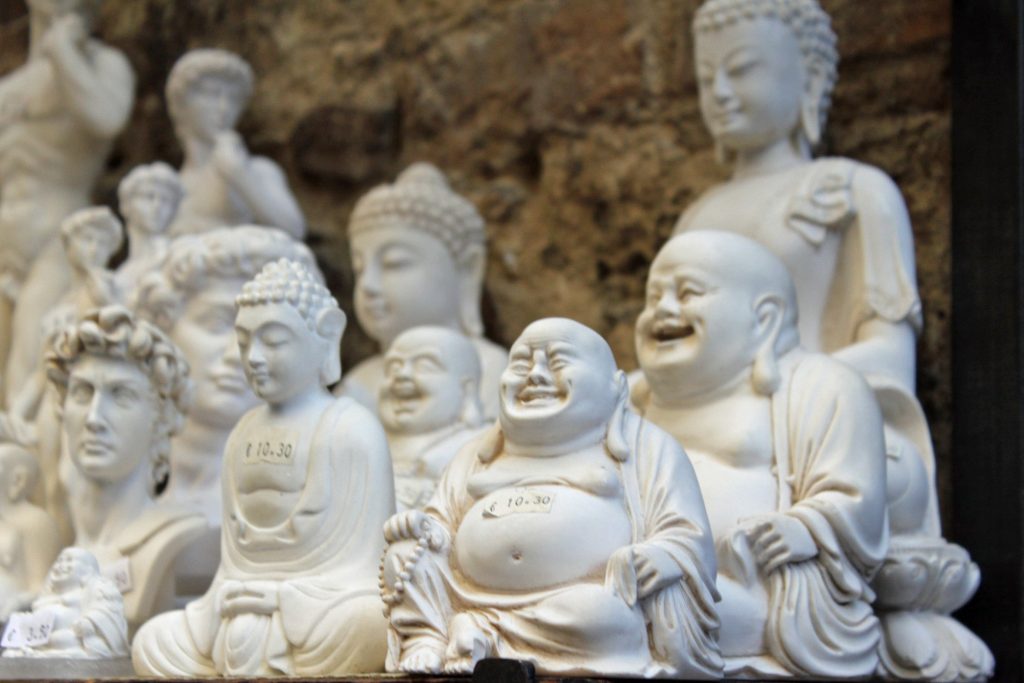
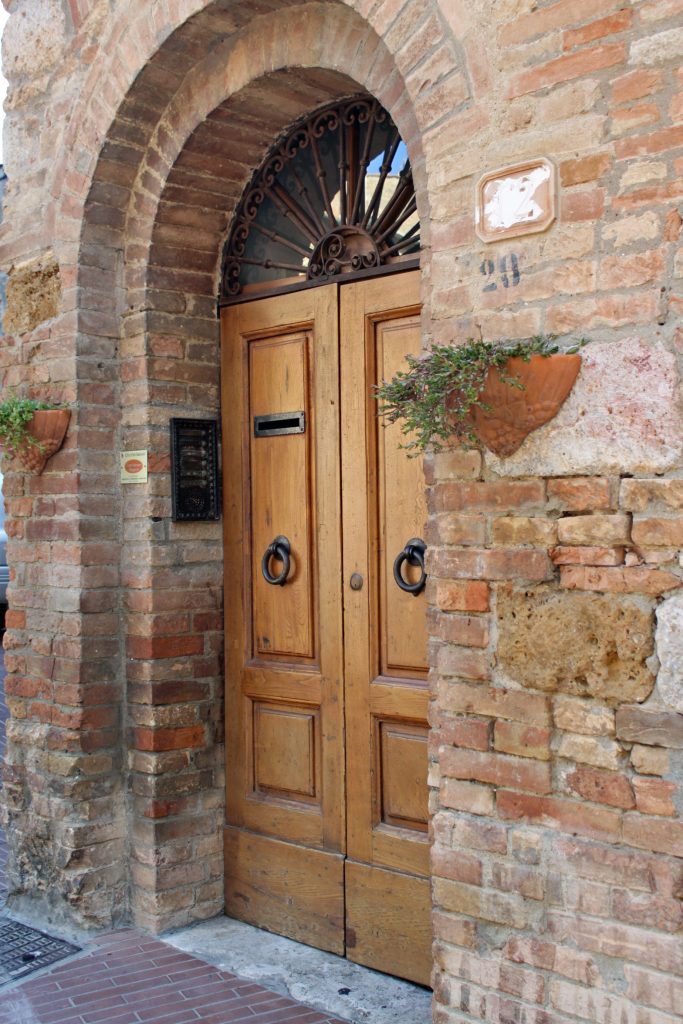
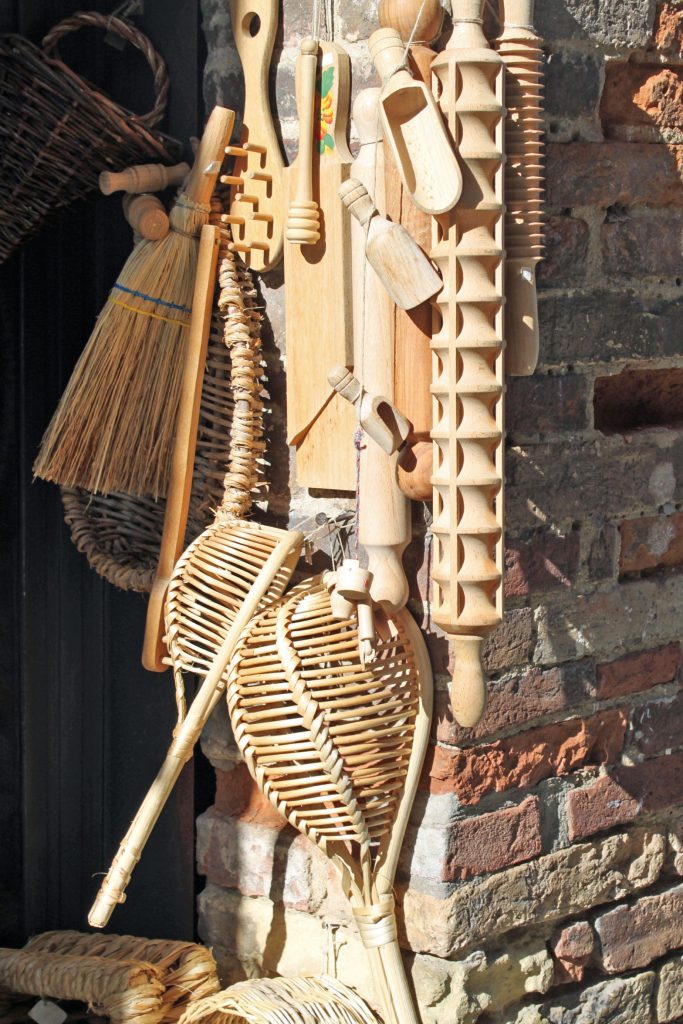
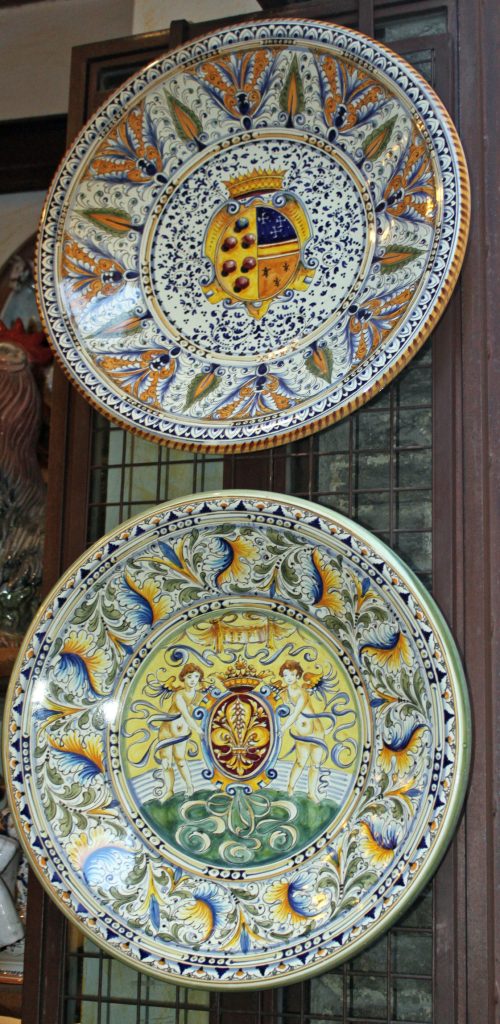
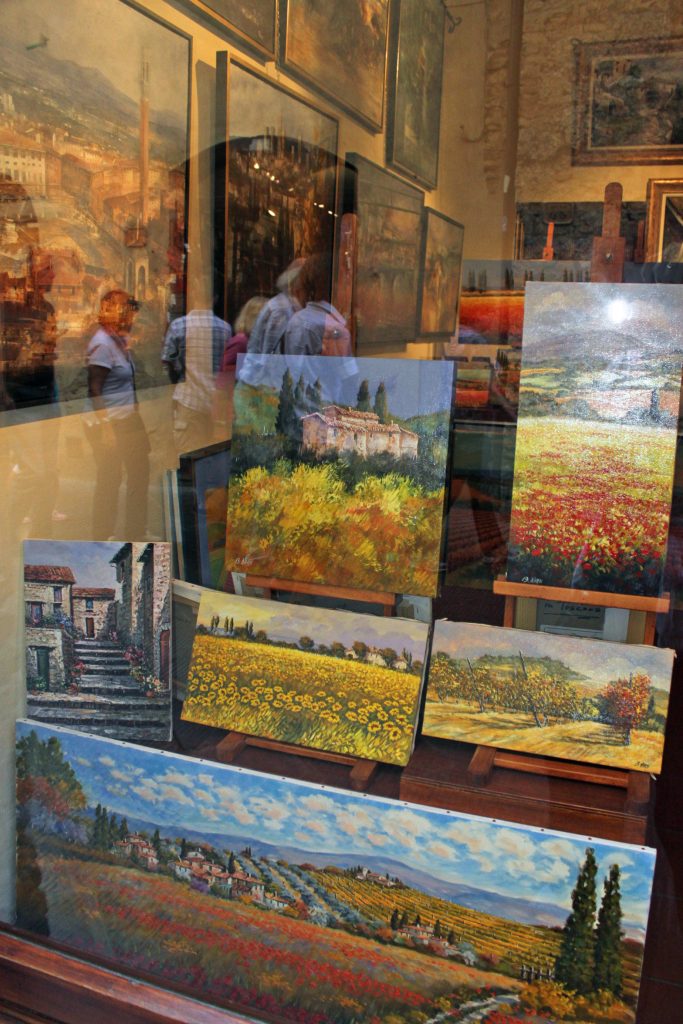
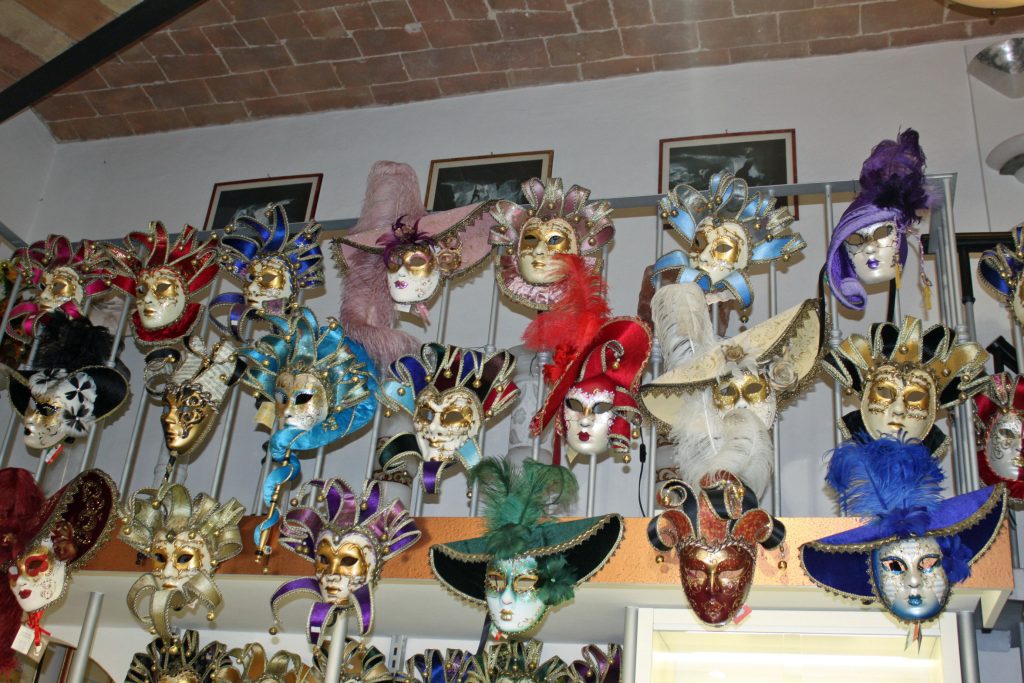
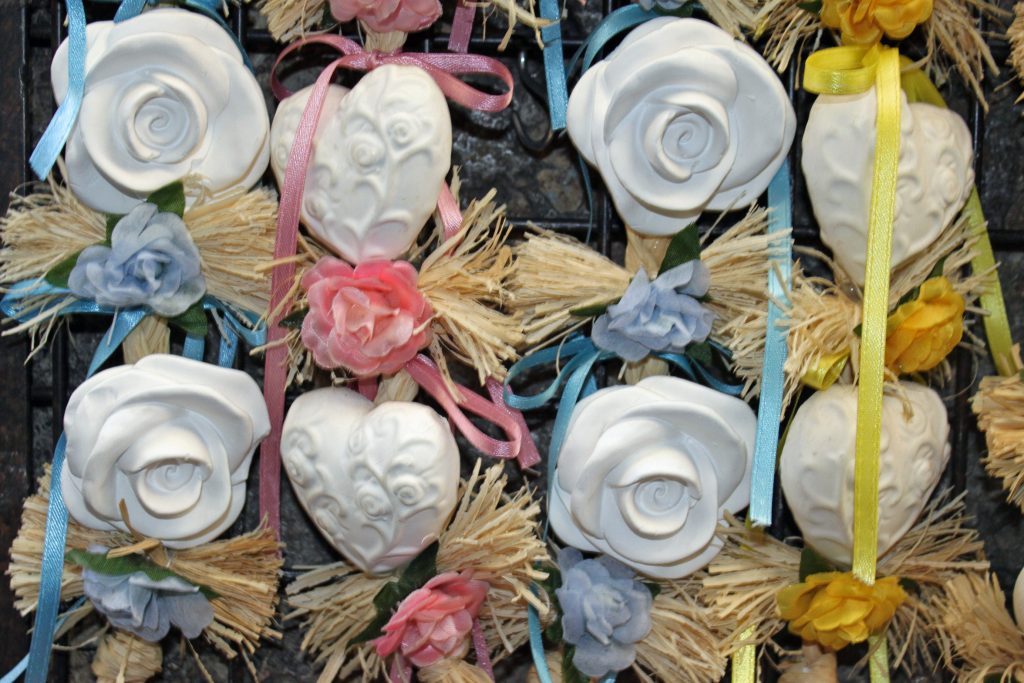
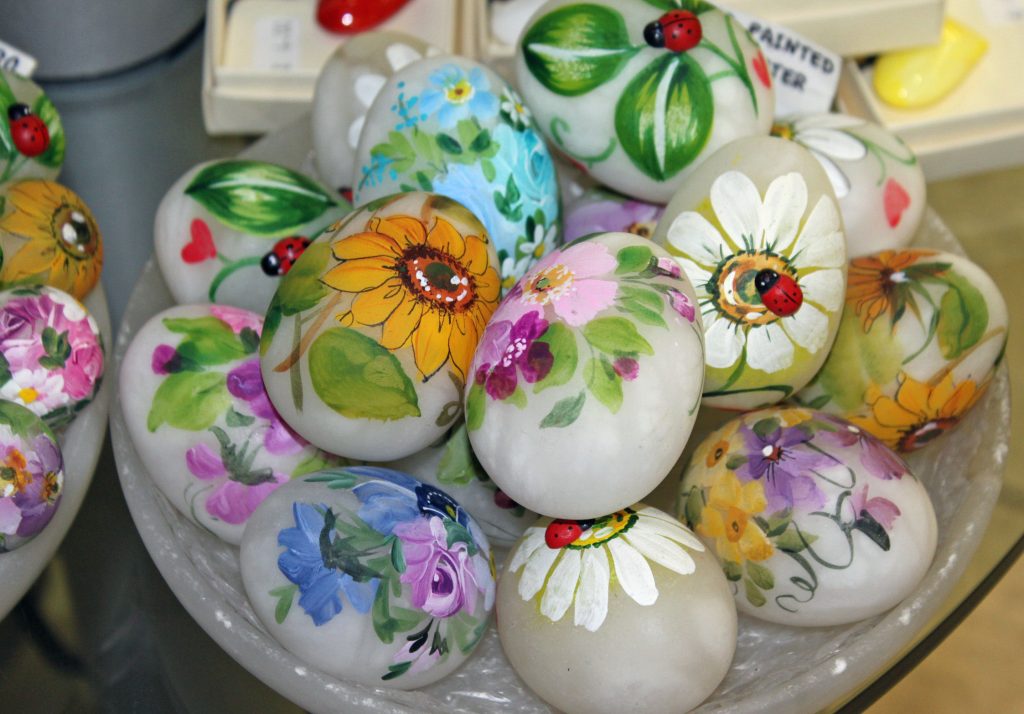
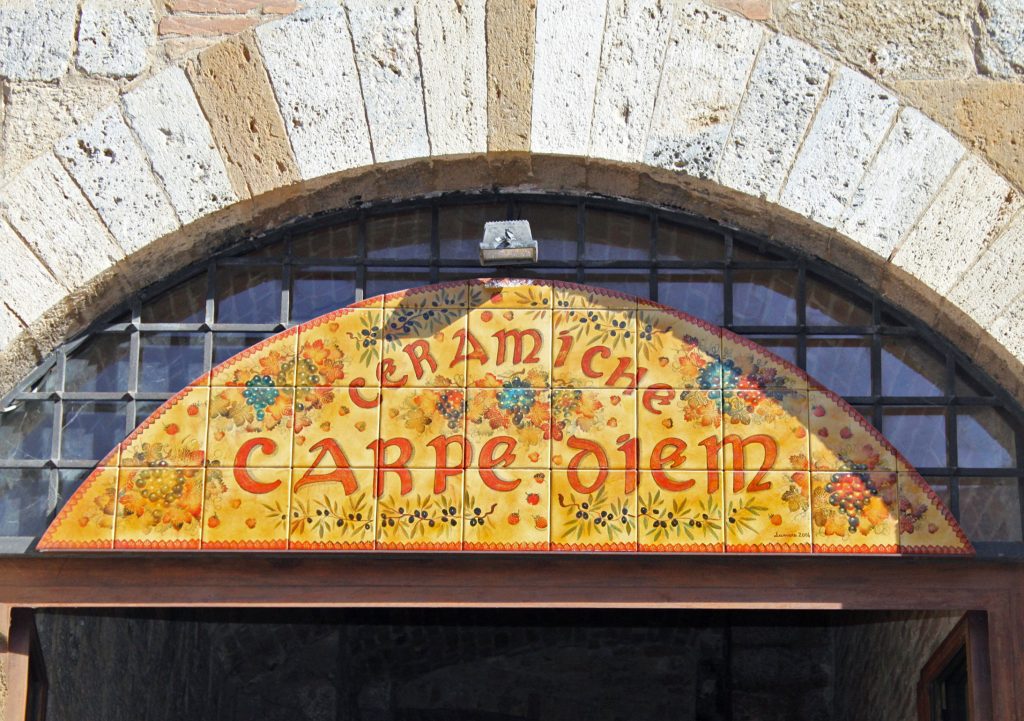
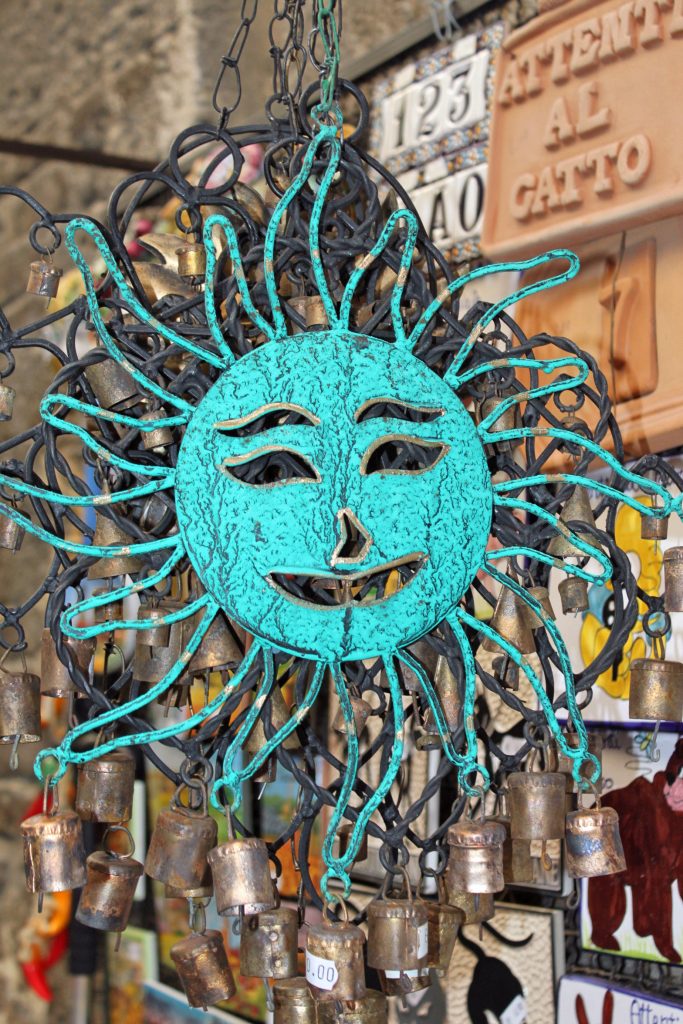
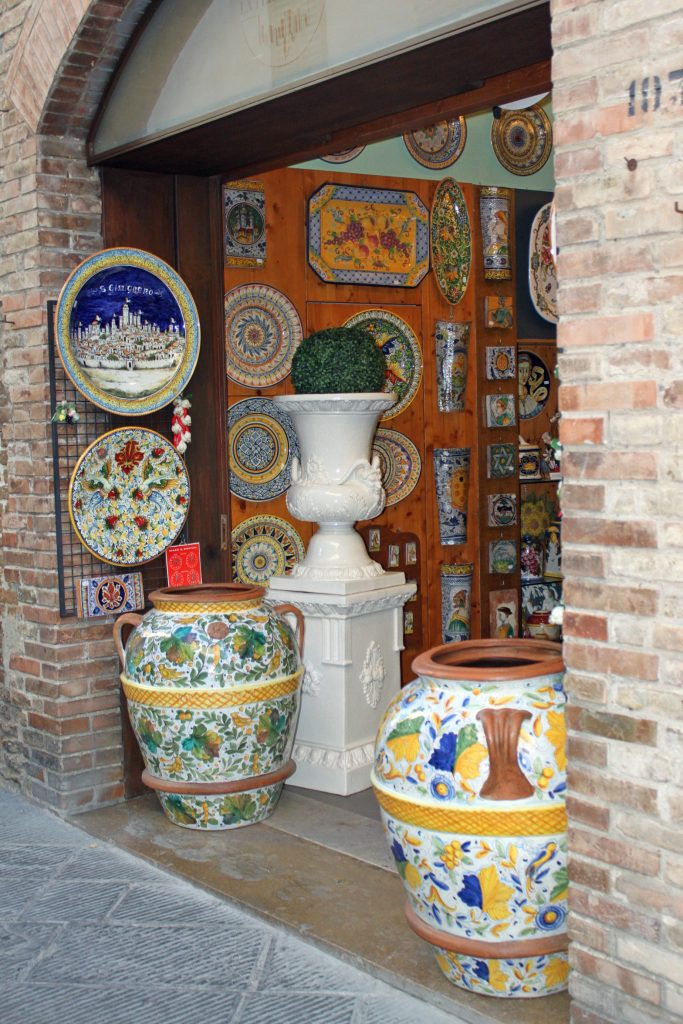
Shops selling Vernaccia di San Gimignano, the town’s celebrated white wine, now occupy buildings where grain was once weighed and contracts signed. Artisan workshops carry on traditions of ceramics, paper, and leather, their goods arranged beneath arched doorways that have seen a thousand market days.
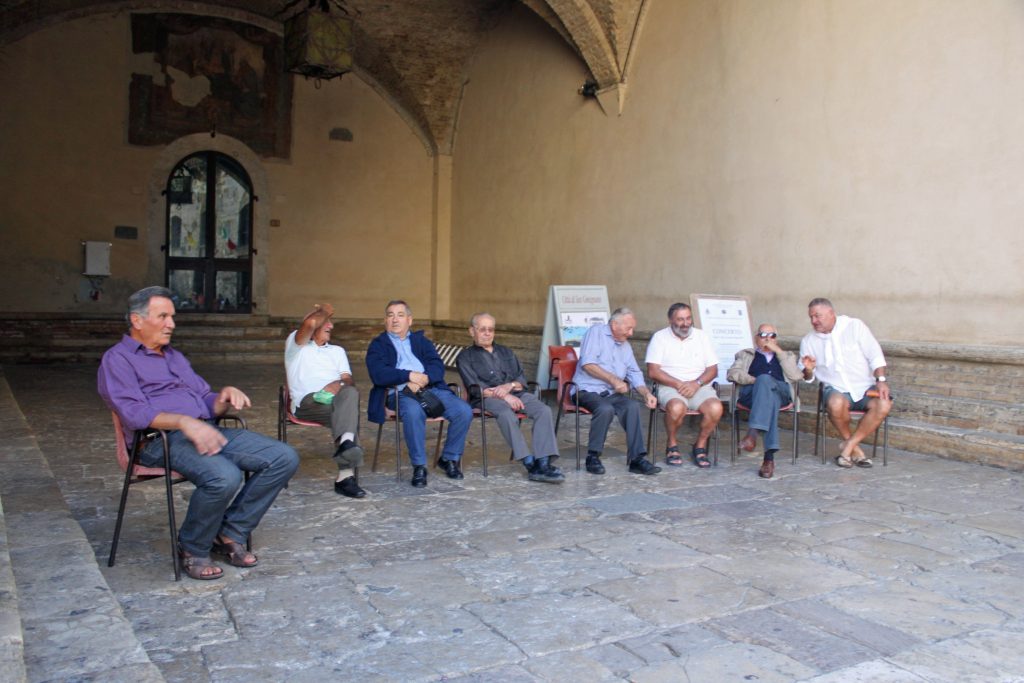
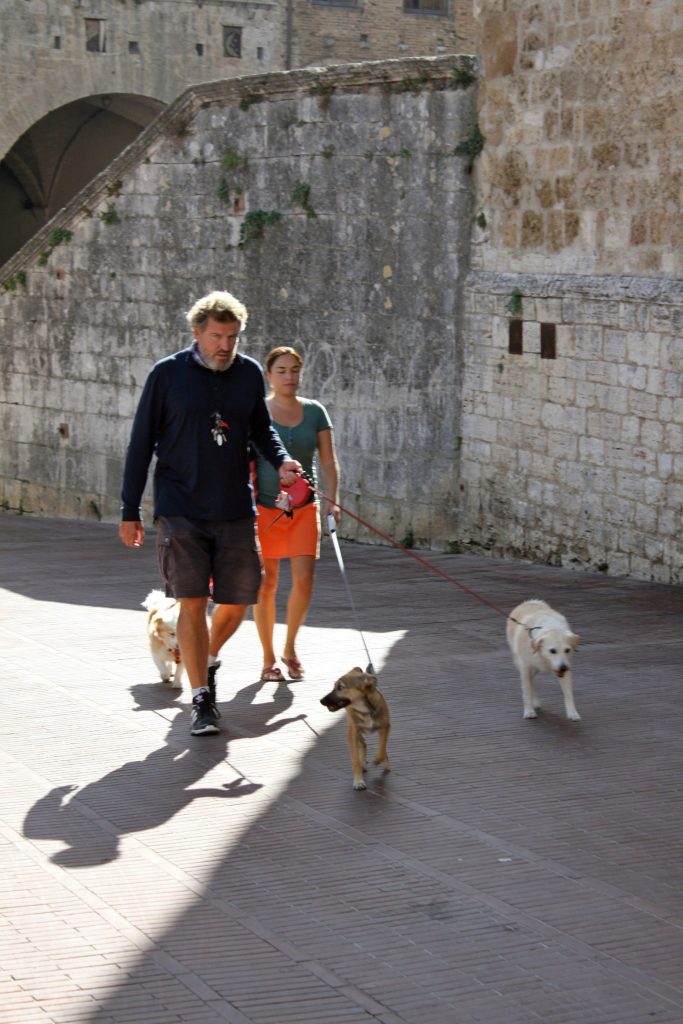
And while tourists come, the town never quite feels like a museum. It feels lived-in, enduring, and real.
A Town That Froze in Time
Ironically, it was San Gimignano’s decline that saved it.
After the Black Death in 1348 and a series of political upheavals, the town’s economic and political influence waned. Unlike other Tuscan cities that modernized and expanded, San Gimignano became a provincial backwater—and thus, its medieval character remained largely untouched.
In the 19th and early 20th centuries, poets, painters, and later preservationists “rediscovered” its charm. Today, it’s a UNESCO World Heritage Site, celebrated not just for its towers, but for the urban harmony of its streets, squares, and skyline.
Where to Stay: Rest Your Head Among the Towers
San Gimignano rewards those who linger — and a few well-placed options make it easy to stay close to everything worth seeing.
Hotel Bel Soggiorno sits right inside the town’s medieval walls on Via San Giovanni, putting you steps from the Collegiata, the Torre Grossa, and the cobblestoned piazzas the blog brings to life. Rooms with countryside views open onto the same Tuscan hills that have defined this skyline for centuries — breakfast with that backdrop alone is worth the stay.
Hotel Da Graziano sits just outside the town gates, a short ten-minute walk uphill into the historic center. It’s one of the more wallet-friendly options in the area, with a restaurant and bar on-site, clean and comfortable rooms, and views back toward the towers that are genuinely hard to beat at this price point.
Agriturismo Poderi Arcangelo offers something a little different — a farmstay set in the countryside between San Gimignano and Certaldo, surrounded by vineyards and rolling hills. It’s the kind of place where mornings slow down, breakfasts stretch long, and the towers appear in the distance like something out of a painting. A car is helpful here, but the tradeoff is a quieter, more immersive Tuscany experience.
Recommended Reading
Fiction
- The Birth of Venus by Sarah Dunant
Set in Renaissance Florence, this novel captures the tension between art, faith, and female voice—perfect for those drawn to San Gimignano’s own religious artworks. - In the Company of the Courtesan by Sarah Dunant
A richly detailed story set in Venice and Rome, but evocative of the kind of civic and sensual complexity that once defined towns like San Gimignano. - The Lady and the Unicorn by Tracy Chevalier
A novel about medieval tapestry-making that echoes the same aesthetic world of symbolism, color, and devotion found in San Gimignano’s frescoes.
Non-Fiction
- Medieval Italy: An Encyclopedia edited by Christopher Kleinhenz
A scholarly but highly browseable reference that includes entries on San Gimignano, its towers, civic structure, and artistic heritage. - Italian Ways: On and Off the Rails from Milan to Palermo by Tim Parks
A beautifully written cultural and historical portrait of Tuscany’s medieval and Renaissance towns, with a compelling section on San Gimignano. - Daily Life in Florence in the Time of the Medici by Jean Lucas-Dubreton
While focused on Florence, this book offers detailed insight into the world that shaped San Gimignano—its values, customs, and civic life. - The Architecture of the Italian Renaissance by Peter Murray
An accessible and intelligent guide to the buildings and urban forms that define San Gimignano and its sister cities.