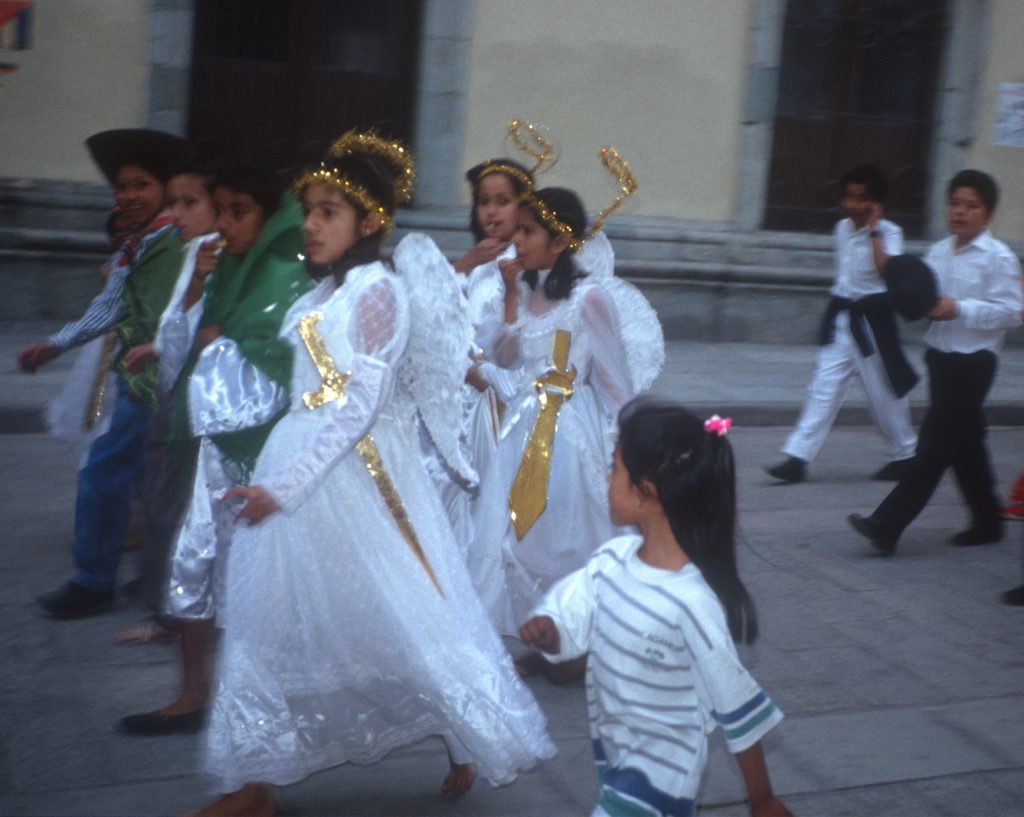
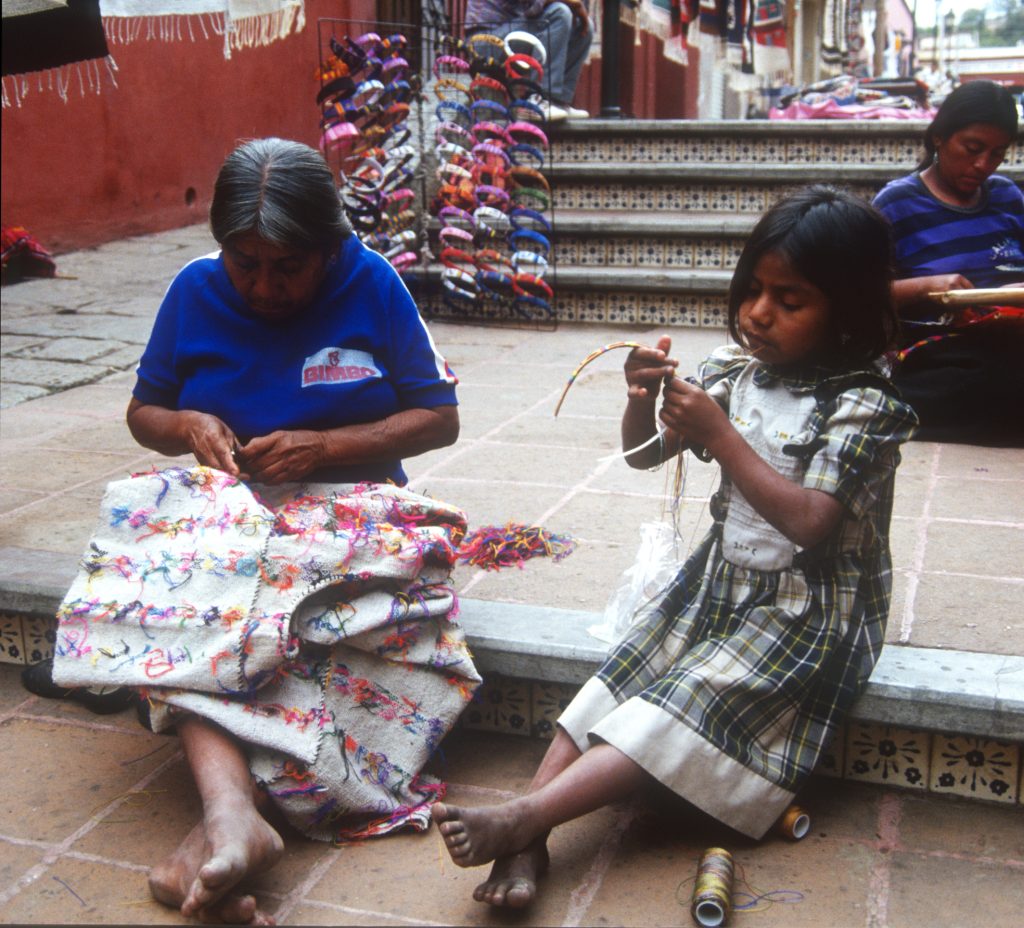
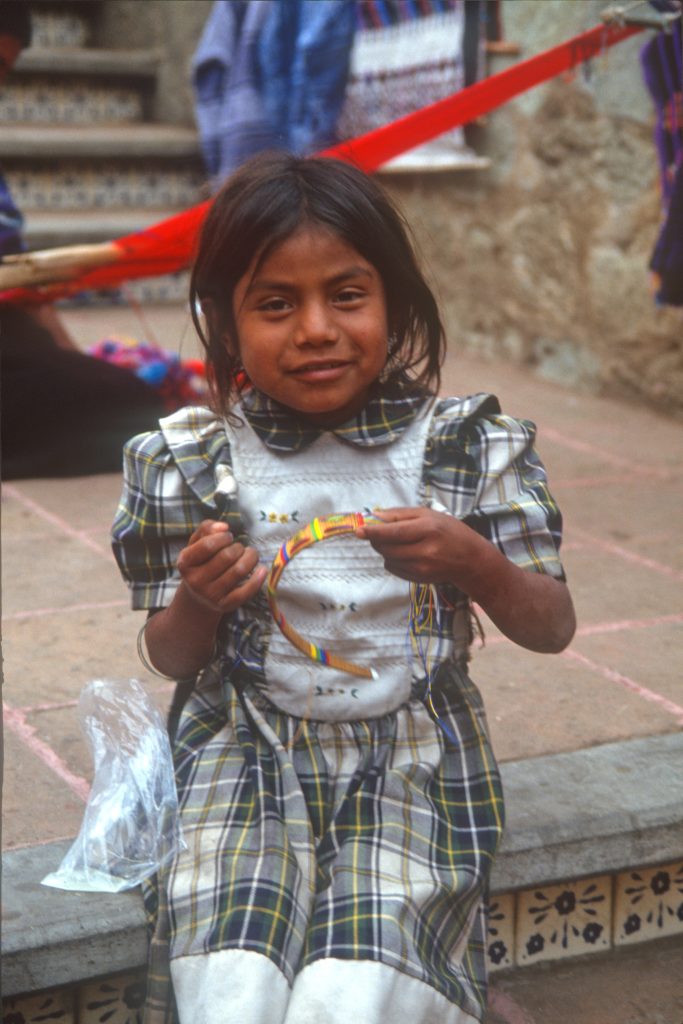
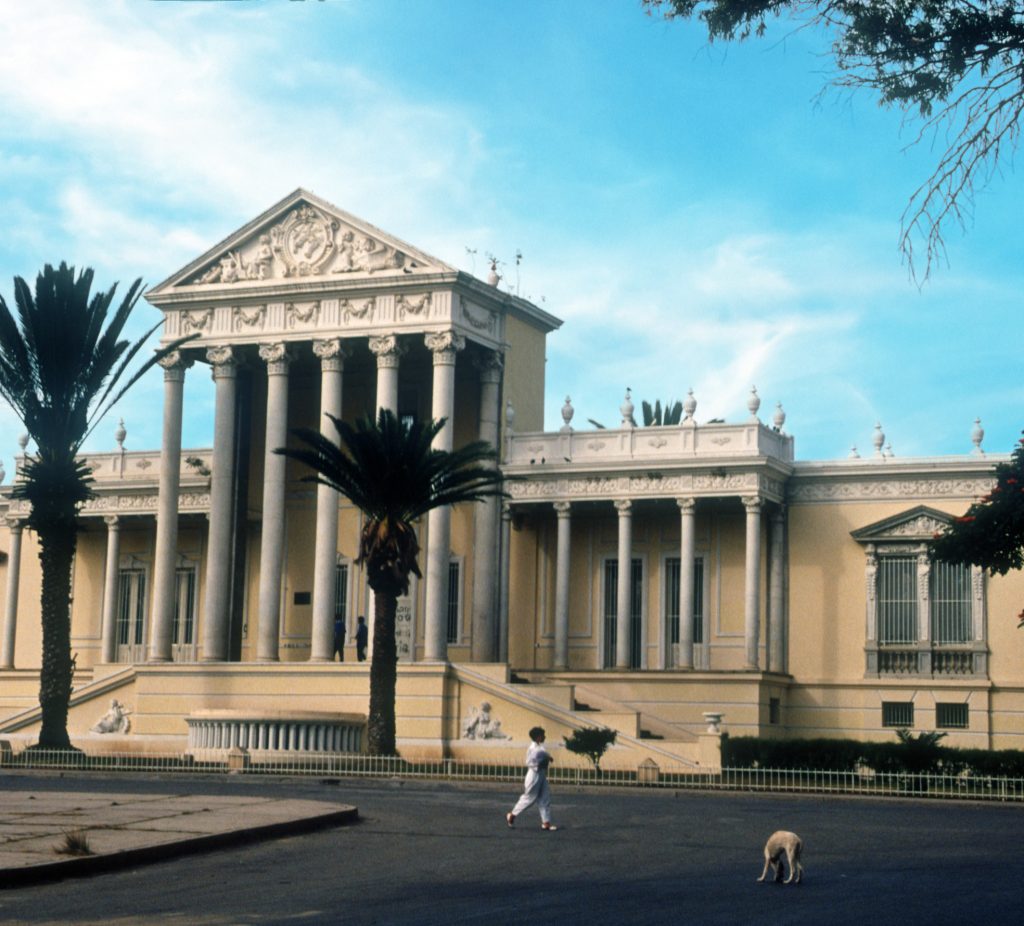
Imagine a city where the scent of roasting cacao and the sounds of marimbas drift through ancient stone streets, where every plaza pulses with life and every wall tells a story, this is Oaxaca. Nestled in a valley framed by the Sierra Madre mountains, Oaxaca blends centuries of indigenous and colonial history into a destination that rewards close attention to its culture, architecture, and landscapes.
Historical Context
Long before Spanish conquest, Oaxaca thrived as a center of Zapotec and Mixtec civilizations. The Zapotecs established Monte Albán around 500 BC as one of Mesoamerica’s earliest cities, with grand plazas, pyramids, and observatories. The Mixtecs later rose to prominence, known for their intricate codices and advanced metallurgy.
When the Spanish arrived in the 1520s under Hernán Cortés, they layered ornate baroque churches and grand plazas atop indigenous foundations, while indigenous traditions persisted beneath the surface. The Spanish officially established the city as Antequera, and Oaxaca became an important colonial and religious center rich with the fusion of European and native artistry. Throughout its history, Oaxaca has been a cradle of cultural identity and resistance, producing figures such as Benito Juárez, Mexico’s first indigenous president. Oaxaca’s blend of indigenous and colonial cultures earned it a UNESCO World Heritage designation in 1987.
Local Detail and Sensory Description
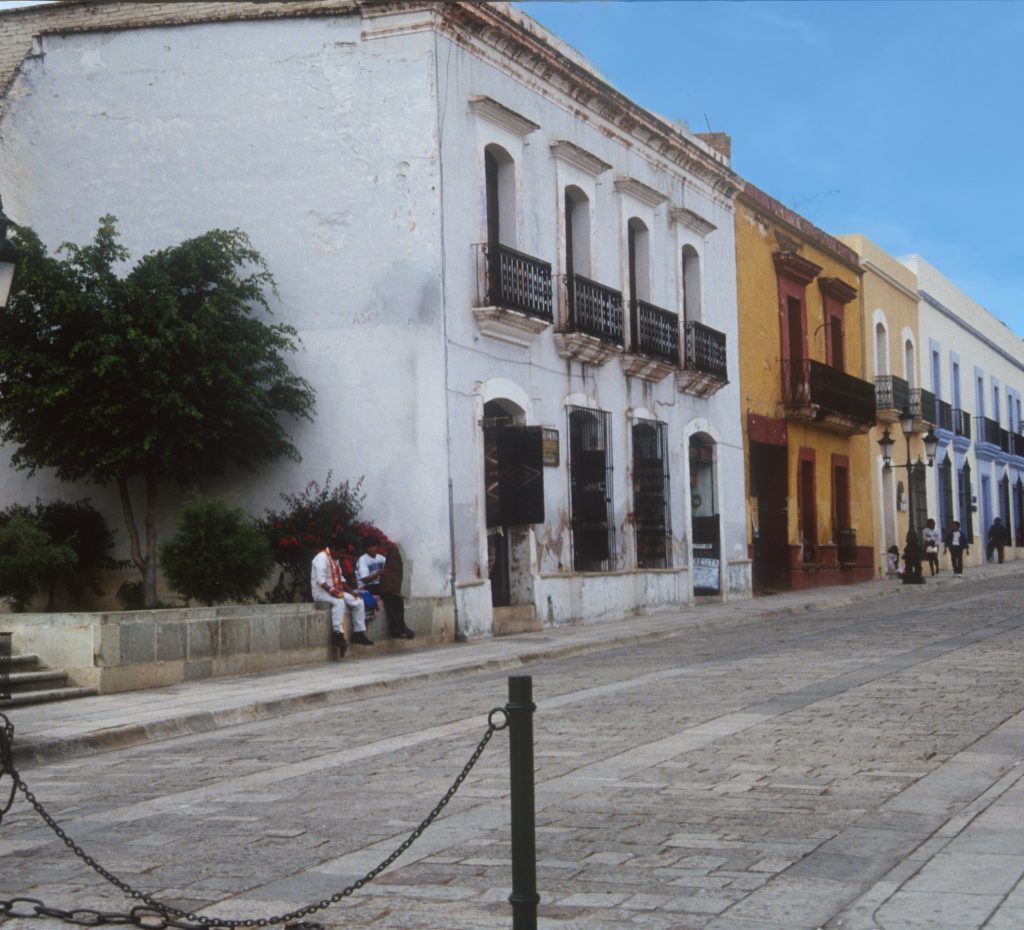
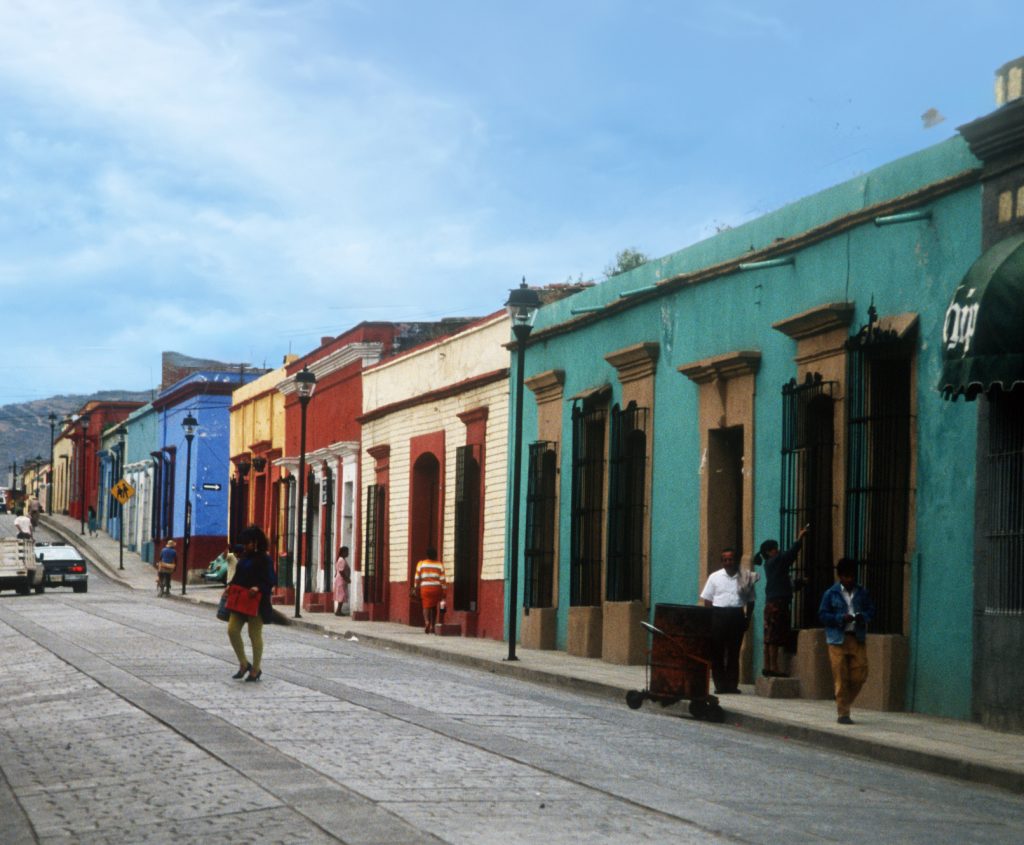
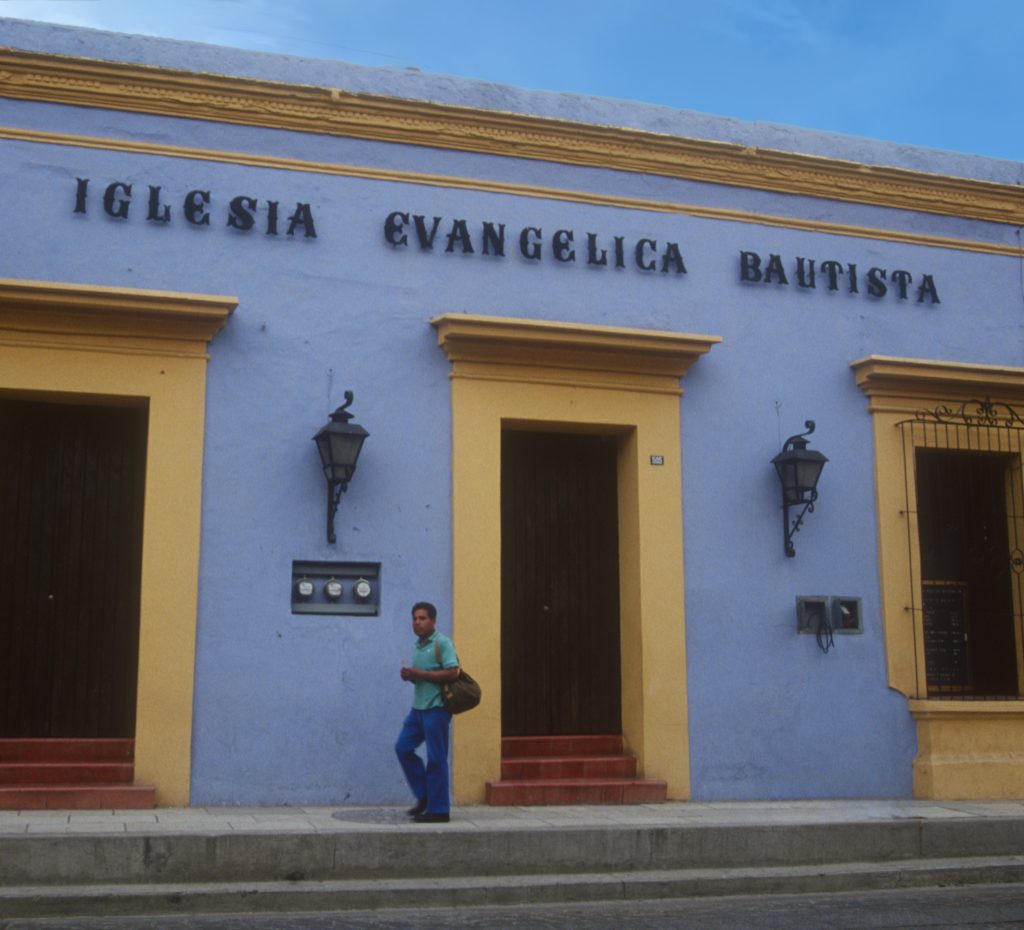
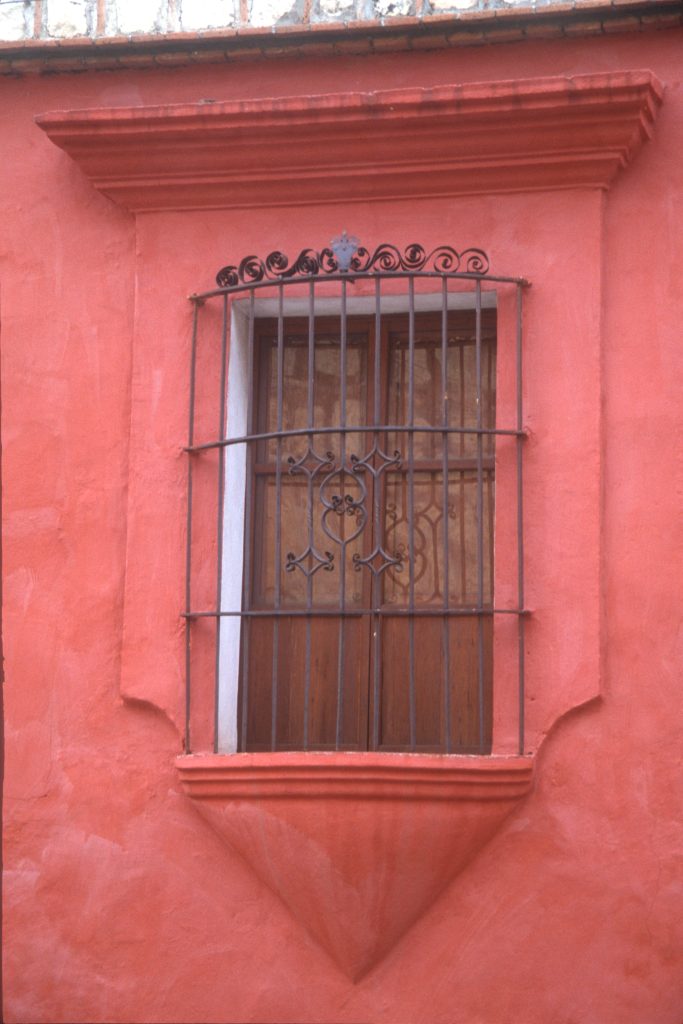
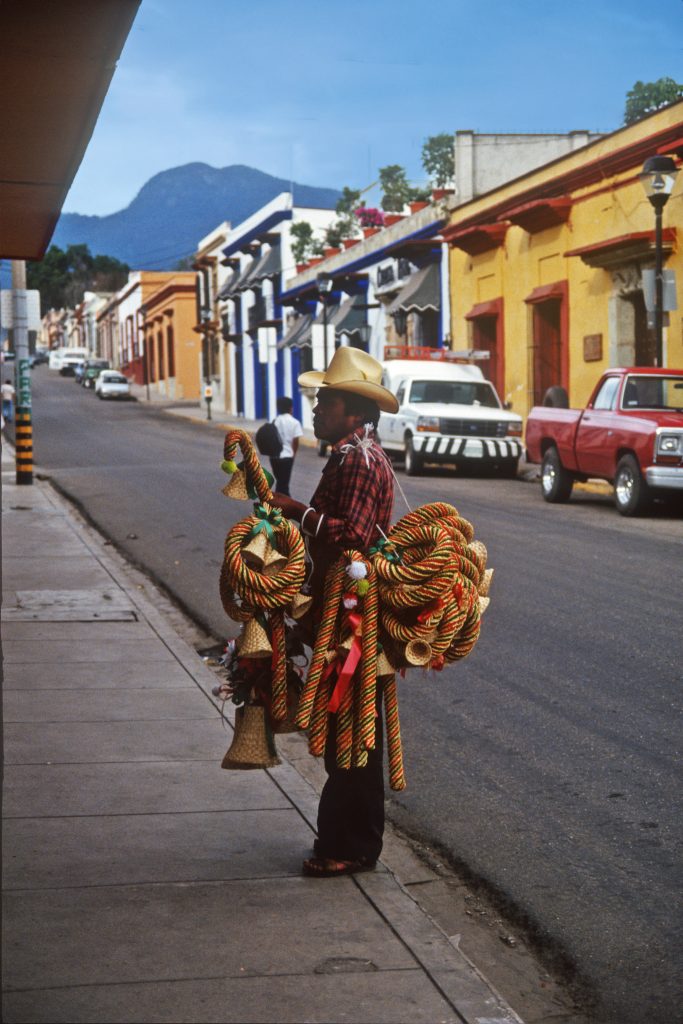
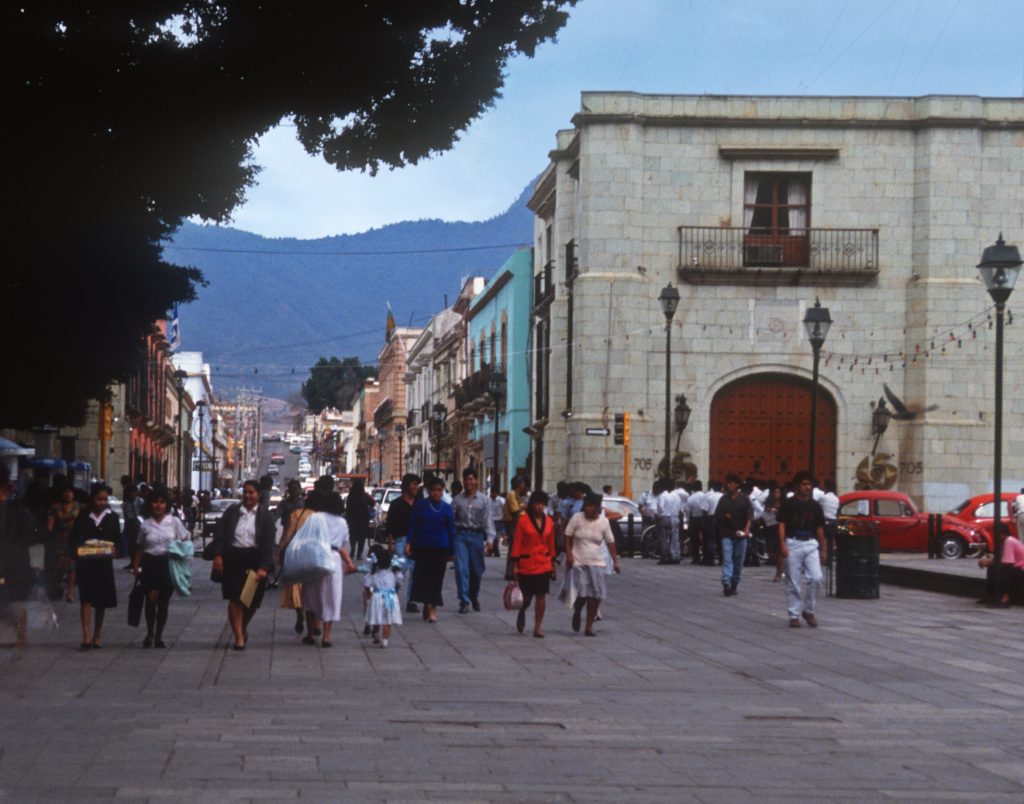
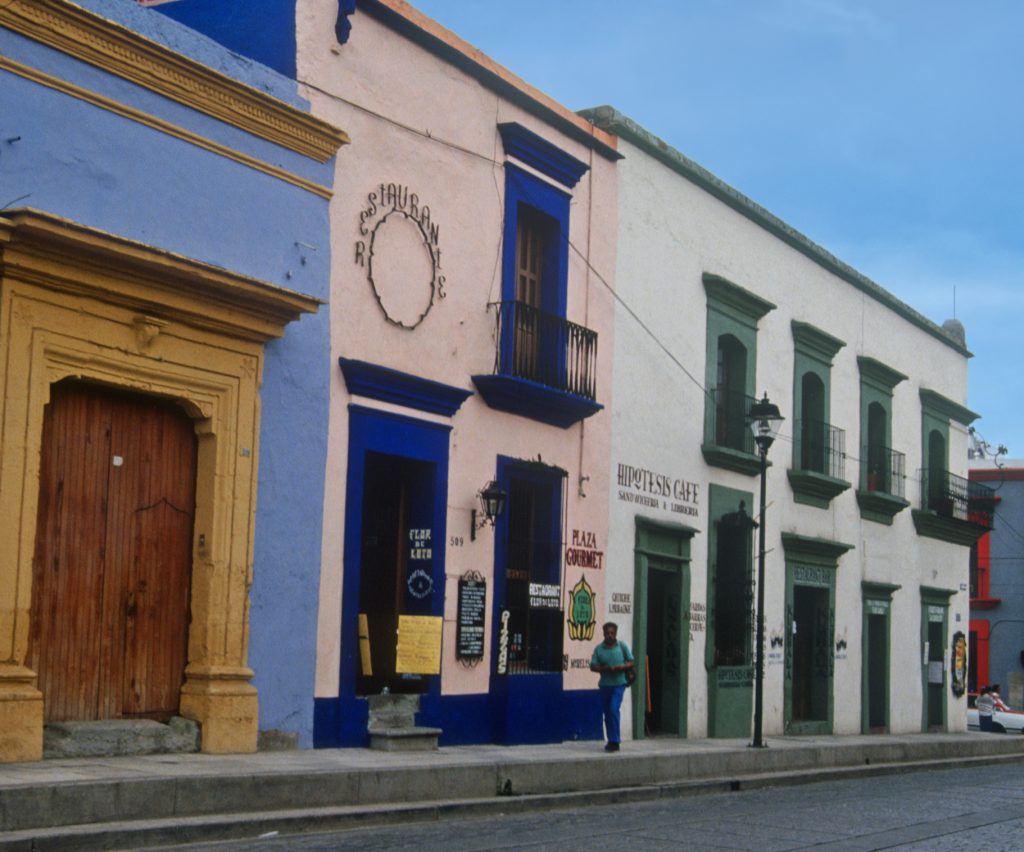
Wandering Oaxaca‘s historic center feels like stepping into a brightly colored dream. Narrow streets of volcanic stone lead past ochre and turquoise facades shaded by soaring jacaranda trees. The air smells of mole simmering in open-air markets, with vibrant tapestries fluttering from balconies.
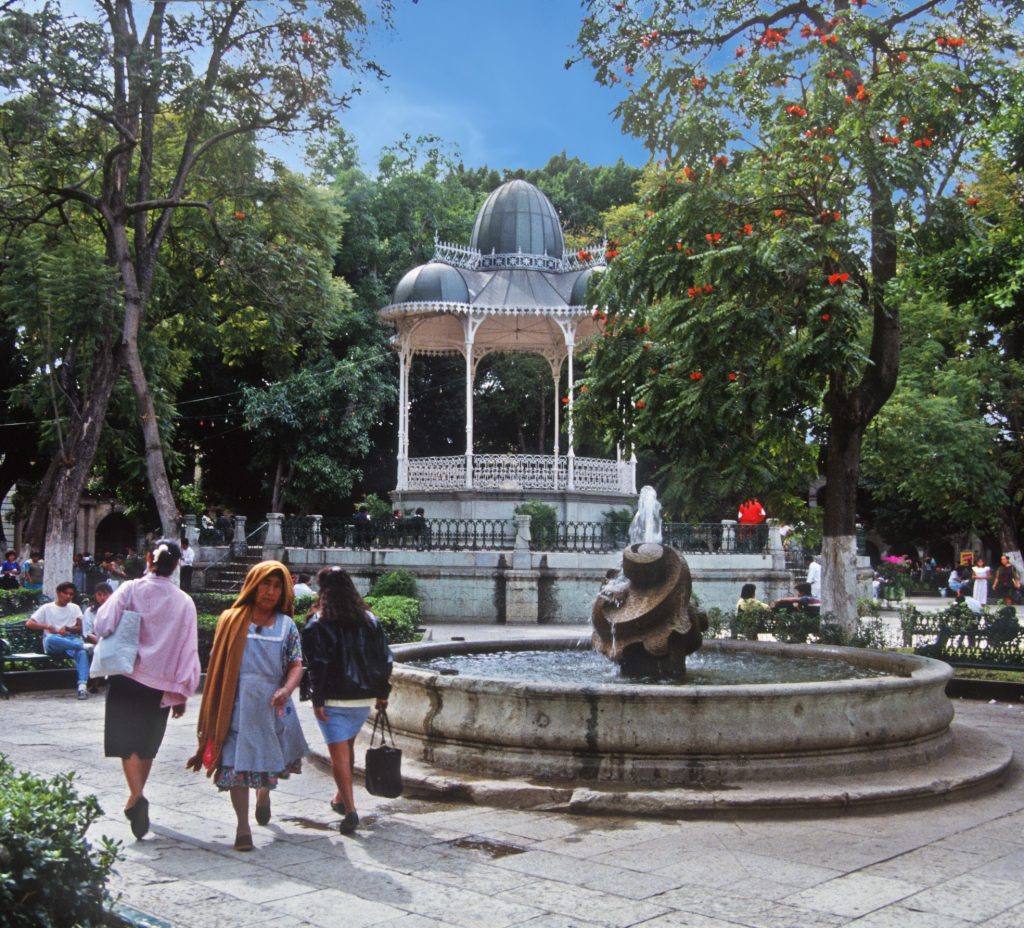
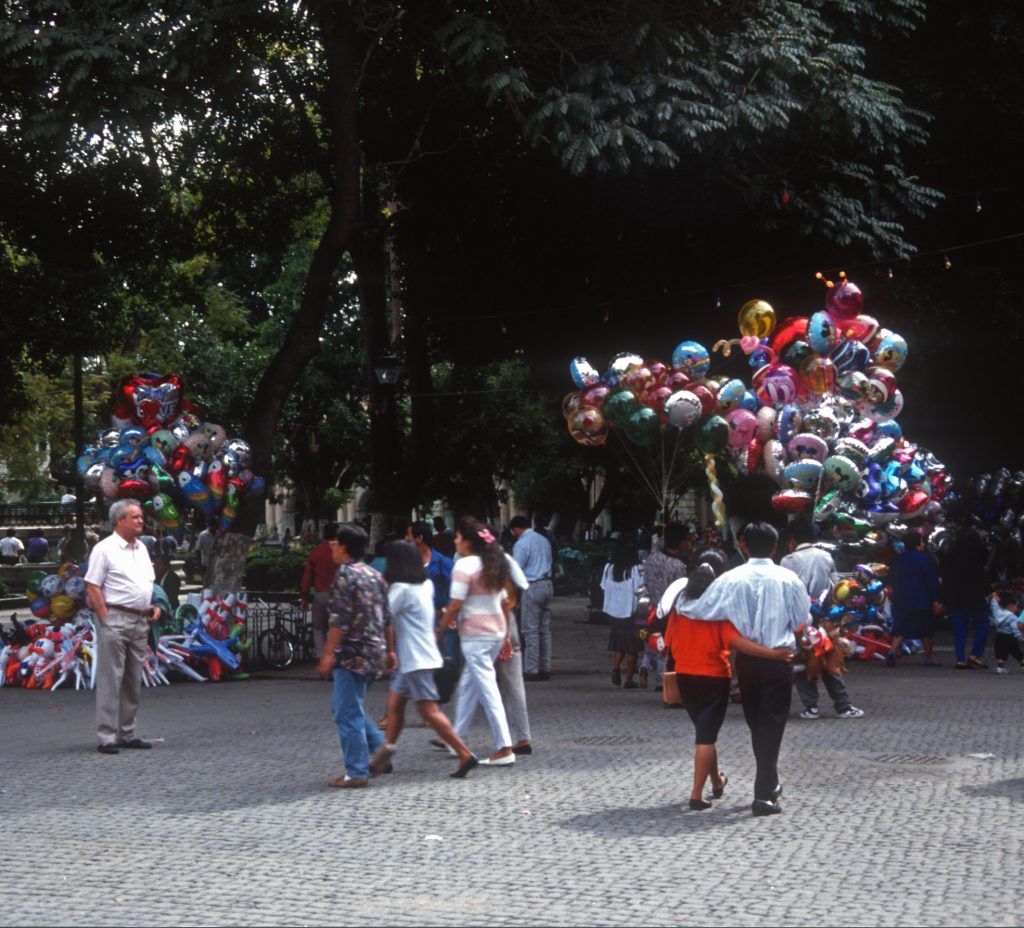
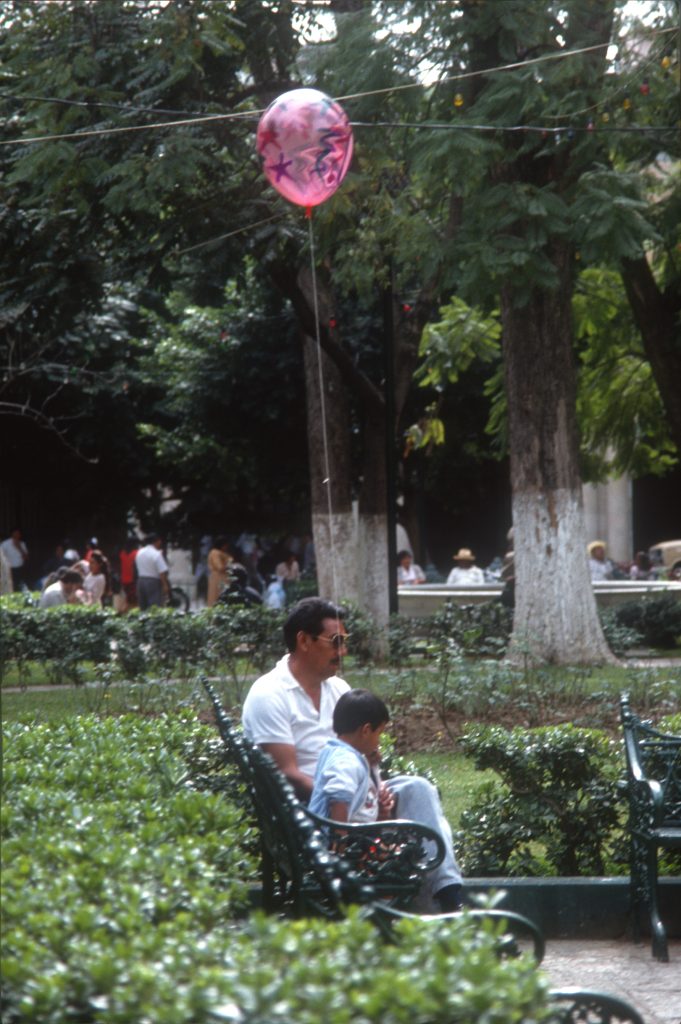
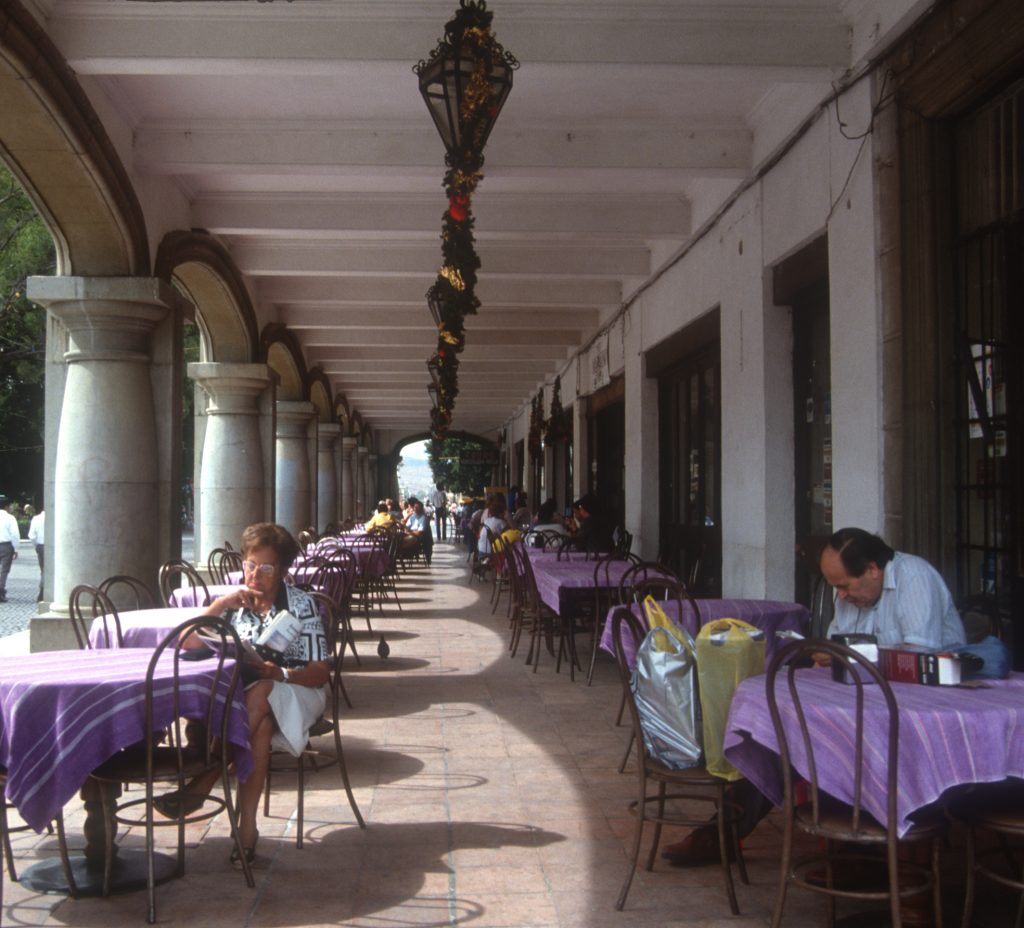
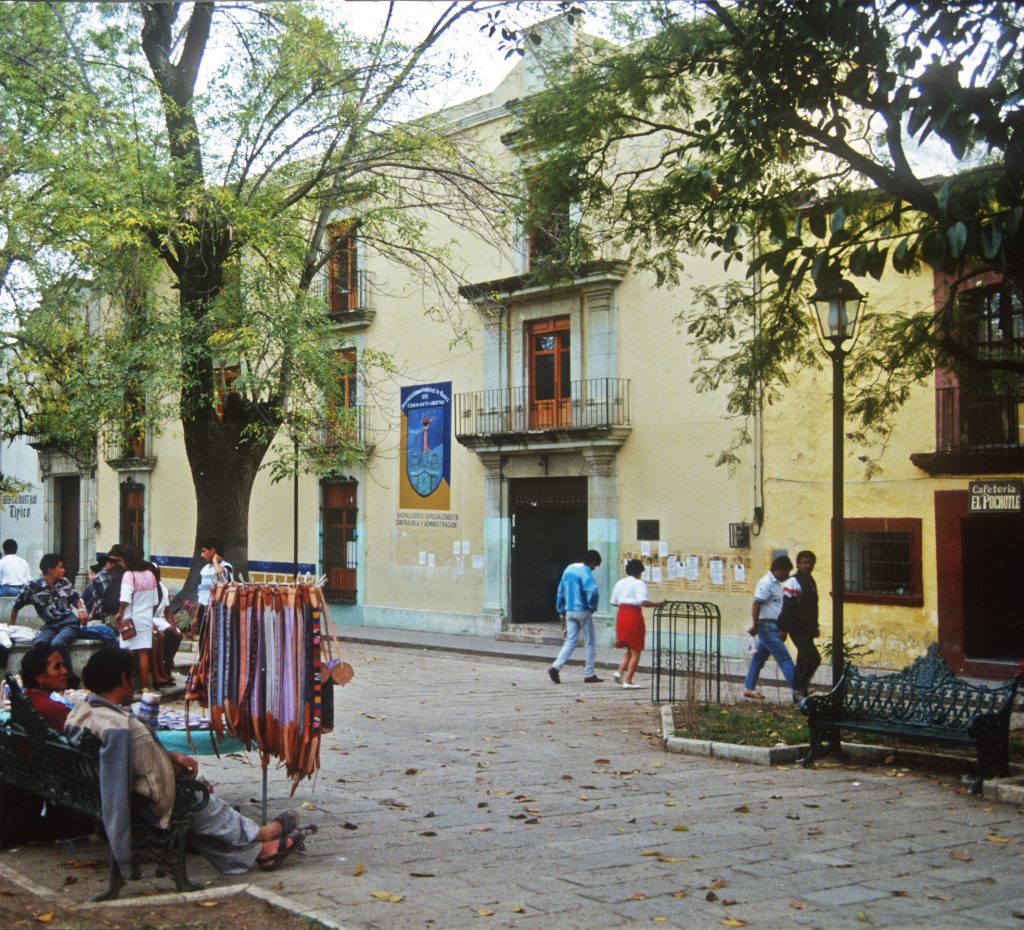
The Zócalo, Oaxaca’s central square, is filled with vendors selling handwoven textiles, musicians strumming guitars, and children chasing pigeons. The arcades lining the square provide perfect perches to sip rich hot chocolate and watch the world pass by.
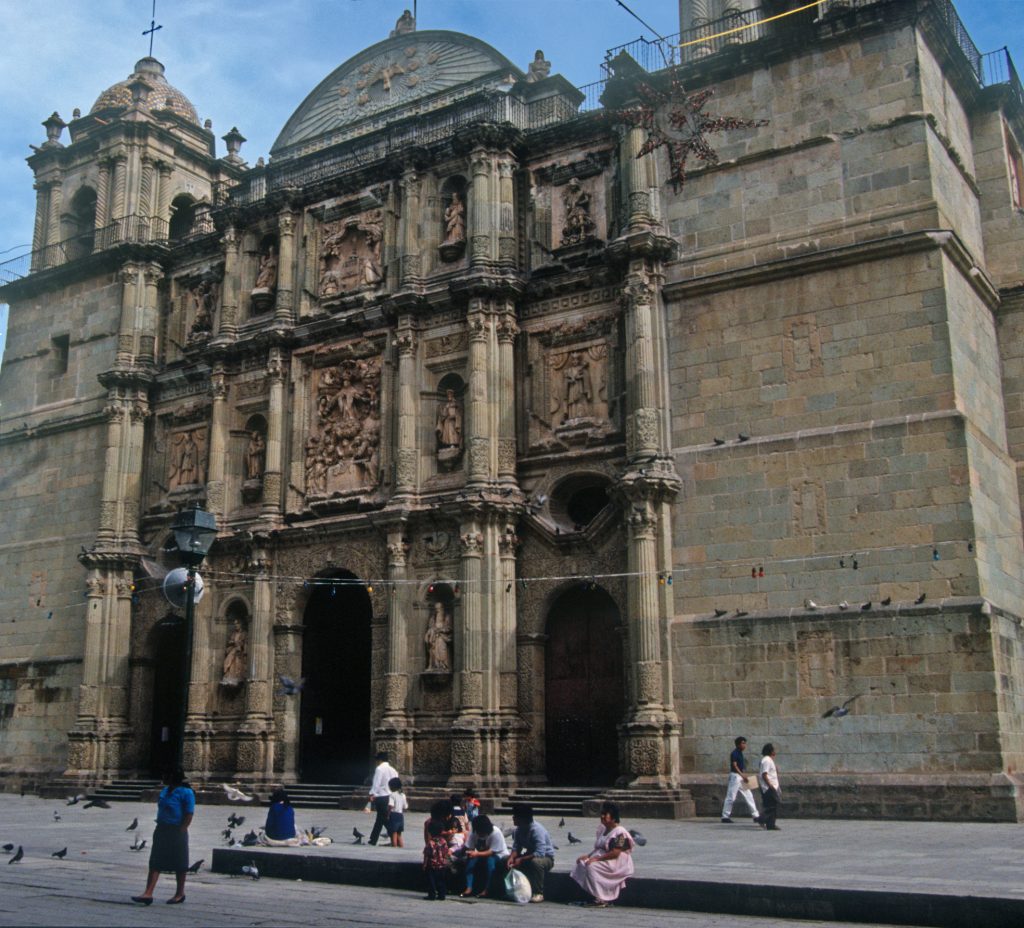
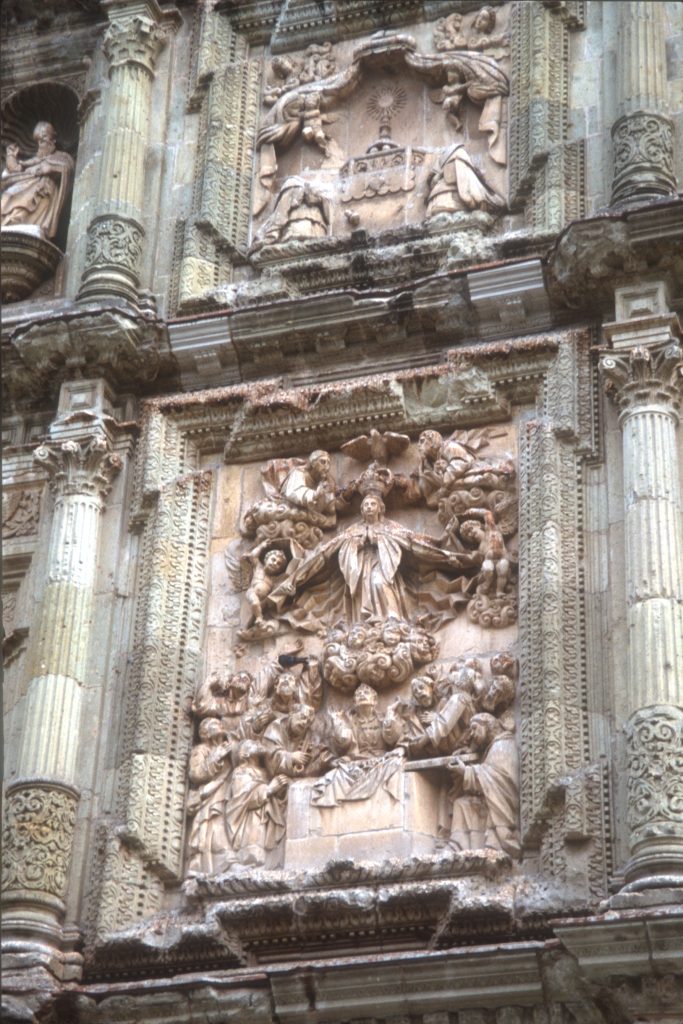
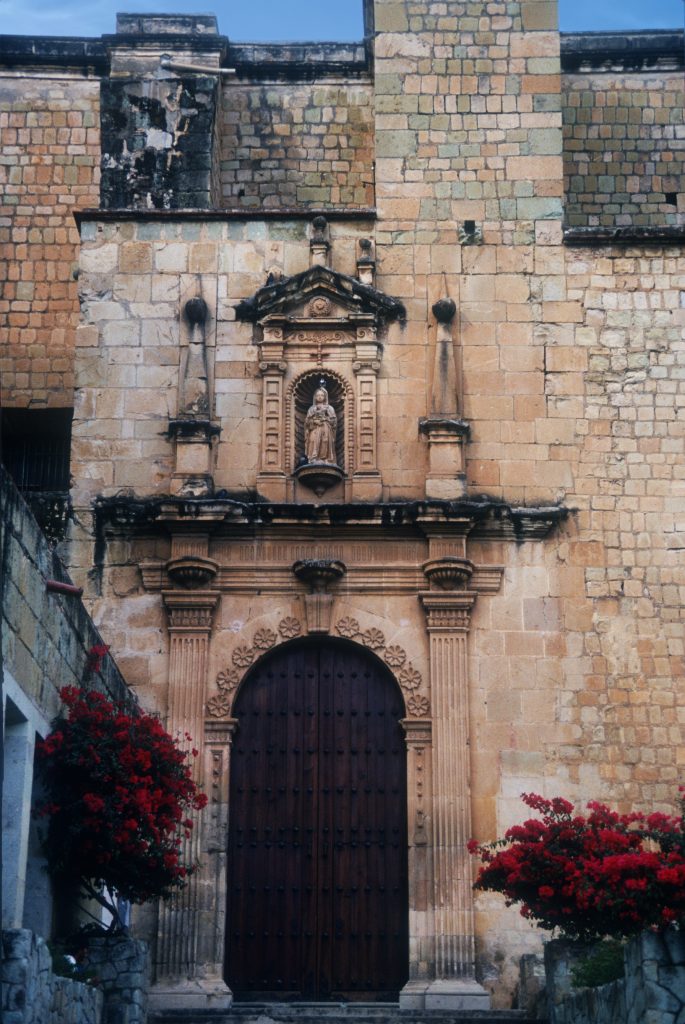
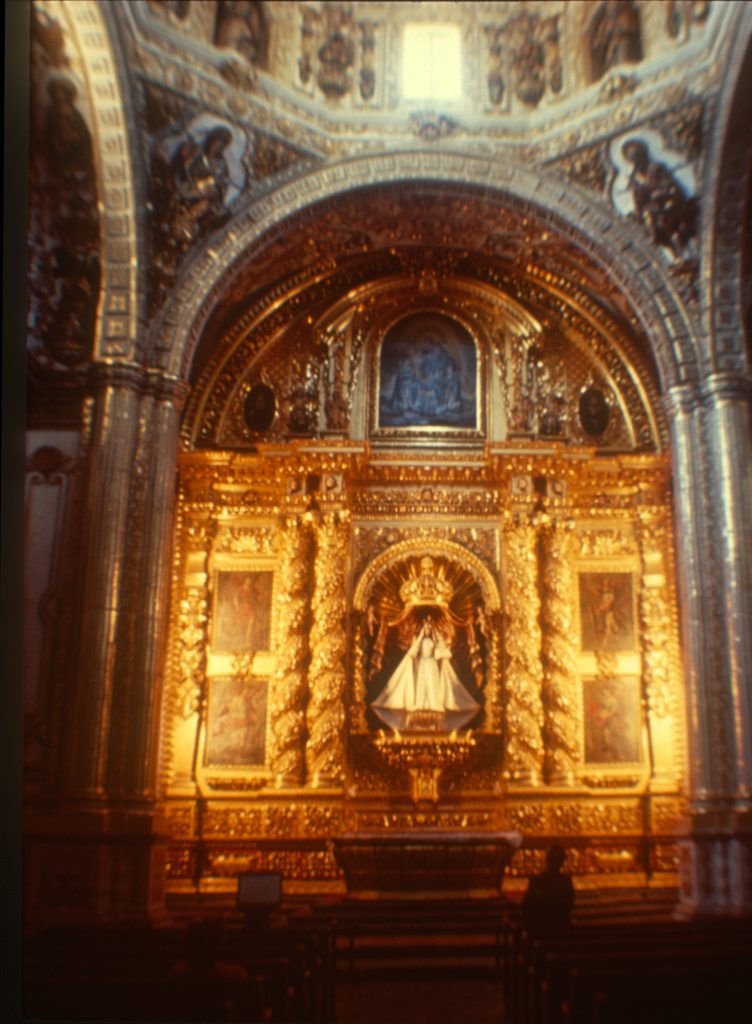
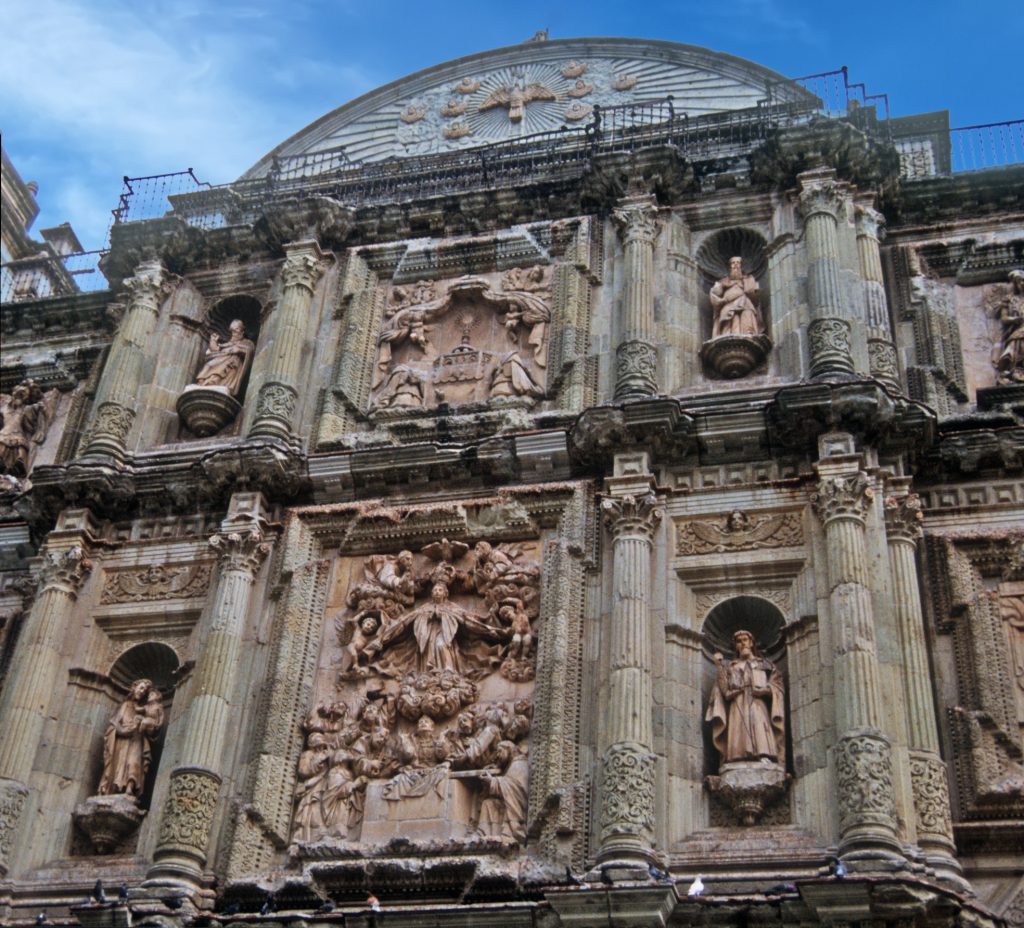
Dominating its streets is the Basilica de la Soledad, a striking 17th-century church dedicated to the Virgin of Solitude, Oaxaca’s patron saint. Its carved stone façade displays the intricate detail of Spanish baroque design, with elaborate niches and sculpted saints. Inside, the soaring nave leads to a magnificent altar adorned with gilded woodwork and a revered statue of the Virgin of Soledad, dressed in fine textiles and jewelry offered by generations of devotees. The plaza adjoins it, often filled with flower vendors and music, inviting quiet moments of reflection and devotion. The basilica is a spiritual center and vibrant gathering place during religious festivals, especially during Holy Week and the feast day of the Virgin.
Two other local historic sites worth visiting are:
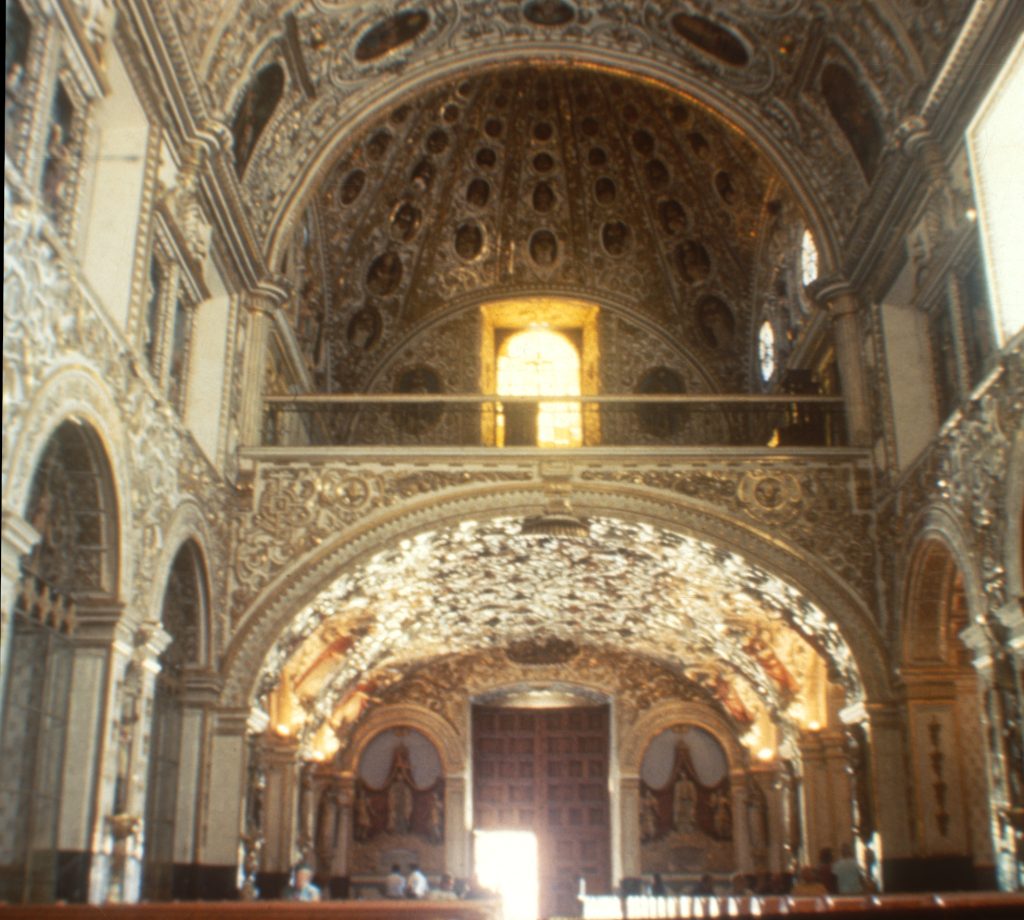
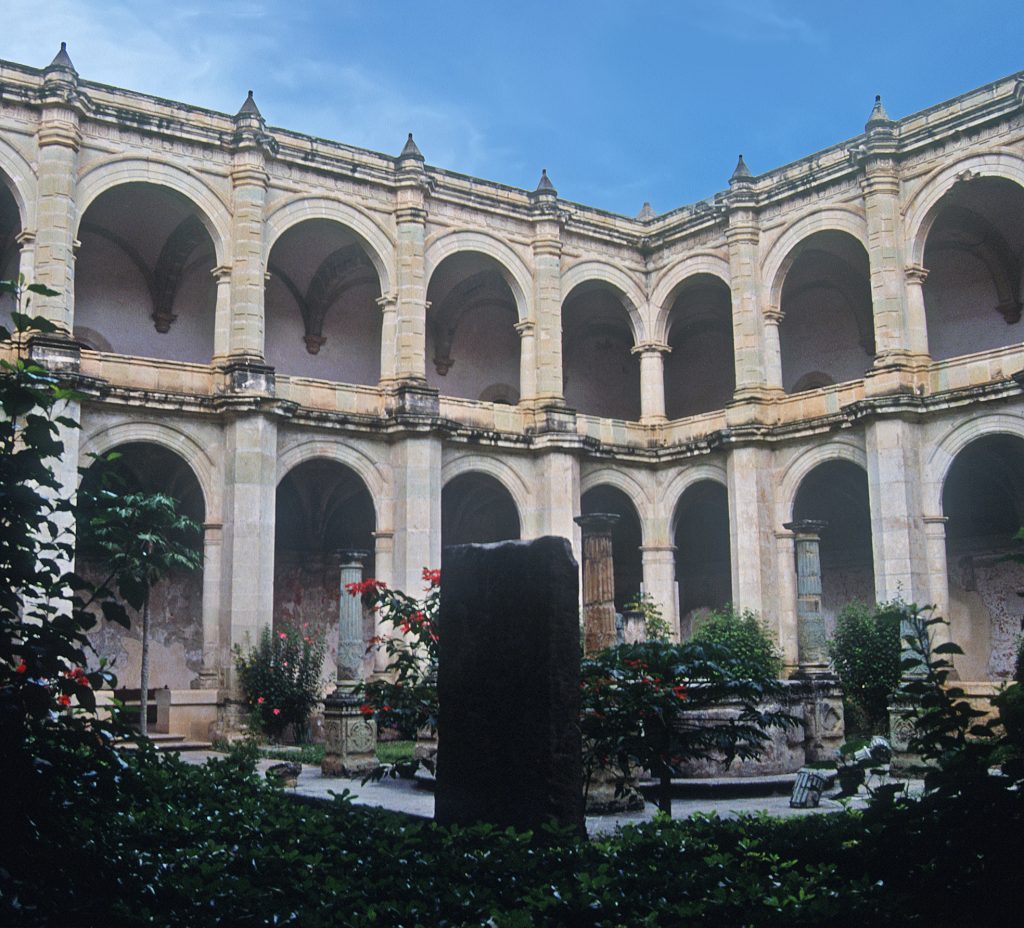
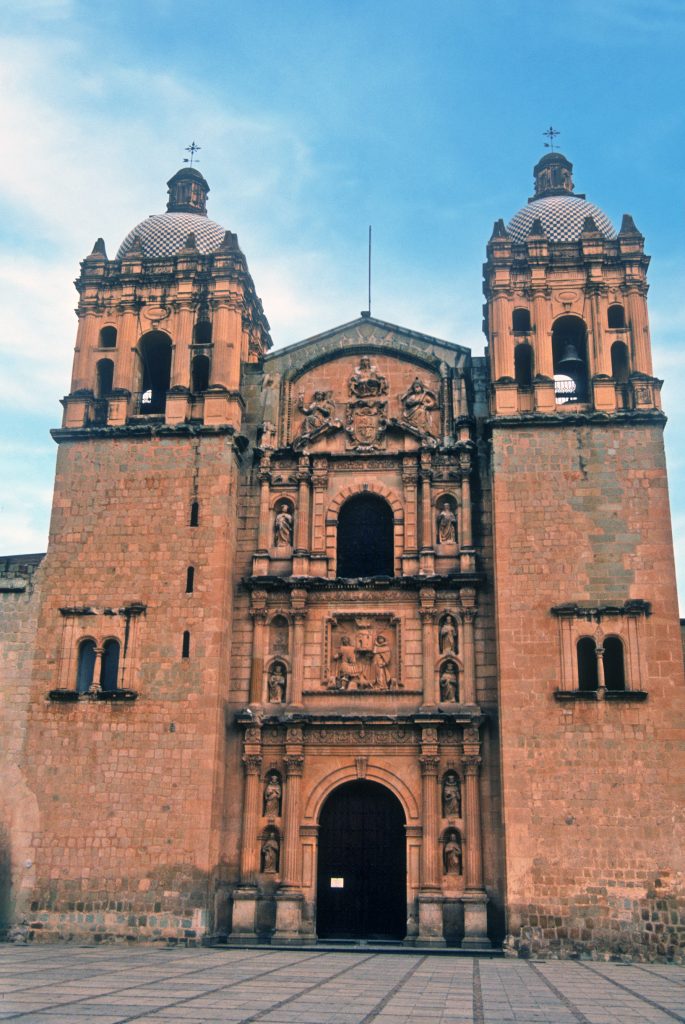
- Templo de Santo Domingo de Guzmán: A baroque masterpiece built in the late 16th century, this former Dominican monastery dazzles with its gilded interior, elaborate altarpieces, and exquisite ceiling frescoes.
- Teatro Macedonio Alcalá: This elegant 19th-century theater, with its French-style façade and ornate interior, remains a vibrant venue for music and dance performances.
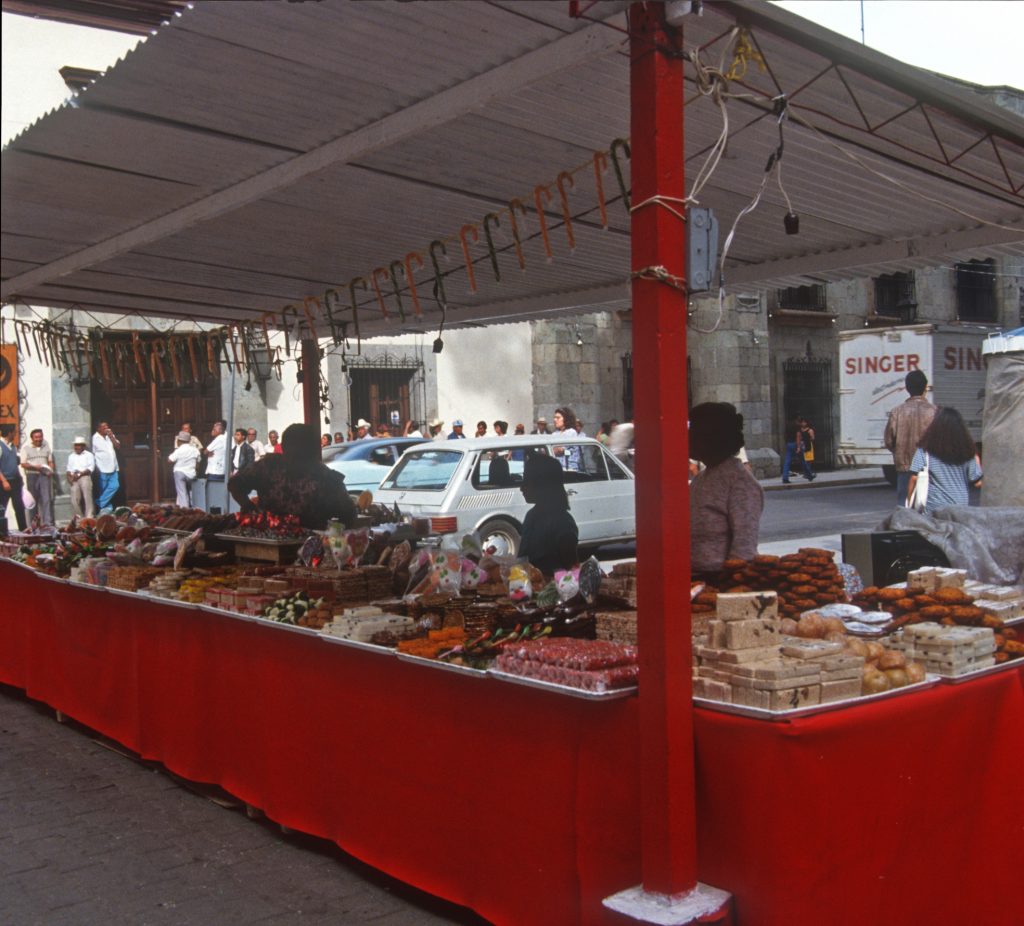
Oaxaca is a city of local craftsmen and craftswomen who carry on the proud handiwork of their ancestors. There are five markets where you can browse their offerings:
- Mercado Benito Juárez: A bustling traditional market in the heart of the city, offering everything from woven textiles and leather goods to Oaxacan chocolate and spices.
- Mercado 20 de Noviembre: Famous for its smoky “pasillo de humo” (hall of smoke), this lively market also features beautiful handmade pottery, woven baskets, and local foods.
- Tlacolula Sunday Market: One of the oldest and largest traditional markets in Oaxaca’s valley, this vibrant gathering is a feast of Zapotec crafts, embroidered clothing, and rich local flavors.
- Mercado de Artesanías de Oaxaca: Specializing in traditional crafts such as alebrijes (brightly painted wooden creatures), black pottery, and colorful tapetes (woven rugs).
- Abastos Market (Central de Abasto): A vast labyrinth where you can find every imaginable product, particularly textiles, handmade jewelry, and folk art from every corner of the state.
Oaxacan Cuisine: A Culinary Treasure
Oaxaca’s cuisine mirrors the complexity of its history. The city is often called the “Land of the Seven Moles,” with each mole, from the dark, chocolatey mole negro to the bright and tangy mole verde, representing a complex, multi-ingredient sauce built from generations of indigenous and colonial culinary blending. Street markets brim with tlayudas (crispy, oversized tortillas topped with beans, cheese, and meat), tamales wrapped in banana leaves, and chapulines (crispy, seasoned grasshoppers), offering crunchy local delicacies. No visit to Oaxaca is complete without savoring the region’s chocolate, traditionally blended with cinnamon and almonds, or sipping mezcal, the smoky spirit crafted from agave hearts in nearby valleys.
A Visit to Monte Albán
Above Oaxaca on a hillside, Monte Albán rises just a short drive from the city, its pre-Columbian ruins offering sweeping views over the valley and revealing Oaxaca’s ancient heritage. Visitors can explore an impressive Grand Plaza surrounded by pyramids and temples, the Observatory believed to have been used for astronomical purposes, and the famous Danzantes stone carvings, bas-reliefs depicting early figures thought to represent ritual dancers or prisoners. Tombs with detailed frescoes, ceremonial ball courts, and carefully engineered terraces reveal the sophistication of Zapotec urban planning.
Tradition Reigns With Modern Exuberance
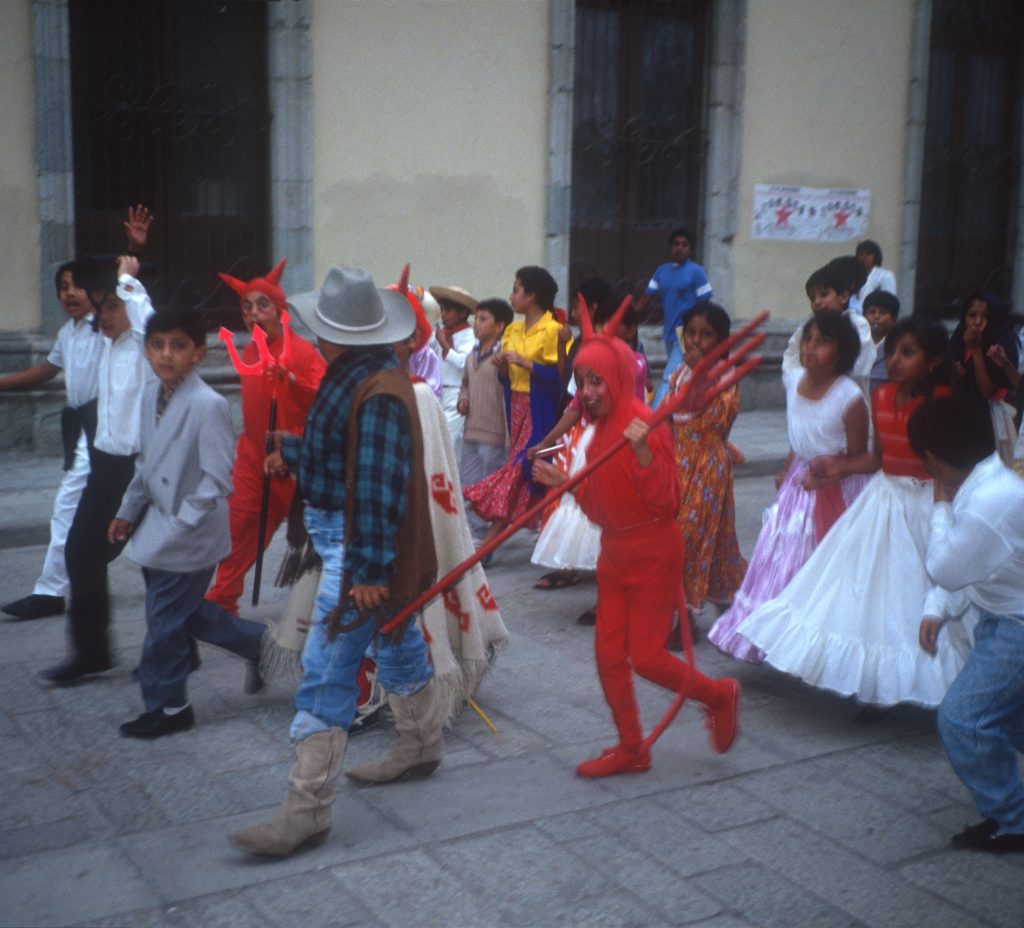
Oaxaca balances deep reverence for tradition with a thriving contemporary arts scene. Its colorful galleries, artisanal markets, and world-class restaurants showcase a city that honors its roots while embracing new voices. Festivals like the Guelaguetza, Day of the Dead, and Noche de Rábanos celebrate the city’s indomitable spirit with breathtaking artistry and joyful abandon.
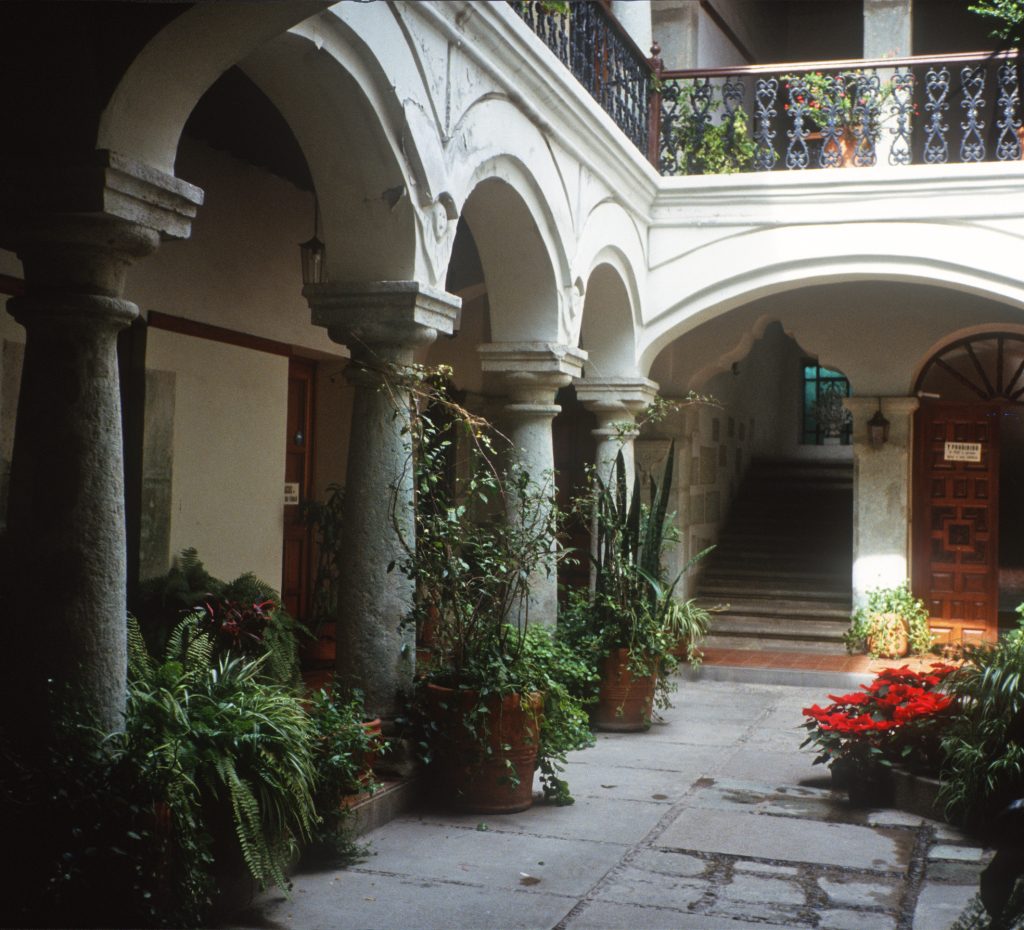
So let yourself linger in a shaded courtyard perfumed by copal incense, listen to the distant strum of a mariachi band, and savor Oaxaca’s storied chocolate. Here, history is not frozen in museums but dances in the streets, flavors every dish, and brightens every corner.
Where to Stay in Oaxaca, Mexico
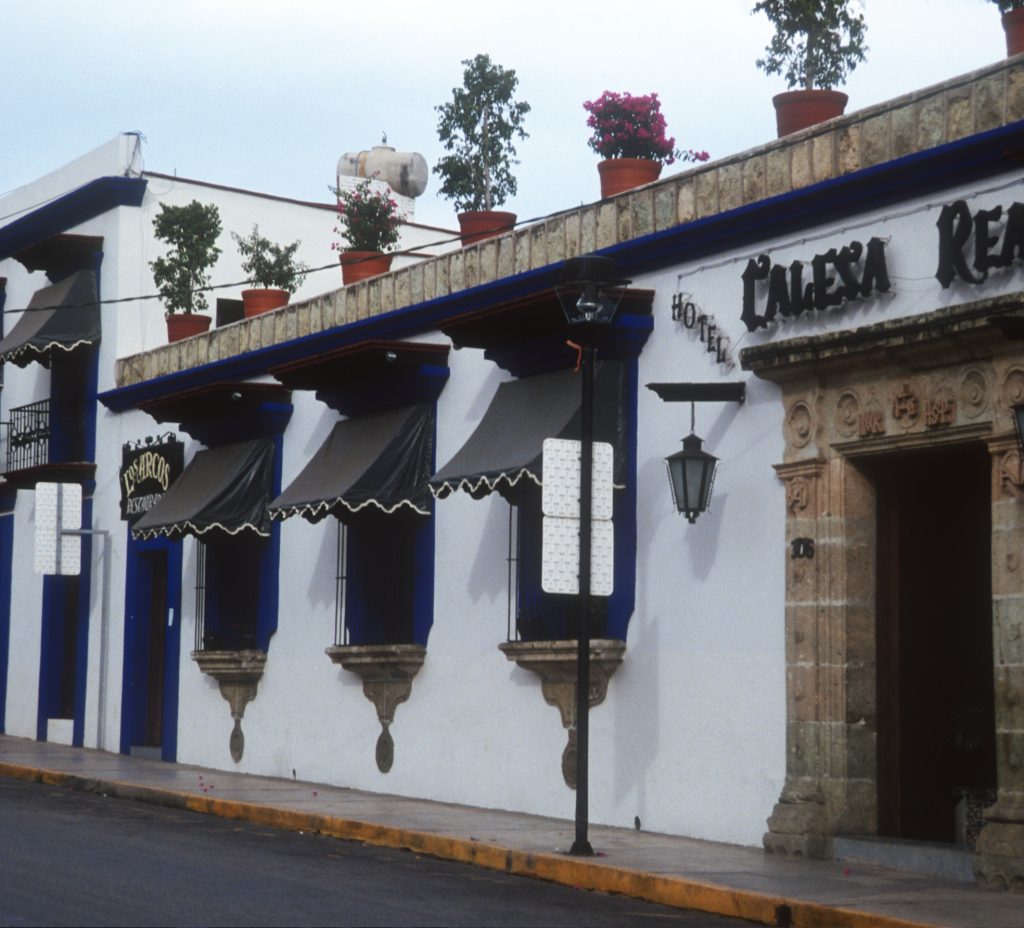
The historic center of Oaxaca, particularly the Zócalo and surrounding colonial neighborhoods, offers the most convenient base for exploring the city’s cultural attractions and food scene. Hotels and guesthouses here range from budget-friendly options to mid-range colonial properties, many in restored 16th and 17th century buildings. Staying within walking distance of the cathedral and main plazas puts you near the best markets, museums, and restaurants, letting you skip taxis for most outings.
For travelers seeking a quieter experience, the neighborhoods of Xochimilco and Jalatlaco just north of the center offer a more local feel while staying close enough for easy access to main attractions. These areas have fewer tourists, lower-cost lodging, and excellent small restaurants where locals eat. You’ll find family-run guesthouses and modest hotels offering authentic Oaxacan hospitality at reasonable rates.
If you prefer more amenities and don’t mind venturing slightly outside the historic core, the neighborhoods around the periférico have several larger hotels with pools and restaurants. These areas work well if you’re renting a car, though reaching the city center requires more effort. The trade-off is comfort and space instead of the walkable charm of the old town.
Many visitors stay in surrounding villages like Etla or Tlacolula for day trips to Oaxaca, taking advantage of local markets and archaeological sites. This option works best if you have transportation arranged and want to experience both rural Oaxacan life and the city’s colonial heritage.
Recommended Reading
- Gods of Jade and Shadow by Silvia Moreno-García: A lush fairy tale weaving Mexican folklore with 20th-century history.
- The Lacuna by Barbara Kingsolver: Though set across Mexico and the U.S., it richly evokes Mexican culture and spirit.
- Oaxaca: The Spirit of Mexico by Judith Cooper Haden: A beautifully illustrated exploration of Oaxaca’s culture, food, and traditions.
- The Codex Mendoza by Frances Berdan and Patricia Anawalt: A vivid look into the indigenous world before and after the Spanish conquest.
- Insight Guides: Mexico – A lavishly illustrated inspirational travel guide to Mexico and a beautiful souvenir of your trip. Perfect for travelers looking for a deeper dive into the destination’s history and culture, it’s ideal to inspire and help you plan your travels.
Tours to Consider
- Private Historic City Tour + Street Food of Oaxaca – Best Rated
- Oaxacan Journey
- Oaxaca Conmigo Private Tours
- Monte Alban Guided Half Day Tour