
There is a place in Mexico City where time folds like a map, where gods still cast their long shadows across stone and earth, and where the soul of a people emerges from jade, obsidian, and gold. This place is the Museo Nacional de Antropología—the National Museum of Anthropology—a breathtaking shrine to Mexico’s indigenous civilizations and one of the world’s greatest cultural institutions.
Opened in 1964 within the sprawling Bosque de Chapultepec, the museum is itself a marvel of modern architecture: its centerpiece, a soaring umbrella-like concrete canopy supported by a single slender pillar, symbolizes the nourishing axis between past and present, earth and sky.
Inside, a labyrinth of treasures awaits, inviting visitors to walk not merely through history, but through the lifeblood of Mesoamerica’s ancient empires.
Guardians of Ancient Splendor
Each gallery in the museum is devoted to a major indigenous culture of Mexico—Toltec, Mexica (Aztec), Maya, Olmec, Zapotec, Mixtec, and others—presented with reverence, drama, and meticulous scholarship.
Here are some of the most iconic treasures housed within these hallowed halls:
- The Piedra del Sol (Aztec Sun Stone)
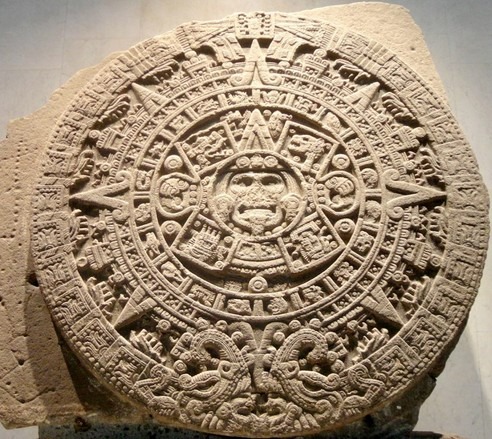
Perhaps the museum’s most famous artifact, this monumental basalt disk—measuring nearly 12 feet across—depicts the Aztec vision of cosmic order and sacrifice. Often miscalled a “calendar,” it is, in truth, a symbolic map of the universe, etched with deities, sacred days, and apocalyptic prophecy. To stand before it is to feel the pulse of an ancient cosmos. - The Jade Mask of Pakal the Great
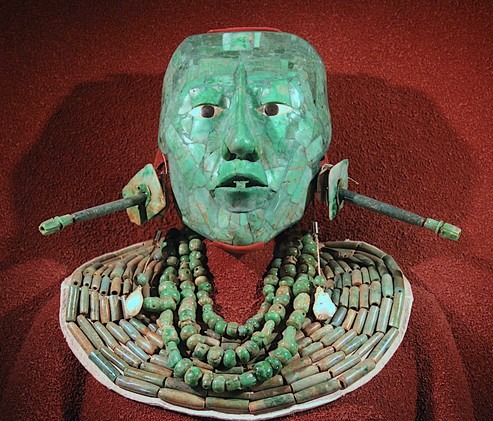
Exquisitely assembled from shimmering pieces of jade, this funerary mask once adorned the tomb of K’inich Janaab’ Pakal, the mighty Mayan ruler of Palenque. It radiates both regal majesty and the serene eternity sought by the Maya in the afterlife. - The Olmec Colossal Heads
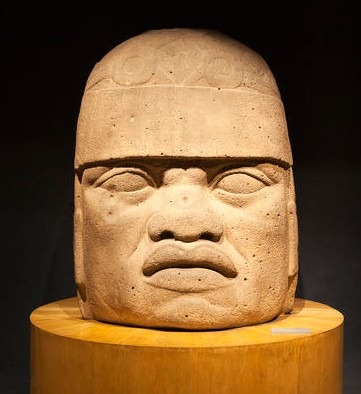
Towering and enigmatic, these massive basalt sculptures—some weighing up to 40 tons—capture the brooding power of the Olmec, Mesoamerica’s earliest great civilization. Their deeply furrowed brows and enigmatic expressions seem almost to watch, and judge, the passing centuries. - The Replica of the Tomb of the Red Queen
A stunning recreation of a discovery at Palenque: a noblewoman’s resting place, lavishly adorned with cinnabar-dusted bones and precious offerings. The reconstruction allows visitors to experience the sacred burial practices of the Maya with haunting immediacy. - The Atlantean Figures of Tula
Towering statues of Toltec warrior-priests, these carved giants once guarded a temple in Tula, bearing shields and atlatls (spear-throwers). Their stern faces and imposing posture speak of a culture built on martial prowess and spiritual power. - Codices and Glyphs
Fragile manuscripts, richly illuminated with images and glyphs, offer rare glimpses into how the Maya, Mixtec, and Aztec chronicled their histories, rituals, and cosmologies—testimonies written in symbols rather than words
A Living Bridge Between Worlds
But the museum is more than a mausoleum of relics—it is a vibrant bridge between the ancient and the modern. Contemporary indigenous groups are honored here as living cultures, not artifacts, with exhibits showcasing their ongoing traditions, languages, and crafts. Each hall, courtyard, and sculpture garden reminds the visitor: these civilizations did not vanish—they endure.
From the great ceremonial centers of Teotihuacan to the rain-drenched temples of Yucatán, the museum encapsulates the soul of a nation that has always lived with one foot in the material world and the other in the divine.In the cool, echoing halls of the National Museum of Anthropology, gods rise, kingdoms fall, and memory endures in stone and story. Here, amid the carved faces and sacred objects, visitors do not merely witness history—they stand within it, embraced by a civilization’s endless dream of time.
For those who wish to journey further into the rich worlds illuminated by the National Museum of Anthropology, consider:
- The Broken Spears: The Aztec Account of the Conquest of Mexico by Miguel León-Portilla —
A hauntingly beautiful compilation of indigenous perspectives on the Spanish conquest, assembled from surviving Nahuatl texts. - 1491: New Revelations of the Americas Before Columbus by Charles C. Mann — A sweeping, revelatory exploration of the sophisticated societies that thrived across the Americas long before European arrival.
- The Maya by Michael D. Coe — A classic, richly illustrated introduction to the Maya civilization, authored by one of the foremost scholars in the field.
Tours to Consider
This Article was featured in the Summer, 2025 issue of The Historic Traveler Magazine.
