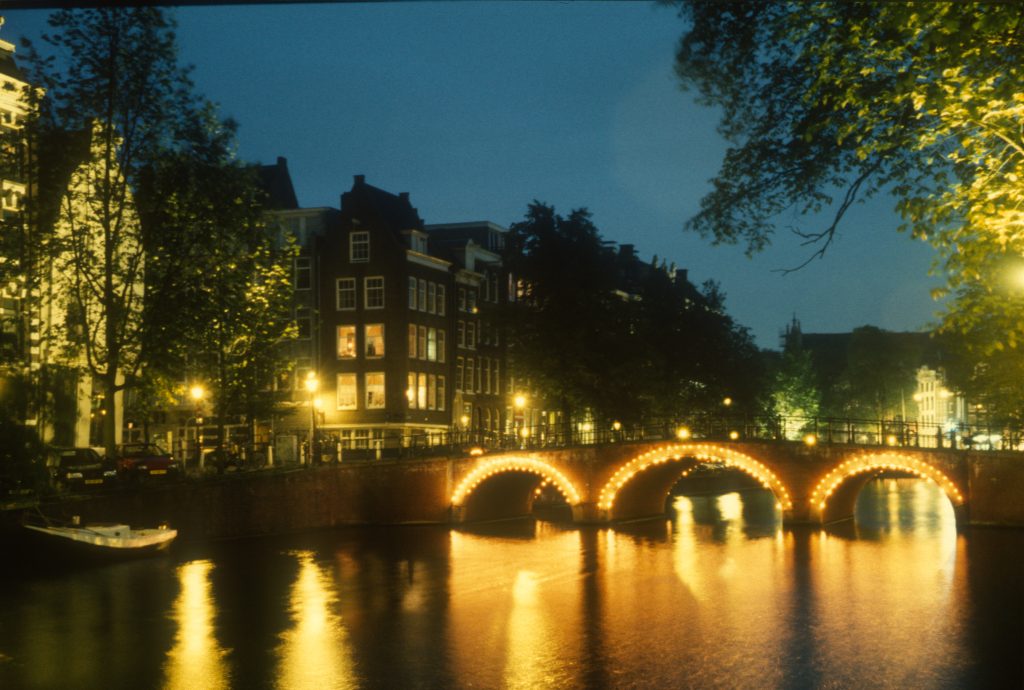
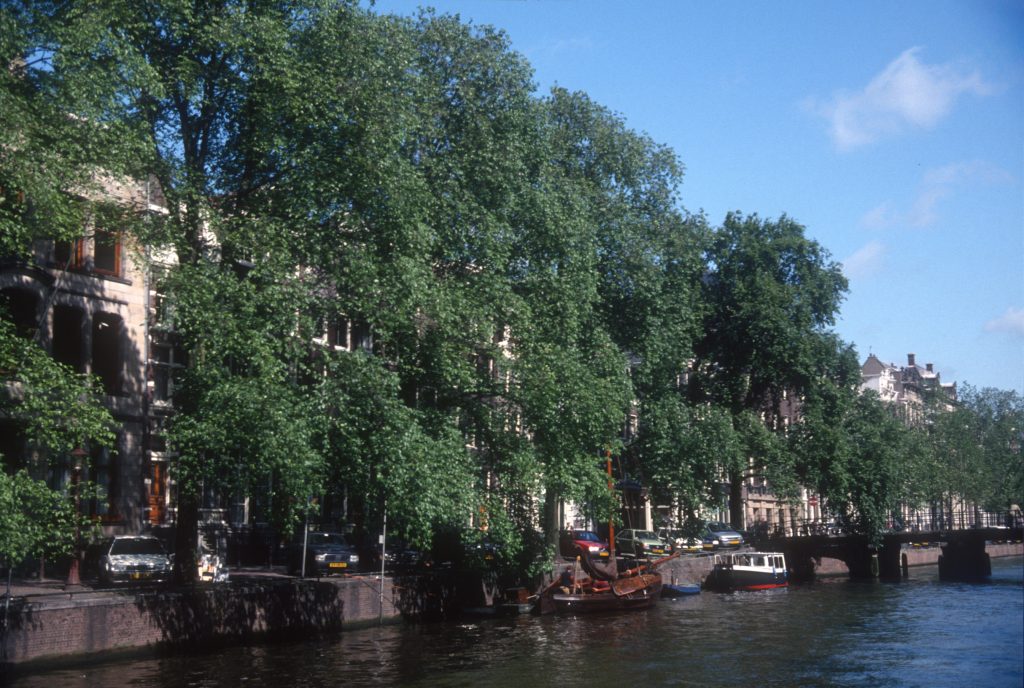
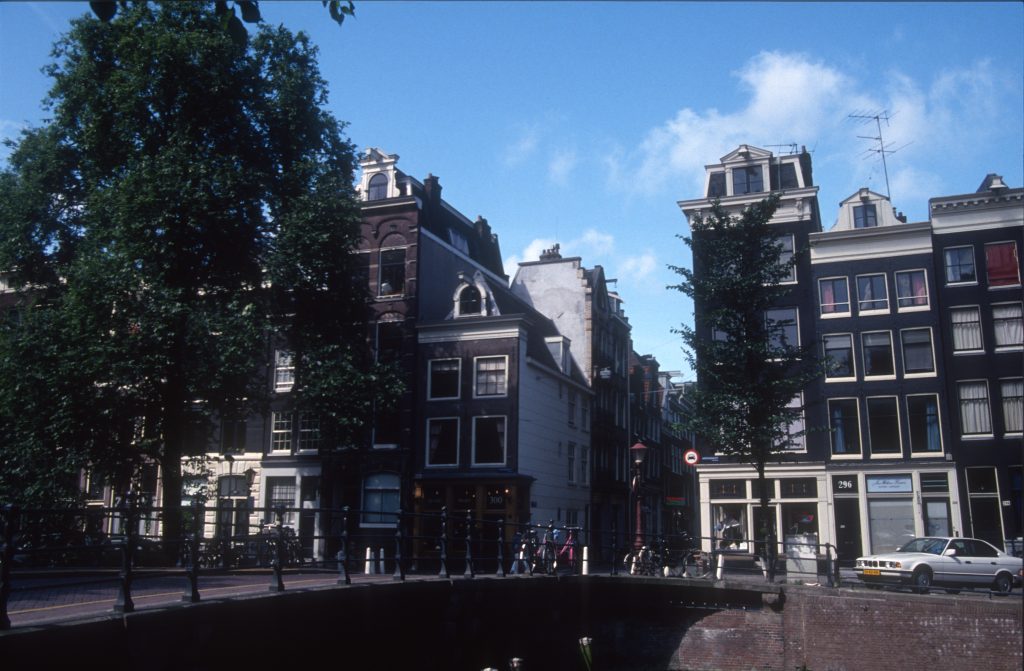
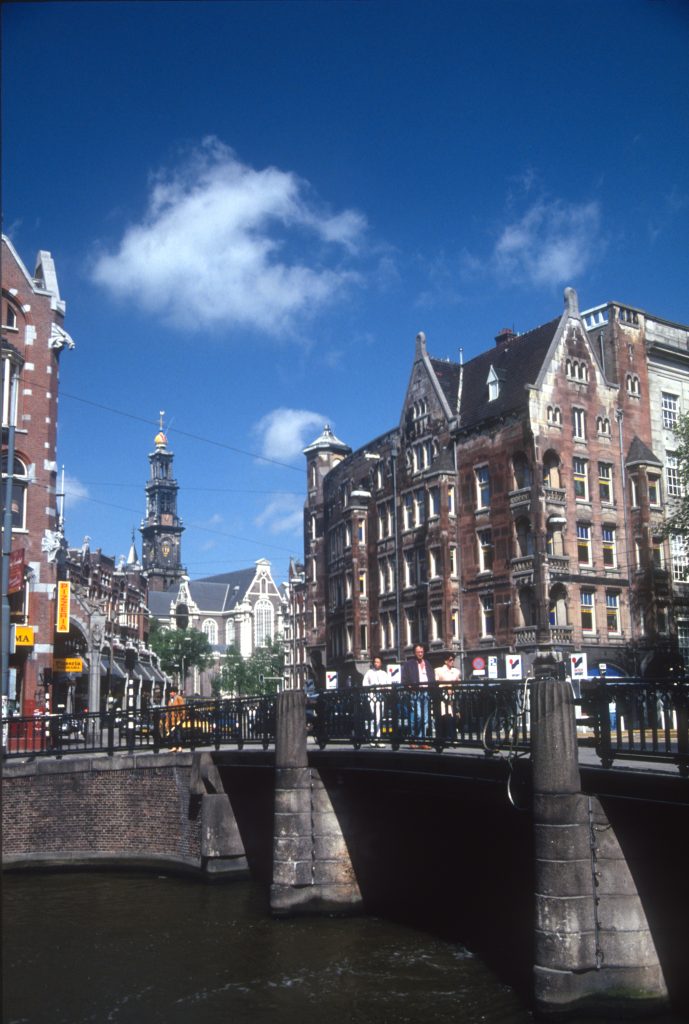
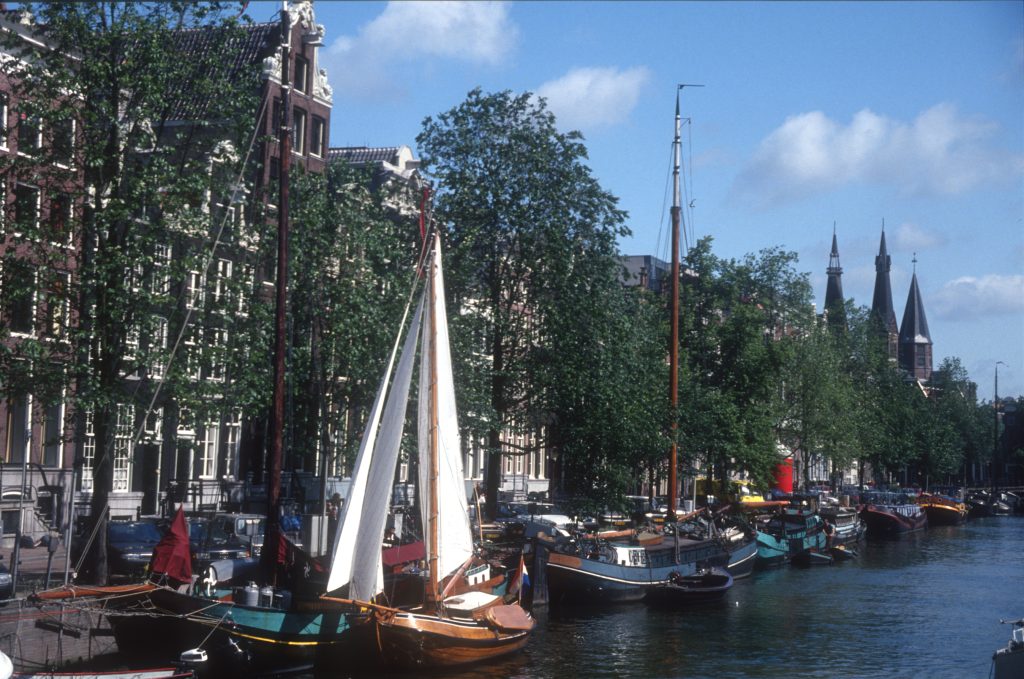
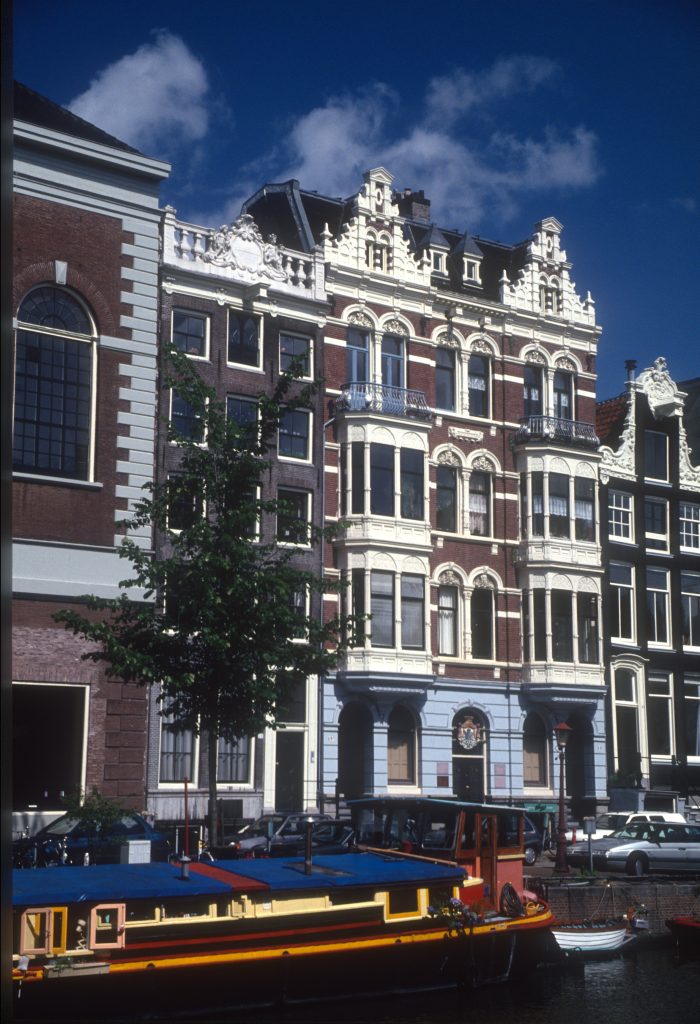
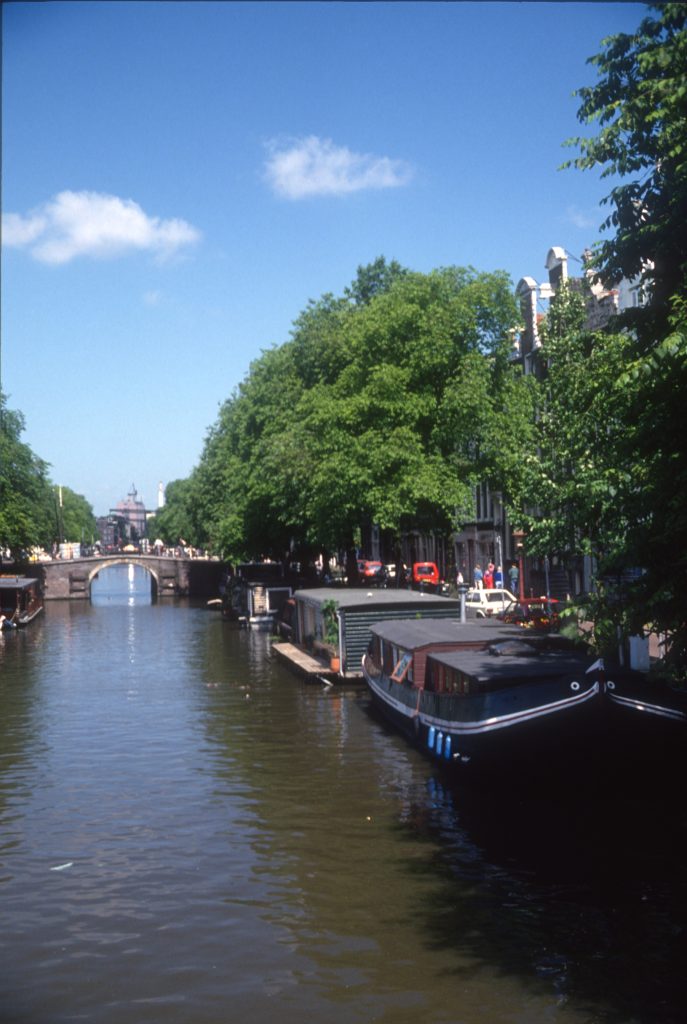
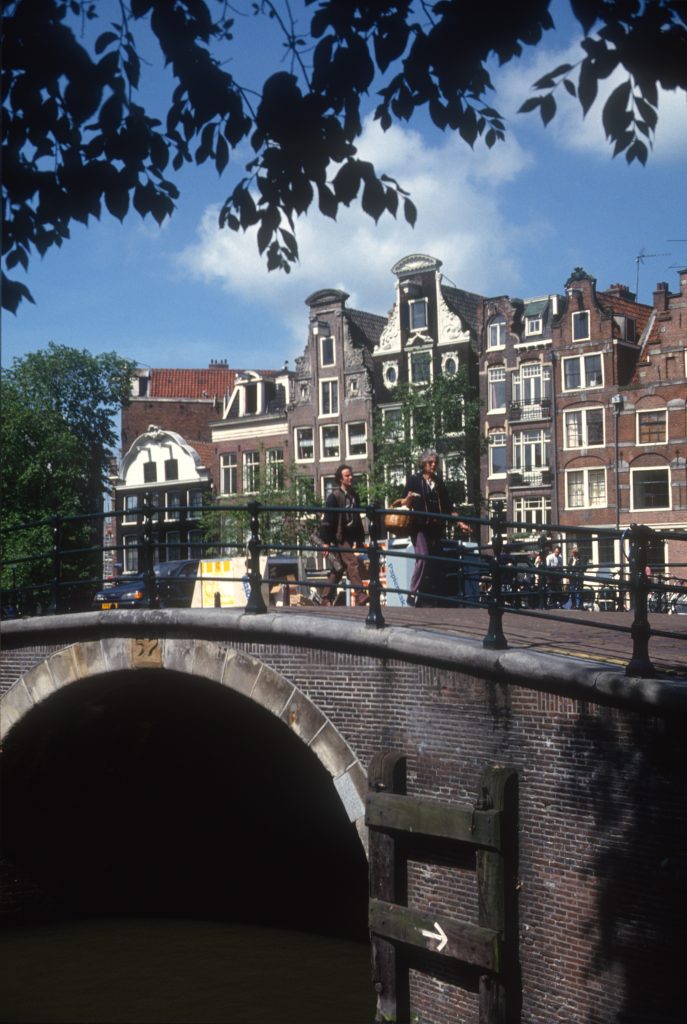
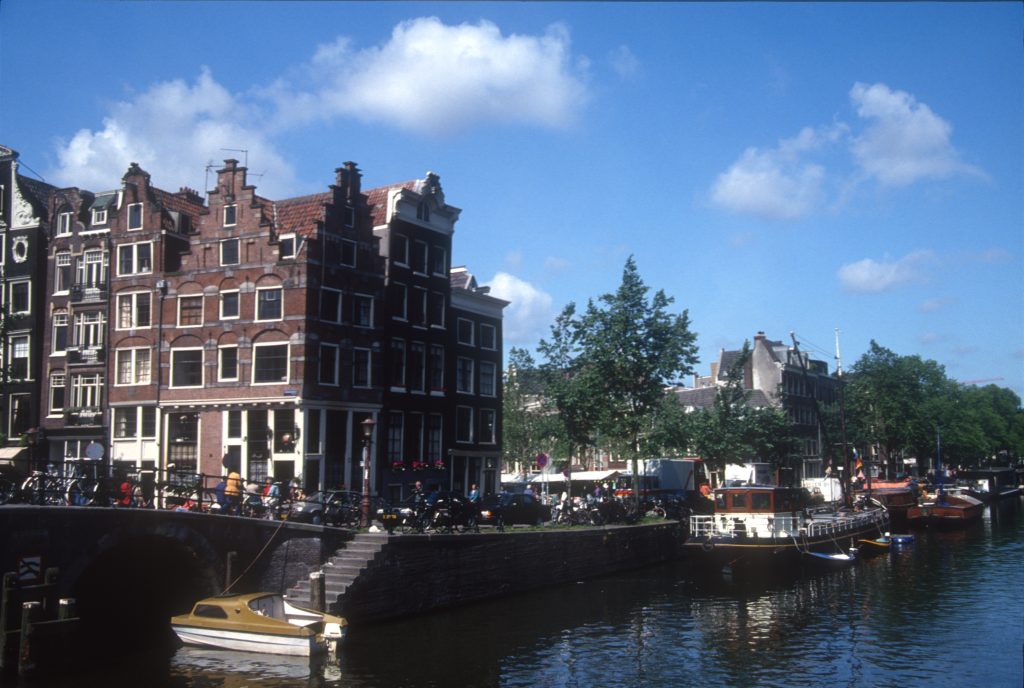
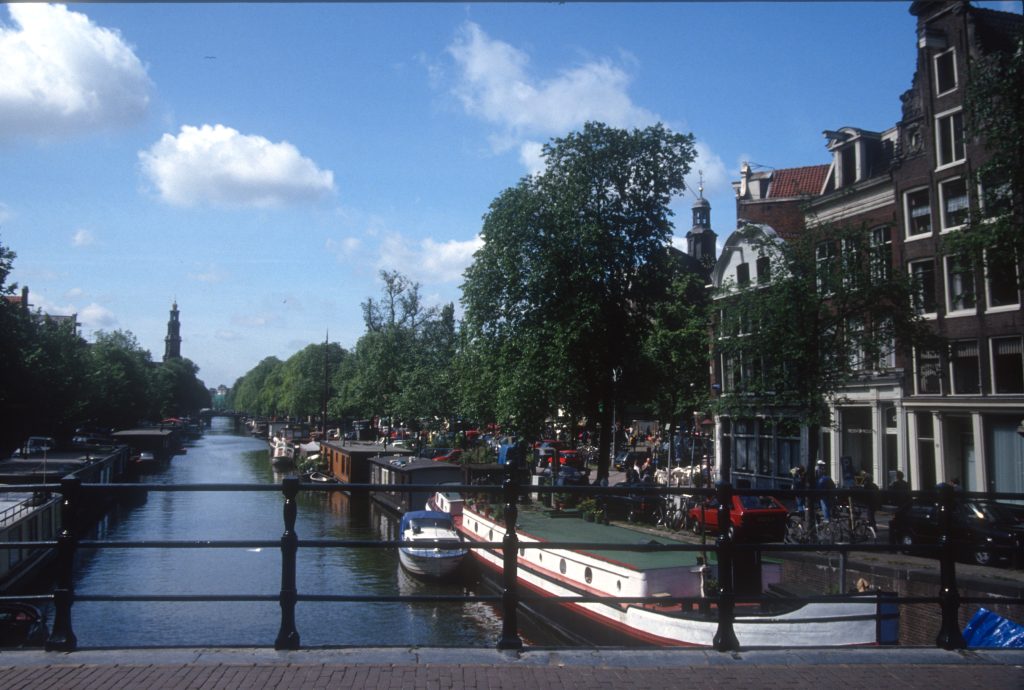
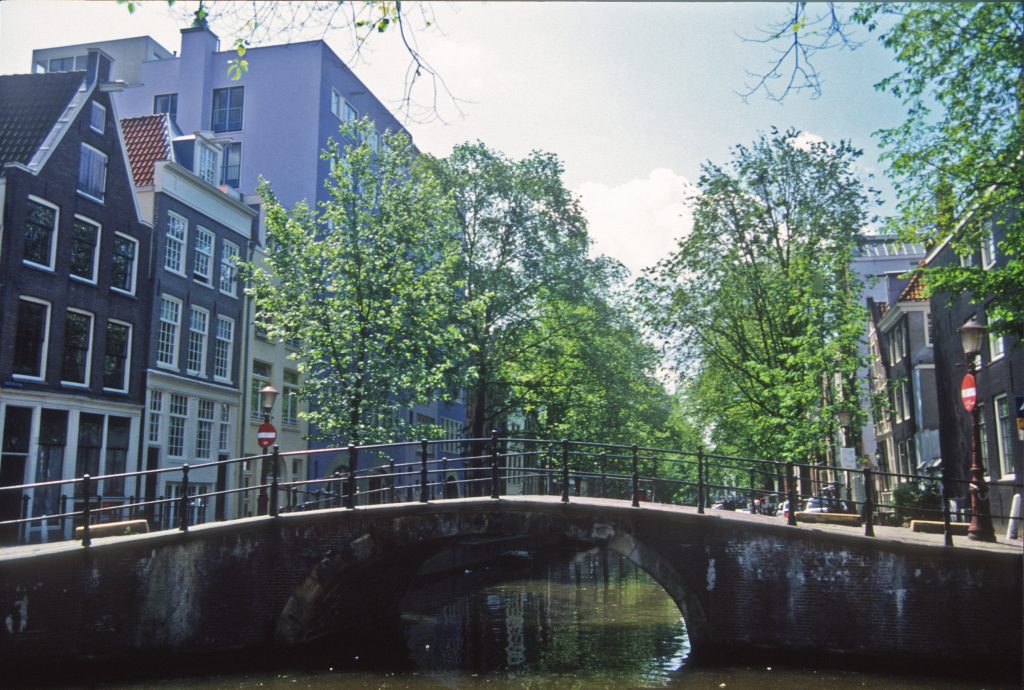
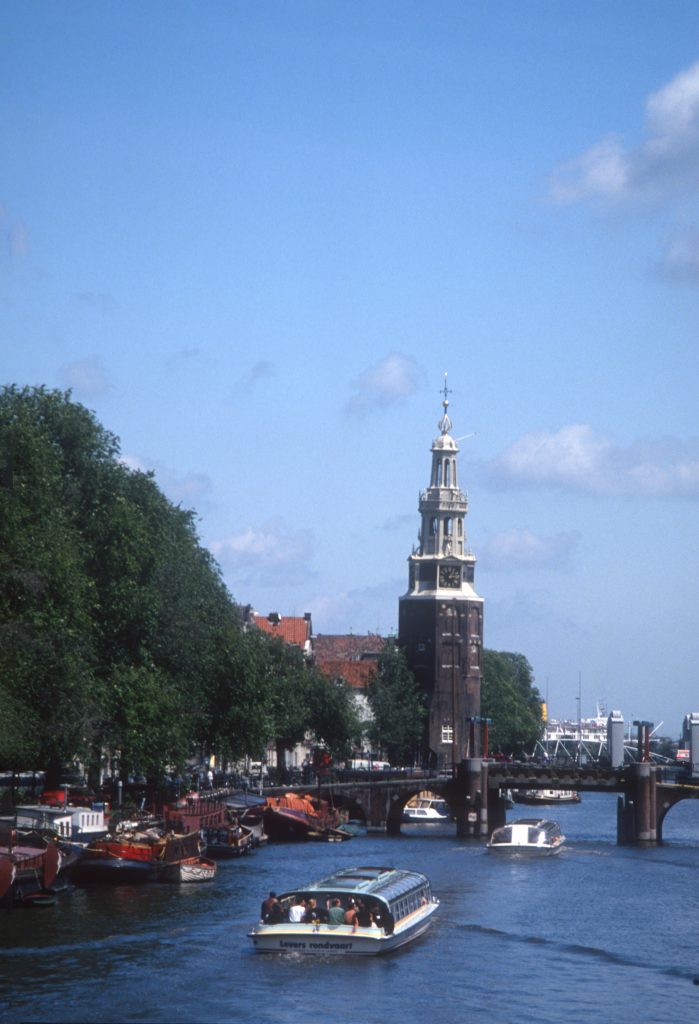
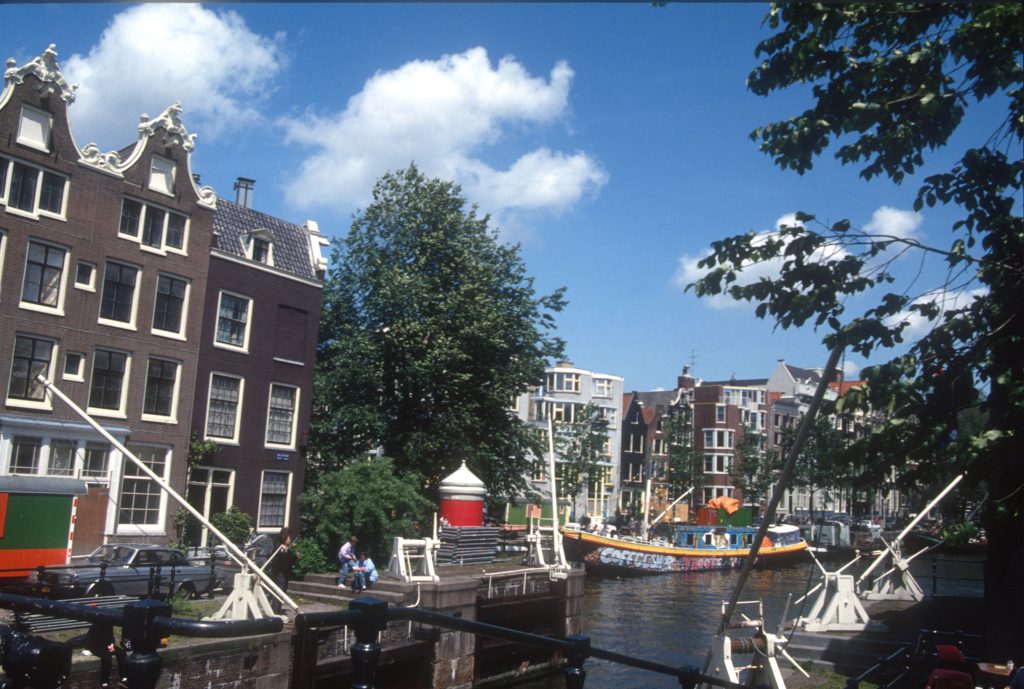
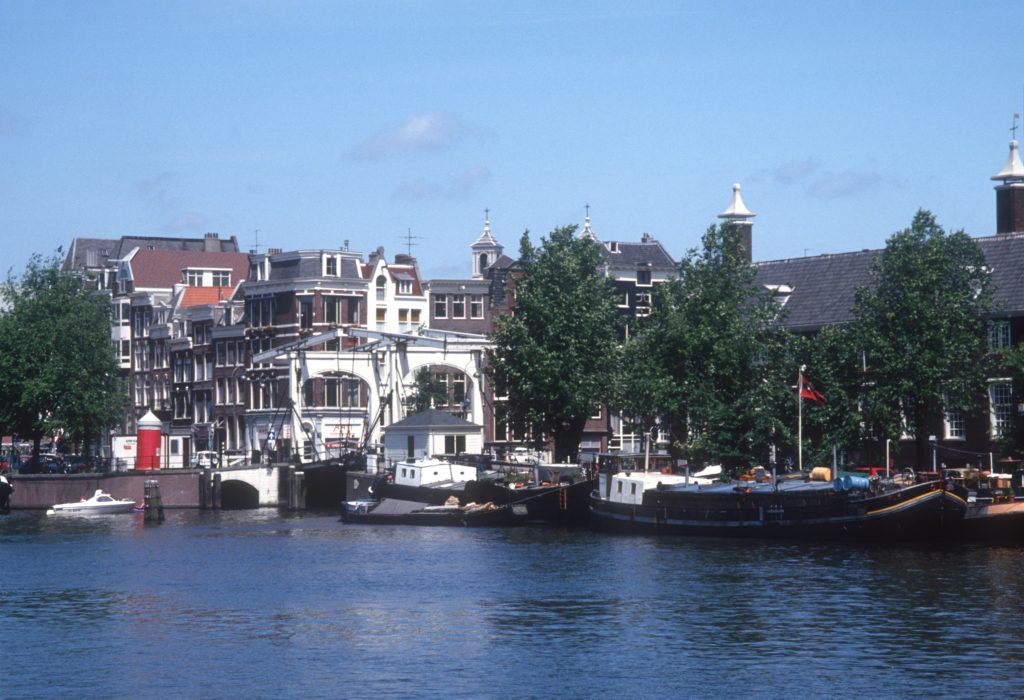
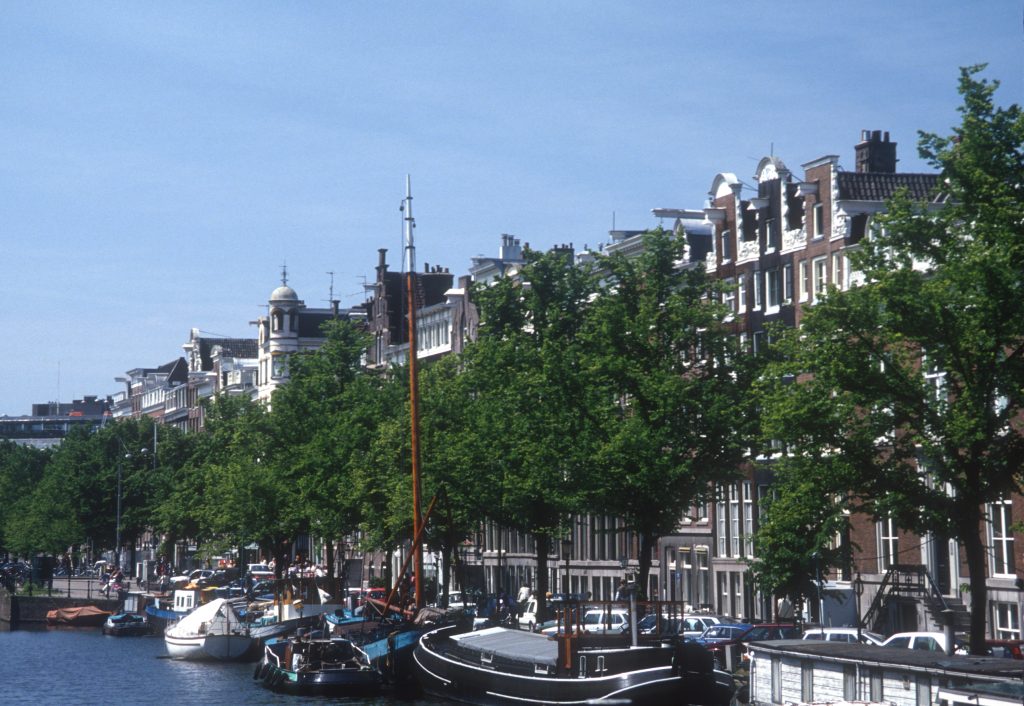
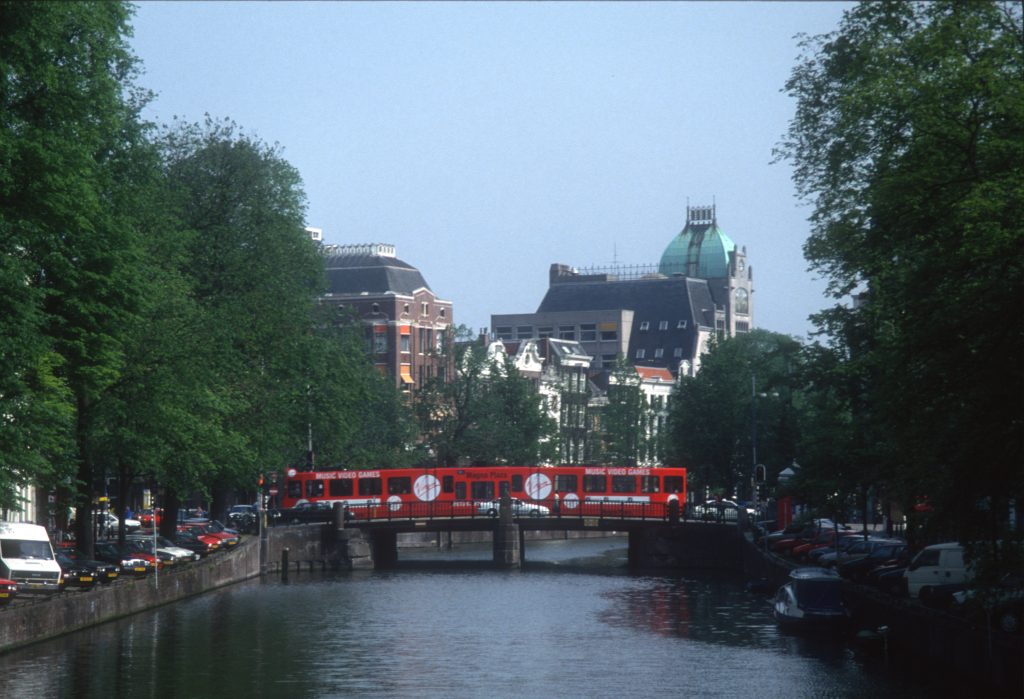
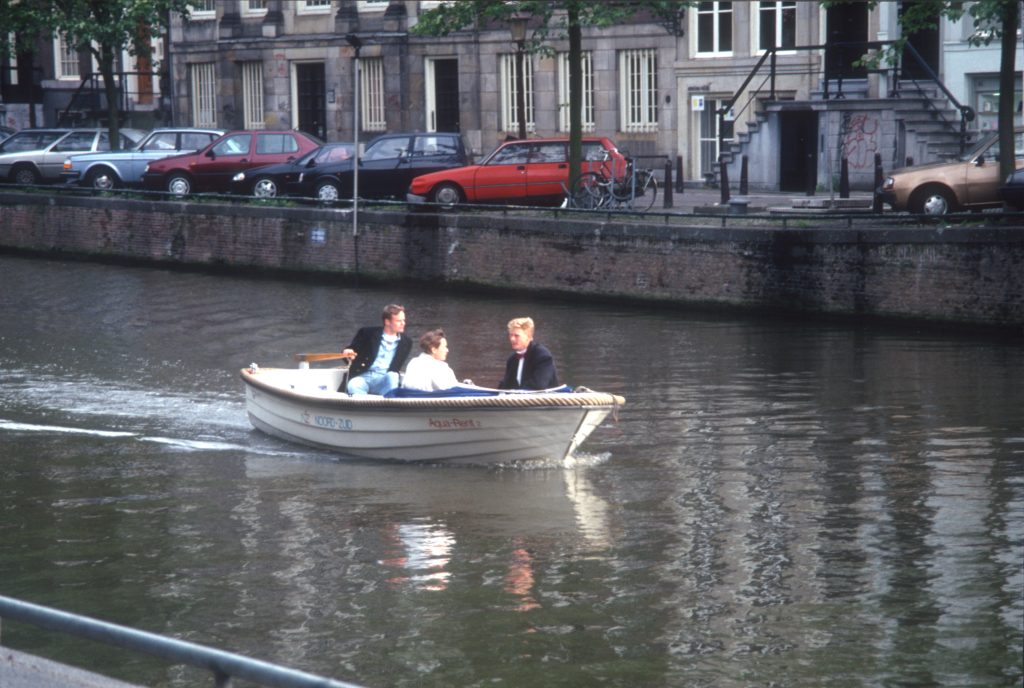
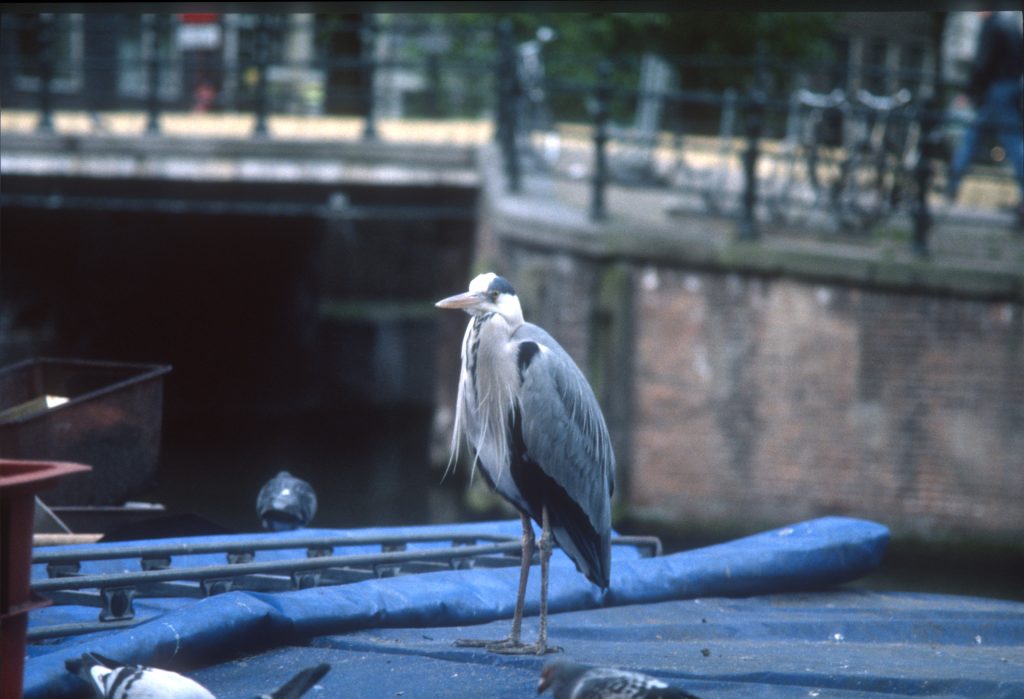
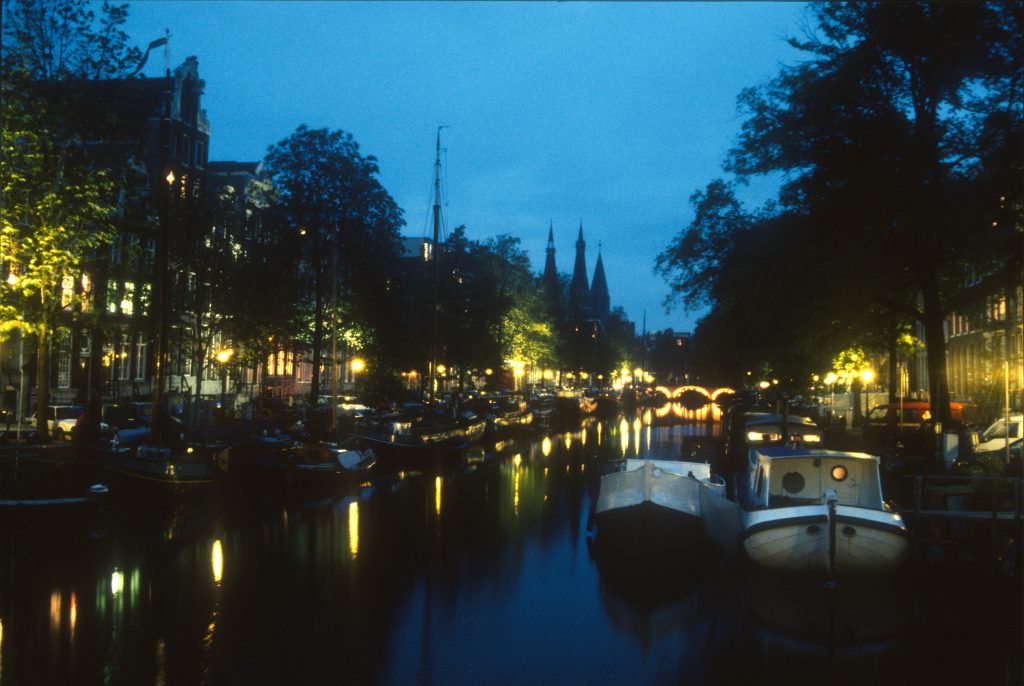
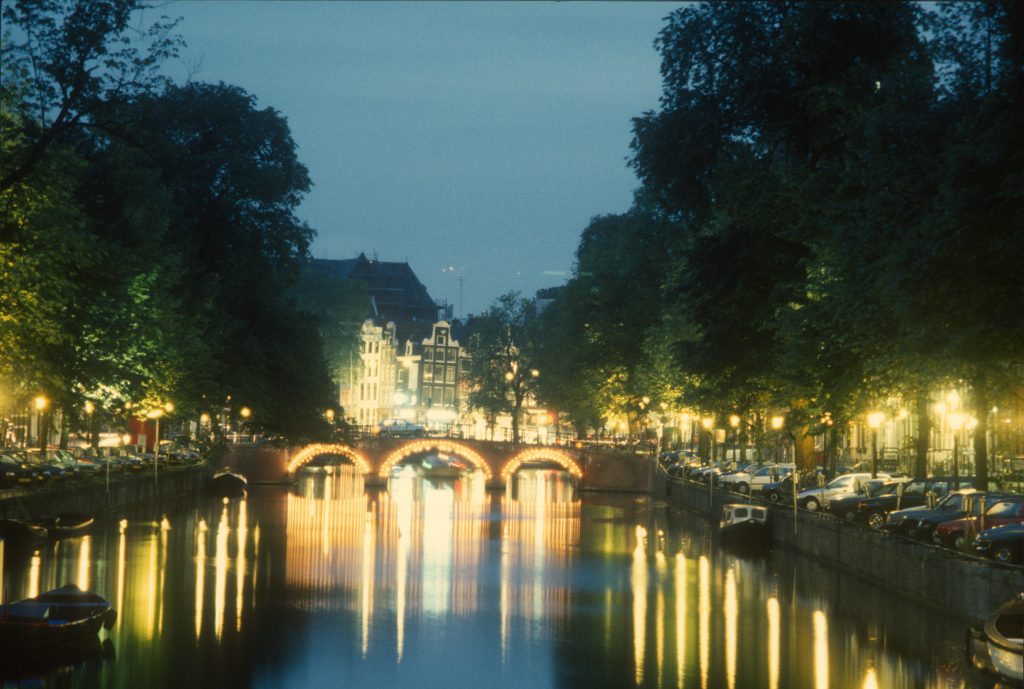
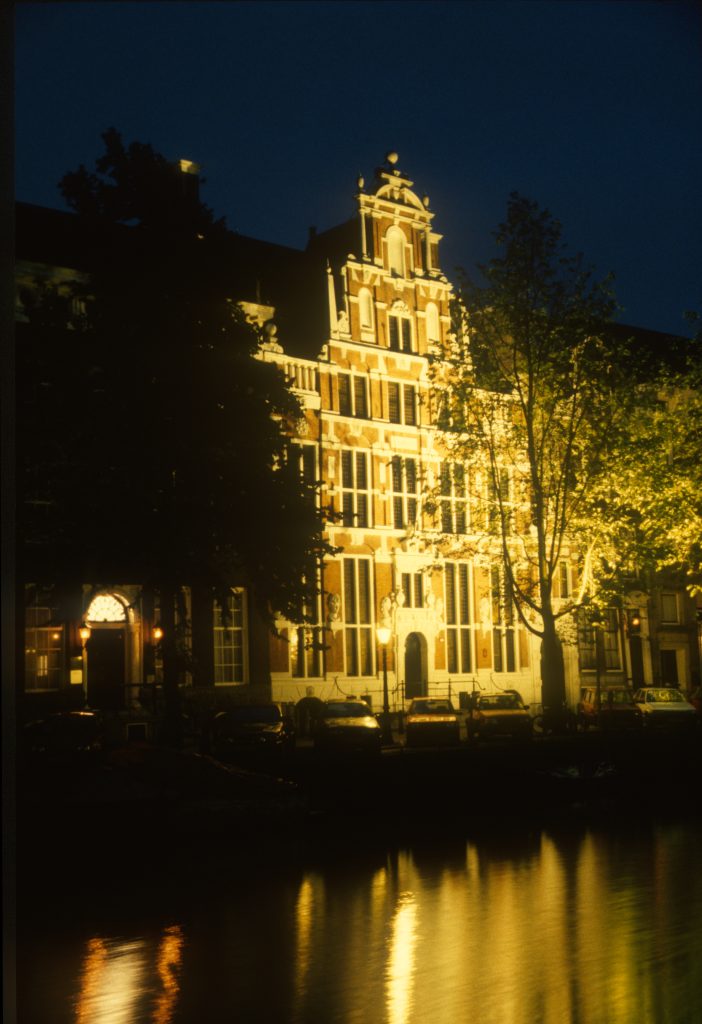
There are cities that sparkle at their edges, and then there is Amsterdam—a city where water is not merely scenery, but a living, flowing thread woven into every aspect of life. The canals of Amsterdam, with their elegant bridges and centuries-old houses, do not just reflect the sky—they reflect the soul of a place where artistry, commerce, and daily life have intertwined for over 400 years.
The Goods That Built a Princely City
Dutch merchants grew fabulously wealthy trading a dazzling array of goods from around the world. The Dutch East India Company (VOC) and the Dutch West India Company were global powerhouses, bringing exotic treasures back to Amsterdam’s warehouses and merchant houses. They offered a dizzying array of goods…
- Spices — Nutmeg, cloves, cinnamon, and pepper from the East Indies (modern-day Indonesia) were among the most prized commodities, often worth more than gold.
- Silks and Porcelain — Fine Chinese silks and delicate blue-and-white porcelain captivated European markets.
- Sugar and Tobacco — Plantations in the Americas and Caribbean provided sweet luxuries and smoking leaf for an insatiable demand.
- Coffee and Cacao — Stimulating new imports that became fashionable staples in the grand salons of Europe.
- Timber and Grain — Essential staples sourced from the Baltic region to feed and build the booming city.
- Art and Luxury Goods — Amsterdam became a market for fine art, jewelry, maps, and rare books, fueling its cultural renaissance.
Canal Innovation
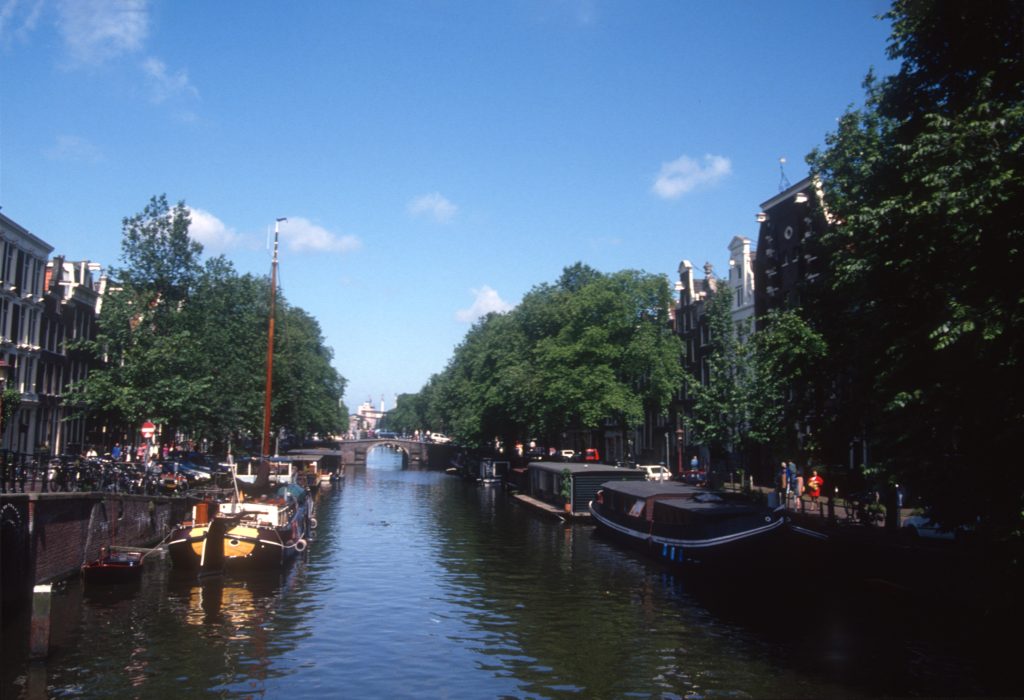
Amsterdam’s canals, or “grachten,” were thus born of necessity and ambition. In the 17th century, the Dutch Golden Age, the city expanded with a bold, intricate network of canals designed for defense, transport, and land reclamation. Known as the “Grachtengordel” (Canal Belt), the system comprises four main concentric canals—Singel, Herengracht, Keizersgracht, and Prinsengracht—radiating like ripples around the medieval core.
This hydraulic masterpiece transformed Amsterdam into a thriving hub of global trade and innovation, earning it the nickname “The Venice of the North.” Today, the canals are a UNESCO World Heritage site, treasured for their aesthetic harmony, engineering brilliance, and enduring vitality.
The Four Great Canals
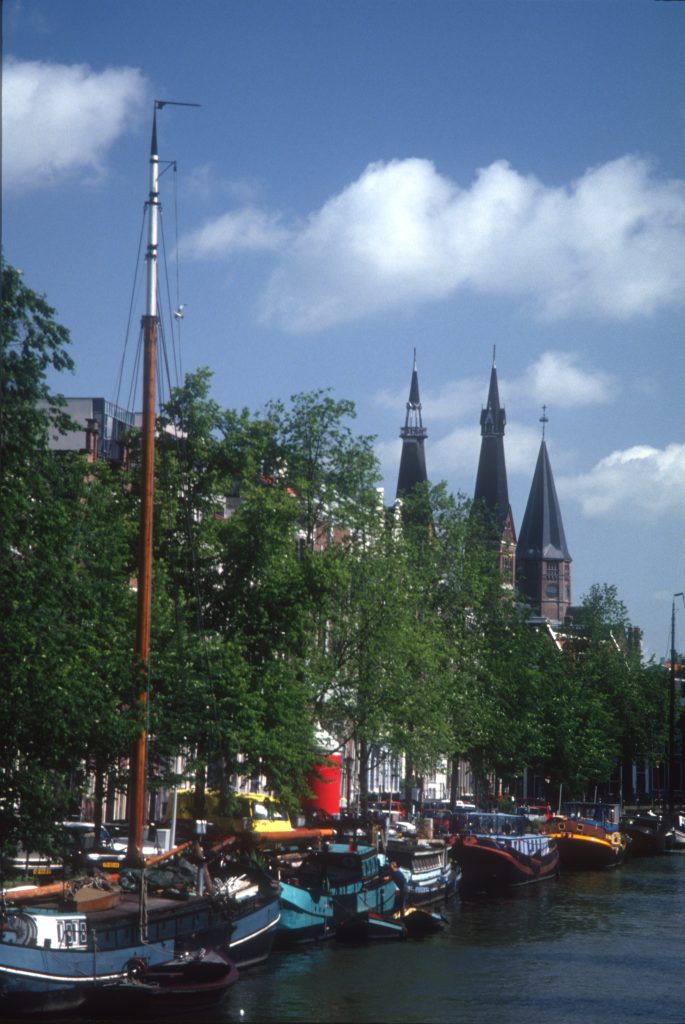
- Singel: Originally the medieval city moat, the Singel encircled Amsterdam until the city’s expansion in the 16th century. Today, it borders the inner city, offering picturesque views of flower markets, historic towers, and serene houseboats.
- Herengracht: Often called the “Gentlemen’s Canal,” this was the most prestigious address in the Golden Age. Here, wealthy merchants and city officials built grand mansions with ornate facades and lavish interiors—a legacy of Amsterdam’s rise to global prominence.
- Keizersgracht: The widest of the canals, named after Emperor Maximilian I of Austria. Keizersgracht exudes a quiet elegance, lined with leafy trees and stately homes, many of which once housed artists, scholars, and philosophers.
- Prinsengracht: The outermost and liveliest of the main canals, named for the Prince of Orange. Prinsengracht bustles with vibrant houseboats, charming shops, and cultural landmarks such as the Anne Frank House and Westerkerk.
Canalside Strolling or Cycling
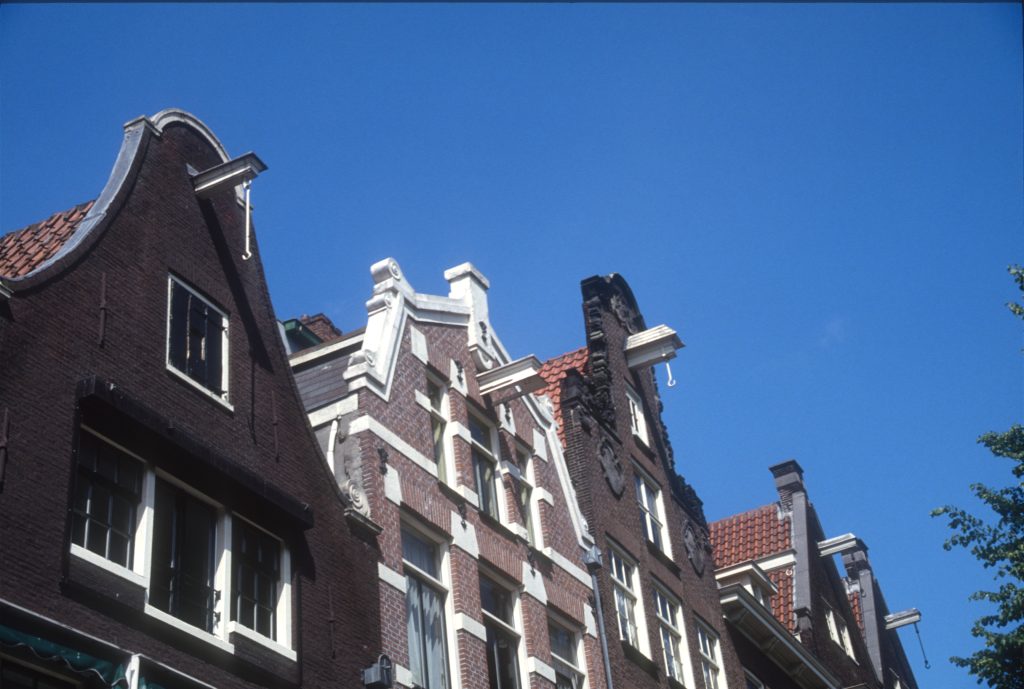
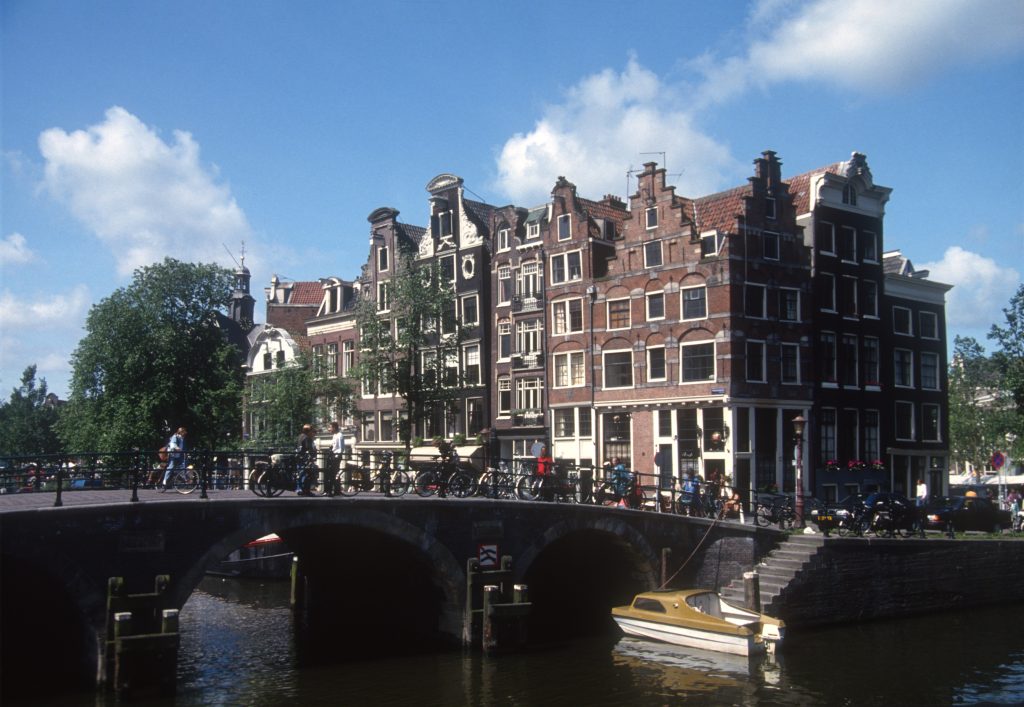
Wandering along Amsterdam‘s canals is to walk through a living painting. Tall, narrow houses with ornate gables—neck, bell, and step styles—lean together like old friends, their reflections trembling on the water below. Bikes clatter over cobbled streets, the scent of fresh stroopwafels drifts from cafés, and the soft splash of a passing boat punctuates the gentle hum of city life.
Each canal carries its own mood: the Herengracht with its stately mansions and storied past; the lively Prinsengracht lined with bookshops and bustling terraces; the serene Keizersgracht, where trees arch gracefully over the water.
Canalside Strolling or Cycling
- Magere Brug (The Skinny Bridge): Perhaps the most famous of Amsterdam’s 1,200 bridges, this delicate white drawbridge across the Amstel River evokes an old-world charm, especially when lit at night.
- Blauwbrug (Blue Bridge): Modeled after Parisian bridges, this grand span over the Amstel dazzles with its ornate lampposts and gilded details.
- Torensluis: The oldest and widest bridge in Amsterdam, dating back to 1648, it once supported a medieval tower and today hosts lively open-air cafes.
Historic Homes and Buildings Lining the Canals
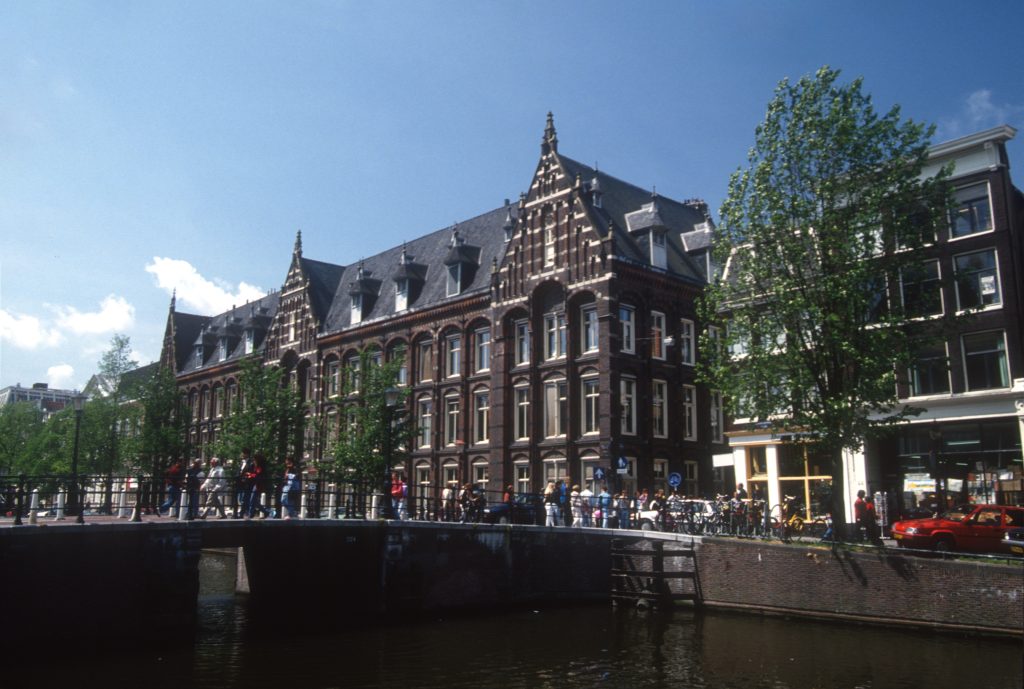
The houses of Amsterdam’s canals are iconic—tall, narrow, and richly varied. Built on pilings driven into the soft, waterlogged earth, many boast exquisite 17th-century facades. Some key examples include:
- The House of the Heads (Huis met de Hoofden): A stunning Renaissance mansion on the Keizersgracht, adorned with six sculpted heads representing virtues.
- The Anne Frank House: On the Prinsengracht, this humble canal house preserves the hidden annex where Anne Frank penned her immortal diary.
- Museum Van Loon: Once home to a founding member of the Dutch East India Company, this canal house offers a glimpse into the opulent life of Amsterdam’s merchant elite.
Houseboats: Living Afloat on History
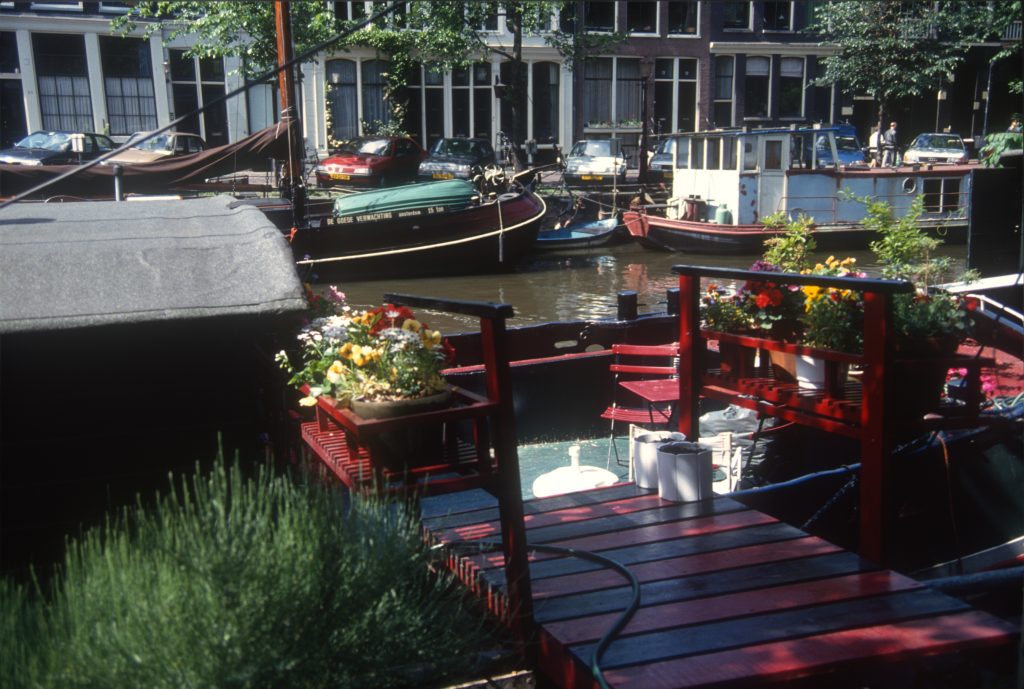
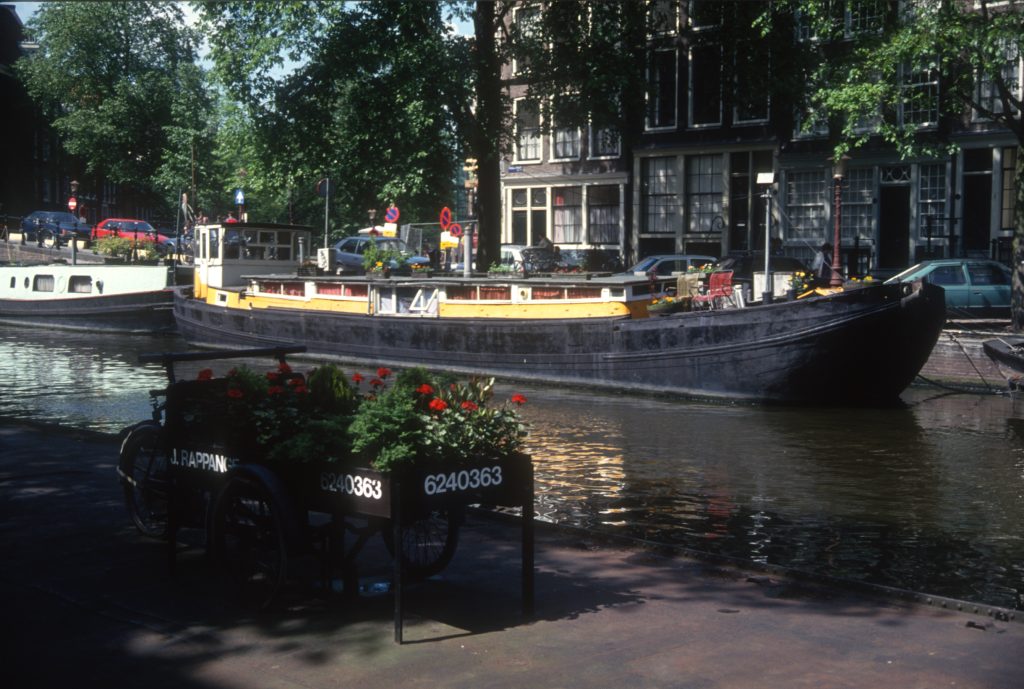
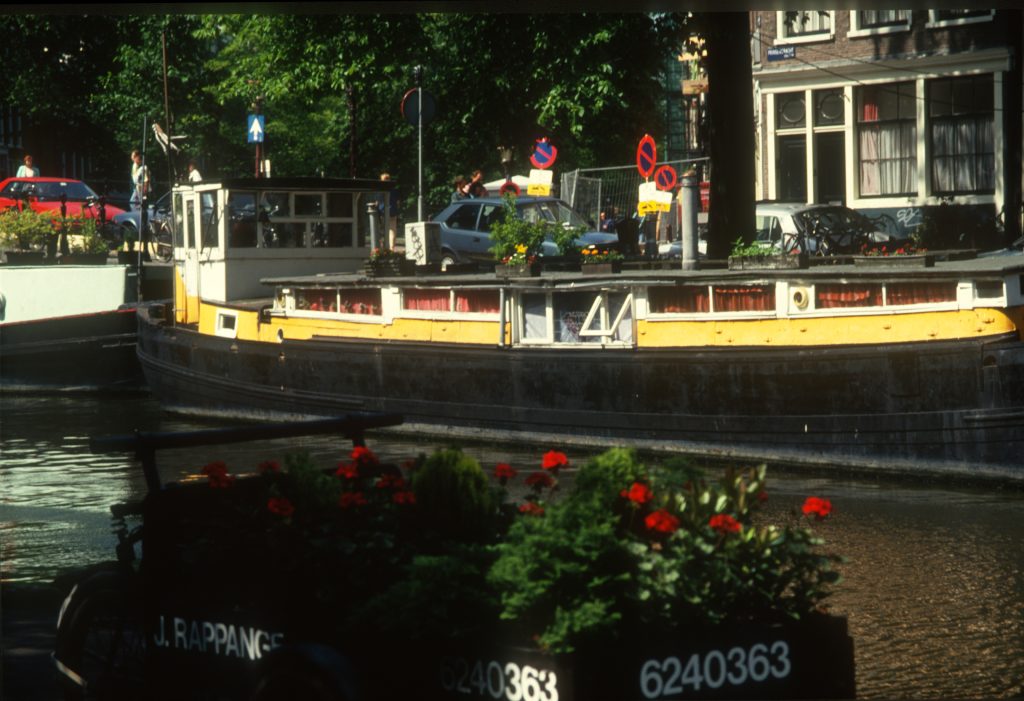
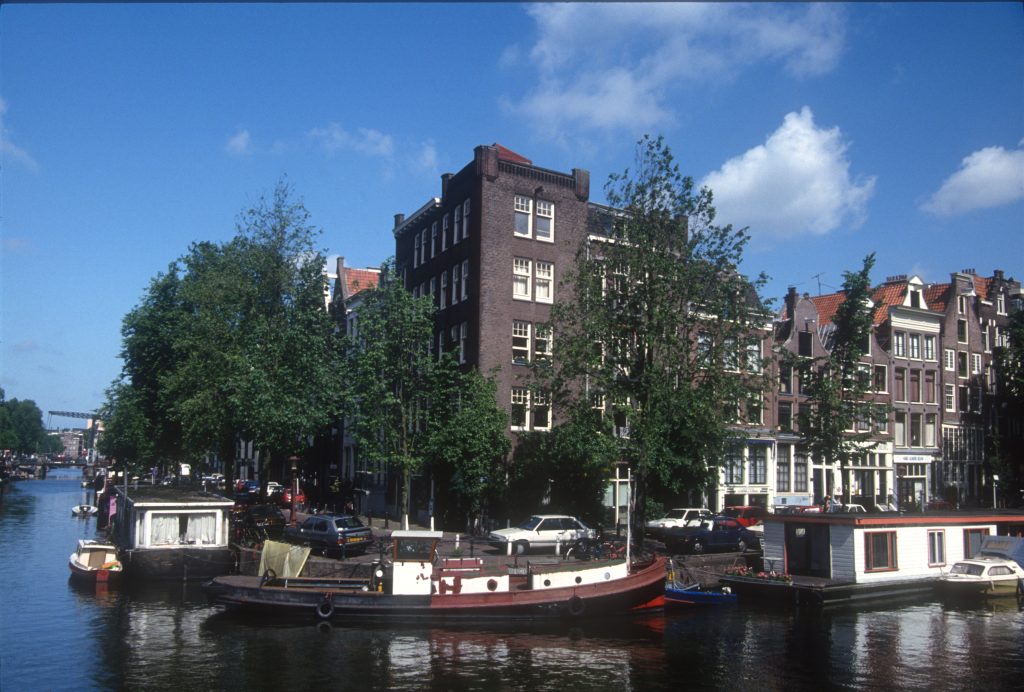
Amsterdam’s canals are home to around 2,500 houseboats, each a floating testament to the city’s inventive spirit. Originally born from a post-World War II housing shortage, these charming vessels now offer a coveted lifestyle that blends urban living with waterside tranquility. Some are classic cargo barges converted into cozy homes; others are sleek, modern houseboat apartments with gardens and rooftop decks. The Houseboat Museum on the Prinsengracht offers visitors an intimate glimpse into the quirks and delights of life afloat—a unique tradition where each doorstep sways gently with the rhythms of the canals.
Best Ways to Explore Amsterdam’s Canals
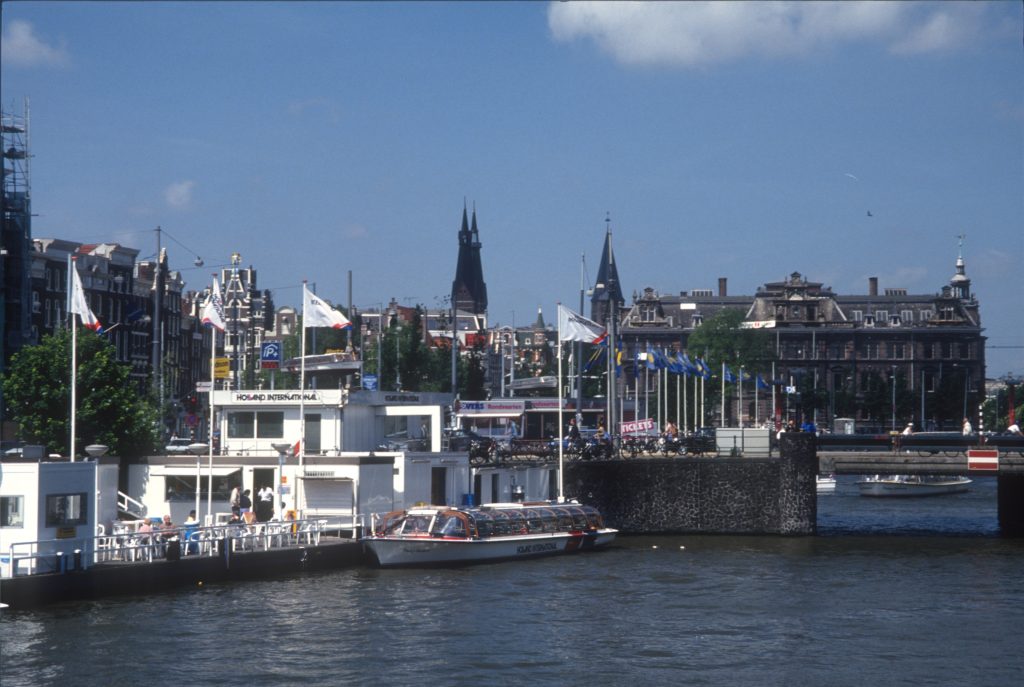
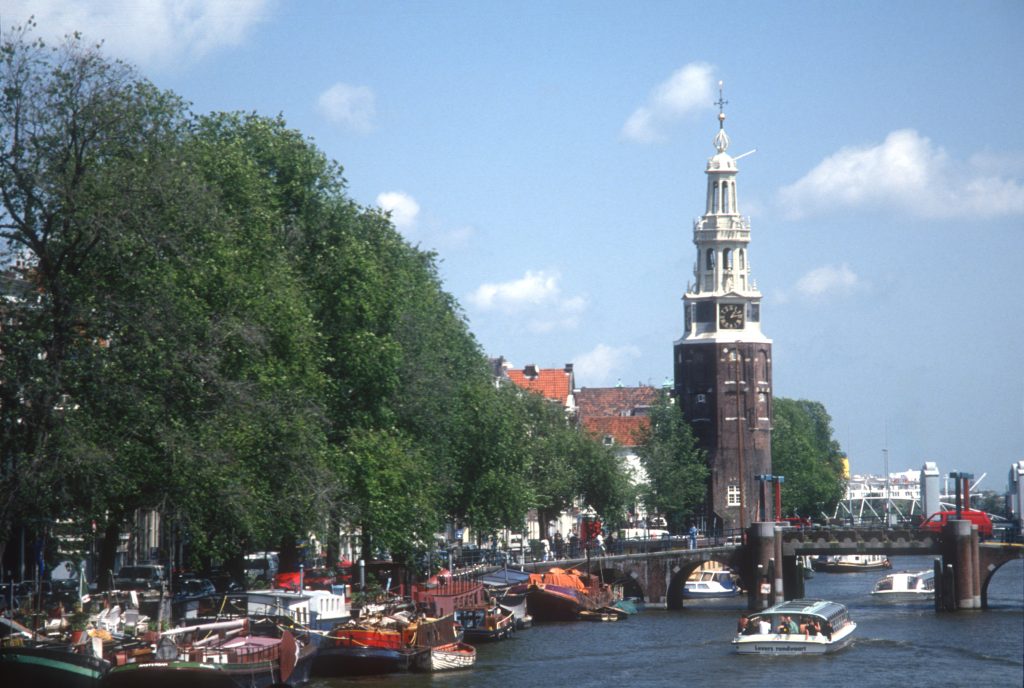
- By Boat: Take a classic canal cruise, a private sloop, or an evening dinner cruise to experience the waterways from their most intimate vantage.
- On Foot: Stroll along the historic Grachtengordel, pausing at bridges and hidden courtyards for perfect photo moments.
- By Bike: Embrace Amsterdam’s cycling spirit and follow dedicated bike paths that trace the canals’ elegant curves.
- By Canoe or Kayak: For adventurous souls, renting a small vessel offers a serene, close-to-the-water perspective, slipping beneath bridges and alongside houseboats.
- Seasonal Skating: In rare, freezing winters, locals lace up ice skates and glide across the frozen canals — a magical revival of old Dutch traditions.
Captivated by Canals
Today, Amsterdam’s canals are both the arteries and the heart of the city—hosting annual parades, ice skaters in winter, and leisurely boat tours year-round. They remain a stage for daily life and festive moments, a timeless reminder that the city’s beauty was not accidental, but crafted with vision, courage, and reverence for water.
So drift a little longer along these liquid streets. Let the soft lapping of water and the glint of gabled rooftops awaken your sense of wonder. In Amsterdam, the canals do not simply connect the city—they bind past, present, and dream in a shimmering embrace.
Where to Stay in Amsterdam, Netherlands
The Canal Ring hotels offer the most direct connection to Amsterdam’s waterside character. Staying along Prinsengracht or Keizersgracht places you steps from the 17th-century facades and bridge crossings that define the city. These properties range from five-star conversions of merchant mansions to smaller family-run guesthouses, many with front rooms overlooking the water. Book several months ahead if you want a canal-view room, as availability fills quickly during summer.
De Pijp, the neighborhood south of the Canal Ring, provides a quieter base with lower rates and a strong local feel. The Albert Cuyp Market runs through the district, and hotels here tend to be mid-range properties and boutique conversions housed in former warehouses and apartment buildings. You’ll trade some tourist convenience for authentic street life and restaurants where locals actually eat. A 10-minute walk or short tram ride gets you to the Museum Quarter and central attractions.
The Jordaan district, west of the Canal Ring, suits travelers who value neighborhood character over central location. Its narrow streets, independent shops, and local brown cafes create an intimate atmosphere quite different from the main tourist zones. Hotels and small inns cluster around Westerstraat and Kinkerstraat, with pricing and crowds noticeably lower than the canals. The area is walkable to Westerkerk and has good tram connections to anywhere you need to go.
Near Central Station you’ll find larger international hotel chains and budget options, though the immediate surroundings mix tourism infrastructure with red-light district activity. This location works if you prioritize easy train access for day trips outside the city. Most travelers prefer staying slightly south and east of the station, in quieter neighborhoods where you can walk or take a short tram ride to reach the station when needed.
Recommended Reading
- The Miniaturist by Jessie Burton – A haunting novel set in 17th-century Amsterdam, capturing the secrets behind the gabled facades.
- The Coffee Trader by David Liss — Set in 1659 Amsterdam, this gripping historical novel immerses readers in the city’s bustling, often cutthroat world of commerce. Miguel Lienzo, a Portuguese Jewish trader, tries to reinvent himself by cornering the market on a mysterious new commodity: coffee. Amid secret alliances, betrayals, and the rigid codes of the city’s trading houses, Liss paints a vivid portrait of Amsterdam’s Golden Age—where fortunes could rise or fall with the tide of the canals.
- Tulip Fever by Deborah Moggach –Set during the 1630s at the height of Amsterdam’s tulip mania, this evocative story of forbidden love and economic frenzy captures the glittering yet precarious world of the Dutch Golden Age.
- Girl with a Pearl Earring by Tracy Chevalier –Though primarily set in Delft, parts of the novel evoke the broader Dutch Golden Age experience, including rich descriptions of Amsterdam’s mercantile prosperity and artistic flowering.
- Amsterdam: A History of the World’s Most Liberal City by Russell Shorto – A masterful account of the city’s creation and enduring spirit.
- The Embarrassment of Riches by Simon Schama – A vivid exploration of Dutch culture during the Golden Age, with Amsterdam at its heart.
- Insight Guide: Amsterdam – From deciding when to go, to choosing what to see when you arrive, this guide to the Netherlands is all you need to plan your perfect trip, with insider information on must-see, top attractions like the Van Gogh Museum, The Hague and the Wadden Islands, and cultural gems like visiting the fascinating 16th-century Kasteel Amerongen, browsing the rambling flea market Waterlooplein or cycling through the hills of Salland.
Tours to Consider
- The Classic Walking Tour of Amsterdam | 2 Hours with a Local
- Amsterdam 90-min Private Canal Cruise with Live Guide and Drinks