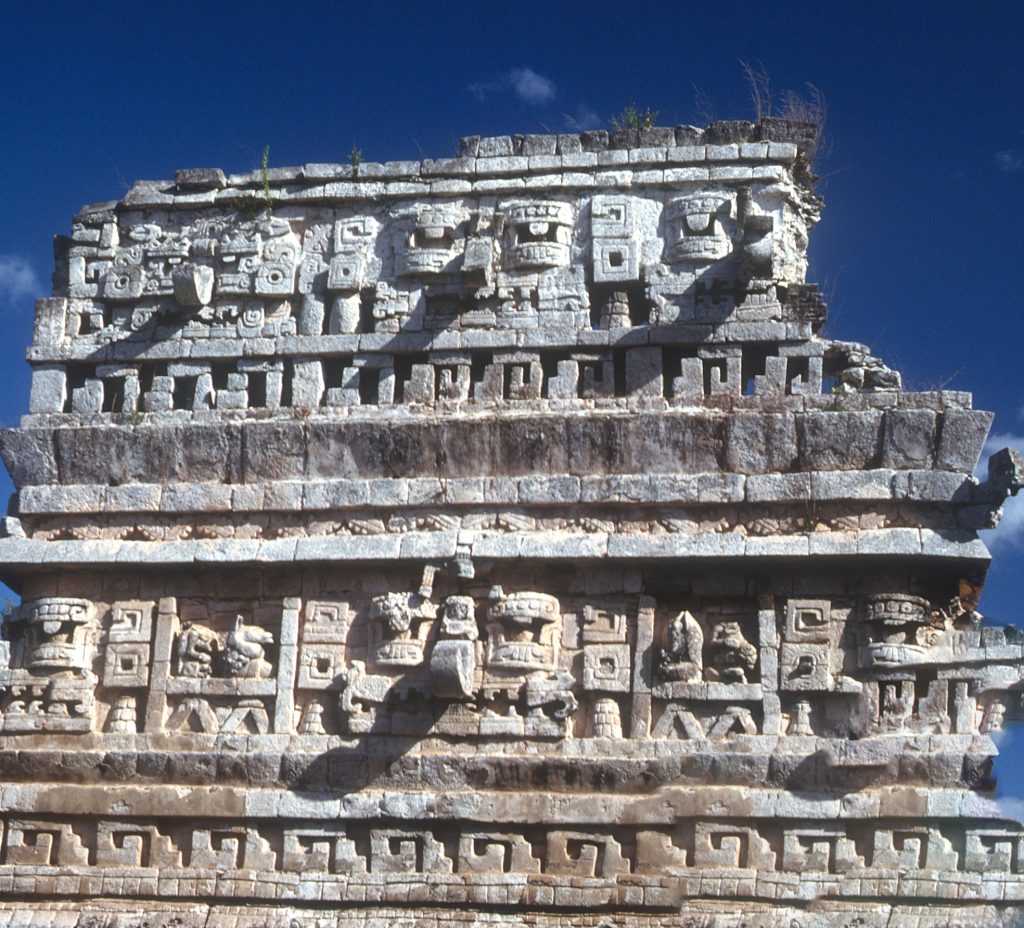
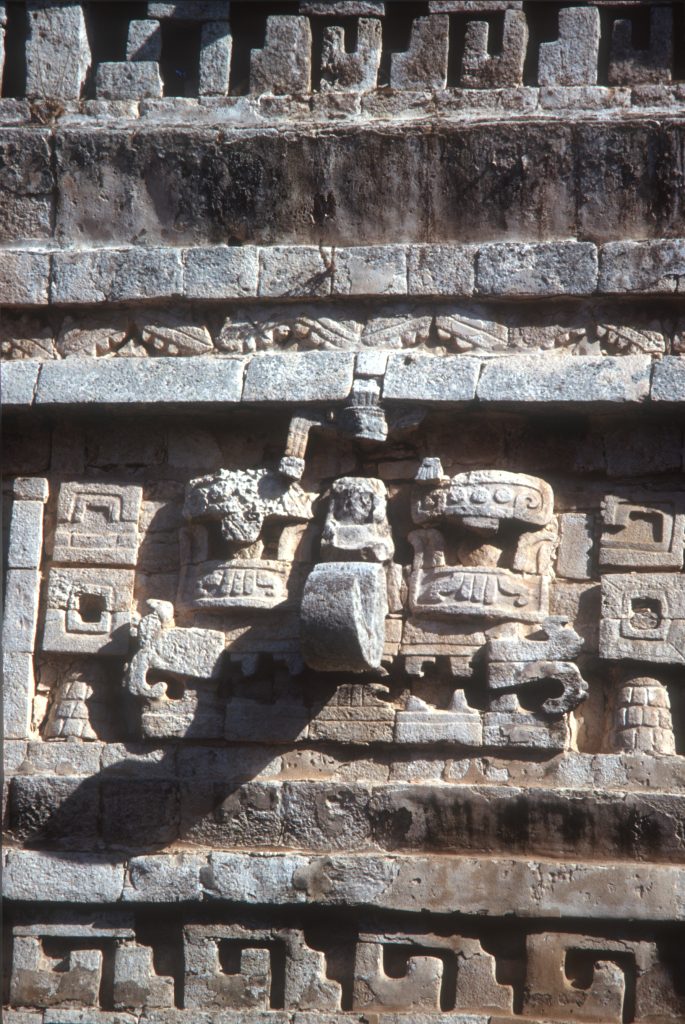
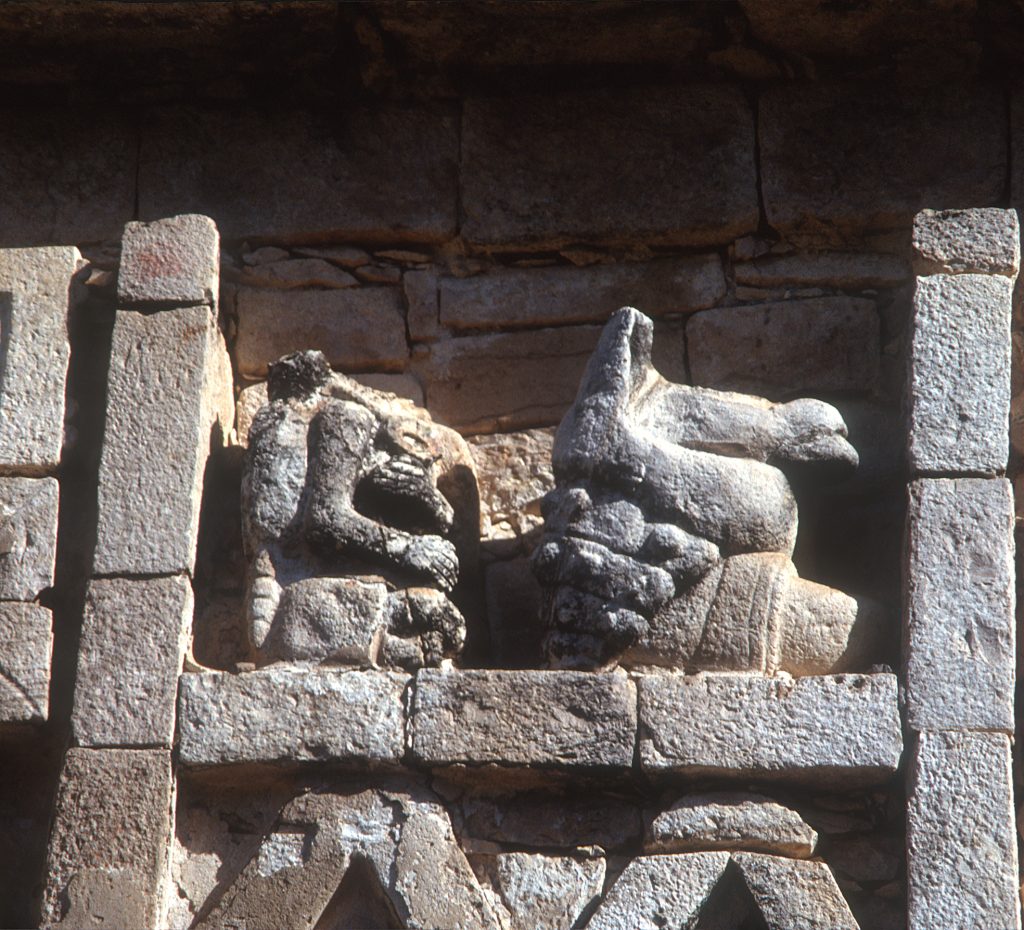
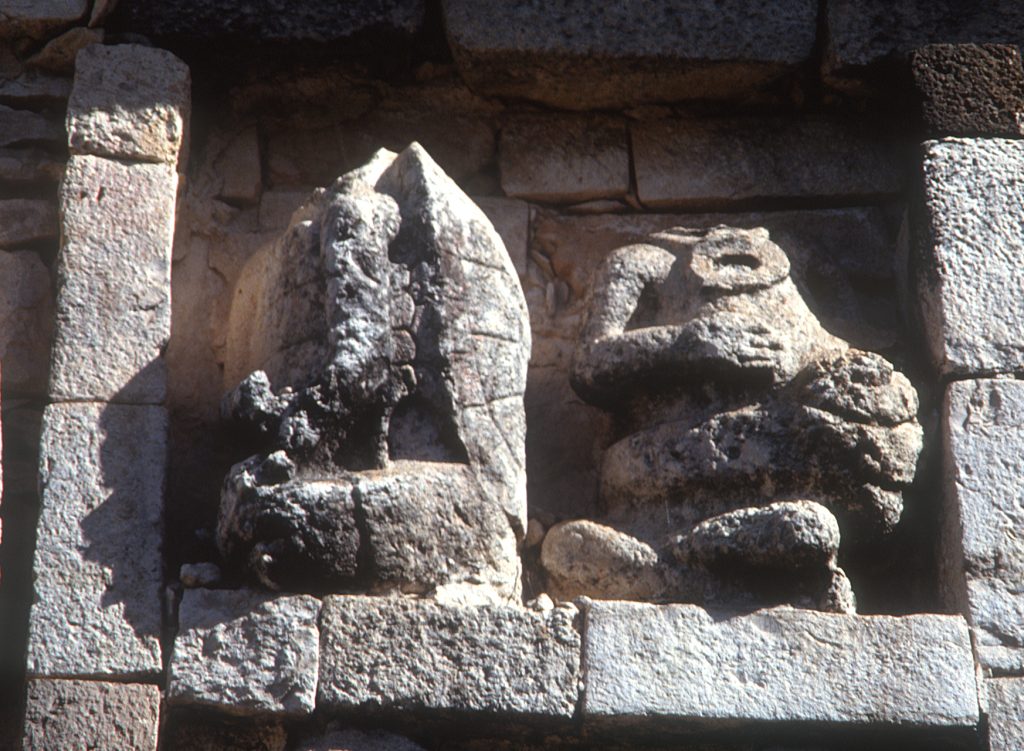
In the heart of Mexico’s Yucatán Peninsula, where jungle and time seem suspended, lies Chichén Itzá, a stone city that once pulsed with the rhythms of the ancient Maya. Here, pyramids rise to meet the sky, ball courts echo with ghosts of games long past, and cenotes shimmer with tales of sacrifice and reverence. To walk among these ruins is to step into a world where astronomy, architecture, and spirituality intertwine, revealing a civilization that remains both enigmatic and profound.
A Dominant Civilization
Chichén Itzá, whose name poetically translates to “at the mouth of the well of the Itzá,” rose to prominence on the verdant Yucatán Peninsula around the 6th century CE. The Maya, among the most sophisticated of Mesoamerican civilizations, recognized the vital importance of water in this flat, jungle-wrapped terrain. they established this ceremonial and urban hub beside sacred cenotes, limestone sinkholes that descended to groundwater aquifers below. These watery portals were not merely sources of sustenance but sacred gateways to the divine, used for offerings, ritual sacrifices, and communication with the gods.
A Cultural Renaissance and Imperial Interweaving
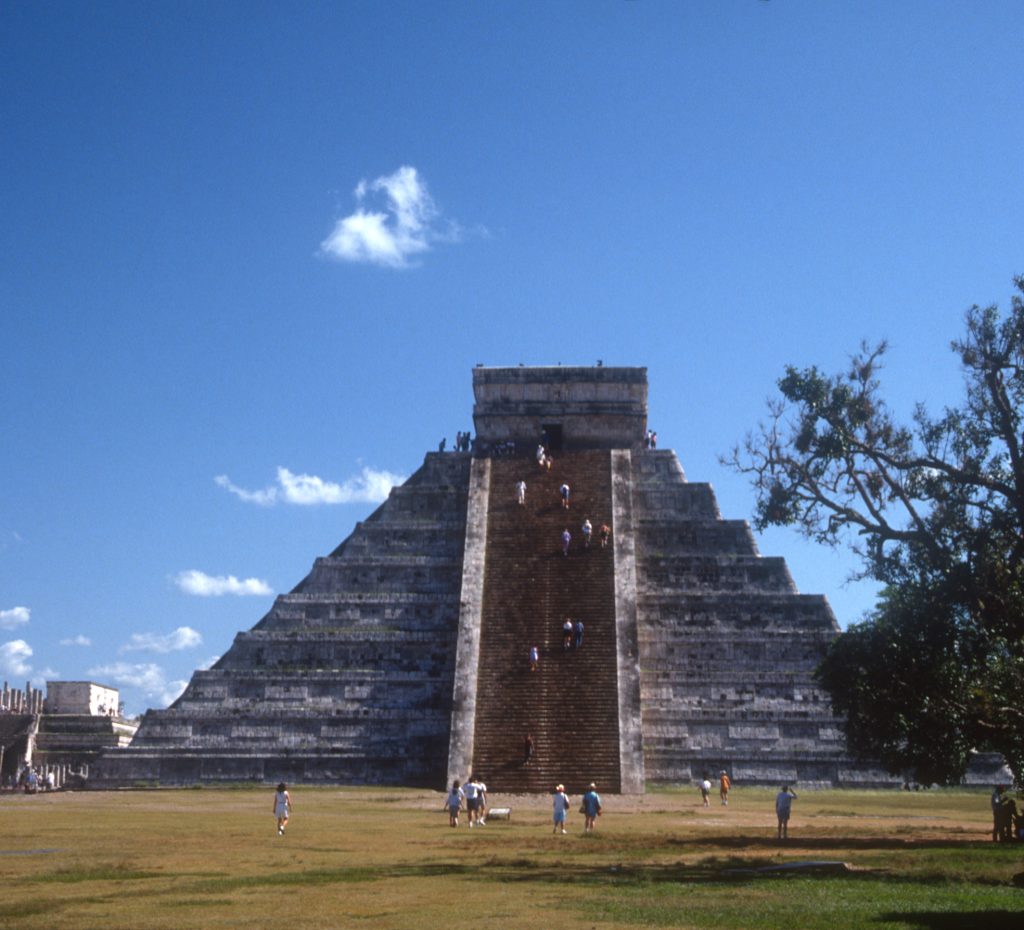
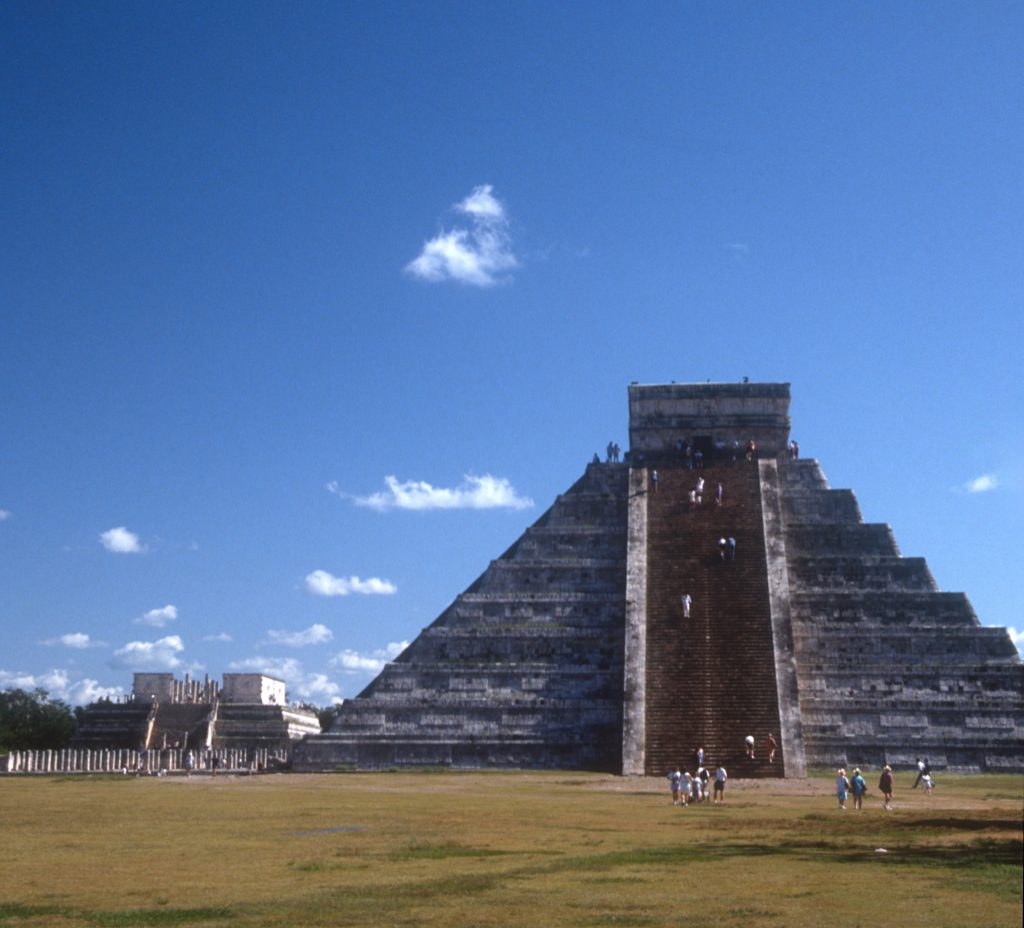
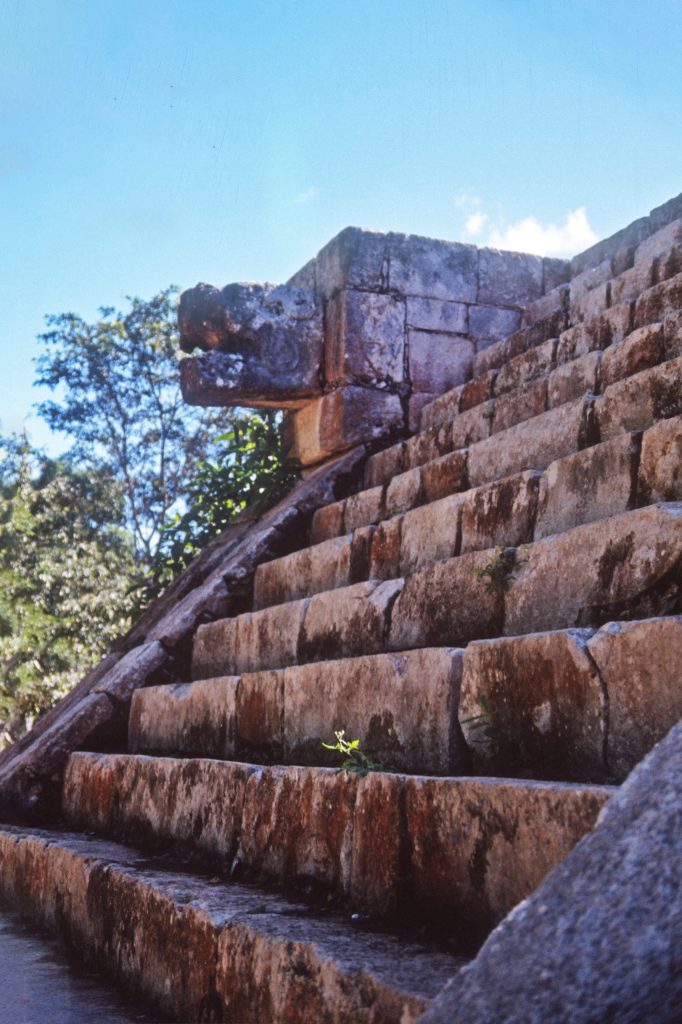
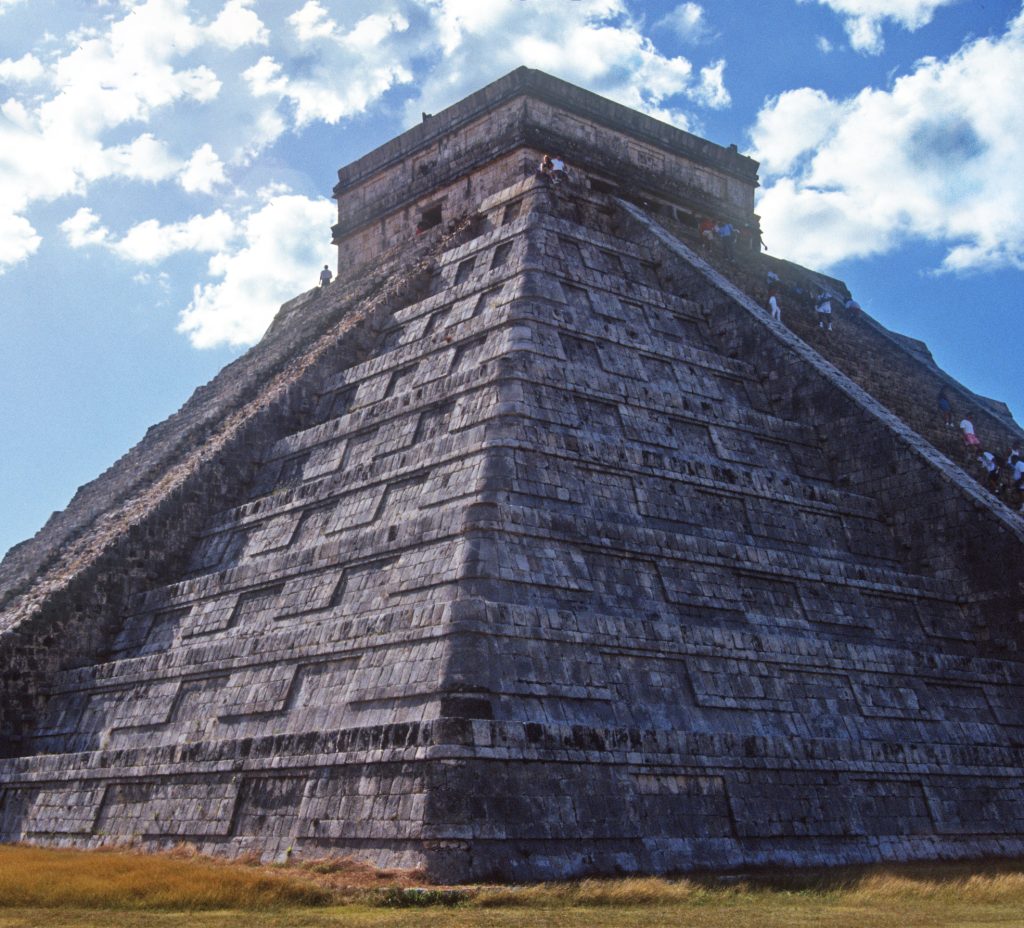
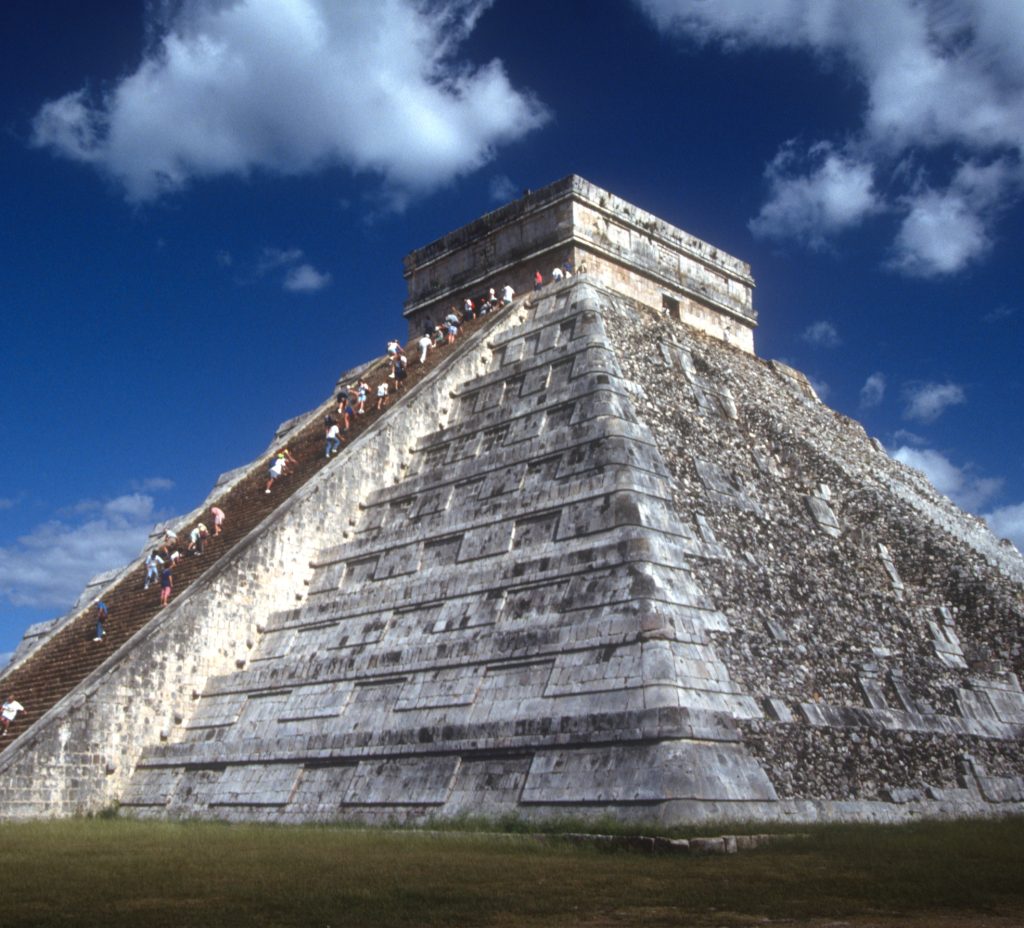
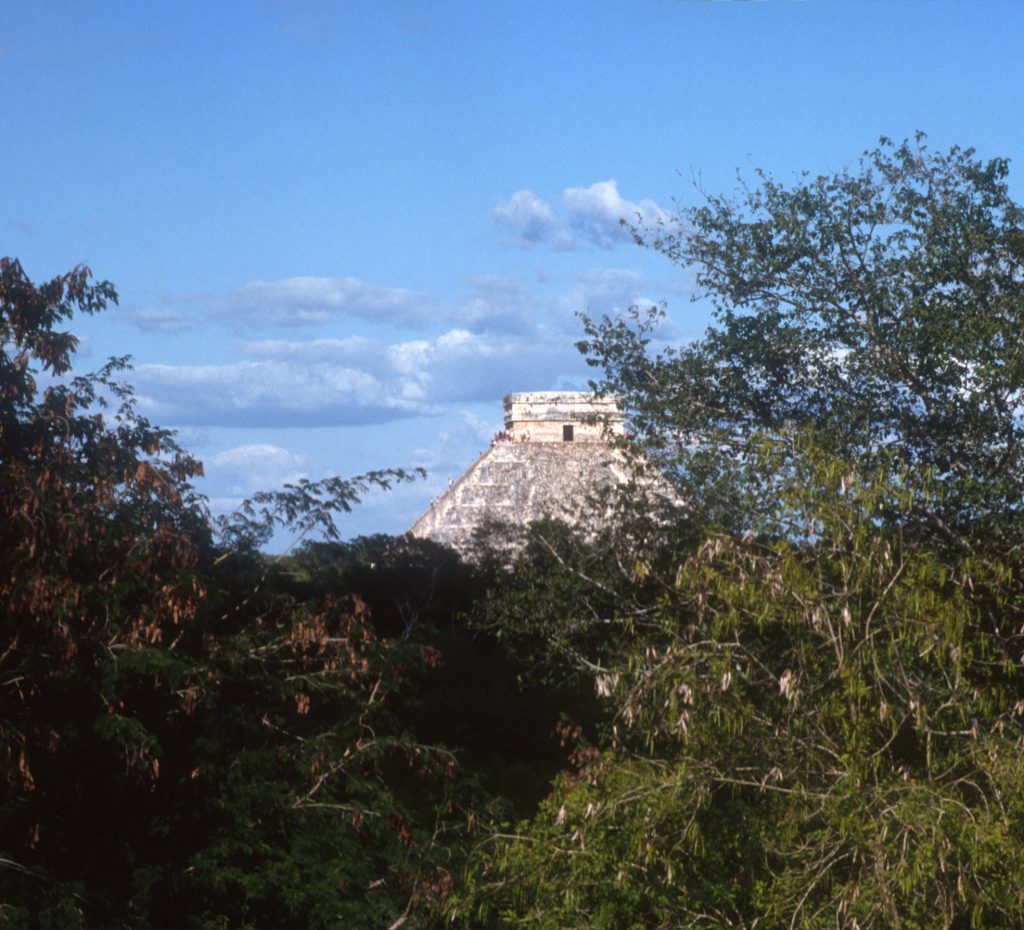
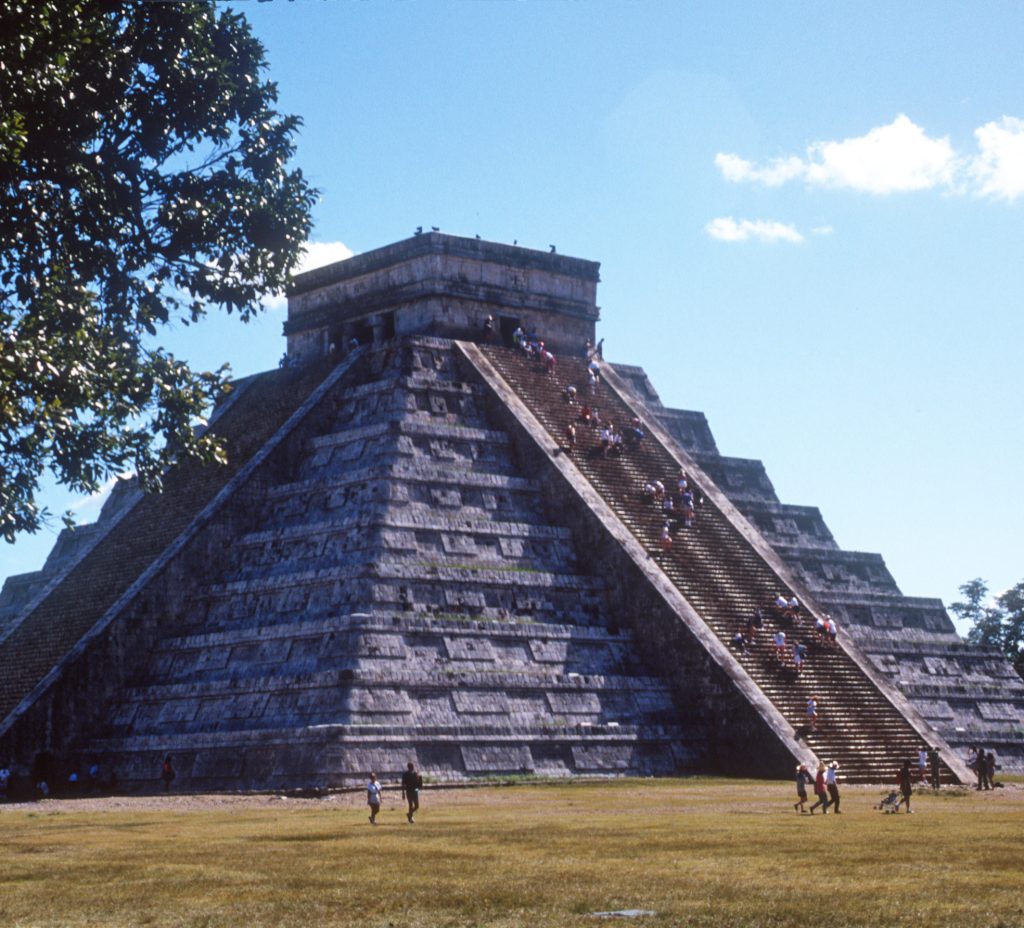
By the 10th century, Chichén Itzá transformed profoundly. The city experienced a flourishing of artistic, architectural, and military expression, largely driven by Toltec arrival and influence from central Mexico’s highlands. This confluence is evident in the famed Temple of Kukulcán (El Castillo), whose four staircases with 365 steps embody both astronomical precision and religious symbolism. The feathered serpent deity Kukulcán, analogous to the Toltec Quetzalcoatl, appears to slither down the temple’s balustrades during the spring and autumn equinoxes. This striking spectacle illustrates the city’s dual devotion to the heavens above and the political power that unified its disparate worlds below.
A Dominion Forged in Blood and Belief
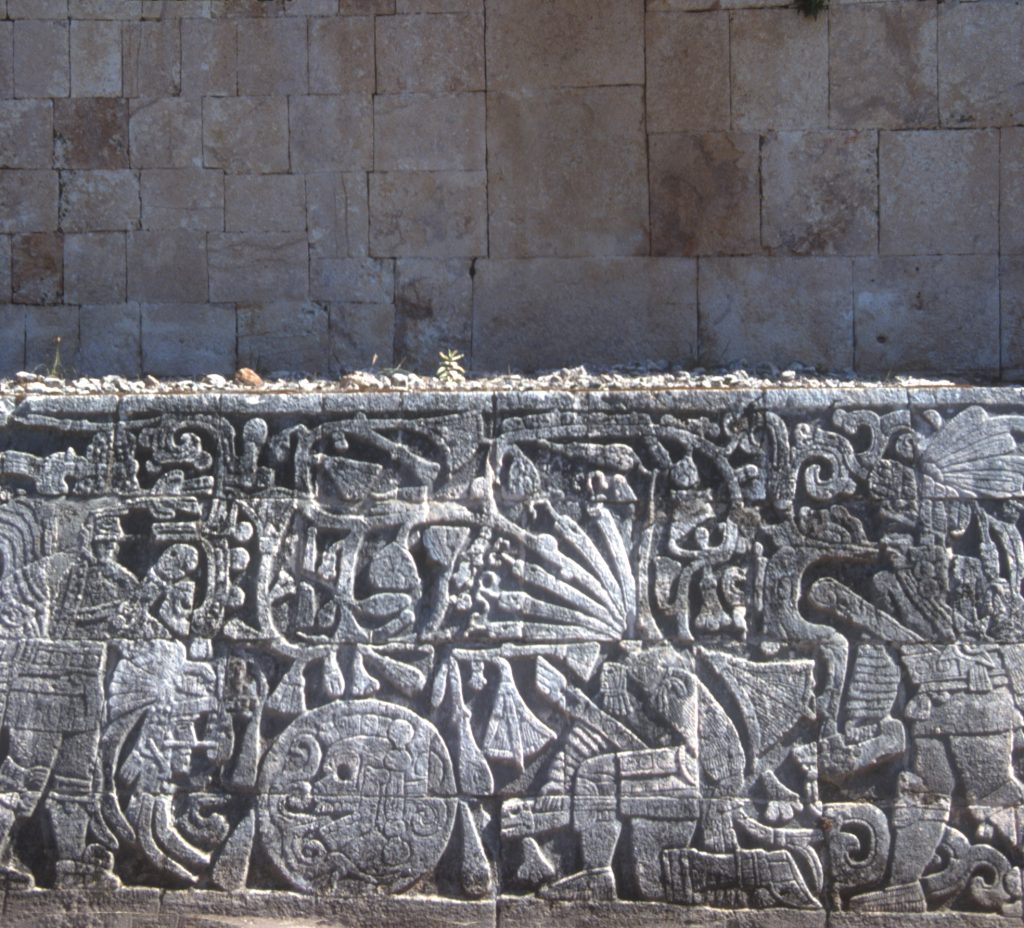
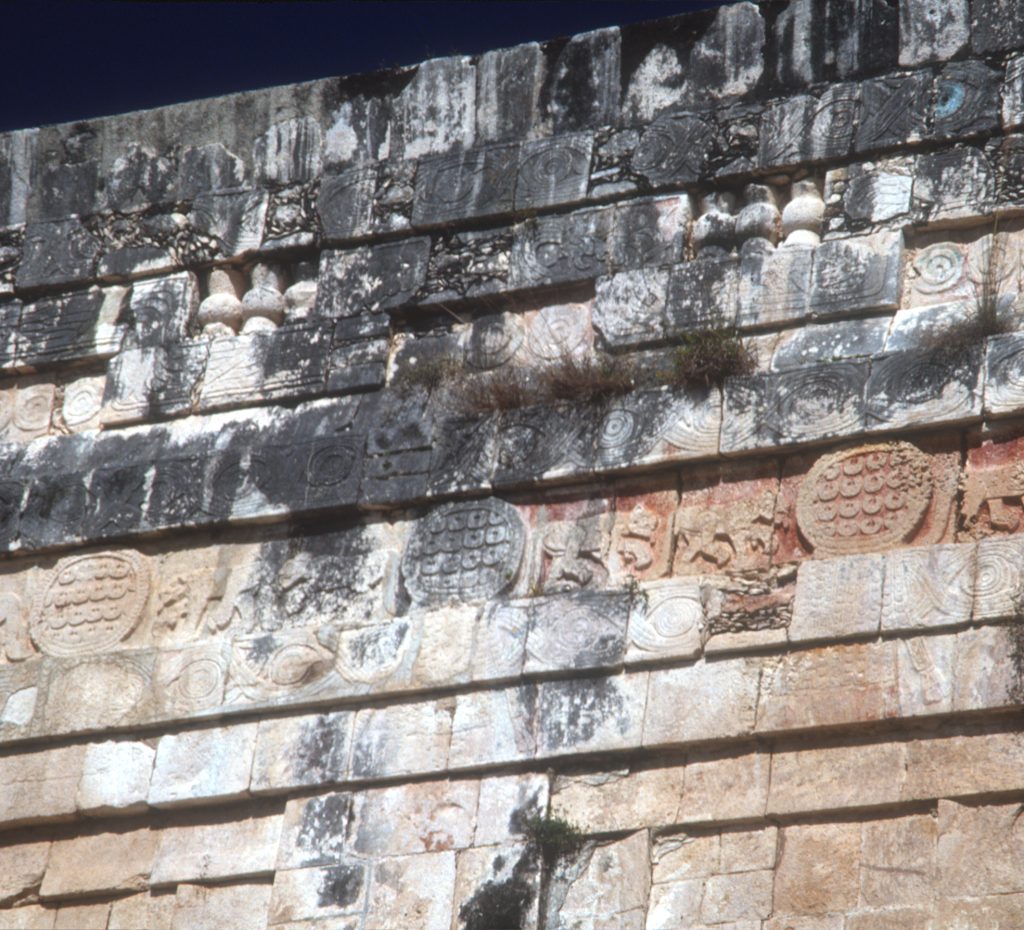
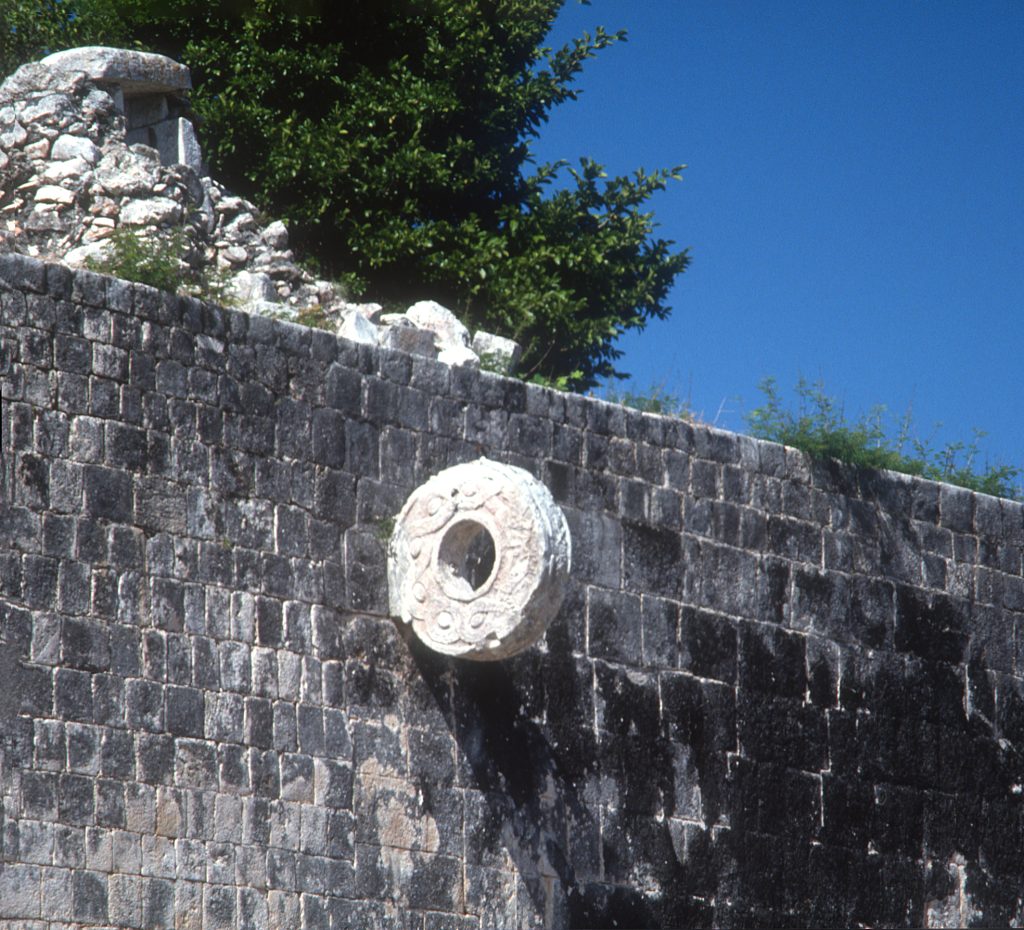
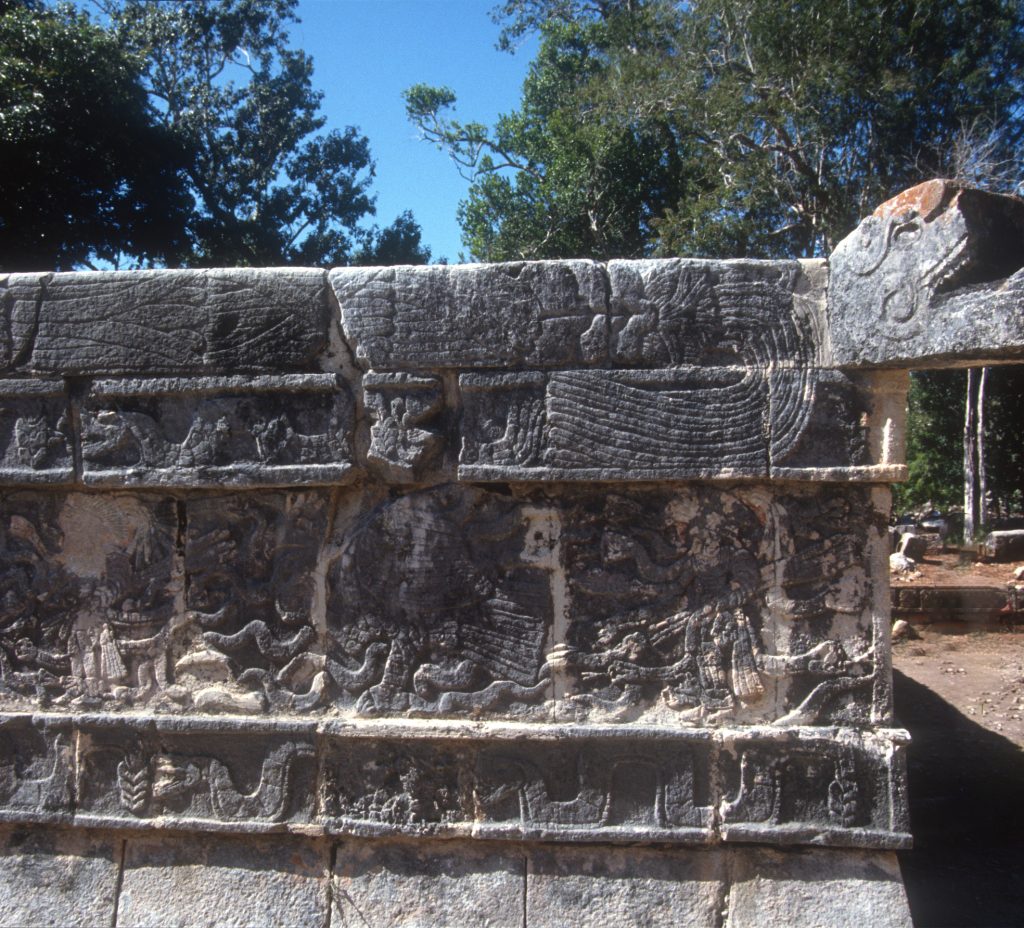
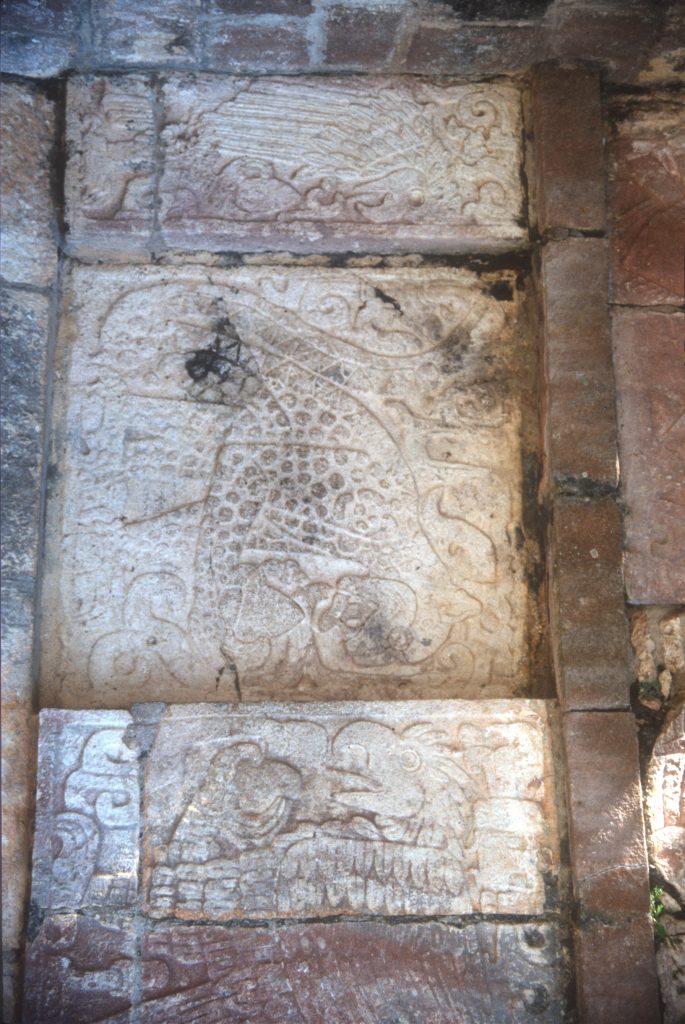
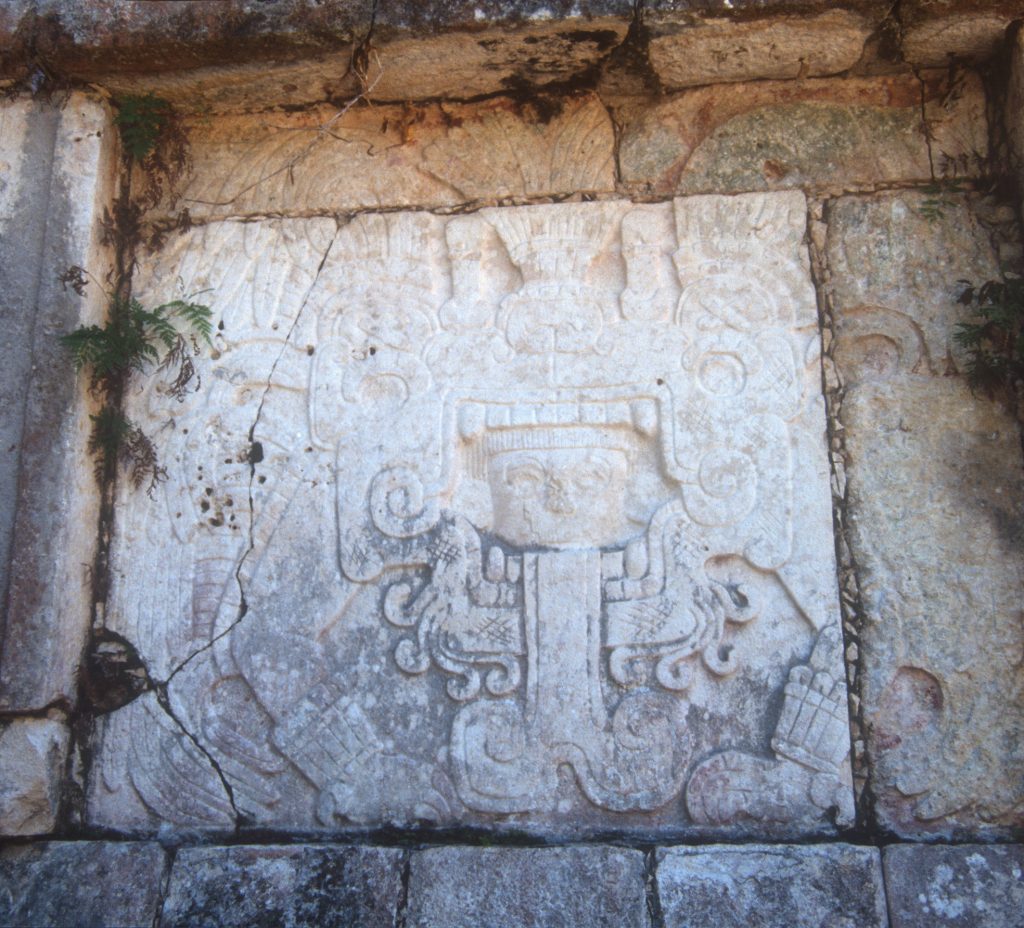
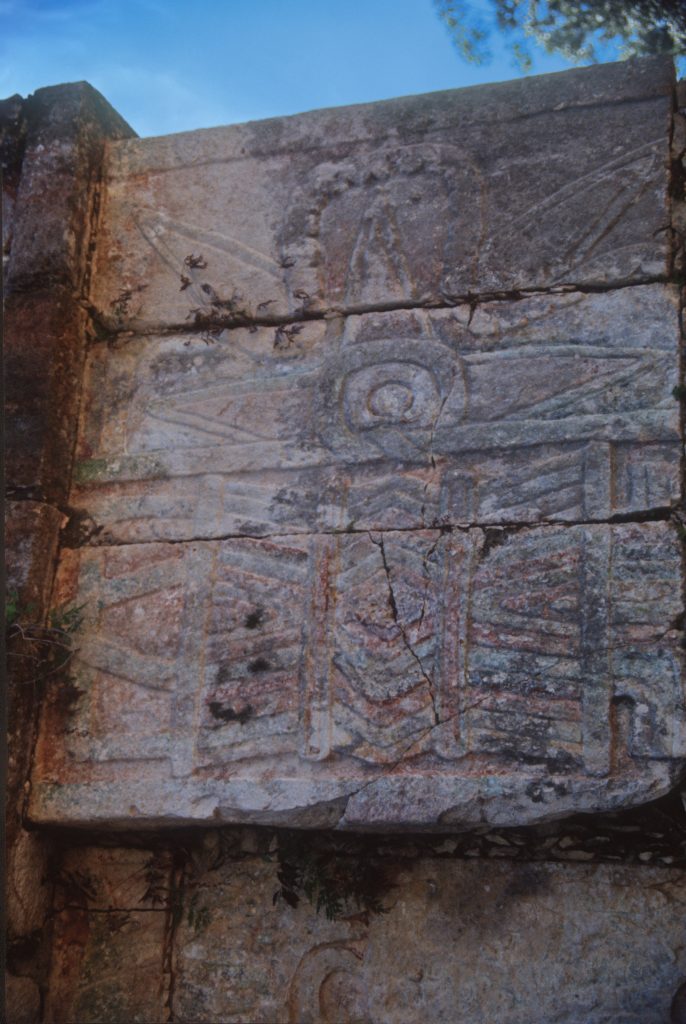
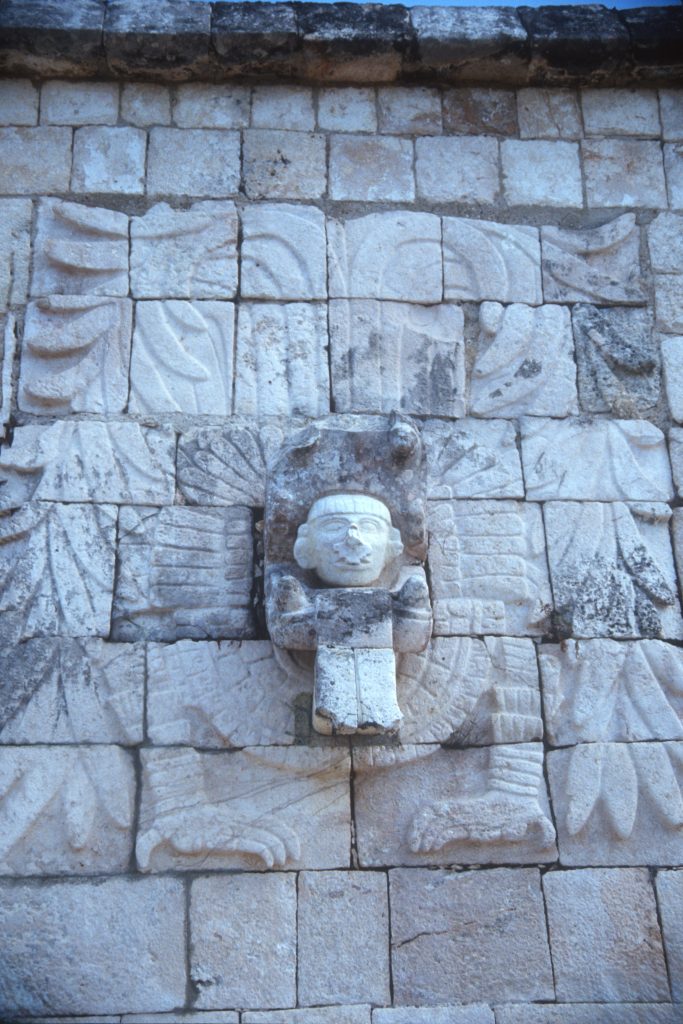
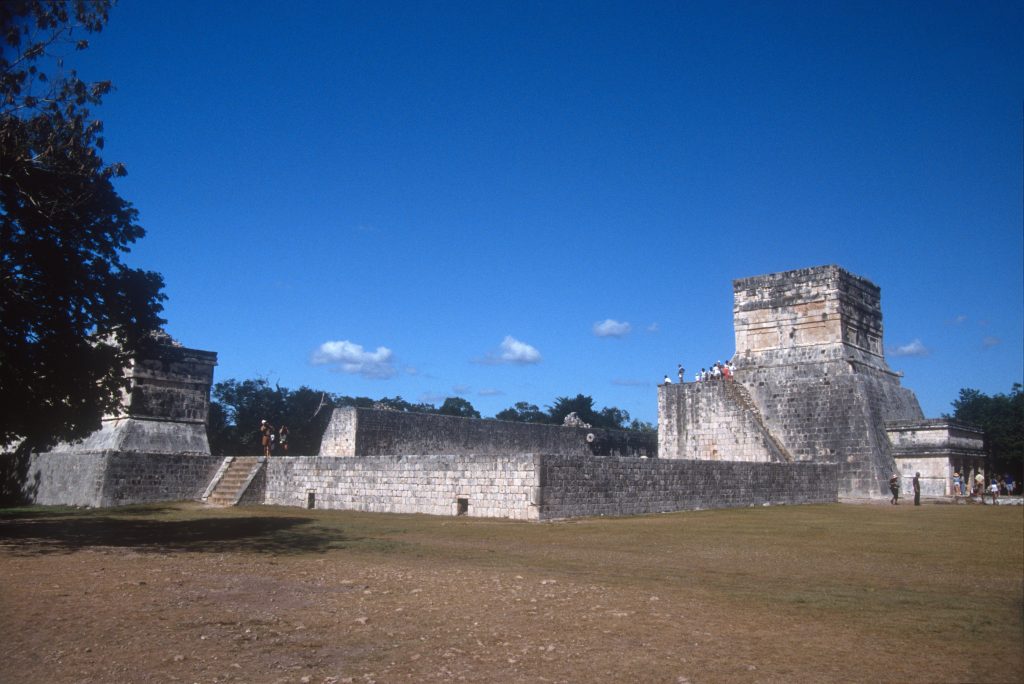
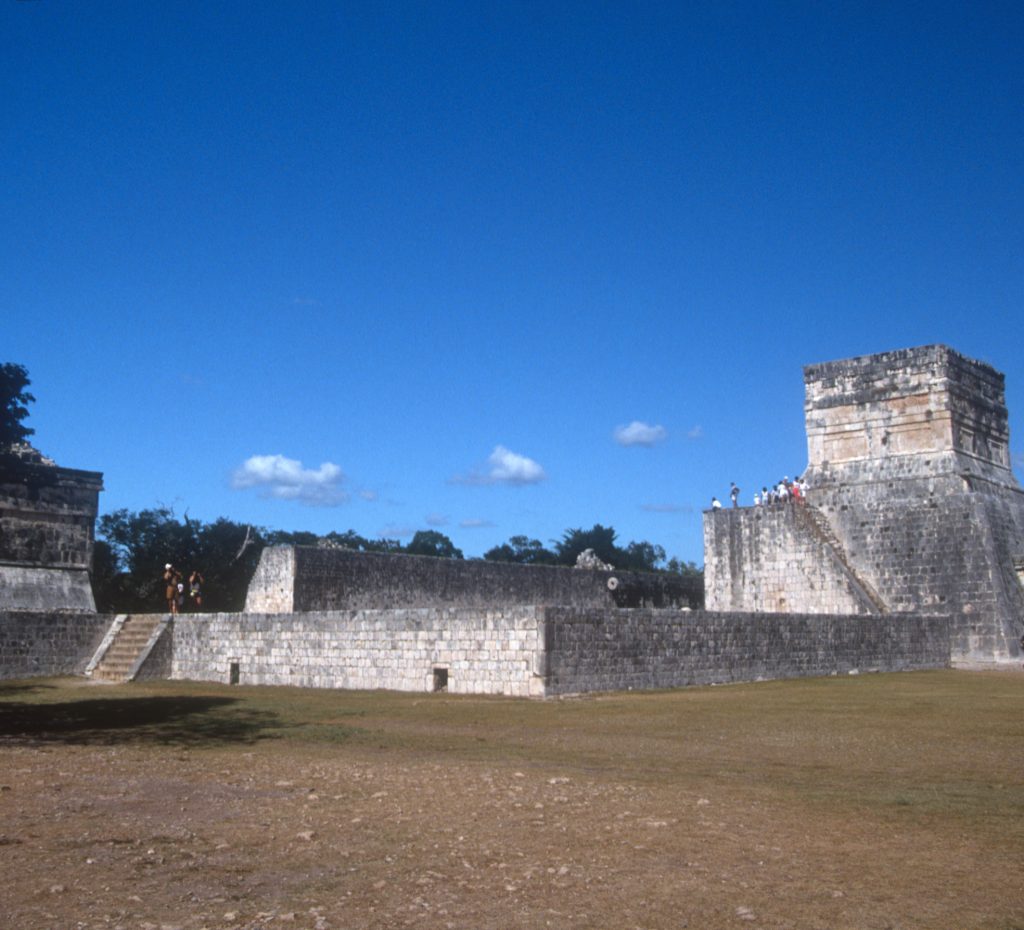
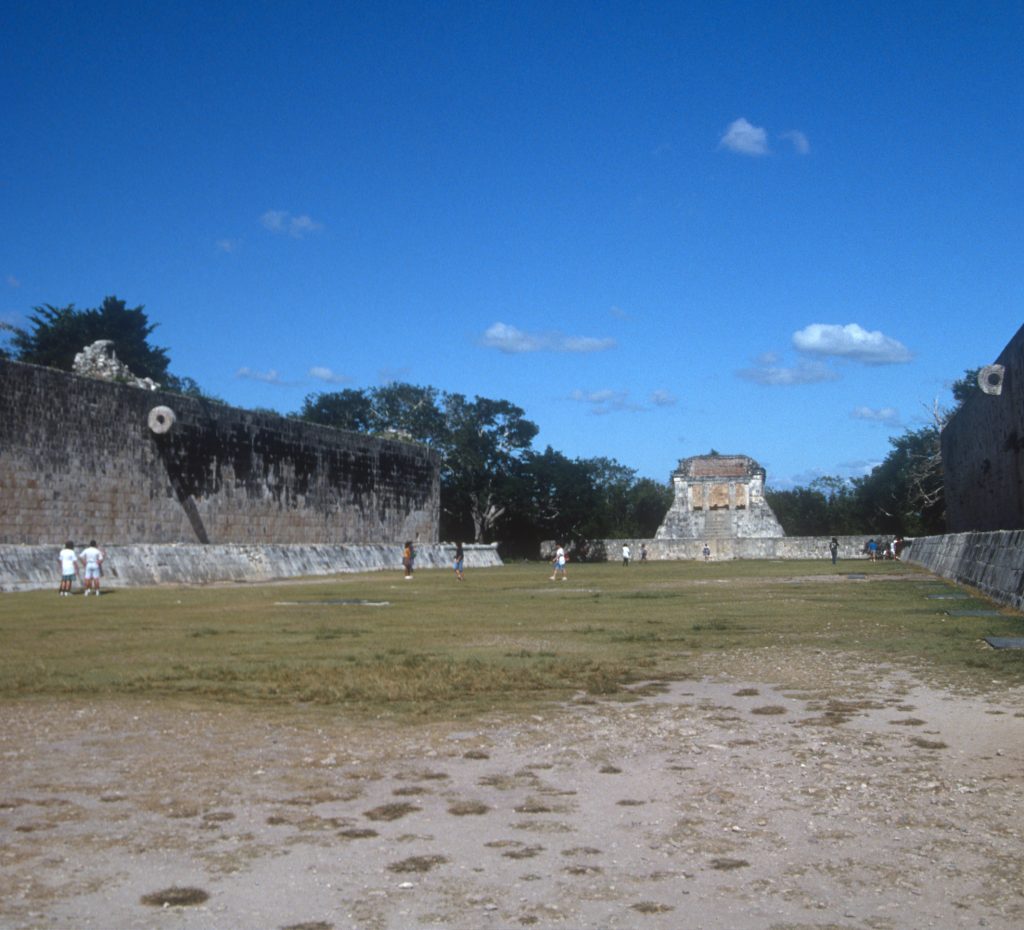
Chichén Itzá‘s ascendancy rested not on trade and diplomacy alone, but also on conquest and intimidation. The city-state dominated smaller Maya polities across the northern Yucatán and extracted tribute from surrounding regions. The Great Ball Court, the largest of its kind in Mesoamerica, echoes with whispers of a haunting past, where the stakes of ritual games may have ended in decapitation, not merely defeat. Bas-reliefs and carvings throughout the complex depict warriors, jaguars, captives, and celestial beings, illustrating a worldview where warfare, spirituality, and science were inextricably entwined.
Ebbing Empire and Enduring Echoes
At its height, Chichén Itzá held a population of tens of thousands. By the 13th century, Chichén Itzá’s influence began to wane. The city slowly emptied, whether from internal strife, environmental strain, or the rise of rival powers such as Mayapán. But abandonment was not oblivion. Pilgrims still journey to the Sacred Cenote. Stories survived through oral tradition. And stone, carved with such grandeur, held its silence across centuries until rediscovery awakened its mystique anew.
Make sure to see:
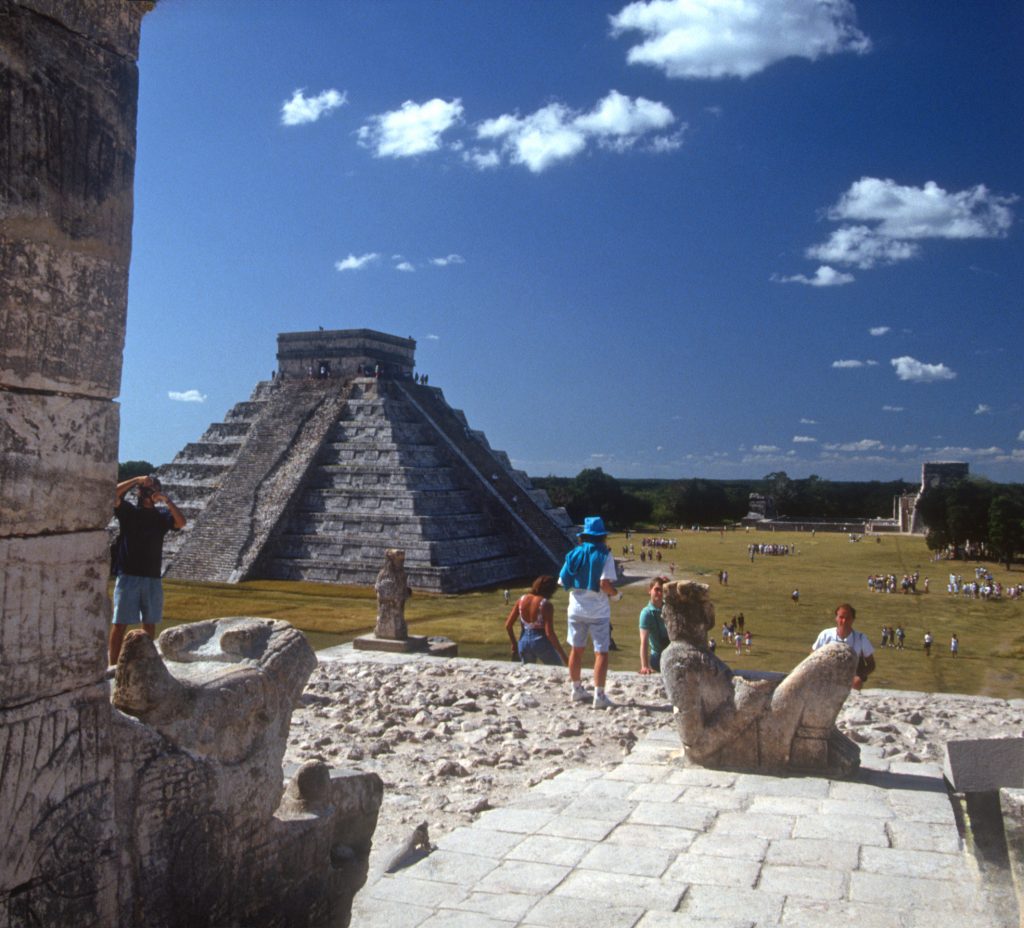
- El Castillo (Temple of Kukulcán): A towering step-pyramid rising 98 feet (30 meters), the centerpiece of Chichén Itzá. Each of the four staircases has 91 steps, adding up to 364, with the temple platform representing the 365th day of the solar calendar. During equinoxes, the setting sun casts a serpent-shaped shadow down the staircase. This is a test of balance and stamina to climb!
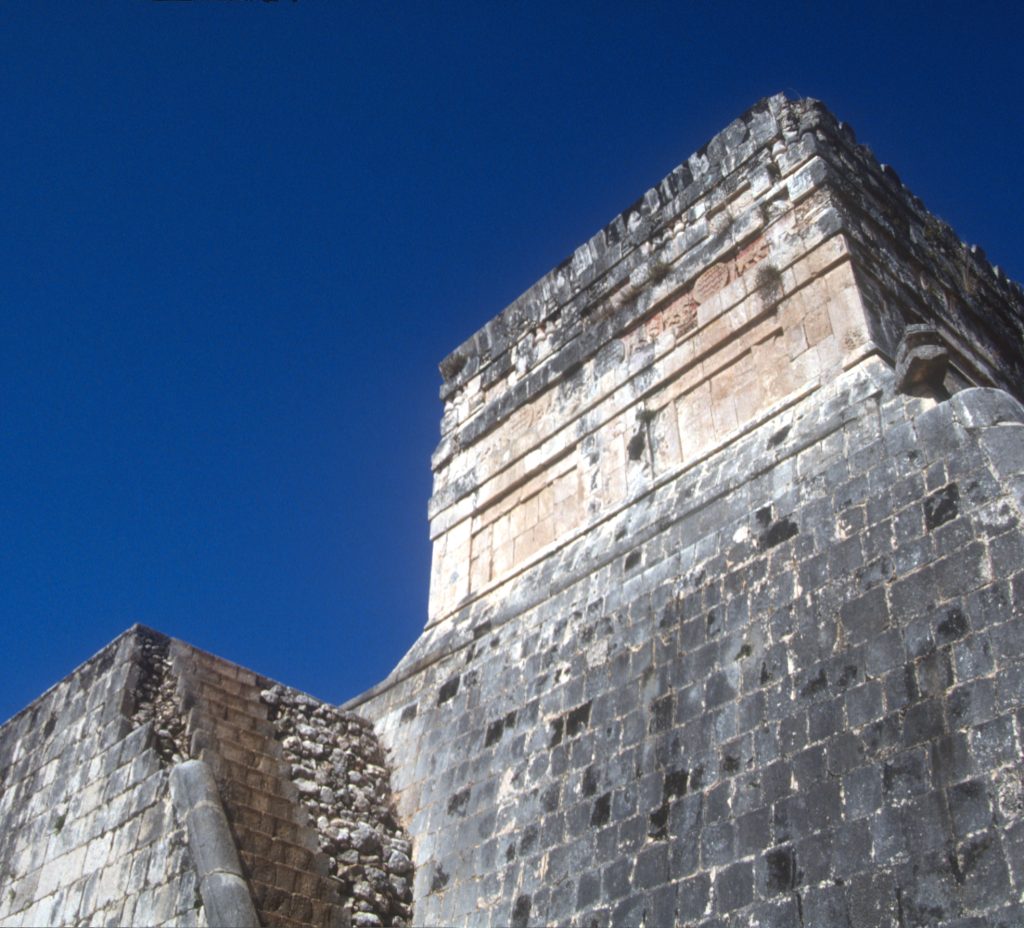
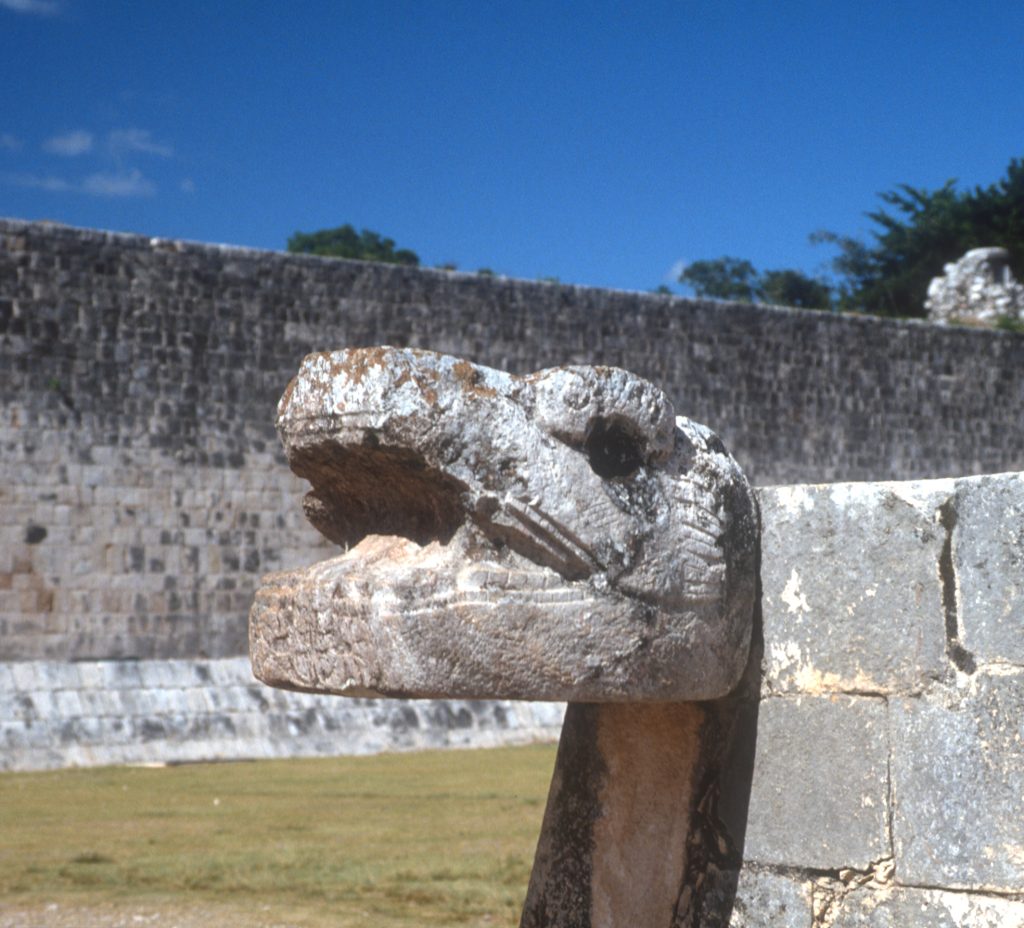
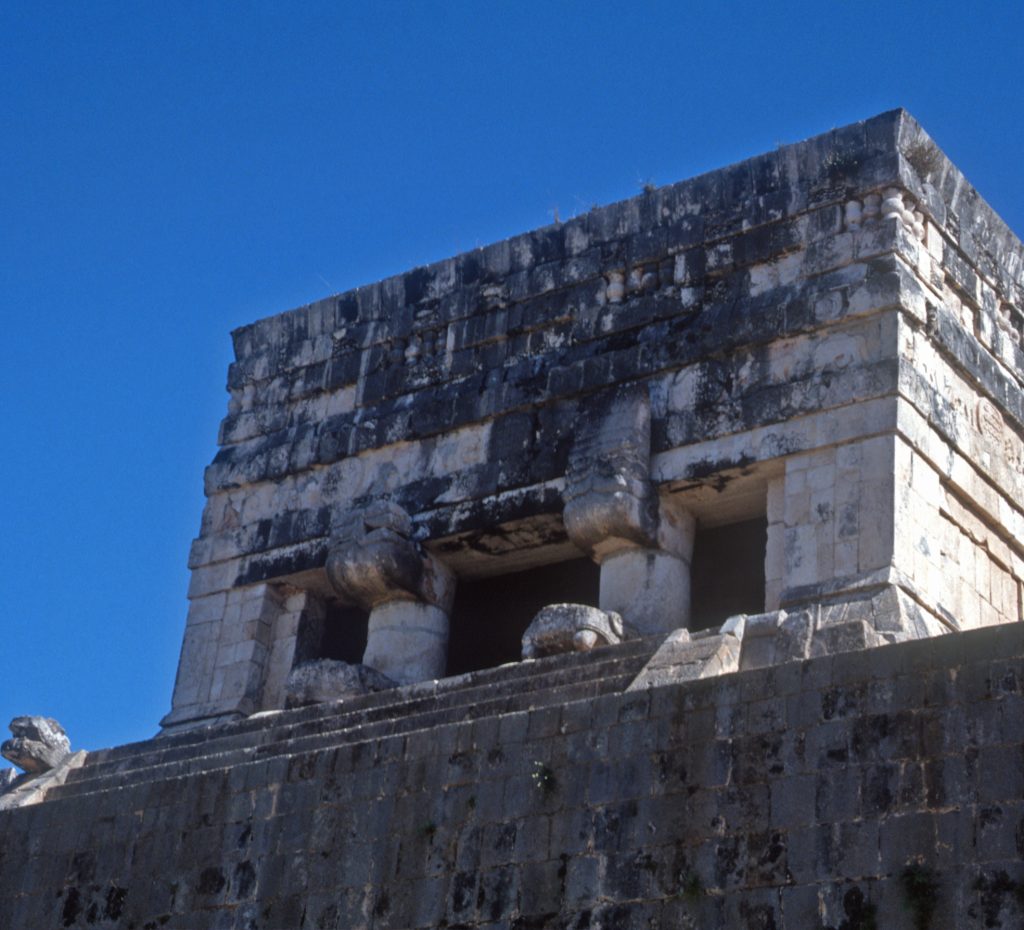
- The Great Ball Court: The largest known Mesoamerican ball court, measuring 545 feet long and 225 feet wide. Acoustic marvels allow a whisper to carry clearly across its length. Stone carvings depict the ritualistic ballgame and associated sacrificial themes.
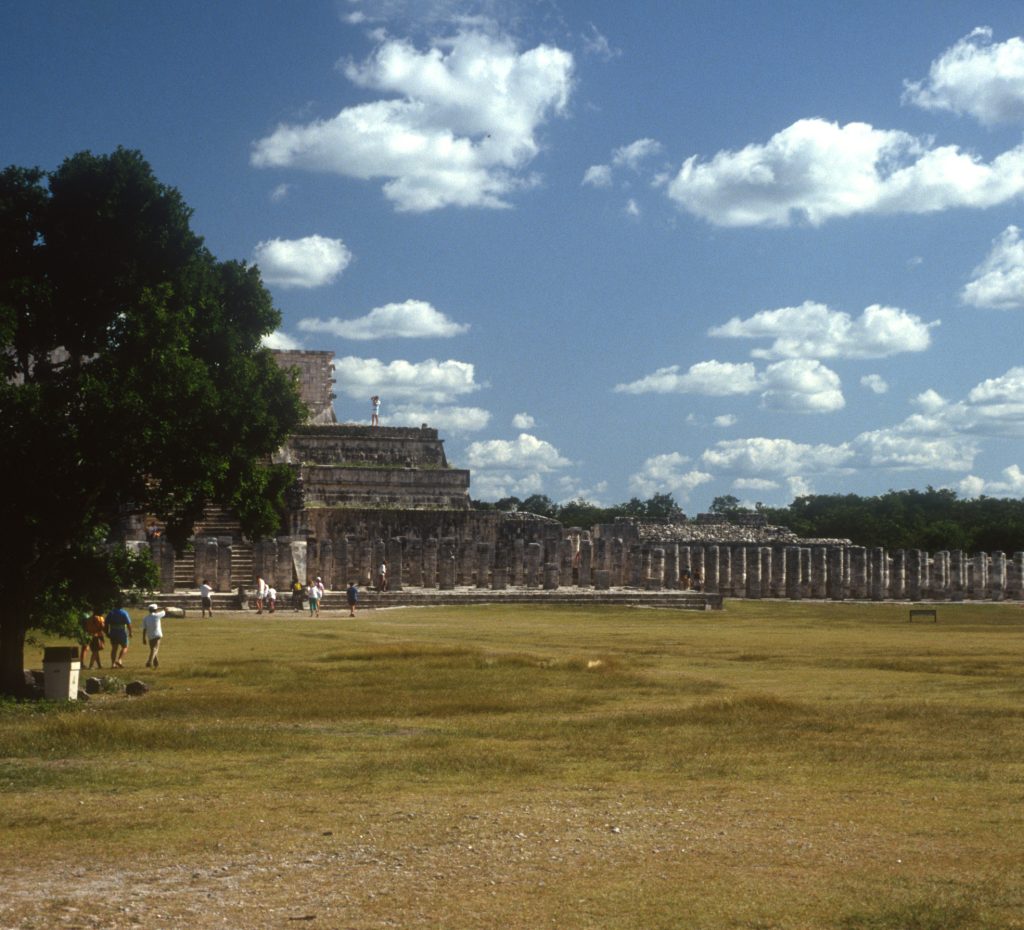
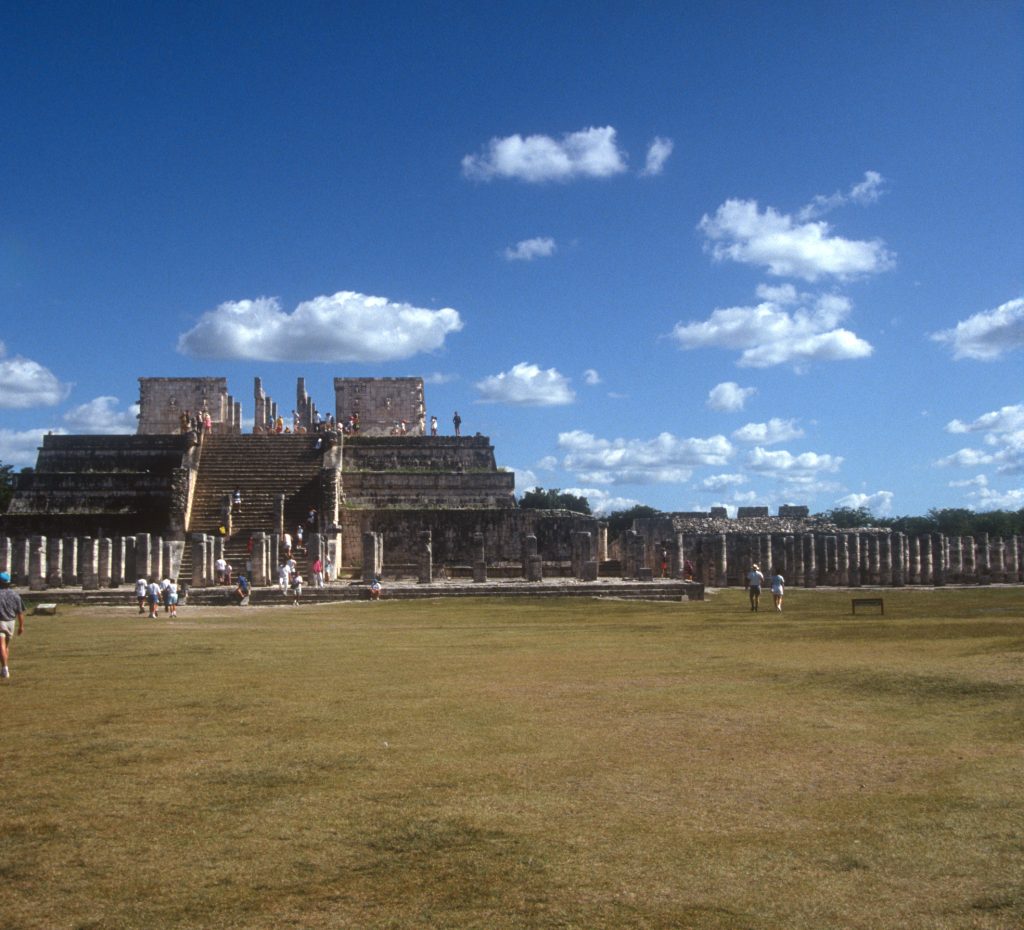
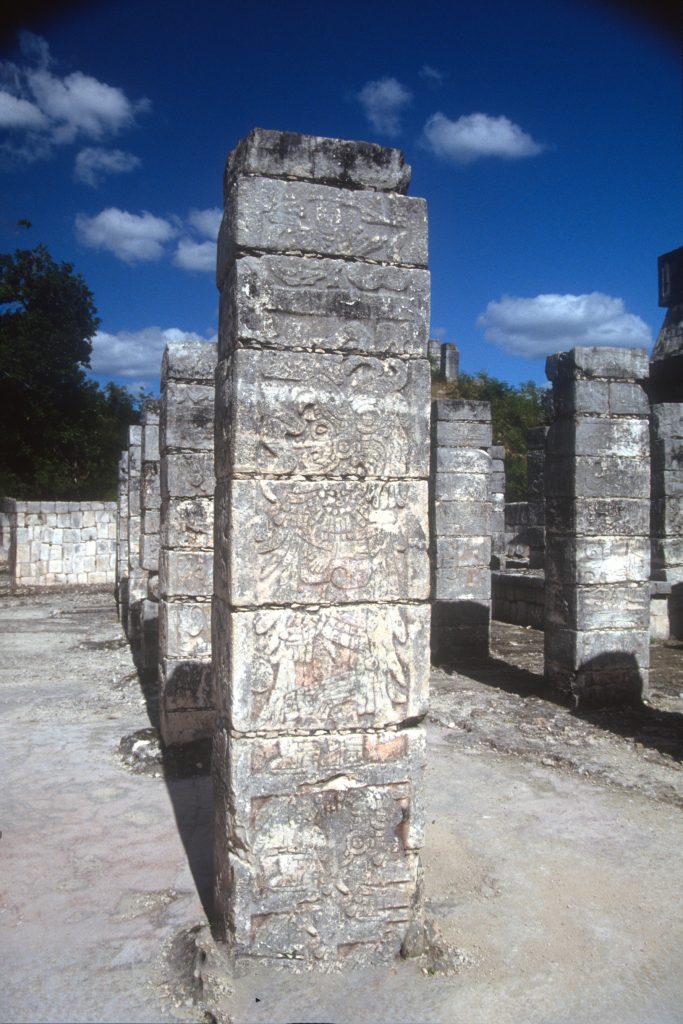
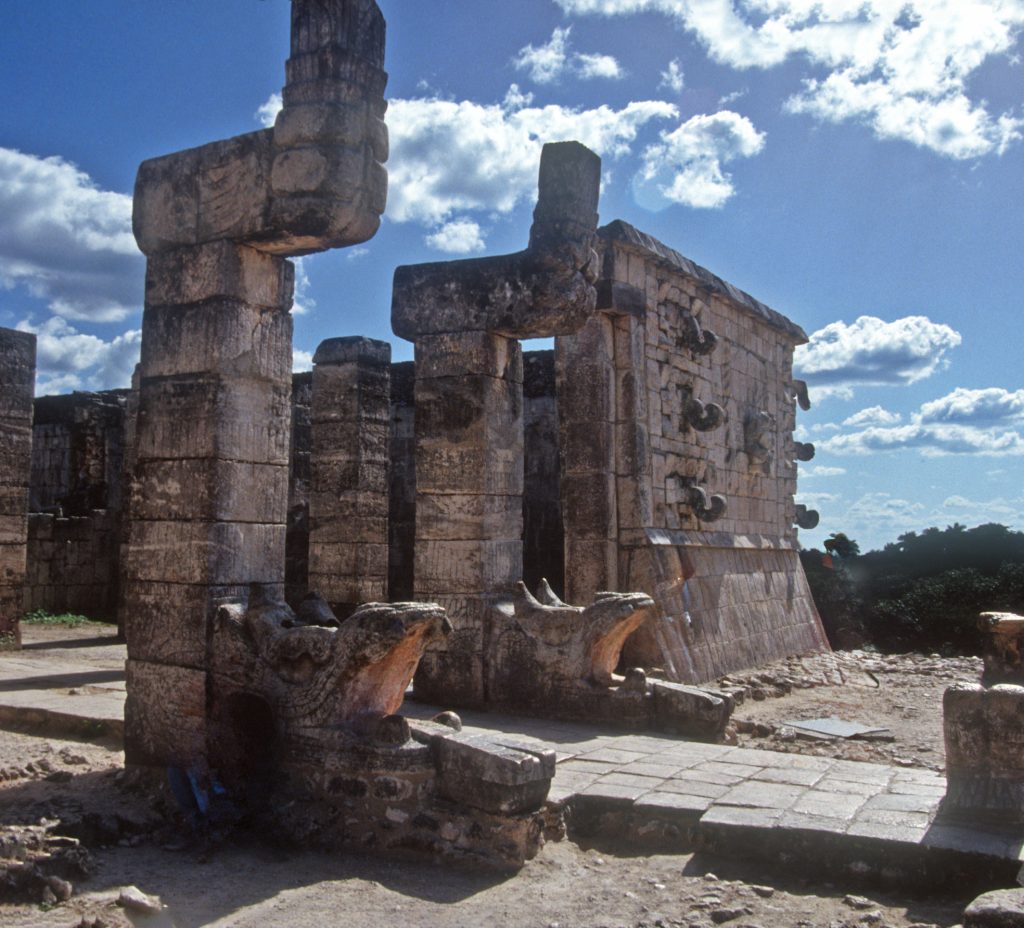
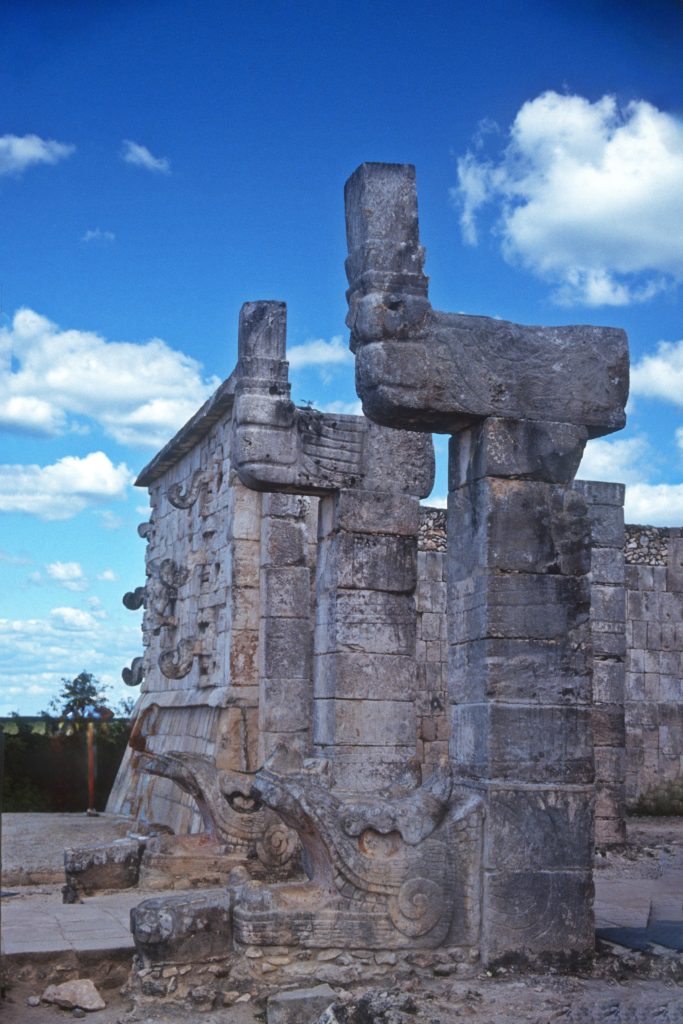
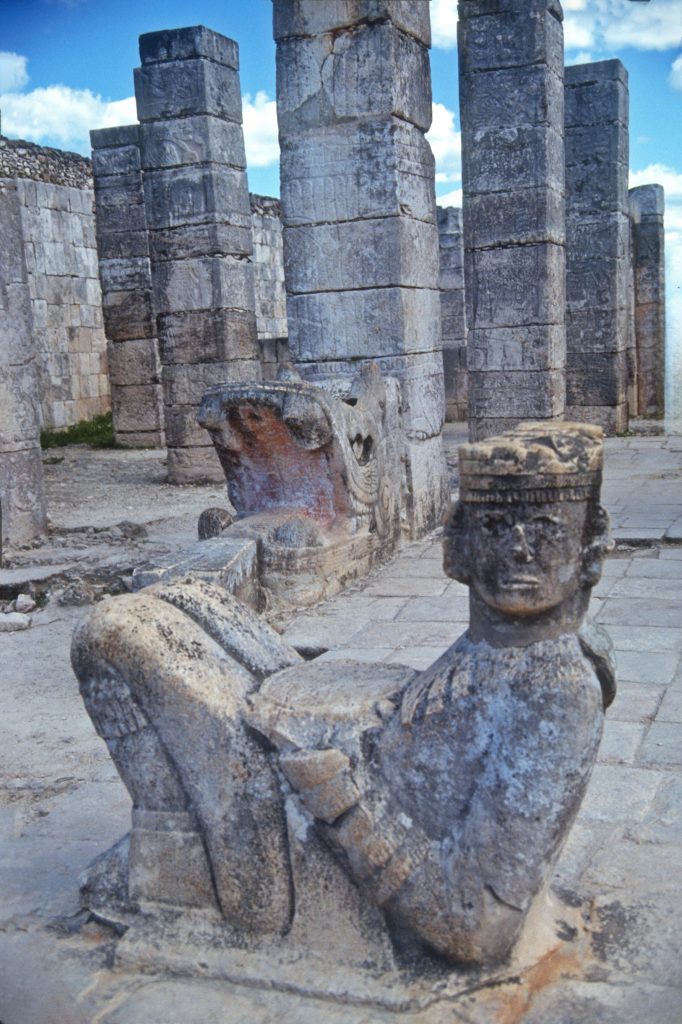
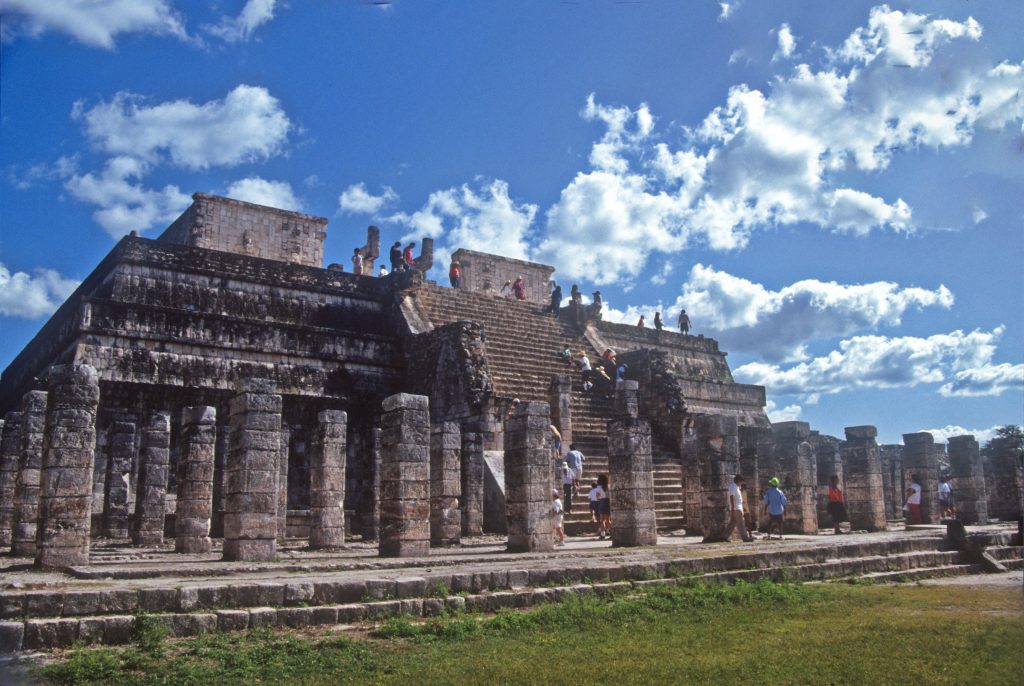
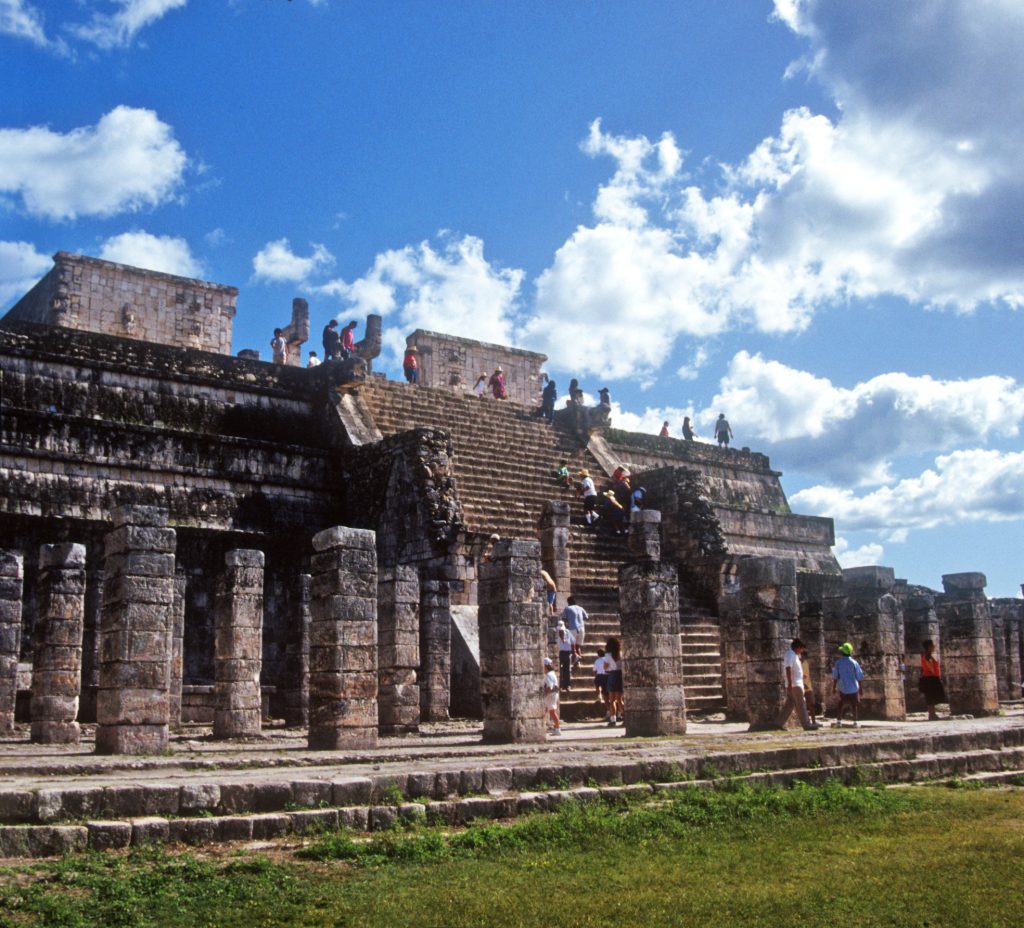
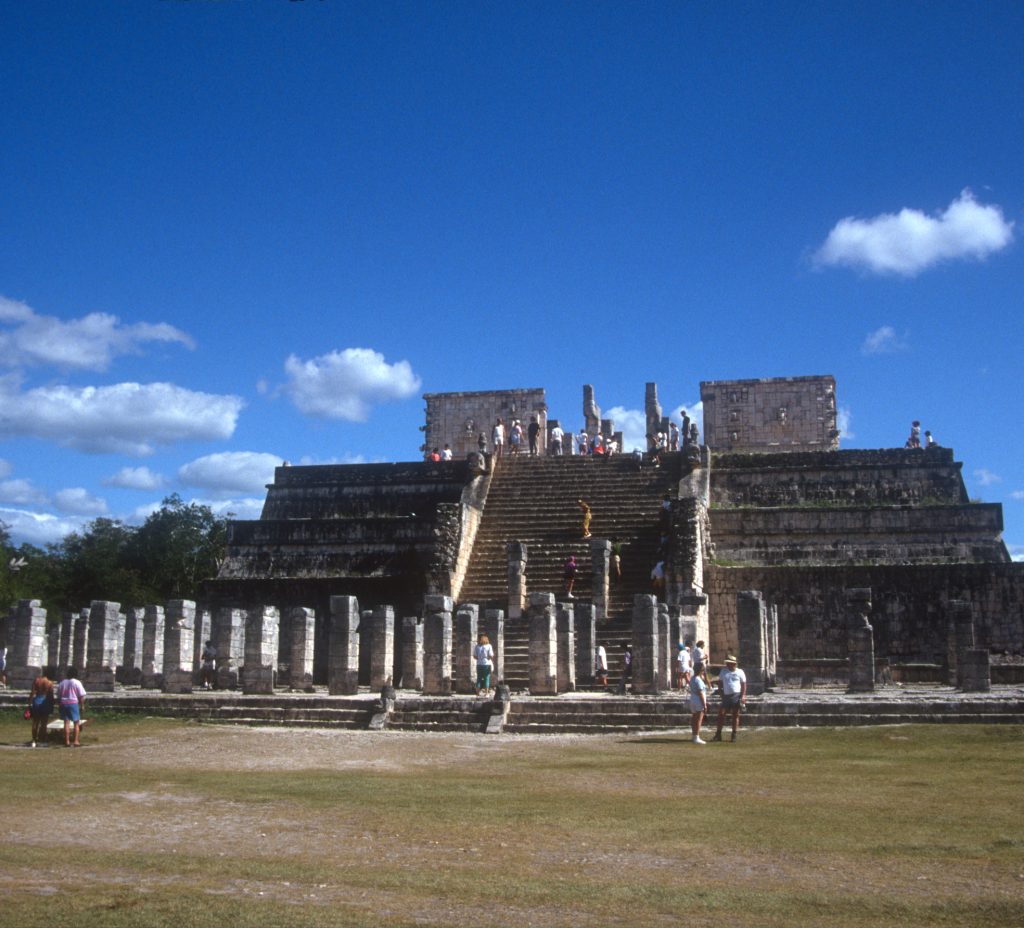
- The Temple of the Warriors: A stepped pyramid flanked by 200 carved columns. Features serpent columns, a Chac Mool altar, and vivid depictions of military and religious might. (A Chac Mool is a distinctive Mesoamerican sculpture depicting a reclining figure with its head facing outward at a 90-degree angle, supporting itself on its elbows and holding a bowl or disc on its stomach. These figures are often associated with ritual offerings and are found at ancient Mayan and Aztec sites. The term “Chac Mool” was given to these sculptures by 19th-century explorers and is believed to be derived from a Mayan name for a warrior prince.)
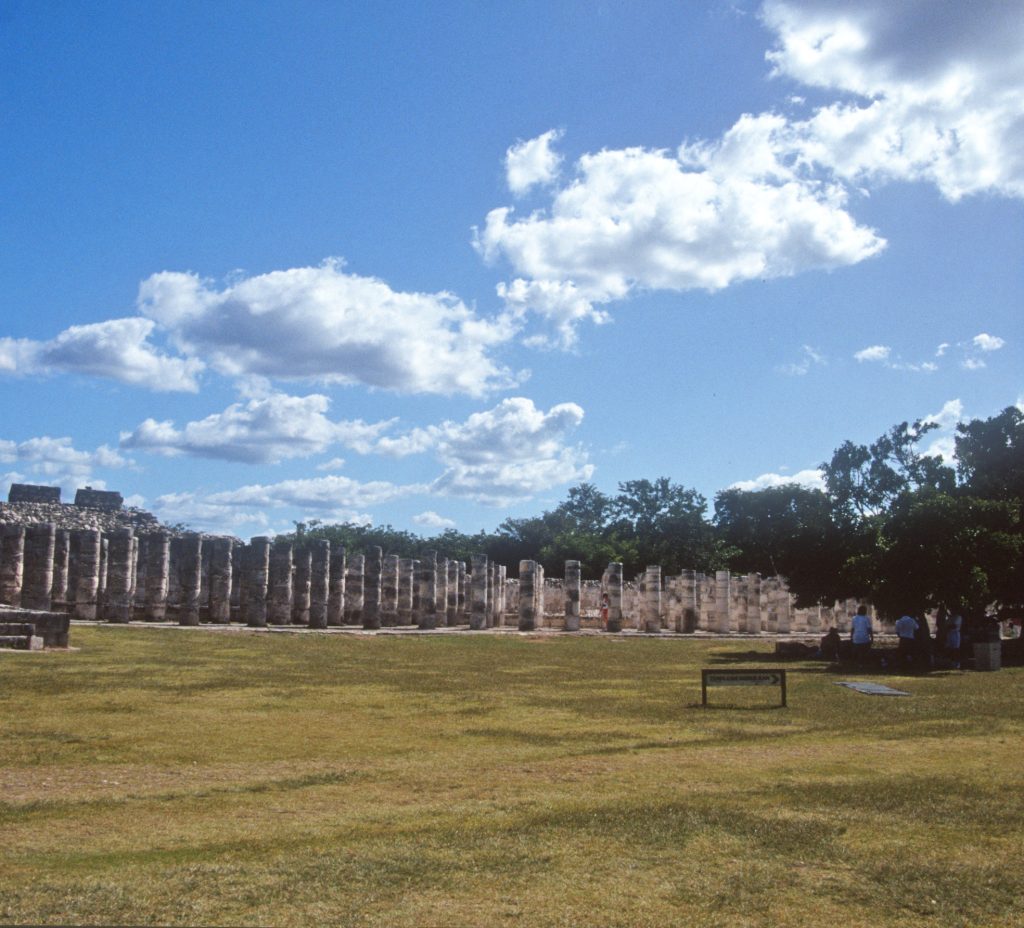
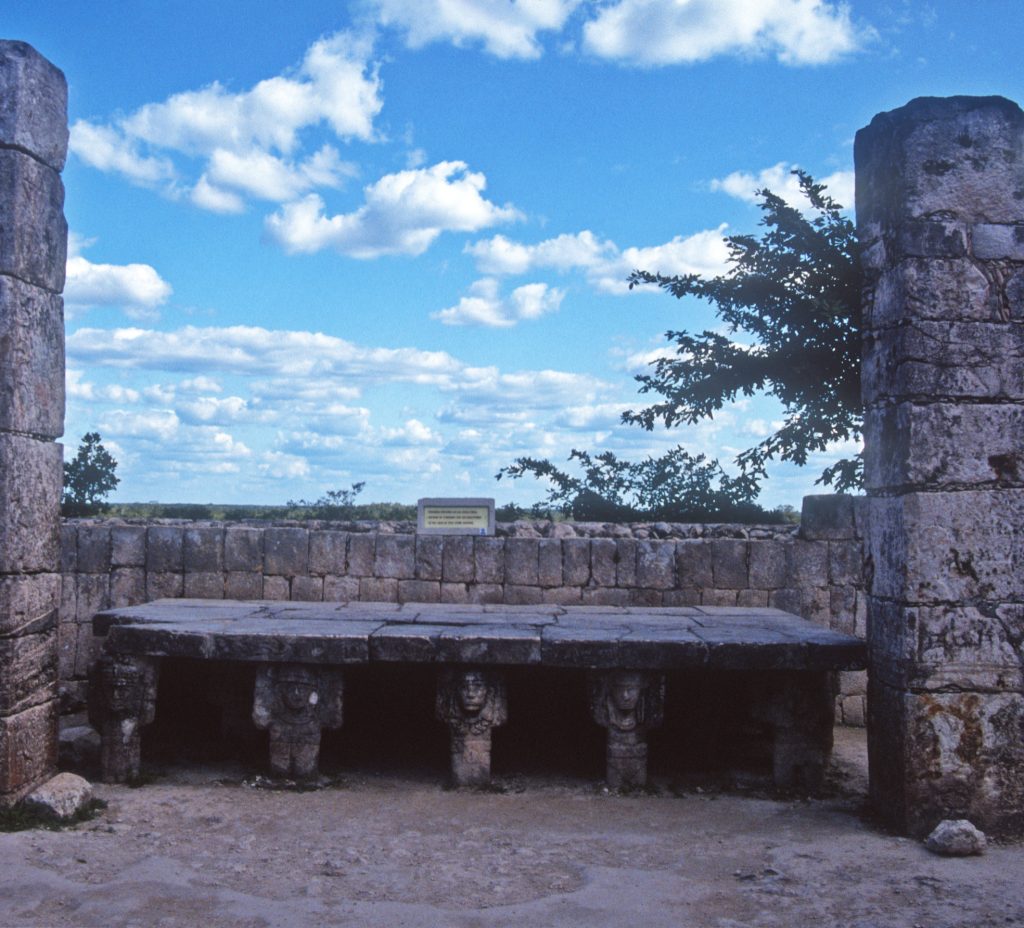
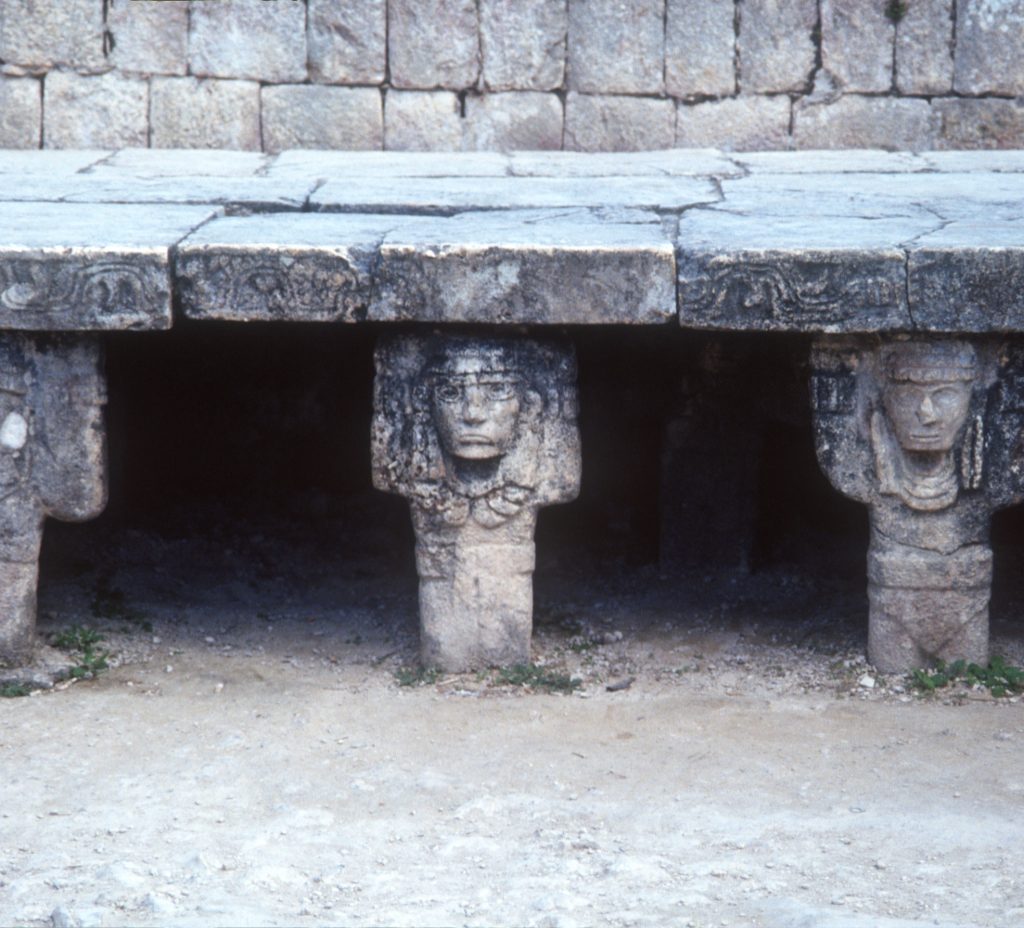
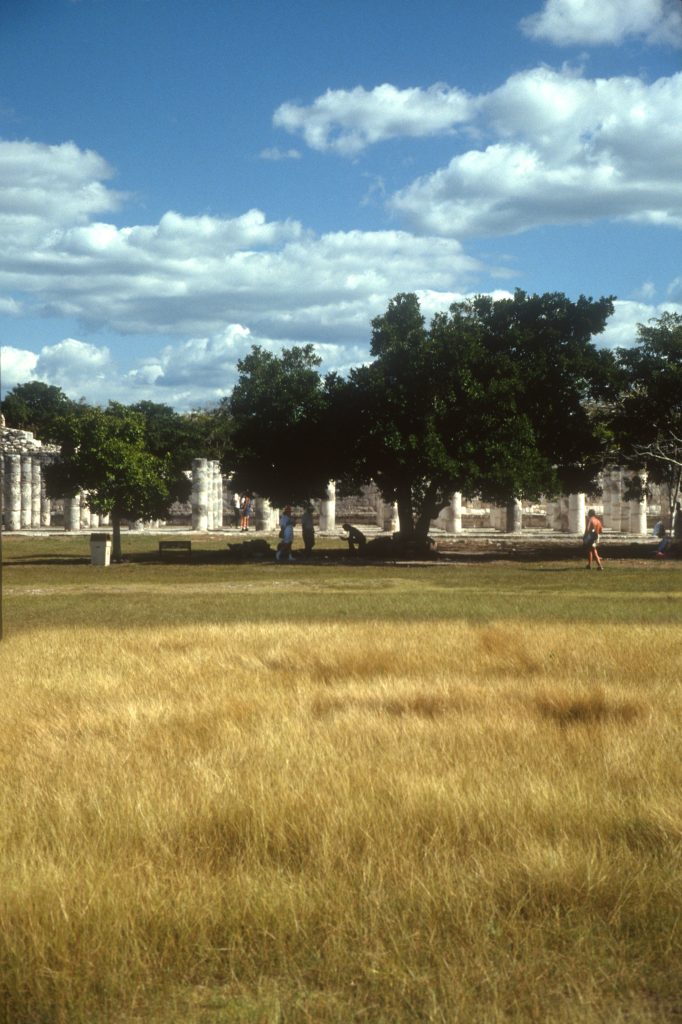
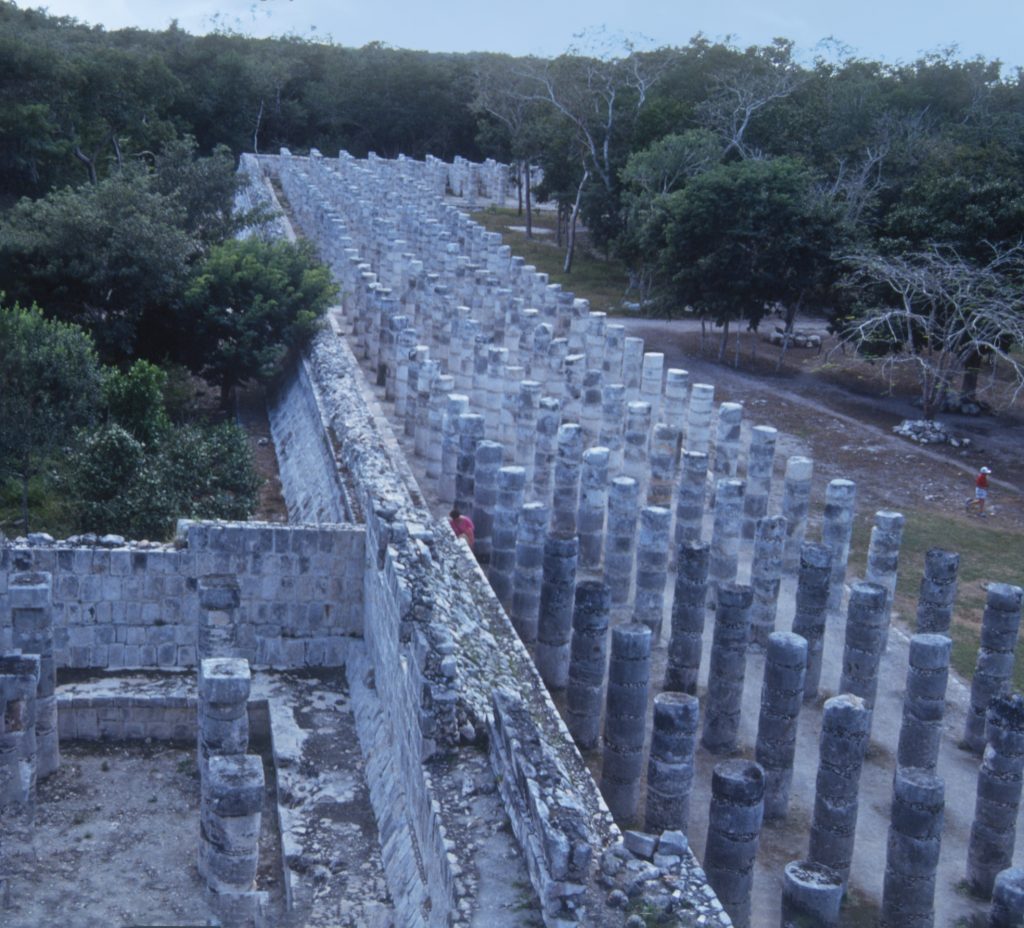
- The Group of the Thousand Columns: Rows of intricately carved stone columns that once supported a massive, roofed structure. Likely used for gatherings, markets, or civic functions.
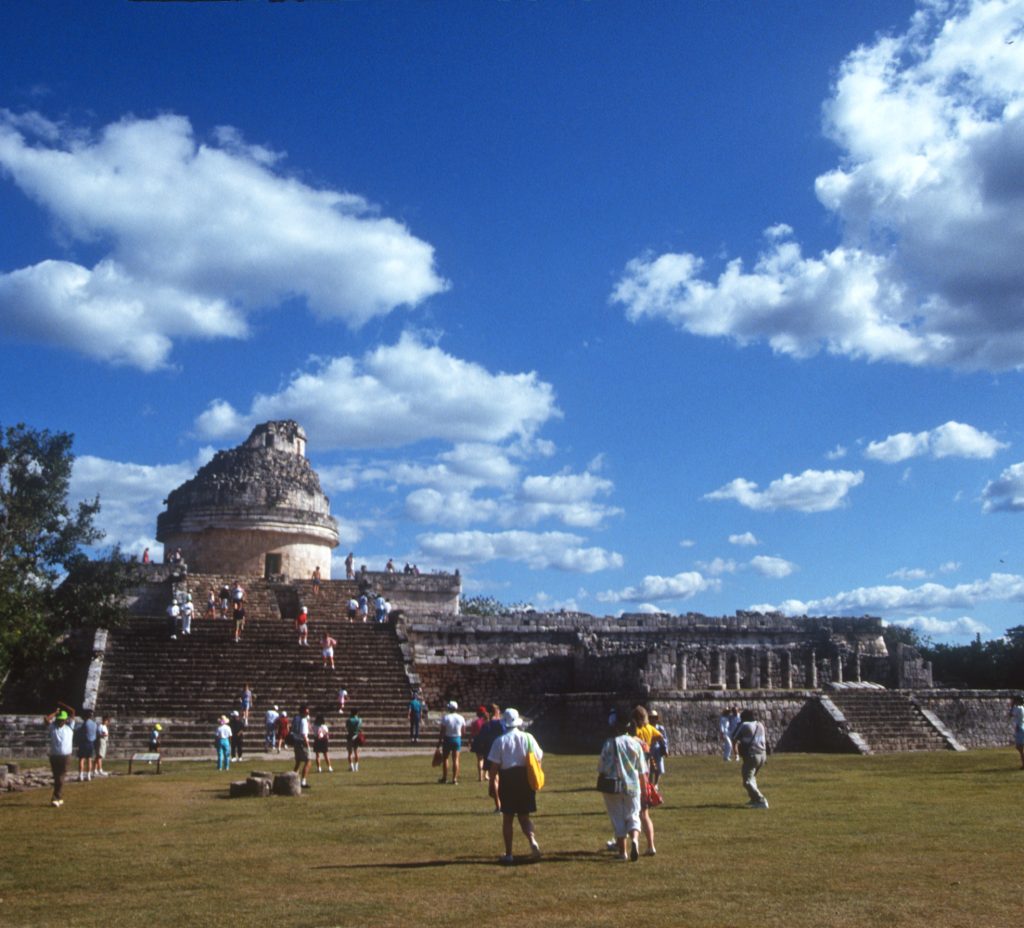
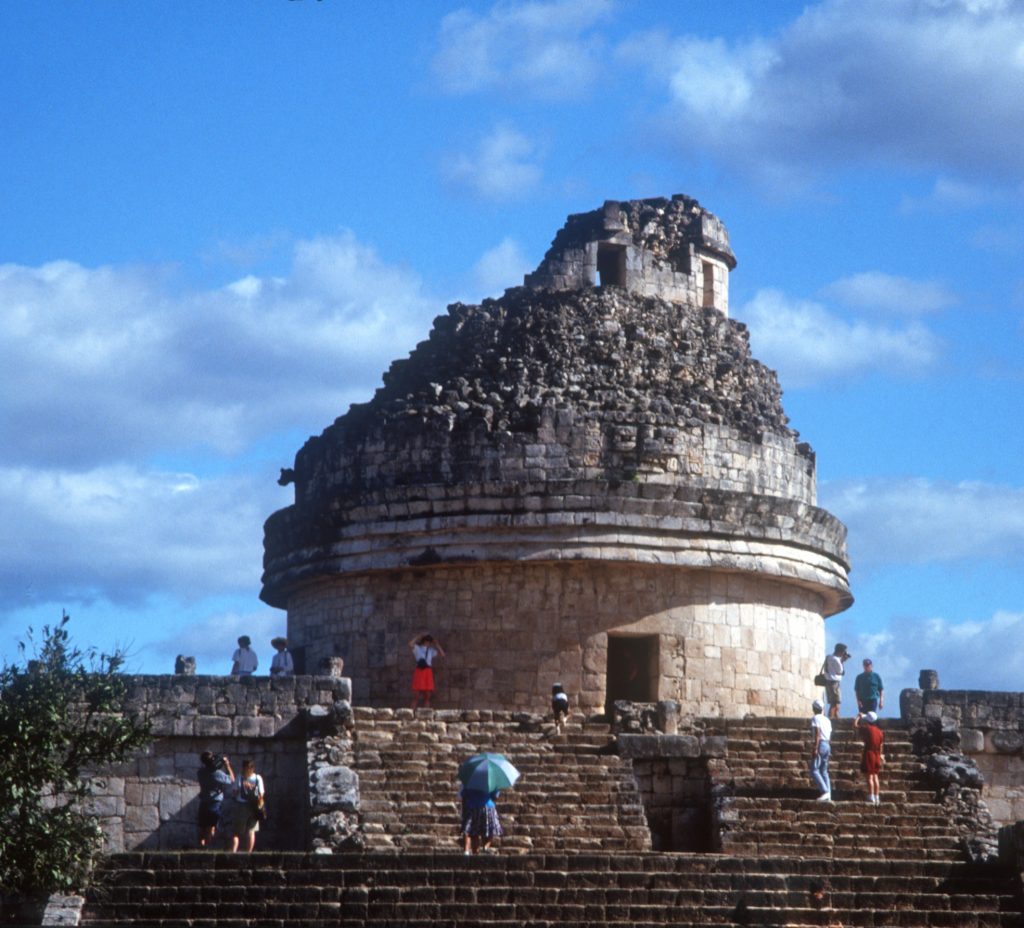
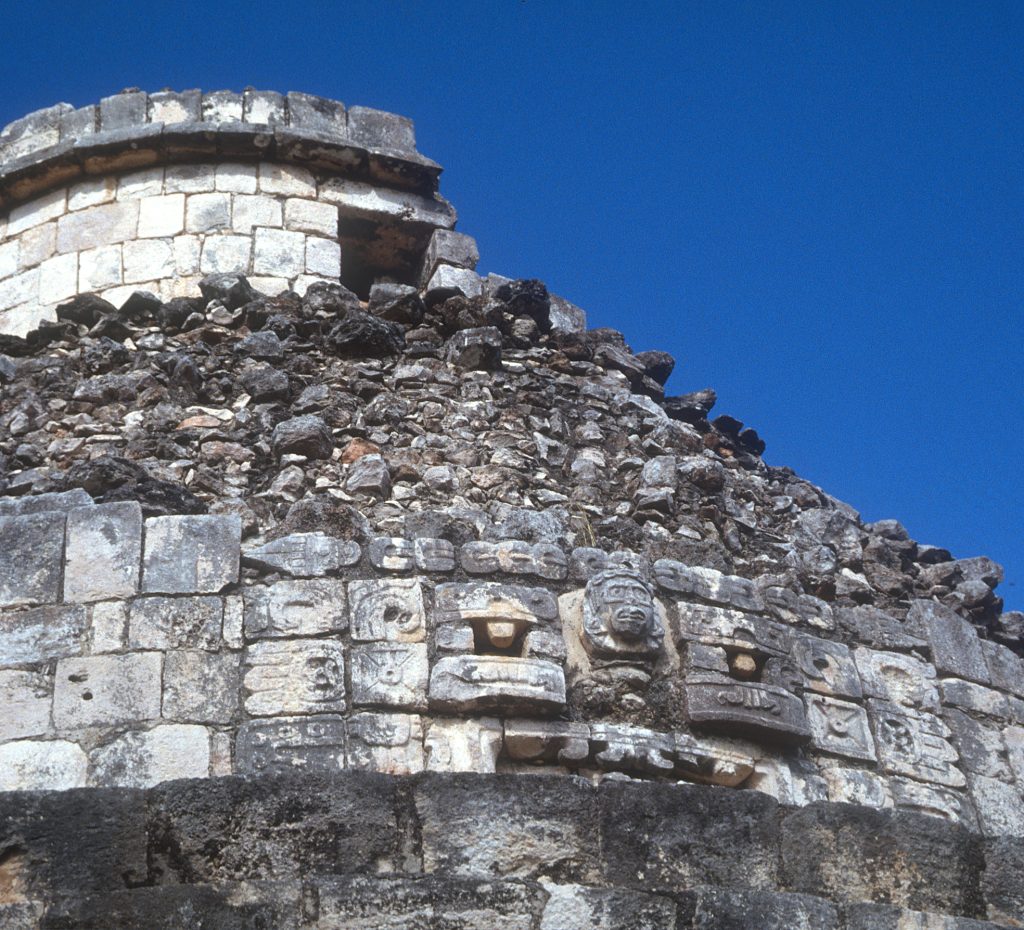
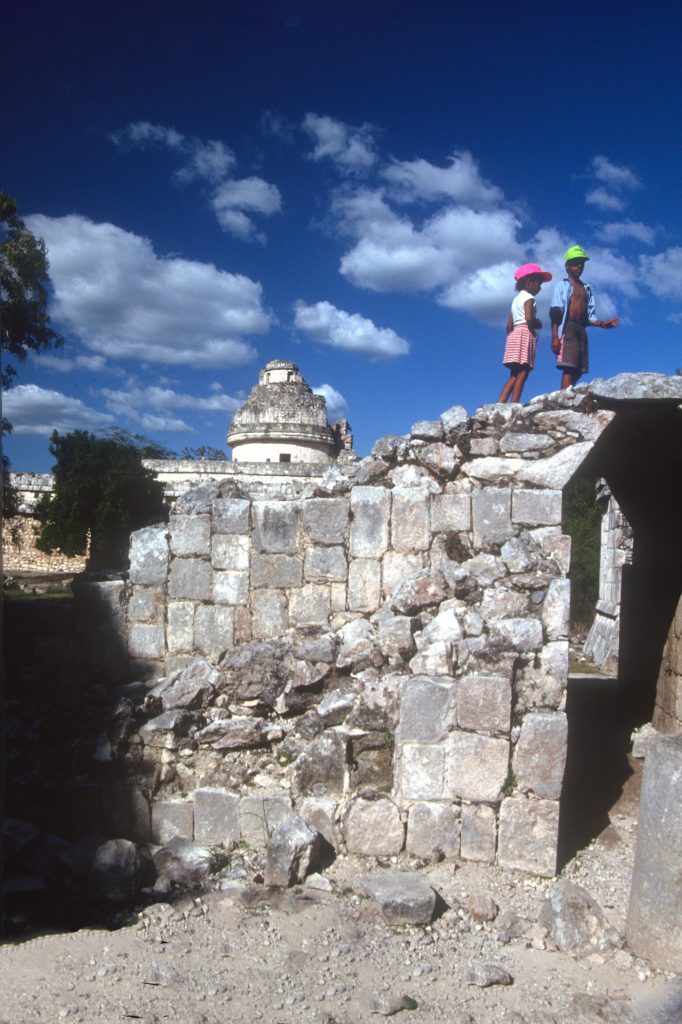
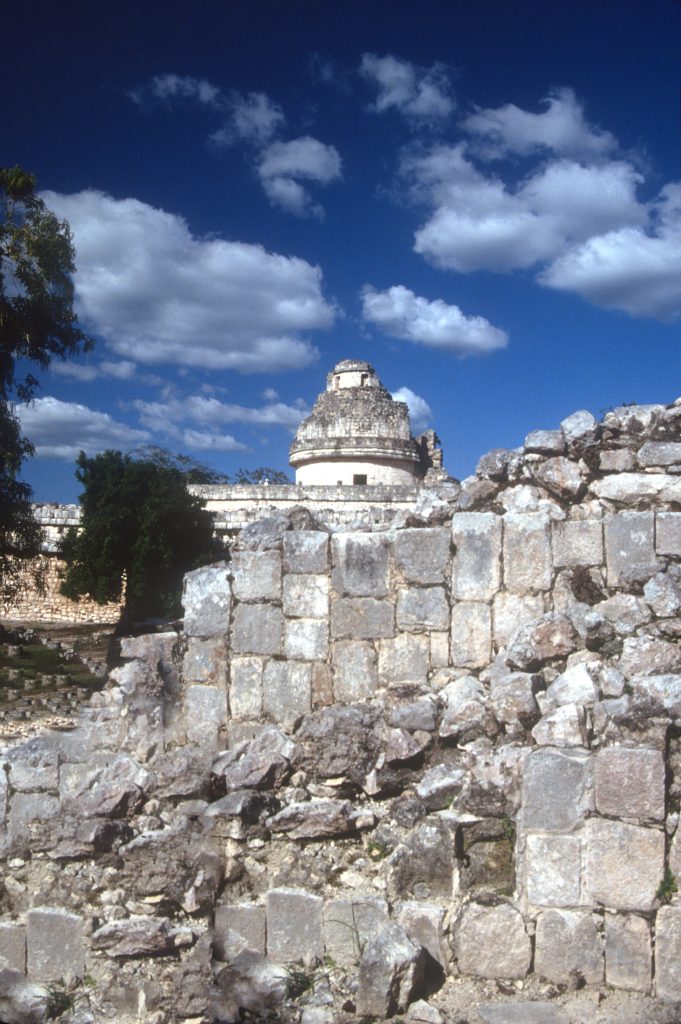
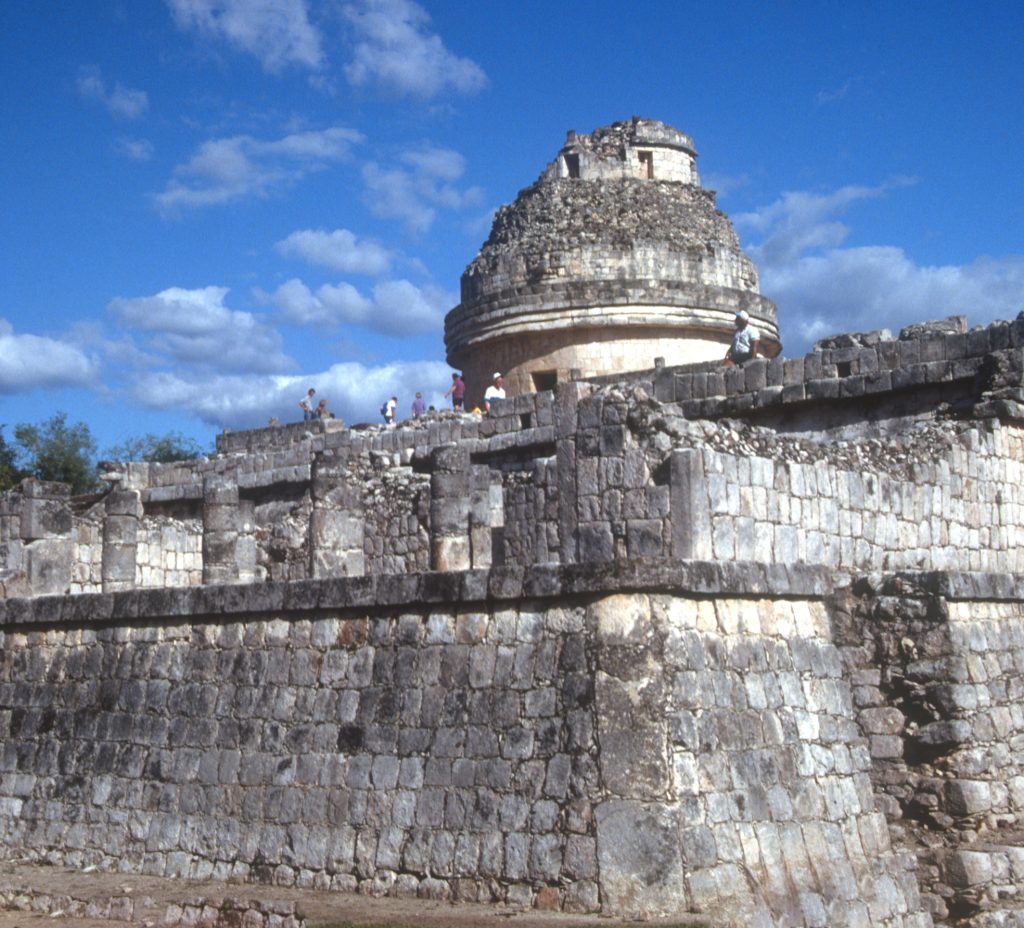
- El Caracol (The Observatory): A round tower atop a large platform with windows aligned to celestial events. Maya astronomers used it to track stars and planets, particularly Venus. This is enchanting building. Just imagine the learned Maya astronomers, staring at the heavens, making their calculations!
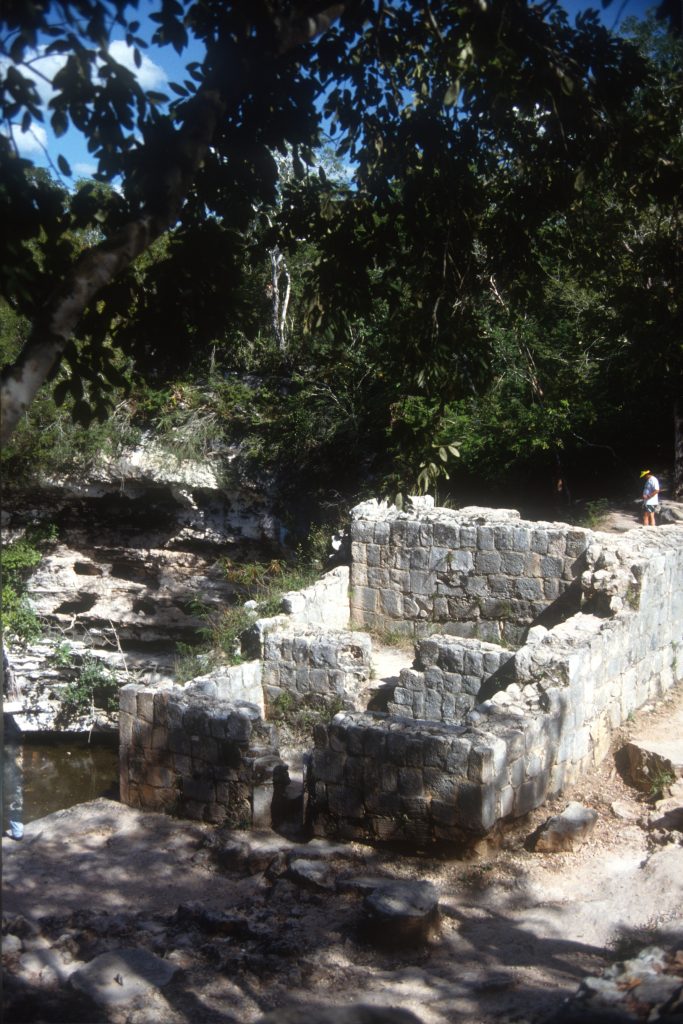
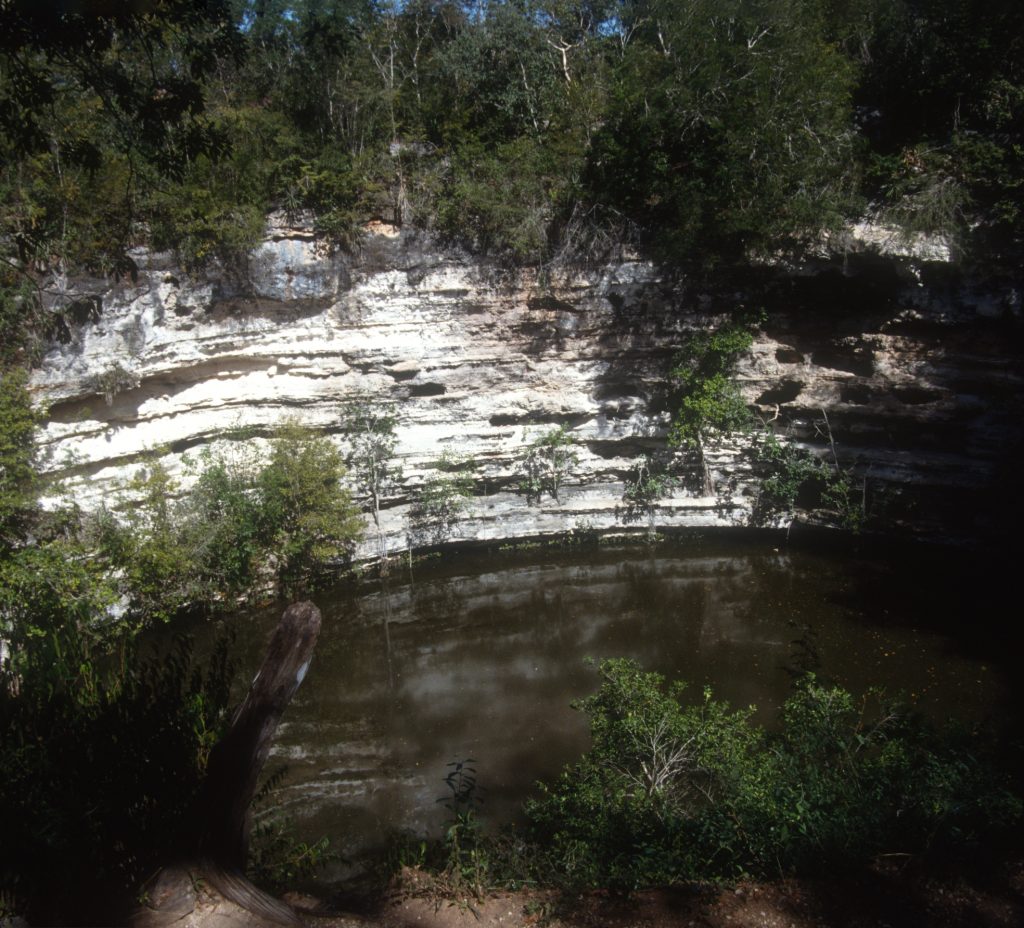
- The Sacred Cenote: A vast sinkhole 60 meters in diameter used for ritual sacrifices. Archaeological finds include gold, jade, obsidian, and human remains, primarily of women and children. It’s chilling to stand at the edges and imagine these scenes of human sacrifice, especially at a place that seems to peaceful.
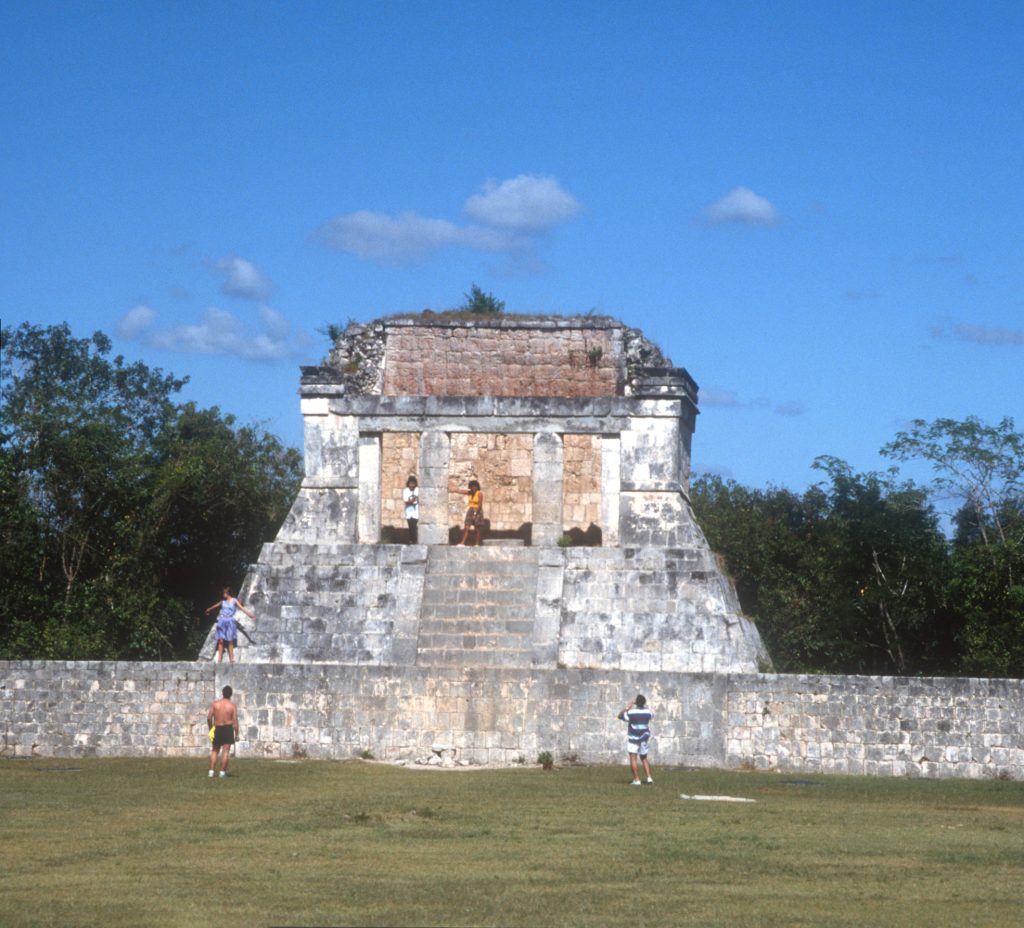
- The Temple of the Jaguars: Located beside the Ball Court, decorated with jaguar and warrior reliefs. Note the red-painted jaguar throne.
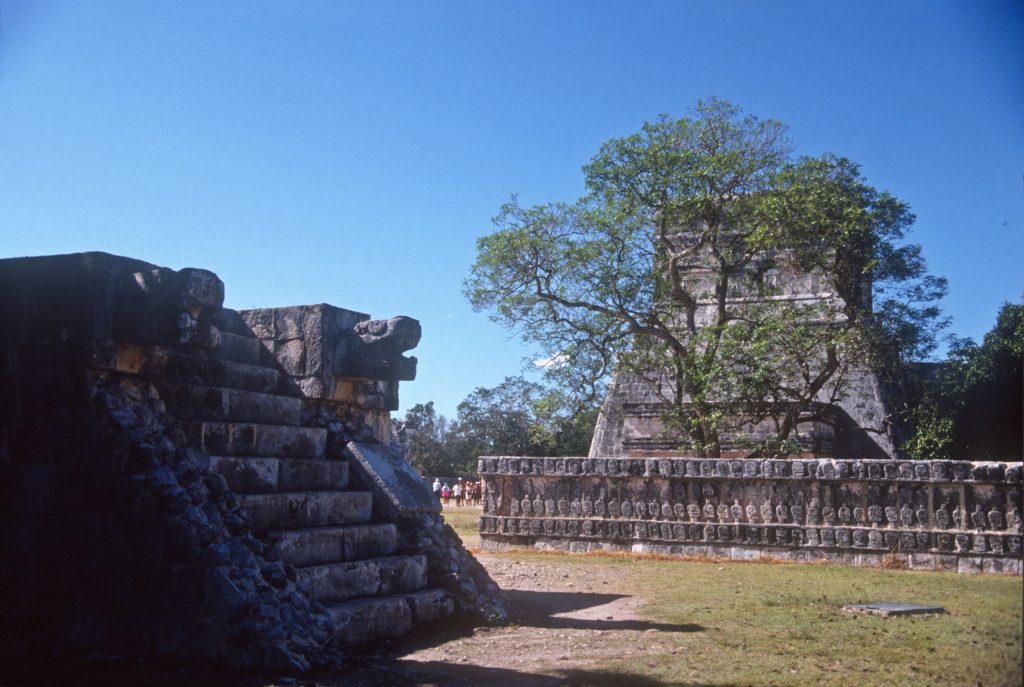
- The Platform of Venus: A ceremonial platform adorned with feathered serpents and planetary symbols, dedicated to Venus worship.
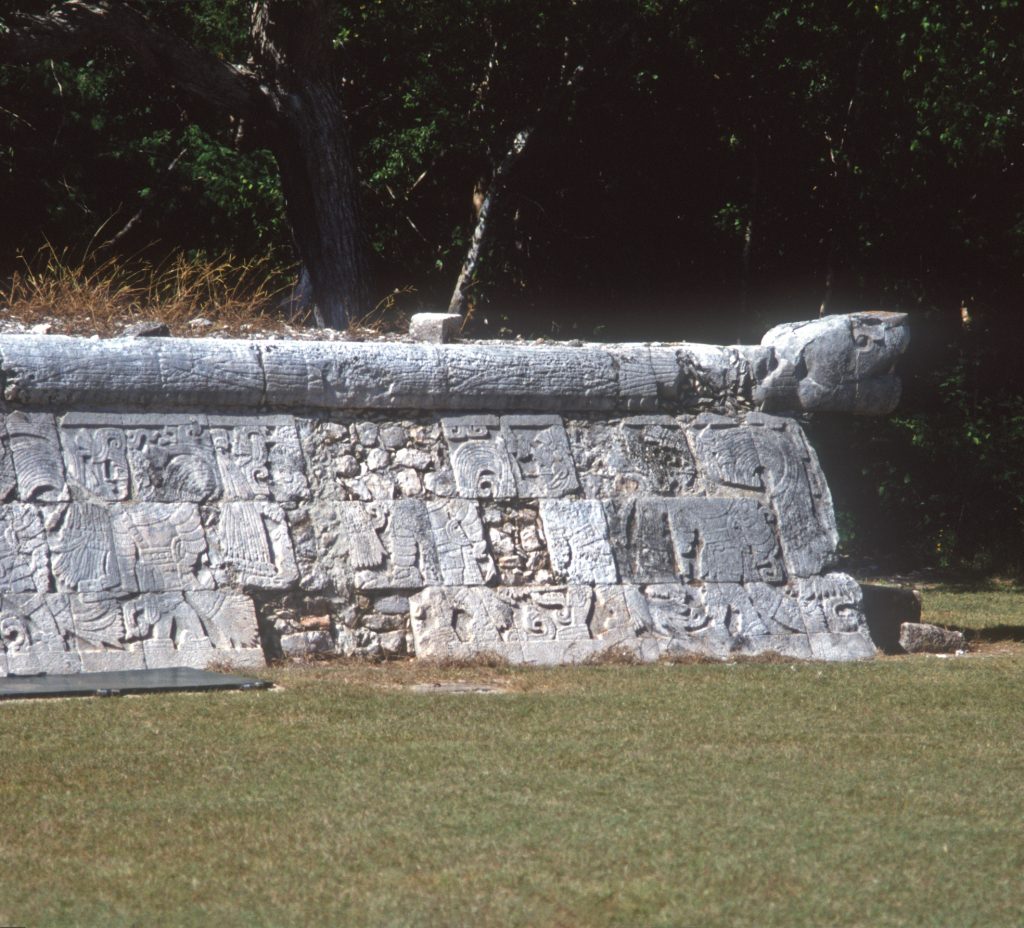
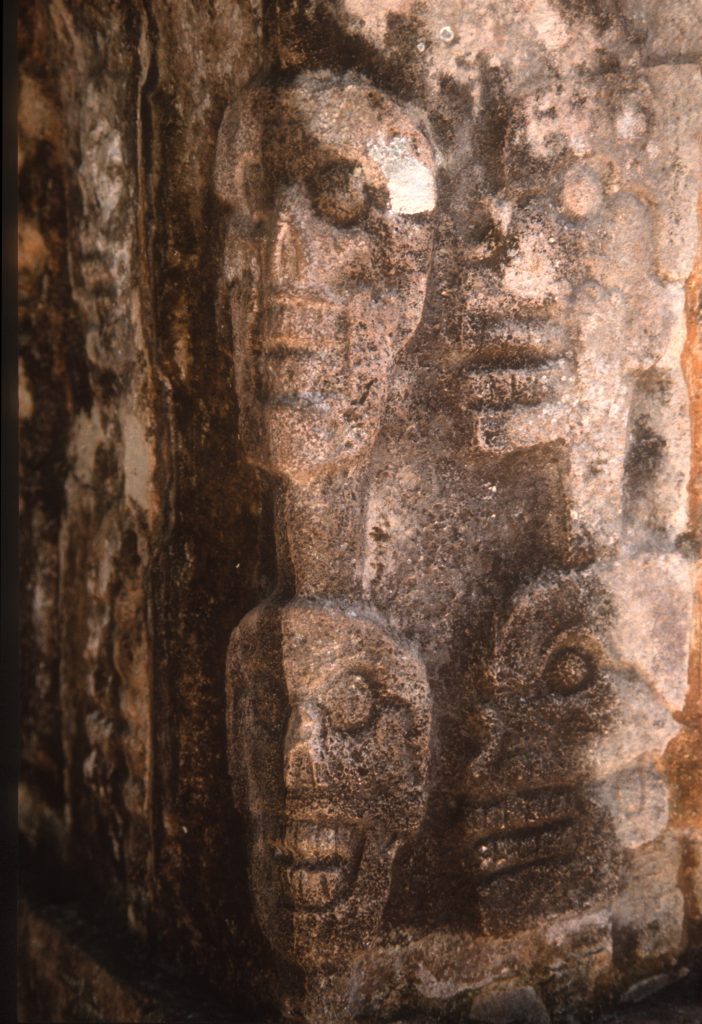
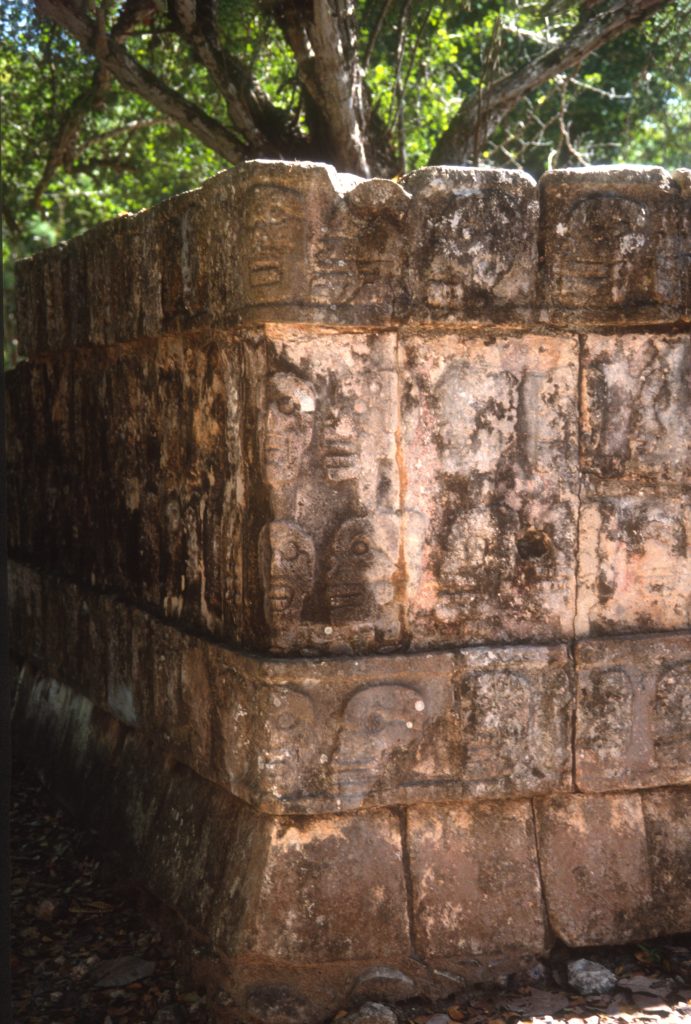
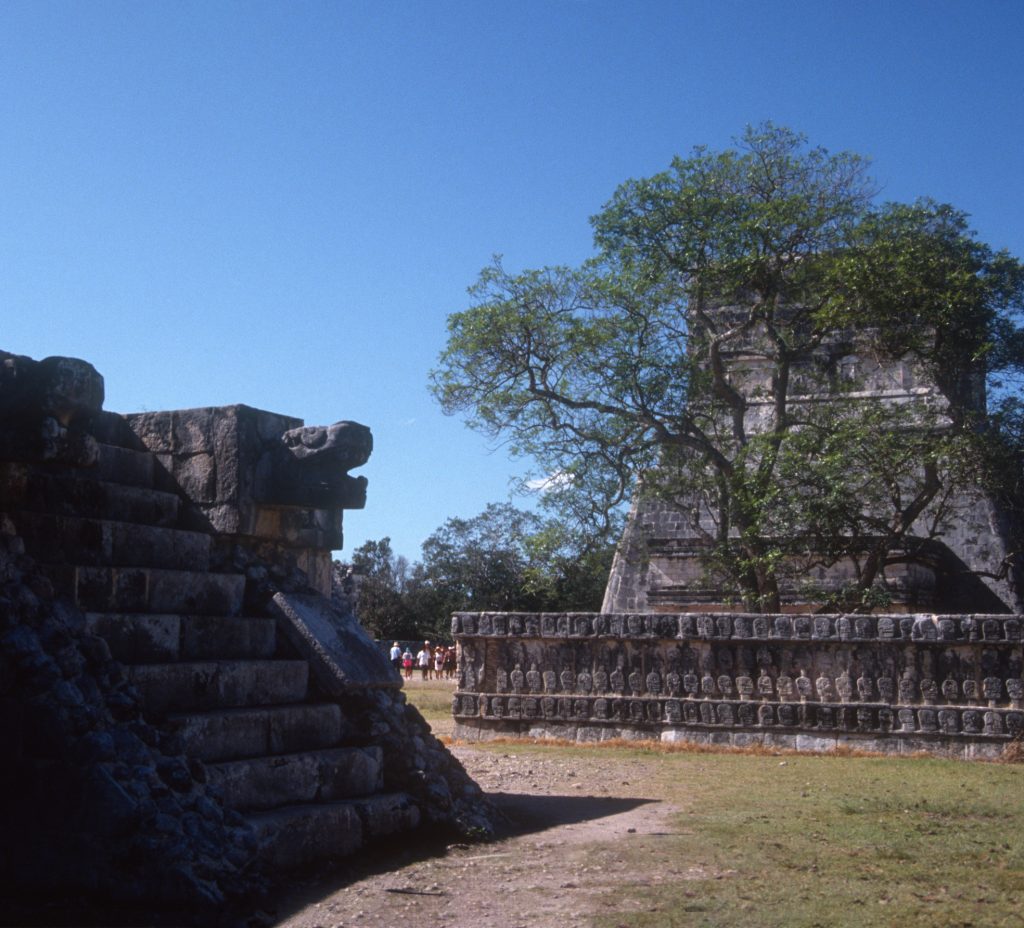
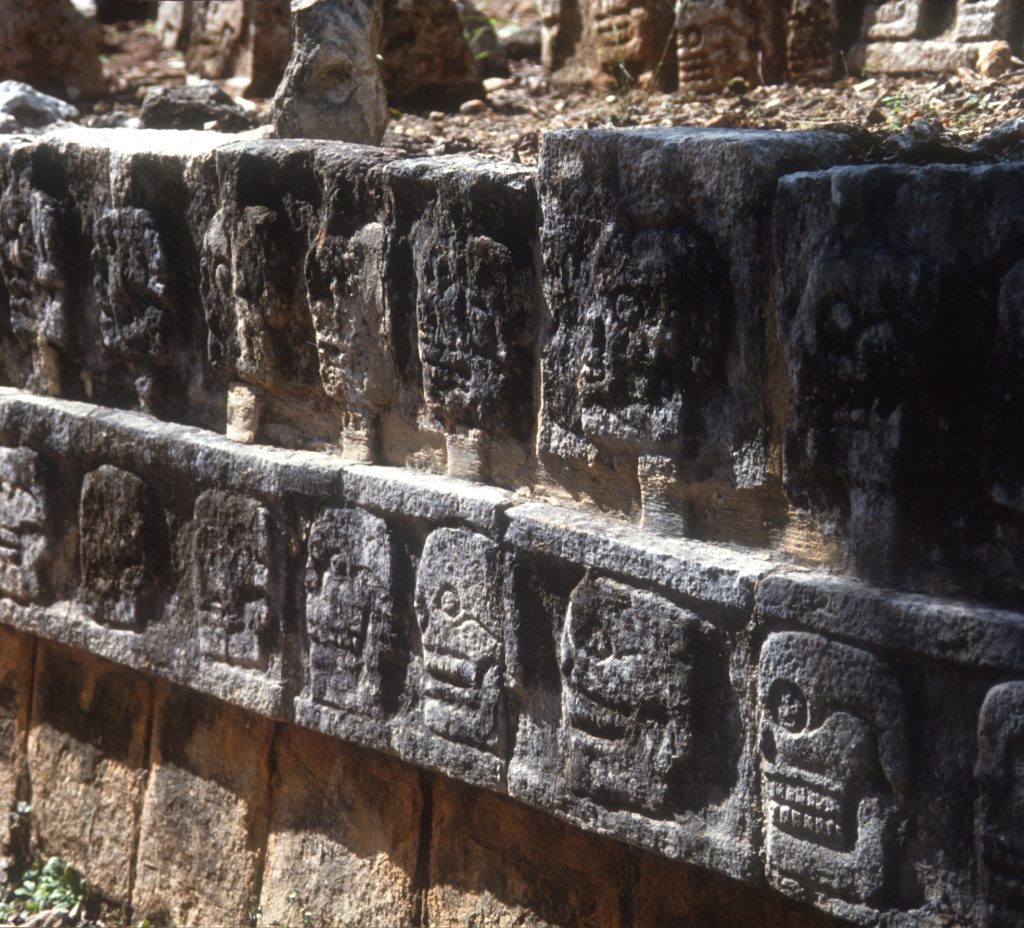
- The Platform of Skulls (Tzompantli): Decorated with carvings of impaled skulls, symbolizing sacrificial victims and power.
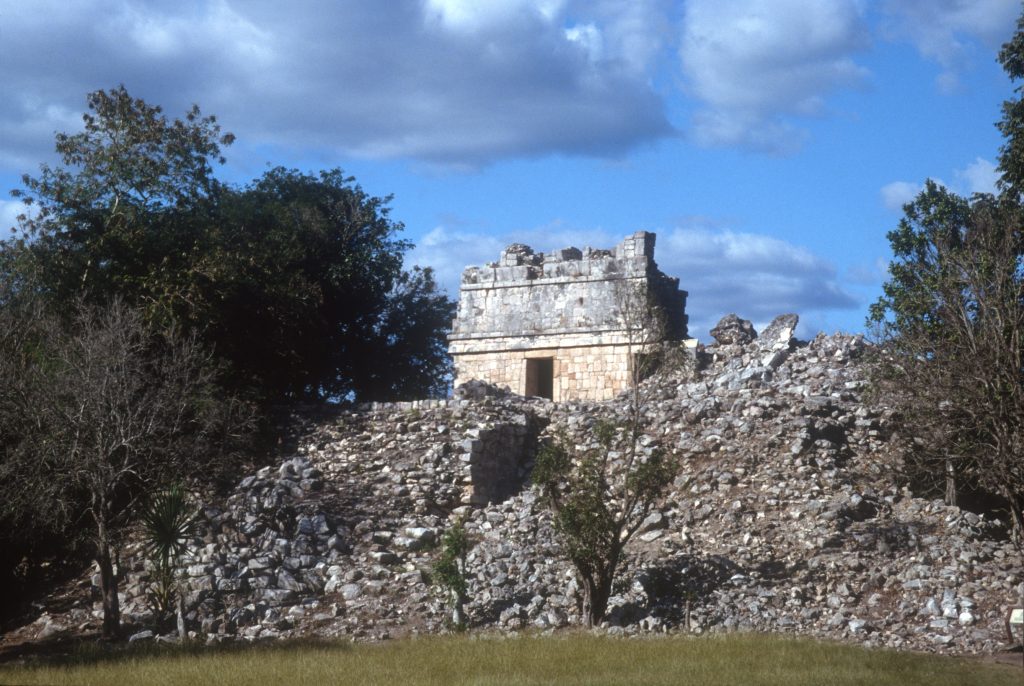
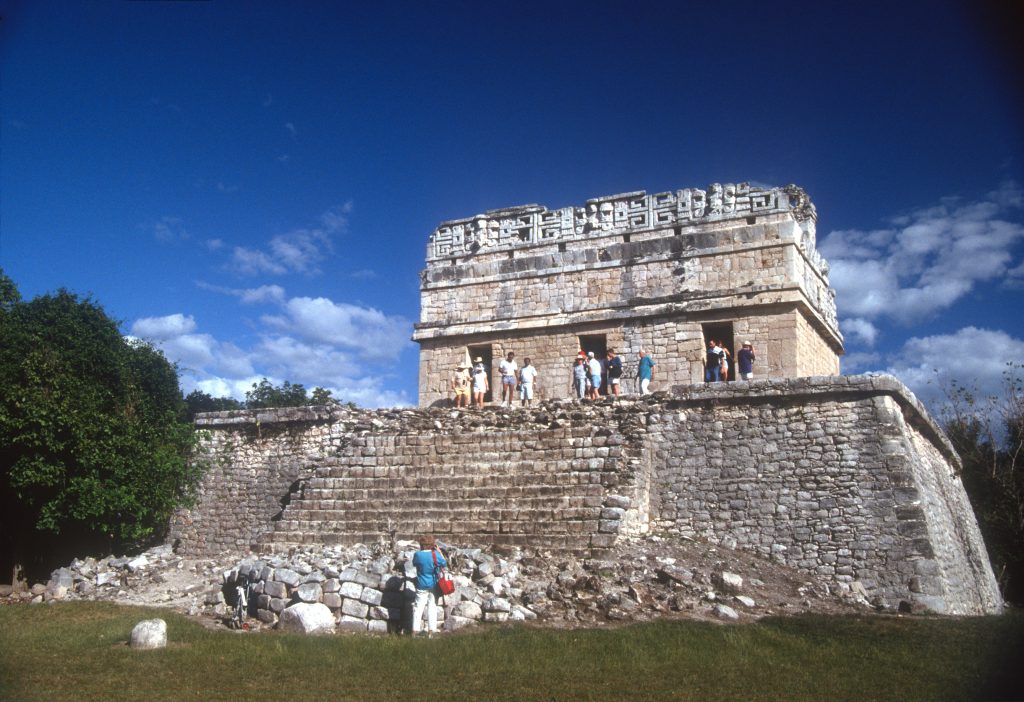
- The Red House (Casa Colorada): A smaller structure with remnants of red pigment and a rare glyphic inscription dating to 869 AD.
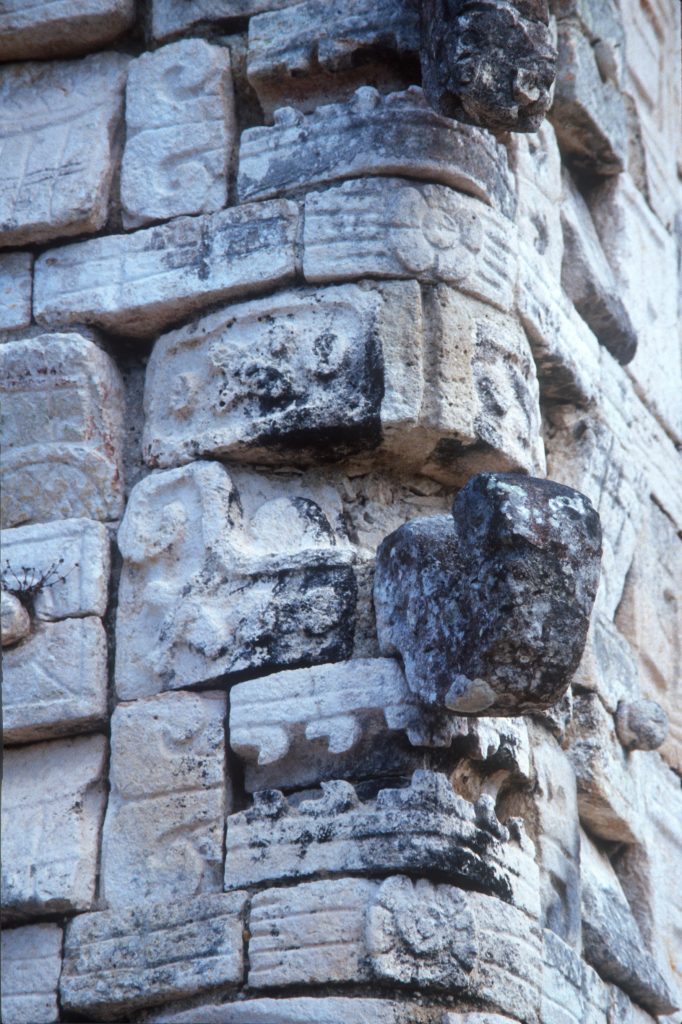
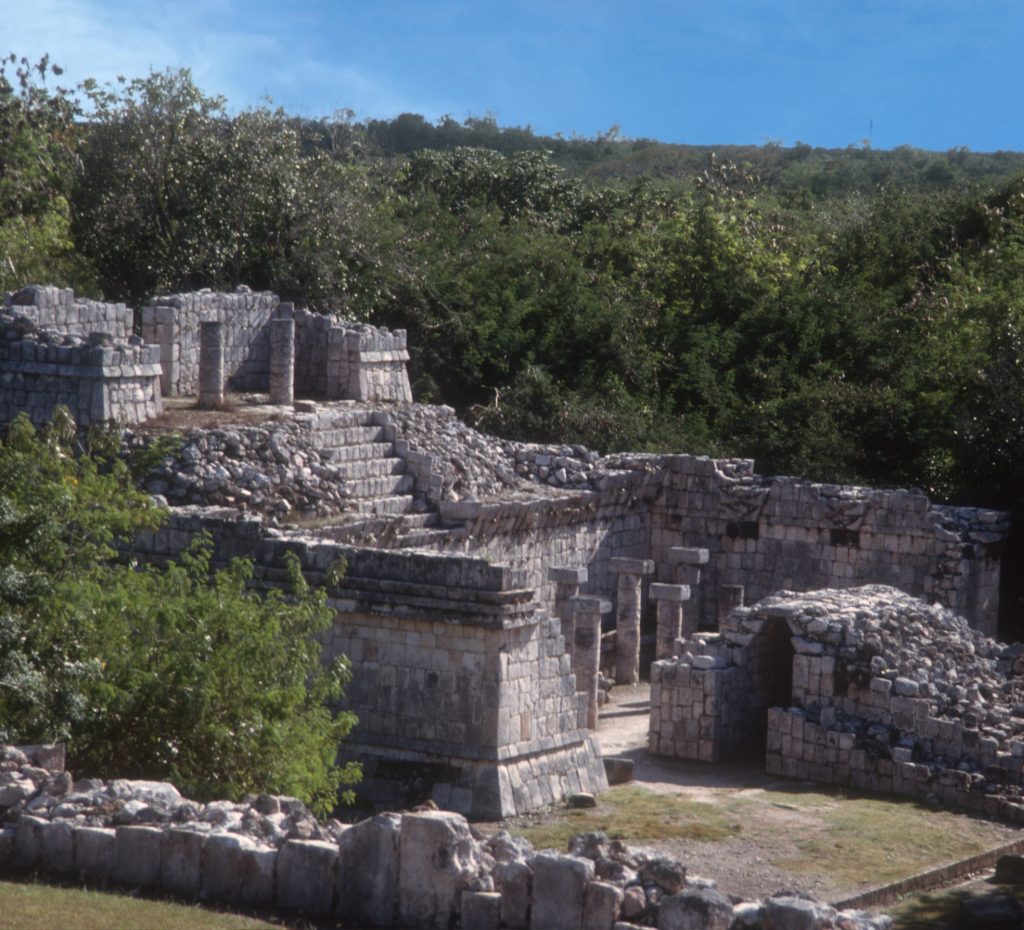
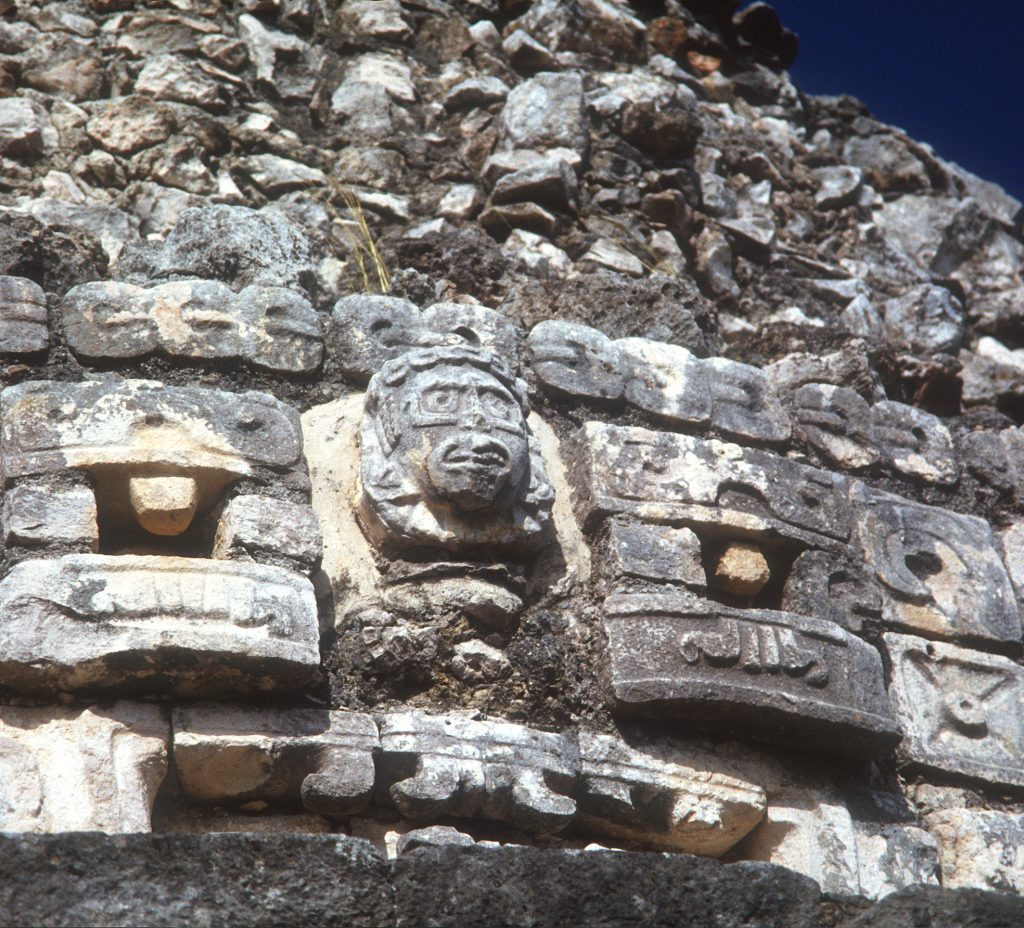
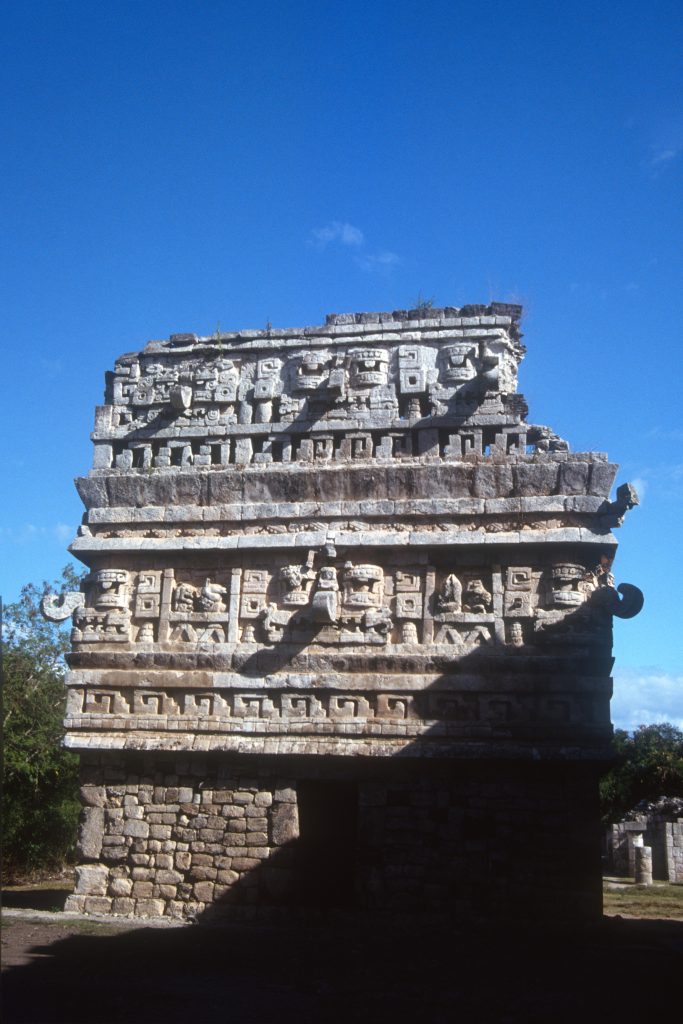
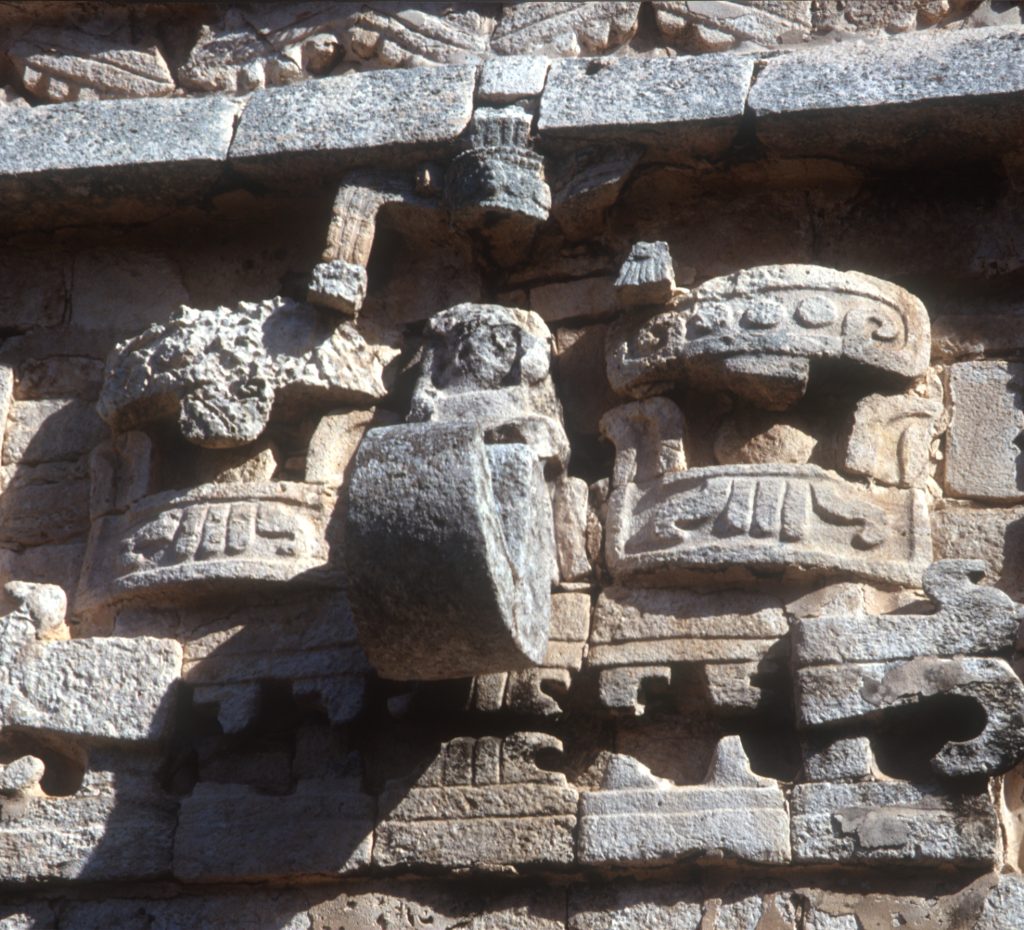
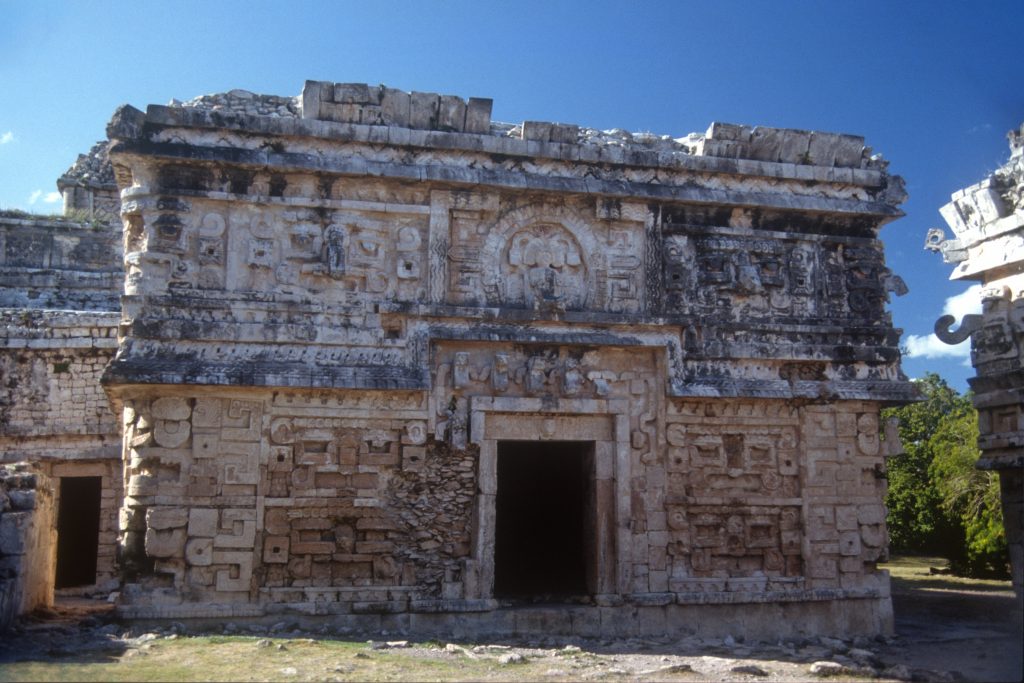
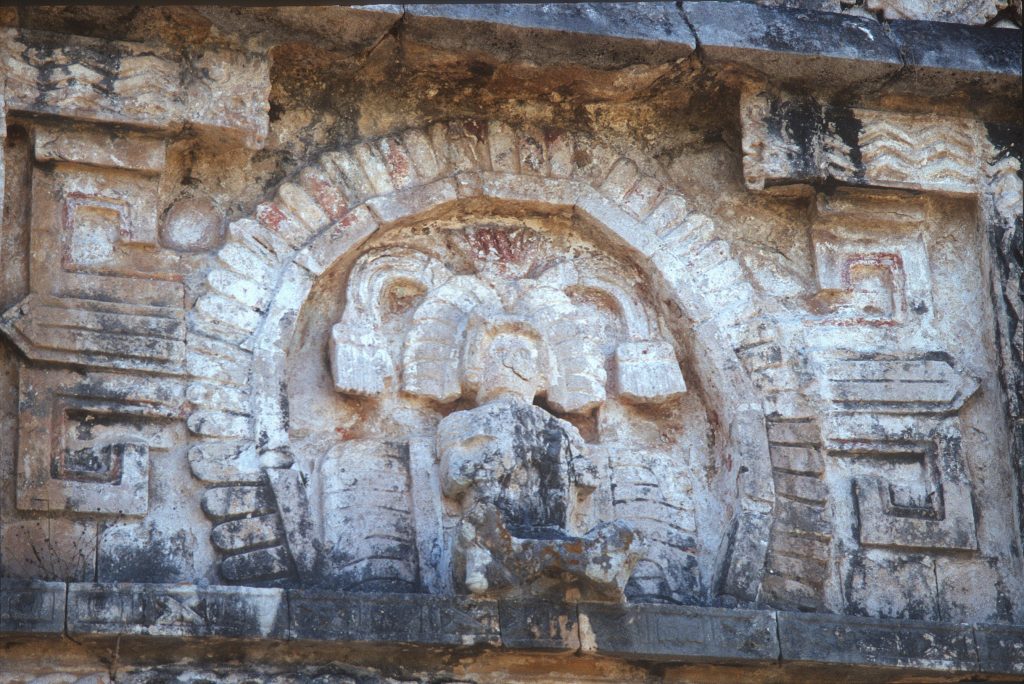
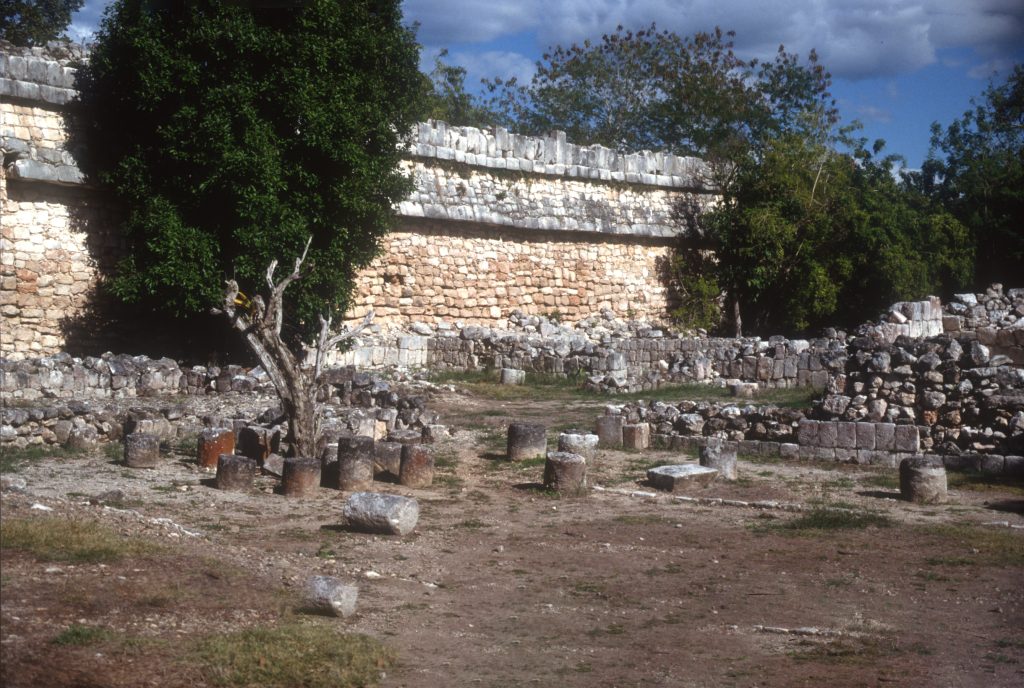
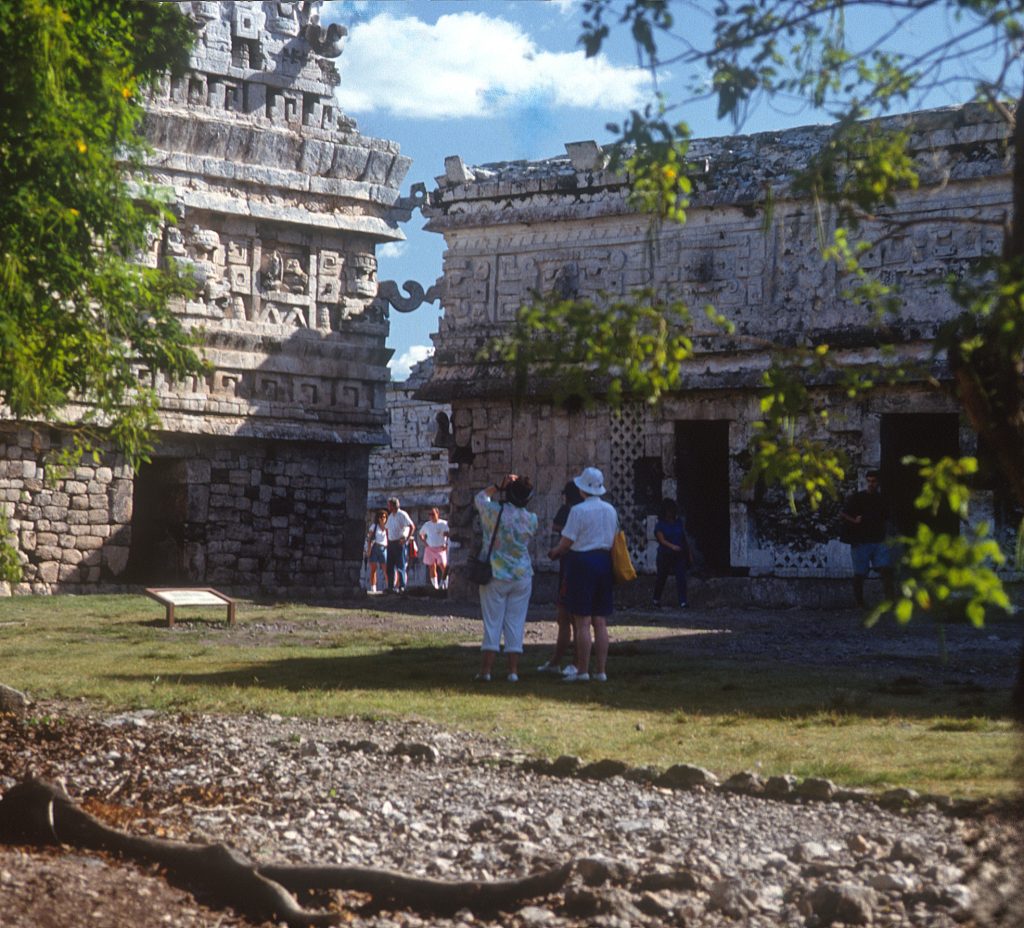
- The Nunnery Complex (Las Monjas): A palace-like structure with Puuc-style architecture, likely used for administration or housing. Puuc style features smooth, vertical walls on the lower part of buildings, elaborate friezes and stone mosaics on the upper portions, and the use of Chaac masks representing the rain god.
- The Church (La Iglesia): A smaller temple near the Nunnery, richly ornamented with Chaac masks and sacred imagery.
- The Akab Dzib (House of Dark Writing): A long building with mysterious glyphs, believed to house scribes or priests.
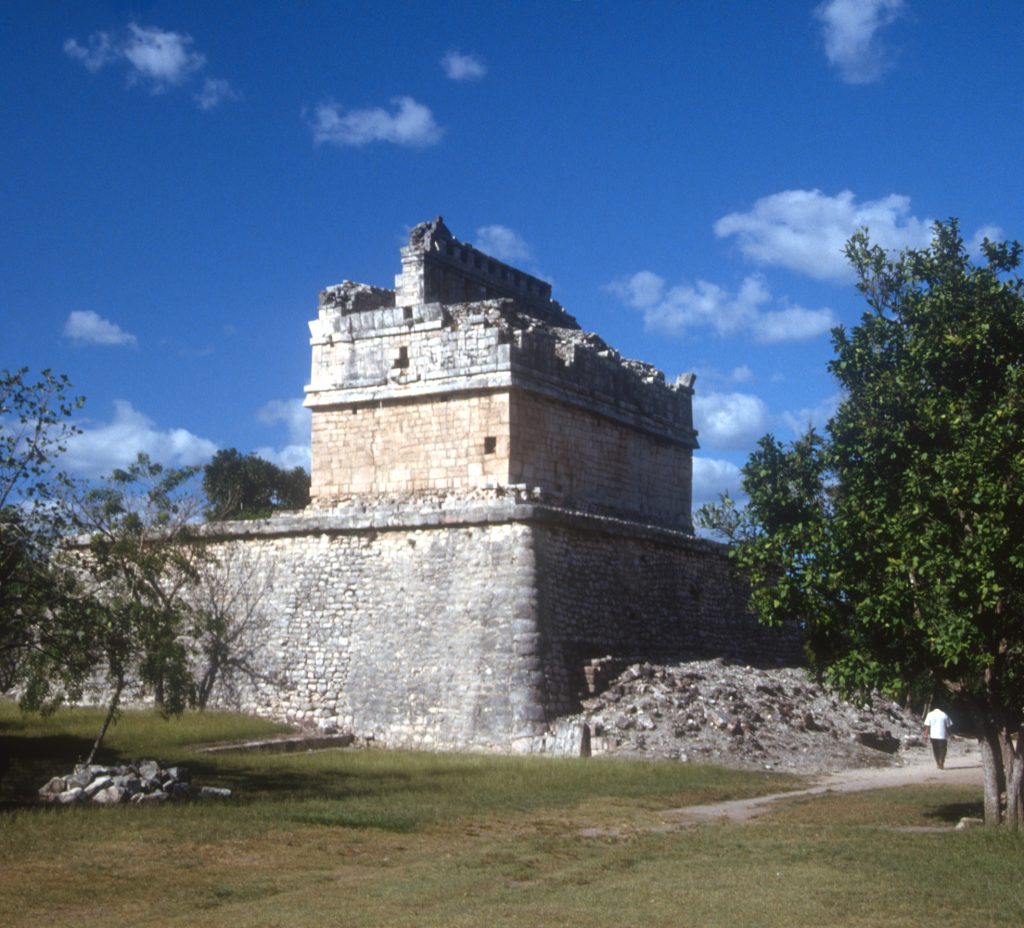
- The House of the Deer (Casa del Venado): A ruined residential building, named for deer imagery, suggesting symbolic or ecological significance.
Today, Chichén Itzá is a UNESCO World Heritage Site and one of the New Seven Wonders of the World. Visitors from around the globe are drawn to its majestic ruins, seeking connection with a civilization that, though ancient, continues to inspire awe. Preservation efforts and sustainable tourism initiatives ensure its grandeur endures for generations.
Local communities descended from the original Maya actively share their heritage through storytelling, artisan crafts, and cultural performances. Their voices turn stone to story, bringing warmth and authenticity to the experience.
Mayan Mastery Endures
Chichén Itzá is more than an archaeological site; it’s a living manuscript of a civilization that revered the stars, honored the gods, and carved in stone what we can scarcely imagine today. As you wander its sacred paths, let yourself be drawn into its mysteries. Let Kukulcán’s shadow brush your shoulder. Hear the echo of a game that decided destinies. And know that in this place, the past is never truly past, it waits for you to listen.
Where to Stay in Chichén Itzá, Mexico
The town of Piste, just two kilometers from the Chichén Itzá archaeological site, offers the most convenient base for visitors. The Hotel Chichén Itzá, with its colonial-style architecture and central location, keeps the ruins within walking distance or a short taxi ride. Several smaller guesthouses and budget hotels line the main street, offering clean, basic rooms at reasonable prices for travelers prioritizing the site over the town itself.
For those seeking more comfort and amenities, the nearby city of Valladolid, about forty kilometers away, has become increasingly popular with travelers. Valladolid’s colonial center retains authentic architecture and local character, with accommodations ranging from restored haciendas to family-run posadas. The drive to Chichén Itzá takes roughly forty-five minutes, making it feasible for a day trip while still offering a wider choice of dining and evening activities.
If you prefer a resort experience, the Cancún area lies about two hours north with large hotel chains and all-inclusive properties. This distance typically means a day visit to the ruins rather than an overnight stay nearby. Many travelers base themselves in Cancún and book organized tours that include transportation and guided access to Chichén Itzá.
The trade-off is straightforward: stay in Piste for maximum convenience to the archaeological site, Valladolid for better food and cultural atmosphere with a manageable commute, or Cancún if you want resort amenities and plan to visit other sites across the Yucatán Peninsula.
Recommended Reading
Historical Fiction:
- Time Among the Maya by Ronald Wright: Blends travelogue and history, offering a vivid portrayal of Maya civilization.
- The Well of Sacrifice by Chris Eboch: A young adult novel set in ancient Maya times, capturing the culture’s richness.
- The Obsidian Mirror by Catherine Fisher: A fantasy novel intertwining Maya mythology with modern adventure.
- House of the Jaguar by Mike Bond: A thriller that delves into the mysteries of the Maya and their enduring legacy.
Non-Fiction:
- The Ancient Maya by Robert J. Sharer and Loa P. Traxler: A comprehensive overview of Maya history and culture.
- Maya Cosmos: Three Thousand Years on the Shaman’s Path by David Freidel, Linda Schele, and Joy Parker: Explores the spiritual beliefs and practices of the Maya.
- Breaking the Maya Code by Michael D. Coe: Chronicles the decipherment of Maya hieroglyphs and the insights gained.
- A Forest of Kings: The Untold Story of the Ancient Maya by Linda Schele and David Freidel: Narrates the history of the Maya through their own inscriptions.
- Insight Guides: Mexico – A lavishly illustrated inspirational travel guide to Mexico and a beautiful souvenir of your trip. Perfect for travelers looking for a deeper dive into the destination’s history and culture, it’s ideal to inspire and help you plan your travels.
Tours to Consider