by A.M. Stuart
If you’re new to my work, let me introduce myself briefly. I write the Harriet Gordon Mystery series under the pen name A.M. Stuart. This series of five books is set in Singapore in 1910, and I’d be delighted to invite you on a walk to rediscover the Singapore my protagonist, Harriet Gordon, would have known.

It was in the microfiche room of the Singapore National Library that I first encountered Harriet Gordon. I spotted an advertisement in a 1905 Straits Times for a shorthand typist with “absolute confidentiality assured. From that brief encounter, Harriet came to me as a fully formed character. One of the pleasures of writing the Harriet Gordon Mysteries has been ‘world-building’ the Singapore Harriet would have known, and the island is as much a character in its own right as any of the human protagonists. In 1910, when the series opens, Singapore clung to the banks of its river, with vast tracts of the island still jungle. The last tiger in Singapore was shot in the billiard room of Raffles in 1902. (*The tiger had reputedly escaped from a circus, but why let fact get in the way of a good story!*)
INTRODUCTION
Firstly, welcome to Singapore, a tiny dot on the world map between the Malaysian peninsula and Indonesia. An island the size of New York City, home to over six million people—Chinese, Malay, Indian, and diverse other ethnicities.
As you step out of Changi, one of the world’s most amazing airports, the first thing that will hit you is the heat. It’s like walking into hot, warm cotton wool. Get used to it, Singapore has three seasons: hot, hotter, and hottest. And for those skeptical of climate change, Singapore’s warming trend is roughly double the global average. On our last visit in 2024, the hottest on record, even the locals complained about the heat. Now imagine living in that heat as a Westerner in 1910—corsets, wool stockings, red flannel against your chest to prevent infections, and no air conditioning!
Singapore today is an ultra-modern, fast-paced city-state. I came to live in Singapore in 2000 as the trailing spouse of my husband, who worked for a large multinational company. We brought two sulky teenagers, and I’ll admit the Expat life, for all its glamour, had its rough moments. We spent three years in Singapore and return whenever we can. Every time, there’s something new to explore. It stands in motion.
The history of Singapore extends far before Sir Stamford Raffles arrived in 1819 and recognized its potential as a strategic trading entrepôt for the British Empire. It had been part of the Sultanate of Malacca and served as a trading port between China and the wider world for centuries. Bugis pirates based on its shores roamed the Straits of Malacca, one possible origin of the “bogey man.
As you sit in your taxi driving down the East Coast Parkway, you may wonder where amid the high-rise apartments and towering office blocks you’ll find anything of historical interest.
THE COLONIAL DISTRICT
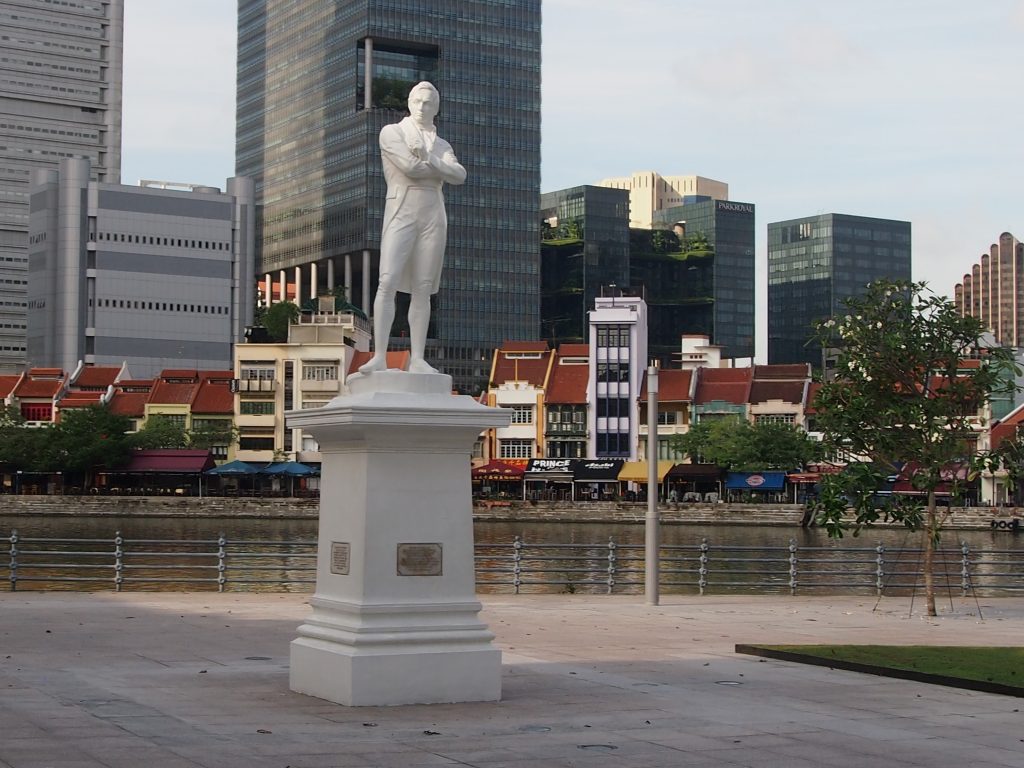
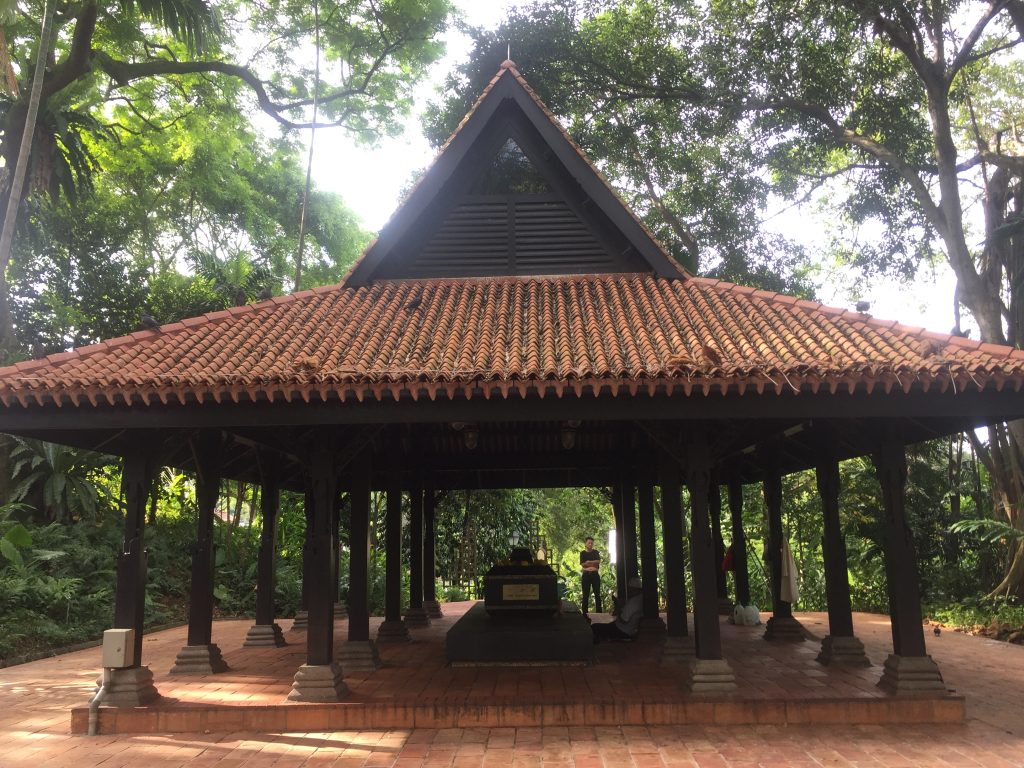
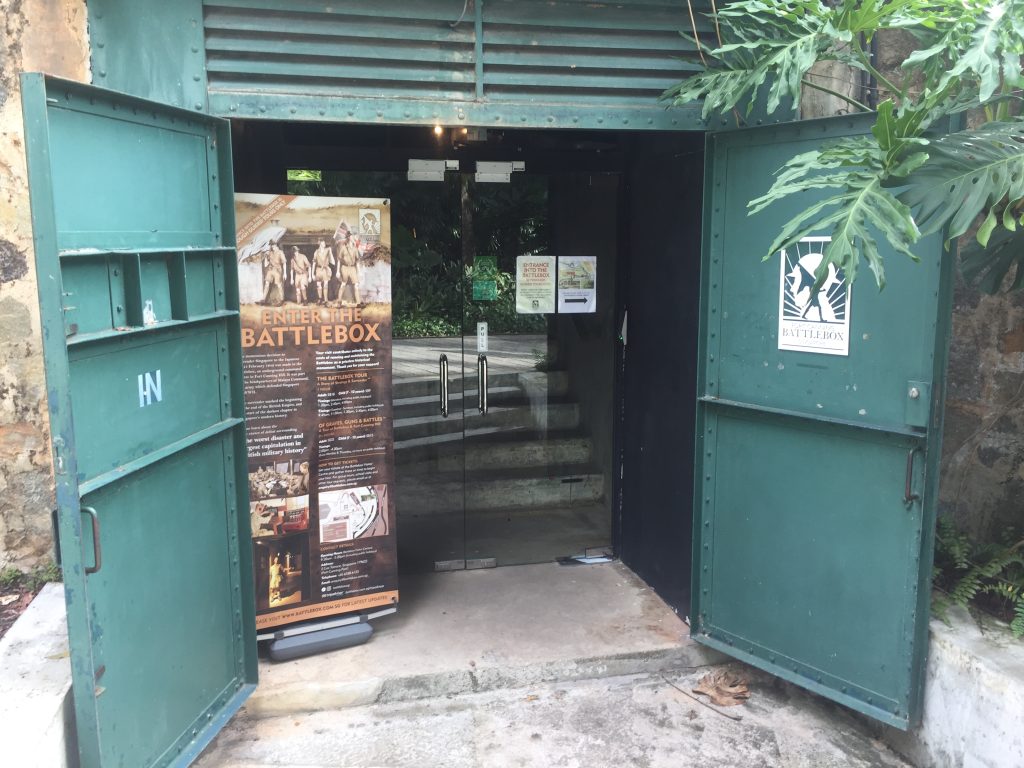
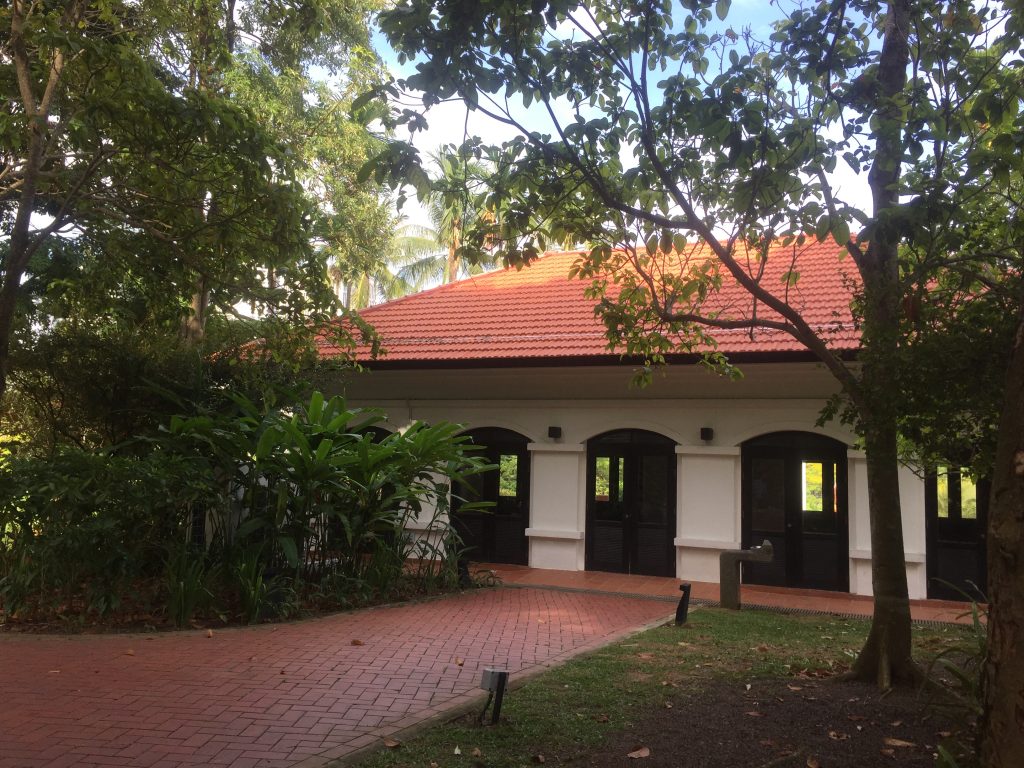
The original colonial settlement grew up from the banks of the Singapore River, and we’ll start our tour at Fort Canning Hill, which rises from the modern metropolis. In a way, it encompasses the island’s history, beginning with the Keramat Sultan Iskander Shah… the reputedly sacred burial site of Singapore’s last ‘King’. You will also find the Raffles House. Raffles, in true British fashion, heeded local warnings that the hill was sacred—so naturally, he climbed it anyway. He built his house on it and established a military fort there. The military retained a presence on Fort Canning until recent years, and World War 2 enthusiasts must visit The Battle Box… the underground command bunker used during Singapore’s fall in 1942. It offers a fascinating glimpse into the dilemma General Percival faced as the Japanese advanced down the Malay Peninsula. Singapore and its population suffered terribly during the war, which is the subject of a whole article on its own!
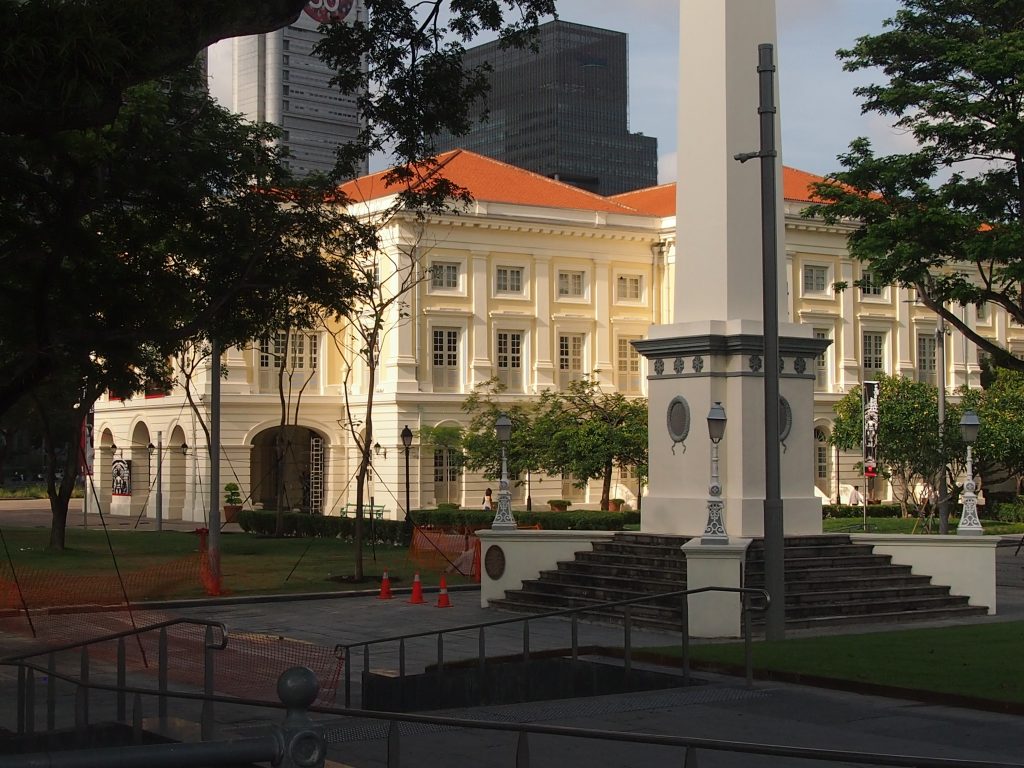
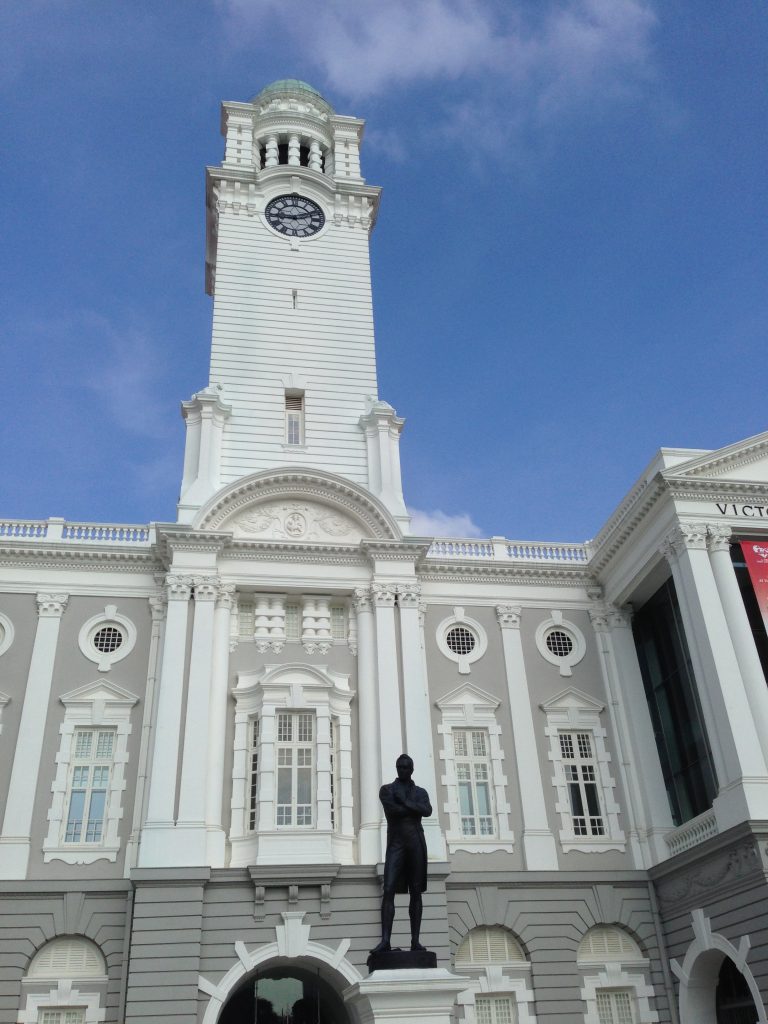
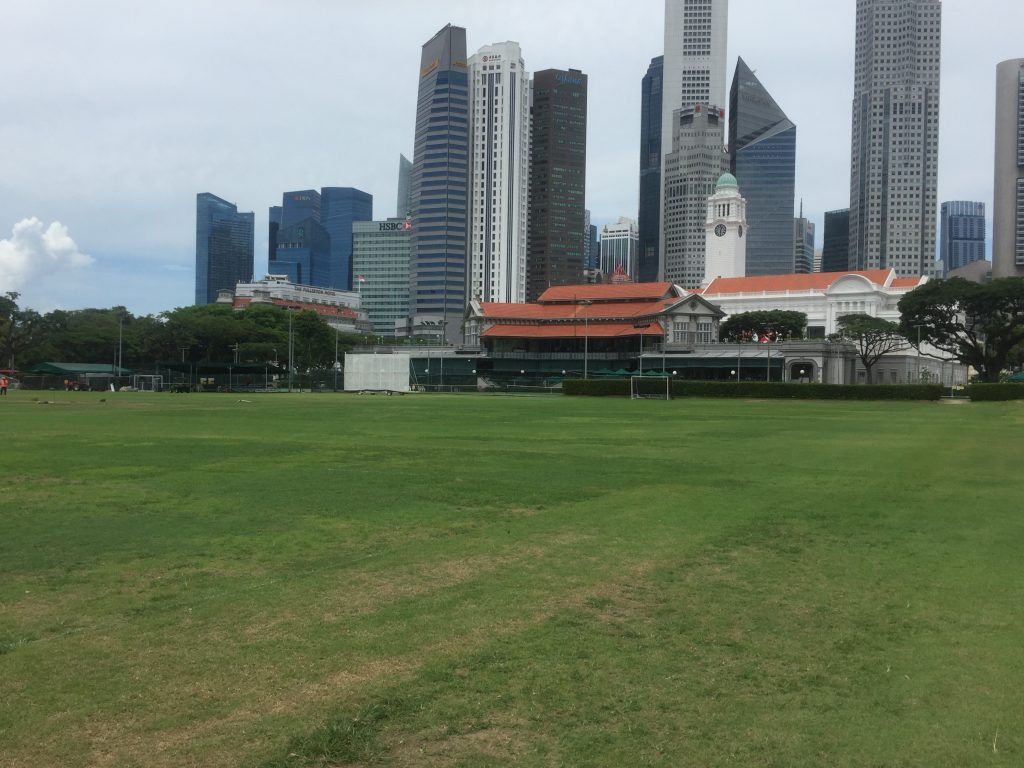
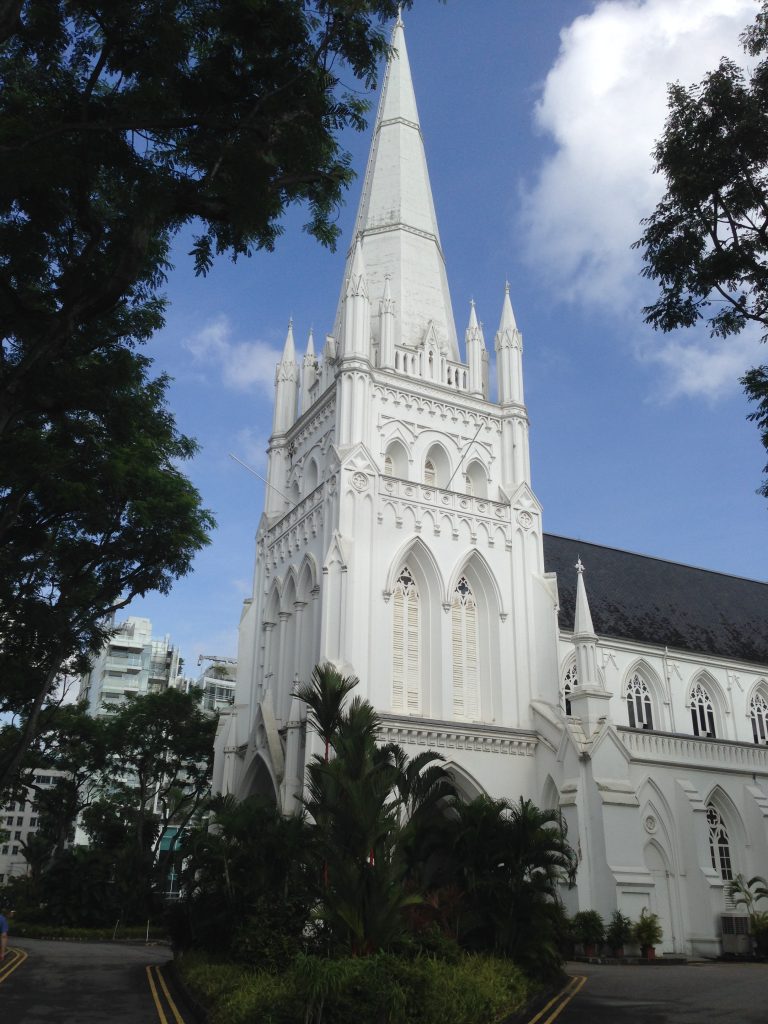
The colonial center of old Singapore lies within easy walking distance of Fort Canning Hill. Follow the spire of St. Andrews (Anglican) Cathedral, where one of the few bells cast by Paul Revere once hung. St Andrews sits on the edge of the Padang, a large open field that once served as a military parade ground and now hosts the Singapore Cricket Club and various other sporting events. You will find Padang restaurants in all the major colonial settlements in the area. A cluster of gorgeous colonial buildings still surrounds the Padang, including the Victoria Concert Hall, the old Parliament House, and the magnificent sweep of the law courts, which now houses the National Gallery of Singapore.
CHIJMES and RAFFLES HOTEL
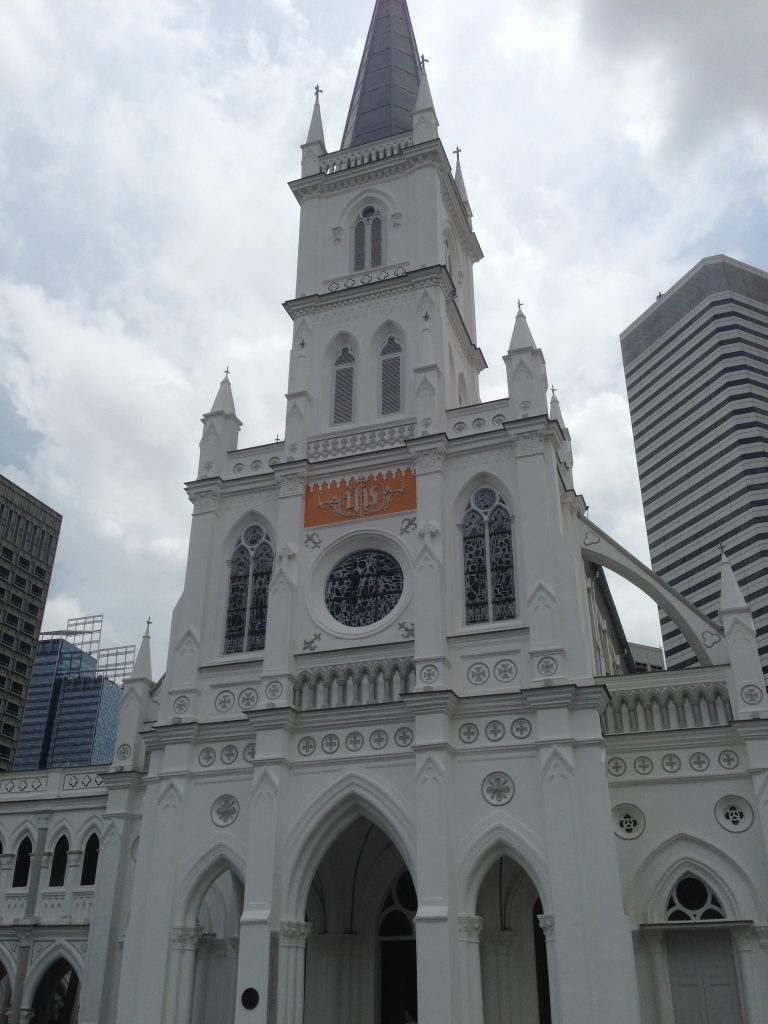
Walk north along North Bridge Road to reach the former Convent of the Holy Infant Jesus and Mary (CHIJMES), now a classy shopping and dining precinct. The beautiful wedding cake confection of a chapel was built in Harriet’s time, and if you’ve watched the movie Crazy Rich Asians, you’ll recognize it from the wedding scene. My choir used to put on a Christmas concert where the amazing acoustics were matched only by the aroma of mulled wine and mince pies.
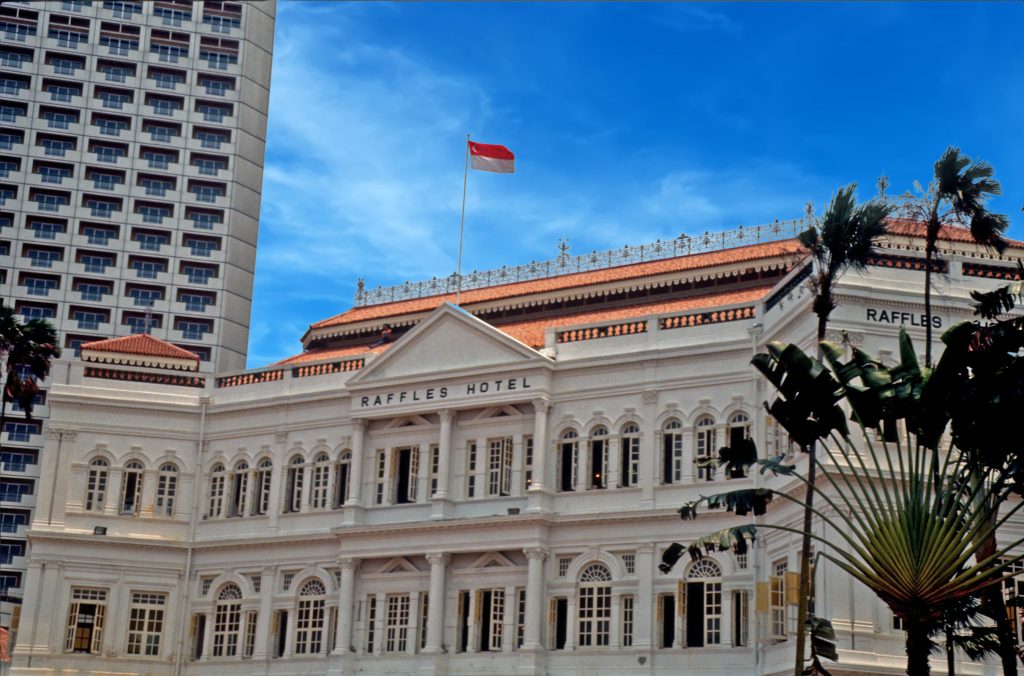
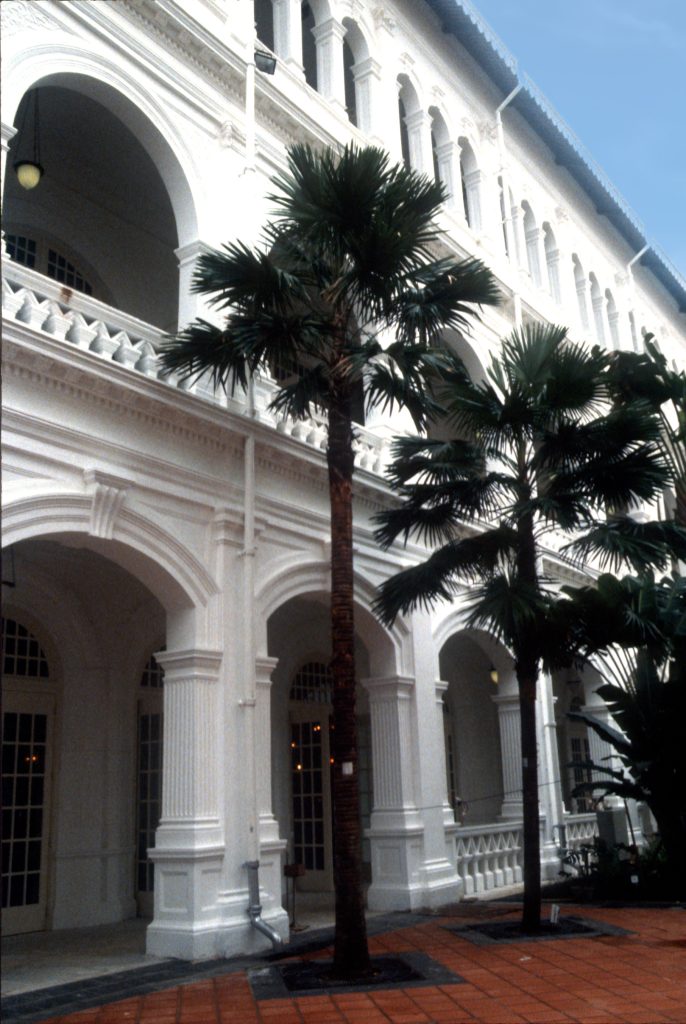
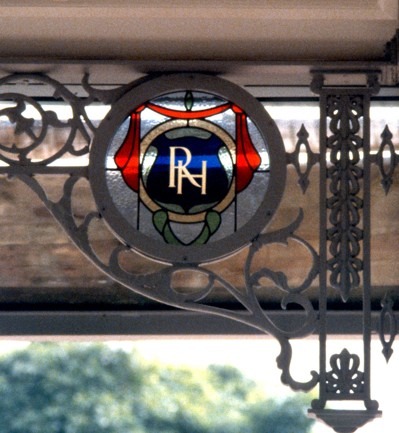
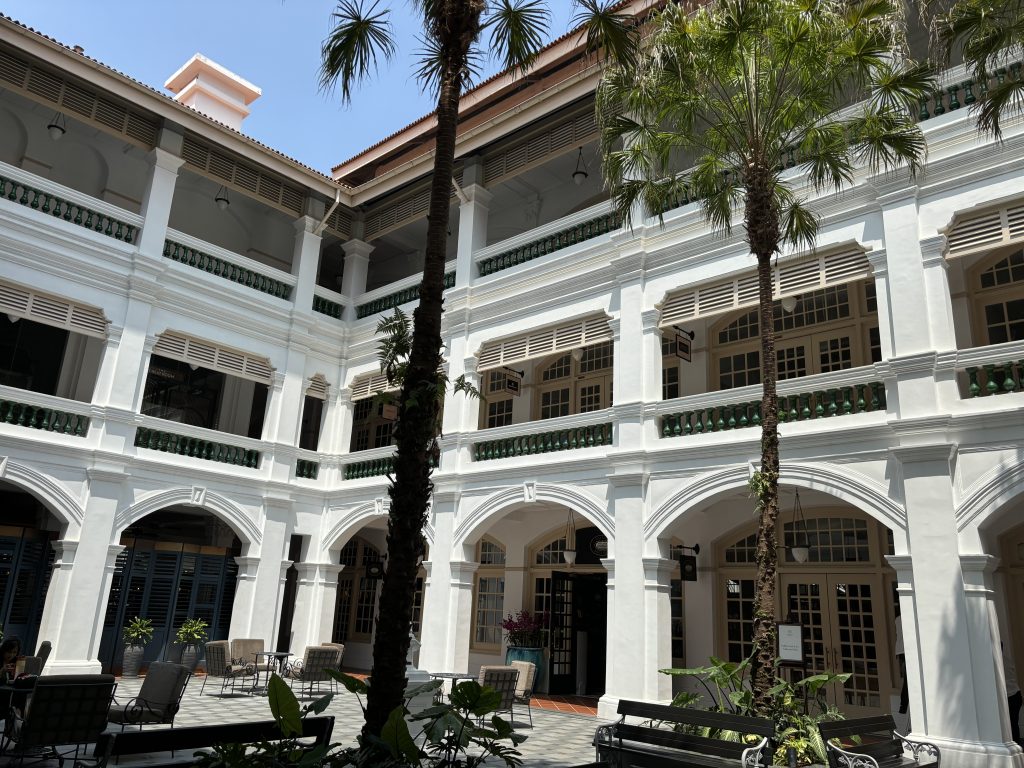
On the opposite corner from CHIJMES stands the famous Raffles Hotel. These days you’d need to mortgage your house and sell a kidney to stay there, but it remains a mecca for travelers. You haven’t truly experienced Singapore unless you’ve visited Raffles. Originally a private beach house—Singapore’s land reclamation has since moved the shoreline back—it became a hotel in the 1880s and the center of colonial life in Singapore. It hosted literary greats like Somerset Maugham, Rudyard Kipling, and Joseph Conrad, along with screen stars including Elizabeth Taylor, John Wayne, and Michael Jackson. It has hosted royalty. In recent years, it has undergone major restoration and become a restful oasis of polished timber and white paintwork.
Speaking as a local, it’s a tourist trap—be prepared to pay dearly for a beer, let alone a Singapore Sling, and that’s if you can get into the Long Bar, where the queue was out on the street the last time we visited. But it is Raffles, and it is worth walking around it to appreciate the leisured elegance of its colonial heyday. The front entrance is on Beach Road.
LITTLE INDIA, KAMPONG GLAM and CHINATOWN
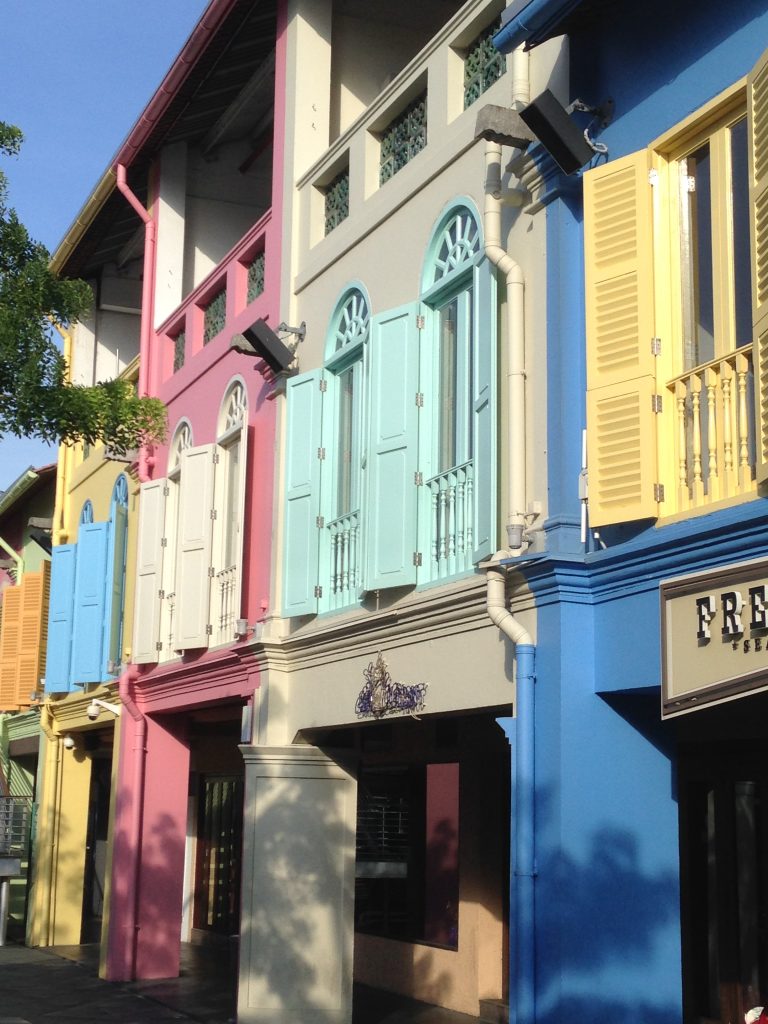
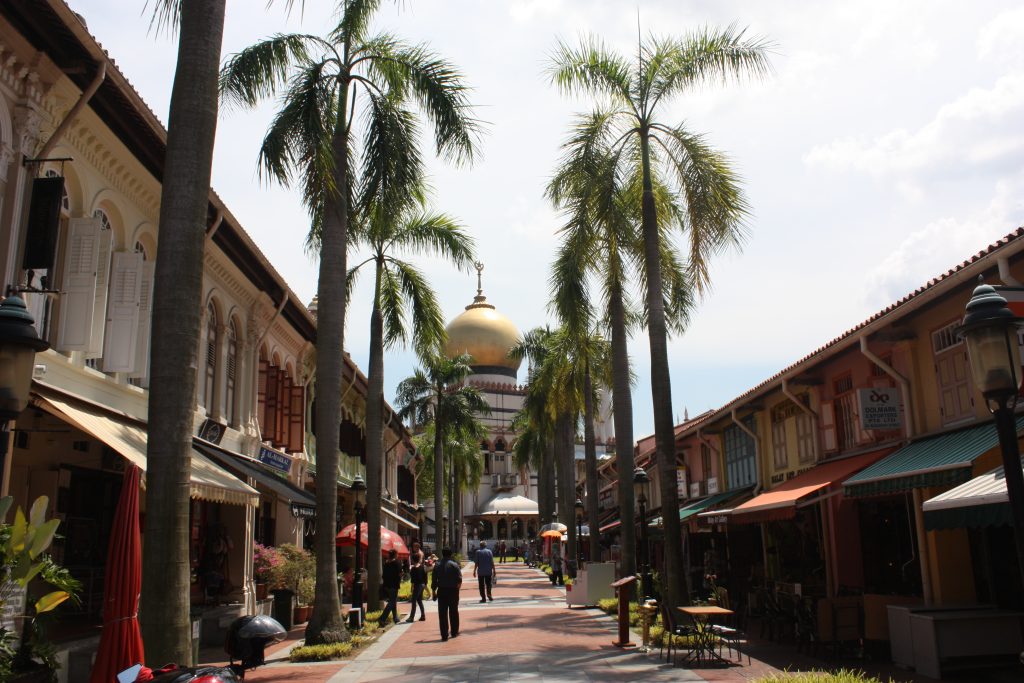
One of Raffles’s key town planning decisions was dividing the township into ethnic neighborhoods, a legacy evident in a visit to Little India, which no Singapore trip is complete without. Be prepared for sensory overload as the smell of spices and curry mingle with the scent of chrysanthemums. I recommend a visit to the Mustafa Center, an Indian department store where you can find everything from stunning saris to rice. Close to Little India is Kampong Glam, the Malay neighborhood of Singapore (Kampong is the Malay word for village). Only a few original shop houses remain, now gorgeously preserved and colorfully painted. When I first visited Singapore in the late 90s, street after street in this area was being demolished.
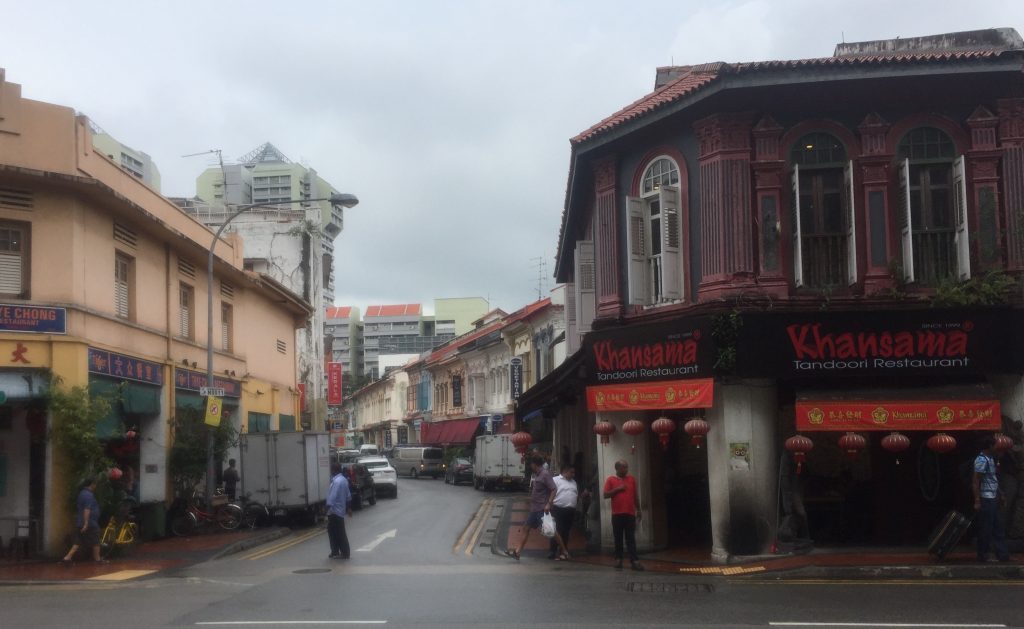
Turn back down South Bridge Road, cross the river, and you’ll arrive at Chinatown. The old police headquarters and police court, buildings my character Curran would have known, once stood on South Bridge Road before both magnificent colonial structures were demolished in the 1970s and 80s. Fortunately, the wholesale destruction was halted, and old Singapore can still be glimpsed in scattered places. Pagoda Street, home to the Sri Mariamman Temple on its corner, forms the heart of Chinatown, and I recommend visiting the Chinatown Heritage Center to glimpse the old way of life.
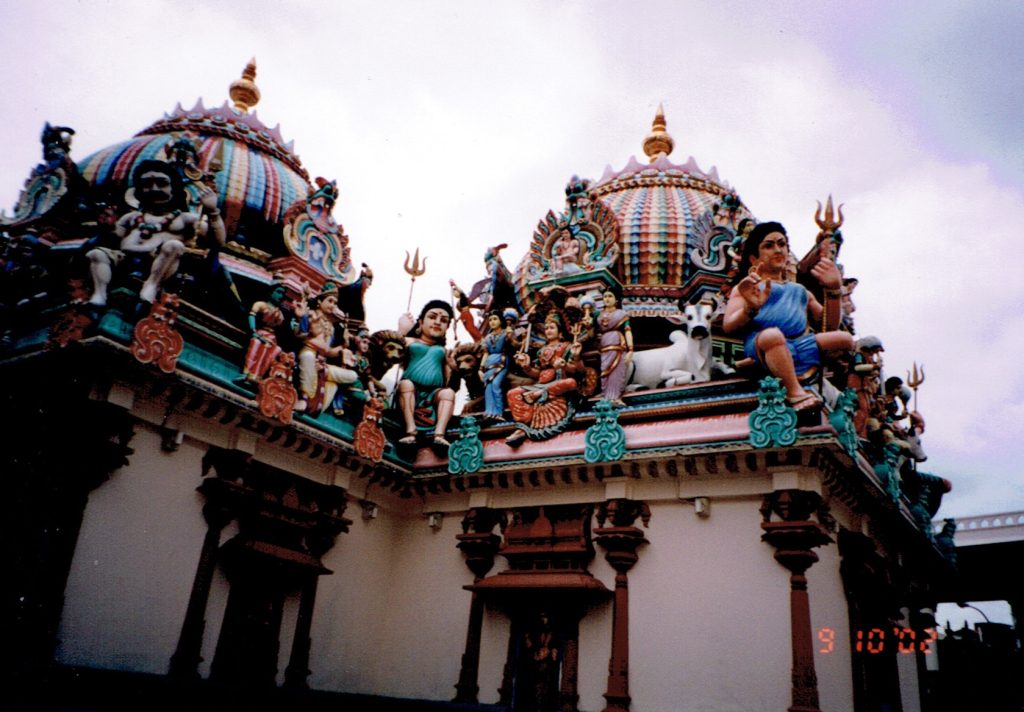
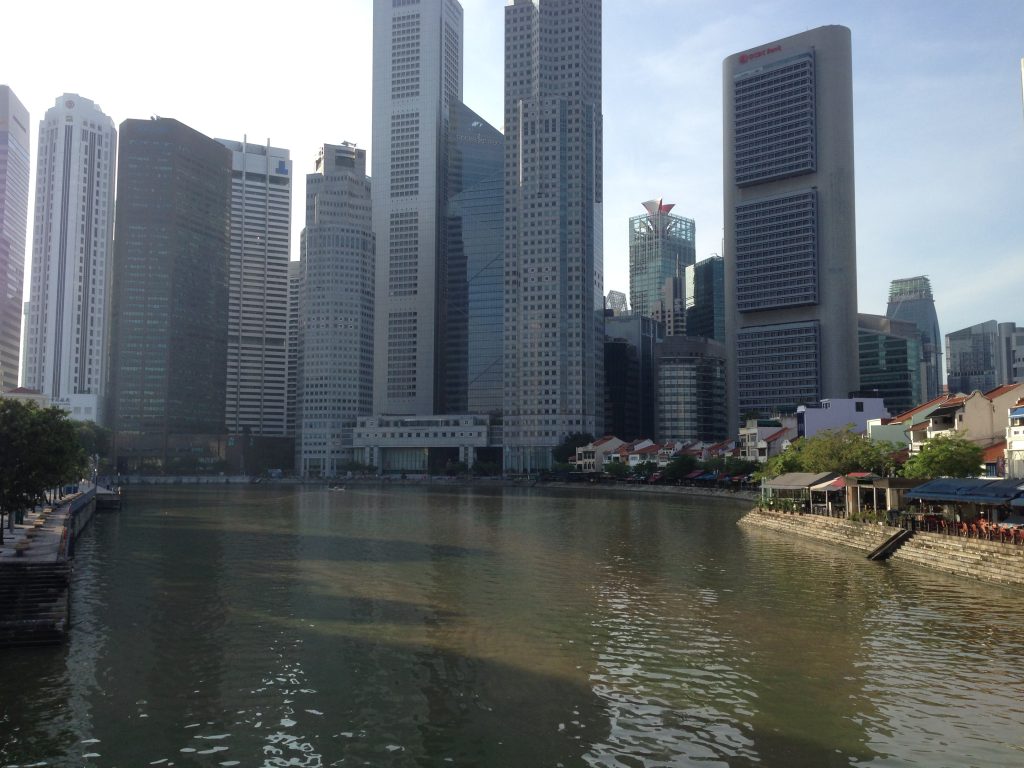
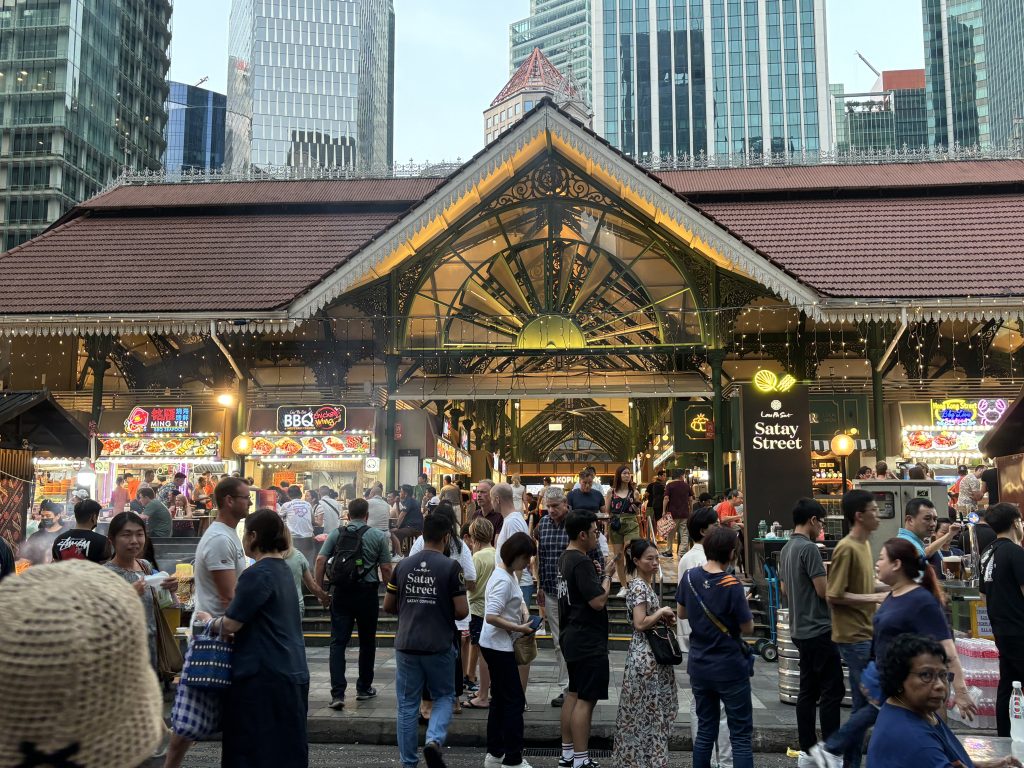
While modern Singapore centers on Orchard Road, colonial commerce clustered around Raffles Place, home to major department stores like John Little and Robinsons, banks, and post offices (The Fullarton Hotel once housed the GPO). Ships would moor offshore in Singapore Harbor, and busy little ‘bum boats’ would ferry cargo from ship to the Godowns along the Singapore River (now home to trendy cafes and bars on Boat Quay and Clarke Quay), while Lau Pau Sat—a historic Singapore Hawker market—remains the place for an authentic feed. If you visit Singapore for the food alone, you won’t be disappointed.
Where did the colonials live in Harriet’s time? Of course, they built their now-famous ‘black and white’ houses on higher ground behind Orchard Road, away from downtown Singapore’s swamps and smells. If you have the chance to visit one of these wonderful old homes, don’t miss it!
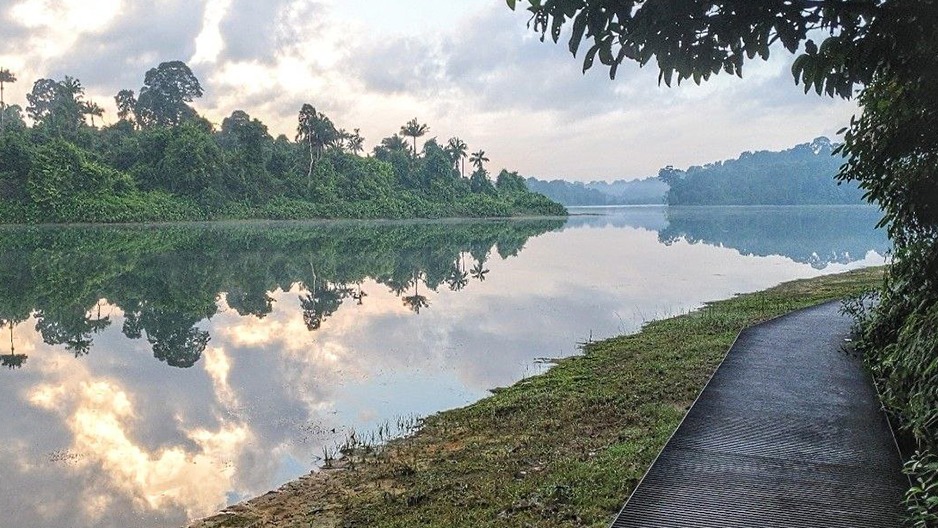
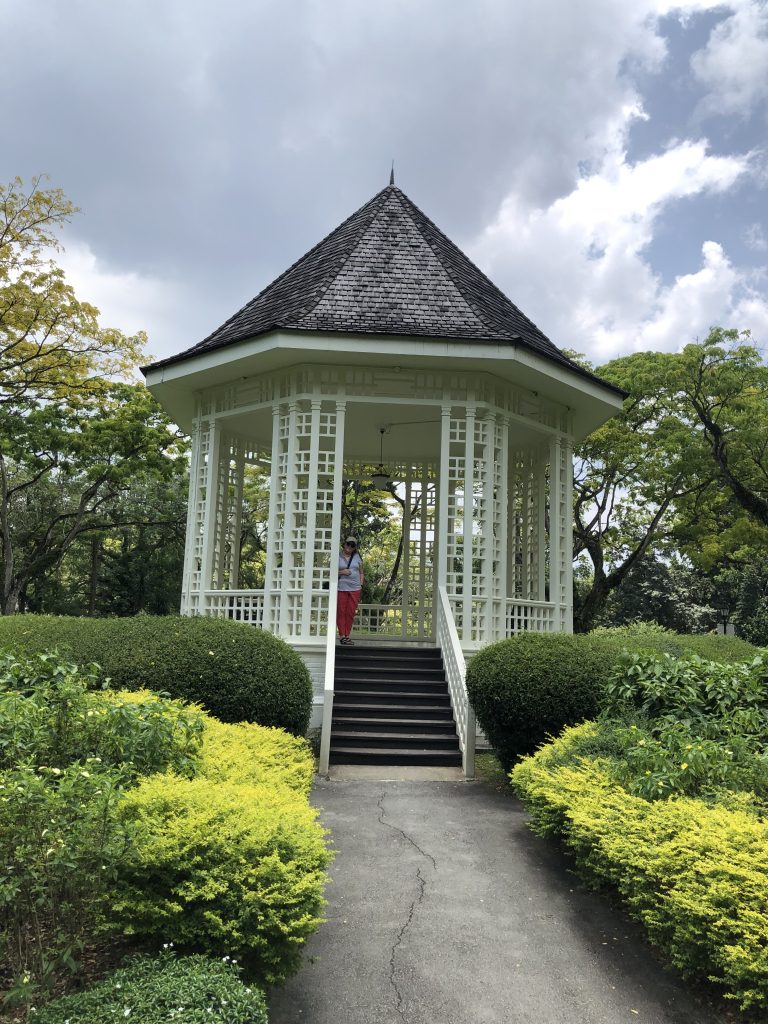
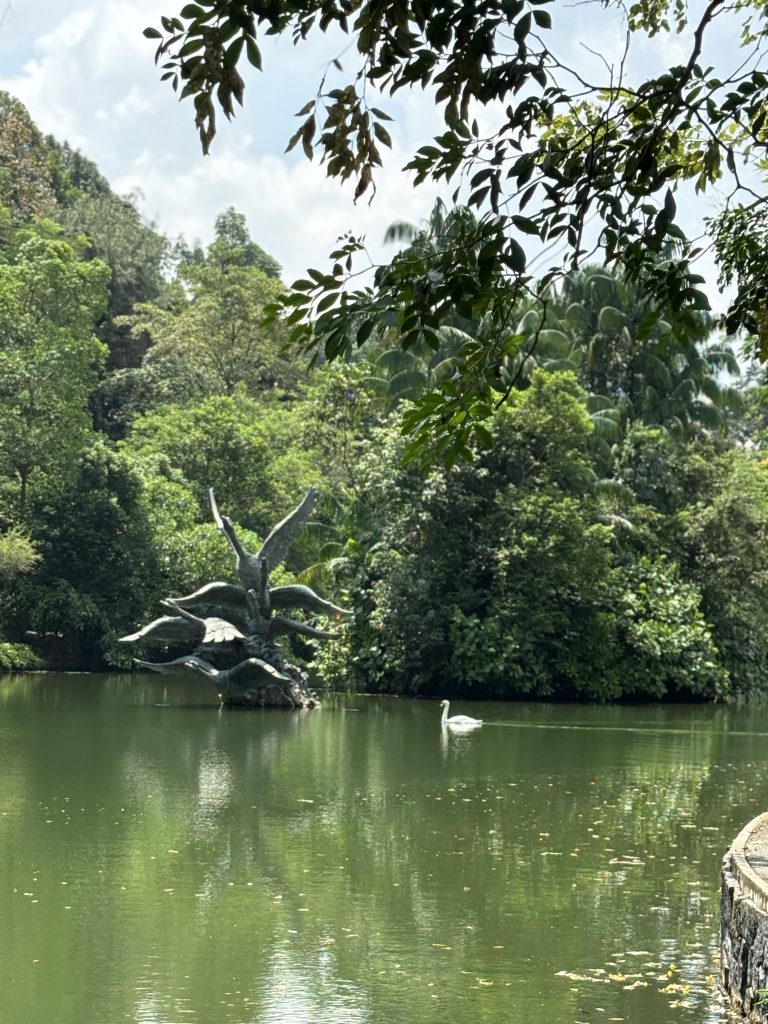
Away from downtown Singapore’s bustle, you can still find corners of old Singapore. Do visit the old Botanic Gardens, which feature in two of my books. There are paths to explore in the jungle around McRitchie Reservoir that let you experience the original flora and fauna and get a real taste of kampong and village life, or catch a bum boat from Changi Village across to Pulau Ubin and hire a bicycle.
For a small island, there’s still plenty to see if you’re a history buff. Don’t miss the National Museum and Asian Civilizations Museum, both accessible from the colonial district.
And if our little guided tour has whetted your appetite to discover more about the Harriet Gordon mysteries, you will find them at www.amstuartbooks.com. All the places I mention appear in my books, and I recommend searching my Pinterest Boards for the visual clues that inspire my writing. Thank heavens photography had been invented by 1910!
Thank you for walking with me and allowing me to share my love for this tiny, but important, part of the world. I hope you get the chance to visit it one day.
Where to Stay in Singapore, Singapore
Marina Bay offers the most predictable luxury experience, with Marina Bay Sands and Mandarin Oriental positioned within walking distance of Gardens by the Bay, the ArtScience Museum, and the waterfront promenade. These properties cater to travelers who want world-class amenities and are willing to pay for convenience; expect to spend upward of $300 per night. If you prefer lower costs without sacrificing location, nearby mid-range hotels like Peninsula Plaza offer solid service at half the price, though you’ll share the crowds with tour groups.
Orchard Road, Singapore’s premier shopping and dining corridor, features everything from five-star chains like Hilton and Marriott to budget guesthouses tucked into side streets. This area suits travelers who want to shop, eat, and explore on foot, with the Mass Rapid Transit station minutes from most neighborhoods. Expect moderate traffic and nightlife noise, but excellent dining within a few blocks.
The Kampong Glam and Chinatown districts feature heritage hotels and boutique guesthouses that reflect Singapore’s multicultural history, offering character beyond Marina Bay’s corporate polish. These neighborhoods are genuinely walkable, with hawker centers, temples, antique shops, and local cafes within steps of your door. Budget hotels here run $50 to $120 per night, and you’ll share space with locals rather than tour groups.
East Coast, near the airport, makes sense only if you have an early departure or limited time; the beach itself is modest and man-made. For most travelers, the central and heritage neighborhoods offer far more character with less commute time.
Recommended Reading
A.M. Stuart’s Books
The Harriet Gordon Mysteries:
- Singapore Sapphire
- Revenge in Rubies
- Evil in Emerald
- Terror in Topaz
- Agony in Amethyst
- The Umbrella (a Harriet Gordon prequel)
Other books by Alison Stuart are available at www.alisonstuart.com
Further reading:
Fiction.
- Tanamera by Noel Barber
- The Singapore Grip by J.G. Farrell (also now a TV series)
- A Market for Murder: A Das Sisters Mystery by Anjana Rai Chaudhuri’s
- Ovidia Yu’s Su Lin mysteries
Non-Fiction
- Crossroads: A Popular History of Malaysia and Singapore by Jim Baker
- Lion City: Singapore and the Invention of Modern Asia by Jeevan Vasagar
- Seven Hundred Years: A History of Singaporeby Kwa Chong Guan, Derek Heng, et al
ABOUT A.M. STUART

Australian author A.M Stuart, creator of the popular Harriet Gordon Mystery series, lives in Melbourne but has travelled extensively throughout Africa and Singapore, experiences she weaves into her writing. Before becoming a full-time writer, she worked as a lawyer in the military and emergency services. As Alison Stuart, she has published multiple historical romances and short stories set in England and Australia spanning different historical periods, in addition to the Harriet Gordon series.